Search Result
Results for "
left ventricular
" in MedChemExpress (MCE) Product Catalog:
3
Isotope-Labeled Compounds
| Cat. No. |
Product Name |
Target |
Research Areas |
Chemical Structure |
-
- HY-112654
-
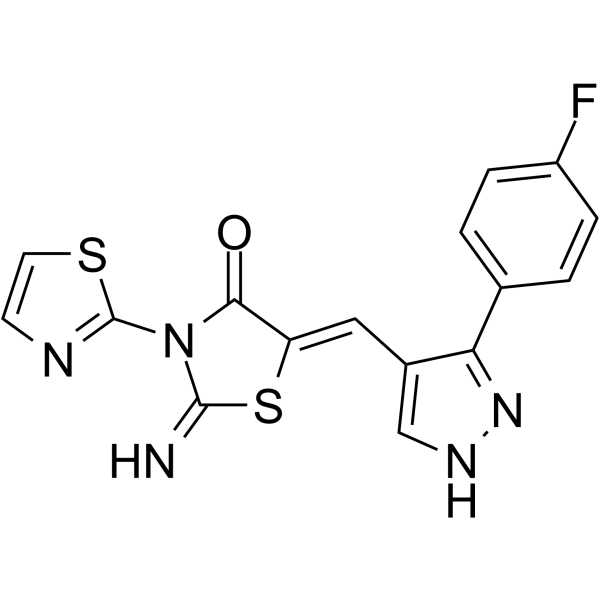
GCN2iB
Maximum Cited Publications
60 Publications Verification
|
Eukaryotic Initiation Factor (eIF)
Glutathione Peroxidase
|
Cardiovascular Disease
Metabolic Disease
Cancer
|
|
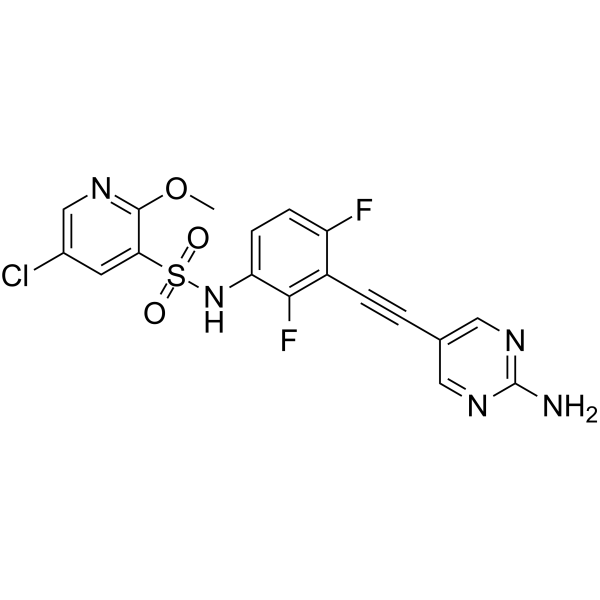
GCN2iB is an ATP-competitive, selective GCN2 inhibitor with an IC50 of 2.4 nM. GCN2iB inhibits the activation of the GCN2 pathway and upregulates GPX4. GCN2iB enhances the anticancer effect of ASNase against acute lymphoblastic leukemia. GCN2iB increases left ventricular ejection fraction, while reducing fasting blood glucose and myocardial fibrosis. GCN2iB can be used in research related to acute lymphoblastic leukemia, acute myeloid leukemia and diabetic cardiomyopathy .
|
-
-
- HY-B0259
-
|
|
Potassium Channel
|
Cardiovascular Disease
|
|
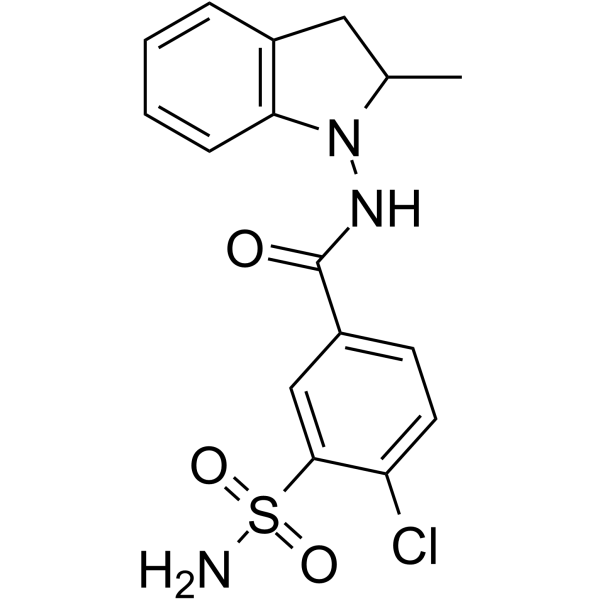
Indapamide is an orally active sulphonamide diuretic agent, that can reduce blood pressure by decreasing vascular reactivity and peripheral vascular resistance. Indapamide is also can reduce left ventricular hypertrophy .
|
-
-
- HY-101415
-
|
Ubiquinone Q9; CoQ9; Ubiquinone 9
|
Apoptosis
Endogenous Metabolite
|
Cardiovascular Disease
|
|
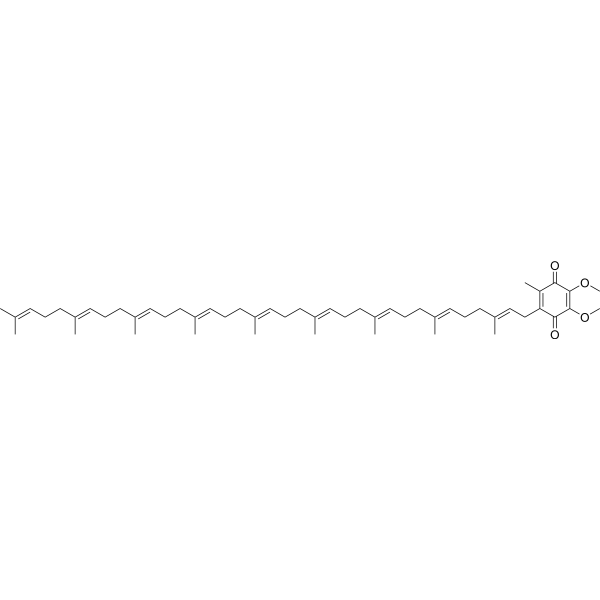
Coenzyme Q9 (Ubiquinone Q9), the major form of ubiquinone in rodents, is an amphipathic molecular component of the electron transport chain that functions as an endogenous antioxidant. Coenzyme Q9 attenuates the diabetes-induced decreases in antioxidant defense mechanisms. Coenzyme Q9 improves left ventricular performance and reduces myocardial infarct size and cardiomyocyte apoptosis .
|
-
-
- HY-119850
-
|
ARM036; S44121
|
Calcium Channel
|
Cardiovascular Disease
|
|
Aladorian (ARM036; S44121) is a non-peptidic ryanodine receptor 2 (RyR2) stabilizer. Aladorian stabilizes RyR2 channels and rectifies abnormal Ca²⁺ handling in cardiomyocytes. Aladorian improves cardiomyocyte Ca²⁺ homeostasis independent of dystrophin restoration. Aladorian attenuates early cardiomyopathy and enhances left ventricular function in a canine muscular dystrophy model. Aladorian can be used for the research of heart failure, Duchenne muscular dystrophy-associated cardiomyopathy and muscular dystrophy .
|
-
-
- HY-159821
-
|
CK-4021586; CK-586
|
Myosin
|
Cardiovascular Disease
|
|
Ulacamten (CK-4021586; CK-586) is an orally active cardiac myosin inhibitor and an inhibitor of the double-headed cardiac heavy meromyosin (HMM)ATPase (excluding single-headed myosin subfragment-1), with an EC50 of 2.9 μM. Ulacamten regulates cardiac myosin, reduces excessive myocardial contractility, and alleviates left ventricular outflow tract obstruction. Ulacamten increases the left ventricular short-axis systolic internal diameter, inhibits dobutamine-induced exacerbation of obstruction, and exerts only a mild reducing effect on left ventricular systolic function. Ulacamten also inhibits the fractional shortening of the short axis without altering calcium transients. Ulacamten shows good safety and tolerability in purpose-bred cats with naturally occurring obstructive hypertrophic cardiomyopathy .
|
-
-
- HY-106369
-
|
|
Potassium Channel
|
Cardiovascular Disease
|
|
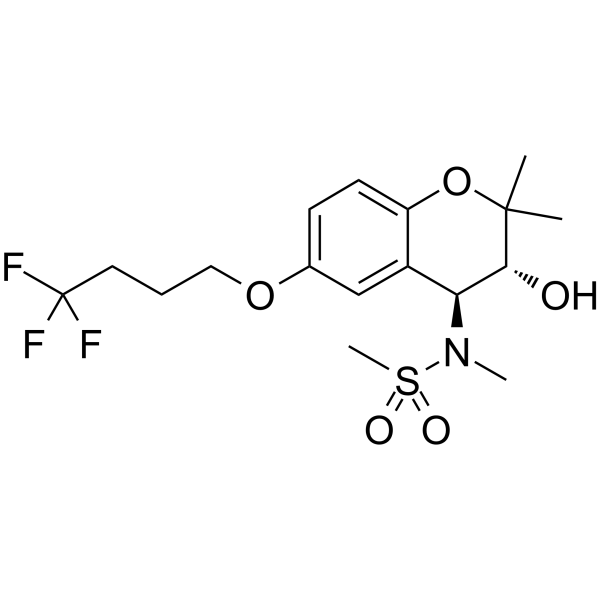
HMR 1556, a chromanol derivative, is a potent IKs blocker with IC50s of 10.5 nM and 34 nM in canine and guinea pig left ventricular myocytes, respectively .
|
-
-
- HY-174374
-
|
|
Topoisomerase
|
Cardiovascular Disease
|
|
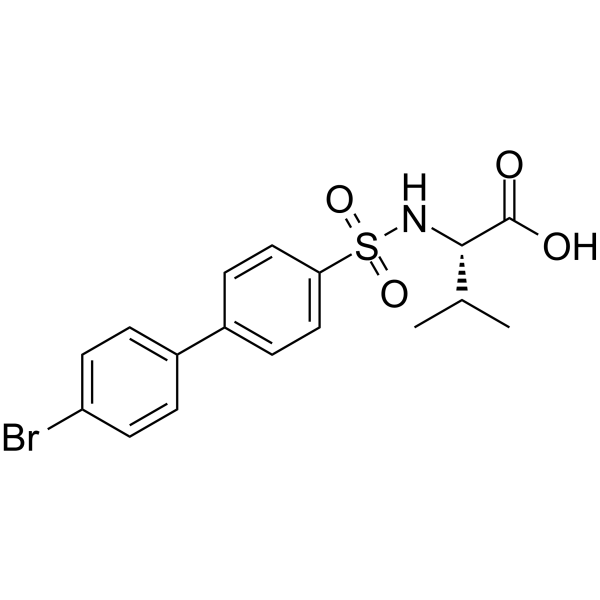
Topobexin is a TOP2B-selective inhibitor with IC50 values of 0.19 μM and 4.8 μM for TOP2B and TOP2A (DNA decatenation assay). Topobexin binds to non-homologous residues in the obex pocket and targets the ATPase domain of TOP2B. Topobexin prevents anthracycline-induced DNA double-strand break formation, apoptotic signaling mediated by caspase 3/7, 8 and 9, cardiomyocyte morphological changes, mitochondrial depolarization/loss, left ventricular systolic dysfunction, extracellular matrix remodeling, fibrotic alterations, and increases in plasma cardiac troponin T and BNP. Topobexin does not impair the antiproliferative effects of anthracyclines in cancer cells, exhibits no intrinsic cytotoxicity in cardiomyocytes, and is well tolerated in rabbits. Topobexin can be used in studies related to anthracycline-induced cardiotoxicity .
|
-
-
- HY-100634
-
|
(±)-4-hydroxy Propranolol hydrochloride
|
Adrenergic Receptor
|
Cardiovascular Disease
|
|
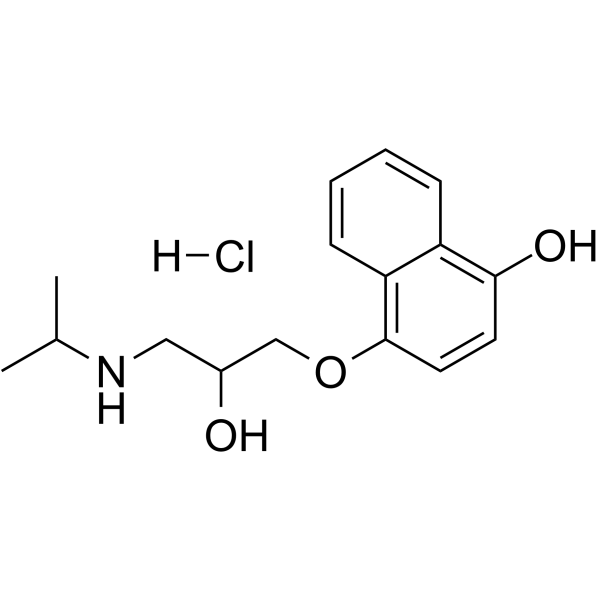
4-Hydroxypropranolol hydrochloride is a non-cardiac selective β-adrenergic receptor antagonist and a metabolite produced after oral administration of Propranolol (HY-B0573B). 4-Hydroxypropranolol hydrochloride also acts as a membrane stabilizer and possesses intrinsic sympathomimetic inhibitory activity. 4-Hydroxypropranolol hydrochloride blocks β-adrenergic receptors to antagonize the effects of catecholamines, acts as a partial β-adrenergic receptor agonist, and induces membrane stabilization. 4-Hydroxypropranolol hydrochloride alters heart rate, left ventricular contractility, and atrioventricular conduction time. 4-Hydroxypropranolol hydrochloride can be used in research related to cardiovascular and cerebrovascular diseases .
|
-
-
- HY-W042301
-
|
|
Anion Exchangers
Carbonic Anhydrase
Endothelin Receptor
|
Cardiovascular Disease
|
|
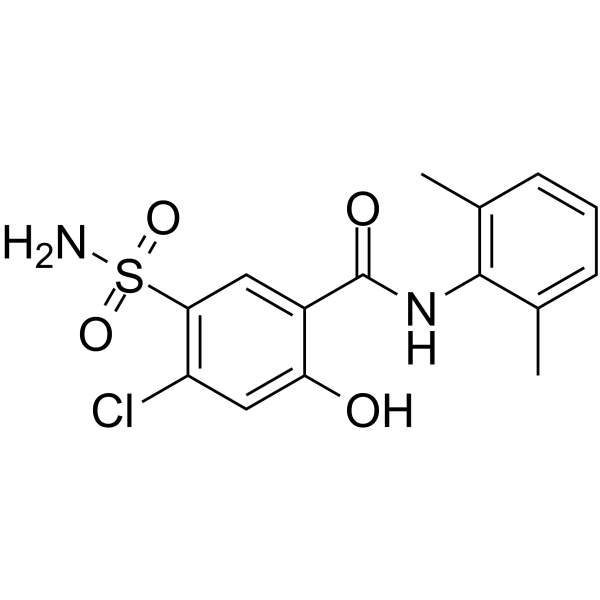
Xipamide is an orally active carbonic anhydrase (CA) inhibitor and Na +/Cl --potassium transporter inhibitor with diuretic and antihypertensive effects. Xipamide reduces NaCl reabsorption by inhibiting the Cl -/NaCO3 - anion exchanger, and increases calcium reabsorption while promoting potassium and magnesium excretion. Xipamide is mainly cleared via the renal pathway and causes a temporary decrease in glomerular filtration rate under specific conditions. Xipamide does not affect Ca 2+ signaling induced by endothelin-1 and other factors, nor does it inhibit various ion cotransport or pump activities in red blood cells. Xipamide can be used in researches related to cardiovascular diseases, hypertension (especially with left ventricular hypertrophy), advanced renal failure, and liver cirrhosis with ascites .
|
-
-
- HY-148804
-
|
APD418
|
Adrenergic Receptor
|
Cardiovascular Disease
|
|
Vemtoberant is a β3-adrenergic receptor inhibitor with a human Ki of 8.2 nM, and exhibits 400- to 600-fold selectivity over human β1-AR and β2-AR. Vemtoberant attenuates β3-AR-mediated cardiac inhibition. Vemtoberant can be used for the research of systolic heart failure .
|
-
-
- HY-106844A
-
|
|
Phosphodiesterase (PDE)
|
Cardiovascular Disease
|
|
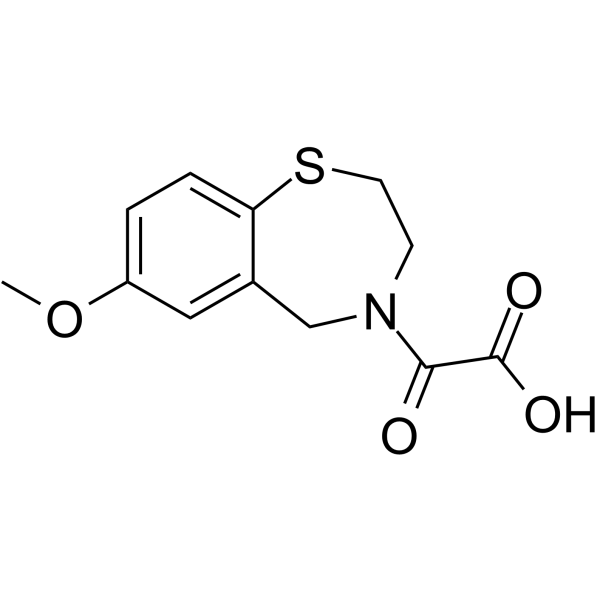
(+)-EMD 57033 is a cardiac troponin C (cTnC) activator, is a dominant Ca 2+ sensitizer. (+)-EMD 57033 binds the cardiac/slow skeletal troponin C isoform and exerts myocardial contractile promotion function .
|
-
-
- HY-108448
-
|
OLDA
|
TRP Channel
Lipoxygenase
|
Cardiovascular Disease
Neurological Disease
Metabolic Disease
|
|
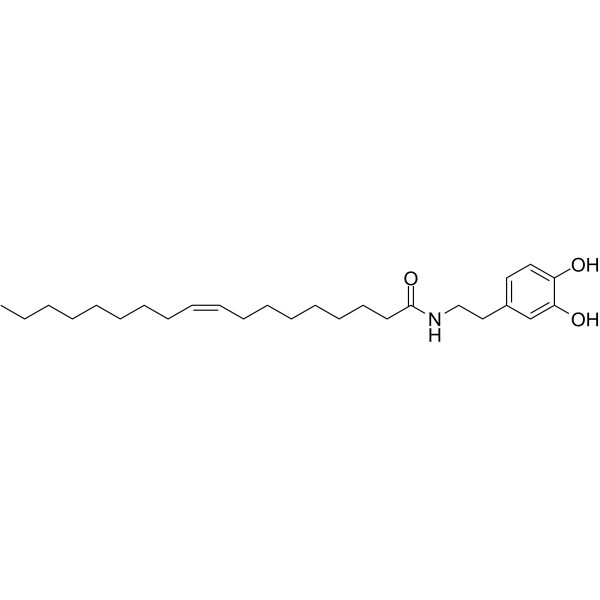
N-Oleoyldopamine (OLDA) is an orally active TRPV1 activator and 5-LOX inhibitor with blood-brain barrier permeability. N-Oleoyldopamine excites histaminergic neurons in the tuberomammillary nucleus via a dopamine receptor mechanism, a process independent of TRPV1 and cannabinoid receptors. On one hand, N-Oleoyldopamine promotes the release of insulin and glucose-dependent insulinotropic polypeptide through a GPR119-dependent pathway to improve glucose tolerance; on the other hand, N-Oleoyldopamine improves left ventricular function and reduces myocardial infarction size by triggering the release of substance P and calcitonin gene-related peptide. N-Oleoyldopamine is used in studies related to glycemic abnormalities and myocardial ischemia-reperfusion injury .
|
-
-
- HY-107428
-
|
|
MMP
|
Cardiovascular Disease
|
|
PD-166793 is a potent, selective, orally active and wide-broad spectrum inhibitor of MMP, exhibiting nanomolar potency against MMP-2, MMP-3 and MMP-13 (IC50=4, 7, and 8 nM, respectively) and micromolar potency vs MMP-1, -7 and -9 (IC50=6.0, 7.2, and 7.9 μM, respectively). PD-166793 can attenuate left ventricular remodeling and dysfunction in a rat model of progressive heart failure .
|
-
-
- HY-172424
-
|
|
Myosin
|
Cardiovascular Disease
|
|
Delocamten is the inhibitor for cardiac myosin with an IC50 of 1.1 μM. Delocamten can be used in researchs of hypertrophic cardiomyopathy, left ventricular hypertrophy and diastolic dysfunction .
|
-
-
- HY-101415R
-
|
Ubiquinone Q9 (Standard); CoQ9 (Standard); Ubiquinone 9 (Standard)
|
Reference Standards
Apoptosis
Endogenous Metabolite
|
Cardiovascular Disease
|
|
Coenzyme Q9 (Standard) is the analytical standard of Coenzyme Q9. This product is intended for research and analytical applications. Coenzyme Q9 (Ubiquinone Q9), the major form of ubiquinone in rodents, is an amphipathic molecular component of the electron transport chain that functions as an endogenous antioxidant. Coenzyme Q9 attenuates the diabetes-induced decreases in antioxidant defense mechanisms. Coenzyme Q9 improves left ventricular performance and reduces myocardial infarct size and cardiomyocyte apoptosis .
|
-
-
- HY-121460
-
-
-
- HY-173517
-
|
|
Na+/H+ Exchanger (NHE)
|
Neurological Disease
|
|
NHE-1-IN-2 (compound 7g) is a potent NHE-1 inhibitor with an IC50 of 0.78 μM. NHE-1-IN-2 alleviates left ventricular systolic dysfunction in mice model of heart failure .
|
-
-
- HY-114683
-
|
|
TGF-beta/Smad
|
Cardiovascular Disease
|
|
KS370G is an orally active hypoglycemic and cardiovascular protective agent. KS370G improves left ventricular hypertrophy and function in pressure-overload mice heart. KS370G reduces renal obstructive nephropathy .
|
-
-
- HY-119817
-
|
BTS 49465; Flosequinon
|
PKC
|
Cardiovascular Disease
|
|
Flosequinan is a balanced vasodilator. Flosequinan not only significantly reduces systemic vascular resistance, but also significantly reduces the beating component of left ventricular afterload, characteristic impedance and arterial wave reflection, which can be used in the research of acute heart failure .
|
-
-
- HY-B0259R
-
|
|
Reference Standards
Potassium Channel
|
Cardiovascular Disease
|
|
Indapamide (Standard) is the analytical standard of Indapamide. This product is intended for research and analytical applications. Indapamide is an orally active sulphonamide diuretic agent, that can reduce blood pressure by decreasing vascular reactivity and peripheral vascular resistance. Indapamide is also can reduce left ventricular hypertrophy .
|
-
-
- HY-163120
-
|
|
Myosin
|
Cardiovascular Disease
|
|
Myosin-IN-1 (compound F10) is a Myosin inhibitor that specifically targets cardiac myosin. Myosin-IN-1 stabilizes the biochemical and structural closed state of the cardiac myosin motor domain and reduces myocardial force production and calcium sensitivity in vitro. Myosin-IN-1 acts as a negative inotropic agent in isolated Langendroff-perfused rat hearts, reducing stress in isolated myofilaments and left ventricular pressure development. Myosin-IN-1 can be used in heart failure research .
|
-
-
- HY-171888
-
|
|
Cathepsin
Elastase
|
Inflammation/Immunology
|
|
BI-9740 is an orally active and selective cathepsin C (CatC) inhibitor, with an IC50 of 0.6 nM in mice and 2.6 nM in rats. BI-9740 can inhibit the production of active neutrophil elastase. Additionally, BI-9740 is capable of reducing the activities of neutrophil elastase and cathepsin G in the bone marrow of rats, alleviating pathological damage to grafts after heart transplantation, shortening the reperfusion time, and improving left ventricular function. BI-9740 can be used in research related to organ transplantation .
|
-
-
- HY-130579
-
|
L-VNIO hydrochloride
|
NO Synthase
NADPH Oxidase
|
Cardiovascular Disease
Neurological Disease
|
|
Vinyl-L-NIO (L-VNIO) hydrochloride is a neuronal nitric oxide synthase (NOS) inhibitor with a rat Ki of 0.10 μM. Vinyl-L-NIO hydrochloride inhibits NADPH oxidase activity, attenuates renal fibrosis, inflammation, oxidative stress indices, and albuminuria. Vinyl-L-NIO hydrochloride can be used for the research of parkinson's disease, migraine headache, and hypertension .
|
-
-
- HY-116478
-
|
|
Potassium Channel
|
Others
|
|
L-3373 is a voltage-dependent potassium channel inhibitor with activity that reduces the effective refractory period and the dispersion of monophasic action potential duration, while significantly reducing susceptibility to ventricular fibrillation in a cat model of left ventricular hypertrophy.
|
-
-
- HY-14240
-
|
PG 530742; PGE 530742; PGE 7113313
|
MMP
|
Cardiovascular Disease
|
|
PG 116800 (PGE 530742; PGE 7113313) is an orally active, selective and high-affinity inhibitor of MMP. PG 116800 acts as an inhibitor of ventricular remodeling, reduces left ventricular volumes and infarct zone collagen content, and improves ejection fraction. PG 116800 is generally well tolerated, but is associated with higher rates of arthralgia, joint stiffness, and dyspepsia. PG 116800 can be used for the research of myocardial infarction .
|
-
-
- HY-B0259S
-
|
|
Isotope-Labeled Compounds
Potassium Channel
|
Cardiovascular Disease
|
|
(rac)-Indapamide-d3 is a labelled racemic Indapamide. Indapamide is an orally active sulphonamide diuretic agent, that can reduce blood pressure by decreasing vascular reactivity and peripheral vascular resistance. Indapamide is also can reduce left ventricular hypertrophy .
|
-
-
- HY-P11297
-
|
|
Angiotensin-converting Enzyme (ACE)
|
Cardiovascular Disease
|
|
AC-SDKP-NH2 is a substrate peptide of Angiotensin converting enzyme (ACE). AC-SDKP-NH2 has anti-inflammatory and anti-fibrotic activities. AC-SDKP-NH2 directly acts on tissues and prevents or reverses them from excessive fibrosis, but fails to reduce blood pressure and left ventricular hypertrophy (LVH). AC-SDKP-NH2 attenuates inflammation and cell differentiation, proliferation and migration, therefore reducing fibrosis in the heart, vessels and kidneys in mice model. AC-SDKP-NH2 can be used for cardiovascular diseases such as hypertension research .
|
-
-
- HY-B0259A
-
|
|
Potassium Channel
|
Cardiovascular Disease
|
|
Indapamide hemihydrate is an orally active sulphonamide diuretic agent, that can reduce blood pressure by decreasing vascular reactivity and peripheral vascular resistance. Indapamide hemihydrate is also can reduce left ventricular hypertrophy .
|
-
-
- HY-Y1150
-
|
Trimethylmethanecarboxylic acid; Versatic 5 acid; tert-Pentanoic acid
|
Antibiotic
|
Inflammation/Immunology
|
|
Pivalic acid (Trimethylmethanecarboxylic acid) is a carboxylic acid. Pivalic acid induces Carnitine deficiency. Pivalic acid conjugated with Antibiotics, such as Pivmecillinam (HY-B0810) and Pivampicillin (HY-119011), are used in urinary tract infection. Pivalic acid can be used in physical exercise research .
|
-
-
- HY-120355
-
|
|
Potassium Channel
|
Cardiovascular Disease
|
|
AP14145 is an inhibitor for small conductance calcium-activated potassium channel, inhibits KCa2.2 channel and KCa channel with IC50 of 1.1 μM and 1.1 μM. AP14145 prolongs atrial effective refractory period (AERP) in rats, causes the conversion of atrial fibrillation to sinus rhythum in porcine left ventricular dysfunction models, and exhibits antiarrhythmic effect .
|
-
-
- HY-106024A
-
|
ALT711 bromide
|
DNA Alkylator/Crosslinker
|
Cardiovascular Disease
|
|
Alagebrium bromide is an analog of Alagebrium Chloride (HY-106024B), a glucose cross-link blocker. Alagebrium Chloride disrupts glucose cross-links and may improve ventricular and arterial compliance. Alagebrium Chloride improves left ventricular diastolic filling and has the potential to inhibit diastolic heart failure (DHF).
|
-
-
- HY-129782
-
|
|
SOD
|
Cardiovascular Disease
|
|
SC-55858 is an effective superoxide dismutase simulator. SC-55858 increased heart rate and decreased mean arterial pressure and left ventricular systolic and end-diastolic pressures in conscious dogs .
|
-
-
- HY-116119
-
|
|
Sodium Channel
|
Cardiovascular Disease
|
|
BDF 9148 is a sodium-channel activator with antiarrhythmic properties that produces a significant CAMP-independent positive inotropic effect in left ventricular myocardium from failing hearts. BDF 9148 is promising for research of myocardial failure .
|
-
-
- HY-19121
-
-
-
- HY-120298
-
|
|
PPAR
|
Others
|
|
LY-510929 is a compound that induces left ventricular hypertrophy (LVH). Related studies have identified the relevant conditions in which LY-510929 may induce LVH by measuring multiple markers and using multiple techniques.
|
-
-
- HY-B0259S3
-
|
|
Isotope-Labeled Compounds
Potassium Channel
|
Cardiovascular Disease
|
|
Indapamide-d6 is a deuterated labeled Indapamide . Indapamide is an orally active sulphonamide diuretic agent, that can reduce blood pressure by decreasing vascular reactivity and peripheral vascular resistance. Indapamide is also can reduce left ventricular hypertrophy .
|
-
-
- HY-W722221
-
|
|
Adrenergic Receptor
|
Cardiovascular Disease
|
|
Colterol acetate is a selective inhibitor of β-adrenergic receptors. Colterol acetate can relax tracheal smooth muscle (primarily acting on β2 receptors), reduce subspastic contractions of tricholoma (acting on β2), and increase contractility of left ventricular papillary muscles (acting on β1) .
|
-
-
- HY-B0259S1
-
|
|
Isotope-Labeled Compounds
Potassium Channel
|
Cardiovascular Disease
|
|
Indapamide- 13C,d3 is 13C and deuterium labeled Indapamide. Indapamide is an orally active sulphonamide diuretic agent, that can reduce blood pressure by decreasing vascular reactivity and peripheral vascular resistance. Indapamide is also can reduce left ventricular hypertrophy .
|
-
-
- HY-129706
-
|
|
Others
|
Cardiovascular Disease
|
|
LY127210 (free base) is a potent vasodilator with antihypertensive effects that reduces pressure in chloralose-anesthetized spontaneously hypertensive rats primarily by direct arteriolar dilation and to a lesser extent by decreasing cardiac output. LY127210 (free base) reduces blood pressure, heart rate and left ventricular end-diastolic pressure in hypertensive rats by reducing vascular resistance .
|
-
-
- HY-119850A
-
|
ARM036 sodium; S44121 sodium
|
Calcium Channel
|
Cardiovascular Disease
|
|
Aladorian (ARM036; S44121) sodium is a non-peptidic ryanodine receptor 2 (RyR2) stabilizer. Aladorian sodium stabilizes RyR2 channels and rectifies abnormal Ca²⁺ handling in cardiomyocytes. Aladorian sodium improves cardiomyocyte Ca 2+ homeostasis independent of dystrophin restoration. Aladorian sodium attenuates early cardiomyopathy and enhances left ventricular function in a canine muscular dystrophy model. Aladorian sodium can be used for the research of heart failure, Duchenne muscular dystrophy-associated cardiomyopathy and muscular dystrophy .
|
-
-
- HY-106987
-
|
|
NO Synthase
|
Cardiovascular Disease
Inflammation/Immunology
|
|
SP/W-5186 is a nitric oxide (NO) donor agent containing a cysteine structure. SP/W-5186 can improve cardiac function, reduce myocardial damage, protect vascular endothelial function and inhibit inflammation and oxidative stress. SP/W-5186 has the ability to inhibit oxidative damage induced by peroxynitrite (ONOO⁻). SP/W-5186 can be used in the research of myocardial ischemia-reperfusion injury .
|
-
-
- HY-112654A
-
|
|
Eukaryotic Initiation Factor (eIF)
Glutathione Peroxidase
|
Cardiovascular Disease
Metabolic Disease
Cancer
|
|
GCN2iB acetate is an ATP-competitive, selective GCN2 inhibitor with an IC50 of 2.4 nM. GCN2iB acetate inhibits the activation of the GCN2 pathway and upregulates GPX4. GCN2iB acetate enhances the anticancer effect of ASNase against acute lymphoblastic leukemia. GCN2iB acetate increases left ventricular ejection fraction, while reducing fasting blood glucose and myocardial fibrosis. GCN2iB acetate can be used in research related to acute lymphoblastic leukemia, acute myeloid leukemia and diabetic cardiomyopathy .
|
-
-
- HY-120257
-
|
|
Caspase
Apoptosis
|
Cardiovascular Disease
|
|
IDN-1965 is an irreversible, broad-spectrum caspase inhibitor. IDN-1965 prevents downstream apoptotic events (such as DNase activation) and significantly delays cytochrome c release by inhibiting caspase activity. IDN-1965 significantly delayed death in mice with cardiomyocyte apoptosis. IDN-1965 completely prevents left ventricular dilation, systolic dysfunction, and fibrosis in mice with dilated cardiomyopathy. IDN-1965 can be used to study apoptosis-related diseases such as heart failure and the mechanisms of apoptosis initiation .
|
-
-
- HY-118264
-
|
|
Angiotensin-converting Enzyme (ACE)
Neprilysin
|
Cardiovascular Disease
|
|
MDL-100240 is a dual-acting angiotensin-converting enzyme (ACE) and neutral endopeptidase (NEP) inhibitor. MDL-100240 can significantly lower blood pressure, reverse left ventricular hypertrophy, and effectively prevent hypertrophy and dilatation of the aorta and resistance arteries, with an effect comparable to that of ramipril (HY-B0279). In addition, MDL-100240 can also reduce aldosterone levels, but has no significant effect on atrial natriuretic peptide and cGMP. In 3-month-old transgenic rats, MDL-100240 can reduce adrenomedullin concentrations, prevent and reverse severe hypertension and cardiovascular damage, and enhance bradykinin effects.
|
-
-
- HY-118991
-
|
|
Adenosine Receptor
|
Cardiovascular Disease
|
|
KT-1 is a vasodilator. KT 1 can decrease aortic pressure, renal blood flow, left ventricular enddiastolic pressure and resistances of total peripheral, vertebral, coronary and renal vasculatures and increase aortic blood flow, vertebral blood flow, coronary blood flow, peak positive left ventricular dP/dt and heart rate in anesthetized open-chest dogs. KT-1 can be used for the research of cardiovascular disease .
|
-
-
- HY-107428R
-
|
|
Reference Standards
MMP
|
Cardiovascular Disease
|
|
PD-166793 (Standard) is the analytical standard of PD-166793 (HY-107428). This product is intended for research and analytical applications. PD-166793 is a potent, selective, orally active and wide-broad spectrum inhibitor of MMP, exhibiting nanomolar potency against MMP-2, MMP-3 and MMP-13 (IC50=4, 7, and 8 nM, respectively) and micromolar potency vs MMP-1, -7 and -9 (IC50=6.0, 7.2, and 7.9 μM, respectively). PD-166793 can attenuate left ventricular remodeling and dysfunction in a rat model of progressive heart failure .
|
-
-
- HY-106458
-
|
Bay a 7168
|
Calcium Channel
|
Cardiovascular Disease
|
|
Niludipine (Bay a 7168) is an orally active calcium channel blocker and vasodilator with antihypertensive effects. Niludipine can improve early fatal ventricular arrhythmias induced by acute myocardial ischemia in rats. Niludipine can reduce left ventricular systolic and diastolic loads during pacing-induced angina pectoris. Niludipine can be used in the research of cardiovascular diseases such as coronary heart disease and myocardial ischemia .
|
-
-
- HY-106369R
-
|
|
Reference Standards
Potassium Channel
|
Cardiovascular Disease
|
|
HMR 1556 (Standard) is the analytical standard of HMR 1556 (HY-106369). This product is intended for research and analytical applications. HMR 1556, a chromanol derivative, is a potent IKs blocker with IC50s of 10.5 nM and 34 nM in canine and guinea pig left ventricular myocytes, respectively .
|
-
-
- HY-183859
-
|
|
Adrenergic Receptor
|
Cardiovascular Disease
|
|
H142/08 is a β1-adrenergic receptor-selective agonist. H142/08 induces concentration-dependent relaxation of isolated rat uterus and acts as a chronotropic stimulant to increase atrial rate, and its effects are effectively antagonized by Pafenolol (HY-165495). H142/08 also antagonizes the chronotropic effect of isoproterenol on isolated rat right atrium, but requires a higher proportion of receptor occupancy to produce sufficient stimulatory effects .
|
-
| Cat. No. |
Product Name |
Target |
Research Area |
-
- HY-P11297
-
|
|
Angiotensin-converting Enzyme (ACE)
|
Cardiovascular Disease
|
|
AC-SDKP-NH2 is a substrate peptide of Angiotensin converting enzyme (ACE). AC-SDKP-NH2 has anti-inflammatory and anti-fibrotic activities. AC-SDKP-NH2 directly acts on tissues and prevents or reverses them from excessive fibrosis, but fails to reduce blood pressure and left ventricular hypertrophy (LVH). AC-SDKP-NH2 attenuates inflammation and cell differentiation, proliferation and migration, therefore reducing fibrosis in the heart, vessels and kidneys in mice model. AC-SDKP-NH2 can be used for cardiovascular diseases such as hypertension research .
|
| Cat. No. |
Product Name |
Category |
Target |
Chemical Structure |
| Cat. No. |
Product Name |
Chemical Structure |
-
- HY-B0259S
-
|
|
|
(rac)-Indapamide-d3 is a labelled racemic Indapamide. Indapamide is an orally active sulphonamide diuretic agent, that can reduce blood pressure by decreasing vascular reactivity and peripheral vascular resistance. Indapamide is also can reduce left ventricular hypertrophy .
|
-
-
- HY-B0259S3
-
|
|
|
Indapamide-d6 is a deuterated labeled Indapamide . Indapamide is an orally active sulphonamide diuretic agent, that can reduce blood pressure by decreasing vascular reactivity and peripheral vascular resistance. Indapamide is also can reduce left ventricular hypertrophy .
|
-
-
- HY-B0259S1
-
|
|
|
Indapamide- 13C,d3 is 13C and deuterium labeled Indapamide. Indapamide is an orally active sulphonamide diuretic agent, that can reduce blood pressure by decreasing vascular reactivity and peripheral vascular resistance. Indapamide is also can reduce left ventricular hypertrophy .
|
-
Your information is safe with us. * Required Fields.
Inquiry Information
- Product Name:
- Cat. No.:
- Quantity:
- MCE Japan Authorized Agent:

