1. Search Result
Search Result
Results for "

mitotic spindle

" in MedChemExpress (MCE) Product Catalog:

54

Inhibitors & Agonists

1

Fluorescent Dye

1

Biochemical Assay Reagents

1

Peptides

4

Natural
Products

1

Recombinant Proteins

1

Isotope-Labeled Compounds

3

Antibodies

2

Click Chemistry

Targets Recommended:
Cat. No. Product Name Target Research Areas Chemical Structure
  • HY-10971
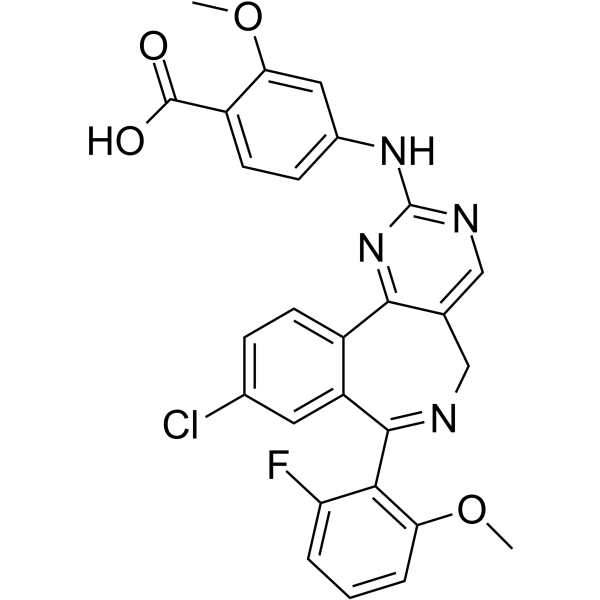
    Alisertib
    Maximum Cited Publications
    72 Publications Verification

    MLN 8237

    Aurora Kinase Autophagy Apoptosis Cancer
    Alisertib (MLN 8237) is an orally active and selective Aurora A kinase inhibitor (IC50=1.2 nM), which binds to Aurora A kinase resulting in mitotic spindle abnormalities, mitotic accumulation. Alisertib (MLN 8237) induces apoptosis and autophagy through targeting the AKT/mTOR/AMPK/p38 pathway in leukemic cells. Antitumor activity .
    Alisertib
  • HY-135960
    BO-264
    1 Publications Verification

    FGFR Apoptosis Cancer
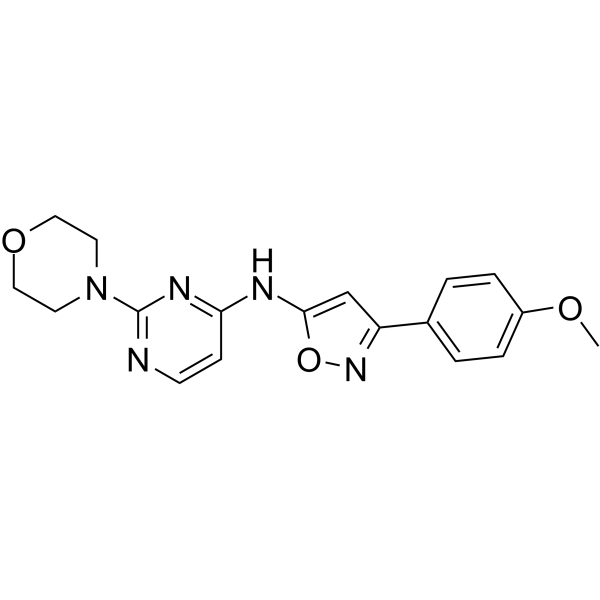
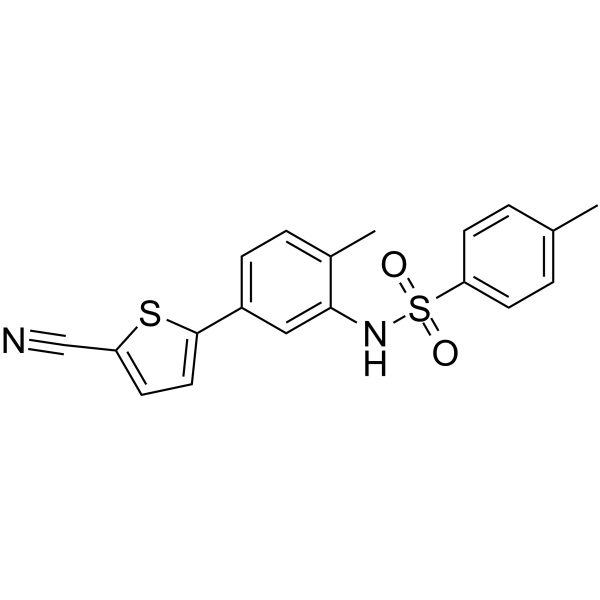
    BO-264 is a highly potent and orally active transforming acidic coiled-coil 3 (TACC3) inhibitor with an IC50 of 188 nM and a Kd of 1.5 nM. BO-264 specifically blocks the function of FGFR3-TACC3 fusion protein. BO-264 induces spindle assembly checkpoint (SAC)-dependent mitotic arrest, DNA damage and apoptosis. BO-264 has broad-spectrum antitumor activity .
    BO-264
  • HY-153066

    KIF18A-IN-7

    Kinesin Microtubule/Tubulin Apoptosis Cancer
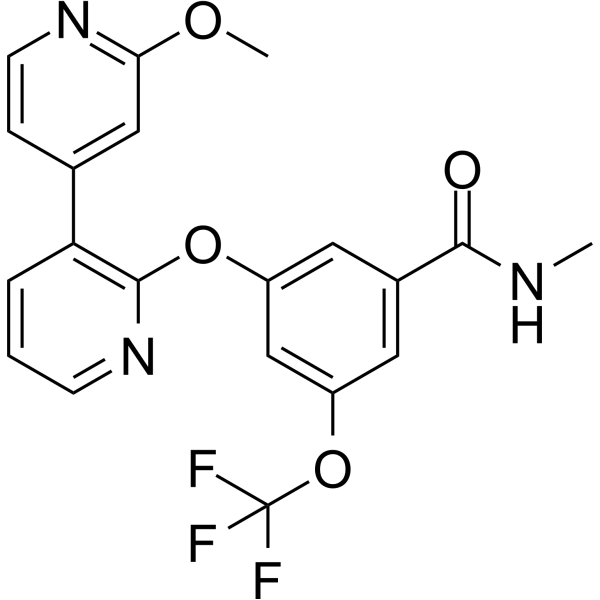
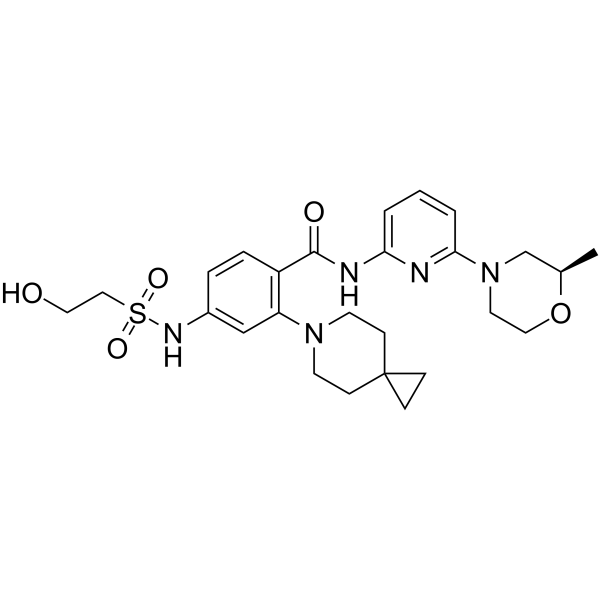
    VLS-1272 (Compound 22) is an orally active KIF18A inhibitor that binds to the KIF18A-microtubule complex in an ATP-noncompetitive manner (IC50 = 41 nM), blocking its ATPase activity and inhibiting microtubule translocation. This leads to abnormal accumulation of KIF18A at spindle poles, disrupting chromosome alignment and inducing mitotic arrest and apoptosis in CIN High tumor cells (e.g., ovarian cancer OVCAR-3, breast cancer JIMT-1). VLS-1272 is a promising candidate for anti-tumor research .
    VLS-1272
  • HY-147298
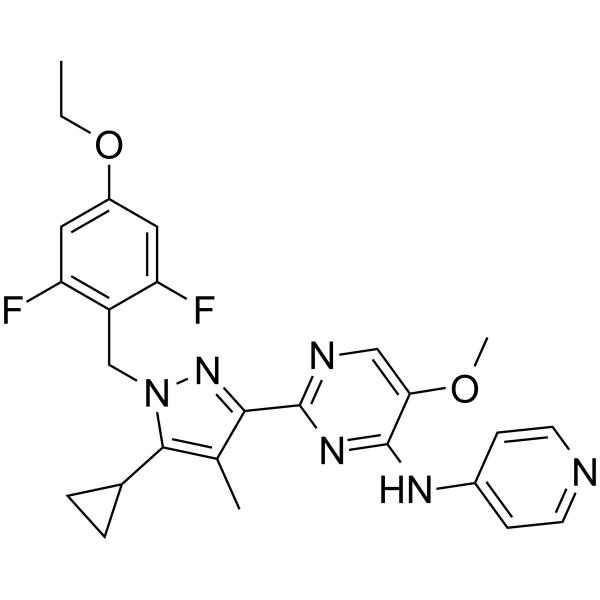
    Plogosertib
    1 Publications Verification

    CYC140

    Polo-like Kinase (PLK) Cancer
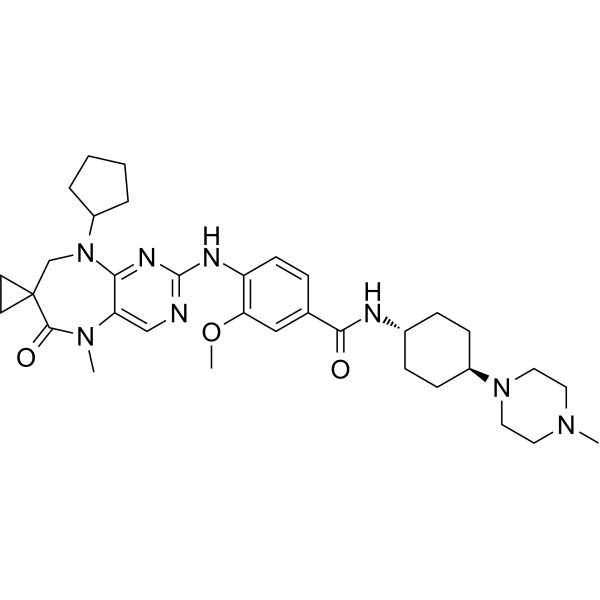
    Plogosertib (CYC140) is a selective, potent, and orally active ATP-competitive PLK1 inhibitor (IC50: 3 nM). Plogosertib is an anti-cancer agent with anti-proliferative activity. Plogosertib can be used in the research of several tumors, including esophageal, gastric, leukemia, non–small cell lung cancer, ovarian, and squamous cell cancers .
    Plogosertib
  • HY-170316

    Ras Cancer
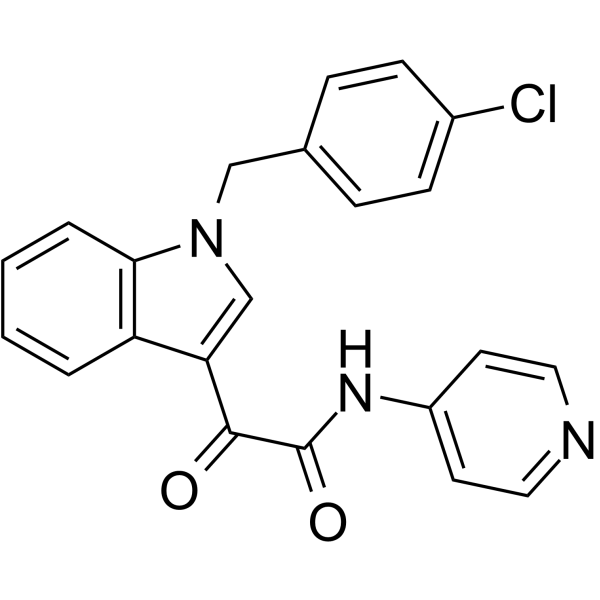
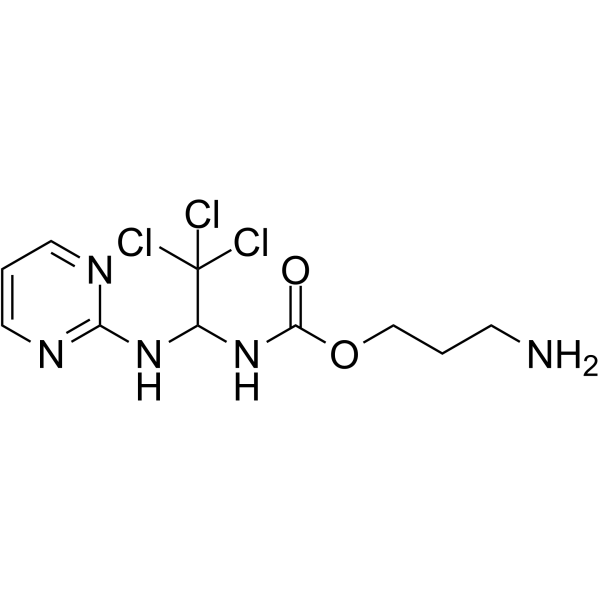
    Ibetazol is a Importin β1 (KPNB1) inhibitor and nucleocytoplasmic transport disruptor. Ibetazol binds covalently to Cys585 of Importin β1, blocks both Importin β1-mediated direct transport and Importin α-dependent nuclear import processes, without affecting transport mediated by other nucleocytoplasmic transport proteins. Ibetazol induces cytoplasmic accumulation of Importin α1, and inhibits nuclear import of substrates carrying nuclear localization signals (NLS), including the NLS-cMyc reporter gene, RelA/p65 and SREBP1. Ibetazol triggers spindle malformation and chromosome misalignment by disrupting the mitotic function of Importin β1. Ibetazol inhibits the proliferation of cells expressing wild-type Importin β1. Ibetazol has a high activity-cytotoxicity window, lacks intrinsic fluorescence, and acts rapidly on nucleocytoplasmic transport processes. Ibetazol serves as a tool compound for investigating nuclear import processes specifically mediated by Importin β1 .
    Ibetazol
  • HY-50672

    Kinesin Apoptosis Lipoxygenase Cancer
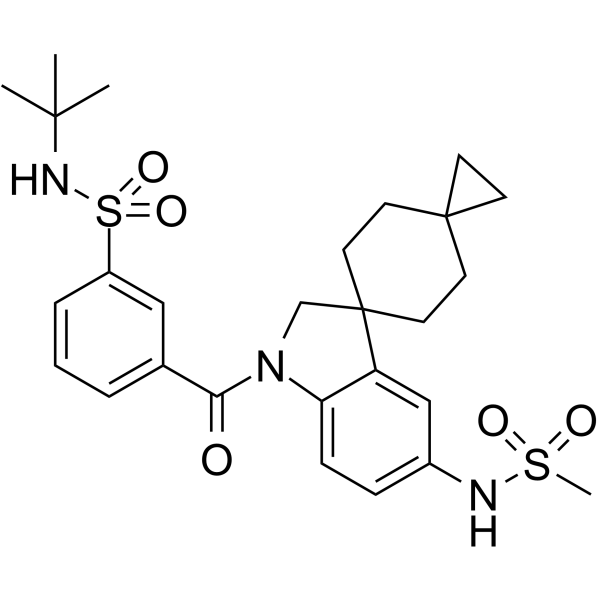
    MK-0731 is a selective, non-competitive and allosteric kinesin spindle protein (KSP) inhibitor with an IC50 of 2.2 nM and a pKa of 7.6. MK-0731 is >20,000 fold selectivity against other kinesins. MK-0731 induces mitotic arrest and induces apoptosis in tumors. MK-0731 provides significant antitumor efficacy .
    MK-0731
  • HY-13649
    Indibulin
    1 Publications Verification

    ZIO 301; D 24851

    Apoptosis Microtubule/Tubulin Checkpoint Kinase (Chk) Neurological Disease Cancer
    Indibulin (ZIO 301), an orally applicable inhibitor of tubulin assembly, shows potent anticancer activity with a minimal neurotoxicity. Indibulin reduces inter-kinetochoric tension, produces aberrant spindles, activates mitotic checkpoint proteins Mad2 and BubR1, and induces mitotic arrest and apoptosis .
    Indibulin
  • HY-116423

    NEKs Cancer
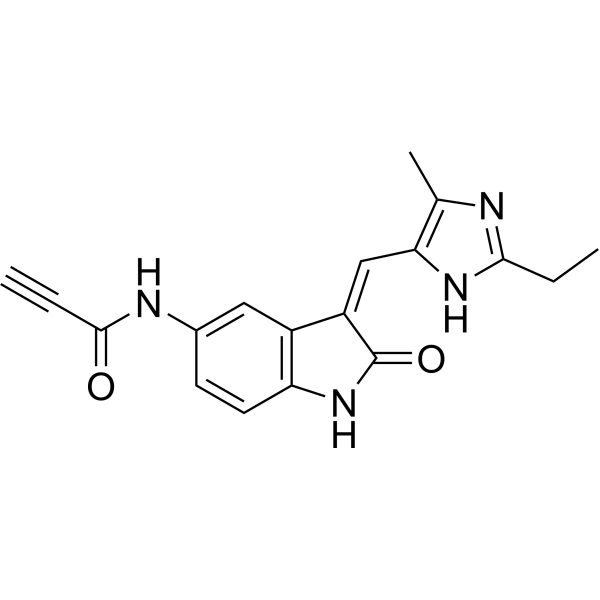
    JH295 is a potent, irreversible and selective NIMA-related kinase 2 (Nek2) inhibitor with an IC50 of 770 nM. JH295 inhibits cellular Nek2 via alkylation of Cys22. JH295 is inactive against the mitotic kinases, Cdk1, Aurora B or Plk1, and does not perturb bipolar spindle assembly or the spindle assembly checkpoint . JH295 is a click chemistry reagent, it contains an Alkyne group and can undergo copper-catalyzed azide-alkyne cycloaddition (CuAAc) with molecules containing Azide groups.
    JH295
  • HY-42484

    Eribulin intermediate

    Microtubule/Tubulin Cancer
    ER-076349 (Eribulin intermediate) is an inhibitor of tubulin polymerization, induces G2-M cell cycle arrest, and disrupts mitotic spindles. ER-076349 inhibits cancer cell growth, and inhibits tumor growth in several human tumor xenografts. ER-076349 is an analog of Halichondrin B .
    ER-076349
  • HY-P2031

    Arp2/3 Complex Others
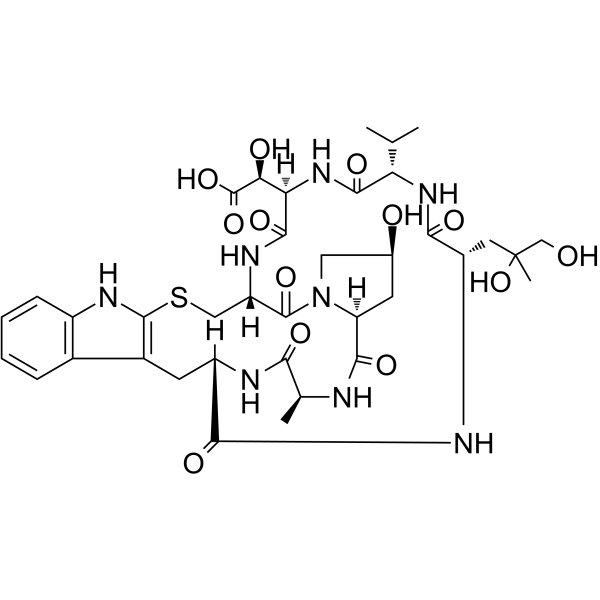
    Phallacidin is a natural bicyclic heptapeptide derived from the poisonous mushroom Amanita phalloides. Phallacidin binds to filamentous actin specifically with high affinity, with a Kd of 20 nM. After binding to F-actin, Phallacidin strongly inhibits its depolymerization, stabilizes microfilament structures, and prevents their disruption by drugs such as cytochalasins. When conjugated with a fluorophore, Phallacidin serves as a specific fluorescent probe for F-actin, which is used to clearly visualize the distribution of actin in the cytoskeleton (e.g., stress fibers, cortical peripheral bands) under fluorescence microscopy .
    Phallacidin
  • HY-130841

    APC Ligands for Target Protein for PROTAC Cancer
    Apcin-A is a small molecule inhibitor that selectively targets the cell division cycle protein Cdc20 and is a derivative of Apcin (HY-110287). Apcin-A competitively binds to the D-box binding pocket of Cdc20 and inhibits substrate ubiquitination mediated by the anaphase promoting complex APC/C-Cdc20. Apcin-A also blocks the binding of Cdc20 to substrates (such as securin and cyclin B1), inhibiting anaphase initiation and cell cycle exit. Apcin-A can promote or prolong mitotic slippage in coordination with p31 comet under conditions of high spindle assembly checkpoint (SAC) activity. Apcin-A can be used to develop anti-mitotic drugs and overcome tumor chemotherapy resistance. Apcin-A can be used to synthesize PROTAC CP5V (HY-130257)[1][2][3].
    Apcin-A
  • HY-151971
    Aurora kinase-IN-3
    1 Publications Verification

    Aurora Kinase Polo-like Kinase (PLK) Cancer
    Aurora kinase-IN-3 (Compound 15a) is an orally active AURKB inhibitor that elicits an AURKB-suppressive activity by disrupting the mitotic localization of AURKB, rather than inhibiting its phosphorylation of H3 at Ser10 .
    Aurora kinase-IN-3
  • HY-144894

    Kinesin Microtubule/Tubulin Cancer
    AM-5308 is the inhibitor for KIF18A (IC50=47 nM) that inhibits KIF18A-mediated microtubule ATPase activity. AM-5308 activates mitotic checkpoints, regulates cell division processes, including chromosome segregation and spindle assembly. AM-5308 exhibits antitumor activity .
    AM-5308
  • HY-104000

    Ser/Thr Protease Cancer
    BAY-320 is a selective and ATP-competitive Bub1 inhibitor that inhibits the kinase activity of Bub1 with an IC50 of 680 nM. BAY-320 inhibits endogenous Bub1-mediated Sgo1 localization. BAY-320 affects cellular mitotic chromosome arrangement and spindle assembly. BAY-320 inhibits cell proliferation. BAY-320 can be used in the study of cancer such as ovarian cancer and cervical cancer .
    BAY-320
  • HY-122247

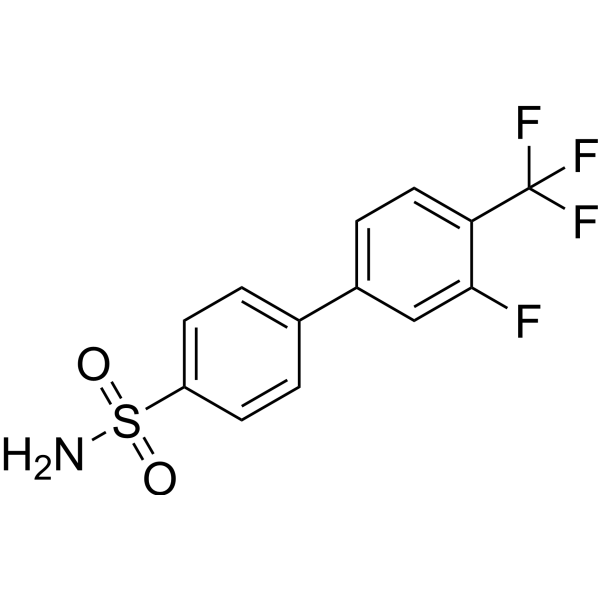
    Kinesin Cancer
    PVZB1194 is a biphenyl-type inhibitor of Kinesin-5 ATPase activity that binds to the α4/α6 site of the motor domain in a nucleotide competitive manner. PVZB1194 has an IC50 of 0.12 μM for KSP ATPase. PVZB1194 induces mitotic arrest with the formation of a monopolar spindle, and inhibits HeLa cells proliferatio (IC50: 5.5 μM). PVZB1194 can be used in the study of tumors .
    PVZB1194
  • HY-168022
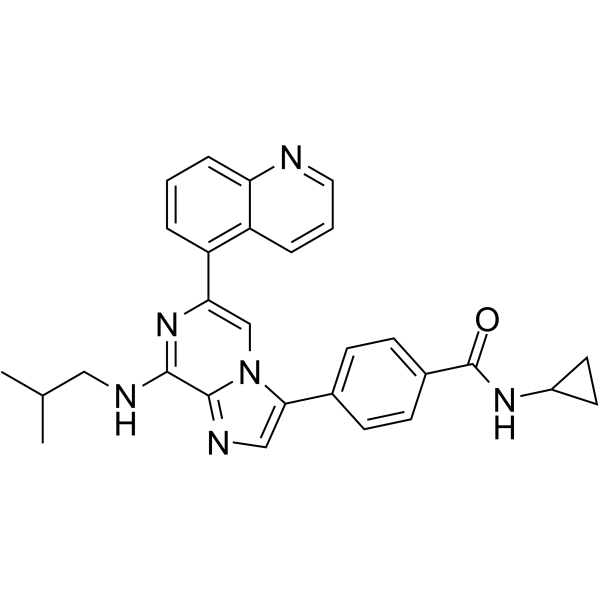
    CAM2602
    1 Publications Verification

    Aurora Kinase Cancer
    CAM2602 is an orally active Aurora A-TPX2 protein−protein interaction inhibitor with a human Kd of 19 nM for Aurora A. CAM2602 increases the proportion of PH3 positive cells while reducing P-T288 Aurora A levels. CAM2602 arrests tumor xenograft growth in mice. CAM2602 can be used for the research of cancer, such as acute T cell leukemia .
    CAM2602
  • HY-110242

    Mps1 Apoptosis Cancer
    Mps-BAY2a is a monopolar spindle 1 (MPS1) inhibitor with an IC50 of 1 nM against human MPS1. Mps-BAY2a induces mitotic aberrations and apoptosis in cancer cells .
    Mps-BAY2a
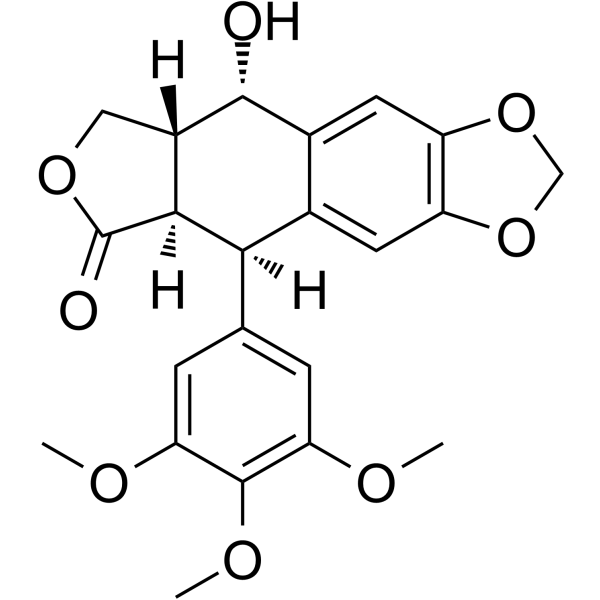
  • HY-N7654

    Apoptosis Cancer
    (-)-Epipodophyllotoxin (2) is an antiproliferative agent against cancer cells isolated from American mayapple Podophyllum peltatum, with GI50s of 0.36 and 0.24 μM in HeLa cells and MCF-7 cells, respectively. (-)-Epipodophyllotoxin can inhibit mitotic spindle assembly in vitro .
    (-)-Epipodophyllotoxin
  • HY-148122

    p97 Cancer
    NW 1028 is a potent VCP/p97 inhibitor. NW 1028 targets the ND1L domain of p97 and inhibits the degradation of a p97-dependent reporter. NW 1028 has good binding affinity with Kd values of 100 and 285 nM for ND1L and full length p97, respectively. NW 1028 has the function of regulating the mitotic spindle of cells .
    NW 1028
  • HY-10971A

    MLN 8237 sodium

    Aurora Kinase Autophagy Apoptosis Cancer
    Alisertib (MLN 8237) sodium is an orally active and selective Aurora A kinase inhibitor (IC50=1.2 nM), which binds to Aurora A kinase resulting in mitotic spindle abnormalities, mitotic accumulation. Alisertib sodium induces apoptosis and autophagy through targeting the AKT/mTOR/AMPK/p38 pathway in leukemic cells. Antitumor activity .
    Alisertib sodium
  • HY-N11128

    Kinesin Cancer
    Solidagonic acid is an acidic bitter principle that can be found in the root and rhizomes of Solidago altissima L. Solidagonic acid binds HSET/KIFC1, restores growth in HSET-overproducing fission yeast cells and reverts mitotic spindles from monopolar to bipolar morphology. Solidagonic acid can be used for the research of breast adenocarcinoma .
    Solidagonic acid
  • HY-12603

    Mps1 Cancer
    CCT251455 is a potent and selective mitotic kinase monopolar spindle 1 (MPS1) inhibitor with an IC50 of 3 nM.
    CCT251455
  • HY-119407

    Kinesin Cancer
    Terpendole E is a mitotic kinesin Eg5 inhibitor. Terpendole E inhibits both motor and microtubule-stimulated ATPase activities of human Eg5. Terpendole E induces formation of a monoastral spindle in M phase .
    Terpendole E
  • HY-110347

    Mps1 Cancer
    Mps1-IN-1 dihydrochloride is a potent and ATP-competitive Mps1 kinase inhibitor with an IC50 of 367 nM. Mps1-IN-1 dihydrochloride inhibit Mps1 mitotic kinase activity and abrogates spindle assembly checkpoint (SAC) function. Mps1-IN-1 dihydrochloride decreases the viability of both cancer and ‘normal’ cells .
    Mps1-IN-1 dihydrochloride
  • HY-101071

    (+)-Monastrol

    Kinesin Mitosis Cancer
    (S)-Monastrol ((+)-Monastrol) is an allosteric inhibitor of the mitotic kinesin Eg5 that exhibits an antiproliferative effect against several cancer cell lines. (S)-Monastrol arrests mammalian cells in mitosis with monopolar spindles .
    (S)-Monastrol
  • HY-116423A

    NEKs Cancer
    JH295 hydrate is a potent, irreversible and selective NIMA-related kinase 2 (Nek2) inhibitor with an IC50 of 770 nM. JH295 hydrate inhibits cellular Nek2 via alkylation of Cys22. JH295 hydrate is inactive against the mitotic kinases, Cdk1, Aurora B or Plk1, and does not perturb bipolar spindle assembly or the spindle assembly checkpoint . JH295 (hydrate) is a click chemistry reagent, it contains an Alkyne group and can undergo copper-catalyzed azide-alkyne cycloaddition (CuAAc) with molecules containing Azide groups.
    JH295 hydrate
  • HY-158038

    Aurora Kinase Mitosis Cancer
    AurkA allosteric-IN-1 (compound 6h) is an Aurora A (AurkA) inhibitor (IC50: 6.50 μM) that inhibits the catalytic activity and non-catalytic functions of Aurora A. Aurora A regulates the assembly of the bipolar mitotic spindle and the fidelity of chromosome segregation during mitosis and has non-catalytic functions. AurkA allosteric-IN-1 blocks the interaction of AurkA with the activator TPX2 by binding to the Y pocket of AurkA .
    AurkA allosteric-IN-1
  • HY-122130

    MK-8267

    Kinesin Apoptosis Cancer
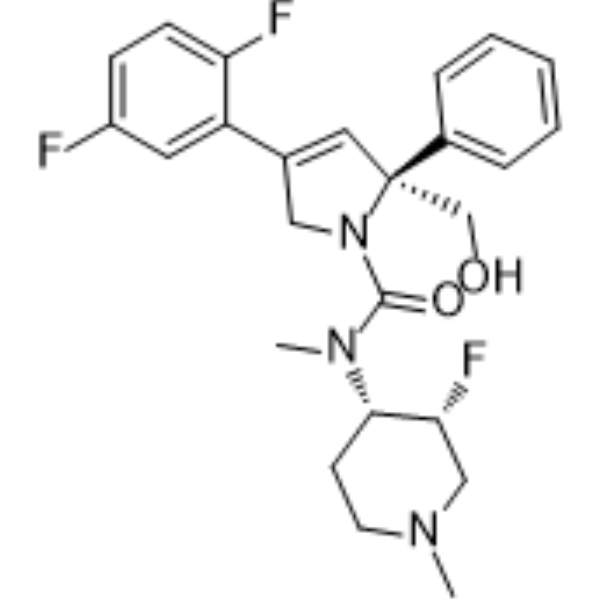
    SCH 2047069 (MK-8267) is an orally active kinesin spindle protein (KSP) inhibitor (Kd: 0.5 nM) that can cross the blood-brain barrier. SCH 2047069 exhibits an IC50 value of ≤ 5 nM against the KSP ATPase. SCH 2047069 exhibits broad-spectrum antitumor activity. SCH 2047069 can induce mitotic arrest and apoptosis in tumor cells. SCH 2047069 can be used in the research of tumors such as ovarian cancer, colon cancer, glioblastoma, and lymphoma .
    SCH 2047069
  • HY-178973

    Microtubule/Tubulin Cancer
    Microtubule-IN-13 (Compound FB2) is a microtubule inhibitor. Microtubule-IN-13 interferes with microtubule dynamics, leading to defects in the mitotic spindle and persistent mitotic arrest. Microtubule-IN-13 exhibits potent cytotoxicity against multiple cancer cell lines (IC50 = 0.3-2.7 μM). Microtubule-IN-13 can be used for cancer research .
    Microtubule-IN-13
  • HY-W271064

    Environmental Pollutants Fluorescent Dye Others
    1-Methylpyrene is a ubiquitous environmental pollutant and rodent carcinogen. Its mutagenic activity depends on sequential activation by various CYP and sulfotransferase (SULT) enzymes. 1-Methylpyrene induces chromosome loss and mitotic disturbance, proba
    1-Methylpyrene
  • HY-124519

    Cent-1

    Microtubule/Tubulin Cancer
    Centmitor-1 (Cent-1) is a mitotic arrest inducer. Centmitor-1 modulates microtubule plus-ends and reduced microtubule dynamics. In cells, Centmitor-1 causes mitotic arrest characterized by chromosome alignment defects, multipolar spindles, centrosome fragmentation, and activated spindle assembly checkpoint .
    Centmitor-1
  • HY-101741

    A-289099

    Microtubule/Tubulin Apoptosis Cancer
    A-259745 is an orally active antimitotic agent that binds to the colchicine-binding site of tubulin. A-259745 exhibits potent in vitro cytotoxic activity against both multi-drug-resistant and non-multi-drug-resistant cancer cell lines, with ED50 values of 0.018 μM against HCT-15 and 0.028 μM against NCI-H460 cell lines. A-259745 inhibits tubulin polymerization, disrupts the dynamic equilibrium of the mitotic spindle, arrests dividing cells in metaphase, and subsequently induces apoptosis. A-259745 shows dose-dependent antitumor efficacy in murine tumor models. A-259745 can be used for the study of cancer .
    A-259745
  • HY-120339

    Microtubule/Tubulin FAK MEK ERK MMP Caspase PARP Apoptosis MDM-2/p53 Cancer
    STK899704 is a tubulin polymerization inhibitor. STK899704 exhibits broad-spectrum inhibitory activity against various cancer cell lines with IC50 values ​​ranging from 0.2 to 1.0 μM. STK899704 disrupts the mitotic spindle structure, inducing G2/M phase cell cycle arrest. STK899704 inhibits the migration ability of HT29 cells by downregulating the FAK-MEK-ERK signaling pathway, thereby suppressing the expression and activity of MMP-2 and MMP-9. STK899704 activates caspase-3/7/8/9, leading to PARP cleavage and inducing apoptosis. STK899704 induces cellular senescence through the p53 pathway. STK899704 can be used in research on skin cancer, lung cancer, colon cancer, and other cancers .
    STK899704
  • HY-10971R

    MLN 8237 (Standard)

    Aurora Kinase Autophagy Apoptosis Reference Standards Cancer
    Alisertib (Standard) is the analytical standard of Alisertib. This product is intended for research and analytical applications. Alisertib (MLN 8237) is an orally active and selective Aurora A kinase inhibitor (IC50=1.2 nM), which binds to Aurora A kinase resulting in mitotic spindle abnormalities, mitotic accumulation. Alisertib (MLN 8237) induces apoptosis and autophagy through targeting the AKT/mTOR/AMPK/p38 pathway in leukemic cells. Antitumor activity .
    Alisertib (Standard)
  • HY-13224A

    Endogenous Metabolite Cancer
    AZD4877 hydrochloride is a synthetic dynein inhibitor with potential anti-tumor activity. AZD4877 selectively inhibits the microtubule dynein KSP (also known as kinesin-5 or Eg5), which may lead to inhibition of mitotic spindle assembly. The action of AZD4877 may activate the spindle assembly checkpoint, leading to cell cycle arrest at the mitotic stage. AZD4877 may induce cell death in actively dividing tumor cells. AZD4877 may be less likely to cause peripheral neuropathy associated with microtubule-targeted compounds as it is not involved in post-mitotic processes. AZD4877 is essential for the formation of bipolar spindles and the proper segregation of sister chromosomes .
    AZD4877 hydrochloride
  • HY-W100186

    Aurora Kinase Others
    Win 47338 (compound 14) is a control compound of inhibitors of the mitotic kinase monopolar spindle MPS1 and Aurora kinases (AurA/AurB) (Ki>100 μM) .
    Win 47338
  • HY-121634

    Polo-like Kinase (PLK) Others
    DAP-81 is an inhibitory agent targeting Polo-like kinases (Plks), a class of evolutionarily conserved serine/threonine kinases. DAP-81 dose-dependently increases the number of monopolar spindles in treated cells. High-resolution live-cell microscopy revealed that Plk activity is required for the assembly and maintenance of bipolar mitotic spindles. Plk inhibition destabilizes centromeric microtubules while stabilizing other spindle microtubules, leading to the formation of monopolar spindles. Further testing of compounds based on "privileged scaffolds" such as the DAP scaffold may lead to the discovery of new cell division probes and anti-microtubule agents.
    DAP-81
  • HY-13649R

    ZIO 301 (Standard); D 24851 (Standard)

    Microtubule/Tubulin Apoptosis Reference Standards Neurological Disease Cancer
    Indibulin (Standard) is the analytical standard of Indibulin. This product is intended for research and analytical applications. Indibulin (ZIO 301), an orally applicable inhibitor of tubulin assembly, shows potent anticancer activity with a minimal neurotoxicity. Indibulin reduces inter-kinetochoric tension, produces aberrant spindles, activates mitotic checkpoint proteins Mad2 and BubR1, and induces mitotic arrest and apoptosis .
    Indibulin (Standard)
  • HY-159580

    STAT Cancer
    STAT3-IN-31 (compound K2071) is a STATtic-derived STAT3 and mitotic inhibitor. STAT3-IN-31 blocks mitotic progression and affects the formation of mitotic spindles. STAT3-IN-31 also affects glioblastoma cell migration and inhibits cell proliferation in tumor spheroids. STAT3-IN-31 is also able to induce glioblastoma senescence, inhibit the growth of Temozolomide (HY-17364)-resistant cells and the secretion of the pro-inflammatory cytokine monocyte chemoattractant protein MCP-1 .
    STAT3-IN-31
  • HY-129880

    Deacetylvinblastine hydrazide; DAVLBH

    Microtubule/Tubulin Cancer
    Desacetylvinblastine hydrazide (Deacetylvinblastine hydrazide; DAVLBH) is an active component of EC145, a folate-targeted drug conjugate. Desacetylvinblastine hydrazide interferes with the formation of the mitotic spindle, and thus inhibits cell division and leads to cell death. Desacetylvinblastine hydrazide exhibits antitumor activity against folate receptor (FR)-positive tumor .
    Desacetylvinblastine hydrazide
  • HY-162518

    Kinesin Microtubule/Tubulin Cancer
    Eg5-IN-3 (5) is an Eg5 inhibitor that targets the novel allosteric pocket (α4/α6/L11). Eg5-IN-3 (5) causes tubulin assembly distortion with irregular morphology, resulting in a typical mitotic arrest similar to Monastrol (HY-101071A) .
    Eg5-IN-3
  • HY-W720629

    Isotope-Labeled Compounds Phytohormone Aldehyde Dehydrogenase (ALDH) Others
    Cyanamide- 15N2 is the 15N-labeled Cyanamide (HY-Y0070). Cyanamide is a cell division and plant growth inhibitor, as well as an allelochemical derived from Vicia villosa. Cyanamide inhibits root growth and biomass accumulation in a dose-dependent manner by disrupting the formation of mitotic spindles and phragmoplast complexes, reducing the number of mitotic cells and blocking the cell cycle. The effects of Cyanamide are partially reversible after removal from low-concentration environments. Cyanamide is also a specific inhibitor of aldehyde dehydrogenase (ALDH). Although Cyanamide has no direct effect on tumor growth, it can significantly enhance the anti-tumor efficacy of Cyclophosphamide (HY-17420) at non-toxic doses by inhibiting the inactivation of Cyclophosphamide. Cyanamide enables Cyclophosphamide to exert equivalent therapeutic effects at lower doses, effectively inhibiting the growth of primary and metastatic tumors and prolonging the lifespan of tumor-bearing mice. Cyanamide is commonly used in studies related to ha-1 hepatoma and rls lymphosarcoma .
    Cyanamide-15N2
  • HY-180132

    PROTACs Aurora Kinase Cancer
    PROTAC AURKA degrader 2 (compound D) is a potent and selective PROTAC AURKA degrader with an IC50 of 3.58 nM. PROTAC AURKA degrader 2 exhibits 21.6-fold selectivity for AURKA over AURKB (IC50 = 77.2 nM). PROTAC AURKA degrader 2 specifically depletes AURKA on the mitotic spindle .
    PROTAC AURKA degrader 2
  • HY-165369

    Aurora Kinase Cancer
    IBPR002 is an inhibitor of Aurora kinase A and Aurora kinase B, with IC50 values of 41 nM and 17 nM, respectively. IBPR002 disrupts the nucleation and bundling of kinetochore microtubules, impairs the bipolarity of mitotic spindles, and promotes the binding of non-phosphorylated hepatoma up-regulated protein (HURP) to microtubules derived from the mother centrosome. IBPR002 reduces tumorigenesis levels in a colorectal cancer xenograft model using athymic nude mice. IBPR002 is applicable for research related to colorectal cancer .
    IBPR002
  • HY-181074

    Microtubule/Tubulin Apoptosis Bcl-2 Family Neurological Disease Cancer
    Tubulin polymerization-IN-88 is a tubulin inhibitor that blocks tubulin polymerization, leading to microtubule destabilization and disruption of the mitotic spindle. Tubulin polymerization-IN-88 induces G2/M phase arrest and apoptosis in cancer cells, and inhibits cancer cell migration and self-renewal of cancer stem cells. It exhibits in vitro anti-proliferative activity against cancer cells with selectivity over normal cells. Tubulin polymerization-IN-88 also demonstrates in vivo anti-cancer activity without significant toxicity. Tubulin polymerization-IN-88 is applicable for research on glioblastoma, lung cancer, endometrial cancer, ovarian cancer, and leukemia .
    Tubulin polymerization-IN-88
  • HY-Y0070

    Phytohormone Aldehyde Dehydrogenase (ALDH) Cancer
    Cyanamide is a cell division and plant growth inhibitor, as well as an allelochemical derived from Vicia villosa. Cyanamide inhibits root growth and biomass accumulation in a dose-dependent manner by disrupting the formation of mitotic spindles and phragmoplast complexes, reducing the number of mitotic cells and blocking the cell cycle. The effects of Cyanamide are partially reversible after removal from low-concentration environments. Cyanamide is also a specific inhibitor of aldehyde dehydrogenase (ALDH). Although Cyanamide has no direct effect on tumor growth, it can significantly enhance the anti-tumor efficacy of Cyclophosphamide (HY-17420) at non-toxic doses by inhibiting the inactivation of Cyclophosphamide. Cyanamide enables Cyclophosphamide to exert equivalent therapeutic effects at lower doses, effectively inhibiting the growth of primary and metastatic tumors and prolonging the lifespan of tumor-bearing mice. Cyanamide is commonly used in studies related to ha-1 hepatoma and rls lymphosarcoma .
    Cyanamide
  • HY-180304

    Kinesin Cancer
    CCT369834 is an ATP-competitive HSET inhibitor with an IC50 of 39 nM. CCT369834 is a trans-cyclooctene-tagged probe. CCT369834 and HSET specifically co-localize on mitotic spindles. CCT369834 can be used for the research of cancer .
    CCT369834
  • HY-W721611

    Herbicide Others
    Terbucarb is a phenylcarbamate herbicide. Terbucarb disrupts the mitotic microtubule organizing centers in plant cells, leading to the formation of multipolar spindles and branched phragmoplasts, thereby inhibiting plant growth. An "anaphase star" pattern induced by Terbucarb is observed in onion root tips. Terbucarb is cytotoxic to isolated rat hepatocytes, inducing cell death accompanied by depletion of intracellular ATP, protein thiols and glutathione .
    Terbucarb
  • HY-104023

    Polo-like Kinase (PLK) Cancer
    ZK-Thiazolidinone is an ATP-competitive Polo-like kinase 1 (Plk1) inhibitor with an IC50 of 19 nM. ZK-Thiazolidinone inhibits tumor cell proliferation, induces cell cycle arrest and typical mitotic defects. ZK-Thiazolidinone impairs the recruitment of γ-tubulin and Aurora A kinase to centrosomes, resulting in failure of bipolar spindle maintenance and sister chromatid arm cohesion.\nZK-Thiazolidinone is applicable for cancer research .
    ZK-Thiazolidinone
  • HY-181626

    HSP Aurora Kinase Apoptosis Cancer
    NN-01-195 is a HSP90 and AURKA inhibitor. NN-01-195 binds tightly to and inhibits AURKA and HSP90, with an IC50 of 3.1 nM against AURKA and an IC50 of 8.7 nM against HSP90α. NN-01-195 induces mitotic arrest and spindle abnormality in tumor cells, and triggers cell apoptosis. NN-01-195 can be used in the research of solid tumors .
    NN-01-195

Inquiry Online

Your information is safe with us. * Required Fields.

Salutation


Country or Region *

Applicant Name *


Organization Name *

Department *


Email Address *


Product Name *

Cat. No.


Requested quantity *

Phone Number *


Remarks

Inquiry Online

Inquiry Information

Product Name:
Cat. No.:
Quantity:
MCE Japan Authorized Agent:

