
1. Search Result
Search Result
Results for "

modulators

" in MedChemExpress (MCE) Product Catalog:

2699

Inhibitors & Agonists

29

Screening Libraries

10

Fluorescent Dye

40

Biochemical Assay Reagents

110

Peptides

1

MCE Kits

21

Inhibitory Antibodies

291

Natural
Products

150

Isotope-Labeled Compounds

8

Click Chemistry

24

Oligonucleotides

1

GMP Molecules

Cat. No. Product Name
  • HY-L170
    246 compounds

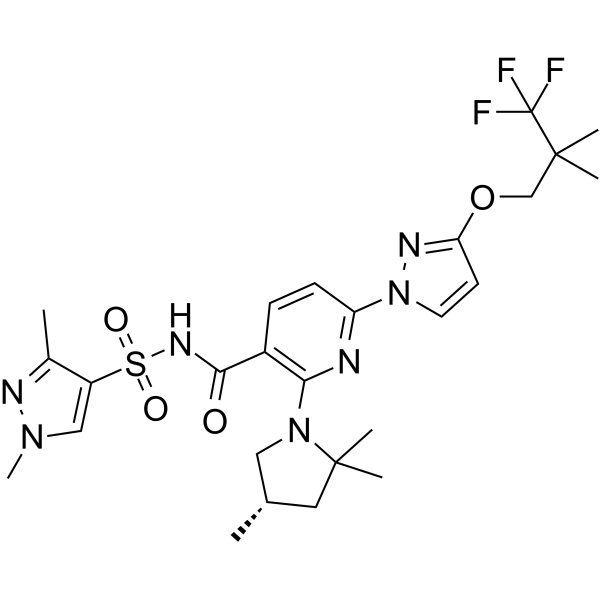
    An emerging drug design method is based on the secondary binding site effect, where small molecule drugs are designed to bind to secondary binding sites on target biomolecules rather than primary orthomorphic sites. Successful potential drugs (known as allosteric modulators) will be able to bind to allosteric sites and remotely alter (or modify) the conformation of the main orthosteric binding sites of biological targets. Allosteric modulators (AMs) are ligands of proteins that act through binding sites different from natural (orthosteric) ligand sites. AMs are relatively small, more lipophilic, and more rigid compounds. The binding efficacy of AMs with their targets is often slightly lower. AMs are divided into positive AMs (PAMs) and negative AMs (NAMs). AMs are ideal drug targets because they can fine-tune receptor activity while preserving the spatial and temporal signal transduction characteristics of endogenous ligands, resulting in fewer targeted side effects, improved subtype selectivity, and better promotion of biased signal transduction than normal ligands.

    MCE designs a unique collection of 246 small allosteric modulators. It is a good tool to be used for research on metabolize, cancer and other diseases.

  • HY-L941
    4315 compounds

    Owing to the high conservation of orthosteric sites, conventional orthosteric drugs frequently suffer from poor subtype selectivity, off-target toxicity, and drug resistance, severely restricting their clinical application. In contrast, allosteric sites feature low conservation, high hydrophobicity, weak polarity, confined spatial geometry, and dynamic cryptic properties. These characteristics endow allosteric modulators with distinct advantages including high selectivity, functional tunability, and improved safety, making allosteric therapy a key direction in modern drug discovery.

    MCE has curated nearly 1,000 structurally disclosed clinical-stage allosteric modulators. By analyzing allosteric protein–ligand complex structures from the PDB database, we extracted core pharmacophores and privileged scaffolds. Adopting a rational design strategy of “scaffold derivation + allosteric physicochemical filtering”, we performed secondary screening on the derived compounds strictly following the optimal physicochemical principles for allosteric binding based on universal allosteric pocket properties: molecular weight 300–500 Da, HBD ≤ 3, HBA = 3–8, PSA = 70–120 Ų, rotatable bonds ≤ 6, highly rigid scaffolds, cLogP = 1.0–3.8, and no strongly ionizable groups. The selected compounds exhibit high rigidity and shape complementarity, making them well-suited for targeting shallow, dynamic, and hydrophobic-dominated allosteric pockets.

    This allosteric modulator library contains 4,315 structurally diverse, lead-like compounds dedicated to allosteric drug development, allosteric site targeting, and allosteric modulator screening. It is suitable for kinases, GPCRs, and other important drug targets. All compounds are analogs of clinical-stage allosteric modulators with a similarity score > 0.6, combining excellent druggability and allosteric binding potential. It provides a highly efficient tool for early-stage allosteric drug discovery.

  • HY-L0117V
    1,412 compounds

    Glycomimetics are designed to mimic the structure of natural carbohydrates and modulate their disease-related functions. Macrocyclic glycomimetics are an extremely interesting class of glycomimetics as they occupy space between small and macro molecules. Macrocyclic glycomimetics are mostly represented by naturally occurring molecules derived from marine microorganisms and bacterial or fungal metabolites.

  • HY-L090
    2,353 compounds

    Transcription is the essential first step in the conversion of the genetic information in the DNA into protein and the major point at which gene expression is controlled. Transcription of protein-coding genes is accomplished by the multi-subunit enzyme RNA polymerase II and an ensemble of ancillary proteins, called transcription factors (TFs). Transcription factors play an important role in the long-term regulation of cell growth, differentiation and responses to environmental cues. Deregulated transcription factors contribute to the pathogenesis of a plethora of human diseases, ranging from diabetes, inflammatory disorders and cardiovascular disease to many cancers, and thus these proteins hold great therapeutic potential.

    MCE offers a unique collection of 2,353 compounds with validated transcription factor targets modulating properties. MCE transcription factor-targeted compound library is an effective tool for researching transcription factors as drug targets as well as modulation of TFs for different therapeutic applications.

  • HY-L088
    3,389 compounds

    Angiogenesis is the physiological process through which new blood vessels are formed from pre-existing vessels. It occurs in various physiological processes e.g. embryonic development, menstrual cycle, exercise and wound healing etc. Angiogenesis is regulated by both endogenous activators and inhibitors. Some key activators of angiogenesis include vascular endothelial growth factor (VEGF), basic fibroblast growth factor (bFGF), angiogenin, TGF-β, etc. whereas angiogenesis inhibitors are angiostatin, endostatin, interferon, platelet factor 4, etc. The loss of balance between these opposing signals leads to life threatening diseases like cancer, cardiovascular and ischemic diseases etc. which are thus controlled by exogenous angiogenesis activators (for cardiovascular/ischemic disorders) and inhibitors (for cancer).

    MCE offers a unique collection of 3,389 compounds with validated angiogenesis targets modulating properties. MCE angiogenesis-related compound library is an effective tool for angiogenesis research and discovery of angiogenesis-related drugs.

  • HY-L011
    2,136 compounds

    Most of molecules enter or leave cells mainly via membrane transport proteins, which play important roles in several cellular functions, including cell metabolism, ion homeostasis, signal transduction, the recognition process in the immune system, energy transduction, etc. There are three major types of transport proteins, ATP-powered pumps, channel proteins and transporters. Transport proteins such as channels and transporters play important roles in the maintenance of intracellular homeostasis, and mutations in these transport protein genes have been identified in the pathogenesis of a number of hereditary diseases. In the central nervous system, ion channels have been linked to, but not limited to, many diseases such asataxias, paralyses, epilepsies, and deafness. This indicates the roles of ion channels in the initiation and coordination of movement, sensory perception, and encoding and processing of information. Ion channels are a major class of drug targets in drug development.

    MCE designs a unique collection of 2,136 smal-molecule modulators that can be used for the research of Ion Channel and Membrane Transporter or high throughput screening (HTS) related drug discovery.

  • HY-L942
    1802 compounds

    In contrast to the high conservation of conventional orthosteric sites, allosteric sites possess structural characteristics of low conservation, high hydrophobicity, weak polarity, confined spatial geometry, and dynamic cryptic properties. There is a significant difference between their core structures and orthosteric pockets — allosteric pockets are mostly dynamic grooves formed by protein conformational changes, subunit interface clefts, or shallow depressions, rather than the rigid "keyhole" structure of orthosteric sites. With looser spatial constraints, allosteric sites have the advantages of high selectivity and low off-target risk, and have become an important direction in new drug discovery.

    Based on the dynamic, hydrophobic, and narrow-long spatial characteristics of allosteric pockets, MCE has performed targeted modification and screening of fragments. The screening criteria strictly conform to the requirements of allosteric binding: molecular weight is controlled at 120–280 Da (to meet the core needs of small molecules in fragment libraries and high derivatization), hydrogen bond donors (HBD ≤ 2), hydrogen bond acceptors (HBA ≤ 3), polar surface area (PSA = 30–80 Ų), rotatable bonds (≤ 2), moderate hydrophobicity (cLogP = 1–3.5), no strongly ionizable groups, and both appropriate rigidity and conformational flexibility to adapt to the dynamic changes of the pocket. Meanwhile, combined with the results of principal moment of inertia (PMI) analysis, fragments with high 3D diversity were obtained. Such fragments have good shape complementarity with allosteric pockets, ensuring that the fragments can smoothly enter the allosteric pockets and form stable binding, while providing room for subsequent optimization and derivation.

    This library contains 1,800 structurally diverse fragment molecules with excellent drug-like properties, suitable for allosteric drug development and the design and optimization of allosteric sites. It combines the

  • HY-L0119V
    3,253 compounds

    Protein protein interactions (PPI) have pivotal roles in life processes. The studies showed that aberrant PPI are associated with various diseases. However, the design of modulators targeting PPI still faces tremendous challenges, such the difficult PPI interfaces for the drug design, lack of ligands reference, lack of guidance rules for the PPI modulators development and high-resolution PPI proteins structures.

    The PPI Library comprises molecules of various sizes, frameworks, and shapes ranging from fragment-like entities to macrocyclic derivatives designed as secondary structure mimetics or as epitope mimetics. The designs cover β-turn / loop mimetics and α-helix mimetics. Since helices present at the interface in 62% of all protein-protein interactions. This library focused on designs including mimics with the substitution geometry of an a-helices, as well as designs that mimic the location of “hot-spot” side chains in helix-mediated PPIs.

  • HY-L228
    145 compounds

    Lipids are important energy storage substances in the human body. They are involved in the regulation of cell structure and function, as well as signaling pathways and gene expression. Abnormal lipid levels in tissues or their dysregulation can lead to various diseases. These include obesity, type 2 diabetes, non-alcoholic fatty liver disease, neurodegenerative diseases, infections, and cancer. Therefore, maintaining normal levels of lipid metabolism is critical to overall health.

    One of the key features of cancer is aberrant lipid metabolism. This includes alterations in lipid uptake, lipid desaturation, neolipogenesis, lipid droplets, and fatty acid oxidation in cancer cells. These changes all contribute to cellular survival in an ever-changing microenvironment. They do this by modulating feed-forward oncogenic signals and key oncogenic functions. Additionally, they affect oxidative stress, other types of stress, immune responses, and intercellular communication. Alterations in lipid metabolism have a strong impact on the properties of cancer stem cells. This includes aspects such as self-renewal, differentiation, invasion, metastasis, drug sensitivity, and resistance. Furthermore, these alterations also modulate T cell responses.

    MCE can offer 145 metabolites of lipid metabolism pathways, which can be used for drug screening in cancer, immune-based diseases, metabolic diseases, and other diseases.

  • HY-L109
    767 compounds

    Protein protein interactions (PPI) have pivotal roles in life processes. The studies showed that aberrant PPI are associated with various diseases, including cancer, infectious diseases, and neurodegenerative diseases. The classic drug targets are usually enzymes, ion channels, or receptors, the PPI indicate new potential therapeutic targets. Therefore, targeting PPI is a new direction in treating diseases and an essential strategy for the development of new drugs.

    However, the design of modulators targeting PPI still faces tremendous challenges, such the difficult PPI interfaces for the drug design, lack of ligands reference, lack of guidance rules for the PPI modulators development and high-resolution PPI proteins structures.

    With the development of high-throughput technology, high-throughput screening is also gradually used for the identification of PPI inhibitors, but the compound library used for conventional target screening is not very effective in screening PPI inhibitors. To improve screening efficiency, MCE carefully selected 767 PPI inhibitors and mainly targeting MDM2-p53, Keap1-Nrf2, PD-1/PD-L1, Myc-Max, etc. MCE Protein-protein Interaction Inhibitor Library is a useful tool for PPI drug discovery and related research.

  • HY-L250
    62 compounds

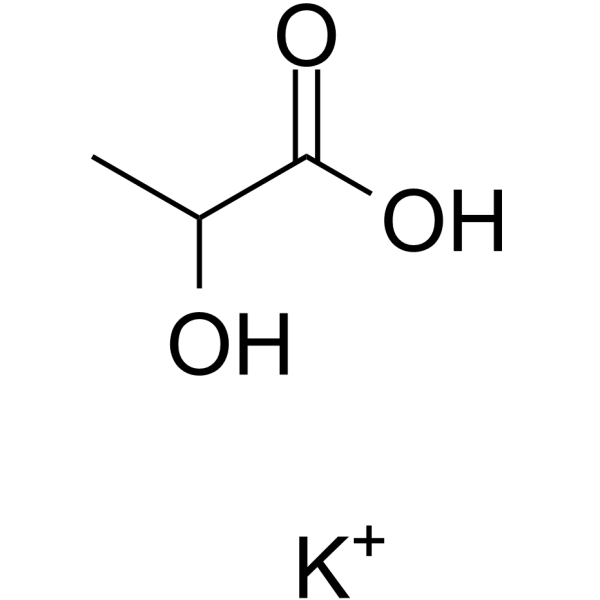
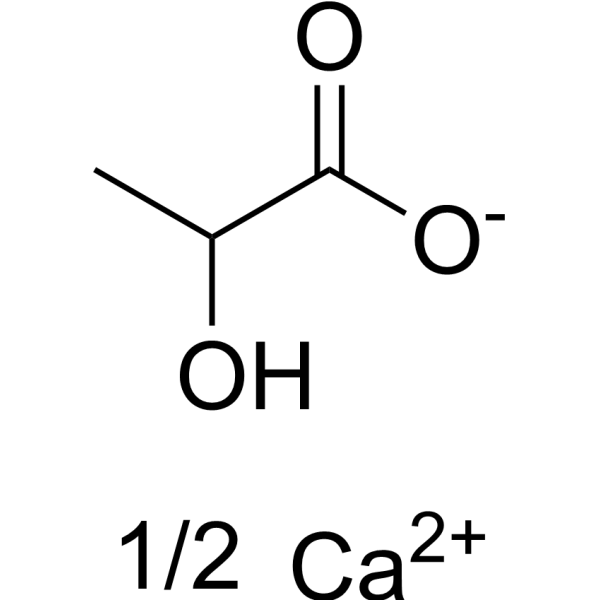
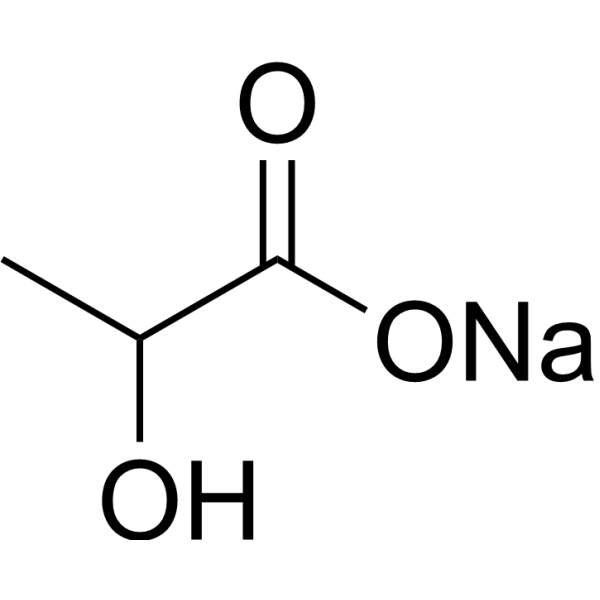
    In the progression of various diseases, metabolic reprogramming has emerged as a key hallmark. Lactate, as an important metabolic signaling molecule, is widely involved in tumorigenesis, immune regulation, and inflammatory responses. Particularly within the tumor microenvironment, the abnormal accumulation of lactate not only affects cellular energy metabolism but also promotes disease progression by modulating immune cell functions and mediating protein lactylation, thereby participating in epigenetic regulation and signaling networks. Therefore, systematic investigation of lactate metabolic pathways and their associated metabolites is of great significance for understanding disease mechanisms and developing novel therapeutic strategies.

    The MCE lactic acid metabolite compound library contains 62 compounds and is constructed around key metabolic pathways involving lactate production, transport, and utilization. This library systematically includes core intermediates from glycolysis, the tricarboxylic acid (TCA) cycle, and the lactate cycle. Focusing on disease-associated metabolic reprogramming, it is suitable for research in oncology, inflammation, and metabolic disorders. The library can be used to elucidate the roles of lactate in tumor microenvironment regulation, immune evasion, and epigenetic modifications (such as protein lactylation). In addition, it provides high-quality small-molecule resources for drug screening, facilitating the discovery of potential modulators targeting key enzymes (such as LDH) or transporters (such as MCTs) involved in lactate metabolism.

  • HY-L039
    3,050 compounds

    Techniques for reprogramming somatic cells create new opportunities for drug screening, disease modeling, artificial organ development, and cell therapy. The development of reprogramming techniques has grown exponentially since Yamanaka reprogrammed somatic cells to become induced pluripotent stem cells (iPSCs) using four transcription factors, OCT4, SOX2, KLF4, and c-MYC in 2006. Despite the development of efficient reprogramming methods, most methods are inappropriate for clinical applications because they carry the risk of integrating exogenous genetic factors or use oncogenes. Alternative approaches, such as those based on miRNA, non-viral genes, non-integrative vectors, and small molecules, have been studied as possible solutions to the problems. Among these alternatives, small molecules are attractive options for clinical applications. Reprogramming using small molecules is inexpensive and easy to control in a concentration- and time-dependent manner. It offers a high level of cell permeability, ease of synthesis and standardization, and it is appropriate for mass-producing cells.

    MCE Reprogramming Compound Library contains a unique collection of 3,050 compounds that act on reprogramming signaling pathways. These compounds are potential stimulators for reprogramming. This library is a useful tool for researching reprogramming and regenerative medicine.

  • HY-L062
    2,463 compounds

    Neurotransmitter (NT) receptors, also known as neuroreceptors, are a broadly diverse group of membrane proteins that bind neurotransmitters for neuronal signaling. There are two major types of neurotransmitter receptors: ionotropic and metabotropic. Ionotropic receptors are ligand-gated ion channels, meaning that the receptor protein includes both a neurotransmitter binding site and an ion channel. The binding of a neurotransmitter molecule (the ligand) to the binding site induces a conformational change in the receptor structure, which opens, or gates, the ion channel. The term “metabotropic receptors” is typically used to refer to transmembrane G-protein-coupled receptors. Metabotropic receptors trigger second messenger-mediated effects within cells after neurotransmitter binding.

    In some neurological diseases, the neurotransmitter receptor itself appears to be the target of the disease process. Many neuroactive drugs act by modifying neurotransmitter receptors. A better understanding of neurotransmitter receptor changes in disease may lead to improvements in therapy.

    MCE designs a unique collection of 2,463 compounds targeting a variety of neurotransmitter receptors. MCE Neurotransmitter Receptor Compound Library is a useful tool for neurological diseases drug discovery.

  • HY-L092
    1,629 compounds

    Glucose homeostasis is tightly regulated to meet the energy requirements of the vital organs and maintain an individual’s health. Glucose metabolism includes glycolysis, tricarboxylic acid cycle, pentose phosphate pathway, oxidative phosphorylation and other metabolic pathways. Glucose is the major carbon source that provides the main energy for life. Glucose metabolism dysregulation is also implicated in many diseases such as diabetes, heart disease, neurodegenerative diseases and even cancer.

    MCE offers a unique collection of 1,629 compounds related to glucose metabolism, which target glucose metabolism related targets, such as GLUT, Hexokinase, Pyruvate Kinase, IDH, etc. MCE glucose metabolism library is a powerful tool for studying glucose metabolism and drug discovery of diseases related to glucose metabolism.

  • HY-L091
    969 compounds

    Lipids are a fundamental class of organic molecules implicated in a wide range of biological processes, and based on this can be broadly classified into five categories: fatty acids, triacylglycerols (TAGs), phospholipids, sterol lipids and sphingolipids. Lipids play a crucial role in different metabolic pathways and cellular functions. Lipid metabolism is an important physiological process that is related to nutrient adjustment, hormone regulation, and homeostasis. Lipid metabolism dysregulation is associated with many diseases such as obesity, liver disease, aging and inflammation.

    MCE offers a unique collection of 969 compounds related to lipid metabolism, which target relevant targets in the process of lipid metabolism, such as ATGL, MAGL, FAAH, acetyl-Coa Carboxylase, FASN, etc. MCE lipid metabolism compound library is a useful tool for research lipid metabolism and drug discovery of diseases related to lipid metabolism.

  • HY-L234
    82 compounds

    Nucleotide metabolism is central to cancer aggressiveness, underpinning uncontrolled proliferation, chemotherapy resistance, immune evasion, and metastasis. It is transcriptionally regulated by oncogenes (e.g., MYC) and tumor suppressors (e.g., pRb). Nucleotide imbalance and nucleoside degradation further regulate cell state transitions, especially following replication stress. Additionally, secretion of nucleotides/nucleosides into the tumor microenvironment modulates immune responses and influences treatment efficacy. Therefore, nucleotide metabolites have roles in disease response and indication in cancer research, and can be utilized to develop cancer-related mechanisms and drugs.

    MCE can provide 82 metabolites produced by nucleotide metabolic pathways, which can be used for disease mechanism research and drug research.

  • HY-L147
    914 compounds

    A protease (also called a peptidase, proteinase, or proteolytic enzyme) is an enzyme that catalyzes proteolysis, breaking down proteins into smaller polypeptides or single amino acids, and spurring the formation of new protein products. Proteases play important roles in regulating multiple biological processes in all living organisms, such as regulating the fate, localization, and activity of many proteins, modulating protein-protein interactions, creating new bioactive molecules, contributing to the processing of cellular information, and generating, transducing, and amplifying molecular signals.

    Proteases are important targets in drug discovery. Some protease inhibitors are often used as anti-virus drugs and anti-cancer drugs. MCE offers a unique collection of 914 protease inhibitors. MCE Protease Inhibitor Library is critical for drug discovery and development.

  • HY-L005M
    295 compounds

    Epigenetics involves heritable phenotypic changes that occur without alterations to the underlying DNA sequence. Key mechanisms include DNA methylation, histone modifications, and regulation by small non-coding RNAs such as microRNAs. By modifying DNA, histones, or RNA—while leaving their primary sequences intact—these processes influence molecular function and regulation, thereby playing critical roles in cellular differentiation, embryonic development, gene expression control, aging, and diseases such as cancer.

    MCE provide a unique collection of 295 epigenetics-related compounds. For each regulatory target and its subtype, 3 to 5 highly specific representative compounds have been retained, which can be used in epigenetic and related disease research.

  • HY-L005
    1,915 compounds

    Epigenetics refers to changes in phenotype that are not rooted in DNA sequence. Many types of epigenetic processes have been identified, including DNA methylation, alteration in the structure of histone proteins and gene regulation by small noncoding microRNAs. Modification of DNA, protein, or RNA, resulting in changes to the function and/or regulation of these molecules, without altering their primary sequences, reveals the complexities of cellular differentiation, embryology, the regulation of gene expression, aging, cancer, and other diseases.

    MCE provide a unique collection of 1,915 epigenetics-related compounds that can be used in the research of the related diseases.

  • HY-L041
    447 compounds

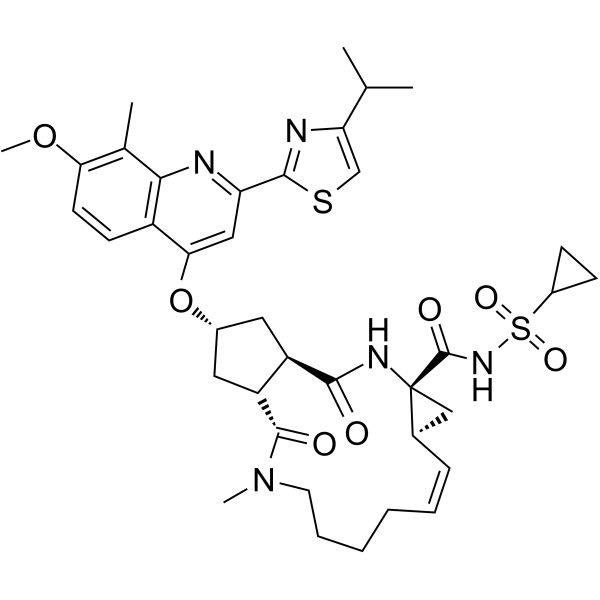
    Macrocycles, molecules containing 12-membered or larger rings, are receiving increased attention in small-molecule drug discovery. The reasons are several, including providing access to novel chemical space, challenging new protein targets, showing favorable ADME- and PK-properties. Macrocycles have demonstrated repeated success when addressing targets that have proved to be highly challenging for standard small-molecule drug discovery, especially in modulating macromolecular processes such as protein–protein interactions (PPI). Otherwise, the size and complexity of macrocyclic compounds make possible to ensure numerous and spatially distributed binding interactions, thereby increasing both binding affinity and selectivity.

    MCE offers a unique collection of 447 macrocyclic compounds which can be used for drug discovery for high throughput screening (HTS) and high content screening (HCS). MCE Macrocyclic Compound Library is a useful tool for discovering new drugs, especially for “undruggable” targets and protein–protein interactions.

  • HY-L068
    568 compounds

    Flavonoids are an important class of natural products; particularly, they belong to a class of plant secondary metabolites having a polyphenolic structure, widely found in fruits, vegetables and certain beverages. Flavonoids can be subdivided into different subgroups depending on the carbon of the C ring on which the B ring is attached and the degree of unsaturation and oxidation of the C ring. These subgroups are: flavones, flavonols, flavanones, flavanonols, flavanols or catechins, anthocyanins and chalcones. Flavonoids are now considered as an indispensable component in a variety of nutraceutical, pharmaceutical, medicinal and cosmetic applications. This is attributed to their anti-oxidative, anti-inflammatory, anti-mutagenic and anti-carcinogenic properties coupled with their capacity to modulate key cellular enzyme function. Naturally occurring flavonoids are known to have biological activities for use as drugs, for example, in diseases like cancer, Alzheimer’s disease (AD), atherosclerosis, etc.

    MCE offers a unique collection of 568 natural flavonoid compounds which is a useful tool for drug discovery as an important source of lead compounds.

  • HY-L050
    467 compounds

    Protein ubiquitination is an enzymatic post-translational modification in which an ubiquitin protein is attached to a substrate protein. Ubiquitination involves three main steps: activation, conjugation, and ligation, performed by ubiquitin-activating enzymes (E1s), ubiquitin-conjugating enzymes (E2s), and ubiquitin ligases (E3s), respectively. Ubiquitination affects cellular processes such as apoptosis, cell cycle, DNA damage repair, and membrane transportation, etc. by regulating the degradation of proteins (via the proteasome and lysosome), altering the cellular localization of proteins, affecting proteins activity, and promoting or preventing protein-protein interactions. Deregulation of ubiquitin pathway leads to many diseases such as neurodegeneration, cancer, infection and immunity, etc.

    MCE offers a unique collection of 467 small molecule modulators with biological activity used for ubiquitination research. Compounds in this library target the key enzymes in ubiquitin pathway. MCE Ubiquitination Compound Library is a useful tool for the research of ubiquitination regulation and the corresponding diseases.

  • HY-L063
    282 compounds

    Chemical probes are simply reagents with high potency, selectivity and cell-permeability which play important roles in both fundamental and applied biological research. In their most common application, chemical probes can establish the tractability of a specific target. They are used to interrogate the relationship between a target and its phenotype (biological tractability) as well as an ability to modulate that phenotype using a small molecule. Otherwise, chemical probes also have had a major impact in enabling and accelerating discoveries along the path to pioneer medicines. They have helped to improve the understanding of targets and pathways and have created opportunities for proprietary drug discovery efforts to an extent that would not have been possible otherwise.

    MCE provides a unique collection of 282 chemical probes with high potency (at least 100 nM potency), selectivity (at least 10-fold selectivity against any other target) and cell-permeability (at least 10 μM potency). MCE Chemical probe library is a useful tool for target identification and mechanism research.

  • HY-L213
    271 compounds

    The anti-cancer drug library meticulously collects all drugs approved by FDA and other major national drug regulatory authorities for cancer treatment. These drugs cover a variety of cancer types, including but not limited to lung cancer, breast cancer, colorectal cancer, leukemia, and other common cancers. The library includes a wide range of drugs, from classic chemotherapeutic agents to cutting-edge targeted therapies and immunotherapies. It contains various types of drug compounds with different mechanisms of action. There are cytotoxic drugs that directly kill cancer cells, as well as drugs that work by modulating the tumor microenvironment, inhibiting tumor angiogenesis, and activating the immune system. This diversity provides researchers with a broad range of perspectives and options for intervention strategies.

    This library can be used for basic research on cancer treatment, exploring new targets and new mechanisms of drug action; Conducting drug reuse research to look for potential therapeutic effects of existing drugs on other cancer types or diseases; Or conducting research into combination drugs to optimize cancer treatment.

    MCE has collected 271 small-molecule compounds with cancer indications, which are good tools for drug repurposing.

  • HY-L244
    724 compounds

    In this era of rapid advancement in gene-editing technology, the CRISPR-Cas system, with its powerful programmability, is leading a transformation in life sciences research. It enables efficient and precise targeted modification of an organism's genome, providing a robust tool for studying gene function, treating genetic diseases, and improving crop varieties. However, bottlenecks such as insufficient editing efficiency, low homologous directed repair efficiency, and potential off-target risks remain major challenges in achieving precise genetic modifications and developing gene therapies.

    To overcome these limitations, the MCE High-Efficiency Gene Editing Compound Library systematically includes 724 small molecules that are known or have the potential to enhance gene-editing efficiency. These compounds work by targeting and modulating the DNA damage repair network, mechanistically inhibiting non-homologous end joining, promoting homologous directed repair, or regulating chromatin states and cellular responses, thereby significantly optimizing editing outcomes. This library is suitable for developing "CRISPR-small molecule" combination therapy strategies, improving gene-editing efficiency, and providing a powerful tool for in-depth research into the mechanisms of DNA damage repair in gene editing.

  • HY-L248
    854 compounds

    The RNA-targeted bioactive compound library is a high-quality collection of small molecules specifically designed and curated to target RNA structures and functions. It is widely applied in cutting-edge drug discovery and life science research. Unlike traditional strategies that focus on protein targets, RNA-targeted compounds can directly modulate various functional RNA molecules by influencing their splicing, translation, stability, or structural conformation, thereby enabling precise intervention in key biological processes. In the field of drug development, these compounds provide a novel approach to addressing previously “undruggable” targets and have demonstrated significant potential in areas such as oncology, antiviral therapies, and neurodegenerative diseases. For example, by targeting disease-associated RNA structural domains or regulating the aberrant expression of non-coding RNAs, these compounds can effectively inhibit disease progression or restore normal cellular function. In mechanistic studies, RNA-targeted compounds serve as valuable chemical biology tools to elucidate the roles of RNA in gene expression regulation, cellular signaling pathways, and disease development.

    The MCE RNA-targeted bioactive compound library contains 854 compounds, sourced from databases such as TargetRX Atlas and R-BIND. The library features excellent structural diversity and biological activity, making it suitable for high-throughput screening (HTS), target validation, phenotypic screening, and lead compound discovery. It represents a valuable resource for RNA-related research and innovative drug development.

  • HY-L935
    1039 compounds

    POI (Protein of Interest) refers to the target protein, namely the disease-causing protein or key functional protein that undergoes degradation or functional modulation in molecular glue-mediated processes. The Molecular Glue POI Library consists of a series of fragments that can specifically bind to different types of POIs. As key components of molecular glues, these ligands form stable interactions with target proteins, laying the foundation for molecular glues to induce the interaction between POIs and E3 ubiquitin ligases. The covered POIs include various types such as cancer-associated GSPT1, androgen receptors, and abnormally aggregated proteins linked to neurodegenerative diseases.

    This fragment library can be applied to the screening and optimization of targeted protein degraders. By screening ligands with high affinity and strong selectivity for specific POIs from the library, core structures can be identified to develop novel molecular glues. For instance, optimization of ligands targeting GSPT1 has yielded molecular glue degraders with enhanced degradation activity. Since many POIs are difficult to drug due to the lack of traditional small-molecule binding pockets, some ligands in the POI Ligand Library can modulate such POIs by inducing protein-protein interactions, thereby further expanding the scope of drug discovery for undruggable targets.

    MCE has compiled a POI Fragment Library comprising thousands of POI fragments with molecular weights ranging from 150 to 400. This compound library can be widely applied in Molecular Glue research and development.

  • HY-L928
    7,115 compounds

    G protein-coupled receptors (GPCRs) are membrane proteins in humans and one of the most important targets in drug discovery. Approximately 35% of launched drugs are targeted GPCRs, making them a crucial class of targets in drug discovery.

    The orthosteric site of a GPCR is its endogenous ligand’s (such as neurotransmitters or hormones) binding site. This site plays a central role in signal transduction. Small molecules binding to this site typically contain a protonatable amino group, enabling the formation of salt bridges or hydrogen bonds with acidic residues in the binding pocket. In contrast, the allosteric site does not directly initiate signaling but modulates the signal intensity of the GPCR by altering or stabilizing the conformation of the orthosteric site. Small molecules binding to the allosteric site often contain multiple aromatic rings to occupy hydrophobic pockets and achieve their functional effects.

    MCE has collected over 7,115 reported bioactive molecules targeting GPCRs, covering Class A, B, and C GPCRs. These small molecules were subjected to AI representation to extract 2D and 3D features. Subsequently, we do screening by AI score based on similarity to identify molecules in diversity library highly similar to the reported bioactive molecules in both 2D and 3D, with a threshold greater than 0.7. Further screening based on cLogP was applied to select molecules with good lipophilicity, which facilitates the binding of small molecules to GPCRs. This diversity library can be widely applied to the discovery of compounds targeting GPCR proteins.

  • HY-L943
    37030 compounds

    MCE-18 stands for Medicinal Chemistry Evolution 2018, which was first published in Journal of Medicinal Chemistry in 2019 for assessing molecular novelty and three-dimensional complexity. Developed based on Clarivate global pharmaceutical patent database, this descriptor was constructed via big-data analysis covering 28,161 patented lead compounds, 1,370 approved drugs and nearly 30,000 preclinical-to-phase III drug candidates from 23 top pharmaceutical companies worldwide between 1950 and 2018, followed by structural clustering and removal of redundant outdated scaffolds for data denoising. Its scoring system integrates five core structural features including aromatic ring (AR), aliphatic heterocycle (NAR), chiral center (CHIRAL), spiro atom (SPIRO), cyclic and acyclic sp³ carbon ratio together with a quadratic topological correction factor. Breaking the limitations of the single Fsp³ parameter, MCE-18 effectively distinguishes conventional flat aromatic scaffolds from modern 3D-enriched novel chemotypes, overcoming typical drawbacks of traditional compound libraries such as scaffold redundancy, low screening hit rates and poor compatibility with allosteric and PPI-related difficult targets.

    This library contains over 37,000 structurally diverse compounds with favorable overall drug-likeness, suitable for high-throughput screening against canonical targets including kinases, GPCRs and proteases as well as challenging allosteric and PPI targets. Compounds comply with the developmental trend of modern novel drug discovery, supporting routine primary screening as well as early hit identification of allosteric modulators and PPI inhibitors, serving as an efficient screening resource for early-stage innovative drug discovery.

Inquiry Online

Your information is safe with us. * Required Fields.

Salutation


Country or Region *

Applicant Name *


Organization Name *

Department *


Email Address *


Product Name *

Cat. No.


Requested quantity *

Phone Number *


Remarks

Inquiry Online

Inquiry Information

Product Name:
Cat. No.:
Quantity:
MCE Japan Authorized Agent:

