



Acetylcholine iodide
Based on 33 publication(s) in Google Scholar
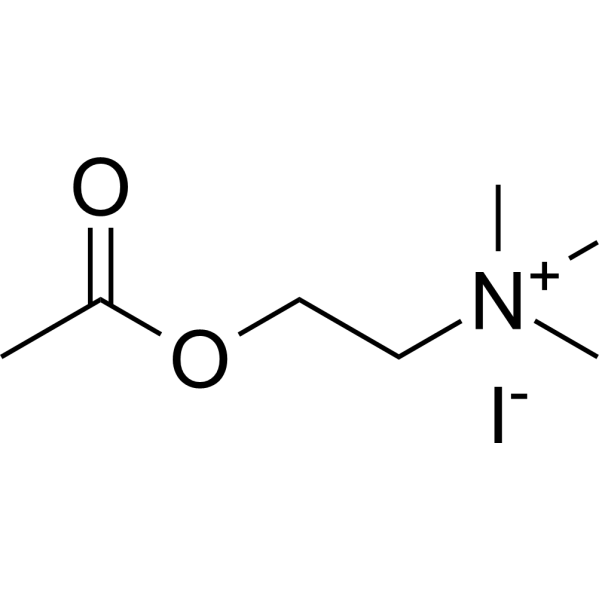
Acetylcholine iodide is a muscarinic receptor modulator. Acetylcholine iodide specifically binds to muscarinic receptors, inhibits sodium absorption, and induces chloride secretion. Acetylcholine iodide changes intestinal ion transport, enhances intestinal secretory function, induces or maintains mammary gland development and lactation. Acetylcholine iodide can be used for intestinal ion transport regulation and mammary gland physiological function research.
For research use only. We do not sell to patients.
- Purity : 98.59%
- CAS No.: 2260-50-6
- Formula: C7H16INO2
- Molecular Weight:273.11
-
Storage:
4°C, sealed storage, away from moisture and light
* In solvent : -80°C, 6 months; -20°C, 1 month (sealed storage, away from moisture and light)

To place orders, for customer services and technical support, please contact: MedChemExpress USA
Tel: 609-228-6898 E-mail: [email protected] [email protected]


-
 Biological Activity
-
Chemical Information
-
Solvent & Solubility
- Purity & Documentation
- References
-
 Help & FAQs


-
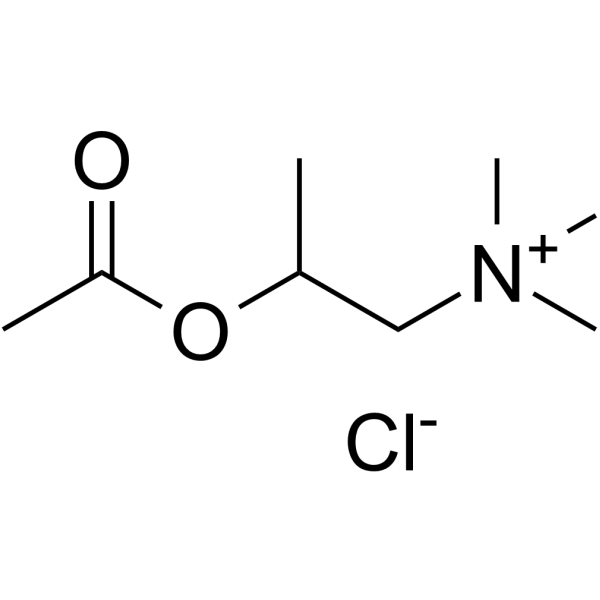
HY-A0083
Methacholine chlorideMuscarinic-3 Agonist -

HY-101086R
Acetylcholine iodide (Standard)Muscarinic Receptor Modulator -
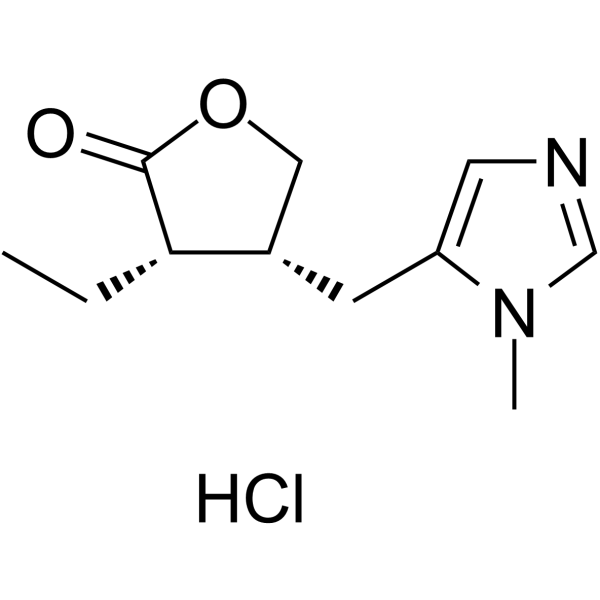
HY-B0726
Pilocarpine HydrochloridemAChR Agonist -
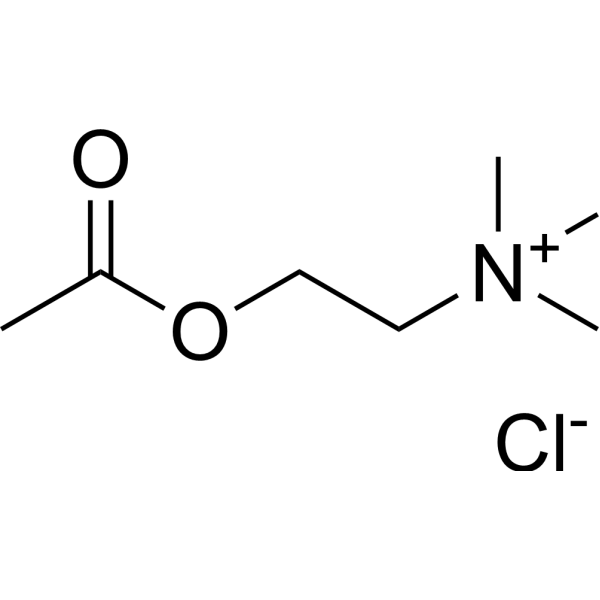
HY-B0282
Acetylcholine chlorideCholinergic Agonist -
HY-B0489
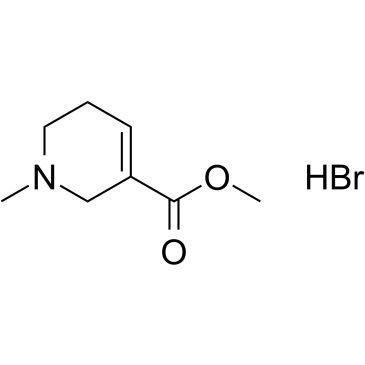
Arecoline hydrobromidenAChR/mAChR Agonist -
HY-N0175
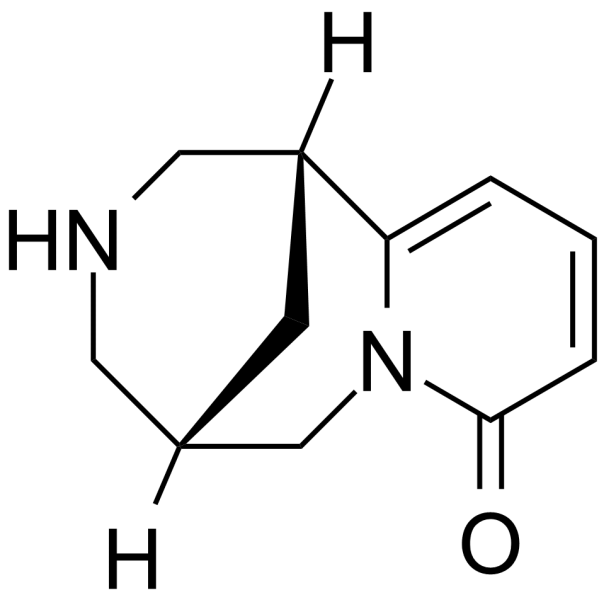
CytisiniclinenAChR Agonist -

HY-B0282R
Acetylcholine chloride (Standard)Cholinergic Agonist -
HY-B0282A
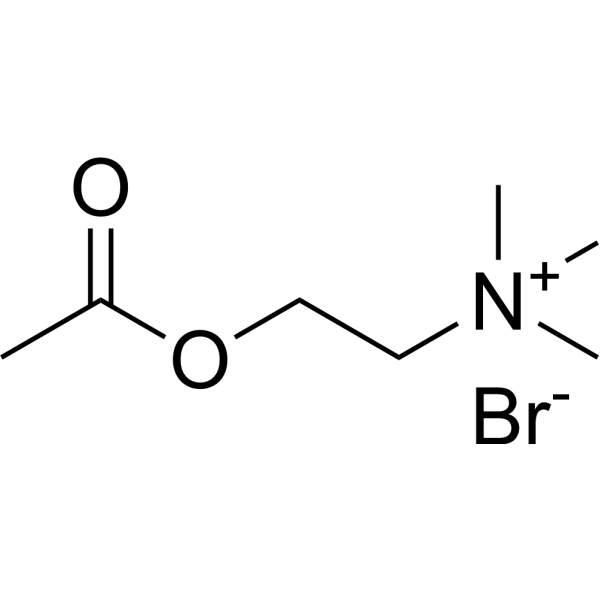
Acetylcholine bromideBiochemical Assay Reagent -

HY-N0175R
Cytisinicline (Standard)nAChR Agonist -

HY-A0083R
Methacholine chloride (Standard)Muscarinic-3 Agonist -

HY-B0489R
Arecoline hydrobromide (Standard)nAChR/mAChR Agonist
Publications Citing Use of MedChemExpress (MCE) Acetylcholine iodide
More- Cancer Cell. 2025 Nov 10;43(11):2089-2105.e10. [Abstract]
- Cell. 2026 Mar 5;189(5):1323-1340.e25. [Abstract]
- Cell Res. 2026 Apr;36(4):286-299. [Abstract]
- Cell Stem Cell. 2026 Aug 6;33(8):1363-1378.e9.
- Trends Biotechnol. 2025 Apr;43(4):918-945. [Abstract]
- Redox Biol. 2024 Feb:69:103004. [Abstract]
- J Nanobiotechnology. 2026 Jun 30. [Abstract]
- MedComm (2020). 2026 Mar 28;7(4):e70706. [Abstract]
- Phytomedicine. 2026 Jan 17:153:157846. [Abstract]
- J Hazard Mater. 2024 Nov 5:479:135690. [Abstract]
- J Hazard Mater. 2024 Mar 5:465:133248. [Abstract]
- Acta Pharmacol Sin. 2025 Mar 26. [Abstract]
- Proc Natl Acad Sci U S A. 2024 Jul 2;121(27):e2402143121. [Abstract]
- Oncogene. 2026 Jul;45(26):2611-2625.
- Curr Biol. 2026 May 4;36(9):2367-2381.e9. [Abstract]
- J Ethnopharmacol. 2025 Jan 30;337(Pt 1):118707. [Abstract]
- Mol Metab. 2026 May 26:102384. [Abstract]
- Mol Metab. 2023 Dec:78:101811. [Abstract]
- Cells. 2024 Oct 14;13(20):1697. [Abstract]
- Int J Mol Sci. 2026 Apr 9;27(8):3381. [Abstract]
- Biochim Biophys Acta Mol Basis Dis. 2024 Dec;1870(8):167488. [Abstract]
- ACS Pharmacol Transl Sci. 2025 Jun 6;8(7):2048-2060. [Abstract]
- Mol Cell Endocrinol. 2025 Apr 1:599:112464. [Abstract]
- BMC Pulm Med. 2021 Jun 5;21(1):189. [Abstract]
- Front Cardiovasc Med. 2021 Jun 16:8:679240. [Abstract]
- PLoS One. 2026 Jul 2;21(7):e0351145.
- Clin Exp Pharmacol Physiol. 2025 Nov;52(11):e70081. [Abstract]
- Turk J Med Sci. 2025 Feb 19;55(2):509-517. [Abstract]
- Uppsala University. 2026.
- UCSF. 2025.
- Res Sq. 2025 Nov 12.
- Biomed Pharmacother. 2024 Aug:177:117105. [Abstract]
- bioRxiv. 2023 Oct 13.
 Customer Validation & Images

-
In Vivo Efficacy Study
-
IF
-
Flow Cytometry
-
In Vivo Efficacy Study
-
Cell Proliferation/Viability Assay
All Endogenous Metabolite Isoforms
More

Biological Activity
Description
IC50 & Target
|
Human Endogenous Metabolite |
In Vitro
Acetylcholine iodide (25 mM; added to the serosal fluid of the rat proximal colonic eversion sac) increases the potential difference in the rat proximal colon[2].
MedChemExpress (MCE) has not independently confirmed the accuracy of these methods. They are for reference only. .
In Vivo
Acetylcholine iodide (25 mg/kg; subcutaneous injection; twice a day; 15 days) induces mammary ductal growth in some virgin rats[3].
Acetylcholine iodide (25 mg/kg; subcutaneous injection; twice a day; 5 days) induces lobular-acinar growth and secretion in the mammary glands of virgin rats pretreated with estrogen[3].
MedChemExpress (MCE) has not independently confirmed the accuracy of these methods. They are for reference only.
-
Animal Model:Female albino rats (Carworth, weighing 175 - 200 g, age unspecified) for studying mammary growth and lactation induction; Female albino rats (Carworth, postparturient, litter removed on 4th day after parturition) for studying maintenance of mammary structure and secretion[3].
-
Dosage:25 mg/kg, 50 mg/kg (dissolved in an unspecified solvent for subcutaneous injection)
-
Administration:Subcutaneous injection, twice daily for 15 days (for induction in virgin rats), twice daily for 5 days after 10 days of estradiol pretreatment (for induction in estrogen-primed virgin rats), twice daily for 10 days (for maintenance in lactating rats after litter removal)
-
Result:Induced duct growth in some cases without estradiol priming, and lobule-alveolar growth and secretion with estradiol priming in virgin rats.
Retarded mammary involution and maintained lactation in lactating rats after litter removal.


Chemical Information
-
CAS No. 2260-50-6
-
Appearance Solid
-
Molecular Weight 273.11
-
Formula C7H16INO2
-
Color White to off-white
-
SMILES
O=C(OCC[N+](C)(C)C)C.[I-]
-
Synonyms
ACh iodide
-
Structure Classification
-
Initial Source
A transmitter substance of nerve impulses within the central and peripheral nervous systems
-
Shipping
Room temperature in continental US; may vary elsewhere.
-
Storage
4°C, sealed storage, away from moisture and light
* In solvent : -80°C, 6 months; -20°C, 1 month (sealed storage, away from moisture and light)


Publications (33)
-
Journal Impact Factor
-
Most Recent
-
Cancer Cell
2025 Nov 10;43(11):2089-2105.e10. PMID: 40829591 -
Cell
Sympathetic-epithelial crosstalk governs tissue-resident memory T cell immunosurveillance in the skin. [Abstract]2026 Mar 5;189(5):1323-1340.e25. PMID: 41616781 -
Cell Res
Light sensing enhances thermotolerance and competitive fitness via serotonergic signaling in an eyeless organism. [Abstract]2026 Apr;36(4):286-299. PMID: 41764323 -
-
Trends Biotechnol
Programmable embedded bioprinting for one-step manufacturing of arterial models with customized contractile and metabolic functions. [Abstract]2025 Apr;43(4):918-945. PMID: 39779422 -
Redox Biol
Myeloid ACE2 protects against septic hypotension and vascular dysfunction through Ang-(1-7)-Mas-mediated macrophage polarization. [Abstract]2024 Feb:69:103004. PMID: 38141575 -
J Nanobiotechnology
Neutrophil membrane-mediated biomimetic nanoparticle for co-delivery of icariin and siORMDL3 attenuates asthma exacerbated by respiratory syncytial virus. [Abstract]2026 Jun 30. PMID: 42381004 -
MedComm (2020)
2026 Mar 28;7(4):e70706. PMID: 41930327 -
Phytomedicine
Andrographolide ameliorates vascular injury in hypertension by suppressing EndMT via Sp1-Notch1 signaling. [Abstract]2026 Jan 17:153:157846. PMID: 41653618 -
J Hazard Mater
β-ionone inhibits the grazing of Daphnia sinensis by reducing the activity of acetylcholinesterase. [Abstract]2024 Nov 5:479:135690. PMID: 39255669 -
J Hazard Mater
β-cyclocitral, a novel AChE inhibitor, contributes to the defense of Microcystis aeruginosa against Daphnia grazing. [Abstract]2024 Mar 5:465:133248. PMID: 38147752 -
Acta Pharmacol Sin
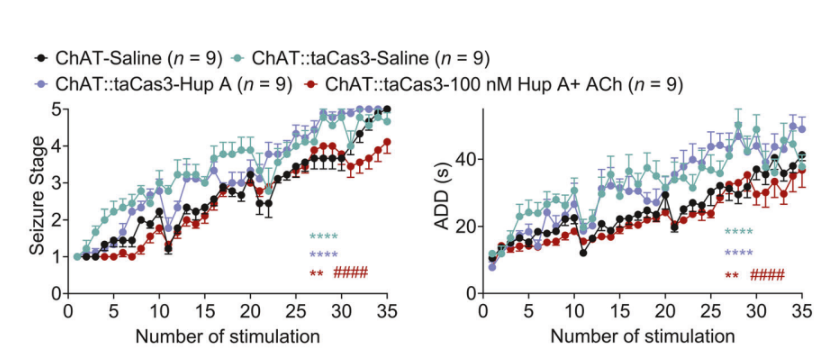
Huperzine A attenuates epileptic seizures via enhancing dCA1-projecting septal cholinergic transmission. [Abstract]2025 Mar 26. PMID: 40140526
Acetylcholine iodide purchased from MedChemExpress. Usage Cited in: Acta Pharmacol Sin. 2025 Mar 26. [Abstract]
Acetylcholine (ACh, 20 μM; 250 nL, locally injected into the dorsal CA1 (dCA1)). AAV-EF1α-FLEX-taCasp3 virus was injected in the medial septum (MS) and the cannula was implanted in the dCA1 for Hup A (0.1 -1 mg/kg; i.p.) intervention. Effects of Hup A on the development of seizure stage (Left) and ADDs (Right) during kindling acquisition, in the condition of AAV-taCasp3-mediated apoptosis of the ChAT+ neurons in MS, n=9.
-
Proc Natl Acad Sci U S A
2024 Jul 2;121(27):e2402143121. PMID: 38923993
Acetylcholine iodide purchased from MedChemExpress. Usage Cited in: Proc Natl Acad Sci U S A. 2024 Jul 2;121(27):e2402143121. [Abstract]
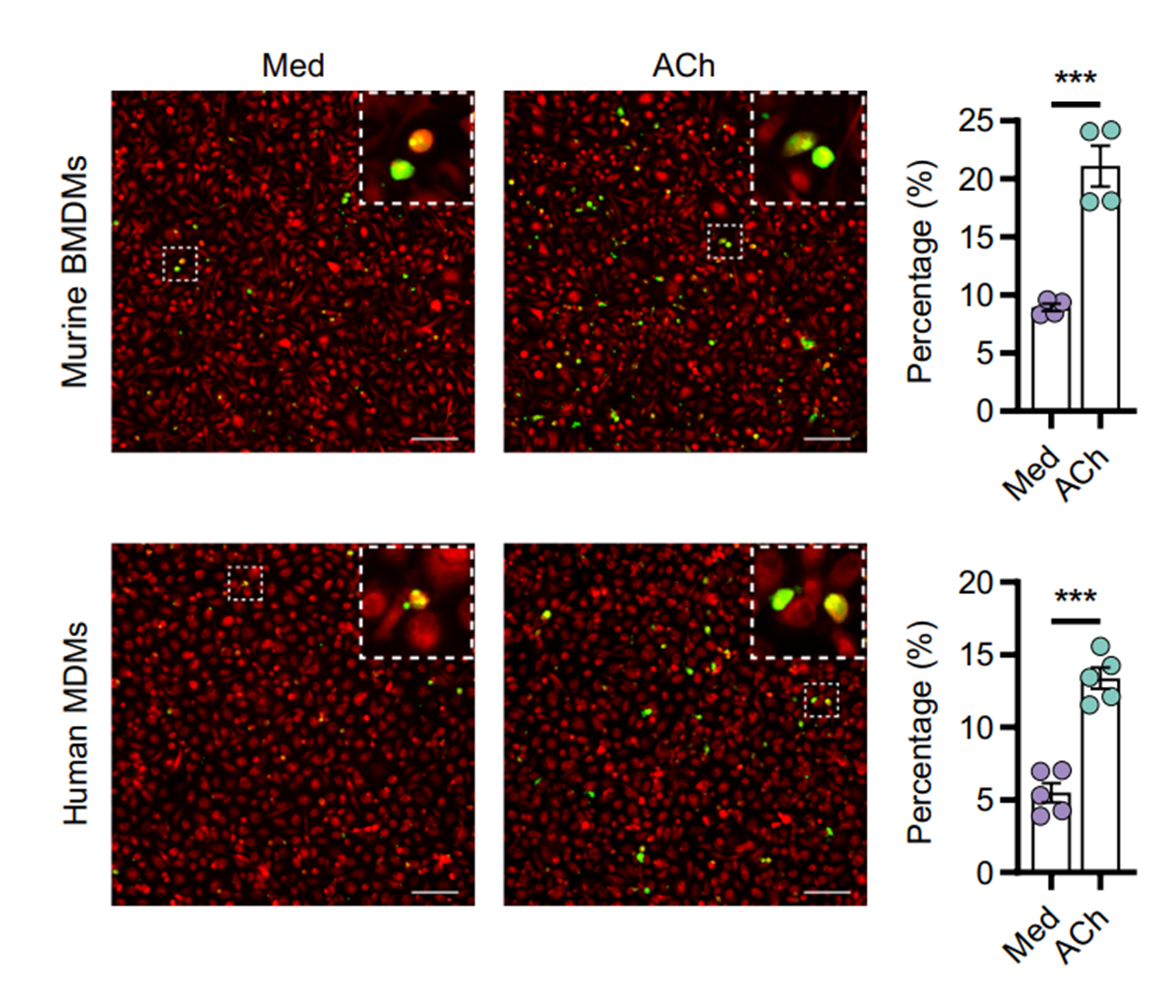
The impact of ACh (Acetylcholine, 1 μM; 24 h) on the uptake of latex beads-rabbit IgG-FITC complex (green) in murine BMDMs (red; Upper) or human MDMs (red; Lower) was assessed. The data are presented as the percentage of latex beads-rabbit IgG-FITC-positive cells relative to the total cell count. (Scale bar, 100 μm.)
Acetylcholine iodide purchased from MedChemExpress. Usage Cited in: Proc Natl Acad Sci U S A. 2024 Jul 2;121(27):e2402143121. [Abstract]
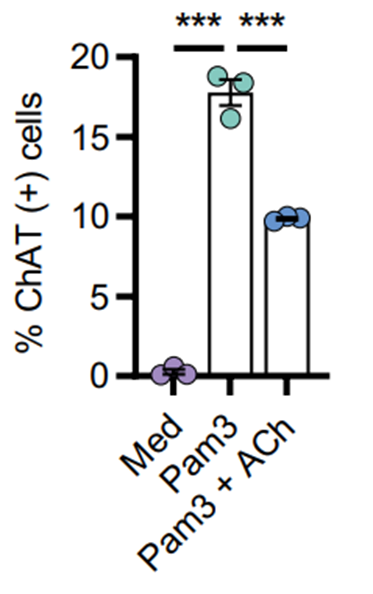
BMDMs from ChAT-GFP mice were treated with Pam3, or in combination with ACh (Acetylcholine, 10 μM), for 24 h and subsequently evaluated for GFP expression.
Acetylcholine iodide purchased from MedChemExpress. Usage Cited in: Proc Natl Acad Sci U S A. 2024 Jul 2;121(27):e2402143121. [Abstract]
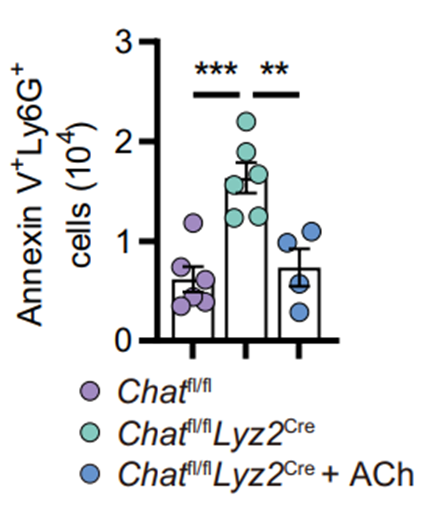
ACh (Acetylcholine, 5 mg/kg; i.p., once daily for 3 days). The number of apoptotic neutrophils was assessed by flow cytometry at day 3 post-Pam3 stimulation in Chatfl/fl and Chatfl/flLyz2cre mice.
-
-
Curr Biol
2026 May 4;36(9):2367-2381.e9. PMID: 42025171 -
J Ethnopharmacol
Mailuoning oral liquid ameliorates vasculitis in thromboangiitis obliterans rats via inactivating cGAS-STING-IRF3 and TLR4-MAPKs/NF-κB signaling pathways. [Abstract]2025 Jan 30;337(Pt 1):118707. PMID: 39181282 -
Mol Metab
Vagal control of the brain-esophagus axis ameliorates stress-induced esophageal motility dysfunction in male mice. [Abstract]2026 May 26:102384. PMID: 42203107 -
Mol Metab
Deletion of Ascl1 in pancreatic β-cells improves insulin secretion, promotes parasympathetic innervation, and attenuates dedifferentiation during metabolic stress. [Abstract]2023 Dec:78:101811. PMID: 37769990 -
Cells
Single-Cell Hypertrophy Promotes Contractile Function of Cultured Human Airway Smooth Muscle Cells via Piezo1 and YAP Auto-Regulation. [Abstract]2024 Oct 14;13(20):1697. PMID: 39451215 -
Int J Mol Sci
A Clozapine-Responsive GPCR-Based Gene Switch for Pharmacological Control of Gene Expression in Mammalian Cells and In Vivo. [Abstract]2026 Apr 9;27(8):3381. PMID: 42074026 -
Biochim Biophys Acta Mol Basis Dis
Dietary apigenin ameliorates obesity-related hypertension through TRPV4-dependent vasorelaxation and TRPV4-independent adiponectin secretion. [Abstract]2024 Dec;1870(8):167488. PMID: 39218272 -
ACS Pharmacol Transl Sci
Critical Residues in the Gβ Subunit Mediate Selective Recruitment of the Gαq Heterotrimer to Activated G Protein-Coupled Receptors. [Abstract]2025 Jun 6;8(7):2048-2060. PMID: 40672669 -
Mol Cell Endocrinol
Vagotomy suppresses food intake by increasing GLP-1 secretion via the M3 AChR-AMPKα pathway in mice. [Abstract]2025 Apr 1:599:112464. PMID: 39848433 -
BMC Pulm Med
Opposing responses of the rat pulmonary artery and vein to phenylephrine and other agents in vitro. [Abstract]2021 Jun 5;21(1):189. PMID: 34090386 -
Front Cardiovasc Med
2021 Jun 16:8:679240. PMID: 34222374 -
-
Clin Exp Pharmacol Physiol
Indole-3-Propionic Acid Improves Vascular Function in High-Fat Diet-Induced Obese Mice via eNOS. [Abstract]2025 Nov;52(11):e70081. PMID: 41057979 -
Turk J Med Sci
2025 Feb 19;55(2):509-517. PMID: 40342326 -
-
-
-
Biomed Pharmacother
Spinosad blocks CHRNA5 mediated EGFR signaling pathway activation to inhibit lung adenocarcinoma proliferation. [Abstract]2024 Aug:177:117105. PMID: 39002438
Acetylcholine iodide purchased from MedChemExpress. Usage Cited in: Biomed Pharmacother. 2024 Aug:177:117105. [Abstract]
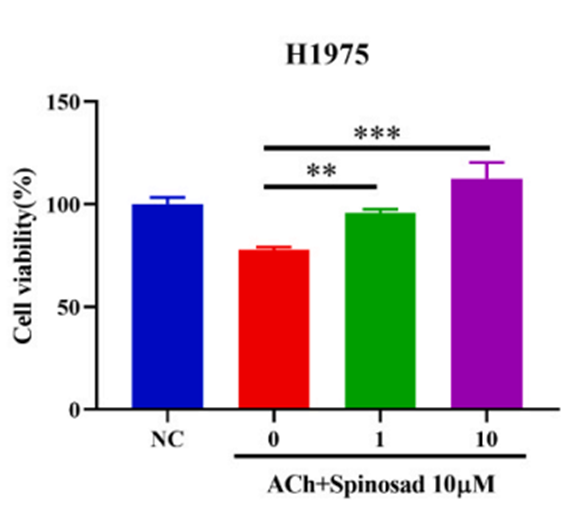
The addition of exogenous Acetylcholine (1-10 μM) reversed the decline in H1975 cell viability induced by Spinosad (10 μM).
-


Solvent & Solubility
In Vitro:
DMSO : 100 mg/mL (366.15 mM; Need ultrasonic; Hygroscopic DMSO has a significant impact on the solubility of product, please use newly opened DMSO)
H2O : ≥ 100 mg/mL (366.15 mM)
* "≥" means soluble, but saturation unknown.
Please refer to the solubility information to select the appropriate solvent. Once prepared, please aliquot and store the solution to prevent product inactivation from repeated freeze-thaw cycles.
Storage method and period of stock solution: -80°C, 6 months; -20°C, 1 month (sealed storage, away from moisture and light). When stored at -80°C, please use it within 6 months. When stored at -20°C, please use it within 1 month.
* Note: If you choose water as the stock solution, please dilute it to the working solution, then filter and sterilize it with a 0.22 μm filter before use.
Please refer to the solubility information to select the appropriate solvent. Once prepared, please aliquot and store the solution to prevent product inactivation from repeated freeze-thaw cycles.
Storage method and period of stock solution: -80°C, 6 months; -20°C, 1 month (sealed storage, away from moisture and light). When stored at -80°C, please use it within 6 months. When stored at -20°C, please use it within 1 month.
* Note: If you choose water as the stock solution, please dilute it to the working solution, then filter and sterilize it with a 0.22 μm filter before use.
Concentration (start) × Volume (start) = Concentration (final) × Volume (final)
In Vivo:
Select the appropriate dissolution method based on your experimental animal and administration route.
- For the following dissolution methods, please ensure to first prepare a clear stock solution using an In Vitro approach and then sequentially add co-solvents:
- To ensure reliable experimental results, the clarified stock solution can be appropriately stored based on storage conditions. As for the working solution for In Vivo experiments, it is recommended to prepare freshly and use it on the same day.
- The percentages shown for the solvents indicate their volumetric ratio in the final prepared solution. If precipitation or phase separation occurs during preparation, heat and/or sonication can be used to aid dissolution.
Add each solvent one by one: 10% DMSO 40% PEG300 5% Tween-80 45% Saline
Solubility: ≥ 2.5 mg/mL (9.15 mM); Clear solution
This protocol yields a clear solution of ≥ 2.5 mg/mL (saturation unknown).
Taking 1 mL working solution as an example, add 100 μL DMSO stock solution (25.0 mg/mL) to 400 μL PEG300, and mix evenly; then add 50 μL Tween-80 and mix evenly; then add 450 μL Saline to adjust the volume to 1 mL.
Preparation of Saline: Dissolve 0.9 g sodium chloride in ddH₂O and dilute to 100 mL to obtain a clear Saline solution.
Add each solvent one by one: 10% DMSO 90% (20% SBE-β-CD in Saline)
Solubility: ≥ 2.5 mg/mL (9.15 mM); Clear solution
This protocol yields a clear solution of ≥ 2.5 mg/mL (saturation unknown).
Taking 1 mL working solution as an example, add 100 μL DMSO stock solution (25.0 mg/mL) to 900 μL 20% SBE-β-CD in Saline, and mix evenly.
Preparation of 20% SBE-β-CD in Saline (4°C, storage for one week): 2 g SBE-β-CD powder is dissolved in 10 mL Saline, completely dissolve until clear.
In Vivo Dissolution Calculator
Please enter the basic information of animal experiments:
-
-
-
-
Recommended: Prepare an additional quantity of animals to account for potential losses during experiments.
Working solution concentration: 0.22 mg/mL
This product has good water solubility, please refer to the measured solubility data in water/PBS/Saline for details.


Purity & Documentation
-
Data Sheet (275 KB)
-
SDS (393 KB)
- English - EN (393 KB)
- Français - FR (393 KB)
- Deutsch - DE (393 KB)
- Norwegian - NO (393 KB)
- Español - ES (393 KB)
- Swedish - SV (393 KB)
- Italian - IT (393 KB)
- Korean - KR (393 KB)
- Portuguese - PT (393 KB)
-
Handling Instructions (2659 KB)
References
[1]. Stavinoha WB, et al. The use of microwave heating to inactivate cholinesterase in the rat brain prior to analysis for acetylcholine. J Neurochem. 1973 Feb;20(2):361-71. [Content Brief]
[2]. Browning JG, et al. The role of acetylcholine in the regulation of ion transport by rat colon mucosa. J Physiol. 1977 Nov;272(3):737-54. [Content Brief]
[3]. MEITES J, et al. Induction and maintenance of mammary growth and lactation in rats with acetylcholine or epinephrine. Proc Soc Exp Biol Med. 1959 Apr;100(4):750-4. [Content Brief]


Complete Stock Solution Preparation Table
Please refer to the solubility information to select the appropriate solvent. Once prepared, please aliquot and store the solution to prevent product inactivation from repeated freeze-thaw cycles.
Storage method and period of stock solution: -80°C, 6 months; -20°C, 1 month (sealed storage, away from moisture and light). When stored at -80°C, please use it within 6 months. When stored at -20°C, please use it within 1 month.
| Optional Solvent | Concentration Solvent Mass | 1 mg | 5 mg | 10 mg | 25 mg |
|---|---|---|---|---|---|
| DMSO / H2O | 1 mM | 3.6615 mL | 18.3076 mL | 36.6153 mL | 91.5382 mL |
| 5 mM | 0.7323 mL | 3.6615 mL | 7.3231 mL | 18.3076 mL | |
| 10 mM | 0.3662 mL | 1.8308 mL | 3.6615 mL | 9.1538 mL | |
| 15 mM | 0.2441 mL | 1.2205 mL | 2.4410 mL | 6.1025 mL | |
| 20 mM | 0.1831 mL | 0.9154 mL | 1.8308 mL | 4.5769 mL | |
| 25 mM | 0.1465 mL | 0.7323 mL | 1.4646 mL | 3.6615 mL | |
| 30 mM | 0.1221 mL | 0.6103 mL | 1.2205 mL | 3.0513 mL | |
| 40 mM | 0.0915 mL | 0.4577 mL | 0.9154 mL | 2.2885 mL | |
| 50 mM | 0.0732 mL | 0.3662 mL | 0.7323 mL | 1.8308 mL | |
| 60 mM | 0.0610 mL | 0.3051 mL | 0.6103 mL | 1.5256 mL | |
| 80 mM | 0.0458 mL | 0.2288 mL | 0.4577 mL | 1.1442 mL | |
| 100 mM | 0.0366 mL | 0.1831 mL | 0.3662 mL | 0.9154 mL |
* Note: If you choose water as the stock solution, please dilute it to the working solution, then filter and sterilize it with a 0.22 μm filter before use.


Acetylcholine iodide Related Classifications
HY-101086 Related Classifications
 Powered by Bioz