


Search Result
Results for "
neoplasms
" in MedChemExpress (MCE) Product Catalog:
2
Biochemical Assay Reagents
2
Isotope-Labeled Compounds
| Cat. No. |
Product Name |
Target |
Research Areas |
Chemical Structure |
-
- HY-B0139
-
|
5-Fluorocytosine; NSC 103805; Ro 2-9915
|
Fungal
Antibiotic
|
Infection
Cancer
|
|
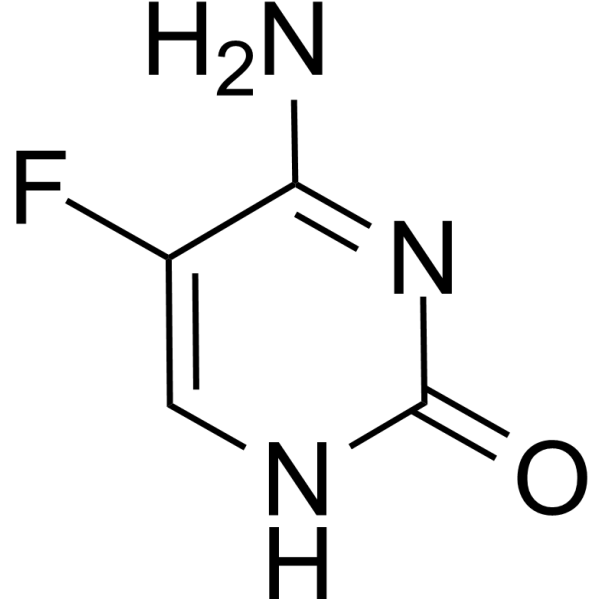
Flucytosine (5-Fluorocytosine) is an antifungal compound with oral activity. Flucytosine is a widely used cytotoxic drug that, after further metabolism, produces fluorinated ribonucleotides and deoxyribonucleotides, inhibits DNA and protein synthesis, and has multiple effects such as inhibiting candida and candida neoplasm infection and producies cytotoxicity to cancer cells .
|
-
-
- HY-P9978
-
|
JS-001
|
PD-1/PD-L1
|
Cancer
|
|
Toripalimab is a selective, recombinant, humanized monoclonal antibody against PD-1. Toripalimab is able to bind to PD-1 and block the interaction with its ligands. Toripalimab has exhibited primary anti-tumor effects in tumors such as melanoma, lung cancer, digestive tract tumors, hepatobiliary and pancreatic tumors, neuroendocrine neoplasms, nasopharyngeal carcinoma and urothelial carcinoma .
|
-
-
- HY-P99234
-
|
|
Interleukin Related
ADC Antibody
|
Cancer
|
|
Pivekimab is a human IgG1 monoclonal antibody that targets interleukin-3 (IL-3) and CD123. Pivekimab is used to synthesize pivekimab sunirine, a CD123-directed antibody-active molecule conjugate (ADC). Pivekimab is used in the study of blastic plasmacytoid dendritic cell neoplasm (BPDCN) .
|
-
-
- HY-124727
-
|
|
JAK
Apoptosis
|
Cancer
|
|
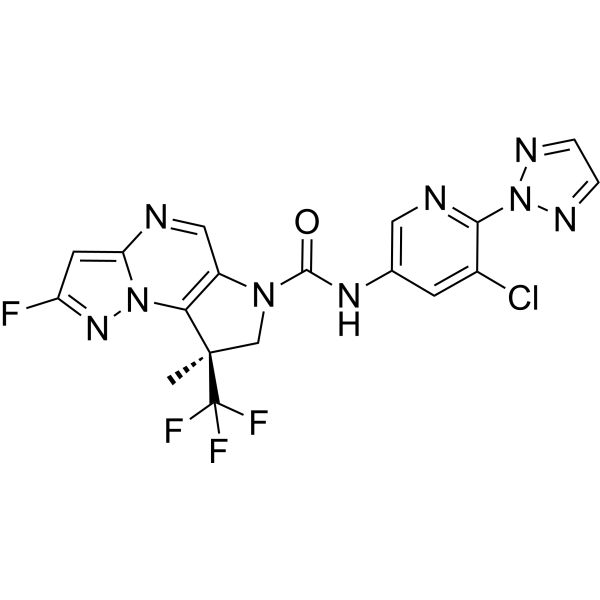
ZT55 is an orally active and highly-selective JAK2 inhibitor with an IC50 value of 0.031 μM. ZT55 inhibits the proliferation of JAK2 V617F-expressing HEL cell lines and induces apoptosis and cycle arrest. ZT-55 also effectively inhibits the growth of HEL xenograft tumours in a mice model. ZT-55 can be used in studies of myeloproliferative neoplasms, polycythemia vera and primary thrombocythemia .
|
-
-
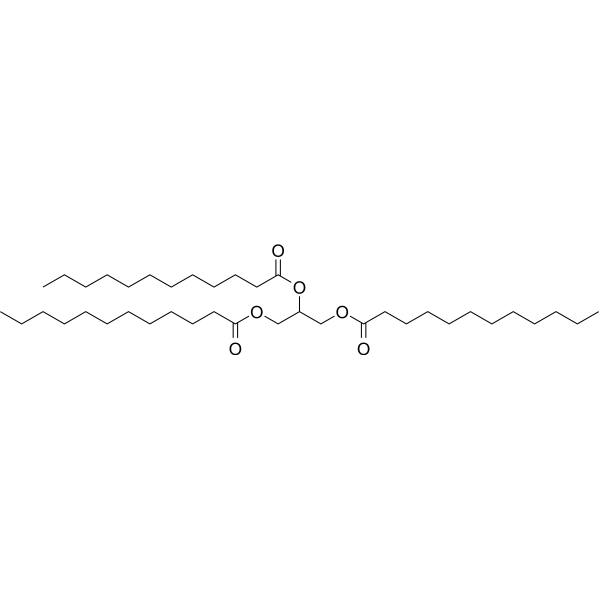
- HY-126573
-
-
-
- HY-171792
-
|
ORM-6151
|
Transmembrane Glycoprotein
|
Cancer
|
|
BMS-986497 (ORM-6151) is a CD33-targeting antibody-conjugated GSPT1 degrader. BMS-986497 delivers the GSPT1 degrader SMol006 to CD33-expressing cells and induces GSPT1 protein degradation. BMS-986497 shows potential for research on acute myeloid leukemia (AML) .
|
-
-
- HY-75954
-
|
|
Endogenous Metabolite
|
Cancer
|
|
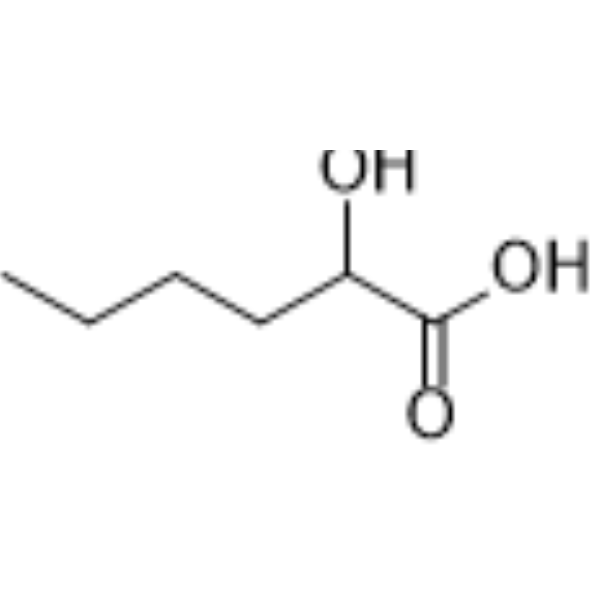
2-Hydroxyhexanoic acid is a metabolite. 2-Hydroxyhexanoic acid is elevated in metastatic pancreatic neuroendocrine tumors. 2-Hydroxyhexanoic acid does not promote the proliferation, migration or invasion of pancreatic neuroendocrine tumor cells. 2-Hydroxyhexanoic acid can be used in the research of metastatic pancreatic neuroendocrine tumors .
|
-
-
- HY-160698
-
|
|
MALT1
Apoptosis
|
Cancer
|
|
SGR-1505 is an oral small molecule MALT1 inhibitor with anti-proliferative and antitumor activity.SGR-1505 inhibits MALT1 enzymatic activity to modulate NF-κB pathway gene expression.SGR-1505 induces modulation of cell cycle, DNA damage, and apoptosis-related genes in in vivo tumor samples.SGR-1505 exerts tumorostatic and regressive activity in ABC-DLBCL xenograft models.SGR-1505 can be used for the research of activated B cell-like diffuse large B cell lymphoma, non-Hodgkin B-cell lymphomas, chronic lymphocytic leukemia, and mature B cell neoplasms .
|
-
-
- HY-N0772
-
|
|
VEGFR
NOD-like Receptor (NLR)
NF-κB
Bacterial
AMPK
Acetyl-CoA Carboxylase
Apoptosis
Reactive Oxygen Species (ROS)
HSV
Drug Derivative
|
Infection
Metabolic Disease
Inflammation/Immunology
Cancer
|
|
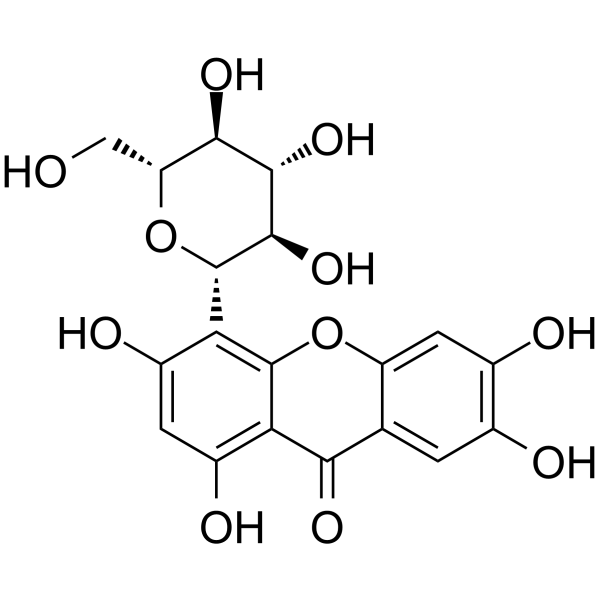
Isomangiferin is an orally active xanthone C-glucoside, and its chemical structure is similar to Mangiferin (HY-N0290). Isomangiferin is an effective VEGFR-2 kinase inhibitor, which can induces cell apoptosis, inhibit the growth, metastasis and angiogenesis of breast cancer. Isomangiferin exerts anti-inflammatory effects by inhibiting the HMGB1/NLRP3/NF-κB signaling pathway, thereby improving the renal function indicators of diabetic mice. Isomangiferin exhibits inhibitory effects on various bacteria and herpes simplex virus type 1 (HSV-1). Isomangiferin promotes the migration and osteogenic differentiation of bone marrow mesenchymal stem cells (BMSCs) and reduces cell apoptosis and the production of ROS by activating the AMPK/ACC pathway, thereby facilitating fracture healing .
|
-
-
- HY-12854
-
|
GRN163L
|
Telomerase
Apoptosis
|
Cardiovascular Disease
Cancer
|
|
Imetelstat (GRN163L) is a 13-mer oligonucleotide and competitive Telomerase inhibitor. Imetelstat binds with high affinity to the template region of the RNA component of human telomerase. Imetelstat induces Apoptosis. Imetelstat is capable of selectively eliminating myelofibrosis hematopoietic stem cells. Imetelstat leads to the loss of a cancer cell's ability to maintain telomere length, resulting in the inhibition of cell proliferation .
|
-
-
- HY-P99348
-
|
Ropeginterferon alfa-2b-njft; PEG-proline-interferon alpha-2b
|
Apoptosis
|
Cancer
|
|
Ropeginterferon alfa-2b (Ropeginterferon alfa-2b-njft) is a monopegylated IFN-α that can be used for the research of myeloproliferative neoplasms .
|
-
-
- HY-146186
-
|
|
JAK
|
Cancer
|
|
JAK2 JH2 binder-1 (compound 11) is a potent and selective JAK2 JH2 binder, with a Kd of 37.1 nM. JAK2 JH2 binder-1 has the potential for various myeloproliferative neoplasms research .
|
-
-
- HY-155412
-
|
|
Epigenetic Reader Domain
|
Cancer
|
|
PFI-6 is a selective MLLT1 and MLLT3 YEATS domain probe with IC50 values of 0.14 μM and 0.16 μM, respectively. PFI-6 is applicable for cancer research .
|
-
-
- HY-N0891
-
|
Tubeimoside-B
|
EGFR
TGF-β Receptor
RIG-I-like receptor (RLR)
SARS-CoV
|
Infection
Neurological Disease
Cancer
|
|
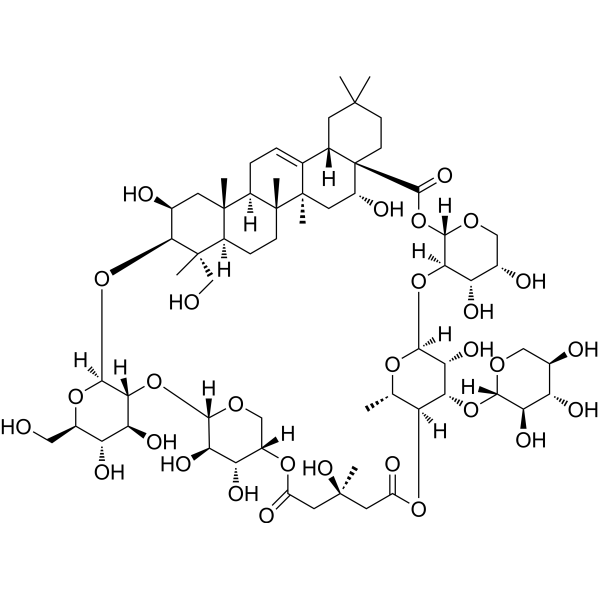
Tubeimoside II is an orally active triterpenoid saponin and antiviral agent that binds to PACT/PRKRA with Kd values of 5.37 μM and 133.1 μM, respectively. Tubeimoside II inhibits oxidase-dependent EGFR activation and reduces TGF-β1-induced oxidative stress. Tubeimoside II activates the RIG-I signaling pathway and increases IFN-β secretion. Tubeimoside II suppresses TPA-induced ear edema, mouse sarcoma 180 growth, and TPA-induced skin tumor formation. Tubeimoside II exerts broad-spectrum antiviral activity against SARS-CoV-2, HCoV-OC43, and IAV-H1N1/FM1. Tubeimoside II can be used in research related to retinoblastoma, respiratory viral infections, skin tumors, and sarcoma 180 .
|
-
-
- HY-16398
-
|
|
DNA Alkylator/Crosslinker
DNA/RNA Synthesis
|
Cancer
|
|
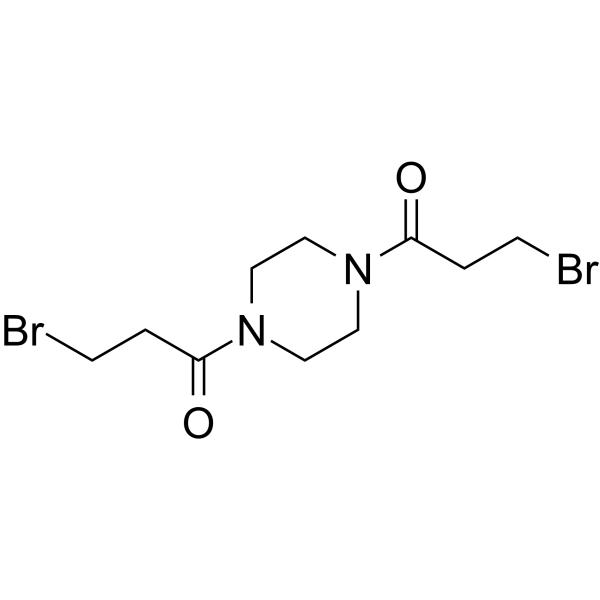
Pipobroman is a bromide derivative of piperazine and acts as an alkylating agent. Pipobroman plays its role by inhibiting DNA and RNA polymerase or by reducing pyrimidine nucleotide incorporation into DNA. Pipobroman can be used for the cancer research, including polycythemia vera, myeloproliferative neoplasm, and AML et.al .
|
-
-
- HY-161684
-
|
|
JAK
STAT
|
Cancer
|
|
JAK2-IN-10 is a selective JAK2 V617F inhibitor with an IC50 value of ≤10 nM . JAK2-IN-10 can be used for the research of myeloproliferative neoplasms and other related diseases .
|
-
-
- HY-175684
-
|
|
JAK
STAT
Apoptosis
|
Cancer
|
|
JAK2-IN-14 is an orally active JAK2 inhibitor with an IC50 of 2 nM. JAK2-IN-14 demonstrates 89.5-, 80.5-, and 51-fold selectivity over JAK1, JAK3, and TYK2, respectively. JAK2-IN-14 inhibits STAT5 signaling pathway. JAK2-IN-14 causes tumor cell cycle arrest and apoptosis. JAK2-IN-14 can used for the study of myeloproliferative neoplasms (MPNs) .
|
-
-
- HY-172404
-
|
|
Endogenous Metabolite
|
Cancer
|
|
Arylsulfatase is a hydrolase with substrate specificity for potassium 6-benzoyl-2-naphthyl sulfate. Arylsulfatase exhibits optimal activity at 37°C, and its incubation time is tissue-dependent. Arylsulfatase can be used in tumor-related research .
|
-
-
- HY-B0926B
-
|
N-Methyl-D-glucamine diatrizoate
|
Biochemical Assay Reagents
|
Metabolic Disease
|
|
Diatrizoate meglumine (N-Methyl-D-glucamine diatrizoate) is an orally active, water-soluble, poorly absorbable iodinated contrast agent. Diatrizoate meglumine is widely used as an adjuvant for radiological diagnosis and can also be applied to studies of small bowel obstruction in non-malignant conditions .
|
-
-
- HY-P9972
-
|
PDR001
|
PD-1/PD-L1
IFNAR
|
Cancer
|
|
Spartalizumab is a humanized PD-1 IgG4 monoclonal antibody, with a Kd of 0.83 nM for human PD-1 and a Kd of 0.93 nM for cynomolgus monkey PD-1. Spartalizumab binds to PD-1 and blocks its interaction with the ligands PD-L1 and PD-L2. Spartalizumab induces increased IFNγ release. Spartalizumab can be used in the research of anaplastic thyroid carcinoma (ATC) and neuroendocrine neoplasms (NENs) .
|
-
-
- HY-174428
-
|
|
PROTACs
JAK
STAT
Apoptosis
|
Cancer
|
|
PROTAC JAK2 degrader-1 is a JAK2 PROTAC degrader, with a DC50 of 27.35 nM. PROTAC JAK2 degrader-1 induces JAK2 degradation via the ubiquitin-proteasome pathway. PROTAC JAK2 degrader-1 inhibits the JAK2-STAT signaling pathway. PROTAC JAK2 degrader-1 induces G2/M phase arrest and apoptosis in cancer cells. PROTAC JAK2 degrader-1 exhibits antiproliferative activity against cancer cells. PROTAC JAK2 degrader-1 inhibits recombinant human erythropoietin (rhEPO)-mediated polycythemia and splenomegaly in mice. PROTAC JAK2 degrader-1 can be used for research on myeloproliferative neoplasms, including polycythemia vera .
|
-
-
- HY-B0139R
-
|
5-Fluorocytosine (Standard); NSC 103805 (Standard); Ro 2-9915 (Standard)
|
Reference Standards
Fungal
Antibiotic
|
Infection
Cancer
|
|
Flucytosine (Standard) is the analytical standard of Flucytosine. This product is intended for research and analytical applications. Flucytosine (5-Fluorocytosine) is an antifungal compound with oral activity. Flucytosine is a widely used cytotoxic drug that, after further metabolism, produces fluorinated ribonucleotides and deoxyribonucleotides, inhibits DNA and protein synthesis, and has multiple effects such as inhibiting candida and candida neoplasm infection and producies cytotoxicity to cancer cells .
|
-
-
- HY-B1341
-
|
Enidrel; SC-4642; NSC 15432
|
Endogenous Metabolite
Progesterone Receptor
|
Cancer
|
|
Norethynodrel (Enidrel; SC-4642) is an orally active progestogen analog that reduces estrogen-like effects and enhances progestogen-like responses in endometrial stromal cells. Norethynodrel also promotes cell maturation and predecidual cell formation by inducing organelle hyperplasia and glycogen accumulation. Norethynodrel competitively inhibits drug-metabolizing enzymes in rat liver microsomes, thereby prolonging Pentobarbital sleep time, while exhibiting multiple effects including reduced body weight gain, attenuated heart rate elevation and ovulation inhibition. In mouse models, Norethynodrel significantly increases the incidence of mammary adenocarcinoma, cervical cancer and pituitary tumors. Norethynodrel can be used for mechanism research on related diseases such as mammary adenocarcinoma, cervical cancer, ovarian tubular adenoma and pituitary adenoma .
|
-
-
- HY-W096169D
-
|
|
Biochemical Assay Reagents
Drug Intermediate
|
Cancer
|
|
Platinum is a metallic element, and its complexes act as orally active anticancer agents. Platinum-based complexes used for tumors include Cisplatin (HY-17394), Carboplatin (HY-17393), and Oxaliplatin (HY-17371) .
|
-
-
- HY-P1828A
-
|
|
EGFR
|
Cancer
|
|
EGFRvIII peptide (PEPvIII) TFA is a tumor-specific mutation that is widely expressed in glioblastoma multiforme (GBM) and other neoplasms and its expression enhances tumorigenicity. EGFRvIII peptide TFA represents a truly tumor-specific target for antitumor immunotherapy .
|
-
-
- HY-155746
-
|
|
JAK
|
Infection
Inflammation/Immunology
|
|
JAK2-IN-9 (Compound A8) is a selective JAK2 inhibitor (IC50: 5 nM). JAK2-IN-9 inhibits the phosphorylation of JAK2, STAT3, and STAT5. JAK2-IN-9 has metabolic stabilities. JAK2-IN-9 induces apoptosis. JAK2-IN-9 can be used for research of myeloproliferative neoplasms (MPNs) .
|
-
-
- HY-113902
-
|
|
CRM1
|
Cancer
|
|
(2-(β-Piperidinoethyl)-9-hydroxyellipticinium chloride (compound 1AA) is a SETBP1 inhibitor that disrupts the interaction between SETBP1 and XPO1. (2-(β-Piperidinoethyl)-9-hydroxyellipticinium chloride inhibits colony formation, induces differentiation/cytotoxicity, and downregulates the transcription of Setbpl target genes. (2-(β-Piperidinoethyl)-9-hydroxyellipticinium chloride improves survival and reduces the spleen size of leukemic mice. (2-(β-Piperidinoethyl)-9-hydroxyellipticinium chloride can be used for myeloid neoplasms and solid tumors research .
|
-
-
- HY-P1828
-
|
|
EGFR
|
Cancer
|
|
EGFRvIII peptide (PEPvIII) is a tumor-specific mutation that is widely expressed in glioblastoma multiforme (GBM) and other neoplasms and its expression enhances tumorigenicity. EGFRvIII peptide represents a truly tumor-specific target for antitumor immunotherapy .
|
-
-
- HY-16332
-
|
|
PI3K
|
Infection
Cancer
|
|
ML-220 is a PI3K modulator that can be used for the study of neoplasms and infectious diseases .
|
-
-
- HY-174988
-
|
|
JAK
STAT
|
Cancer
|
|
JAK2-IN-13 is a potent and orally active JAK2 inhibitor with an IC50 of 54.7 nM. JAK2-IN-13 downregulates the expressions of p-STAT3 and p-STAT5. JAK2-IN-13 exhibits good bioavailability and potent inhibition of rhEPO-induced extramedullary erythropoiesis and polycythemia vera. JAK2-IN-13 can be used for the study of myeloproliferative neoplasms .
|
-
-
- HY-128762
-
|
|
Phospholipase
|
Cancer
|
|
ML256 is a covalent lipoprotein-associated phospholipase A2 (Lp-PLA2 inhibitor. ML256 can be used for the study of neoplasms harboring a constitutively active variant of one or both of KRAS or HRAS .
|
-
-
- HY-W741181
-
|
Epidoxorubicinol; 4'-Epidoxorubicinol
|
Drug Metabolite
|
Cancer
|
|
Epirubicinol is a 13-dihydro metabolite of Epirubicin (HY-13624). Epirubicin has activity similar to Doxorubicin (HY-15142A) in a variety of solid neoplasms and haematologic malignancies .
|
-
-
- HY-16398R
-
|
|
DNA Alkylator/Crosslinker
DNA/RNA Synthesis
Reference Standards
|
Cancer
|
|
Pipobroman (Standard) is the analytical standard of Pipobroman. This product is intended for research and analytical applications. Pipobroman is a bromide derivative of piperazine and acts as an alkylating agent. Pipobroman plays its role by inhibiting DNA and RNA polymerase or by reducing pyrimidine nucleotide incorporation into DNA. Pipobroman can be used for the cancer research, including polycythemia vera, myeloproliferative neoplasm, and AML et.al .
|
-
-
- HY-126573R
-
|
|
Reference Standards
Others
|
Cancer
|
|
Trilaurin (Standard) is the analytical standard of Trilaurin. This product is intended for research and analytical applications. Trilaurin could inhibit the formation of neoplasms initiated by dimethylbenzanthracene (DMBA) and promoted by croton oil .
|
-
-
- HY-186043
-
|
|
Epigenetic Reader Domain
|
Metabolic Disease
Cancer
|
|
Menin-MLL-IN-35 (compound 286) is an inhibitor of menin/MLL protein/protein interaction with an IC50 value of 0.096 μM in MEIS1 mRNA expression. Menin-MLL-IN-35 can be used in the research of cancer, myelodysplastic syndrome (MDS), myeloproliferative neoplasms (MPN), and diabetes .
|
-
-
- HY-186044
-
|
|
Epigenetic Reader Domain
|
Metabolic Disease
Cancer
|
|
Menin-MLL-IN-36 (compound 398) is an inhibitor of menin/MLL protein/protein interaction with an IC50 value of 0.043 μM in MEIS1 mRNA expression. Menin-MLL-IN-36 can be used in the research of cancer, myelodysplastic syndrome (MDS), myeloproliferative neoplasms (MPN), and diabetes .
|
-
-
- HY-N15754
-
|
|
Drug Metabolite
|
Metabolic Disease
Inflammation/Immunology
Endocrinology
Cancer
|
|
3-Hydroxy-2-methylglutaric acid is a carboxylic acid metabolite. 3-Hydroxy-2-methylglutaric acid can be isolated from the flower Veronica incana L. 3-Hydroxy-2-methylglutaric acid can be used for upper respiratory tract diseases, malignant neoplasms, gastrointestinal tract and genitourinary system disorders and diabetes mellitus research .
|
-
-
- HY-174430
-
|
|
Ligands for Target Protein for PROTAC
JAK
|
Cancer
|
|
WWQ-131 is a potent selective JAK2 inhibitor with an IC50 of 2.56 nM. WWQ-131 shows >252-fold selectivity over JAK1, JAK3, and TYK2. WWQ-131 exhibits antiproliferative activity against cancer cells. WWQ-131 is the ligand for target protein for PROTAC JAK2 degrader-1 (HY-174428). WWQ-131 can be used for the research of myeloproliferative neoplasms (MPNs) .
|
-
-
- HY-182720
-
|
|
HDAC
Microtubule/Tubulin
|
Cancer
|
|
FT108 is a selective HDAC6 inhibitor with an IC50 of 0.026 μM. FT108 exhibits only modest in vitro activity against HDAC3 and HDAC8 with IC50 values of 6.68 and 4.07 μM. FT108 increases acetylation of tubulin and has little to no effect on acetylated histone H3 levels. FT108 lacks activity against myeloproliferative neoplasm cell lines, and does not suppress JAK2 phosphorylation or its downstream targets pSTAT3 and pSTAT5 .
|
-
-
- HY-122712
-
|
|
Drug Derivative
|
Cancer
|
|
CB-002 is an active molecule that can be used for the study of advanced malignant solid neoplasm .
|
-
-
- HY-P991888
-
|
|
STAT
|
Cardiovascular Disease
Cancer
|
|
INCA033989 is a fully human IgG1 monoclonal antibody targeting mutCALR (KD = 1.75 nM for mutCALR del52; KD = 6.78 nM for mutCALR ins5). INCA033989 antagonizes mutCALR-driven signaling and proliferation. INCA033989 selectively inhibits pSTAT3/pSTAT5. INCA033989 prevents thrombocytosis and reduces the expansion of mutCALR-positive cells. INCA033989 is useful for research on myeloproliferative neoplasms .
|
-
-
- HY-N1500A
-
|
(-)-Pulegone
|
Cytochrome P450
|
Cancer
|
|
(S)-Pulegone ((-)-Pulegone) is a cytochrome P450 (CYP450) substrate. (S)-Pulegone induces urothelial cytotoxicity, necrosis, regenerative proliferation and urinary bladder tumors in female rats. (S)-Pulegone induces rodent nephropathy, olfactory metaplasia, gastric hyperplasia/perforation at high dose. (S)-Pulegone can be used for the research of urinary bladder and hepatic neoplasms .
|
-
-
- HY-B0139AS1
-
|
5-Fluorocytosine-15N2 hydrochloride; NSC 103805-15N2 hydrochloride; Ro 2-9915-15N2 hydrochloride
|
Isotope-Labeled Compounds
Antibiotic
Fungal
|
Others
|
|
Flucytosine- 15N2 (5-Fluorocytosine- 15N2) hydrochloride is the 15N-labeled Flucytosine hydrochloride (HY-B0139). Flucytosine (5-Fluorocytosine) is an antifungal compound with oral activity. Flucytosine is a widely used cytotoxic drug that, after further metabolism, produces fluorinated ribonucleotides and deoxyribonucleotides, inhibits DNA and protein synthesis, and has multiple effects such as inhibiting candida and candida neoplasm infection and producies cytotoxicity to cancer cells.
|
-
-
- HY-180561
-
|
|
Deubiquitinase
JAK
STAT
Apoptosis
|
Cancer
|
|
WWQ-03-012 is a selective deSUMOylating isopeptidases DESI2 inhibitor with an IC50 of 47.3 μM. WWQ-03-012 cans induce JAK2-V617F ubiquitination-proteasome degradation with no significant effect on wild-type JAK2. WWQ-03-012 can block JAK2-STAT3/5 signaling, inhibit cell proliferation and induce apoptosis. WWQ-03-012 has a synergistic effect in combination with Ruxolitinib (HY-50856), further enhancing its killing effect on JAK2 mutant cells. WWQ-03-012 can be used for the research of cancer, such as myeloproliferative neoplasms .
|
-
-
- HY-115541
-
|
|
Epigenetic Reader Domain
JAK
FLT3
RET
ROS Kinase
PDGFR
FGFR
c-Myc
STAT
Apoptosis
PARP
|
Cancer
|
|
BRD4-IN-41 is a BRD4 inhibitor with an IC50 of 34 nM. BRD4-IN-41 also inhibits JAK2, FLT3, RET, ROS1, NTRK3, PDGFRb, and FGFR1 kinases with IC50 values ranging from 0.9 nM to 43 nM. BRD4-IN-41 inhibits acetyl-lysine binding site of BRD4, downregulates c-MYC, reduces phosphorylated STAT3 levels, induces G1 cell cycle arrest and apoptosis, thereby inhibiting cancer cells growth. BRD4-IN-41 can be used for the research of cancer, such as multiple myeloma and acute myeloid leukemia .
|
-
-
- HY-182430
-
|
|
JAK
STAT
Apoptosis
|
Cancer
|
|
NVP-BVB808 is a selective and ATP-competitive JAK2 inhibitor with an IC50 of 0.35 nM. NVP-BVB808 binds to JAK2’s ATP-binding site, stabilizes JAK2’s active conformation, increases JAK2 activation loop phosphorylation, and blocks downstream kinase function. NVP-BVB808 exhibits antiproliferative and pro-apoptosis effects, suppresses constitutive STAT5a phosphorylation. NVP-BVB808 can be used for the research of cancer, such as leukemia .
|
-
-
- HY-W718262
-
|
(Rac)-CGP 52547
|
Antibiotic
Fungal
Bacterial
|
Infection
Cancer
|
|
Dihydroaeruginoic acid ((Rac)-CGP 52547), an antifungal antibiotic, is a thiazoline iron chelator. Dihydroaeruginoic acid is the condensation product of salicylate and one cysteine residue. Dihydroaeruginoic acid chelates Fe(III), inhibits DNA replication via ribonucleotide reductase, induces G1/S cell cycle block, reduces leukemia cell clonogenic viability. Dihydroaeruginoic acid inhibits phytopathogenic fungi and bacteria, suppresses Candida albicans development, and inhibits Agrobacterium tumefaciens biofilm formation via extracellular iron sequestration. Dihydroaeruginoic acid can be used for the research of phytopathogenic fungal and bacterial infections, and leukemia .
|
-
-
- HY-P2997B
-
|
|
Biochemical Assay Reagents
|
Cardiovascular Disease
Neurological Disease
Inflammation/Immunology
Cancer
|
|
γ-glutamyltransferase, Human (HEK293) is a γ-glutamyltransferase expressed in HEK293 cells. γ-glutamyltransferase participates in glutathione metabolism. Serum γ-glutamyltransferase activity is identified as a predictor of atherosclerotic complications, and has prognostic value for cardiovascular diseases and stroke. γ-glutamyltransferase also serves as a biomarker for carcinogenesis and tumor progression .
|
-
-
-
HY-L184
-
|
|
1,122 compounds
|
|
Gastric Cancer (GC) is one of the most common malignant tumors in the world, ranking fourth in mortality rate globally. Because the early symptoms of stomach neoplasm are usually not obvious, are diagnosed with gastric cancer at terminal stage, and the relative survival rate within 5 years is very low. With the further understanding of the molecular characteristics of stomach neoplasm, many therapeutic targets for gastric cancer have been identified, and molecular targeted therapies such as CTLA-4, HER2 and immune checkpoint inhibitors have made rapid progress. Although survival rates for patients with gastric neoplasm have improved over the past few decades, the prognosis is still worrying. Therefore, there is an urgent need for new drugs to treat gastric cancer.
MCE designs a unique collection of 1,122 small molecules with definite or potential anti-gastric cancer activity, which is an important tool for studying the pathological mechanism of stomach neoplasm and developing drugs for stomach neoplasm.
|
-
-
HY-L025
-
|
|
10,664 compounds
|
|
Cancer is the second leading cause of death globally and seriously threatens human health. A neoplasm and malignant tumor are other common names for cancer. Disruption of the normal regulation of cell-cycle progression and division lies at the heart of the events leading to cancer. Target therapy, which targets proteins that control how cancer cells grow, divide and spread, plays an important role in cancer treatment. Recent studies mainly focus on targeting the key proteins for cancer surviving, cancer stem cells, the tumor microenvironment, tumor immunology, etc.
MCE designs a unique collection of 10,664 anti-cancer compounds that target kinases, cell cycle key components, tumorigenesis related signaling pathways, etc. MCE Anti-cancer compound library is a useful tool for anti-cancer drug screening.
|
| Cat. No. |
Product Name |
Type |
-
- HY-B0926B
-
|
N-Methyl-D-glucamine diatrizoate
|
Biochemical Assay Reagents
|
|
Diatrizoate meglumine (N-Methyl-D-glucamine diatrizoate) is an orally active, water-soluble, poorly absorbable iodinated contrast agent. Diatrizoate meglumine is widely used as an adjuvant for radiological diagnosis and can also be applied to studies of small bowel obstruction in non-malignant conditions .
|
-
- HY-W096169D
-
|
|
Biochemical Assay Reagents
|
|
Platinum is a metallic element, and its complexes act as orally active anticancer agents. Platinum-based complexes used for tumors include Cisplatin (HY-17394), Carboplatin (HY-17393), and Oxaliplatin (HY-17371) .
|
| Cat. No. |
Product Name |
Target |
Research Area |
-
- HY-P1828A
-
|
|
EGFR
|
Cancer
|
|
EGFRvIII peptide (PEPvIII) TFA is a tumor-specific mutation that is widely expressed in glioblastoma multiforme (GBM) and other neoplasms and its expression enhances tumorigenicity. EGFRvIII peptide TFA represents a truly tumor-specific target for antitumor immunotherapy .
|
-
- HY-P1828
-
|
|
EGFR
|
Cancer
|
|
EGFRvIII peptide (PEPvIII) is a tumor-specific mutation that is widely expressed in glioblastoma multiforme (GBM) and other neoplasms and its expression enhances tumorigenicity. EGFRvIII peptide represents a truly tumor-specific target for antitumor immunotherapy .
|
-
- HY-K6125
-
|
|
|
MCE Human Neuroendocrine Neoplasm Organoid Kit includes a basic culture medium for Neuroendocrine Neoplasm organoids, as well as culture supplements, and is designed for the effective construction of human Neuroendocrine Neoplasm organoids.
|
| Cat. No. |
Product Name |
Target |
Research Area |
Image |
-
- HY-P9978
-
|
JS-001
|
PD-1/PD-L1
|
Cancer
|
|
Toripalimab is a selective, recombinant, humanized monoclonal antibody against PD-1. Toripalimab is able to bind to PD-1 and block the interaction with its ligands. Toripalimab has exhibited primary anti-tumor effects in tumors such as melanoma, lung cancer, digestive tract tumors, hepatobiliary and pancreatic tumors, neuroendocrine neoplasms, nasopharyngeal carcinoma and urothelial carcinoma .
|
-
(5)
-
- HY-P99234
-
|
|
Interleukin Related
ADC Antibody
|
Cancer
|
|
Pivekimab is a human IgG1 monoclonal antibody that targets interleukin-3 (IL-3) and CD123. Pivekimab is used to synthesize pivekimab sunirine, a CD123-directed antibody-active molecule conjugate (ADC). Pivekimab is used in the study of blastic plasmacytoid dendritic cell neoplasm (BPDCN) .
|
-
(5)
-
- HY-P99348
-
|
Ropeginterferon alfa-2b-njft; PEG-proline-interferon alpha-2b
|
Apoptosis
|
Cancer
|
|
Ropeginterferon alfa-2b (Ropeginterferon alfa-2b-njft) is a monopegylated IFN-α that can be used for the research of myeloproliferative neoplasms .
|
-
(5)
-
- HY-P9972
-
|
PDR001
|
PD-1/PD-L1
IFNAR
|
Cancer
|
|
Spartalizumab is a humanized PD-1 IgG4 monoclonal antibody, with a Kd of 0.83 nM for human PD-1 and a Kd of 0.93 nM for cynomolgus monkey PD-1. Spartalizumab binds to PD-1 and blocks its interaction with the ligands PD-L1 and PD-L2. Spartalizumab induces increased IFNγ release. Spartalizumab can be used in the research of anaplastic thyroid carcinoma (ATC) and neuroendocrine neoplasms (NENs) .
|
-
(5)
-
- HY-P991888
-
|
|
STAT
|
Cardiovascular Disease
Cancer
|
|
INCA033989 is a fully human IgG1 monoclonal antibody targeting mutCALR (KD = 1.75 nM for mutCALR del52; KD = 6.78 nM for mutCALR ins5). INCA033989 antagonizes mutCALR-driven signaling and proliferation. INCA033989 selectively inhibits pSTAT3/pSTAT5. INCA033989 prevents thrombocytosis and reduces the expansion of mutCALR-positive cells. INCA033989 is useful for research on myeloproliferative neoplasms .
|
-
(5)
| Cat. No. |
Product Name |
Category |
Target |
Chemical Structure |
| Cat. No. |
Product Name |
Chemical Structure |
-
- HY-161684
-
|
|
|
JAK2-IN-10 is a selective JAK2 V617F inhibitor with an IC50 value of ≤10 nM . JAK2-IN-10 can be used for the research of myeloproliferative neoplasms and other related diseases .
|
-
-
- HY-B0139AS1
-
|
|
|
Flucytosine- 15N2 (5-Fluorocytosine- 15N2) hydrochloride is the 15N-labeled Flucytosine hydrochloride (HY-B0139). Flucytosine (5-Fluorocytosine) is an antifungal compound with oral activity. Flucytosine is a widely used cytotoxic drug that, after further metabolism, produces fluorinated ribonucleotides and deoxyribonucleotides, inhibits DNA and protein synthesis, and has multiple effects such as inhibiting candida and candida neoplasm infection and producies cytotoxicity to cancer cells.
|
-
| Cat. No. |
Product Name |
|
Classification |
-
- HY-B1341
-
|
Enidrel; SC-4642; NSC 15432
|
|
Alkynes
|
|
Norethynodrel (Enidrel; SC-4642) is an orally active progestogen analog that reduces estrogen-like effects and enhances progestogen-like responses in endometrial stromal cells. Norethynodrel also promotes cell maturation and predecidual cell formation by inducing organelle hyperplasia and glycogen accumulation. Norethynodrel competitively inhibits drug-metabolizing enzymes in rat liver microsomes, thereby prolonging Pentobarbital sleep time, while exhibiting multiple effects including reduced body weight gain, attenuated heart rate elevation and ovulation inhibition. In mouse models, Norethynodrel significantly increases the incidence of mammary adenocarcinoma, cervical cancer and pituitary tumors. Norethynodrel can be used for mechanism research on related diseases such as mammary adenocarcinoma, cervical cancer, ovarian tubular adenoma and pituitary adenoma .
|
| Cat. No. |
Product Name |
|
Classification |
-
- HY-126573
-
|
|
|
Fillers
|
|
Trilaurin is an orally active triglyceride. Trilaurin inhibits DMBA-induced, croton oil-promoted skin tumor formation in Swiss Webster mice. Trilaurin increases plasma high-density lipoprotein cholesterol and apolipoprotein A-I concentrations. Trilaurin is used as an occlusive skin conditioning agent and/or non-aqueous thickener in cosmetics .
|
-
- HY-12854
-
|
GRN163L
|
|
Antisense Oligonucleotides
|
|
Imetelstat (GRN163L) is a 13-mer oligonucleotide and competitive Telomerase inhibitor. Imetelstat binds with high affinity to the template region of the RNA component of human telomerase. Imetelstat induces Apoptosis. Imetelstat is capable of selectively eliminating myelofibrosis hematopoietic stem cells. Imetelstat leads to the loss of a cancer cell's ability to maintain telomere length, resulting in the inhibition of cell proliferation .
|
Your information is safe with us. * Required Fields.
Inquiry Information
- Product Name:
- Cat. No.:
- Quantity:
- MCE Japan Authorized Agent:

