Search Result
Results for "
prostanoids
" in MedChemExpress (MCE) Product Catalog:
5
Isotope-Labeled Compounds
| Cat. No. |
Product Name |
Target |
Research Areas |
Chemical Structure |
-
- HY-B0131
-
|
Alprostadil; PGE1
|
Prostaglandin Receptor
Endogenous Metabolite
|
Cardiovascular Disease
Endocrinology
Cancer
|
|
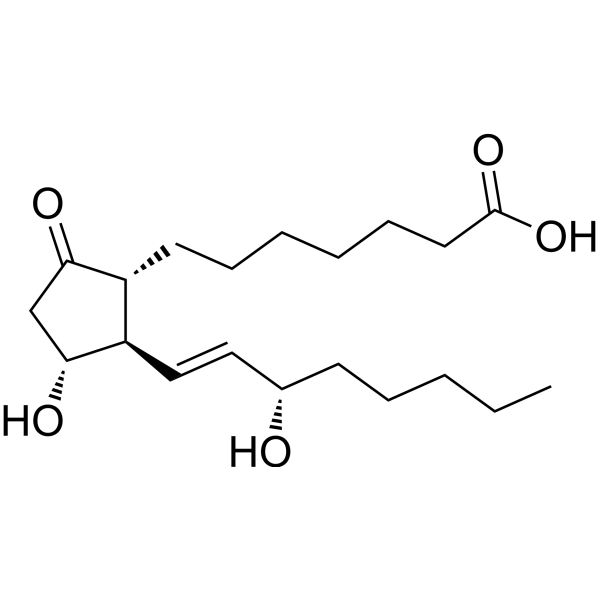
Prostaglandin E1 (Alprostadil) is a prostanoid receptor ligand, with Kis of 1.1 nM, 2.1 nM, 10 nM, 33 nM and 36 nM for mouse EP3, EP4, EP2, IP and EP1, respectively. Prostaglandin E1 induces vasodilation and inhibits platelet aggregation. Prostaglandin E1 can be used as a vasodilator for the research of peripheral vascular diseases .
|
-
-
- HY-16963
-
-
-
- HY-101987
-
-
-
- HY-113756A
-
|
|
Prostaglandin Receptor
ERK
Akt
JNK
p38 MAPK
|
Inflammation/Immunology
|
|
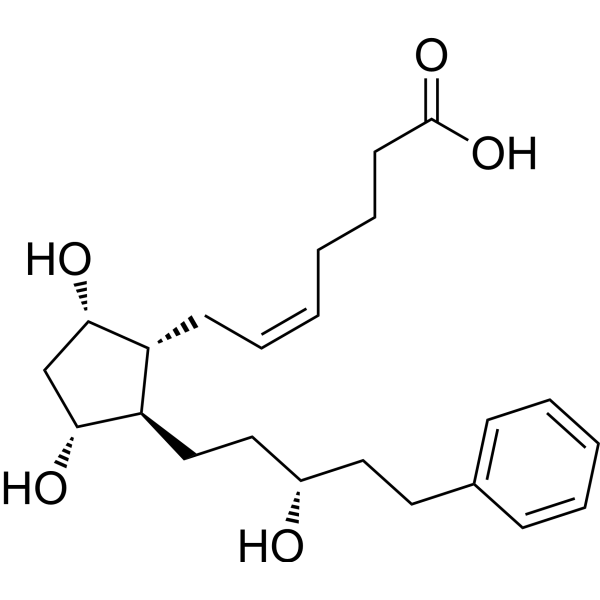
Latanoprost acid, an analog of prostaglandin (PG) F2α, is an selective prostanoid receptor (FP) agonist that specifically activates the FP-PG receptor . Latanoprost acid inhibits RANKL-induced osteoclastgenesis and function by inhibiting ERK, AKT, JNK, and p38 cascade, following by the c-fos/NFATc1 pathway. Latanoprost acid is a medication which works to lower pressure inside the eyes .
|
-
-
- HY-B0601
-
|
AFP-172
|
Prostaglandin Receptor
Drug Metabolite
|
Cardiovascular Disease
Neurological Disease
Endocrinology
|
|
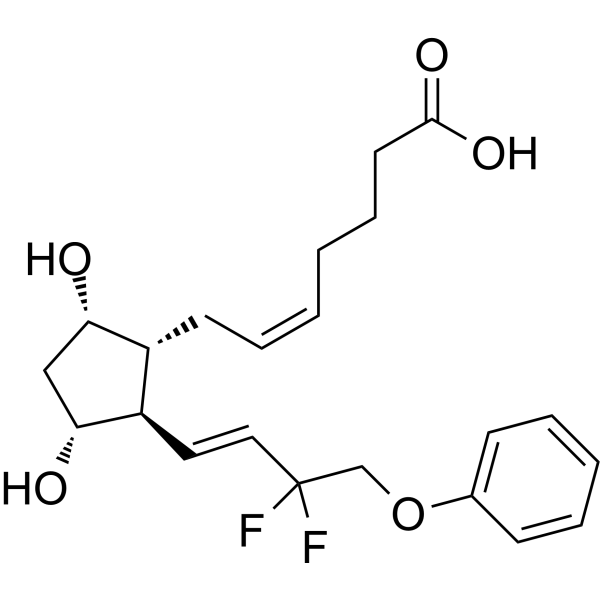
Tafluprost acid (AFP-172), an active metabolic form of Tafluprost, is a selective prostanoid FP receptor agonist. Tafluprost acid shows a high affinity for human prostanoid FP receptor with Ki and EC50 values of 0.4 nM and 0.53 nM, respectively. Tafluprost acid has 126 times weaker binding affinity for prostanoid EP3 receptor (IC50=67 nM) than for the prostanoid FP receptor. Tafluprost acid can be used in the research of glaucoma .
|
-
-
- HY-16751
-
-
-
- HY-15274
-
|
CM9; GW671021
|
Prostaglandin Receptor
|
Cancer
|
|
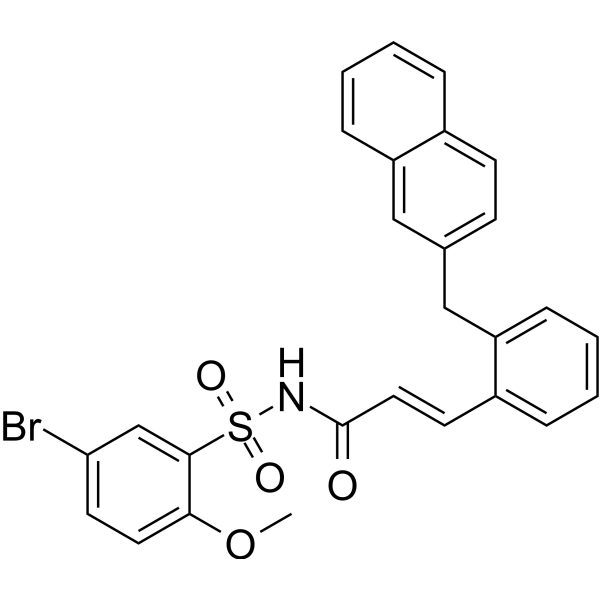
L-798106 is potent and highly selective prostanoid EP3 receptor antagonist (Ki=0.3 nM), it also has micromolar activities at the EP4, EP1 and EP2 receptors with Ki values of 916 nM, >5000 nM and >5000 nM, respectively .
|
-
-
- HY-17642
-
|
UR-7276
|
Prostaglandin Receptor
|
Endocrinology
|
|
Omidenepag (UR-7276), a pharmacologically active form of Omidenepag Isopropyl, is a selective, non-prostanoid EP2 receptor agonist, with an EC50 of 1.1 nM. Omidenepag shows binding affinities (IC50) 10 nM for h-EP2. Omidenepag is used in research on diseases related to intraocular pressure .
|
-
-
- HY-14973
-
|
AMG 853
|
Prostaglandin Receptor
|
Inflammation/Immunology
|
|
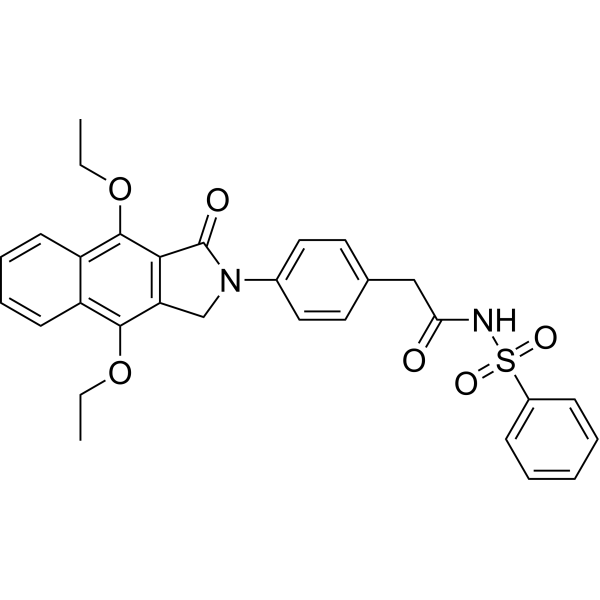
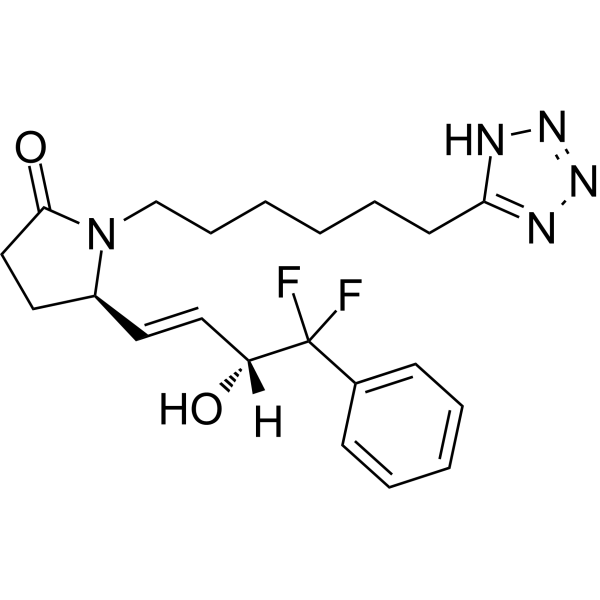
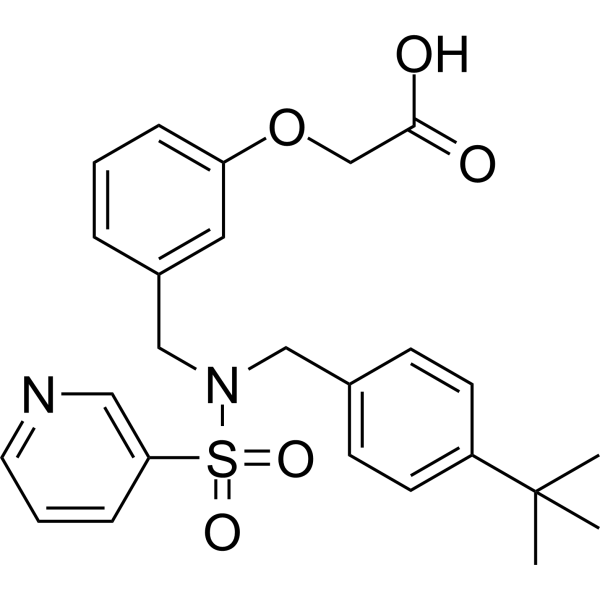
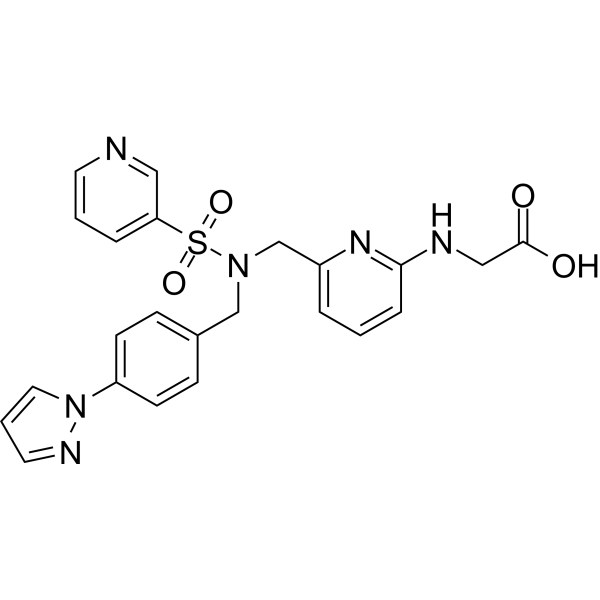
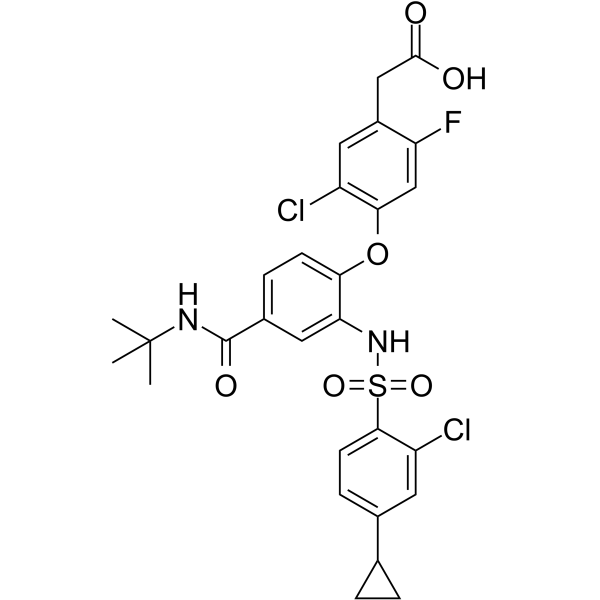
Vidupiprant (AMG 853) is a phenylacetic acid derivative. Vidupiprant is a potent and orally active CRTH2 (DP2) and prostanoid D receptor (DP or DP1) dual antagonist with IC50s of 3 nM and 4 nM in buffer, and 8 nM and 35 nM in human plasma, respectively. Vidupiprant has the potential for asthma treatment .
|
-
-
- HY-108972
-
-
-
- HY-14839
-
-
-
- HY-119163
-
-
-
- HY-15342
-
|
OC000459
|
Prostaglandin Receptor
|
Inflammation/Immunology
Endocrinology
|
|
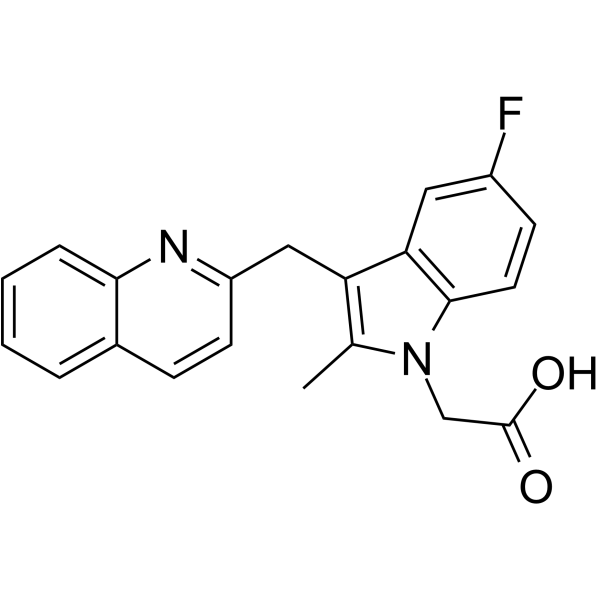
Timapiprant (OC000459) is a potent, selective, and orally active D prostanoid receptor 2 (DP2, also known as CRTH2) antagonist. Timapiprant (OC000459) potently displaces [ 3H] PGD2 from human recombinant DP2 (Ki=13 nM), rat recombinant DP2 (Ki=3 nM), and human native DP2 (Ki=4 nM). Timapiprant (OC000459) inhibits mast cell activation of Th2 lymphocytes and eosinophils .
|
-
-
- HY-16635
-
|
ACT-129968; KYTH-105
|
Prostaglandin Receptor
|
Inflammation/Immunology
Endocrinology
|
|
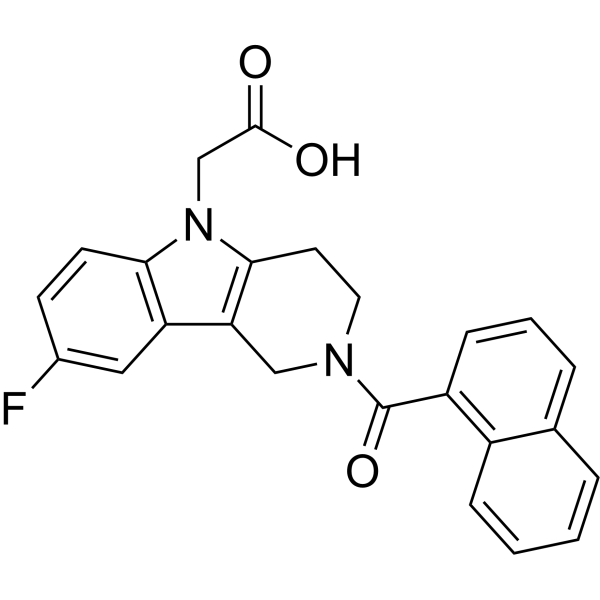
Setipiprant (ACT-129968) is an orally active and selective CRTH2 antagonist. Setipiprant interacts with hCRTH2 receptor with an IC50 value of 6 nM. Setipiprant inhibits prostanoid receptors hDP1 and hEP2 with IC50 values of 1290 and 2600 nM, respectively. Setipiprant can be used for the research of asthma and rhinitis .
|
-
-
- HY-129851
-
|
|
Prostaglandin Receptor
|
Cardiovascular Disease
|
|
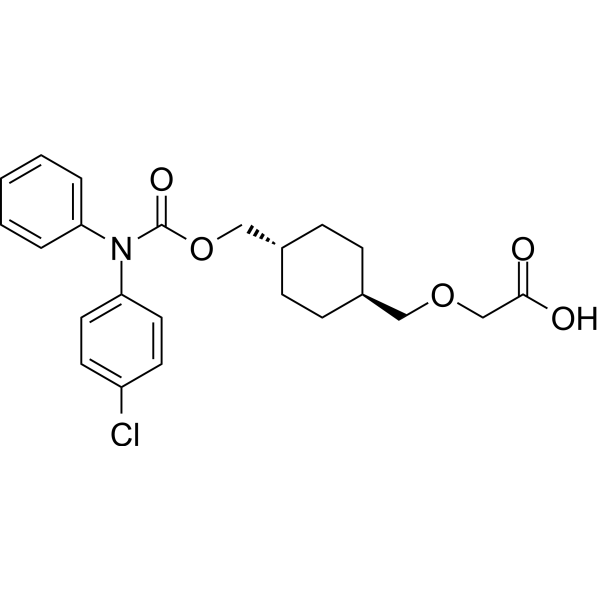
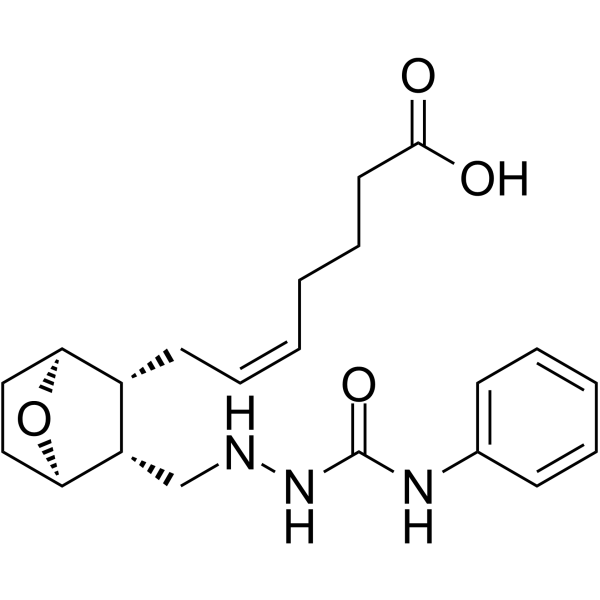
NTP42 is a thromboxane A2 (TXA2) receptor antagonist with an IC50 of 3.278 nM for antagonizing T prostanoid receptor (TP)- mediated [Ca 2+] mobilization following stimulation of cells with the alternative TP agonist U46619 . NTP42 can be used for the treatment of pulmonary arterial hypertension (PAH) .
|
-
-
- HY-10413
-
MK-2894
2 Publications Verification
|
Prostaglandin Receptor
|
Inflammation/Immunology
Endocrinology
|
|
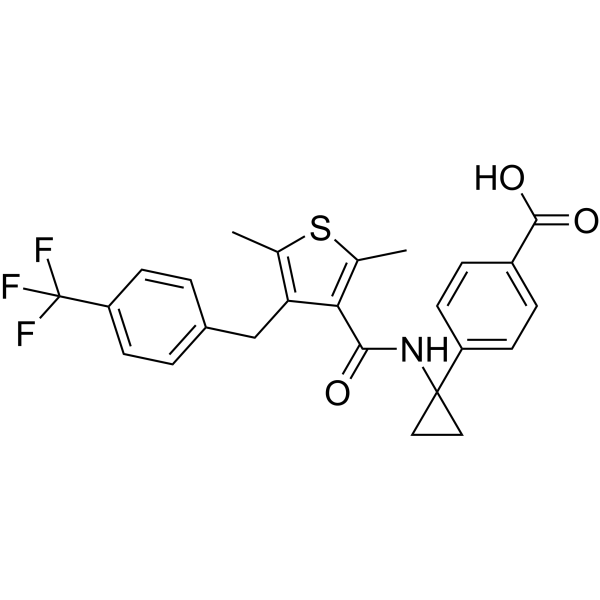
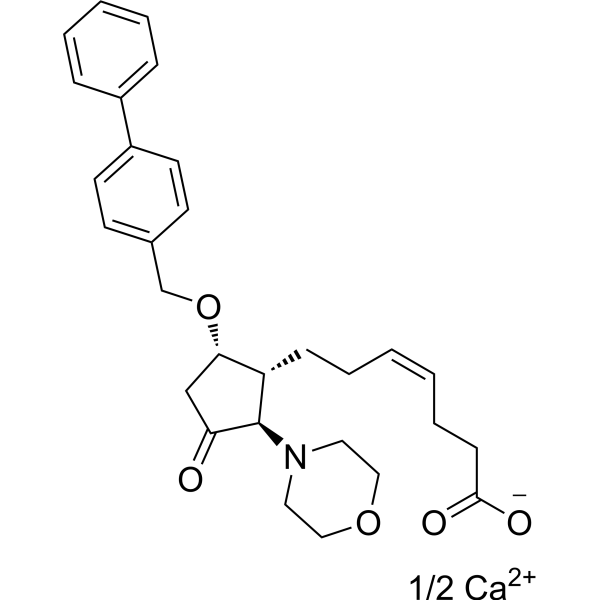
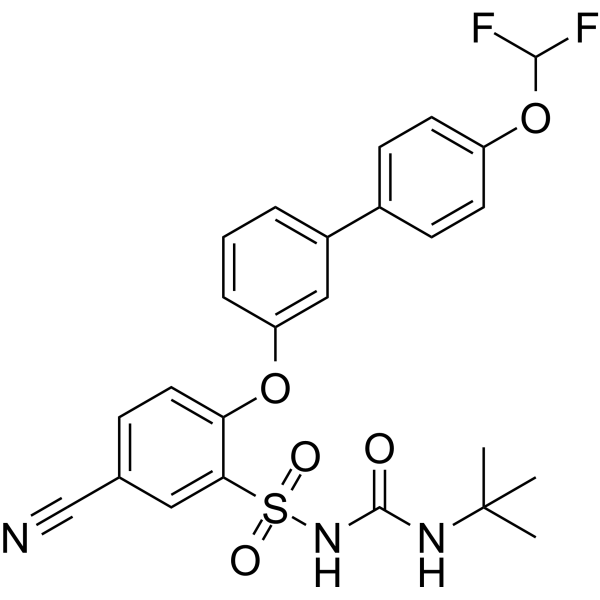
MK-2894 is a potent, selective, orally active and high affinity (Ki=0.56 nM) full antagonist against E prostanoid receptor 4 (EP4 receptor) (IC50=2.5 nM). MK-2894 possesses potent anti-inflammatory activity in animal models of pain/inflammation and can be used for the research of arthritis .
|
-
-
- HY-133123
-
|
|
Prostaglandin Receptor
|
Inflammation/Immunology
Cancer
|
|
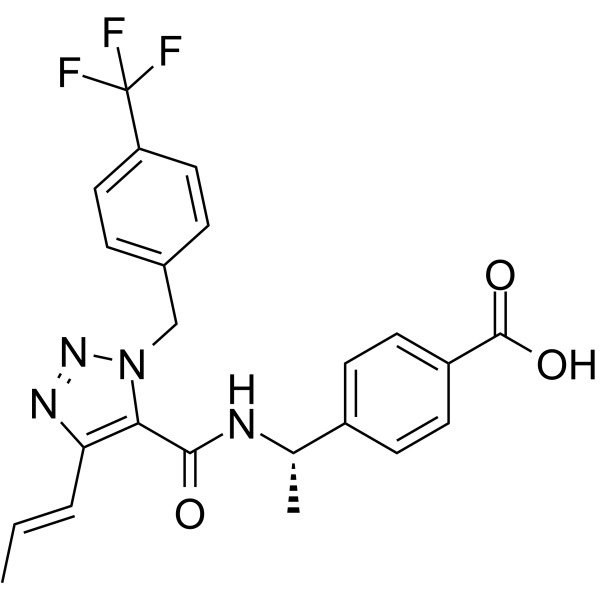
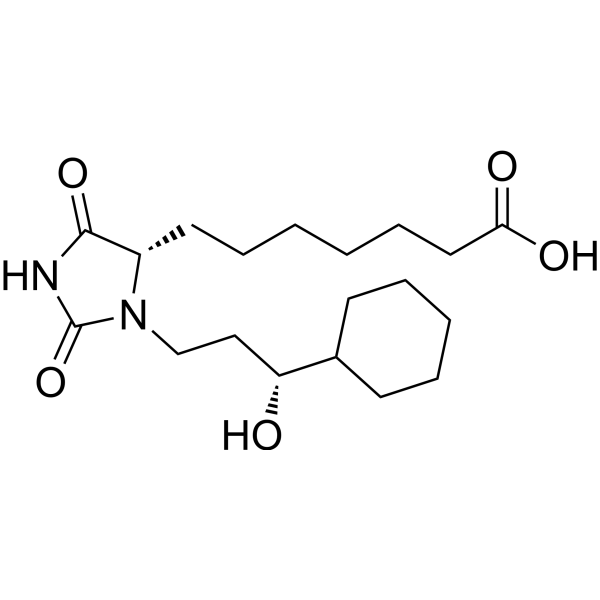
EP4 receptor antagonist 1 is a highly potent and selective competitive prostanoid EP4 receptor antagonist for cancer immunotherapy. EP4 receptor antagonist 1 inhibits human and mouse EP4 receptor with IC50s of 6.1 nM and 16.2 nM, respectively. IC50s >10 μM for human EP1, EP2,and EP3 receptors .
|
-
-
- HY-150270A
-
|
|
P2X Receptor
Prostaglandin Receptor
NOD-like Receptor (NLR)
Caspase
Interleukin Related
|
Inflammation/Immunology
|
|
NP-1815-PX sodium is an orally active dual inhibitor of P2X4 and prostaglandin TP receptors, with an IC50 of 0.26 μM against human P2X4 receptors. NP-1815-PX sodium specifically inhibits ATP-mediated prostaglandin production, TP receptor-induced calcium elevation, and the canonical/non-canonical NLRP3 inflammasome signaling pathway. NP-1815-PX sodium selectively blocks smooth muscle contractions induced by ATP, U46619 (HY-108566) and prostaglandin F2α. NP-1815-PX sodium not only produces anti-allodynic effects in vivo, but also significantly alleviates symptoms of DNBS (HY-W324435)-induced colitis (such as weight loss and tissue damage). NP-1815-PX sodium exerts anti-inflammatory effects by downregulating IL-1β levels and Caspase-1 activity. NP-1815-PX sodium is used in studies related to asthma and inflammatory bowel disease (colitis) .
|
-
-
- HY-153935
-
-
-
- HY-15342A
-
|
OC000459 sodium
|
Prostaglandin Receptor
|
Inflammation/Immunology
Endocrinology
|
|
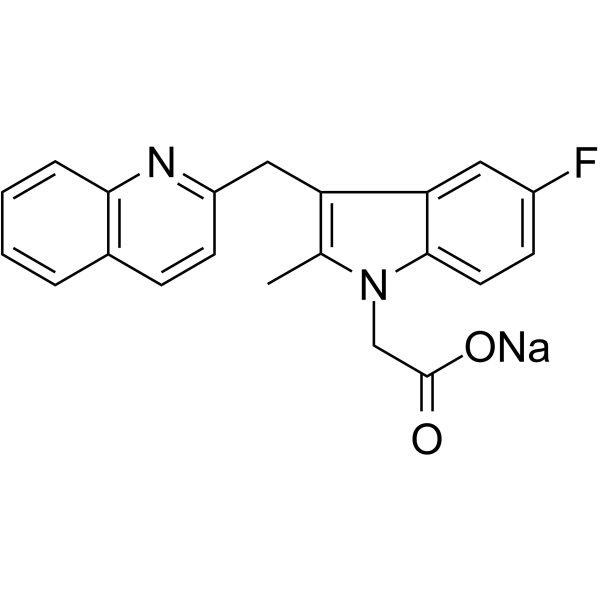
Timapiprant sodium (OC000459 sodium) is a potent, selective, and orally active D prostanoid receptor 2 (DP2, also known as CRTH2) antagonist. Timapiprant sodium (OC000459 sodium) potently displaces [ 3H] PGD2 from human recombinant DP2 (Ki=13 nM), rat recombinant DP2 (Ki=3 nM), and human native DP2 (Ki=4 nM). Timapiprant sodium (OC000459 sodium) inhibits mast cell activation of Th2 lymphocytes and eosinophils .
|
-
-
- HY-10794
-
-
-
- HY-108565
-
|
|
Adenylate Cyclase
Prostaglandin Receptor
|
Cardiovascular Disease
|
|
BMY 45778 is a non-prostanoid prostacyclin mimetic. BMY 45778 inhibits human (IC50 = 35 nM), rabbit (IC50: 136 nM) and rat (IC50 : 1.3 μM) platelet aggregation. BMY 45778 also activates adenylyl cyclase. BMY 45778 is a partial agonist at the prostacyclin receptor .
|
-
-
- HY-130223
-
|
11β-Dinoprostone; 11β-PGE2
|
Prostaglandin Receptor
|
Endocrinology
|
|
11β-Prostaglandin E2 (11β-Dinoprostone), a Prostanoid derivative, inhibits [ 3H]PGE2 binding to hypothalamic membranes in the rat with a Ki of 53.3 nM .
|
-
-
- HY-176990
-
-
-
- HY-120665
-
-
-
- HY-130304
-
|
iPE2-III
|
Prostaglandin Receptor
|
Cardiovascular Disease
|
|
8-Isoprostaglandin E2 (iPE2-III) is a member of the isoprostane class of prostanoids. 8-Isoprostaglandin E2 acts at the receptor for thromboxane A2 (the TP) in vivo to induce vasoconstriction and platelet aggregation. 8-Isoprostaglandin E2 enhances receptor-activated NFkappa B ligand (RANKL)-dependent osteoclastic potential of marrow hematopoietic precursors via the cAMP pathway .
|
-
-
- HY-115462
-
|
|
Prostaglandin Receptor
|
Inflammation/Immunology
|
|
PGN-9856 is a selective and high affinity (pKi ≥ 8.3) ligand at EP2 receptor. PGN-9856 is a potetn and non-prostanoid EP2 receptor agonist (pEC50 ≥ 8.5). PGN-9856 shows anti-inflammatory and anti-glaucoma activities .
|
-
-
- HY-113096
-
|
PGD1
|
Endogenous Metabolite
|
Metabolic Disease
|
|
Prostaglandin D1 is a prostanoid which causes contractile and relaxant on isolated human pial arteries, it is also an inhibitor of ADP-induced platelet aggregation with an IC50 value of 320 ng/ml. Prostaglandin D1 can be used for metabolic research .
|
-
-
- HY-111097
-
|
|
PGE synthase
|
Neurological Disease
Inflammation/Immunology
|
|
AF3442 is a potent and selective mPGES-1 inhibitor (IC50 = 0.06 μM) which reduces monocyte PGE2 generation also in the presence of plasma proteins. AF3442 shows selectivity over other prostanoids (TXB2, PGF2α and 6-keto-PGF1α). AF3442 can be used for research in analgesia .
|
-
-
- HY-B0131R
-
|
Alprostadil(Standard); PGE1 (Standard)
|
Reference Standards
Prostaglandin Receptor
Endogenous Metabolite
|
Cardiovascular Disease
Endocrinology
Cancer
|
|
Prostaglandin E1 (Standard) is the analytical standard of Prostaglandin E1. This product is intended for research and analytical applications. Prostaglandin E1 (Alprostadil) is a prostanoid receptor ligand, with Kis of 1.1 nM, 2.1 nM, 10 nM, 33 nM and 36 nM for mouse EP3, EP4, EP2, IP and EP1, respectively. Prostaglandin E1 induces vasodilation and inhibits platelet aggregation. Prostaglandin E1 can be used as a vasodilator for the research of peripheral vascular diseases .
|
-
-
- HY-19864
-
|
AGN 210937
|
Prostaglandin Receptor
|
Inflammation/Immunology
|
|
Aganepag is a potent Prostanoid EP2 receptor agonist, with an EC50 of 0.19 nM, and shows no activity at EP4 receptor. Aganepag can be used in the research of wound healing, scar reduction, scar prevention and wrinkle treatment and prevention.
|
-
-
- HY-111304
-
-
-
- HY-110198
-
|
|
Prostaglandin Receptor
PERK
|
Inflammation/Immunology
|
|
ONO-8130 is an orally active and selective prostanoid EP1 receptor antagonist. ONO-8130 blocks phosphorylation of ERK in the L6 spinal cord. ONO-8130 relieves bladder pain in mice with cyclophosphamide-induced cystitis. ONO-8130 can be used for interstitial cystitis research .
|
-
-
- HY-10414
-
|
|
Prostaglandin Receptor
|
Inflammation/Immunology
Endocrinology
|
|
MK-2894 sodium salt is a potent, selective, orally active and high affinity (Ki=0.56 nM) full antagonist against E prostanoid receptor 4 (EP4 receptor) (IC50=2.5 nM). MK-2894 sodium salt possesses potent anti-inflammatory activity in animal models of pain/inflammation and can be used for the research of arthritis .
|
-
-
- HY-10419
-
|
|
Thrombopoietin Receptor
|
Cardiovascular Disease
|
|
AH23848 (compound 6) is a competitive blocker of the thromboxane A2 receptor and an orally effective agent, with an IC50 value of 50 nM against human targets and a long duration of action.
|
-
-
- HY-110351
-
|
PGN 1531 hydrochloride
|
Prostaglandin Receptor
|
Neurological Disease
|
|
BGC 20-1531 (PGN 1531) hydrochloride is a potent and selective prostanoid EP4 receptor antagonist, with a pKb of 7.6. BGC 20-1531 hydrochloride has the potential for the research of migraine headache .
|
-
-
- HY-19849
-
|
PGN 1531 free base
|
Prostaglandin Receptor
|
Neurological Disease
|
|
BGC-20-1531 (PGN 1531) free base is a potent and selective prostanoid EP4 receptor antagonist, with a pKB of 7.6. BGC-20-1531 free base has the potential for the research of migraine headache .
|
-
-
- HY-130226
-
-
-
- HY-113756AR
-
|
|
Reference Standards
Prostaglandin Receptor
|
Inflammation/Immunology
|
|
Latanoprost acid (Standard) is the analytical standard of Latanoprost acid. This product is intended for research and analytical applications. Latanoprost acid, an analog of prostaglandin (PG) F2α, is an selective prostanoid receptor (FP) agonist that specifically activates the FP-PG receptor . Latanoprost acid inhibits RANKL-induced osteoclastgenesis and function by inhibiting ERK, AKT, JNK, and p38 cascade, following by the c-fos/NFATc1 pathway. Latanoprost acid is a medication which works to lower pressure inside the eyes .
|
-
-
- HY-127162
-
|
PGK1
|
Prostaglandin Receptor
|
Others
|
|
Prostaglandin K1 (compound 46) is a structurally modified analog of prostacyclin (prostanoid) with an EC50 of 2800 nM for EP1 and a Ki of 2800 nM .
|
-
-
- HY-163091
-
-
-
- HY-B0577S
-
|
PHXA41-d4
|
Prostaglandin Receptor
|
Others
|
|
Latanoprost-d4 is the deuterium labeled Latanoprost. Latanoprost (PHXA41) is a prostaglandin F2α analogue and an agonist for the FP prostanoid receptor, and lowers intraocular-pressure (IOP).
|
-
-
- HY-119410
-
|
HN11500
|
Prostaglandin Receptor
|
Cardiovascular Disease
|
|
Linotroban (HN11500), a Sulotroban (HY-158332) derivative, is an orally active, potent non-prostanoid thromboxane receptor antagonist (TXRA) with a strong antiplatelet profile. Linotroban is used as antithrombotic agent .
|
-
-
- HY-B0577R
-
|
PHXA41 (Standard)
|
Reference Standards
Prostaglandin Receptor
|
Others
|
|
Latanoprost (Standard) is the analytical standard of Latanoprost. This product is intended for research and analytical applications. Latanoprost (PHXA41) is a prostaglandin F2α analogue and an agonist for the FP prostanoid receptor, and lowers intraocular-pressure (IOP).
|
-
-
- HY-14839A
-
-
-
- HY-129922
-
|
|
Prostaglandin Receptor
|
Endocrinology
|
|
Prostaglandin I2 is an unstable prostanoid which, through the ‘I prostanoid’ (IP) receptor, inhibits platelet aggregation and promotes vasodilatation in pulmonary vascular beds. AFP 07 is a 7,7-difluoroprostacyclin derivative that acts as a selective and highly potent agonist for the IP receptor (Ki=0.561 nM).1 AFP 07 shows weaker affinity for EP receptors, with Ki values > 100 nM for EP1-3 and > 10 nM for EP4. 16(R)-AFP 07 is an epimer of AFP 07. Its biological properties, particularly through the IP and EP receptors, remain to be evaluated.
|
-
-
- HY-106699
-
|
CG 4203 sodium
|
Prostaglandin Receptor
nAChR
|
Cardiovascular Disease
|
|
Taprostene sodium is a partial agonist at prostanoid prostacyclin (IP) receptors. Taprostene sodium interacts additively with Prostaglandin E2 (PGE2) (HY-101952), ONO-AE1-259 (selective EP2 agonist), and acetylcholine. Taprostene sodium exerts a significant cardioprotection .
|
-
-
- HY-19641
-
|
|
Biochemical Assay Reagents
Prostaglandin Receptor
|
Others
|
|
AH13205 is a selective prostanoid EP2-receptor agonist. AH13205 causes concentration-related relaxations of Carbachol (HY-B1208)-contracted trachea. AH13205 causes dose-related protection against Histamine (HY-B1204)-induced increases in respiratory rate .
|
-
-
- HY-B0131S2
-
-
-
- HY-113096S
-
|
PGD1-d4
|
Isotope-Labeled Compounds
Endogenous Metabolite
|
Metabolic Disease
|
|
Prostaglandin D1-d4 (PGD1-d4) is deuterium labeled Prostaglandin D1. Prostaglandin D1 is a prostanoid which causes contractile and relaxant on isolated human pial arteries, it is also an inhibitor of ADP-induced platelet aggregation with an IC50 value of 320 ng/ml. Prostaglandin D1 can be used for metabolic research .
|
-
- HY-W007888R
-
|
|
Reference Standards
Endogenous Metabolite
|
Metabolic Disease
|
|
Prostaglandin E1 (Standard) is the analytical standard of Prostaglandin E1. This product is intended for research and analytical applications. Prostaglandin E1 (Alprostadil) is a prostanoid receptor ligand, with Kis of 1.1 nM, 2.1 nM, 10 nM, 33 nM and 36 nM for mouse EP3, EP4, EP2, IP and EP1, respectively. Prostaglandin E1 induces vasodilation and inhibits platelet aggregation. Prostaglandin E1 can be used as a vasodilator for the research of peripheral vascular diseases .
|
-
- HY-B0131S
-
-
- HY-130304S
-
|
iPE2-III-d4
|
Isotope-Labeled Compounds
Prostaglandin Receptor
|
Cardiovascular Disease
|
|
8-Isoprostaglandin E2-d4 (iPE2-III-d4) is deuterium labeled 8-Isoprostaglandin E2. 8-Isoprostaglandin E2 (iPE2-III) is a member of the isoprostane class of prostanoids. 8-Isoprostaglandin E2 acts at the receptor for thromboxane A2 (the TP) in vivo to induce vasoconstriction and platelet aggregation. 8-Isoprostaglandin E2 enhances receptor-activated NFkappa B ligand (RANKL)-dependent osteoclastic potential of marrow hematopoietic precursors via the cAMP pathway .
|
-
- HY-129284
-
|
|
COX
Wnt
|
Cancer
|
|
APHS is a specific and covalent COX-2 inhibitor with neuroprotective effects. COX-2 is a prostaglandin (PG) synthetase overexpressed in colorectal cancer (CRC) and has pleiotropic cancer-promoting effects. APHS modifies COX-2 by acetylating the active site (serine 516), thereby inhibiting prostaglandin production. The neuroprotective activity of APHS is inhibited by prostaglandin E2. APHS also co-inhibits the WNT pathway, an anti-tumor mechanism in addition to COX-2 inhibition .
|
-
- HY-114623
-
-
- HY-182513
-
|
|
Prostaglandin Receptor
|
Others
Inflammation/Immunology
|
|
ONO-8539 is an orally active prostanoid EP1 receptor antagonist with competitive, insurmountable binding and slow receptor dissociation for long-duration inhibition. ONO-8539 modulates afferent nerve function related to bladder activity, inhibits detrusor overactivity-related contractions, decreases nonvoiding contractions and voiding duration, and increases uroflow rate with ATP (HY-B2176)-induced detrusor overactivity. ONO-8539 attenuates acid-induced heartburn symptoms, extends time to first heartburn sensation, and prevents primary hypersensitivity after distal esophageal acidification. ONO-8539 can be used for the research of overactive bladder and gastroesophageal reflux disease .
|
-
- HY-101987R
-
-
- HY-175077
-
|
|
Prostaglandin Receptor
|
Inflammation/Immunology
|
|
CAY10449 is an I prostanoid receptor antagonist. CAY10449 can reverse iloprost-induced TEER reduction. CAY10449 can also reverse the effect of ONO-1301 in mouse model. CAY10449 can be studied in research on athsma and allergic airway inflammation .
|
-
- HY-10794R
-
-
- HY-175986
-
|
|
Prostaglandin Receptor
|
Inflammation/Immunology
|
|
IP receptor agonist 1 (compound 6c-14S) is an orally active I prostanoid receptor agonist, with an IC50 of 0.15 μM for inhibiting platelet aggregation induced by ADP (HY-W010918,300 μM) in rabbit platelet-rich plasma. IP receptor agonist 1 can be used for study of Pulmonary arterial hypertension .
|
-
- HY-16635R
-
|
ACT-129968 (Standard); KYTH-105 (Standard)
|
Prostaglandin Receptor
Reference Standards
|
Inflammation/Immunology
Endocrinology
|
|
Setipiprant (Standard) is the analytical standard of Setipiprant. This product is intended for research and analytical applications. Setipiprant (ACT-129968) is an orally active and selective CRTH2 antagonist. Setipiprant interacts with hCRTH2 receptor with an IC50 value of 6 nM. Setipiprant inhibits prostanoid receptors hDP1 and hEP2 with IC50 values of 1290 and 2600 nM, respectively. Setipiprant can be used for the research of asthma and rhinitis .
|
-
- HY-108565R
-
|
|
Adenylate Cyclase
Prostaglandin Receptor
Reference Standards
|
Cardiovascular Disease
|
|
BMY 45778 (Standard) is the analytical standard of BMY 45778 (HY-108565). This product is intended for research and analytical applications. BMY 45778 is a non-prostanoid prostacyclin mimetic. BMY 45778 inhibits human (IC50 = 35 nM), rabbit (IC50: 136 nM) and rat (IC50 : 1.3 μM) platelet aggregation. BMY 45778 also activates adenylyl cyclase. BMY 45778 is a partial agonist at the prostacyclin receptor .
|
-
- HY-113756B
-
|
|
Drug Derivative
Prostaglandin Receptor
ERK
Akt
JNK
p38 MAPK
|
Inflammation/Immunology
|
|
rel-Latanoprost acid is a relative configuration of Latanoprost acid (HY-113756A). Latanoprost acid, an analog of prostaglandin (PG) F2α, is an selective prostanoid receptor (FP) agonist that specifically activates the FP-PG receptor . Latanoprost acid inhibits RANKL-induced osteoclastgenesis and function by inhibiting ERK, AKT, JNK, and p38 cascade, following by the c-fos/NFATc1 pathway. Latanoprost acid is a medication which works to lower pressure inside the eyes .
|
-
- HY-183037
-
|
|
Prostaglandin Receptor
Interleukin Related
|
Neurological Disease
Inflammation/Immunology
|
|
AGN 225660 is a multi-prostanoid receptor antagonist with human IC50 values of 70, 70, 5, 220 and 180 nM for EP1, EP4, TP, DP1, FP. AGN 225660 inhibits secretion of RANTES, IL-8, MCP-1, IL-12p70, and IL-23. AGN 225660 exhibits good ocular bioavailability and reduces ocular inflammation linked to phacoemulsification surgery and uveitis .
|
-
- HY-183149
-
|
|
Prostaglandin Receptor
Interleukin Related
COX
|
Neurological Disease
|
|
BPN-37440 is a blood-brain barrier-permeable, selective, and orally active EP2 receptor inhibitor with an IC50 of 53-60 nM. BPN-37440 inhibits the expression of inflammatory mediators IL-1β and COX-2, with an IC50 of 21 nM for IL-1β and 42 nM for COX-2. BPN-37440 reduces microgliosis in key brain regions of mice with pilocarpine (HY-B0726A)-induced status epilepticus and reverses their working memory and recognition memory deficits. BPN-37440 can be used for research on status epilepticus .
|
-
| Cat. No. |
Product Name |
Category |
Target |
Chemical Structure |
-
- HY-B0131
-
|
Alprostadil; PGE1
|
Cardiovascular Disease
Classification of Application Fields
Ketones, Aldehydes, Acids
Endogenous metabolite
Disease Research Fields
Source Classification
|
Prostaglandin Receptor
Endogenous Metabolite
|
|
Prostaglandin E1 (Alprostadil) is a prostanoid receptor ligand, with Kis of 1.1 nM, 2.1 nM, 10 nM, 33 nM and 36 nM for mouse EP3, EP4, EP2, IP and EP1, respectively. Prostaglandin E1 induces vasodilation and inhibits platelet aggregation. Prostaglandin E1 can be used as a vasodilator for the research of peripheral vascular diseases .
|
-
-
- HY-120665
-
-
-
- HY-B0131R
-
|
Alprostadil(Standard); PGE1 (Standard)
|
Cardiovascular Disease
Structural Classification
Classification of Application Fields
Ketones, Aldehydes, Acids
Endogenous metabolite
Disease Research Fields
Source Classification
|
Reference Standards
Prostaglandin Receptor
Endogenous Metabolite
|
|
Prostaglandin E1 (Standard) is the analytical standard of Prostaglandin E1. This product is intended for research and analytical applications. Prostaglandin E1 (Alprostadil) is a prostanoid receptor ligand, with Kis of 1.1 nM, 2.1 nM, 10 nM, 33 nM and 36 nM for mouse EP3, EP4, EP2, IP and EP1, respectively. Prostaglandin E1 induces vasodilation and inhibits platelet aggregation. Prostaglandin E1 can be used as a vasodilator for the research of peripheral vascular diseases .
|
-
-
- HY-W007888R
-
|
|
Structural Classification
Monophenols
Ketones, Aldehydes, Acids
Phenols
Endogenous metabolite
Source Classification
|
Reference Standards
Endogenous Metabolite
|
|
Prostaglandin E1 (Standard) is the analytical standard of Prostaglandin E1. This product is intended for research and analytical applications. Prostaglandin E1 (Alprostadil) is a prostanoid receptor ligand, with Kis of 1.1 nM, 2.1 nM, 10 nM, 33 nM and 36 nM for mouse EP3, EP4, EP2, IP and EP1, respectively. Prostaglandin E1 induces vasodilation and inhibits platelet aggregation. Prostaglandin E1 can be used as a vasodilator for the research of peripheral vascular diseases .
|
-
| Cat. No. |
Product Name |
Chemical Structure |
-
- HY-B0577S
-
|
|
|
Latanoprost-d4 is the deuterium labeled Latanoprost. Latanoprost (PHXA41) is a prostaglandin F2α analogue and an agonist for the FP prostanoid receptor, and lowers intraocular-pressure (IOP).
|
-
-
- HY-B0131S2
-
|
|
|
Prostaglandin E1-d9 is deuterium labeled Prostaglandin E1.Prostaglandin E1 is a prostanoid receptor ligand, with Kis of 1.1 nM, 2.1 nM, 10 nM, 33 nM and 36 nM for mouse EP3, EP4, EP2, IP and EP1, respectively. Prostaglandin E1 induces vasodilation and inh
|
-
-
- HY-113096S
-
|
|
|
Prostaglandin D1-d4 (PGD1-d4) is deuterium labeled Prostaglandin D1. Prostaglandin D1 is a prostanoid which causes contractile and relaxant on isolated human pial arteries, it is also an inhibitor of ADP-induced platelet aggregation with an IC50 value of 320 ng/ml. Prostaglandin D1 can be used for metabolic research .
|
-
-
- HY-B0131S
-
|
|
|
Prostaglandin E1-d4 is the deuterium labeled Prostaglandin E1. Prostaglandin E1 (Alprostadil) is a prostanoid receptor ligand, with Kis of 1.1 nM, 2.1 nM, 10 nM, 33 nM and 36 nM for mouse EP3, EP4, EP2, IP and EP1, respectively. Prostaglandin E1 induces vasodilation and inhibits platelet aggregation. Prostaglandin E1 can be used as a vasodilator for the research of peripheral vascular diseases .
|
-
-
- HY-130304S
-
|
|
|
8-Isoprostaglandin E2-d4 (iPE2-III-d4) is deuterium labeled 8-Isoprostaglandin E2. 8-Isoprostaglandin E2 (iPE2-III) is a member of the isoprostane class of prostanoids. 8-Isoprostaglandin E2 acts at the receptor for thromboxane A2 (the TP) in vivo to induce vasoconstriction and platelet aggregation. 8-Isoprostaglandin E2 enhances receptor-activated NFkappa B ligand (RANKL)-dependent osteoclastic potential of marrow hematopoietic precursors via the cAMP pathway .
|
-
Your information is safe with us. * Required Fields.
Inquiry Information
- Product Name:
- Cat. No.:
- Quantity:
- MCE Japan Authorized Agent:

