

Search Result
Results for "
prototype
" in MedChemExpress (MCE) Product Catalog:
6
Isotope-Labeled Compounds
| Cat. No. |
Product Name |
Target |
Research Areas |
Chemical Structure |
-
- HY-D1301
-
|
|
Fluorescent Dye
Ferroptosis
|
Metabolic Disease
Inflammation/Immunology
Cancer
|
|
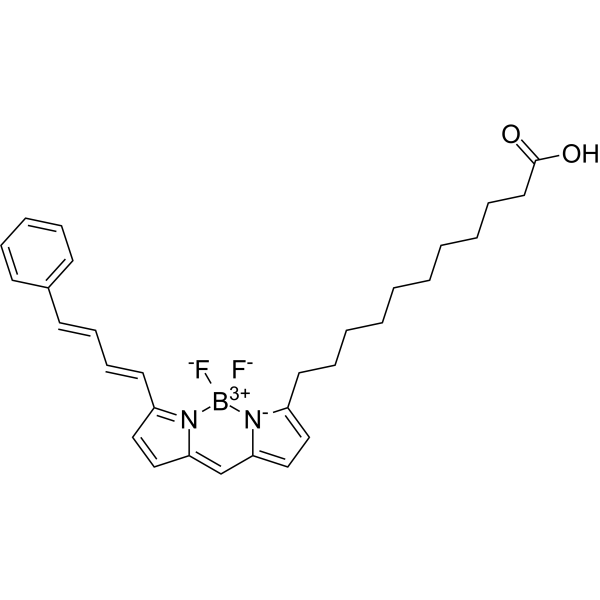
BODIPY 581/591 C11 is a BODIPY borofluoroprene derivative with good light stability and low fluorescence artifacts. BODIPY 581/591 C11 can be used for study lipid peroxidation and antioxidant properties in living cells, or detect ferroptosis by reaction with hydroxyl radicals. BODIPY 581/591 C11 is emitted at 591 nm (reduced prototype), or redshifted to 510 nm (oxidized type). The excitation wavelengths were 581 nm (reduced prototype) and 500 nm (oxidized type) .
|
-
-
- HY-111431A
-
-
-
- HY-150095
-
YE6144
2 Publications Verification
|
IFNAR
|
Inflammation/Immunology
|
|
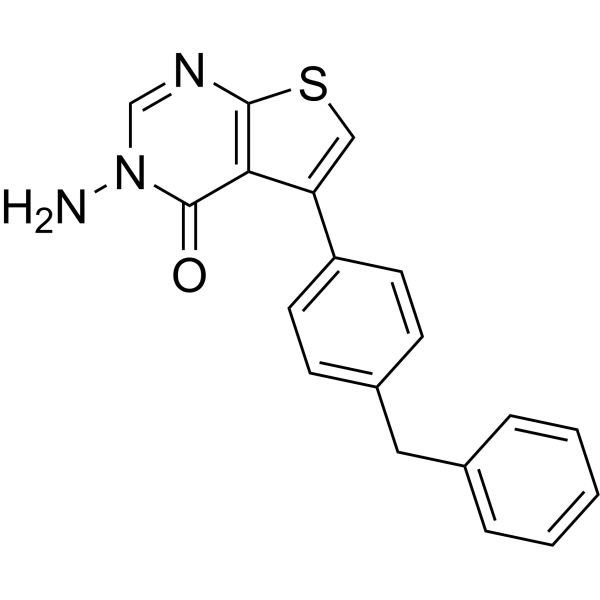
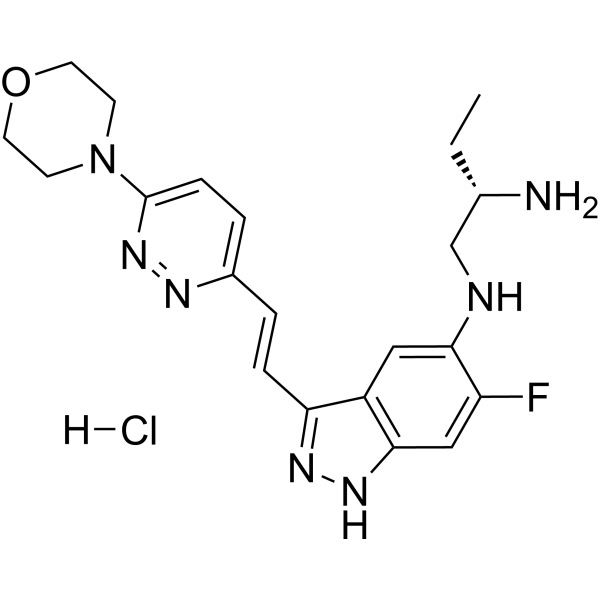
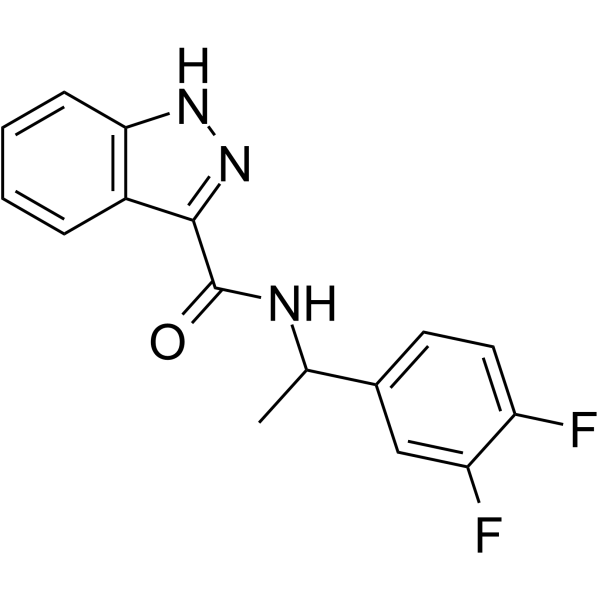
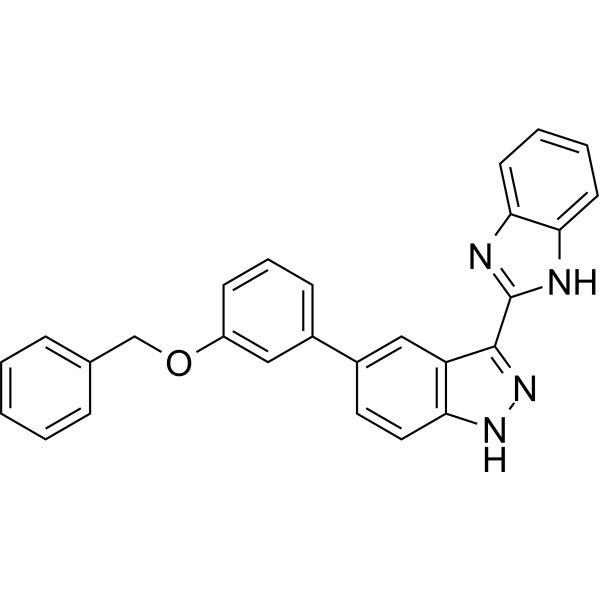
YE6144 free base is a selective prototypical interferon regulatory factor 5 (IRF5) inhibitor. YE6144 free base suppresses the disease course and is especially effective in remission maintenance in a mouse model of systemic lupus erythematosus (SLE). YE6144 free base can be used for SLE research .
|
-
-
- HY-119706
-
|
|
Apoptosis
Arrestin
|
Others
|
|
Barbadin is a novel and selective β-arrestin/β2-adaptin interaction inhibitor, has IC50 values of 19.1 μM for β-arrestin1 and 15.6 μM for β-arrestin2. Barbadin blocks agonist-promoted endocytosis of the prototypical β2-adrenergic, V2-vasopressin and angiotensin-II type-1 receptors. Barbadin can induce apoptosis .
|
-
-
- HY-131723
-
|
|
Pregnane X Receptor (PXR)
Cytochrome P450
|
Metabolic Disease
|
|
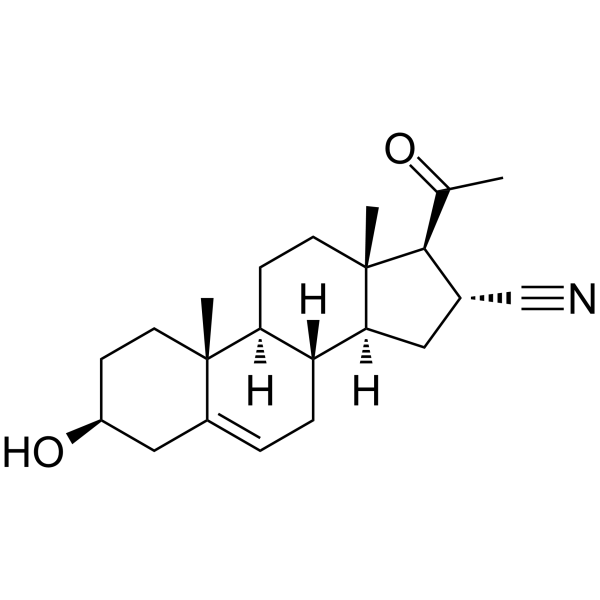
Pregnenolone 16α-carbonitrile is an orally active prototypical and effective rodent-PXR activator. Pregnenolone 16α-carbonitrile, a synthetic steroid, induces cytochrome P450 3A expression. Pregnenolone 16α-carbonitrile exhibits increased resistance to subsequent stressful insults .
|
-
-
- HY-135416
-
|
|
Endogenous Metabolite
|
Infection
|
|
Streptolysin O, a group A streptococcal toxin, is a well-characterized oxygen-labile prototype of a cholesterol-binding bacterial exotoxin. Streptolysin O causes both lysis of cells and cardiotoxicity. Streptolysin O is widely used for the controlled permeabilization of cell membranes. Streptolysin O exists in two forms, a reduced active state and an oxidized reversibly inactive state .
|
-
-
- HY-DY1022
-
|
|
Ferroptosis
Fluorescent Dye
|
Metabolic Disease
Inflammation/Immunology
Cancer
|
BODIPY 581/591 C11 (solution) is a BODIPY borofluoroprene derivative with good light stability and low fluorescence artifacts. BODIPY 581/591 C11 can be used for study lipid peroxidation and antioxidant properties in living cells, or detect ferroptosis by reaction with hydroxyl radicals. BODIPY 581/591 C11 is emitted at 591 nm (reduced prototype) , or redshifted to 510 nm (oxidized type). The excitation wavelengths were 581 nm (reduced prototype) and 500 nm (oxidized type) . Solvent and concentration: DMSO: 2 mM
|
-
-
- HY-P2729
-
|
EC 3.4.21.14
|
Ser/Thr Protease
Apoptosis
Interleukin Related
Bacterial
|
Inflammation/Immunology
Cancer
|
|
Subtilisin (EC 3.4.21.14) is a bacterial serine protease. Subtilisin induces Apoptosis. Subtilisin stimulates the expression of pro-allergic cytokines (IL-1α, IL-33). Subtilisin induces prototypic allergic lung inflammation. Subtilisin exhibits anticancer activity against breast and colon cancer. Subtilisin shows antifouling activity. Subtilisin can be used as a detergent additive .
|
-
-
- HY-B1540
-
-
-
- HY-121404A
-
|
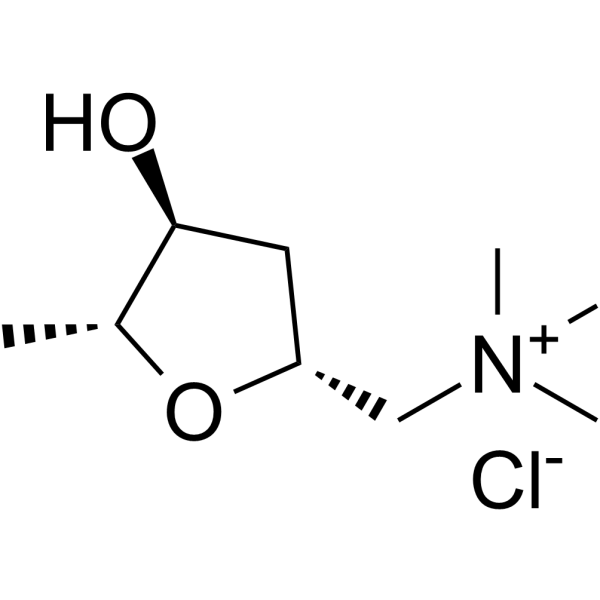
(+)-Muscarine chloride
|
mAChR
|
Neurological Disease
|
|
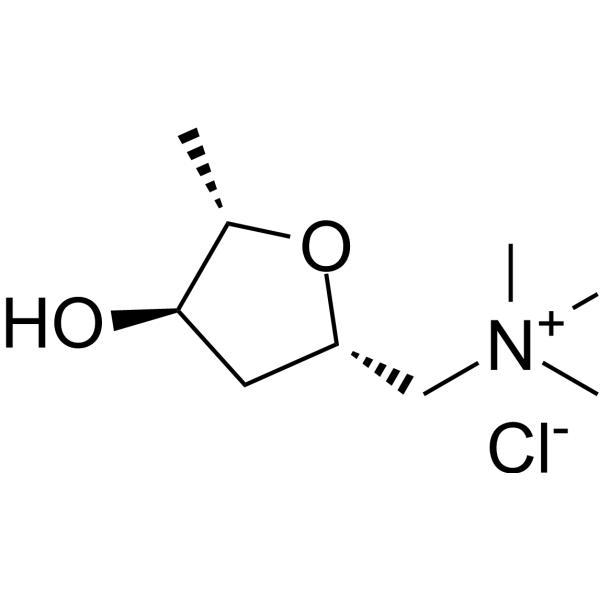
Muscarine ((+)-Muscarine) chloride is an agonist of prototype mAChR. Muscarine chloride is a toxin that can stimulate the parasympathetic nervous system .
|
-
-
- HY-12505
-
CX546
5 Publications Verification
|
iGluR
Autophagy
|
Neurological Disease
|
|
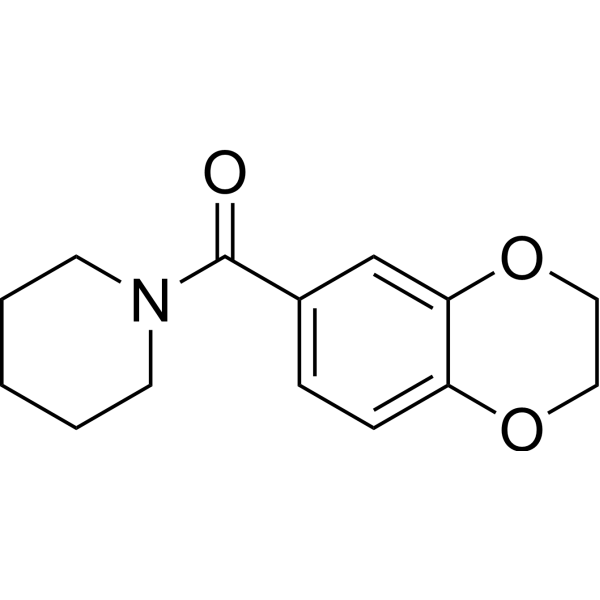
CX546 is a first-generation and selective benzamide-type positive AMPAR modulator. CX546 is a prototypical ampakine agent and has antipsychotic effects .
|
-
-
- HY-W615104
-
|
|
Biochemical Assay Reagents
|
Others
|
|
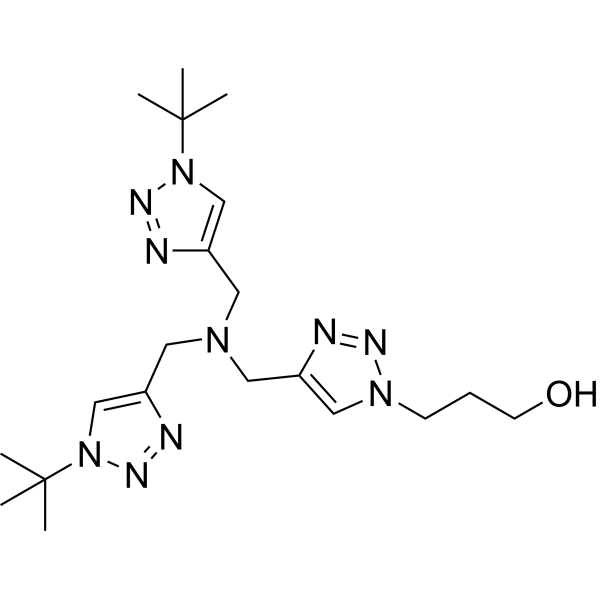
BTTP is a tris(triazolylmethyl)amine-based ligand. BTTP can accelerate the copper(I)-catalyzed azide-alkyne cycloaddition (CuAAC), the prototypical reaction in click chemistry .
|
-
-
- HY-14266
-
|
TMC120; R147681
|
HIV
Reverse Transcriptase
Apoptosis
Autophagy
|
Infection
|
|
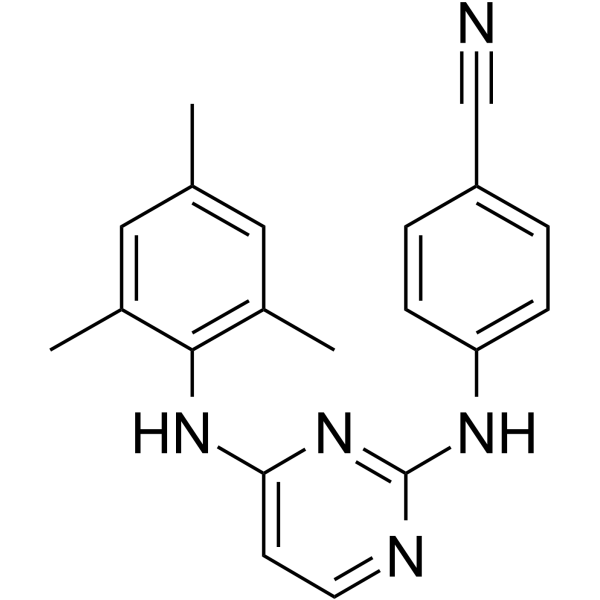
Dapivirine (TMC120), the prototype of diarylpyrimidines (DAPY), is an orally active and nonnucleoside reverse transcriptase inhibitor (NRTI). Dapivirine (TMC120) binds directly to HIV-1 reverse transcriptase. Dapivirine (TMC120) regulates autophagy and induced Akt, Bad and SAPK/JNK activations .
|
-
-
- HY-126076
-
-
-
- HY-107654
-
|
(+)-Muscarine iodide
|
mAChR
|
Neurological Disease
|
|
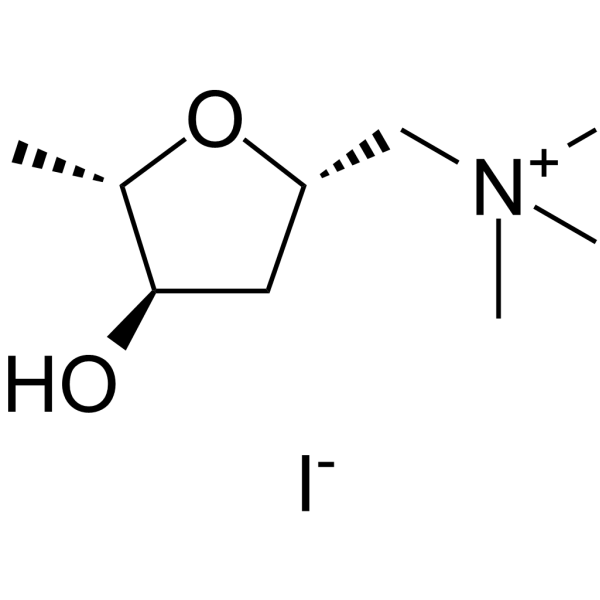
Muscarine ((+)-Muscarine) iodide is a toxin that can stimulate the parasympathetic nervous system. Muscarine iodide is a prototype muscarinic acetylcholine receptor agonist .
|
-
-
- HY-D1443
-
|
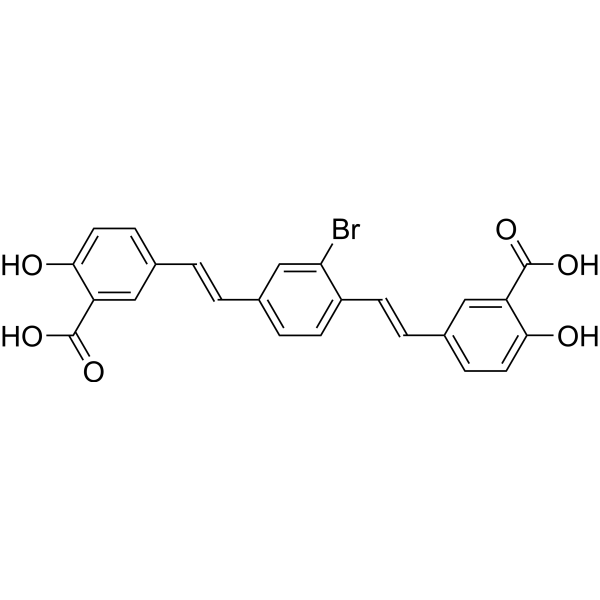
(trans,trans)-1-Bromo-2,5-bis-(3-hydroxycarbonyl-4-hydroxy)styrylbenzene
|
Amyloid-β
|
Others
|
|
BSB is a Congo red-derived fluorescent probe. BSB binds not only to extracellular amyloid β protein, but also many intracellular lesions composed of abnormal tau and synuclein proteins. BSB acts as a prototype imaging agent for Alzheimer's disease .
|
-
-
- HY-P2980
-
|
EC 3.4.2.1
|
Endogenous Metabolite
|
Others
|
|
Carboxypeptidase A, Bovine pancreas (EC 3.4.2.1) is a zinc-containing metalloprotease, is often used in biochemical studies. Carboxypeptidase A catalyzes the hydrolysis of the peptide bonds that are adjacent to the C-terminal end of a polypeptide chain. Carboxypeptidase A is a prototypical enzyme for metalloproteases that plays important roles in biological systems .
|
-
-
- HY-152038
-
|
|
Histone Methyltransferase
|
Others
|
|
SPEN-IN-1 (compound X1) is an inhibitor of SPEN which is a protein factor with a Kd value of 47 nM. SPEN-IN-1 has high selectivity for RepA, a 431-nucleotide domain in Xist (a non-coding RNA prototype) that comprises 8.5 units of a GC-rich motif responsible for gene silencing .
|
-
-
- HY-135416A
-
|
|
Endogenous Metabolite
|
Infection
|
|
Streptolysin O (≥1000000 units/mg) is a ≥1000000 units/mg Streptolysin O (HY-135416). Streptolysin O, a group A streptococcal toxin, is a well-characterized oxygen-labile prototype of a cholesterol-binding bacterial exotoxin. Streptolysin O causes both lysis of cells and cardiotoxicity. Streptolysin O is widely used for the controlled permeabilization of cell membranes. Streptolysin O exists in two forms, a reduced active state and an oxidized reversibly inactive state .
|
-
-
- HY-111431AS
-
|
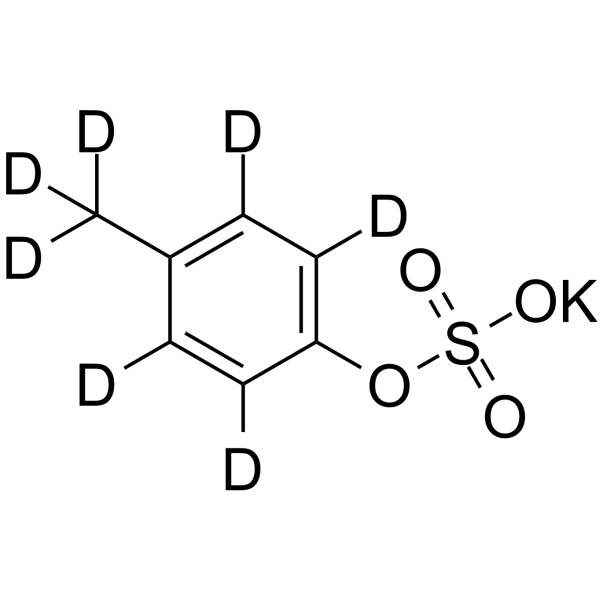
p-Tolyl sulfate-d7 potassium
|
Endogenous Metabolite
|
Metabolic Disease
|
|
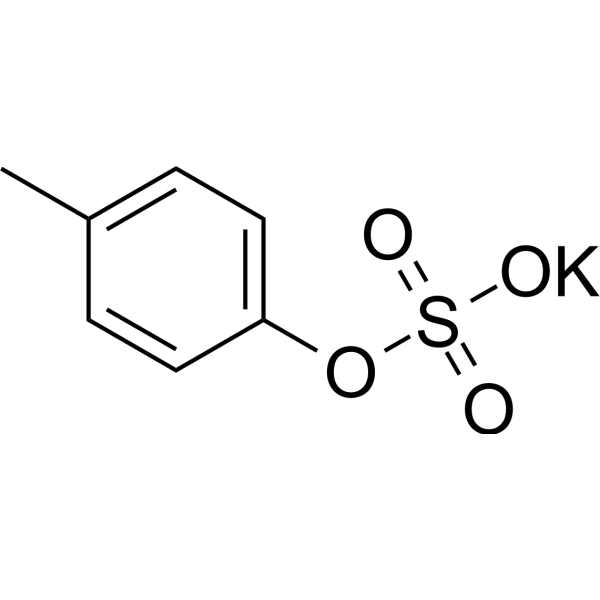
p-Cresol sulfate-d7 (potassium) is the deuterium labeled p-Cresyl sulfate potassium. p-Methylphenyl potassium sulfate is a prototype protein-bound uremic toxin[1][2].
|
-
-
- HY-P3432
-
|
|
Biochemical Assay Reagents
|
Others
|
|
DfTat is a dimer of the prototypical cell-penetrating peptide TAT. DfTat can deliver small molecules, peptides and proteins into live cells with a particularly high efficiency. DfTat labeled with the rhodamine can be used as a tracer for easy detection .
|
-
-
- HY-139126
-
|
DL-Muscarin chloride
|
mAChR
|
Neurological Disease
|
|
(±)-Muscarine chloride is the racemate of Muscarine chloride. Muscarine is a prototype muscarinic acetylcholine receptor agonist .
|
-
-
- HY-W416250
-
|
|
Drug Metabolite
|
Cardiovascular Disease
|
|
p-Cresol glucuronide, a metabolite of p-cresol, is a prototype protein-bound uremic toxin. p-Cresol glucuronide is associated with chronic kidney disease (CKD) .
|
-
-
- HY-13562
-
|
AQ4N
|
NO Synthase
|
Cancer
|
|
Banoxantrone (AQ4N), as a prototype hypoxia selective cytotoxin, can be reduced to AQ4, a potent topoisomerase II inhibitor. Banoxantrone selectively kills hypoxic cells via an iNOS-dependent mechanism. Banoxantrone shows a potent cytotoxicity and hypoxia-selective effect enhanced by radiation .
|
-
-
- HY-143239
-
|
|
PPAR
|
Metabolic Disease
|
|
PPARα/γ agonist 1 (compound 5b) is a potent and dual PPARα/γ partial agonist with EC50 values of 28 nM and 69 nM for PPARα and PPARγ, respectively. PPARα/γ agonist 1 is a promising prototype for dyslipidemia and diabetes research .
|
-
-
- HY-B0681
-
-
-
- HY-121404
-
|
(+)-Muscarine
|
mAChR
|
Neurological Disease
|
|
Muscarine ((+)-Muscarine) is an agonist of prototype mAChR. Muscarine is a toxin that can stimulate the parasympathetic nervous system .
|
-
-
- HY-P3991
-
-
-
- HY-P2927
-
|
|
PDI
|
Cardiovascular Disease
|
|
Protein disulfide isomerase is a prototypic thiol isomerase that catalyzes the formation and cleavage of thiol-disulfide bonds during protein folding in the endoplasmic reticulum (ER). Protein disulfide isomerase can be used for the study of cardiovascular diseases .
|
-
-
- HY-107743
-
|
NalBzoH
|
Opioid Receptor
|
Neurological Disease
|
|
Naloxone benzoylhydrazone (NalBzoH) is a mixed agonist/antagonist. Naloxone benzoylhydrazone is a prototypic κ3-opioid receptor agonist, and a partial agonist at the cloned μ and δ opioid receptors, and an antagonist at opioid-like NOP receptors. Naloxone benzoylhydrazone has potently analgesia effect .
|
-
-
- HY-P2191
-
|
|
Kisspeptin Receptor
|
Endocrinology
|
|
KISS1-305, the Metastin/Kisspeptin analog, is a prototype peptide and a chemical probe. KISS1-305 has suboptimal KISS1R agonistic activity, and resists plasma protease degradation .
|
-
-
- HY-103684
-
|
Real Thiol-NH2
|
Fluorescent Dye
|
Neurological Disease
|
|
RT-NH2 is a RealThiol prototype without the carboxylic acid groups. RT-NH2 is fairly hydrophobic and cannot distribute in the nucleus, which is a hallmark of protein binding for fluorescent probe.
|
-
-
- HY-14266R
-
|
TMC120 (Standard); R147681 (Standard)
|
HIV
Reverse Transcriptase
Apoptosis
Autophagy
Reference Standards
|
Infection
|
|
Dapivirine (Standard) is the analytical standard of Dapivirine. This product is intended for research and analytical applications. Dapivirine (TMC120), the prototype of diarylpyrimidines (DAPY), is an orally active and nonnucleoside reverse transcriptase inhibitor (NRTI). Dapivirine (TMC120) binds directly to HIV-1 reverse transcriptase. Dapivirine (TMC120) regulates autophagy and induced Akt, Bad and SAPK/JNK activations .
|
-
-
- HY-B1540S
-
-
-
- HY-121404B
-
|
(+)-Muscarine tosylate
|
mAChR
|
Neurological Disease
|
|
Muscarine ((+)-Muscarine) tosylate is an agonist of prototype mAChR. Muscarine tosylate is a toxin that can stimulate the parasympathetic nervous system .
|
-
-
- HY-B1540R
-
-
-
- HY-D1472
-
|
|
Fluorescent Dye
|
Others
|
|
Azure A eosinate is a dye for hematological and histological applications. Azure A eosinate can be used as new photosensitizer prototypes to determine growth inhibition of Candida albicans .
|
-
-
- HY-146232
-
|
F 14679
|
5-HT Receptor
|
Others
|
|
F 13714 (F 14679) is a prototypical 5-HT1A agonist with a pKi of 10.23. F 13714 induces large Ca 2+ responses .
|
-
-
- HY-137281
-
|
|
Ser/Thr Protease
|
Others
|
|
HMB-Val-Ser-Leu-VE is a prototype vinyl ester inhibitor. HMB-Val-Ser-Leu-VE is against trypsin-like (T-L) proteasome activity with an IC50 of 0.033 μM .
|
-
-
- HY-119951
-
|
|
Aurora Kinase
|
Cancer
|
|
AKI-001 is an prototype pentacyclic inhibitor of aurora kinase with cellular potency of IC50 of less than 100 nM. AKI-001 shows low nanomolar potency against Aurora A and Aurora B enzymes .
|
-
-
- HY-107654S
-
|
(+)-Muscarine-d9 iodide
|
Isotope-Labeled Compounds
mAChR
|
Neurological Disease
|
|
Muscarine-d9 (iodide) is the deuterium labeled Muscarine iodide. Muscarine ((+)-Muscarine) iodide is a toxin that can stimulate the parasympathetic nervous system. Muscarine iodide is a prototype muscarinic acetylcholine receptor agonist .
|
-
-
- HY-141494
-
|
|
PPAR
|
Metabolic Disease
|
|
Pparδ agonist 5, an orally active PPARδ-selective agonist (EC50=0.335 μM), is much greater than that of the prototypical standard GW0742. Pparδ agonist 5 promotes improvements in bone density and microarchitecture in vivo .
|
-
-
- HY-W654121
-
|
p-Tolyl sulfate-d4 potassium
|
Isotope-Labeled Compounds
Endogenous Metabolite
p38 MAPK
JNK
|
Inflammation/Immunology
|
|
p-Cresol sulfate-d4 (potassium) is deuterium labeled p-Cresyl sulfate (potassium). p-Cresyl sulfate potassium is a uremic toxin that binds to a prototype protein. p-Cresyl sulfate potassium activates the JNK and p38 MAPK signaling pathways. p-Cresyl sulfate potassium has pro-inflammatory activity .
|
-
-
- HY-14266S
-
|
TMC120-d11; R147681-d11
|
Isotope-Labeled Compounds
HIV
Reverse Transcriptase
Apoptosis
Autophagy
|
Infection
|
|
Dapivirine-d11 is the deuterium labeled Dapivirine. Dapivirine (TMC120), the prototype of diarylpyrimidines (DAPY), is an orally active and nonnucleoside reverse transcriptase inhibitor (NRTI). Dapivirine (TMC120) binds directly to HIV-1 reverse transcriptase. Dapivirine (TMC120) regulates autophagy and induced Akt, Bad and SAPK/JNK activations .
|
-
-
- HY-120465
-
|
|
HIV
|
Infection
|
|
ZINC36617540 is a novel Nef protein inhibitor with anti-HIV activity. ZINC36617540 exhibits superior binding affinity by binding to Nef protein. ZINC36617540 shows a similar binding mode to the prototype molecule B9 in molecular docking. The mechanism of action of ZINC36617540 mainly depends on its hydrophobic and electrostatic interactions with Nef protein .
|
-
-
- HY-117583A
-
|
|
HDAC
Histone Methyltransferase
|
Neurological Disease
|
|
BG47 is a prototypical histone deacetylases HDAC1 and HDAC2 selective, optoepigenetic probe. BG47 can bind to and competitively inhibits the deacetylase activity of HDAC targets upon a light-induced trans-to-cis isomerization, and increases Histone Methyltransferase H3K9 acetylation. BG47 can be used for neurological disease research .
|
-
-
- HY-14266S1
-
|
TMC120-d4; R147681-d4
|
Isotope-Labeled Compounds
Apoptosis
Reverse Transcriptase
Autophagy
HIV
|
Infection
|
|
Dapivirine-d4 (TMC120-d4) is deuterium labeled Dapivirine. Dapivirine (TMC120), the prototype of diarylpyrimidines (DAPY), is an orally active and nonnucleoside reverse transcriptase inhibitor (NRTI). Dapivirine (TMC120) binds directly to HIV-1 reverse transcriptase. Dapivirine (TMC120) regulates autophagy and induced Akt, Bad and SAPK/JNK activations .
|
-
-
- HY-117583
-
|
|
HDAC
Histone Methyltransferase
|
Neurological Disease
|
|
cis-BG47 is an cis-isomer of BG47, BG47 is a prototypical histone deacetylases HDAC1 and HDAC2 selective, optoepigenetic probe. BG47 can bind to and competitively inhibits the deacetylase activity of HDAC targets upon a light-induced trans-to-cis isomerization, and increases Histone Methyltransferase H3K9 acetylation. cis-BG47 can be used for neurological disease research .
|
-
-
- HY-150680
-
|
|
SARS-CoV
Histone Methyltransferase
DNA Methyltransferase
|
Infection
|
|
SARS-CoV-2 nsp14-IN-1 (Compound 3) is a prototypic bisubstrate inhibitor of SARS-CoV-2 Nsp14 MTase with an IC50 value of 0.061 μM. SARS-CoV-2 nsp14-IN-1 (Compound 3) has an excellent selectivity profile over a panel of human methyltransferases, can against apanel of 10 human MTases including histone lysine, proteinarginine, and DNA and RNA MTases .
|
-
-
- HY-107748A
-
|
5'-GNTI TFA
|
Endogenous Metabolite
|
Neurological Disease
|
|
5'-Guanidinonaltrindole TFA is a selective kappa-opioid receptor antagonist with significant opioid antagonist activity. 5'-Guanidinonaltrindole TFA exhibits 5 times the antagonistic potency of the prototypical kappa-opioid receptor antagonist norbinatorphimine in smooth muscle preparations, with a selectivity ratio exceeding 500 times. Binding and functional studies of 5'-Guanidinonaltrindole TFA showed pA(2) values comparable to smooth muscle data. 5'-Guanidinonaltrindole TFA is regarded as a potentially valuable pharmacological tool for studying opioids due to its high selectivity and potency .
|
-
- HY-171936
-
|
GM1 (d18:1/C18:0) ammonium; C18 Ganglioside GM1 (d18:1/18:0) ammonium
|
Endogenous Metabolite
|
Neurological Disease
|
|
Ganglioside GM1 (ammonium) is a monosialylated ganglioside and the prototypic ganglioside for those containing one sialic acid residue. Ganglioside GM1 (ammonium) is one of the most abundant gangliosides in the brain which provides neuroprotection. Ganglioside GM1 (ammonium) exhibits anti-inflammatory property. Ganglioside GM1 (ammonium) has a well-balanced amphiphilic behavior. Ganglioside GM1 (ammonium) can reduce the fluidity of the plasma membrane that implies a retention and enrichment of the ganglioside in specific membrane domains that are called lipid rafts. Ganglioside GM1 (ammonium) can modify the process of differentiation, amplifies responses to neurotrophic factors, protects against excitatory amino acid-related neurotoxicity. Ganglioside GM1 (ammonium) can alleviate acute nerve cell damage through blocking cytotoxicity and potentiating neurotophic factors. Ganglioside GM1 (ammonium) can be studied in neurodegenerative diseases such as Alzheimer’s disease .
|
-
- HY-180909
-
-
- HY-P11703
-
|
|
MHC
|
Others
|
|
TRVLNLGPI is an MHC motif-containing, MHC-independent nonapeptide. TRVLNLGPI is not a product of immune presentation, but a product of renal protein degradation, and its concentration is sufficiently high to be specifically recognized by vomeronasal neurons. The concentration of TRVLNLGPI in mouse urine can be six orders of magnitude higher than that of prototype MHC-dependent peptides .
|
-
- HY-150095A
-
|
|
IFNAR
|
Inflammation/Immunology
|
|
YE6144 free base is a selective prototypical interferon regulatory factor 5 (IRF5) inhibitor. YE6144 free base suppresses the disease course and is especially effective in remission maintenance in a mouse model of systemic lupus erythematosus (SLE). YE6144 free base can be used for SLE research .
|
-
- HY-126453
-
|
|
COX
|
Cancer
|
|
VU0487836 is a selective cyclooxygenase-1 (COX-1) inhibitor with an IC50 of 0.36 μM against ovine-derived COX-1. VU0487836 serves as a prototype for the development of radiological imaging agents targeting COX-1 for ovarian cancer. VU0487836 is applicable to relevant research on ovarian cancer .
|
-
- HY-103684R
-
|
Real Thiol-NH2 (Standard)
|
Fluorescent Dye
Reference Standards
|
Neurological Disease
|
|
RT-NH2 (Standard) is the analytical standard of RT-NH2 (HY-103684). This product is intended for research and analytical applications. RT-NH2 is a RealThiol prototype without the carboxylic acid groups. RT-NH2 is fairly hydrophobic and cannot distribute in the nucleus, which is a hallmark of protein binding for fluorescent probe.
|
-
- HY-120247
-
|
|
Vasopressin Receptor
P-glycoprotein
|
Others
|
|
TASP0434299 (Compound 10) is a radiolabeled ligand for the vasopressin V1b receptor. TASP0434299 exhibits high binding affinity for human and murine V1B receptors, with IC50 values of 0.526 nM and 0.641 nM, respectively, and shows potent antagonistic activity against the human V1B receptor with an IC50 of 0.639 nM. TASP0434299 is a substrate for human and rhesus monkey P-glycoprotein, resulting in low brain uptake in rhesus monkeys. TASP0434299 binds to V1B receptors in rat and monkey pituitary tissues in a saturable and specific manner both in vitro and in vivo. When radiolabeled with tritium or 11C, TASP0434299 serves as a prototype V1B receptor radiotracer to visualize V1B receptor in the pituitary gland of anesthetized monkeys via positron emission tomography .
|
-
| Cat. No. |
Product Name |
Type |
-
- HY-D1301
-
|
|
Fluorescent Dye
|
|
BODIPY 581/591 C11 is a BODIPY borofluoroprene derivative with good light stability and low fluorescence artifacts. BODIPY 581/591 C11 can be used for study lipid peroxidation and antioxidant properties in living cells, or detect ferroptosis by reaction with hydroxyl radicals. BODIPY 581/591 C11 is emitted at 591 nm (reduced prototype), or redshifted to 510 nm (oxidized type). The excitation wavelengths were 581 nm (reduced prototype) and 500 nm (oxidized type) .
|
-
- HY-DY1022
-
|
|
Fluorescent Dye
|
BODIPY 581/591 C11 (solution) is a BODIPY borofluoroprene derivative with good light stability and low fluorescence artifacts. BODIPY 581/591 C11 can be used for study lipid peroxidation and antioxidant properties in living cells, or detect ferroptosis by reaction with hydroxyl radicals. BODIPY 581/591 C11 is emitted at 591 nm (reduced prototype) , or redshifted to 510 nm (oxidized type). The excitation wavelengths were 581 nm (reduced prototype) and 500 nm (oxidized type) . Solvent and concentration: DMSO: 2 mM
|
-
- HY-D1443
-
|
(trans,trans)-1-Bromo-2,5-bis-(3-hydroxycarbonyl-4-hydroxy)styrylbenzene
|
Fluorescent Dye
|
|
BSB is a Congo red-derived fluorescent probe. BSB binds not only to extracellular amyloid β protein, but also many intracellular lesions composed of abnormal tau and synuclein proteins. BSB acts as a prototype imaging agent for Alzheimer's disease .
|
-
- HY-103684
-
|
Real Thiol-NH2
|
Fluorescent Dye
|
|
RT-NH2 is a RealThiol prototype without the carboxylic acid groups. RT-NH2 is fairly hydrophobic and cannot distribute in the nucleus, which is a hallmark of protein binding for fluorescent probe.
|
-
- HY-D1472
-
|
|
Fluorescent Dye
|
|
Azure A eosinate is a dye for hematological and histological applications. Azure A eosinate can be used as new photosensitizer prototypes to determine growth inhibition of Candida albicans .
|
-
- HY-103684R
-
|
Real Thiol-NH2 (Standard)
|
Fluorescent Dye
|
|
RT-NH2 (Standard) is the analytical standard of RT-NH2 (HY-103684). This product is intended for research and analytical applications. RT-NH2 is a RealThiol prototype without the carboxylic acid groups. RT-NH2 is fairly hydrophobic and cannot distribute in the nucleus, which is a hallmark of protein binding for fluorescent probe.
|
| Cat. No. |
Product Name |
Target |
Research Area |
-
- HY-P3432
-
|
|
Biochemical Assay Reagents
|
Others
|
|
DfTat is a dimer of the prototypical cell-penetrating peptide TAT. DfTat can deliver small molecules, peptides and proteins into live cells with a particularly high efficiency. DfTat labeled with the rhodamine can be used as a tracer for easy detection .
|
-
- HY-P0122B
-
|
|
Peptides
|
Cancer
|
|
iRGD peptide 1 TFA is the prototypic tumor-specific tissue-penetrating peptide, which delivers agents deep into extravascular tumor tissue. iRGD peptide 1 TFA has anti-metastatic activity .
|
-
- HY-P4242
-
|
H-Ala-Gly-Ala-OH
|
Peptides
|
Others
|
|
Ala-Gly-Ala is a prototype of a general tripeptide Xxx-Gly-Zzz. Except glycine and proline, there can be 18 possible amino acids for Xxx and another 18 amino acids for Zzz. Ala-Gly-Ala can be used as a model for up to 324 possible motifs of this kind of tripeptide .
|
-
- HY-P3991
-
-
- HY-P1824
-
-
- HY-P2191
-
|
|
Kisspeptin Receptor
|
Endocrinology
|
|
KISS1-305, the Metastin/Kisspeptin analog, is a prototype peptide and a chemical probe. KISS1-305 has suboptimal KISS1R agonistic activity, and resists plasma protease degradation .
|
-
- HY-P1836
-
-
- HY-137281
-
|
|
Ser/Thr Protease
|
Others
|
|
HMB-Val-Ser-Leu-VE is a prototype vinyl ester inhibitor. HMB-Val-Ser-Leu-VE is against trypsin-like (T-L) proteasome activity with an IC50 of 0.033 μM .
|
-
- HY-P11703
-
|
|
MHC
|
Others
|
|
TRVLNLGPI is an MHC motif-containing, MHC-independent nonapeptide. TRVLNLGPI is not a product of immune presentation, but a product of renal protein degradation, and its concentration is sufficiently high to be specifically recognized by vomeronasal neurons. The concentration of TRVLNLGPI in mouse urine can be six orders of magnitude higher than that of prototype MHC-dependent peptides .
|
| Cat. No. |
Product Name |
Category |
Target |
Chemical Structure |
| Cat. No. |
Product Name |
Chemical Structure |
-
- HY-111431AS
-
|
|
|
p-Cresol sulfate-d7 (potassium) is the deuterium labeled p-Cresyl sulfate potassium. p-Methylphenyl potassium sulfate is a prototype protein-bound uremic toxin[1][2].
|
-
-
- HY-B1540S
-
|
|
|
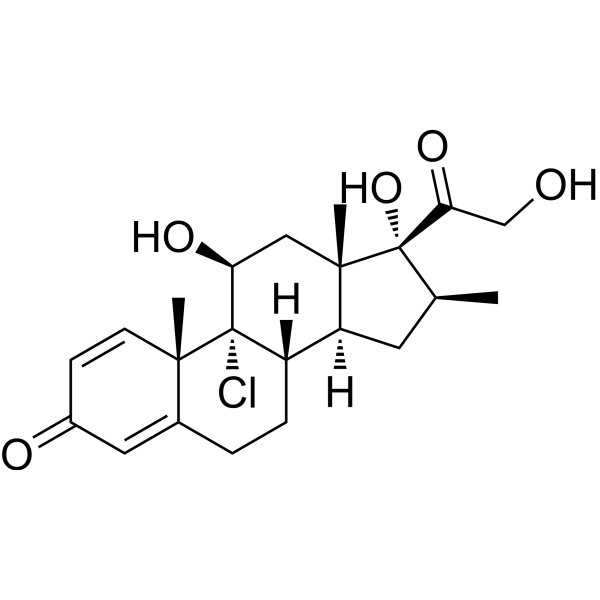
Beclomethasone-d5 is the deuterium labeled Beclometasone. Beclometasone (Beclomethasone) is a prototype glucocorticoid receptor agonist.
|
-
-
- HY-107654S
-
|
|
|
Muscarine-d9 (iodide) is the deuterium labeled Muscarine iodide. Muscarine ((+)-Muscarine) iodide is a toxin that can stimulate the parasympathetic nervous system. Muscarine iodide is a prototype muscarinic acetylcholine receptor agonist .
|
-
-
- HY-W654121
-
|
|
|
p-Cresol sulfate-d4 (potassium) is deuterium labeled p-Cresyl sulfate (potassium). p-Cresyl sulfate potassium is a uremic toxin that binds to a prototype protein. p-Cresyl sulfate potassium activates the JNK and p38 MAPK signaling pathways. p-Cresyl sulfate potassium has pro-inflammatory activity .
|
-
-
- HY-14266S
-
|
|
|
Dapivirine-d11 is the deuterium labeled Dapivirine. Dapivirine (TMC120), the prototype of diarylpyrimidines (DAPY), is an orally active and nonnucleoside reverse transcriptase inhibitor (NRTI). Dapivirine (TMC120) binds directly to HIV-1 reverse transcriptase. Dapivirine (TMC120) regulates autophagy and induced Akt, Bad and SAPK/JNK activations .
|
-
-
- HY-14266S1
-
|
|
|
Dapivirine-d4 (TMC120-d4) is deuterium labeled Dapivirine. Dapivirine (TMC120), the prototype of diarylpyrimidines (DAPY), is an orally active and nonnucleoside reverse transcriptase inhibitor (NRTI). Dapivirine (TMC120) binds directly to HIV-1 reverse transcriptase. Dapivirine (TMC120) regulates autophagy and induced Akt, Bad and SAPK/JNK activations .
|
-
Your information is safe with us. * Required Fields.
Inquiry Information
- Product Name:
- Cat. No.:
- Quantity:
- MCE Japan Authorized Agent:

