Search Result
Results for "
rabbit models
" in MedChemExpress (MCE) Product Catalog:
3
Biochemical Assay Reagents
2
Isotope-Labeled Compounds
| Cat. No. |
Product Name |
Target |
Research Areas |
Chemical Structure |
-
- HY-B0590
-
|
Ro 1-9569
|
Monoamine Transporter
Dopamine Receptor
|
Neurological Disease
|
|
Tetrabenazine (Ro 1-9569) is a brain-penetrant and orally active VMAT2-selective ligand with human VMAT2 Ki 100 nM. Tetrabenazine binds VMAT2 to block monoamine uptake into synaptic vesicles, potentiates cytoplasmic monoamine degradation. Tetrabenazine weakly blocks dopamine D2 receptors, and increases dopamine turnover via elevated cerebrospinal fluid homovanillic acid. Tetrabenazine can be used for the research of Huntington’s disease, tardive dyskinesia, and Tourette’s syndrome .
|
-
-
- HY-D0846
-
|
|
Biochemical Assay Reagents
|
Neurological Disease
|
|
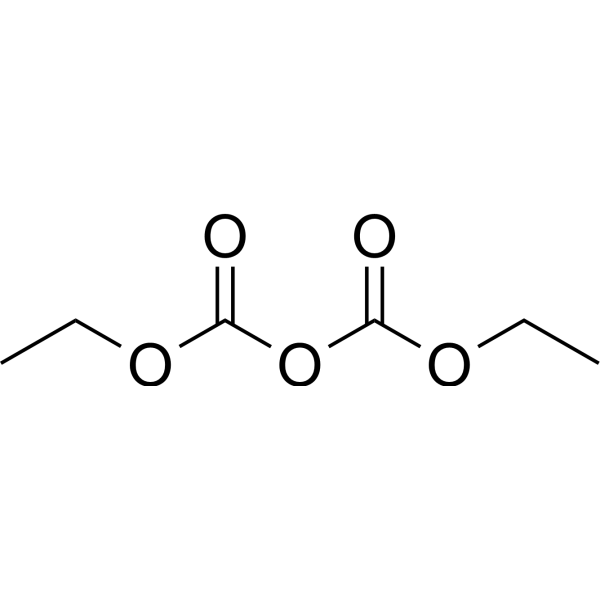
Diethyl pyrocarbonate is a potent, orally active, non-specific chemical inhibitor of RNase. Diethyl pyrocarbonate has been useful in vitro as an agent relatively specific for binding to imidazole of histidine. Diethyl pyrocarbonate inhibits central chemosensitivity in rabbits. Diethyl pyrocarbonate can modify Ser, Thr, His and Tyr residues. Diethyl pyrocarbonate can be used for modeling .
|
-
-
- HY-103171
-
BAY 60-6583
Maximum Cited Publications
7 Publications Verification
|
Adenosine Receptor
|
Cardiovascular Disease
Inflammation/Immunology
|
|
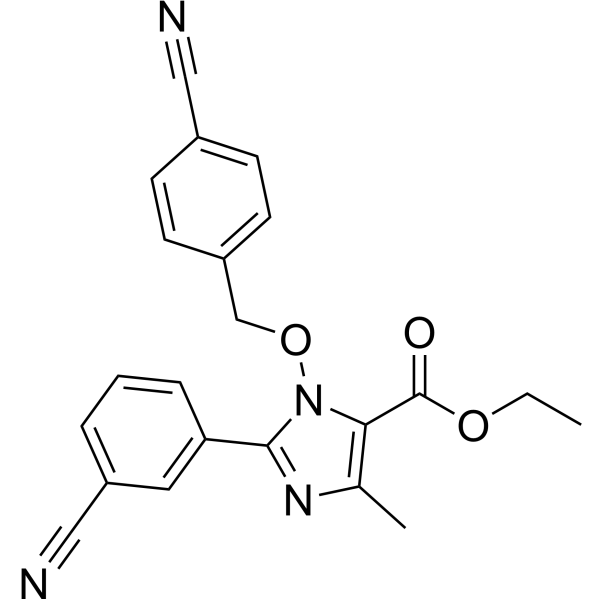
BAY 60-6583 is a potent and high-affinity agonist of adenosine A2B receptor (EC50=3 nM) over A1, A2A, and A3 receptors. BAY 60-6583 binds to mouse, rabbit, and dog A2BAR with Ki values of 750 nM, 340 nM and 330 nM, respectively. BAY 60-6583 has a cardioprotective effect in a myocardial ischemia model .
|
-
-
- HY-W088065
-
|
|
Environmental Pollutants
DNA/RNA Synthesis
|
Others
|
Sodium formate acts as a key promoter for heterogeneous nucleation of ZIF crystals and thin film synthesis. It is also recognized as a GRAS substance by the FDA, and serves as a cosmetic preservative and food additive. Sodium formate has low acute oral toxicity (acute oral LD50=7410 mg/kg and acute intravenous LD50=807 mg/kg in mice), with no heritable or carcinogenic effects, but exhibits embryonic developmental toxicity and teratogenicity at high concentrations. Sodium formate may cause moderate irritation to rabbit eyes, is relatively safe to the skin, and does not induce tumor formation in rats in vivo. Sodium formate is rapidly absorbed and oxidized to carbon dioxide in vivo, and forms DNA adducts in specific metabolic deficiency models or upon high-dose exposure .
|
-
-
- HY-B0590S
-
|
Ro 1-9569-d6
|
Monoamine Transporter
|
Neurological Disease
|
|
Tetrabenazine-d6 (Deutetrabenazine) is a deuterium-labled Tetrabenazine (HY-B0590). Tetrabenazine (Ro 1-9569) is a brain-penetrant and orally active VMAT2-selective ligand with human VMAT2 Ki 100 nM. Tetrabenazine binds VMAT2 to block monoamine uptake into synaptic vesicles, potentiates cytoplasmic monoamine degradation. Tetrabenazine weakly blocks dopamine D2 receptors, and increases dopamine turnover via elevated cerebrospinal fluid homovanillic acid. Tetrabenazine can be used for the research of Huntington’s disease, tardive dyskinesia, and Tourette’s syndrome .
|
-
-
- HY-B0027
-
|
|
Antibiotic
Bacterial
|
Infection
Metabolic Disease
|
|
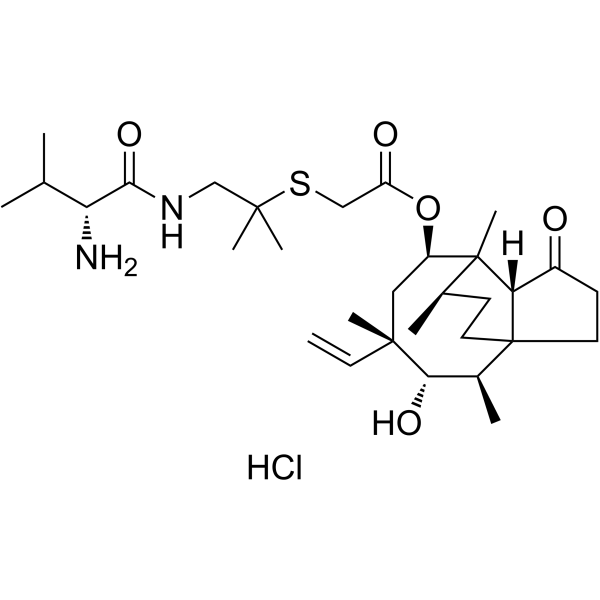
Valnemulin hydrochloride is an orally effective truncated pleurotin antibiotic that inhibits protein synthesis in bacteria by binding to peptidyl transferase in the 50s ribosome subunit. Valnemulin hydrochloride effectively eliminates Mycobacterium bovis in the lungs in an experimental bovine model of Mycoplasma bovis infection. Valnemulin hydrochloride can reduce the mortality of epidemic rabbit enteropathy and has no adverse effect on the growth performance of rabbits .
|
-
-
- HY-17028
-
|
|
Bacterial
Antibiotic
DNA/RNA Synthesis
Topoisomerase
|
Infection
Inflammation/Immunology
|
|
Besifloxacin Hydrochloride is a fourth generation fluoroquinolone antibiotic. Besifloxacin Hydrochloride is a DNA gyrase and topoisomerase IV inhibitor. Besifloxacin Hydrochloride has broad-spectrum antibacterial activity, it is effective against Gram-negative and Gram-positive aerobic and anaerobic strains and reduces the incidence of drug resistance. Besifloxacin Hydrochloride has anti-inflammatory activity. Besifloxacin Hydrochloride can be used in bacterial conjunctivitis research .
|
-
-
- HY-Y1325I
-
|
|
Environmental Pollutants
Biochemical Assay Reagents
Apoptosis
NO Synthase
p38 MAPK
Heme Oxygenase (HO)
Keap1-Nrf2
Wnt
β-catenin
|
Metabolic Disease
Inflammation/Immunology
Cancer
|
|
Sodium acetate trihydrate, 99.5% is a short-chain fatty acid salt with multiple biological activities. Sodium acetate trihydrate, 99.5% serves as a direct precursor of acetyl-CoA, and it extensively affects gene expression by promoting histone acetylation. Sodium acetate trihydrate, 99.5% can activate the p38 MAPK pathway to induce cancer cell apoptosis. Sodium acetate trihydrate, 99.5% can activate the Wnt/β-catenin signaling pathway to stimulate the proliferation and migration of cecal epithelial cells, thereby improving intestinal health. Sodium acetate trihydrate, 99.5% alleviates lead accumulation and oxidative damage by upregulating the testosterone-dependent eNOS/NO/cGMP signaling pathway, as well as activating the Nrf2/HO-1 pathway and its downstream antioxidant enzymes .
|
-
-
- HY-B2141
-
|
|
NO Synthase
HIF/HIF Prolyl-Hydroxylase
|
Cardiovascular Disease
Others
Metabolic Disease
|
|
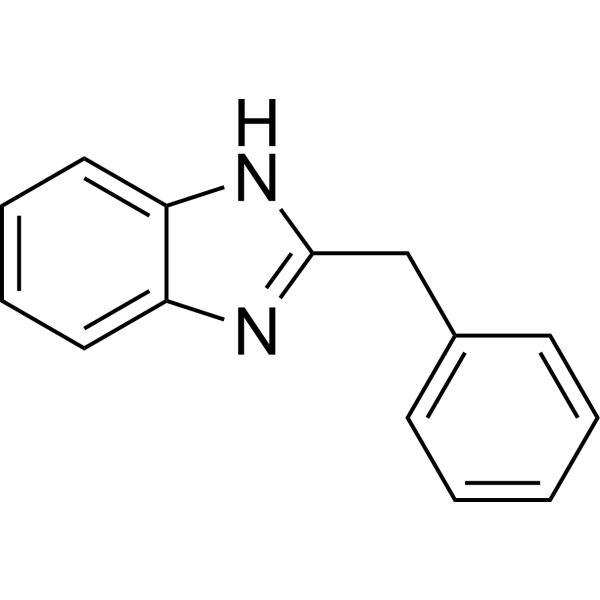
Bendazol is an orally effective antihypertensive agent. Bendazol acts directly on vascular smooth muscle to dilate blood vessels and reduce peripheral resistance, thereby improving blood circulation. Bendazol significantly inhibits the development of myopia in rabbit models. Bendazol can regulate kidney function by increasing the activity of NO synthase in the rat model of nephrogenic hypertension. In addition, Bendazol has an effect on sexual behavior and spermatogenesis in male rats .
|
-
-
- HY-B1448
-
|
KW-3049
|
Calcium Channel
Apoptosis
|
Cardiovascular Disease
|
|
Benidipine hydrochloride is an orally active calcium channel antagonist. Benidipine hydrochloride can inhibit cell proliferation and apoptosis. Benidipine hydrochloride has antioxidant activity and can increase nitric oxide synthase activity and improve coronary circulation in hypertensive rats .
|
-
-
- HY-N0120
-
|
(E/Z)-Piceid
|
Drug Isomer
|
Cardiovascular Disease
Metabolic Disease
Inflammation/Immunology
Cancer
|
|
(E/Z)-Polydatin ((E/Z)-Piceid) is a mixture of the E/Z configurations of Polydatin (HY-N0120A). Polydatin can be isolated from Polygonum cuspidatum, grapes, peanuts, red wine, hop pellets, cocoa-containing products and chocolate products. Polydatin exhibits multiple biological properties, such as anti-platelet aggregation, anti-low-density lipoprotein oxidation, cardioprotective activity, anti-inflammatory and immunomodulatory functions. Polydatin shows favorable cytotoxic effects against various tumor cell lines, including cervical cancer cells, liver cancer cells, and nasopharyngeal carcinoma cells .
|
-
-
- HY-132596A
-
|
SYL1001 sodium
|
Small Interfering RNA (siRNA)
TRP Channel
|
Neurological Disease
|
|
Tivanisiran sodium (SYL1001 sodium) is a small interfering RNA (siRNA) targeting TRPV1 . Tivanisiran sodium induces the degradation of TRPV1 mRNA, thereby inhibiting protein synthesis. Tivanisiran sodium alleviates ocular discomfort and pain, and improves ocular hyperemia and tear quality. Tivanisiran sodium is applicable to research related to dry eye disease .
|
-
-
- HY-101481
-
|
|
COX
Apoptosis
MEK
ERK
PPAR
AMPK
NF-κB
Interleukin Related
TNF Receptor
STAT
Wnt
|
Neurological Disease
Inflammation/Immunology
Cancer
|
|
Flurbiprofen axetil is a non-selective COX inhibitor and a nonsteroidal anti-inflammatory agent with anti-inflammatory and analgesic effects. Flurbiprofen axetil inhibits basal-like breast cancer metastasis by inhibiting the MEK/ERK signaling pathway. Flurbiprofen axetil can promote neuroprotection after focal cerebral ischemia in rats by partially activating PPAR-γ. Flurbiprofen axetil alleviates cerebral ischemia/reperfusion injury by reducing inflammation in a transient global cerebral ischemia/reperfusion rat model. Flurbiprofen axetil can alleviate inflammatory responses and cognitive function in a mild cognitive impairment (MCI) SD rat model through the AMPKα/NF-κB signaling pathway .
|
-
-
- HY-B1035
-
|
l-Bunolol hydrochloride
|
Adrenergic Receptor
Calcium Channel
Casein Kinase
|
Cardiovascular Disease
|
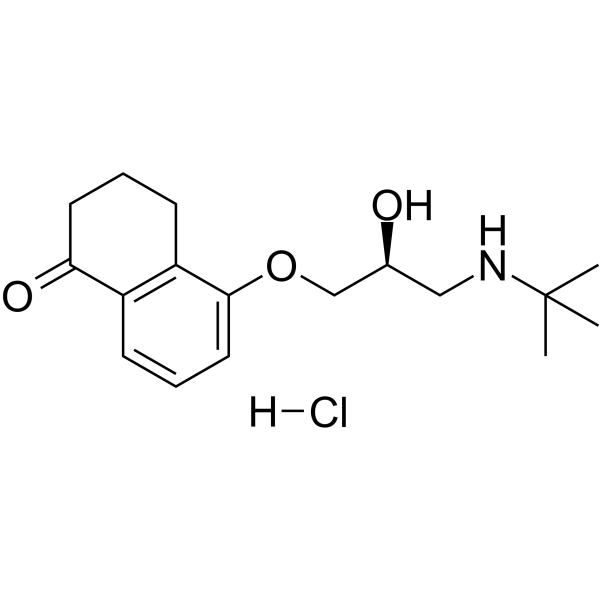
Levobunolol (l-Bunolol) hydrochloride is a non-selective β-adrenergic antagonist and vasodilator. By blocking calcium ion influx and reducing the sensitivity of vascular smooth muscle to calcium, Levobunolol hydrochloride effectively dilates the ciliary arteries and increases ocular blood flow, so it is widely used in research on glaucoma and ocular hypertension. Levobunolol hydrochloride inhibits the β-receptor signaling pathway and the expression of related proliferation markers (such as CK3, CK14, CK19, Ki67) in corneal cells. In rabbit models, Levobunolol hydrochloride not only does not inhibit corneal epithelial regeneration, but also accelerates the healing of mechanical injury without adverse effects. Levobunolol hydrochloride also inhibits histamine-induced vasoconstriction and intracellular calcium elevation, exhibiting unique vascular regulatory activity. Levobunolol hydrochloride protects ocular blood flow and promotes corneal repair .
|
-
-
- HY-B0590A
-
|
Ro 1-9569 Racemate
|
Monoamine Transporter
Dopamine Receptor
|
Neurological Disease
|
|
Tetrabenazine (Ro 1-9569) Racemate is a brain-penetrant and orally active VMAT2-selective ligand with human VMAT2 Ki 100 nM. Tetrabenazine Racemate binds VMAT2 to block monoamine uptake into synaptic vesicles, potentiates cytoplasmic monoamine degradation. Tetrabenazine Racemate weakly blocks dopamine D2 receptors, and increases dopamine turnover via elevated cerebrospinal fluid homovanillic acid. Tetrabenazine Racemate can be used for the research of Huntington’s disease, tardive dyskinesia, and Tourette’s syndrome .
|
-
-
- HY-16981
-
|
|
CXCR
|
Inflammation/Immunology
|
|
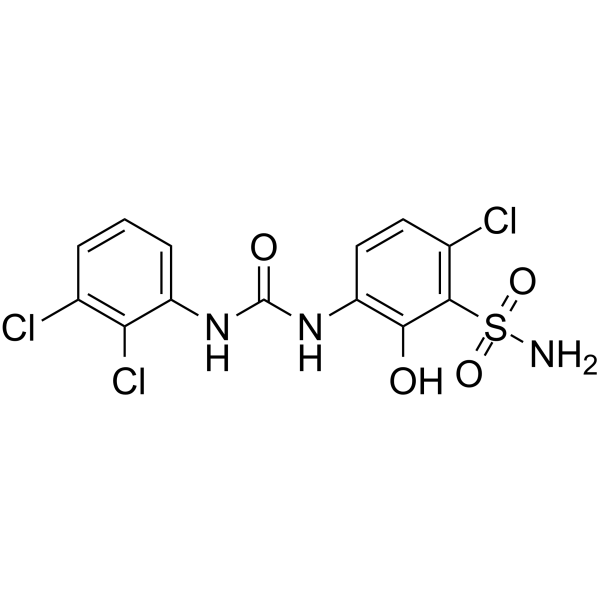
SB-332235 is a potent, orally active nonpeptide CXCR2 antagonist, with an IC50 of 7.7 nM. SB-332235 displays 285-fold selectivity for CXCR2 over CXCR1. SB-332235 inhibits acute and chronic models of arthritis in the rabbit. SB-332235 inhibits viability of AML cells .
|
-
-
- HY-117133
-
|
SF0166
|
Integrin
|
Metabolic Disease
|
|
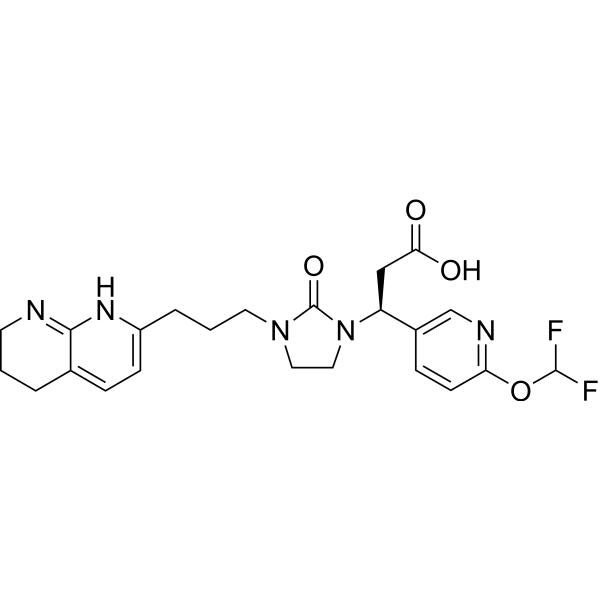
Nesvategrast (SF0166) is a potent and selective αvβ3 antagonist with IC50 values of 0.6 nM, 8 nM, and 13 nM for αvβ3, αvβ6, and αvβ8, respectively. Nesvategrast inhibits cellular adhesion to vitronectin across human, rat, rabbit, and dog cell lines with IC50 values of 7.6 pM to 76 nM. Nesvategrast decreases neovascularization in the oxygen-induced retinopathy mouse model .
|
-
-
- HY-175735
-
|
|
Factor XI
|
Cardiovascular Disease
|
|
Factor XI-IN-2 is a Factor XI activation inhibitor with an IC50 of 20 nM. Factor XI-IN-2 does not directly inhibit the enzymatic activity of FXIa, but specifically binds to the FXI enzyme precursor and allosterically inhibits the process by which it is activated by FXIIa. Factor XI-IN-2 inhibits thrombosis in the rabbit arteriovenous (AV) shunt thrombosis model. Factor XI-IN-2 can be used for the study of antithrombus .
|
-
-
- HY-132280
-
|
U 74006F free base
|
Reactive Oxygen Species (ROS)
SARS-CoV
Virus Protease
|
Neurological Disease
Inflammation/Immunology
|
|
Tirilazad (U 74006F free base) is a neuroprotective agent. Tirilazad can also bind tightly to the main protease of the COVID-19 virus and exert anti-SARS-CoV-2 activity. Tirilazad scavenges hydroxyl and lipid peroxyl free radicals and maintains the levels of endogenous antioxidants. Tirilazad reduces cerebral infarct volume and improves neurobehavioral scores in animal models of focal ischemia. Tirilazad can be used in research related to ischemic stroke and subarachnoid hemorrhage .
|
-
-
- HY-149454
-
|
|
P2Y Receptor
|
Cancer
|
|
P2Y1/P2Y12 antagonist-1 (compound 24w) is an orally available dual inhibitor of P2Y1 and P2Y12 with antiplatelet activity. P2Y1/P2Y12 antagonist-1 inhibits ADP-induced platelet aggregation in rabbit plasma with an IC50 of 4.23 μM. P2Y1/P2Y12 antagonist-1 exhibits potent inhibitory effects in rat thrombosis model.
|
-
-
- HY-106777
-
|
CPEC; NSC 375575
|
DNA/RNA Synthesis
Nucleoside Antimetabolite/Analog
Apoptosis
Necroptosis
Influenza Virus
HSV
|
Infection
Cancer
|
|
Cyclopentenylcytosine (CPEC), a carbocyclic nucleoside analog of cytosine, is a potent inhibitor of CTP synthetase and causes depletion of CTP and dCTP pools. Cyclopentenylcytosine shows broad-spectrum (both DNA and RNA viruses) antiviral activity. Cyclopentenyl cytosine increases Gemcitabine (HY-17026) radiosensitisation in human pancreatic cancer cells. Cyclopentenylcytosine shows effective antiviral activity in the Ad5/NZW rabbit ocular replication model and shows anti-tumor activity in various tumor xenografts model. Cyclopentenylcytosine can be used for the study of infection and cancer .
|
-
-
- HY-123468
-
|
|
Cyclic GMP-AMP Synthase
PKA
ERK
Tyrosine Hydroxylase
Calcium Channel
|
Cardiovascular Disease
Metabolic Disease
|
|
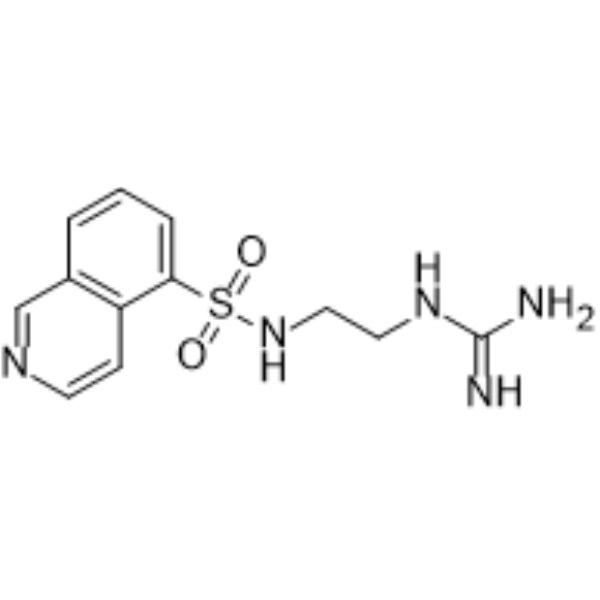
HA-1004 is a selective inhibitor of PKA, which can inhibit lipolysis and induce vascular relaxation. HA-1004 is also a dual inhibitor of cyclic GMP-dependent protein kinase and cyclic AMP-dependent protein, and is involved in smooth muscle, second messenger, cyclic AMP and cyclic GMP regulation mechanisms. HA-1004 is an antagonist for calcium, that can be used as a vasodilator to inhibit the contraction of rabbit aortic strips, or to antagonize ERK and tyrosine hydroxylase (TH) phosphorylation in morphine abstinence rat models .
|
-
-
- HY-N3931
-
|
|
Others
|
Cardiovascular Disease
|
|
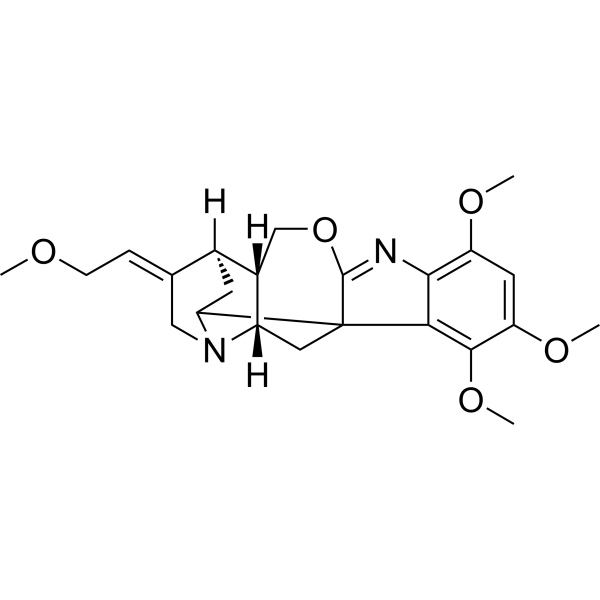
Gardneramine is an orally active alkaloid that acts like papaverine. Gardneramine has peripheral vascular diastolic effect, direct inhibition on myocardium and central inhibition. Gardneramine showed antihypertensive, vasodilatation and atrial inhibition effects in rabbit, dog and guinea pig models, respectively. Gardneramine also inhibits the movement of smooth muscle organs such as the stomach and intestines .
|
-
-
- HY-106523
-
|
KT 210; K 351; Hypadil
|
Adrenergic Receptor
|
Cardiovascular Disease
|
|
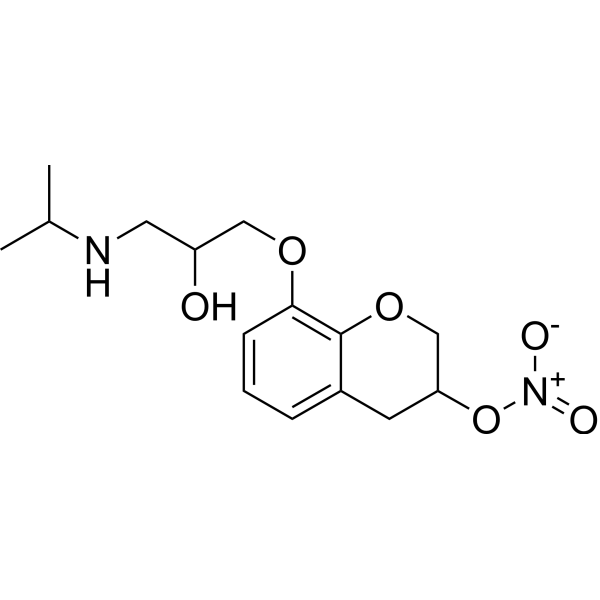
Nipradolol (KT-210; K-351) is a potent blocker of alpha-1-adrenergic receptors. Nipradolol inhibits the increase of intraocular pressure (IOP) in an albino rabbit model induced by Phenylephrine (HY-B0769). Nipradolo suppresses the noradrenaline (NA)-induced muscles contraction, also exhibits vasodilator activity on the dog coronary artery .
|
-
-
- HY-129781
-
|
|
Carbonic Anhydrase
|
Endocrinology
|
|
L-650719 is a topical carbonic anhydrase inhibitor (CAI) with a Ki of 10 nM for CA II. L-650719 has shown good intraocular pressure-lowering effects in a rabbit model. L-650719 may be used in glaucoma research .
|
-
-
- HY-120612
-
|
|
P2Y Receptor
|
Cardiovascular Disease
|
|
BMS-884775 is a selective and orally active P2Y1 antagonist with an IC50 of 0.1 nM for the human P2Y1 receptor. BMS-884775 has a similar efficacy in preventing arterial thrombosis to Clopidogrel (HY-15283) and Prasugrel (HY-15284), but treatment with BMS-884775 results in shorter bleeding time and lower bleeding risk. BMS-884775 can be used in research related to antiplatelet and arterial thrombosis-associated diseases .
|
-
-
- HY-18694
-
|
|
MMP
|
Inflammation/Immunology
|
|
CGS 27023A is a non-peptidic and orally active MMP inhibitor with the Ki values of 43, 33, 20 and 8 nM for MMP-3, MMP-1, MMP-2 amd MMP-9, respectively. CGS 27023A prevents cartilage degradation in stromelysin-induced rabbit cartilage degradation model. CGS 27023A can be used for study of arthritis .
|
-
-
- HY-N6609
-
|
|
nAChR
|
Others
|
|
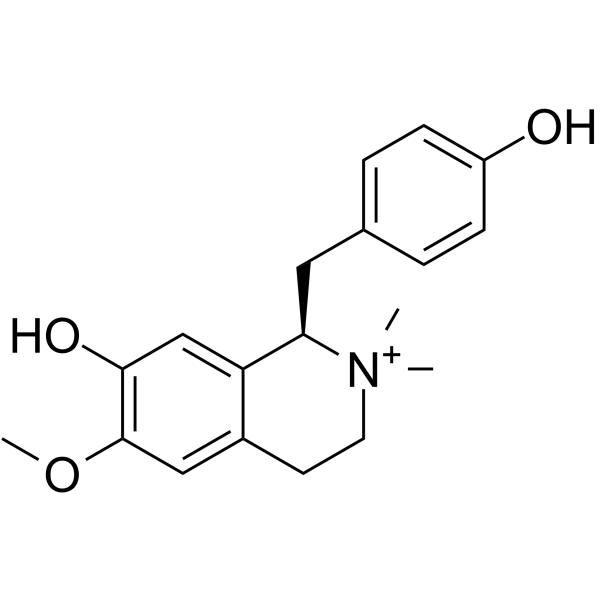
Magnocurarine is a neuromuscular junction blocker that inhibits muscle contraction by functionally blocking signal transmission without directly damaging nerve or muscle tissues. In frog, mouse and rabbit models, Magnocurarine exerts a dose-dependent paralytic effect, which progresses gradually from limb weakness and loss of righting reflex to respiratory depression and even cardiac arrest. Although high doses cause complete cessation of movement, Magnocurarine does not affect the spinal multineuronal reflex in frogs. Magnocurarine exhibits biological activity similar to that of tubocurarine (HY-125901) in various animal models .
|
-
-
- HY-125064
-
|
|
Src
|
Cancer
|
|
AP22408 is a nonpeptide inhibitor against Src SH2 with an IC50 value of 0.3 μM. AP22408 inhibits rabbit osteoclast-mediated resorption of dentine, exhibits bone-targeting properties based on a hydroxyapatite adsorption assay and demonstrates in vivo antiresorptive activity in a parathyroid hormone-induced rat model. AP22408 is proming for rasearch of osteoporosis and other bone-related diseases such as Paget’s disease, osteolytic bone metastasis and hypercalcemia associated with malignancy .
|
-
-
- HY-112348
-
|
|
Cyclic GMP-AMP Synthase
PKA
ERK
Calcium Channel
|
Cardiovascular Disease
Metabolic Disease
|
|
HA-1004 hydrochloride is a selective inhibitor of PKA, which can inhibit lipolysis and induce vascular relaxation. HA-1004 hydrochloride is also a dual inhibitor of cyclic GMP-dependent protein kinase and cyclic AMP-dependent protein (Cyclic GMP-AMP Synthase), and is involved in smooth muscle, second messenger, cyclic AMP and cyclic GMP regulation mechanisms. HA-1004 hydrochloride an antagonist for calcium, that can be used as a vasodilator to inhibit the contraction of rabbit aortic strips, or to antagonize ERK and tyrosine hydroxylase (TH) phosphorylation in morphine abstinence rat models .
|
-
-
- HY-175675
-
|
|
P2Y Receptor
Keap1-Nrf2
|
Cardiovascular Disease
Neurological Disease
|
|
P2Y1 antagonist 4 is a selective P2Y1 receptor antagonist with excellent blood-brain barrier (BBB) penetration.
P2Y1 antagonist 4 inhibits P2Y1 receptor-mediated cytosolic Ca 2+ increase (IC50 = 1.95 μM) and platelet aggregation (IC50 = 3.24 μM) induced by ADP in rabbit washed platelets. P2Y1 antagonist 4 significantly upregulates the level of nuclear Nrf2 protein in H2O2-treated HT22 cells. P2Y1 antagonist 4 reduces myocardial infarct size in a mouse acute myocardial infarction (MI) model. P2Y1 antagonist 4 can be used for the study of ischemic stroke and myocardial infarction .
|
-
-
- HY-161282
-
|
|
Carbonic Anhydrase
|
Neurological Disease
Cancer
|
|
hCAII-IN-10 (compound 11d) is hCA II inhibitor with the IC50s of 14 nM and 29.2 μM for hCA II and hCA I, respectively. hCAII-IN-10 inhibits cell growth against HT-29 cells with the IC50 of 74 μM. hCAII-IN-10 shows strongly lowered intraocular pressure in the glaucomatous rabbit eye model .
|
-
-
- HY-119262
-
|
|
Adrenergic Receptor
|
Cardiovascular Disease
Endocrinology
|
|
ABT-866 is an α1A-adrenoceptor agonist and an antagonist at the α1B- and α1D-adrenoceptor subtypes. ABT-866 has an EC50 of 0.60 μM for the α1A in the rabbit urethra. ABT-866 has a pA2 value of 5.4 for the α1B in the rat spleen. ABT-866 has a pA2 value of 6.2 for the α1D in the rat aorta. ABT-866 exhibits good urethral selectivity and lower cardiovascular side effects in stress urinary incontinence models. ABT-866 can be used for the research of diseases such as stress urinary incontinence .
|
-
-
- HY-107009
-
|
|
VZV
HSV
VSV
|
Infection
|
|
CTC 96 is an antiviral agent, showing inhibitory effects particularly on herpes viruses and adenoviruses. CTC 96 directly blocks the fusion process between the viral envelope and the cell membrane, preventing the entry of viral nucleic acids and proteins into the cells. CTC 96 can completely block the penetration and intercellular transmission of HSV-1, preventing the synthesis of viral proteins and mRNA. CTC 96 exhibits significant anti-adenovirus activity in rabbit eye models. CTC 96 is also effective against varicella-zoster virus (VZV) and vesicular stomatitis virus (VSV). CTC 96 can be used for broad-spectrum antiviral research .
|
-
-
- HY-160991
-
-
-
- HY-106018A
-
|
GM 611 fumarate
|
Motilin Receptor
|
Others
|
|
Mitemcinal fumarate is an oral motilium agonist. Studies in rabbits and dogs have shown that it can promote defecation without causing severe diarrhea, increase stool weight without increasing water content in the rabbit constipation model, and reduce the time to first defecation in dogs. Mitemcinal fumarate may be a constipation suppressant due to its early onset and short duration of action.
|
-
-
- HY-106018
-
|
GM 611
|
Motilin Receptor
|
Others
|
|
Mitemcinal (GM 611) is an oral motilin receptor agonist. Studies in rabbits and dogs have shown that it can promote defecation without causing severe diarrhea, increase stool weight without increasing water content in the rabbit constipation model, and reduce the time to first defecation in dogs. Mitemcinal may be a constipation suppressant due to its early onset and short duration of action .
|
-
-
- HY-171037
-
|
PGBx
|
Mitochondrial Metabolism
|
Neurological Disease
|
|
Prostaglandin Bx (PGBx) is an oligomer of PGB1 and 15-keto-PGB, which exhibits mitochondrial protective efficacy. Prostaglandin Bx promotes the neurological recovery in rabbits ischemic spinal cord injury model, and maintains the integrity of the gastric mucosa through inhibition of gastric acid secretion in rat gastric ulcer model .
|
-
-
- HY-160991A
-
|
SP-204 dihydrochloride
|
Phosphodiesterase (PDE)
|
Others
Neurological Disease
|
|
Menabitan dihydrochloride (SP-204 dihydrochloride) is the dihydrochloride form of Menabitan (HY-160991). Menabitan dihydrochloride is an inhibitor for phosphodiesterase 9 (PDE 9), which acts as a non-opioid analgesic agent. Menabitan dihydrochloride lowers the intraocular pressure in rabbit model .
|
-
-
- HY-105919
-
|
|
Factor Xa
|
Cardiovascular Disease
|
|
Naroparcil is an orally active antithrombotic agent. Naroparcil exhibits antithrombotic effects in rabbit Wessler stasis model with EC50s of 21.9 mg/kg and 36.0 mg/kg after respectively intravenous injection and oral administration .
|
-
-
- HY-B0027R
-
|
|
Reference Standards
Antibiotic
Bacterial
|
Metabolic Disease
Inflammation/Immunology
|
|
Valnemulin (hydrochloride) (Standard) is the analytical standard of Valnemulin (hydrochloride). This product is intended for research and analytical applications. Valnemulin (hydrochloride) is an orally effective truncated pleurotin antibiotic that inhibits protein synthesis in bacteria by binding to peptidyl transferase in the 50s ribosome subunit. Valnemulin hydrochloride effectively eliminates Mycobacterium bovis in the lungs in an experimental bovine model of Mycoplasma bovis infection. Valnemulin hydrochloride can reduce the mortality of epidemic rabbit enteropathy and has no adverse effect on the growth performance of rabbits .
|
-
-
- HY-W424017A
-
|
|
Endogenous Metabolite
|
Neurological Disease
|
|
Lophophine hydrochloride is the drug intermediate of anhalonine and Lophophorine (HY-119478), and can be found in Lophophora diffusa. Anhalonine causes slight sleepiness in frog. Lophophorine causes long-lasting convulsions, reflex excitability, muscle stiffness, and paralysis in rabbit and frog model .
|
-
-
- HY-112352
-
|
|
Endogenous Metabolite
|
Others
|
|
SU9518 is a tyrosine kinase inhibitor with specific activity against PDGFRα. SU9518 can inhibit the development of proliferative vitreoretinopathy (PVR) in fibroblast and Muller cell rabbit models. SU9518 showed effective inhibitory effects in these models without toxic effects. Therefore, SU9518 has the potential to be used to inhibit PVR in humans and other proliferative eye diseases involving fibrosis and gliosis .
|
-
-
- HY-106422
-
|
EP-013420; S-013420
|
Bacterial
|
Infection
Inflammation/Immunology
|
|
EDP-420 (EP-013420; S-013420) is an orally active antibacterial agent. EDP-420 inhibits the Mycobacterium avium complex (MAC) in macrophages. EDP-420 reduces bacterial counts in a mouse model of macrolide infection. EDP-420 inhibits pneumococcal activity in a rabbit model of meningitis. EDP-420 can be used in research on inflammatory infectious diseases such as meningitis .
|
-
-
- HY-14474
-
|
|
Endothelin-Converting Enzyme (ECE)
|
Cardiovascular Disease
|
|
CGS 26303 is an endothelin-converting enzyme (ECE) inhibitor. CGS 26303 increases the expression of endothelin-converting enzyme-1 in endothelial cells. CGS 26303 attenuates cerebral vasospasm in a rabbit subarachnoid hemorrhage model. CGS 26303 improves birth survival and alleviates pulmonary hypoplasia in newborn rats in a rat model of congenital diaphragmatic hernia. CGS 26303 can be used for research on cardiovascular and cerebrovascular diseases and congenital diaphragmatic hernia .
|
-
-
- HY-114846
-
|
|
Prostaglandin Receptor
|
Cardiovascular Disease
|
|
Ro 22-9194 inhibits aggregation and thromboxane Az (TXA2) synthetase activity in rabbit and human platelets. Ro 22-9194 has a potent inhibitory action against various types of model arrhythmias. Ro 22-9194 has non-cholinergic cardiac depressant properties with its vasodilating action .
|
-
-
- HY-19013
-
|
|
Drug Derivative
|
Cardiovascular Disease
|
|
L44-0 is a nicotinic acid derivative. L44-0 reduces atherosclerotic lesions and decreases vascular norepinephrine levels in the renal arteries, femoral arteries, and veins in a New Zealand white rabbit model of atherosclerosis. L44-0 can be used in research on cardiovascular and cerebrovascular diseases such as atherosclerosis .
|
-
-
- HY-W424839
-
|
DTBP
|
Heme Oxygenase (HO)
|
Cardiovascular Disease
|
|
Probucol dithiobisphenol (DTBP) is the derivative of Probucol (HY-B0388). Probucol dithiobisphenol induces the production of heme oxygenase 1 (HO-1), and exhibits antioxidant activity. Probucol dithiobisphenol inhibits atherosclerotic lesions in Apoe −/− mice aorta, promotes re-endothelialization of aorta and inhibits restenosis in rabbit arterial injury models. Probucol dithiobisphenol is orally active .
|
-
-
- HY-153903
-
|
|
Biochemical Assay Reagents
|
Others
|
|
RASP-IN-1 (compound A) is a lipophili ccompound used for macular degeneration inhibition. RASP-IN-1 is biologically active in the retina of the rabbit's eye. Thirty minutes after IP treatment with 14C-RASP-IN-1 (10 mg/kg),the Cmax amount of 14C-RASP-IN-1 in the posterior eye cup is 14.36 μg/g in mice model .
|
-
-
- HY-18694A
-
|
|
MMP
|
Inflammation/Immunology
|
|
CGS 27023A free base is a non-peptidic and orally active MMP inhibitor with the Ki values of 43, 33, 20 and 8 nM for MMP-3, MMP-1, MMP-2 amd MMP-9, respectively. CGS 27023A free base prevents cartilage degradation in stromelysin-induced rabbit cartilage degradation model. CGS 27023A free base can be used for study of arthritis .
|
-
- HY-162818
-
|
|
Bacterial
Reactive Oxygen Species (ROS)
|
Infection
|
|
Antibacterial agent 237 (compound Ru-8) is a bacteriostatic agent for Staphylococcus aureus, with MIC of 0.78-1.56 μg/mL. Antibacterial agent 237 destroys bacterial cell membranes, changes their permeability, and induces bacteria to produce Reactive Oxygen Species, leading to bacterial death without causing drug resistance. Antibacterial agent 237 has low hemolytic toxicity to rabbit red blood cells and Raw 264.7 cells, and has significant antibacterial effects against Staphylococcus aureus in mouse skin wound infection models and Bacillus major larvae infection models .
|
-
- HY-119035
-
|
|
Platelet-activating Factor Receptor (PAFR)
|
Inflammation/Immunology
|
|
R-75317 is a specific platelet-activating factor (PAF) antagonist. R-75317 can prevent the decline in creatinine clearance (Ccr) in a rat model of glomerulonephritis induced by the injection of antibodies extracted from rabbits against rat glomerular basement membrane (GBM) antigens, delay the onset of proteinuria, and improve glomerular hypertrophy, mesangial matrix proliferation, and interstitial fibrosis. R-75317 may be useful in the study of glomerulonephritis .
|
-
- HY-167636
-
|
SK&F 89124 bromide
|
Dopamine Receptor
|
Cardiovascular Disease
Neurological Disease
|
|
7-Hydroxy ropinirole (SK&F 89124) bromide is a potent and highly selective DA2 receptor agonist, and a derivative of N,N-di-n-propyldopamine (DPDA). In isolated perfused rabbit ear artery models, 7-Hydroxy ropinirole (bromide) exerts its DA2 agonist effects by inhibiting neurotransmitter release or sympathetic nerve-induced responses. It shows potential for research in the fields of cardiovascular and neurological diseases .
|
-
- HY-103171R
-
|
|
Reference Standards
Adenosine Receptor
|
Cardiovascular Disease
Inflammation/Immunology
|
|
BAY 60-6583 (Standard) is the analytical standard of BAY 60-6583. This product is intended for research and analytical applications. BAY 60-6583 is a potent and high-affinity agonist of adenosine A2B receptor (EC50?= 3 nM) over A1, A2A, and A3 receptors. BAY 60-6583 binds to mouse, rabbit, and dog A2BAR with Ki values of 750 nM, 340 nM and 330 nM, respectively. BAY 60-6583 has a cardioprotective effect in a myocardial ischemia model .
|
-
- HY-101481R
-
|
|
Reference Standards
COX
Apoptosis
MEK
ERK
PPAR
AMPK
NF-κB
Interleukin Related
TNF Receptor
STAT
Wnt
|
Neurological Disease
Inflammation/Immunology
Cancer
|
|
Flurbiprofen axetil (Standard) is the analytical standard of Flurbiprofen axetil. This product is intended for research and analytical applications. Flurbiprofen axetil is a non-selective COX inhibitor and a nonsteroidal anti-inflammatory agent with anti-inflammatory and analgesic effects. Flurbiprofen axetil inhibits basal-like breast cancer metastasis by inhibiting the MEK/ERK signaling pathway. Flurbiprofen axetil can promote neuroprotection after focal cerebral ischemia in rats by partially activating PPAR-γ. Flurbiprofen axetil alleviates cerebral ischemia/reperfusion injury by reducing inflammation in a transient global cerebral ischemia/reperfusion rat model. Flurbiprofen axetil can alleviate inflammatory responses and cognitive function in a mild cognitive impairment (MCI) SD rat model through the AMPKα/NF-κB signaling pathway .
|
-
- HY-122224
-
|
|
Sigma Receptor
|
Cancer
|
|
SW43 is a Sigma-2 selective ligand and agonist. SW43 is an ideal molecule for the development of cancer-targeted drug compounds. SW43 conjugated with DOX-L-NETA ( 89Y) exhibits antitumor activity in a VX2 cancer liver tumor allograft rabbit model. SW 43 conjugated with SW IV-52s to form SW III-123 activates the NF-κB pathway, has potent cytotoxicity against ovarian cancer cell lines, and induces apoptosis .
|
-
- HY-123468A
-
|
|
Cyclic GMP-AMP Synthase
PKA
ERK
Calcium Channel
|
Cardiovascular Disease
Metabolic Disease
|
|
HA-1004 dihydrochloride is a selective inhibitor of PKA, which can inhibit lipolysis and induce vascular relaxation. HA-1004 dihydrochloride is also a dual inhibitor of cyclic GMP-dependent protein kinase and cyclic AMP-dependent protein, and is involved in smooth muscle, second messenger, cyclic AMP and cyclic GMP regulation mechanisms. HA-1004 dihydrochloride is an antagonist for calcium, that can be used as a vasodilator to inhibit the contraction of rabbit aortic strips, or to antagonize ERK and tyrosine hydroxylase (TH) phosphorylation in morphine abstinence rat models .
|
-
- HY-108163
-
|
|
Calcium Channel
Potassium Channel
|
Cardiovascular Disease
|
|
SB-237376 (free base) is a potassium and calcium channel blocker. SB-237376 (free base) can inhibit the rapidly activating delayed rectifier potassium current I(Kr) (IC50 is 0.42 μM), and at high concentrations, it blocks the L-type calcium current I(Ca,L). In the rabbit ventricular model, SB-237376 (free base) can induce early afterdepolarizations (EADs) at a concentration of 3 µM. Compared to other IKr inhibitors such as dl-sotalol, SB-237376 has a lower proarrhythmic risk. SB-237376 (free base) holds potential for research in the field of arrhythmia-related diseases .
|
-
- HY-B1035A
-
|
l-Bunolol
|
Adrenergic Receptor
Casein Kinase
Calcium Channel
|
Others
|
Levobunolol (l-Bunolol) is a non-selective β-adrenergic antagonist and vasodilator. By blocking calcium ion influx and reducing the sensitivity of vascular smooth muscle to calcium, Levobunolol effectively dilates the ciliary arteries and increases ocular blood flow, so it is widely used in research on glaucoma and ocular hypertension. Levobunolol inhibits the β-receptor signaling pathway and the expression of related proliferation markers (such as CK3, CK14, CK19, Ki67) in corneal cells. In rabbit models, Levobunolol not only does not inhibit corneal epithelial regeneration, but also accelerates the healing of mechanical injury without adverse effects. Levobunolol also inhibits histamine-induced vasoconstriction and intracellular calcium elevation, exhibiting unique vascular regulatory activity. Levobunolol protects ocular blood flow and promotes corneal repair .
|
-
- HY-17028A
-
|
|
Bacterial
Antibiotic
DNA/RNA Synthesis
Topoisomerase
|
Infection
Inflammation/Immunology
|
|
(Rac)-Besifloxacin Hydrochloride is a fourth generation fluoroquinolone antibiotic. (Rac)-Besifloxacin Hydrochloride is a DNA gyrase and topoisomerase IV inhibitor. (Rac)-Besifloxacin Hydrochloride has broad-spectrum antibacterial activity, it is effective against Gram-negative and Gram-positive aerobic and anaerobic strains and reduces the incidence of drug resistance. (Rac)-Besifloxacin Hydrochloride has anti-inflammatory activity. Besifloxacin Hydrochloride can be used in bacterial conjunctivitis research .
|
-
- HY-B0590E
-
|
Ro 1-9569 mesylate
|
Monoamine Transporter
Dopamine Receptor
|
Neurological Disease
|
|
Tetrabenazine (Ro 1-9569) mesylate is a brain-penetrant and orally active VMAT2-selective ligand with human VMAT2 Ki 100 nM. Tetrabenazine mesylate binds VMAT2 to block monoamine uptake into synaptic vesicles, potentiates cytoplasmic monoamine degradation. Tetrabenazine mesylate weakly blocks dopamine D2 receptors, and increases dopamine turnover via elevated cerebrospinal fluid homovanillic acid. Tetrabenazine mesylate can be used for the research of Huntington’s disease, tardive dyskinesia, and Tourette’s syndrome .
|
-
- HY-B0590R
-
|
Ro 1-9569 (Standard)
|
Reference Standards
Monoamine Transporter
Dopamine Receptor
|
Neurological Disease
|
|
Tetrabenazine (Standard) is the analytical standard of Tetrabenazine (HY-B0590). This product is intended for research and analytical applications. Tetrabenazine (Ro 1-9569) is a brain-penetrant and orally active VMAT2-selective ligand with human VMAT2 Ki 100 nM. Tetrabenazine binds VMAT2 to block monoamine uptake into synaptic vesicles, potentiates cytoplasmic monoamine degradation. Tetrabenazine weakly blocks dopamine D2 receptors, and increases dopamine turnover via elevated cerebrospinal fluid homovanillic acid. Tetrabenazine can be used for the research of Huntington’s disease, tardive dyskinesia, and Tourette’s syndrome .
|
-
- HY-B0590S3
-
|
TBZ-d7-d7; Ro 1-9569-d7
|
Isotope-Labeled Compounds
Monoamine Transporter
Dopamine Receptor
|
Neurological Disease
|
|
Tetrabenazine-d7 (TBZ-d7-d7) is deuterium labeled Tetrabenazine (HY-B0590). Tetrabenazine (Ro 1-9569) is a brain-penetrant and orally active VMAT2-selective ligand with human VMAT2 Ki 100 nM. Tetrabenazine binds VMAT2 to block monoamine uptake into synaptic vesicles, potentiates cytoplasmic monoamine degradation. Tetrabenazine weakly blocks dopamine D2 receptors, and increases dopamine turnover via elevated cerebrospinal fluid homovanillic acid. Tetrabenazine can be used for the research of Huntington’s disease, tardive dyskinesia, and Tourette’s syndrome .
|
-
- HY-171925
-
|
|
Cathepsin
|
Neurological Disease
|
|
BI-1124 is a cathepsin S inhibitor that exhibits simulated sufficient ocular pharmacokinetic-pharmacodynamic coverage in rabbit models via topical ocular administration. BI-1124 can be used for the research of age-related dry eye disease .
|
-
- HY-15208A
-
|
HMR 1098 free base
|
Others
|
Others
|
|
Clamikalant (HMR 1098 free base) is a compound used to suppress cardiac arrhythmias. It prevents the reduction of the refractory period during ventricular fibrillation in dogs and also shows antiarrhythmic effects in a rabbit heart model.
|
-
- HY-105363
-
|
|
Others
|
Cardiovascular Disease
|
|
RGH-1962 is an orally active antithrombotic agent. RGH-1962 prevents endotoxin-induced decreases in fibrinogen level and platelet count, reduces the level of fibrin degradation products and inhibits the endotoxin-induced enhancement of fibrinolytic activity in a rabbit model of endotoxin-induced disseminated intravascular coagulation. RGH-1962 can be used for the study of thrombotic diseases .
|
-
- HY-N6609B
-
|
|
nAChR
|
Cardiovascular Disease
|
|
Magnocurarine chloride is a neuromuscular junction blocker that inhibits muscle contraction by functionally blocking signal transmission without directly damaging nerve or muscle tissues. In frog, mouse and rabbit models, Magnocurarine chloride exerts a dose-dependent paralytic effect, which progresses gradually from limb weakness and loss of righting reflex to respiratory depression and even cardiac arrest. Although high doses cause complete cessation of movement, Magnocurarine chloride does not affect the spinal multineuronal reflex in frogs. Magnocurarine chloride exhibits biological activity similar to that of tubocurarine (HY-125901) in various animal models .
|
-
- HY-105364
-
|
GYKI 39521 hydriodide
|
Others
|
Cardiovascular Disease
|
|
RGH-1875 (GYKI 39521) hydriodide is the hydriodide of RGH-1875. RGH-1875 is an orally active antithrombotic agent. RGH-1875 prevents endotoxin-induced decreases in fibrinogen level and platelet count, reduces the level of fibrin degradation products and inhibits the endotoxin-induced enhancement of fibrinolytic activity in a rabbit model of endotoxin-induced disseminated intravascular coagulation. RGH-1875 can be used for the study of thrombotic diseases .
|
-
- HY-180916
-
|
|
Carbonic Anhydrase
Reactive Oxygen Species (ROS)
NOD-like Receptor (NLR)
Apoptosis
|
Neurological Disease
|
|
CAII-IN-11 (Compound A1) is a dual-target compound that contains a hCA II inhibitor (IC₅₀ = 2 nM) portion and a NO donor portion. CAII-IN-11 also has inhibitory activity against hCA IX, hCA XII, and hCA I, with IC50 values of 6, 3, and 152 nM respectively. CAII-IN-11 significantly increases the intracellular cGMP level in human trabecular meshwork cells. CAII-IN-11 reduces the apoptosis of retinal ganglion cells by reducing oxidative stress (ROS levels), inhibiting astrocytes and the NLRP3 inflammasome activation. CAII-IN-11 has hypotensive activity in rabbit models and can be used for the study of glaucoma .
|
-
- HY-182603
-
|
|
Drug Derivative
Reactive Oxygen Species (ROS)
HCV
|
Infection
Inflammation/Immunology
|
|
BO-653 is an orally active anti-atherosclerotic antioxidant that exhibits high binding affinity for LDL. BO-653 scavenges linoleic acid peroxyl radicals, inhibits lipid peroxidation during the auto-oxidation of linoleic acid, and potently suppresses LDL oxidation. BO-653 inhibits Hepatitis C Virus (HCV) replication in a concentration-dependent manner, with an IC50 of 36.0 μM against the HCV subgenomic replicon in FLR3-1 cells. BO-653 demonstrates significant anti-atherosclerotic effects in various animal models, including the Watanabe heritable hyperlipidemic rabbit. BO-653 is suitable for use in research related to atherosclerosis and Hepatitis C Virus infection .
|
-
- HY-135446
-
|
|
Endothelin Receptor
|
Cardiovascular Disease
Endocrinology
|
|
BQ-610 is a selective antagonist of the endothelin A receptor (ETA receptor). BQ-610 specifically blocks the ETA receptor, competitively inhibiting the binding of endothelin-1 (ET-1) (a vasoconstrictive peptide) to the receptor, thereby blocking the effects of ET-1 such as vascular smooth muscle contraction, cell mitosis, and inhibition of hormone secretion. BQ-610 significantly alleviates cerebral vasospasm in rabbits. BQ-610 blocks the bronchial epithelial and pulmonary vascular cell proliferation caused by cigarette smoke in rat models. BQ-610 can delay the natural luteal regression in the cow's uterus. BQ-610 can be used for research on vasospasm, abnormal cell proliferation, and reproductive endocrine disorders .
|
-
- HY-182407
-
|
|
Angiotensin-converting Enzyme (ACE)
|
Cardiovascular Disease
|
|
CV 5975 is an orally active angiotensin converting enzyme (ACE) competitive inhibitor with a rabbit lung ACE IC50 of 3.1 nM and Ki values of 2.6 nM. CV 5975 inhibits ACE in plasma, aorta, kidney, and brain, intensifying inhibition with repeated administration. CV 5975 inhibits Angiotensin I (HY-P1032)-induced pressor responses and ileum contraction, and augments bradykinin-induced ileum contraction and depressor responses. CV 5975 reduces blood pressure via ACE-independent mechanisms, with sustained action across multiple hypertensive and normotensive animal models, intensified by repeated dosing or Hydrochlorothiazide (HY-B0252) co-administration. CV 5975 can be used for the research of hypertension .
|
-
- HY-185643
-
|
|
Prostaglandin Receptor
|
Neurological Disease
|
|
PF-04475270 is a prodrug of CP-734432 (HY-119236), as well as an agonist of the EP4 prostaglandin receptor, with IC50 values of 2 nM and 8 nM against human and canine sources, respectively. PF-04475270 is rapidly hydrolyzed into its active metabolite CP-734432 by ocular esterases or corneal homogenate, stimulates cAMP production, and activates cAMP response element-mediated β-lactamase activity in cells expressing EP4. PF-04475270 can be used in research related to glaucoma .
|
-
| Cat. No. |
Product Name |
Type |
-
- HY-D0846
-
|
|
Biochemical Assay Reagents
|
|
Diethyl pyrocarbonate is a potent, orally active, non-specific chemical inhibitor of RNase. Diethyl pyrocarbonate has been useful in vitro as an agent relatively specific for binding to imidazole of histidine. Diethyl pyrocarbonate inhibits central chemosensitivity in rabbits. Diethyl pyrocarbonate can modify Ser, Thr, His and Tyr residues. Diethyl pyrocarbonate can be used for modeling .
|
-
- HY-W088065
-
|
|
Biochemical Assay Reagents
|
Sodium formate acts as a key promoter for heterogeneous nucleation of ZIF crystals and thin film synthesis. It is also recognized as a GRAS substance by the FDA, and serves as a cosmetic preservative and food additive. Sodium formate has low acute oral toxicity (acute oral LD50=7410 mg/kg and acute intravenous LD50=807 mg/kg in mice), with no heritable or carcinogenic effects, but exhibits embryonic developmental toxicity and teratogenicity at high concentrations. Sodium formate may cause moderate irritation to rabbit eyes, is relatively safe to the skin, and does not induce tumor formation in rats in vivo. Sodium formate is rapidly absorbed and oxidized to carbon dioxide in vivo, and forms DNA adducts in specific metabolic deficiency models or upon high-dose exposure .
|
-
- HY-Y1325I
-
|
|
Biochemical Assay Reagents
|
|
Sodium acetate trihydrate, 99.5% is a short-chain fatty acid salt with multiple biological activities. Sodium acetate trihydrate, 99.5% serves as a direct precursor of acetyl-CoA, and it extensively affects gene expression by promoting histone acetylation. Sodium acetate trihydrate, 99.5% can activate the p38 MAPK pathway to induce cancer cell apoptosis. Sodium acetate trihydrate, 99.5% can activate the Wnt/β-catenin signaling pathway to stimulate the proliferation and migration of cecal epithelial cells, thereby improving intestinal health. Sodium acetate trihydrate, 99.5% alleviates lead accumulation and oxidative damage by upregulating the testosterone-dependent eNOS/NO/cGMP signaling pathway, as well as activating the Nrf2/HO-1 pathway and its downstream antioxidant enzymes .
|
| Cat. No. |
Product Name |
Target |
Research Area |
-
- HY-P4096C
-
|
|
Peptides
|
Inflammation/Immunology
|
|
Cys-scHAP-1 is an N-terminal cysteine-labeled disordered peptide of HAP-1. Cys-scHAP-1 can be used to construct scHAP-1-targeted liposomes, which bind to human and rabbit fibroblast-like synoviocytes and localize to inflamed joints in vivo in a rat adjuvant-induced arthritis model. Cys-scHAP-1 is applicable to arthritis research .
|
-
- HY-P4096A
-
|
|
Peptides
|
Inflammation/Immunology
|
|
Cys-HAP-1 is a synovium-homing peptide that specifically binds to human and rabbit fibroblast-like synoviocytes, and does not bind to human umbilical vein endothelial cells regardless of TNF-α treatment. Cys-HAP-1 enables targeted drug delivery to inflamed joints after conjugation with liposomes loaded with anti-arthritic agents. Cys-HAP-1 can be used in studies related to adjuvant arthritis .
|
| Cat. No. |
Product Name |
Category |
Target |
Chemical Structure |
-
- HY-N0120
-
|
(E/Z)-Piceid
|
Structural Classification
Stilbenes
Classification of Application Fields
Polygonaceae
Reynoutria japonica Houtt.
Phenols
Polyphenols
Plants
Inflammation/Immunology
Disease Research Fields
Source Classification
|
Drug Isomer
|
|
(E/Z)-Polydatin ((E/Z)-Piceid) is a mixture of the E/Z configurations of Polydatin (HY-N0120A). Polydatin can be isolated from Polygonum cuspidatum, grapes, peanuts, red wine, hop pellets, cocoa-containing products and chocolate products. Polydatin exhibits multiple biological properties, such as anti-platelet aggregation, anti-low-density lipoprotein oxidation, cardioprotective activity, anti-inflammatory and immunomodulatory functions. Polydatin shows favorable cytotoxic effects against various tumor cell lines, including cervical cancer cells, liver cancer cells, and nasopharyngeal carcinoma cells .
|
-
-
- HY-N3931
-
|
|
Alkaloids
Nepenthes mirabilis (Lour.) Druce
Plants
Nepenthaceae
Source Classification
|
Others
|
|
Gardneramine is an orally active alkaloid that acts like papaverine. Gardneramine has peripheral vascular diastolic effect, direct inhibition on myocardium and central inhibition. Gardneramine showed antihypertensive, vasodilatation and atrial inhibition effects in rabbit, dog and guinea pig models, respectively. Gardneramine also inhibits the movement of smooth muscle organs such as the stomach and intestines .
|
-
-
- HY-N6609
-
-
-
- HY-N6609B
-
|
|
Structural Classification
Alkaloids
Tiliacora racemosa Colebr.
Plants
Isoquinoline Alkaloids
Menispermaceae
Source Classification
|
nAChR
|
|
Magnocurarine chloride is a neuromuscular junction blocker that inhibits muscle contraction by functionally blocking signal transmission without directly damaging nerve or muscle tissues. In frog, mouse and rabbit models, Magnocurarine chloride exerts a dose-dependent paralytic effect, which progresses gradually from limb weakness and loss of righting reflex to respiratory depression and even cardiac arrest. Although high doses cause complete cessation of movement, Magnocurarine chloride does not affect the spinal multineuronal reflex in frogs. Magnocurarine chloride exhibits biological activity similar to that of tubocurarine (HY-125901) in various animal models .
|
-
| Cat. No. |
Product Name |
Chemical Structure |
-
- HY-B0590S
-
|
|
|
Tetrabenazine-d6 (Deutetrabenazine) is a deuterium-labled Tetrabenazine (HY-B0590). Tetrabenazine (Ro 1-9569) is a brain-penetrant and orally active VMAT2-selective ligand with human VMAT2 Ki 100 nM. Tetrabenazine binds VMAT2 to block monoamine uptake into synaptic vesicles, potentiates cytoplasmic monoamine degradation. Tetrabenazine weakly blocks dopamine D2 receptors, and increases dopamine turnover via elevated cerebrospinal fluid homovanillic acid. Tetrabenazine can be used for the research of Huntington’s disease, tardive dyskinesia, and Tourette’s syndrome .
|
-
-
- HY-B0590S3
-
|
|
|
Tetrabenazine-d7 (TBZ-d7-d7) is deuterium labeled Tetrabenazine (HY-B0590). Tetrabenazine (Ro 1-9569) is a brain-penetrant and orally active VMAT2-selective ligand with human VMAT2 Ki 100 nM. Tetrabenazine binds VMAT2 to block monoamine uptake into synaptic vesicles, potentiates cytoplasmic monoamine degradation. Tetrabenazine weakly blocks dopamine D2 receptors, and increases dopamine turnover via elevated cerebrospinal fluid homovanillic acid. Tetrabenazine can be used for the research of Huntington’s disease, tardive dyskinesia, and Tourette’s syndrome .
|
-
| Cat. No. |
Product Name |
|
Classification |
-
- HY-132596A
-
|
SYL1001 sodium
|
|
siRNAs
siRNA drugs
|
|
Tivanisiran sodium (SYL1001 sodium) is a small interfering RNA (siRNA) targeting TRPV1 . Tivanisiran sodium induces the degradation of TRPV1 mRNA, thereby inhibiting protein synthesis. Tivanisiran sodium alleviates ocular discomfort and pain, and improves ocular hyperemia and tear quality. Tivanisiran sodium is applicable to research related to dry eye disease .
|
Your information is safe with us. * Required Fields.
Inquiry Information
- Product Name:
- Cat. No.:
- Quantity:
- MCE Japan Authorized Agent:

