
From 11:00 pm to 12:00 pm EST ( 8:00 pm to 9:00 pm PST ) on January 6th, the website will be under maintenance. We are sorry for the inconvenience. Please arrange your schedule properly.
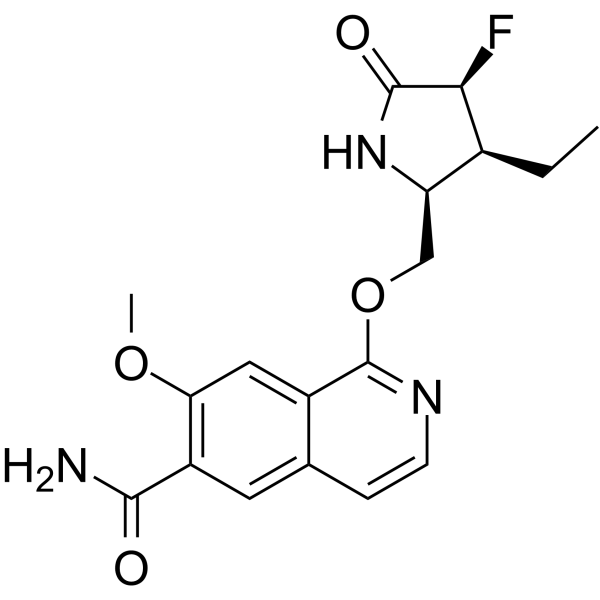
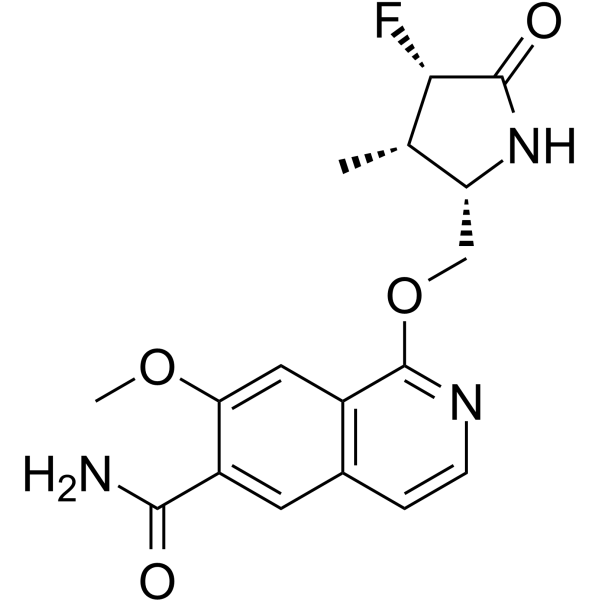
Zimlovisertib (PF-06650833) is a potent, selective and orally active inhibitor of interleukin-1 receptor associated kinase 4 (IRAK4) with IC50s of 0.2 and 2.4 nM in the cell and PBMC assay, respectively. Zimlovisertib is used to treat diseases such as rheumatoid arthritis, lupus, and lymphomas .
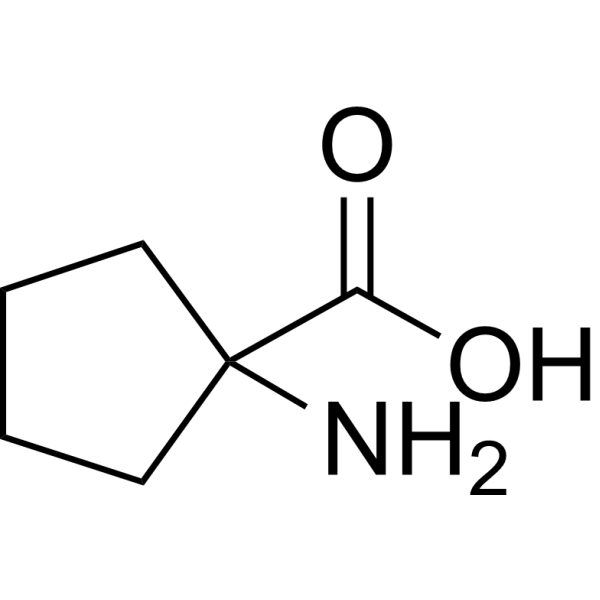
Cycloleucine is a specific inhibitor of S-adenosyl-methionine mediated methylation. Cycloleucine is antagonist of NMDAreceptor associated glycine receptor, with a Ki of 600 μM. Cycloleucine is also a competitive inhibitor of ATP: L-methionine-S-adenosyl transferase in vitro. Cycloleucine has anxiolytic and cytostatic effects .
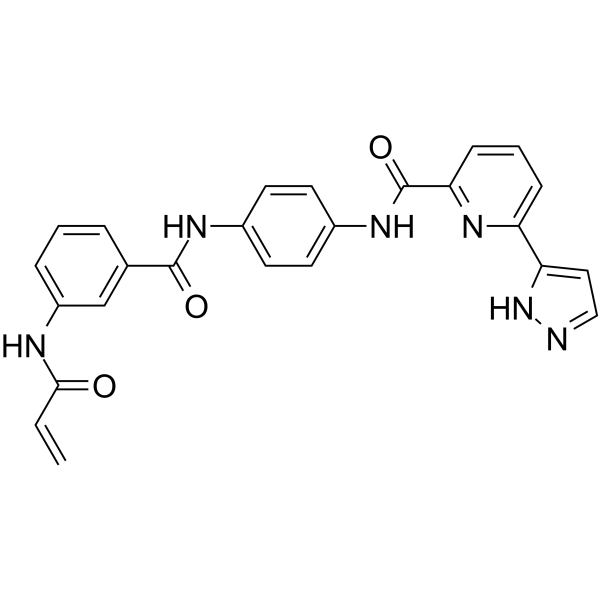
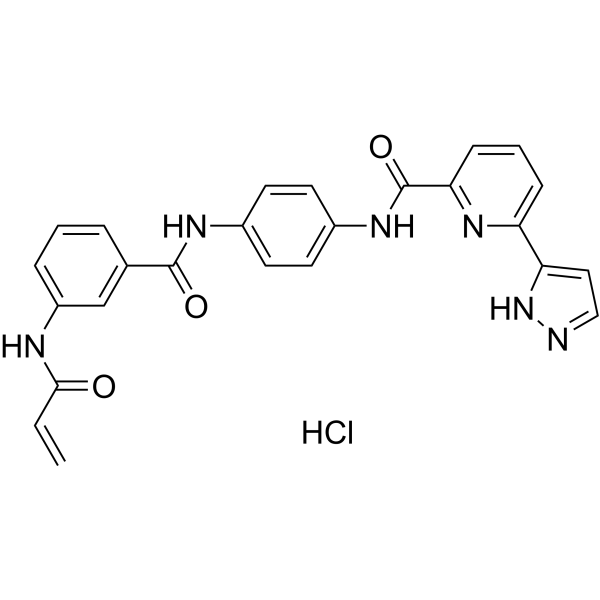
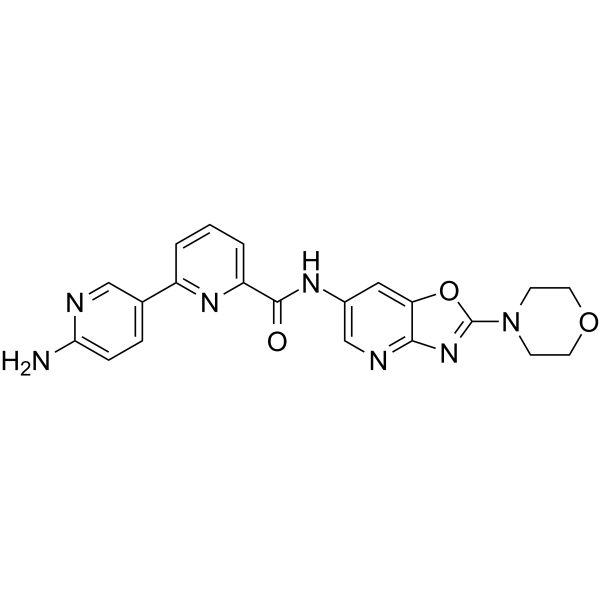
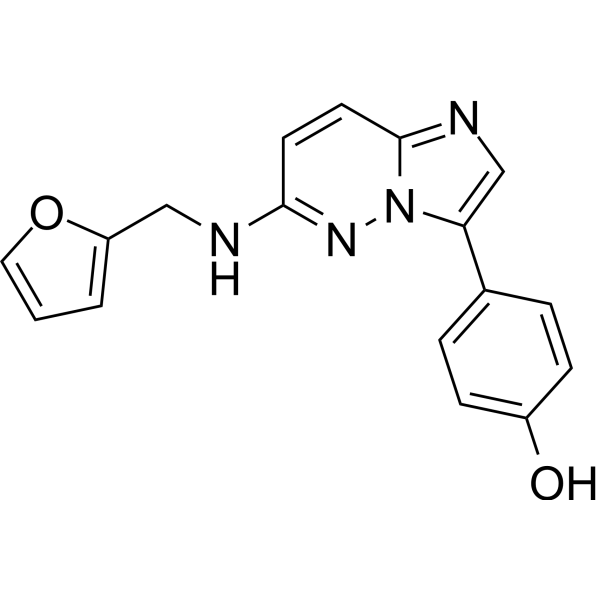
JH-X-119-01 is a potent and selective interleukin-1 receptor-associated kinases 1 (IRAK1) inhibitor. JH-X-119-01 ameliorates LPS-induced sepsis in mice . JH-X-119-01 inhibits IRAK1 biochemically with an apparent IC50 of 9 nM while exhibiting no inhibition of IRAK4 at concentrations up to 10 μM .
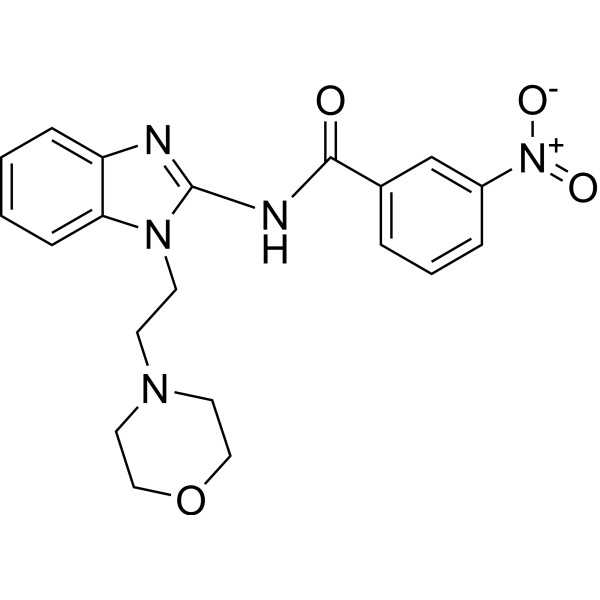
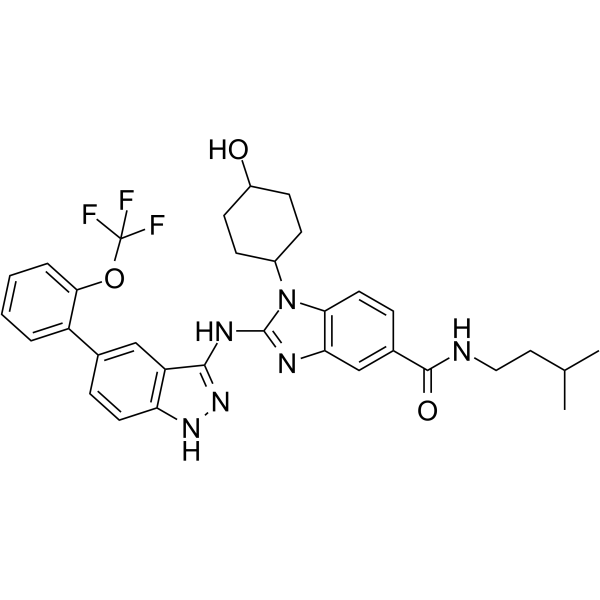
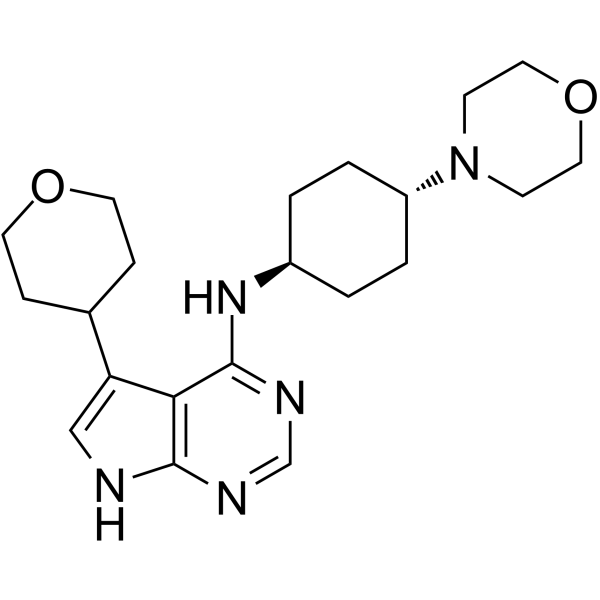
AZ1495, a weak base, is a potent orally active interleukin-1 receptor associated kinase 4 (IRAK4) inhibitor. AZ1495 has a favorable physicochemical and kinase selectivity for IRAK4 and IRAK1 with IC50 values of 0.005 μM and 0.023 μM, respectively. AZ1495 has IRAK4 inhibition with a Kd value of 0.0007 μM. AZ1495 can be used for the research of diffuse large B-cell lymphoma (DLBCL) .
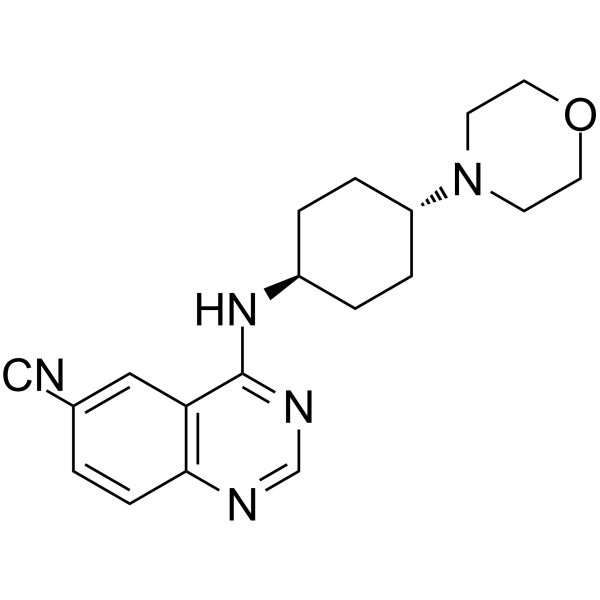
IRAK4-IN-4 (Compound 15) is an interleukin-1 receptor-associated kinase 4 (IRAK4) inhibitor, with an IC50 of 2.8 nM. IRAK4-IN-4 also inhibits cyclic GMP-AMP synthase (cGAS) with an IC50 of 2.1 nM. IRAK4-IN-4 can be used for research of autoimmune diseases .
Dihydroergotoxine mesylate (Ergoloid mesylates) is an α-adrenergic blocking agent. Dihydroergotoxine mesylate binds with high affinity to the GABAAreceptor associated Cl - channel. Dihydroergotoxine mesylate also interacts with central dopaminergic and serotonergic receptors. Dihydroergotoxine mesylate displays antiproliferative, antihypertensive and neuroprotective activity .Dihydroergotoxine mesylate (Ergoloid mesylates) is an α-adrenergic blocking agent. Dihydroergotoxine mesylate binds with high affinity to the GABAAreceptor associated Cl - channel. Dihydroergotoxine mesylate also interacts with central dopaminergic and serotonergic receptors. Dihydroergotoxine mesylate displays antiproliferative, antihypertensive and neuroprotective activity .
Chondroitin sulfate (from chicken) (Chondroitin polysulfate (from chicken)) is an orally active, sulfated linear polysaccharide extracted from chickens, which belongs to glycosaminoglycans. Chondroitin sulfate (from chicken) reduces the phosphorylation levels of ERK1/2 and p38MAPK, inhibits the expression of inflammatory cytokines and MMP, and downregulates the levels of IL-1β, IL-6, TNF-α and PGE2. Chondroitin sulfate (from chicken) improves motor function, protects cartilage tissue, reverses chondrocyte aggregation, and regulates the structure of intestinal flora. Chondroitin sulfate (from chicken) can be used in research related to osteoarthritis .
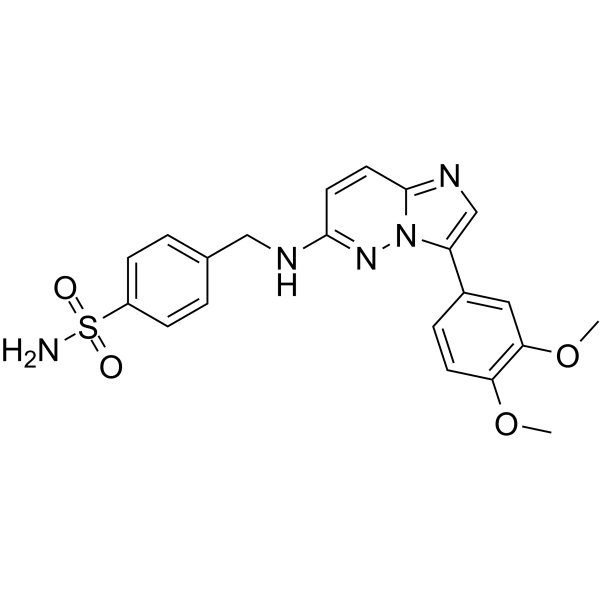
IRAK4-IN-7 is a selective, potent and orally active interleukin-1 receptor-associated kinase 4 (IRAK4) inhibitor, extracted from patent WO2015104688 (example 1). IRAK4-IN-7 has the potential for cancer and inflammatory diseases treatment .
LCC-12 (formate) is a copper (II) chelator and a derivative of the biguanide metformin (HY-B0627). LCC-12 (formate) reduces its hydrogen peroxide-dependent oxidation of NADH to NAD+. LCC-12 (formate) reduces IL-1β, IL-2, IL-6, IL-8, and TNF-α levels, as well as JAK2, STAT2, and IL-1 receptor-associated kinase 4 (IRAK4) levels in primary human cytokine-activated monocyte-derived macrophages (MDMs). LCC-12 (formate) reduces the number of CD80+ and CD86+ cytokine-activated MDMs. LCC-12 LCC-12 (formate) improves survival in a mouse model of sepsis induced by LPS or cecal ligation and puncture .
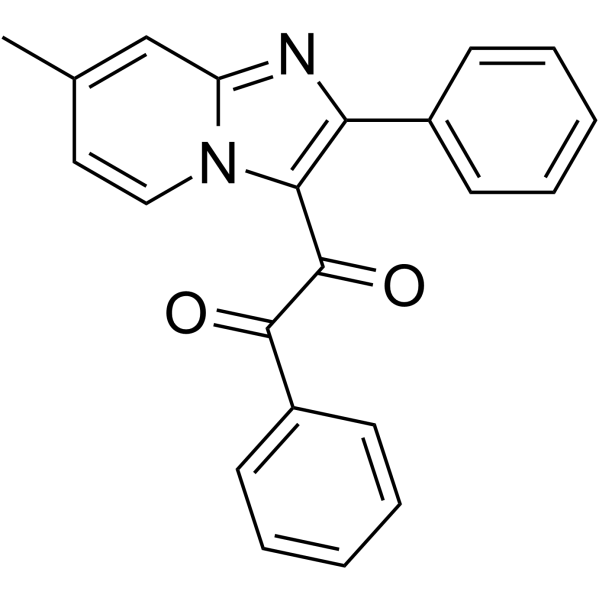
IRAK inhibitor 2 is an interleukin-1 receptor-associated kinase (IRAK) inhibitor. IRAK inhibitor 2 can be used for the research of inflammatory and immune diseases .
GNE-2256 (molecule 19), a chemical probe, is an orally active IRAK4 (Interleukin 1 receptor associated kinase 4) inhibitor (IRAK4 Ki=1.4 nM; IL-6 IC50=190 nM) .
TAK-756 is a selective transforming growth factor β-activated kinase 1 (TAK1) inhibitor with a target pIC50 of 8.6. TAK-756 can inhibit TAK1 autophosphorylation and downstream NF-κB phosphorylation, suppress the production of inflammatory and catabolic factors such as MMP-3 and IL-6. TAK-756 exhibits anti-inflammatory effects in a rat joint inflammation model. TAK-756 can be used for the research of inflammatory joint disease, osteoarthritis .
IRAK-4 Peptide substrate (IRAK-1 (360-380)) is a biological active peptide. (This is a substrate peptide for Interleukin-1 Receptor-Associated Kinase (IRAK) 4)
IRAK-4 protein kinase inhibitor 2 (compound 1) is a potent inhibitor of interleukin-1 (IL-1) receptor-associated kinase-4 (IRAK-4), with an IC50 of 4 μM. IRAK-4 protein kinase inhibitor 2 can be used for the research of inflammatory and immune-related conditions or disorders .
Nurr1 agonist 12 (Compound 37) is the agonist for nuclear receptor-associated protein 1 (Nurr1) that activates the transcriptional activity of Nurr1 with an EC50 of 0.06 μM. Nurr1 agonist 12 activates the human response elements NBRE, NurRE, and DR5 with EC50 of 0.07 μM, 0.027 μM, and 0.014 μM, respectively. Nurr1 agonist 12 induces the expression of Nurr1-regulated neurotrophic genes, such as tyrosine hydroxylase (TH), SOD1/2, BDNF, Sestrin 3, and BIRC5 (Survivin). Nurr1 agonist 12 exhibits neuroprotective efficacy against Paraquat-induced neurotoxicity .
PROTAC IRAK4 ligand-1 is a synthetic ligand for interleukin-1 receptor-associated kinase 4 (IRAK4). PROTAC IRAK4 ligand-1 can be used in the synthesis of PROTAC IRAK4 degrader-1 (HY-129966) .
SMTIN-T140 (compound 6a) is a potent TRAP1 (tumor-necrosis-factor-receptor associated protein 1) inhibitor, with an IC50 of 1.646 μM. SMTIN-T140 shows anticancer activity. SMTIN-T140 leads to mitochondrial dysfunction, increases mitochondrial ROS production and activates AMPK. SMTIN-T140 potently suppressed tumor growth without any noticeable in vivo toxicity in a mouse model xenografted with PC3 prostate cancer cells .
IRAK4 modulator-2 (Compound 5) is a selective dual Interleukin-1 Receptor Associated Kinase 4 (IRAK4) and IRAK1 inhibitor with IC50 values of 0.005 μM and 0.97 μM, erespectively. IRAK4 modulator-2 blocks IRAK-mediated signaling pathways (e.g., JAK-STAT, NF-κB pathways), reduces the production of pro-inflammatory cytokines (e.g., IL-1, TNF), and exerts anti-inflammatory activity. IRAK4 modulator-2 is promising for research of autoimmune diseases and inflammatory diseases, such as rheumatoid arthritis, psoriasis, inflammatory bowel disease .
IRAK4-IN-32 (Compound 10) is a potent interleukin-1 receptor-associated kinase 4 (IRAK4) inhibitor with an enzymatic IC50 value of 18.86 nM and a cellular IC50 value of 6.19 nM. IRAK4-IN-32 is promising for research of inflammatory and autoimmune diseases .
BI1543673 is an interleukin-1 receptor-associated kinase 4 (IRAK4) inhibitor. BI1543673 can reduce the inflammatory response stimulated by TLR4 and TLR7/8 in human lung tissue. BI1543673 can decrease inflammatory signaling in a mouse model of lung inflammation induced by LPS .
BIO-8169 is a selective inhibitor for interleukin receptor-associated kinase 4 (IRAK 4), with an IC50 of 0.23 nM. BIO-8169 exhibits good pharmacokinetic character, reduces the production of pro-inflammatory cytokines, and attenuates the autoimmune encephalomyelitis in EAE mice model. BIO-8169 exhibits good blood brain penetrant with a rat Kpu,u of 0.7 .
DW18134 is an inhibitor for interleukin receptor-associated kinase 4 (IRAK 4) with an IC50 of 11.2 nM. DW18134 inhibits phosphorylation of IRAK4 and IKK, downregulates the secretion of TNF-α and IL-6. DW18134 attenuates the Lipopolysaccharides (HY-D1056)-induced peritonitis and DSS-induced colitis in mouse models, and protects the intestinal barrier function .
IRAK4-IN-19 is a potent interleukin-1 receptor-associated kinase 4 (IRAK4) inhibitor with an IC50 value of 4.3 nM. IRAK4-IN-19 can inhibit LPS-induced IL23 production in THP and DC cells, and stop arthritis development in arthritis rats. IRAK4-IN-19 can be used for researching arthritis disease .
IRAK4-IN-16 (compound 4) is a potent IRAK4 (interleukin-1 receptor associated kinase 4) inhibitor, with an IC50 of 2.5 nM. IRAK4-IN-16 shows cytotoxicity activity against OCI-LY10, TMD8, Ramos and HT cells, with IC50 values of 0.2, 0.2, 0.6, and 2.7 μM, respectively .
PSB-22219 is a highly selective non-nucleotidic ligand acting on P2Y12receptors (KD=4.57 nM). PSB-22219 is promising for research of P2Y12receptor-associated neuroinflammation .
IRAK4-IN-18 is a potent interleukin-1 receptor-associated kinase 4 (IRAK4) inhibitor with an IC50 value of 15 nM. IRAK4-IN-18 can inhibit LPS-induced IL23 production in THP and DC cells, and stop arthritis development in arthritis rats. IRAK4-IN-18 can be used for researching arthritis disease .
LC-MI-3 is an orally active and potent interleukin-1 receptor-associated kinase 4 (IRAK4) PROTAC degrader, with a DC50 of 47.3 nM. LC-MI-3 effectively inhibits the activation of downstream NF-κB signaling. LC-MI-3 can be used for the research of acute and chronic inflammatory skin. (Blue: VHL ligand, Black: linker, Pink: CRBN ligand (HY-14658)) .
11-Deoxy Prostaglandin E2 is a selective agonist of EP4 with an EC50 of 0.66 nM. 11-Deoxy Prostaglandin E2 is an analog of prostaglandin E2. 11-Deoxy Prostaglandin E2 can be used in study bone healing, heart failure, and other receptor associated conditions .
Leptophos oxon, a metabolite of leptophos, is a GABAAreceptor chloride channel inhibitor with an IC50 values of 89.6 μM. Leptophos oxon inhibits GABA-induced chloride influx, binds to GABAAreceptor-associated TBPS sites, and inhibits TBPS binding to voltage-dependent chloride channels. Leptophos oxon is a insecticide. Leptophos oxon can be used for the research of neurological disease .
JH-X-119-01 hydrochloride (Standard) is the analytical standard of JH-X-119-01 hydrochloride (HY-103017). This product is intended for research and analytical applications. JH-X-119-01 hydrochloride is a potent and selective interleukin-1 receptor-associated kinases 1 (IRAK1) inhibitor. JH-X-119-01 hydrochloride ameliorates LPS-induced sepsis in mice .
IRAK4-IN-34 (compound 19) is a potent, selective, and orally active Interleukin-1 receptor-associated kinase 4 (IRAK4) inhibitor with an IC50 of 0.73 nM. IRAK4-IN-34 exhibits good selectivity vs both hERG and other kinases. IRAK4-IN-34 shows favorable in vivo PK properties. IRAK4-IN-34 can be used for inflammatory diseases research .
IRAK4-IN-33 (Compound 22) is a selective, potent and orally active interleukin-1 receptor-associated kinase 4 (IRAK4) inhibitor with an IC50 0.36 nM. IRAK4-IN-33 can block the pro-inflammatory signaling pathway mediated by IRAK4 and inhibit the release of TNFα and IFNα. IRAK4-IN-33 shows weak inhibition for hERG channel (IC50 > 30 μM). IRAK4-IN-33 can be used for the research of inflammation and immunology, such as rheumatoid arthritis .
JH-X-119-01 (Standard) is the analytical standard of JH-X-119-01 (HY-103017A). This product is intended for research and analytical applications. JH-X-119-01 is a potent and selective interleukin-1 receptor-associated kinases 1 (IRAK1) inhibitor. JH-X-119-01 ameliorates LPS-induced sepsis in mice . JH-X-119-01 inhibits IRAK1 biochemically with an apparent IC50 of 9 nM while exhibiting no inhibition of IRAK4 at concentrations up to 10 μM .
PROTAC IRAK3 degrader-2 (Compound 17) is a IRAK3PROTAC degrader with a DC50 ≤ 50 nM. It promotes ubiquitination and degradation of IRAK3, and is applicable to the research of immune diseases .
IRAK4-IN-1 (Standard) is the analytical standard of IRAK4-IN-1 (HY-101922). This product is intended for research and analytical applications. IRAK4-IN-1 is an interleukin-1 receptor associated kinase 4 (IRAK4) inhibitor with an IC50 of 7 nM.
GSI526 is a IRAK4PROTAC degrader (DC50=40.17 nM, Dmax=97%; THP-1) based on the VHL ubiquitin-proteasome system. GSI526 inhibits IRAK4-mediated NF-κB and MAPK inflammatory signaling pathways, and induces IRAK4 degradation in myeloid cells. GSI526 is applicable to inflammation-related research .
Chondroitin sulfate (from chicken) (Chondroitin polysulfate (from chicken)) is an orally active, sulfated linear polysaccharide extracted from chickens, which belongs to glycosaminoglycans. Chondroitin sulfate (from chicken) reduces the phosphorylation levels of ERK1/2 and p38MAPK, inhibits the expression of inflammatory cytokines and MMP, and downregulates the levels of IL-1β, IL-6, TNF-α and PGE2. Chondroitin sulfate (from chicken) improves motor function, protects cartilage tissue, reverses chondrocyte aggregation, and regulates the structure of intestinal flora. Chondroitin sulfate (from chicken) can be used in research related to osteoarthritis .
IRAK-4 Peptide substrate (IRAK-1 (360-380)) is a biological active peptide. (This is a substrate peptide for Interleukin-1 Receptor-Associated Kinase (IRAK) 4)
GABARAP Protein is essential for regulating ubiquitination and degradation of TIAM1, a guanyl-nucleotide exchange factor (GEF) involved in RAC1 activation and downstream signaling. The D6/7 E3 ubiquitin ligase complex, where GABARAP is a key component, contributes to diverse biological processes, including cytoskeletal organization, cell migration, proliferation, and apoptosis. GABARAP Protein, Human (His-MBP) is the recombinant human-derived GABARAP protein, expressed by E. coli , with N-His, N-MBP labeled tag.
The MRC2 protein may function as an endocytic lectin receptor with calcium-dependent lectin activity. It internalizes glycosylated ligands via clathrin-mediated endocytosis and releases them in endosomes. MRC2 Protein, Human (HEK293, His) is the recombinant human-derived MRC2 protein, expressed by HEK293 , with C-His labeled tag.
GABARAP (gamma-aminobutyric acid receptor-associated protein) is a protein that performs multiple functions within cells. As a ubiquitin-like modifier, it participates in the intracellular transport of GABA(A) receptors and interacts with the cytoskeleton. GABARAP Protein, Human (GST) is the recombinant human-derived GABARAP protein, expressed by E. coli , with N-GST labeled tag.
GABARAP (gamma-aminobutyric acid receptor-associated protein) is a protein that performs multiple functions within cells. As a ubiquitin-like modifier, it participates in the intracellular transport of GABA(A) receptors and interacts with the cytoskeleton. GABARAP Protein, Human (His, Fc) is the recombinant human-derived GABARAP protein, expressed by E. coli , with N-His, C-hFc labeled tag.
GABARAPL1/GEC-1 is a multifunctional ubiquitin-like modifier that contributes to cell surface expression of kappa-type opioid receptors and contributes to autophagy, shaping autophagosome vacuoles.Unlike LC3, which is involved in phagophore elongation, the GABARAP/GATE-16 subfamily plays a crucial role in late autophagosome maturation.GABARAPL1/GEC-1 Protein, Human (His) is the recombinant human-derived GABARAPL1/GEC-1 protein, expressed by E.coli , with N-6*His labeled tag.
IRAK1 is a serine/threonine protein kinase that initiates innate immune responses against pathogens through Toll-like receptor (TLR) and IL-1R signaling. After TLR activation, IRAK1 is recruited by MYD88 and undergoes IRAK4 phosphorylation, autophosphorylation, and kinase activation. IRAK1 Protein, Human (sf9, GST) is the recombinant human-derived IRAK1 protein, expressed by sf9 insect cells , with N-GST labeled tag.
Low density lipoprotein receptor-related protein associated protein 1 interacts with the low density lipoprotein (LDL) receptor-related protein and facilitates its proper folding and localization by preventing the binding of ligands.LRPAP1 Protein, Mouse (HEK293, His) is the recombinant mouse-derived LRPAP1 protein, expressed by HEK293 , with C-6*His labeled tag.
Low density lipoprotein receptor-related protein associated protein 1 interacts with the low density lipoprotein (LDL) receptor-related protein and facilitates its proper folding and localization by preventing the binding of ligands.LRPAP1 Protein, Mouse (HEK293, His, Solution) is the recombinant mouse-derived LRPAP1 protein, expressed by HEK293 , with C-His labeled tag.
The LRPAP1 protein serves as a molecular chaperone for LDL receptor-related proteins and regulates ligand binding throughout the secretory pathway. It transiently interacts with the LRP1/α-2-macroglobulin receptor chain, reducing ligand binding. LRPAP1 Protein, Human (HEK293, C-His) is the recombinant human-derived LRPAP1 protein, expressed by HEK293 , with C-6*His labeled tag.
The LRPAP1 protein serves as a molecular chaperone for LDL receptor-related proteins and regulates ligand binding throughout the secretory pathway. It transiently interacts with the LRP1/α-2-macroglobulin receptor chain, reducing ligand binding. LRPAP1 Protein, Human (HEK293, His, solution) is the recombinant human-derived LRPAP1 protein, expressed by HEK293 , with C-His labeled tag.
The IRAK4 protein is a serine/threonine protein kinase that is critical for initiating the innate immune response through the Toll-like receptor (TLR) and IL-1R signaling pathways. After TLR is activated, it rapidly forms the Myddosome with IRAK2. IRAK4 Protein, Human (Active, sf9, His) is the recombinant human-derived IRAK4 protein, expressed by Sf9 insect cells , with N-10*His labeled tag.
GABARAPL2/GATE-16 is an important ubiquitin-like modifier that complexly regulates intra-Golgi flux by coupling NSF activity with SNARE activation. It stimulates the ATPase activity of NSF and promotes binding to GOSR1. GABARAPL2/GATE-16 Protein, Human (His) is the recombinant human-derived GABARAPL2/GATE-16 protein, expressed by E. coli , with N-6*His labeled tag.
TRAT1 protein stabilizes the T-cell antigen receptor (TCR)/CD3 complex on T-cell surfaces. As a homodimer linked by disulfide bonds, TRAT1 interacts with CD3Z, enhancing the structural integrity and function of the TCR/CD3 complex. Phosphorylated TRAT1 also engages with PIK3R1, indicating its role in signaling pathways related to T-cell activation and response. TRAT1 Protein, Human (His) is the recombinant human-derived TRAT1 protein, expressed by E. coli , with C-6*His labeled tag.
The IRAK4 protein is a serine/threonine protein kinase that is critical for initiating the innate immune response through the Toll-like receptor (TLR) and IL-1R signaling pathways. After TLR is activated, it rapidly forms the Myddosome with IRAK2. IRAK4 Protein, Human (307a.a, sf9, His) is the recombinant human-derived IRAK4, expressed by Sf9 insect cells, with His labeled tag.
The RNF14 protein is a critical E3 ubiquitin protein ligase that leads to activation of the RNF14-RNF25 translation quality control pathway during ribosome stalling. RNF14 is recruited by GCN1 to ubiquitinate and degrade translation factors, mainly EEF1A1/eEF1A, as well as ETF1/eRF1 and ribosomal proteins (RPL0, RPL1, RPL12, RPS13, RPS17). RNF14 Protein, Human is the recombinant human-derived RNF14 protein, expressed by E. coli , with tag free.
The RNF14 protein is a critical E3 ubiquitin protein ligase that leads to activation of the RNF14-RNF25 translation quality control pathway during ribosome stalling. RNF14 is recruited by GCN1 to ubiquitinate and degrade translation factors, mainly EEF1A1/eEF1A, as well as ETF1/eRF1 and ribosomal proteins (RPL0, RPL1, RPL12, RPS13, RPS17). RNF14 Protein, Human (His) is the recombinant human-derived RNF14 protein, expressed by E. coli , with N-6*His labeled tag.
The IVNS1ABP protein is intricately involved in multiple cellular functions, including pre-mRNA splicing, aryl hydrocarbon receptor (AHR) pathway, F-actin organization, and protein ubiquitination. It binds to F-actin through Kelch repeats, thereby stabilizing actin filaments and thereby protecting cells from actin instability-induced cell death. IVNS1ABP Protein, Human (sf9) is the recombinant human-derived IVNS1ABP protein, expressed by sf9 insect cells , with tag free.
S100A6; Protein S100-A6; Calcyclin; Growth factor-inducible protein 2A9; MLN 4; Prolactin receptor-associated protein; PRA; S100 calcium-binding protein A6; CACY
The S100A6 protein is a key calcium sensor that actively promotes cellular calcium signaling and is involved in multiple processes, including actin cytoskeletal reorganization and cell motility. As a homodimer binding two calcium ions, it interacts with TPR-containing proteins, CACYBP, ANXA2, ANXA11, SUGT1, tropomyosin, TP53, PPP5C, and TPPP. S100A6 Protein, Human (His) is the recombinant human-derived S100A6 protein, expressed by E. coli , with N-6*His labeled tag.
The IVNS1ABP protein is intricately involved in multiple cellular functions, including pre-mRNA splicing, aryl hydrocarbon receptor (AHR) pathway, F-actin organization, and protein ubiquitination. It binds to F-actin through Kelch repeats, thereby stabilizing actin filaments and thereby protecting cells from actin instability-induced cell death. IVNS1ABP Protein, Human (sf9, His, Strep) is the recombinant human-derived IVNS1ABP protein, expressed by sf9 insect cells , with N-Strep, N-8*His labeled tag.
S100A6; Protein S100-A6; Calcyclin; Growth factor-inducible protein 2A9; MLN 4; Prolactin receptor-associated protein; PRA; S100 calcium-binding protein A6; CACY
As a chaperone with ATPase activity, TRAP1 protein plays a crucial role in protecting mitochondrial function and polarization, especially downstream of PINK1 and mitochondrial complex I. TRAP1 acts as a negative regulator of mitochondrial respiration, affecting the balance between oxidative phosphorylation and aerobic glycolysis. TRAP1 Protein, Human (GST) is the recombinant human-derived TRAP1 protein, expressed by E. coli , with N-GST labeled tag.
FPRP/PTGFRN protein plays a key role in regulating prostaglandin F2-α (PGF2-α) signaling by inhibiting the binding of PGF2-α to its FP receptor. This inhibition reduces receptor number without changing the affinity constant, revealing subtle mechanisms. FPRP/PTGFRN Protein, Human (HEK293, His) is the recombinant human-derived FPRP/PTGFRN protein, expressed by HEK293 , with C-His labeled tag.
The FPRP/PTGFRN Protein inhibits PGF2-alpha binding to its FP receptor, mainly by reducing receptor numbers.It interacts with CD9 and CD81, preventing myotube fusion in myoblasts during muscle regeneration.It also forms a complex with CD9, CD81, and IGSF8, potentially interacting with other tetraspanins like CD63, CD82, and CD151.These interactions highlight its regulatory role in prostaglandin signaling and muscle regeneration.FPRP/PTGFRN Protein, Mouse (HEK293, His) is the recombinant mouse-derived FPRP/PTGFRN protein, expressed by HEK293 , with C-His labeled tag.
The CDK8-CCNC-MED12 protein is an important component of the mediator complex, acting as a bridge for gene transcription regulation, transmitting information from gene-specific regulatory factors to RNA polymerase II. It is recruited to the promoter, assembles a preinitiation complex, and promotes transcription. CDK8-CCNC-MED12 Protein, Human (sf9, GST, FLAG, His) is the recombinant human-derived CDK8-CCNC-MED12 protein, expressed by sf9 insect cells , with N-6*His, N-Flag, N-GST labeled tag.
CDK19 plays a key role in cellular homeostasis and developmental programming. CDK19 can interact with p53 to inhibit p53-mediated transcription of p21, and regulates the proliferation of hematopoietic stem cells and acute myeloid leukemia cells. Besides, CDK19 is the paralog of CDK8. CDK8 and CDK19 can cooperate with each other in stimulating NFκB-induced transcription and Dengue virus replication. CDK19-CCNC-MED12 Protein, Human (sf9) is the recombinant human-derived CDK19-CCNC-MED12 protein, expressed by sf9 insect cells , with tag free. ,
RAN; ARA24; OK/SW-cl.81; GTP-binding nuclear protein Ran; Androgen receptor-associated protein 24; GTPase Ran; Ras-like protein TC4; Ras-related nuclear protein
WB, ICC/IF, IP
Human, Mouse, Monkey
Ran Antibody (YA1821) is a Rabbit-derived and non-conjugated IgG monoclonal antibody, targeting to Ran.
RAN; ARA24; OK/SW-cl.81; GTP-binding nuclear protein Ran; Androgen receptor-associated protein 24; GTPase Ran; Ras-like protein TC4; Ras-related nuclear protein
WB, ICC/IF, IP
Human, Mouse, Monkey
Ran Antibody (YA1821) is a Rabbit-derived and non-conjugated IgG monoclonal antibody, targeting to Ran.
TRAF4; CART1; MLN62; RNF83; TNF receptor-associated factor 4; Cysteine-rich domain associated with RING and Traf domains protein 1; Metastatic lymph node gene 62 protein; MLN 62; RING finger protein 83
WB, ICC/IF, FC
Human, Mouse
TRAF4 Antibody (YA2808) is a Rabbit-derived and non-conjugated IgG monoclonal antibody, targeting to TRAF4.
NCOA3; AIB1; BHLHE42; RAC3; TRAM1; Nuclear receptor coactivator 3; NCoA-3; ACTR; Amplified in breast cancer 1 protein; AIB-1; CBP-interacting protein; pCIP; Class E basic helix-loop-helix protein 42; bHLHe42; receptor-associated coactivator
WB
Human
NCoA-3 Antibody (YA4985) is a Mouse-derived and non-conjugated monoclonal antibody, targeting to NCoA-3.
Western blot analysis of extracts from THP-1(lane 2(20μg), Jurkat (lane 3(20μg) and NIH3T3(lane 4(20μg) using FOXO1A (HY-P80132) Rabbit mAb. Proteins were transferred
to a PVDF membrane and blocked with 5% non-fat milk in TBST for 2 hour at room temperature. The primary antibody (1/1000) and Loading control antibody (Beta Actin, HY-P80438, 1/10000) was
used in 5% non-fat milk in TBST at 4°C overnight. Goat Anti-Mouse/Rabbit IgG-HRP Secondary Antibody (1/10000) was used for 1 hour at room temperature.
Western blot analysis of extracts from THP-1(lane 2(20μg), Jurkat (lane 3(20μg) and NIH3T3(lane 4(20μg) using FOXO1A (HY-P80132) Rabbit mAb. Proteins were transferred
to a PVDF membrane and blocked with 5% non-fat milk in TBST for 2 hour at room temperature. The primary antibody (1/1000) and Loading control antibody (Beta Actin, HY-P80438, 1/10000) was
used in 5% non-fat milk in TBST at 4°C overnight. Goat Anti-Mouse/Rabbit IgG-HRP Secondary Antibody (1/10000) was used for 1 hour at room temperature.
Western blot analysis of extracts from THP-1(lane 2(20μg), Jurkat (lane 3(20μg) and NIH3T3(lane 4(20μg) using FOXO1A (HY-P80132) Rabbit mAb. Proteins were transferred
to a PVDF membrane and blocked with 5% non-fat milk in TBST for 2 hour at room temperature. The primary antibody (1/1000) and Loading control antibody (Beta Actin, HY-P80438, 1/10000) was
used in 5% non-fat milk in TBST at 4°C overnight. Goat Anti-Mouse/Rabbit IgG-HRP Secondary Antibody (1/10000) was used for 1 hour at room temperature.
Western blot analysis of extracts from THP-1(lane 2(20μg), Jurkat (lane 3(20μg) and NIH3T3(lane 4(20μg) using FOXO1A (HY-P80132) Rabbit mAb. Proteins were transferred
to a PVDF membrane and blocked with 5% non-fat milk in TBST for 2 hour at room temperature. The primary antibody (1/1000) and Loading control antibody (Beta Actin, HY-P80438, 1/10000) was
MedchemExpress Validation 03
Western blot analysis of extracts from THP-1(lane 2(20μg), Jurkat (lane 3(20μg) and NIH3T3(lane 4(20μg) using FOXO1A (HY-P80132) Rabbit mAb. Proteins were transferred
MedchemExpress Validation 04
Western blot analysis of extracts from THP-1(lane 2(20μg), Jurkat (lane 3(20μg) and NIH3T3(lane 4(20μg) using FOXO1A (HY-P80132) Rabbit mAb. Proteins were transferred
to a PVDF membrane and blocked with 5% non-fat milk in TBST for 2 hour at room temperature. The primary antibody (1/1000) and Loading control antibody (Beta Actin, HY-P80438, 1/10000) was
used in 5% non-fat milk in TBST at 4°C overnight. Goat Anti-Mouse/Rabbit IgG-HRP Secondary Antibody (1/10000) was used for 1 hour at room temperature.
MedchemExpress Validation
Western blot analysis of extracts from THP-1(lane 2(20μg), Jurkat (lane 3(20μg) and NIH3T3(lane 4(20μg) using FOXO1A (HY-P80132) Rabbit mAb. Proteins were transferred
to a PVDF membrane and blocked with 5% non-fat milk in TBST for 2 hour at room temperature. The primary antibody (1/1000) and Loading control antibody (Beta Actin, HY-P80438, 1/10000) was
used in 5% non-fat milk in TBST at 4°C overnight. Goat Anti-Mouse/Rabbit IgG-HRP Secondary Antibody (1/10000) was used for 1 hour at room temperature.
Western blot analysis of extracts from THP-1(lane 2(20μg), Jurkat (lane 3(20μg) and NIH3T3(lane 4(20μg) using FOXO1A (HY-P80132) Rabbit mAb. Proteins were transferred
to a PVDF membrane and blocked with 5% non-fat milk in TBST for 2 hour at room temperature. The primary antibody (1/1000) and Loading control antibody (Beta Actin, HY-P80438, 1/10000) was
used in 5% non-fat milk in TBST at 4°C overnight. Goat Anti-Mouse/Rabbit IgG-HRP Secondary Antibody (1/10000) was used for 1 hour at room temperature.
MedchemExpress Validation
Western blot analysis of extracts from THP-1(lane 2(20μg), Jurkat (lane 3(20μg) and NIH3T3(lane 4(20μg) using FOXO1A (HY-P80132) Rabbit mAb. Proteins were transferred
to a PVDF membrane and blocked with 5% non-fat milk in TBST for 2 hour at room temperature. The primary antibody (1/1000) and Loading control antibody (Beta Actin, HY-P80438, 1/10000) was
used in 5% non-fat milk in TBST at 4°C overnight. Goat Anti-Mouse/Rabbit IgG-HRP Secondary Antibody (1/10000) was used for 1 hour at room temperature.
MedchemExpress Validation
Western blot analysis of extracts from THP-1(lane 2(20μg), Jurkat (lane 3(20μg) and NIH3T3(lane 4(20μg) using FOXO1A (HY-P80132) Rabbit mAb. Proteins were transferred
to a PVDF membrane and blocked with 5% non-fat milk in TBST for 2 hour at room temperature. The primary antibody (1/1000) and Loading control antibody (Beta Actin, HY-P80438, 1/10000) was
used in 5% non-fat milk in TBST at 4°C overnight. Goat Anti-Mouse/Rabbit IgG-HRP Secondary Antibody (1/10000) was used for 1 hour at room temperature.
MedchemExpress Validation
Western blot analysis of extracts from THP-1(lane 2(20μg), Jurkat (lane 3(20μg) and NIH3T3(lane 4(20μg) using FOXO1A (HY-P80132) Rabbit mAb. Proteins were transferred
to a PVDF membrane and blocked with 5% non-fat milk in TBST for 2 hour at room temperature. The primary antibody (1/1000) and Loading control antibody (Beta Actin, HY-P80438, 1/10000) was
used in 5% non-fat milk in TBST at 4°C overnight. Goat Anti-Mouse/Rabbit IgG-HRP Secondary Antibody (1/10000) was used for 1 hour at room temperature.
MedchemExpress Validation
Western blot analysis of extracts from THP-1(lane 2(20μg), Jurkat (lane 3(20μg) and NIH3T3(lane 4(20μg) using FOXO1A (HY-P80132) Rabbit mAb. Proteins were transferred
to a PVDF membrane and blocked with 5% non-fat milk in TBST for 2 hour at room temperature. The primary antibody (1/1000) and Loading control antibody (Beta Actin, HY-P80438, 1/10000) was
used in 5% non-fat milk in TBST at 4°C overnight. Goat Anti-Mouse/Rabbit IgG-HRP Secondary Antibody (1/10000) was used for 1 hour at room temperature.
MedchemExpress Validation
Western blot analysis of extracts from THP-1(lane 2(20μg), Jurkat (lane 3(20μg) and NIH3T3(lane 4(20μg) using FOXO1A (HY-P80132) Rabbit mAb. Proteins were transferred
to a PVDF membrane and blocked with 5% non-fat milk in TBST for 2 hour at room temperature. The primary antibody (1/1000) and Loading control antibody (Beta Actin, HY-P80438, 1/10000) was
used in 5% non-fat milk in TBST at 4°C overnight. Goat Anti-Mouse/Rabbit IgG-HRP Secondary Antibody (1/10000) was used for 1 hour at room temperature.
MedchemExpress Validation
Western blot analysis of extracts from THP-1(lane 2(20μg), Jurkat (lane 3(20μg) and NIH3T3(lane 4(20μg) using FOXO1A (HY-P80132) Rabbit mAb. Proteins were transferred
to a PVDF membrane and blocked with 5% non-fat milk in TBST for 2 hour at room temperature. The primary antibody (1/1000) and Loading control antibody (Beta Actin, HY-P80438, 1/10000) was
used in 5% non-fat milk in TBST at 4°C overnight. Goat Anti-Mouse/Rabbit IgG-HRP Secondary Antibody (1/10000) was used for 1 hour at room temperature.
MedChemExpress values your privacy and your trust is important to us. We use cookies to enhance your website experience. Some cookies are necessary to run the website.
Privacy and Cookie Policy

