1. Search Result
Search Result
Results for "

skin elasticity

" in MedChemExpress (MCE) Product Catalog:

11

Inhibitors & Agonists

1

Biochemical Assay Reagents

6

Peptides

2

Natural
Products

Cat. No. Product Name Target Research Areas Chemical Structure
  • HY-108036

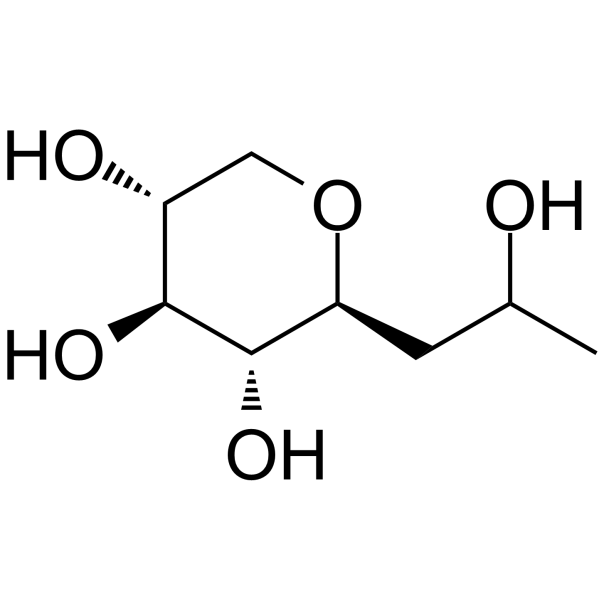
    Hydroxypropyl tetrahydropyrantriol (30% in water)

    Biochemical Assay Reagents Metabolic Disease
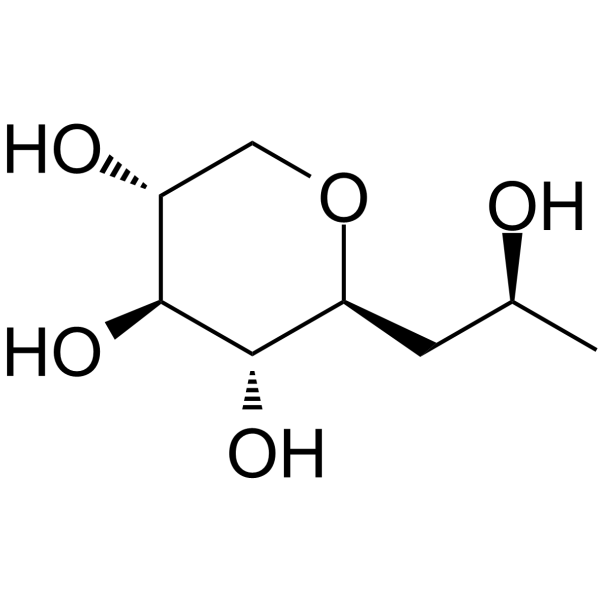
    Pro-xylane (30% in water) (Hydroxypropyl tetrahydropyrantriol) is a bioactive C-glycoside that targets the biosynthesis pathway of glycosaminoglycans/mucopolysaccharides (GAGs) in the skin matrix and can be absorbed transdermally. Pro-xylane (30% in water) stimulates the biosynthesis of GAGs in fibroblasts, enhances the structural stability of the skin extracellular matrix, improves skin elasticity and moisturizing ability, and delays wrinkle formation. Pro-xylane (30% in water) can effectively promote the synthesis of collagen fibers and hyaluronic acid in the dermis. Pro-xylane (30% in water) is used in the field of anti-aging cosmetics to improve skin hydration and elasticity. Pro-xylane (30% in water) is eco-friendly and biodegradable .
    Pro-xylane (30% in water)
  • HY-108036B

    Hydroxypropyl tetrahydropyrantriol

    Biochemical Assay Reagents Metabolic Disease
    Pro-xylane (Hydroxypropyl tetrahydropyrantriol) is a bioactive C-glycoside that targets the biosynthesis pathway of glycosaminoglycans/mucopolysaccharides (GAGs) in the skin matrix and can be absorbed transdermally. Pro-xylane stimulates the biosynthesis of GAGs in fibroblasts, enhances the structural stability of the skin extracellular matrix, improves skin elasticity and moisturizing ability, and delays wrinkle formation. Pro-xylane can effectively promote the synthesis of collagen fibers and hyaluronic acid in the dermis. Pro-xylane is used in the field of anti-aging cosmetics to improve skin hydration and elasticity. Pro-xylane is eco-friendly and biodegradable .
    Pro-xylane
  • HY-134120

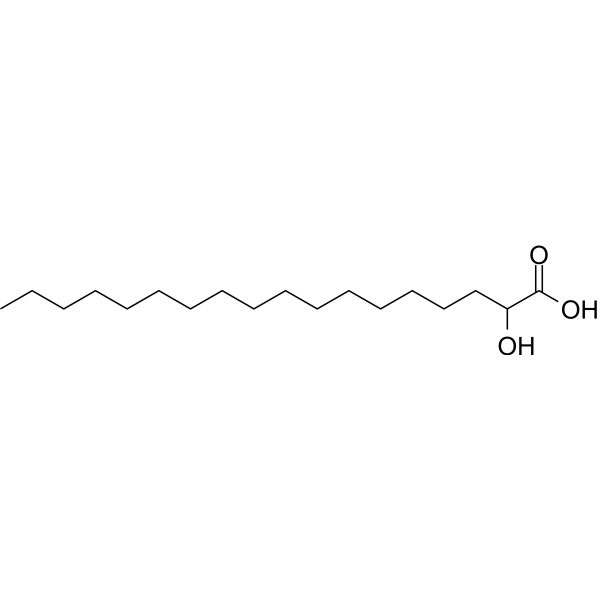
    DL-2-Hydroxystearic acid

    Biochemical Assay Reagents Others
    2-Hydroxystearic acid is an alpha-hydroxy fatty acid commonly used in a variety of personal care products, especially cosmetic and skin care formulations. 2-Hydroxystearic acid has unique chemical properties that make it an effective emulsifier and stabilizer, improving the texture and shelf life of cosmetic products. It also has a potential physiological role in improving skin hydration and elasticity, although its biological function is not fully understood.
    2-Hydroxystearic acid
  • HY-P0104

    Collagen Metabolic Disease
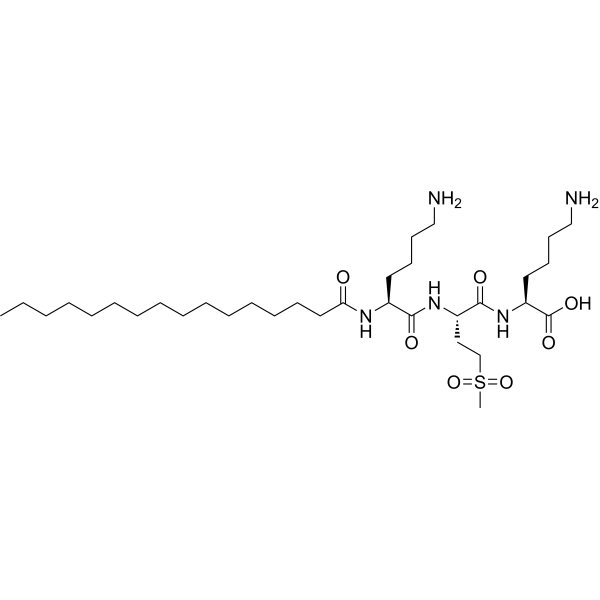
    Palmitoyl tripeptide-38 is a lipopeptide that increases the production of dermal and epidermal collagen, fibronectin, and hyaluronic acid. Palmitoyl tripeptide-38 is used in research related to skin aging (fine lines, wrinkles, reduced skin elasticity, decreased skin water content, uneven skin tone) .
    Palmitoyl tripeptide-38
  • HY-108036A

    (S)-Hydroxypropyl tetrahydropyrantriol

    Biochemical Assay Reagents Metabolic Disease
    (S)-Pro-xylane ((S)-Hydroxypropyl tetrahydropyrantriol) is a bioactive C-glycoside that targets the biosynthesis pathway of glycosaminoglycans/mucopolysaccharides (GAGs) in the skin matrix and can be absorbed transdermally. (S)-Pro-xylane stimulates the biosynthesis of GAGs in fibroblasts, enhances the structural stability of the skin extracellular matrix, improves skin elasticity and moisturizing ability, and delays wrinkle formation. (S)-Pro-xylane can effectively promote the synthesis of collagen fibers and hyaluronic acid in the dermis. (S)-Pro-xylane is used in the field of anti-aging cosmetics to improve skin hydration and elasticity. (S)-Pro-xylane is eco-friendly and biodegradable .
    (S)-Pro-xylane
  • HY-P2096

    Reactive Oxygen Species (ROS) ATM/ATR MDM-2/p53 MMP Keap1-Nrf2 HSP Inflammation/Immunology
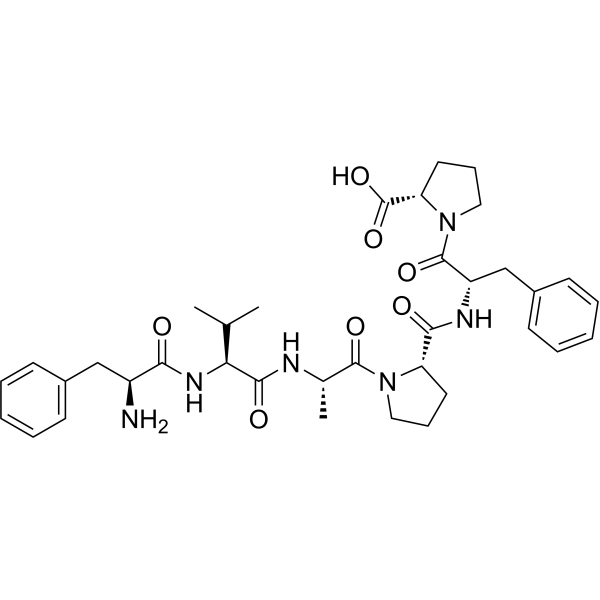
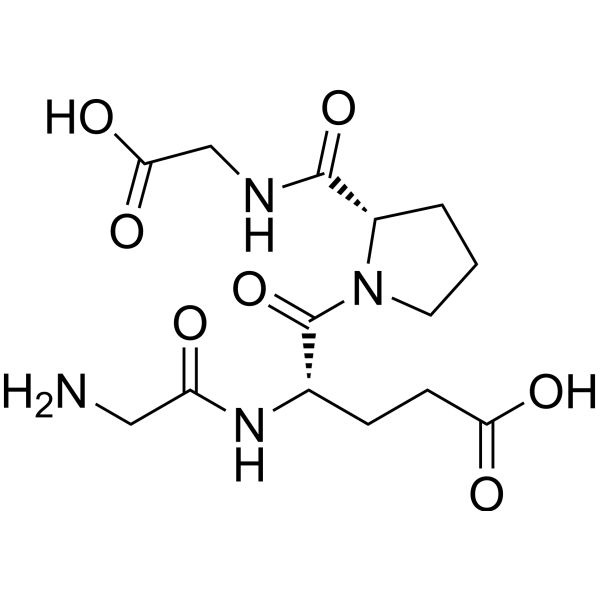
    Hexapeptide-11 is an anti-aging peptide that can protect fibroblasts from premature cell senescence mediated by oxidative stress. Hexapeptide-11 is also a potential stimulator of hyaluronic acid in keratinocytes, and can enhance skin barrier function by upregulating the expression of HAS2 and EGR3, and downregulating the expression of HYAL2. Hexapeptide-11 can also improve skin elasticity .
    Hexapeptide-11
  • HY-P5232

    Collagen Metabolic Disease
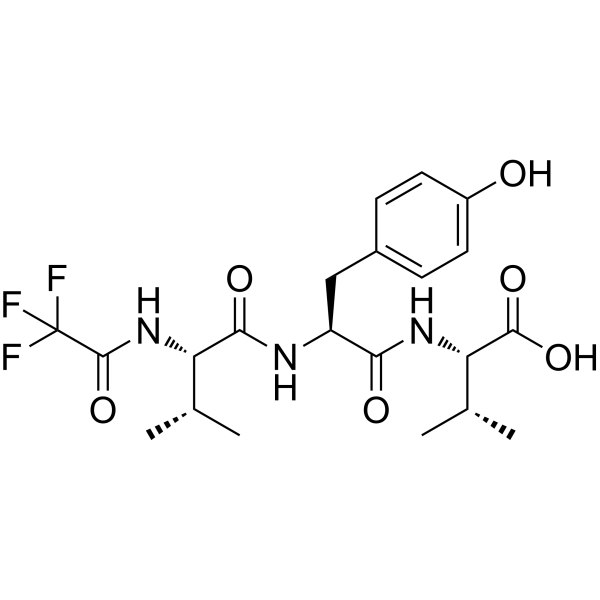
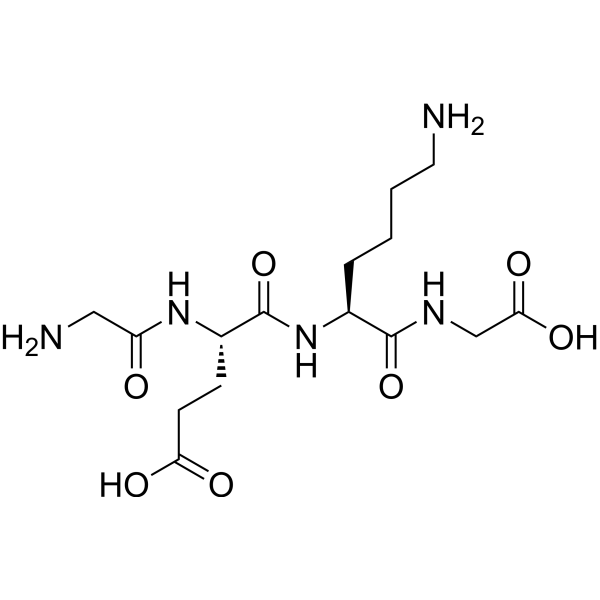
    Tetrapeptide-21 is a bioactive peptide composed of four amino acids. Tetrapeptide-21 effectively enhances the vitality of human dermal fibroblasts. Tetrapeptide-21 upregulates the expression of key extracellular matrix (ECM) genes and promotes the synthesis of ECM proteins (such as type I collagen, hyaluronic acid synthase 1, and fibronectin). Tetrapeptide-21 has the efficacy of anti-wrinkle and improving skin elasticity, and has been reported to be used as a cosmetic ingredient .
    Tetrapeptide-21
  • HY-P5237

    Collagen Others
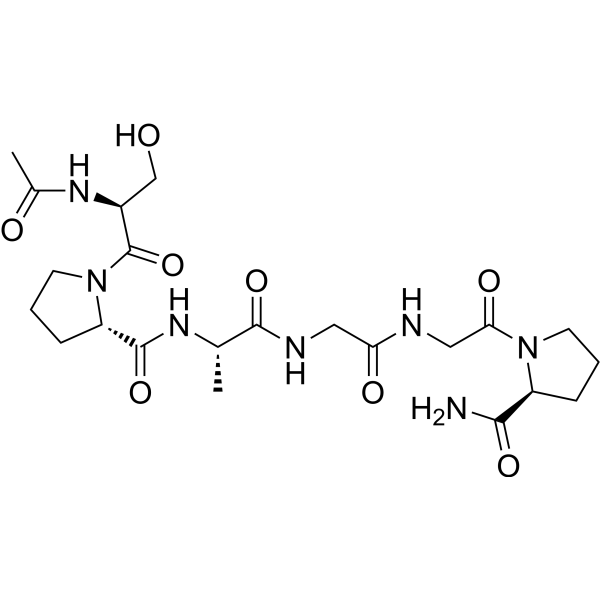
    Tetrapeptide-4 is a synthetic tetrapeptide. Tetrapeptide-4 upregulates hyaluronic acid synthetase, and collagen production in human dermal fibroblasts. Tetrapeptide-4 reduces skin aging, improves skin firmness, elasticity, and appearance, and benefits hair .
    Tetrapeptide-4
  • HY-N18667

    Others Inflammation/Immunology
    Centella asiatica extract, derived from the leaves of the Centella asiatica plant, has the ability to promote collagen production, improve skin elasticity, and promote wound healing. It can be used to study various skin problems such as acne, eczema, and psoriasis.
    Centella asiatica extract
  • HY-108036AR

    (S)-Hydroxypropyl tetrahydropyrantriol (Standard)

    Reference Standards Biochemical Assay Reagents Metabolic Disease
    (S)-Pro-xylane (Standard) is the analytical standard of (S)-Pro-xylane (HY-108036A). This product is intended for research and analytical applications. (S)-Pro-xylane ((S)-Hydroxypropyl tetrahydropyrantriol) is a bioactive C-glycoside that targets the biosynthesis pathway of glycosaminoglycans/mucopolysaccharides (GAGs) in the sKin matrix and can be absorbed transdermally. (S)-Pro-xylane stimulates the biosynthesis of GAGs in fibroblasts, enhances the structural stability of the sKin extracellular matrix, improves sKin elasticity and moisturizing ability, and delays wrinkle formation. (S)-Pro-xylane can effectively promote the synthesis of collagen fibers and hyaluronic acid in the dermis. (S)-Pro-xylane is used in the field of anti-aging cosmetics to improve sKin hydration and elasticity. (S)-Pro-xylane is eco-friendly and biodegradable .
    (S)-Pro-xylane (Standard)
  • HY-N18649

    Others Inflammation/Immunology
    Rosa canina extract, derived from the wild rose (often known as rose hip), is rich in vitamin C, flavonoids, carotenoids, and essential fatty acids, contributing to its numerous health benefits. The extract is primarily known for its anti-inflammatory, antioxidant, and immune-boosting properties. Rosa canina extract is commonly used to boost the immune system, particularly during cold and flu seasons, due to its high vitamin C content. It also has joint health benefits, as it helps reduce inflammation and pain in conditions like arthritis. The extract's antioxidant properties help protect cells from oxidative stress and may contribute to skin health by promoting collagen synthesis, reducing the appearance of wrinkles, and supporting overall skin elasticity.
    Rosa canina extract

Inquiry Online

Your information is safe with us. * Required Fields.

Salutation


Country or Region *

Applicant Name *


Organization Name *

Department *


Email Address *


Product Name *

Cat. No.


Requested quantity *

Phone Number *


Remarks

Inquiry Online

Inquiry Information

Product Name:
Cat. No.:
Quantity:
MCE Japan Authorized Agent:

