
1. Search Result
Search Result
Results for "

small-molecule blocker

" in MedChemExpress (MCE) Product Catalog:

43

Inhibitors & Agonists

10

Screening Libraries

5

Fluorescent Dye

5

Biochemical Assay Reagents

1

Inhibitory Antibodies

1

Natural
Products

2

Oligonucleotides

5

GMP Molecules

Cat. No. Product Name Target Research Areas Chemical Structure
  • HY-117930
    Danicopan
    4 Publications Verification

    ACH-4471

    Complement System Inflammation/Immunology
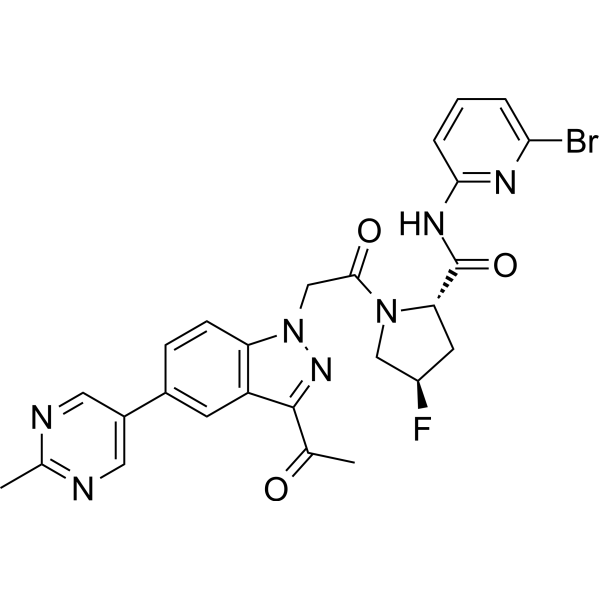
    Danicopan (ACH-4471), a selective and orally active small-molecule factor D inhibitor, shows high binding affinity to human Factor D with Kd value of 0.54 nM. Danicopan (ACH-4471) inhibits alternative pathway of complement (APC) activity, has potential to block the alternative pathway of complement in paroxysmal nocturnal hemoglobinuria (PNH) and atypical hemolytic uremic syndrome (aHUS) .
    Danicopan
  • HY-158107
    BBO-8520
    1 Publications Verification

    Ras Cancer
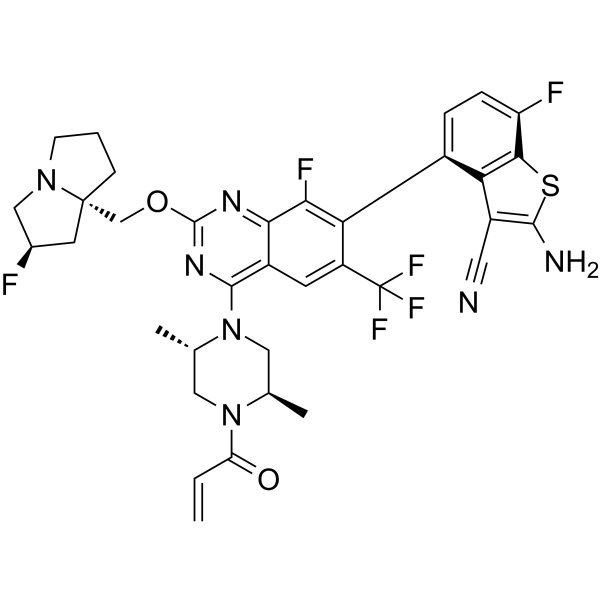
    BBO-8520 is a direct small molecule covalent inhibitor targeting KRAS G12C with high oral availability. BBO-8520 has the characteristics of KRAS G12C (OFF) inhibitor and the function of blocking KRAS G12C (ON) signal. BBO-8520 inhibits cell proliferation by inhibiting KRAS G12C (ON) by binding GTP protein. BBO-8520 can block RAS-RAF1 interaction and return KRAS G12C to the inactive (OFF) state. BBO-8520 can be used for the research of cancer .
    BBO-8520
  • HY-147081
    AS 1411
    2 Publications Verification

    AGRO-100

    Histone Methyltransferase Bcl-2 Family Cancer
    AS 1411 (AGRO-100) is an oligonucleotide aptamer targeting nucleoproteins. AS 1411 inhibits tumor cell proliferation by affecting the activity of nucleoprotein-containing complexes and can be used as a carrier to precisely deliver nanoparticles, oligonucleotides and small molecules to cancer cells. AS 1411 reduces PRMT5 expression to inhibit tumor growth in DU145 prostate cancer cells. AS 1411 works by blocking the binding of nucleoproteins to bcl-2 mRNA in MCF-7 breast cancer cells. AS 1411-coupled Jin nanospheres can inhibit breast cancer cell proliferation in vitro and in mouse models, has the ability to cross the blood-brain barrier with low tissue toxicity .
    AS 1411
  • HY-159644

    AB521

    HIF/HIF Prolyl-Hydroxylase VEGFR Cancer
    Casdatifan (AB521) is an orally active and selective allosteric small-molecule inhibitor of hypoxia-inducible factor 2α (HIF-2α). Casdatifan inhibits pro-tumor gene transcription by blocking the heterodimerization of HIF-2α with ARNT, and significantly suppresses tumor growth in clear cell renal cell carcinoma (ccRCC) models either as a monotherapy or in combination with agents such as Zimberelimab (HY-P99109). Casdatifan is applicable for the research of ccRCC .
    Casdatifan
  • HY-12796A

    Vixotrigine hydrochloride; GSK-1014802 hydrochloride; CNV1014802 hydrochloride

    Sodium Channel Neurological Disease
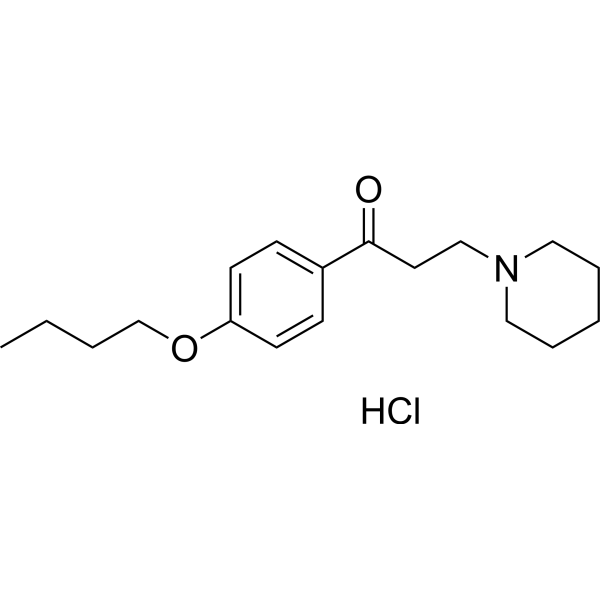
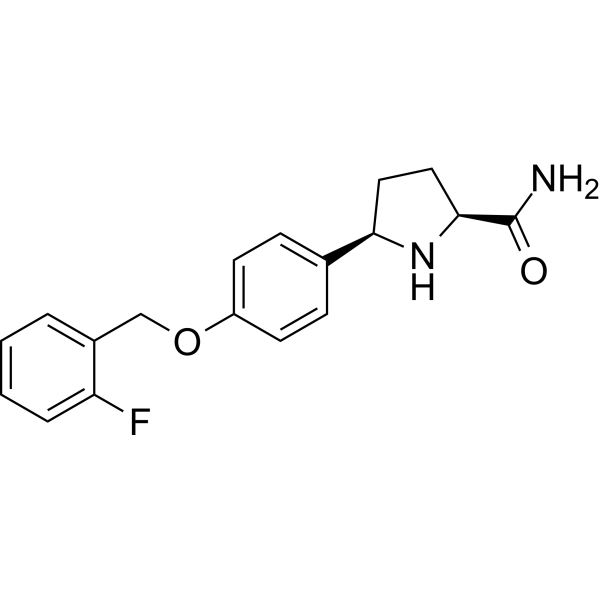
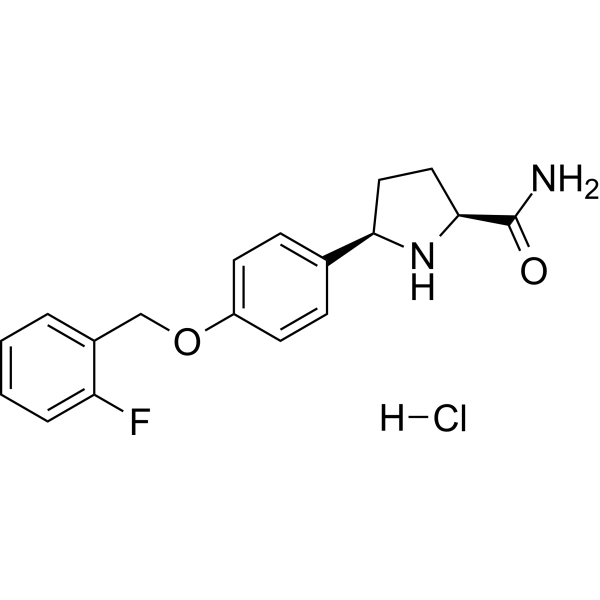
    Raxatrigine hydrochloride (GSK-1014802 hydrochloride) is a novel small molecule state-dependent sodium channel blocker; Nav1.7 sodium channel inhibitor.
    Raxatrigine hydrochloride
  • HY-12796

    Vixotrigine; GSK-1014802; CNV1014802

    Sodium Channel Neurological Disease
    Raxatrigine (GSK-1014802) is a novel small molecule state-dependent sodium channel blocker; Nav1.7 sodium channel inhibitor.
    Raxatrigine
  • HY-15001G

    SR1

    Aryl Hydrocarbon Receptor Cancer
    Stemregenin 1 (SR1) (GMP) is a GMP-grade Stemregenin 1 (HY-15001). GMP-grade small molecules can be used as adjuvants in cell therapy. Stemregenin 1 is a potent aryl hydrocarbon receptor (AhR) antagonist with an IC50 of 127 nM. Stemregenin 1 (GMP) can competitively bind to AhR and inhibit its nuclear translocation, inhibiting osteoclastogenesis and promoting hematopoietic progenitor cell expansion by blocking the AhR-c-src-NF-κB/p-ERK MAPK-NFATc1 signaling pathway. Stemregenin 1 (GMP) can be used for the study of osteoporosis, in vitro expansion of hematopoietic stem cells, and the study of the mechanism of bone metabolic diseases .
    Stemregenin 1
  • HY-120836
    AOH1160
    1 Publications Verification

    DNA/RNA Synthesis Apoptosis Cancer
    AOH1160 is a potent oral small molecule proliferating cell nuclear antigen (PCNA) inhibitor that interferes with DNA replication, blocks homologous recombination-mediated DNA repair, leads to cell cycle arrest and induces apoptosis .
    AOH1160
  • HY-132182
    HPA-12
    1 Publications Verification

    Ceramidase Autophagy Apoptosis ATF6 Neurological Disease Cancer
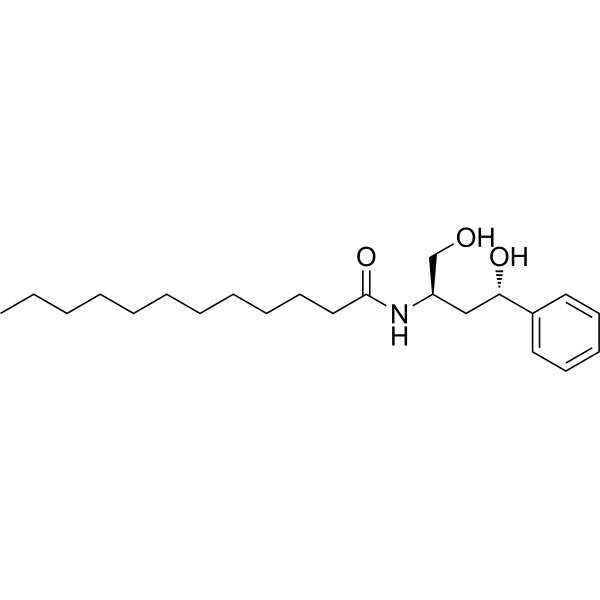
    HPA-12 is a blood-brain barrier-permeable small-molecule inhibitor of ceramide transfer protein (CERT) with four stereoisomers (the (1R,3R)-stereoisomer exhibits the highest activity). HPA-12 blocks the transport of ceramide from the endoplasmic reticulum to the Golgi apparatus by binding to the START domain of CERT, leading to intracellular ceramide accumulation and inhibition of sphingomyelin (SM) synthesis. HPA-12 induces endoplasmic reticulum stress via the GRP78/ATF6/CHOP axis and activates mitochondrial autophagy, thereby inhibiting cell growth and inducing apoptosis. In in vivo experiments, HPA-12 significantly reduces the leukemia burden and splenomegaly in mouse models of acute myeloid leukemia (AML) and prolongs survival. HPA-12 is applicable for the research of lipid metabolism in acute myeloid leukemia and Alzheimer's disease .
    HPA-12
  • HY-145601

    TT 00420

    Aurora Kinase FGFR VEGFR Cancer
    Tinengotinib (TT00420) is an orally active, spectrally selective small molecule kinase inhibitor targeting Aurora A/B (IC50=1.2-3.3 nM), FGFR1/2/3 (IC50=1.5-3.5 nM), VEGFRs, JAK1/2 and CSF1R. Tinengotinib blocks Aurora kinase-mediated cell cycle progression (inducing G2/M arrest), inhibits FGFR/JNK-JUN signaling pathway and activates MEK/ERK-dependent apoptotic pathway. Tinengotinib has the activity of anti-tumor proliferation, inducing apoptosis, inhibiting angiogenesis and regulating tumor microenvironment. Tinengotinib can be used in the study of triple-negative breast cancer (TNBC), gallbladder cancer and tumor immune microenvironment .
    Tinengotinib
  • HY-125471
    VK-1727
    1 Publications Verification

    EBV Infection Inflammation/Immunology Cancer
    VK-1727 is a selective small molecule inhibitor of EBNA1. VK-1727 can reduce EBNA1 DNA binding activity. VK-1727 selectively blocks the proliferation and metabolic activity of EBV+ cells, instead of EBV- cells. VK-1727 is used in multiple sclerosis research .
    VK-1727
  • HY-161138

    BCL6 Apoptosis Cancer
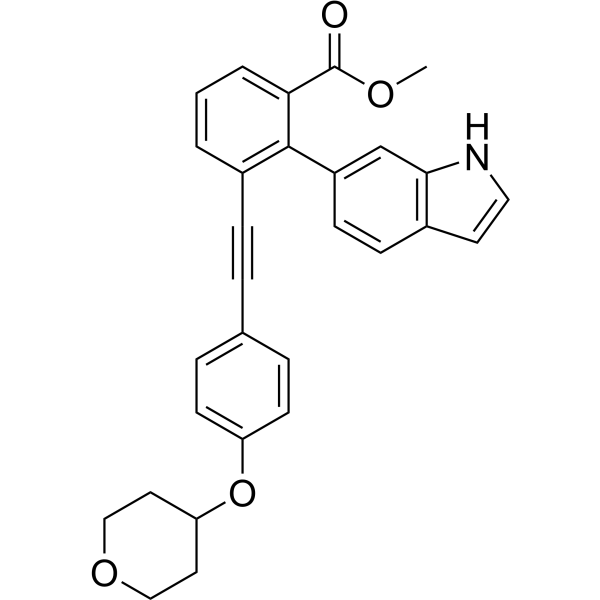
    WK369 is a novel BCL6 small molecule inhibitor, which exhibits excellent anti-ovarian cancer bioactivity, induces cell cycle arrest and causes apoptosis. WK369 can directly bind to the BCL6-BTB domain and block the interaction between BCL6 and SMRT, leading to the reactivation of p53, ATR and CDKN1A .
    WK369
  • HY-13912G
    IWP-2
    1 Publications Verification

    Wnt Cancer
    IWP-2 (GMP) is >IWP-2 (HY-13912) produced by using GMP guidelines. GMP small molecules work appropriately as an auxiliary reagent for cell therapy manufacture. IWP-2 is an inhibitor of Wnt processing and secretion with an IC50 of 27 nM. IWP-2 targets the membrane-bound O-acyltransferase porcupine (Porcn) and blocks Wnt ligand palmitoylation .
    IWP-2
  • HY-108464A

    Sodium Channel TRP Channel Metabolic Disease Inflammation/Immunology
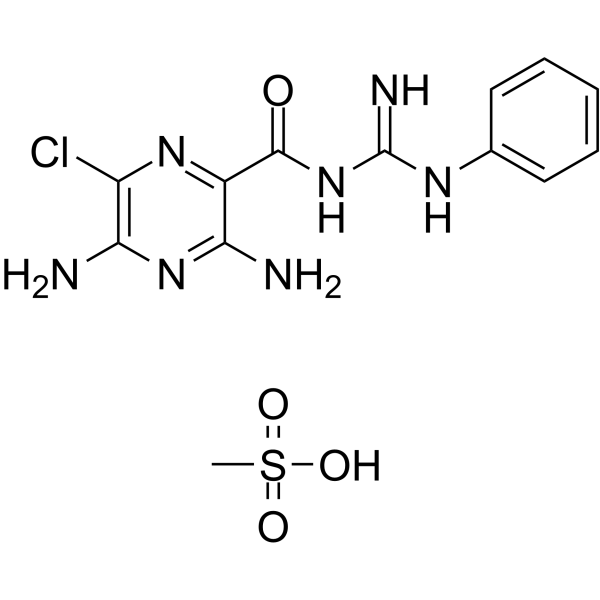
    Phenamil methanesulfonate, an analog of Amiloride (HY-B0285), is a more potent and less reversible epithelial sodium channel (ENaC) blocker with an IC50 of 400 nM . Phenamil methanesulfonate is also a competive inhibitor of TRPP3 and inhibits TRPP3-mediated Ca 2+ transport with an IC50 of 140 nM in a Ca 2+ uptake assay . Phenamil methanesulfonate is an intriguing small molecule to promote bone repair by strongly activating BMP signaling pathway . Phenamil methanesulfonate is used for the research of cystic fibrosis lung disease .
    Phenamil methanesulfonate
  • HY-130841

    APC Ligands for Target Protein for PROTAC Cancer
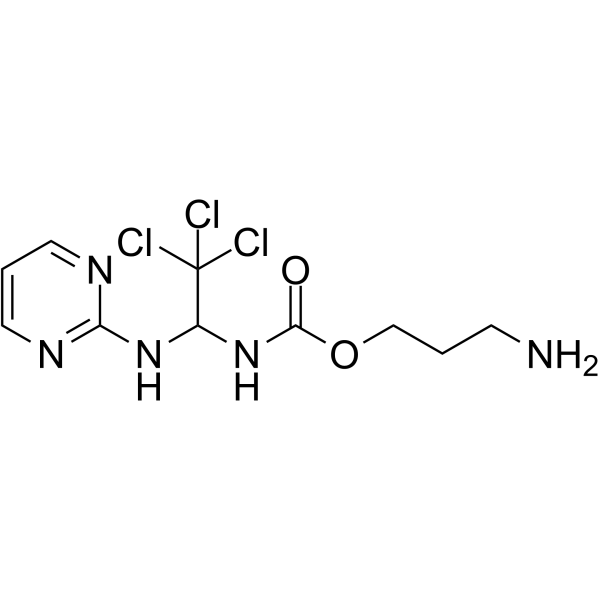
    Apcin-A is a small molecule inhibitor that selectively targets the cell division cycle protein Cdc20 and is a derivative of Apcin (HY-110287). Apcin-A competitively binds to the D-box binding pocket of Cdc20 and inhibits substrate ubiquitination mediated by the anaphase promoting complex APC/C-Cdc20. Apcin-A also blocks the binding of Cdc20 to substrates (such as securin and cyclin B1), inhibiting anaphase initiation and cell cycle exit. Apcin-A can promote or prolong mitotic slippage in coordination with p31 comet under conditions of high spindle assembly checkpoint (SAC) activity. Apcin-A can be used to develop anti-mitotic drugs and overcome tumor chemotherapy resistance. Apcin-A can be used to synthesize PROTAC CP5V (HY-130257)[1][2][3].
    Apcin-A
  • HY-125475

    GMI-1070

    E-Selectin Cardiovascular Disease
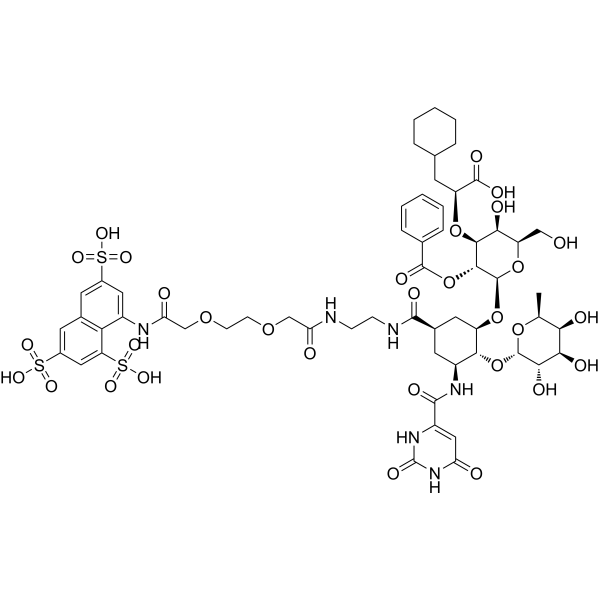
    Rivipansel is a small-molecule glycomimetic pan-selectin antagonist with inhibitory activity against E-selectin and P-selectin. Rivipansel binds tightly to the lectin domain of E-selectin, and selectively blocks the recognition of CD62L by E-selectin without affecting the binding of PSGL-1 to E-selectin. Rivipansel functionally inhibits the adhesion of hematopoietic cells to endothelial cells, and is applicable to research related to sickle cell disease .
    Rivipansel
  • HY-147081A
    AS 1411 sodium
    2 Publications Verification

    AGRO-100 sodium

    Histone Methyltransferase Bcl-2 Family Cancer
    AS 1411 (AGRO-100) sodium is an oligonucleotide aptamer targeting nucleoproteins. AS 1411 sodium inhibits tumor cell proliferation by affecting the activity of nucleoprotein-containing complexes and can be used as a carrier to precisely deliver nanoparticles, oligonucleotides and small molecules to cancer cells. AS 1411 sodium reduces PRMT5 expression to inhibit tumor growth in DU145 prostate cancer cells. S 1411 sodium works by blocking the binding of nucleoproteins to bcl-2 mRNA in MCF-7 breast cancer cells. S 1411 sodium-coupled Jin nanospheres can inhibit breast cancer cell proliferation in vitro and in mouse models, has the ability to cross the blood-brain barrier with low tissue toxicity
    AS 1411 sodium
  • HY-107832

    4-Oxoisophorone

    Drug Intermediate Others
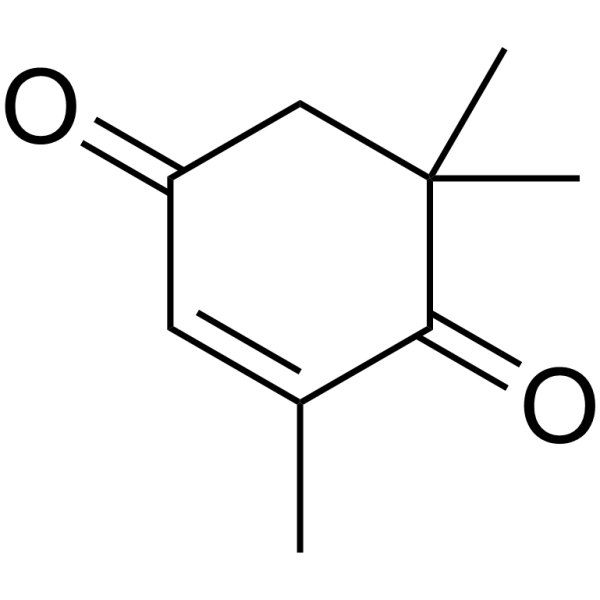
    Ketoisophorone (4-Oxoisophorone) is the active small molecule that can be used as building block .
    Ketoisophorone
  • HY-163542

    Bacterial Inflammation/Immunology
    Pneumolysin-IN-1 (compound PB-3) is a targeted small molecule inhibitor of Pneumolysin (PLY) (IC50=3.1 µM). Pneumolysin-IN-1 is a pore blocking agent and an anti-virulence factor. Pneumolysin-IN-1 can be used to study the infection caused by Streptococcus pneumoniae .
    Pneumolysin-IN-1
  • HY-117002
    SRI 37892
    1 Publications Verification

    Wnt Cancer
    SRI 37892 is a small molecule compound inhibitor of Frizzled protein 7 (Fzd7) with inhibitory activity against cancer cell proliferation (IC50=2μM). SRI 37892 significantly blocks Wnt/Fzd7 signaling. SRI 3789 can be used in the research of developing cancer therapeutic agents .
    SRI 37892
  • HY-147306

    NO Synthase Neurological Disease
    ZLc-002 is a selective inhibitor of nNOS-Capon coupling. ZLc-002 suppresses inflammatory nociception and chemotherapy-induced neuropathic pain. ZLc-002 can be used for the research of anxiety disorder and inflammation .
    ZLc-002
  • HY-119053

    MDM-2/p53 Cancer
    MS7972 is a small molecule that blocks human p53 and CREB binding protein association. MS7972 can almost completely block this BRD interaction at 50 μM .
    MS7972
  • HY-145772

    PD-1/PD-L1 Cancer
    PD-1/PD-L1-IN-21 (Example 22) is a small-molecule inhibitor of the PD-1/PD-L1 protein-protein interaction. PD-1/PD-L1-IN-21 blocks PD-1/PD-L1 with the IC50 of 4.99 μM. PD-1/PD-L1-IN-21 can be used for the research of cancers, infectious diseases and autoimmune diseases .
    PD-1/PD-L1-IN-21
  • HY-W030338

    Endogenous Metabolite Inflammation/Immunology
    aPKC-IN-2 is a small molecule inhibitor that inhibits aPKC activity. aPKC-IN-2 can effectively block vascular endothelial permeability in cell culture and in vivo experiments. aPKC-IN-2 shows biological activity in interfering with NFκB-driven gene transcription and is associated with inflammatory responses. aPKC-IN-2 has a significant inhibitory effect on vascular endothelial permeability induced by VEGF and TNF, and its EC50 value is in the low nanomolar range. The structural characteristics of aPKC-IN-2 reveal key elements of its inhibitory activity, providing the possibility for further development of small molecule aPKC inhibitors .
    aPKC-IN-2
  • HY-13259G

    Z-Leu-Leu-Leu-al

    Proteasome Autophagy Apoptosis Cancer
    MG-132 (GMP) (Z-Leu-Leu-Leu-al (GMP)) is MG-132 (HY-13259) produced by using GMP guidelines. GMP small molecules works appropriately as an auxiliary reagent for cell therapy manufacture. MG-132 (Z-Leu-Leu-Leu-al) is a potent proteasome and calpain inhibitor with IC50s of 100 nM and 1.2 μM, respectively. MG-132 effectively blocks the proteolytic activity of the 26S proteasome complex. MG-132, a peptide aldehyde, also is an autophagy activator. MG-132 also induces apoptosis .
    MG-132
  • HY-W043105

    Pivalanilide

    Drug Intermediate Others
    N-Phenylpivalamide (Pivalanilide) is an active small molecule, that can be used as a building block for the synthesis of biologically active compounds .
    N-Phenylpivalamide
  • HY-137561A

    PLN-74809 hydrochloride

    Integrin Inflammation/Immunology
    Bexotegrast hydrochloride (PLN-74809 hydrochloride) is a small molecule dual selective inhibitor with activity targeting αVβ1 and αVβ6. Bexotegrast hydrochloride is used for idiopathic pulmonary fibrosis (IPF) and primary sclerosing cholangitis (PSC). Bexotegrast hydrochloride inhibits the activation of TGF-β1 by blocking the function of these integrins, thereby preventing the growth of fibrous tissue in the lungs and bile ducts .
    Bexotegrast hydrochloride
  • HY-15150G

    R428 (GMP); BGB324 (GMP)

    TAM Receptor Cancer
    Bemcentinib (R428) GMP is Bemcentinib (HY-15150) in GMP grade. GMP-grade small molecules can be used as auxiliary reagents in cell therapy.Bemcentinib (R428) is a selective and orally active Axl inhibitor with an IC50 of 14 nM. Bemcentinib retards cancer cell migration and invasion. Bemcentinib exhibits >100-fold selectivity for Axl versus Abl and 50- and >100-fold selectivity over TAM family kinases Mer and Tyro3, respectively, in cells. Bemcentinib blocks tumor spread and prolongs survival in models of metastatic breast cancer .
    Bemcentinib (GMP)
  • HY-168995

    Bacterial Infection
    BAR-072 is a small-molecule inhibitor targeting TraE, with a KD of 2.7 µM. It significantly inhibits the transfer of the antibiotic resistance-associated plasmid pKM101. BAR-072 shows promise as a candidate compound for blocking the spread of bacterial resistance genes and holds potential for research in infectious disease and antimicrobial resistance control .
    BAR-072
  • HY-145768

    PD-1/PD-L1 Cancer
    PD-1/PD-L1-IN-18 (Compound L31) is a small-molecule inhibitor of the PD-1/PD-L1 protein-protein interaction. PD-1/PD-L1-IN-18 blocks PD-1/PD-L1 with the IC50 of 1.054 μM. Antitumor Activity .
    PD-1/PD-L1-IN-18
  • HY-145771

    PD-1/PD-L1 Cancer
    PD-1/PD-L1-IN-20 (Example 21) is a small-molecule inhibitor of the PD-1/PD-L1 protein-protein interaction. PD-1/PD-L1-IN-20 blocks PD-1/PD-L1 with the IC50 of 5.29 nM. PD-1/PD-L1-IN-20 can be used for the research of cancers, infectious diseases and autoimmune diseases .
    PD-1/PD-L1-IN-20
  • HY-145770

    PD-1/PD-L1 Cancer
    PD-1/PD-L1-IN-19 (Example 22) is a small-molecule inhibitor of the PD-1/PD-L1 protein-protein interaction. PD-1/PD-L1-IN-19 blocks PD-1/PD-L1 with the IC50 of 62.3 nM. PD-1/PD-L1-IN-19 can be used for the research of cancers, infectious diseases and autoimmune diseases .
    PD-1/PD-L1-IN-19
  • HY-145773

    PD-1/PD-L1 Cancer
    PD-1/PD-L1-IN-22 (Example 2) is a small-molecule inhibitor of the PD-1/PD-L1 protein-protein interaction. PD-1/PD-L1-IN-22 blocks PD-1/PD-L1 with the IC50 of 0.732 μM. PD-1/PD-L1-IN-22 can be used for the research of cancers, infectious diseases and autoimmune diseases .
    PD-1/PD-L1-IN-22
  • HY-126005

    Sodium Channel Cancer
    VGSC blocker-1 is a potent and small molecule blocker of neonatal isoform of the VGSC subtype, Nav1.5 (nNav1.5). VGSC blocker-1 blocks INa peak currents 34.9% at 1 μM and inhibits cell invasion 0.3% at 1 μM in human breast cancer cell line MDA-MB-231, without affecting the cell viability .
    VGSC blocker-1
  • HY-169850

    Drug Intermediate Others
    7,8-Dihydroxy-4H-chromen-4-one is an active small molecule, that can be used as building block for synthesis of E3 ubiquitin-protein ligase inhibitor .
    7,8-Dihydroxy-4H-chromen-4-one
  • HY-163534

    PD-1/PD-L1 Cancer
    PD-1/PD-L1-IN-43 (compound Z13) is a small-molecule inhibitors targeting the PD-1/PD-L1 interaction. PD-1/PD-L1-IN-43 exhibites potent in vivo antitumor efficacy against B16-F10 melanoma. PD-1/PD-L1-IN-43 inhibits tumor growth by blocking the interaction between PD-1 and PD-L1. PD-1/PD-L1-IN-43 can be used in anti-tumor studies .
    PD-1/PD-L1-IN-43
  • HY-W001146

    Drug Intermediate Metabolic Disease
    3-Chloro-4-hydroxyphenylacetic acid is a fungal metabolite. 3-Chloro-4-hydroxyphenylacetic acid is an active small molecule, that can be used as building block in synthesis of 17β-HSD2 inhibitors .
    3-Chloro-4-hydroxyphenylacetic acid
  • HY-115513

    Endogenous Metabolite Infection
    Pitstop 1 is a small molecule inhibitor with endocytosis-inhibiting activity. Pitstop 1 blocks the interaction of chaperones with the Krasin terminal domain in cells, thereby affecting the function of Krasin. Pitstop 1 exhibits superior biological activity in significantly inhibiting the effects of Krasin. Pitstop 1 acts as a dose that inhibits the entry of viruses and pathogens into cells and modulates cell signaling .
    Pitstop 1
  • HY-136702

    Adenosine Receptor Inflammation/Immunology
    L-97-1 is a A1 adenosine receptor (A1AR) antagonist. L-97-1 is a water-soluble small molecule compound with high affinity and high selectivity against human A1 adenosine receptors. L-97-1 works by blocking A1 adenosine receptors. In patients with asthma, adenosine is an important signaling molecule capable of causing bronchoconstriction by activating A1AR. L-97-1 reduces airway hyperreactivity (BHR) by competitively binding to A1AR, thereby alleviating or blocking adenosine-induced bronchoconstriction and inflammation .
    L-97-1
  • HY-107632G

    Apoptosis STAT NF-κB TNF Receptor NO Synthase Interleukin Related COX Cardiovascular Disease Neurological Disease Inflammation/Immunology Cancer
    GYY4137 (GMP) is the GMP-grade version of GYY4137 (HY-107632). Small molecules of GMP grade can be used as adjuvant reagents in cell therapy. GYY4137 (GMP) is a sustained-release H2S donor possessing vasodilatory, antihypertensive, and anti-inflammatory activities. GYY4137 (GMP) can inhibit cell growth, induce apoptosis, and cause cell cycle arrest by blocking the STAT3 pathway, demonstrating potent anticancer activity .
    GYY4137
  • HY-110333

    EGFR Cancer
    BMS-599626 dihydrochloride is a small molecule pan-HER (human epidermal growth factor receptor) kinase inhibitor. BMS-599626 dihydrochloride primarily targets HER1 (IC50=20 nmol/L) and HER2 (IC50=30 nmol/L) kinase activity in the HER family. BMS-599626 inhibits the kinase activity of HER1 and HER2 by competing with their ATP-binding sites, and can inhibit the downstream signaling pathway by blocking the heterodimer formation of HER1 and HER2. BMS-599626 dihydrochloride can be used to study the antitumor effects of multiple HER1 or HER2 overexpressed tumor models .
    BMS-599626 dihydrochloride
  • HY-13642G

    DNA Methyltransferase Cancer
    RG108 (GMP) is RG108 (HY-13642) produced by using GMP guidelines. GMP small molecules works appropriately as an auxiliary reagent for cell therapy manufacture. RG108 (N-Phthalyl-L-tryptophan) is a non-nucleoside DNA methyltransferases (DNMTs) inhibitor (IC50=115 nM) that blocks the DNMTs active site. RG108 (N-Phthalyl-L-tryptophan) causes demethylation and reactivation of tumor suppressor genes, but it does not affect the methylation of centromeric satellite sequences .
    RG108
  • HY-182905

    Somatostatin Receptor G protein-coupled Bile Acid Receptor 1 Metabolic Disease
    SSTR5/TGR5-modulator-1 is an orally active and dual-target small molecule, balanced in vitro activity at human TGR5 and human SSTR5. SSTR5/TGR5-modulator-1 activates human TGR5 to promote cAMP accumulation. SSTR5/TGR5-modulator-1 blocks human SSTR5 to inhibit agonist-induced calcium mobilization. SSTR5/TGR5-modulator-1 improves glucose tolerance in mice. SSTR5/TGR5-modulator-1 alleviates gallbladder filling in mice at pharmacologically relevant doses. SSTR5/TGR5-modulator-1 has suboptimal physicochemical and metabolic properties.SSTR5/TGR5-modulator-1 can be used for the research of type 2 diabetes mellitus .
    SSTR5/TGR5-modulator-1

Inquiry Online

Your information is safe with us. * Required Fields.

Salutation


Country or Region *

Applicant Name *


Organization Name *

Department *


Email Address *


Product Name *

Cat. No.


Requested quantity *

Phone Number *


Remarks

Inquiry Online

Inquiry Information

Product Name:
Cat. No.:
Quantity:
MCE Japan Authorized Agent:

