1. Search Result
Search Result
Results for "

somatostatin

" in MedChemExpress (MCE) Product Catalog:

153

阻害剤およびアゴニスト

4

生化学アッセイ試薬

111

ペプチド

1

天然物

4

組換えタンパク質

4

同位体標識化合物

11

抗体

1

クリックケミストリー

5

オリゴヌクレオチド

製品番号 製品名 Target 研究分野
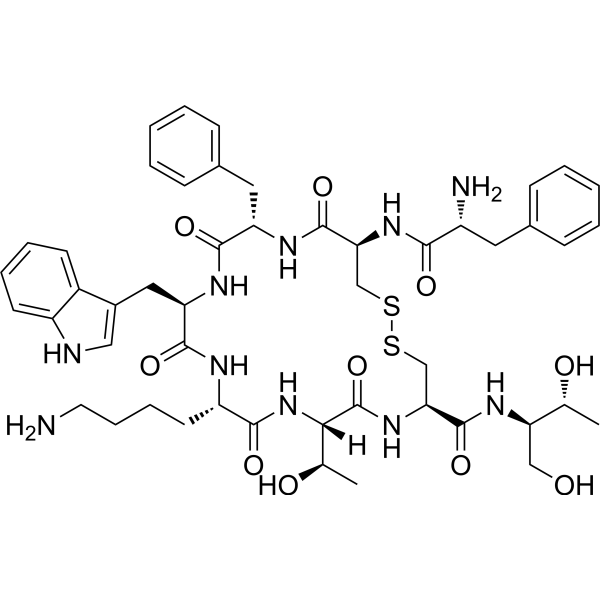
  • HY-P0036
    Octreotide
    Maximum Cited Publications
    16 Publications Verification

    SMS 201-995

    Somatostatin Receptor Apoptosis Cardiovascular Disease Inflammation/Immunology Endocrinology Cancer
    Octreotide (SMS 201-995) is a somatostatin receptor agonist and synthetic octapeptide endogenous somatostatin analogue. Octreotide (SMS 201-995) can bind to the somatostatin receptor and mainly subtypes 2, 3, and 5, increases Gi activity, and reduces intracellular cAMP production. Octreotide (SMS 201-995) has antitumor activity, mediates apoptosis and may also be used in disease studies in acromegaly .
  • HY-P1932

    Somatostatin Receptor Neurological Disease Inflammation/Immunology Endocrinology
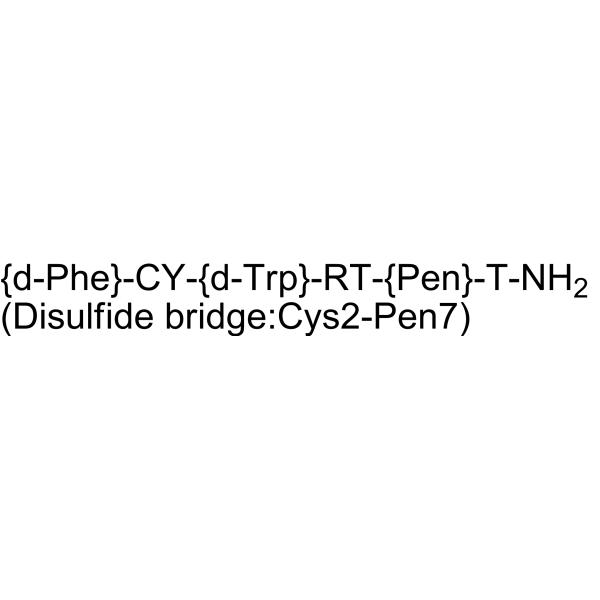
    Cortistatin-14 is a neuropeptide that shares structural similarities with somatostatin, working by binding to somatostatin receptors (sst1-sst5). Cortistatin-14 (TFA) has anticonvulsant, neuroprotective effects, and significant anti-inflammatory properties .
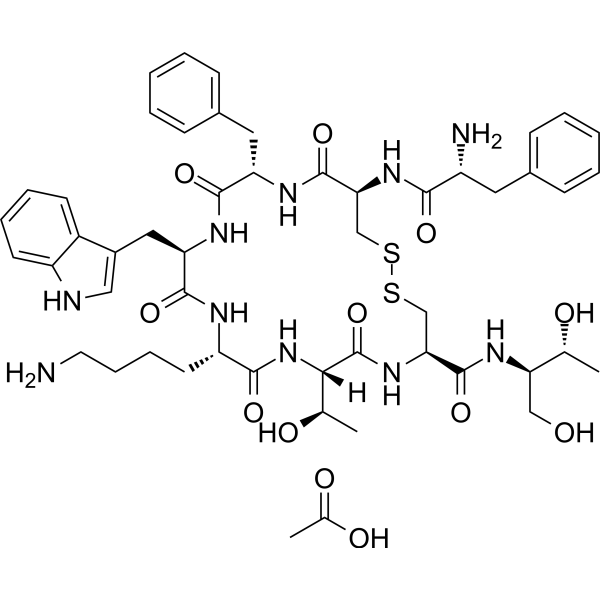
  • HY-17365
    Octreotide acetate
    Maximum Cited Publications
    16 Publications Verification

    SMS 201-995 acetate

    Somatostatin Receptor Cardiovascular Disease Inflammation/Immunology Endocrinology Cancer
    Octreotide acetate, a long-acting synthetic analog of native somatostatin, inhibits growth hormone, glucagon, and insulin more potently.
  • HY-P0084

    SRIF-14; somatostatin-14

    Endogenous Metabolite Cardiovascular Disease Neurological Disease
    Cyclic somatostatin (SRIF-14) is a growth hormone-release inhibiting factor used in the research of severe, acute hemorrhages of gastroduodenal ulcers. Cyclic somatostatin is a neuropeptide co-stored with acetylcholine in the cardiac parasympathetic innervation, exerts influences directly on contraction of ventricular cardiomyocytes. Cyclic somatostatin inhibits the contractile response of isoprenaline with an IC50 value of 13 nM. Cyclic somatostatin can be used for the research of cardiovascular disease .
  • HY-111615A

    Somatostatin Receptor Neurological Disease Inflammation/Immunology
    J-2156 TFA is a high potent, selective somatostatin receptor type 4 (SST4 receptor) agonist with IC50s of 0.05 nM and 0.07 nM for human and rat SST4 receptors, respectively. J-2156 TFA has anti-inflammatory activity and it is used for the relief of mechanical allodynia and mechanical hyperalgesia in the ipsilateral hindpaws in rats .
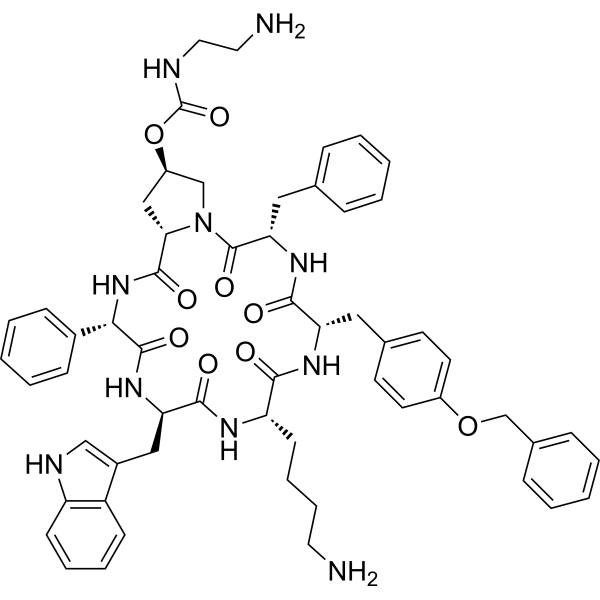
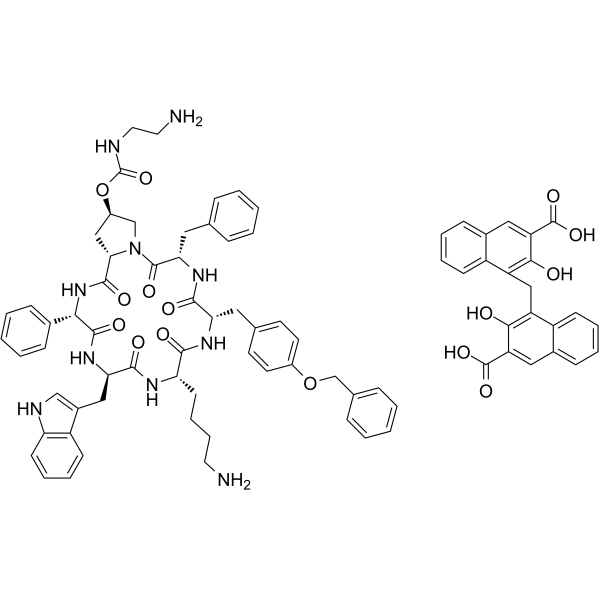
  • HY-16381
    Pasireotide
    5+ Cited Publications

    SOM230

    Somatostatin Receptor Endocrinology Cancer
    Pasireotide (SOM230), a long-acting cyclohexapeptide somatostatin analogue, can improve agonist activity at somatostatin receptors (subtypes sst1/2/3/4/5, pKi=8.2/9.0/9.1/<7.0/9.9, respectively). Pasireotide can suppress GH, IGF-I and ACTH secretion, indicating potential efficacy in acromegaly and Cushing's disease. Pasireotide also exhibits antisecretory, antiproliferative, and proapoptotic activity .
  • HY-106033
    Edotreotide
    2 Publications Verification

    DOTATOC; SDZ-SMT 487; SMT 487

    Radionuclide-Drug Conjugates (RDCs) Cancer
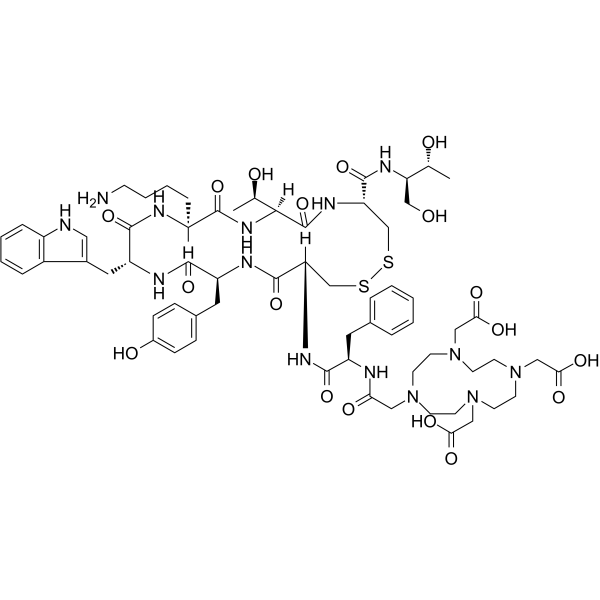
    Edotreotide is a ligand that selectively targets SSTR2 and can competitively bind to the receptor. Edotreotide mediates the targeted delivery, while modificated with radionuclides (such as 90Y, 177Lu, and 68Ga) to SSTR-positive tumors and induces tumor cell apoptosis by releasing β rays. Edotreotide has strong tumor targeting and precise killing activity. Edotreotide is used in the synthesis of radionuclide-drug conjugates (RDCs) and is widely used in the field of neuroendocrine tumors (such as metastatic carcinoids, lung and thymus NETs) .
  • HY-P3954

    Somatostatin Receptor Metabolic Disease
    Somatostatin-28 (sheep, human rat mouse) is a biologically active polypeptide, synthesised in the proximal intestinal epithelial cells. Somatostatin-28 (sheep, human rat mouse) suppresses glucose-stimulated insulin secretion without affecting circulating basal insulin concentration. Somatostatin-28 (sheep, human rat mouse) also targets to somatostatin receptor subtype 5 (SSTR5) to regulate GLP-1 secretion .
  • HY-P10920

    Drug Derivative Cancer
    DOTAMTATE is a somatostatin analogue. DOTAMTATE marked 212Pb is promising for research of somatostatin receptor positive neuroendocrine tumors .
  • HY-P1202
    CYN 154806
    1 Publications Verification

    Somatostatin Receptor Endocrinology
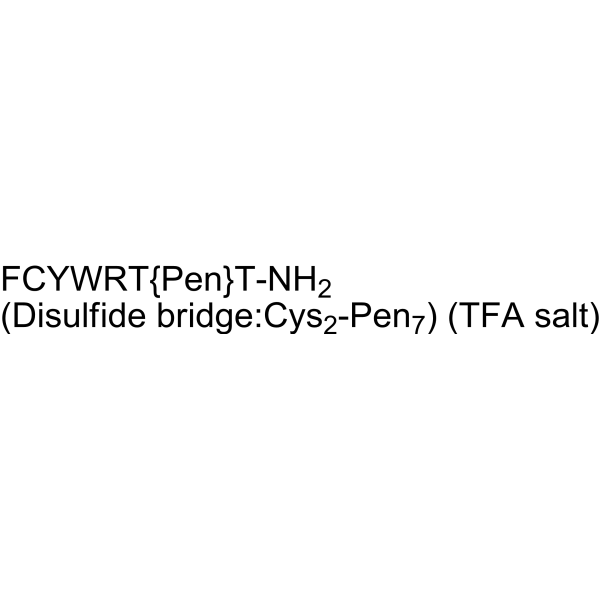
    CYN 154806, a cyclic octapeptide, is a potent and selective somatostatin sst2 receptor antagonist, with pIC50 values of 8.58, 5.41, 6.07, 5.76 and 6.48 for human recombinant sst2, sst1, sst3, sst4 and sst5 receptors respectively .
  • HY-P1335
    CTAP
    2 Publications Verification

    Opioid Receptor Neurological Disease
    CTAP is a potent, highly selective, and BBB penetrant μ opioid receptor antagonist, with an IC50 of 3.5 nM. CTAP displays over 1200-fold selectivity over δ opioid (IC50=4500 nM) and somatostatin receptors. CTAP can be used for the study of L-DOPA-induced dyskinesia (LID) and opiate overdose or addiction .
  • HY-P1782

    Amylin Receptor Metabolic Disease
    Calcitonin (8-32), salmon is a highly selective Amylin receptor antagonist. Calcitonin (8-32), salmon reverses the Amylin-mediated inhibition of glucose-induced insulin release, but has no effect on either glucagon release or somatostatin release. Calcitonin (8-32), salmon can be used for studies related to β-cell amylin .
  • HY-P5126
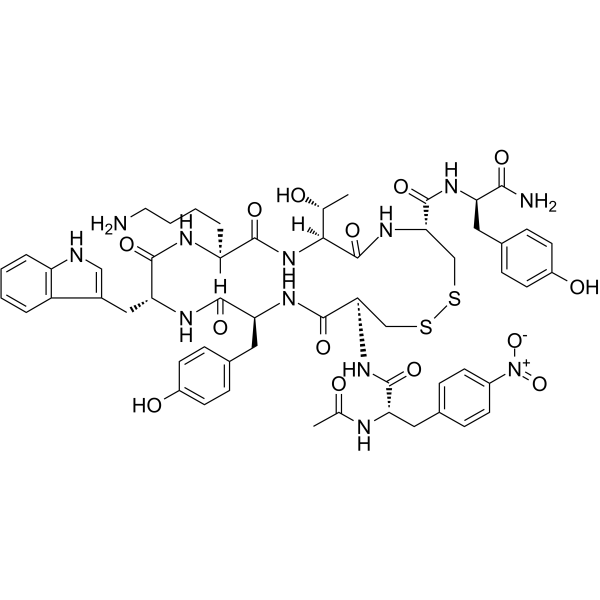
    DOTA-LM3
    2 Publications Verification

    Radionuclide-Drug Conjugates (RDCs) Somatostatin Receptor Cancer
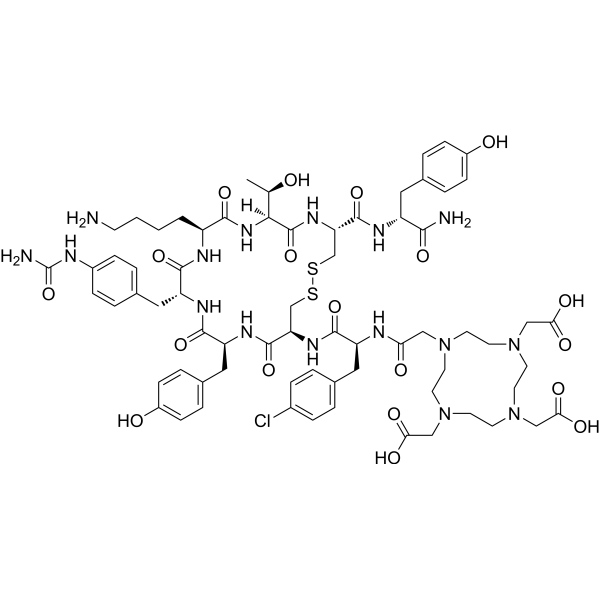
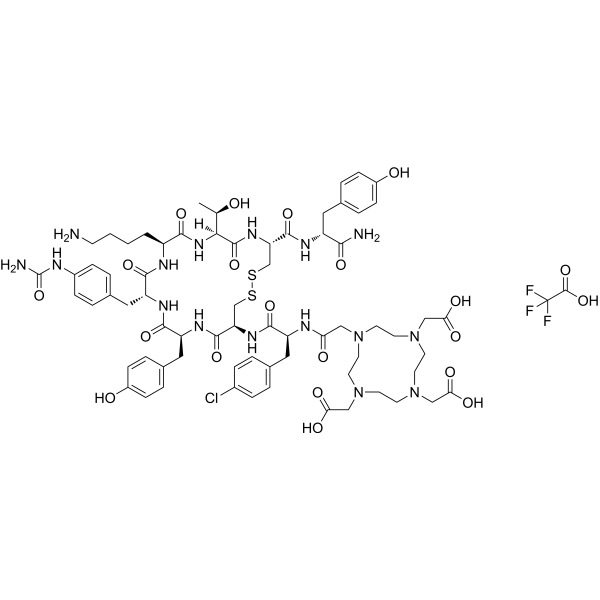
    DOTA-LM3 is a somatostatin receptor (SSTR) antagonist. LM3 refers to p-Cl-Phe- cyclo(D-Cys-Tyr-D-4-amino-Phe(carbamoyl)-Lys-Thr-Cys)D-Tyr- NH2, as well as a somatostatin antagonist. DOTA-LM3 is often isotopically labeled for tracing tumors in vivo, such as 177Lu-DOTA-LM3 and 68 Ga-DOTA-LM3. 68 Ga-DOTA-LM3 shows favorable biodistribution, high tumor uptake, good tumor retention, and few safety concerns. 177Lu-DOTA-LM3 can be used for research in DOTATOC-negative liver metastases, such as pancreatic NET and extensive tumor thrombosis . DOTA-LM3 can be used for the synthesis/research of Radionuclide-Drug Conjugates (RDCs).
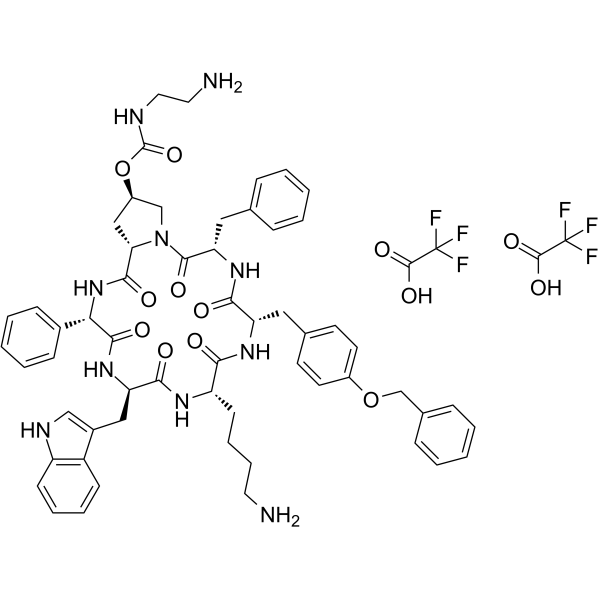
  • HY-16381A
    Pasireotide acetate
    2 Publications Verification

    SOM230 acetate

    Somatostatin Receptor Endocrinology Cancer
    Pasireotide (SOM230) acetate, a long-acting cyclohexapeptide somatostatin analogue, can improve agonist activity at somatostatin receptors (subtypes sst1/2/3/4/5, pKi=8.2/9.0/9.1/<7.0/9.9, respectively). Pasireotide acetate can suppress GH, IGF-I and ACTH secretion, indicating potential efficacy in acromegaly and Cushing's disease. Pasireotide acetate also exhibits antisecretory, antiproliferative, and proapoptotic activity .
  • HY-P1202A
    CYN 154806 TFA
    1 Publications Verification

    Somatostatin Receptor Endocrinology
    CYN 154806 TFA, a cyclic octapeptide, is a potent and selective somatostatin sst2 receptor antagonist, with pIC50 values of 8.58, 5.41, 6.07, 5.76 and 6.48 for human recombinant sst2, sst1, sst3, sst4 and sst5 receptors respectively .
  • HY-111615

    Somatostatin Receptor Neurological Disease
    J-2156 is a high potent, selective somatostatin receptor type 4 (SST4 receptor) agonist with IC50s of 0.05 nM and 0.07 nM for human and rat SST4 receptors, respectively. J-2156 is used for the relief of mechanical allodynia and mechanical hyperalgesia in the ipsilateral hindpaws in rats .
  • HY-P1959

    BIM 23014

    Somatostatin Receptor Endocrinology Cancer
    Lanreotide (BIM 23014) is a somatostatin analogue with antineoplastic activity. Lanreotide can be used for the research of carcinoid syndrome .
  • HY-P1959A

    BIM 23014 acetate

    Somatostatin Receptor Endocrinology Cancer
    Lanreotide (BIM 23014) acetate is a somatostatin analogue with antineoplastic activity. Lanreotide acetate can be used for the research of carcinoid syndrome .
  • HY-P5362

    Radionuclide-Drug Conjugates (RDCs) Somatostatin Receptor Neurological Disease Cancer
    NODAGA-LM3 is a ligand that can cross the blood-brain barrier and targets somatostatin receptor SSTR2 with high affinity (IC50 = 1.3 nM). NODAGA-LM3 does not trigger the internalization of SSTR2 and can inhibit agonist-induced internalization processes. NODAGA-LM3 shows low uptake in normal tissues such as the liver and spleen, but high uptake in the lungs and blood pool. 68Ga-labeled NODAGA-LM3 can serve as a PET imaging agent for well-differentiated neuroendocrine tumors, and is applied in studies related to small cell lung cancer and well-differentiated neuroendocrine tumors .
  • HY-P4917
    Somatostatin-14 (reduced)
    1 Publications Verification

    SST 14

    ペプチド Others
    Somatostatin-14 (reduced) (SST 14) is a polypeptide that can be found by peptide screening .
  • HY-P3579

    GIP (1-42), porcine

    Insulin Receptor Metabolic Disease
    Gastric Inhibitory Peptide (GIP (1-42)), porcine is a porcine glucose-dependent insulinotropic polypeptide and inhibitor of pentagastrin-stimulated gastric acid secretion. Gastric Inhibitory Peptide, porcine stimulates endogenous somatostatin release. Gastric Inhibitory Peptide, porcine acts in a dose- and time-dependent manner in conscious, chronic gastric fistula-equipped rats .
  • HY-P1201
    Cyclosomatostatin
    1 Publications Verification

    Somatostatin Receptor Cancer
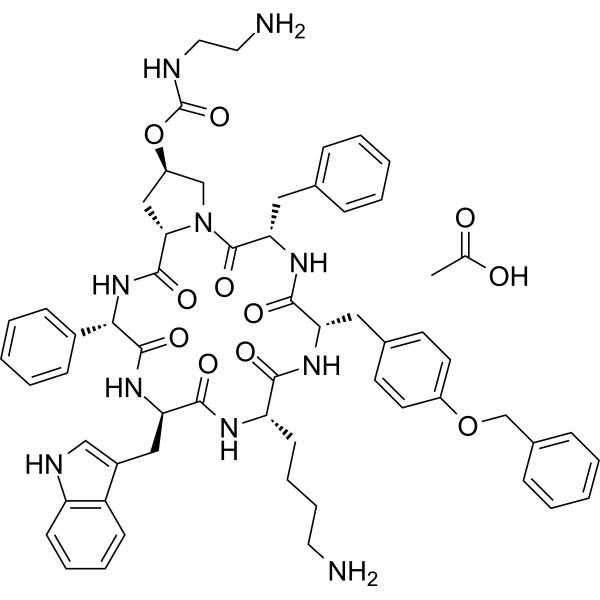
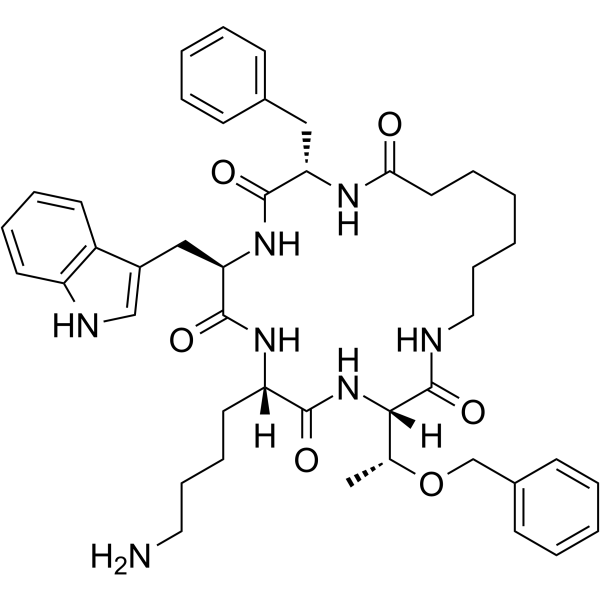
    Cyclosomatostatin is a potent somatostatin (SST) receptor antagonist. Cyclosomatostatin can inhibit somatostatin receptor type 1 (SSTR1) signaling and decreases cell proliferation, ALDH+ cell population size and sphere-formation in colorectal cancer (CRC) cells .
  • HY-P5126A
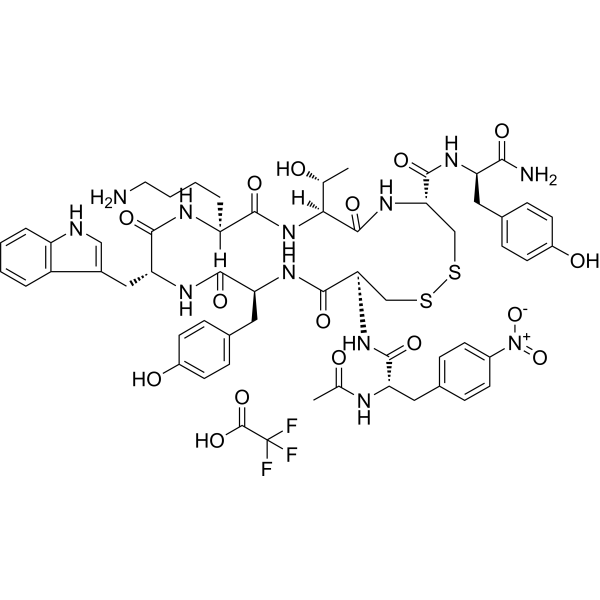
    DOTA-LM3 TFA
    2 Publications Verification

    Radionuclide-Drug Conjugates (RDCs) Somatostatin Receptor Cancer
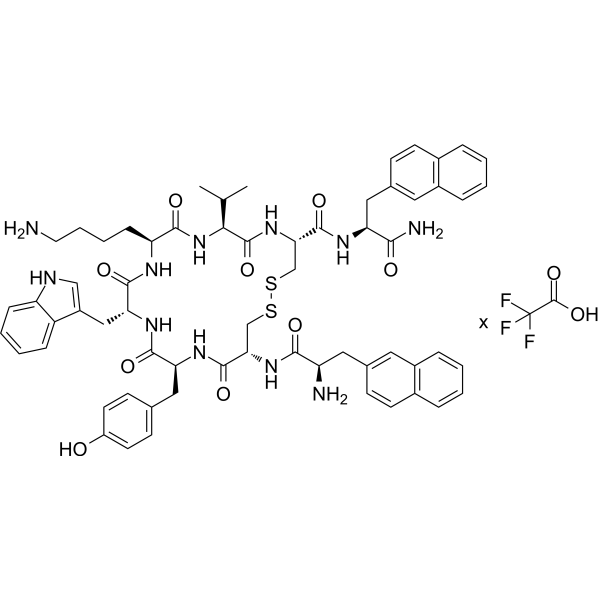
    DOTA-LM3 TFA is a somatostatin receptor (SSTR) antagonist. LM3 refers to p-Cl-Phe- cyclo(D-Cys-Tyr-D-4-amino-Phe(carbamoyl)-Lys-Thr-Cys)D-Tyr- NH2, as well as a somatostatin antagonist. DOTA-LM3 TFA is often isotopically labeled for tracing tumors in vivo, such as 177Lu-DOTA-LM3 TFA and 68 Ga-DOTA-LM3 TFA. 68 Ga-DOTA-LM3 TFA shows favorable biodistribution, high tumor uptake, good tumor retention, and few safety concerns. 177Lu-DOTA-LM3 TFA can be used for research in DOTATOC-negative liver metastases, such as pancreatic NET and extensive tumor thrombosis . DOTA-LM3 (TFA) can be used for the synthesis/research of Radionuclide-Drug Conjugates (RDCs).
  • HY-P1203

    Somatostatin Receptor Neurological Disease
    BIM 23056, a linear octapeptide, is a potent sst3 and sst5 somatostatin receptor antagonist with Ki values of 10.8, 5.7, respectively .
  • HY-P1206
    CH 275
    1 Publications Verification

    Somatostatin Receptor Neurological Disease
    CH 275 is a peptide analog of somatostatin and binds preferably to somatostatin receptor 1 (sst1) with a Ki of 52 nM . CH 275 acts as a potent and selective sst1 agonist (IC50=30.9 nM) and also displays IC50 values of 345 nM, >1 μM, >10 μM, >10 μM for human sst3, sst4, sst2 and sst5, respectively . CH 275 can be used for the research of alzheimer’s disease .
  • HY-P2112

    DOTA-Nal3-octreotide

    Radionuclide-Drug Conjugates (RDCs) Somatostatin Receptor Others
    DOTA-NOC (DOTA-Nal3-octreotide) is a high-affinity ligand of somatostatin receptor subtypes 2, 3 and 5. DOTA-NOC can be used for labeling with various radiometals, and development of radiopeptide imaging . DOTA-NOC can be used for the synthesis/research of Radionuclide-Drug Conjugates (RDCs).
  • HY-P1499

    Somatostatin Receptor Neurological Disease
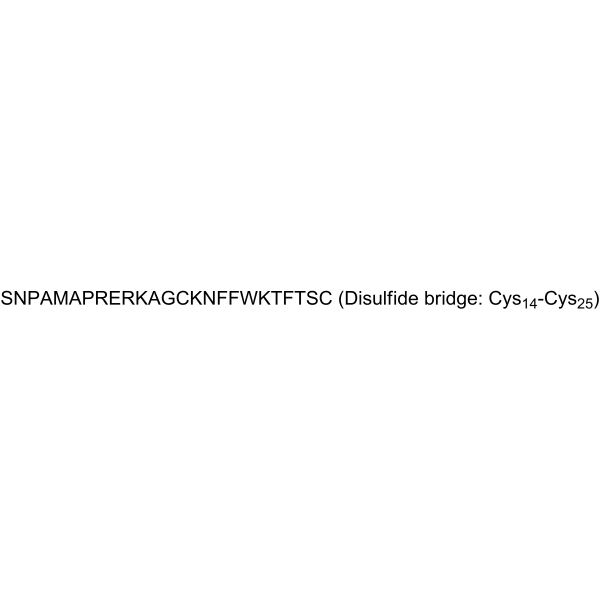
    Somatostatin-28 (1-14) is an N-terminal fragment of the neuropeptide somatostatin-28.
  • HY-P3062

    Somatostatin Receptor Neurological Disease
    [Tyr11]-Somatostatin is a neuroavtive peptide for proteomics research. Somatostatin is one of many neuroactive substances that influence retinal physiology .
  • HY-79136
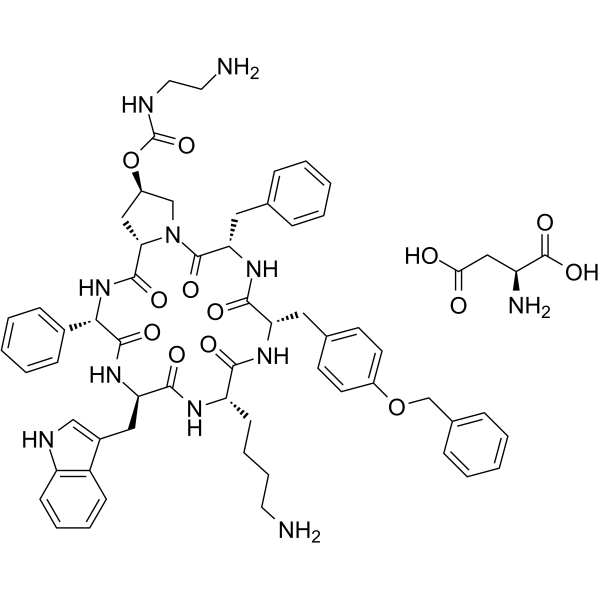
    Pasireotide L-aspartate salt
    5+ Cited Publications

    SOM230 L-aspartate

    Somatostatin Receptor Endocrinology Cancer
    Pasireotide (SOM230) L-aspartate salt, a long-acting cyclohexapeptide somatostatin analogue, can improve agonist activity at somatostatin receptors (subtypes sst1/2/3/4/5, pKi=8.2/9.0/9.1/<7.0/9.9, respectively). Pasireotide L-aspartate salt exhibits antisecretory, antiproliferative, and proapoptotic activity .
  • HY-106103

    MK-678; L-363586

    Somatostatin Receptor Cardiovascular Disease Neurological Disease Metabolic Disease
    Seglitide (MK-678) is a potent, orally active somatostatin receptor 2 (SSTR2) agonist, and also a competitive antagonist of SSTR14, SSTR25, and SSTR28. Seglitide has antihypertensive effects and can inhibit plasma glucagon and growth hormone. Seglitide can be used for research on diabetes .
  • HY-105172

    CAP-232; TLN-232

    Somatostatin Receptor Inflammation/Immunology Cancer
    TT-232 (CAP-232), a somatostatin derivative, is a peptide SSTR1/SSTR4 agonist. TT-232 inhibits cancer cell proliferation and induces apoptosis. TT-232 is also a broad-spectrum anti-inflammatory and analgesic agent .
  • HY-P4452
    PRL 2915
    1 Publications Verification

    Somatostatin Receptor Urotensin Receptor Endocrinology
    PRL 2915 is a potent human somatostatin subtype 2 receptor (hsst2) antagonist with a Ki of 12 nM .
  • HY-P10239

    Somatostatin Receptor Radionuclide-Drug Conjugates (RDCs) Cancer
    Tyr3-Octreotate is a ligand for somatostatin receptor subtype 2 (sst2), with an IC50 value of 1.3 nM against sst2 when labeled with [ 111In-DTPA], and an IC50 value of 1.6 nM against sst2 when labeled with [ 90Y-DOTA]. Radiolabeled Tyr3-Octreotate generates cell-associated radioactivity, and acts as both a tumor growth inhibitor and a tumor cytotoxic agent. When radiolabeled with 177Lu or 90Y, Tyr3-Octreotate serves as a peptide receptor radionuclide therapy (PRRT) analog. Tyr3-Octreotate can be used in studies related to pancreatic tumors .
  • HY-P1212

    CST-14 (mouse, rat)

    Somatostatin Receptor Neurological Disease
    Cortistatin 14, mouse, rat (CST-14, human, rat), a neuropeptide with neuronal depressant and sleep modulating properties, can bind to all five cloned somatostatin receptors (SSTRs) and ghrelin receptor to exert its biological activities and co-exists with GABA within the cortex and hippocampus .
  • HY-P1547

    GHSR Neurological Disease
    Somatostatin-25 is a endogenous neuropeptide hormone that shows inhibitory activity against secretion of growth hormone.
  • HY-P4916

    ペプチド Others
    Somatostatin-14 (3-14) is a polypeptide that can be found by peptide screening. Peptide screening is a research tool that pools active peptides primarily by immunoassay. Peptide screening can be used for protein interaction, functional analysis, epitope screening, especially in the field of agent research and development .
  • HY-P1335A
    CTAP TFA
    2 Publications Verification

    Opioid Receptor Neurological Disease
    CTAP TFA is a potent, highly selective, and BBB penetrant μ opioid receptor antagonist, with an IC50 of 3.5 nM. CTAP TFA displays over 1200-fold selectivity over δ opioid (IC50=4500 nM) and somatostatin receptors. CTAP TFA can be used for the study of L-DOPA-induced dyskinesia (LID) and opiate overdose or addiction .
  • HY-P0039

    Bombesin Receptor Cancer
    BIM-26226 is a selective gastrin-releasing peptide receptor (GRPR) (IC50 = 6 nM) and bombesin receptor (BN receptor) antagonist. BIM-26226 antagonizes BN- or GRP-stimulated amylase release with IC50 values of 0.3 nM and 0.2 nM, respectively. BIM-26226 is specific for the GRP-preferring BN receptor subtype with no interference with GRP receptor system. BIM-26226 can induce the synthesis of somatostatin receptor but has no significant effect on tumor growth .
  • HY-P10273A

    Radionuclide-Drug Conjugates (RDCs) Biochemical Assay Reagents Cancer
    DOTA-Octreotide TFA is composed of chelator DOTA and Octreotide (HY-P0036). DOTA-Octreotide TFA is used for research of cancer through combination with radioactive elements. DOTA-Octreotide TFA can be used for the synthesis/research of Radionuclide-Drug Conjugates (RDCs) .
  • HY-P5014

    Somatostatin Receptor Inflammation/Immunology Cancer
    Cortistatin-29 (human) is a somatostatin neuropeptide with potential for studying diseases such as cancer, inflammation, autoimmunity, fibrosis, and pain .
  • HY-P1373
    Neuronostatin-13 (human)
    1 Publications Verification

    Somatostatin Receptor Neurological Disease
    Neuronostatin-13 human is a 13-amino acid peptide hormone encoded by the somatostatin gene and plays an important role in the regulation of hormonal and cardiac function.
  • HY-P10758

    Somatostatin Receptor Cardiovascular Disease Inflammation/Immunology Endocrinology Cancer
    Alkyne-βAG-TOCA, an octreotide derivative, targets somatostatin receptor type 2 (SST2) . Alkyne-βAG-TOCA can be used for the synthesis/research of Radionuclide-Drug Conjugates (RDCs).
  • HY-P3124A

    Somatostatin Receptor Cancer
    BIM-23190 hydrochloride, a somatostatin analog, a selective SSRT2 and SSRT5 agonist, exhibits Ki values of 0.34 nM and 11.1 nM for SSTR2 and SSTR5, respectively. BIM-23190 can be used in the study for cancer and acromegaly .
  • HY-W008024

    Amino Acid Derivatives Others
    Fmoc-Dab(Boc)-OH is an amino acid derivative with an Fmoc protecting group that can be used to synthesize somatostatin analogs that inhibit neointima formation induced by balloon injury in rats without altering growth hormone release. Fmoc-Dab(Boc)-OH can be used for the synthesis of peptides .
  • HY-P4917A
    Somatostatin-14 (reduced) TFA
    1 Publications Verification

    SST 14 TFA

    ペプチド Inflammation/Immunology
    Somatostatin-14 (reduced) (SST 14) TFA is a polypeptide that can be found by peptide screening .
  • HY-P0024A

    DG3173 TFA; PTR-3173 TFA

    Somatostatin Receptor Endocrinology Cancer
    Veldoreotide (DG3173) TFA a somatostatin analogue, binds to and activate the somatostatin receptors (SSTR) 2, 4, and 5. Veldoreotide TFA inhibits growth hormone (GH) secretion in adenomas compared with Octreotide (HY-P0036). Veldoreotide has the potential to be used as pain modulating agent
  • HY-P0036A

    SMS 201-995 dihydrochloride

    Somatostatin Receptor Apoptosis Inflammation/Immunology Endocrinology Cancer
    Octreotide (SMS 201-995) hydrochloride is a somatostatin receptor agonist and synthetic octapeptide endogenous somatostatin analogue. Octreotide hydrochloride can bind to the somatostatin receptors which are mainly subtypes 2, 3 and 5. Octreotide hydrochloride increases Gi activity and reduces intracellular cAMP production. Octreotide hydrochloride has antitumor activity, mediates apoptosis and may also be used in disease studies in acromegaly .
  • HY-P2022

    Radionuclide-Drug Conjugates (RDCs) Cancer
    Pentetreotide is a diethylenetriaminopentaacetic (DTPA) conjugate of Octreotide (HY-P0036). Pentetreotide is a somatostatin analog that, when labeled with 111In, can be used for nuclear medicine imaging. Somatostatin receptor scintigraphy with Pentetreotide is effective in visualizing neuroendocrine tumors, and its metastasis .
  • HY-106103A

    MK 678 acetate; L 36358 acetate

    Somatostatin Receptor Cardiovascular Disease Neurological Disease Metabolic Disease
    Seglitide acetate (MK 678; L 36358 acetate) is a potent, orally active somatostatin receptor 2 (SSTR2) agonist, and also a competitive antagonist of SSTR14, SSTR25, and SSTR28. Seglitide acetate has antihypertensive effects and can inhibit plasma glucagon and growth hormone. Seglitide acetate can be used for research on diabetes .
  • HY-103277A
    BIM 23042 TFA
    1 Publications Verification

    Bombesin Receptor Neurological Disease Metabolic Disease
    BIM 23042 TFA, a certain somatostatin (SS) octapeptide analogue, is a selective neuropeptide neuromedin B receptor (NMB-R, BB1) antagonist. BIM 23042 has 100-fold lower affinity for gastrin-releasing peptide (GRP) receptor (BB2). BIM 23042 inhibits Neuromedin?B?(HY-P0241), ICI 216140 and DPDM-bombesin ethylamide-induced Ca 2+ release .

オンラインお問い合わせ

入力情報は安全に管理されます. 必須入力項目.

タイトル


国或いは地域 *

お名前 *


組纖名 *

デパートメント *


メールアドレス *


製品名 *

製品番号


カスタマ需要量 *

電話番号 *


必ず会社名を記載ください。個人への返信は行いません。

備考

バルクお問い合わせ

Inquiry Information

製品名:
製品番号:
数量:
MCE 日本正規代理店:

