
Search Result
Results for "
spectroscopy
" in MedChemExpress (MCE) Product Catalog:
11
Biochemical Assay Reagents
1
Isotope-Labeled Compounds
| Cat. No. |
Product Name |
Target |
Research Areas |
Chemical Structure |
-
- HY-NP008
-
|
|
Lipocalin Family
|
Inflammation/Immunology
|
|
β-Lactoglobulin, a major whey protein, is a small globular protein from the lipocalin family. β-Lactoglobulin is an important source of the essential and branched-chain amino acids (leucine, isoleucine, and valine). β-Lactoglobulin shows antioxidant properties, because it contains two disulfide bonds and one free thiol group. β-Lactoglobulin is a ligand transport agent. β-Lactoglobulin is one of the major allergens in milk and can be utilized in the research for developing safe hypoallergenic dairy products .
|
-
-
- HY-D0874
-
|
|
Biochemical Assay Reagents
|
Others
|
|
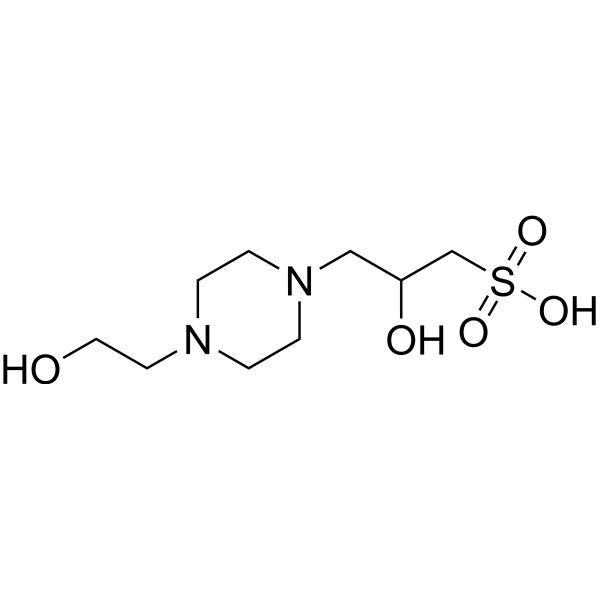
HEPPSO is a zwitterionic Good's buffer suitable for physiological pH conditions. HEPPSO forms high-order oligomers in aqueous solutions and can form a 1:1 complex with Cu 2+ via its hydroxyalkyl and tertiary amine groups. However, HEPPSO contains a structurally similar trace impurity lacking an alkanesulfonic acid side chain. The complex formed by this impurity and Cu 2+ has a very low Ka; therefore, HEPPSO may interfere with studies on copper speciation analysis in natural water bodies .
|
-
-
- HY-W012725
-
-
-
- HY-P10486
-
|
|
Bacterial
|
Infection
|
|
AIP-II is a cyclic peptide signaling molecule for quorum sensing, which is produced by Staphylococcus aureus. AIP-II potently inhibits AgrC-III in Methicillin (HY-121544)-resistant type III Staphylococcus aureus strain AH1747, with an IC50 of 0.532 nM. AIP-II binds to the AgrC-II receptor and regulates virulence gene expression in Staphylococcus aureus .
|
-
-
- HY-W016371
-
|
3,4,5-threechlorine pyridine
|
Biochemical Assay Reagents
|
Others
|
|
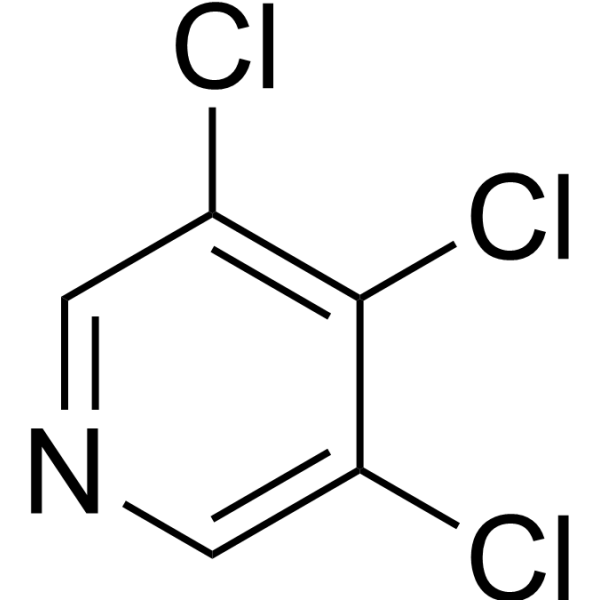
3,4,5-Trichloropyridine is a chlorinated pyridine compound and also serves as an internal standard for quantitative proton nuclear magnetic resonance spectroscopy .
|
-
-
- HY-W034674
-
|
Silver(1+) diethyldithiocarbamate
|
Biochemical Assay Reagents
|
Others
|
|
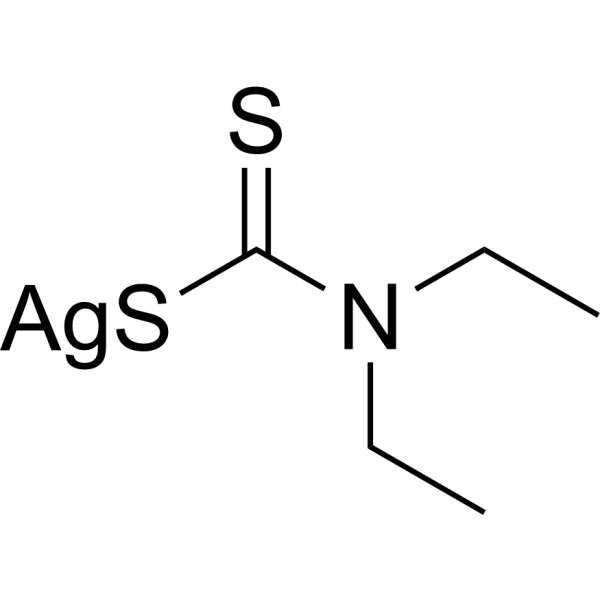
Silver diethyldithiocarbamate (SDDC) is an organic compound consisting of silver ions complexed with the ligand diethyldithiocarbamate. SDDC is mainly used as a reagent in analytical chemistry to detect the presence of copper, iron and other heavy metals in various materials. It acts as a chelating agent, binding to metal ions and forming stable complexes that can be easily analyzed using techniques such as UV-Vis spectroscopy.
|
-
-
- HY-137855
-
|
|
Biochemical Assay Reagents
|
Others
|
|
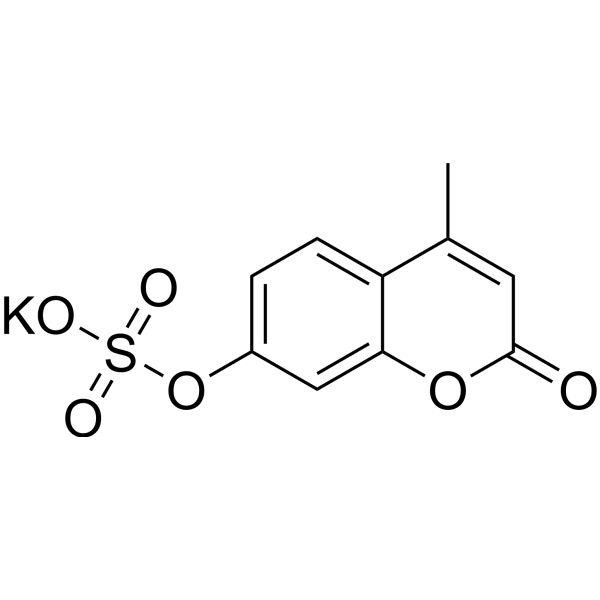
4-Methylumbelliferyl sulfate (potassium), a fluorescent substrate, is commonly used to detect sulfatase activity in biochemical and biomedical research. It consists of a sulfate group attached to a fluorescent molecule, which can be cleaved by sulfatase enzymes. Upon cleavage, 4-Methylumbelliferyl sulfate releases a highly fluorescent product that can be detected using fluorescence microscopy or spectroscopy. The use of 4-Methylumbelliferyl sulfate as a substrate for sulfatase enzymes allows accurate detection and quantification of these enzymes in a variety of biological samples.
|
-
-
- HY-128747A
-
|
|
Drug Derivative
Drug Intermediate
Antibiotic
|
Cardiovascular Disease
Inflammation/Immunology
|
|
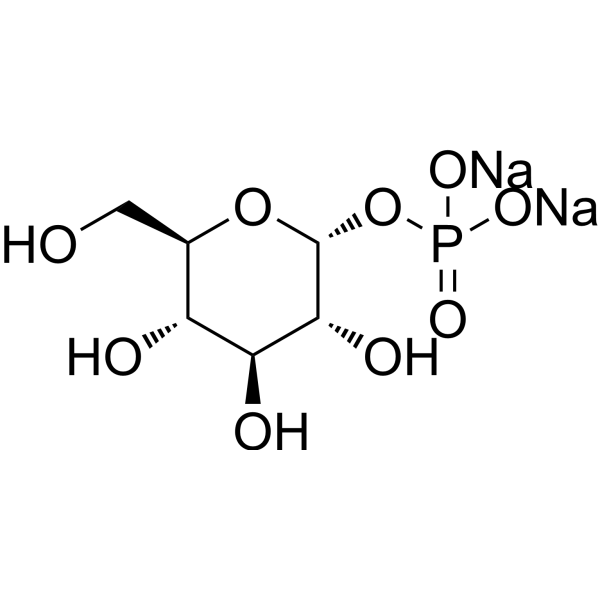
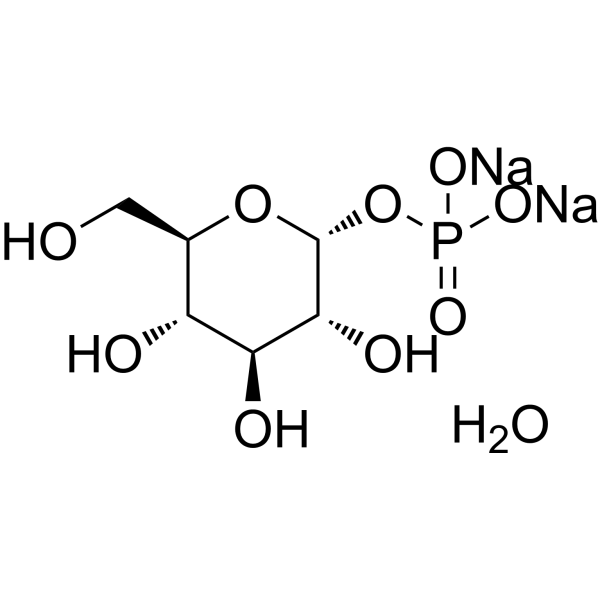
α-D-Glucose-1-phosphate disodium hydrate is a derivative of D-glucose (HY-B0389). α-D-Glucose-1-phosphate disodium hydrate serves as a starting material for glucuronic acid synthesis. Glucuronic acid acts as a Ca 2+ chelator and also functions as a biosynthetic substrate for the production of linear maltooligosaccharides or α,α-trehalose. α-D-Glucose-1-phosphate disodium hydrate can be used as a cytostatic compound, Antibiotic, and immunosuppressant essential for heart disease management. α-D-Glucose-1-phosphate disodium hydrate is applicable to the research of heart disease .
|
-
-
- HY-W016510
-
|
|
Biochemical Assay Reagents
Drug Intermediate
|
Others
|
|
Benzenesulfonate sodium is the sodium salt of Benzenesulfonic acid. Benzenesulfonate sodium facilitates the identification of -SO3H and -SO3 - vibrational bands in compounds in Raman spectroscopy. Benzenesulfonate sodium was used in the synthesis of 1-Butyl-3-propanenitrile imidazolium benzenesulfonate [C2CN Bim]BS .
|
-
-
- HY-D0303A
-
|
Solvent Orange 3 hydrochloride
|
Fluorescent Dye
|
Others
|
|
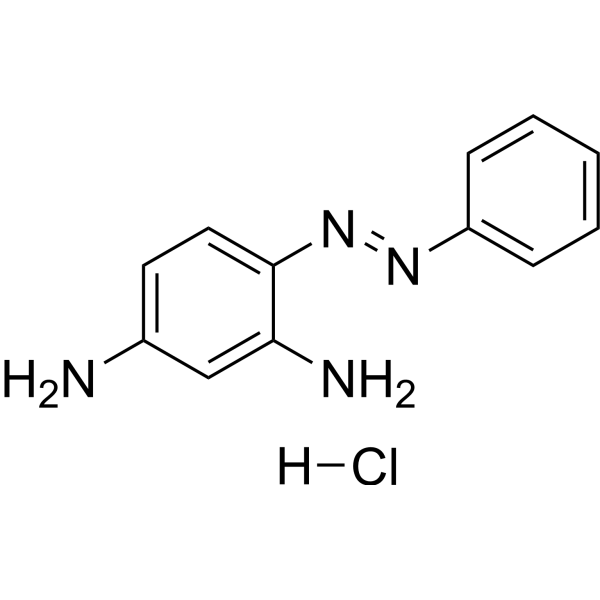
Chrysoidine G (Solvent Orange 3 hydrochloride) is an industrial azoic dye (cationic dye). Chrysoidine G (Solvent Orange 3 hydrochloride) is used for the construction of most textile dyestuffs and also in synthetic industrial compounds. Chrysoidine G (Solvent Orange 3 hydrochloride) concentration can be determined by UV-Vis spectroscopy .
|
-
-
- HY-129242
-
|
4-Oxo-Tempo
|
SOD
|
Others
|
|
Tempone (4-Oxo-Tempo) is a stable water-soluble nitro radical. Tempone is widely used as a contrast agent for metabolic activity and hypoxic sensitivity in electron spin resonance spectroscopy, magnetic resonance imaging and dynamic nuclear polarization. Tempone reduces superoxide radicals by mimicking the activity of superoxide dismutase (SOD), thereby reducing the formation of hydroxyl radicals and peroxynitrites. Tempone can be used in the study of ischemia-reperfusion injury and acute renal failure .
|
-
-
- HY-W004048
-
|
Sodium p-toluenesulfonate
|
Environmental Pollutants
Drug Intermediate
|
Others
|
|
Sodium 4-methylbenzenesulfonate (Sodium p-toluenesulfonate) is a drug intermediate, capable of being used to synthesize xanthine oxidase inhibitors. Sodium 4-methylbenzenesulfonate can be used as a dopant to construct a polypyrrole (PPy) conductive film on the surface of titanium (Ti) implants .
|
-
-
- HY-75070
-
|
|
Biochemical Assay Reagents
|
Others
|
|
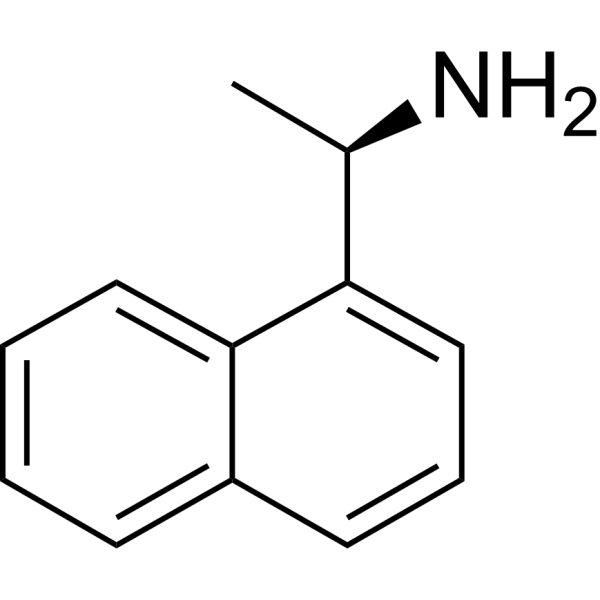
(+)-1-(1-Naphthyl)ethylamine ((+)-1-(1-NEA)) is a chiral modifier used to introduce enantioselectivity in catalytic hydrogenation reactions. 1-NEA can undergo H-D exchange with D2 in solution to form N?D bonds. That is, 1-NEA can complete Pt surface adsorption and protonation through amine N atoms, indicating that NEA molecules have the potential to impart enantioselectivity to Pt hydrogenation catalysts .
|
-
-
- HY-N8215
-
|
|
Drug Intermediate
|
Others
|
|
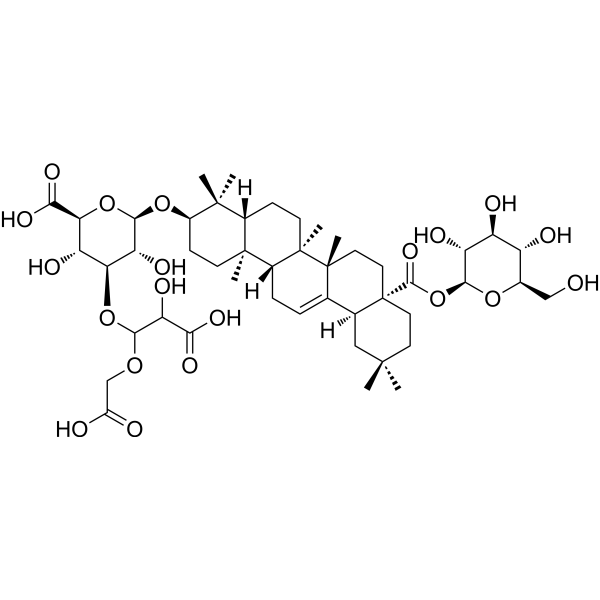
Achyranthoside C is a triterpenoid saponin found in the roots of Achyranthese bidentata Bl. .
|
-
-
- HY-W004078
-
|
|
Endogenous Metabolite
|
Metabolic Disease
|
|
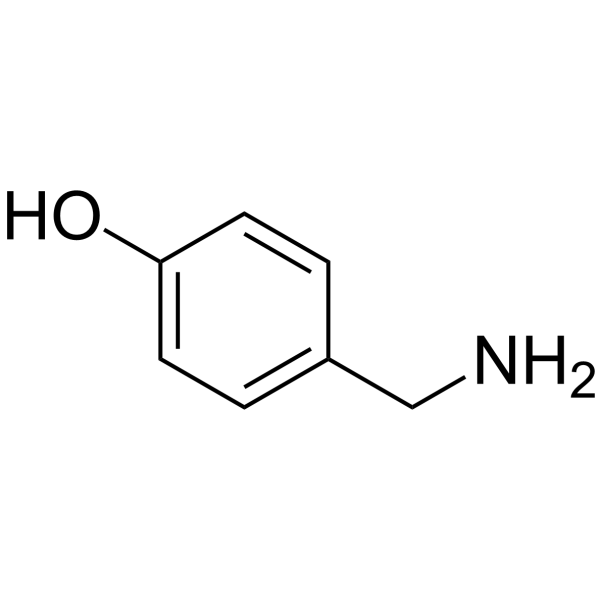
4-Hydroxybenzylamine is a natural biogenic amine. 4-Hydroxybenzylamine can be produced through the breakdown metabolism of glucosinolates, with glutamine serving as the non-classical ammonia donor. 4-Hydroxybenzylamine can be utilized for the study of plant amine biosynthesis .
|
-
-
- HY-131682
-
|
3-Hexanoyl-NBD-cholesterol
|
Fluorescent Dye
|
Others
|
|
3-C6-NBD-cholesterol is a fluorescent analog of Chol that can be used to measure the kinetics of membrane and intracellular trafficking .
|
-
-
- HY-W011607
-
|
|
Amino Acid Derivatives
|
Others
|
|
L-Alanyl-L-tryptophan is a dipeptide formed from L-alanyl and L-tryptophan, and is also a metabolite. L-Alanyl-L-tryptophan can be adsorbated on the surface of gold nanoparticles, and the Raman signal can be enhanced by SERS technology to obtain the enhanced Raman spectroscopy .
|
-
-
- HY-W033573
-
|
|
Biochemical Assay Reagents
|
Others
|
|
Hexaammineruthenium(II) chloride is a non-corrosive redox probe. Hexaammineruthenium(II) chloride avoids gold electrode corrosion and degradation to enable stable electrochemical impedance spectroscopy measurements. Hexaammineruthenium(II) chloride supports detection of human-IgG with a defined diagnostic concentration range .
|
-
-
- HY-D1240
-
|
|
Biochemical Assay Reagents
|
Others
|
|
Rhodamine 101 inner salt is a bright fluorescent dye with excitation and emission maxima at 565 and 595 nm, respectively. It can be used in various biological applications such as fluorescence microscopy, flow cytometry, fluorescence correlation spectroscopy, and ELISA.
|
-
-
- HY-W012911
-
|
|
Biochemical Assay Reagents
|
Others
|
|
2,6-Difluoropyridine is a fluorinated pyridine derivative. 2,6-Difluoropyridine adopts a planar conformation in its S0 electronic ground state and S1(π,π) excited state .
|
-
-
- HY-N4012
-
|
3-Indoleglyoxamide
|
Others
|
Others
|
|
Indole-3-glyoxylamide (Compound 4) is a type of indole alkaloid. Indole-3-glyoxylamide shows no significant cytotoxic activity against Hela, Ishikawa, and MGC-803 cells .
|
-
-
- HY-N1156
-
|
|
Others
|
Others
|
|
Thevetin B (compound 1) is a betalain isolated from Thevetia peruviana .
|
-
-
- HY-D1993
-
|
|
Fluorescent Dye
HIV
|
Infection
|
|
ATTO 647 NHS ester is a fluorescent label targeting free amino groups. ATTO 647 NHS ester can undergo a nucleophilic reaction with the free amino groups of EF-C peptide via its activated carboxylic acid group to form a stable covalent conjugate. ATTO 647 NHS ester-labeled nanofibers not only retain retroviral transduction-enhancing activity but also maintain stable fluorescent signals in both buffer and cell culture systems. ATTO 647 NHS ester is suitable for detection applications including fluorescence spectroscopy, microscopy and flow cytometry. ATTO 647 NHS ester has been used in studies related to HIV-1 infection .
|
-
-
- HY-Y0661
-
|
|
Biochemical Assay Reagents
|
Others
|
|
4-Methylbenzyl cyanide is an organic chemical probe used to study intramolecular rotation properties. 4-Methylbenzyl cyanide is promising for research of NMR spectroscopy and physical chemistry research on molecular dynamics .
|
-
-
- HY-W131302
-
|
N,N-Ethylenediglycine
|
Endogenous Metabolite
|
Cancer
|
|
Ethylenediaminediacetic acid (N,N-Ethylenediglycine) is an important ligand that enhances the antiproliferative activity of metal complexes. The complexes formed by ethylenediacetic acid and metal ions exhibited significant antiproliferative properties in MCF-7 cancer cell line. The metal complexes of ethylenediacetic acid were able to interact with DNA and were studied by CD and EPR spectroscopy techniques. Ethylenediaminediacetic acid and its metal complexes were able to induce cell cycle arrest at the G(0)/G(1) phase. The crystal structure analysis of ethylenediacetic acid provided important structural information for understanding its biological activity .
|
-
-
- HY-N16587
-
|
|
Others
|
Inflammation/Immunology
|
|
Dehydro-γ-tocopherol is a naturally occurring chromanol compound found in the Stemona, and it exhibits significant antioxidant activity .
|
-
-
- HY-W017590
-
|
1-Fluoro-3-nitrobenzene; 3-Fluoronitrobenzene; m-FNBZ
|
Drug Derivative
|
Others
|
|
m-Fluoronitrobenzene (1-Fluoro-3-nitrobenzene) is a meta-substituted benzene derivative bearing fluoro and nitro functional groups. m-Fluoronitrobenzene finds applications in the fields of pharmaceuticals, dyes, pesticides, and synthetic rubber .
|
-
-
- HY-N16580
-
|
|
Others
|
Cancer
|
|
(+)-Lariciresinol 9′-p-Coumarate is a type of lignan. (+)-Lariciresinol 9′-p-Coumarate exhibits inhibitory activity against leukemia and other tumor cell lines .
|
-
-
- HY-N16836
-
|
Farrerol 4',7-di-O-β-D-glucopyranoside
|
Others
|
Others
|
|
Diplomorphanin A (Farrerol 4',7-di-O-β-D-glucopyranoside) is a C-methylated flavonoid compound that can be found in Diplomorpha canescens. Diplomorpha canescens exhibits anti-tumor activity .
|
-
-
- HY-W176465
-
|
|
Amyloid-β
|
Others
|
|
BTA-2, a benzothiazole dye, is structurally similar to thioflavin T (ThT), which exhibits an enhanced fluorescence signal when bound to amyloid fibrils. BTA-2 has distinct absorption and emission characteristics in solution and when bound to amyloid fibrils, which makes it can used for identifying amyloid fibrils using spectroscopy .
|
-
-
- HY-120410
-
-
-
- HY-W777072
-
|
|
HIV
|
Others
|
|
4-isocyanato TEMPO is a spin labeling reagent used to label the 2’-position in RNA. It has been used to study HIV-1 transactivation response RNA and hammerhead ribosome dynamics by electron paramagnetic resonance (EPR) spectroscopy.
|
-
-
- HY-D2757
-
|
|
Fluorescent Dye
|
Others
|
|
5(6)-Carboxyrhodamine 110 NHS Ester is the nonsulfonated analog of the BP Fluor 488 dye. The amine-reactive 5(6)-Carboxyrhodamine 110 NHS ester can be used to create bright and photostable green-fluorescent bioconjugates with excitation/emission maxima ~502/527 nm.
The conjugates of this dye often used for Fluorescence Correlation Spectroscopy (FCS).
|
-
-
- HY-111333
-
|
Dioxapyrrolomycin; LL-F42248α; AL-R2081
|
Bacterial
|
Infection
|
|
Pyrroxamycin is a novel antibiotic produced by Streptomyces, whose chemical structure was determined by chemical properties and X-ray crystallography and 13C NMR spectroscopy analysis. It is active against Gram-positive bacteria and dermatophytes. In this paper, the authors discuss the taxonomy, fermentation, isolation, physicochemical properties, chemical structure, and biological activity of the strain producing Pyrroxamycin.
|
-
-
- HY-W016510R
-
|
|
Reference Standards
Biochemical Assay Reagents
Drug Intermediate
|
Others
|
|
Benzenesulfonate (sodium) (Standard) is an analytical standard for Benzenesulfonate sodium (HY-W016510). This product is intended for research and analytical applications. Benzenesulfonate sodium is the sodium salt of Benzenesulfonic acid. Benzenesulfonate sodium facilitates the identification of -SO3H and -SO3 - vibrational bands in compounds in Raman spectroscopy. Benzenesulfonate sodium was used in the synthesis of 1-Butyl-3-propanenitrile imidazolium benzenesulfonate [C2CN Bim]BS .
|
-
-
- HY-D2230
-
|
|
Fluorescent Dye
|
Others
|
|
Cy3.5 alkyne, a fluorescent dye, is a click chemistry reagent, it contains an Alkyne group and can undergo copper-catalyzed azide-alkyne cycloaddition (CuAAc) with molecules containing Azide groups. Cy3.5 alkyne can be used for the detection and labeling of azide-containing molecules/ biomolecules with fluorescence spectroscopy after azide-alkyne cycloaddition .
|
-
-
- HY-D0303AR
-
|
Solvent Orange 3 hydrochloride (Standard)
|
Fluorescent Dye
Reference Standards
|
Others
|
|
Chrysoidine G (Standard) is the analytical standard of Chrysoidine G. This product is intended for research and analytical applications. Chrysoidine G (Solvent Orange 3 hydrochloride) is an industrial azoic dye (cationic dye). Chrysoidine G (Solvent Orange 3 hydrochloride) is used for the construction of most textile dyestuffs and also in synthetic industrial compounds. Chrysoidine G (Solvent Orange 3 hydrochloride) concentration can be determined by UV-Vis spectroscopy .
|
-
-
- HY-119387
-
|
|
Bacterial
|
Infection
|
|
Chevalone B was isolated from the ethyl acetate extract of the marine sponge-associated fungus Aspergillus similanensis. The structure of Chevalone B was confirmed by 1D and 2D NMR spectroscopy. Chevalone B showed antimicrobial activity against Gram-positive and Gram-negative bacteria, Candida albicans, and multidrug-resistant strains from the environment. Studies on Chevalone B have shown its potential value in antimicrobial applications.
|
-
-
- HY-N12964
-
|
|
Others
|
Others
|
|
4-Hydroxycanthin-6-one is a novel quinoline alkaloid isolated from the stem bark of the tree Ailanthus altissima. Five other known compounds were also found in the study. The structures of the new compounds were determined by interpretation of physical and spectroscopic data, and their absolute configurations were determined by electronic circular dichroism spectroscopy and quantum chemical calculations. These compounds showed significant inhibitory activity against lipopolysaccharide (LPS)-induced nitric oxide (NO) production in RAW 264.7 cells, showing potential anti-inflammatory properties .
|
-
-
- HY-N9900
-
|
Demethyldaphnoretin-7-O-β-D-glucopyranoside
|
Others
|
Others
|
|
Demethyldaphnoretin-7-O-β-Dglucopyranoside (Demethyldaphnoretin-7-O-glucoside)(compound 1) is a natural product isolated from the ethyl acetate fraction of the roots of Daphne oleoides .
|
-
-
- HY-118626
-
|
|
MEK
p38 MAPK
|
Cancer
|
PD-254552 is a MEK inhibitor. PD-254552 exhibits hepatotoxicity and gastrointestinal toxicity in mice .
|
-
-
- HY-156731
-
|
|
Others
|
Others
|
|
(8R,8'R)-Matairesinol 4,4'-di-O-β-D-glucopyranoside (MDG) is a natural product isolated from Trachelospermum asiaticum .
|
-
-
- HY-111297
-
|
|
Biochemical Assay Reagents
|
Cancer
|
|
BMVC4 is a G-quadruplex (G4) stabilizer of the human telomeric sequence d[AG3(T2AG3)3]. Screening by circular dichroism (CD) spectroscopy revealed that BMVC4 is more suitable as the core molecule of G4 stabilizers than BMVC. The results showed that BMVC4-12C and BMVC4-8C3O are better candidates for G4 stabilizers and are worthy of further study. A simple and rapid screening method based on Cu2+-induced G4 unfolding can be used to find better G4 stabilizers for potential anticancer applications. CD results showed that the trivalent cations of 9-substituted BMVC derivatives are more suitable as G4 stabilizers than the divalent cations of BMVC. In addition, by monitoring the disappearance of the 291 nm CD band of human telomeres after Cu2+ addition, it was found that the core molecule of G4 stabilizer BMVC4 has better stability.
|
-
-
- HY-116156
-
|
|
Biochemical Assay Reagents
|
Cancer
|
|
SR-4554 is a probe for the measurement of tumor hypoxia. SR-4554 undergoes enzymatic single-electron reduction reactions within hypoxic cells. SR-4554 determines the 19F retention index for four commonly used mouse tumors (EMT6, SCCVII, KILT and RIF-I) through 19F MRS technique. SR-4554 can used to detect tumor Hypoxia noninvasively by 19F magnetic resonance spectroscopy ( 19F MRS) .
|
-
-
- HY-179762
-
|
|
Others
|
Metabolic Disease
|
|
16:0 Tempo PC is a phosphocholine with a TEMPO group. (2,2,6,6-tetramethylpiperidin-1-yl)oxyl (TEMPO) is commonly used as a spin-label for lipid membrane studies. TEMPO alwayss acts as a spin probe are in electron resonance spectroscopy, as a paramagnetic contrast agent in NMR, and as oxygen-sensitive probes in biological systems.
|
-
-
- HY-179880
-
|
|
Others
|
Metabolic Disease
|
|
16:0-18:1 Tempo PC is a phosphocholine with a TEMPO group. (2,2,6,6-tetramethylpiperidin-1-yl)oxyl (TEMPO) is commonly used as a spin-label for lipid membrane studies. TEMPO alwayss acts as a spin probe are in electron resonance spectroscopy, as a paramagnetic contrast agent in NMR, and as oxygen-sensitive probes in biological systems.
|
-
-
- HY-117925
-
|
|
HBV
|
Others
|
|
Personalised postprandial-targeting is a way to modulate water-heme interactions with activity against low-spin P450 complexes. Personalised postprandial-targeting is able to maintain the axial water ligands of CYP2C9 even in the presence of inhibitors. Personalised postprandial-targeting also allows the hydrogen atoms of the axial water ligands to be observed by EPR spectroscopy, providing insights into the enzyme active site .
|
-
-
- HY-D0303AS
-
|
Solvent Orange 3-d5 hydrochloride
|
Isotope-Labeled Compounds
Fluorescent Dye
|
Others
|
|
Chrysoidine G-d5 hydrochloride (Solvent Orange 3-d5 hydrochloride) is the deuterium labeled Chrysoidine G (HY-D0303A). Chrysoidine G (Solvent Orange 3 hydrochloride) is an industrial azoic dye (cationic dye). Chrysoidine G (Solvent Orange 3 hydrochloride) is used for the construction of most textile dyestuffs and also in synthetic industrial compounds. Chrysoidine G (Solvent Orange 3 hydrochloride) concentration can be determined by UV-Vis spectroscopy .
|
-
-
- HY-N17981
-
|
|
Drug Derivative
|
Others
|
|
(-)-Isorhamnetin 3-O-robinobioside (compound 6) is a flavonol glycoside. (-)-Isorhamnetin 3-O-robinobioside can be found in the aerial parts of Anthyllis sericea (Leguminosae) .
|
-
-
- HY-N18181
-
|
|
Others
|
Others
|
|
Tamarixetin 7-O-rutinoside is a flavonoid glycoside found in the flowers of Verbascum phlomoides L. .
|
-
- HY-N16581
-
|
|
Others
|
Others
|
|
Gnetucleistol C is a type of dihydroquercetin compound, which can be found in the plants Gnetum cleistostachyum and Gnetum microcarpum .
|
-
- HY-N17956
-
|
|
Others
|
Others
|
|
3,5,7,8,4'-Pentamethoxyflavone (Compound 2) is a polymethoxylated flavone found in the leaves of Micromelum compressum .
|
-
- HY-N17874
-
|
|
Drug Derivative
|
Others
|
|
(2R,3R)-Taxifolin-3-O-α-L-arabinopyranoside is a flavonoid glycoside found in the stems and leaves of Rhododendron anthopogonoides .
|
-
- HY-W802310
-
|
|
Drug Derivative
|
Others
|
|
2,5-Dihydroxycinnamic acid is a phenolic acid. 2,5-Dihydroxycinnamic acid can be found in the leaves of Grevillea robusta A. Cunn .
|
-
- HY-N17523
-
|
|
Drug Derivative
|
Others
|
|
3,5,7,3,5-Pentahydroxy-2R,3R-flavanonol 3-O-α-L-rhamnopyranoside (compound 7) is a flavanonol glycoside found in the fresh stem of Excoecaria agallocha .
|
-
- HY-N18049
-
|
|
Amylases
|
Metabolic Disease
|
|
Decussatin is an α-Amylases inhibitor isolated from the Tibetan medicinal plant Swertia mussotii. By inhibiting the catalytic activity of α-Amylases, Decussatin reduces the hydrolysis of complex carbohydrates such as starch and the intestinal absorption of glucose, thereby lowering blood glucose levels in the body. Decussatin shows no significant in vitro antibacterial or antifungal activity. Decussatin can be used for the research of type 2 diabetes .
|
-
- HY-N19831
-
|
|
TMV
|
Infection
|
|
Hylonoside I is a TMV inhibitor that inhibits the proliferation of TMV. Hylonoside I can be isolated from the leaves of Ilex hylonoma. Hylonoside I is applicable to the research of TMV infection .
|
-
- HY-180463
-
|
|
Drug Metabolite
|
Others
|
|
Rubradirin aglycone (Compound 7) is an aglycone of Rubradirin and can be obtained by mild acid hydrolysis of Rubradirin .
|
-
- HY-W069974
-
|
|
Calcium Channel
|
Inflammation/Immunology
|
|
Ca2+-Langerin-IN-1 (Compound 3) is a allosteric Langerin inhibitor. Langerin is a C-type lectin that is expressed on Langerhans cells and plays a crucial role in pathogen recognition and innate immune activation. The KD value of the CRD domain of murine Langerin protein for Ca2+-Langerin-IN-1 is 17 μM under the presence of Ca²⁺ and 53 μM under the absence of Ca²⁺ competition. Ca2+-Langerin-IN-1 induces conformational changes and competitively replaces Ca²⁺, thereby inhibiting the carbohydrate recognition function of the protein. Ca2+-Langerin-IN-1 can be used in the research of immunomodulatory therapy .
|
-
- HY-N18378
-
|
|
Others
|
Cancer
|
|
Altissimacoumarin K is a terpenylated coumarin. Altissimacoumarin K can be isolated from the root bark of Ailanthus altissima (Mill.) Swingle. Altissimacoumarin K exhibits no significant cytotoxic effect against hepatoma cells .
|
-
- HY-N18253
-
-
- HY-N17374
-
|
|
Others
|
Others
|
|
Laevigatin A (Compound 8) is a hydrolyzable tannin found in Rosa laevigata .
|
-
- HY-N19224
-
|
|
Drug Derivative
Bacterial
|
Infection
Neurological Disease
Cancer
|
|
Pulvinic acid dilactone (Compound 1) is a pulvinic acid derivative and Antibacterial agent. Pulvinic acid dilactone can be isolated from the lichen Candelaria concolor. Pulvinic acid dilactone moderately inhibits the growth of Bacillus subtilis. Pulvinic acid dilactone exerts positive inotropic effects. Pulvinic acid dilactone can be used in studies related to Bacillus subtilis infections and leukemia .
|
-
- HY-P11781A
-
|
|
Drug Derivative
|
Cancer
|
|
Cys-HW12 is a random peptide containing an N-terminal cysteine. Cys-HW12 can be coupled via the thiol group of Cys. Cys-HW12 can serve as a control for GE11 (HY-P10128)-conjugated mixed micelles targeting EGFR, and also functions as a cytotoxic agent, cellular uptake inhibitor, and tumor growth inhibitor. Cys-HW12 is applicable to pancreatic cancer-related research .
|
-
- HY-W105988
-
-
- HY-W019888
-
|
Ferrofloc
|
Environmental Pollutants
|
Others
|
|
Iron (II) chloride (Ferrofloc) is an active radical polymerization initiator, which is a transition metal chloride composed of Fe 2+ and Cl − ions. The ion association constant logKFeCl2 of Iron (II) chloride is −0.89. In acidic aqueous solutions, Iron (II) chloride forms solvated Fe 2++2Cl − ions as well as FeCl ++Cl − ion pairs. Without the addition of aluminum compounds, Iron (II) chloride drives the living radical polymerization of methyl methacrylate by generating transient radical growing species through homolytic reversible cleavage of the carbon-halogen end groups of organic halide initiators .
|
-
| Cat. No. |
Product Name |
Type |
-
- HY-D0303A
-
|
Solvent Orange 3 hydrochloride
|
Fluorescent Dye
|
|
Chrysoidine G (Solvent Orange 3 hydrochloride) is an industrial azoic dye (cationic dye). Chrysoidine G (Solvent Orange 3 hydrochloride) is used for the construction of most textile dyestuffs and also in synthetic industrial compounds. Chrysoidine G (Solvent Orange 3 hydrochloride) concentration can be determined by UV-Vis spectroscopy .
|
-
- HY-D1240
-
|
|
Fluorescent Dye
|
|
Rhodamine 101 inner salt is a bright fluorescent dye with excitation and emission maxima at 565 and 595 nm, respectively. It can be used in various biological applications such as fluorescence microscopy, flow cytometry, fluorescence correlation spectroscopy, and ELISA.
|
-
- HY-D1993
-
|
|
Fluorescent Dye
|
|
ATTO 647 NHS ester is a fluorescent label targeting free amino groups. ATTO 647 NHS ester can undergo a nucleophilic reaction with the free amino groups of EF-C peptide via its activated carboxylic acid group to form a stable covalent conjugate. ATTO 647 NHS ester-labeled nanofibers not only retain retroviral transduction-enhancing activity but also maintain stable fluorescent signals in both buffer and cell culture systems. ATTO 647 NHS ester is suitable for detection applications including fluorescence spectroscopy, microscopy and flow cytometry. ATTO 647 NHS ester has been used in studies related to HIV-1 infection .
|
-
- HY-D2757
-
|
|
Fluorescent Dye
|
|
5(6)-Carboxyrhodamine 110 NHS Ester is the nonsulfonated analog of the BP Fluor 488 dye. The amine-reactive 5(6)-Carboxyrhodamine 110 NHS ester can be used to create bright and photostable green-fluorescent bioconjugates with excitation/emission maxima ~502/527 nm.
The conjugates of this dye often used for Fluorescence Correlation Spectroscopy (FCS).
|
-
- HY-D2230
-
|
|
Fluorescent Dye
|
|
Cy3.5 alkyne, a fluorescent dye, is a click chemistry reagent, it contains an Alkyne group and can undergo copper-catalyzed azide-alkyne cycloaddition (CuAAc) with molecules containing Azide groups. Cy3.5 alkyne can be used for the detection and labeling of azide-containing molecules/ biomolecules with fluorescence spectroscopy after azide-alkyne cycloaddition .
|
-
- HY-D0303AR
-
|
Solvent Orange 3 hydrochloride (Standard)
|
Fluorescent Dye
|
|
Chrysoidine G (Standard) is the analytical standard of Chrysoidine G. This product is intended for research and analytical applications. Chrysoidine G (Solvent Orange 3 hydrochloride) is an industrial azoic dye (cationic dye). Chrysoidine G (Solvent Orange 3 hydrochloride) is used for the construction of most textile dyestuffs and also in synthetic industrial compounds. Chrysoidine G (Solvent Orange 3 hydrochloride) concentration can be determined by UV-Vis spectroscopy .
|
| Cat. No. |
Product Name |
Type |
-
- HY-NP008
-
|
|
Biochemical Assay Reagents
|
|
β-Lactoglobulin, a major whey protein, is a small globular protein from the lipocalin family. β-Lactoglobulin is an important source of the essential and branched-chain amino acids (leucine, isoleucine, and valine). β-Lactoglobulin shows antioxidant properties, because it contains two disulfide bonds and one free thiol group. β-Lactoglobulin is a ligand transport agent. β-Lactoglobulin is one of the major allergens in milk and can be utilized in the research for developing safe hypoallergenic dairy products .
|
-
- HY-D0874
-
|
|
Biochemical Assay Reagents
|
|
HEPPSO is a zwitterionic Good's buffer suitable for physiological pH conditions. HEPPSO forms high-order oligomers in aqueous solutions and can form a 1:1 complex with Cu 2+ via its hydroxyalkyl and tertiary amine groups. However, HEPPSO contains a structurally similar trace impurity lacking an alkanesulfonic acid side chain. The complex formed by this impurity and Cu 2+ has a very low Ka; therefore, HEPPSO may interfere with studies on copper speciation analysis in natural water bodies .
|
-
- HY-W012725
-
|
|
Biochemical Assay Reagents
|
|
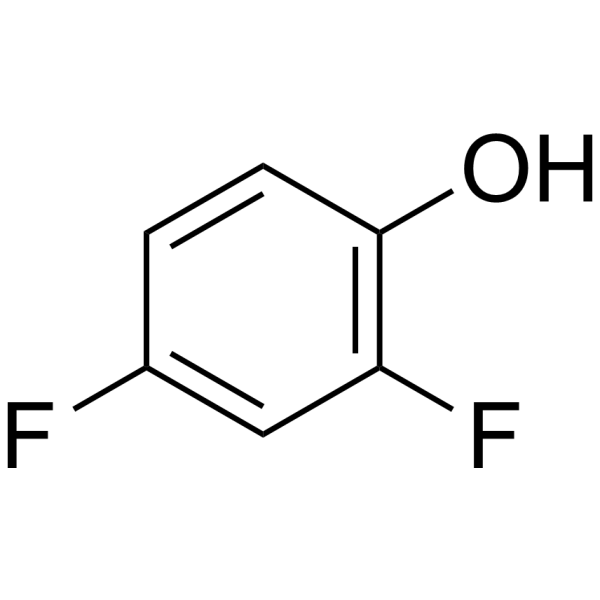
2,4-Difluorophenol is a difluoro-substituted phenol that serves as a starting material for the synthesis of 4,6-difluoro-5,7-dihydroxytryptamine .
|
-
- HY-W016371
-
|
3,4,5-threechlorine pyridine
|
Biochemical Assay Reagents
|
|
3,4,5-Trichloropyridine is a chlorinated pyridine compound and also serves as an internal standard for quantitative proton nuclear magnetic resonance spectroscopy .
|
-
- HY-W034674
-
|
Silver(1+) diethyldithiocarbamate
|
Biochemical Assay Reagents
|
|
Silver diethyldithiocarbamate (SDDC) is an organic compound consisting of silver ions complexed with the ligand diethyldithiocarbamate. SDDC is mainly used as a reagent in analytical chemistry to detect the presence of copper, iron and other heavy metals in various materials. It acts as a chelating agent, binding to metal ions and forming stable complexes that can be easily analyzed using techniques such as UV-Vis spectroscopy.
|
-
- HY-137855
-
|
|
Biochemical Assay Reagents
|
|
4-Methylumbelliferyl sulfate (potassium), a fluorescent substrate, is commonly used to detect sulfatase activity in biochemical and biomedical research. It consists of a sulfate group attached to a fluorescent molecule, which can be cleaved by sulfatase enzymes. Upon cleavage, 4-Methylumbelliferyl sulfate releases a highly fluorescent product that can be detected using fluorescence microscopy or spectroscopy. The use of 4-Methylumbelliferyl sulfate as a substrate for sulfatase enzymes allows accurate detection and quantification of these enzymes in a variety of biological samples.
|
-
- HY-W016510
-
|
|
Biochemical Assay Reagents
|
|
Benzenesulfonate sodium is the sodium salt of Benzenesulfonic acid. Benzenesulfonate sodium facilitates the identification of -SO3H and -SO3 - vibrational bands in compounds in Raman spectroscopy. Benzenesulfonate sodium was used in the synthesis of 1-Butyl-3-propanenitrile imidazolium benzenesulfonate [C2CN Bim]BS .
|
-
- HY-W004048
-
|
Sodium p-toluenesulfonate
|
Biochemical Assay Reagents
|
|
Sodium 4-methylbenzenesulfonate (Sodium p-toluenesulfonate) is a drug intermediate, capable of being used to synthesize xanthine oxidase inhibitors. Sodium 4-methylbenzenesulfonate can be used as a dopant to construct a polypyrrole (PPy) conductive film on the surface of titanium (Ti) implants .
|
-
- HY-75070
-
|
|
Biochemical Assay Reagents
|
|
(+)-1-(1-Naphthyl)ethylamine ((+)-1-(1-NEA)) is a chiral modifier used to introduce enantioselectivity in catalytic hydrogenation reactions. 1-NEA can undergo H-D exchange with D2 in solution to form N?D bonds. That is, 1-NEA can complete Pt surface adsorption and protonation through amine N atoms, indicating that NEA molecules have the potential to impart enantioselectivity to Pt hydrogenation catalysts .
|
-
- HY-W012911
-
|
|
Biochemical Assay Reagents
|
|
2,6-Difluoropyridine is a fluorinated pyridine derivative. 2,6-Difluoropyridine adopts a planar conformation in its S0 electronic ground state and S1(π,π) excited state .
|
-
- HY-W016510R
-
|
|
Biochemical Assay Reagents
|
|
Benzenesulfonate (sodium) (Standard) is an analytical standard for Benzenesulfonate sodium (HY-W016510). This product is intended for research and analytical applications. Benzenesulfonate sodium is the sodium salt of Benzenesulfonic acid. Benzenesulfonate sodium facilitates the identification of -SO3H and -SO3 - vibrational bands in compounds in Raman spectroscopy. Benzenesulfonate sodium was used in the synthesis of 1-Butyl-3-propanenitrile imidazolium benzenesulfonate [C2CN Bim]BS .
|
| Cat. No. |
Product Name |
Target |
Research Area |
-
- HY-P10486
-
|
|
Bacterial
|
Infection
|
|
AIP-II is a cyclic peptide signaling molecule for quorum sensing, which is produced by Staphylococcus aureus. AIP-II potently inhibits AgrC-III in Methicillin (HY-121544)-resistant type III Staphylococcus aureus strain AH1747, with an IC50 of 0.532 nM. AIP-II binds to the AgrC-II receptor and regulates virulence gene expression in Staphylococcus aureus .
|
-
- HY-138126
-
|
|
Peptides
|
Others
|
|
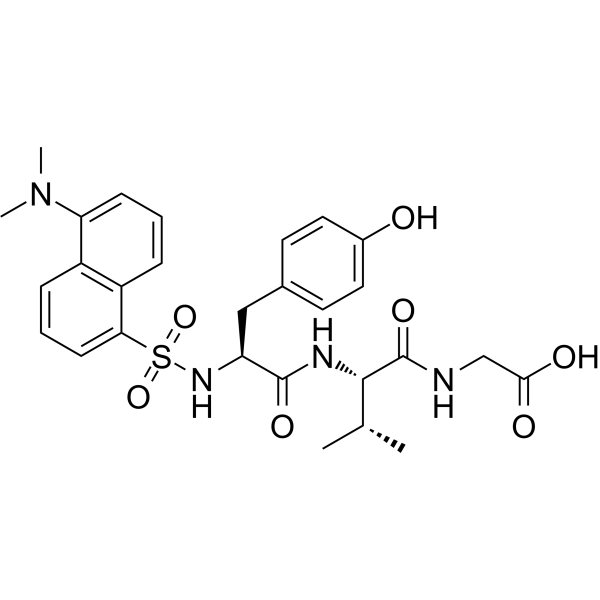
Dansyl-Tyr-Val-Gly is a substrate of peptidylglycine monooxygenase (PHM), with a KD of 22 μM for PHM. Dansyl-Tyr-Val-Gly can be used to investigate the catalytic mechanism, kinetics and inactivation characteristics of PHM .
|
-
- HY-P11781A
-
|
|
Drug Derivative
|
Cancer
|
|
Cys-HW12 is a random peptide containing an N-terminal cysteine. Cys-HW12 can be coupled via the thiol group of Cys. Cys-HW12 can serve as a control for GE11 (HY-P10128)-conjugated mixed micelles targeting EGFR, and also functions as a cytotoxic agent, cellular uptake inhibitor, and tumor growth inhibitor. Cys-HW12 is applicable to pancreatic cancer-related research .
|
| Cat. No. |
Product Name |
Category |
Target |
Chemical Structure |
-
- HY-128747A
-
-
-
- HY-N8215
-
-
-
- HY-W004078
-
-
-
- HY-N4012
-
-
-
- HY-N1156
-
-
-
- HY-N16587
-
-
-
- HY-N16580
-
-
-
- HY-N16836
-
-
-
- HY-111333
-
|
Dioxapyrrolomycin; LL-F42248α; AL-R2081
|
Microorganisms
Antibiotics
Source Classification
|
Bacterial
|
|
Pyrroxamycin is a novel antibiotic produced by Streptomyces, whose chemical structure was determined by chemical properties and X-ray crystallography and 13C NMR spectroscopy analysis. It is active against Gram-positive bacteria and dermatophytes. In this paper, the authors discuss the taxonomy, fermentation, isolation, physicochemical properties, chemical structure, and biological activity of the strain producing Pyrroxamycin.
|
-
-
- HY-119387
-
|
|
Other Terpenoids
Microorganisms
Terpenoids
Source Classification
|
Bacterial
|
|
Chevalone B was isolated from the ethyl acetate extract of the marine sponge-associated fungus Aspergillus similanensis. The structure of Chevalone B was confirmed by 1D and 2D NMR spectroscopy. Chevalone B showed antimicrobial activity against Gram-positive and Gram-negative bacteria, Candida albicans, and multidrug-resistant strains from the environment. Studies on Chevalone B have shown its potential value in antimicrobial applications.
|
-
-
- HY-N12964
-
|
|
Alkaloids
Simaroubaceae
Ailanthus altissima (Mill.) Swingle
Quinoline Alkaloids
Plants
Source Classification
|
Others
|
|
4-Hydroxycanthin-6-one is a novel quinoline alkaloid isolated from the stem bark of the tree Ailanthus altissima. Five other known compounds were also found in the study. The structures of the new compounds were determined by interpretation of physical and spectroscopic data, and their absolute configurations were determined by electronic circular dichroism spectroscopy and quantum chemical calculations. These compounds showed significant inhibitory activity against lipopolysaccharide (LPS)-induced nitric oxide (NO) production in RAW 264.7 cells, showing potential anti-inflammatory properties .
|
-
-
- HY-N9900
-
-
-
- HY-N17981
-
-
-
- HY-N18181
-
-
-
- HY-N16581
-
-
-
- HY-N17956
-
-
-
- HY-N17874
-
-
-
- HY-W802310
-
-
-
- HY-N17523
-
-
-
- HY-N18049
-
|
|
Structural Classification
Monophenols
Gentianaceae
Phenols
Swertia mussotii Franch.
Plants
Source Classification
|
Amylases
|
|
Decussatin is an α-Amylases inhibitor isolated from the Tibetan medicinal plant Swertia mussotii. By inhibiting the catalytic activity of α-Amylases, Decussatin reduces the hydrolysis of complex carbohydrates such as starch and the intestinal absorption of glucose, thereby lowering blood glucose levels in the body. Decussatin shows no significant in vitro antibacterial or antifungal activity. Decussatin can be used for the research of type 2 diabetes .
|
-
-
- HY-N19831
-
-
-
- HY-N18378
-
-
-
- HY-N18253
-
-
-
- HY-N17374
-
-
-
- HY-N19224
-
|
|
Structural Classification
Natural Products
Microorganisms
Source Classification
|
Drug Derivative
Bacterial
|
|
Pulvinic acid dilactone (Compound 1) is a pulvinic acid derivative and Antibacterial agent. Pulvinic acid dilactone can be isolated from the lichen Candelaria concolor. Pulvinic acid dilactone moderately inhibits the growth of Bacillus subtilis. Pulvinic acid dilactone exerts positive inotropic effects. Pulvinic acid dilactone can be used in studies related to Bacillus subtilis infections and leukemia .
|
-
| Cat. No. |
Product Name |
Chemical Structure |
-
- HY-D0303AS
-
|
|
|
Chrysoidine G-d5 hydrochloride (Solvent Orange 3-d5 hydrochloride) is the deuterium labeled Chrysoidine G (HY-D0303A). Chrysoidine G (Solvent Orange 3 hydrochloride) is an industrial azoic dye (cationic dye). Chrysoidine G (Solvent Orange 3 hydrochloride) is used for the construction of most textile dyestuffs and also in synthetic industrial compounds. Chrysoidine G (Solvent Orange 3 hydrochloride) concentration can be determined by UV-Vis spectroscopy .
|
-
| Cat. No. |
Product Name |
|
Classification |
-
- HY-D2230
-
|
|
|
Alkynes
|
|
Cy3.5 alkyne, a fluorescent dye, is a click chemistry reagent, it contains an Alkyne group and can undergo copper-catalyzed azide-alkyne cycloaddition (CuAAc) with molecules containing Azide groups. Cy3.5 alkyne can be used for the detection and labeling of azide-containing molecules/ biomolecules with fluorescence spectroscopy after azide-alkyne cycloaddition .
|
Your information is safe with us. * Required Fields.
Inquiry Information
- Product Name:
- Cat. No.:
- Quantity:
- MCE Japan Authorized Agent:

