1. Search Result
Search Result
Results for "

survival

" in MedChemExpress (MCE) Product Catalog:

691

Inhibitors & Agonists

14

Screening Libraries

4

Fluorescent Dye

10

Biochemical Assay Reagents

45

Peptides

3

MCE Kits

58

Inhibitory Antibodies

77

Natural
Products

3

Recombinant Proteins

24

Isotope-Labeled Compounds

3

Antibodies

4

Click Chemistry

38

Oligonucleotides

1

GMP Molecules

Cat. No. Product Name Target Research Areas Chemical Structure
  • HY-109101
    Risdiplam
    5+ Cited Publications

    RG7916; RO7034067

    DNA/RNA Synthesis Neurological Disease
    Risdiplam (RG7916) is an orally administered, centrally and peripherally distributed SMN2 pre-mRNA splicing modifier that increases survival motor neuron (SMN) protein levels .
    Risdiplam
  • HY-12326A
    c-di-AMP disodium
    15+ Cited Publications

    Cyclic diadenylate disodium; Cyclic-di-AMP disodium

    STING Bacterial Endogenous Metabolite Inflammation/Immunology
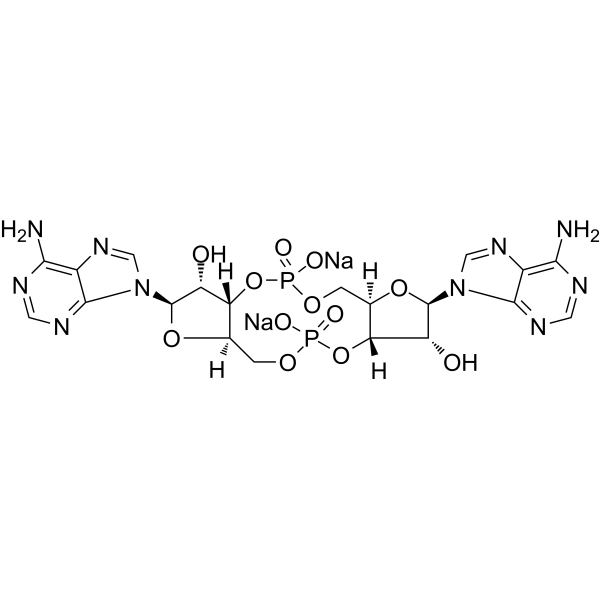
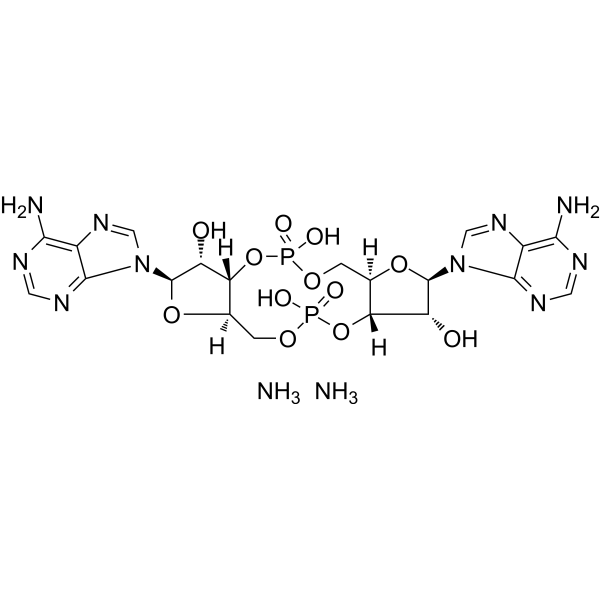
    c-di-AMP (Cyclic diadenylate) sodium is a STING agonist, which binds to the transmembrane protein STING thereby activating the TBK3-IRF3 signaling pathway, subsequently triggering the production of type I IFN and TNF. c-di-AMP sodium is also a bacterial second messenger, which regulates cell growth, survival, and virulence, primarily within Gram-positive bacteria, and also regulates host immune response. c-di-AMP sodium acts as a potent mucosal adjuvant stimulating both humoral and cellular responses .
    c-di-AMP disodium
  • HY-114162
    VTP50469
    10+ Cited Publications

    SNDX-50469

    Epigenetic Reader Domain Apoptosis Cancer
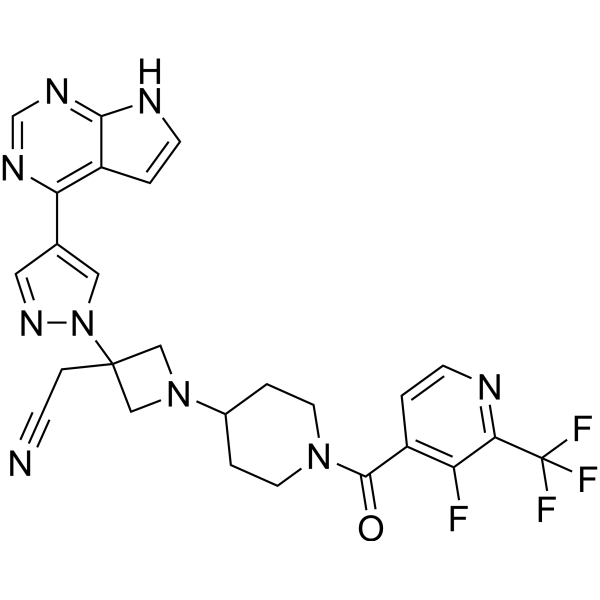
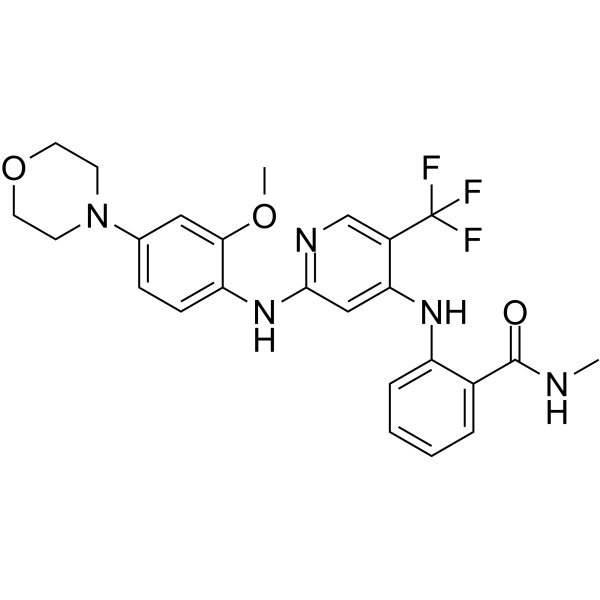
    VTP50469 is a potent, highly selective and orally active Menin-MLL interaction inhibitor with a Ki of 104 pM. VTP50469 has potently anti-leukemia activity .
    VTP50469
  • HY-19620
    Branaplam
    10+ Cited Publications

    LMI070; NVS-SM1

    DNA/RNA Synthesis Potassium Channel Cancer
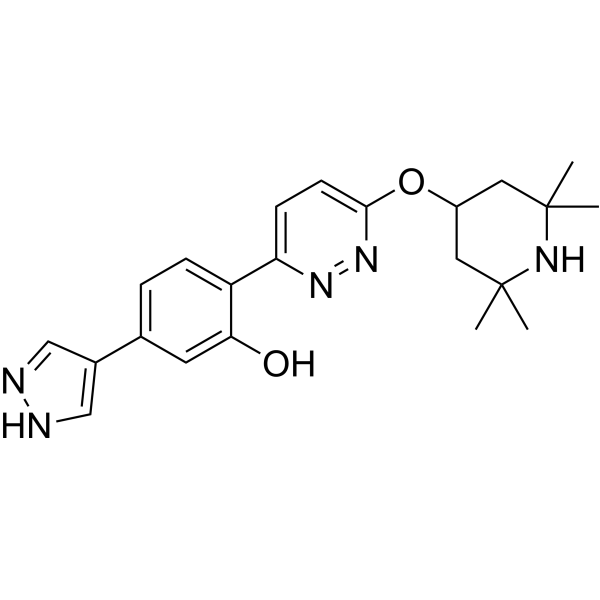
    Branaplam (LMI070; NVS-SM1) is a highly potent, selective and orally active survival motor neuron-2 (SMN2) splicing modulator with an EC50 of 20 nM for SMN. Branaplam inhibits human-ether-a-go-go-related gene (hERG) with an IC50 of 6.3 μM. Branaplam elevates full-length SMN protein and extends survival in a severe spinal muscular atrophy (SMA) mouse model .
    Branaplam
  • HY-13917
    PND-1186
    15+ Cited Publications

    VS-4718; SR-2516

    FAK Apoptosis Cancer
    PND-1186 (VS-4718) is a potent, highly-specific and reversible inhibitor of FAK with an IC50 of 1.5 nM. PND-1186 selectively promotes tumor cell apoptosis .
    PND-1186
  • HY-126585
    SAICAR
    4 Publications Verification

    Endogenous Metabolite Cancer
    SAICAR is an intermediate of de novo purine nucleotide biosynthesis, activates pyruvate kinase isoform M2 (PKM2) in an isozyme-selective manner, with an EC50 of 0.3 mM. SAICAR stimulates PKM2 and promotes cancer cell survival in glucose-limited conditions .
    SAICAR
  • HY-148559

    Liposome Cancer
    4A3-SC8 is a modular degradable dendrimer that enables small RNAs to extend survival in an aggressive liver cancer model .
    4A3-SC8
  • HY-P9945

    SB 240563

    Interleukin Related Cardiovascular Disease Inflammation/Immunology
    Mepolizumab (SB 240563) is a humanized monoclonal antibody that binds to and neutralizes interleukin-5 (IL-5), the major cytokine involved in eosinophil proliferation, activation, and survival. Mepolizumab can be used for the research of eosinophilic granulomatosis with polyangiitis (EGPA) and severe eosinophilic asthma .
    Mepolizumab
  • HY-13007
    PF-3758309
    5+ Cited Publications

    PF-03758309

    PAK Apoptosis Cancer
    PF-3758309 (PF-03758309) is a potent, orally available, and reversible ATP-competitive inhibitor of PAK4 (Kd= 2.7 nM; Ki=18.7 nM). PF-3758309 has the expected cellular functions of a PAK4 inhibitor: inhibition of anchorage-independent growth, induction of apoptosis, cytoskeletal remodeling, and inhibition of proliferation .
    PF-3758309
  • HY-144875

    CTX-712

    CDK Cancer
    Rogocekib is an orally effective CLK 2 inhibitor, with an IC50 of 1.4 nM, showing anti-tumor activity .
    Rogocekib
  • HY-P9945A

    Interleukin Related Inflammation/Immunology
    Mepolizumab (anti-IL5) is a humanized monoclonal antibody that binds to and neutralizes interleukin-5 (IL-5), the major cytokine involved in eosinophil proliferation, activation, and survival. Mepolizumab can be used for the research of eosinophilic granulomatosis with polyangiitis (EGPA) and severe eosinophilic asthma .
    Mepolizumab (anti-IL5)
  • HY-100498
    GSK2256098
    5+ Cited Publications

    FAK Apoptosis Cancer
    GSK2256098 is a selective FAK kinase inhibitor, which inhibits growth and survival of pancreatic ductal adenocarcinoma cells.
    GSK2256098
  • HY-19620A
    Branaplam hydrochloride
    10+ Cited Publications

    LMI070 hydrochloride; NVS-SM1 hydrochloride

    DNA/RNA Synthesis Potassium Channel Cancer
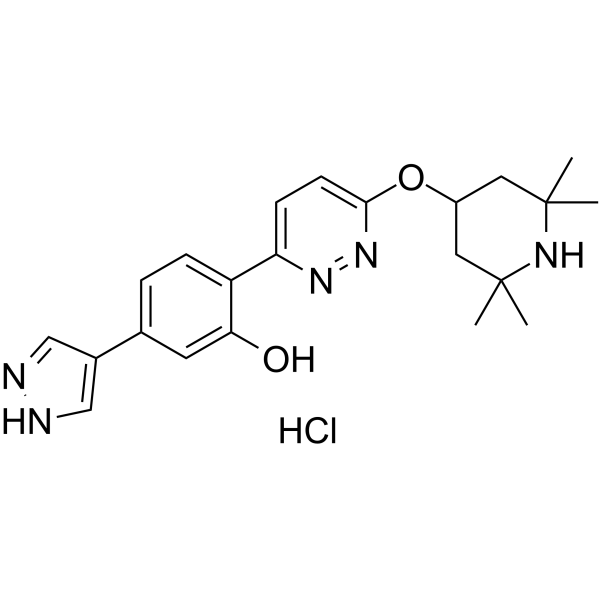
    Branaplam (LMI070; NVS-SM1) hydrochloride is a highly potent, selective and orally active survival motor neuron-2 (SMN2) splicing modulator with an EC50 of 20 nM for SMN. Branaplam hydrochloride inhibits human-ether-a-go-go-related gene (hERG) with an IC50 of 6.3 μM. Branaplam hydrochloride elevates full-length SMN protein and extends survival in a severe spinal muscular atrophy (SMA) mouse model .
    Branaplam hydrochloride
  • HY-116830
    BRD0705
    1 Publications Verification

    GSK-3 Cancer
    BRD0705 is a potent, paralog selective and orally active GSK3α inhibitor with an IC50 of 66 nM and a Kd of 4.8 μM. BRD0705 displays increased selectivity for GSK3α (8-fold) versus GSK3β (IC50 of 515 nM). BRD0705 can be used for acute myeloid leukemia (AML) research .
    BRD0705
  • HY-142812
    GRK6-IN-1
    4 Publications Verification

    G Protein-coupled Receptor Kinase (GRK) Aurora Kinase IGF-1R Neurological Disease Cancer
    GRK6-IN-1 (Compound 18) is the inhibitor for G protein-coupled receptorkinase 6 (GRK6) with an IC50 of 3.8-8 nM. GRK6-IN-1 also inhibits GRK7, GRK5, GRK4 and GRK1 with IC50s of 6.4, 12, 22 and 52 nM, respectively. GRK6-IN-1 has the potential for the research of multiple myeloma .
    GRK6-IN-1
  • HY-11009
    CGP60474
    5+ Cited Publications

    CDK PKC Cancer
    CGP60474, a highly potent anti-endotoxemic agent, is a potent cyclin-dependent kinase (CDK) inhibitor (IC50 values are 26, 3, 4, 216, 10, 200 and 13 nM for CDK1/B, CDK2/E, CDK2/A, CDK4/D, CDK5/p25, CDK7/H and CDK9/T, respectively). CGP60474 is a selective and ATP-competitive PKC inhibitor .
    CGP60474
  • HY-135042
    CAY10614
    1 Publications Verification

    Toll-like Receptor (TLR) Neurological Disease
    CAY10614 is a potent TLR4 antagonist. CAY10614 inhibits the lipid A-induced activation of TLR4, with an IC50 of 1.675 μM. CAY10614 can improve survival of mice in lethal endotoxin shock model .
    CAY10614
  • HY-113116
    Sphinganine 1-phosphate
    1 Publications Verification

    D-erythro-Dihydrosphingosine 1-phosphate

    Endogenous Metabolite Inflammation/Immunology Cancer
    Sphinganine 1-phosphate (D-erythro-Dihydrosphingosine 1-phosphate) is a polar sphingolipid metabolite that regulates cell migration, differentiation, survival and complex physiological processes .
    Sphinganine 1-phosphate
  • HY-14796
    Olesoxime
    2 Publications Verification

    TRO 19622; NSC 21311

    Mitochondrial Metabolism Neurological Disease
    Olesoxime (TRO 19622) is a mitochondrial-targeted neuroprotective compound with mean EC50 value for increasing cell survival is 3.2±0.2 μM.
    Olesoxime
  • HY-P2776A

    Endogenous Metabolite Others
    Hexokinase, Yeast catalyzes the phosphorylation of glucose, and is involved in glycolysis. Hexokinase, Yeast participates is also related to energy production, protection of mitochondrial integrity, and cell survival .
    Hexokinase, Yeast
  • HY-101017
    Palmitoylcarnitine chloride
    2 Publications Verification

    Endogenous Metabolite Akt Calcium Channel Cardiovascular Disease Metabolic Disease Inflammation/Immunology Cancer
    Palmitoylcarnitine chloride is a fatty acid-derived mitochondrial substrate, and selectively decreases cell survival in colorectal and prostate cancer cells by affecting on pro-inflammatory pathways, Ca 2+ influx, and DHT-like effects .
    Palmitoylcarnitine chloride
  • HY-101413
    Iberin
    2 Publications Verification

    NSC 321801

    Apoptosis Endogenous Metabolite Bacterial Cancer
    Iberin (NSC 321801), a sulfoxide analogue of sulforaphane, is a naturally occurring member of isothiocyanate family. Iberin inhibits cell survival with an IC50 of 2.3 μM in HL60 cell. Iberin induces apoptosis.
    Iberin
  • HY-128204
    AN3661
    2 Publications Verification

    Parasite Infection
    AN3661, a potent antimalarial lead compound, targets a Plasmodium falciparum cleavage and polyadenylation specificity factor homologue subunit 3 (PfCPSF3). AN3661 inhibits Plasmodium falciparum laboratory-adapted strains (mean IC50=32 nM), Ugandan field isolates (mean ex vivo IC50=64 nM), and murine P. berghei and P. falciparum infections .
    AN3661
  • HY-129040A
    m-Iodobenzylguanidine sulfate
    1 Publications Verification

    MIBG sulfate; Iobenguane sulfate

    Adrenergic Receptor Cancer
    m-Iodobenzylguanidine sulfate (MIBG sulfate) is an analogue of the neurotransmitter norepinephrine with antitumor activity. Radioiodinated m-Iodobenzylguanidine sulfate is clinically used as a tumor-targeted radiopharmaceutical in the diagnosis and treatment of adrenergic tumors. m-Iodobenzylguanidine sulfate is a high-affinity substrate for cholera toxin that interferes with cellular mono(ADP-ribosylation) .
    m-Iodobenzylguanidine sulfate
  • HY-136528

    Deubiquitinase Apoptosis Cancer
    RA-9 is a potent and selective proteasome-associated deubiquitinating enzymes (DUBs) inhibitor with favorable toxicity profile and anticancer activity. RA-9 blocks ubiquitin-dependent protein degradation without impacting 20S proteasome proteolytic activity. RA-9 selectively induces onset of apoptosis in ovarian cancer cell lines and primary cultures derived from donors. RA-9 induces endoplasmic reticulum (ER)-stress responses in ovarian cancer cells .
    RA-9
  • HY-153215

    Ligands for E3 Ligase Cancer
    MEL24 is an Mdm2 E3 ligase inhibitor that reduces cell survival and increases sensitivity to DNA damaging agents in a p53-dependent manner for in vitro antitumor studies .
    MEL24
  • HY-D1161

    NCI 240899

    Fluorescent Dye Neurological Disease
    True Blue (NCI 240899) is a fluorescent dye, as neuronal retrograde tracer (excitation wavelength 395-425 nm, barrier filter 450 nm). True Blue can label neuron and has no effects on neuronal survival .
    True Blue
  • HY-13917A
    PND-1186 hydrochloride
    15+ Cited Publications

    VS-4718 hydrochloride; SR-2516 hydrochloride

    FAK Apoptosis Cancer
    PND-1186 hydrochloride (VS-4718 hydrochloride) is a potent, highly-specific and reversible inhibitor of FAK with an IC50 of 1.5 nM. PND-1186 hydrochloride selectively promotes tumor cell apoptosis .
    PND-1186 hydrochloride
  • HY-111792

    CRX-601

    Toll-like Receptor (TLR) Inflammation/Immunology Cancer
    GSK1795091 (CRX-601), an immunologic stimulator, is a synthetic TLR4 agonist. Antitumor activity. GSK1795091 can be used as a vaccine adjuvant to enhance both mucosal and systemic immunity to influenza virus vaccines. Not only, GSK1795091 inhibits tumor growth and increases the survival in mice model, but results in long term survival in influenza challenge model in mice .
    GSK1795091
  • HY-114162A
    VTP50469 fumarate
    10+ Cited Publications

    SNDX-50469 fumarate

    Epigenetic Reader Domain Apoptosis Cancer
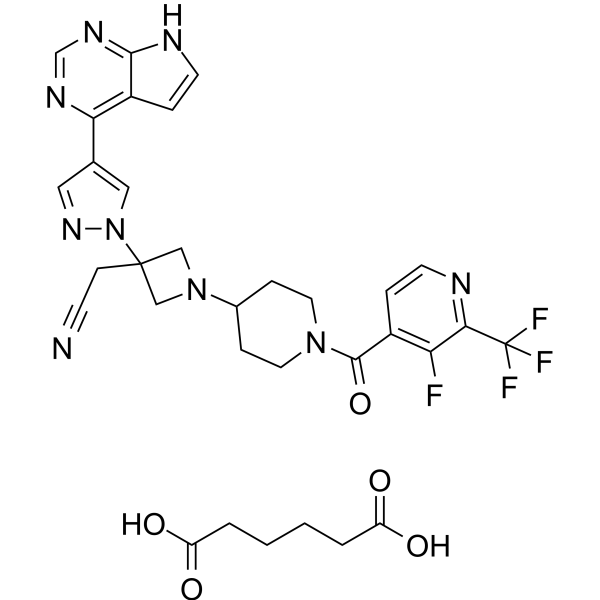
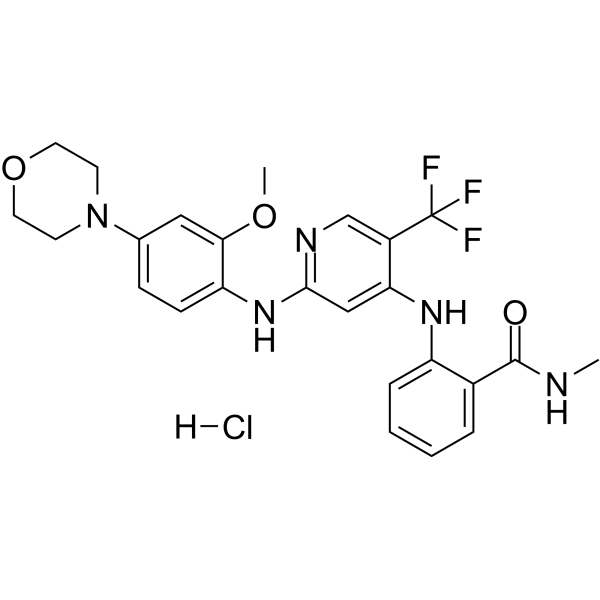
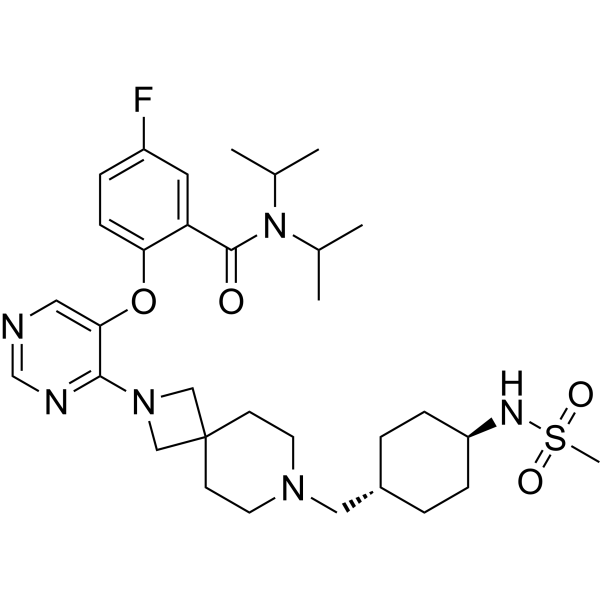
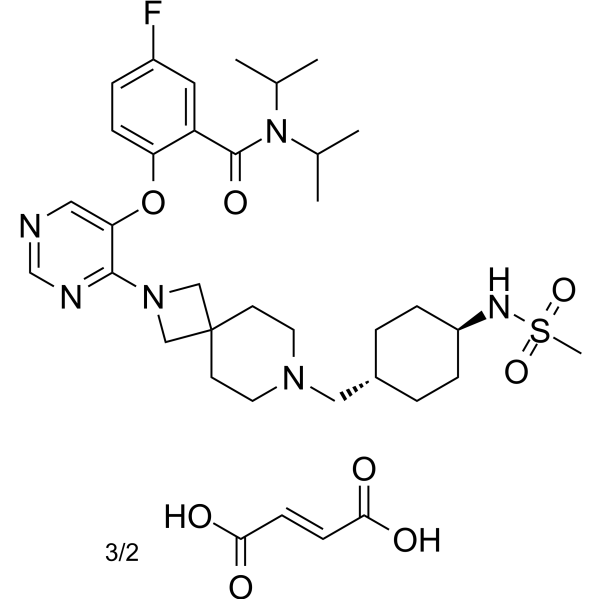
    VTP50469 fumarate is a potent, highly selective and orally active Menin-MLL interaction inhibitor with a Ki of 104 pM. VTP50469 fumarate has potently anti-leukemia activity .
    VTP50469 fumarate
  • HY-122672
    Adhesamine
    1 Publications Verification

    FAK Neurological Disease
    Adhesamine, dumbbell-shaped molecule, activates MAPK/FAK pathway. Adhesamine promotes adhesion and growth of mammalian cells. Adhesamine accelerates the differentiation and improves the survival of mice hippocampal neurons in primary culture .
    Adhesamine
  • HY-111053

    Phospholipase Cancer
    P11 is a selective inhibitor of platelet-activating factor acetylhydrolases (PAFAHs) 1b2 and 1b3 that impairs cancer cell survival. P11 exhibits IC50 values of ~40 and 900 nM for PAFAH1b2 and 1b3, respectively .
    P11
  • HY-111520

    DNA/RNA Synthesis Neurological Disease
    NVS-SM2 is a potent, orally active and brain-penetrant SMN2 splicing enhancer with an EC50 of 2 nM for SMN. NVS-SM2 enhances U1-pre-mRNA association. NVS-SM2 promotes exon 7 inclusion and restores normal survival motor neuron (SMN) protein expression. NVS-SM2 can be used for spinal muscular atrophy (SMA) research .
    NVS-SM2
  • HY-124713

    DNA/RNA Synthesis Neurological Disease
    ML372 inhibits survival motor neuron (SMN) protein ubiquitination, increases SMN protein stability without affecting mRNA expression. ML372 improves spinal muscular atrophy (SMA) in mice. ML372 is brain penetrant and has a reasonable exposure and half-life in vivo .
    ML372
  • HY-121522

    Histone Demethylase Cancer
    SD-70 is an inhibitor for histone demethylase JMJD2C and exhibits antitumor efficacy. SD-70 inhibits viability of cancer cells CWR22Rv1 (9% cell survival at 10 μM), PC3 (14% cell survival at 2 μM) and DU145 (26% cell survival at 2 μM) .
    SD-70
  • HY-116057

    Apoptosis Others
    Stemazole is a protective agent that promotes stem cell survival. Stemazole has the protective effect of human embryonic stem cells (hESCs). Stemazole enhances clonal expansion of single cells and decreases apoptosis. Stemazole for the study of stem cell survival in starvation culture .
    Stemazole
  • HY-P3068

    Adrenocorticotropic hormone (1-16)

    Melanocortin Receptor Cardiovascular Disease
    ACTH (1-16) (human) (Adrenocorticotropic hormone (1-16)) is an ACTH fragment. ACTH (1-16) (human) improves cardiovascular function and survival in experimental hemorrhagic shock .
    ACTH (1-16) (human)
  • HY-123141

    Pim Cancer
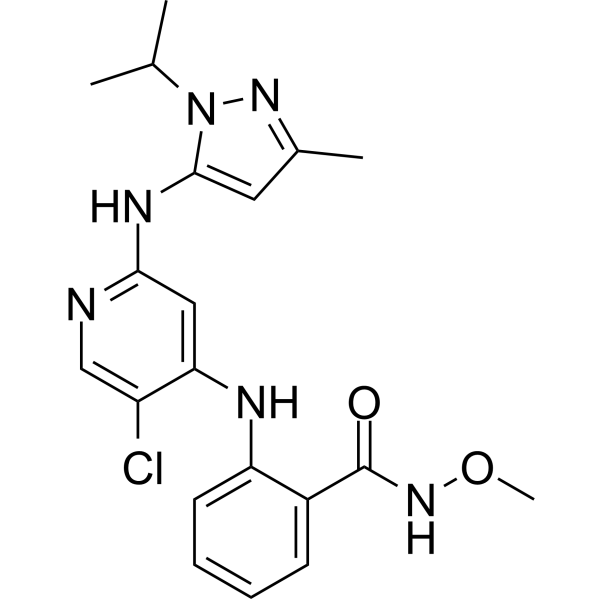
    K00135 is a potent and selective inhibitor of PIM kinases. K00135 inhibits survival and clonogenic growth of acute leukemia cells. K00135 inhibits the phosphorylation of PIM downstream targets .
    K00135
  • HY-136895

    Prostaglandin Receptor Cancer
    AZ12672857 is an orally active inhibitor of EphB4 (IC50=1.3 nM) and Src kinases. AZ12672857 shows good inhibition of proliferation of c-Src transfected 3T3 cells (IC50=2 nM) as well as autophosphorylation of EphB4 in transfected CHO-K1 cells (IC50=9 nM) .
    AZ12672857
  • HY-122672A
    Adhesamine diTFA
    1 Publications Verification

    FAK Neurological Disease
    Adhesamine diTFA is a dumbbell-shaped molecule that activates the MAPK/FAK pathway. Adhesamine promotes the adhesion and growth of mammalian cells, accelerates the differentiation of primary cultured mouse hippocampal neurons, and enhances their survival rate .
    Adhesamine diTFA
  • HY-117809

    PDK-1 Cancer
    PDK1-IN-2 is a small molecule inhibitor of 3-phosphoinositol-dependent protein kinase-1 (PDK1). PDK1-IN-2 inhibits the binding of PDK1 to its substrate by competitively binding to the PIF pocket of PDK1, thereby inhibiting the kinase activity and downstream signaling of PDK1. PDK1-IN-2 can be used for cell survival and proliferation in cancer .
    PDK1-IN-2
  • HY-131598C

    6-Thioguanosine-5'-triphosphate tetrasodium

    Ras Inflammation/Immunology
    6-Thio-GTP (tetrasodium) is a Vav1-Rac inhibitor. 6-Thio-GTP (tetrasodium) inhibits TCR-stimulated T cell proliferation and CD28-mediated T cell survival. 6-Thio-GTP (tetrasodium) has an immunosuppressive effect in a mouse cardiac allograft transplant model and prolongs cardiac allograft survival .
    6-Thio-GTP tetrasodium
  • HY-103687

    3β-OH-5α-Abi

    Drug Metabolite Cancer
    Abiraterone metabolite 1 is a 5β-reduced metabolite of abiraterone. Abiraterone, a steroidal agent, inhibits CYP17A1, blocks androgen synthesis and prolongs survival in prostate cancer.
    Abiraterone metabolite 1
  • HY-150109A

    HDAC Cancer
    Purinostat is a selective inhibitor of HDAC I/IIb with anti-leukemic activity. Purinostat mesylate (HY-150109), the mesylate salt of Purinostat, inhibits the survival of Ph+ leukemic cells and CD34+ leukemic cells derived from CML patients. Purinostat mesylate targets HDAC I/IIb to inhibit several important factors for leukemic stem cell (LSC) survival, including c-Myc, β-Catenin, E2f, Ezh2, Alox5, and mTOR. Purinostat mesylate increases glutamate metabolism in LSC by increasing GLS1 .
    Purinostat
  • HY-59208

    Kynurine

    Endogenous Metabolite Neurological Disease Cancer
    4-Quinolone (Kynurine) is a quinoline derivative. Kynurine pathway modulates tryptophan metabolism and involves in neuroprotective effect. Kynurine promotes tumor cell survival and motility by suppressing antitumor immune .
    4-Quinolinol
  • HY-100498A
    GSK-2256098 hydrochloride
    5+ Cited Publications

    FAK Apoptosis Cancer
    GSK-2256098 hydrochloride is a focal adhesion kinase (FAK) inhibitor that exhibits potential antiangiogenic and antineoplastic activities. GSK-2256098 hydrochloride targets FAK to inhibit tumor cell growth by regulating cell adhesion, migration, proliferation, and survival.
    GSK-2256098 hydrochloride
  • HY-145388B

    Drug Isomer Cancer
    AU-16235 is an inactive epimer of AU-15330. AU-16235 has no effect on cancer cell survival and growth
    AU-16235
  • HY-P99707

    HH1

    Apoptosis Cancer
    Lilotomab (HH1) is a murine anti-CD37 monoclonal antibody. Lilotomab reduces clonogenic survival. Lilotomab shows anti-tumor activity .
    Lilotomab
  • HY-105052

    Enisoprost

    Prostaglandin Receptor Endocrinology
    SC 34301 (Enisoprost) is a potent and orally active PGE1 analog. SC 34301 significantly reduces bacterial translocation and improves survival for burned mice .
    SC 34301
  • HY-114162R

    SNDX-50469 (Standard)

    Reference Standards Epigenetic Reader Domain Apoptosis Cancer
    VTP50469 (Standard) is the analytical standard of VTP50469. This product is intended for research and analytical applications. VTP50469 is a potent, highly selective and orally active Menin-MLL interaction inhibitor with a Ki of 104 pM. VTP50469 has potently anti-leukemia activity .
    VTP50469 (Standard)

Inquiry Online

Your information is safe with us. * Required Fields.

Salutation


Country or Region *

Applicant Name *


Organization Name *

Department *


Email Address *


Product Name *

Cat. No.


Requested quantity *

Phone Number *


Remarks

Inquiry Online

Inquiry Information

Product Name:
Cat. No.:
Quantity:
MCE Japan Authorized Agent:

