1. Search Result
Search Result
Results for "

synthesis preparation

" in MedChemExpress (MCE) Product Catalog:

87

Inhibitors & Agonists

1

Fluorescent Dyes

20

Biochemical Assay Reagents

8

Peptides

8

Natural
Products

5

Isotope-Labeled Compounds

1

Click Chemistry

3

Oligonucleotides

Targets Recommended:
Cat. No. Product Name Target Research Areas Chemical Structure
  • HY-Y0623
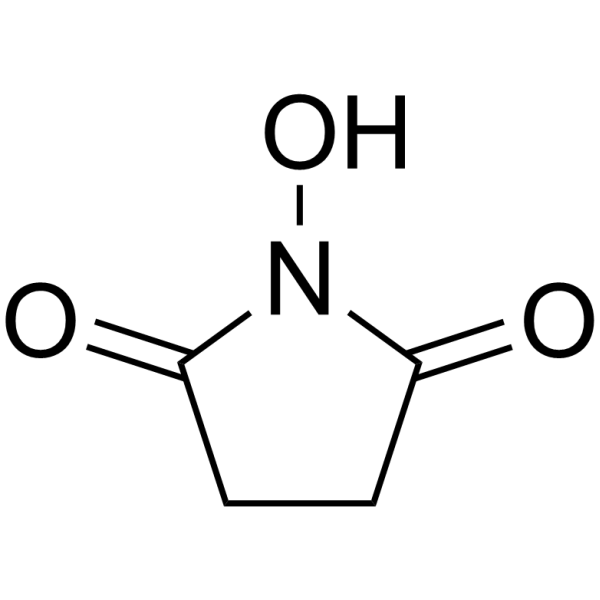
    N-Hydroxysuccinimide
    5+ Cited Publications

    HOSu; 1-Hydroxy-2,5-pyrrolidinedione

    Biochemical Assay Reagents Others
    N-Hydroxysuccinimide (HOSu; 1-Hydroxy-2,5-pyrrolidinedione) is a covalent crosslinker commonly used in bioconjugation technology with a primary amine group. N-Hydroxysuccinimide reacts with amino groups (-NH2) to form a stable amide bond, which can modify amino-containing biomolecules. N-Hydroxysuccinimide can be used, for example, for protein labeling with fluorescent dyes and enzymes, surface activation of chromatography supports, microbeads, nanoparticles and microarray slides, and chemical synthesis of peptides. N-Hydroxysuccinimide has a wide range of applications in biomaterial synthesis (such as collagen, chitosan crosslinking), drug delivery systems (such as hydrogel preparation) and tissue engineering .
    N-Hydroxysuccinimide
  • HY-Y0335

    Dihydroxyacetone

    Bacterial Antibiotic Drug Intermediate Infection
    1,3-Dihydroxyacetone (DHA), the main active ingredient in sunless tanning skin-care preparations and an important precursor for the synthesis of various fine chemicals, is produced on an industrial scale by microbial fermentation of glycerol (HY-B1659) in Gluconobacter oxydans. 1,3-Dihydroxyacetone is also used for synthesis of new biodegradable polymers by combining with lactic acid (HY-B2227) .
    1,3-Dihydroxyacetone
  • HY-141613

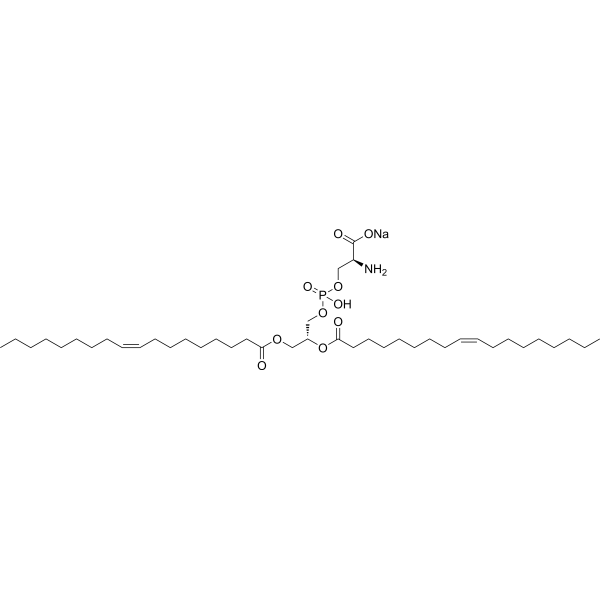
    DOPS-NA

    Liposome Others
    1,2-Dioleoyl-sn-glycero-3-phospho-L-serine sodium (DOPS-NA) is a ubstitute for Phosphoserine/phosphatidylserine. 1,2-Dioleoyl-sn-glycero-3-phospho-L-serine sodium can be used together with DOPC and DOPE in lipid mixtures for the synthesis of liposomes. 1,2-Dioleoyl-sn-glycero-3-phospho-L-serine sodium can self-assemble into single-layer or double-layer membrane structures, similar to cell membranes, and possesses high membrane fluidity and flexibility. 1,2-Dioleoyl-sn-glycero-3-phospho-L-serine is widely applied in membrane biology, cell membrane research, lipid preparation, and drug delivery systems .
    1,2-Dioleoyl-sn-glycero-3-phospho-L-serine sodium
  • HY-W010712
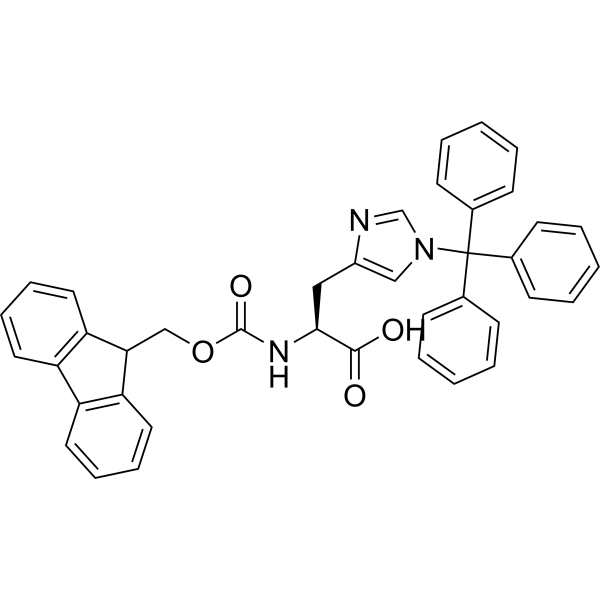
    Fmoc-His(Trt)-OH
    1 Publications Verification

    Amino Acid Derivatives Others
    Fmoc-His(Trt)-OH is a histidine derivative with a trityl (Trt) group protecting the His side chain. Fmoc-His(Trt)-OH also has an Fmoc group protecting the α-NH2 group. Fmoc-His(Trt)-OH can be used in solid-phase peptide synthesis to prevent racemization and byproduct formation. Fmoc-His(Trt)-OH acts as a protected histidine precursor in solid-phase peptide synthesis (SPPS), participating in peptide chain construction through amide bond formation. Fmoc-His(Trt)-OH can be precisely incorporated into the target peptide sequence, ensuring correct peptide chain synthesis and reducing impurity formation. Fmoc-His(Trt)-OH is mainly used in the solid-phase synthesis research of pharmaceutical peptides and bioactive peptides, and is particularly suitable for the preparation of peptide drugs requiring precise control of histidine configuration .
    Fmoc-His(Trt)-OH
  • HY-I0508
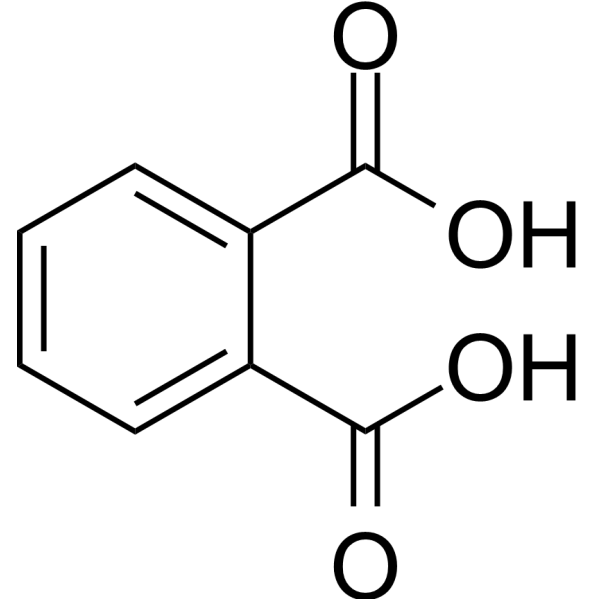
    Phthalic acid
    2 Publications Verification

    Biochemical Assay Reagents Reactive Oxygen Species (ROS) Estrogen Receptor/ERR Endocrinology
    Phthalic acid is the final common metabolite of phthalic acid esters (PAEs). Phthalic acid can be used for the synthesis of synthetic agents, such as isophthalic acid (IPA), and terephthalic acid (TPA). Phthalic acid has applications in the preparation of phthalate ester plasticizers. Phthalic acid exhibits mutagenic effect and causes genetic damage in mammalian germ cells .
    Phthalic acid
  • HY-W007599

    Drug Derivative Cancer
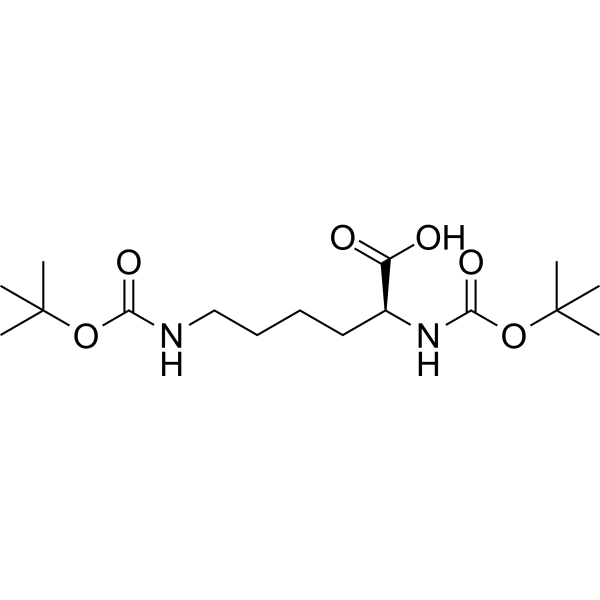
    (S)-2,6-Bis((tert-butoxycarbonyl)amino)hexanoic acid is a polypeptide derivative, can be used to synthesis multifunctional amphiphilic peptide dendrimer for non-viral gene delivery in cancer research. (S)-2,6-Bis((tert-butoxycarbonyl)amino)hexanoic acid can be used in the preparation of organic substances that enhance the luminescence intensity of alkaline phosphatase substrates .
    (S)-2,6-Bis((tert-butoxycarbonyl)amino)hexanoic acid
  • HY-Y1131

    Ethyl (R)-3-hydroxybutanoate

    Biochemical Assay Reagents Others
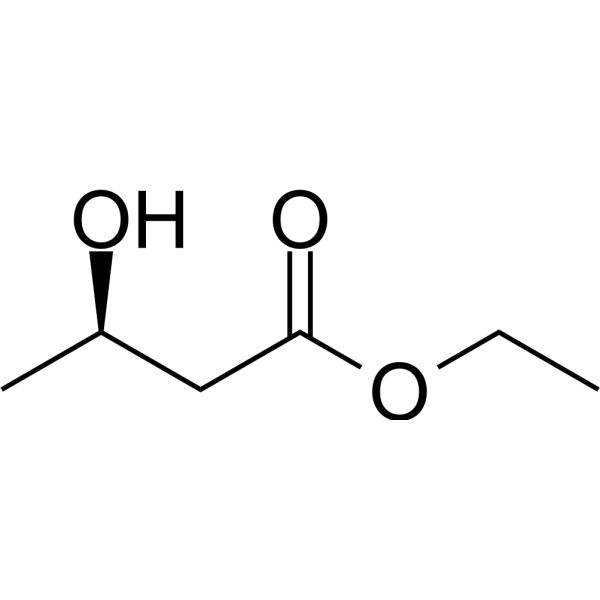
    Ethyl (R)-3-hydroxybutyrate is an organic compound commonly used as a starting material for chiral chemical synthesis. It can be used in the preparation of medicines, spices, fine chemicals and food additives, etc., and is widely used in medicine, cosmetics and food industries. In addition, this compound is also used as a substrate or intermediate in some biochemical reactions
    Ethyl (R)-3-hydroxybutyrate
  • HY-W006371

    Endogenous Metabolite Drug Intermediate Metabolic Disease
    (2-Aminoethyl)phosphonic acid is an endogenous metabolite and amino acid analog. (2-Aminoethyl)phosphonic acid can be used for the synthesis of biological macromolecules and the preparation of hydrogels .
    (2-Aminoethyl)phosphonic acid
  • HY-W054424

    Drug Intermediate Others
    tert-Butyl (3-aminobicyclo[1.1.1]pentan-1-yl) carbamate is a pharmaceutical intermediate used in the synthesis of various active compounds, such as for the preparation of tetrazole-based eIF2B activators .
    tert-Butyl (3-aminobicyclo[1.1.1]pentan-1-yl)carbamate
  • HY-43565

    ADC Payload Topoisomerase Cancer
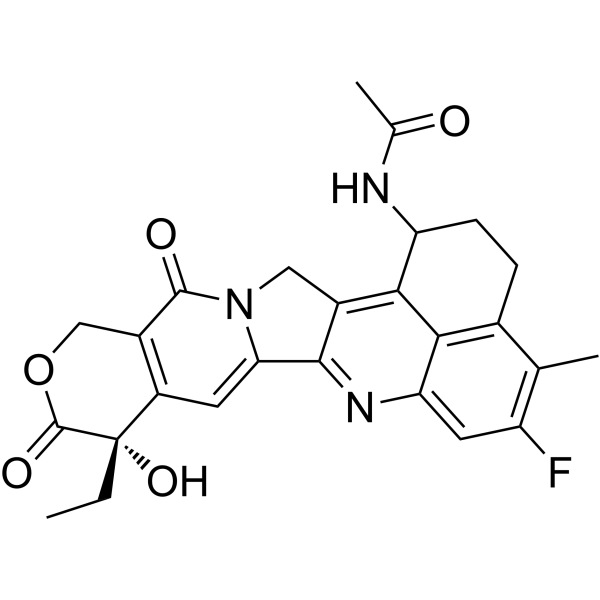
    Exatecan intermediate 9 is an intermediate for the synthesis of Exatecan (HY-13631). Exatecan (DX-8951) is a common toxin component in ADC preparation (ADC Cytotoxin) and an inhibitor of DNA topoisomerase I (IC50=2.2 μM) .
    Exatecan intermediate 9
  • HY-Y0850O

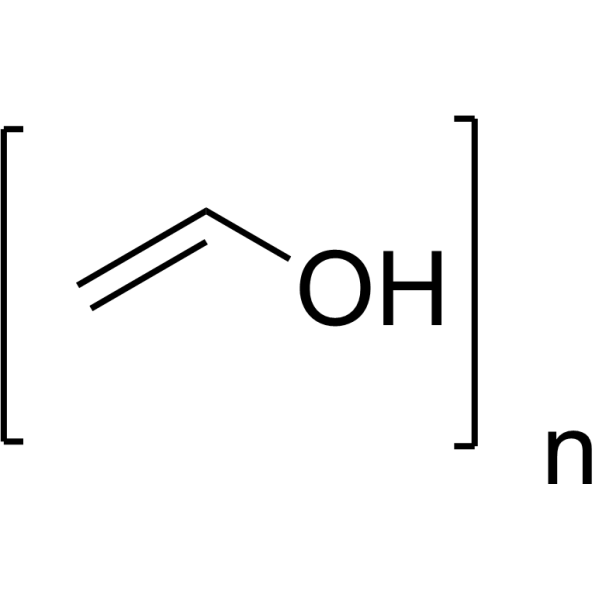
    PVA (Mw 31000-50000, 87-89% hydrolyzed); Poly(Ethenol) (Mw 31000-50000, 87-89% hydrolyzed)

    Environmental Pollutants Biochemical Assay Reagents Cancer
    Polyvinyl alcohol (PVA; Poly (Ethenol)) (Mw 31000-50000, 87-89% hydrolyzed) is a polymer with emulsifying and stabilizing properties, with a degree of hydrolysis of 87-89%. Polyvinyl alcohol (Mw 31000-50000, 87-89% hydrolyzed) mainly acts as a stabilizer in the preparation of nanomedicines; it not only maintains the structural integrity of PEGylated PLGA nanoparticles during double emulsion synthesis, but also facilitates the preparation of chitosan/matrine-PLGA nanoparticle aqueous solutions and lipid-polymer nanoparticles. Polyvinyl alcohol (Mw 31000-50000, 87-89% hydrolyzed) can be widely used in research related to fields such as breast cancer .
    Polyvinyl alcohol (Mw 31000-50000, 87-89% hydrolyzed)
  • HY-100705

    6-Nitroveratraldehyde

    Drug Intermediate Neurological Disease
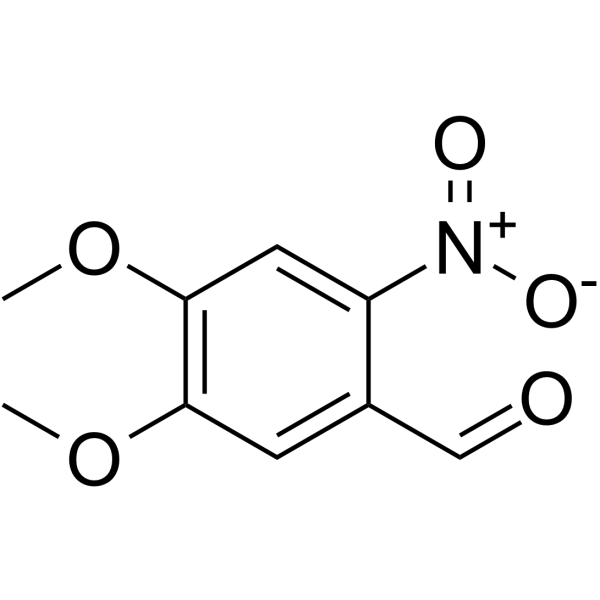
    DMNB (6-Nitroveratraldehyde) is a photolabile proton donor that releases acidic substances when excited at a wavelength of 405 nM. DMNB can be used for the synthesis of no-carrier-added 6-[18F]fluoro-L-DOPA (6-FDOPA). DMNB is also applicable to the preparation of o-nitroaryl-bis (5-methylfur-2-yl) methanes and the synthesis of alpha-asarone (HY-N0700). DMNB is an enzyme involved in the non-homologous end joining (NHEJ) pathway responsible for DNA double-strand break (DSB) repair. DMNB can be used in PET studies of the dopaminergic system .
    DMNB
  • HY-134599

    Biochemical Assay Reagents Cancer
    (2E)-TCO-PNB ester is an active reaction substrate with the properties of trans-cyclooctene derivatives. The core chemical property of (2E)-TCO-PNB ester is its ability to undergo efficient inverse electron-demand Diels-Alder (IEDDA) cycloaddition with tetrazine groups. (2E)-TCO-PNB ester can be used in ligation reactions to verify the integrity of tetrazine groups, and also serves as a key synthetic raw material for the preparation of the prodrug TCO-DOX. (2E)-TCO-PNB ester is applied in research related to drug synthesis and bioorthogonal chemistry .
    (2E)-TCO-PNB ester
  • HY-145149

    ADC Payload Cancer
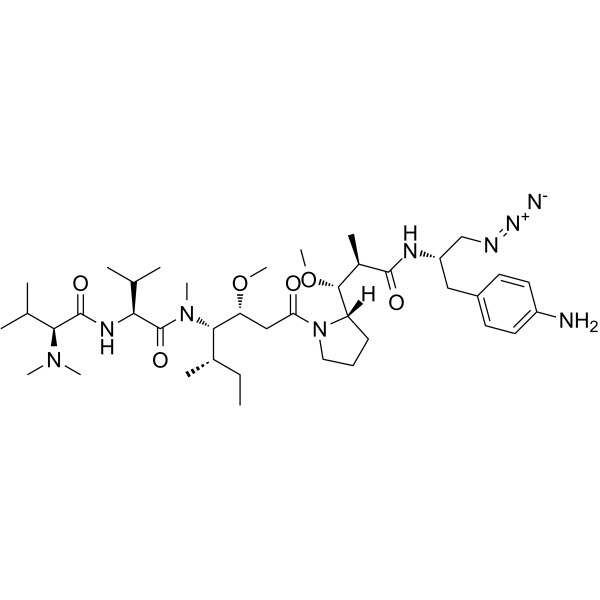
    Duostatin 5 is a ADC Cytotoxin designed based on MMAF (HY-15579) and can be used to synthesize ADCs. The preparation of Duostatin 5 has the advantages of fewer synthetic steps, simple operation, less difficulty in quality control, and more stable chemical synthesis process. Duostatin 5 can be linked to the antibody targeting 5T4 (ZV05) by cross-linking with interchain cysteines through a disubstituted C-Lock linker. Duostatin 5 is a click chemistry reagent. It contains an azide group and can undergo copper-catalyzed azide-alkyne cycloaddition (CuAAc) with molecules containing alkyne groups. It can also undergo ring strain-driven alkyne-azide cycloaddition (SPAAC) with molecules containing DBCO or BCN groups[1][2].
    Duostatin 5
  • HY-W007056

    Amino Acid Derivatives Biochemical Assay Reagents Drug Intermediate Infection
    Fmoc-N-me-Trp(Boc)-OH is an amino acid derivative with an Fmoc protecting group, which can be used to synthesize peptide antibiotics with antibacterial activity against Pseudomonas aeruginosa .
    Fmoc-N-me-Trp(Boc)-OH
  • HY-130426

    Mal-PEG3-acid

    ADC Linker PROTAC Linkers Cancer
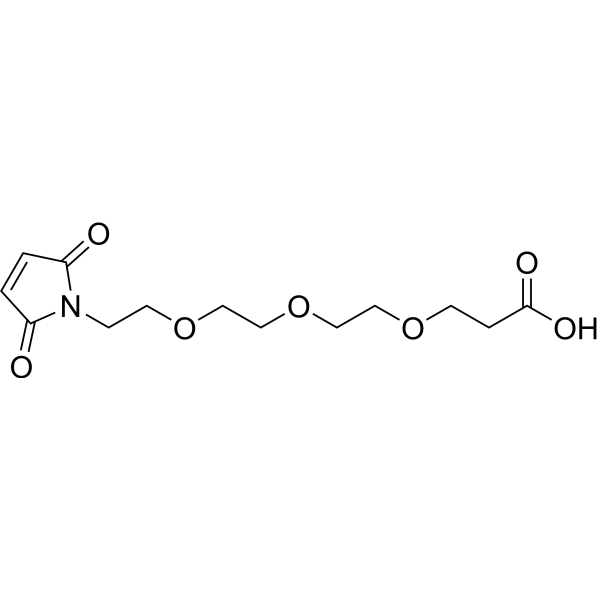
    Maleimido-tri(ethylene glycol)-propionic acid is a cleavable ADC linker used in the synthesis of antibody-drug conjugates (ADCs). Maleimido-tri(ethylene glycol)-propionic acid is used for the preparation of neolymphostin-based ADC precursors for site-specific cysteine mutant trastuzumab-A114C conjugation . Maleimido-tri(ethylene glycol)-propionic acid also can be used as a PEG-based PROTAC linker that can be used in the synthesis of PROTACs.
    Maleimido-tri(ethylene glycol)-propionic acid
  • HY-116284

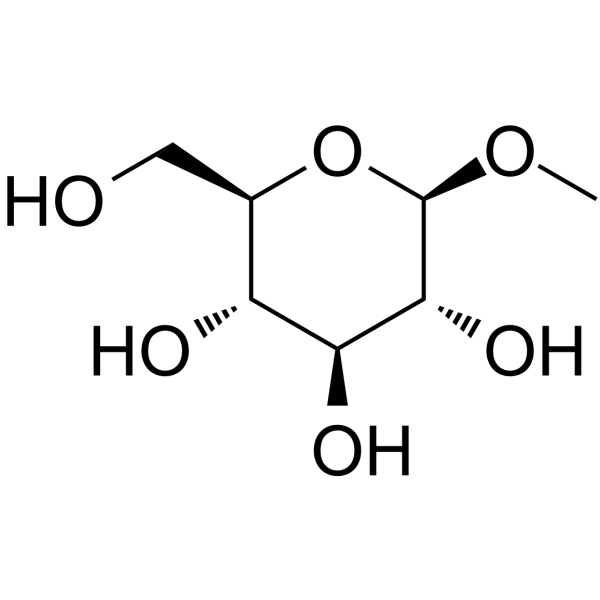
    Methyl β-D-glucoside

    Drug Intermediate Others
    Methyl β-D-glucopyranoside (Methyl β-D-glucoside) is a model glycosyl acceptor for enzymatic glycosylation reactions. Methyl β-D-glucopyranoside participates in glycoside synthesis and can react with acyl donors such as caffeic acid esters under the catalysis of specific enzymes (such as Lipozyme TL IM) to achieve acylation modification. Methyl β-D-glucopyranoside can generate biologically active derivatives (such as 6-O-caffeoyl glucoside). Methyl β-D-glucopyranoside can be used in organic synthesis and biocatalysis research, especially the efficient enzymatic preparation of medicinal glycosides (such as Robustaside B (HY-N2720), 6-O-caffeoyl salidroside) .
    Methyl β-D-glucopyranoside
  • HY-W033049

    DABSO

    Biochemical Assay Reagents Others
    DABCO-Bis(sulfur dioxide) (DABSO) is a source of sulfur dioxide in organic synthesis and can be used in the preparation of sulfonamides and sulfonamides .
    DABCO-Bis(sulfur dioxide)
  • HY-W008145

    Biochemical Assay Reagents Others
    Sodium tetrachloropalladate(II) is an organic compound commonly used as a catalyst and as a raw material for dye production. It can be used to catalyze or promote reactions in certain chemical reactions, and is widely used in the fields of organic synthesis and dye preparation. In addition, the compound is also used for metallization, silver plating and electroplating of circuit boards.
    Sodium tetrachloropalladate(II)
  • HY-W093183

    Palmitic acid anhydride

    Biochemical Assay Reagents Others
    Palmitic anhydride, a saturated fatty acid found in many natural sources such as animal fats and vegetable oils, is commonly used as a reagent in organic synthesis to introduce palmitoyl(hexadecanoyl) functional groups into other organic molecules, moreover, Palmitic anhydride has been Used in the production of surfactants, lubricants and plasticizers, as well as in the preparation of cosmetics and pharmaceuticals.
    Palmitic anhydride
  • HY-W075766

    Nickel difluoride

    Biochemical Assay Reagents Others
    Nickel(II) fluoride (Nickel difluoride) is a fluorinating agent and catalyst suitable for surface treatment of aluminum profiles and the production of inks, fluorescent lamps, and organic synthesis. Nickel(II) fluoride is a kind of biological materials or organic compounds that are widely used in life science research .
    Nickel(II) fluoride
  • HY-W008024

    Amino Acid Derivatives Others
    Fmoc-Dab(Boc)-OH is an amino acid derivative with an Fmoc protecting group that can be used to synthesize somatostatin analogs that inhibit neointima formation induced by balloon injury in rats without altering growth hormone release. Fmoc-Dab(Boc)-OH can be used for the synthesis of peptides .
    Fmoc-Dab(Boc)-OH
  • HY-Y0247

    6-Chloro-9H-purine

    Drug Intermediate Cancer
    6-Chloropurine is a building block in chemical synthesis. Intermediate in the preparation of 9-alkylpurines and 6-rnercaptopurine. Antitumor activities .
    6-Chloropurine
  • HY-W090210

    MPOH

    Biochemical Assay Reagents Others
    3-Mercapto-1-propanol can be used for the preparation of hydrophilic self-assembled monolayers and as a non-marking linker molecule for chemical and enzymatic synthesis of oligosaccharides .
    3-Mercapto-1-propanol
  • HY-78211

    Ethyl Propionylacetate

    Biochemical Assay Reagents Others
    Ethyl 3-oxopentanoate is an organic ester compound commonly used as a reactant or solvent in organic synthesis. It can be used as an important raw material for the preparation of pharmaceuticals, food flavors, spices and other products. In addition, because of its stability and reactivity in certain chemical reactions, it is also widely used in some industrial productions. Although Ethyl 3-oxopentanoate has no direct application in the medical field, it still plays an important role in chemical research and industry.
    Ethyl 3-oxopentanoate
  • HY-W001943

    Drug Intermediate Others
    3-Benzoylpropionic acid can be used as an intermediate in organic synthesis for the preparation of other organic compounds .
    3-Benzoylpropionic acid
  • HY-W012469

    Biochemical Assay Reagents Others
    O-(4-Nitrobenzyl)hydroxylamine hydrochloride is a biochemical assay reagent used for the preparation of N-(4-nitrobenzyloxy)-amino acid as substrates for an unambiguous N-hydroxypeptide synthesis.
    O-(4-Nitrobenzyl)hydroxylamine hydrochloride
  • HY-41047

    Apoptosis Cancer
    Taltobulin intermediate-1 is an intermediate in the synthesis of Taltobulin (HY-15584). Taltobulin is a common toxin component in ADC preparation (ADC Cytotoxin), and it is also a powerful tubulin (Microtubule/Tubulin) inhibitor. Taltobulin disrupts tubulin polymerization, induces mitotic arrest, and induces apoptosis .
    Taltobulin intermediate-1
  • HY-41054

    Apoptosis Cancer
    Taltobulin intermediate-3 is an intermediate in the synthesis of Taltobulin (HY-15584). Taltobulin is a common toxin component in ADC preparation (ADC Cytotoxin), and it is also a powerful tubulin (Microtubule/Tubulin) inhibitor. Taltobulin disrupts tubulin polymerization, induces mitotic arrest, and induces apoptosis .
    Taltobulin intermediate-3
  • HY-41045

    Apoptosis Cancer
    (Rac)-Taltobulin intermediate-1 is an intermediate in the synthesis of Taltobulin (HY-15584). Taltobulin is a common toxin component in ADC preparation (ADC Cytotoxin), and it is also a powerful tubulin (Microtubule/Tubulin) inhibitor. Taltobulin disrupts tubulin polymerization, induces mitotic arrest, and induces apoptosis .
    (Rac)-Taltobulin intermediate-1
  • HY-W016194

    1-Carboxycyclohexaneacetic acid; Gabapentin Impurity E; Gabapentin Related Compound E

    5-HT Receptor Neurological Disease
    1-(Carboxymethyl)cyclohexanecarboxylic acid (1-Carboxycyclohexaneacetic acid; Gabapentin Impurity E) is a potential impurity in commercial preparations of the antiepileptic agent Gabapentin (HY-A0057). It is also used as a precursor for the synthesis of a serotonin (5-HT) receptor subtype 5-HT2A antagonist.
    1-(Carboxymethyl)cyclohexanecarboxylic acid
  • HY-W007664

    Drug Intermediate Cytochrome P450 Cancer
    (R)-4-Benzyl-2-oxazolidinone is an oxazolidinone-type auxiliary that enables highly stereoselective asymmetric alkylation reactions. (R)-4-Benzyl-2-oxazolidinone is applied in the total synthesis of natural products and pharmaceutical preparations. Especially in pharmaceutical research and development, (R)-4-Benzyl-2-oxazolidinone not only serves as a key precursor for the synthesis of aromatase inhibitors, but also can be used in studies related to estrogen-dependent breast cancer .
    (R)-4-Benzyl-2-oxazolidinone
  • HY-W022657

    Amino Acid Derivatives Others
    H-Met-OiPr hydrochloride is an Methionine derivative. H-Met-OiPr hydrochloride participates in the synthesis preparation of inhibitors of farnesyl-protein transferase (FTase), and can be used in cancer research .
    H-Met-OiPr hydrochloride
  • HY-W127410

    Biochemical Assay Reagents Others
    Hexanoic anhydride is used as a reactant for the synthesis of acremomannolipin A. For the green synthesis of acyclovir dipivoxil (acyclovir proagent), for the preparation of hexanoyl-modified chitosan nanoparticles, chitosan-based polymer surfactants by N-acylation of chitosan .
    Hexanoic anhydride
  • HY-Y0689

    MOFs Others
    Thiocarbonyldiimidazole is a synthetic chemical reagent that serves as a nitrogen-containing MOF ligand for synthetic applications. Thiocarbonyldiimidazole enables the preparation of thiocarbonyl imidazolides from alcohols, and is used in the Barton-McCombie deoxygenation reaction and natural product synthesis .
    Thiocarbonyldiimidazole
  • HY-W033831

    Rh2(TPA)4

    Endogenous Metabolite Biochemical Assay Reagents
    Rhodium(II) triphenylacetate dimer (Rh2(TPA)4) is an important catalyst with high C–H activation reaction activity. Rhodium(II) triphenylacetate dimer is widely used in organic synthesis to achieve the construction of complex molecules. Rhodium(II) triphenylacetate dimer can also be used to catalyze the synthesis of certain biologically active molecules and improve the preparation efficiency of compounds. Rhodium(II) triphenylacetate dimer exhibits excellent selectivity and reaction rate in catalytic reactions.
    Rhodium(II) triphenylacetate dimer
  • HY-D0200

    Adipodihydrazide

    Bacterial Drug Intermediate Biochemical Assay Reagents Infection
    Adipic acid dihydrazide (Adipodihydrazide) is an antibacterial agent and crosslinking agent. Adipic acid dihydrazide can be used for the preparation of hydrogels. Adipic acid dihydrazide exhibits antibacterial activity against both Gram-positive and Gram-negative bacteria, such as Enterobacter aerogenes (MIC: 0.081 mg/mL) and Salmonella enterica (MIC: 0.99 mg/mL). Adipic acid dihydrazide is also an important intermediate that can be utilized in the synthesis of other active compounds .
    Adipic acid dihydrazide
  • HY-20559

    Drug Intermediate Cancer
    4-Chloro-3-nitrobenzoic acid is a benzoic acid derivative and an important intermediate for the synthesis of anticancer agents. 4-Chloro-3-nitrobenzoic acid shows low cytotoxicity against HepG2, A549 and HeLa cancer cells in vitro (>10,000 μM). 4-Chloro-3-nitrobenzoic acid can block thymidine uptake and inhibit lymphocyte growth. 4-Chloro-3-nitrobenzoic acid serves as a ligand for Cu (II) complexes and is used in the preparation of 10H-pyrazino[2,3-b][1,4]benzothiazine derivatives .
    4-Chloro-3-nitrobenzoic acid
  • HY-W142064

    Antibiotic Others
    Fmoc-L-photo-proline is a photo-crosslinking amino acid which can be incorporated into synthetic peptides using solid-phase Fmoc chemistry. Fmoc-L-photo-proline can synthesis of cyclic peptidomimetic antibiotic and be used for preparation of diverse peptide-based photoaffinity probes research .
    Fmoc-L-photo-proline
  • HY-W325356

    Fluorescent Dye Cancer
    Tert-butyl 3,5-dinitrobenzoate is an intermediate or reactant in organic synthesis and can also play a role in drug synthesis, dye preparation and other chemical fields.The nitro functional group of Tert-butyl 3,5-dinitrobenzoate has certain reactivity in organic chemistry and can participate in various reactions, such as electrophilic substitution, aromatic amine reaction, etc .
    tert-Butyl 3,5-dinitrobenzoate
  • HY-W087964

    Biochemical Assay Reagents Others
    Dodecanedioyl dichloride, Dodecanedioyl dichloride is commonly used in organic synthesis as a general building block for the preparation of various polymers and plastics, including nylon 12 and polyester resins, it can be used to introduce acid chloride groups into other organic molecules, which can then be further reaction to form more complex compounds, moreover, it has been used in medicinal chemistry as a starting material for the synthesis of various drugs and drug candidates.
    Dodecanedioyl dichloride
  • HY-I0508S

    Isotope-Labeled Compounds Biochemical Assay Reagents Reactive Oxygen Species (ROS) Estrogen Receptor/ERR Endocrinology
    Phthalic acid-d4 is the deuterium labeled Phthalic acid. Phthalic acid is the final common metabolite of phthalic acid esters (PAEs). Phthalic acid can be used for the synthesis of synthetic agents, such as isophthalic acid (IPA), and terephthalic acid (TPA). Phthalic acid has applications in the preparation of phthalate ester plasticizers. Phthalic acid exhibits mutagenic effect and causes genetic damage in mammalian germ cells .
    Phthalic acid-d4
  • HY-D0898

    Biochemical Assay Reagents Others
    2,4-Dichlorobenzenediazonium tetrafluoroborate is an organic compound commonly used in organic synthesis and dye preparation reactions. It can be used as an azotating agent to form azo dyes with other organic substances, and can be used in coatings, pigments and paints and other industries. In addition, the compound is widely used in certain chemical analysis and detection methods, such as in scientific instruments such as electron microscopes and mass spectrometers. Although the compound has no direct medical applications, it plays an important role in chemical research and laboratory studies.
    2,4-Dichlorobenzenediazonium tetrafluoroborate
  • HY-W010361

    Biochemical Assay Reagents Others
    Tetramethylammonium acetate is an organic compound commonly used as a phase transfer catalyst in organic synthesis reactions, especially those involving charged species or polar reagents. It can facilitate the transfer of reactants between two immiscible phases, such as water and organic solvents, by forming stable ion pairs. Additionally, Tetramethylammonium acetate has been used to prepare a variety of organic compounds, including esters, amides, and carboxylic acids. Due to its unique physicochemical properties, it has also been investigated for its potential use in developing new materials such as ionic liquids and liquid crystals. "x" in the formula represents the number of water molecules in the crystal structure, which can vary depending on the preparation method.
    Tetramethylammonium acetate
  • HY-W006937

    Boc-p-amino-D-Phe(Fmoc)-OH; Boc-D-phe(4-NH-fmoc)-OH

    Amino Acid Derivatives Others
    Boc-D-(4-fmoc)-aminophenylalanine (Boc-p-amino-D-Phe(Fmoc)-OH) is an amino acid derivative with an Fmoc protecting group, which can be used to synthesize peptides with gonadotropin-releasing hormone antagonist activity .
    Boc-D-(4-fmoc)-aminophenylalanine
  • HY-P2439

    Neurokinin Receptor Others
    MEN 10208 is a neurokinin A antagonist prepared by solid phase synthesis. The Fmoc strategy has more advantages than the Boc strategy in its preparation, and can obtain products with higher yield and purity.
    MEN 10208
  • HY-N15237

    Allyl β-D-lactose

    Biochemical Assay Reagents Others
    Allyl β-lactoside (Allyl β-D-lactose) is a lactoside, which can be generated by incubating lactose and allyl alcohol with cellulase preparation, and can be used as a starting material for the synthesis of glycopolymers .
    Allyl β-lactoside
  • HY-139660

    Ligands for Target Protein for PROTAC Cancer
    PROTAC PTK6 ligand-1 is an intermediate for BTK kinase inhibitor preparation . PROTAC PTK6 ligand-1 can be used in the synthesis of ARD-61 (HY-139659) .
    PROTAC PTK6 ligand-1
  • HY-W719862

    Liposome Others
    16:0 PDP PE belongs to a class of head group modified functionalized lipids. 16:0 PDP PE has been used in preparation of rhodamine high-density lipoprotein nanoparticle (Rh-HDL NP) synthesis.
    16:0 PDP PE
  • HY-W015302R

    Orthanilic acid (Standard); 2-Aminobenzenesulphonic acid (Standard)

    Reference Standards Drug Intermediate Others
    2-Aminobenzenesulfonic acid (Orthanilic acid) is an amine derivative. 2-Aminobenzenesulfonic can be used for the synthesis of other active compounds. 2-Aminobenzenesulfonic acid can be converted into Schiff base, and further used for the preparation of metal complexes .
    2-Aminobenzenesulfonic acid (Standard)

Inquiry Online

Your information is safe with us. * Required Fields.

Salutation


Country or Region *

Applicant Name *


Organization Name *

Department *


Email Address *


Product Name *

Cat. No.


Requested quantity *

Phone Number *


Remarks

Inquiry Online

Inquiry Information

Product Name:
Cat. No.:
Quantity:
MCE Japan Authorized Agent: