1. Search Result
Search Result
Pathways Recommended: Immunology/Inflammation
Results for "

systemic inflammation

" in MedChemExpress (MCE) Product Catalog:

48

Inhibitors & Agonists

4

Peptides

2

Inhibitory Antibodies

1

Natural
Products

1

Isotope-Labeled Compounds

1

Click Chemistry

3

Oligonucleotides

Cat. No. Product Name Target Research Areas Chemical Structure
  • HY-117287
    Deucravacitinib
    30+ Cited Publications

    BMS-986165

    JAK STAT Interleukin Related IFNAR Inflammation/Immunology
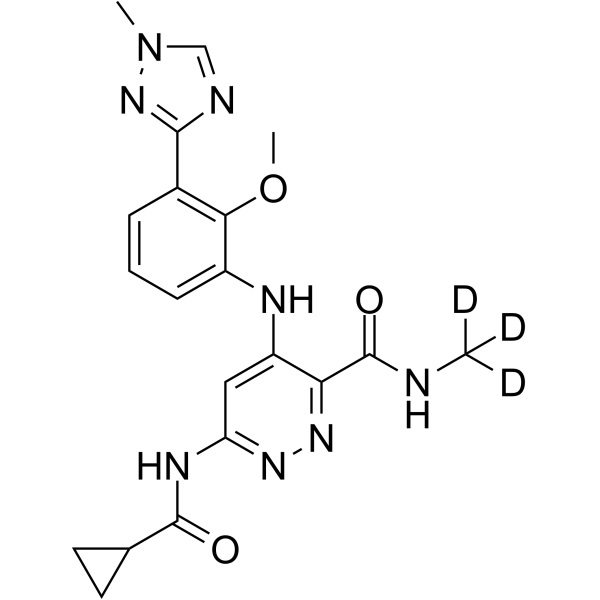
    Deucravacitinib (BMS-986165) is an orally active allosteric inhibitor of tyrosine kinase 2 (TYK2), with an IC50 of 0.2 nM and a Ki of 0.02 nM against the JH2 domain of TYK2, and it exhibits selectivity over other JAK subtypes and most of the kinome. Deucravacitinib blocks IL-23, IL-12, p-STAT1/3 and Type I IFN signaling, and inhibits Th17/Th1-mediated psoriasis inflammation . Deucravacitinib can be used in research related to moderate-to-severe plaque psoriasis, inflammatory bowel disease and systemic lupus erythematosus .
    Deucravacitinib
  • HY-107575
    TLR4-IN-C34
    10+ Cited Publications

    Toll-like Receptor (TLR) Inflammation/Immunology
    TLR4-IN-C34 is an orally active TLR4 inhibitor and reduces systemic inflammation in models of endotoxemia and necrotizing enterocolitis .
    TLR4-IN-C34
  • HY-150724
    ODN 1018
    2 Publications Verification

    1018 ISS

    Toll-like Receptor (TLR) Inflammation/Immunology
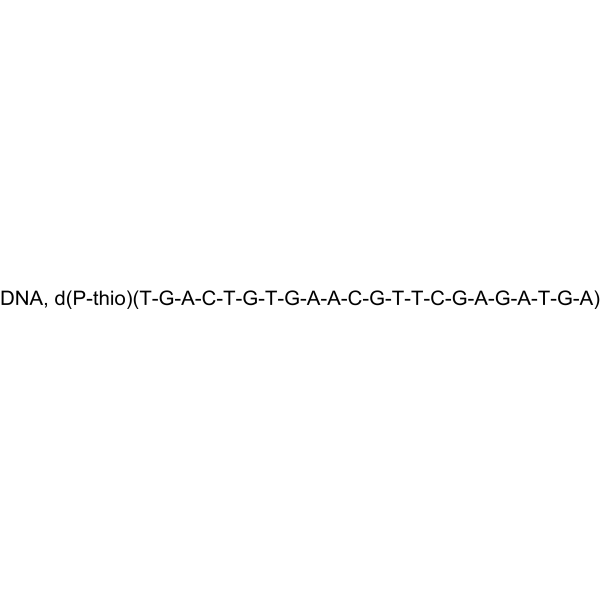
    ODN 1018 (1018 ISS) is a TLR9 agonist and immune modulator. ODN 1018 exhibits adjuvant activity and augments CD8+ T cell responses with LNP-encapsulated OVA peptides. ODN 1018 triggers sustained suppression of allergic airway inflammation. ODN 1018 can be used for the research of allergic asthma and systemic lupus erythematosus .
    ODN 1018
  • HY-139567
    Afimetoran
    1 Publications Verification

    BMS-986256

    Toll-like Receptor (TLR) NF-κB Apoptosis Inflammation/Immunology
    Afimetoran (BMS-986256) is an orally active, selective, and highly bioavailable TLR7/8 antagonist. Afimetoran (BMS-986256) can inhibit TLR7/8 activation of the NF-κB pathway and reverse TLR7 mediated resistance to steroid induced apoptosis in plasma cell like dendritic cells (pDCs). Afimetoran (BMS-986256) can be used for research on inflammation and autoimmune diseases (systemic lupus erythematosus) .
    Afimetoran
  • HY-P1717
    AMY-101
    Maximum Cited Publications
    7 Publications Verification

    Cp40

    Complement System SARS-CoV Inflammation/Immunology
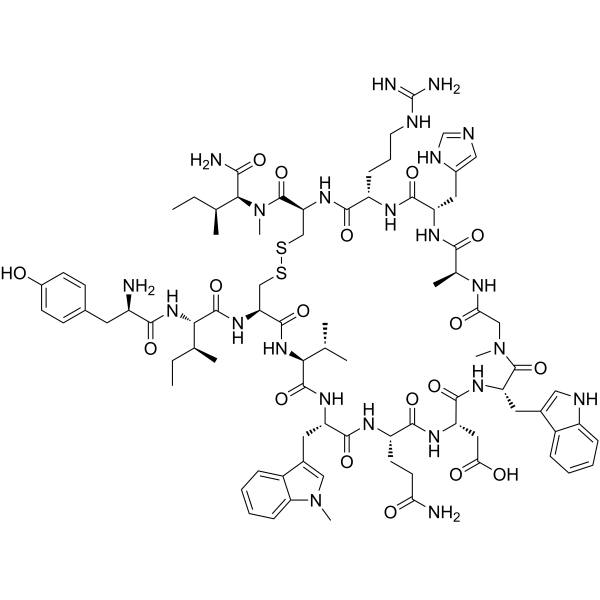
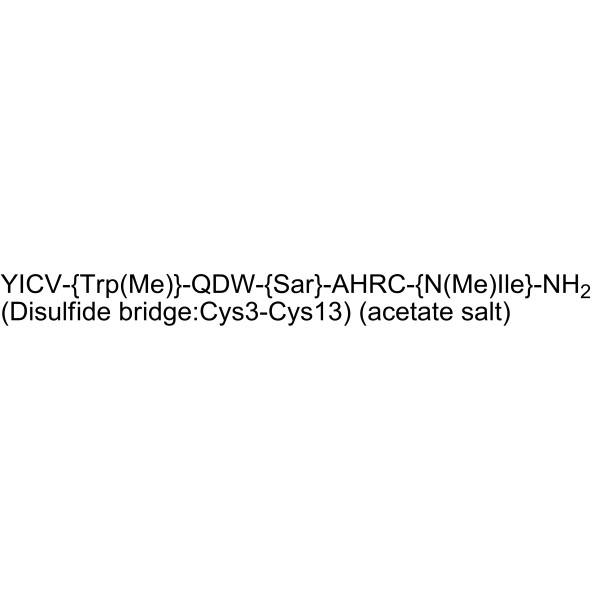
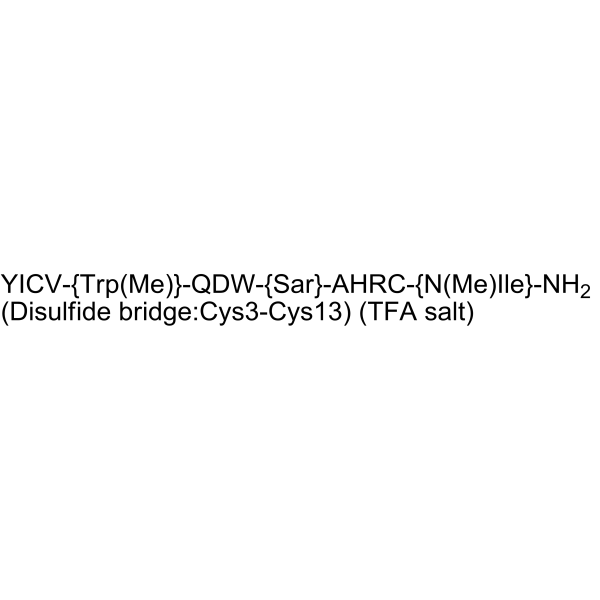
    AMY-101 (Cp40), a peptidic inhibitor of the central complement component C3 (KD = 0.5 nM), inhibits naturally occurring periodontitis in non-human primates (NHPs). AMY-101 (Cp40) exhibits a favorable anti-inflammatory activity in models with COVID-19 severe pneumonia with systemic hyper inflammation .
    AMY-101
  • HY-P991272

    PF-05230900

    Interleukin Related Inflammation/Immunology
    ATR-107 (PF-05230900) is a humanized monoclonal antibody inhibitor that targets the interleukin-21 receptor (IL-21R). The Ka value of ATR-107 is 2-4 nM in cynomolgus monkeys, 16 nM in mice, and 71 nM in rats. ATR-107 can be used in research related to systemic lupus erythematosus and air pouch inflammation .
    ATR-107
  • HY-100113
    Buloxibutid
    5 Publications Verification

    AT2 receptor agonist C21

    Angiotensin Receptor p38 MAPK TGF-beta/Smad TGF-β Receptor MMP Cardiovascular Disease Neurological Disease Inflammation/Immunology
    Buloxibutid (AT2 receptor agonist C21) is an orally active, selective angiotensin II type 2 receptor (AT2R) agonist, with a Ki value of 0.4 nM for porcine AT2R. Buloxibutid exerts effects such as vasodilation, anti-inflammation, anti-fibrosis (promoting the expression of collagenase MMP-13) and tissue repair mainly by activating the NO/cGMP pathway, inhibiting the pro-proliferative MAPK signaling, and suppressing the pro-fibrotic TGF-β/Smad pathway as well as the inflammatory NF-κB pathway. Buloxibutid can be used in research related to idiopathic pulmonary fibrosis, hypertension, and systemic sclerosis .
    Buloxibutid
  • HY-W092043
    TLR4-IN-C34-C2-COOH
    2 Publications Verification

    PROTAC Linkers Toll-like Receptor (TLR) Cardiovascular Disease Inflammation/Immunology
    TLR4-IN-C34-C2-COO is a linker that incorporates TLR4 inhibitor TLR4-IN-C34. TLR4-IN-C34-C2-COOH can be used in the research of inflammation and acute myocardial injury. TLR4-IN-C34 inhibits TLR4 in enterocytes and macrophages, and reduces systemic inflammation in mouse models of endotoxemia and necrotizing enterocolitis .
    TLR4-IN-C34-C2-COOH
  • HY-156438

    NT-0796

    NOD-like Receptor (NLR) Interleukin Related Neurological Disease
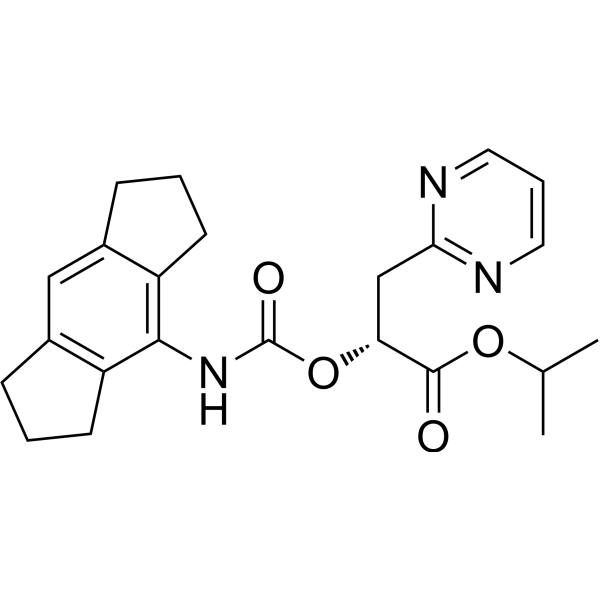
    Ruvonoflast (NT-0796) is an orally active, selective and CNS-penetrant NLRP3 inflammasome inhibitor. Ruvonoflast inhibits IL-1β release in human PBMC cells with an IC50 value of 0.32 nM. Ruvonoflast is an isopropyl ester that undergoes intracellular conversion to Ruvonoflast, the carboxylic acid active species. Ruvonoflast reverses high fat diet-induced obesity, systemic inflammation and astrogliosis in the diet-induced obesity mouse model. Ruvonoflast is promising for research of neurodegenerative disorders, including Alzheimer’s disease, Parkinson’s disease, multiple sclerosis, and amyotrophic lateral sclerosis .
    Ruvonoflast
  • HY-125792
    Nexinhib20
    1 Publications Verification

    Reactive Oxygen Species (ROS) Ras Integrin Cardiovascular Disease Inflammation/Immunology
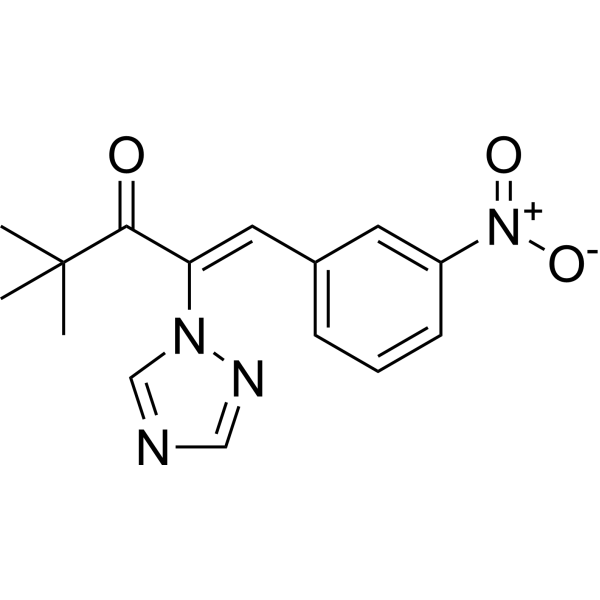
    Nexinhib20 is an inhibitor that targets the interactions of Rab27a-JFC1 (IC50: 2.6 μM) and Rac-1-GTP. Nexinhib20 can inhibit neutrophil exocytosis, adhesion, and β2 integrin activation, and has anti-inflammatory activity. Nexinhib20 can be used in the research of diseases such as systemic inflammation and myocardial ischemia-reperfusion injury .
    Nexinhib20
  • HY-P99505

    COR-001; MEDI-5117; MEDI-5117; NN-6018; WBP-216

    Interleukin Related LDLR Inflammation/Immunology Endocrinology
    Ziltivekimab (COR-001) is a fully human monoclonal antibody and also an IL-6 inhibitor. Ziltivekimab significantly reduces inflammatory biomarkers and Lipoprotein (a) in chronic kidney disease patients with systemic inflammation. Ziltivekimab does not increase pro-atherosclerotic lipid levels. Ziltivekimab is used in studies related to atherosclerotic thrombotic diseases and chronic kidney disease .
    Ziltivekimab
  • HY-P1717B
    AMY-101 acetate
    Maximum Cited Publications
    7 Publications Verification

    Cp40 acetate

    Complement System SARS-CoV Inflammation/Immunology
    AMY-101 acetate (Cp40 acetate), a peptidic inhibitor of the central complement component C3 (KD = 0.5 nM), inhibits naturally occurring periodontitis in non-human primates (NHPs). AMY-101 acetate (Cp40 acetate) exhibits a favorable anti-inflammatory activity in models with COVID-19 severe pneumonia with systemic hyper inflammation .
    AMY-101 acetate
  • HY-P1717A
    AMY-101 TFA
    Maximum Cited Publications
    7 Publications Verification

    Cp40 TFA

    Complement System SARS-CoV Inflammation/Immunology
    AMY-101 TFA (Cp40 TFA), a peptidic inhibitor of the central complement component C3 (KD = 0.5 nM), inhibits naturally occurring periodontitis in non-human primates (NHPs). AMY-101 (Cp40) exhibits a favorable anti-inflammatory activity in models with COVID-19 severe pneumonia with systemic hyper inflammation .
    AMY-101 TFA
  • HY-150724C
    ODN 1018 sodium
    2 Publications Verification

    1018 ISS sodium

    Toll-like Receptor (TLR) Inflammation/Immunology
    ODN 1018 (1018 ISS) sodium is a TLR9 agonist and immune modulator. ODN 1018 sodium exhibits adjuvant activity and augments CD8+ T cell responses with LNP-encapsulated OVA peptides. ODN 1018 sodium triggers sustained suppression of allergic airway inflammation. ODN 1018 sodium can be used for the research of allergic asthma and systemic lupus erythematosus .
    ODN 1018 sodium
  • HY-P3612

    CXCR Inflammation/Immunology
    CTCE-0214 is a chemokine CXC receptor 4 (CXCR4) agonist, SDF-1α (stromal cell-derived factor-1α) peptide analog. CTCE-0214 shows anti-inflammatory activity, and can be used in inflammation sepsis and systemic inflammatory syndromes research .
    CTCE-0214
  • HY-402361

    MEK ERK AP-1 Neurological Disease Inflammation/Immunology
    TERT activator-1 is a small molecule activator of telomerase reverse transcriptase (TERT). TERT activator-1 promotes TERT transcription through the MEK/ERK/AP-1 signaling cascade. TERT activator-1 promotes adult neurogenesis and enhances neuromuscular function. TERT activator-1 reduces cellular senescence and systemic inflammation in aged mice, and can be used in the study of aging .
    TERT activator-1
  • HY-157227

    VPC4

    TRP Channel Inflammation/Immunology
    VPC01091.4 (VPC4) is a TRPM7 inhibitor and blocks TRPM7 current at low micromolar concentrations. VPC01091.4 can penetrate the blood-brain barrier. VPC01091.4 is an efficacious anti-inflammatory agent that arrests systemic inflammation in vivo .
    VPC01091.4
  • HY-173425

    STING IFNAR TNF Receptor Interleukin Related Inflammation/Immunology
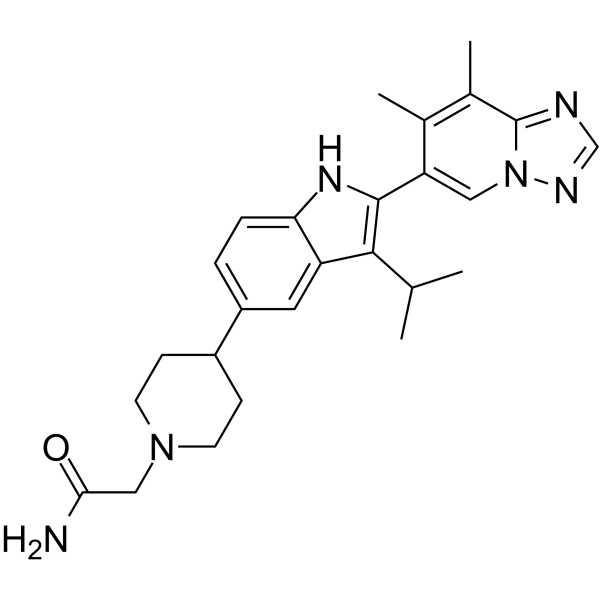
    STING-IN-15 is an orally active STING inhibitor, with an IC50 of 116 nM against h-STING and an IC50 of 96.3 nM against m-STING. STING-IN-15 inhibits the STING signaling pathway in cells, reduces the secretion of IFN-β and IP-10, downregulates the expression of ISG15, ISG56 and TNF-α, and suppresses the phosphorylation of TBK1/IRF3. STING-IN-15 alleviates systemic and renal inflammation induced by STING agonists in mice, reduces tissue damage and the expression of interferon pathway genes, and inhibits spontaneous tissue inflammation in mice. STING-IN-15 can be used for the research of acute kidney injury and autoimmune/inflammatory diseases .
    STING-IN-15
  • HY-N5025

    P2X Receptor Apoptosis ERK p38 MAPK c-Myc NF-κB Reactive Oxygen Species (ROS) Neurological Disease Inflammation/Immunology Cancer
    Bullatine A, a diterpenoid alkaloid, is a potent P2X7 antagonist. Bullatine A possesses anti-rheumatic, anti-inflammatory and anti-nociceptive effects. Bullatine A inhibits ATP-induced BV-2 cell death/apoptosis and P2X receptor-mediated inflammatory responses. Bullatine A suppresses glioma cell growth by targeting SIRT6. Bullatine A specifically attenuates pain hypersensitivity in rats. Bullatine A attenuates LPS (HY-D1056)-induced systemic inflammatory response by inhibiting the ROS/JNK/NF-κB pathway in mice. Bullatine A improves despair behavior in Chronic chronic social defeat stress (CSDS) mice. Bullatine A can be used for the study of inflammation, glioblastoma (GBM) and depression .
    Bullatine A
  • HY-174270

    NOD-like Receptor (NLR) Interleukin Related NEKs Inflammation/Immunology
    NLRP3-IN-79 is an orally active NLRP3 inhibitor. NLRP3-IN-79 inhibits NLRP3 inflammasome with an IC50 of 10.69 nM. NLRP3-IN-79 blocks NLRP3 inflammasome assembly by directly binding to NLRP3 and disrupting the NEK7-NLRP3 interaction. NLRP3-IN-79 can be used for the study of NLRP3-driven diseases model, including systemic inflammation, peritonitis, and colitis .
    NLRP3-IN-79
  • HY-157456

    RIP kinase Inflammation/Immunology
    RIPK1-IN-19 is a selective RIPK1 inhibitor (IC50=15 nM). RIPK1-IN-19 does not show obvious activity against RIPK2, RIPK3, and RIPK4. RIPK1-IN-19 displays potent protective activity in TNFα-induced systemic inflammatory response syndrome (SIRS) model and Imiquimod (IMQ)-induced psoriasis model. RIPK1-IN-19 can be used in research on inflammation and immune system diseases .
    RIPK1-IN-19
  • HY-156466

    STAT Interleukin Related IFNAR Inflammation/Immunology
    QL-1200186 is a selective, orally active, allosteric inhibitor targeting the tyrosine kinase TYK2 pseudokinase domain JH2 (IC50=0.06 nM, TYK2 JH2), with 164-fold selectivity over TYK1 JH2 (IC50=9.85 nM,TYK1 JH2). QL-1200186 first stabilizes the TYK2 JH2 conformation, inhibits the activity of the JH1 catalytic domain, and blocks the IFNα, IL-12/IL-23-mediated JAK-STAT signaling pathway. QL-1200186 can inhibit the production of Th1/Th17 cell-related cytokines (such as IFNγ, IL-23), reduce immune cell activation, and has no significant effect on JAK1/2/3 kinase activity. QL-1200186 can significantly improve skin inflammation in the Imiquimod (HY-B0180)-induced psoriasis mouse model and reduce the Psoriasis Area and Severity Index (PASI) score. QL-1200186 can be used in the study of autoimmune diseases such as psoriasis and systemic lupus erythematosus (SLE) .
    QL-1200186
  • HY-W591838

    PFPeS

    Biochemical Assay Reagents Phosphatase Metabolic Disease
    Perfluoropentanesulfonic acid (PFPeS) is a per- and polyfluoroalkyl substance. Perfluoropentanesulfonic acid increases alkaline phosphatase (ALKP). Perfluoropentanesulfonic acid induces systemic toxicity in mouse models and alters the expression of genes related to fatty acid metabolism, inflammation and skin integrity in the liver and skin .
    Perfluoropentanesulfonic acid
  • HY-174383

    Phosphodiesterase (PDE) Inflammation/Immunology
    PDE3/4-IN-2 is a dual PDE3A and PDE4B1 inhibitor, with an IC50 of 0.13 nM against PDE3A and 50 nM against PDE4B1. PDE3/4-IN-2 exhibits higher systemic exposure and longer retention time in lung tissues in ICR mice. PDE3/4-IN-2 can be used in research on respiratory diseases such as asthma and chronic obstructive pulmonary disease, as well as autoimmune inflammation-related studies .
    PDE3/4-IN-2
  • HY-W342283

    Parasite Angiotensin-converting Enzyme (ACE) Angiotensin Receptor p38 MAPK STAT NF-κB TNF Receptor 5-HT Receptor Cardiovascular Disease Infection Inflammation/Immunology
    Diminazene is an antiparasitic agent widely used to treat parasitic diseases caused by hemoparasites (such as trypanosomes and babesia). Diminazene acts as an ACE2 activator and exerts cardiovascular protective effects by activating the ACE2/Ang-(1-7)/Mas receptor axis. By regulating gut microbiota-tryptophan metabolism, Diminazene inhibits the activation of core inflammatory signaling pathways including MAPK, STAT and NF-κB, increases central 5-HT levels, and suppresses splenic TNF-α production, thereby alleviating systemic inflammation .
    Diminazene
  • HY-178166

    Toll-like Receptor (TLR) p38 MAPK TNF Receptor ERK JNK NF-κB Interleukin Related Inflammation/Immunology
    ETI41 is an orally active, selective TLR inhibitor that targets the nucleoside-binding Site I on TLR7 (IC50 = 0.63 μM) and TLR9 (IC50 = 0.16 μM), sparing surface TLRs (including TLR1/TLR2, TLR2/TLR6, TLR4 and TLR5). ETI41 potently inhibits endosomal TLR-mediated pro-inflammatory signaling with nanomolar activity in cellular, biophysical and in vivo assays. ETI41 suppresses the expression of inflammation-associated genes and effectively ameliorates symptoms in mouse models of psoriasis, and systemic lupus erythematosus (SLE). ETI41 can be used for autoimmune and inflammatory diseases research .
    ETI41
  • HY-145245

    PROTAC Linkers Toll-like Receptor (TLR) Inflammation/Immunology
    TLR4-IN-C34-C2-amide-C6-OH is a linker that incorporates TLR4 inhibitor TLR4-IN-C34. TLR4-IN-C34 inhibits TLR4 in enterocytes and macrophages, and reduces systemic inflammation in mouse models of endotoxemia and necrotizing enterocolitis .
    TLR4-IN-C34-C2-amide-C6-OH
  • HY-145253

    PROTAC Linkers Toll-like Receptor (TLR) Inflammation/Immunology
    Tri(TLR4-IN-C34-C2-amide-PEG1)-amide-C3-COOH is a linker that incorporates TLR4 inhibitor TLR4-IN-C34. TLR4-IN-C34 inhibits TLR4 in enterocytes and macrophages, and reduces systemic inflammation in mouse models of endotoxemia and necrotizing enterocolitis .
    Tri(TLR4-IN-C34-C2-amide-PEG1)-amide-C3-COOH
  • HY-145255

    PROTAC Linkers Toll-like Receptor (TLR) Inflammation/Immunology
    Tri(TLR4-IN-C34-C2-amide-C3-amide-PEG1)-amide-C3-COOH is a linker that incorporates TLR4 inhibitor TLR4-IN-C34. TLR4-IN-C34 inhibits TLR4 in enterocytes and macrophages, and reduces systemic inflammation in mouse models of endotoxemia and necrotizing enterocolitis .
    Tri(TLR4-IN-C34-C2-amide-C3-amide-PEG1)-amide-C3-COOH
  • HY-155517

    NOD-like Receptor (NLR) Pyroptosis Inflammation/Immunology
    INF200 (compound 5) is a sulfonylurea-based inhibitor of NLRP3 and NLRP3-mediated pyroptosis. INF200 has beneficial cardiometabolic effects in rat model of high-fat diet (HFD)-induced metaflammation,and shows anti-inflammatory activity to (10 μM) decreases IL-1β release in human macrophages. INF200 improves glucose and lipid profiles,and attenuates systemic inflammation and biomarkers of cardiac dysfunction (particularly BNP). INF200 also improves myocardial damage-dependent ischemia/reperfusion injury (IRI) in hemodynamic evaluation .
    INF200
  • HY-178169

    Toll-like Receptor (TLR) p38 MAPK TNF Receptor ERK JNK NF-κB Interleukin Related Inflammation/Immunology
    ETI60 is an orally active, selective TLR inhibitor that targets the nucleoside-binding Site I on TLR7 (IC50 = 0.68 μM) and TLR9 (IC50 = 0.12 μM), sparing surface TLRs (including TLR1/TLR2, TLR2/TLR6, TLR4 and TLR5). ETI60 potently inhibits endosomal TLR-mediated pro-inflammatory signaling with nanomolar activity in cellular, biophysical and in vivo assays. ETI60 modulates the expression of genes associated with inflammation. ETI60 effectively ameliorates symptoms in mouse models of psoriasis, and systemic lupus erythematosus (SLE). ETI60 can be used for autoimmune and inflammatory diseases research .
    ETI60
  • HY-139719

    NF-κB Inflammation/Immunology
    IMD-biphenylC is a novel imidazoquinolinone-NF-κB immunomodulator dimer that inhibits tumor proliferation while induces low systemic inflammation and reduces adjuvant toxicity.
    IMD-biphenylC
  • HY-139718

    NF-κB Inflammation/Immunology
    IMD-biphenylB is a potent imidazoquinolinone-NF-κB immunomodulator dimer that inhibits tumor proliferation while induces low systemic inflammation and reduces adjuvant toxicity.
    IMD-biphenylB
  • HY-174600

    mRNA Inflammation/Immunology
    Human IL6 mRNA encodes the human interleukin 6 (IL6) protein, a cytokine that functions in inflammation and the maturation of B cells. IL6 has been shown to be an endogenous pyrogen capable of inducing fever in people with autoimmune diseases or infections. The functioning of this gene is implicated in a wide variety of inflammation-associated disease states, including suspectibility to diabetes mellitus and systemic juvenile rheumatoid arthritis.
    Human IL6 mRNA
  • HY-147374

    Epigenetic Reader Domain Metabolic Disease Inflammation/Immunology
    Bromodomain inhibitor-9 is a Bromodomains inhibitor that selectively inhibits BRD4-1 (Kd: 12 nM). Bromodomain inhibitor-9 can be used in the research of diseases or conditions associated with systemic or tissue inflammation, lipid metabolism, fibrosis or chronic autoimmune diseases .
    Bromodomain inhibitor-9
  • HY-149700

    ROCK MMP STAT Others
    ROCK2-IN-7 is a kinase inhibitor targeting to ROCK2. ROCK2-IN-7 inhibits ROCK2/pSTAT3 Signaling. ROCK2-IN-7 suppresses systemic immunity activation and attenuates inflammation in psoriasis model .
    ROCK2-IN-7
  • HY-156367

    RIP kinase Inflammation/Immunology
    RIPK1-IN-16 is an orally active and potent inhibitor of RIPK1. RIPK1-IN-16 inhibits excessive inflammation by blocking RIPK1-mediated necroptosis in vivo. RIPK1-IN-16 protects mouse from TNF-induced systemic inflammatory response syndrome and sepsis .
    RIPK1-IN-16
  • HY-145829

    JAK Apoptosis Inflammation/Immunology
    Tofacitinib precursor-1 is an effective and oral active precursor to mitigate the systemic adverse effects of Tofacitinib. Tofacitinib precursor-1 can effectively attenuate the oxazolone-induced colitis in mice model with low toxicity. Tofacitinib precursor-1 is a potential drug candidate for the research of ulcerative colitis .
    Tofacitinib Prodrug-1
  • HY-145254

    Toll-like Receptor (TLR) Inflammation/Immunology
    Tri(TLR4-IN-C34-PEG2-amide-PEG1)-amide-C3-COOH is a linker that incorporates TLR4 inhibitor TLR4-IN-C34. TLR4-IN-C34 inhibits TLR4 in enterocytes and macrophages, and reduces systemic inflammation in mouse models of endotoxemia and necrotizing enterocolitis .
    Tri(TLR4-IN-C34-PEG2-amide-PEG1)-amide-C3-COOH
  • HY-115004

    FAAH Neurological Disease
    MM-433593 is a potent and selective inhibitor of fatty acid amide hydrolase-1 (FAAH-1) that is orally administered to inhibit pain, inflammation, and related disorders. Pharmacokinetic studies of MM-433593 in macaques revealed a biphasic elimination profile with a rapid distribution phase and a slower elimination phase, with a systemic clearance of 8-11 mL/min/kg. MM-433593 exhibits moderate oral bioavailability (14-21%) and its metabolism primarily involves oxidation of the methyl group on the indole ring, resulting in a variety of sulfate, glucuronide, or glutathione-conjugated metabolites .
    MM-433593
  • HY-183763

    ROR Interleukin Related Inflammation/Immunology
    RORγt inverse agonist 37 is an orally active RORγt inverse agonist with an IC50 of 10.8 nM against human targets. RORγt inverse agonist 37 destabilizes helix 12 of RORγt in the agonist-bound conformation, thereby inhibiting transcriptional activity. RORγt inverse agonist 37 inhibits the secretion of IL-17 in cells and in LPS-induced systemic inflammation mouse models. RORγt inverse agonist 37 improves disease-related symptoms in mouse models of psoriasiform dermatitis. RORγt inverse agonist 37 can be used in research related to psoriasiform dermatitis and systemic inflammation .
    RORγt inverse agonist 37
  • HY-183079

    Toll-like Receptor (TLR) IFNAR Interleukin Related Infection Inflammation/Immunology
    ENDO12 is an inhibitor of the Munc13-4-STX7 protein complex, with a Kd value of 2.7 µM for STX7. ENDO12 blocks the interaction of Munc13-4-STX7. ENDO12 inhibits endolysosomal flux, endolysosomal cargo degradation, the extracellular signal-regulated kinase signaling pathway in neutrophils, the IFN regulatory factor signaling pathway in plasmacytoid dendritic cells, and the responses of primary dendritic cells to TLR3, TLR7, and TLR9. ENDO12 alleviates CpG-induced systemic inflammation by reducing the levels of myeloperoxidase, IL-6 and IFNγ. ENDO12 does not interfere with the host's antiviral response to lymphocytic choriomeningitis virus infection.\nENDO12 can be used in studies related to systemic inflammation .
    ENDO12
  • HY-107575R

    Reference Standards Toll-like Receptor (TLR) Inflammation/Immunology
    TLR4-IN-C34 (Standard) is the analytical standard of TLR4-IN-C34 (HY-107575). This product is intended for research and analytical applications. TLR4-IN-C34 is an orally active TLR4 inhibitor and reduces systemic inflammation in models of endotoxemia and necrotizing enterocolitis .
    TLR4-IN-C34 (Standard)
  • HY-180120

    STING IKK NF-κB IFNAR Interleukin Related Inflammation/Immunology
    UM-203 is a reversible covalent STING antagonist. UM-203 is effective against both mouse and human STING, and in particular, it inhibits the most common human STING R232 variant. UM-203 can inhibit STING oligomerization and reduce phosphorylation of downstream TBK1 and IRF3, thereby blocking the IRF3 and NF-κB-mediated signaling pathways and inhibiting IFNβ and IL-6 secretion. UM-203 can be used for the research of inflammation and immunology, such as systemic lupus erythematosus .
    UM-203
  • HY-182751

    ATP Citrate Lyase Inflammation/Immunology
    ACLY-IN-4 is an ATP-citrate lyase (ACLY) inhibitor with an IC50 of 0.022 μM and a Kd of 0.19 μM. ACLY-IN-4 binds to the allosteric binding site of ACLY. ACLY-IN-4 exhibits hypolipidemic, anti-steatotic, insulin sensitivity-improving, anti-oxidative stress, anti-inflammatory and anti-fibrotic activities. ACLY-IN-4 alleviates hepatic steatosis, systemic insulin resistance, oxidative stress, hepatic inflammation and fibrosis. ACLY-IN-4 can be used for the research of metabolic dysfunction-associated steatohepatitis .
    ACLY-IN-4
  • HY-138135

    Fidaxomicin metabolite OP-1118

    NF-κB ERK Apoptosis Bacterial Infection
    OP-1118 (Fidaxomicin metabolite OP-1118) is an orally active dual inhibitor of NF-κB and ERK1/2, with low systemic plasma exposure, no accumulation, and primary excretion via feces. By inhibiting the phosphorylation of NF-κB and ERK1/2 and reducing the expression of pro-inflammatory cytokines, OP-1118 exerts significant anti-inflammatory, cytoprotective, anti-apoptotic and antibacterial activities. In Clostridium difficile infection models, OP-1118 effectively blocks toxin-mediated intestinal inflammation, cell rounding, histological damage and apoptosis, and its protective effect can be reversed by PMA (HY-18739) .
    OP-1118
  • HY-181168

    Caspase Pyroptosis Inflammation/Immunology
    Lb54 is a caspase-3 and caspase-7 activator with an EC50 of 660.9 nM for human procaspase-3. Lb54 activates caspase-3/7, which cleaves Gasdermin D (GSDMD) at aspartic acid residue 87 to generate a p10 fragment, preventing formation of the pore-forming p30 fragment of GSDMD. Lb54 suppresses GSDMD-mediated pyroptosis through caspase-3/7 activation, thereby attenuating inflammatory responses and conferring protection against sepsis. Lb54 alleviates acute lung injury, and inhibited systemic inflammation by restraining the maturation of monocyte-derived dendritic cells. Lb54 can be used for the research of sepsis .
    Lb54
  • HY-100113R

    AT2 receptor agonist C21 (Standard)

    Angiotensin Receptor Reference Standards p38 MAPK TGF-beta/Smad TGF-β Receptor MMP Cardiovascular Disease Neurological Disease Inflammation/Immunology
    Buloxibutid (AT2 receptor agonist C21) (Standard) is the analytical standard of Buloxibutid (HY-100113). This product is intended for research and analytical applications. Buloxibutid is an orally active, selective angiotensin II type 2 receptor (AT2R) agonist, with a Ki value of 0.4 nM for porcine AT2R. Buloxibutid exerts effects such as vasodilation, anti-inflammation, anti-fibrosis (promoting the expression of collagenase MMP-13) and tissue repair mainly by activating the NO/cGMP pathway, inhibiting the pro-proliferative MAPK signaling, and suppressing the pro-fibrotic TGF-β/Smad pathway as well as the inflammatory NF-κB pathway. Buloxibutid can be used in research related to idiopathic pulmonary fibrosis, hypertension, and systemic sclerosis.
    Buloxibutid (Standard)

Inquiry Online

Your information is safe with us. * Required Fields.

Salutation


Country or Region *

Applicant Name *


Organization Name *

Department *


Email Address *


Product Name *

Cat. No.


Requested quantity *

Phone Number *


Remarks

Inquiry Online

Inquiry Information

Product Name:
Cat. No.:
Quantity:
MCE Japan Authorized Agent:

