






Search Result
Results for "
transcripts
" in MedChemExpress (MCE) Product Catalog:
2
Biochemical Assay Reagents
| Cat. No. |
Product Name |
Target |
Research Areas |
Chemical Structure |
-
- HY-141140
-
|
5-EU
|
Biochemical Assay Reagents
|
Others
|
|
5-Ethynyluridine (5-EU) is a potent cell-permeable nucleoside can be used to label newly synthesized RNA. 5-Ethynyluridine can be used for isolation and sequencing of nascent RNA from neuronal populations in vivo. 5-Ethynyluridine can be used to identify changes in transcription in vivo in nervous system disease models . 5-Ethynyluridine is a click chemistry reagent, it contains an Alkyne group and can undergo copper-catalyzed azide-alkyne cycloaddition (CuAAc) with molecules containing Azide groups.
|
-
-
- HY-153274
-
CWI1-2
4 Publications Verification
|
Apoptosis
|
Cancer
|
|
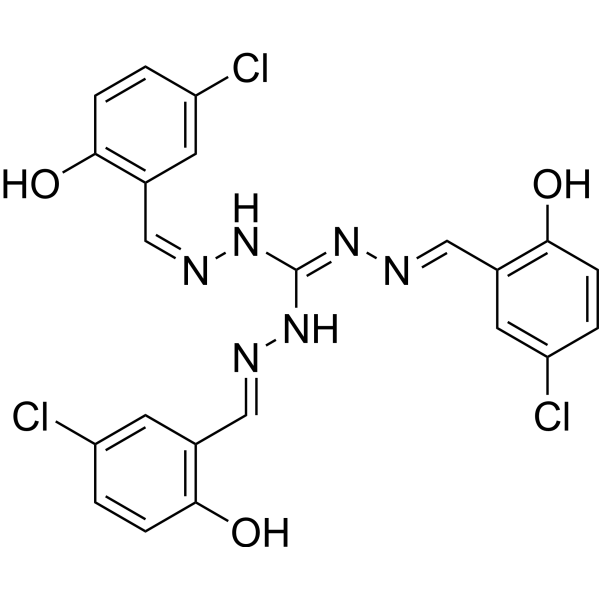
CWI1-2 is an IGF2BP2 inhibitor that binds IGF2BP2 and inhibits its interaction with m6A-modified target transcripts, induces apoptosis and differentiation, and shows promising anti-leukemic effects .
|
-
-
- HY-161111
-
|
|
Ser/Thr Kinase
|
Cancer
|
|
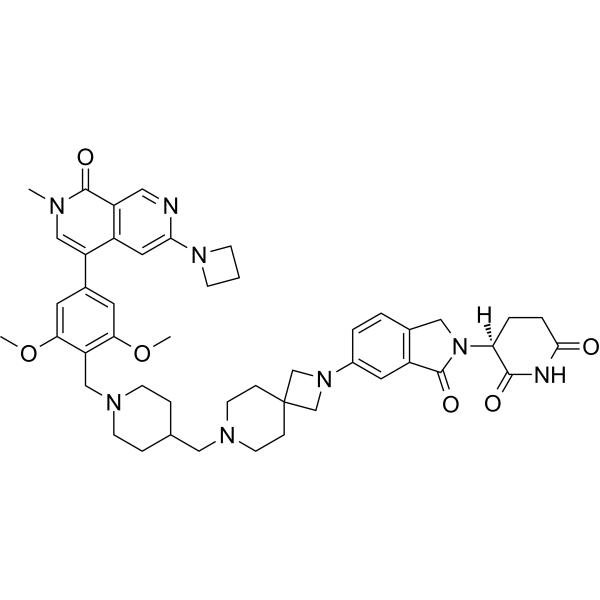
KVS0001 is a selective SMG1 inhibitor. KVS0001 elevates the expression of transcripts and proteins resulting from truncating mutations. KVS0001 increased the presentation of immune-targetable HLA class I-associated peptides from nonsense-mediated decay (NMD)-downregulated proteins on the surface of cancer cells. KVS0001 exerts anti-tumor properties and can be studied in research for NMD-related diseases, including cancer and inherited diseases .
|
-
-
- HY-132608
-
|
ISIS-420915 sodium
|
Transthyretin (TTR)
|
Neurological Disease
|
|
Inotersen (ISIS-420915) sodium is a 2′-O-methoxyethyl-modified antisense oligonucleotide. Inotersen sodium inhibits the production of transthyretin (TTR) protein by targeting the TTR RNA transcript and reduces the levels of the TTR transcript. Inotersen sodium can be used for the research of hereditary TTR amyloidosis polyneuropathy .
|
-
-
- HY-119264
-
|
|
Molecular Glues
Ras
Apoptosis
HIF/HIF Prolyl-Hydroxylase
|
Cancer
|
|
PRLX-93936 is a molecular Glues that binds to and reprograms the TRIM21 ubiquitin ligase to degrade nuclear pore complexes. PRLX-93936 binds to TRIM21, forms a ternary complex with TRIM21 and NUP98, and mediates the ubiquitination and proteasomal degradation of NUP98 and other nuclear pore complex proteins. PRLX-93936 induces the loss of short-lived cytoplasmic mRNA transcripts, triggers cancer cell apoptosis (Apoptosis), and inhibits the activated Ras pathway. PRLX-93936 inhibits HIF-1 under hypoxic conditions (IC50 = 0.09 μM in cell-based reporter gene assay). PRLX-93936 suppresses tumor growth in mouse models and improves survival rates in mouse models of multiple myeloma. PRLX-93936 is applicable to research related to pancreatic cancer and multiple myeloma .
|
-
-
- HY-147410
-
|
ION-363
|
DNA/RNA Synthesis
|
Neurological Disease
|
|
Ulefnersen (ION363) is an Antisense Oligonucleotide (ASO) directed against the 6th intron of the fused-in sarcoma (FUS) transcript to silence FUS in a non-allele-specific manner. Ulefnersen can reduce postnatal levels of FUS protein in the brain and spinal cord in disease-relevant mouse model of ALS-FUS , delaying motor neuron degeneration. Ulefnersen can be used in the research of Amyotrophic Lateral Sclerosis (ALS) .
|
-
-
- HY-132581
-
|
BIIB078; IONIS-C9Rx
|
Ras
Others
|
Neurological Disease
|
|
Tadnersen (BIIB078), an antisense oligonucleotide (ASO), selectively targets C9ORF72 transcript variants 1 and 3 that carry the expansion .
|
-
-
- HY-145725A
-
|
ISIS 598769; IONIS 598769; BIIB 065; ISIS-DMPK-2.5Rx
|
Ser/Thr Kinase
|
Neurological Disease
|
|
Baliforsen (ISIS 5987690) is an antisense oligonucleotide (ASO) that inhibits DMPK mRNA. Baliforsen binds within exon 9 of the human DMPK transcript to promote RNase H1-mediated degradation Baliforsen can be used for the research of myotonic dystrophy type 1 .
|
-
-
- HY-115579
-
|
|
DNA/RNA Synthesis
|
Cancer
|
|
MALAT1-IN-1 (compounds 5) is a potent and specific Malat1 (Metastasis-associated lung adenocarcinoma transcript 1) inhibitor. MALAT1-IN-1 modulated Malat1 downstream genes in a dose-dependent manner without affecting expression of nuclear enriched abundant transcript 1 (Neat1) .
|
-
-
- HY-153274A
-
|
|
Apoptosis
|
Cancer
|
|
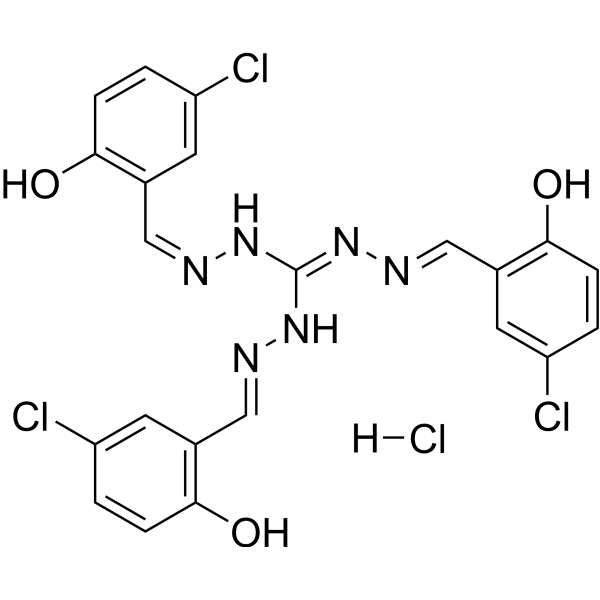
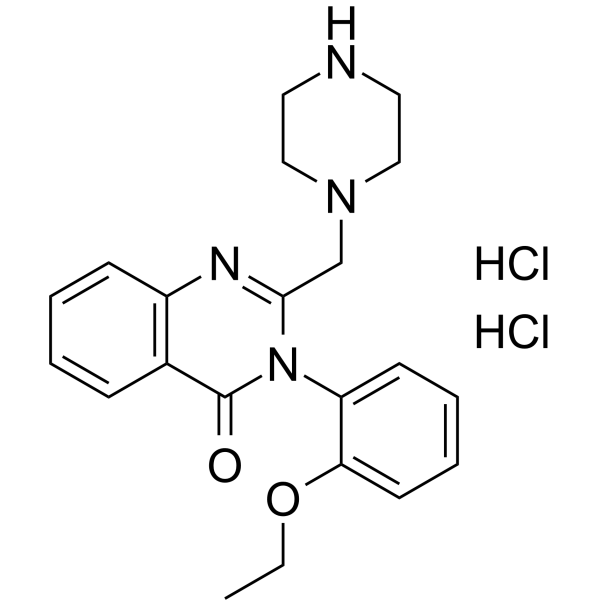
CWI1-2 hydrochloride is an IGF2BP2 inhibitor that binds IGF2BP2 and inhibits its interaction with m6A-modified target transcripts, induces apoptosis and differentiation, and shows promising anti-leukemic effects .
|
-
-
- HY-148410A
-
|
STK-001 sodium
|
Sodium Channel
|
Neurological Disease
|
|
Zorevunersen sodium is an antisense oligonucleotide targeting the Scn1a gene based on TANGO technology. Zorevunersen sodium increases Scn1a mRNA transcripts and elevates the expression level of NaV1.1 protein. Zorevunersen sodium restores the excitability of PV interneurons, thereby reducing seizures and prolonging survival in mice. Zorevunersen sodium can be used for research on Dravet syndrome .
|
-
-
- HY-10240
-
Mericitabine
Maximum Cited Publications
7 Publications Verification
RG 7128; R-7128; PSI 6130 diisobutyrate
|
HCV
|
Infection
|
|
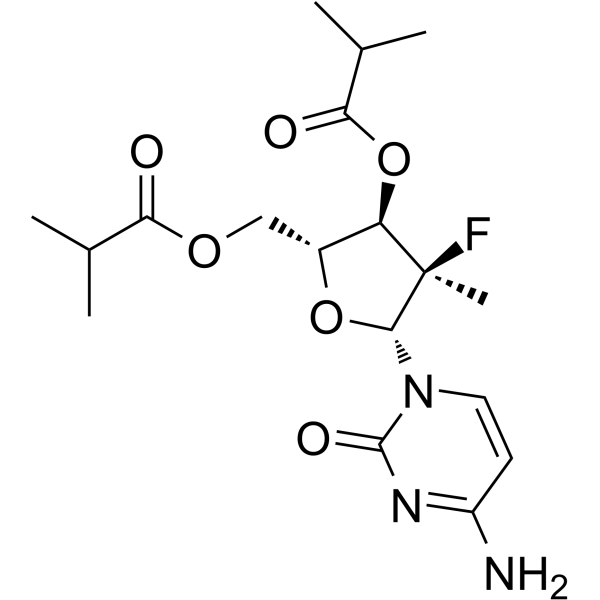
Mericitabine (RG 7128; R-7128) is a nucleoside inhibitor of the HCV NS5B polymerase that acts as an RNA chain terminator and prevents elongation of RNA transcripts during replication.
|
-
-
- HY-147149
-
|
|
DNA/RNA Synthesis
|
Neurological Disease
|
|
BPN-15477 is a potent SMC (splicing modulator compound) that restores correct splicing of ELP1 (Elongator complex protein 1) exon 20. BPN-15477 corrects splicing of the ELP1 transcript, significantly increases the level of functional protein in vivo in all tissues, including brain. BPN-15477 can be used for frontotemporal dementia research .
|
-
-
- HY-159828
-
|
VH-499; VH4011499
|
HIV
|
Infection
|
|
Dezecapavir is a HIV-1 capsid protein inhibitor. Dezecapavir exhibits picomolar-level antiviral activity against a variety of HIV-1 laboratory strains and clinical isolates in vitro. Dezecapavir inhibits the early and late stages of the HIV-1 life cycle, blocking nuclear import, reverse transcript production, virion assembly, maturation, and post-nuclear import/pre-integration replication processes. Dezecapavir can be used in studies related to HIV-1 infection .
|
-
-
- HY-147266
-
|
VIR-2218 sodium
|
Small Interfering RNA (siRNA)
HBV
|
Infection
|
|
Elebsiran (VIR-2218) sodium is a siRNA that targets and degrades hepatitis B virus (HBV) and hepatitis D virus (HDV) RNA transcripts. Elebsiran sodium leads to a significant decrease in HBV surface antigen (HBsAg) and a reduction in viral load. Elebsiran sodium binds to the sialic acid-depleted glycoprotein receptor (ASGPR) on the surface of liver cells through the GalNAc ligand, achieving liver-targeted delivery and demonstrating improved liver safety. Elebsiran sodium can be used for the study of chronic HBV/HDV infections .
|
-
-
- HY-119264A
-
|
|
Molecular Glues
Apoptosis
Ras
HIF/HIF Prolyl-Hydroxylase
|
Cancer
|
|
PRLX-93936 dihydrochloride is a molecular Glues that binds to and reprograms the TRIM21 ubiquitin ligase to degrade nuclear pore complexes. PRLX-93936 dihydrochloride binds to TRIM21, forms a ternary complex with TRIM21 and NUP98, and mediates the ubiquitination and proteasomal degradation of NUP98 and other nuclear pore complex proteins. PRLX-93936 dihydrochloride induces the loss of short-lived cytoplasmic mRNA transcripts, triggers cancer cell apoptosis (Apoptosis), and inhibits the activated Ras pathway. PRLX-93936 dihydrochloride inhibits HIF-1 under hypoxic conditions (IC50 = 0.09 μM in cell-based reporter gene assay). PRLX-93936 dihydrochloride suppresses tumor growth in mouse models and improves survival rates in mouse models of multiple myeloma. PRLX-93936 dihydrochloride is applicable to research related to pancreatic cancer and multiple myeloma .
|
-
-
- HY-145638A
-
|
RO7445482 sodium
|
HBV
|
Infection
|
Xalnesiran (RO7445482) sodium is a small interfering RNA molecule that targets a conserved region of the hepatitis B virus (HBV) genome . Xalnesiran sodium can be used for the research of chronic hepatitis B infection .
|
-
-
- HY-137697D
-
|
|
HIV
DNA/RNA Synthesis
Nucleoside Antimetabolite/Analog
Drug Metabolite
HIV Protease
|
Infection
|
|
ddCTP trilithium solution (100 mM) is a chain-terminating dideoxynucleotide. ddCTP trilithium is a type of chain-terminating deoxynucleotide. ddCTP trilithium can be incorporated into the extension primer chain that lacks the 3'-hydroxyl group, thereby terminating primer extension, viral genome replication, and DNA synthesis. ddCTP trilithium can distinguish almost identical RNA through distinguishable extension products in primer extension inhibition experiments. ddCTP trilithium is the active metabolite of Zalcitabine (HY-17392), which can competitively inhibit HIV reverse transcriptase, terminate the synthesis of viral DNA chains, and thereby inhibit HIV replication .
|
-
-
- HY-135784
-
OSMI-2
1 Publications Verification
|
OGT
Acyltransferase
|
Metabolic Disease
|
|
OSMI-2 (Compound 1b) is a cell-permeable O-linked N-acetylglucosamine transferase (OGT) inhibitor. Cells contain a large nuclear pool of partially spliced OGT transcript, and OSMI-2 increases detained intron splicing in cells .
|
-
-
- HY-N2245
-
|
|
CD74
|
Cancer
|
|
Schisandrone, a 4-aryltetralone lignan, is isolated from the dried fruits of Schisandra sphenanthera . Schisandrone is an alpha-hemolysin (Hla) inhibitor that downregulates the transcript levels of hla, agrA and RNAIII. Hla is an integral virulence determinant in Staphylococcus aureus that determines pathogenicity. Schisandrone is a potent inhibitor against MRSA pneumonia .
|
-
-
- HY-147412
-
|
QR-421a
|
Nucleoside Antimetabolite/Analog
DNA/RNA Synthesis
|
Neurological Disease
|
|
Ultevursen (QR-421a) is a splice-modulating antisense oligonucleotide targeting exon 13 of the USH2A gene, which restores the functional expression of Usherin protein by inducing exon skipping. Ultevursen binds to USH2A pre-mRNA and modulates the splicing process to specifically skip exon 13 carrying the pathogenic mutation c.2299delG, generating an in-frame transcript and a truncated yet functionally normal protein. Ultevursen exhibits concentration-dependent exon skipping activity in human cells and retinal organoid models, and restores Usherin expression and retinal function in zebrafish and gene-edited mouse models. Ultevursen can be used for related research on type 2 Usher syndrome and non-syndromic retinitis pigmentosa .
|
-
-
- HY-148410
-
|
STK-001
|
Sodium Channel
|
Neurological Disease
|
|
Zorevunersen is an antisense oligonucleotide targeting the Scn1a gene based on TANGO technology. Zorevunersen increases Scn1a mRNA transcripts and elevates the expression level of NaV1.1 protein. Zorevunersen restores the excitability of PV interneurons, thereby reducing seizures and prolonging survival in mice. Zorevunersen can be used for research on Dravet syndrome .
|
-
-
- HY-P2200
-
|
BMY-29304
|
HIV
Antibiotic
|
Infection
Inflammation/Immunology
|
|
Siamycin I (BMY-29304), a 21-residue tricyclic peptide, is a secondary metabolite in actinomycetes. Siamycin I is a HIV fusion inhibitor with ED50s of 0.05 to 5.7 μM for acute HIV type 1 (HIV-1) and HIV-2 infections. Siamycin I inhibits the gelatinase and gelatinase biosynthesis-activating pheromone (GBAP) signaling via the FsrC-FsrA two-component regulatory system in a noncompetitive manner. Siamycin I suppresses the expression of both fsrBDC and gelE-sprE transcripts. Siamycin I, a lasso peptide, interacts with lipid II and inhibits cell wall biosynthesis. Siamycin I, an antibiotic, has the potential for enterococcal infections research .
|
-
-
- HY-147410A
-
|
ION-363 sodium
|
DNA/RNA Synthesis
|
Neurological Disease
|
|
Ulefnersen sodium (ION363) is an Antisense Oligonucleotide (ASO) directed against the 6th intron of the fused-in sarcoma (FUS) transcript to silence FUS in a non-allele-specific manner. Ulefnersen sodium can reduce postnatal levels of FUS protein in the brain and spinal cord in disease-relevant mouse model of ALS-FUS , delaying motor neuron degeneration. Ulefnersen sodium can be used in the research of Amyotrophic Lateral Sclerosis (ALS) .
|
-
-
- HY-139098
-
|
m7Gp3G
|
DNA/RNA Synthesis
|
Others
|
|
7-Methyl-diguanosine triphosphate (m7Gp3G) is an mRNA cap structure analog that inhibits in vitro protein synthesis by binding to the translation initiation complex. 7-Methyl-diguanosine triphosphate binds to eIF4E, promotes cap-dependent translation initiation, stabilizes mRNA, and acts as a translation enhancer. 7-Methyl-diguanosine triphosphate can be used to prepare synthetic capped RNA transcripts for studies related to mRNA translation, splicing, turnover, and intracellular transport .
|
-
-
- HY-137697
-
|
|
Nucleoside Antimetabolite/Analog
DNA/RNA Synthesis
HIV Protease
HIV
Drug Metabolite
|
Infection
|
|
ddCTP is a type of chain-terminating deoxynucleotide. ddCTP can be incorporated into the extension primer chain that lacks the 3'-hydroxyl group, thereby terminating primer extension, viral genome replication, and DNA synthesis. ddCTP can distinguish almost identical RNA through distinguishable extension products in primer extension inhibition experiments. ddCTP is the active metabolite of Zalcitabine (HY-17392), which can competitively inhibit HIV reverse transcriptase, terminate the synthesis of viral DNA chains, and thereby inhibit HIV replication .
|
-
-
- HY-132581E
-
|
Scrambled BIIB078; Scrambled IONIS-C9Rx
|
Ras
|
Neurological Disease
|
|
Scrambled Tadnersen is the Negative Control of Tadnersen sodium (HY-132581A). Tadnersen sodium, an antisense oligonucleotide (ASO), selectively targets C9ORF72 transcript variants 1 and 3 that carry the expansion .
|
-
-
- HY-132581A
-
|
BIIB078 sodium; IONIS-C9Rx sodium
|
Ras
|
Neurological Disease
|
|
Tadnersen sodium, an antisense oligonucleotide (ASO), selectively targets C9ORF72 transcript variants 1 and 3 that carry the expansion .
|
-
-
- HY-19731
-
|
MiR-544 Inhibitor 1
|
MicroRNA
Apoptosis
|
Cancer
|
|
SID 3712249 (MiR-544 Inhibitor 1) is a miR-544 biogenesis inhibitor. SID 3712249 binds directly to the precursor miRNA. SID 3712249 blocks production of the mature microRNA and decreases miR-544, HIF-1α, and ATM transcripts. SID 3712249 can be used in the research of cancers, such as breast cancer .
|
-
-
- HY-147266A
-
|
VIR-2218
|
HBV
Small Interfering RNA (siRNA)
|
Infection
|
|
Elebsiran (VIR-2218) is a siRNA that targets and degrades hepatitis B virus (HBV) and hepatitis D virus (HDV) RNA transcripts. Elebsiran leads to a significant decrease in HBV surface antigen (HBsAg) and a reduction in viral load. Elebsiran binds to the sialic acid-depleted glycoprotein receptor (ASGPR) on the surface of liver cells through the GalNAc ligand, achieving liver-targeted delivery and demonstrating improved liver safety. Elebsiran can be used for the study of chronic HBV/HDV infections .
|
-
-
- HY-115574
-
|
|
RSV
|
Infection
|
|
RSV L-protein-IN-1 (compound D) is a potent inhibitor of Respiratory syncytial virus (RSV) (EC50=0.021 μM). RSV L-protein-IN-1 inhibits Polymerase (IC50=0.089 μM),and blocks RSV mRNA synthesis by inhibiting guanylation of viral transcripts. RSV L-protein-IN-1 shows moderate cytotoxicity (CC50=8.4 μM,HEp-2),also exhibits activity and lowers virus titers in mouse models of RSV infection .
|
-
-
- HY-115451
-
|
|
DNA/RNA Synthesis
|
Others
|
|
Photoregulin 3 (compound T4) can promote distal-to-proximal alternative polyadenylation (APA) activity in multiple transcripts .
|
-
-
- HY-177651
-
|
ION-582
|
E1/E2/E3 Enzyme
|
Others
|
|
Obudanersen is an antisense oligonucleotide targeted to ubiquitin protein ligase E3A-antisense transcript (UBE3A-ATS). It is used for the study of Angelman syndrome.
|
-
-
- HY-177615A
-
|
GTX-102 sodium
|
E1/E2/E3 Enzyme
|
Others
|
|
Apazunersen sodium is an antisense oligonucleotide (ASO) that targets and inhibits expression of the UBE3A antisense transcript (UBE3A-AS) to prevent silencing of the paternally inherited allele of the UBE3A gene and reactivate expression of the deficient
|
-
-
- HY-177615
-
|
GTX-102
|
E1/E2/E3 Enzyme
|
Others
|
|
Apazunersen is an antisense oligonucleotide (ASO) that targets and inhibits expression of the UBE3A antisense transcript (UBE3A-AS) to prevent silencing of the paternally inherited allele of the UBE3A gene and reactivate expression of the deficient protei
|
-
-
- HY-177651A
-
|
ION-582 sodium
|
E1/E2/E3 Enzyme
|
Others
|
|
Obudanersen sodium is an antisense oligonucleotide targeted to ubiquitin protein ligase E3A-antisense transcript (UBE3A-ATS). It is used for the study of Angelman syndrome.
|
-
-
- HY-132581C
-
|
Scrambled BIIB078 sodium; Scrambled IONIS-C9Rx sodium
|
Ras
|
Neurological Disease
|
|
Scrambled Tadnersen sodium is the Negative Control of Tadnersen sodium (HY-132581A). Tadnersen sodium, an antisense oligonucleotide (ASO), selectively targets C9ORF72 transcript variants 1 and 3 that carry the expansion .
|
-
-
- HY-P99846
-
|
QAX576
|
Interleukin Related
|
Inflammation/Immunology
|
|
Dectrekumab (QAX576) is a human monoclonal antibody that targets IL-13. Dectrekumab significantly improves intraepithelial esophageal eosinophil counts and dysregulated esophageal disease-related transcripts with Eosinophilic esophagitis (EoE) in a sustained manner and can be used for inflammation and immunology related research .
|
-
-
- HY-135785
-
|
|
OGT
Acyltransferase
|
Metabolic Disease
|
|
OSMI-3 (Compound 2b) is a potent, long-lasting, and cell-permeable O-linked N-acetylglucosamine transferase (OGT) inhibitor. Cells contain a large nuclear pool of partially spliced OGT transcript, and OSMI-3 increases detained intron splicing in cells .
|
-
-
- HY-178053
-
|
|
Aryl Hydrocarbon Receptor
Cytochrome P450
Interleukin Related
|
Inflammation/Immunology
|
|
AHR agonist 10 is a potent AHR agonist (EC50 = 2.01 nM). AHR agonist 10 can elevate the transcript levels of key AHR downstream pathway target genes, including CYP1A1 and CYP1B1. AHR agonist 10 can downregulate the expression levels of CD36, IL-18 and shows low cytotoxicity (>40 μM) to normal cells. AHR agonist 10 can suppress the expression of CCL5, CCL20, IL-6, IL-8, S100A9, TLR4, TNF-α, and TNFR1, demonstrating that AHR agonist 10 effectively modulate inflammatory responses through AHR dependent signaling pathways. AHR agonist 10 can be used for psoriasis research .
|
-
-
- HY-137697B
-
|
|
HIV
DNA/RNA Synthesis
Nucleoside Antimetabolite/Analog
Drug Metabolite
HIV Protease
|
Infection
|
|
ddCTP trilithium is a type of chain-terminating deoxynucleotide. ddCTP trilithium can be incorporated into the extension primer chain that lacks the 3'-hydroxyl group, thereby terminating primer extension, viral genome replication, and DNA synthesis. ddCTP trilithium can distinguish almost identical RNA through distinguishable extension products in primer extension inhibition experiments. ddCTP trilithium is the active metabolite of Zalcitabine (HY-17392), which can competitively inhibit HIV reverse transcriptase, terminate the synthesis of viral DNA chains, and thereby inhibit HIV replication .
|
-
-
- HY-P991606
-
|
|
C-type Lectin-like Receptors (CTLRs)
|
Infection
Inflammation/Immunology
Cancer
|
|
TRX585 is a humanised anti-immunoglobulin-like transcript 5 (ILT5) monoclonal antibody. TRX585 has a potent immunoregulatory activity. TRX585 significantly activates human T cells and upregulates NKG2D and Fas ligand, followed by enhancing antitumor activity with potent cytotoxicity. TRX585 can be used for viral infections and malignancies research .
|
-
-
- HY-177654
-
|
|
HBV
|
Infection
|
|
Ozisiran, a siRNA, is a hepatitis B virus (HBV) RNA transcript reducer with antiviral activity.
|
-
-
- HY-177654A
-
|
|
HBV
|
Infection
|
|
Ozisiran sodium, a siRNA, is a hepatitis B virus (HBV) RNA transcript reducer with antiviral activity.
|
-
-
- HY-107736
-
|
|
Quinone Reductase
Keap1-Nrf2
|
Inflammation/Immunology
Cancer
|
|
AI-3 is a potent ARE (antioxidant response element) activator. AI-3 increases the NQO1 at the transcript levels and protein expression levels. AI-3 has the potential for the research of oxidative stress related diseases .
|
-
-
- HY-162012
-
|
|
YAP
|
Cancer
|
|
HC-258 (compound 26) binds with the cysteine in TEAD’s PA pocket. HC-258 reduces the CTGF, CYR61, AXL, and NF2 transcript levels and inhibits the migration of MDA-MB-231 breast cancer cells .
|
-
-
- HY-10240R
-
|
RG 7128 (Standard); R-7128 (Standard); PSI 6130 diisobutyrate (Standard)
|
Reference Standards
HCV
|
Infection
|
|
Mericitabine (Standard) is the analytical standard of Mericitabine. This product is intended for research and analytical applications. Mericitabine (RG 7128; R-7128) is a nucleoside inhibitor of the HCV NS5B polymerase that acts as an RNA chain terminator and prevents elongation of RNA transcripts during replication.
|
-
-
- HY-158829
-
|
|
EGFR
|
Cancer
|
|
SSOe26 sodium is a 15mer antisense oligonucleotide targeting?HER4. SSOe26 sodium induces exon 26 skipping, leading to the generation of a novel mRNA transcript that excludes exon 26 (CYT2 isoform). SSOe26 sodium decreases tumour growth in mouse xenografts.
|
-
-
- HY-158828
-
|
|
EGFR
|
Cancer
|
|
SSO111 sodium, a 20mer fully modified antisense oligonucleotide, targets the oncogene?HER2. SSO111 sodium induces exon 15 skipping during splicing, leading to the generation of a novel mRNA transcript that excludes exon 15. SSO111 sodium downregulated HER2 mRNA, which resulted in the inhibition of proliferation and induction of apoptosis in HER2-overexpressing tumor cells.
|
-
-
- HY-157010
-
|
|
Tyrosinase
PKA
|
Others
|
|
AP736 is a potent tyrosinase inhibitor (IC50 = 0.9 μM) with anti-melanogenesis activity in normal human melanocytes (IC50 = 0.11 μM). AP736 suppresses the expression of tyrosinase and TRP-1/2 by inhibiting the cAMP-PKA-CREB signalling axis, leading to reduced microphthalmia-associated transcription factor (MITF) transcripts and proteins. AP736 can be used for melanogenesis and hyperpigmentation research .
|
-
- HY-P3103
-
|
|
DNA/RNA Synthesis
|
Cancer
|
|
PINT-87aa, an 87-amino acid (aa) peptide, is encoded by the circular form of the long intergenic non-protein-coding RNA p53-induced transcript (LINC-PINT). PINT-87aa directly interacts with polymerase associated factor complex (PAF1c) and inhibits the transcriptional elongation of multiple oncogenes. PINT-87aa suppresses glioblastoma cell proliferation in vitro and in vivo .
|
-
- HY-P3103A
-
|
|
DNA/RNA Synthesis
|
Cancer
|
|
PINT-87aa TFA, an 87-amino acid (aa) peptide, is encoded by the circular form of the long intergenic non-protein-coding RNA p53-induced transcript (LINC-PINT). PINT-87aa TFA directly interacts with polymerase associated factor complex (PAF1c) and inhibits the transcriptional elongation of multiple oncogenes. PINT-87aa TFA suppresses glioblastoma cell proliferation in vitro and in vivo .
|
-
- HY-154968
-
|
|
RSV
|
Infection
|
|
RSV L-protein-IN-5 (compound E) is a potent inhibitor of Respiratory syncytial virus (RSV) (EC50=0.1 μM). RSV L-protein-IN-5 inhibits Polymerase (IC50=0.66 μM),and blocks RSV mRNA synthesis by inhibiting guanylation of viral transcripts. RSV L-protein-IN-5 shows moderate cytotoxicity (CC50=10.7 μM,HEp-2),also exhibits activity and lowers virus titers in mouse models of RSV infection .
|
-
- HY-180513
-
|
|
DNA/RNA Synthesis
|
Cancer
|
|
NSC668382 is an antitumor compound. The cytotoxicity of NSC668382 is negatively correlated with cytidine deaminase transcript levels .
|
-
- HY-145973B
-
|
|
Nucleoside Antimetabolite/Analog
SARS-CoV
|
Infection
|
|
3'OMe-m7GpppAmpG (Tris) is a trinucleotide Cap1 analog with the structure m7 (3'OMeG)(5') ppp (5')(2'OMeA) pG, and also functions as a cis-acting ligase ribozyme inhibitor. 3'OMe-m7GpppAmpG (Tris) effectively reduces free 5'-triphosphate groups on RNA transcripts, thereby enabling efficient co-transcriptional capping of in vitro transcribed mRNA. 3'OMe-m7GpppAmpG (Tris) is not only widely used in the preparation of modified mRNA including trivalent influenza vaccine candidates, but also applicable to studies related to SARS-CoV-2 infection and other relevant research .
|
-
- HY-P11732
-
|
|
Bacterial
|
Infection
|
|
acpP PNA is a 10-mer peptide nucleic acid targeting the bacterial essential gene acpP. acpP PNA can inhibit bacterial growth and reduce the level of target transcripts, and still retains activity with double terminal mismatches. acpP PNA may also cause off-target effects .
|
-
- HY-E71200I
-
|
|
Biochemical Assay Reagents
|
Others
|
|
16S rRNA (guanine1207-N2)-Methyltransferase (EC 2.1.1.172) reacts well with 30S subunits reconstituted from 16S RNA transcripts and 30S proteins but is almost inactive with the corresponding free RNA. The enzyme specifically methylates guanine1207 at N2 in 16S rRNA.
|
-
- HY-182546
-
|
|
DNA/RNA Synthesis
|
Cancer
|
|
Anticancer agent 312 is a heterogeneous nuclear ribonucleoprotein A18 (hnRNP A18) inhibitor with an IC50 of 2.9 μM. Anticancer agent 312 binds to the RNA recognition motif of hnRNP A18 and blocks its binding to homologous RNA transcripts. Anticancer agent 312 acts as a protein synthesis inhibitor by blocking hnRNP A18-mediated mRNA translation. Anticancer agent 312 is applicable to research on cancers such as melanoma .
|
-
- HY-N17779
-
|
|
TNF Receptor
Reactive Oxygen Species (ROS)
|
Inflammation/Immunology
|
|
3-O-Caffeoyl-5-O-feruloylquinic acid is a quinic acid-based phenolic compound that can be isolated from Eryngium bourgatii. 3-O-Caffeoyl-5-O-feruloylquinic acid regulates free radical scavenging and inflammatory pathways, exerting antioxidant activity through electron transfer and hydrogen atom transfer mechanisms. It also inhibits TNF-α-induced reactive oxygen species (ROS) production and the production of monocyte chemoattractant protein-1 (MCP-1) and its transcripts in human umbilical vein endothelial cells (HUVECs).
|
-
- HY-P11733
-
|
|
Bacterial
|
Infection
|
(KFF)3K-acpP is an antibacterial agent conjugating of cell penetrating peptide (KFF)3K (HY-P10556) and acpP peptide nucleic acid. (KFF)3K-acpP binds to the translation start site region of acpP mRNA, sterically blocking ribosome binding and inhibiting translation of the acyl carrier protein. (KFF)3K-acpP induces bacterial envelope stress response pathways, and triggers depletion of outer membrane protein F (ompF) transcript. (KFF)3K-acpP can be used for the research of infections .
|
-
- HY-147412E
-
|
|
Fluorescent Dye
|
Neurological Disease
|
|
Cy3 labled Ultevursen sodium is a Cy3 labled Ultevursen sodium (HY-147412A). Ultevursen sodium (QR-421a) is a splice-modulating antisense oligonucleotide targeting exon 13 of the USH2A gene, which restores the functional expression of Usherin protein by inducing exon skipping. Ultevursen sodium binds to USH2A pre-mRNA and modulates the splicing process to specifically skip exon 13 carrying the pathogenic mutation c.2299delG, generating an in-frame transcript and a truncated yet functionally normal protein. Ultevursen sodium exhibits concentration-dependent exon skipping activity in human cells and retinal organoid models, and restores Usherin expression and retinal function in zebrafish and gene-edited mouse models. Ultevursen sodium can be used for related research on type 2 Usher syndrome and non-syndromic retinitis pigmentosa .
|
-
- HY-147412D
-
|
|
Fluorescent Dye
|
Neurological Disease
|
|
FAM labled Ultevursen sodiumis a FAM labled Ultevursen sodium (HY-147412A). Ultevursen sodium (QR-421a) is a splice-modulating antisense oligonucleotide targeting exon 13 of the USH2A gene, which restores the functional expression of Usherin protein by inducing exon skipping. Ultevursen sodium binds to USH2A pre-mRNA and modulates the splicing process to specifically skip exon 13 carrying the pathogenic mutation c.2299delG, generating an in-frame transcript and a truncated yet functionally normal protein. Ultevursen sodium exhibits concentration-dependent exon skipping activity in human cells and retinal organoid models, and restores Usherin expression and retinal function in zebrafish and gene-edited mouse models. Ultevursen sodium can be used for related research on type 2 Usher syndrome and non-syndromic retinitis pigmentosa .
|
-
- HY-114567
-
-
| Cat. No. |
Product Name |
Type |
-
- HY-139098
-
|
m7Gp3G
|
Biochemical Assay Reagents
|
|
7-Methyl-diguanosine triphosphate (m7Gp3G) is an mRNA cap structure analog that inhibits in vitro protein synthesis by binding to the translation initiation complex. 7-Methyl-diguanosine triphosphate binds to eIF4E, promotes cap-dependent translation initiation, stabilizes mRNA, and acts as a translation enhancer. 7-Methyl-diguanosine triphosphate can be used to prepare synthetic capped RNA transcripts for studies related to mRNA translation, splicing, turnover, and intracellular transport .
|
-
- HY-137697
-
|
|
Biochemical Assay Reagents
|
|
ddCTP is a type of chain-terminating deoxynucleotide. ddCTP can be incorporated into the extension primer chain that lacks the 3'-hydroxyl group, thereby terminating primer extension, viral genome replication, and DNA synthesis. ddCTP can distinguish almost identical RNA through distinguishable extension products in primer extension inhibition experiments. ddCTP is the active metabolite of Zalcitabine (HY-17392), which can competitively inhibit HIV reverse transcriptase, terminate the synthesis of viral DNA chains, and thereby inhibit HIV replication .
|
| Cat. No. |
Product Name |
Target |
Research Area |
-
- HY-P2200
-
|
BMY-29304
|
HIV
Antibiotic
|
Infection
Inflammation/Immunology
|
|
Siamycin I (BMY-29304), a 21-residue tricyclic peptide, is a secondary metabolite in actinomycetes. Siamycin I is a HIV fusion inhibitor with ED50s of 0.05 to 5.7 μM for acute HIV type 1 (HIV-1) and HIV-2 infections. Siamycin I inhibits the gelatinase and gelatinase biosynthesis-activating pheromone (GBAP) signaling via the FsrC-FsrA two-component regulatory system in a noncompetitive manner. Siamycin I suppresses the expression of both fsrBDC and gelE-sprE transcripts. Siamycin I, a lasso peptide, interacts with lipid II and inhibits cell wall biosynthesis. Siamycin I, an antibiotic, has the potential for enterococcal infections research .
|
-
- HY-P3103
-
|
|
DNA/RNA Synthesis
|
Cancer
|
|
PINT-87aa, an 87-amino acid (aa) peptide, is encoded by the circular form of the long intergenic non-protein-coding RNA p53-induced transcript (LINC-PINT). PINT-87aa directly interacts with polymerase associated factor complex (PAF1c) and inhibits the transcriptional elongation of multiple oncogenes. PINT-87aa suppresses glioblastoma cell proliferation in vitro and in vivo .
|
-
- HY-P3103A
-
|
|
DNA/RNA Synthesis
|
Cancer
|
|
PINT-87aa TFA, an 87-amino acid (aa) peptide, is encoded by the circular form of the long intergenic non-protein-coding RNA p53-induced transcript (LINC-PINT). PINT-87aa TFA directly interacts with polymerase associated factor complex (PAF1c) and inhibits the transcriptional elongation of multiple oncogenes. PINT-87aa TFA suppresses glioblastoma cell proliferation in vitro and in vivo .
|
-
- HY-P11732
-
|
|
Bacterial
|
Infection
|
|
acpP PNA is a 10-mer peptide nucleic acid targeting the bacterial essential gene acpP. acpP PNA can inhibit bacterial growth and reduce the level of target transcripts, and still retains activity with double terminal mismatches. acpP PNA may also cause off-target effects .
|
-
- HY-P11733
-
|
|
Bacterial
|
Infection
|
(KFF)3K-acpP is an antibacterial agent conjugating of cell penetrating peptide (KFF)3K (HY-P10556) and acpP peptide nucleic acid. (KFF)3K-acpP binds to the translation start site region of acpP mRNA, sterically blocking ribosome binding and inhibiting translation of the acyl carrier protein. (KFF)3K-acpP induces bacterial envelope stress response pathways, and triggers depletion of outer membrane protein F (ompF) transcript. (KFF)3K-acpP can be used for the research of infections .
|
| Cat. No. |
Product Name |
Target |
Research Area |
Image |
-
- HY-P99846
-
|
QAX576
|
Interleukin Related
|
Inflammation/Immunology
|
|
Dectrekumab (QAX576) is a human monoclonal antibody that targets IL-13. Dectrekumab significantly improves intraepithelial esophageal eosinophil counts and dysregulated esophageal disease-related transcripts with Eosinophilic esophagitis (EoE) in a sustained manner and can be used for inflammation and immunology related research .
|
-
(5)
-
- HY-P991606
-
|
|
C-type Lectin-like Receptors (CTLRs)
|
Infection
Inflammation/Immunology
Cancer
|
|
TRX585 is a humanised anti-immunoglobulin-like transcript 5 (ILT5) monoclonal antibody. TRX585 has a potent immunoregulatory activity. TRX585 significantly activates human T cells and upregulates NKG2D and Fas ligand, followed by enhancing antitumor activity with potent cytotoxicity. TRX585 can be used for viral infections and malignancies research .
|
-
(5)
| Cat. No. |
Product Name |
Category |
Target |
Chemical Structure |
| Cat. No. |
Product Name |
|
Classification |
-
- HY-141140
-
|
5-EU
|
|
Alkynes
|
|
5-Ethynyluridine (5-EU) is a potent cell-permeable nucleoside can be used to label newly synthesized RNA. 5-Ethynyluridine can be used for isolation and sequencing of nascent RNA from neuronal populations in vivo. 5-Ethynyluridine can be used to identify changes in transcription in vivo in nervous system disease models . 5-Ethynyluridine is a click chemistry reagent, it contains an Alkyne group and can undergo copper-catalyzed azide-alkyne cycloaddition (CuAAc) with molecules containing Azide groups.
|
| Cat. No. |
Product Name |
|
Classification |
-
- HY-132608
-
|
ISIS-420915 sodium
|
|
Antisense Oligonucleotides
|
|
Inotersen (ISIS-420915) sodium is a 2′-O-methoxyethyl-modified antisense oligonucleotide. Inotersen sodium inhibits the production of transthyretin (TTR) protein by targeting the TTR RNA transcript and reduces the levels of the TTR transcript. Inotersen sodium can be used for the research of hereditary TTR amyloidosis polyneuropathy .
|
-
- HY-147410
-
|
ION-363
|
|
Antisense Oligonucleotides
|
|
Ulefnersen (ION363) is an Antisense Oligonucleotide (ASO) directed against the 6th intron of the fused-in sarcoma (FUS) transcript to silence FUS in a non-allele-specific manner. Ulefnersen can reduce postnatal levels of FUS protein in the brain and spinal cord in disease-relevant mouse model of ALS-FUS , delaying motor neuron degeneration. Ulefnersen can be used in the research of Amyotrophic Lateral Sclerosis (ALS) .
|
-
- HY-132581
-
|
BIIB078; IONIS-C9Rx
|
|
Antisense Oligonucleotides
|
|
Tadnersen (BIIB078), an antisense oligonucleotide (ASO), selectively targets C9ORF72 transcript variants 1 and 3 that carry the expansion .
|
-
- HY-145725A
-
|
ISIS 598769; IONIS 598769; BIIB 065; ISIS-DMPK-2.5Rx
|
|
Antisense Oligonucleotides
|
|
Baliforsen (ISIS 5987690) is an antisense oligonucleotide (ASO) that inhibits DMPK mRNA. Baliforsen binds within exon 9 of the human DMPK transcript to promote RNase H1-mediated degradation Baliforsen can be used for the research of myotonic dystrophy type 1 .
|
-
- HY-148410A
-
|
STK-001 sodium
|
|
Antisense Oligonucleotides
|
|
Zorevunersen sodium is an antisense oligonucleotide targeting the Scn1a gene based on TANGO technology. Zorevunersen sodium increases Scn1a mRNA transcripts and elevates the expression level of NaV1.1 protein. Zorevunersen sodium restores the excitability of PV interneurons, thereby reducing seizures and prolonging survival in mice. Zorevunersen sodium can be used for research on Dravet syndrome .
|
-
- HY-147266
-
|
VIR-2218 sodium
|
|
siRNAs
siRNA drugs
|
|
Elebsiran (VIR-2218) sodium is a siRNA that targets and degrades hepatitis B virus (HBV) and hepatitis D virus (HDV) RNA transcripts. Elebsiran sodium leads to a significant decrease in HBV surface antigen (HBsAg) and a reduction in viral load. Elebsiran sodium binds to the sialic acid-depleted glycoprotein receptor (ASGPR) on the surface of liver cells through the GalNAc ligand, achieving liver-targeted delivery and demonstrating improved liver safety. Elebsiran sodium can be used for the study of chronic HBV/HDV infections .
|
-
- HY-145638A
-
|
RO7445482 sodium
|
|
siRNAs
siRNA drugs
|
Xalnesiran (RO7445482) sodium is a small interfering RNA molecule that targets a conserved region of the hepatitis B virus (HBV) genome . Xalnesiran sodium can be used for the research of chronic hepatitis B infection .
|
-
- HY-137697D
-
|
|
|
Nucleotide Analogs
|
|
ddCTP trilithium solution (100 mM) is a chain-terminating dideoxynucleotide. ddCTP trilithium is a type of chain-terminating deoxynucleotide. ddCTP trilithium can be incorporated into the extension primer chain that lacks the 3'-hydroxyl group, thereby terminating primer extension, viral genome replication, and DNA synthesis. ddCTP trilithium can distinguish almost identical RNA through distinguishable extension products in primer extension inhibition experiments. ddCTP trilithium is the active metabolite of Zalcitabine (HY-17392), which can competitively inhibit HIV reverse transcriptase, terminate the synthesis of viral DNA chains, and thereby inhibit HIV replication .
|
-
- HY-147412
-
|
QR-421a
|
|
Antisense Oligonucleotides
|
|
Ultevursen (QR-421a) is a splice-modulating antisense oligonucleotide targeting exon 13 of the USH2A gene, which restores the functional expression of Usherin protein by inducing exon skipping. Ultevursen binds to USH2A pre-mRNA and modulates the splicing process to specifically skip exon 13 carrying the pathogenic mutation c.2299delG, generating an in-frame transcript and a truncated yet functionally normal protein. Ultevursen exhibits concentration-dependent exon skipping activity in human cells and retinal organoid models, and restores Usherin expression and retinal function in zebrafish and gene-edited mouse models. Ultevursen can be used for related research on type 2 Usher syndrome and non-syndromic retinitis pigmentosa .
|
-
- HY-148410
-
|
STK-001
|
|
Antisense Oligonucleotides
|
|
Zorevunersen is an antisense oligonucleotide targeting the Scn1a gene based on TANGO technology. Zorevunersen increases Scn1a mRNA transcripts and elevates the expression level of NaV1.1 protein. Zorevunersen restores the excitability of PV interneurons, thereby reducing seizures and prolonging survival in mice. Zorevunersen can be used for research on Dravet syndrome .
|
-
- HY-147410A
-
|
ION-363 sodium
|
|
Antisense Oligonucleotides
|
|
Ulefnersen sodium (ION363) is an Antisense Oligonucleotide (ASO) directed against the 6th intron of the fused-in sarcoma (FUS) transcript to silence FUS in a non-allele-specific manner. Ulefnersen sodium can reduce postnatal levels of FUS protein in the brain and spinal cord in disease-relevant mouse model of ALS-FUS , delaying motor neuron degeneration. Ulefnersen sodium can be used in the research of Amyotrophic Lateral Sclerosis (ALS) .
|
-
- HY-139098
-
|
m7Gp3G
|
|
Cap Analogs
|
|
7-Methyl-diguanosine triphosphate (m7Gp3G) is an mRNA cap structure analog that inhibits in vitro protein synthesis by binding to the translation initiation complex. 7-Methyl-diguanosine triphosphate binds to eIF4E, promotes cap-dependent translation initiation, stabilizes mRNA, and acts as a translation enhancer. 7-Methyl-diguanosine triphosphate can be used to prepare synthetic capped RNA transcripts for studies related to mRNA translation, splicing, turnover, and intracellular transport .
|
-
- HY-137697
-
|
|
|
Nucleotide Analogs
|
|
ddCTP is a type of chain-terminating deoxynucleotide. ddCTP can be incorporated into the extension primer chain that lacks the 3'-hydroxyl group, thereby terminating primer extension, viral genome replication, and DNA synthesis. ddCTP can distinguish almost identical RNA through distinguishable extension products in primer extension inhibition experiments. ddCTP is the active metabolite of Zalcitabine (HY-17392), which can competitively inhibit HIV reverse transcriptase, terminate the synthesis of viral DNA chains, and thereby inhibit HIV replication .
|
-
- HY-132581E
-
|
Scrambled BIIB078; Scrambled IONIS-C9Rx
|
|
Antisense Oligonucleotides
|
|
Scrambled Tadnersen is the Negative Control of Tadnersen sodium (HY-132581A). Tadnersen sodium, an antisense oligonucleotide (ASO), selectively targets C9ORF72 transcript variants 1 and 3 that carry the expansion .
|
-
- HY-132581A
-
|
BIIB078 sodium; IONIS-C9Rx sodium
|
|
Antisense Oligonucleotides
|
|
Tadnersen sodium, an antisense oligonucleotide (ASO), selectively targets C9ORF72 transcript variants 1 and 3 that carry the expansion .
|
-
- HY-177651
-
|
ION-582
|
|
Antisense Oligonucleotides
|
|
Obudanersen is an antisense oligonucleotide targeted to ubiquitin protein ligase E3A-antisense transcript (UBE3A-ATS). It is used for the study of Angelman syndrome.
|
-
- HY-177615A
-
|
GTX-102 sodium
|
|
Antisense Oligonucleotides
|
|
Apazunersen sodium is an antisense oligonucleotide (ASO) that targets and inhibits expression of the UBE3A antisense transcript (UBE3A-AS) to prevent silencing of the paternally inherited allele of the UBE3A gene and reactivate expression of the deficient
|
-
- HY-177615
-
|
GTX-102
|
|
Antisense Oligonucleotides
|
|
Apazunersen is an antisense oligonucleotide (ASO) that targets and inhibits expression of the UBE3A antisense transcript (UBE3A-AS) to prevent silencing of the paternally inherited allele of the UBE3A gene and reactivate expression of the deficient protei
|
-
- HY-147412A
-
|
QR-421a sodium
|
|
Antisense Oligonucleotides
|
|
Ultevursen sodium (QR-421a) is a splice-modulating antisense oligonucleotide targeting exon 13 of the USH2A gene, which restores the functional expression of Usherin protein by inducing exon skipping. Ultevursen sodium binds to USH2A pre-mRNA and modulates the splicing process to specifically skip exon 13 carrying the pathogenic mutation c.2299delG, generating an in-frame transcript and a truncated yet functionally normal protein. Ultevursen sodium exhibits concentration-dependent exon skipping activity in human cells and retinal organoid models, and restores Usherin expression and retinal function in zebrafish and gene-edited mouse models. Ultevursen sodium can be used for related research on type 2 Usher syndrome and non-syndromic retinitis pigmentosa .
|
-
- HY-177651A
-
|
ION-582 sodium
|
|
Antisense Oligonucleotides
|
|
Obudanersen sodium is an antisense oligonucleotide targeted to ubiquitin protein ligase E3A-antisense transcript (UBE3A-ATS). It is used for the study of Angelman syndrome.
|
-
- HY-132581C
-
|
Scrambled BIIB078 sodium; Scrambled IONIS-C9Rx sodium
|
|
Antisense Oligonucleotides
|
|
Scrambled Tadnersen sodium is the Negative Control of Tadnersen sodium (HY-132581A). Tadnersen sodium, an antisense oligonucleotide (ASO), selectively targets C9ORF72 transcript variants 1 and 3 that carry the expansion .
|
-
- HY-177654
-
|
|
|
siRNAs
siRNA drugs
|
|
Ozisiran, a siRNA, is a hepatitis B virus (HBV) RNA transcript reducer with antiviral activity.
|
-
- HY-177654A
-
|
|
|
siRNAs
siRNA drugs
|
|
Ozisiran sodium, a siRNA, is a hepatitis B virus (HBV) RNA transcript reducer with antiviral activity.
|
-
- HY-158829
-
|
|
|
Antisense Oligonucleotides
|
|
SSOe26 sodium is a 15mer antisense oligonucleotide targeting?HER4. SSOe26 sodium induces exon 26 skipping, leading to the generation of a novel mRNA transcript that excludes exon 26 (CYT2 isoform). SSOe26 sodium decreases tumour growth in mouse xenografts.
|
-
- HY-158828
-
|
|
|
Antisense Oligonucleotides
|
|
SSO111 sodium, a 20mer fully modified antisense oligonucleotide, targets the oncogene?HER2. SSO111 sodium induces exon 15 skipping during splicing, leading to the generation of a novel mRNA transcript that excludes exon 15. SSO111 sodium downregulated HER2 mRNA, which resulted in the inhibition of proliferation and induction of apoptosis in HER2-overexpressing tumor cells.
|
-
- HY-158830
-
|
|
|
Antisense Oligonucleotides
|
|
MDM4-targeting ASO sodium is a 25mer antisense oligonucleotide targeting MDM4. MDM4-targeting ASO sodium induced exon 6 skipping, leading to nonsense-mediated decay of the mRNA transcript that excludes exon-6. In multiple human melanoma cell lines and in melanoma patient-derived xenograft (PDX) mouse models, MDM4-targeting ASO-mediated skipping of exon 6 decreased MDM4 abundance, inhibited melanoma growth, and enhanced sensitivity to MAPK-targeting therapeutics.
|
-
- HY-147412E
-
|
|
|
Antisense Oligonucleotides
|
|
Cy3 labled Ultevursen sodium is a Cy3 labled Ultevursen sodium (HY-147412A). Ultevursen sodium (QR-421a) is a splice-modulating antisense oligonucleotide targeting exon 13 of the USH2A gene, which restores the functional expression of Usherin protein by inducing exon skipping. Ultevursen sodium binds to USH2A pre-mRNA and modulates the splicing process to specifically skip exon 13 carrying the pathogenic mutation c.2299delG, generating an in-frame transcript and a truncated yet functionally normal protein. Ultevursen sodium exhibits concentration-dependent exon skipping activity in human cells and retinal organoid models, and restores Usherin expression and retinal function in zebrafish and gene-edited mouse models. Ultevursen sodium can be used for related research on type 2 Usher syndrome and non-syndromic retinitis pigmentosa .
|
-
- HY-147412D
-
|
|
|
Antisense Oligonucleotides
|
|
FAM labled Ultevursen sodiumis a FAM labled Ultevursen sodium (HY-147412A). Ultevursen sodium (QR-421a) is a splice-modulating antisense oligonucleotide targeting exon 13 of the USH2A gene, which restores the functional expression of Usherin protein by inducing exon skipping. Ultevursen sodium binds to USH2A pre-mRNA and modulates the splicing process to specifically skip exon 13 carrying the pathogenic mutation c.2299delG, generating an in-frame transcript and a truncated yet functionally normal protein. Ultevursen sodium exhibits concentration-dependent exon skipping activity in human cells and retinal organoid models, and restores Usherin expression and retinal function in zebrafish and gene-edited mouse models. Ultevursen sodium can be used for related research on type 2 Usher syndrome and non-syndromic retinitis pigmentosa .
|
Your information is safe with us. * Required Fields.
Inquiry Information
- Product Name:
- Cat. No.:
- Quantity:
- MCE Japan Authorized Agent:

