
From 11:00 pm to 12:00 pm EST ( 8:00 pm to 9:00 pm PST ) on January 6th, the website will be under maintenance. We are sorry for the inconvenience. Please arrange your schedule properly.
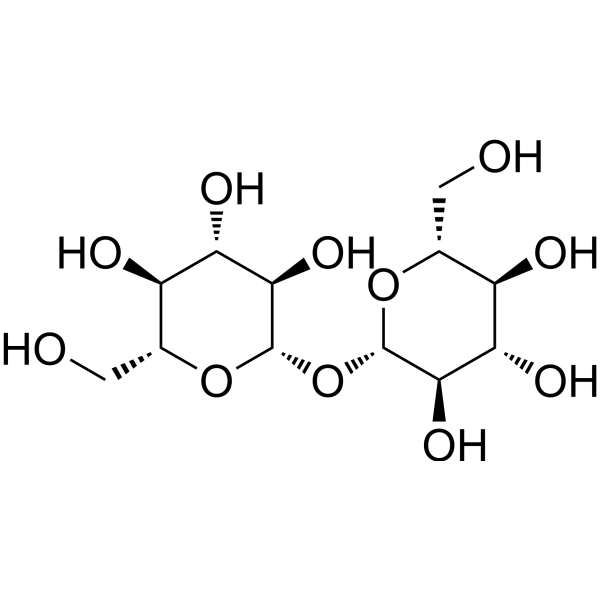
D-(+)-Trehalose (α,α-Trehalose) is an orally active disaccharide, showing anti-desiccant and cryopreservative activities. D-(+)-Trehalose acts as an osmolyte, and stress protectant and helps in the storage and transport of carbon. D-(+)-Trehalose can be used as a food ingredient and pharmaceutical excipient .
D-Trehalose is a disaccharide formed by a 1,1-glycosidic bond between two α-glucose units and is widely used as a food ingredient and pharmaceutical excipient. D-Trehalose is known to protect and stabilise proteins. For long-term storage, recombinant protein solution should be diluted further with 5% D-Trehalose, Carrier Protein.
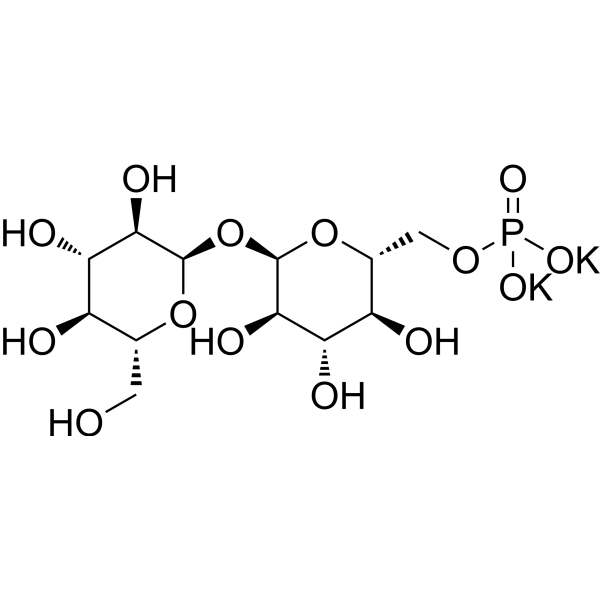
α,α-Trehalose 6-phosphate (Tre6P) potassium is a glucose analogue with potent anti-hyperglcaemic activity. α,α-Trehalose 6-phosphate potassium is rapidly converted to the end product, α,α′-trehalose, through the action of α,α-Trehalose 6-phosphate phosphatase (T6PP) .
Magnesium chloride, for insect cell culture, 97% is an orally active inorganic mineral salt. Magnesium chloride combined with Potassium chloride (HY-Y0537E) increases the fat body glycogen, protein, total lipids and haemolymph protein and trehalose in the silkworm, Bombyx mori L .
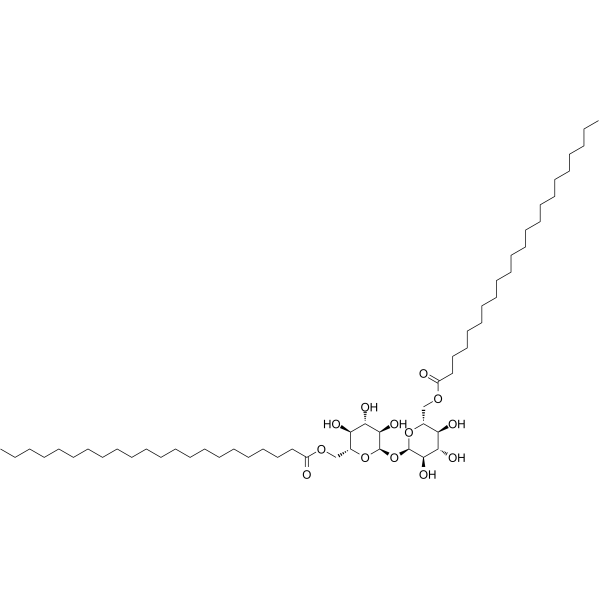
Trehalose-6,6'-dibehenate is an orally active glycolipid. Trehalose-6,6'-dibehenate activates Mincle and inflammasome, inducing IL-1β secretion in a caspase activity-dependent manner. Trehalose-6,6'-dibehenate exerts a Myd88-dependent adjuvant activity. Trehalose-6,6'-dibehenate induces Th-1/Th-17 immune responses .
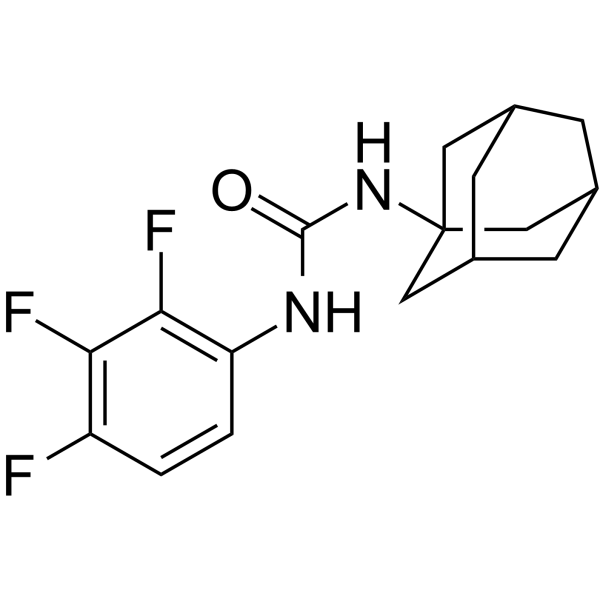
AU1235, an adamantyl urea, is a potent MmpL3 inhibitor. The Mycobacterium tuberculosis protein MmpL3 performs an essential role in cell wall synthesis, since it effects the transport of trehalose monomycolates across the inner membrane .
DMN-Tre is a conjugate of a solvatochromic fluorescent dye and trehalose. DMN-Tre takes advantage of the substrate promiscuity of the endogenous antigen 85 protein complex in mycobacteria to be metabolically integrated into the hydrophobic mycobacterial membrane. Once entering this hydrophobic environment, the linked DMN dye fluorescence is "turned on", enabling specific labeling . DMN-Tre can be used to reflect bacterial metabolic activity and support physiological studies of Mycobacterium tuberculosis .
Trehalose 6,6'-dimycolate (Cord Factor) is trehalose 6,6'-dimycolate, a cell wall glycolipid of Mycobacterium tuberculosis, which can be used to simulate inflammation and granuloma induced by Mycobacterium tuberculosis (MTB) form. Trehalose 6,6′-dimycolate also protects Mycobacterium tuberculosis from macrophage-mediated killing, inhibits efficient antigen presentation, and reduces the development of protective T cell responses .
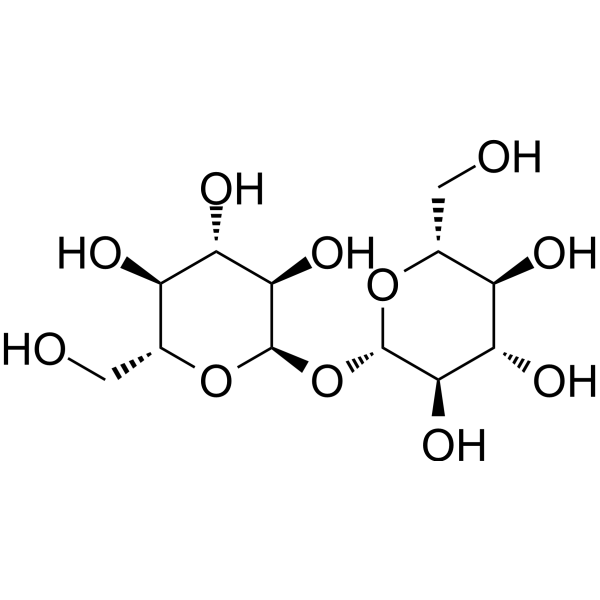
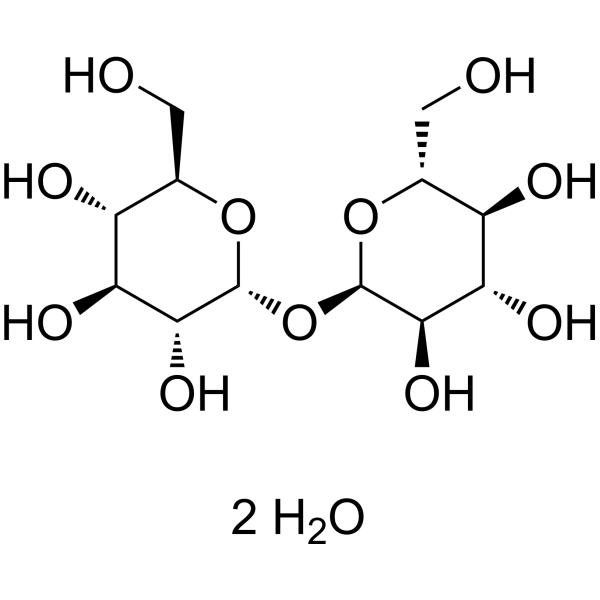
D-(+)-Trehalose dihydrate (Standard) is the analytical standard of D-(+)-Trehalose dihydrate. This product is intended for research and analytical applications. D-(+)-Trehalose dihydrate, isolated from Saccharomyces cerevisiae, can be used as a food ingredient and pharmaceutical excipient.
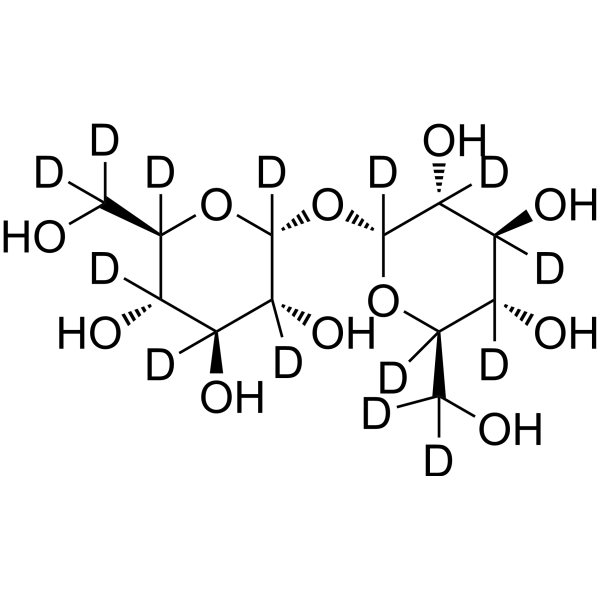
D-(+)-Trehalose-d14 is the deuterium labeled D-(+)-Trehalose. D-(+)-Trehalose, isolated from Saccharomyces cerevisiae, can be used as a food ingredient and pharmaceutical excipi .
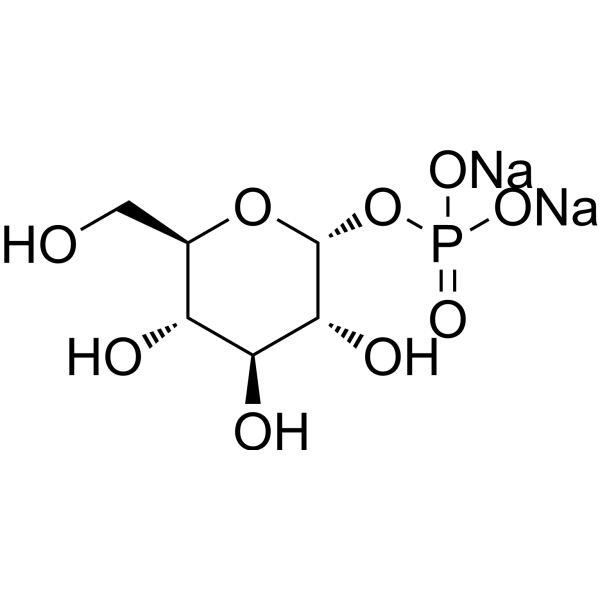
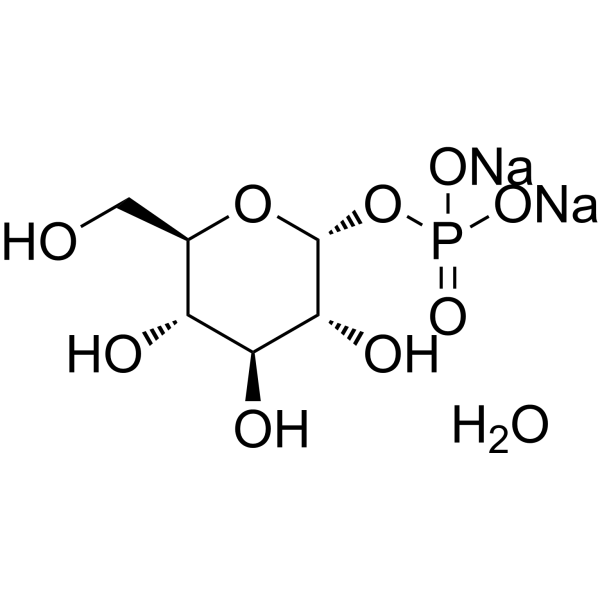
α-D-Glucose-1-phosphate disodium hydrate is a derivative of D-glucose (HY-B0389). α-D-Glucose-1-phosphate disodium hydrate serves as a starting material for glucuronic acid synthesis. Glucuronic acid acts as a Ca 2+ chelator and also functions as a biosynthetic substrate for the production of linear maltooligosaccharides or α,α-trehalose. α-D-Glucose-1-phosphate disodium hydrate can be used as a cytostatic compound, Antibiotic, and immunosuppressant essential for heart disease management. α-D-Glucose-1-phosphate disodium hydrate is applicable to the research of heart disease .
6-O-Bis-(4,5-dimethoxy-2-nitrobenzyloxyphosphoryl)-D-trehalose is a synthetic compound that interferes with plant sugar signaling. After being absorbed by plants, 6-O-Bis-(4,5-dimethoxy-2-nitrobenzyloxyphosphoryl)-D-trehalose can trigger the release of T6P by light exposure, thereby activating the signaling pathway inside the plant. 6-O-Bis-(4,5-dimethoxy-2-nitrobenzyloxyphosphoryl)-D-trehalose can be used to study plant biosynthesis .
6-O-Oleoyltrehalose is a derivative of trehalose. 6-O-Oleoyltrehalose has biodegradable and low surface tension reduction ability. 6-O-Oleoyltrehalose preserves Lactate dehydrogenase (LDH) activity during freeze/thaw cycles. 6-O-Oleoyltrehalose can be used for stabilizer research .
Etamivan (Standard) is the analytical standard of Etamivan. This product is intended for research and analytical applications. Etamivan (Ethamivan), an orally active respiratory stimulant, is mainly used in the research of barbiturate overdose and chronic obstructive pulmonary disease .
Trehalase is an enzyme that can be found in various tissues, especially in pollen and legume root nudules. Trehalase controls the hydrolysis of trehalose. Trehalase has crucial role in carbon metabolism in insects .
D-(+)-Trehalose-13C12 is a 13C isotope labeled version of D-(+)-Trehalose (HY-N1132). D-(+)-Trehalose,which is widespread, can be used as a food ingredient and pharmaceutical excipient .
α,α-Trehalose 6-phosphate (Tre6P) is a glucose analogue with potent anti-hyperglcaemic activity. α,α-Trehalose 6-phosphate is rapidly converted to the end product, α,α′-trehalose, through the action of α,α-Trehalose 6-phosphate phosphatase (T6PP) .
Trehalose C12 (α-D-Glucopyranosyl-α-D-glucopyranoside monododecanoate) is a nonreducing disaccharide with amphiphilic property, which is used as emulsifier, surfactant, encapsulating materials, and in the biochemical researches of cellular processes and membrane interactions .
NITD-304 is an orally active anti-tuberculosis agent. NITD-304 exerts inhibitory and bactericidal activities gainst Mycobacterium tuberculosis and multidrug-resistant Mycobacterium tuberculosis. NITD-304 inhibits mycobacterial cell wall biosynthesis and demonstrates synergistic or additive growth inhibitory activity with select antibacterial agents.NITD-304 shows low risk of cardiotoxicity and drug-drug interactions, with no inhibition of major cytochrome P-450 enzymes or hERG channel. NITD-304 can be used for the research of tuberculosis and multidrug-resistant tuberculosis .
CMX410 is an orally active and selective Mycobacterium tuberculosisPks13 acyltransferase domain inhibitor and anti-bacterial agent. CMX410 reacts with the catalytic serine of the Pks13-AT domain to form a stable β-lactam ring, disables the enzyme’s active site, reduces trehalose monomycolate and trehalose dimycolate levels, triggers cell lysis, and reduces intracellular bacterial burden. CMX410 can be used for the research of tuberculosis .
Poly(styrenyl acetal trehalose) (pSAT) is composed of trehalose side chains linked to a polystyrene backbone via acetals. Poly(styrenyl acetal trehalose) stabilizes a variety of proteins and enzymes against fluctuations in temperature, and does not trigger the innate immune response. Poly(styrenyl acetal trehalose) can be used in synthesis of protein-polymer conjugates for reduced renal clearance of the biomolecule .
D-(+)-Trehalose-d2 is the deuterium labeled D-(+)-Trehalose. D-(+)-Trehalose, isolated from Saccharomyces cerevisiae, can be used as a food ingredient and pharmaceutical excipi .
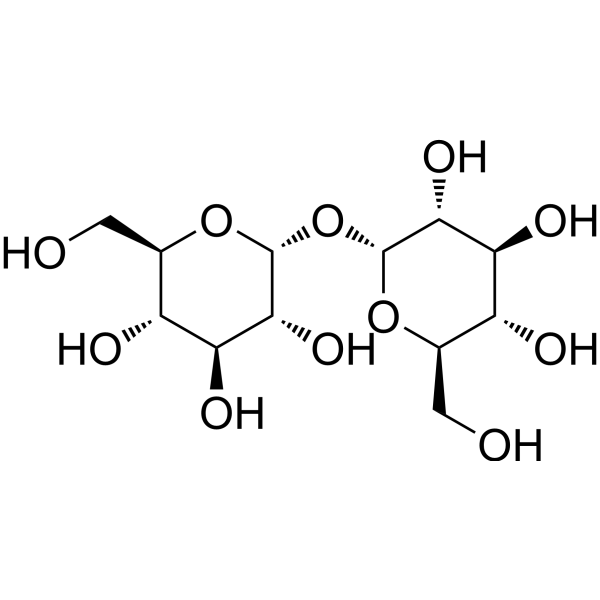
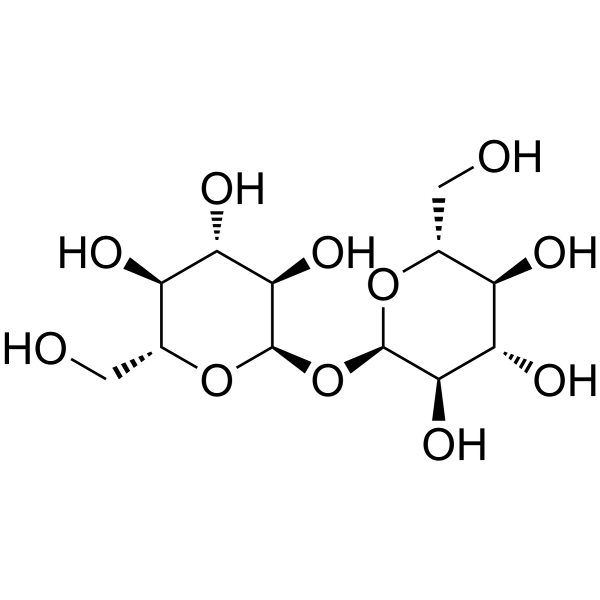
β,β-Trehalose is a analog of trehalose. β,β-Trehalose can support the growth of shoot tips of Cuscuta. β,β-Trehalose can be cleaved by nonspecific β-glucosidase .
Alpha,Beta-Trehalose- 13C12 is the 13C-labeled D-(+)-Trehalose dihydrate (HY-N1132A). D-(+)-Trehalose dihydrate, isolated from Saccharomyces cerevisiae, can be used as a food ingredient and pharmaceutical excipient.
α,α-Trehalose 6-phosphate potassium (Standard) is the analytical standard of α,α-Trehalose 6-phosphate potassium (HY-131368). This product is intended for research and analytical applications. α,α-Trehalose 6-phosphate (Tre6P) potassium is a glucose analogue with potent anti-hyperglcaemic activity. α,α-Trehalose 6-phosphate potassium is rapidly converted to the end product, α,α′-trehalose, through the action of α,α-Trehalose 6-phosphate phosphatase (T6PP) .
6-O-Bis[1-(2-nitrophenyl)-ethoxyphosphoryl]-D-trehalose is an important signaling molecule that regulates carbon utilization and growth in plants. 6-O-Bis[1-(2-nitrophenyl)-ethoxyphosphoryl]-D-trehalose releases T6P through light activation, which can stimulate starch synthesis and promote plant growth by inhibiting SnRK1, a protein kinase involved in energy conservation and survival. 6-O-Bis[1-(2-nitrophenyl)-ethoxyphosphoryl]-D-trehalose can be used to study plant growth and metabolism .
4-Trehalosamine is a derivative of trehalose with weak antibacterial activity. 4-Trehalosamine shows no toxic effects when injected intravenously into mice at a dose of 625 mg/kg .
Trehalase, Microorganism (EC 3.2.1.28) is a trehalase that can effectively degrade trehalose in some bacteria. Trehalase, Microorganism can be used as a marker for acute kidney injury caused by proximal tubule damage .
Lentztrehalose B is a dehydroxylated analog of trehalose A, possessing antioxidant properties that can be used in research on neurodegenerative diseases and other autophagy-related conditions .
Mincle agonist 1 (compound 1c) is a Mincle agonist. Mincle agonist 1 can promote IL-1β expression in BMDM cells. Mincle agonist 1 can be used in immune and inflammation related research .
IMCTA-C14 TFA, a trehalose analog, is a detergent. IMCTA-C14 TFA shows autophagy-inducing activity in OVK18 cells and can be effectively used in membrane protein research. IMCTA-C14 TFA is active against various bacteria (MICs = 8-128 µg/mL) and is cytotoxic against cancer cell lines (IC50s = 2.9-29.2 µg/mL) .
Trehalose-6-phosphate hydrolase, Escherichia coli (EC 3.2.1.93), belongs to the hydrolase family and is a glycosidase that hydrolyzes O- and S-glycoside compounds. Trehalose-6-phosphate hydrolase participates in the metabolism of starch and sucrose. Its substrates are α,α'-trehalose-6-phosphate and water, and its products are D-glucose and D-glucose-6-phosphate.
Trehalose-6-phosphate hydrolase, Bacillus subtilis (EC 3.2.1.93), belongs to the hydrolase family and is a glycosidase that hydrolyzes O- and S-glycoside compounds. Trehalose-6-phosphate hydrolase participates in the metabolism of starch and sucrose. Its substrates are α,α'-trehalose-6-phosphate and water, and its products are D-glucose and D-glucose-6-phosphate.
α,α-Trehalose synthase (EC 2.4.1.245) requires Mg2+ for maximal activity. The enzyme-catalysed reaction is reversible. In the reverse direction to that shown above, α,α-Trehalose synthase (EC 2.4.1.245) is specific for α,α-Trehalose as substrate, as it cannot use α-or β-paranitrophenyl glucosides, maltose, sucrose, lactose or cellobiose.
α,α-Trehalose (EC 3.2.1.28) is an anomer-inverting glucosidase that catalyses the hydrolysis of the α-glucosidic O-linkage of α,α-Trehalose, releasing initially equimolar amounts of α-and β-D-glucose.
MSU-43557 is a Mycobacterium abscessusMmpL3 (MAB_4508) inhibitor and bactericidal agent. MSU-43557 inhibits MmpL3 function, disrupts trehalose monomycolate synthesis, and reduces biofilm-associated Mycobacterium abscessus viability. MSU-43557 exerts bactericidal activity against intracellular Mycobacterium abscessus. MSU-43557 shows low eukaryotic cytotoxicity and low Mycobacterium abscessus resistance frequency. MSU-43557 can be used for the research of mycobacterium abscessus infection .
MSU-44147 is an inhibitor and antimicrobial agent targeting MmpL3 in Mycobacterium abscessus, with low eukaryotic cytotoxicity, a narrow antimicrobial spectrum that is specific only to mycobacteria, and low drug resistance frequency. MSU-44147 reduces trehalose dimycolate levels by inhibiting MmpL3 function, disrupts biofilm formation and reduces the viability of related bacteria, while exerting bactericidal effects on intracellular Mycobacterium abscessus. MSU-44147 exhibits additive or synergistic effects with antibiotics and can be used in research on multidrug-resistant isolates and infections of Mycobacterium abscessus .
Trehalase, Porcine (EC 3.2.1.28) is a glycoside hydrolase enzyme located in on the brush border of the small intestine that catalyzes the conversion of trehalose to glucose.
Lentztrehalose C (compound LTC) is a trehalose analogue with high stability in microbial and mammalian cells. It can be detected in the blood of mice and is ultimately excreted in feces and urine. It can induce autophagy in human cancer cells.
MDL-25637 is an α-glucosidase inhibitor. MDL-25637 can inhibit the activity of sucrose enzyme, maltase, isomaltase, glucose amylase, and trehalose in the intestinal tract of rats. MDL-25637 can be used in the research of diabetes .
AU1235 (Standard) is the analytical standard of AU1235 (HY-101867). This product is intended for research and analytical applications. AU1235, an adamantyl urea, is a potent MmpL3 inhibitor. The Mycobacterium tuberculosis protein MmpL3 performs an essential role in cell wall synthesis, since it effects the transport of trehalose monomycolates across the inner membrane .
RMR-Tre is a fluorescent probe targeting the mycobacterial acyltransferase Ag85. Under the catalysis of Ag85, RMR-Tre undergoes 6-position mycoloylation and anchors to the mycobacterial membrane, while achieving fluorescence activation by inhibiting the intramolecular twisted charge transfer state transition. RMR-Tre can distinguish live mycobacteria from dead ones through metabolism-driven labeling, enabling rapid, wash-free, low-background detection of viable bacteria. RMR-Tre reports the drug resistance of Mycobacterium tuberculosis via the trehalose catalytic shift activity readout associated with TreS. In addition, RMR-Tre can be combined with flow cytometry or high-content imaging techniques to visualize and quantitatively analyze the metabolic heterogeneity of Mycobacterium tuberculosis related to persistence and drug resistance. RMR-Tre is widely used in tuberculosis-related research .
Trehalulose is a microbial metabolite and a beneficial structural isomer of Sucrose (HY-B1779). Trehalulose attenuates blood glucose and insulin response. Trehalulose exhibits antioxidant activity to support oxidative stability. Trehalulose can be used for food and beverage applications, and can be used for the research of dental caries, diabetes, obesity .
DMN-Tre is a conjugate of a solvatochromic fluorescent dye and trehalose. DMN-Tre takes advantage of the substrate promiscuity of the endogenous antigen 85 protein complex in mycobacteria to be metabolically integrated into the hydrophobic mycobacterial membrane. Once entering this hydrophobic environment, the linked DMN dye fluorescence is "turned on", enabling specific labeling . DMN-Tre can be used to reflect bacterial metabolic activity and support physiological studies of Mycobacterium tuberculosis .
RMR-Tre is a fluorescent probe targeting the mycobacterial acyltransferase Ag85. Under the catalysis of Ag85, RMR-Tre undergoes 6-position mycoloylation and anchors to the mycobacterial membrane, while achieving fluorescence activation by inhibiting the intramolecular twisted charge transfer state transition. RMR-Tre can distinguish live mycobacteria from dead ones through metabolism-driven labeling, enabling rapid, wash-free, low-background detection of viable bacteria. RMR-Tre reports the drug resistance of Mycobacterium tuberculosis via the trehalose catalytic shift activity readout associated with TreS. In addition, RMR-Tre can be combined with flow cytometry or high-content imaging techniques to visualize and quantitatively analyze the metabolic heterogeneity of Mycobacterium tuberculosis related to persistence and drug resistance. RMR-Tre is widely used in tuberculosis-related research .
Magnesium chloride, for insect cell culture, 97% is an orally active inorganic mineral salt. Magnesium chloride combined with Potassium chloride (HY-Y0537E) increases the fat body glycogen, protein, total lipids and haemolymph protein and trehalose in the silkworm, Bombyx mori L .
Trehalose 6,6'-dimycolate (Cord Factor) is trehalose 6,6'-dimycolate, a cell wall glycolipid of Mycobacterium tuberculosis, which can be used to simulate inflammation and granuloma induced by Mycobacterium tuberculosis (MTB) form. Trehalose 6,6′-dimycolate also protects Mycobacterium tuberculosis from macrophage-mediated killing, inhibits efficient antigen presentation, and reduces the development of protective T cell responses .
Trehalose C12 (α-D-Glucopyranosyl-α-D-glucopyranoside monododecanoate) is a nonreducing disaccharide with amphiphilic property, which is used as emulsifier, surfactant, encapsulating materials, and in the biochemical researches of cellular processes and membrane interactions .
Hypertrehalosemic neuropeptide (Nauphoeta cinerea) is a neuropeptide in the adipokinetic hormone/red pigment-concentrating hormone (AKH/RPCH) family, and can stimulate the synthesis of trehalose .
D-(+)-Trehalose (α,α-Trehalose) is an orally active disaccharide, showing anti-desiccant and cryopreservative activities. D-(+)-Trehalose acts as an osmolyte, and stress protectant and helps in the storage and transport of carbon. D-(+)-Trehalose can be used as a food ingredient and pharmaceutical excipient .
α,α-Trehalose 6-phosphate (Tre6P) potassium is a glucose analogue with potent anti-hyperglcaemic activity. α,α-Trehalose 6-phosphate potassium is rapidly converted to the end product, α,α′-trehalose, through the action of α,α-Trehalose 6-phosphate phosphatase (T6PP) .
D-(+)-Trehalose dihydrate (Standard) is the analytical standard of D-(+)-Trehalose dihydrate. This product is intended for research and analytical applications. D-(+)-Trehalose dihydrate, isolated from Saccharomyces cerevisiae, can be used as a food ingredient and pharmaceutical excipient.
α-D-Glucose-1-phosphate disodium hydrate is a derivative of D-glucose (HY-B0389). α-D-Glucose-1-phosphate disodium hydrate serves as a starting material for glucuronic acid synthesis. Glucuronic acid acts as a Ca 2+ chelator and also functions as a biosynthetic substrate for the production of linear maltooligosaccharides or α,α-trehalose. α-D-Glucose-1-phosphate disodium hydrate can be used as a cytostatic compound, Antibiotic, and immunosuppressant essential for heart disease management. α-D-Glucose-1-phosphate disodium hydrate is applicable to the research of heart disease .
Etamivan (Standard) is the analytical standard of Etamivan. This product is intended for research and analytical applications. Etamivan (Ethamivan), an orally active respiratory stimulant, is mainly used in the research of barbiturate overdose and chronic obstructive pulmonary disease .
α,α-Trehalose 6-phosphate (Tre6P) is a glucose analogue with potent anti-hyperglcaemic activity. α,α-Trehalose 6-phosphate is rapidly converted to the end product, α,α′-trehalose, through the action of α,α-Trehalose 6-phosphate phosphatase (T6PP) .
β,β-Trehalose is a analog of trehalose. β,β-Trehalose can support the growth of shoot tips of Cuscuta. β,β-Trehalose can be cleaved by nonspecific β-glucosidase .
α,α-Trehalose 6-phosphate potassium (Standard) is the analytical standard of α,α-Trehalose 6-phosphate potassium (HY-131368). This product is intended for research and analytical applications. α,α-Trehalose 6-phosphate (Tre6P) potassium is a glucose analogue with potent anti-hyperglcaemic activity. α,α-Trehalose 6-phosphate potassium is rapidly converted to the end product, α,α′-trehalose, through the action of α,α-Trehalose 6-phosphate phosphatase (T6PP) .
4-Trehalosamine is a derivative of trehalose with weak antibacterial activity. 4-Trehalosamine shows no toxic effects when injected intravenously into mice at a dose of 625 mg/kg .
Lentztrehalose C (compound LTC) is a trehalose analogue with high stability in microbial and mammalian cells. It can be detected in the blood of mice and is ultimately excreted in feces and urine. It can induce autophagy in human cancer cells.
Trehalulose is a microbial metabolite and a beneficial structural isomer of Sucrose (HY-B1779). Trehalulose attenuates blood glucose and insulin response. Trehalulose exhibits antioxidant activity to support oxidative stability. Trehalulose can be used for food and beverage applications, and can be used for the research of dental caries, diabetes, obesity .
The treZ protein plays a key role in glycan biosynthesis, especially trehalose biosynthesis. This enzyme helps catalyze the formation of trehalose, a disaccharide made of two glucose molecules linked by an α,α-1,1-glycosidic bond. treZ Protein, Arthrobacter ramosus is the recombinant treZ protein, expressed by E. coli , with tag free.
The treZ protein plays a key role in glycan biosynthesis, especially trehalose biosynthesis. This enzyme helps catalyze the formation of trehalose, a disaccharide made of two glucose molecules linked by an α,α-1,1-glycosidic bond. treZ Protein, Arthrobacter ramosus (FLAG, His) is the recombinant treZ protein, expressed by E. coli , with N-6*His, N-Flag labeled tag.
The treS protein plays a key role in carbohydrate metabolism by catalyzing the reversible interconversion of maltose and α,α-trehalose via transglucosylation. This enzyme activity is critical for the dynamic regulation of intracellular sugar utilization and storage. treS Protein, Thermus thermophilus is the recombinant treS protein, expressed by E. coli , with tag free.
The treS protein plays a key role in carbohydrate metabolism by catalyzing the reversible interconversion of maltose and α,α-trehalose via transglucosylation. This enzyme activity is critical for the dynamic regulation of intracellular sugar utilization and storage. treS Protein, Thermus thermophilus (FLAG, His) is the recombinant treS protein, expressed by E. coli , with N-6*His, N-Flag labeled tag.
D-(+)-Trehalose-d14 is the deuterium labeled D-(+)-Trehalose. D-(+)-Trehalose, isolated from Saccharomyces cerevisiae, can be used as a food ingredient and pharmaceutical excipi .
D-(+)-Trehalose-13C12 is a 13C isotope labeled version of D-(+)-Trehalose (HY-N1132). D-(+)-Trehalose,which is widespread, can be used as a food ingredient and pharmaceutical excipient .
D-(+)-Trehalose-d2 is the deuterium labeled D-(+)-Trehalose. D-(+)-Trehalose, isolated from Saccharomyces cerevisiae, can be used as a food ingredient and pharmaceutical excipi .
Alpha,Beta-Trehalose- 13C12 is the 13C-labeled D-(+)-Trehalose dihydrate (HY-N1132A). D-(+)-Trehalose dihydrate, isolated from Saccharomyces cerevisiae, can be used as a food ingredient and pharmaceutical excipient.
D-(+)-Trehalose (α,α-Trehalose) is an orally active disaccharide, showing anti-desiccant and cryopreservative activities. D-(+)-Trehalose acts as an osmolyte, and stress protectant and helps in the storage and transport of carbon. D-(+)-Trehalose can be used as a food ingredient and pharmaceutical excipient .
Inquiry Online
Your information is safe with us. * Required Fields.
Western blot analysis of extracts from THP-1(lane 2(20μg), Jurkat (lane 3(20μg) and NIH3T3(lane 4(20μg) using FOXO1A (HY-P80132) Rabbit mAb. Proteins were transferred
to a PVDF membrane and blocked with 5% non-fat milk in TBST for 2 hour at room temperature. The primary antibody (1/1000) and Loading control antibody (Beta Actin, HY-P80438, 1/10000) was
used in 5% non-fat milk in TBST at 4°C overnight. Goat Anti-Mouse/Rabbit IgG-HRP Secondary Antibody (1/10000) was used for 1 hour at room temperature.
Western blot analysis of extracts from THP-1(lane 2(20μg), Jurkat (lane 3(20μg) and NIH3T3(lane 4(20μg) using FOXO1A (HY-P80132) Rabbit mAb. Proteins were transferred
to a PVDF membrane and blocked with 5% non-fat milk in TBST for 2 hour at room temperature. The primary antibody (1/1000) and Loading control antibody (Beta Actin, HY-P80438, 1/10000) was
used in 5% non-fat milk in TBST at 4°C overnight. Goat Anti-Mouse/Rabbit IgG-HRP Secondary Antibody (1/10000) was used for 1 hour at room temperature.
Western blot analysis of extracts from THP-1(lane 2(20μg), Jurkat (lane 3(20μg) and NIH3T3(lane 4(20μg) using FOXO1A (HY-P80132) Rabbit mAb. Proteins were transferred
to a PVDF membrane and blocked with 5% non-fat milk in TBST for 2 hour at room temperature. The primary antibody (1/1000) and Loading control antibody (Beta Actin, HY-P80438, 1/10000) was
used in 5% non-fat milk in TBST at 4°C overnight. Goat Anti-Mouse/Rabbit IgG-HRP Secondary Antibody (1/10000) was used for 1 hour at room temperature.
Western blot analysis of extracts from THP-1(lane 2(20μg), Jurkat (lane 3(20μg) and NIH3T3(lane 4(20μg) using FOXO1A (HY-P80132) Rabbit mAb. Proteins were transferred
to a PVDF membrane and blocked with 5% non-fat milk in TBST for 2 hour at room temperature. The primary antibody (1/1000) and Loading control antibody (Beta Actin, HY-P80438, 1/10000) was
MedchemExpress Validation 03
Western blot analysis of extracts from THP-1(lane 2(20μg), Jurkat (lane 3(20μg) and NIH3T3(lane 4(20μg) using FOXO1A (HY-P80132) Rabbit mAb. Proteins were transferred
MedchemExpress Validation 04
Western blot analysis of extracts from THP-1(lane 2(20μg), Jurkat (lane 3(20μg) and NIH3T3(lane 4(20μg) using FOXO1A (HY-P80132) Rabbit mAb. Proteins were transferred
to a PVDF membrane and blocked with 5% non-fat milk in TBST for 2 hour at room temperature. The primary antibody (1/1000) and Loading control antibody (Beta Actin, HY-P80438, 1/10000) was
used in 5% non-fat milk in TBST at 4°C overnight. Goat Anti-Mouse/Rabbit IgG-HRP Secondary Antibody (1/10000) was used for 1 hour at room temperature.
MedchemExpress Validation
Western blot analysis of extracts from THP-1(lane 2(20μg), Jurkat (lane 3(20μg) and NIH3T3(lane 4(20μg) using FOXO1A (HY-P80132) Rabbit mAb. Proteins were transferred
to a PVDF membrane and blocked with 5% non-fat milk in TBST for 2 hour at room temperature. The primary antibody (1/1000) and Loading control antibody (Beta Actin, HY-P80438, 1/10000) was
used in 5% non-fat milk in TBST at 4°C overnight. Goat Anti-Mouse/Rabbit IgG-HRP Secondary Antibody (1/10000) was used for 1 hour at room temperature.
Western blot analysis of extracts from THP-1(lane 2(20μg), Jurkat (lane 3(20μg) and NIH3T3(lane 4(20μg) using FOXO1A (HY-P80132) Rabbit mAb. Proteins were transferred
to a PVDF membrane and blocked with 5% non-fat milk in TBST for 2 hour at room temperature. The primary antibody (1/1000) and Loading control antibody (Beta Actin, HY-P80438, 1/10000) was
used in 5% non-fat milk in TBST at 4°C overnight. Goat Anti-Mouse/Rabbit IgG-HRP Secondary Antibody (1/10000) was used for 1 hour at room temperature.
MedchemExpress Validation
Western blot analysis of extracts from THP-1(lane 2(20μg), Jurkat (lane 3(20μg) and NIH3T3(lane 4(20μg) using FOXO1A (HY-P80132) Rabbit mAb. Proteins were transferred
to a PVDF membrane and blocked with 5% non-fat milk in TBST for 2 hour at room temperature. The primary antibody (1/1000) and Loading control antibody (Beta Actin, HY-P80438, 1/10000) was
used in 5% non-fat milk in TBST at 4°C overnight. Goat Anti-Mouse/Rabbit IgG-HRP Secondary Antibody (1/10000) was used for 1 hour at room temperature.
MedchemExpress Validation
Western blot analysis of extracts from THP-1(lane 2(20μg), Jurkat (lane 3(20μg) and NIH3T3(lane 4(20μg) using FOXO1A (HY-P80132) Rabbit mAb. Proteins were transferred
to a PVDF membrane and blocked with 5% non-fat milk in TBST for 2 hour at room temperature. The primary antibody (1/1000) and Loading control antibody (Beta Actin, HY-P80438, 1/10000) was
used in 5% non-fat milk in TBST at 4°C overnight. Goat Anti-Mouse/Rabbit IgG-HRP Secondary Antibody (1/10000) was used for 1 hour at room temperature.
MedchemExpress Validation
Western blot analysis of extracts from THP-1(lane 2(20μg), Jurkat (lane 3(20μg) and NIH3T3(lane 4(20μg) using FOXO1A (HY-P80132) Rabbit mAb. Proteins were transferred
to a PVDF membrane and blocked with 5% non-fat milk in TBST for 2 hour at room temperature. The primary antibody (1/1000) and Loading control antibody (Beta Actin, HY-P80438, 1/10000) was
used in 5% non-fat milk in TBST at 4°C overnight. Goat Anti-Mouse/Rabbit IgG-HRP Secondary Antibody (1/10000) was used for 1 hour at room temperature.
MedchemExpress Validation
Western blot analysis of extracts from THP-1(lane 2(20μg), Jurkat (lane 3(20μg) and NIH3T3(lane 4(20μg) using FOXO1A (HY-P80132) Rabbit mAb. Proteins were transferred
to a PVDF membrane and blocked with 5% non-fat milk in TBST for 2 hour at room temperature. The primary antibody (1/1000) and Loading control antibody (Beta Actin, HY-P80438, 1/10000) was
used in 5% non-fat milk in TBST at 4°C overnight. Goat Anti-Mouse/Rabbit IgG-HRP Secondary Antibody (1/10000) was used for 1 hour at room temperature.
MedchemExpress Validation
Western blot analysis of extracts from THP-1(lane 2(20μg), Jurkat (lane 3(20μg) and NIH3T3(lane 4(20μg) using FOXO1A (HY-P80132) Rabbit mAb. Proteins were transferred
to a PVDF membrane and blocked with 5% non-fat milk in TBST for 2 hour at room temperature. The primary antibody (1/1000) and Loading control antibody (Beta Actin, HY-P80438, 1/10000) was
used in 5% non-fat milk in TBST at 4°C overnight. Goat Anti-Mouse/Rabbit IgG-HRP Secondary Antibody (1/10000) was used for 1 hour at room temperature.
MedchemExpress Validation
Western blot analysis of extracts from THP-1(lane 2(20μg), Jurkat (lane 3(20μg) and NIH3T3(lane 4(20μg) using FOXO1A (HY-P80132) Rabbit mAb. Proteins were transferred
to a PVDF membrane and blocked with 5% non-fat milk in TBST for 2 hour at room temperature. The primary antibody (1/1000) and Loading control antibody (Beta Actin, HY-P80438, 1/10000) was
used in 5% non-fat milk in TBST at 4°C overnight. Goat Anti-Mouse/Rabbit IgG-HRP Secondary Antibody (1/10000) was used for 1 hour at room temperature.
MedChemExpress values your privacy and your trust is important to us. We use cookies to enhance your website experience. Some cookies are necessary to run the website.
Privacy and Cookie Policy

