From 11:00 pm to 12:00 pm EST ( 8:00 pm to 9:00 pm PST ) on January 6th, the website will be under maintenance. We are sorry for the inconvenience. Please arrange your schedule properly.
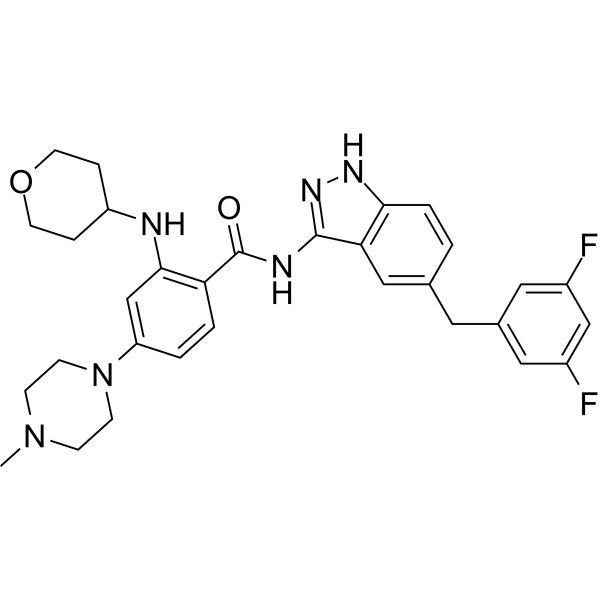
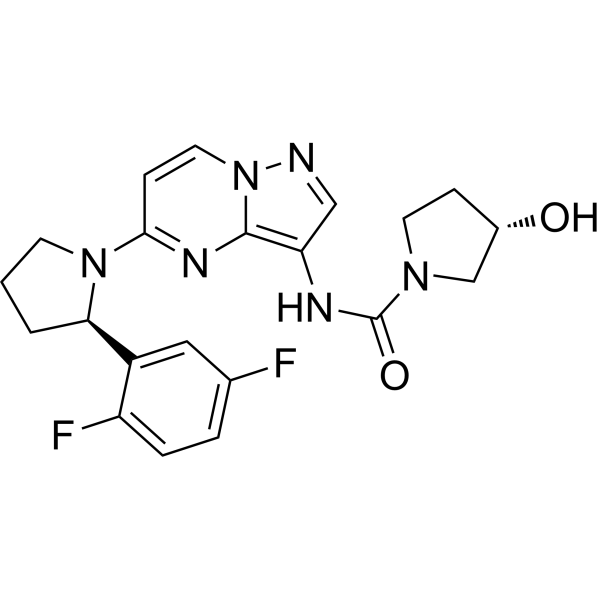
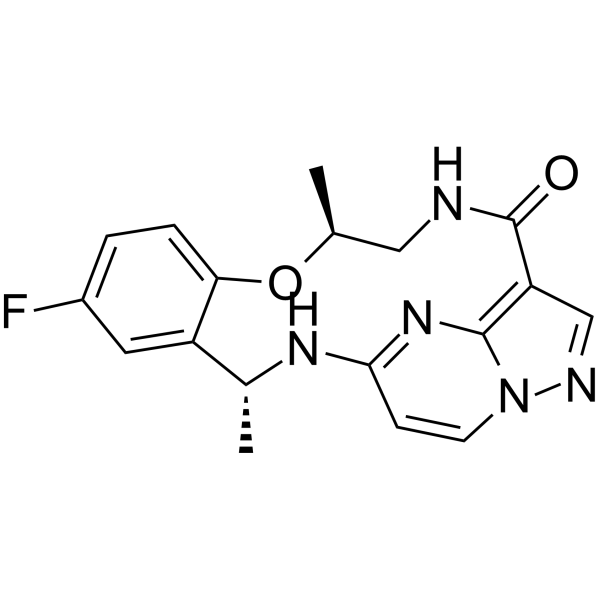
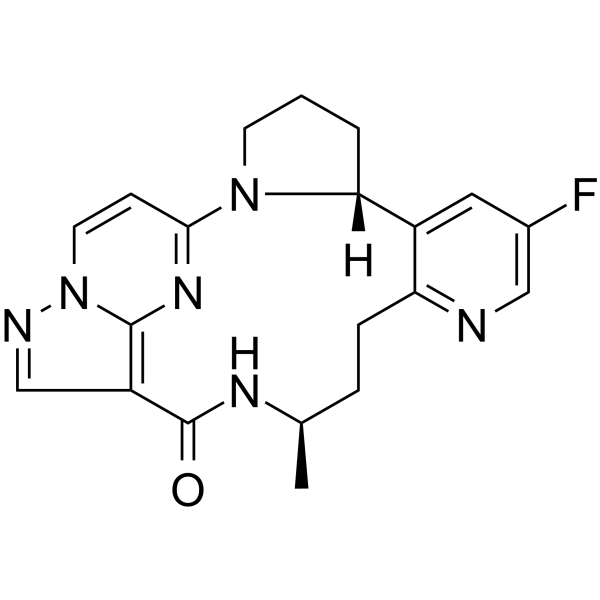
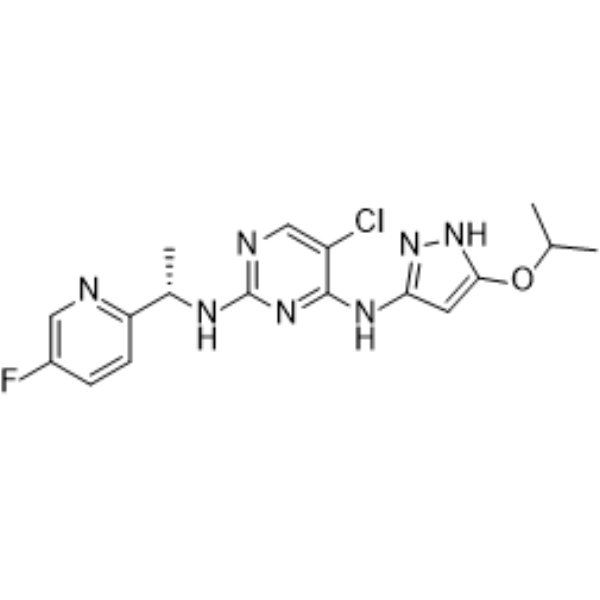
Larotrectinib (LOXO-101) is an ATP-competitive oral, selective inhibitor of the tropomyosin-related kinase (TRK) family receptors, with low nanomolar 50% inhibitory concentrations against all three isoforms (TRKA, B, and C).
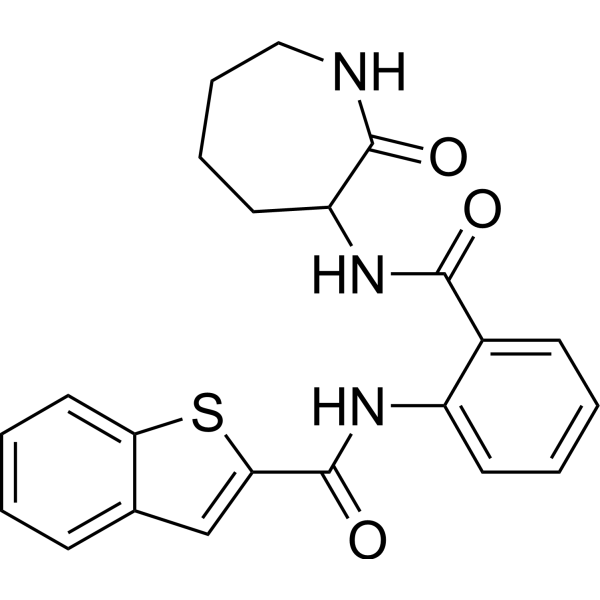
Ro 08-2750 is a non-peptide and reversible nerve growth factor (NGF) inhibitor which binds to NGF, and with an IC50 of ~ 1 μM. Ro 08-2750 inhibits NGF binding to p75 NTR selectively over TRKA . Ro 08-2750 is a selective MSI RNA-binding activity inhibitor, with an IC50 of 2.7 μM .
Lestaurtinib (CEP-701) is an orally active and selective RPTKs (receptor protein tyrosine kinase) inhibitor, competitively inhibits ATP binding to the TrkA/B/C domain. Lestaurtinib inhibits RPTKs phosphorylation, with IC50s of 2, 25 and 0.9 nM for FLT3, TrkA and JAK2, respectively. Lestaurtinib induces apoptosis and cycle arrest, also can inhibit growth of tumor .
Tanezumab (RN-624) is a humanized anti-NGF mAb with high affinity and specificity. Tanezumab blocks NGF binding to its receptors, p75 and TrkA, in the peripheral nervous system. Tanezumab can be used in studies of acute and chronic pain such as osteoarthritis, knee and neuralgia, as well as post-herpetic neuralgia .
Bedinvetmab (ZTS-00508841) is a canine monoclonal antibody (mAb) targeting nerve growth factor (NGF). Bedinvetmab inhibits NGF interaction with tropomyosin receptor kinase A (trkA) and p75 neurotrophin receptor (p75NTR) receptors. Bedinvetmab can be used for the research of osteoarthritis pain in dogs .
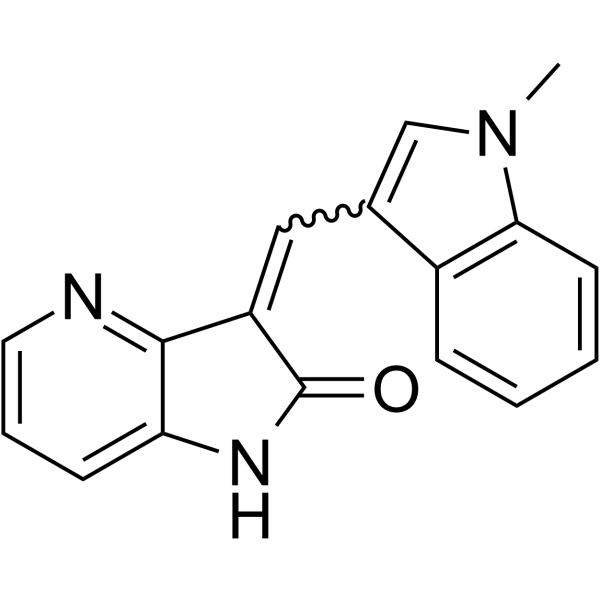
GW 441756 is a potent and specific nerve growth factor (NGF) receptor tyrosine kinases A (TrkA) inhibitor (IC50=2 nM), which eliminates the BmK NSPK-induced neurite outgrowth .
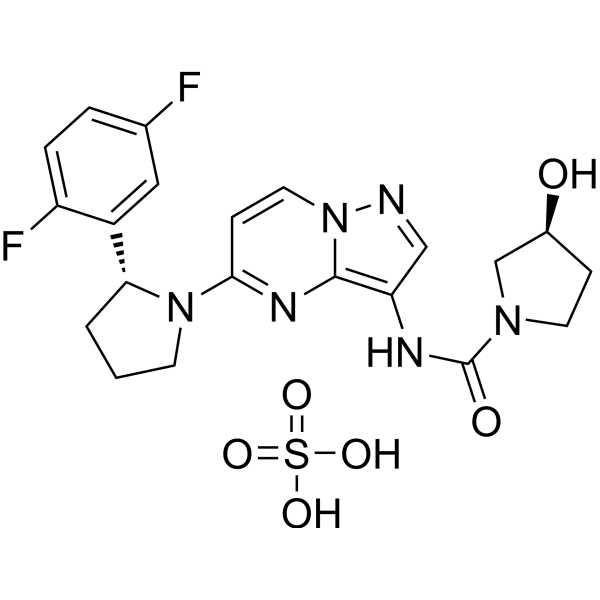
Larotrectinib sulfate (LOXO-101 sulfate; ARRY-470 sulfate) is an ATP-competitive oral, selective inhibitor of the tropomyosin-related kinase (TRK) family receptors, with low nanomolar 50% inhibitory concentrations against all three isoforms (TRKA, B, and C).
CG428 is a potent and selective CRBN-dependent tropomyosin receptor kinase (TRK) PROTAC degrader that has anti-tumor activity. CG428 reduces levels of the tropomyosin 3 TPM3-TRKA fusion protein in KM12 colorectal carcinoma cells (DC50 = 0.36 nM) and inhibits downstream PLCγ1 phosphorylation (IC50 = 0.33 nM). CG428 has a higher binding affinity for TRKA than TRKB and TRKC (Kd = 1 nM, 28 nM and 4.2 nM, respectively). CG428 can be used for the research of colorectal carcinoma .
PF-06273340 is a peripherally restricted pan-Trk inhibitor with IC50 values of 6, 4, 3 nM for TrkA, TrkB, and TrkC receptors. PF-06273340 binds in a DFG-out conformation, targeting less conserved kinase ligand binding domain regions outside the ATP binding pocket. PF-06273340 exhibits anti-hyperalgesic and analgesic effects. PF-06273340 can be used for the research of pain .
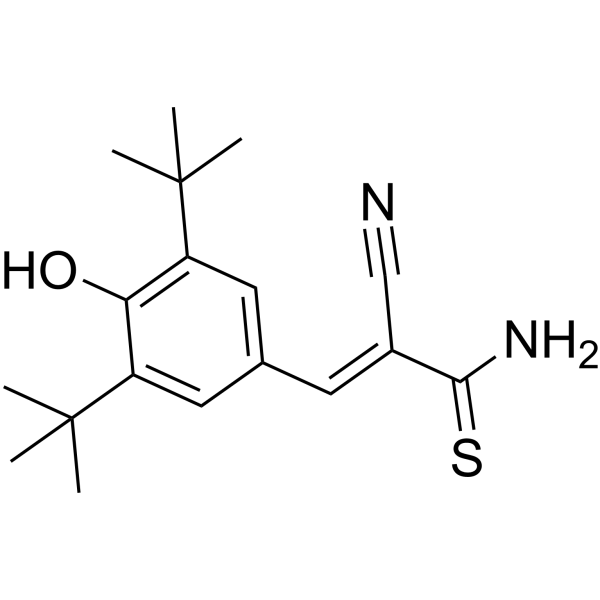
Tyrphostin AG 879 (AG 879) is a tyrosine kinase inhibitor that inhibits TrKA phosphorylation (IC50 of 10 μM), but not TrKB and TrKC. Tyrphostin AG 879 is also a selective ErbB2 tyrosine kinase inhibitor with an IC50 of 1 μM, and has at least 500-fold higher selectivity to ErbB2 than EGFR. Tyrphostin AG 879 has anticancer activity .
Gambogic amide is a potent and selective agonist of TrkA and also induces its tyrosine phosphorylation and activation of downstream signaling, including Akt and MAPK. Gambogic amide specifically interacts with the cytoplasmic juxtamembrane domain of the TrkA receptor and triggers its dimerization, leading to activation. Gambogic amide has neuroprotective activity preventing glutamate-induced neuronal cell death. Gambogic amide has improved efficacy in a transient middle cerebral artery occlusion model of stroke and could be used to study neurodegenerative diseases and stroke .
RIPK1-IN-7 is a potent and selective RIPK1 inhibitor with a Kd of 4 nM and an enzymatic IC50 of 11 nM. RIPK1-IN-7 exhibits excellent antimetastasis activity in the experimental B16 melanoma lung metastasis model .
TrkA-IN-1 is a potent and selective Tropomyosin-related kinase A (TrkA) inhibitor with an IC50 of 99 nM in a cell-based assay. TrkA-IN-1 has analgesic activity .
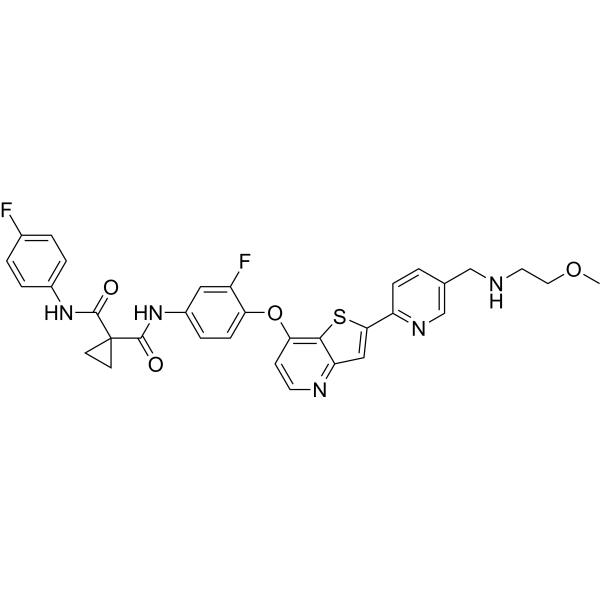
DS-1205b free base is a potent and selective inhibitor of AXL kinase, with an IC50 of 1.3 nM. DS-1205b free base also inhibits MER, MET, and TRKA, with IC50s of 63, 104, and 407 nM, respectively. DS-1205b free base can inhibit cell migration in vitro and tumor growth in vivo .
Paltimatrectinib (compound I-147) is a potent tyrosine kinase inhibitor with an IC50 of <10 nM for tropomyosin kinases A (TrkA). Paltimatrectinib has the potential for cancer and inflammatory diseases .
PD 90780 is a non peptide antagonist of nerve growth factor (NGF). PD 90780 interacts with NGF, prevents NGF binds with p75 NTR. PD 90780 inhibits NGF-p75 NTR interaction with IC50s of 23.1 and 1.8 μM in PC12 cells and PC12 nnr5 cells, respectively .
PF-6683324 (Trk-IN-4) is a potent pan-Trk inhibitor in cell-based assays with
IC50s of 1.9 nM, 2.6 nM and 1.1 nM for TrkA, TrkB and TrkC, respectively . Anti-hyperalgesic effect .
Gardenin A is an orally active and synthetic PMF analogue with the neurotrophic effect for neurite outgrowth and neuronal differentiation. Gardenin A promotes neuritogenesis via activating MAPK/ERK, PKC, and PKA, but not TrkA, CREB signaling pathways. Gardenin A also has sedative, anxiolytic, antidepressant, and anticonvulsant effects .
TrkA-IN-3 is a potent, subselective and allosteric TrkA inhibitor, with an IC50 of 22.4 nM. TrkA-IN-3 shows more than 8000-fold selectivity for TrkA over TrkB and TrkC. TrkA-IN-3 can be used for the research of pain .
TrkA-IN-4, a potent, orally active and allosteric TrkA inhibitor, is a proagent of TrkA-IN-3 (IC50=22.4 nM, HY-151948). TrkA-IN-4 exhibits potent antinociceptive effects .
TrkA Inhibitor (Compound 18) is a CDK2 inhibitor with an IC50 of 0.69 μM over CDK1. TrkA Inhibitor can be used for chemotherapy-induced alopecia research .
PF-06737007 is a potent pan-Trk inhibitor in cell-based assays with
IC50s of 7.7 nM, 15 nM and 3.9 nM for TrkA, TrkB and TrkC, respectively . Anti-hyperalgesic effect .
VMD-928 is an orally active, allosteric, irreversible and selective tropomyosin receptor kinase A (TrkA) inhibitor. VMD-928 blocks the downstream signaling pathways triggered by the binding of nerve growth factor (NGF) to TrkA, thereby inhibiting cell proliferation, invasion, and promoting cancer cell death. VMD-928 is promising for research of various cancers, including prostate cancer, thymic carcinoma, mesothelioma, squamous cell carcinoma of the head and neck, squamous cell carcinoma of the lung, ovarian cancer, hepatocellular carcinoma .
Pegcantratinib (CT327) is a potent and selective TRKA antagonist with activity against TRKB and TRKC. Pegcantratinib can be used for research of CYLD cutaneous syndrome (CCS) and inflammatory dermatoses, such as psoriasis and concomitant pruritus .
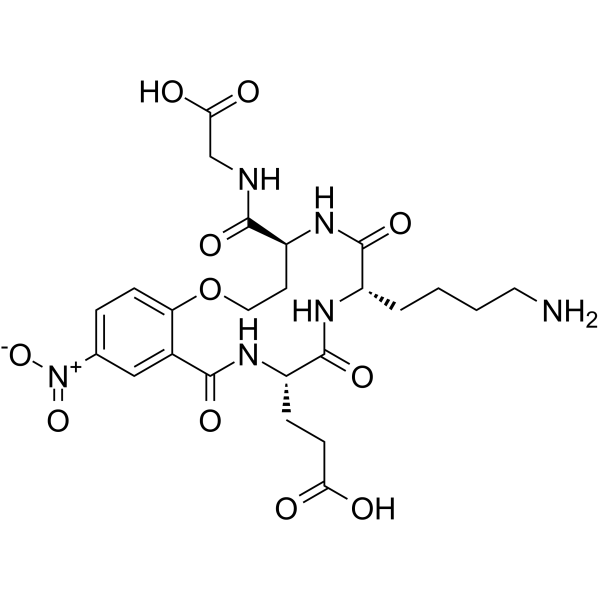
TRAF6 peptide is a specific TRAF6-p62 inhibitor. TRAF6 peptide potently abrogates NGF-dependent TrkA ubiquitination. TRAF6 peptide has good research potential in neurological diseases such as alzheimer's disease (AD), parkinson's, ALS, head trauma, epilepsy and stroke .
ITK/TRKA-IN-1 is a dual inhibitor of IL-2-inducible T-cell kinase (ITK) and tropomyosin receptor kinase A (TRKA) with an IC50 value of 1.0 nM and 96 % inhibition, respectively.
TRKA (also named NTRK1) is a potential new member of the tyrosine kinase gene family. TRKA is a receptor tyrosine kinase that is phosphorylated in response to NGF. A single transmembrane domain divides TRKA into an extracellular domain, important for NGF binding, and an intracellular tyrosine kinase domain, important for signal transduction. TRKA(NTRK1) Recombinant Human Active Protein Kinase is a recombinant TRKA(NTRK1) protein that can be used to study TRKA(NTRK1)-related functions .
MNAC13 is a kind of mouse IgG1 chimeric antibody, targeting to human TrkA. MNAC13 inhibits the NGF dependent signaling pathway by specifically binding to TrkA receptors. MNAC13 has good analgesic effect and long-lasting efficacy. MNAC13 can be used for researches on inflammatory and chronic pain .
ALE-0540, a nonpeptidic small molecule, is a nerve growth factor receptor antagonist. ALE-0540 inhibits the binding of NGF to tyrosine kinase (Trk) A or both p75 and TrkA with IC50 values of 5.88 μM and 3.72 μM, respectively. ALE-0540 can be used to examine mechanisms leading to the development of agents for the study of pain .
TRAF6 peptide TFA is a specific TRAF6-p62 inhibitor. TRAF6 peptide TFA potently abrogates NGF-dependent TrkA ubiquitination. TRAF6 peptide TFA has good research potential in neurological diseases such as alzheimer's disease (AD), parkinson's, ALS, head trauma, epilepsy and stroke .
Multi-kinase-IN-6 (compound 10e) is a multikinase inhibitor that shows good enzyme inhibitory activity against TrkA, ALK2, c-KIT, EGFR, PIM1, CK2α, CHK1, and CDK2. Multi-kinase-IN-6 reveals antiproliferative activity against MCF7, HCT116 and EKVX with IC50 values of 3.36 μM, 1.40 μM and 3.49 μM, respectively. Multi-kinase-IN-6 shows cell cycle arrest at the G1/S phase and G1 phase in MCF7 and HCT116 cells with good apoptotic effect .
TrkA-IN-6 (compound R48) is a hydrazone-like, selective inhibitor of tropomyosin kinase type A receptor kinase (TrkA).TrkA-IN-6 exhibited a higher cytotoxic effect on U87 GBM cells than Temozolomide (HY-17364), with an IC50 of 68.99 μM .
TrkA-IN-10 (PI-15R) is a TrkA inhibitor with the IC50 values of 17 nM, 8 nM, and 5 nM for TrkA, TrkB and TrkC, respectively. TrkA-IN-10 can be used in cancer research .
RET/TRKA-IN-1 (Compound 13) is a dual inhibitor for RET (IC50=0.375 µM) and TRKA. RET/TRKA-IN-1 inhibits cell viability of LC-2 and KM12, with GI50 of 0.72 and 0.25 μM. RET/TRKA-IN-1 arrests the cell cycle at G1 phase .
FLT3/TrKA-IN-1 is a potent FLT3/TrKA dual kinase inhibitor with the IC50s of 43.8 nM, 97.2 nM, 92.5 nM and 23.6 nM for FLT3, FLT3-ITD, FLT3-TKD and TrKA, respectively. FLT3/TrKA-IN-1 induces cell cycle arrest at the G0/G1 phase as well as apoptosis and shows antiproliferative activity in vitro. FLT3/TrKA-IN-1 has the potential for the research of Acute myeloid leukemia (AML) .
TRKA is a member of the tropomyosin receptor kinase (TRK) family, and its primary binding ligand is nerve growth factor (NGF). TRKA G667C is a mutant of TRKA. TRKA G667C Recombinant Human Active Protein Kinase is a recombinant TRKA G667C protein that can be used to study TRKA G667C-related functions .
TrkA-IN-8 (Compound 2) is a TrkA inhibitor with a Kd value of 3.3 µM. RTKs-IN-1 exhibits concentration-dependent inhibition of cell proliferation in lung cancer cell lines. RTKs-IN-1 holds potential for research in non-small cell lung cancer .
TRK-IN-23 (compound 24b) is a potent and orally active TRK inhibitor with IC50 values of 0.5 nM, 9 nM, 14 nM, 4.4 nM, and 4.8 nM against TRKA, TRKC, TRKAG595R, TRKAF589L, and TRKAG667C, respectively. TRK-IN-23 indues apoptosis of Ba/F3-TRKAG595Rand Ba/F3-TRKAG667C cells .
LPM4870108 is a potent and orally active pan-Trk (WT and MT) inhibitor, with IC50s of 0.2 nM, 2.4 nM, 3.5 nM and 2.3 nM for TrkC, TrkA, TrkAG595R and TrkAG667C, respectively. LPM4870108 shows selectivity for Trk over ALK (IC50=182 nM). LPM4870108 exhibits anti-tumor activity .
Trk-IN-11 (Compound 14h) is a potent inhibitor of TRK (IC50 = 1.4, 1.8 nM, against TrkA, TrkAG595R, respectively). As a receptor tyrosine kinase (RTK), tropomyosin receptor kinase (Trk) is a key agent target in solid tumors. Trk-IN-11 has the potential for the research of cancer disease .
Trk-IN-10 (Compound 14j) is a potent inhibitor of TRK (IC50 = 0.86, 6.92 nM, against TrkA, TrkAG595R, respectively). As a receptor tyrosine kinase (RTK), tropomyosin receptor kinase (Trk) is a key agent target in solid tumors. Trk-IN-10 (IC50 = 350 nM against ALK) has a higher selectivity of Trk inhibition, which may be of great significance for reducing toxicity .
Pan-Trk-IN-3 (Compound 11g) is a potent inhibitor of pan-Trk and their drug-resistant mutants with IC50 values of 2, 3, 2, 21, 26, 5, 7 and 6 nM against TrkA, TrkB, TrkC, TrkAG595R, TrkAG667C, TrkAG667S, TrkAF589L and TrkC G623R, respectively. Pan-Trk-IN-3 displays excellent antitumor activity and induces apoptosis .
Multi-kinase-IN-7 is a multikinase inhibitor with IC50s of 2.19, 2.95, 3.59 and 9.31 μM against EGFR, VEGFR2, TrKA and CDK2, respectively. Multi-kinase-IN-7 shows moderate and weaker activity against FAK, AKT1, GSK3β and CDK5 with IC50 values of 6.3, 9.2, 11.7 and 23.4 μM, respectively. Multi-kinase-IN-7 displays broad spectrum antiproliferative potential against NCI cancer cell lines. Multi-kinase-IN-7 induces cell cycle arrest, apoptosis and necrosis. Multi-kinase-IN-7 Inhibitor can be used for the study of breast cancer .
TRK-IN-29 (Compound B31) is a second-generation TRK inhibitor (IC50: 9 nM, 0.6 nM, 18 nM, 5 nM, 6 nM for TRKAG595R, TRKAF589L, TRKAG667C, TRKA and TRKC respectively). TRK-IN-29 inhibits the phosphorylation of TRKA. TRK-IN-29 has good antiproliferative activities against NTRK fusion positive cells. TRK-IN-29 has exellent plasma stability and moderate pharmacokinetic properties .
NTRK1 Human Pre-designed siRNA Set A contains three designed siRNAs for NTRK1 gene (Human), as well as a negative control, a positive control, and a FAM-labeled negative control.
Type II TRK inhibitor 2 (compound 40l) is a selective type II TRK inhibitor with plasma stability and moderate hepatic microsomal stability. Type II TRK inhibitor 2 significantly inhibits Km-12, Ba/F3-TRKAG595R and Ba/F3-TRKAG667C cell proliferation (IC50: 4.1 nM, 41.5 nM, 1.4 nM). Type II TRK inhibitor 2 can be used to study NTRK fusion cancers .
NMS-P626 is an inhibitor of TRKA, TRKB, and TRKC, with IC50 values of 8 nM, 7 nM, and 3 nM, respectively. NMS-P626 inhibits the growth of KM12 cells by suppressing the phosphorylation of TPM3-TRKA and downstream signaling in KM12 cells, with an IC50 of 19 nM for KM12 cells. NMS-P626 can be used in colorectal cancer research .
ONO-7579 is an orally active TRKA inhibitor that suppresses tumor growth by inhibiting the phosphorylation of TRKA. In colorectal cancer cells KM12, its EC50 is 17.6 ng/g (meaning that when each gram of tumor tissue contains 17.6 ng of ONO-7579, the activity of phosphorylated TRKA in the tumor is inhibited by 50%). ONO-7579 can be used in cancer research .
TRK-IN-19 (Compound I-10 ) is a potent inhibitor of TRK (TRKAIC50 = 1.1 nM, TRKAG595RIC50 = 5.3 nM). TRK-IN-19 has the potential for the research of cancer diseases .
Ntrk1 Mouse Pre-designed siRNA Set A contains three designed siRNAs for Ntrk1 gene (Mouse), as well as a negative control, a positive control, and a FAM-labeled negative control.
TRK-IN-24 (compound 10g) is a Trk Receptor inhibitor that inhibits TRKA, TRKC, TRKAG595R, TRKAG667C and TRKAF589LIC50s are 5.21, 4.51, 6.77, 1.42 and 6.13 nM respectively. TRK-IN-24 has antitumor efficacy in BaF3-CD74-NTRK1 G595R and BaF3-CD74-NTRK1 G667C xenograft models. TRK-IN-24 inhibits the proliferation of Ba/F3 cells transfected with single mutants such as SF, GK, and xDFG, with an IC50 of 1.43-47.56 nM .
TRK-IN-32 is a potent TRK inhibitor. TRK-IN-32 potently inhibits TRK WT, TRK G595R and TRK G667C with IC50 values of 0.08 nM, 2.14 nM and 0.68 nM, respectively. TRK-IN-32 also demonstrates antiproliferative activity against a panel of Ba/F3 cell lines transformed with wild type, xDFG, solvent-front as well as gatekeeper mutant TRK fusion proteins. TRK-IN-32 induces apoptosis of Ba/F3-TRKAWT and Ba/F3-TRKAG667C cells.TRK-IN-32 can be used for the study of various cancers (such as thyroid cancer, secretory breast carcinoma) .
TRK-IN-28 (compound 30f) is a TRK inhibitor with the IC50 values of 0.55 nM, 25.1 nM and 5.4 nM against TRK WT, TRK G595R and TRK G667C, respectively. TRK-IN-2 shows antiproliferative activity with IC50 values of 9.5, 3.7, 205.0 and 48.3 nM against Ba/F3-ETV6-TRKAWT, Ba/F3-ETV6-TRKB WT, Ba/F3-LMNA-TRK G595R and Ba/F3-LMNA-TRKAG667C, respectively .
HS-345 is a TrkA/Ak inhibitor with significant anti-pancreatic cancer effects. HS-345 inhibits the growth and proliferation of pancreatic cancer cells by targeting the TrkA/Akt signaling pathway, while also inducing apoptosis. Additionally, HS-345 suppresses blood vessel formation by decreasing the expression of HIF-1α and VEGF. HS-345 holds promise for research in pancreatic cancer .
TRK-IN-31 hydrochloride is an orally active TRK inhibitor with an IC50 of 1.8 nM. TRK-IN-31 hydrochloride has superior antiproliferative activity in the Ba/F3-MPRIP-TRKAG667C cells, and potently inhibits TRK kinase activity with high selectivity. TRK-IN-31 hydrochloride significantly inhibits tumor growth in Ba/F3-MPRIP-TRKAG667C subcutaneous tumor mice model .
TRK-IN-31 is an orally active TRK inhibitor with an IC50 of 1.8 nM. TRK-IN-31 has superior antiproliferative activity in the Ba/F3-MPRIP-TRKAG667C cells, and potently inhibits TRK kinase activity with high selectivity. TRK-IN-31 significantly inhibits tumor growth in Ba/F3-MPRIP-TRKAG667C subcutaneous tumor mice model .
Protein kinase inhibitor 5 sulfate hydrate is a potent TRK-A inhibitor with an IC50 value of 1.8 nM. Protein kinase inhibitor 5 sulfate hydrate inhibits cell viability .
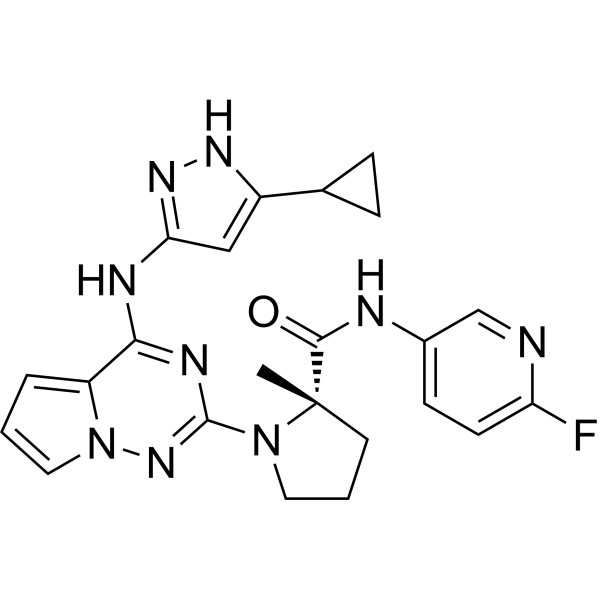
(R)-Larotrectinib is a potent TRK inhibitor with an IC50 value of 28.5 nM for TrkA. (R)-Larotrectinib can be used for researching cancer, inflammatory and certain infectious diseases
JND4135 is a Type II TRK inhibitor with IC50 values of 2.79, 3.19, and 3.01 nM against TRKA, TRKB, TRKC, respectively. JND4135 can overcome resistance from TRK xDFG and other mutant forms in the BaF3 stable model, inhibiting phosphorylation of both WT and xDFG mutant TRKs, along with their downstream signaling molecules. JND4135 can induce G0/G1 phase arrest and apoptosis in BaF3–CD74-TRKA-G667C cells. JND4135 shows tumor growth inhibition activity in the BaF3-CD74-TRKA-G667C mouse xenograft model .
TRK II-IN-1 is a potent type II TRK inhibitor, with IC50s of 3.3, 6.4, 4.3 and 9.4 nM, for TRKA/B/C and TRKAG667C, respectively. TRK II-IN-1 also inhibits FLT3, RET, and VEGFR2 with IC50s of 1.3, 9.9, and 71.1 nM, respectively. TRK II-IN-1 can be used for the research of TRK driven cancers .
GNF-8625 is a broad-spectrum TRK inhibitor that can combine with Thalidomide to form a PROTAC degrader. The IC50 of GNF-8625 for inhibiting TRKA, TRKB, and TRKC are 0.8 nM, 22 nM, and 5.4 nM, respectively.
PF-06733804 is a potent pan-Trk inhibitor in cell-based assays with
IC50s of 8.4 nM, 6.2 nM and 2.2 nM for TrkA, TrkB and TrkC, respectively . Anti-hyperalgesic effect .
MEDI-1912 is a human monoclonal antibody (mAb) targeting NGF/bNGF. MEDI-1912 inhibits signaling through TrkA and p75 receptors. MEDI-1912 can be used in chronic pain research .
GZ-389988 is a potent pan-TRK inhibitor with IC50 values of 0.3, 0.1, and 0.5 nM for TRKA, TRKB, and TRKC, respectively. GZ-389988 can be used to study NTRK fusion-positive tumors .
Trk-IN-20 is a kind of 3-vinylindazole derivatives. Trk-IN-20 suppresses Trk kinases functions by phosphorylation inhibition of TrkA/B/C with IC50 values of 1.6 nM, 2.9 nM and 2.0 nM, respectively .
Selitrectinib (Standard) is the analytical standard of Selitrectinib. This product is intended for research and analytical applications. Selitrectinib (LOXO-195) is a next-generation TRK kinase inhibitor, with IC50s of 0.6 nM and <2.5 nM for TRKA and TRKC, respectively .
TRK-IN-30 (Compound C11) is the inhibitor for tropomyosin receptor kinase (TRK) that inhibits TRKA, TRKB and TRKC and drug resistant mutant TRKAG595R with an IC50 of 1.8, 0.98, 3.8, and 54 nM, respectively. TRK-IN-30 inhibits the activation of the downstream PI3K/AKT and MEK/ERK signaling pathways. TRK-IN-30 inhibits the colony formation and cell migration of Km-12, arrests the cell cycle at G0/G1 phase, and induces apoptosis in Km-12 .
Anizatrectinib (hTrkA-IN-1) is a potent and orally active inhibitor of TrkA kinase with an IC50 of 1.3 nM, compound 2 extracted from patent WO2015175788. Anizatrectinib can be used for the study of inflammatory disease, such as prostatitis, pelvic, et al .
(3aR)-Selitrectinib ((3aR)-LOXO-195) is an isform of Selitrectinib (HY-101977), which is a next-generation TRK kinase inhibitor, with IC50s of 0.6 nM and <2.5 nM for TRKA and TRKC, respectively .
Type II TRK inhibitor 1 is a potent TRK inhibitor, which inhibits various TRK fusion protein variants and wild type. Type II TRK inhibitor 1 exhibits antiproliferative activity against Ba/F3 cells harboring CD74-TRKAG667C and ETV6-TRKC G696C fusion proteins with IC50s of 6 nM and 1.7 nM, respectively . Type II TRK inhibitor 1 is a click chemistry reagent, it contains an Alkyne group and can undergo copper-catalyzed azide-alkyne cycloaddition (CuAAc) with molecules containing Azide groups.
Trk-IN-8 is a potent TRK inhibitor with IC50s of 0.42, 0.89 and 1.5 nM for TRKAa, TRKA(G595R) and TRKC(G623R), respectively (WO2021115401A1, compound 3) .
Larotrectinib (Standard) is the analytical standard of Larotrectinib. This product is intended for research and analytical applications. Larotrectinib (LOXO-101) is an ATP-competitive oral, selective inhibitor of the tropomyosin-related kinase (TRK) family receptors, with low nanomolar 50% inhibitory concentrations against all three isoforms (TRKA, B, and C).
TrkA/NGF-IN-1 (Peptide 19) is an inhibitor of protein-protein interactions between TrkA and NGF (IC50: 21 nM for human TrkA in PathHunter assay). TrkA/NGF-IN-1 shows an analgesic effect in a rat incisional pain model .
TRK-IN-34 is an orally active TRKand TRKC mutant kinase inhibitor, with IC50 values of 0.75 nM and 0.96 nM against TRKAG595R and TRKAG667C, respectively. TRK-IN-34 inhibits the kinase activities of TRKAG595R and TRKAG667C at the functional level. TRK-IN-34 inhibits the proliferation of TRKA-transfected cells, exerts tumor growth-inhibitory effects and achieves partial tumor regression in xenograft models. TRK-IN-34 can be used to study TRK inhibitor-resistant cancers driven by the TRKAG667C mutation .
DZX19 (Compound C02) is an orally active, selective TRK inhibitor with a TRKAIC50 value of 1.32 nM, a TRKBIC50 of 2.28 nM, and a TRKCIC50 of 4.05 nM. DZX19 inhibits the kinase activities of wild-type TRKA, TRKA mutants (G595R, F589L, G667C), wild-type TRKB, and wild-type TRKC, and suppresses the phosphorylation of TRKA as well as its downstream AKT and ERK signaling pathways. DZX19 induces apoptosis. DZX19 inhibits tumor growth in a colorectal cancer xenograft mouse model. DZX19 is applicable for the research of colorectal cancer .
Trk-IN-2 is a pan-Trk kinase inhibitor with a TrkA enzyme IC50 of 9 nM, cell-based IC50 of 7 nM, and oral activity.Trk-IN-2 exhibits pharmacodynamic effects in rat models of inflammatory pain and neuropathic pain.Trk-IN-2 can be used for the research of inflammatory pain, neuropathic pain .
Ro 08-2750 (Standard) is the analytical standard of Ro 08-2750 (HY-108466). This product is intended for research and analytical applications. Ro 08-2750 is a non-peptide and reversible nerve growth factor (NGF) inhibitor which binds to NGF, and with an IC50 of ~ 1 μM. Ro 08-2750 inhibits NGF binding to p75NTR selectively over TRKA . Ro 08-2750 is a selective MSI RNA-binding activity inhibitor, with an IC50 of 2.7 μM .
TRK-IN-33 is a TRK inhibitor. TRK-IN-33 exhibits excellent TRKAG667C degradation (DC50 = 24.69 nM; Dmax > 90%), while sparing the wild-type protein in virto. TRK-IN-33 shows antiproliferative activities against Ba/F3-LMNA-NTRK1 G667C cells with an IC50 value of 2.48 nM. TRK-IN-33 effectively inhibits tumor growth and enhances apoptosis in tumor tissues with no apparent toxicity in vivio. TRK-IN-33 can be used for NTRK fusion−positive cancers research .
DS002 is a human monoclonal antibody targeting NGF/bNGF, with an IC50 of 6.60 nM against human NGF, 1.98 nM against rat NGF, and 8.46 nM against mouse NGF. DS002 blocks NGF-TrkA binding, interrupts pain signal transduction, inhibits TrkA-mediated downstream signaling pathways, and alters aromatic amino acid metabolic pathways. DS002 inhibits cancer cell proliferation. DS002 exerts a preventive effect on Paclitaxel-, Cisplatin- and Vincristine-induced peripheral neuropathy in rats. DS002 can be used in studies related to chronic pain and chemotherapy-induced peripheral neuropathy .
ZW-6-052 (compound 20), the derivative of ZW-18-116 (HY-180550), is a dual-target PROTAC degrader for the oncoproteins TRKA and RET. ZW-6-052 induces degradation of TMP3-TRKA in KM12 mouse xenograft models. ZW-6-052 can be used for RET or TRKA-derived cancer research, such as thyroid, lung, and colon cancers .
ZW-18-116 (compound 9) is a dual-target PROTAC degrader for the oncoproteins TRKA and RET. ZW-18-116 induces the degradation of oncoproteins TRKA and RET by recruiting the CRBN E3 ligase. ZW-18-116 exhibits potent anti-proliferative activity in various cancer cell lines harboring RET or TRKA fusions. ZW-18-116 can be used for RET or TRKA-derived cancer research, such as thyroid, lung, and colon cancers .
PF-07245303 is a ITK/TRK inhibitor. PF-07245303 reduces the production of inflammatory cytokines such as IL-4 and IFNγ, and inhibits the phosphorylation of PLCγ1. PF-07245303 inhibits nerve growth factor-induced basophil activation and the phosphorylation of TRKA. PF-07245303 reduces oxazolone-induced ear swelling in mouse ear tissues. PF-07245303 is applicable to research related to atopic dermatitis .
GNF-5837 is a potent, selective, and orally bioavailable pan-tropomyosin receptor kinase (TRK) inhibitor which display antiproliferative effects in cellular Ba/F3 assays ( IC50 values of 7 nM, 9 nM and 11 nM for cells containing the fusion proteins Tel-TrkC, Tel-TrkB and Tel-TrkA, respectively) .
IHMT-TRK-284 (Compound 34) is a potent, orally active type II TRK kinase inhibitor with IC50 values of 10.5, 0.7, and 2.6 nM to TRKA, B, and C respectively. IHMT-TRK-284 displays great selectivity profile in the kinome and good in vivo antitumor efficacies .
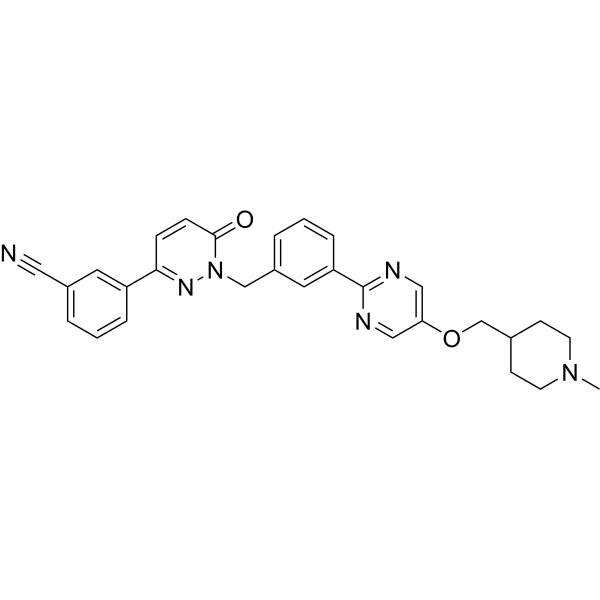
Tepotinib (EMD-1214063) is an orally active and highly selective, reversible, ATP-competitive c-Met inhibitor with an IC50 of 3 nM, >200-fold selective for c-Met than IRAK4, TrkA, Axl, IRAK1, and Mer. Tepotinib inhibits c-Met phosphorylation and induces autophagy. Tepotinib has antitumor effects .
JTE-952 is a potent, oral active and selective Type II inhibitor of colony stimulating factor-1 receptor (CSF-1R or cFMS, type III receptor tyrosine kinase), with IC50 values of 13 nM and 261 nM for CSF1R and TrkA , respectively. Effective against a mouse collagen-induced model of arthritis .
Entrectinib (NMS-E628) is an orally active, BBB-penetrated and centrally active inhibitor of TrkA/B/C, ROS1 and ALK, with IC50 values of 1, 3, 5, 12 and 7 nM, respectively. Entrectinib induces apoptosis and cycle arrest in cancer cells, has antitumor activity, and attenuates bleomycin-induced lung fibrosis in mice .
Larotrectinib sulfate (Standard) is the analytical standard of Larotrectinib sulfate. This product is intended for research and analytical applications. Larotrectinib sulfate (LOXO-101 sulfate; ARRY-470 sulfate) is an ATP-competitive oral, selective inhibitor of the tropomyosin-related kinase (TRK) family receptors, with low nanomolar 50% inhibitory concentrations against all three isoforms (TRKA, B, and C).
Tepotinib (EMD-1214063) hydrochloride is an orally active and highly selective, reversible, ATP-competitive c-Met inhibitor with an IC50 of 3 nM, >200-fold selective for c-Met than IRAK4, TrkA, Axl, IRAK1, and Mer. Tepotinib hydrochloride inhibits c-Met phosphorylation and induces autophagy. Tepotinib hydrochloride has antitumor effects .
GBR-900 is a humanized antibody expressed in CHO that targets TrkA/NTRK1. GBR-900 has a huIgG1 heavy chain and a huκ light chain, with a predicted molecular weight (MW) of 150 kDa. The isotype control for GBR-900 can refer to Human IgG1 kappa, Isotype Control (HY-P99001).
BMS-754807 is a potent and reversible IGF-1R/IR inhibitor (IC50=1.8 and 1.7 nM, respectively; Ki=<2 nM for both). BMS-754807 also shows potent activities against Met, RON, TrkA, TrkB, AurA, and AurB with IC50 values of 6, 44, 7, 4, 9, and 25 nM, respectively .
TRK/ALK-IN-1 (compound 21) is a potent and dual inhibitor of TRK and ALK. TRK/ALK-IN-1 in the enzymatic assays is in good accordance with anti-proliferative activity with IC50 values of 2.2, 9.3 and 38 nM towards TRKA, ALK WT and ALK L1196M, respectively. TRK/ALK-IN-1 has the potential for the research of cancer diseases .
Zurletrectinib is a brain-penetrant, orally active TRK inhibitor (TRKAIC50 = 0.81 nM; TRKBIC50 = 0.145 nM; TRKCIC50 = 0.184 nM). Zurletrectinib exhibits stronger activity as a consequence of its augmented binding affinity for TRK kinases. Zurletrectinib exhibits higher activity against most TRK inhibitor resistance mutations (13 out of 18 mutations). Zurletrectinib can be used for the study of glioma .
DLK-IN-1 (Compound 14) is an orally active, blood-brain barrier-penetrable and selective inhibitor of dual leucine zipper kinase (DLK, MAP3K12) with a Ki value of 3 nM. DLK-IN-1 inhibits Flt3, PAK4, STK33 and TrkA. DLK-IN-1 reduces p-c-Jun. DLK-IN-1 can be used in Alzheimer's disease research .
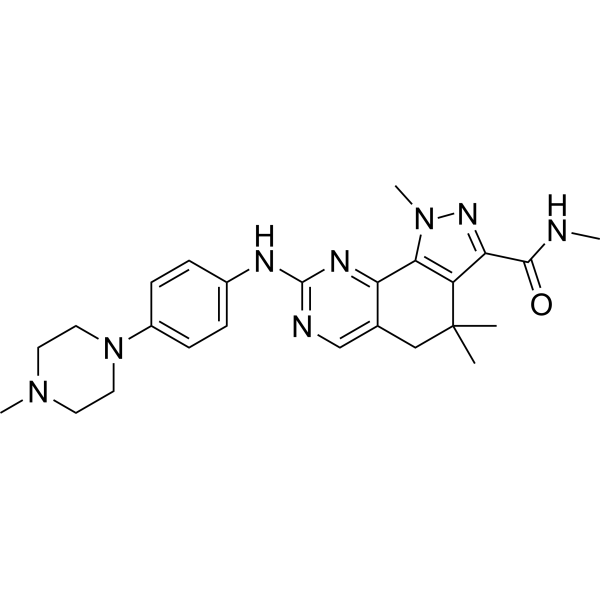
Milciclib (PHA-848125) is a potent, ATP-competitive and dual inhibitor of CDK and Tropomyosin receptor kinase (TRK), with IC50s of 45, 150, 160, 363, 398 nM and 53 nM for cyclin A/CDK2, cyclin H/CDK7, cyclin D1/CDK4, cyclin E/CDK2, cyclin B/CDK1 and TRKA, respectively.
Tepotinib (Standard) is the analytical standard of Tepotinib. This product is intended for research and analytical applications. Tepotinib (EMD-1214063) is an orally active and highly selective, reversible, ATP-competitive c-Met inhibitor with an IC50 of 3 nM, >200-fold selective for c-Met than IRAK4, TrkA, Axl, IRAK1, and Mer. Tepotinib inhibits c-Met phosphorylation. Tepotinib has antitumor effects .
Ganglioside GM1 is a type of glycosphingolipid, mainly found on the cell membranes of the central nervous system of vertebrates. Ganglioside GM1 exerts neuroprotective effects by reducing excessive activation of NMDAR, activating TrkA and ERK1/2, and inhibiting oxidative stress and cell apoptosis and autophagy. Ganglioside GM1 can be used in the research of diseases such as traumatic brain injury, Parkinson's disease, Alzheimer's disease, and Huntington's disease .
BMS 777607 (BMS 817378) is a Met-related inhibitor for c-Met, Axl, Ron and Tyro3 with IC50s of 3.9 nM, 1.1 nM, 1.8 nM and 4.3 nM, respectively, and 40-fold more selective for Met-related targets than Lck, VEGFR-2, and TrkA/B, with more than 500-fold greater selectivity versus all other receptor and non receptor kinases .
Entrectinib (Standard) is the analytical standard of Entrectinib. This product is intended for research and analytical applications. Entrectinib (NMS-E628) is an orally active, BBB-penetrated and centrally active inhibitor of TrkA/B/C, ROS1 and ALK, with IC50 values of 1, 3, 5, 12 and 7 nM, respectively. Entrectinib induces apoptosis and cycle arrest in cancer cells, has antitumor activity, and attenuates bleomycin-induced lung fibrosis in mice .
Repotrectinib (Standard) is the analytical standard of Repotrectinib (HY-103022). This product is intended for research and analytical applications. Repotrectinib (TPX-0005) is a potent ROS1 (IC50=0.07 nM) and TRK (IC50=0.83/0.05/0.1 nM for TRKA/B/C) inhibitor. Repotrectinib potently inhibits WT ALK (IC50=1.01 nM). Repotrectinib has anti-cancer activity .
IGF-1R modulator 1 (Example 5) is an IGF-1R modulator, with EC50s of 0.29 μM (FGFR1), 0.25 μM (IGF1R), 0.34 μM (TrkA), 0.39 μM (TrkB). IGF-1R modulator 1 can be used for research of diseases characterised by impaired signalling of neurotrophins and/or other trophic factors, such as Alzheimer's disease .
CZS-241 is an orally active and selective inhibitor of Polo-like Kinase (PLK)4 (IC50=2.6 nM). CZS-241 inhibits TRKA with an IC50 value of 2.74 μM. CZS-241 induces apoptosis and arrests cell cycle at S/G2 phase. CZS-241 shows highly potent antiproliferative activity against leukemia cell lines, and exhibits safety against normal cell lines .
(S)-3-Hydroxy Midostaurin ((S)-CGP52421) is a potent kinases inhibitor with IC50 values of <400 nM for 13 kinases (VEGFR-2, TRK-A, FLT3, et). (S)-3-Hydroxy Midostaurin is a minor metabolite of midostaurin (PKC412; HY-10230) undergoing by the hepatic CYP3A4 enzyme. (S)-3-Hydroxy Midostaurin has the potential for acute myeloid leukemia (AML) .
Ganglioside GM1 (bovine) ammonium is a type of glycosphingolipid, mainly found on the cell membranes of the central nervous system of vertebrates. Ganglioside GM1 (bovine) ammonium exerts neuroprotective effects by reducing excessive activation of NMDAR, activating TrkA and ERK1/2, and inhibiting oxidative stress and cell apoptosis and autophagy. Ganglioside GM1 (bovine) ammonium can be used in the research of diseases such as traumatic brain injury, Parkinson's disease, Alzheimer's disease, and Huntington's disease .
Amitriptyline-d3 hydrochloride is the deuterium labeled Amitriptyline (hydrochloride). Amitriptyline hydrochloride is an inhibitor of serotonin reuptake transporter (SERT) and noradrenaline reuptake transporter (NET), with Kis of 3.45 nM and 13.3 nM for human SERT and NET, respectively. Amitriptyline hydrochloride also weakly binds to dopamine reuptake transporter (DAT) with a Ki of 2.58 μM. Amitriptyline hydrochloride also inhibits adrenergic, muscarinic, histamine and 5-HT receptors. Amitriptyline hydrochloride is a TrkA and TrkB receptors agonist with potent neurotrophic activity. Amitriptyline hydrochloride has antidepressant activity .
BNN27 is the agonist for TrkA receptor and p75NTR receptor, that exhibits neurotrophic and anti-apoptotic effects. BNN27 increases the levels of glutamate, GABA, and glutamine in the rat hippocampus and prefrontal cortex, improves glutamate turnover. BNN27 exhibits neuroprotective efficacy in mouse amyotrophic lateral sclerosis (ALS) model, exhibits anti-inflammatory efficacy in experimental autoimmune encephalomyelitis (EAE) model, exhibits retinal protective efficacy in rat diabete models. BNN27 is blood-brain barrier penetrable .
CZS-241 hydrochloride is an orally active and selective inhibitor of Polo-like Kinase 4 (PLK4) (IC50=2.6 nM). CZS-241 hydrochloride inhibits TRKA with an IC50 value of 2.74 μM. CZS-241 hydrochloride induces apoptosis and arrests cell cycle at S/G2 phase. CZS-241 hydrochloride shows highly potent antiproliferative activity against leukemia cell lines, and exhibits safety against normal cell lines .
Milciclib (Standard) is the analytical standard of Milciclib. This product is intended for research and analytical applications. Milciclib (PHA-848125) is a potent, ATP-competitive and dual inhibitor of CDK and Tropomyosin receptor kinase (TRK), with IC50s of 45, 150, 160, 363, 398 nM and 53 nM for cyclin A/CDK2, cyclin H/CDK7, cyclin D1/CDK4, cyclin E/CDK2, cyclin B/CDK1 and TRKA, respectively.
BMS-754807 (Standard) is the analytical standard of BMS-754807 (HY-10200). This product is intended for research and analytical applications. BMS-754807 is a potent and reversible IGF-1R/IR inhibitor (IC50=1.8 and 1.7 nM, respectively; Ki=<2 nM for both). BMS-754807 also shows potent activities against Met, RON, TrkA, TrkB, AurA, and AurB with IC50 values of 6, 44, 7, 4, 9, and 25 nM, respectively .
Trk-IN-7 (compound I-6) is a potent TRK inhibitor with IC50s of ranging from 0.25-10 nM for TRKA, TRKB and TRKC, respectively. Trk-IN-7 shows inhibition against EML4-ALK (IC50<15 nM) ALK G1202R, ALK C1156Y, ALK R1275Q, ALK F1174L, ALK L1197M, and ALK G1269A (IC50=5-50 nM) .
Entrectinib-d4 (NMS-E628-d4; RXDX-101-d4) is the deuterium labeled Entrectinib (HY-12678). Entrectinib is an orally active, BBB-penetrated and centrally active inhibitor of TrkA/B/C, ROS1 and ALK, with IC50 values of 1, 3, 5, 12 and 7 nM, respectively. Entrectinib induces apoptosis and cycle arrest in cancer cells, has antitumor activity, and attenuates bleomycin-induced lung fibrosis in mice .
KRC-108, an aminopyridine, is an orally active multiple kinase inhibitor with IC50s of 80 nM, 23 nM, 3 nM, 70 nM, 30 nM, 39 nM for c-Met, c-Met M1250T, c-Met Y1230D, Ron, Flt3 and TrkA, respectively. KRC-108 induces cell cycle arrest, apoptotic cell death, and autophagy. KRC-108 exhibits anti-tumor activity in vivo in HT29 colorectal cancer, NCI-H441 lung cancer xenograft models in athymic BALB/c nu/nu mice .
YP0322 (ROS1-IN-3) is a potent orally active, selective, and CNS-penetrant ROS1 inhibitor. JYP0322 selectively inhibits human wild-type ROS1 and human ROS1 G2032R with IC50s of 0.37 and 0.3 nM, respectively, showing 6-130-fold selectivity over TRKA, TRKB, and TRKC. JYP0322 inhibits proliferation of ROS1 fusion-expressing cells, and inhibits tumor growth in mouse xenograft models. JYP0322 can be used for the research of non-small cell lung cancer (NSCLC) .
Entrectinib-d8 (NMS-E628-d8; RXDX-101-d8) is a deuterated version of Entrectinib (HY-12678). Entrectinib (NMS-E628) is an orally available, blood-brain barrier permeable, central nervous system active TrkA/B/C, ROS1 and ALK inhibitor with IC50 values of 1, 3, 5, 12 and 12, respectively. 7 nM. Entrectinib induces apoptosis and cycle arrest in cancer cells, has anti-tumor activity, and also alleviates bleomycin-induced pulmonary fibrosis in mice .
(R,S)-Selitrectinib (compound 17) is a Trk inhibitor with activity against cancers harboring Trk inhibitor-resistant point mutations in NTRK1, NTRK2, or NTRK3 genes. (R,S)-Selitrectinib can be used for the research of trk inhibitor-resistant cancer .
NPA101.3 is an orally active RET receptor tyrosine kinase and VEGFR2 inhibitor (RET IC50 = 0.001 μM, RET V804MIC50 = 0.008 μM, VEGFR2 IC50 = 0.003 μM). NPA101.3 inhibits purified TRKA (IC50 = 32 nM) and CSF1R (IC50 = 46 nM). NPA101.3 completely suppresses tumor formation in RET/C634Y-transformed cells and also attenuates tumor formation in HRAS/G12V-transformed cells. NPA101.3 can be used in the research of RET-driven cancers .
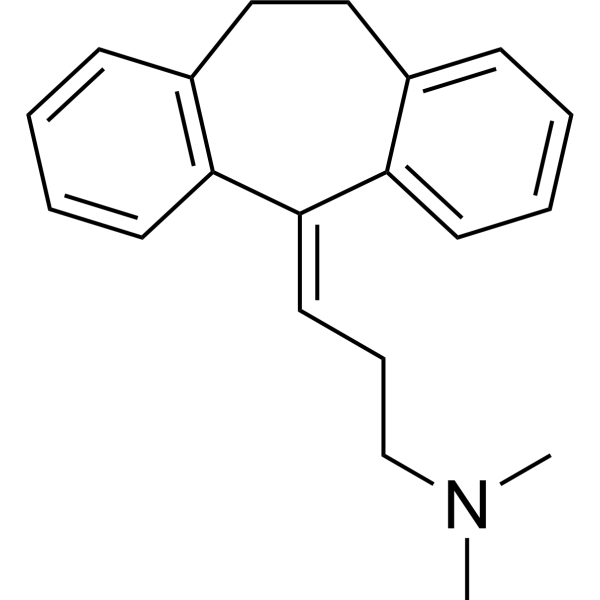
Amitriptyline is an orally active tricyclic antidepressant (TCA). Amitriptyline mainly exerts its antidepressant effect by blocking SERT (Ki = 3.45 nM) and NET (Ki = 13.3 nM), thereby increasing the concentrations of 5-hydroxytryptamine (5-HT) and norepinephrine (NE) in the synaptic cleft. Amitriptyline is also an agonist at α2A and TrkA/TrkB receptors, thereby exerting analgesic and neurotrophic activities (inhibiting cell apoptosis). Amitriptyline can reduce inflammation, angiogenesis and fibrosis. Amitriptyline binds to DAT (with Ki = 2.58 μM). Amitriptyline has high affinity for a series of receptors and can antagonize muscarinic cholinergic receptors (M1/M2/M3/M4/M5 receptors) (Ki = 11-24 nM), H1 receptors (Ki = 0.5-1.1 nM), adrenergic α1 receptors (Ki = 4.4 nM), etc., resulting in a series of side effects. Amitriptyline can block sodium channels and hERG potassium channel (IC50 = 4.78 μM) and it has cardiotoxicity .
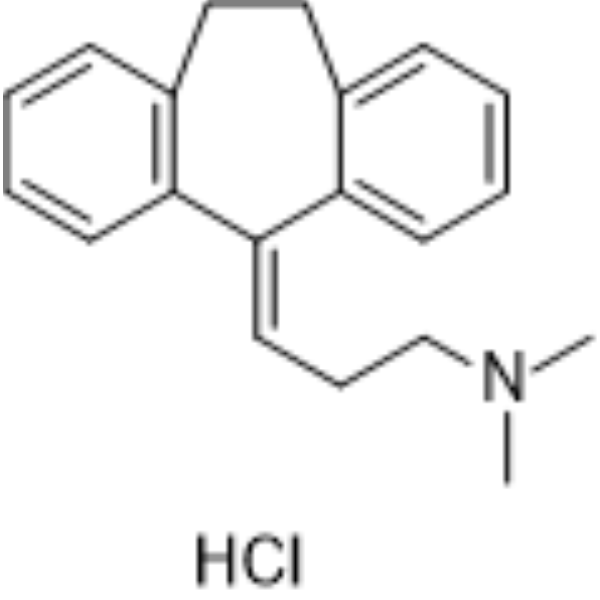
Amitriptyline hydrochloride is an orally active tricyclic antidepressant (TCA). Amitriptyline hydrochloride mainly exerts its antidepressant effect by blocking SERT (Ki = 3.45 nM) and NET (Ki = 13.3 nM), thereby increasing the concentrations of 5-hydroxytryptamine (5-HT) and norepinephrine (NE) in the synaptic cleft. Amitriptyline hydrochloride is also an agonist at α2A and TrkA/TrkB receptors, thereby exerting analgesic and neurotrophic activities (inhibiting cell apoptosis). Amitriptyline hydrochloride can reduce inflammation, angiogenesis and fibrosis. Amitriptyline hydrochloride binds to DAT (with Ki = 2.58 μM). Amitriptyline hydrochloride has high affinity for a series of receptors and can antagonize muscarinic cholinergic receptors (M1/M2/M3/M4/M5 receptors) (Ki = 11-24 nM), H1 receptors (Ki = 0.5-1.1 nM), adrenergic α1 receptors (Ki = 4.4 nM), etc., resulting in a series of side effects. Amitriptyline hydrochloride can block sodium channels and hERG potassium channel (IC50 = 4.78 μM) and it has cardiotoxicity .
Amitriptyline-d6 hydrochloride is the deuterium labeled Amitriptyline hydrochloride (HY-B0527A). Amitriptyline hydrochloride is an orally active tricyclic antidepressant (TCA). Amitriptyline hydrochloride mainly exerts its antidepressant effect by blocking SERT (Ki = 3.45 nM) and NET (Ki = 13.3 nM), thereby increasing the concentrations of 5-hydroxytryptamine (5-HT) and norepinephrine (NE) in the synaptic cleft. Amitriptyline hydrochloride is also an agonist at α2A and TrkA/TrkB receptors, thereby exerting analgesic and neurotrophic activities (inhibiting cell apoptosis). Amitriptyline hydrochloride can reduce inflammation, angiogenesis and fibrosis. Amitriptyline hydrochloride binds to DAT (with Ki = 2.58 μM). Amitriptyline hydrochloride has high affinity for a series of receptors and can antagonize muscarinic cholinergic receptors (M1/M2/M3/M4/M5 receptors) (Ki = 11-24 nM), H1 receptors (Ki = 0.5-1.1 nM), adrenergic α1 receptors (Ki = 4.4 nM), etc., resulting in a series of side effects. Amitriptyline hydrochloride can block sodium channels and hERG potassium channel (IC50 = 4.78 μM) and it has cardiotoxicity.
Amitriptyline hydrochloride (Standard) is the analytical standard of Amitriptyline hydrochloride (HY-B0527A). This product is intended for research and analytical applications. Amitriptyline hydrochloride is an orally active tricyclic antidepressant (TCA). Amitriptyline hydrochloride mainly exerts its antidepressant effect by blocking SERT (Ki = 3.45 nM) and NET (Ki = 13.3 nM), thereby increasing the concentrations of 5-hydroxytryptamine (5-HT) and norepinephrine (NE) in the synaptic cleft. Amitriptyline hydrochloride is also an agonist at α2A and TrkA/TrkB receptors, thereby exerting analgesic and neurotrophic activities (inhibiting cell apoptosis). Amitriptyline hydrochloride can reduce inflammation, angiogenesis and fibrosis. Amitriptyline hydrochloride binds to DAT (with Ki = 2.58 μM). Amitriptyline hydrochloride has high affinity for a series of receptors and can antagonize muscarinic cholinergic receptors (M1/M2/M3/M4/M5 receptors) (Ki = 11-24 nM), H1 receptors (Ki = 0.5-1.1 nM), adrenergic α1 receptors (Ki = 4.4 nM), etc., resulting in a series of side effects. Amitriptyline hydrochloride can block sodium channels and hERG potassium channel (IC50 = 4.78 μM) and it has cardiotoxicity.
Xaliproden (SR57746) hydrochloride (SR57746A) is an orally active, highly selective 5-HT1A receptor agonist. Xaliproden hydrochloride activates pertussis toxin-sensitive G protein-coupled signaling cascades, as well as the PKC, ERK1/ERK2, Akt and p21Ras/MEK-1 pathways. Xaliproden hydrochloride also downregulates the JNK/p66/c-Jun signaling pathway, induces phosphorylation of the shc adaptor protein, regulates extracellular dopamine and 5-HT levels, and induces [ 35S]GTPγS labeling in rat brain structures rich in 5-HT1A receptors. Xaliproden hydrochloride exerts neurotrophic, neuroprotective, renoprotective, anti-inflammatory, anti-apoptotic, anti-fibrotic and analgesic effects. Xaliproden hydrochloride also enhances NGF-induced neurite outgrowth, promotes motor neuron survival, attenuates renal tubular injury and inhibits chemotherapy-induced mechanical allodynia, without activating or altering NGF-induced TrkA receptor activation. Xaliproden hydrochloride can be used in the research of motor neuron disease, diabetic nephropathy, chemotherapy-induced peripheral neuropathy, amyotrophic lateral sclerosis, Alzheimer's disease, acute tonic nociceptive pain, inflammatory pain, depression and anxiety .
Xaliproden (SR57746) free base is an orally active, highly selective 5-HT1A receptor agonist. Xaliproden free base activates pertussis toxin-sensitive G protein-coupled signaling cascades, as well as the PKC, ERK1/ERK2, Akt and p21Ras/MEK-1 pathways. Xaliproden free base also downregulates the JNK/p66/c-Jun signaling pathway, induces phosphorylation of the shc adaptor protein, regulates extracellular dopamine and 5-HT levels, and induces [ 35S]GTPγS labeling in rat brain structures rich in 5-HT1A receptors. Xaliproden free base exerts neurotrophic, neuroprotective, renoprotective, anti-inflammatory, anti-apoptotic, anti-fibrotic and analgesic effects. Xaliproden free base also enhances NGF-induced neurite outgrowth, promotes motor neuron survival, attenuates renal tubular injury and inhibits chemotherapy-induced mechanical allodynia, without activating or altering NGF-induced TrkA receptor activation. Xaliproden free base can be used in the research of motor neuron disease, diabetic nephropathy, chemotherapy-induced peripheral neuropathy, amyotrophic lateral sclerosis, Alzheimer's disease, acute tonic nociceptive pain, inflammatory pain, depression and anxiety .
Xaliproden (hydrochloride) (Standard) is the analytical standard of Xaliproden (hydrochloride). This product is intended for research and analytical applications. Xaliproden (SR57746) hydrochloride (SR57746A) is an orally active, highly selective 5-HT1A receptor agonist. Xaliproden hydrochloride activates pertussis toxin-sensitive G protein-coupled signaling cascades, as well as the PKC, ERK1/ERK2, Akt and p21Ras/MEK-1 pathways. Xaliproden hydrochloride also downregulates the JNK/p66/c-Jun signaling pathway, induces phosphorylation of the shc adaptor protein, regulates extracellular dopamine and 5-HT levels, and induces [ 35S]GTPγS labeling in rat brain structures rich in 5-HT1A receptors. Xaliproden hydrochloride exerts neurotrophic, neuroprotective, renoprotective, anti-inflammatory, anti-apoptotic, anti-fibrotic and analgesic effects. Xaliproden hydrochloride also enhances NGF-induced neurite outgrowth, promotes motor neuron survival, attenuates renal tubular injury and inhibits chemotherapy-induced mechanical allodynia, without activating or altering NGF-induced TrkA receptor activation. Xaliproden hydrochloride can be used in the research of motor neuron disease, diabetic nephropathy, chemotherapy-induced peripheral neuropathy, amyotrophic lateral sclerosis, Alzheimer's disease, acute tonic nociceptive pain, inflammatory pain, depression and anxiety .
TRAF6 peptide is a specific TRAF6-p62 inhibitor. TRAF6 peptide potently abrogates NGF-dependent TrkA ubiquitination. TRAF6 peptide has good research potential in neurological diseases such as alzheimer's disease (AD), parkinson's, ALS, head trauma, epilepsy and stroke .
TRAF6 peptide TFA is a specific TRAF6-p62 inhibitor. TRAF6 peptide TFA potently abrogates NGF-dependent TrkA ubiquitination. TRAF6 peptide TFA has good research potential in neurological diseases such as alzheimer's disease (AD), parkinson's, ALS, head trauma, epilepsy and stroke .
FAM-CSKtide is a biological active peptide. (This is a FAM labeled peptide substrate (Abs/Em = 494/521 nm) for C-terminal Src kinase (Csk) and many other kinases such as Axl, cKit, ERBB4, Fes, Flt3, IGF-1 R, MET, MUSK, PYK2, Ret, TIE2, TrkA, VEGF-R1 and VEGF-R2.)
TrkA/NGF-IN-1 (Peptide 19) is an inhibitor of protein-protein interactions between TrkA and NGF (IC50: 21 nM for human TrkA in PathHunter assay). TrkA/NGF-IN-1 shows an analgesic effect in a rat incisional pain model .
Tanezumab (RN-624) is a humanized anti-NGF mAb with high affinity and specificity. Tanezumab blocks NGF binding to its receptors, p75 and TrkA, in the peripheral nervous system. Tanezumab can be used in studies of acute and chronic pain such as osteoarthritis, knee and neuralgia, as well as post-herpetic neuralgia .
Bedinvetmab (ZTS-00508841) is a canine monoclonal antibody (mAb) targeting nerve growth factor (NGF). Bedinvetmab inhibits NGF interaction with tropomyosin receptor kinase A (trkA) and p75 neurotrophin receptor (p75NTR) receptors. Bedinvetmab can be used for the research of osteoarthritis pain in dogs .
MNAC13 is a kind of mouse IgG1 chimeric antibody, targeting to human TrkA. MNAC13 inhibits the NGF dependent signaling pathway by specifically binding to TrkA receptors. MNAC13 has good analgesic effect and long-lasting efficacy. MNAC13 can be used for researches on inflammatory and chronic pain .
MEDI-1912 is a human monoclonal antibody (mAb) targeting NGF/bNGF. MEDI-1912 inhibits signaling through TrkA and p75 receptors. MEDI-1912 can be used in chronic pain research .
GBR-900 is a humanized antibody expressed in CHO that targets TrkA/NTRK1. GBR-900 has a huIgG1 heavy chain and a huκ light chain, with a predicted molecular weight (MW) of 150 kDa. The isotype control for GBR-900 can refer to Human IgG1 kappa, Isotype Control (HY-P99001).
DS002 is a human monoclonal antibody targeting NGF/bNGF, with an IC50 of 6.60 nM against human NGF, 1.98 nM against rat NGF, and 8.46 nM against mouse NGF. DS002 blocks NGF-TrkA binding, interrupts pain signal transduction, inhibits TrkA-mediated downstream signaling pathways, and alters aromatic amino acid metabolic pathways. DS002 inhibits cancer cell proliferation. DS002 exerts a preventive effect on Paclitaxel-, Cisplatin- and Vincristine-induced peripheral neuropathy in rats. DS002 can be used in studies related to chronic pain and chemotherapy-induced peripheral neuropathy .
Ganglioside GM1 is a type of glycosphingolipid, mainly found on the cell membranes of the central nervous system of vertebrates. Ganglioside GM1 exerts neuroprotective effects by reducing excessive activation of NMDAR, activating TrkA and ERK1/2, and inhibiting oxidative stress and cell apoptosis and autophagy. Ganglioside GM1 can be used in the research of diseases such as traumatic brain injury, Parkinson's disease, Alzheimer's disease, and Huntington's disease .
Gardenin A is an orally active and synthetic PMF analogue with the neurotrophic effect for neurite outgrowth and neuronal differentiation. Gardenin A promotes neuritogenesis via activating MAPK/ERK, PKC, and PKA, but not TrkA, CREB signaling pathways. Gardenin A also has sedative, anxiolytic, antidepressant, and anticonvulsant effects .
TrkA Protein (isoform 3) belongs to the nerve growth factor receptor family and can promote angiogenesis and has carcinogenic activity when overexpressed. TrkA Protein (isoform 3) antagonizes the anti-proliferative NGF-NTRK1 signaling that promotes the differentiation of neuronal precursors. TrkA Protein, Canine (HEK293, His) is the recombinant canine-derived TrkA protein, expressed by HEK293 , with N-His labeled tag.
Pentraxin 3/TSG-14 protein is a multifunctional protein that plays a role in immune response and inflammation. It is involved in the recognition and clearance of pathogens, as well as regulation of inflammatory processes. Dysregulation of Pentraxin 3/TSG-14 protein has been associated with various diseases, including cardiovascular disorders and infections. Targeting Pentraxin 3/TSG-14 protein may hold therapeutic potential in these conditions. TrkA Protein, Human (HEK293, His) is the recombinant human-derived TrkA protein, expressed by HEK293 , with N-His labeled tag.
The TrkA protein is a receptor tyrosine kinase that is critical in central and peripheral nervous system development, regulating neuronal proliferation, differentiation, and survival. As a high-affinity NGF receptor, TrkA undergoes homodimerization and autophosphorylation upon ligand binding, activating downstream effectors (SHC1, FRS2, SH2B1, SH2B2, PLCG1) cascade. TrkA Protein, Rat (HEK293, His) is the recombinant rat-derived TrkA protein, expressed by HEK293 , with C-His labeled tag.
TrkA Protein, Rabbit (HEK293, His) is a nerve growth factor (NGF) receptor that belongs to the tyrosine kinase receptor family. TRKA (NTRK1) gene encodes the high affinity receptor for a neurotrophin nerve growth factor (NGF). It is critical for the correct development of many types of neurons including pain-mediating sensory neurons and also controls proliferation, differentiation and survival of many neuronal and non-neuronal cells. TrkA Protein, Rabbit (HEK293, His) is the recombinant Rabbit-derived TrkA protein, expressed by HEK293 , with C-His labeled tag.
TrkA Protein (isoform 3) belongs to the nerve growth factor receptor family and can promote angiogenesis and has carcinogenic activity when overexpressed. TrkA Protein (isoform 3) antagonizes the anti-proliferative NGF-NTRK1 signaling that promotes the differentiation of neuronal precursors. TrkA Protein, Canine (HEK293, Fc) is the recombinant canine-derived TrkA protein, expressed by HEK293 , with N-hFc labeled tag.
TrkA protein is an important receptor tyrosine kinase that regulates the development of the central and peripheral nervous systems and affects the proliferation, differentiation, and survival of neurons. As a high-affinity receptor for NGF, TrkA is activated upon NGF binding through homodimerization and autophosphorylation. TrkA Protein, Human (HEK293, His-Fc) is the recombinant human-derived TrkA protein, expressed by HEK293 , with C-hFc, C-His labeled tag.
TrkA protein is a key receptor tyrosine kinase that guides the development and maturation of the nervous system and affects neuronal proliferation, differentiation, and survival. TrkA serves as a high-affinity receptor for NGF (its primary ligand) and also responds to NTF3/neurotropin-3. TrkA Protein, Mouse (HEK293, Fc) is the recombinant mouse-derived TrkA protein, expressed by HEK293 , with C-hFc labeled tag.
TrkA protein is an important receptor tyrosine kinase that regulates the development of the central and peripheral nervous systems and affects the proliferation, differentiation, and survival of neurons. As a high-affinity receptor for NGF, TrkA is activated upon NGF binding through homodimerization and autophosphorylation. TrkA Protein, Human (Biotinylated, sf9, Flag, Avi) is the recombinant human-derived NTRK1/TrkA-I, expressed by Sf9 insect cells, with Avi, Flag labeled tag.
TrkA protein is a key receptor tyrosine kinase that guides the development and maturation of the nervous system and affects neuronal proliferation, differentiation, and survival. TrkA serves as a high-affinity receptor for NGF (its primary ligand) and also responds to NTF3/neurotropin-3. TrkA Protein, Mouse (HEK293, His) is the recombinant mouse-derived TrkA protein, expressed by HEK293 , with C-His, C-8*His labeled tag.
The TrkA protein is a receptor tyrosine kinase that is critical in central and peripheral nervous system development, regulating neuronal proliferation, differentiation, and survival. As a high-affinity NGF receptor, TrkA undergoes homodimerization and autophosphorylation upon ligand binding, activating downstream effectors (SHC1, FRS2, SH2B1, SH2B2, PLCG1) cascade. TrkA Protein, Rat (HEK293, Fc) is the recombinant rat-derived TrkA protein, expressed by HEK293 , with C-hFc labeled tag.
TrkA Protein, Human (HEK293) is the high affinity catalytic receptor for the neurotrophin, nerve growth factor (NGF), and mediates the multiple effects of NGF, which include neuronal differentiation and avoidance of programmed cell death.
TrkA protein is an important receptor tyrosine kinase that regulates the development of the central and peripheral nervous systems and affects the proliferation, differentiation, and survival of neurons. As a high-affinity receptor for NGF, TrkA is activated upon NGF binding through homodimerization and autophosphorylation. TrkA Protein, Human (HEK293, mFc) is the recombinant human-derived TrkA protein, expressed by HEK293, with C-mFc labeled tag.
Entrectinib-d8 (NMS-E628-d8; RXDX-101-d8) is a deuterated version of Entrectinib (HY-12678). Entrectinib (NMS-E628) is an orally available, blood-brain barrier permeable, central nervous system active TrkA/B/C, ROS1 and ALK inhibitor with IC50 values of 1, 3, 5, 12 and 12, respectively. 7 nM. Entrectinib induces apoptosis and cycle arrest in cancer cells, has anti-tumor activity, and also alleviates bleomycin-induced pulmonary fibrosis in mice .
Amitriptyline-d6 hydrochloride is the deuterium labeled Amitriptyline hydrochloride (HY-B0527A). Amitriptyline hydrochloride is an orally active tricyclic antidepressant (TCA). Amitriptyline hydrochloride mainly exerts its antidepressant effect by blocking SERT (Ki = 3.45 nM) and NET (Ki = 13.3 nM), thereby increasing the concentrations of 5-hydroxytryptamine (5-HT) and norepinephrine (NE) in the synaptic cleft. Amitriptyline hydrochloride is also an agonist at α2A and TrkA/TrkB receptors, thereby exerting analgesic and neurotrophic activities (inhibiting cell apoptosis). Amitriptyline hydrochloride can reduce inflammation, angiogenesis and fibrosis. Amitriptyline hydrochloride binds to DAT (with Ki = 2.58 μM). Amitriptyline hydrochloride has high affinity for a series of receptors and can antagonize muscarinic cholinergic receptors (M1/M2/M3/M4/M5 receptors) (Ki = 11-24 nM), H1 receptors (Ki = 0.5-1.1 nM), adrenergic α1 receptors (Ki = 4.4 nM), etc., resulting in a series of side effects. Amitriptyline hydrochloride can block sodium channels and hERG potassium channel (IC50 = 4.78 μM) and it has cardiotoxicity.
Entrectinib-d4 (NMS-E628-d4; RXDX-101-d4) is the deuterium labeled Entrectinib (HY-12678). Entrectinib is an orally active, BBB-penetrated and centrally active inhibitor of TrkA/B/C, ROS1 and ALK, with IC50 values of 1, 3, 5, 12 and 7 nM, respectively. Entrectinib induces apoptosis and cycle arrest in cancer cells, has antitumor activity, and attenuates bleomycin-induced lung fibrosis in mice .
NTRK2; TRKB; BDNF/NT-3 growth factors receptor; GP145-TrkB; Trk-B; Neurotrophic tyrosine kinase receptor type 2; TrkB tyrosine kinase; Tropomyosin-related kinase B
WB
Human, Mouse, Rat
Phospho-TrkA/B (Tyr490/Tyr516) Antibody (YA139) is a Rabbit-derived and non-conjugated IgG monoclonal antibody, targeting to Phospho-TrkA/B (Tyr490/Tyr516).
NTRK2; TRKB; BDNF/NT-3 growth factors receptor; GP145-TrkB; Trk-B; Neurotrophic tyrosine kinase receptor type 2; TrkB tyrosine kinase; Tropomyosin-related kinase B
WB
Human, Mouse, Rat
Phospho-TrkA/B (Tyr490/Tyr516) Antibody (YA139) is a Rabbit-derived and non-conjugated IgG monoclonal antibody, targeting to Phospho-TrkA/B (Tyr490/Tyr516).
NTRK1 Human Pre-designed siRNA Set A contains three designed siRNAs for NTRK1 gene (Human), as well as a negative control, a positive control, and a FAM-labeled negative control.
Ntrk1 Mouse Pre-designed siRNA Set A contains three designed siRNAs for Ntrk1 gene (Mouse), as well as a negative control, a positive control, and a FAM-labeled negative control.
Inquiry Online
Your information is safe with us. * Required Fields.
Western blot analysis of extracts from THP-1(lane 2(20μg), Jurkat (lane 3(20μg) and NIH3T3(lane 4(20μg) using FOXO1A (HY-P80132) Rabbit mAb. Proteins were transferred
to a PVDF membrane and blocked with 5% non-fat milk in TBST for 2 hour at room temperature. The primary antibody (1/1000) and Loading control antibody (Beta Actin, HY-P80438, 1/10000) was
used in 5% non-fat milk in TBST at 4°C overnight. Goat Anti-Mouse/Rabbit IgG-HRP Secondary Antibody (1/10000) was used for 1 hour at room temperature.
Western blot analysis of extracts from THP-1(lane 2(20μg), Jurkat (lane 3(20μg) and NIH3T3(lane 4(20μg) using FOXO1A (HY-P80132) Rabbit mAb. Proteins were transferred
to a PVDF membrane and blocked with 5% non-fat milk in TBST for 2 hour at room temperature. The primary antibody (1/1000) and Loading control antibody (Beta Actin, HY-P80438, 1/10000) was
used in 5% non-fat milk in TBST at 4°C overnight. Goat Anti-Mouse/Rabbit IgG-HRP Secondary Antibody (1/10000) was used for 1 hour at room temperature.
Western blot analysis of extracts from THP-1(lane 2(20μg), Jurkat (lane 3(20μg) and NIH3T3(lane 4(20μg) using FOXO1A (HY-P80132) Rabbit mAb. Proteins were transferred
to a PVDF membrane and blocked with 5% non-fat milk in TBST for 2 hour at room temperature. The primary antibody (1/1000) and Loading control antibody (Beta Actin, HY-P80438, 1/10000) was
used in 5% non-fat milk in TBST at 4°C overnight. Goat Anti-Mouse/Rabbit IgG-HRP Secondary Antibody (1/10000) was used for 1 hour at room temperature.
Western blot analysis of extracts from THP-1(lane 2(20μg), Jurkat (lane 3(20μg) and NIH3T3(lane 4(20μg) using FOXO1A (HY-P80132) Rabbit mAb. Proteins were transferred
to a PVDF membrane and blocked with 5% non-fat milk in TBST for 2 hour at room temperature. The primary antibody (1/1000) and Loading control antibody (Beta Actin, HY-P80438, 1/10000) was
MedchemExpress Validation 03
Western blot analysis of extracts from THP-1(lane 2(20μg), Jurkat (lane 3(20μg) and NIH3T3(lane 4(20μg) using FOXO1A (HY-P80132) Rabbit mAb. Proteins were transferred
MedchemExpress Validation 04
Western blot analysis of extracts from THP-1(lane 2(20μg), Jurkat (lane 3(20μg) and NIH3T3(lane 4(20μg) using FOXO1A (HY-P80132) Rabbit mAb. Proteins were transferred
to a PVDF membrane and blocked with 5% non-fat milk in TBST for 2 hour at room temperature. The primary antibody (1/1000) and Loading control antibody (Beta Actin, HY-P80438, 1/10000) was
used in 5% non-fat milk in TBST at 4°C overnight. Goat Anti-Mouse/Rabbit IgG-HRP Secondary Antibody (1/10000) was used for 1 hour at room temperature.
MedchemExpress Validation
Western blot analysis of extracts from THP-1(lane 2(20μg), Jurkat (lane 3(20μg) and NIH3T3(lane 4(20μg) using FOXO1A (HY-P80132) Rabbit mAb. Proteins were transferred
to a PVDF membrane and blocked with 5% non-fat milk in TBST for 2 hour at room temperature. The primary antibody (1/1000) and Loading control antibody (Beta Actin, HY-P80438, 1/10000) was
used in 5% non-fat milk in TBST at 4°C overnight. Goat Anti-Mouse/Rabbit IgG-HRP Secondary Antibody (1/10000) was used for 1 hour at room temperature.
Western blot analysis of extracts from THP-1(lane 2(20μg), Jurkat (lane 3(20μg) and NIH3T3(lane 4(20μg) using FOXO1A (HY-P80132) Rabbit mAb. Proteins were transferred
to a PVDF membrane and blocked with 5% non-fat milk in TBST for 2 hour at room temperature. The primary antibody (1/1000) and Loading control antibody (Beta Actin, HY-P80438, 1/10000) was
used in 5% non-fat milk in TBST at 4°C overnight. Goat Anti-Mouse/Rabbit IgG-HRP Secondary Antibody (1/10000) was used for 1 hour at room temperature.
MedchemExpress Validation
Western blot analysis of extracts from THP-1(lane 2(20μg), Jurkat (lane 3(20μg) and NIH3T3(lane 4(20μg) using FOXO1A (HY-P80132) Rabbit mAb. Proteins were transferred
to a PVDF membrane and blocked with 5% non-fat milk in TBST for 2 hour at room temperature. The primary antibody (1/1000) and Loading control antibody (Beta Actin, HY-P80438, 1/10000) was
used in 5% non-fat milk in TBST at 4°C overnight. Goat Anti-Mouse/Rabbit IgG-HRP Secondary Antibody (1/10000) was used for 1 hour at room temperature.
MedchemExpress Validation
Western blot analysis of extracts from THP-1(lane 2(20μg), Jurkat (lane 3(20μg) and NIH3T3(lane 4(20μg) using FOXO1A (HY-P80132) Rabbit mAb. Proteins were transferred
to a PVDF membrane and blocked with 5% non-fat milk in TBST for 2 hour at room temperature. The primary antibody (1/1000) and Loading control antibody (Beta Actin, HY-P80438, 1/10000) was
used in 5% non-fat milk in TBST at 4°C overnight. Goat Anti-Mouse/Rabbit IgG-HRP Secondary Antibody (1/10000) was used for 1 hour at room temperature.
MedchemExpress Validation
Western blot analysis of extracts from THP-1(lane 2(20μg), Jurkat (lane 3(20μg) and NIH3T3(lane 4(20μg) using FOXO1A (HY-P80132) Rabbit mAb. Proteins were transferred
to a PVDF membrane and blocked with 5% non-fat milk in TBST for 2 hour at room temperature. The primary antibody (1/1000) and Loading control antibody (Beta Actin, HY-P80438, 1/10000) was
used in 5% non-fat milk in TBST at 4°C overnight. Goat Anti-Mouse/Rabbit IgG-HRP Secondary Antibody (1/10000) was used for 1 hour at room temperature.
MedchemExpress Validation
Western blot analysis of extracts from THP-1(lane 2(20μg), Jurkat (lane 3(20μg) and NIH3T3(lane 4(20μg) using FOXO1A (HY-P80132) Rabbit mAb. Proteins were transferred
to a PVDF membrane and blocked with 5% non-fat milk in TBST for 2 hour at room temperature. The primary antibody (1/1000) and Loading control antibody (Beta Actin, HY-P80438, 1/10000) was
used in 5% non-fat milk in TBST at 4°C overnight. Goat Anti-Mouse/Rabbit IgG-HRP Secondary Antibody (1/10000) was used for 1 hour at room temperature.
MedchemExpress Validation
Western blot analysis of extracts from THP-1(lane 2(20μg), Jurkat (lane 3(20μg) and NIH3T3(lane 4(20μg) using FOXO1A (HY-P80132) Rabbit mAb. Proteins were transferred
to a PVDF membrane and blocked with 5% non-fat milk in TBST for 2 hour at room temperature. The primary antibody (1/1000) and Loading control antibody (Beta Actin, HY-P80438, 1/10000) was
used in 5% non-fat milk in TBST at 4°C overnight. Goat Anti-Mouse/Rabbit IgG-HRP Secondary Antibody (1/10000) was used for 1 hour at room temperature.
MedchemExpress Validation
Western blot analysis of extracts from THP-1(lane 2(20μg), Jurkat (lane 3(20μg) and NIH3T3(lane 4(20μg) using FOXO1A (HY-P80132) Rabbit mAb. Proteins were transferred
to a PVDF membrane and blocked with 5% non-fat milk in TBST for 2 hour at room temperature. The primary antibody (1/1000) and Loading control antibody (Beta Actin, HY-P80438, 1/10000) was
used in 5% non-fat milk in TBST at 4°C overnight. Goat Anti-Mouse/Rabbit IgG-HRP Secondary Antibody (1/10000) was used for 1 hour at room temperature.
MedChemExpress values your privacy and your trust is important to us. We use cookies to enhance your website experience. Some cookies are necessary to run the website.
Privacy and Cookie Policy

