1. Search Result
Search Result
Results for "

ulcerogenic

" in MedChemExpress (MCE) Product Catalog:

29

Inhibitors & Agonists

1

Biochemical Assay Reagents

3

Natural
Products

Cat. No. Product Name Target Research Areas Chemical Structure
  • HY-119580
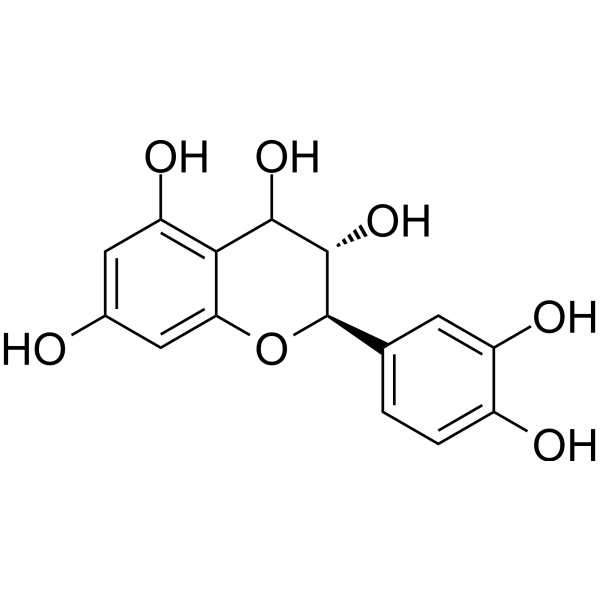
    Leucocyanidin
    3 Publications Verification

    Others Inflammation/Immunology
    Leucocyanidin is an active anti-ulcerogenic ingredient was extracted from Litchi Chinensis. Leucocyanidin demonstrates a significant protective effect against Aspirin-induced erosions in rat models .
    Leucocyanidin
  • HY-B0641

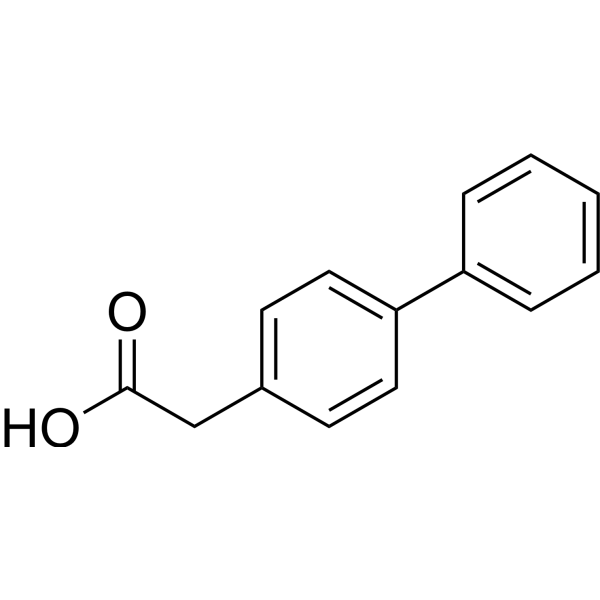
    4-Biphenylacetic acid

    COX Inflammation/Immunology
    Felbinac is a metabolite of fenbufen, an orally active nonsteroidal anti-inflammatory agent and a cyclooxygenase (COX) inhibitor with an IC50 of 865.68 nM for COX1 and 976 nM for COX2. Felbinac reduces the production of prostaglandins by inhibiting COX to relieve pain, reduce inflammation and reduce fever. Felbinac can inhibit CHIKV viral activity .
    Felbinac
  • HY-103370

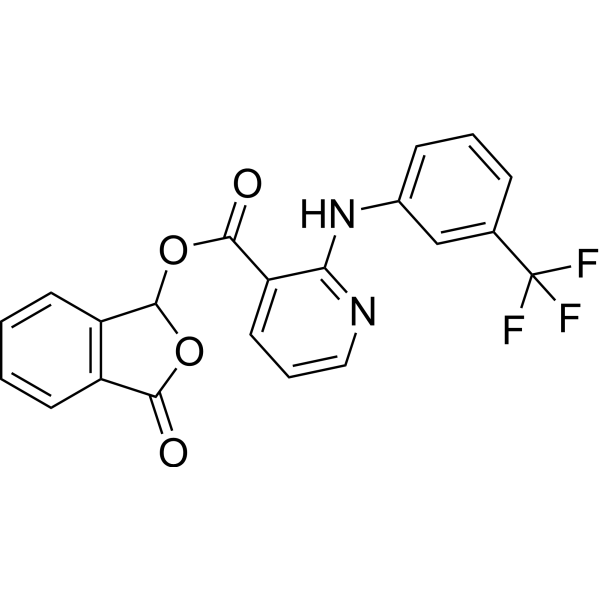
    BA 7602-06

    Chloride Channel Inflammation/Immunology
    Talniflumate (BA 7602-06) is the proagent of Niflumic acid (HY-B0493), exerting its activity in the body through conversion to niflumic acid by esterase . Talniflumate is an orally active Ca 2+-activated Cl - channel (CaCC) blocker. Talniflumate can be used as an analgesic and anti-inflammatory agent in cystic fibrosis mouse model of distal intestinal obstructive syndrome .
    Talniflumate
  • HY-13219

    COX Lipoxygenase Reactive Oxygen Species (ROS) NF-κB Neurological Disease Inflammation/Immunology
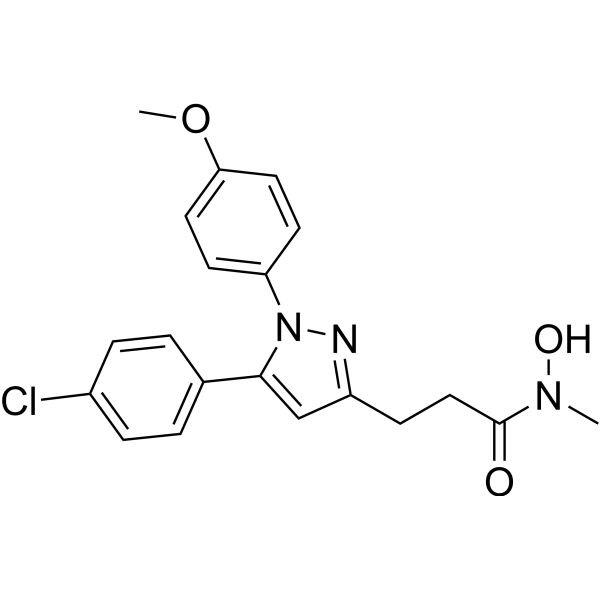
    Tepoxalin is an orally active dual inhibitor of Cyclooxygenase/Lipoxygenase, with IC50 values of 4.6 μM (sheep cyclooxygenase), 2.85 μM (rat cyclooxygenase), 0.15 μM (rat 5-lipoxygenase), and 3.0 μM (h12-lipoxygenase), respectively. Tepoxalin inhibits ROS production and NF-κB activation. Tepoxalin suppresses the production of thromboxane B2, leukotriene B4, prostaglandins and cytokines, and blocks platelet aggregation. Tepoxalin exhibits potent anti-inflammatory activity in rats with adjuvant-induced arthritis. Tepoxalin possesses analgesic activity. Tepoxalin shows no ulcerogenic activity within the anti-inflammatory dose range. Tepoxalin can be used in studies related to adjuvant-induced arthritis, skin inflammation and Alzheimer's disease .
    Tepoxalin
  • HY-114806

    Flenac; R 67408

    Thyroid Hormone Receptor Inflammation/Immunology
    Fenclofenac is an orally active anti-inflammatory agent with a low ulcerogenic effect. Fenclofenac also exhibits antipyretic and analgesic activities, with an oral LD50 of 2280 mg/kg in rats. Fenclofenac can be utilized in inflammation research .
    Fenclofenac
  • HY-A0259

    COX Inflammation/Immunology
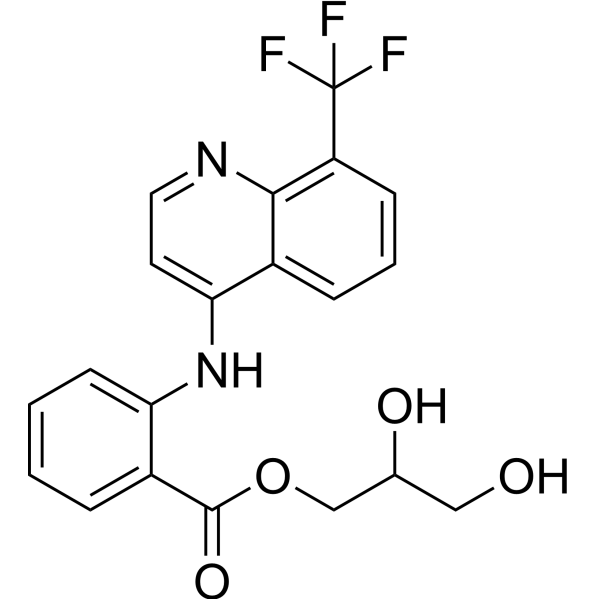
    Floctafenine, a nonsteroidal anti-inflammatory agent (NSAID), acts as an effective analgesic agent . Floctafenine is an inhibitor of COX-1 and COX-2 activities in vitro,showing a slightly higher potency towards COX-I. Floctafenine is used for the research of short term pain research .
    Floctafenine
  • HY-137394

    Tryptamide

    Drug Derivative Inflammation/Immunology
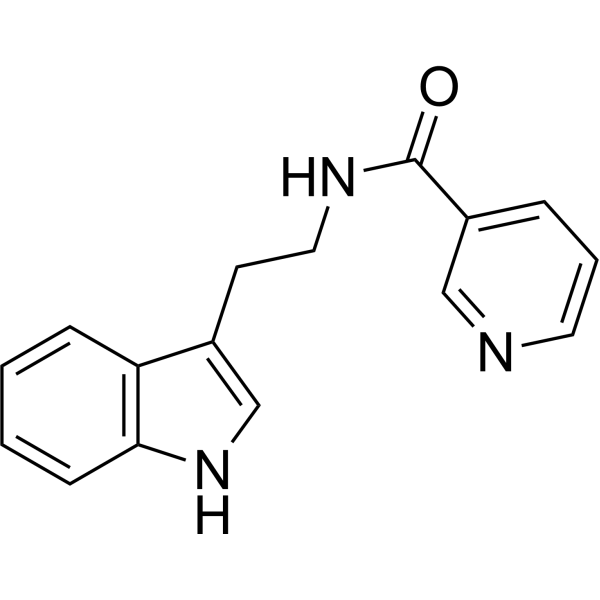
    Nicotredole (Tryptamide) is an orally active anti-inflammatory and analgesic agent. Nicotredole exhibits evident antiinflammatory effects of potency comparable with Phenylbutazone. Nicotredole has only weak ulcerogenic activity .
    Nicotredole
  • HY-149269

    COX Carbonic Anhydrase LOX-1 Inflammation/Immunology
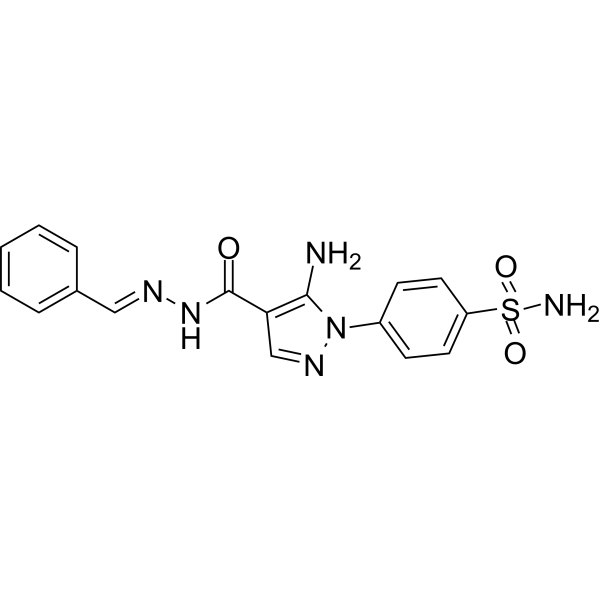
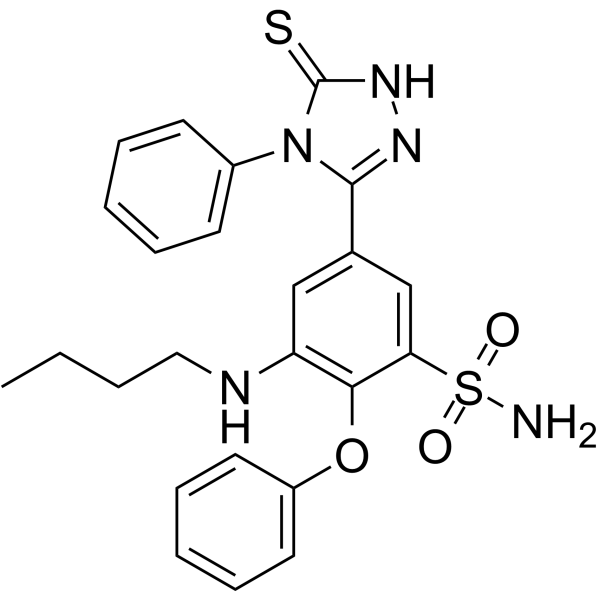
    COX-2-IN-30 is a benzenesulfonamide derivative, as well as an orally active and dual inhibitor of COX (IC50=49 nM for COX-2, 10.4 μM for COX-1) and 5-LOX (IC50=2.4 μM). COX-2-IN-30 also inhibits transmembrane hCA IX and hCA XII isoform with nanomolar calss Ki values. COX-2-IN-30 exhibits analgesic, anti-inflammatory, and ulcerogenic activities, and does not show acute gastric effect .
    COX-2-IN-30
  • HY-B1130

    COX Inflammation/Immunology
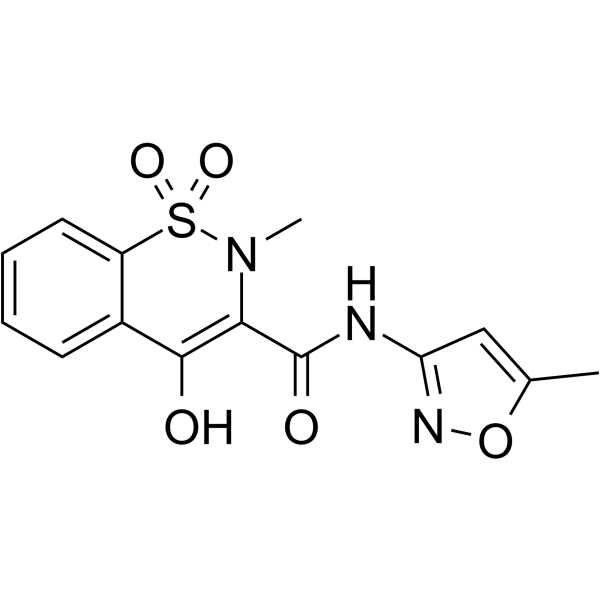
    Isoxicam is an orally active nonsteroidal anti-inflammatory compound and a COX-1/COX-2 inhibitor. Isoxicam exhibits potent anti-inflammatory activity in rat models of inflammation and significantly lower ulcerogenic risk. Isoxicam can be used for the study of inflammatory diseases and rheumatic disorders .
    Isoxicam
  • HY-B1130R

    Reference Standards COX Inflammation/Immunology
    Isoxicam (Standard) is the analytical standard of Isoxicam (HY-B1130). This product is intended for research and analytical applications. Isoxicam is an orally active nonsteroidal anti-inflammatory compound and a COX-1/COX-2 inhibitor. Isoxicam exhibits potent anti-inflammatory activity in rat models of inflammation and significantly lower ulcerogenic risk. Isoxicam can be used for the study of inflammatory diseases and rheumatic disorders .
    Isoxicam (Standard)
  • HY-122520

    mAChR Neurological Disease
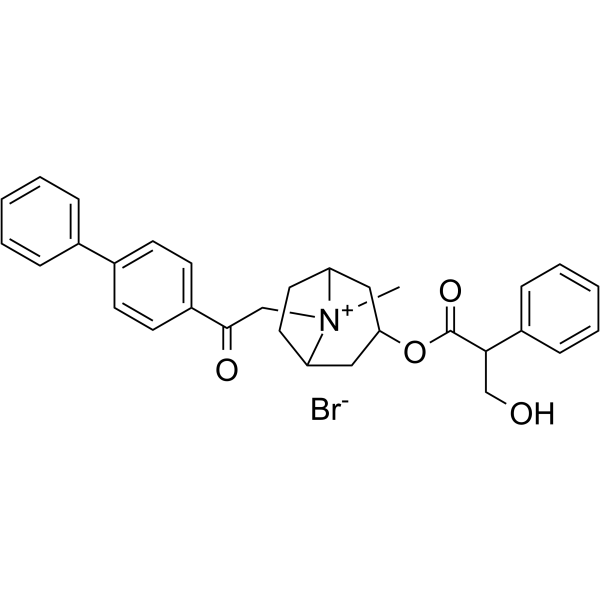
    Fentonium bromide is an anti-ulcerogenic, anticholinergic and antispasmodic agent. Fentonium bromide can be used in the research of neurological conditions, such as unstable bladder .
    Fentonium bromide
  • HY-147963

    COX Infection
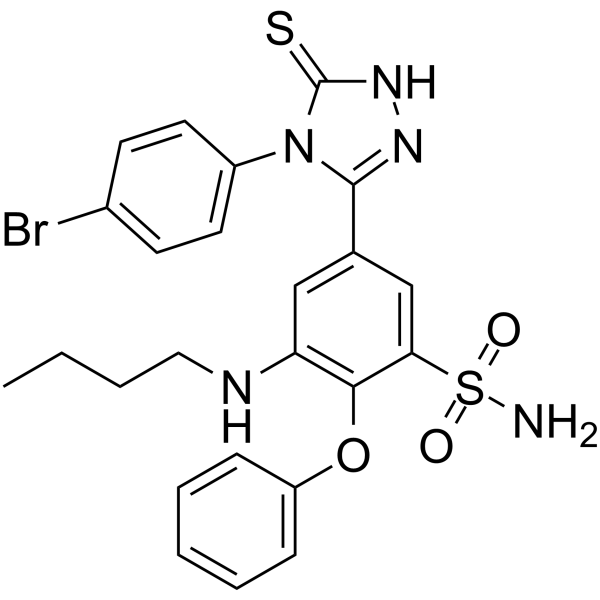
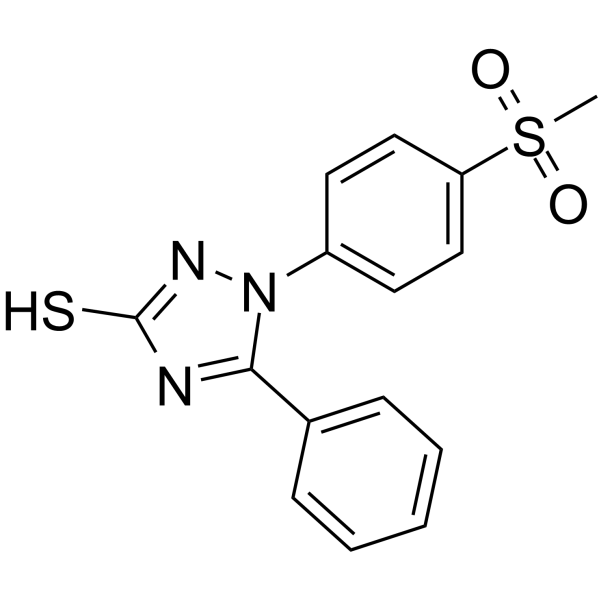
    COX-2-IN-24 is an orally active inhibitor of COX-2 with IC50 value of 0.17 μM, shows anti-inflammatory and low ulcerogenic activities.
    COX-2-IN-24
  • HY-W002328

    Biochemical Assay Reagents Others
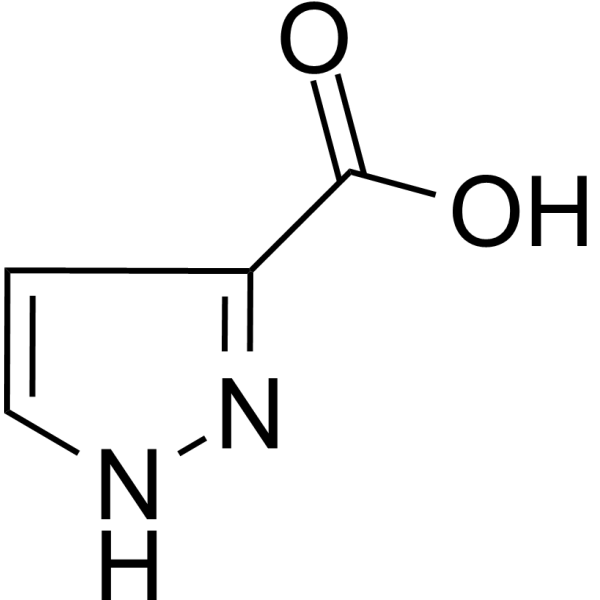
    Pyrazole-3-carboxylic acid is an alternative anchoring group to carboxylic acid in phthalocyanine dyes. Pyrazole-3-carboxylic acid shows flexible coordination modes when coordinates with metal ions. Pyrazole-3-carboxylic acid can chelate to metal ions and form very stable complexes through its N and O atoms. Pyrazole-3-carboxylic acid can be used to synthesize derivatives that possess antibacterial, anti-inflammatory, ulcerogenic liability and antiproliferative activities .
    Pyrazole-3-carboxylic acid
  • HY-147961

    COX Inflammation/Immunology
    COX-2-IN-23 (compound 9a) is a selective COX-2 inhibitor with IC50 values of 0.28 and 20.14 μM for COX-2 and COX-1. COX-2-IN-23 has anti-inflammatory activity and low ulcerogenic activity.
    COX-2-IN-23
  • HY-115936

    COX Inflammation/Immunology
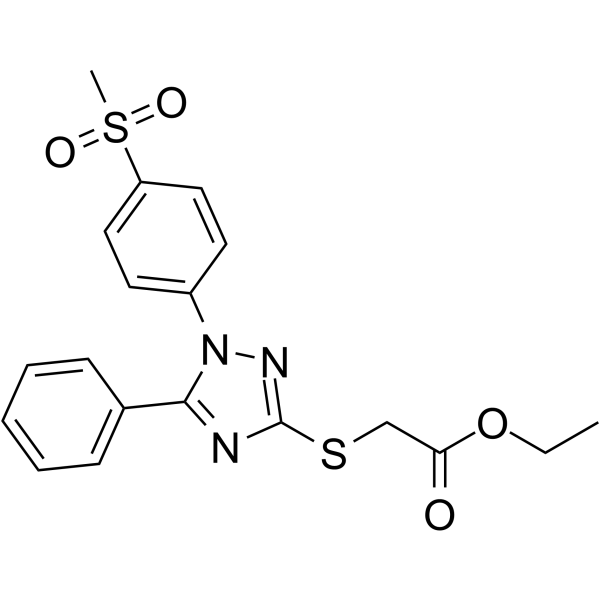
    COX-2-IN-9 (compound 7a) is a potent, selective, and orally active inhibitor of COX-2 with an IC50 of 10.17 uM. COX-2-IN-9 has higher COX-2 selectivity than Celecoxib. COX-2-IN-9 shows good in vivo anti-inflammatory and low ulcerogenic activity .
    COX-2-IN-9
  • HY-115934

    COX Inflammation/Immunology
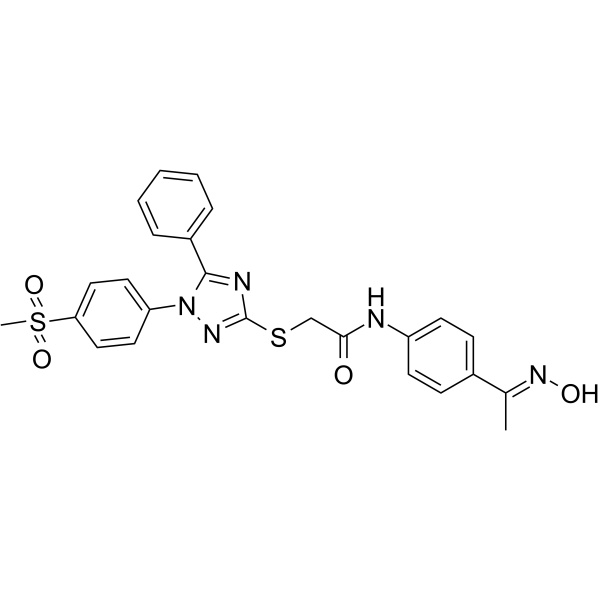
    COX-2-IN-7 (compound 4a) is a potent, selective, and orally active inhibitor of COX-2 with an IC50 of 6.585 uM. COX-2-IN-7 has higher COX-2 selectivity than Celecoxib. COX-2-IN-7 shows good in vivo anti-inflammatory and low ulcerogenic activity .
    COX-2-IN-7
  • HY-115935

    COX Inflammation/Immunology
    COX-2-IN-8 (compound 6a) is a potent, selective, and orally active inhibitor of COX-2 with an IC50 of 6.585 uM. COX-2-IN-8 has higher COX-2 selectivity than Celecoxib. COX-2-IN-8 shows good in vivo anti-inflammatory and low ulcerogenic activity .
    COX-2-IN-8
  • HY-146167

    NO Synthase Inflammation/Immunology
    iNOS/PGE2-IN-1 (compound 4a), an iNOS/PGE2 inhibitor, is a potent anti-inflammatory agent. iNOS/PGE2-IN-1 can inhibit LPS-induced NO production. iNOS/PGE2-IN-1 possesses low ulcerogenic liabilities .
    iNOS/PGE2-IN-1
  • HY-179021

    COX Lipoxygenase Cancer
    COX-2/15-LOX-IN-7 is a potent, selective and orally active dual inhibitor of COX-2 and 15-LOX with IC50 values of 0.022 and 1.19 μM. COX-2/15-LOX-IN-7 also inhibits COX-1 with an IC50 value of 28.081μM. COX-2/15-LOX-IN-7 has low cytotoxicity against human colorectal cancer HT-29 and HCT116 cell lines (IC50 >100 μM for both). COX-2/15-LOX-IN-7 exhibits non-ulcerogenic performance. COX-2/15-LOX-IN-7 can be used for the research of cancer .
    COX-2/15-LOX-IN-7
  • HY-N2643

    Others Inflammation/Immunology
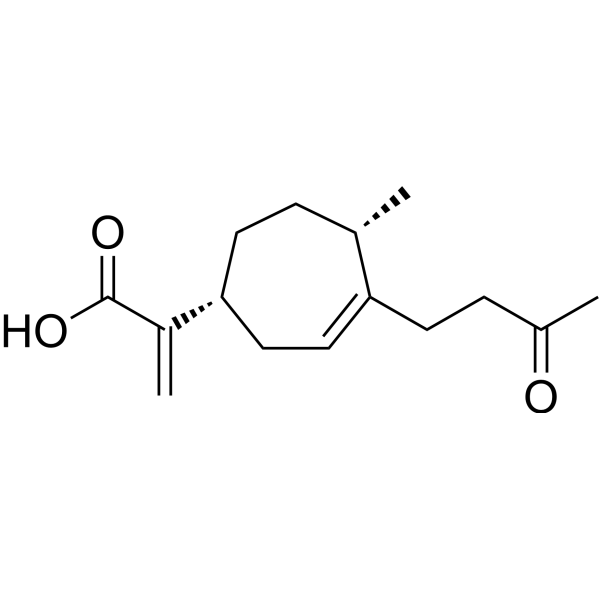
    4-Oxobedfordiaic acid is an orally active natural product, that can be isolated from Xanthium cavanillesi. 4-Oxobedfordiaic acid shows anti-ulcerogenic activity .
    4-Oxobedfordiaic acid
  • HY-119580B

    2,3-trans-3,4-trans-Leucocyanidin; 3,4-trans-Leucocyanidin; (2R,3S,4R)-Leucocyanidin

    Drug Isomer Inflammation/Immunology
    (+)-Leucocyanidin is the isoform of Leucocyanidin (HY-119580), is an active anti-ulcerogenic ingredient was extracted from Litchi Chinensis. Leucocyanidin demonstrates a significant protective effect against Aspirin-induced erosions in rat models .
    (+)-Leucocyanidin
  • HY-159634

    COX Inflammation/Immunology
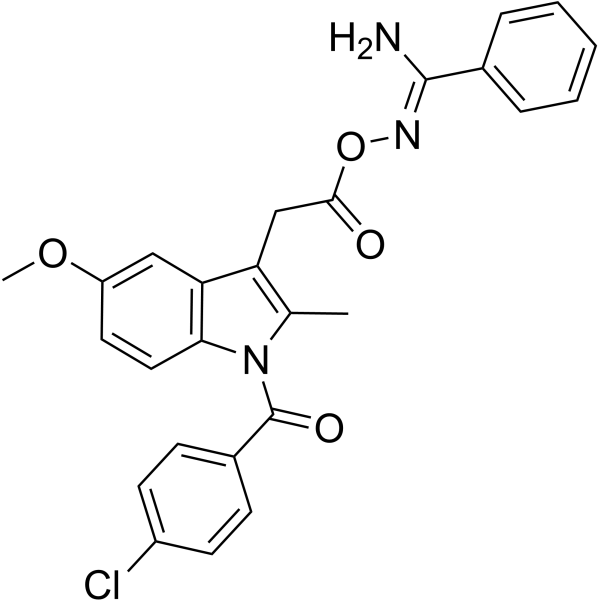
    Zidometacin is a nonsteroidal anti-inflammatory agent. Zidometacin significantly inhibits prostaglandin synthesis with low gastrolesive influence. Zidometacin has antinociceptive and antipyretic activities and shows relatively low ulcerogenicity in rat models. Zidometacin can be used for analgesia and osteoarthritis research .
    Zidometacin
  • HY-114806R

    Flenac (Standard); R 67408 (Standard)

    Thyroid Hormone Receptor Reference Standards Inflammation/Immunology
    Fenclofenac (Standard) is the analytical standard of Fenclofenac. This product is intended for research and analytical applications. Fenclofenac is an orally active anti-inflammatory agent with a low ulcerogenic effect. Fenclofenac also exhibits antipyretic and analgesic activities, with an oral LD50 of 2280 mg/kg in rats. Fenclofenac can be utilized in inflammation research .
    Fenclofenac (Standard)
  • HY-105142

    COX Inflammation/Immunology
    M-5011 is a potent and orally active anti-inflammatory agent. M-5011 shows potent antinociceptive effects and inhibits kaolin (HY-W115786)-induced writhing. M-5011 decreases peritoneal 6-keto-PGF1 alpha levels with low ulcerogenic activities. M-5011 shows anti-inflammatory and anti-pyretic effects and analgesic effect .
    M-5011
  • HY-167734

    AY-30715

    COX Inflammation/Immunology
    Pemedolac (AY-30715) is a potent analgesic with significant pain-relief efficacy against chemically induced and inflammatory pain in animal models. Pemedolac displays a notable separation between analgesic effects and anti-inflammatory activity, achieving effective pain relief at much lower doses than those required for anti-inflammatory or gastric irritant effects. Pemedolac also shows low ulcerogenic potential, indicating a safer profile compared to standard NSAIDs while being utilized for the treatment of neurological, skin, and musculoskeletal disorders.
    Pemedolac
  • HY-103370R

    BA 7602-06 (Standard)

    Reference Standards Chloride Channel Inflammation/Immunology
    Talniflumate (Standard) is the analytical standard of Talniflumate. This product is intended for research and analytical applications. Talniflumate (BA 7602-06) is the proagent of Niflumic acid (HY-B0493), exerting its activity in the body through conversion to niflumic acid by esterase . Talniflumate is an orally active Ca2+-activated Cl- channel (CaCC) blocker. Talniflumate can be used as an analgesic and anti-inflammatory agent in cystic fibrosis mouse model of distal intestinal obstructive syndrome .
    Talniflumate (Standard)
  • HY-W870794

    SU 21524

    PGE synthase Cardiovascular Disease Neurological Disease Inflammation/Immunology
    Pirprofen (SU 21524) is an orally active non-steroidal anti-inflammatory agent. pirprofen is a reversible prostaglandin synthetase inhibitor. Pirprofen inhibits leucocyte chemotaxis. Pirprofen shows anti-inflammatory, analgesic, antipyretic, ulcerogenic activities. Pirprofen inhibits the secondary phase of platelet aggregation induced by Collagen and Arachidonic acid (HY-109590). Pirprofen induces hepatitis .
    Pirprofen
  • HY-N14348

    Endogenous Metabolite Metabolic Disease
    Astepyrone is a microbial metabolite with a anti-ulcerogenic effect .
    Astepyrone
  • HY-180822

    COX TNF Receptor Interleukin Related Inflammation/Immunology
    COX-2-IN-63 (Compound 6k) is an orally active COX-2 inhibitor with an IC50 of 0.89 μM. COX-2-IN-63 reduces the levels of inflammatory mediators PGE2, TNF-α, and IL-6. COX-2-IN-63 can effectively alleviate acute inflammation in a rat paw edema model and has a lower risk of gastrointestinal side effects. COX-2-IN-63 can be used in anti-inflammatory research .
    COX-2-IN-63

Inquiry Online

Your information is safe with us. * Required Fields.

Salutation


Country or Region *

Applicant Name *


Organization Name *

Department *


Email Address *


Product Name *

Cat. No.


Requested quantity *

Phone Number *


Remarks

Inquiry Online

Inquiry Information

Product Name:
Cat. No.:
Quantity:
MCE Japan Authorized Agent:

