



FAAH
Fatty acid amide hydrolase
FAAH (Fatty acid amide hydrolase) is a membrane-bound protein belonging to serine hydrolase family of enzymes.FAAH is responsible for the hydrolysis of a number of important endogenous fatty acid amides, including the endogenous cannabimimetic agent anandamide (AEA), the sleep-inducing compound oleamide, and the putative anti-inflammatory agent palmitoylethanolamide (PEA). FAAH plays a significant role in termination of signalling of a class of bioactive lipids called fatty acid amides (FAAs) both in the central nervous system (CNS) and peripheral tissues.
FAAH belongs to the amidase signature (AS) superfamily and is widely distributed in multicellular eukaryotes. FAAH has a key role in the control of the cannabinoid signaling, through the hydrolysis of the endocannabinoids anandamide and in some tissues 2-arachidonoylglycerol.
All Product Categories
-
FAAH Related Products (106)
Related Products (106)

-
Antibodies (1)

-
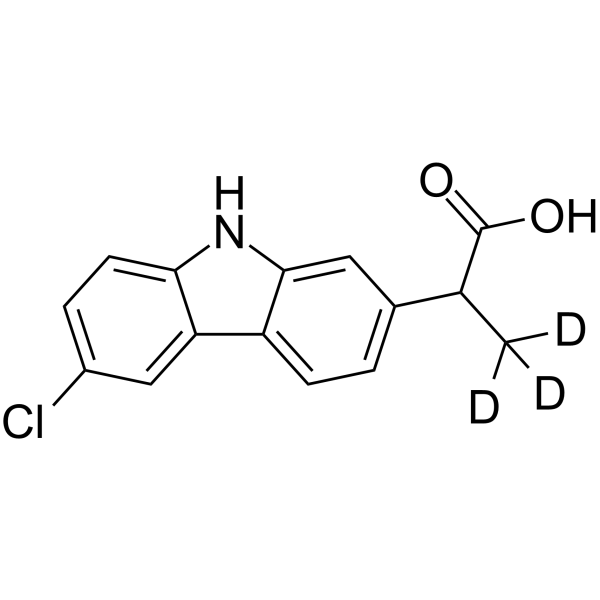
Carprofen (Standard)
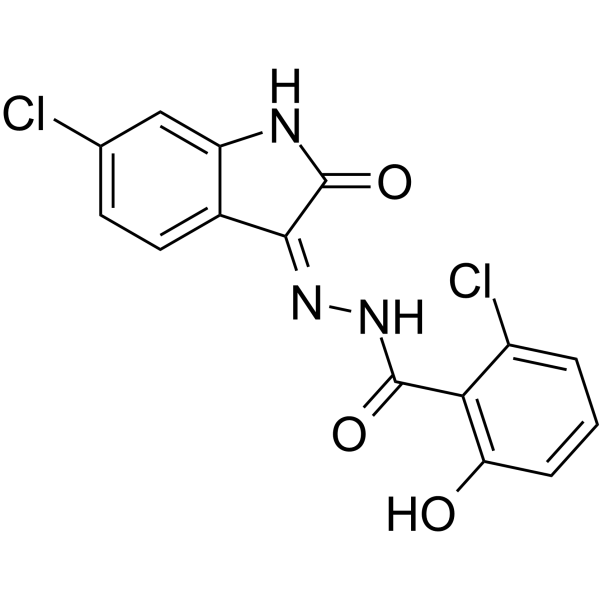
 0 ImagesCarprofen (Standard) is the analytical standard of Carprofen. This product is intended for research and analytical applications. Carprofen is a nonsteroid anti-inflammatory agent, acts as a multi-target FAAH/COX inhibitor, with IC50s of 3.9 μM, 22.3 μM and 78.6 μM for COX-2, COX-1 and FAAH, respectively.
-
Eicosapentaenoyl serotonin
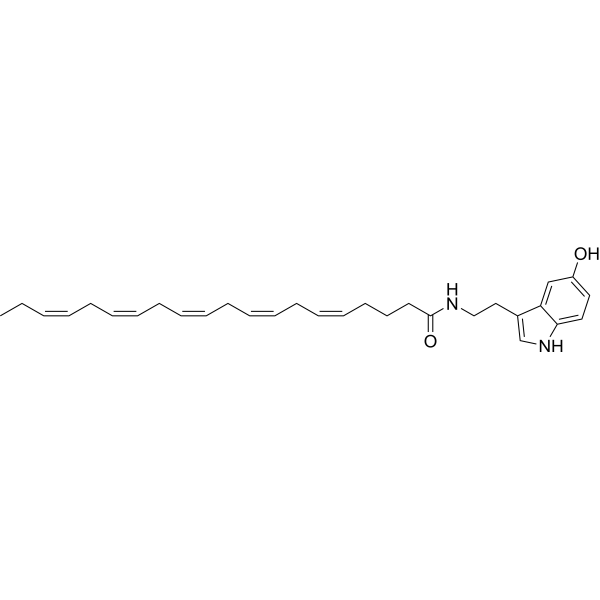 0 ImagesSynonyms: EPA-5-HTEicosapentaenoyl serotonin (EPA-5-HT) is an endogenous fatty acid-serotonin conjugate lipid mediator. Eicosapentaenoyl serotonin acts as an inhibitor of fatty acid amide hydrolase (FAAH). Eicosapentaenoyl serotonin suppresses IL-17 release in Concanavalin A (HY-P2149)-stimulated human peripheral blood mononuclear cells. Eicosapentaenoyl serotonin is regulated by polyunsaturated fatty acids and modulates intestinal immunity and Th17 signaling. Eicosapentaenoyl serotonin can be used for the study of inflammatory bowel disease-related mechanisms.

-
PF-622
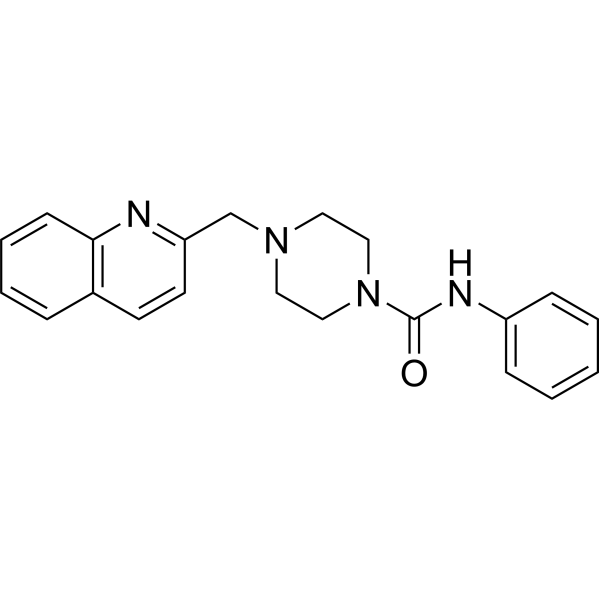 0 ImagesCat. No.: HY-10867CAS No.: 898235-65-9PF-622 is a selective FAAH inhibitor, and can be used for study of analgesic and anxiolytic/antidepressant.
-
FAAH/MAGL-IN-3
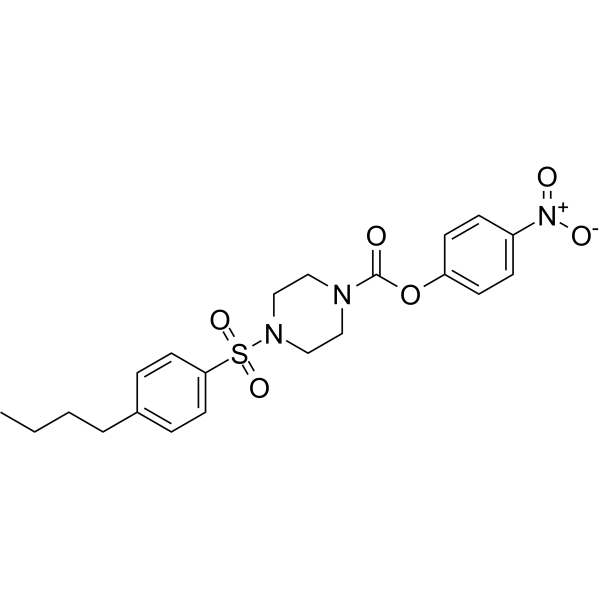 0 ImagesCat. No.: HY-146342CAS No.: 2848719-34-4
-
Isopropyl dodec-11-enylfluorophosphonate
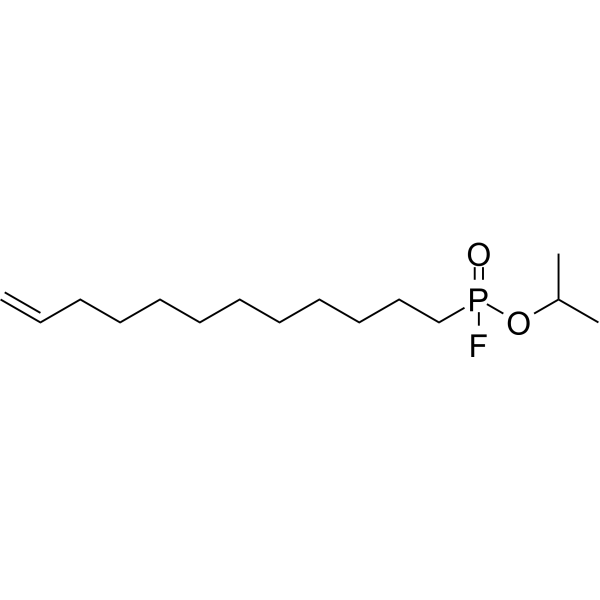 0 ImagesCat. No.: HY-148909CAS No.: 623114-64-7Synonyms: IDEFPIsopropyl dodec-11-enylfluorophosphonate (IDEFP) is an organophosphorus ester that antagonizes the central cannabinoid receptor (CB1) and inhibits FAAH with similar potencies (IC50 = 2 nM).
-
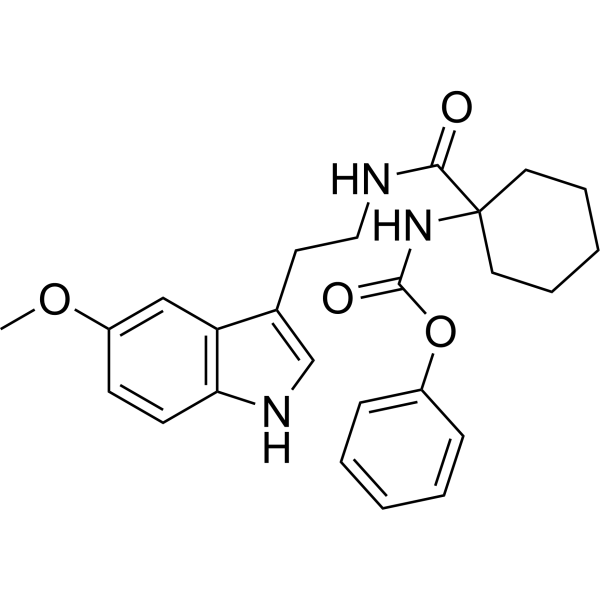
5-HT6R/FAAH modulator 1
 0 ImagesCat. No.: HY-1758165-HT6R/FAAH modulator 1 is a selective serotonin 5-HT6 receptor ligand and the fatty acid amide hydrolase (FAAH) enzyme inhibitor. 5-HT6R/FAAH modulator 1 shows a pKi of 6.33 (5-HT6) and a pIC50 valuesof 6.29 (FAAH). 5-HT6R/FAAH modulator 1 also slightly inhibits acetylcholinesterase (AChE) or butyrylcholinesterase (BChE) enzymes (pIC50 = 5.12). 5-HT6R/FAAH modulator 1 can inhibit apoptosis and reduce ROS levels. 5-HT6R/FAAH modulator 1 can be used for the research of neurological disease, such as Alzheimer’s disease (AD).
-
3-Decyl-5,5'-diphenyl-2-thioxo-4-imidazolidinone
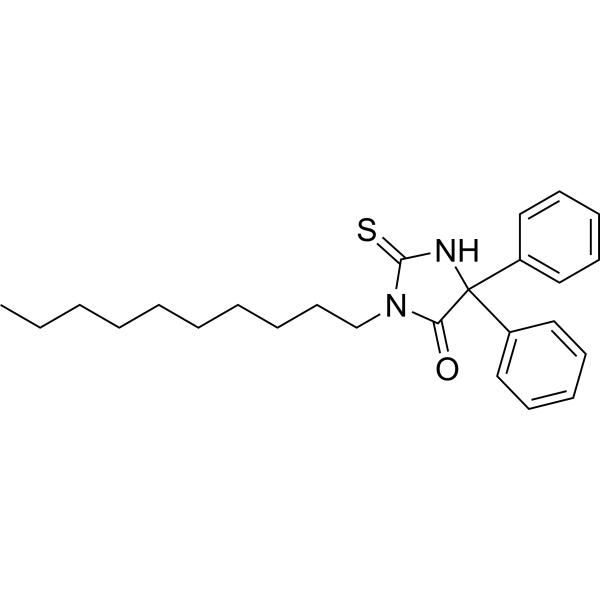 0 ImagesCat. No.: HY-116710CAS No.: 875014-22-53-Decyl-5,5'-diphenyl-2-thioxo-4-imidazolidinone (compound 45) is a potential inhibitor of fatty acid amide hydrolase (FAAH) (pI50: 5.89) and is active against CB(1) and CB(2) ) Lack of affinity for cannabinoid receptors.
-
Dual FAAH/sEH-IN-1
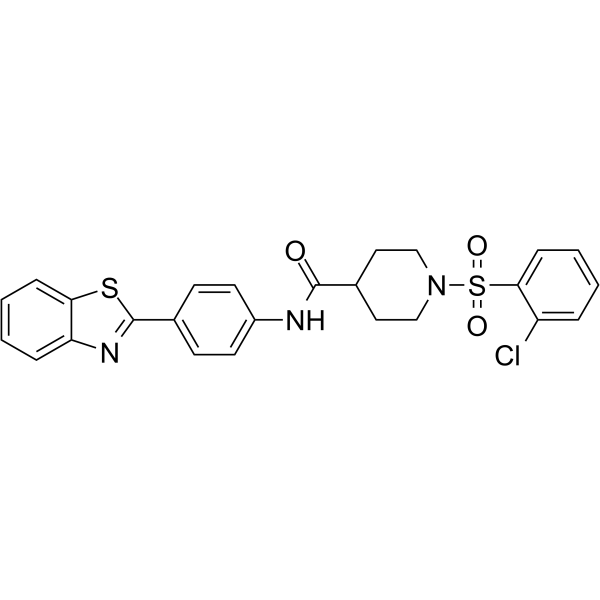 0 ImagesCat. No.: HY-144738CAS No.: 2756099-59-7Dual FAAH/sEH-IN-1 (compound 3) is a high affinity dual sEH (soluble epoxide hydrolase) and FAAH (fatty acid amide hydrolase) inhibitor, with IC50 values of 9.6 and 7 nM, respectively. Dual FAAH/sEH-IN-1 shows antinociception against the inflammatory phase.
-
5-HT6R/FAAH modulator 2
 0 ImagesCat. No.: HY-1838055-HT6R/FAAH modulator 2 is a dual 5-HT6R antagonist and FAAH inhibitor with human 5-HT6R pKi 7.24, human FAAH pIC50 5.47, and blood-brain barrier penetration.5-HT6R/FAAH modulator 2 modulates serotonergic signaling, blocks 5-HT6R function, inhibits endocannabinoid degradation via FAAH catalytic activity suppression.5-HT6R/FAAH modulator 2 exhibits neuroprotective effects against mitochondrial dysfunction, amyloid-β, and glutamate-induced toxicity, reverses memory deficits.5-HT6R/FAAH modulator 2 shows reduced cytotoxicity relative to oxygen-containing lead compounds.5-HT6R/FAAH modulator 2 can be used for the research of Alzheimer's disease.
-
FAAH/cPLA2α-IN-1
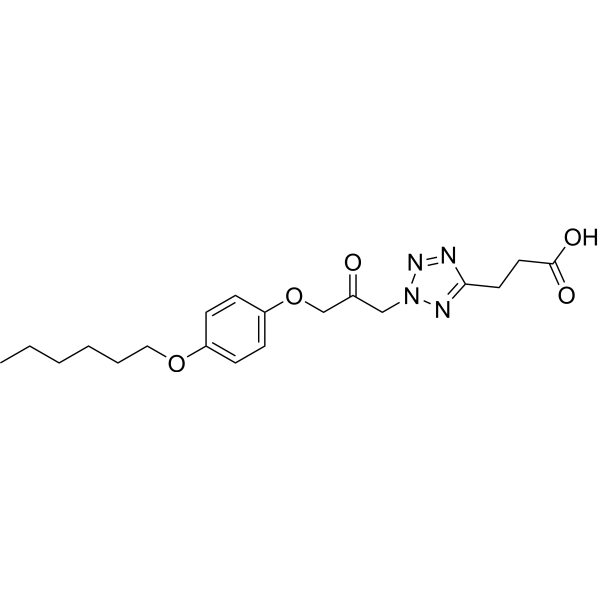 0 ImagesCat. No.: HY-149654CAS No.: 1696401-38-3FAAH/cPLA2α-IN-1 is a dual inhibitor of FAAH and cPLA2α with IC50s of 32 and 47 nM, respectively.
-
Acetylhydrolase-IN-1
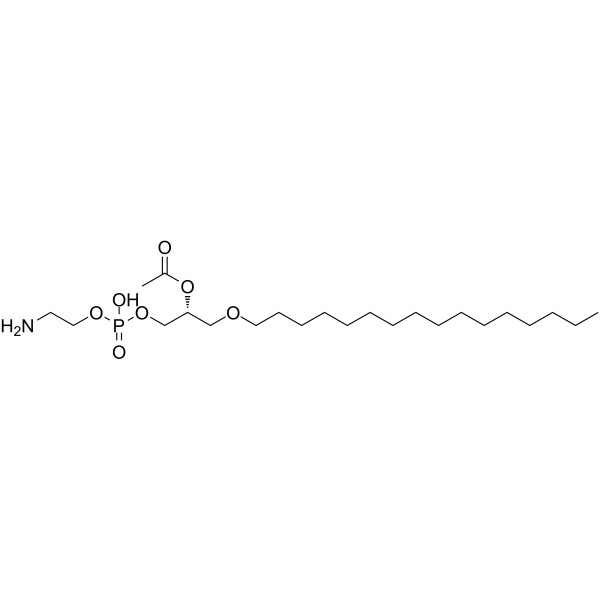 0 ImagesCat. No.: HY-102054CAS No.: 79637-91-5Acetylhydrolase-IN-1 is a 1-Alkyl-2-acetylglycerophosphocholine esterase (Alkylacetyl-GPC: acetylhydrolase) inhibtor.
-
SA57
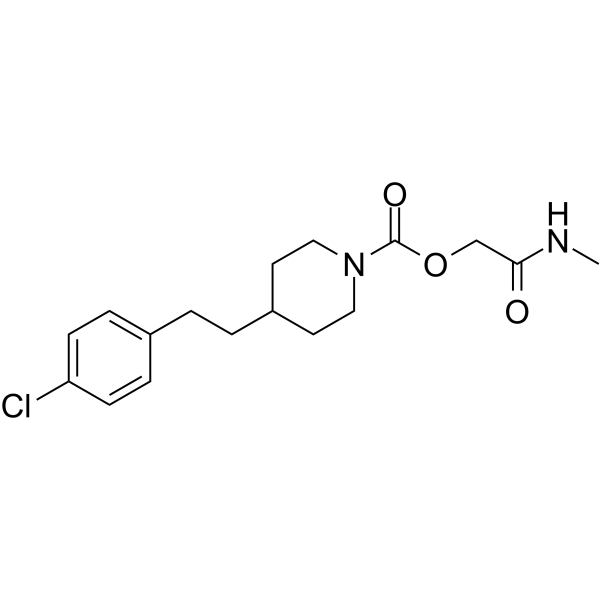 0 ImagesCat. No.: HY-103463CAS No.: 1346169-63-8SA57 is a potent, selective FAAH inhibitor with IC50s of 3.2 nM and 1.9 nM for mouse and human FAAH. SA57 also inhibits the 2-arachidonoylglycerol hydrolases MAGL (IC50s of 410 nM and 1.4 μM for mouse and human MAGL) and mouse α/β-hydrolase domain-containing protein 6 (mABHD6; IC50 of 850 nM), but not other brain serine hydrolases.
-
FAAH/MAGL-IN-2
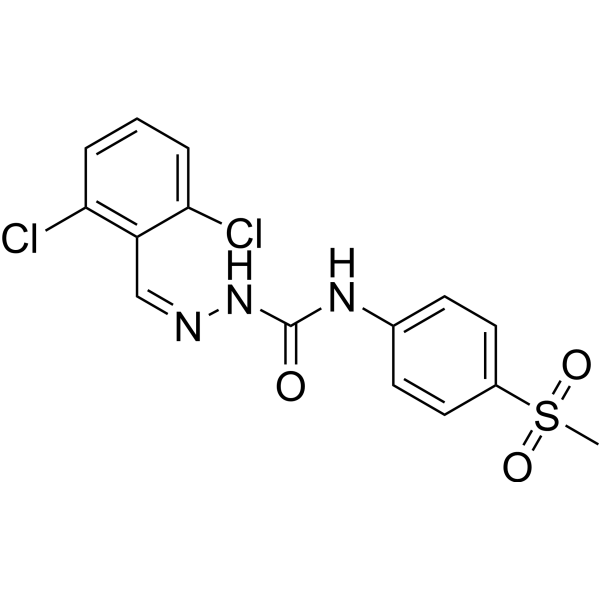 0 ImagesCat. No.: HY-143264CAS No.: 2765077-82-3
-
CB2R/FAAH modulator-2
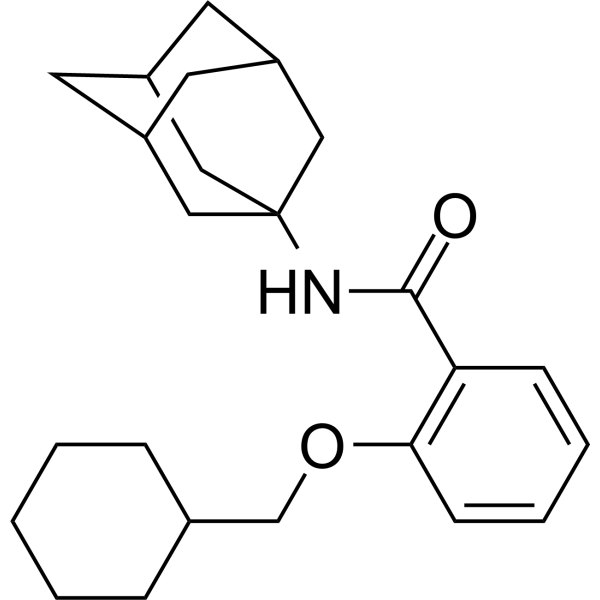 0 ImagesCat. No.: HY-152253CAS No.: 2876918-68-0CB2R/FAAH modulator-2 (compound 26) is a dual targeting modulator that acts as a CB2R agonist and FAAH inhibitor. The Ki values for CB2R/FAAH modulator-2 are 10.8 and 152.9 nM for CB2R and CB1R, respectively, and the IC50 value for FAAH is 6.2 μM. CB2R/FAAH modulator-2 can be used in studies related to cancer, deleterious inflammatory cascades occurring in neurodegenerative diseases, and COVID-19 infection.
-
FAAH-IN-7
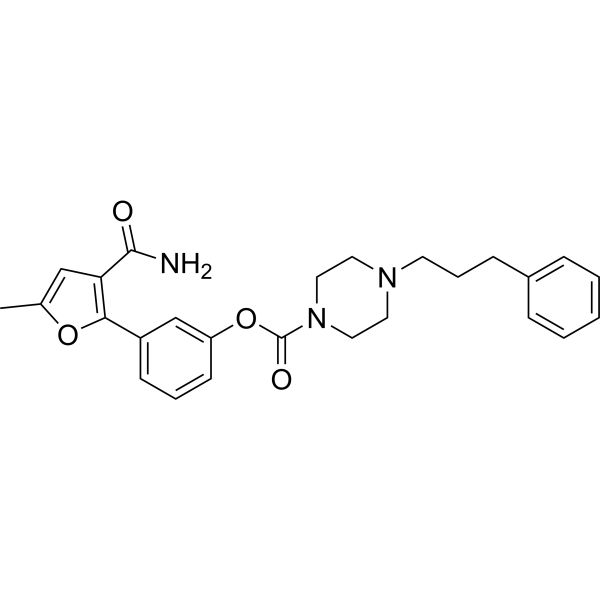 0 ImagesCat. No.: HY-151919CAS No.: 3037600-36-2FAAH-IN-7 is a reversible and potent FAAH inhibitor with an IC50 value of 8.29 nM. FAAH-IN-7 suppresses oxidative stress in 1321N1 astrocytes and exhibits notable neuroprotective effect in ex vivo neuroinflammation model.




