



GSTM2
GSTM2 (glutathione S-transferase mu 2) is a member of the mu-class glutathione S-transferase family and functions in the detoxification of electrophilic compounds, including products of oxidative stress, through glutathione conjugation reactions[1]. Mechanistically, GSTM2 contributes to cellular antioxidant defense and redox homeostasis, processes that are closely linked to inflammation, stress signaling, and tissue injury responses[2]. Recent evidence further indicates that GSTM2 acts beyond xenobiotic metabolism by regulating signaling pathways associated with chronic liver disease; in hepatocytes, GSTM2 expression is reduced during non-alcoholic steatohepatitis (NASH) progression, whereas GSTM2 deficiency promotes steatosis, inflammation, fibrosis, and insulin resistance in preclinical models[3]. Functional studies demonstrated that GSTM2 suppresses NASH progression through direct interaction with apoptosis signal-regulating kinase 1 (ASK1), thereby limiting pathogenic MAPK pathway activation in hepatocytes[3]. In disease models of immune-mediated kidney injury, increased GSTM2 expression is associated with reduced renal damage, supporting a protective role against oxidative stress and inflammatory injury[2]. Compared with related GST isoforms, GSTM2 has been specifically implicated in ASK1-dependent signaling regulation in addition to its canonical detoxification activity, highlighting a distinct mechanistic role in hepatocyte stress responses and metabolic disease progression[3]. For experimental applications, GSTM2 overexpression has been successfully used in mesenchymal stem cell-based models to evaluate antioxidant and anti-inflammatory mechanisms in renal injury, providing a useful platform for investigating redox-regulated disease pathways[2].
References:
- [1]. GSTM2 gene information from NCBI.
- [2]. Li Y, et al. Glutathione S-transferase Mu 2-transduced mesenchymal stem cells ameliorated anti-glomerular basement membrane antibody-induced glomerulonephritis by inhibiting oxidation and inflammation. Stem Cell Res Ther. 2014 Jan 30;5(1):19. [Content Brief]
- [3]. Hsieh J, et al. TTC39B destabilizes retinoblastoma protein promoting hepatic lipogenesis in a sex-specific fashion. J Hepatol. 2022 Feb;76(2):383-393. [Content Brief]
All Product Categories
-
GSTM2 Related Products (1)
Related Products (1)

-
Plicamycin
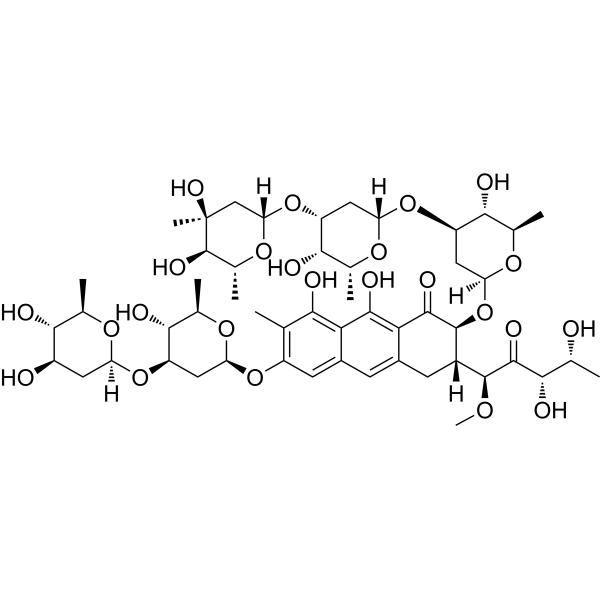 0 ImagesSynonyms: Mithramycin APlicamycin (Mithramycin A) is a selective specificity protein 1 (Sp1) inhibitor. Plicamycin inhibits the growth of various cancers by decreasing Sp1 protein. Plicamycin inhibits GSTM2 promoter activity and protein expression.



