



Collagen Inhibitor
-
Sapanisertib
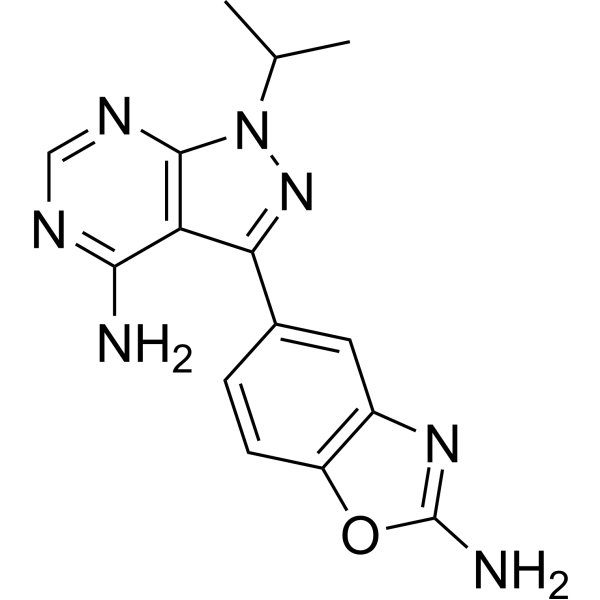 0 ImagesSynonyms: INK-128; MLN0128; TAK-228
Sapanisertib (INK-128; MLN0128; TAK-228) is an orally active dual mTORC1/mTORC2 inhibitor. Sapanisertib directly and simultaneously inhibits mTORC1/2 activity through competitive binding with ATP, thereby comprehensively blocking downstream processes such as protein and lipid synthesis and cytoskeletal reorganization, consequently suppressing tumor cell proliferation and promoting apoptosis. Sapanisertib is applicable to research on melanoma, ovarian cancer, pulmonary fibrosis, and hematological malignancies.
-
680C91
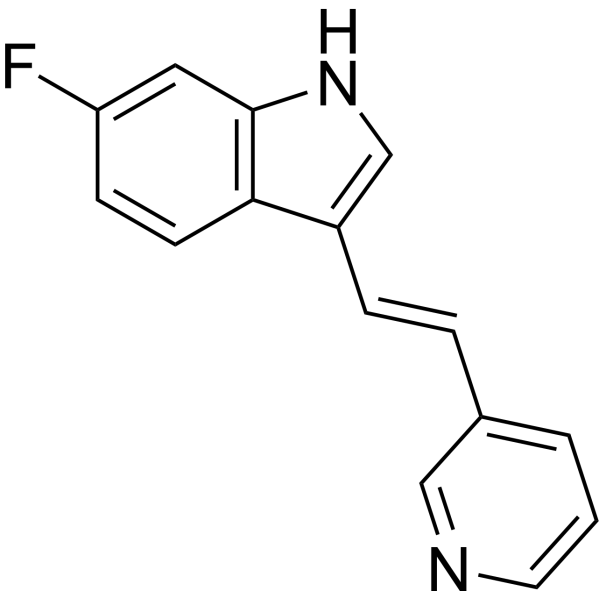 0 Images
680C91 is an orally active, selective tryptophan 2,3-dioxygenase (TDO) inhibitor with a Ki of 51 nM. TDO is the key enzyme of tryptophan catabolism. 680C91 can be used for the research of cancer immunotherapy and Alzheimer’s Disease.
-
Methyl cholate
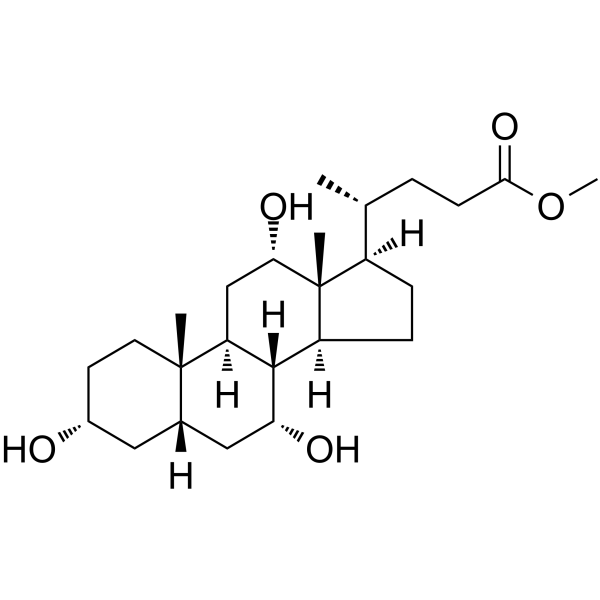 0 Images
Methyl cholate is a bile acid analog and a specific inhibitor of TcdB toxin from Clostridioides difficile. Methyl cholate exerts a stronger selective inhibitory effect on TcdB than on TcdA. Methyl cholate induces conformational stabilization by binding to a unique site of TcdB, thereby blocking the binding of the toxin to host receptors and its self-processing process. Methyl cholate effectively protects human fibroblasts from TcdB-induced cytopathic effects. Methyl cholate exhibits dose-dependent anti-hepatic fibrosis activity in both cellular and zebrafish models, and significantly reduces the expression levels of α-SMA and COL-I. Methyl cholate is suitable for in-depth research in the fields of Clostridioides difficile infection and hepatic fibrosis.
-
Anti-Mouse CD106/VCAM-1 Antibody (M/K-2.7)
 0 ImagesCat. No.: HY-P990294
Anti-Mouse CD106/VCAM-1 Antibody (M/K-2.7) is an anti-mouse CD106/VCAM-1 IgG1 monoclonal antibody. Anti-Mouse CD106/VCAM-1 Antibody (M/K-2.7) reduces inflammatory response and oxidative stress by lowering p-STAT3 and reactive oxygen species (ROS) levels. Anti-Mouse CD106/VCAM-1 Antibody (M/K-2.7) can alleviate cardiac inflammation and fibrosis by reducing the expression of collagen I and collagen III. Anti-Mouse CD106/VCAM-1 Antibody (M/K-2.7) can be used for research on cardiovascular conditions such as hypertensive heart condition and subretinal fibrosis.
-
NSC 90469
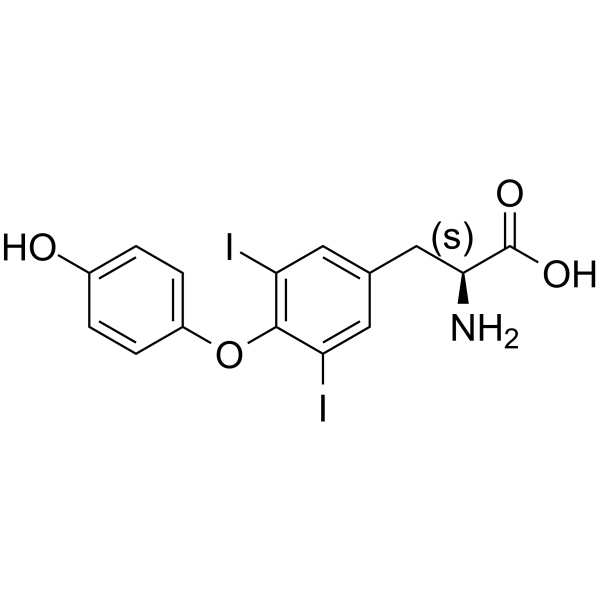 0 Images
NSC 90469 (3,5-Diiodo-L-thyronine) is an orally active thyroid hormone derivative. NSC 90469 inhibits JNK phosphorylation and NF-κB acetylation, blocks SIRT1 protein expression, induces elevated PGC-1α levels, and stimulates COX activity. NSC 90469 enhances UCP1-mediated thermogenesis, increases hepatic Dio1 activity, inhibits TSH levels and hypothalamic-pituitary-thyroid axis function, enhances lipid metabolism, and regulates energy metabolism via the mitochondrial pathway. NSC 90469 prevents blood glucose reduction, reduces urinary albumin excretion, inhibits renal matrix expansion, decreases TGF-β1 expression, and reduces renal fibronectin and type Ⅳ collagen deposition. NSC 90469 also increases energy expenditure and prevents diet-induced overweight. NSC 90469 can be used in studies related to diabetic nephropathy, hypothyroidism, non-alcoholic fatty liver disease, and diet-induced obesity.
-
Zaloglanstat
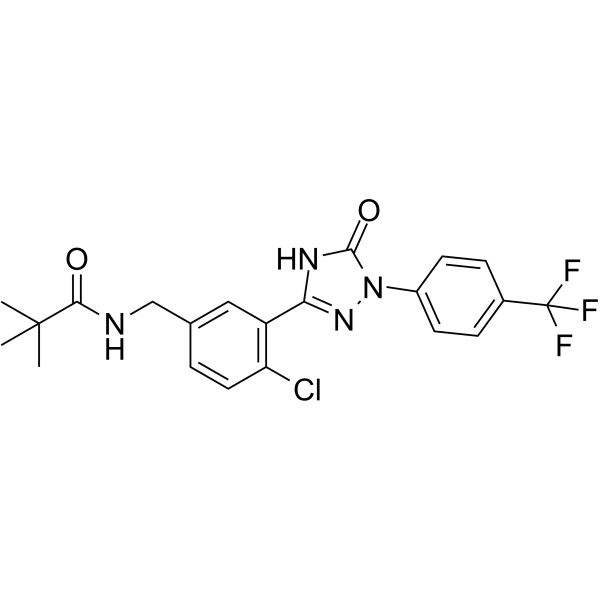 0 ImagesSynonyms: ISC-27864; GRC-27864
Zaloglanstat (ISC-27864; GRC-27864) is a selective, orally active microsomal mPGES-1 inhibitor. Zaloglanstat has an IC50 of 5 nM for human mPGES-1 without significant inhibitory effect on COX-1/2 (IC50 >10 μM). Zaloglanstat blocks the conversion of arachidonic acid metabolite prostaglandin PGH2 to prostaglandin PGE2, thereby inhibiting inflammation-related PGE2 overproduction and reducing inflammatory responses and pain. Zaloglanstat inhibits IL-1β-induced PGE2 release in A549 cells and human synovial fibroblasts in vitro. Zaloglanstat inhibits PGE2 release in pig and dog whole blood with IC50s of 161 nM and 154 nM, respectively. Zaloglanstat can be used in the study of asthma, osteoarthritis, and neurodegenerative diseases.
-
CREKA peptide
 0 Images
CREKA peptide is a selective non-covalent binding agent targeting fibrin, type IV collagen, and fibronectin, often used as a targeting ligand to modify delivery carriers. CREKA peptide specifically recognizes fibrin, fibronectin, and type IV collagen that are excessively deposited in the tumor microenvironment or fibrotic tissue, mediating the targeted accumulation of the carrier at the lesion site and promoting drug internalization into target cells (such as cancer cells and activated hepatic stellate cells). CREKA peptide can enhance targeted delivery efficiency, increase drug concentration at the lesion site, and reduce systemic side effects.
-
Methylophiopogonone A
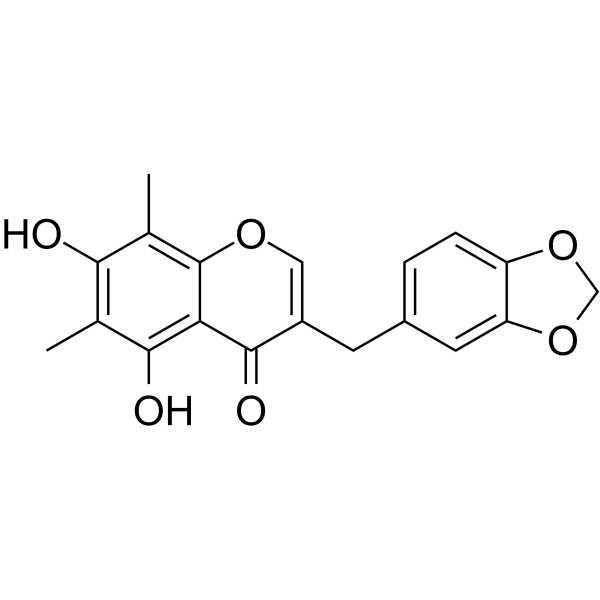 0 Images
Methylophiopogonone A is a homoisoflavonoid compound found in the tuberous roots of Ophiopogon japonicus. Methylophiopogonone A inhibits lipopolysaccharide-induced NO production in mouse microglia with an IC50 of 19.2 μM. Methylophiopogonone A blocks the proliferation of LX-2 hepatic stellate cells and downregulates TGF-β1-induced expressions of type I collagen and α-SMA. Methylophiopogonone A blocks RELA/EGFR-mediated hepatic stellate cell activation, inhibits the MAPK12 pathway to reduce extracellular matrix accumulation, and simultaneously suppresses inflammatory signal transduction. Methylophiopogonone A can be used in studies related to chronic hepatitis B-associated hepatic fibrosis and neuroinflammation.

-
2-(Methylamino)ethanol
 0 Images
2-(Methylamino) ethanol (N-Methylethanolamine) is an orally active Phospholipase D inhibitor and analog of Ethanolamine (HY-Y0524). 2-(Methylamino) ethanol reduces the mRNA levels of ACE, ppET-1 and ECE-1, and inhibits MMP-2 activity. 2-(Methylamino) ethanol inhibits Collagen synthesis. 2-(Methylamino) ethanol attenuates ventricular hypertrophy, prevents increased myocardial stiffness and hemodynamic deterioration. 2-(Methylamino) ethanol can capture industrial acid gases and react with carbon dioxide to form carbamates and bicarbonates. 2-(Methylamino) ethanol can be used in studies related to hypertensive heart failure (diastolic heart failure).
-
Anti-Human/Mouse denatured collagen type-I Antibody (XL313)
 0 ImagesCat. No.: HY-P990251
Anti-Human/Mouse denatured collagen type-I Antibody (XL313) is a mouse-derived IgG1 κ type antibody inhibitor, targeting to human/mouse denatured collagen type-I. Anti-Human/Mouse denatured collagen type-I Antibody (XL313) selectively binds to proteolyzed collagen type I. Anti-Human/Mouse denatured collagen type-I Antibody (XL313) reduces PD L1 levels in tumor cells. Anti-Human/Mouse denatured collagen type-I Antibody (XL313) can be used for the researches of cancer and inflammation, such as such as ovarian tumor.
-
VDR agonist 4
 0 ImagesCat. No.: HY-178328CAS No.: 3136765-61-9
VDR agonist 4 is an orally active potent VDR agonist. VDR agonist 4 exerts VDR-dependent antifibrotic activity by regulating multiple fibrosis-related genes to suppress α-SMA and collagen I production, thereby inhibiting hepatic stellate cell (HSC) activation. VDR agonist 4 improves CCl4 (HY-RS16594)-induced hepatic fibrosis in mice. VDR agonist 4 can be used for liver fibrosis research.
-
Cyclic peptide P1-1
 0 ImagesCat. No.: HY-P11264
Cyclic peptide P1-1 is a high-potent GPR55 antagonist. Cyclic peptide P1-1 antagonizes GPR55 and suppresses collagen secretion. Cyclic peptide P1-1 reduces ROS production, attenuates ER stress, and inhibits mitochondria-associated Apoptosis. Cyclic peptide P1-1 inhibits the expression of α-SMA and COL1α. Cyclic peptide P1-1 ameliorates CCl4 (HY-Y0298)-induce and MCD-diet-induce acute liver inflammation and fibrosis.
-
Ligusticum cycloprolactam
 0 ImagesCat. No.: HY-N17383CAS No.: 2283387-37-9
Ligusticum cycloprolactam is a potent, orally active, and CNS-penetrant TLR4/NF-κB inhibitor, exhibiting anti-inflammatory and neuroprotective activity. Ligusticum cycloprolactam reduces FPR1 expression, inhibits NLRP3 inflammasome, TLR4/NF-κB, hepatic MAPK and TGF-β signaling, and selectively activates hepatic FXR. Ligusticum cycloprolactam attenuates pro-inflammatory mediator production, enhances anti-inflammatory cytokine secretion, regulates renal uric acid transporters, and preserves intestinal microbiota composition. Ligusticum cycloprolactam can be used for the research of ischemic stroke, hyperuricemic nephropathy, neuroinflammation, and metabolic dysfunction-associated fatty liver disease.
-
Clofezone
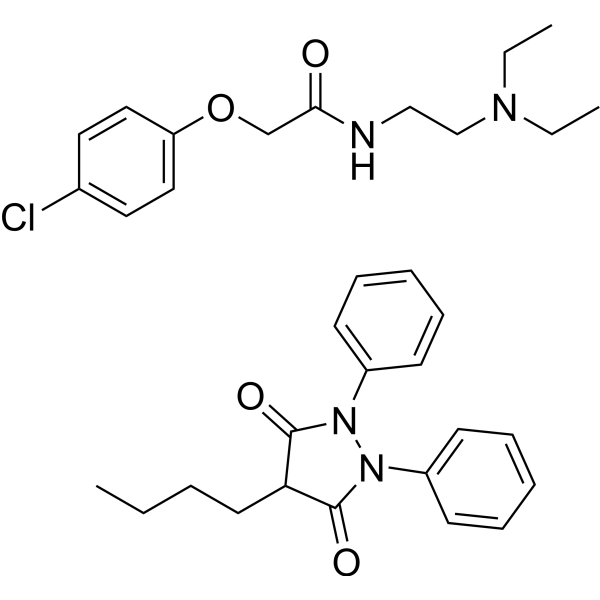 0 ImagesCat. No.: HY-127150CAS No.: 17449-96-6Synonyms: Perclusone
Clofezone (Perclusone) is an antirheumatic agent that inhibits collagen formation in rat Chondrus granulomas. Clofezone can be used in the study of various rheumatic diseases, especially arthritis (RA) and ankylosing spondylitis (AS).
-
Salviamarinic acid A
 0 ImagesCat. No.: HY-N17650CAS No.: 3038746-92-5
Salviamarinic acid A is a water-soluble phenolic acid that can be extracted from Salvia miltiorrhiza with potent anti-pulmonary fibrosis activity. Salviamarinic acid A significantly increases cell viability, cell index, cell motility and E-cadherin expression, and reduces TGF-β1, α-SMA and Collagen I levels. Salviamarinic acid A can be used for pulmonary fibrosis research.
-
Oxoglaucine
 0 Images
Oxoglaucine (O-Methylatheroline) is a natural product with multiple activities including autophagy activation, anti-inflammation, antibacterial activity, and immunoregulation. Oxoglaucine inhibits the TRPV5/calmodulin/CAMK-II pathway, suppresses TGFβ-induced Smad2 phosphorylation by upregulating Smad7, blocks Ca2+ influx, activates autophagy, alleviates apoptosis and inflammation, inhibits ROS production and the expression of fibrosis markers in hepatocytes, and regulates immune cell populations and responses. Oxoglaucine protects against infections caused by Candida albicans and Klebsiella pneumoniae, and exerts effects on adjuvant-induced arthritis. Oxoglaucine can be used in studies related to arthritis, liver fibrosis, bacterial infections, and fungal infections.
-
Methyl cholate (Standard)
 0 Images
Methyl cholate (Standard) is the analytical standard of Methyl cholate. This product is intended for research and analytical applications. Methyl cholate is a bile acid analog and a specific inhibitor of TcdB toxin from Clostridioides difficile. Methyl cholate exerts a stronger selective inhibitory effect on TcdB than on TcdA. Methyl cholate induces conformational stabilization by binding to a unique site of TcdB, thereby blocking the binding of the toxin to host receptors and its self-processing process. Methyl cholate effectively protects human fibroblasts from TcdB-induced cytopathic effects. Methyl cholate exhibits dose-dependent anti-hepatic fibrosis activity in both cellular and zebrafish models, and significantly reduces the expression levels of α-SMA and COL-I. Methyl cholate is suitable for in-depth research in the fields of Clostridioides difficile infection and hepatic fibrosis.




