



nAChR
Nicotinic acetylcholine receptors
nAChRs (nicotinic acetylcholine receptors) are neuron receptor proteins that signal for muscular contraction upon a chemical stimulus. They are cholinergic receptors that form ligand-gated ion channels in the plasma membranes of certain neurons and on the presynaptic and postsynaptic sides of theneuromuscular junction. Nicotinic acetylcholine receptors are the best-studied of the ionotropic receptors. Like the other type of acetylcholine receptor-the muscarinic acetylcholine receptor (mAChR)-the nAChR is triggered by the binding of the neurotransmitter acetylcholine (ACh). Just as muscarinic receptors are named such because they are also activated by muscarine, nicotinic receptors can be opened not only by acetylcholine but also by nicotine —hence the name "nicotinic".
All Product Categories
-
nAChR Related Products (474)
Related Products (474)

-
Antibodies (5)
-
Hirsuteine
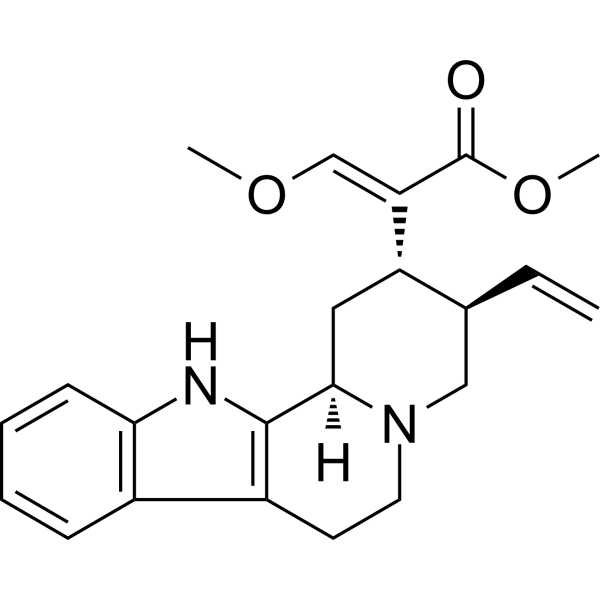 0 ImagesHirsuteine is an indole alkaloid extracted from Uncaria rhynchophylla. Hirsuteine non-competitively antagonizes nicotine-mediated dopamine release by blocking ion permeation through nicotinic receptor channel complexes.
-
Coclaurine
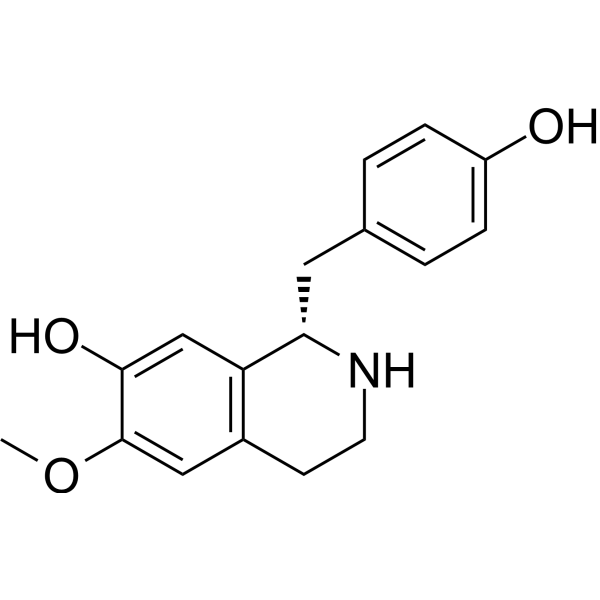 0 ImagesCoclaurine is a class of tetrahydroisoquinoline alkaloids that can be isolated from Sarcopetalum harveyanum with anticancer activity. Coclaurine is a nicotinic acetylcholine receptor (nAChRs) antagonist. Coclaurine is a key molecule in S. tetrandra responsible for EFHD2 inhibition. Coclaurine can downregulate EFHD2-related NOX4-ABCC1 signaling and enhanced Cisplatin (HY-17394) sensitivity. Coclaurine suppresses the stemness and metastatic properties of NSCLC cells. Coclaurine disrupts the interaction between the transcription factor FOXG1 and the EFHD2 promoter, leading to a reduction in EFHD2 transcription.
-
Atracurium besylate
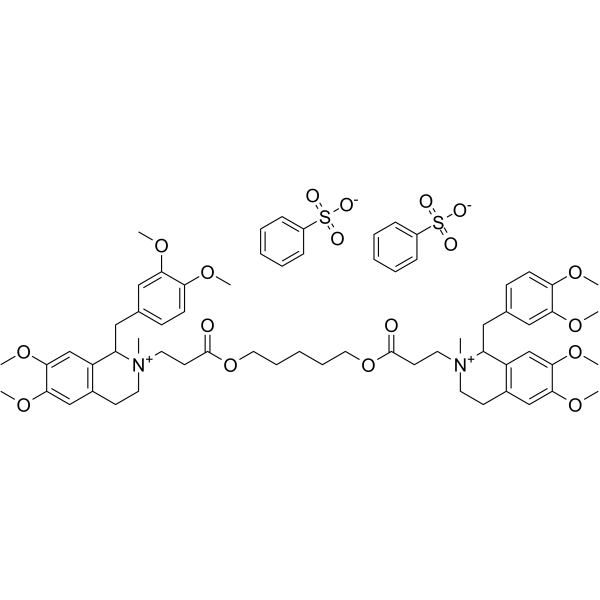 0 ImagesSynonyms: BW-33AAtracurium (BW-33A) besylate is a potent, competitive and non-depolarizing neuromuscular blocking agent. Atracurium besylate also is an AChR receptor antagonist. Atracurium besylate induces bronchoconstriction and neuromuscular blockade. Atracurium besylate promotes astroglial differentiation.
-
Choline-13C2 chloride
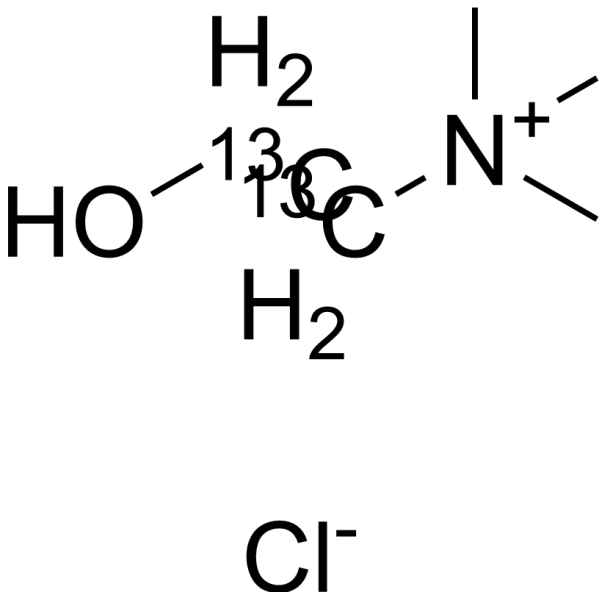 0 ImagesCholine-13C2 (chloride) is the 13C labeled Choline chloride. Choline chloride is an essential nutrient that activates alpha7 nicotinic receptors and has analgesic and anti-inflammatory activity. Glycerophosphoinositol choline can affect diseases such as liver disease, atherosclerosis and neurological disorders.
-
Flupyradifurone
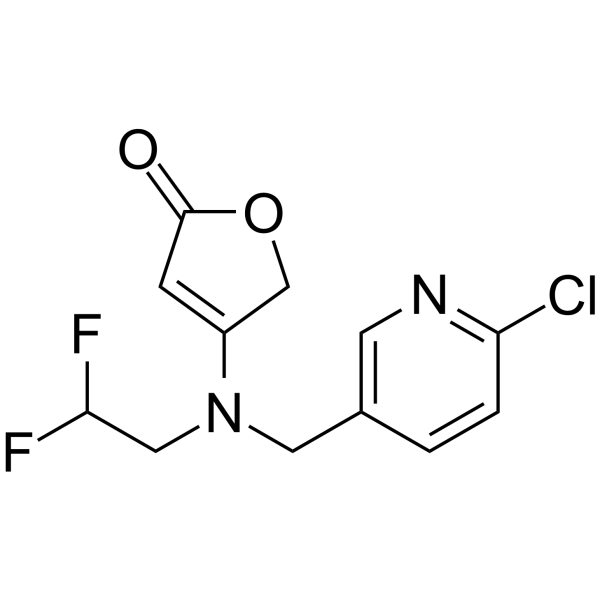 0 ImagesFlupyradifurone is a systemic nAChR agonist that interferes with signal transduction in the central nervous system of sucking pests. Flupyradifurone can be used as a butenolide insecticide.
-
Tropisetron
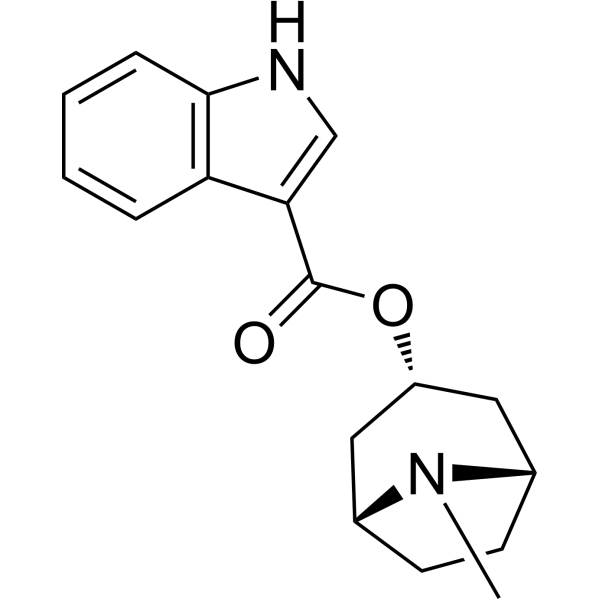 0 ImagesSynonyms: SDZ-ICS-930 free baseTropisetron is an orally active 5-HT3R antagonist (Ki = 5.3 nM) as well as being a potent and selective α7 nicotinic partial agonist (EC50 = 1.3 μM). Tropisetron prevents phosphorylation and activation of the p38 MAPK. Tropisetron inhibits both IL-2 gene transcription and IL-2 synthesis in stimulated T cells. Tropisetron inhibits the binding to DNA and the transcriptional activity of NFAT and AP-1. Tropisetron is anti-inflammatory and antiemetic. Tropisetron has antitumor and neuroprotective effects. Tropisetron can be studied in research for diseases including hemorrhagic cystitis, chronic joint inflammation, lung cancer and chronic cerebral hypoperfusion.
-
Nefiracetam
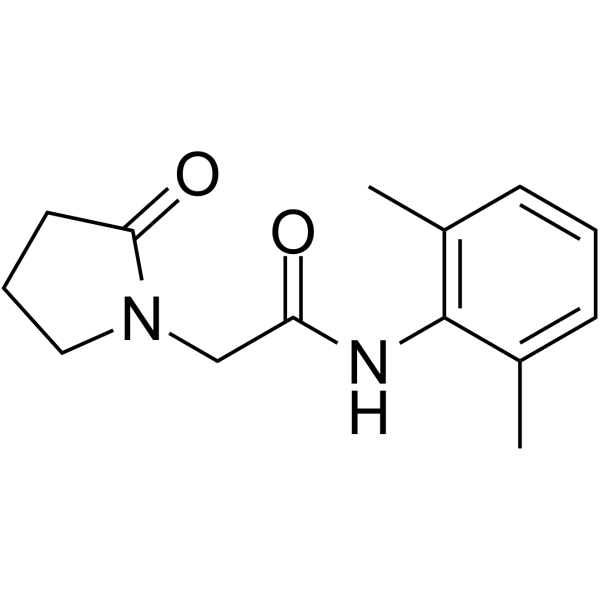 0 ImagesSynonyms: DM9384; DZL-221Nefiracetam is a cognition-enhancing agent. Nefiracetam is an activator of nAChR, N-methyl-D-aspartate receptor (NMDAR), mGluR5, PKC, gamma-aminobutyric acid (GABA), and N/L-type Ca2+ channels. Nefiracetam promotes neuroplasticity and enhances neuroprotection. Nefiracetam can be used in Alzheimer's disease, epilepsy, and cerebral ischemia research.
-
Choline chloride (Standard)
 0 ImagesCholine (chloride) (Standard) is the analytical standard of Choline (chloride). This product is intended for research and analytical applications. Choline chloride is an essential nutrient that activates alpha7 nicotinic receptors and has analgesic and anti-inflammatory activity. Glycerophosphoinositol choline can affect diseases such as liver disease, atherosclerosis and neurological disorders.
-
Catestatin (human)
 0 ImagesSynonyms: Human chromogranin A 352–372Catestatin human, a catecholamine release-inhibitory peptide, is a pleiotropic peptide involved in cardiovascular protection with its antihypertensive and angiogenic effects. Catestatin human can be used in the study of inflammatory diseases .
-
Nitenpyram
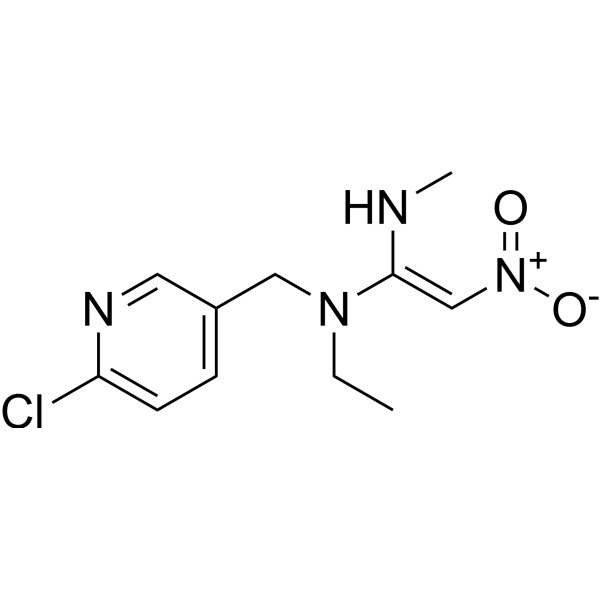 0 ImagesNitenpyram is a calss of neonicotinoid and an insect nicotinic acetylcholine receptor (nAChR) agonist with an IC50 of 14 nM. Nitenpyram is an oral fast-acting insecticide used to suppress sucking insects on companion animals.
-
ZSET1446
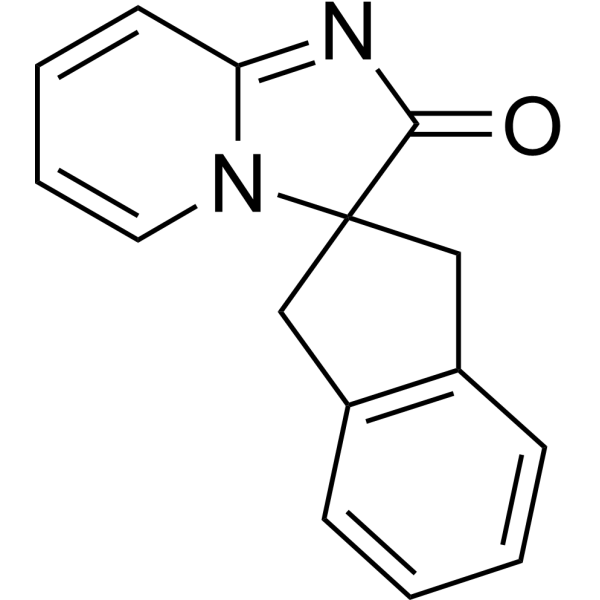 0 ImagesSynonyms: ST-101ZSET1446 is a novel cognitive enhancer that significantly improves learning deficits in various types of Alzheimer disease (AD) models.
-
α7 nAchR-JAK2-STAT3 agonist 1
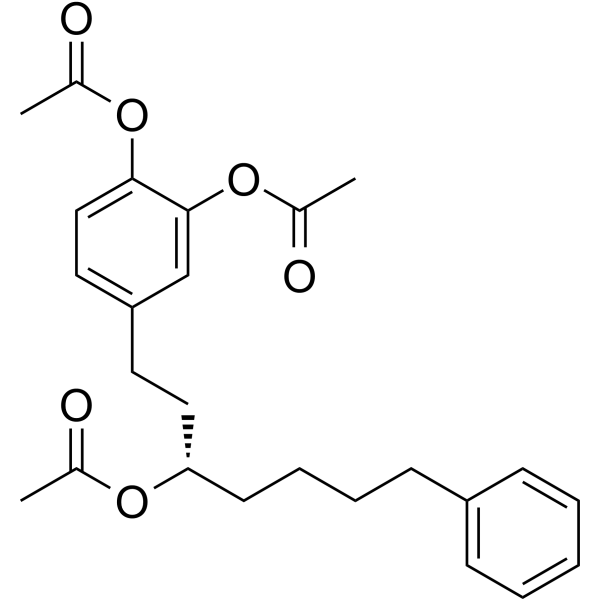 0 Imagesα7 nAchR-JAK2-STAT3 agonist 1 is a potent α7 nAchR-JAK2-STAT3 agonist, with an IC50 value of 0.32 μM for nitric oxide (NO). α7 nAchR-JAK2-STAT3 agonist 1 effectively suppresses the expression of iNOS, IL-1β, and IL-6 in murine RAW264.7 macrophages. α7 nAchR-JAK2-STAT3 agonist 1 can inhibit LPS-induced NO release, NF-κB activation and cytokine production. α7 nAchR-JAK2-STAT3 can be used for researching sepsis.
-
Encenicline hydrochloride
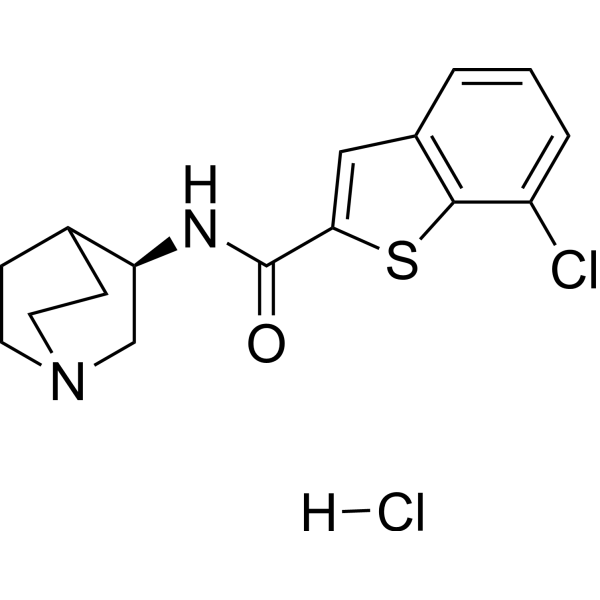 0 ImagesSynonyms: EVP-6124 hydrochlorideEncenicline hydrochloride (EVP-6124 hydrochloride) is a novel partial agonist of α7 neuronal nicotinic acetylcholine receptors (nAChRs).
-
Pyrantel pamoate
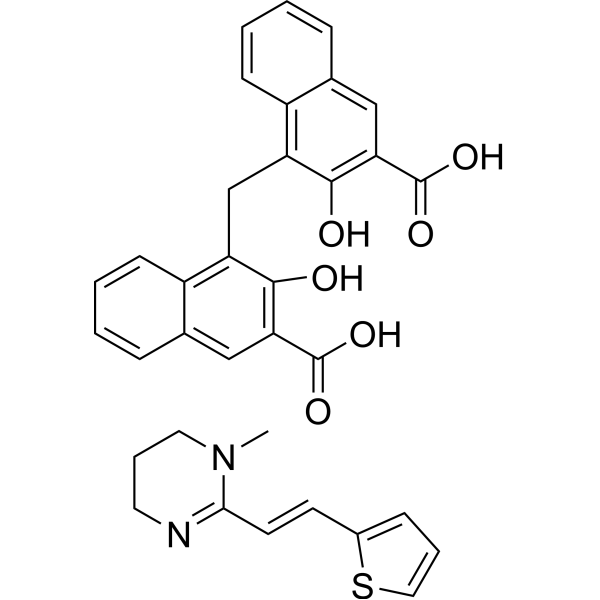 0 ImagesSynonyms: Pyrantel embonatePyrantel pamoate is an orally active antiparasitic agent. Pyrantel pamoate induces spastic paralysis in parasites via actions on neural and muscular cholinergic receptors as a nicotinic acetylcholine receptor (nAChR) agonist. Pyrantel pamoate eliminates both immature and mature endoparasites in horses. Pyrantel pamoate can be used in research related to parasitic infections.
-
Bupropion morpholinol-d6
 0 ImagesBupropion morpholinol-d6 is the deuterated form of Bupropion morpholinol. Bupropion morpholinol is a major metabolite of Bupropion. Bupropion morpholinol inhibits Dopamine, Norepinephrine transporters and the α4β2 nicotinic receptor in vitro. Bupropion morpholinol contributes to antidepressant and smoking cessation activities.
-
Adimanebart
 0 ImagesSynonyms: ARGX-119ARGX-119 is a first-in-class humanized agonist monoclonal antibody specific for muscle-specific kinase (MuSK). ARGX-119 can be used for the study of neuromuscular diseases. The isotype control for ARGX-119 can refer to Human IgG1 lambda1, Isotype Control (HY-P99992).
-
Chimeric Rabies Virus Glycoprotein Fragment (RVG-9R)
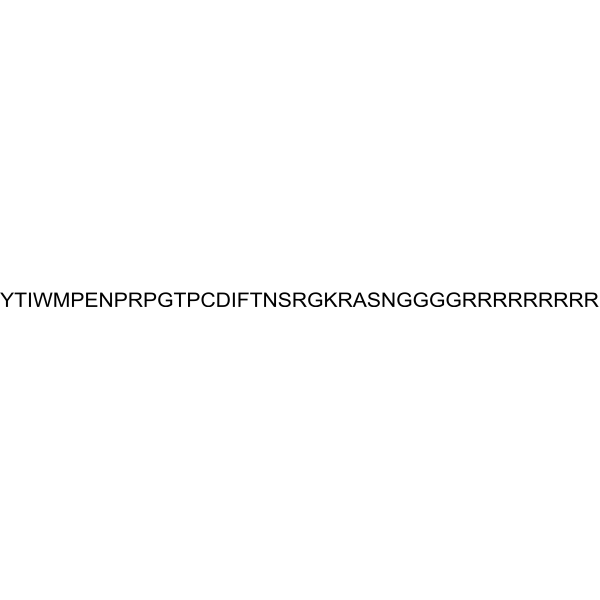 0 ImagesChimeric Rabies Virus Glycoprotein Fragment (RVG-9R) is a cell-penetrating peptide that is synthesized by adding nona-arginine motif to the carboxy terminus of RVG (rabies virus glycoprotein). Chimeric Rabies Virus Glycoprotein Fragment (RVG-9R) binds to
nAChR on neuronal cells to mediate receptor-mediated endocytosis and targeted siRNA delivery. Chimeric Rabies Virus Glycoprotein Fragment (RVG-9R) protects complexed siRNA from degradation, enhances transcellular siRNA delivery in neuronal cells, and promotes efficient, pecific gene silencing. Chimeric Rabies Virus Glycoprotein Fragment (RVG-9R) can be used for the researches of neurological disease and cancer.
-
Asoxime dichloride
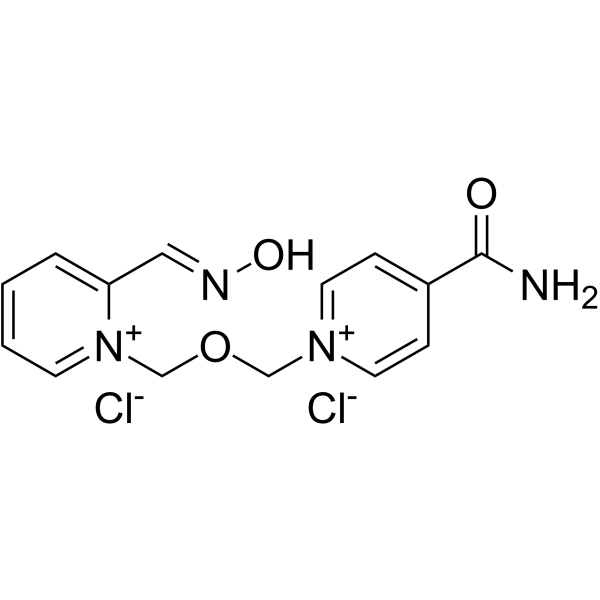 0 ImagesSynonyms: HI-6Asoxime dichloride (HI-6) is an orally active thiosemicarbazone-based antidote. Asoxime dichloride is a reversible inhibitor of AChE, and its core mechanism of action is to re-activate AChE inhibited by nerve toxins, thereby restoring the cholinergic nerve function. Asoxime dichloride significantly restores the function of poisoned muscles without reactivating AChE. Asoxime dichloride is an antagonist of acetylcholine receptors (AChRs), including nicotinic receptor and α7 nAChR. Asoxime dichloride can serve as an effective immunomodulator, improving the immune effect of the nervous system.




