



SGLT1
SGLT1 (SLC5A1) is a sodium-glucose cotransporter that mediates intestinal D-glucose and D-galactose uptake across the brush-border membrane[1]. Mechanistically, SGLT transport uses the sodium electrochemical gradient to drive uphill glucose movement across the plasma membrane[2]. In mouse models, SGLT1 supports intestinal glucose absorption, glucose-dependent GIP and GLP-1 secretion, and about 3% of filtered renal glucose reabsorption under normoglycemia[3]. In disease relevance, defects in intestinal Na+-dependent glucose absorption cause glucose-galactose malabsorption with severe diarrhea and dehydration[4]. Compared with SGLT2, SGLT1 is mainly linked to intestinal absorption and later proximal-tubule glucose recovery, whereas SGLT2 mediates bulk renal glucose reabsorption in early proximal tubule segments[5]. For experimental applications, SGLT1 inhibition lowers and delays post-carbohydrate glucose excursion and can augment GLP-1 and PYY secretion, making SGLT1 inhibitors useful probes for intestinal glucose transport and enteroendocrine responses[1]. Structural studies of human SGLT1 with LX2761 provide a framework for studying inhibitor binding and transporter pharmacology[2].
Verweise:
- [1]. Lehmann A, et al. Intestinal SGLT1 in metabolic health and disease. Am J Physiol Gastrointest Liver Physiol. 2016 Jun 1;310(11):G887-98. [Content Brief]
- [2]. Niu Y, et al. Structural mechanism of SGLT1 inhibitors. Nat Commun. 2022 Oct 28;13(1):6440. [Content Brief]
- [3]. Gorboulev V, et al. Na(+)-D-glucose cotransporter SGLT1 is pivotal for intestinal glucose absorption and glucose-dependent incretin secretion. Diabetes. 2012 Jan;61(1):187-96. [Content Brief]
- [4]. Turk E, et al. Glucose/galactose malabsorption caused by a defect in the Na+/glucose cotransporter. Nature. 1991 Mar 28;350(6316):354-6. [Content Brief]
- [5]. Ghezzi C, et al. Physiology of renal glucose handling via SGLT1, SGLT2 and GLUT2. Diabetologia. 2018 Oct;61(10):2087-2097. [Content Brief]
All Product Categories
-
SGLT1 Verwandte Produkte (31)
Verwandte Produkte (31)

- 1
- 2
-
Phloretin
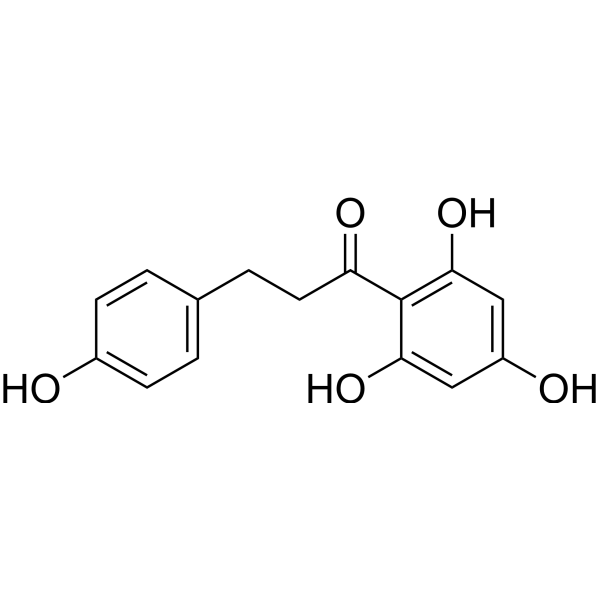 0 ImagesPhloretin (NSC 407292; RJC 02792) is a flavonoid extracted from Malus pumila Mill.,has anti-inflammatory activities. Phloridzin is a specific,competitive and orally active inhibitor of sodium/glucose cotransporters in the intestine (SGLT1) and kidney (SGLT2). Phloretin inhibits Yeast-made GLUT1 as well as Human erythrocyte GLUT1 with IC50values of 49 μM and 61 μM,respectively.Phloretin has the potential for the treatment of rheumatoid arthritis (RA) and allergic airway inflammation.
-
Phlorizin
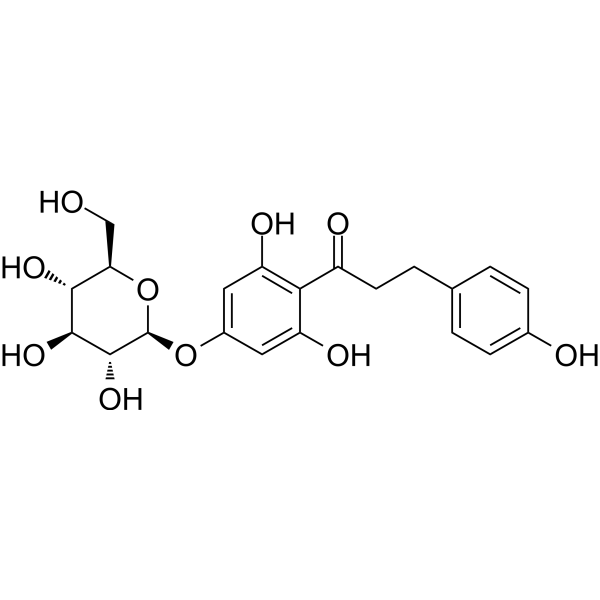
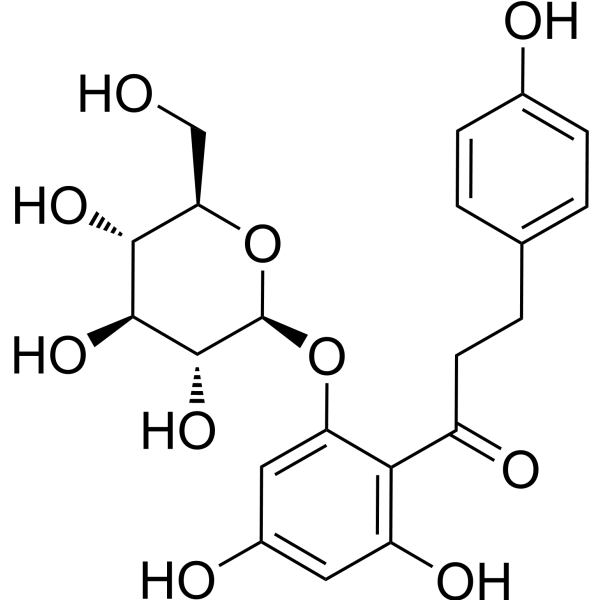 0 ImagesPhlorizin (Floridzin) is an orally active non-selective sodium-glucose cotransporter (SGLT) inhibitor, with an IC50 of 0.04 μM and a Ki of 39 nM against hSGLT2, and an IC50 of 0.17 μM and a Ki of 0.31 μM against hSGLT1. Phlorizin promotes GLUT4 translocation, inhibits gluconeogenesis and promotes glycogen synthesis by activating the PI3K/Akt/mTOR pathway. Phlorizin reduces DNA damage and apoptosis (apoptosis) by inhibiting the NF-κB inflammatory pathway. Phlorizin induces apoptosis via activating the Caspase pathway by antagonizing the JAK/STAT3 and PCK pathways. Phlorizin also exhibits antibacterial, anti-inflammatory and neuroprotective activities.
-
Sotagliflozin
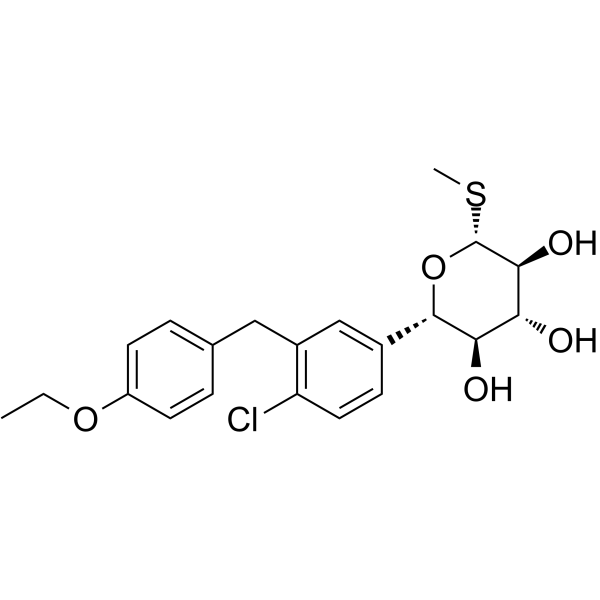 0 ImagesSynonyms: LX-4211; LP-802034Sotagliflozin (LX-4211) is a potent dual SGLT2/1 inhibitor. Antidiabetic agents.
-
Ipragliflozin
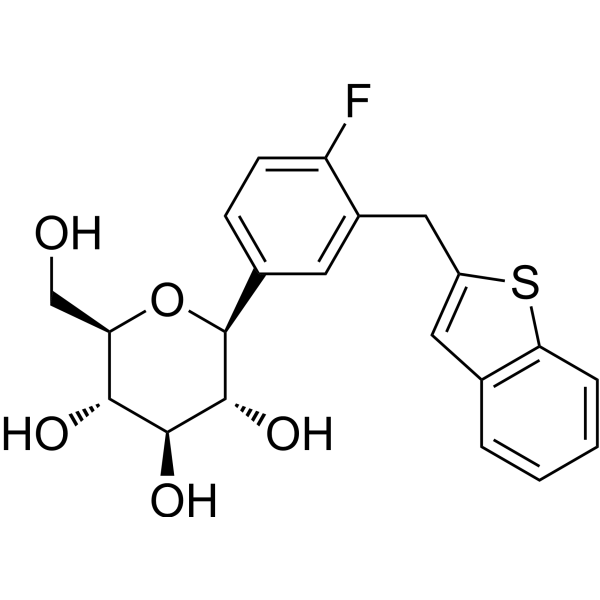 0 ImagesSynonyms: ASP1941
-
Mizagliflozin
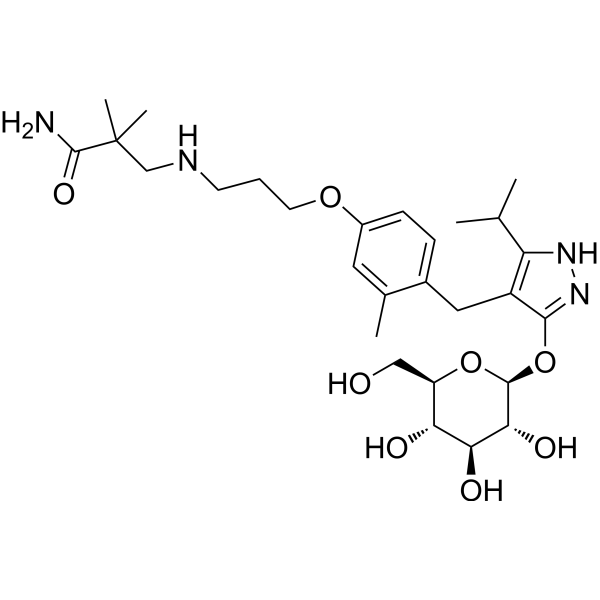 0 ImagesSynonyms: DSP-3235 free base; KGA-3235 free base; GSK-1614235 free baseMizagliflozin (DSP-3235 free base) is a potent, orally active and selective SGLT1 inhibitor, with a Ki of 27 nM for human SGLT1. Mizagliflozin displays 303-fold selectivity over SGLT2. Mizagliflozin is used as an antidiabetic agent that can modify postprandial blood glucose excursion. Mizagliflozin also exhibits potential in the amelioration of chronic constipation.
-
Bexagliflozin
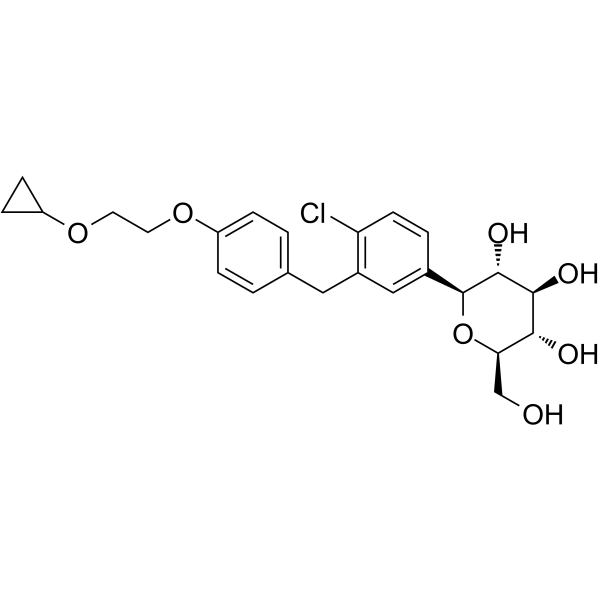 0 ImagesSynonyms: EGT1442; EGT0001442; THR-1442Bexagliflozin (EGT1442) is an orally active and selective SGLT2 inhibitor with IC50 values of 0.002 μM and 5.6 μM for SGLT2 and SGLT1, respectively. Bexagliflozin selectively inhibits SGLT2-mediated sodium-dependent glucose uptake. Bexagliflozin induces saturable urinary glucose excretion in normal rats and dogs. Bexagliflozin reduces blood glucose and HbA1c levels in db/db mice without affecting body mass or insulin level. Bexagliflozin can be used for the research of type 2 diabetes mellitus, hypertensive stroke.
-
Demethyl-LX2761
 0 ImagesArt. -Nr.: HY-186207CAS. Nr.: 2408732-62-5Demethyl-LX2761 is a selective sodium-glucose cotransporter 1 (SGLT1) inhibitor. Demethyl-LX2761 can be used for the research of type 2 diabetes.
-
Luseogliflozin
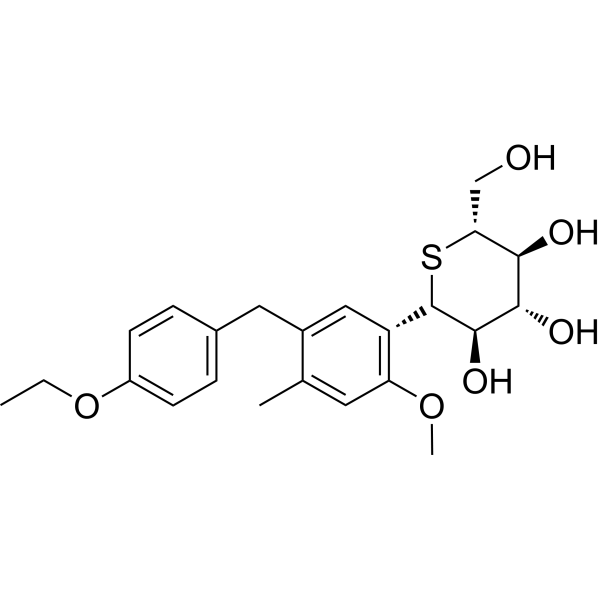 0 ImagesSynonyms: TS 071
-
Remogliflozin etabonate
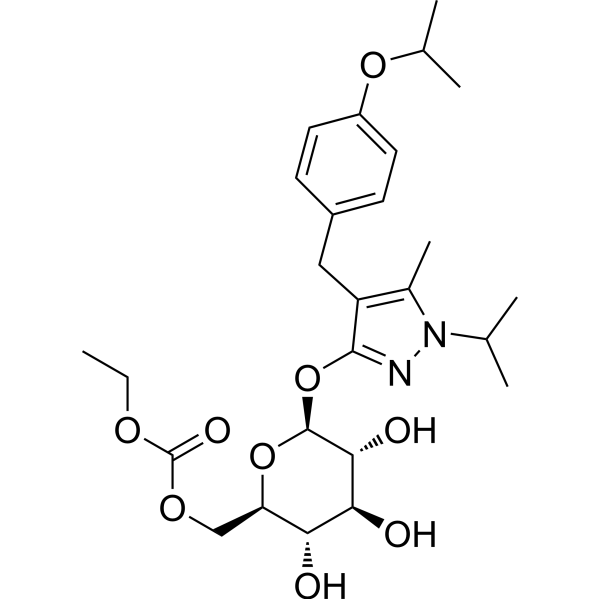 0 ImagesSynonyms: GSK189075Remogliflozin etabonate (GSK189075) is an orally active, selective and low-affinity sodium glucose cotransporter (SGLT2) inhibitor with Ki values of 1.95 μM, 2.14 μM, 43.1 μM, 8.57 μM for hSGLT2, rSGLT2, hSGLT1, rSGLT1, respectively. Remogliflozin etabonate is a proagent based on benzylpyrazole glucoside and is metabolized to its active form, Remogliflozin, in the body. Remogliflozin etabonate exhibits antidiabetic efficacy in rodent models.
-
Phloretin (Standard)
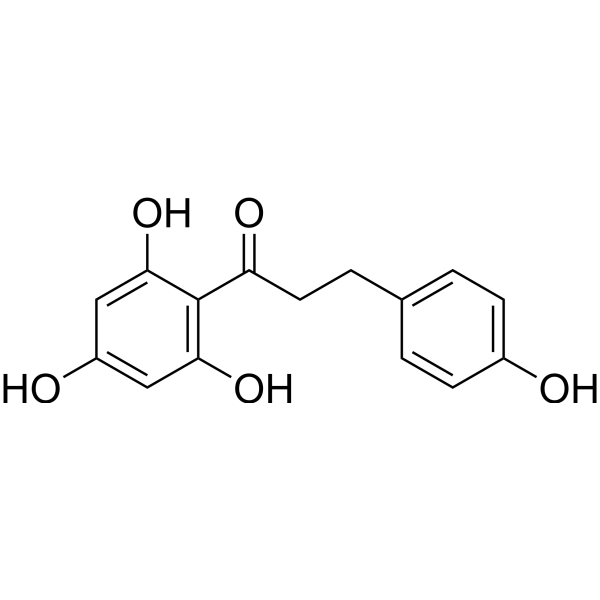 0 ImagesSynonyms: NSC 407292 (Standard); RJC 02792 (Standard)Phloretin (Standard) is the analytical standard of Phloretin. This product is intended for research and analytical applications. Phloretin (NSC 407292; RJC 02792) is a flavonoid extracted from Malus pumila Mill., has anti-inflammatory activities. Phloridzin is a specific, competitive and orally active inhibitor of sodium/glucose cotransporters in the intestine (SGLT1) and kidney (SGLT2). Phloretin inhibits Yeast-made GLUT1 as well as Human erythrocyte GLUT1 with IC50values of 49 μM and 61 μM, respectively.Phloretin has the potential for the treatment of rheumatoid arthritis (RA) and allergic airway inflammation.
-
Phlorizin dihydrate
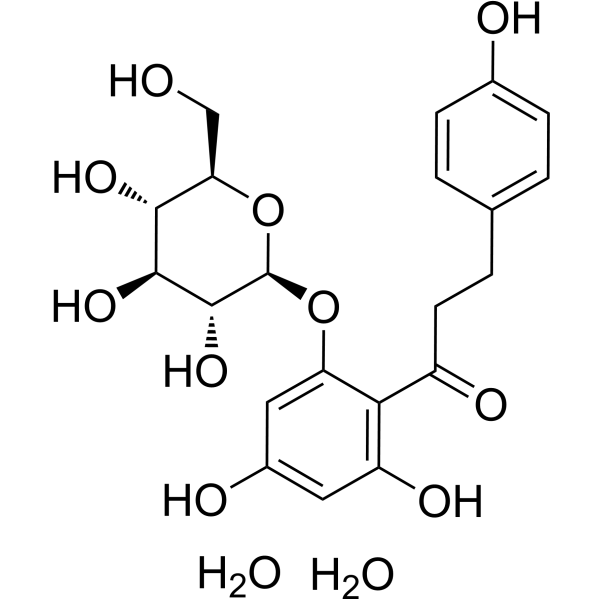 0 ImagesPhlorizin (Floridzin) dihydrate is an orally active non-selective sodium-glucose cotransporter (SGLT) inhibitor, with an IC50 of 0.04 μM and a Ki of 39 nM against hSGLT2, and an IC50 of 0.17 μM and a Ki of 0.31 μM against hSGLT1. Phlorizin dihydrate promotes GLUT4 translocation, inhibits gluconeogenesis and promotes glycogen synthesis by activating the PI3K/Akt/mTOR pathway. Phlorizin dihydrate reduces DNA damage and apoptosis (apoptosis) by inhibiting the NF-κB inflammatory pathway. Phlorizin dihydrate induces apoptosis via activating the Caspase pathway by antagonizing the JAK/STAT3 and PCK pathways. Phlorizin dihydrate also exhibits antibacterial, anti-inflammatory and neuroprotective activities.
-
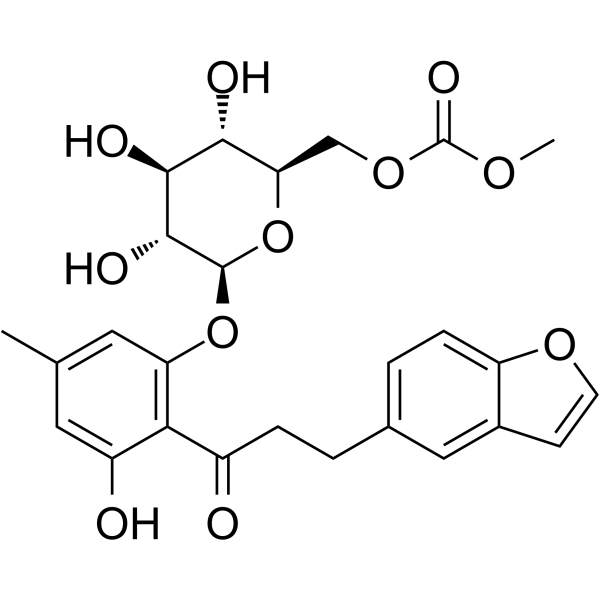
Licogliflozin
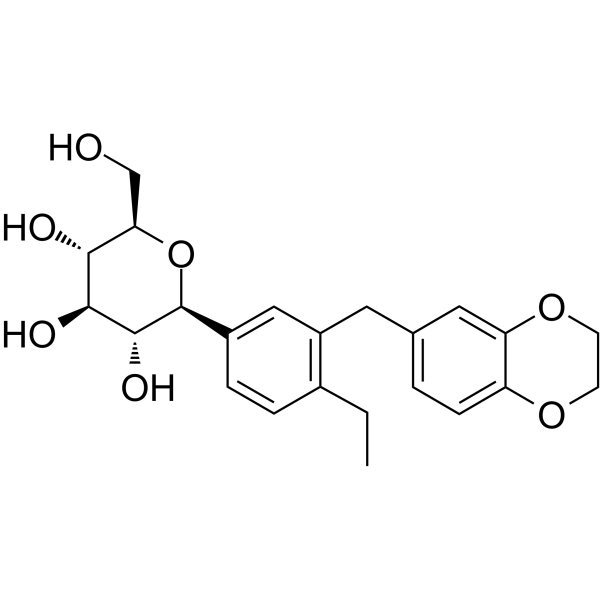 0 ImagesSynonyms: LIK066
-
SGLT1/2-IN-1
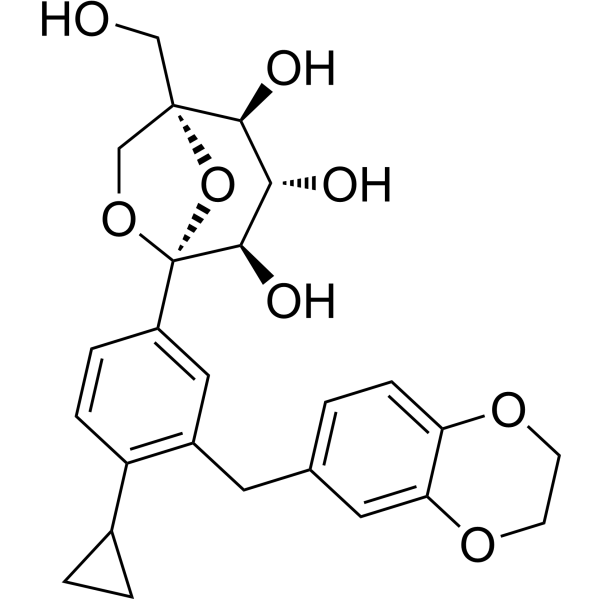 0 ImagesArt. -Nr.: HY-138944CAS. Nr.: 1673514-65-2SGLT1/2-IN-1 is a dual SGLT1/SGLT2 inhibitor extract from WO2015032272A1, compound 2 .
-
rel-Licogliflozin
 0 ImagesArt. -Nr.: HY-109092ACAS. Nr.: 2730989-98-5Synonyms: rel-LIK066rel-Licogliflozin is a relative configuration of Licogliflozin (HY-109092). Licogliflozin is a sodium glucose cotransporter (SGLT1 and SGLT2) inhibitor.
-
Atigliflozin
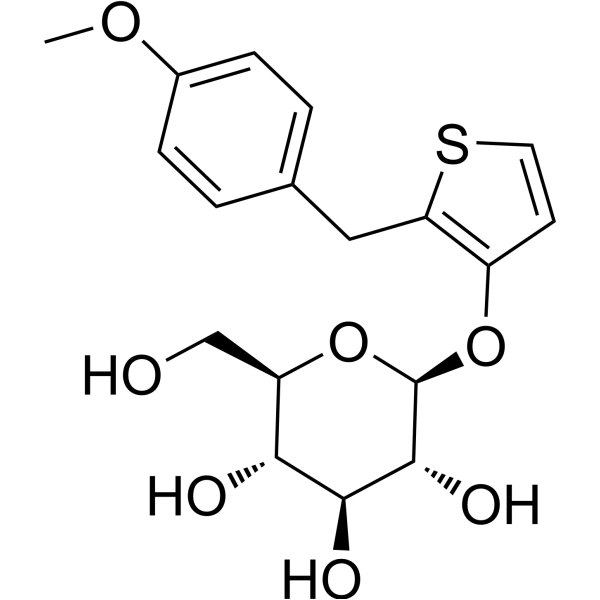 0 ImagesArt. -Nr.: HY-14810CAS. Nr.: 647834-15-9Synonyms: AVE-2268Atigliflozin (AVE-2268) is an orally active and selective SGLT-2 inhibitor, with IC50s of 10 nM and 8.2 μM for hSGLT-2 and hSGLT-1) respectively. Atigliflozin can lower the blood glucose and improve the impaired oral glucose tolerance. Atigliflozin can be used for research of type II diabetes mellitus.
-
Hypoglycemic agent 4
 0 ImagesArt. -Nr.: HY-180784Hypoglycemic agent 4 (Compound 5b) is a tetrahydroacridine derivative with orally active hypoglycemic activity. Hypoglycemic agent 4 has a good binding affinity for the key diabetic targets: DPP-IV, SGLT1, and GLUT2. Hypoglycemic agent 4 can inhibit glucose diffusion. Hypoglycemic agent 4 can reduce fasting blood sugar in Streptozotocin (HY-13753)-induced diabetic rats and its effect is comparable to Gliclazide (HY-B0753). Hypoglycemic agent 4 can be used for research of type 2 diabetes.
-
SGLT1/2-IN-8
 0 ImagesArt. -Nr.: HY-169821CAS. Nr.: 2206679-16-3SGLT1/2-IN-8 (compound 8) is a potent and orally active SGLT1/2 dual inhibitor with IC50 values of 4 nM and 1 nM, respectively. SGLT1/2-IN-8 exhibits anti-hyperglycemic effects and can be utilized in relevant research.
-
LX2761
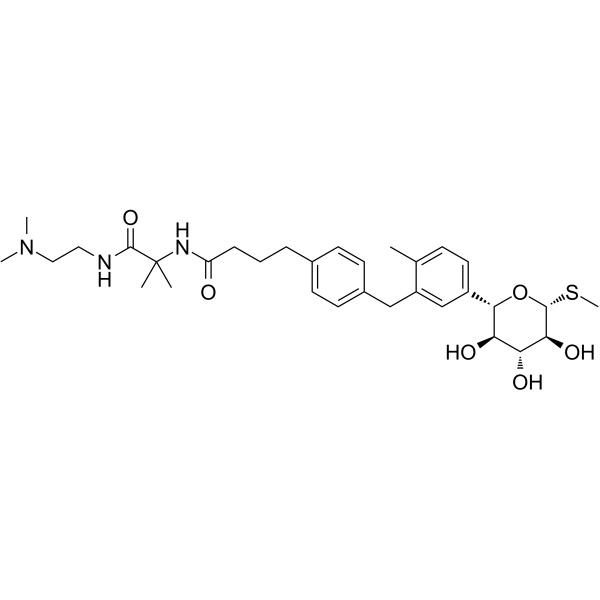 0 ImagesArt. -Nr.: HY-101122CAS. Nr.: 1610954-97-6LX2761 is an orally active, dual SGLT1/SGLT2 inhibitor with IC50 values of 2.2 nM and 2.7 nM against human SGLT1 and SGLT2, respectively. LX2761 locks human SGLT1 in an outward-open conformation and blocks its putative water permeation pathway. After oral administration, LX2761 is confined exclusively to the intestinal lumen, delays intestinal glucose absorption, regulates intestinal glucose metabolism, increases cecal glucose levels, reduces cecal pH, improves glycemic control and elevates plasma total GLP-1 levels. However, LX2761 induces diarrhea in a dose-dependent manner. LX2761 can be used in diabetes-related research.
- 1
- 2



