



Biochanin A
Based on 17 publication(s) in Google Scholar
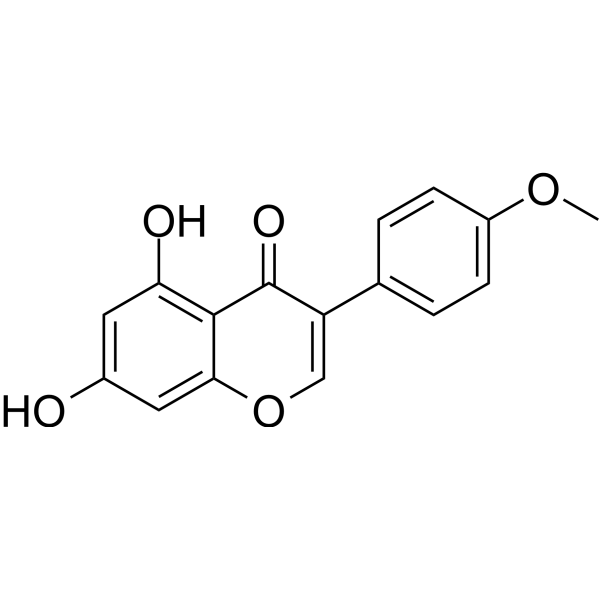
Biochanin A is a naturally occurring fatty acid amide hydrolase (FAAH) inhibitor, which inhibits FAAH with IC50s of 1.8, 1.4 and 2.4 μM for mouse, rat, and human FAAH, respectively.
Nos produits utilisent uniquement pour la recherche. Nous ne vendons pas aux patients.
- Pureté : 99.33%
- CAS No.: 491-80-5
- Formule: C16H12O5
- Masse moléculaire:284.26
-
Stockage:Powder -20°C, 3 years , 4°C, 2 years ; In solvent -80°C, 2 years , -20°C, 1 year

To place orders, for customer services and technical support, please contact: MedChemExpress USA
Tel: 609-228-6898 E-mail: [email protected] [email protected]


-
 Activité biologique
-
Chemical Information
-
Solvant et solubilité
- Pureté et documentation
- Références
-
 Help & FAQs


-
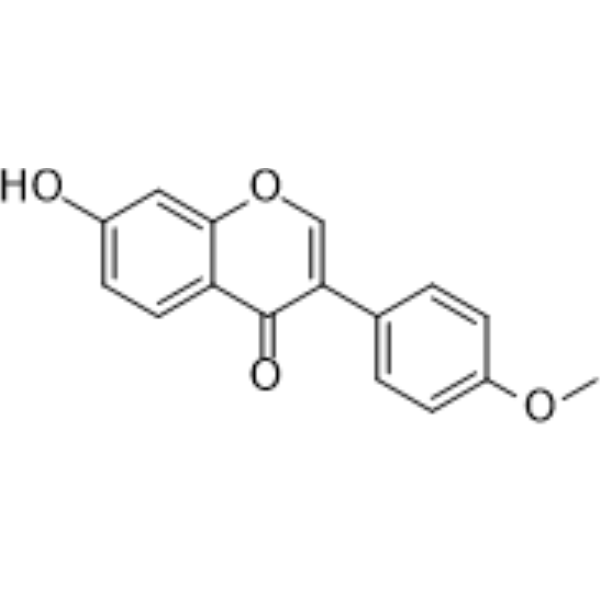
HY-N0183
FormononetinFGFR2 Inhibitor -
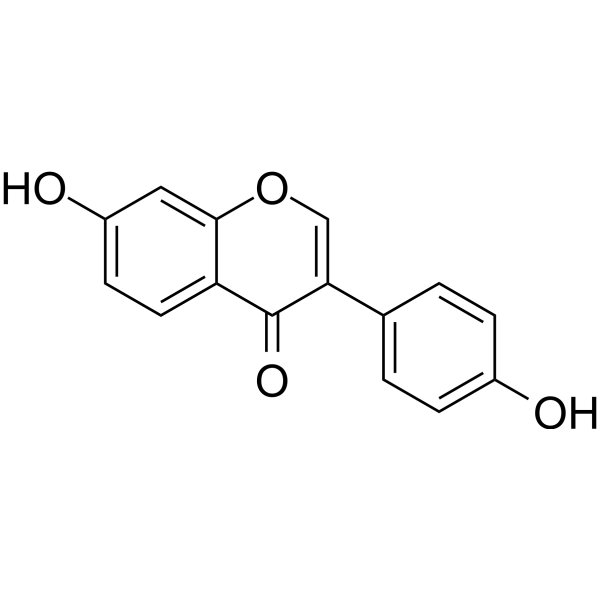
HY-N0019
DaidzeinEndogenous Metabolite -
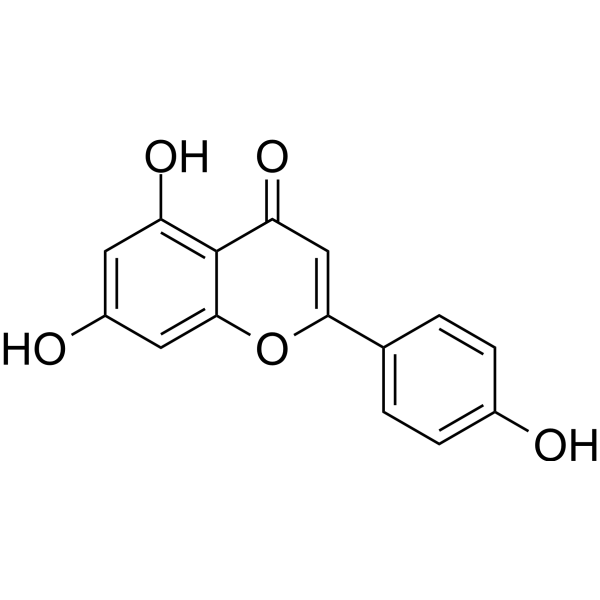
HY-N1201
ApigeninCytochrome P450 Inhibitor -
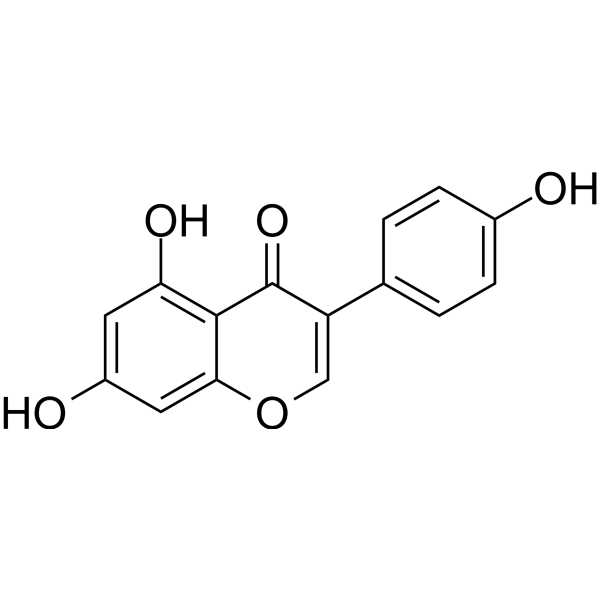
HY-14596
GenisteinAutophagy Inducer -
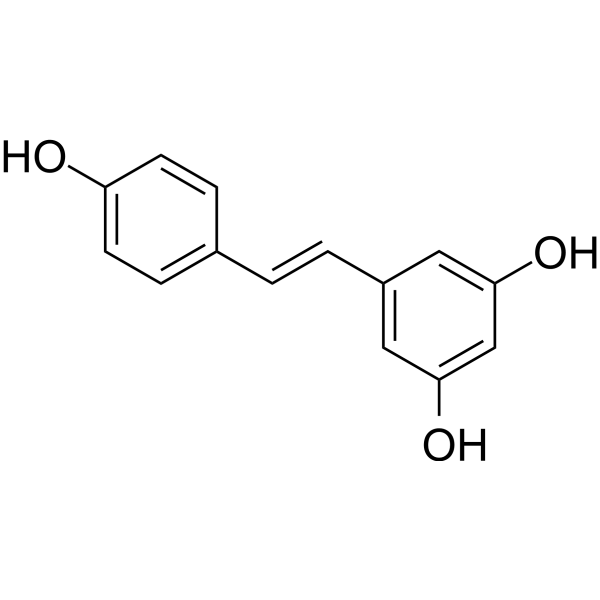
HY-16561
ResveratrolPolyphenolic Phytoalexin -
HY-N0016
GlyciteinApoptosis Inducer -
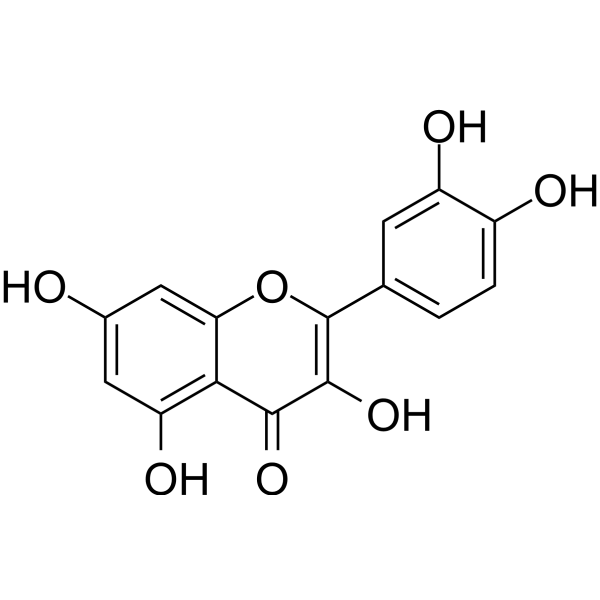
HY-18085
QuercetinFlavonoid Antioxidant -
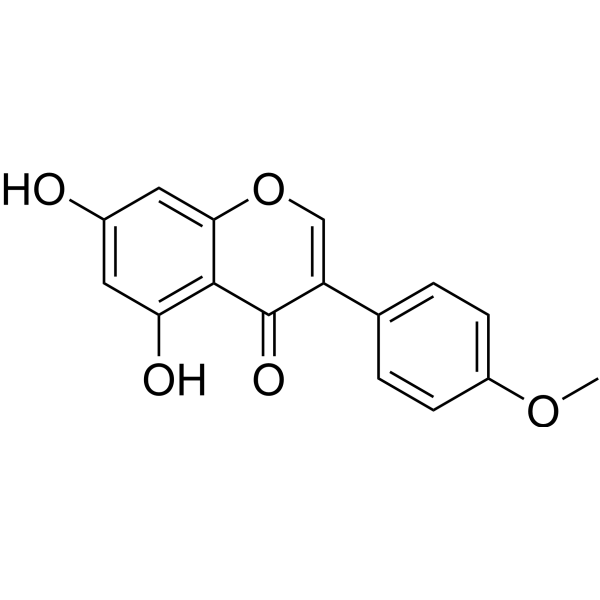
HY-14595R
Biochanin A (Standard) -
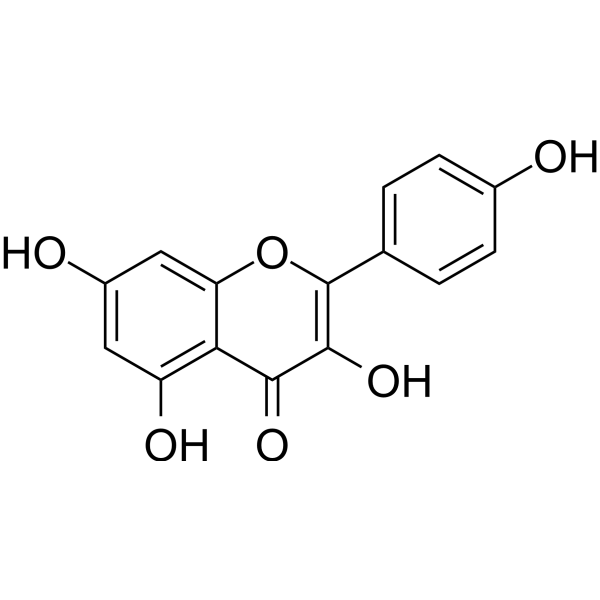
HY-14590
KaempferolEstrogen Receptor α Inhibitor -
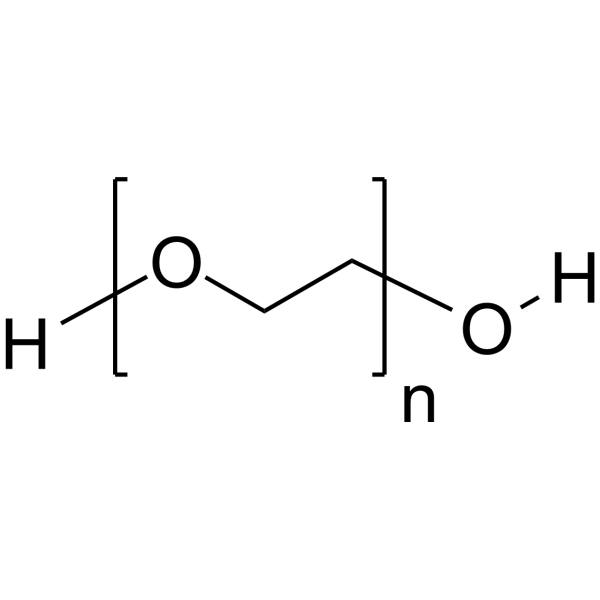
HY-Y0873
PEG300Neutral Polymer -
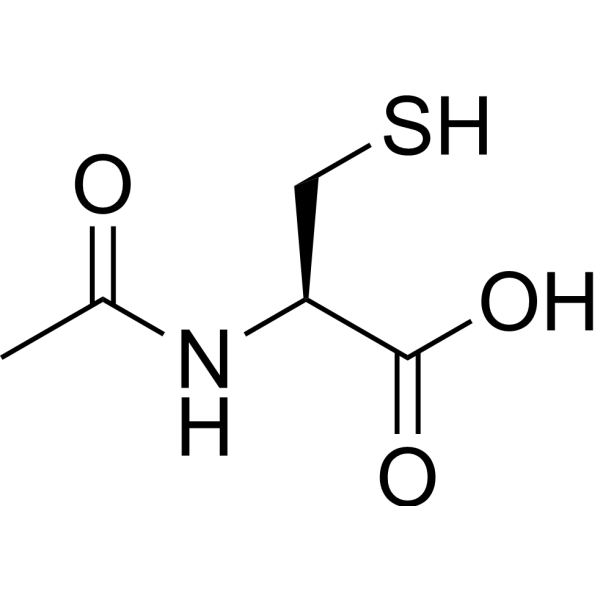
HY-B0215
AcetylcysteineMucolytic Agent -
HY-N0005
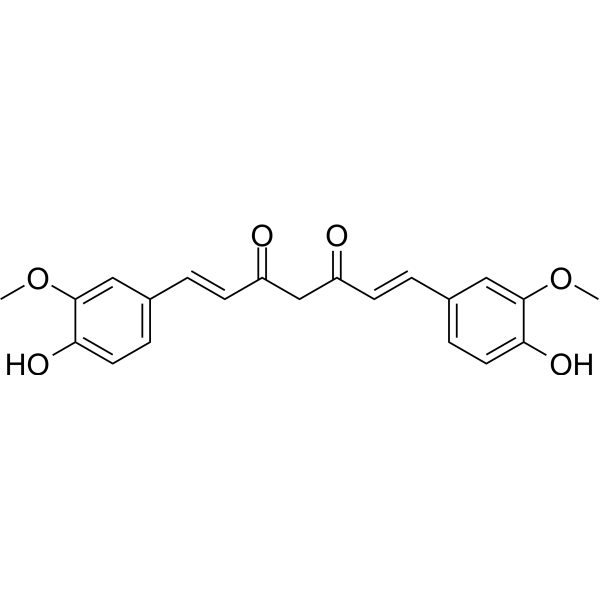
Curcuminp300 Histone Acetylatransferase Inhibitor
Publications Citing Use of MedChemExpress (MCE) Biochanin A
More- Nat Immunol. 2025 Apr 11. [Abstract]
- Acta Pharm Sin B. 2021 Jan;11(1):143-155. [Abstract]
- Cell Rep Med. 2022 May 17;3(5):100608. [Abstract]
- Cell Rep Med. 2022 Mar 15;3(3):100561. [Abstract]
- Cell Death Differ. 2023 Jan;30(1):168-183. [Abstract]
- Phytomedicine. 2025 Nov 25:148:157385. [Abstract]
- Emerg Contam. 2026 Feb 23.
- Phytother Res. 2025 Jul;39(7):3241-3253. [Abstract]
- Pharmaceuticals (Basel). 2023 Sep 1;16(9):1240. [Abstract]
- Chem Biol Interact. 2024 May 25:395:111014. [Abstract]
- Bioorg Chem. 2020 Apr:97:103674. [Abstract]
- Exp Neurol. 2026 Apr:398:115636. [Abstract]
- Microorganisms. 2026 Apr 9;14(4):851. [Abstract]
- Neuroscience. 2026 Jun 22:605:91-107. [Abstract]
- Genes (Basel). 2024 Sep 8;15(9):1180. [Abstract]
- Res Sq. 2025 May 29.
- Phytomed Plus. 2023 Sep 1, 100483.
 Customer Validation & Images

-
Bio/Physico-chemical Assay
-
WB
-
Bio/Physico-chemical Assay
-
IP
-
RT-PCR
Voir tous les produits spécifiques à Isoform Endogenous Metabolite
More

Activité biologique
Description
IC50 & Target
IC50: 1.8 μM (mouse FAAH), 1.4 μM (rat FAAH), 2.4 μM (human FAAH)[1]
Cellular Effect
|
Cell Line

|
Type | Value | Description | References |
|---|---|---|---|---|
| A549 | IC50 |
>100 μM
Compound: 16
|
Cytotoxicity against human A549 cells after 72 hrs by MTT assay
Cytotoxicity against human A549 cells after 72 hrs by MTT assay
|
[PMID: 18440233] |
| A549 | ED50 |
19.77 μg/mL
Compound: 12
|
Cytotoxicity against human A549 cells after 7 days
Cytotoxicity against human A549 cells after 7 days
|
[PMID: 8201311] |
| B16-BL6 | IC50 |
>100 μM
Compound: 16
|
Cytotoxicity against mouse B16-BL6 cells after 72 hrs by MTT assay
Cytotoxicity against mouse B16-BL6 cells after 72 hrs by MTT assay
|
[PMID: 18440233] |
| BALB/3T3 | IC50 |
219.5 μM
Compound: 10
|
Growth inhibition of BALB/c mouse cloned 3T3/A31 cells after 72 hrs by nigrosin assay
Growth inhibition of BALB/c mouse cloned 3T3/A31 cells after 72 hrs by nigrosin assay
|
[PMID: 10096863] |
| GES1 | IC50 |
>32 μM
Compound: 2
|
Cytotoxicity against human GES1 cells assessed as cell viability measured after 72 hrs by MTT assay
Cytotoxicity against human GES1 cells assessed as cell viability measured after 72 hrs by MTT assay
|
[PMID: 33581557] |
| GES1 | IC50 |
>32 μM
Compound: 53
|
Cytotoxicity against human GES1 cells assessed as reduction in cell viability incubated for 72 hrs by MTT assay
Cytotoxicity against human GES1 cells assessed as reduction in cell viability incubated for 72 hrs by MTT assay
|
[PMID: 33619958] |
| HEK293 | IC50 |
9.9 μM
Compound: 22
|
Inhibition of human recombinant 17beta-HSD2 expressed in HEK293 cell lysate assessed as conversion of radiolabeled estrone to estradiol
Inhibition of human recombinant 17beta-HSD2 expressed in HEK293 cell lysate assessed as conversion of radiolabeled estrone to estradiol
|
[PMID: 18533708] |
| HeLa | IC50 |
>100 μM
Compound: 16
|
Cytotoxicity against human HeLa cells after 72 hrs by MTT assay
Cytotoxicity against human HeLa cells after 72 hrs by MTT assay
|
[PMID: 18440233] |
| HT-1080 | IC50 |
>100 μM
Compound: 16
|
Cytotoxicity against human HT1080 cells after 72 hrs by MTT assay
Cytotoxicity against human HT1080 cells after 72 hrs by MTT assay
|
[PMID: 18440233] |
| HT-29 | ED50 |
28.38 μg/mL
Compound: 12
|
Cytotoxicity against human HT-29 cells after 7 days
Cytotoxicity against human HT-29 cells after 7 days
|
[PMID: 8201311] |
| Ishikawa | EC50 |
0.42 μM
Compound: BCA, Biochanin A
|
Estrogenic activity at estrogen receptor in human Ishikawa cells assessed as induction of alkaline phosphatase expression after 72 hrs by microplate reader
Estrogenic activity at estrogen receptor in human Ishikawa cells assessed as induction of alkaline phosphatase expression after 72 hrs by microplate reader
|
[PMID: 22464681] |
| Lewis lung carcinoma cell line | IC50 |
>100 μM
Compound: 16
|
Cytotoxicity against mouse LLC cells after 72 hrs by MTT assay
Cytotoxicity against mouse LLC cells after 72 hrs by MTT assay
|
[PMID: 18440233] |
| Macrophage cell line | CC50 |
50.4 μM
Compound: BChA
|
Cytotoxicity in human monocyte-derived macrophages assessed as reduction in cell viability incubated for 3 days by alamar blue dye based assay
Cytotoxicity in human monocyte-derived macrophages assessed as reduction in cell viability incubated for 3 days by alamar blue dye based assay
|
[PMID: 28964936] |
| MCF7 | EC50 |
0.21 μM
Compound: BCA, Biochanin A
|
Antiproliferative activity against estrogen-deficient human MCF7 cells after 72 hrs by MTT assay
Antiproliferative activity against estrogen-deficient human MCF7 cells after 72 hrs by MTT assay
|
[PMID: 22464681] |
| MCF7 | IC50 |
10 μM
Compound: Biochanin A
|
Antiproliferative activity against human MCF7 cells assessed as inhibition of cell growth incubated for 6 days by SRB assay
Antiproliferative activity against human MCF7 cells assessed as inhibition of cell growth incubated for 6 days by SRB assay
|
[PMID: 33257172] |
| MCF7 | IC50 |
40 μg/mL
Compound: Biochanin A
|
Antiproliferative activity against human MCF7 cells assessed as inhibition of cell growth incubated for 2 days by WST-1 assay
Antiproliferative activity against human MCF7 cells assessed as inhibition of cell growth incubated for 2 days by WST-1 assay
|
[PMID: 33257172] |
| MCF7 | IC50 |
40 μg/mL
Compound: Biochanin A
|
Inhibition of DNA synthesis in human MCF7 cells incubated for 4 days by BrdU incorporation assay
Inhibition of DNA synthesis in human MCF7 cells incubated for 4 days by BrdU incorporation assay
|
[PMID: 33257172] |
| MCF7 | ED50 |
5.49 μg/mL
Compound: 12
|
Cytotoxicity against human MCF7 cells after 7 days
Cytotoxicity against human MCF7 cells after 7 days
|
[PMID: 8201311] |
| MGC-803 | IC50 |
6.77 μM
Compound: 2
|
Antiproliferative activity against human MGC-803 cells assessed as reduction in cell viability after 72 hrs by MTT assay
Antiproliferative activity against human MGC-803 cells assessed as reduction in cell viability after 72 hrs by MTT assay
|
[PMID: 33581557] |
In Vitro
Biochanin A inhibits the hydrolysis of 0.5 μM AEA by mouse, rat and human FAAH with IC50 s of 1.8, 1.4 and 2.4 μM respectively. FAAH is inhibited by Biochanin A with a pIC50 value of 6.21±0.02, corresponding to an IC50 value of 0.62 μM. Biochanin A produces significant inhibition of the URB597-sensitive tritium retention at high nanomolar-low micromolar concentrations. Experiments are run with human FAAH and 0.5 μM [3H]AEA with assay conditions giving these higher utilization rates, the activity is still inhibited by Biochanin A, Genistein, Formononetin and Daidzein in the low micromolar range (IC50s of 6.0, 8.4, 12 and 30 μM, respectively)[1].
MedChemExpress (MCE) has not independently confirmed the accuracy of these methods. They are for reference only.
In Vivo
MedChemExpress (MCE) has not independently confirmed the accuracy of these methods. They are for reference only.


Chemical Information
-
CAS No. 491-80-5
-
Appearance Solid
-
Masse moléculaire 284.26
-
Formule C16H12O5
-
Color White to yellow
-
SMILES
OC1=C2C(OC=C(C3=CC=C(OC)C=C3)C2=O)=CC(O)=C1
-
Synonyms
4-Methylgenistein; Olmelin
-
Structure Classification
-
Initial Source
-
Livraison
Room temperature in continental US; may vary elsewhere.
-
Stockage
Powder -20°C 3 years 4°C 2 years In solvent -80°C 2 years -20°C 1 year


Publications (17)
-
Journal Impact Factor
-
Most Recent
-
Nat Immunol
2025 Apr 11. PMID: 40217111 -
Acta Pharm Sin B
Chrysin serves as a novel inhibitor of DGK α/FAK interaction to suppress the malignancy of esophageal squamous cell carcinoma (ESCC). [Abstract]2021 Jan;11(1):143-155. PMID: 33532186 -
Cell Rep Med
Management of prostate cancer by targeting 3βHSD1 after enzalutamide and abiraterone treatment. [Abstract]2022 May 17;3(5):100608. PMID: 35584629 -
Cell Rep Med
2022 Mar 15;3(3):100561. PMID: 35492874
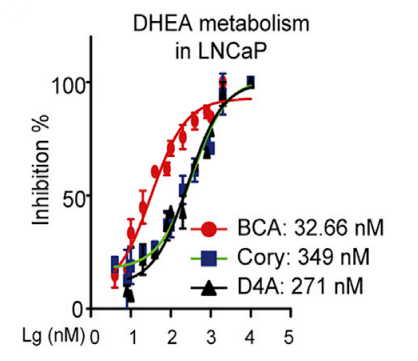
Biochanin A purchased from MedChemExpress. Usage Cited in: Cell Rep Med. 2022 Mar 15;3(3):100561. [Abstract]
Biochanin A (BCA) significantly inhibited DHEA metabolism. LNCaP cells were treated with drugs with the indicated doses and [3H]-DHEA. BCA, biochanin A.
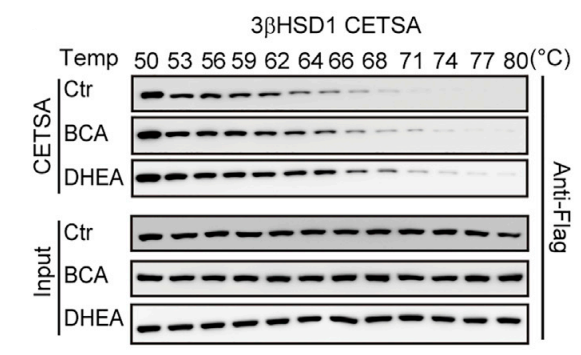
Biochanin A purchased from MedChemExpress. Usage Cited in: Cell Rep Med. 2022 Mar 15;3(3):100561. [Abstract]
Biochanin A (BCA) increased the thermal stability of 3βHSD1. BCA or DHEA was added to FLAG-3βHSD1-expressing cells. Cell lysates were incubated at different temperatures to determine the stability of 3βHSD1. BCA, 20 μM; DHEA, 20 μM.
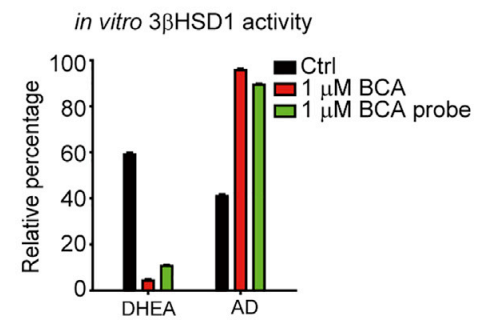
Biochanin A purchased from MedChemExpress. Usage Cited in: Cell Rep Med. 2022 Mar 15;3(3):100561. [Abstract]
The Biochanin A (BCA) probe inhibited 3βHSD1 activity. GST-3βHSD1 (3 μg) was used for the in vitro enzyme activity assays. BCA, 1 μM; BCA probe, 1 μM.
Biochanin A purchased from MedChemExpress. Usage Cited in: Cell Rep Med. 2022 Mar 15;3(3):100561. [Abstract]
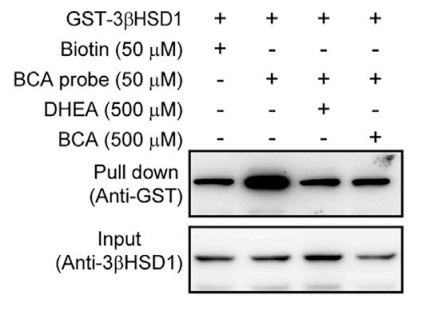
The Biochanin A (BCA) probe directly bound to GST-3βHSD1. GST-3βHSD1 (3 μg) was incubated with the BCA probe with or without DHEA or BCA for pull-down assays.
Biochanin A purchased from MedChemExpress. Usage Cited in: Cell Rep Med. 2022 Mar 15;3(3):100561. [Abstract]
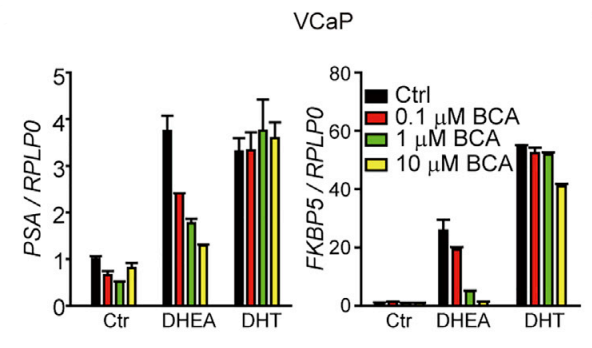
Biochanin A (BCA) inhibited DHEA-induced AR target gene expression. VCaP cells were treated with the indicated drugs. DHEA, 100 nM; DHT, 1 nM.
Biochanin A purchased from MedChemExpress. Usage Cited in: Cell Rep Med. 2022 Mar 15;3(3):100561. [Abstract]
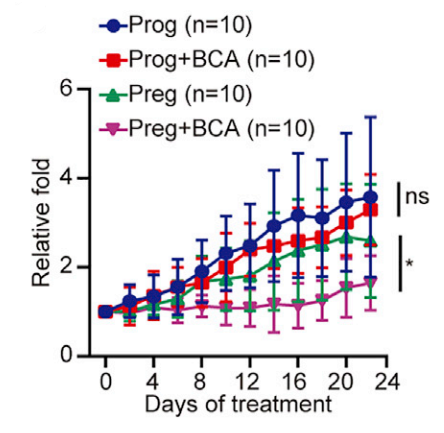
Biochanin A (BCA) suppressed pregnenolone- but not progesterone-induced xenograft growth. Xenografts were generated with C4-2 cells. BCA, 50 mg/kg.
-
Cell Death Differ
FAAH served a key membrane-anchoring and stabilizing role for NLRP3 protein independently of the endocannabinoid system. [Abstract]2023 Jan;30(1):168-183. PMID: 36104448 -
Phytomedicine
Biochanin A alleviates endothelial cell senescence via epigenetic regulation of the HDAC1/H3K4me3/NFKB1 axis. [Abstract]2025 Nov 25:148:157385. PMID: 41086673 -
-
Phytother Res
Biochanin a Alleviated Doxorubicin-Induced Cardiotoxicity but Did not Interfere With the Antitumor Effect of Doxorubicin. [Abstract]2025 Jul;39(7):3241-3253. PMID: 40514798 -
Pharmaceuticals (Basel)
2023 Sep 1;16(9):1240. PMID: 37765049 -
Chem Biol Interact
Biochanin a ameliorates DSS-induced ulcerative colitis by improving colonic barrier function and protects against the development of spontaneous colitis in the Muc2 deficient mice. [Abstract]2024 May 25:395:111014. PMID: 38648921 -
Bioorg Chem
2020 Apr:97:103674. PMID: 32097796 -
Exp Neurol
Biochanin A exerts neuroprotective effects in Parkinson's disease both in vivo and in vitro by improving mitochondrial dysfunction through the Sirt1 signaling pathway. [Abstract]2026 Apr:398:115636. PMID: 41483847 -
Microorganisms
Biochanin A Exerts Broad-Spectrum Antiviral Activity Against Coronaviruses via Activating the AMPK/Nrf2/GSH Pathway. [Abstract]2026 Apr 9;14(4):851. PMID: 42075248 -
Neuroscience
The protective effect of biochanin A on LPS/TNF-α-induced PD models is exerted by regulating ferroptosis through the Sirt1/Nrf2/GPX4 signaling pathway. [Abstract]2026 Jun 22:605:91-107. PMID: 41999934 -
Genes (Basel)
Integration of Transcriptomics and WGCNA to Characterize Trichoderma harzianum-Induced Systemic Resistance in Astragalus mongholicus for Defense against Fusarium solani. [Abstract]2024 Sep 8;15(9):1180. PMID: 39336771 -
-


Solvant et solubilité
In Vitro:
DMSO : ≥ 50 mg/mL (175.90 mM; Hygroscopic DMSO has a significant impact on the solubility of product, please use newly opened DMSO)
* "≥" means soluble, but saturation unknown.
Please refer to the solubility information to select the appropriate solvent. Once prepared, please aliquot and store the solution to prevent product inactivation from repeated freeze-thaw cycles.
Storage method and period of stock solution: -80°C, 2 years; -20°C, 1 year. When stored at -80°C, please use it within 2 years. When stored at -20°C, please use it within 1 year.
Please refer to the solubility information to select the appropriate solvent. Once prepared, please aliquot and store the solution to prevent product inactivation from repeated freeze-thaw cycles.
Storage method and period of stock solution: -80°C, 2 years; -20°C, 1 year. When stored at -80°C, please use it within 2 years. When stored at -20°C, please use it within 1 year.
Concentration (start) × Volume (start) = Concentration (final) × Volume (final)
In Vivo:
Select the appropriate dissolution method based on your experimental animal and administration route.
- For the following dissolution methods, please ensure to first prepare a clear stock solution using an In Vitro approach and then sequentially add co-solvents:
- To ensure reliable experimental results, the clarified stock solution can be appropriately stored based on storage conditions. As for the working solution for In Vivo experiments, it is recommended to prepare freshly and use it on the same day.
- The percentages shown for the solvents indicate their volumetric ratio in the final prepared solution. If precipitation or phase separation occurs during preparation, heat and/or sonication can be used to aid dissolution.
Add each solvent one by one: 10% DMSO 40% PEG300 5% Tween-80 45% Saline
Solubility: ≥ 2.5 mg/mL (8.79 mM); Clear solution
This protocol yields a clear solution of ≥ 2.5 mg/mL (saturation unknown).
Taking 1 mL working solution as an example, add 100 μL DMSO stock solution (25.0 mg/mL) to 400 μL PEG300, and mix evenly; then add 50 μL Tween-80 and mix evenly; then add 450 μL Saline to adjust the volume to 1 mL.
Preparation of Saline: Dissolve 0.9 g sodium chloride in ddH₂O and dilute to 100 mL to obtain a clear Saline solution.
In Vivo Dissolution Calculator
Please enter the basic information of animal experiments:
-
-
-
-
Recommended: Prepare an additional quantity of animals to account for potential losses during experiments.
Please enter your animal formula composition:
-
%DMSO +
Recommended: Keep the proportion of DMSO in working solution below 2% if your animal is weak.
-
%+
-
+%Tween-80 + +
-
%Saline +
The co-solvents required include: DMSO, . All of co-solvents are available by MedChemExpress (MCE). , Tween 80. All of co-solvents are available by MedChemExpress (MCE).
Working solution concentration: 0.22 mg/mL
Method for preparing stock solution: mg drug dissolved in μL DMSO. Stock solution concentration: mg/mL.
1. Take μL DMSO stock solution;
2. Add μL .
μL , mix evenly;
3. Then add μL Tween 80, mix evenly;
4. Then add μL
Please ensure that the stock solution in the first step is dissolved to a clear state, and add co-solvents in sequence. You can use ultrasonic heating (ultrasonic cleaner, recommended frequency 20-40 kHz), vortexing, etc. to assist dissolution.


Pureté et documentation
-
Fiche technique (279 KB)
-
SDS (396 KB)
- English - EN (396 KB)
- Français - FR (396 KB)
- Deutsch - DE (396 KB)
- Norwegian - NO (396 KB)
- Español - ES (396 KB)
- Swedish - SV (396 KB)
- Italian - IT (396 KB)
- Korean - KR (396 KB)
- Portuguese - PT (396 KB)
-
Instruction de manipulation (2659 KB)
Références


Complete Stock Solution Preparation Table
Please refer to the solubility information to select the appropriate solvent. Once prepared, please aliquot and store the solution to prevent product inactivation from repeated freeze-thaw cycles.
Storage method and period of stock solution: -80°C, 2 years; -20°C, 1 year. When stored at -80°C, please use it within 2 years. When stored at -20°C, please use it within 1 year.
| Optional Solvent | Concentration Solvent Mass | 1 mg | 5 mg | 10 mg | 25 mg |
|---|---|---|---|---|---|
| DMSO | 1 mM | 3.5179 mL | 17.5895 mL | 35.1791 mL | 87.9477 mL |
| 5 mM | 0.7036 mL | 3.5179 mL | 7.0358 mL | 17.5895 mL | |
| 10 mM | 0.3518 mL | 1.7590 mL | 3.5179 mL | 8.7948 mL | |
| 15 mM | 0.2345 mL | 1.1726 mL | 2.3453 mL | 5.8632 mL | |
| 20 mM | 0.1759 mL | 0.8795 mL | 1.7590 mL | 4.3974 mL | |
| 25 mM | 0.1407 mL | 0.7036 mL | 1.4072 mL | 3.5179 mL | |
| 30 mM | 0.1173 mL | 0.5863 mL | 1.1726 mL | 2.9316 mL | |
| 40 mM | 0.0879 mL | 0.4397 mL | 0.8795 mL | 2.1987 mL | |
| 50 mM | 0.0704 mL | 0.3518 mL | 0.7036 mL | 1.7590 mL | |
| 60 mM | 0.0586 mL | 0.2932 mL | 0.5863 mL | 1.4658 mL | |
| 80 mM | 0.0440 mL | 0.2199 mL | 0.4397 mL | 1.0993 mL | |
| 100 mM | 0.0352 mL | 0.1759 mL | 0.3518 mL | 0.8795 mL |


Biochanin A Related Classifications
HY-14595 Related Classifications
 Powered by Bioz