



Vaginitis
-
Vaginitis (4)

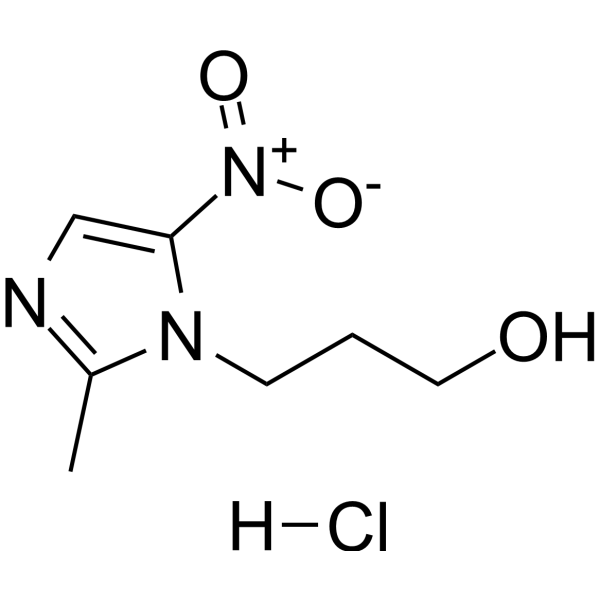
- Formula: C7H12ClN3O3
- Molecular Weight: 221.64
Ternidazole hydrochloride is a nitroimidazole Antibiotic with anti-pathogenic microbial activity. Ternidazole hydrochloride kills and inhibits the visible growth of Clostridium perfringens type A in vitro. Ternidazole hydrochloride helps improve the therapeutic efficacy against bacterial vaginosis, candidal vaginitis and mixed vaginitis. Ternidazole hydrochloride effectively alleviates chronic alcoholism. Ternidazole hydrochloride can be used in research related to vaginitis, pathogenic microbial infections and chronic alcoholism.

- Formula: C7H11N3O3
- Molecular Weight: 185.18
Ternidazole is a nitroimidazole Antibiotic with anti-pathogenic microbial activity. Ternidazole kills and inhibits the visible growth of Clostridium perfringens type A in vitro. Ternidazole helps improve the therapeutic efficacy against bacterial vaginosis, candidal vaginitis and mixed vaginitis. Ternidazole effectively alleviates chronic alcoholism. Ternidazole can be used in research related to vaginitis, pathogenic microbial infections and chronic alcoholism.
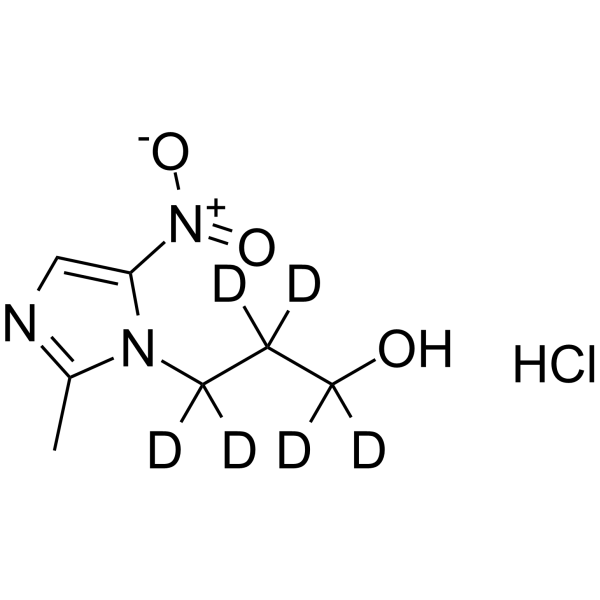
- Formula: C7H6D6ClN3O3
- Molecular Weight: 227.68
Ternidazole-d6 hydrochloride is the deuterium labeled Ternidazole hydrochloride (HY-136436). Ternidazole hydrochloride is a nitroimidazole Antibiotic with anti-pathogenic microbial activity. Ternidazole hydrochloride kills and inhibits the visible growth of Clostridium perfringens type A in vitro. Ternidazole hydrochloride helps improve the therapeutic efficacy against bacterial vaginosis, candidal vaginitis and mixed vaginitis. Ternidazole hydrochloride effectively alleviates chronic alcoholism. Ternidazole hydrochloride can be used in research related to vaginitis, pathogenic microbial infections and chronic alcoholism.

- Formula: C7H12ClN3O3
- Molecular Weight: 221.64
Ternidazole hydrochloride (Standard) is the analytical standard of Ternidazole hydrochloride (HY-136436). This product is intended for research and analytical applications. Ternidazole hydrochloride is a nitroimidazole Antibiotic with anti-pathogenic microbial activity. Ternidazole hydrochloride kills and inhibits the visible growth of Clostridium perfringens type A in vitro. Ternidazole hydrochloride helps improve the therapeutic efficacy against bacterial vaginosis, candidal vaginitis and mixed vaginitis. Ternidazole hydrochloride effectively alleviates chronic alcoholism. Ternidazole hydrochloride can be used in research related to vaginitis, pathogenic microbial infections and chronic alcoholism.



