



RORγ
RORγ (retinoic acid receptor-related orphan receptor gamma) is a member of the nuclear receptor superfamily that functions as a DNA-binding transcription factor and regulates immune development, cellular differentiation, and tissue-specific gene expression programs[1]. The immune-associated isoform RORγt, encoded from the RORC locus through alternative promoter usage, serves as a master transcription factor that drives the differentiation of T helper 17 (Th17) cells and directly promotes expression of IL-17A and IL-17F, thereby establishing the transcriptional program of type 17 immunity[2][3]. Mechanistically, RORγt integrates cytokine-derived signals, including pathways activated by IL-6, TGF-β, and STAT3, to sustain Th17 lineage commitment and inflammatory cytokine production[3][4]. Consequently, RORγt-dependent Th17 responses contribute to the pathogenesis of multiple autoimmune and inflammatory disorders, and genetic or functional disruption of RORγt reduces Th17-cell accumulation and attenuates disease severity in experimental autoimmune models[2][4][5]. Compared with related family members such as RORα, RORγt exhibits a distinct and nonredundant role in type 17 immune programming, although cooperative activity between RORγt and RORα can further enhance Th17 differentiation in specific experimental settings[4]. Beyond immune regulation, the longer RORγ isoform displays broader tissue expression and has been associated with regulation of circadian and metabolic gene networks, distinguishing it from the lymphocyte-focused functions of RORγt[6]. For experimental applications, selective RORγt inverse agonists and antagonists suppress Th17 cytokine production while showing selectivity over related nuclear receptors, supporting their use as pharmacological tools and potential therapeutic strategies targeting the IL-23/IL-17 axis[5][7][8].
References:
- [1]. Crunkhorn S. Neurodegenerative disorders: Linking apolipoprotein E to LOAD. Nat Rev Drug Discov. 2013 Sep;12(9):664. doi: 10.1038/nrd4106. Epub 2013 Aug 19. PMID: 23954898. et al. Neurodegenerative disorders: Linking apolipoprotein E to LOAD. Nat Rev Drug Discov. 2013 Sep;12(9):664. [Content Brief]
- [2]. Ivanov II, et al. The orphan nuclear receptor RORgammat directs the differentiation program of proinflammatory IL-17+ T helper cells. Cell. 2006 Sep 22;126(6):1121-33. [Content Brief]
- [3]. Ting AT, et al. More to Life than NF-κB in TNFR1 Signaling. Trends Immunol. 2016 Aug;37(8):535-545. [Content Brief]
- [4]. Xuexian O. Yang, et al. T Helper 17 Lineage Differentiation Is Programmed by Orphan Nuclear Receptors RORα and RORγ. Immunity 28, 29-39, January 2008. [Content Brief]
- [5]. Xue X, et al. Preclinical and clinical characterization of the RORγt inhibitor JNJ-61803534. Sci Rep. 2021 May 26;11(1):11066. [Content Brief]
- [6]. Karaś K, et al. Digoxin, an Overlooked Agonist of RORγ/RORγT. Front Pharmacol. 2019 Jan 7;9:1460. [Content Brief]
- [7]. Huh JR, et al. Small molecule inhibitors of RORγt: targeting Th17 cells and other applications. Eur J Immunol. 2012 Sep;42(9):2232-7. [Content Brief]
- [8]. Huang W, et al. Identification of Potent and Selective RORγ Antagonists. 2010 Dec 15. [Content Brief]
-
RORγ 관련 제품 (42)
관련 제품 (42)

-
Lithocholic acid 3-sulfate disodium
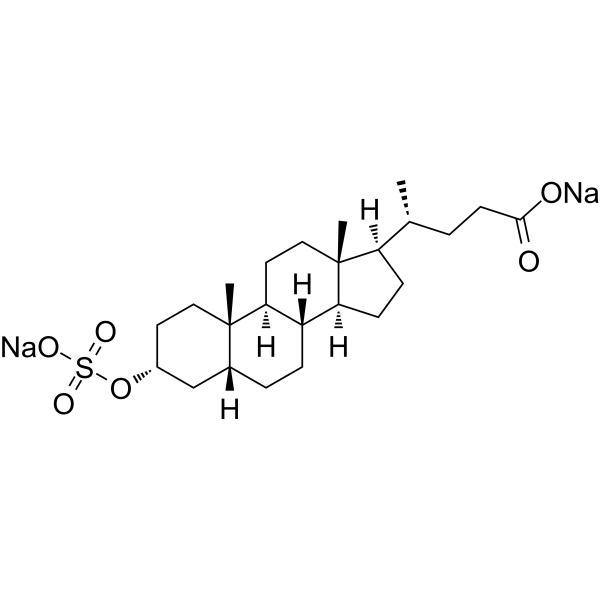 0 ImagesSynonyms: Sulfolithocholic acid disodium; LCAS disodiumLithocholic acid 3-sulfate disodium is a GPR39 agonist, with EC50 values of 41 μM and 42.4 μM in M39-20 and hGPR39-2 cells, respectively, in the absence of Zn2+, and 0.88 μM and 0.97 μM in the presence of Zn2+. Lithocholic acid 3-sulfate disodium acts as a RORγt ligand. Lithocholic acid 3-sulfate disodium stimulates the GPR39 receptor to initiate intracellular calcium signaling, independent of the Zn2+-binding sites H17 and H19. LCA-3-S selectively inhibits Th17 cell differentiation by targeting RORγt. Lithocholic acid 3-sulfate disodium can be used in the research of cholestatic liver diseases.
-
Allolithocholic acid
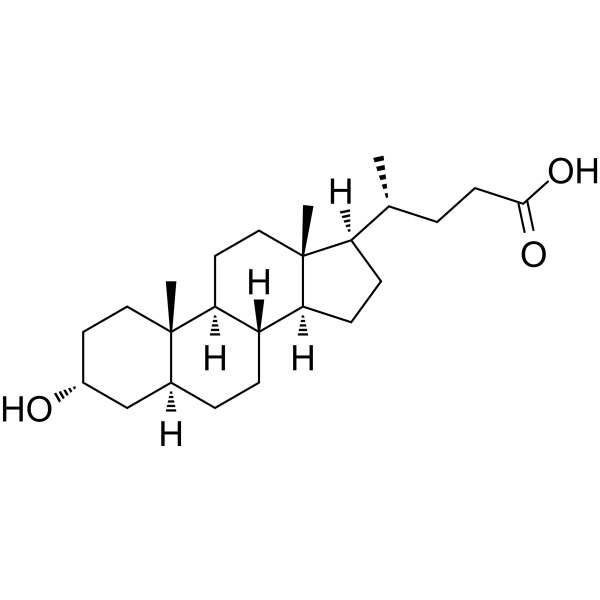 0 ImagesAllolithocholic acid is an orally active metabolite of Lithocholic acid (HY-B0172). Allolithocholic acid is a dual GPBAR1 agonist (EC50 = 2.7 μM) and RORγt inverse agonist (IC50 = 3.4 μM). Allolithocholic acid modulates immune and metabolic pathways, regulates immune cell polarization, prevents M1 macrophage and Th17 CD4 cell polarization. Allolithocholic acid improves insulin sensitivity, reduces liver lipid accumulation, reverses liver immunological, inflammatory and metabolic signaling dysregulation, restores bile acid homeostasis, adipose tissue histopathology/function, and intestinal microbiota composition, modulates intestinal immunity. Allolithocholic acid can be used for the researches of cancer, inflammayion, immunology and metabolic disease.
-
XY018
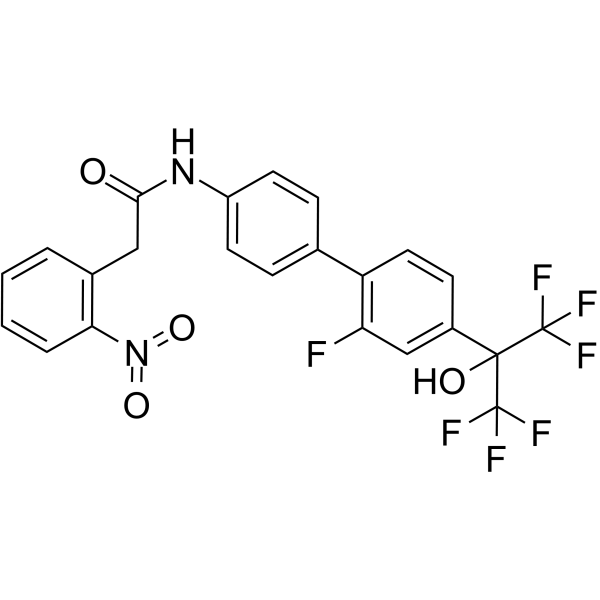 0 ImagesXY018 is a potent ROR-γ-selective antagonist. XY018 inhibits ROR-γ constitutive activity in 293T cells with high potency (EC50, 190 nM). XY018 binds to the ROR-γ hydrophobic ligand binding domain (LBD).
-
Zymostenol
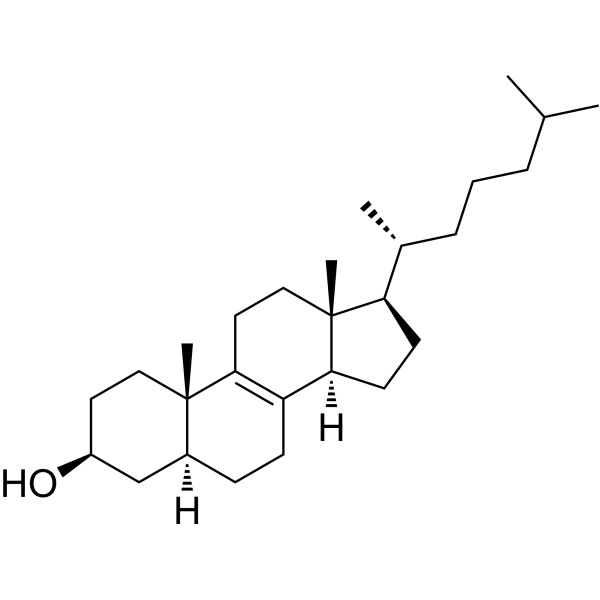 0 ImagesZymostenol (5a-Cholest-8-en-3b-ol) is a late-stage precursor in the biosynthesis of cholesterol. Zymostenol is a RORγ agonist (EC50: 1 μM).
-
RORγt inverse agonist 37
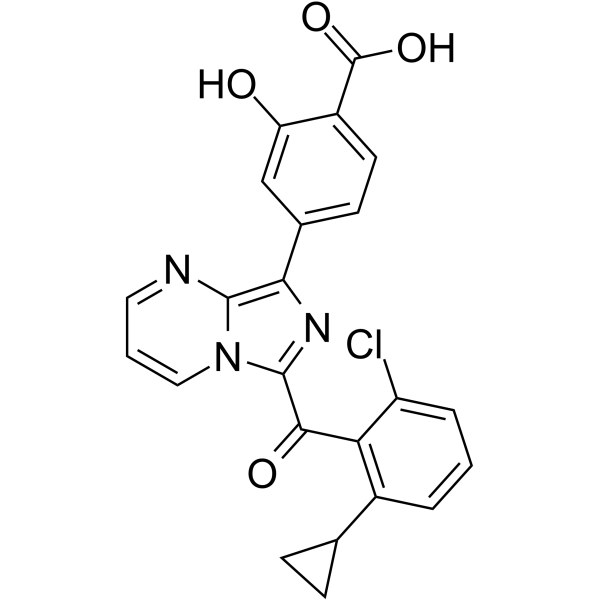
 0 ImagesCat. No.: HY-183763RORγt inverse agonist 37 is an orally active RORγt inverse agonist with an IC50 of 10.8 nM against human targets. RORγt inverse agonist 37 destabilizes helix 12 of RORγt in the agonist-bound conformation, thereby inhibiting transcriptional activity. RORγt inverse agonist 37 inhibits the secretion of IL-17 in cells and in LPS-induced systemic inflammation mouse models. RORγt inverse agonist 37 improves disease-related symptoms in mouse models of psoriasiform dermatitis. RORγt inverse agonist 37 can be used in research related to psoriasiform dermatitis and systemic inflammation.
-
BMS-336
 0 ImagesCat. No.: HY-182716CAS No.: 2204226-97-9
-
RORγ-IN-4
 0 ImagesCat. No.: HY-183145CAS No.: 1608139-41-8RORγ-IN-4 is a RORγ inhibitor with an EC50 of 0.014 μM. RORγ-IN-4 can be used for the research of inflammation.
-
F44-A13
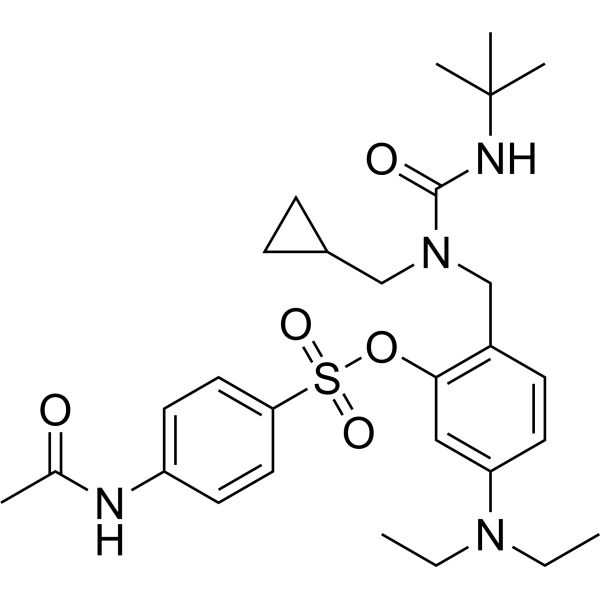 0 ImagesCat. No.: HY-163436CAS No.: 1338190-14-9F44-A13 is an orally active and highly selective farnesoid X receptor (FXR) antagonist with an IC50 value of 1.1 μM. F44-A13 can optimize cholesterol metabolism and reduce its activity by inducing CYP7A1 expression. F44-A13 reduces levels of cholesterol, triglycerides, and low-density lipoprotein cholesterol (LDL-C) in mouse models. F44-A13 can be used in the study of metabolic diseases associated with lipid disorders.
-
Izumerogant
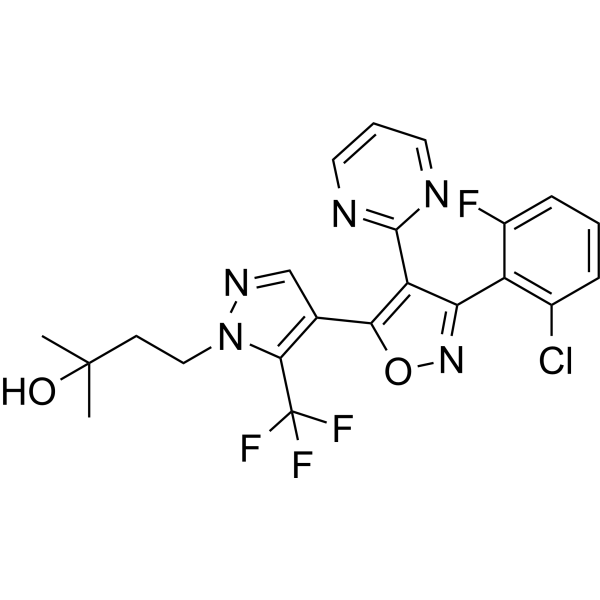 0 ImagesSynonyms: IMU-935
-
(±)-ML 209
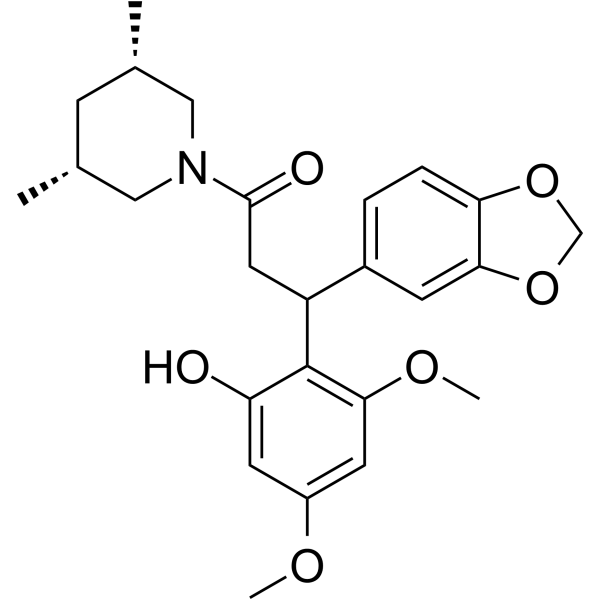 0 Images(±)-ML 209 (compound 4n), a diphenylpropanamide, is a retinoic acid-related orphan receptor RORγ antagonist with an IC50 of 1.1 μM. (±)-ML 209 inhibits RORγt transcriptional activity with an IC50 of 300 nM in HEK293t cells. (±)-ML 209 inhibits the transcriptional activity of RORγt, but not RORα in cells. (±)-ML 209 selectively inhibits murine Th17 cell differentiation without affecting the differentiation of naïve CD4+ T cells into other lineages, including Th1 and regulatory T cells.
-
7ß,27-Dihydroxycholesterol
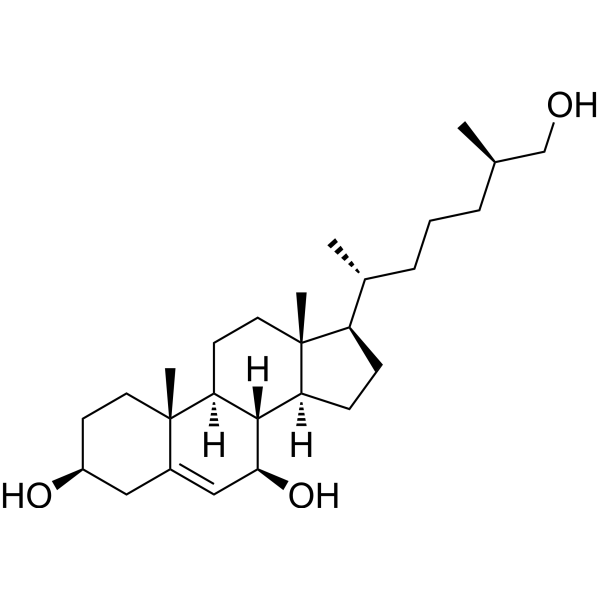 0 ImagesSynonyms: 7β, 27-OHC
-
RORγt inverse agonist 13
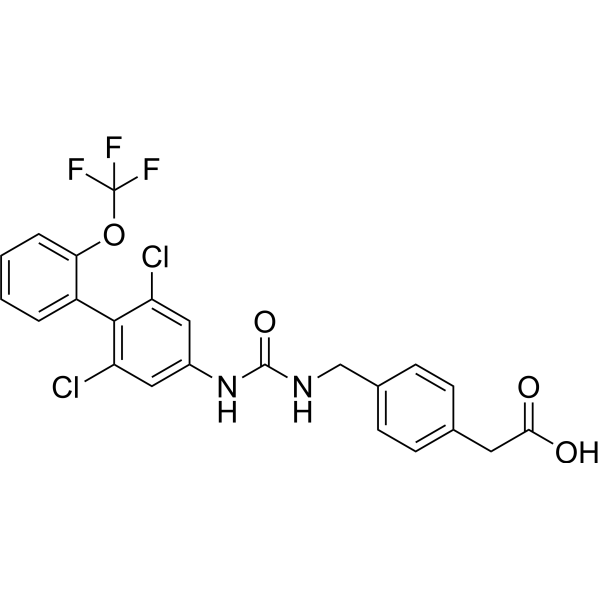 0 ImagesRORγt inverse agonist 13 (Compound 3i) is a potent, orally active and selective RORγt inverse agonist, with improved agent-like properties, with an IC50 of 63.8 nM.
-
SR1555
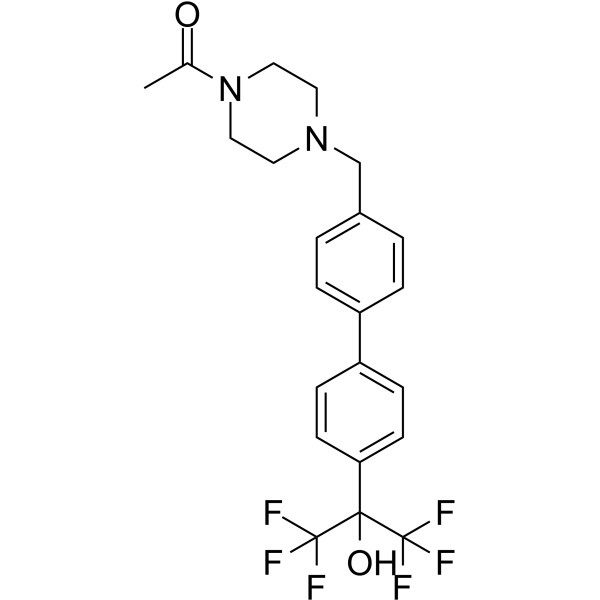 0 ImagesSR1555 is a specific retinoic acid receptor-related orphan nuclear receptor γ (RORγ) inverse agonist with an IC50 value of 1 μM. SR1555 not only inhibits TH17 cell development and function but also increases the frequency of T regulatory cells, as well as inhibits the expression of IL-17. SR1555 can be used for researching autoimmune diseases.
-
GNE-3500
 0 ImagesGNE-3500 is a selective, orally active antagonist for Retinoic Acid Receptor-Related Orphan Receptor C (RORc, also known as RORγ or NR1F3) with an EC50 of 12 nM. GNE-3500 exhibits good pharmacokinetic characteristics in rats.
-
Vimirogant hydrochloride
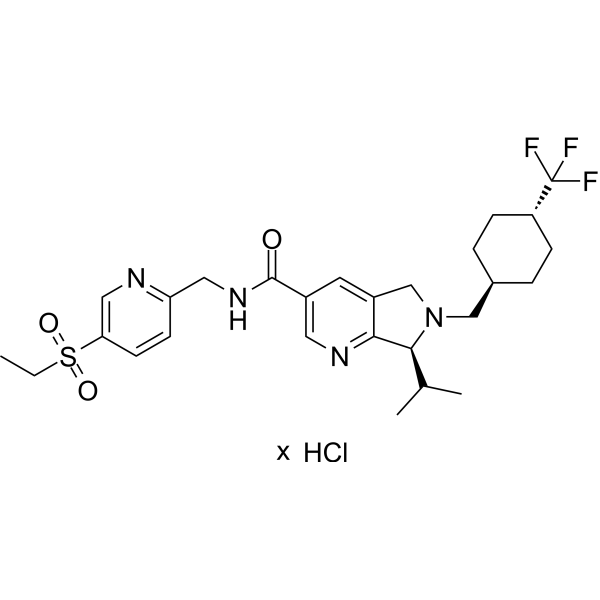 0 ImagesSynonyms: VTP-43742 hydrochlorideVimirogant (VTP-43742) hydrochloride is a potent, selective, and orally active RORγt inhibitor (Ki=3.5 nM; IC50=17 nM). Vimirogant hydrochloride exhibits >1000-fold selectivity versus the RORα and RORβ isotypes. Vimirogant hydrochloride inhibits Th17 differentiation and IL-17A secretion from mouse splenocytes (IC50=57 nM) without affecting Th1, Th2, or Treg cell differentiation. Vimirogant hydrochloride has the potential for autoimmune disorders research.
-
RORγt Inverse agonist 10
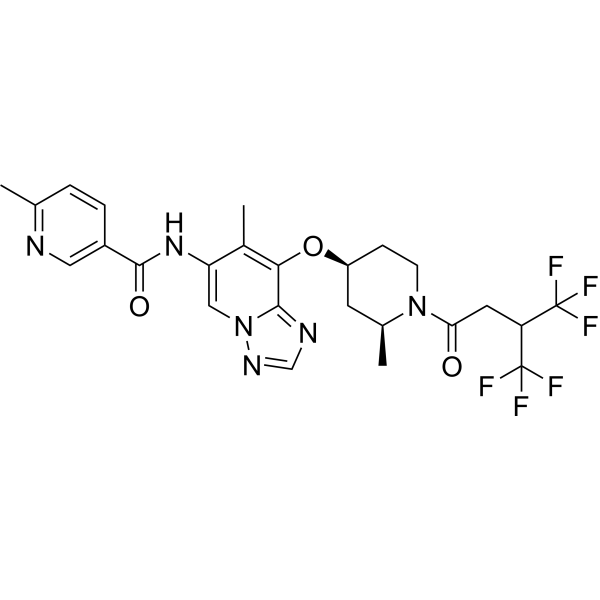 0 ImagesRORγt Inverse agonist 10 is a potent and orally bioavailable RORγt (retinoic acid receptor-related orphan nuclear receptor gamma t) inverse agonist, with an IC50 of 51 nM. RORγt is a major transcription factor of genes related to psoriasis pathogenesis such as IL-17A, IL-22, and IL-23R
-
S18-000003
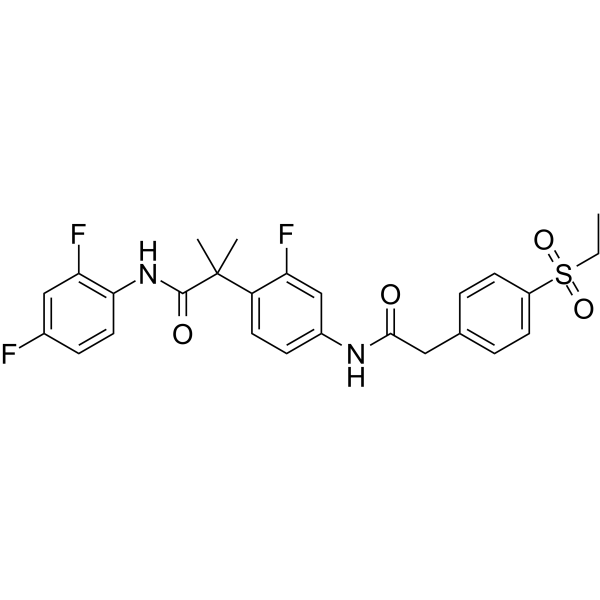 0 ImagesS18-000003 is a potent, selective and orally active inhibitor of retinoic acid receptor-related orphan receptor-gamma-t (RORγt), with an IC50 of <30 nM towards human RORγt in competitive binding assays. S18-000003 shows selectivity for RORγt over other ROR family members (IC50>10 μM). S18-000003 can be used for the research of psoriasis with low risk of thymic aberrations.
-
Hexyl 4-hydroxybenzoate
 0 ImagesSynonyms: HexylparabenHexyl 4-hydroxybenzoate (Hexylparaben) is a retinoic acid-related orphan receptor RORγ(t) agonist with an EC50 of 144 nM. Hexyl 4-hydroxybenzoate is used in the study of autoimmune diseases.



