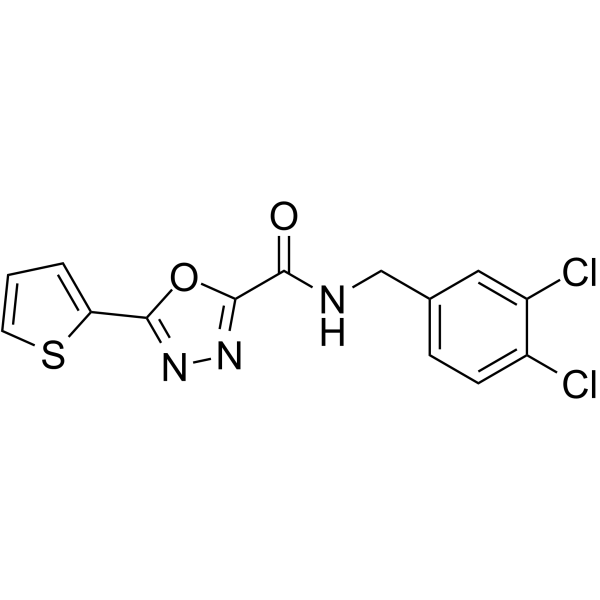
1. Search Result
Search Result
Results for "

SDH

" in MedChemExpress (MCE) Product Catalog:

87

Inhibitors & Agonists

1

Fluorescent Dye

1

Biochemical Assay Reagents

10

Natural
Products

12

Antibodies

1

Click Chemistry

8

Oligonucleotides

Cat. No. Product Name Target Research Areas Chemical Structure
  • HY-Y1787
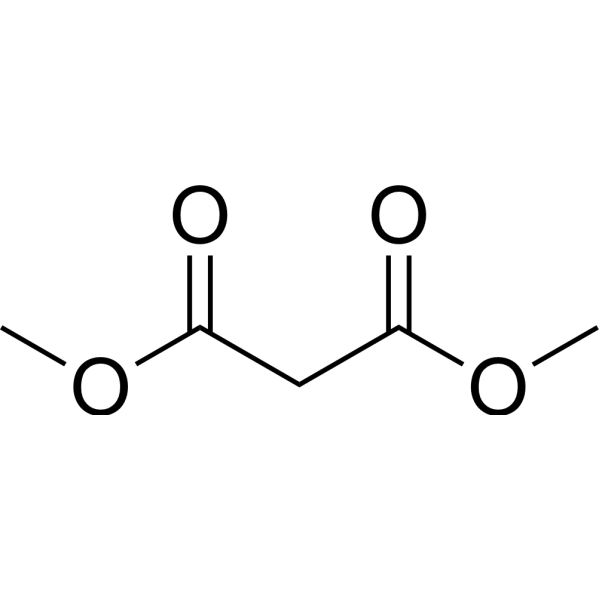
    Dimethyl malonate
    Maximum Cited Publications
    9 Publications Verification

    Apoptosis Neurological Disease
    Dimethyl malonate is a competitive inhibitor of succinate dehydrogenase (SDH). Dimethyl malonate is able to cross the blood-brain barrier and hydrolyse to malonate. Dimethyl malonate reduces neuronal apoptosis .
    Dimethyl malonate
  • HY-113298
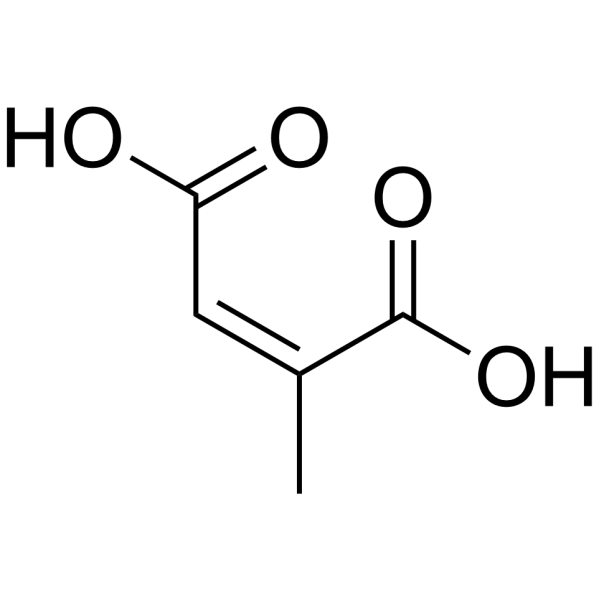
    Citraconic acid
    4 Publications Verification

    Methylmaleic acid

    NOD-like Receptor (NLR) Keap1-Nrf2 Reactive Oxygen Species (ROS) Cardiovascular Disease Inflammation/Immunology
    Citraconic acid (Methylmaleic acid) is an orally active inhibitor targeting the NLRP3 inflammasome and Keap1-Nrf2 pathway. Citraconic acid reduces reactive oxygen species (ROS) generation by inhibiting succinate dehydrogenase (SDH) activity. Citraconic acid also modifies the conformation of Keap1 protein, relieves its inhibition of Nrf2, promotes antioxidant gene expression, and inhibits NLRP3 activation and the release of pro-inflammatory factors such as IL-1β and IL-18. Citraconic acid has anti-inflammatory and antioxidant activities, can reduce oxidative stress and cell pyroptosis, improve tissue damage, and can be used for the research of inflammation-related diseases such as acute renal ischemia-reperfusion injury. Citraconic acid is an isomer of Itaconic acid (HY-Y052) .
    Citraconic acid
  • HY-N7114A
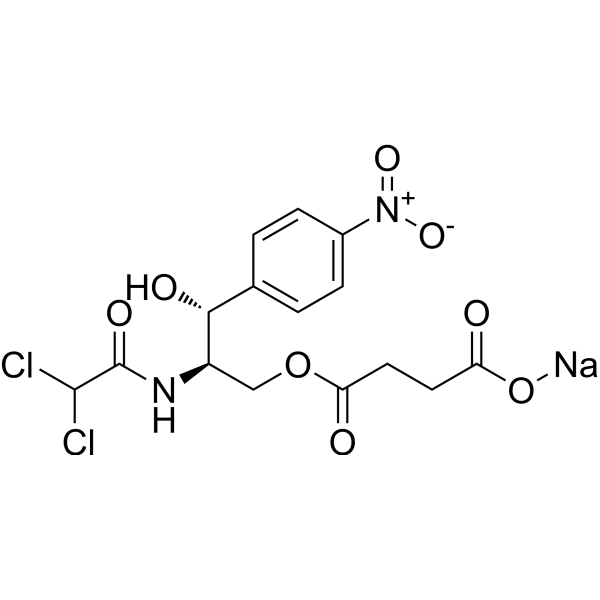
    Chloramphenicol succinate sodium
    3 Publications Verification

    Bacterial P2Y Receptor Succinate Dehydrogenase Drug Intermediate Infection Inflammation/Immunology
    Chloramphenicol succinate sodium is a prodrug of Chloramphenicol (HY-B0239), acting as a P2Y14R inhibitor with an IC50 of 1.585 nM. Chloramphenicol succinate sodium serves as a competitive substrate and inhibitor of succinate dehydrogenase (SDH), which may account for its toxicity. Chloramphenicol succinate sodium exerts a significant inhibitory effect on colitis. Chloramphenicol succinate sodium can be used in research related to myelosuppression, gray baby syndrome, aplastic anemia, bacterial meningitis and inflammatory bowel disease .
    Chloramphenicol succinate sodium
  • HY-W008151

    Mitochondrial Metabolism Carnitine Palmitoyltransferase (CPT) Metabolic Disease
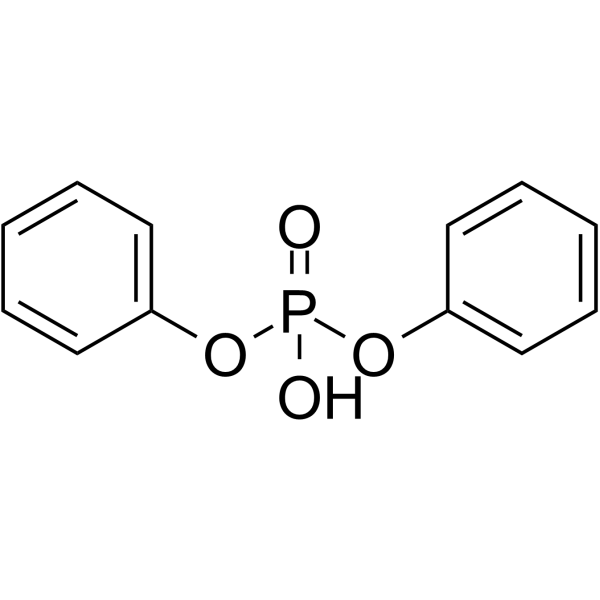
    Diphenyl Phosphate inhibits growth and energy metabolism in zebrafish and mice in a sex-specific manner. Diphenyl Phosphate can inhibit the activity of SDH (respiratory complex II), reduce the expression of CPT1 and disrupts the integrity of the mitochondrial membrane. Diphenyl Phosphate may be used in research on metabolic diseases .
    Diphenyl Phosphate
  • HY-118980

    Aldehyde Dehydrogenase (ALDH) Metabolic Disease
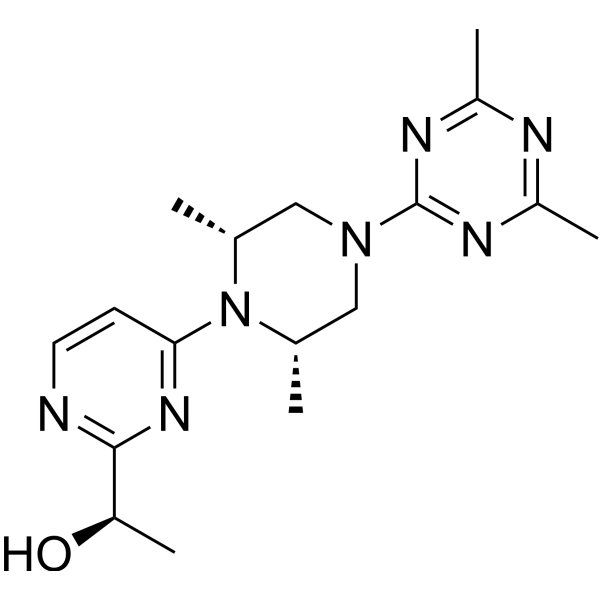
    Sorbitol dehydrogenase-IN-1 is a potent and orally active sorbitol dehydrogenase inhibitor with IC50 s of 4, 5 nM for rat and human, respectively. Sorbitol Dehydrogenase (SDH) is an enzyme that belongs to the zinc-containing alcohol dehydrogenase (ADH) family. ADH and ALDH are enzymes that work together to metabolize alcohol .
    Sorbitol dehydrogenase-IN-1
  • HY-Y0284
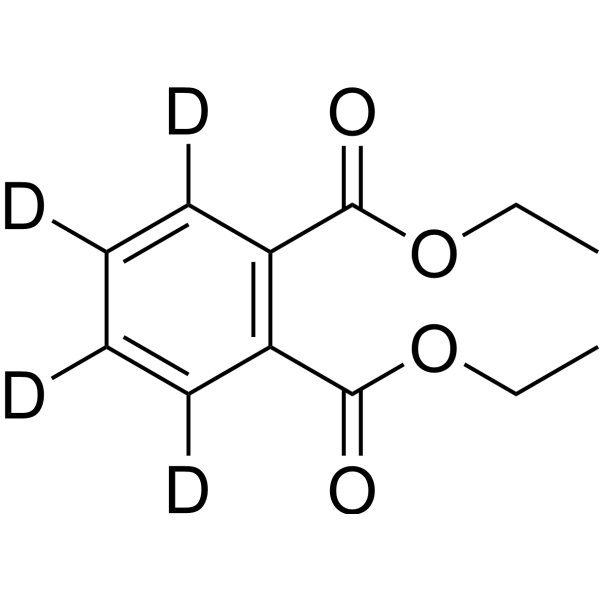
    Diethyl phthalate
    2 Publications Verification

    Environmental Pollutants Biochemical Assay Reagents Apoptosis Aminotransferases (Transaminases) Phosphatase Endocrinology
    Diethyl phthalate is an orally active plasticizer and detergent base. Diethyl phthalate increases the activities of ACP, ALP, SDH, and ALT in liver, muscle, or both tissues. Diethyl phthalate induces dose-dependent mortality and sluggish behavior in freshwater fish. Diethyl phthalate may induce male reproductive toxicity. Diethyl phthalate is added to plastic polymers to help maintain their flexibility .
    Diethyl phthalate
  • HY-17520
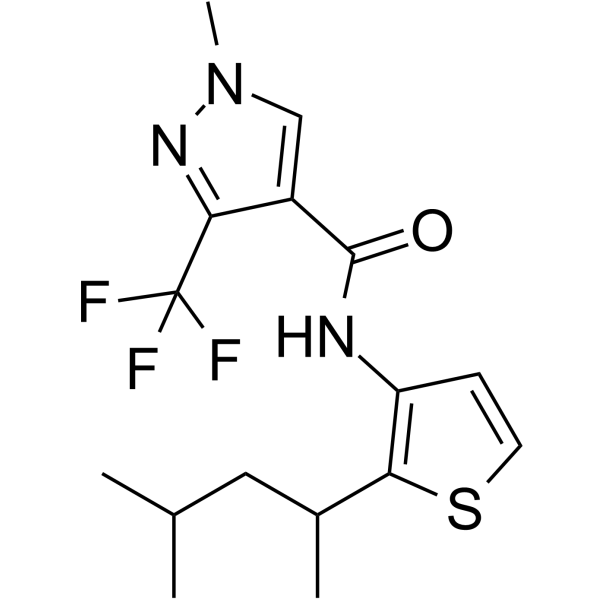
    Penthiopyrad
    1 Publications Verification

    MTF-753

    Environmental Pollutants Fungal Infection
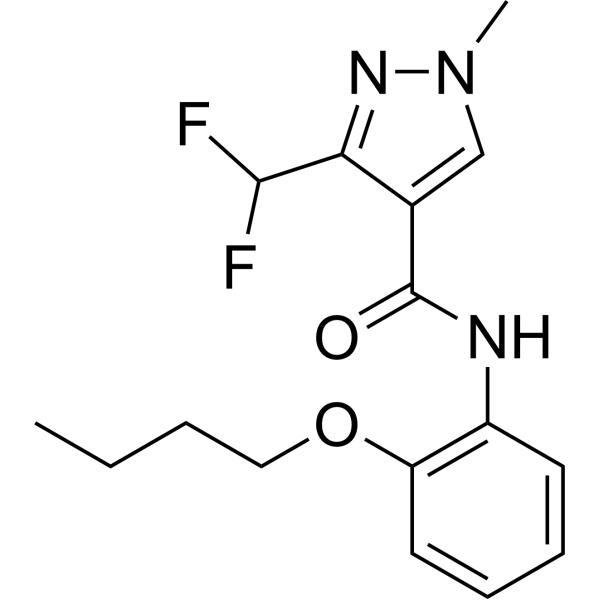
    Penthiopyrad (MTF-753) is a carboxamide Fungicide. Penthiopyrad inhibits SDH. Penthiopyrad exhibits broad-spectrum antifungal activity, being effective not only against Basidiomycetes, but also against Ascomycetes and Deuteromycetes. Penthiopyrad inhibits the mycelial growth of Alternaria mali, Botrytis cinerea, Monilinia mali, Rhizoctonia solani and Sclerotinia sclerotiorum on PDA medium, with EC50 values ranging from <0.4 ppm to 0.34 ppm and MIC values ranging from 6.6 ppm to 47.9 ppm .
    Penthiopyrad
  • HY-139983
    SDH-IN-1
    1 Publications Verification

    Fungal Infection
    SDH-IN-1 (compound 4i) is a succinate dehydrogenase (SDH) inhibitor with an IC50 of 4.53 μM. SDH-IN-1 has potent antifungal activities. SDH-IN-1 displays potent activity against S. sclerotiorum (EC50 of 0.14 mg/L) .
    SDH-IN-1
  • HY-148921

    Fungal Infection
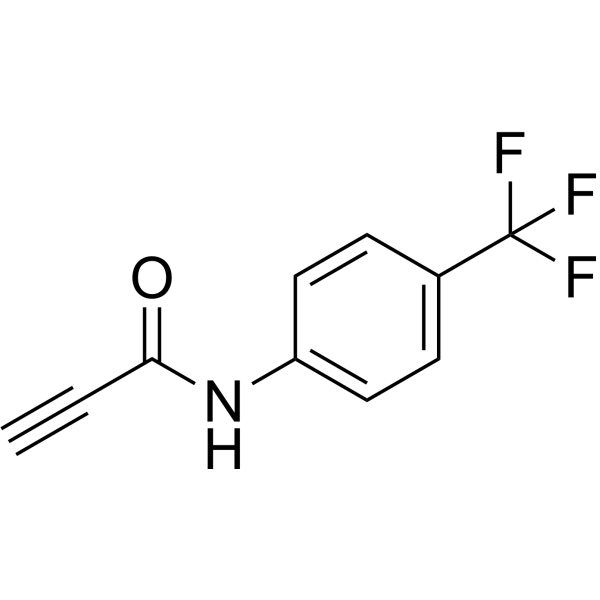
    SDH-IN-2 is a potent succinate dehydrogenase (SDH) inhibitor with an IC50 of 0.55 μg/mL. SDH-IN-2 is also an antifungal agent. SDH-IN-2 inhibits phytopathogenic fungia with average EC50 values of 3.82-9.81 μg/mL for all the fungi . SDH-IN-2 is a click chemistry reagent, it contains an Alkyne group and can undergo copper-catalyzed azide-alkyne cycloaddition (CuAAc) with molecules containing Azide groups.
    SDH-IN-2
  • HY-E70398

    L-Iditol dehydrogenase; Polyol dehydrogenase; SDH

    Biochemical Assay Reagents Metabolic Disease
    Sorbitol dehydrogenase (L-Iditol dehydrogenase) is an oxidoreductasea and catalyses the conversion of sorbitol to fructose with NAD + as the coenzyme. Sorbitol dehydrogenase catalyses pH-dependent redox reactions between NAD +/NADH and sorbitol/fructose. Sorbitol dehydrogenase is implicated in diabetic complications and is a biomarker of drug-induced liver injury. Sorbitol dehydrogenase can be used for the research of diabetes and liver injury .
    Sorbitol dehydrogenase
  • HY-164605

    Aldehyde Dehydrogenase (ALDH) Metabolic Disease
    (6S)-CP-470711 (Compound 8) is an inhibitor for sorbitol dehydrogenase, that inhibits human and rat SDH with IC50 of 19 nM and 27 nM. (6S)-CP-470711 ameliorates the Streptozotocin (HY-13753)-induced diabetes in rats models .
    (6S)-CP-470711
  • HY-149876

    Fungal Infection
    SDH-IN-5 (compound 7d) is a potent succinate dehydrogenase (SDH) inhibitor, with an IC50 of 3.293 μM. SDH-IN-5 is also exhibits antifungal activity, with an EC50 of 0.046 μg/mL against R. solani. SDH-IN-5 could significantly inhibit the growth of R. solani in rice leaves with excellent protective and curative efficacies .
    SDH-IN-5
  • HY-178801

    Succinate Dehydrogenase Fungal Infection
    SDH-IN-39 (Compound A16) is a SDH inhibitor, with an IC50 value of 6.83 μg/mL. SDH-IN-39 is also an antifungal agent. SDH-IN-39 shows antifungal activity against Rhizoctonia solani (EC50 of 1.49 μg/mL), G. zeae, C. gloeosporioides, S. sclerotiorum and M. oryzae .
    SDH-IN-39
  • HY-178778

    Fungal Infection
    SDH-IN-38 (Compound IIIe) is a Succinate dehydrogenase inhibitor. SDH-IN-38 is an antifungal agent, with an EC50 value of 0.009 μg/mL against R. solani mycelia. SDH-IN-38 inhibits mycelial growth by affecting mycelial respiration. SDH-IN-38 induces cellular senescenc and reduces mitochondrial membrane potential in mycelia .
    SDH-IN-38
  • HY-178799

    Succinate Dehydrogenase Fungal Infection
    SDH-IN-37 (Compound A37) is a potent SDH inhibitor, with an IC50 value of 0.0263 μM. SDH-IN-37 is also an antifungal agent. SDH-IN-37 demonstrates antifungal activities against Rhizoctonia solani, S. sclerotiorum and F. graminearum, with EC50 values of 0.0144, 0.882 and 1.99 μg/mL, respectively .
    SDH-IN-37
  • HY-178495

    Mitochondrial Metabolism Reactive Oxygen Species (ROS) Apoptosis Cancer
    SDH-IN-36 (Compound 17) is a derivative of alpha-D-tocopherol. SDH-IN-36 increases ROS and induces apoptosis by inhibiting SDHC and blocking electron transfer. SDH-IN-36 can inhibit the proliferation of various tumor cells, such as SSK4 (GI50 = 0.156 µM), SSNU638 (GI50 = 0.659 µM), and SKATOIII (GI50 = 0.490 µM) cells. SDH-IN-36 can significantly inhibit tumor growth. SDH-IN-36 can be used for research on cancers such as gastric cancer .
    SDH-IN-36
  • HY-149323

    Fungal Infection
    SDH-IN-4 (compound B6) is a selective inhibitor against succinate dehydrogenase (SDH) with an IC50 value of 0.28 μg/mL. SDH-IN-4 has highly efficient and broad-spectrum antifungal activity, against R. solani with an EC50 value of 0.23 μg/mL .
    SDH-IN-4
  • HY-164698

    Aldehyde Dehydrogenase (ALDH) Neurological Disease Metabolic Disease
    CP-470711 is an orally active and potent and selective sorbitol dehydrogenase (SDH) inhibitor with an IC50=10 nM for human SDH and IC50=17 nM for rat SDH. CP-470711 is promising for research of chronic complications related to type 2 diabetes mellitus, such as neuropathy and nephropathy .
    CP-470711
  • HY-W272811

    Drug Intermediate Fungal Infection
    Camphorsulfonate sodium is an organic synthesis intermediate. Camphorsulfonate sodium can be used for synthesis of derivatives with SDH inhibitory activity through scaffold hopping. Camphorsulfonate sodium is also an organocatalyst that can be used as a pore-forming additive for modulating the porosity of the graphene film. Camphorsulfonate sodium can be used for binder-free porous graphene film and fungicide research .
    Camphorsulfonate sodium
  • HY-178469

    Fungal Infection
    SDH-IN-35 (Compound A17) is a potent succinate dehydrogenase (SDH) inhibitor with antifungal activity (EC50=11.9 μM). SDH-IN-35 is promising for research of agricultural fungicide .
    SDH-IN-35
  • HY-172804

    Succinate Dehydrogenase Fungal Apoptosis Infection
    SDH-IN-26 (Compound C3) is a succinate dehydrogenase (SDH) inhibitor. SDH-IN-26 exhibits significant inhibitory activity against multiple phytopathogenic fungi, such as Rhizoctonia solani and Botrytis cinerea, with an EC50 value of 0.270 μg/mL against Rhizoctonia solani. SDH-IN-26 damages the integrity of the fungal cell membrane, increases membrane permeability, disrupts cell structure, and reduces the number of mitochondria, thus affecting the normal growth of mycelia. SDH-IN-26 leads to a decrease in mitochondrial membrane potential, and induces cell apoptosis. SDH-IN-26 is promising for research of plant diseases caused by fungi .
    SDH-IN-26
  • HY-159481

    Succinate Dehydrogenase Fungal Infection Inflammation/Immunology
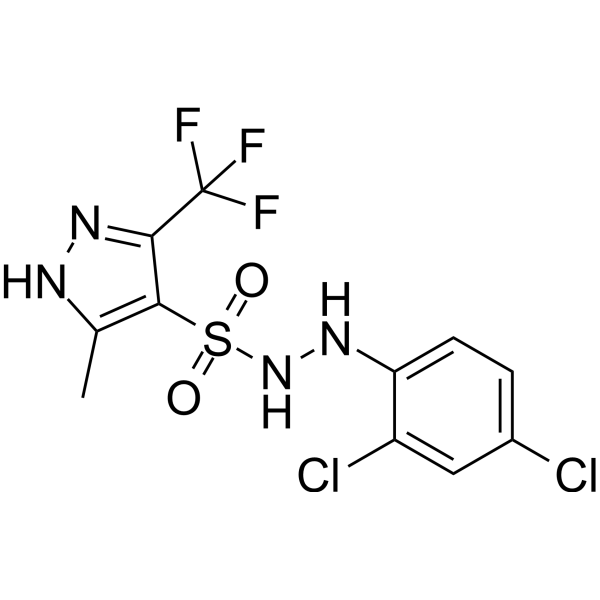
    SDH-IN-17 (compound C32), a hydrazide-containing flavonol derivative, is a potent succinate dehydrogenase (SDH) inhibitor with an IC50 of 8.42 μM. SDH-IN-17 can occupy the active site and form strong interactions with the key residues of SDH. SDH-IN-17 exhibits antifungal activity against Rhizoctonia solani (EC50=0.170 μg/mL). SDH-IN-17 disrupts the normal growth of hyphae by affecting the structural integrity of the cell membrane and cellular respiration. SDH-IN-17 has the potential for plant disease control research .
    SDH-IN-17
  • HY-155004

    Antibiotic Fungal Infection
    SDH-IN-3 is a succinate dehydrogenase (SDH) inhibitor with an IC50 of 7.2 μg/mL. SDH-IN-3 exhibits excellent antifungal activities against Nigrospora oryzae with an EC50 of 1.9 μg/mL. SDH-IN-3 can be used for anti-infection research .
    SDH-IN-3
  • HY-172777

    Succinate Dehydrogenase Fungal Reactive Oxygen Species (ROS) MMP Infection
    SDH-IN-25 is a succinate dehydrogenase (SDH) inhibitor (IC50 = 4.82 mg/L). SDH-IN-25 exhibited broad-spectrum and potent antifungal activity. SDH-IN-25 mimics the interaction pattern of commercial fungicide Fluxapyroxad (HY-135549) through binding to SDH amino acid residues (TRP173, TYR58, and ARG43). SDH-IN-25 can induce hyphal morphology, interfere with respiratory metabolism by binding to complex II, generate reactive oxygen species (ROS), and affect mitochondrial membrane potential (MMP) in mycelia. SDH-IN-25 can be studied in research for agricultural disease control .
    SDH-IN-25
  • HY-178050

    Fungal Succinate Dehydrogenase Infection
    SDH-IN-30 (Compound 7m) is a Succinate dehydrogenase (SDH) inhibitor with an IC50 of 0.34 μM. SDH-IN-30 has potent antifungal activities against Rhizoctonia solani and Sclerotinia sclerotiorum with EC50 s of 0.004 and 0.028 μg/mL. SDH-IN-30 also has remarkable protective and curative efficacies against R. solani and significantly inhibits S. sclerotiorum growth on oilseed rape leaves by damaging the fungal cell structure. SDH-IN-30 can be used for fungal infections like rice sheath blight (RSB) and sclerotinia stem rot (SSR) research .
    SDH-IN-30
  • HY-120183

    Fungal Infection
    Harzianopyridone is a compound that can be isolated from Trichoderma harzianum. Harzianopyridone is a succinate dehydrogenase (SDH) inhibitor with an IC50 of 80 nM. Harzianopyridone has antifungal, antibacterial, and herbicidal activities .
    Harzianopyridone
  • HY-106371

    Antibiotic Fungal Infection
    Siccanin is a succinate dehydrogenase (SDH) inhibitor (IC50=0.9 μM) with species-selective activity. Siccanin also is a antibiotic against pathogenic fungi .
    Siccanin
  • HY-Y1787R

    Reference Standards Apoptosis Neurological Disease
    Dimethyl malonate is a competitive inhibitor of succinate dehydrogenase (SDH). Dimethyl malonate is able to cross the blood-brain barrier and hydrolyse to malonate. Dimethyl malonate reduces neuronal apoptosis .
    Dimethyl malonate (Standard)
  • HY-W008151R

    Mitochondrial Metabolism Reference Standards Metabolic Disease
    Diphenyl Phosphate inhibits growth and energy metabolism in zebrafish and mice in a sex-specific manner. Diphenyl Phosphate can inhibit the activity of SDH (respiratory complex II), reduce the expression of CPT1 and disrupts the integrity of the mitochondrial membrane. Diphenyl Phosphate may be used in research on metabolic diseases .
    Diphenyl Phosphate (Standard)
  • HY-N7114

    Bacterial Drug Intermediate P2Y Receptor Succinate Dehydrogenase Infection Inflammation/Immunology
    Chloramphenicol succinate is a prodrug of Chloramphenicol (HY-B0239), acting as a P2Y14R inhibitor with an IC50 of 1.585 nM. Chloramphenicol succinate serves as a competitive substrate and inhibitor of succinate dehydrogenase (SDH), which may account for its toxicity. Chloramphenicol succinate exerts a significant inhibitory effect on colitis. Chloramphenicol succinate can be used in research related to myelosuppression, gray baby syndrome, aplastic anemia, bacterial meningitis and inflammatory bowel disease .
    Chloramphenicol succinate
  • HY-149601

    Fungal Infection
    SDH-IN-8 (compound G40) is a potent succinate dehydrogenase (SDH) inhibitor with an IC50 of 27 nM for porcine SDH. SDH-IN-8 has fungicidal properties .
    SDH-IN-8
  • HY-149600

    Fungal Infection
    SDH-IN-7 (compound G28) is a potent succinate dehydrogenase (SDH) inhibitor with an IC50 of 26 nM for porcine SDH. SDH-IN-7 has fungicidal properties .
    SDH-IN-7
  • HY-172212

    Insecticide Reactive Oxygen Species (ROS) Infection
    SDH-IN-23 (Compound B21) is an SDH inhibitor. SDH-IN-23 exhibits excellent nematicidal activity. SDH-IN-23 can inhibit the feeding, reproduction, and embryonic development of nematodes. Meanwhile, SDH-IN-23 exerts a lethal effect on nematodes by triggering oxidative stress, causing intestinal damage, and inhibiting SDH, among other mechanisms .
    SDH-IN-23
  • HY-158321

    Fungal Succinate Dehydrogenase Infection
    SDH-IN-15 (Compound 5e) is an inhibitor of succinate dehydrogenase (SDH) (IC50=2.04 μM). SDH-IN-15 has significant antifungal activity. SDH-IN-15 blocks the mitochondrial respiratory chain of the fungus through inhibition of SDH, resulting in fungal death .
    SDH-IN-15
  • HY-157459

    Fungal Infection
    SDH-IN-11 (compound A7) is a SDH inhibitor, and shows inhibitory effect on nematode feeding, reproductive ability, and egg hatching. SDH-IN-11 promotes the oxidative stress of nematodes and causes intestinal damage to nematodes. SDH-IN-11 inhibits the activity of succinate dehydrogenase (SDH) in nematodes .
    SDH-IN-11
  • HY-161504

    Fungal Succinate Dehydrogenase Infection
    SDH-IN-14 (Compound Z2) is an inhibitor of succinate dehydrogenase (SDH). SDH-IN-14 has antifungal activity (EC50=2.7 μg/mL) against B.cinerea. SDH-IN-14 acts by disrupting the integrity of the cell wall and cell membrane .
    SDH-IN-14
  • HY-155700

    Fungal Infection
    SDH-IN-6 (compound 6i) is a potent succinate dehydrogenase (SDH) inhibitor. SDH-IN-6 has antifungal activity against Valsa mali with an EC50 value of 1.77 mg/L .
    SDH-IN-6
  • HY-173264

    Parasite Insecticide Infection
    SDH-IN-24 (Compound 51) is an inhibitor of succinate dehydrogenase (SDH). The LC50 against the second-stage juveniles of Bursaphelenchus xylophilus (B. xylophilus) is 6.9 mg/L, and the IC50 for SDH is 15.0 μM. SDH-IN-24 exerts its nematicidal activity by inhibiting the activity of SDH to interfere with the energy metabolism of nematodes. Meanwhile, it inhibits the motility, feeding, and reproduction of nematodes, induces oxidative stress, reduces the protein content of nematodes, and impairs their antioxidant capacity. SDH-IN-24 can be used in the research related to anti-nematode fields .
    SDH-IN-24
  • HY-172362

    Succinate Dehydrogenase Fungal Infection
    SDH-IN-22 (Compound SEZC7) is the inhibitor for succinate dehydrogenase (SDH) with an IC50 of 16.6 μM. SDH-IN-22 exhibits antifungal activity that inhibits Magnaporthe grisea with an EC50 of 0.5 mg/L .
    SDH-IN-22
  • HY-161375

    Fungal Infection
    SDH-IN-13 (Compound 5IIIh) is a SDH inhibitor (IC50: 13.7 μg/mL) and an antifungal agent .
    SDH-IN-13
  • HY-178457

    Succinate Dehydrogenase Fungal Infection
    SDH-IN-34 is a Succinate Dehydrogenase inhibitor with antifungal activity. SDH-IN-34 can be used for the research of infection .
    SDH-IN-34
  • HY-159486

    Succinate Dehydrogenase Fungal Infection
    SDH-IN-18 (Compound 3a) is an inhibitor for succinate dehydrogenase (SDH) with an IC50 of 8.70 mg/L. SDH-IN-18 destroys fungal morphology and reproduction, exhibits antifungal activity against Rhizoctonia solani and Sclerotinia sclerotiorum with EC50 of 0.48 and 1.4 mg/L .
    SDH-IN-18
  • HY-174390

    Fungal Succinate Dehydrogenase Infection
    SDH-IN-29 (Compound A33) is a SDH inhibitor with an IC50 of 0.0709 μM. SDH-IN-29 has a broad spectrum of antifungal activities (EC50s of 0.356, 0.798 and 0.146 μg/mL for Fusarium graminearum, Sclerotinia sclerotiorum, and Rhizoctonia solani, respectively). SDH-IN-29 has moderate to significant protective effects against rice blast, wheat scab and cucumber powdery mildew .
    SDH-IN-29
  • HY-179287

    Fungal Mitochondrial Metabolism Reactive Oxygen Species (ROS) Infection
    SDH-IN-42 (Compound D28) is a SDH (IC50: 5.38 μg/mL) inhibitor and antifungal agent. SDH-IN-42 exerts antifungal activity against R. solani by disrupting mycelial morphology, increasing cell membrane permeability, inducing the production and accumulation of ROS, and impairing mitochondrial function .
    SDH-IN-42
  • HY-156270

    Bacterial Infection
    SDH-IN-9 (compound Ip) is a potent inhibitor of Succinate Dehydrogenase. SDH-IN-9 shows fungicidal activity against Fusarium graminearum Schw with the EC50 of 0.93 μg/mL .
    SDH-IN-9
  • HY-163911

    Fungal Antibiotic Infection
    SDH-IN-19 (compound A13) is a fungicide, with an EC50 value of 0.83 μg/mL against Rhizoctonia solani. SDH-IN-19 can be used in antifungal research of crops .
    SDH-IN-19
  • HY-174831

    Fungal Succinate Dehydrogenase Infection
    SDH-IN-28 is a succinate dehydrogenase inhibitor with an IC50 value of 2.65 mg/L. SDH-IN-28 demonstrates broad-spectrum fungicidal efficacy, with EC50 values of 0.21 (Valsa mali), 0.95 (Botrytis cinerea), 0.64 (Rhizoctonia solani), 1.33 (Fusarium graminearum), and 0.66 mg/L (Gaeumannomyces graminis). SDH-IN-28 effectively prevents V. mali infection in apples .
    SDH-IN-28
  • HY-176413

    Fungal Infection
    SDH-IN-27 (Compound Q18) is a succinate dehydrogenase inhibitor (SDHI) (IC50: 9.7 mg/L). SDH-IN-27 induces mycelial morphology changes and lipid peroxidation, and exhibits antifungal activity against C. camelliae (EC50: 6.0 mg/L). SDH-IN-27 is an ergosterol biosynthesis inhibitor (EBI) that binds to the active site of CYP51, ultimately leading to cell death of pathogenic fungi .
    SDH-IN-27
  • HY-149653

    Fungal Infection
    SDH-IN-10 is a potent succinate dehydrogenase inhibitor (SDHI) with antifungal effects .
    SDH-IN-10
  • HY-163284

    Succinate Dehydrogenase Fungal Infection
    SDH-IN-12 (compound 9b) is a succinate dehydrogenase inhibitor, which exhibits activity against S. sclerotiorum and C. arachidicola, with EC50s of 0.97 and 2.07 μM, respectively. SDH-IN-12 reveals no significant herbicidal activity against monocotyledonous and dicotyledonous plants .
    SDH-IN-12

Inquiry Online

Your information is safe with us. * Required Fields.

Salutation


Country or Region *

Applicant Name *


Organization Name *

Department *


Email Address *


Product Name *

Cat. No.


Requested quantity *

Phone Number *


Remarks

Inquiry Online

Inquiry Information

Product Name:
Cat. No.:
Quantity:
MCE Japan Authorized Agent:

