100 Results for "

14-3-3

" in MedChemExpress (MCE) Product Catalog:
Products (100)

100 Results for "14-3-3" in MCE Product Catalog:

4
4 Cited Publications
Cat. No.: HY-101985
CAS No.: 292870-53-2
Purity:  99.75%
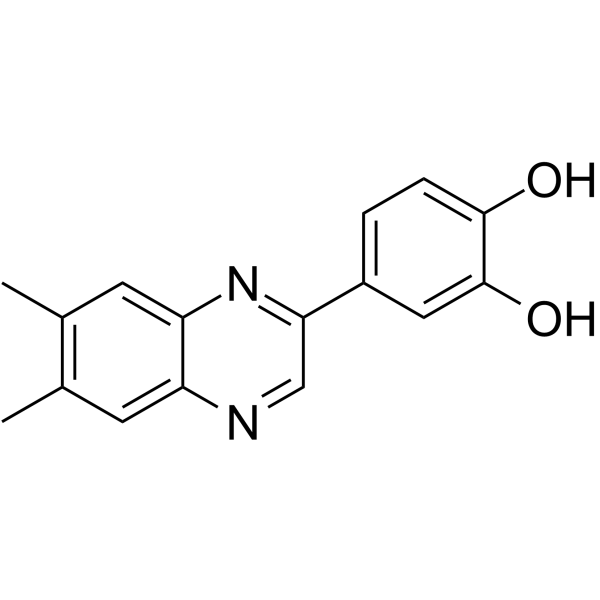
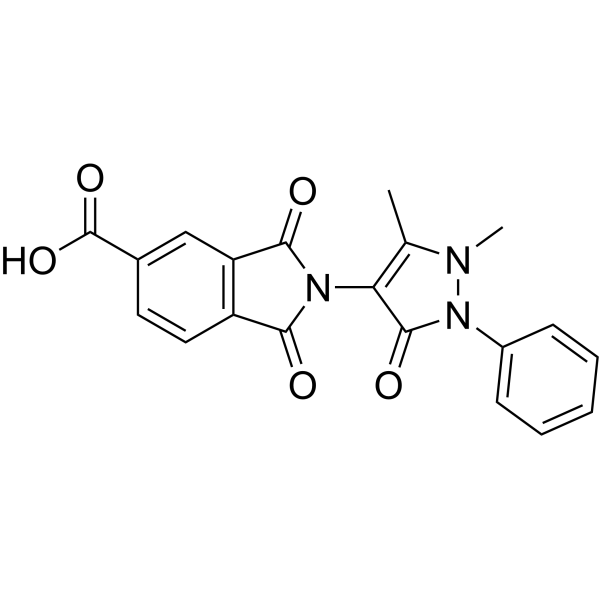
BV02 is a 14-3-3 inhibitor and an antibacterial agent. BV02 enhances the cleavage of PARP and caspase-3. BV02 induces Apoptosis, Autophagy, and enhances Akt activation. BV02 has anti-B. melitensis infection and epilepsy-promoting effects. BV02 can also be used in colitis research.
loading...
    loading...
2
2 Cited Publications
Cat. No.: HY-146302
CAS No.: 2770842-10-7
Purity:  99.00%
Research Areas:  

Cancer

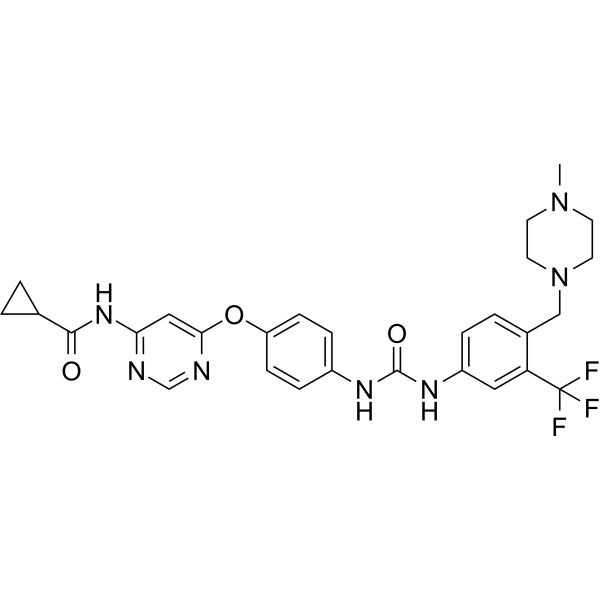
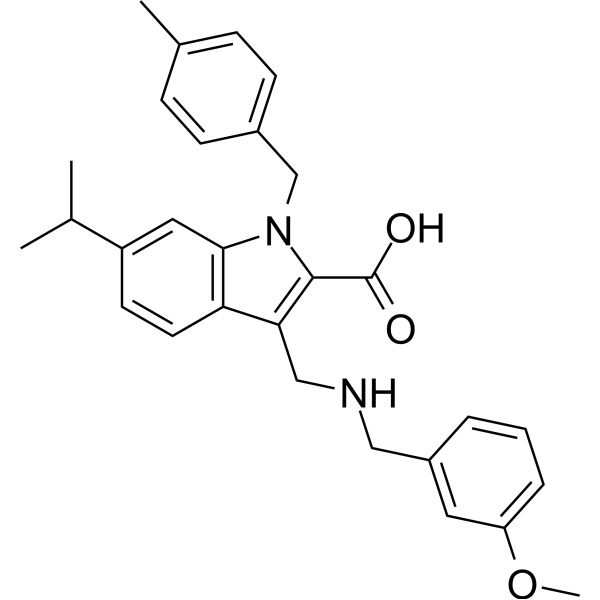
14-3-3η Protein inhibitor 1 (Compound C11) is a 14-3-3η protein inhibitor with a KD of 35 µM. 14-3-3η Protein inhibitor 1 shows inhibitory activities against several typical human liver cancer cell lines. 14-3-3η Protein inhibitor 1 induces cell apoptosis and G1-S cell cycle arrest with good metabolic stability .
loading...
    loading...
1
1 Cited Publications
Cat. No.: HY-122815
CAS No.: 20108-30-9
Synonyms: Fusicoccin A
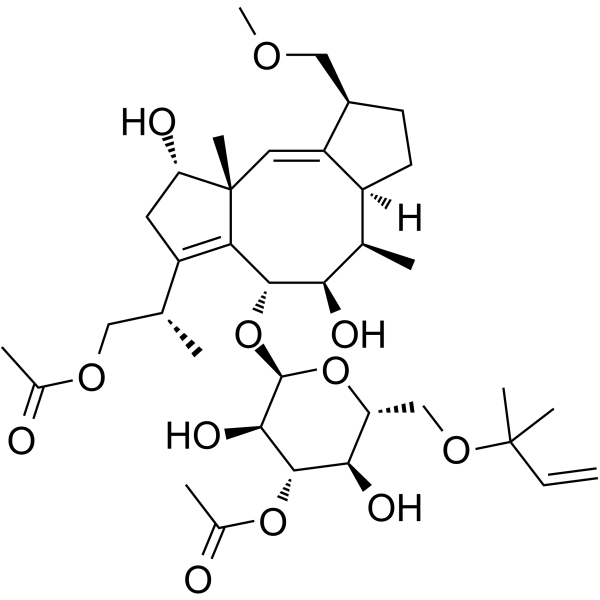
Fusicoccin (Fusicoccin A), a fungal pytotoxin, is a stabilizer of specific 14-3-3 protein-protein interactions. Fusicoccin sabilizes H +-ATPase/14-3-3 cmplex in pants, maintaining the enzyme in activated state. Fusicoccin also stabilizes 14-3-3 protein interactions with binding partners containing a C-terminal 14-3-3 recognition motif (a mode 3 motif), such as ERα, GPIbα, TASK3, CTFR, and p53. Fusicoccin induces apoptosis in cancer cells and has anticancer activity .
loading...
    loading...
1
1 Cited Publications
Cat. No.: HY-P71339
Purity:  ≥ 95%, as determined by reducing SDS-PAGE.
Synonyms: SFN; 14-3-3 Protein Sigma; Stratifin; 14-3-3 Sigma; YWHAS; HME1; Epithelial Cell Marker Protein 1
Species:  
Source:  
loading...
    loading...
Cat. No.: HY-B1433
CAS No.: 95153-31-4
Synonyms: S 9780
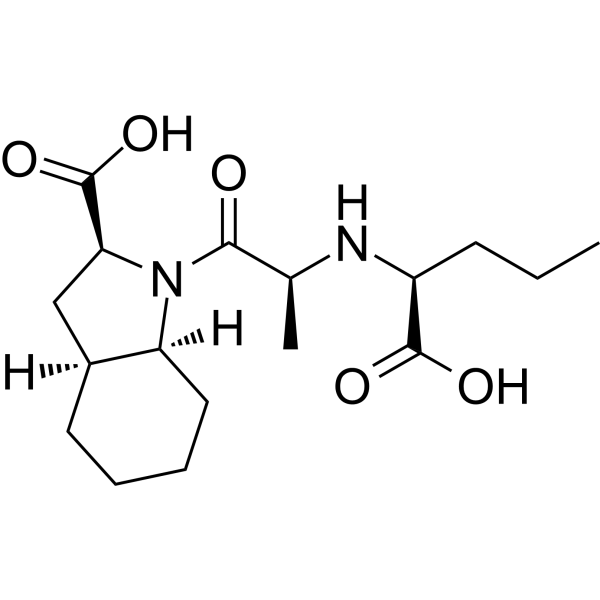
Perindoprilat (S 9780) is an angiotensin-converting enzyme (ACE) inhibitor with the IC50 value ranging from 1.5 to 3.2 nM. Perindoprilat can be used in hypertension research .
loading...
    loading...
Cat. No.: HY-NP143
CAS No.: 93928-24-6
Nerve Growth Factor 2.5S,murine submaxillary gland is a neurotrophic polypeptide and protein growth factor isolated from murine submaxillary glands. Nerve Growth Factor 2.5S,murine submaxillary gland increases the survival rate, phagocytic capacity and superoxide anion production level of mouse cells. Nerve Growth Factor 2.5S,murine submaxillary gland acts through cell membrane surface receptors to mediate the differentiation and maintenance of adrenergic neurons in the sympathetic nervous system. Nerve Growth Factor 2.5S,murine submaxillary gland loses its activity and undergoes dimer dissociation due to oxidation; it remains active after modification of specific tryptophan residues, while its tyrosine residues are not essential for activity. Nerve Growth Factor 2.5S,murine submaxillary gland may play a role in the inflammatory process .
loading...
    loading...
Cat. No.: HY-N1433
CAS No.: 1802-12-6
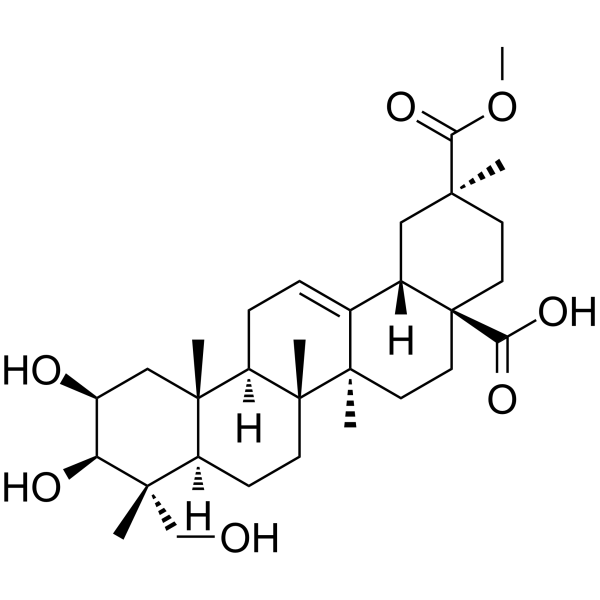
Phytolaccagenin is a triterpenoid saponin aglycone, Antifungal agent, vasodilator, antihypertensive agent, and anti-inflammatory agent. Phytolaccagenin activates vascular and cardiac Muscarinic receptors, blocks cardiac β-adrenergic receptors, and inhibits voltage-dependent calcium channels in blood vessels. Phytolaccagenin inhibits the growth of Candida albicans and Cryptococcus neoformans. Phytolaccagenin induces vasodilation, produces negative inotropic and negative chronotropic effects, reduces mean arterial pressure, and inhibits LPS-induced inflammation. Phytolaccagenin exhibits enhanced antihypertensive effects in high salt-induced hypertensive rats. Phytolaccagenin can be used in the research of candidiasis, cryptococcosis, hypertension, and inflammation-related diseases .
loading...
    loading...
Cat. No.: HY-B1433R
CAS No.: 95153-31-4
Synonyms: S 9780 (Standard)
Perindoprilat (Standard) is the analytical standard of Perindoprilat. This product is intended for research and analytical applications. Perindoprilat (S 9780) is an angiotensin-converting enzyme (ACE) inhibitor with the IC50 value ranging from 1.5 to 3.2 nM. Perindoprilat can be used in hypertension research .
loading...
    loading...
Cat. No.: HY-B1433S
Synonyms: S 9780-d3 disodium
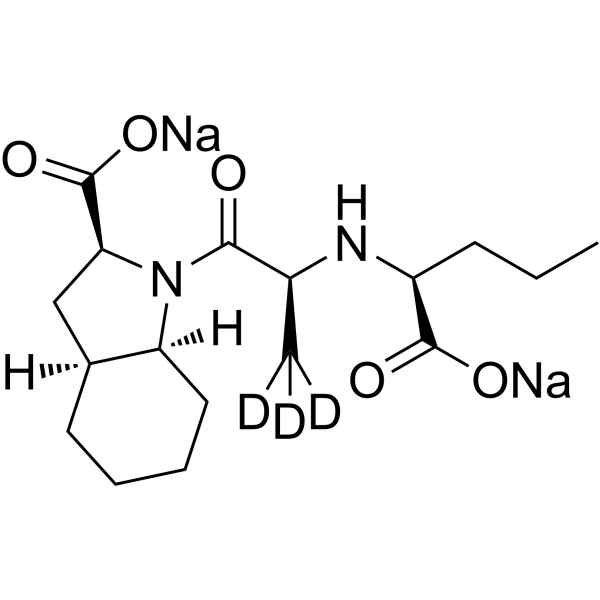
Perindoprilat-d3 disodium is deuterated labeled Perindoprilat (HY-B1433). Perindoprilat (S 9780) is an angiotensin-converting enzyme (ACE) inhibitor with the IC50 value ranging from 1.5 to 3.2 nM. Perindoprilat can be used in hypertension research .
loading...
    loading...
Cat. No.: HY-D1433
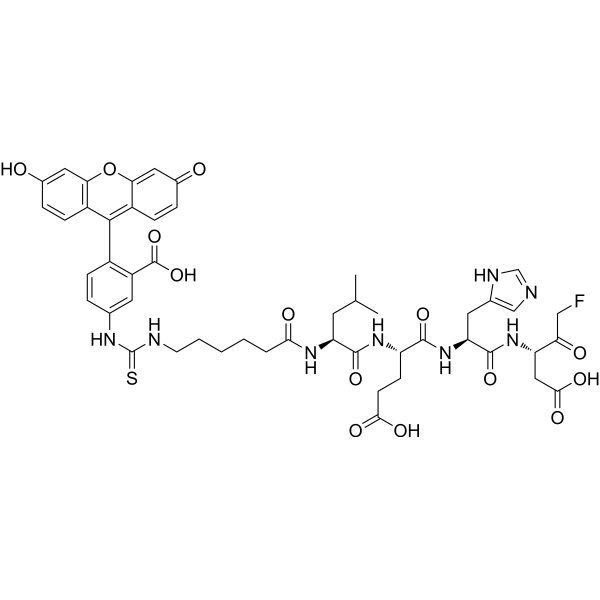
FITC-C6-LEHD-FMK, a fluorescently labeled caspase-9 inhibitor, can be used for detection of active caspase-9 in mammalian cells undergoing apoptosis. FITC-C6-LEHD-FMK provides a convenient means for sensitive detection of activated caspase-9 in living cells. Z-LEHD-FMK is a specific caspase-9 inhibitor .
loading...
    loading...
Cat. No.: HY-N1433R
CAS No.: 1802-12-6
Phytolaccagenin (Standard) is the analytical standard of Phytolaccagenin. This product is intended for research and analytical applications. Phytolaccagenin, a triterpenoid saponin, is the active component of Radix Phytolaccae. Phytolcaccagenin has antifungal activity, anti-inflammatory activity and lower toxicity
loading...
    loading...
Cat. No.: HY-P1433
Target:  

Insulin Receptor

Research Areas:  

Metabolic Disease

[Pro3]-GIP (Rat) is a selective GIP receptor partial agonist with a Ki of 13 nM. [Pro3]-GIP (Rat) can be used in diabetes research .
loading...
    loading...
Cat. No.: HY-L143
59 compounds

Oceans cover more than 70% of the Earth’s surface and host a huge species diversity. Marine organisms are considered the most recent source of bioactive natural products after terrestrial plants and nonmarine microorganisms. Marine biological sources are taxonomically diverse and include sponges, tunicates, corals, mollusks, fungi, and sediment-derived bacteria.

Marine organisms can produce a plethora of small molecules with novel chemical structures and potent biological properties, being a rich source for the discovery of pharmacologically active compounds, already with several marine-derived agents approved as drugs. Ziconotide, a peptide originally discovered in a tropical cone snail, was the first marine-derived compound to be approved in the United States in December 2004 for the treatment of pain. Then, in October 2007, Trabectedin became the first marine anticancer drug to be approved in the European Union.

MCE offers a unique collection of 59 marine-sourced natural products which can be used for drug discovery for high throughput screening (HTS) and high content screening (HCS). MCE marine-sourced natural product library is an important source for drug discovery and development.

Cat. No.: HY-115501
CAS No.: 1370281-06-3
Research Areas:  

Cancer

(E)-FOBISIN101 is a 14-3-3 protein-protein interaction (14-3-3 protein-protein interaction) inhibitor, with IC50 values of 9.3 and 16.4 μM for disrupting the binding of 14-3-3ζ or 14-3-3γ to PRAS40, respectively. (E)-FOBISIN101 inhibits the binding of 14-3-3 to Raf-1 and proline-rich AKT substrate, and neutralizes the ability of 14-3-3 to activate exotoxin S ADP-ribosyltransferase. (E)-FOBISIN101 is applicable to 14-3-3-mediated cancer research .
loading...
    loading...
Cat. No.: HY-12462
CAS No.: 1421227-52-2
Purity:  98.00%
WS3 is an allosteric inhibitor of 14-3-3 (14-3-3ζ: Kd = 2.29 μM). WS3 activates GSK3β by disrupting the binding of 14-3-3-pGSK3β, promotes the ubiquitination and degradation of NRF2, and inhibits the NRF2-ARE signaling pathway (IC50 = 135 nM). It exerts antioxidant inhibition and chemotherapeutic/ferroptosis sensitizing effects in tumors with hyperactivated NRF2. WS3 binds to EBP1/IKKε and promotes the proliferation of β cells and retinal pigment epithelial (RPE) cells, which can be applied to islet regeneration and RPE expansion transplantation . WS3 is applicable to research related to age-related macular degeneration, retinal degeneration and non-small cell lung cancer .
loading...
    loading...
Cat. No.: HY-177590
CAS No.: 919751-10-3
Target:  

14-3-3 Protein MMP

Research Areas:  

Others

14-3-3-IN-2 is a 14-3-3 protein inhibitor with an IC50 of 15 nM. 14-3-3-IN-2 can disrupt the interaction of 14-3-3α with aminopeptidase N and down-regulate 14-3-3α increased MMP-1 mRNA levels .
loading...
    loading...
Cat. No.: HY-P1380A
Research Areas:  

Cancer

Difopein TFA is a 14-3-3 protein inhibitor. Difopein TFA acts as an apoptosis inducer, regulates apoptosis-related proteins, downregulates Bcl-2, upregulates Bax, activates caspase-9 and caspase-3, and induces nuclear fragmentation, membrane-enclosed apoptotic bodies and DNA ladder formation. Difopein TFA serves as a tumor growth inhibitor, which inhibits the proliferation of glioma cells and induces their apoptosis in in vivo nude mouse models. Difopein TFA is applicable to glioma-related research .
loading...
    loading...
Cat. No.: HY-P1039A
Synonyms: PHCVPRDLSWLDLEANMCLP TFA
Target:  

Raf

Research Areas:  

Cancer

R18 TFA is a peptide antagonists of 14-3-3, with a KD of 70-90 nM. R18 efficiently blocks the binding of 14-3-3 to the kinase Raf-1, a physiological ligand of 14-3-3, and effectively abolished the protective role of 14-3-3 against phosphatase-induced inactivation of Raf-1 .
loading...
    loading...
Cat. No.: HY-119757
CAS No.: 168835-90-3
Purity:  99.08%
Synonyms: SU1433; AG1433
Target:  

PDGFR VEGFR

Research Areas:  

Cancer

Tyrphostin AG1433 (SU1433) is a tyrosine kinases inhibitor. AG1433 is also a selective PDGFRβ and VEGFR-2 (Flk-1/KDR) inhibitor with IC50s of 5.0 μM and 9.3 μM, respectively. Tyrphostin AG1433 prevents blood vessel formation .
loading...
    loading...
Cat. No.: HY-158405
CAS No.: 2923674-83-1
Synonyms: MAV-104
Target:  

14-3-3 Protein SARS-CoV

Research Areas:  

Infection Inflammation/Immunology

PAV-104 (MAV-104) is a host-targeted, pan-respiratory viral assembly inhibitor. PAV-104 targets a small subset of the host protein 14-3-3 within a transient multi-protein complex. PAV-104 inhibits SARS-CoV-2 replication by blocking post-entry viral assembly/budding through interaction with viral nucleocapsid (N) protein and interference with its oligomerization. PAV-104 is orally active in cats and shows favorable pharmacokinetic properties in rats. PAV-104 can be used for the study of COVID-19 and other respiratory viral infections, including Feline Infectious Peritonitis (FIP) .
loading...
    loading...