Search Result
Results for "
5-HT responses
" in MedChemExpress (MCE) Product Catalog:
4
Isotope-Labeled Compounds
| Cat. No. |
Product Name |
Target |
Research Areas |
Chemical Structure |
-
- HY-N1957
-
|
γ-Mangostin
|
5-HT Receptor
COX
Transthyretin (TTR)
|
Metabolic Disease
Inflammation/Immunology
Cancer
|
|
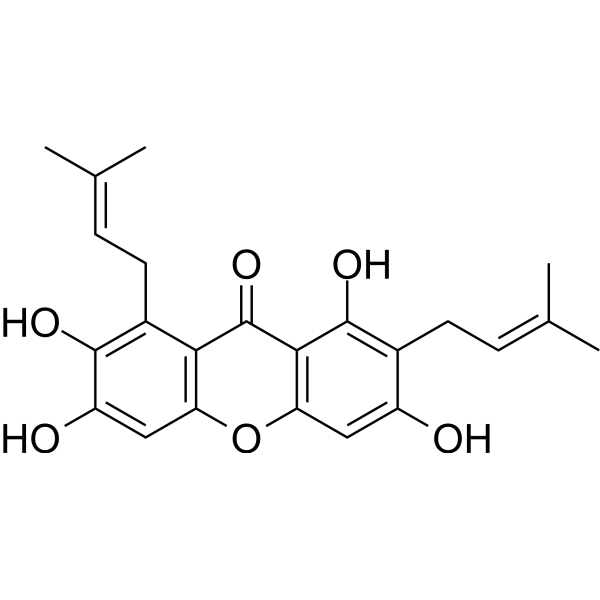
Gamma-Mangostin is a novel competitive 5-hydroxytryptamine 2A (5-HT2A) receptor antagonist and potent epoxidase 2 (COX-2) inhibitor, as well as a transthyroxin protein (TTR) profibrosis inhibitor. Gamma-Mangostin binds to the thyroxine (T4)-binding sites and stabilized the TTR tetramer . Gamma-Mangostin inhibits [3 H] spiperone binding to cultured rat aortic myocytes (IC50=3.5 nM) and reduces The perfusion pressure response of rat coronary artery to 5-HT2A (IC50=0.32 μM). Gamma-Mangostin has anti-inflammatory, antibacterial, antioxidant and anticancer activities, and can be used in the study of metabolic disorders such as diabetes .
|
-
-
- HY-15574
-
|
SB-207266
|
5-HT Receptor
|
Cardiovascular Disease
|
|
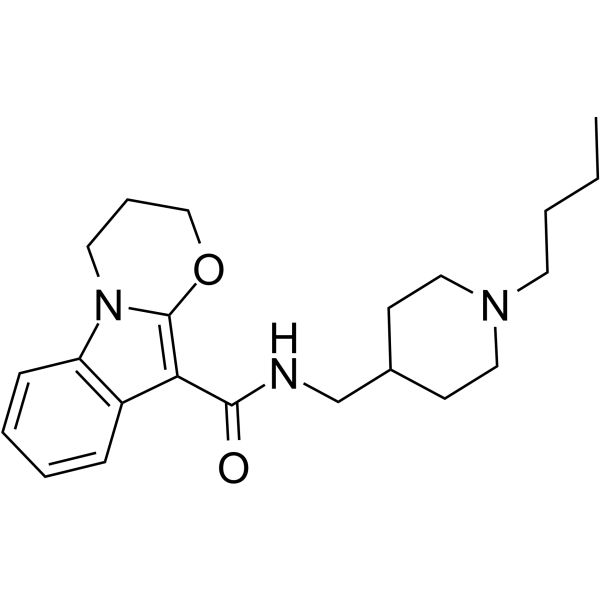
Piboserod is an orally available selective antagonist of the 5-HT4 receptor, with a Ki value of approximately 0.1 nM for human 5-HT4 receptors. Piboserod can competitively bind to the 5-HT4 receptor and block the activation of the 5-HT4 receptor. Piboserod can inhibit the enhancing effect of 5-HT on the nerve-mediated contraction response of the human bladder detrusor muscle. Piboserod is mainly used in the research of urinary system diseases (such as overactive bladder) and cardiovascular diseases (such as chronic heart failure) .
|
-
-
- HY-169841
-
|
|
5-HT Receptor
Arrestin
|
Neurological Disease
|
|
IHCH-7086 is a blood-brain barrier-permeable, partial β-arrestin-biased agonist of 5-HT2AR with a Ki of 12.59 nM. IHCH-7086 blocks D-lysergic acid diethylamide-induced head-twitch response in mice and alleviates depression-like behaviors in mice subjected to acute restraint stress or injected with Corticosterone (HY-B1618). IHCH-7086 is applicable to research related to depression .
|
-
-
- HY-110023
-
|
|
Serotonin Transporter
|
Neurological Disease
|
|
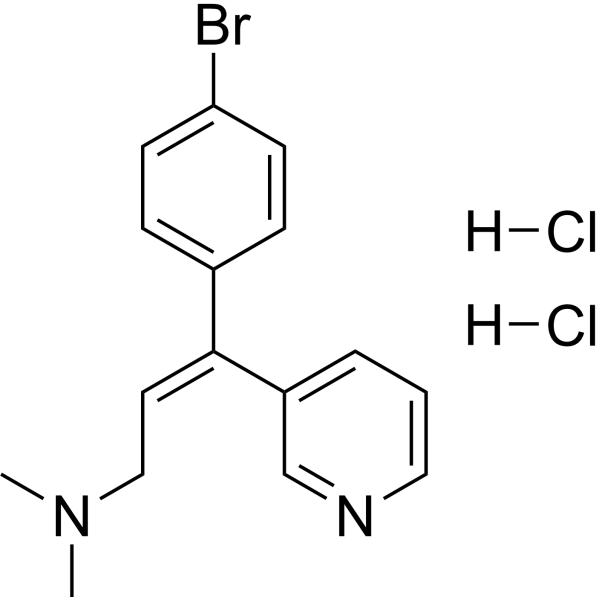
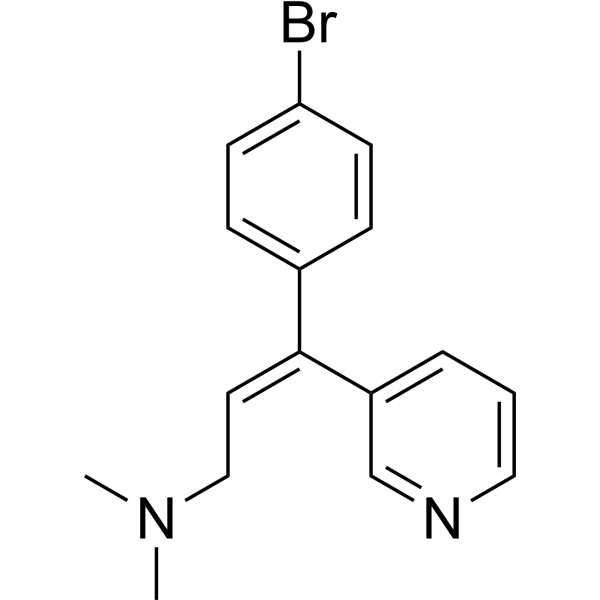
Zimelidine dihydrochloride is an orally active selective serotonin reuptake inhibitor. Zimelidine dihydrochloride competitively inhibits central 5-HT uptake and desensitizes 5-HT autoreceptors in dorsal raphe nucleus. Zimelidine dihydrochloride time-dependently modulates 5-HT neuronal firing and hippocampal CA3 responses. Zimelidine dihydrochloride strengthens central serotonergic neurotransmission and produces related behavioral changes. Zimelidine dihydrochloride exerts anxiolytic, analgesic, feeding-suppressive and tolerance-attenuating effects. Zimelidine dihydrochloride is used for the study of depressive disorders and analgesic tolerance .
|
-
-
- HY-12143
-
|
GR 205171A
|
Neurokinin Receptor
|
Neurological Disease
|
|
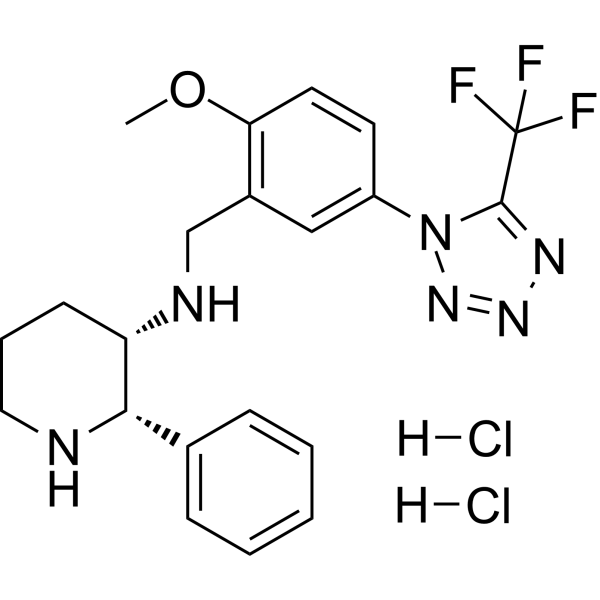
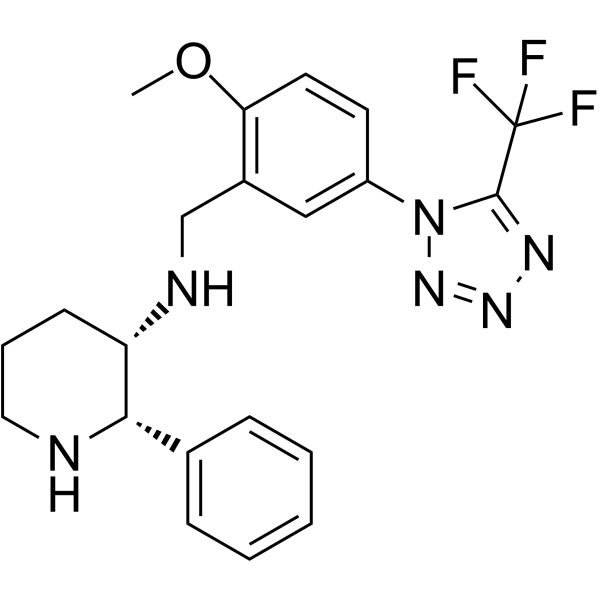
Vofopitant dihydrochloride (GR 205171A) is a blood-brain barrier-permeable NK1 receptor inhibitor with a pKi of 9.02 in mice. Vofopitant dihydrochloride blocks vomiting-related responses and inhibits pseudoptyalism. Vofopitant dihydrochloride exerts anxiolytic effects, regulates 5-HT receptor function and increases central 5-HT release. Vofopitant dihydrochloride improves hyperarousal symptoms of post-traumatic stress disorder. Vofopitant dihydrochloride can be used in research related to depression, anxiety, vomiting and postoperative nausea and vomiting .
|
-
-
- HY-N0775
-
|
7-Isocorynoxeine
|
5-HT Receptor
|
Neurological Disease
|
|
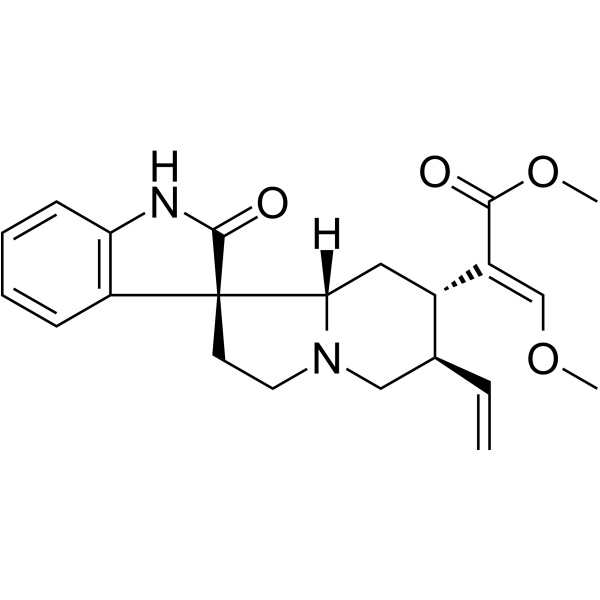
Isocorynoxeine, an isorhynchophylline-related alkaloid, exhibits a dose-dependent inhibition of 5-HT2A receptor-mediated current response with an IC50 of 72.4 μM.
|
-
-
- HY-138218
-
|
1-Acetyl-LSD
|
Drug Derivative
5-HT Receptor
|
Neurological Disease
|
|
ALD-52 (1-Acetyl-LSD) is a prodrug for LSD. ALD-52 shows an affinity to 5-HT1A, 5-HT2A and 5-HT2C with a sub>D values of 1054, 174 and 10.2 nM, respectively. ALD-52 is converted to LSD and induces a head-twitch response (HTR) in vivo. ALD-52 can be used for hallucinogen research .
|
-
-
- HY-106584
-
|
Clospipramine
|
Drug Derivative
Dopamine Receptor
5-HT Receptor
|
Neurological Disease
|
|
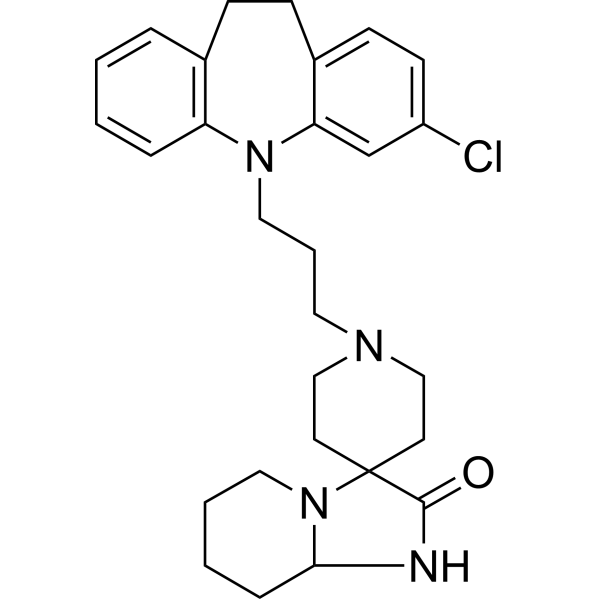
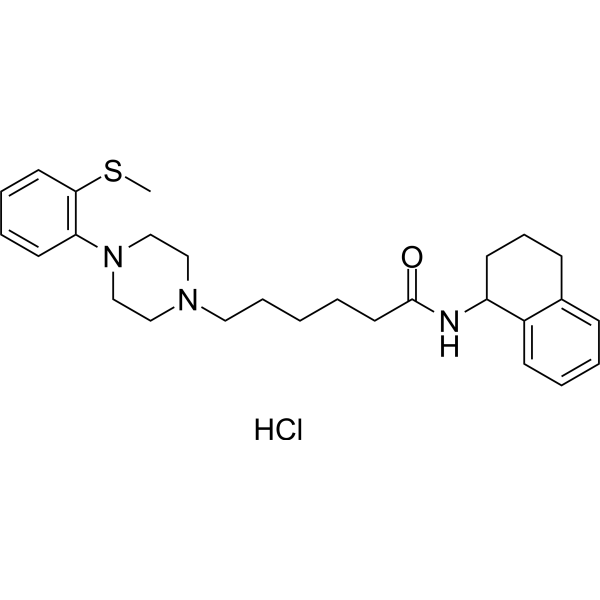
Mosapramine (Clospipramine) is an orally active antipsychotic agent and one of the metabolites of Clocapramine (HY-B2073) after oral absorption. Mosapramine exerts its effects by specifically binding to striatal dopamine D2 receptors and frontal lobe 5-HT2 receptors, with a D2/5-HT2 receptor occupancy ratio of 7.4. Mosapramine induces typical neuropharmacological responses in rat brain regions, including extrapyramidal symptoms, hyperprolactinemia, increased salivation, constipation, and upregulated Fos protein expression. Mosapramine also features a reduced incidence of weight loss. Mosapramine is applicable to research related to schizophrenia .
|
-
-
- HY-13200
-
|
|
5-HT Receptor
|
Neurological Disease
|
|
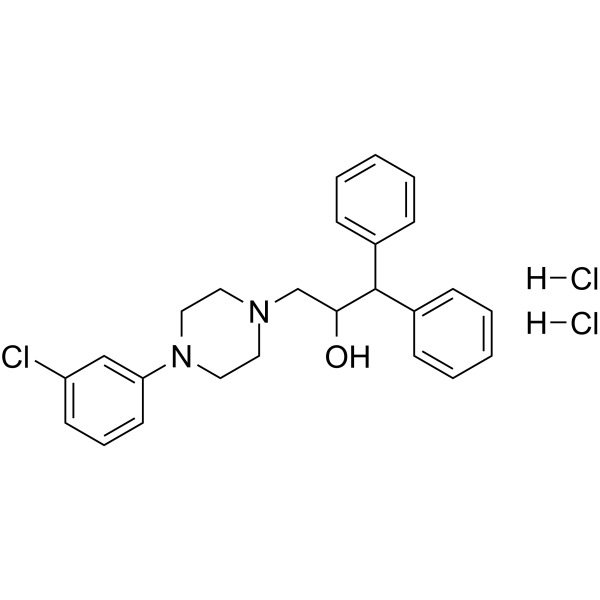
BRL-15572 dihydrochloride is a selective antagonist of h5-HT1D, displays high affinity for h5-HT1D receptors. BRL-15572 dihydrochloride could be useful pharmacological agents to characterise 5-HT1D receptor mediated responses .
|
-
-
- HY-103101
-
|
|
5-HT Receptor
|
Others
|
|
LP44 (hydrochloride) is a selective 5-HT7 agonist with Ki of 0.22 nM. LP44 (hydrochloride) induces hypothermic effect in a dose-dependent manner by intracerebroventricular injection. LP44 (hydrochloride) not causes considerable hypothermic response by intraperitoneal administration .
|
-
-
- HY-100923
-
|
|
PKA
5-HT Receptor
EGFR
|
Neurological Disease
|
|
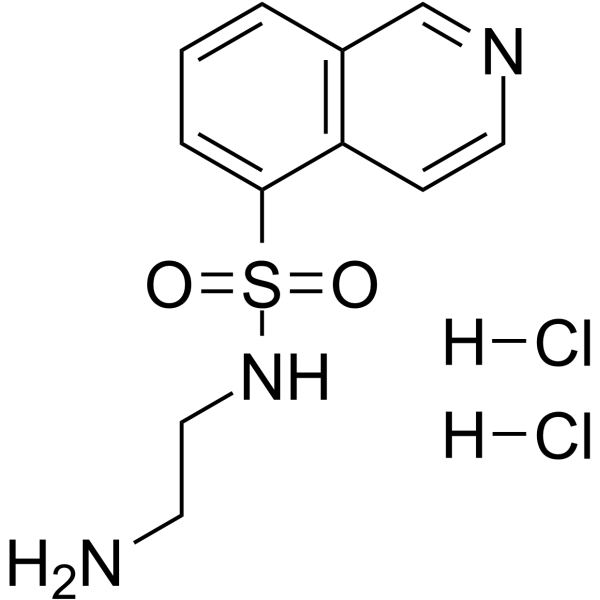
H-9 Dihydrochloride is a PKA (protein kinase) inhibitor. H-9 Dihydrochloride (10 μM) significantly reduces the excitatory response to 5-HT. H-9 Dihydrochloride also has a direct effect on pharyngeal activity. H-9 Dihydrochloride inhibits signal-transduction and cell growth in EGF (epidermal growth factor)-dependent epithelial cell lines .
|
-
-
- HY-12142
-
|
GR 205171
|
Neurokinin Receptor
|
Neurological Disease
|
|
Vofopitant (GR 205171A) is a blood-brain barrier-permeable NK1 receptor inhibitor with a pKi of 9.02 in mice. Vofopitant blocks vomiting-related responses and inhibits pseudoptyalism. Vofopitant exerts anxiolytic effects, regulates 5-HT receptor function and increases central 5-HT release. Vofopitant improves hyperarousal symptoms of post-traumatic stress disorder. Vofopitant can be used in research related to depression, anxiety, vomiting and postoperative nausea and vomiting .
|
-
-
- HY-178760
-
|
|
5-HT Receptor
|
Neurological Disease
|
|
TGF-8027 is a selective 5-HT2A agonist that can cross the blood-brain barrier. TGF-8027 exhibits EC50s of 3.3 nM, 160 nM and 7600 nM against human 5-HT2A, 5-HT2C and 5-HT2B and exhibits EC50s against mouse 5-HT2A and mouse 5-HT2C of 14 and 210 nM. TGF-8027 can induce a head-shaking response in mice. TGF-8027 can be used to study diseases that target the 5-HT2A receptor (such as depression) .
|
-
-
- HY-156807
-
|
|
Serotonin Transporter
5-HT Receptor
|
Neurological Disease
|
LY 367265 is a 5-hydroxytryptamine transporter (SERT) inhibitor (IC₅₀ = 3.1 nM) and a 5-HT₂A receptor antagonist (Kᵢ = 0.81 nM). LY 367265 has the inhibitory activity on the norepinephrine transporter (NET) of extremely weak (IC₅₀ > 1000 nM); it has low affinity for subtypes such as 5-HT₁B (Kᵢ = 490 nM) and 5-HT₁D (Kᵢ = 81 nM), showing high selectivity. LY 367265 concentration-dependently enhances of [³H]5-HT efflux (EC₅₀ = 250 nM). LY 367265 antagonizes the contraction response of Sumatriptan (HY-B0121B), indicating its functional antagonistic activity on 5-HT₁D-like receptors. LY 367265 can be used for the study of diseases such as anxiety disorders and post-traumatic stress disorder .
|
-
-
- HY-135439
-
|
|
5-HT Receptor
|
Neurological Disease
|
|
SB-203186 is a highly selective 5-HT4 receptor antagonist. SB-203186 exhibits a potent competitive antagonistic effect, with its pKB value being 8.3 in the isolated right atrium model of piglets. SB-203186 can dose-dependently shift the 5-HT-induced tachycardia curve to the right, and does not inhibit the maximum response. SB-203186 is an efficient 5-HT₄ antagonist in pig and human atria, but has no significant inhibitory effect in rat atria. SB-203186 can be used for the study of diseases such as arrhythmias and abnormal myocardial contraction .
|
-
-
- HY-162423
-
|
|
5-HT Receptor
Androgen Receptor
|
Neurological Disease
|
|
CYB210010 is an orally bioavailable, long-acting serotonin 5-HT2 receptor agonist that selectively targets 5-HT2A and 5-HT2C receptors (EC50: 4.1 n, 7.3 nM). CYB210010 can enter the central nervous system, cause a head twitch response (HTR), and is not prone to behavioral tolerance during chronic administration .
|
-
-
- HY-118835
-
|
|
Serotonin Transporter
|
Neurological Disease
|
|
Zimelidine is an orally active selective serotonin reuptake inhibitor. Zimelidine competitively inhibits central 5-HT uptake and desensitizes 5-HT autoreceptors in dorsal raphe nucleus. Zimelidine time-dependently modulates 5-HT neuronal firing and hippocampal CA3 responses. Zimelidine strengthens central serotonergic neurotransmission and produces related behavioral changes. Zimelidine exerts anxiolytic, analgesic, feeding-suppressive and tolerance-attenuating effects. Zimelidine is used for the study of depressive disorders and analgesic tolerance .
|
-
-
- HY-165624A
-
|
|
Drug Isomer
Drug Derivative
5-HT Receptor
|
Neurological Disease
|
|
(S)-LY-41, R-enantiomer of LY-41 (HY-165624), is 2-Sminotetralin (HY-W022362) derivative and 8-OH-DPAT (HY-112061) analogue. (S)-LY-41 is a potent and selective 5-HT1A receptor agonist. (S)-LY-41 can reduce the accumulation of 5-hydroxytryptophan (the precursor for 5-HT synthesis) in the rat brain induced by decarboxylase inhibitors (NSD 1015). (S)-LY-41 can lower the body temperature of rats and inhibit the escape response from the cage. (S)-LY-41 can induce the 5-HT behavioral syndrome. (S)-LY-41can be used for the research of neurological disease, such as depression and anxiety .
|
-
-
- HY-165624B
-
|
|
Drug Isomer
Drug Derivative
5-HT Receptor
|
Neurological Disease
|
|
(R)-LY-41, R-enantiomer of LY-41 (HY-165624), is 2-Sminotetralin (HY-W022362) derivative and 8-OH-DPAT (HY-112061) analogue. (R)-LY-41 is a potent and selective 5-HT1A receptor agonist. (R)-LY-41 can reduce the accumulation of 5-hydroxytryptophan (the precursor for 5-HT synthesis) in the rat brain induced by decarboxylase inhibitors (NSD 1015). (R)-LY-41 can lower the body temperature of rats and inhibit the escape response from the cage. (R)-LY-41 can induce the 5-HT behavioral syndrome but is weaker than (S)-LY-41 (HY-165624A). (R)-LY-41 can be used for the research of neurological disease, such as depression and anxiety .
|
-
-
- HY-106605
-
|
LY 120363
|
Dopamine Receptor
5-HT Receptor
|
Neurological Disease
|
|
Flumezapine (LY 120363) is a potent and balanced antagonist of the dopamine D2 receptor and the 5-hydroxytryptamine receptor (5-HT receptor). Flumezapine does not alter the increase in serum cortisol caused by κ-opioid receptor agonists. Flumezapine inhibits the conditioned avoidance response in rats and has a low risk of extrapyramidal side effects. Flumezapine can be used in antipsychotic research .
|
-
-
- HY-100552
-
|
|
5-HT Receptor
|
Neurological Disease
|
|
VUF10166 is a potent and high-affinity 5-HT3 receptor antagonist, with Ki values of 0.04 nM (5-HT3A) and 22 nM (5-HT3AB). VUF10166 inhibits 5-HT-induced responses at 5-HT3A and 5-HT3AB receptors at nanomolar concentrations. At 5-HT3 receptor, VUF10166 at higher concentrations also acts as a partial agonist, with an EC50 of 5.2 μM .
|
-
-
- HY-113866
-
|
|
5-HT Receptor
|
Neurological Disease
|
|
E-55888 is a selective and potent agonist of 5-HT7 receptor and 5-HT1A receptor with Ki values of 2.5 nM and 700 nM, respectively, which has analgesic and antinociceptive effects. E-55888 reduces the nociceptive response of Capsaicin (HY-10448) sensitized mice .
|
-
-
- HY-A0139
-
|
NSC 108165; Navan; Navane
|
Sigma Receptor
mAChR
Histamine Receptor
Dopamine Receptor
Adrenergic Receptor
|
Others
|
|
Thiothixene is a typical antipsychotic. It selectively binds to dopamine D2 over D1, D3, and D4 receptors (Kis=0.417, 338, 186.2, and 363.1 nM, respectively). Thiothixene also binds to various serotonin (5-HT), histamine H1, α1- and α2-adrenergic, muscarinic acetylcholine, and sigma receptors (Kis=15-5,754 nM) as well as the dopamine, norepinephrine, and serotonin transporters (Kis=3.16-30 μM). In vivo, thiothixene reduces spontaneous and amphetamine-induced locomotor activity in rats. It enhances latent inhibition, as measured by a decreased lick latency in response to light and foot shock stimuli, which is a measure of selective attention in rats.3 Thiothixene also increases competitive behavior in submissive mice, indicating antidepressant-like behavior.
|
-
-
- HY-111291
-
|
|
5-HT Receptor
|
Neurological Disease
Endocrinology
|
|
ICI 169369 (free base) is an orally active, selective and non-competitive antagonist against 5HT receptor. ICI 169369 (free base) blunts the vasopressin (AVP), but not the ACTH, prolactin or growth hormone reponses to insulin-induced hypoglycaemia. ICI 169369 (free base) blocks centrally mediated 5-HT responses and lowers portal pressure in portal hypertensive rats .
|
-
-
- HY-116680
-
|
|
5-HT Receptor
|
Cardiovascular Disease
Neurological Disease
|
|
LY53857 is a potent antagonist of vasoconstriction and serotonin-mediated 5-HT2 receptors. LY53857 did not reduce mean arterial blood pressure in spontaneously hypertensive rats (SHR) at doses that blocked the depressor response to serotonin and blocked central serotonin receptors. In addition, LY53857 was able to enhance neurotransmitter release in rat vas deferens and guinea pig ileal nerves .
|
-
-
- HY-123514
-
|
|
Adrenergic Receptor
Dopamine Receptor
5-HT Receptor
|
Others
|
|
SNAP8719 free base is a selective α1D-adrenoceptor antagonist (pKi = 8.89). SNAP8719 free base shows affinity for the dopamine D2-, 5-HT1A-, and the human clonal α2a-adrenoceptor, with pKi values of 5.98, 6.47, and <5.0, respectively. SNAP8719 free base causes a concentration-dependent increase in the twitch response .
|
-
-
- HY-N1957R
-
|
γ-Mangostin (Standard)
|
Reference Standards
5-HT Receptor
COX
Transthyretin (TTR)
|
Metabolic Disease
Inflammation/Immunology
Cancer
|
|
Gamma-Mangostin (Standard) is the analytical standard of Gamma-Mangostin. This product is intended for research and analytical applications. Gamma-Mangostin is a novel competitive 5-hydroxytryptamine 2A (5-HT2A) receptor antagonist and potent epoxidase 2 (COX-2) inhibitor, as well as a transthyroxin protein (TTR) profibrosis inhibitor. Gamma-Mangostin binds to the thyroxine (T4)-binding sites and stabilized the TTR tetramer . Gamma-Mangostin inhibits [3H] spiperone binding to cultured rat aortic myocytes (IC50=3.5 nM) and reduces The perfusion pressure response of rat coronary artery to 5-HT2A (IC50=0.32 μM). Gamma-Mangostin has anti-inflammatory, antibacterial, antioxidant and anticancer activities, and can be used in the study of metabolic disorders such as diabetes .
|
-
-
- HY-P1441A
-
|
|
Sodium Channel
|
Neurological Disease
|
|
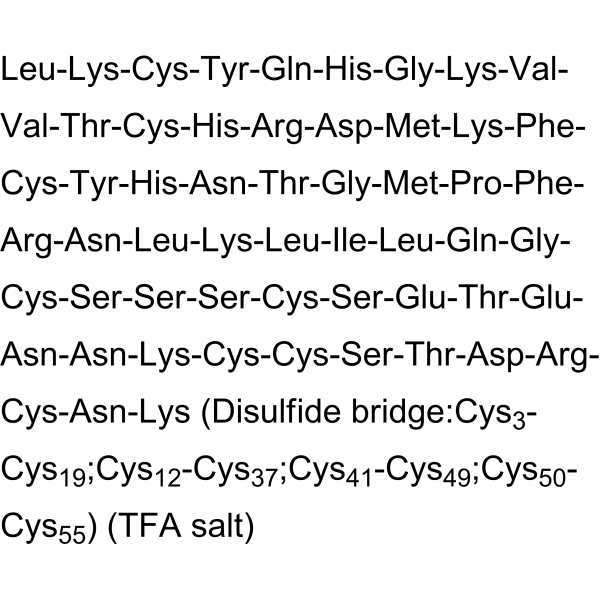
Mambalgin 1 TFA is a selective ASIC1a inhibitor (IC50 values are 192 and 72 nM for human ASIC1a and ASIC1a/1b dimer, respectively). Mambalgin 1 TFA binds to closed/inactive channel. Mambalgin 1 TFA is selective for ASIC1a over ASIC2a, ASIC3, TRPV1, P2X2, 5-HT3, Nav1.8, Cav3.2 and Kv1.2 channels. Mambalgin 1 TFA increases latency of withdrawal response in mouse tail-flick and paw-flick tests.
|
-
-
- HY-110023R
-
|
|
Reference Standards
Serotonin Transporter
|
Neurological Disease
|
|
Zimelidine dihydrochloride (Standard) is the analytical standard of Zimelidine dihydrochloride (HY-110023). This product is intended for research and analytical applications. Zimelidine dihydrochloride is an orally active selective serotonin reuptake inhibitor. Zimelidine dihydrochloride competitively inhibits central 5-HT uptake and desensitizes 5-HT autoreceptors in dorsal raphe nucleus. Zimelidine dihydrochloride time-dependently modulates 5-HT neuronal firing and hippocampal CA3 responses. Zimelidine dihydrochloride strengthens central serotonergic neurotransmission and produces related behavioral changes. Zimelidine dihydrochloride exerts anxiolytic, analgesic, feeding-suppressive and tolerance-attenuating effects. Zimelidine dihydrochloride is used for the study of depressive disorders and analgesic tolerance .
|
-
-
- HY-118835S
-
|
|
Isotope-Labeled Compounds
Serotonin Transporter
|
Neurological Disease
|
|
Zimeldine-d6 is the deuterium labeled Zimeldine (HY-118835) . Zimelidine is an orally active selective serotonin reuptake inhibitor. Zimelidine competitively inhibits central 5-HT uptake and desensitizes 5-HT autoreceptors in dorsal raphe nucleus. Zimelidine time-dependently modulates 5-HT neuronal firing and hippocampal CA3 responses. Zimelidine strengthens central serotonergic neurotransmission and produces related behavioral changes. Zimelidine exerts anxiolytic, analgesic, feeding-suppressive and tolerance-attenuating effects. Zimelidine is used for the study of depressive disorders and analgesic tolerance .
|
-
-
- HY-115375
-
|
|
5-HT Receptor
|
Neurological Disease
|
|
50595 hydrochloride is a selective noncompetitive cisapride antagonist that interferes with the activity of cisapride and BRL 24924. R 50595 hydrochloride has no effect on the response to electrical stimulation at concentrations up to 3 X 10(-7) M. R 50595 hydrochloride antagonizes the effects of cisapride and BRL 24924 in a noncompetitive manner. R 50595 hydrochloride completely abolishes the effects of 5-HT at a concentration of 3 X 10(-7) M and also antagonizes the effects of 5-HT in a noncompetitive manner .
|
-
-
- HY-12142S
-
|
rac-GR 205171-d3
|
Isotope-Labeled Compounds
Neurokinin Receptor
|
Neurological Disease
|
|
rac-Vofopitant-d3 (rac-GR 205171-d3) is a racemic form of deuterated Vofopitant (HY-12142). Vofopitant (GR 205171A) is a blood-brain barrier-permeable NK1 receptor inhibitor with a pKi of 9.02 in mice. Vofopitant blocks vomiting-related responses and inhibits pseudoptyalism. Vofopitant exerts anxiolytic effects, regulates 5-HT receptor function and increases central 5-HT release. Vofopitant improves hyperarousal symptoms of post-traumatic stress disorder. Vofopitant can be used in research related to depression, anxiety, vomiting and postoperative nausea and vomiting .
|
-
-
- HY-160921
-
|
SL65.0155 free base
|
5-HT Receptor
|
Neurological Disease
|
|
Capeserod (SL65.0155 free base) is an agonist for serotonin receptor (5-HT receptor), with a Ki of 0.6 nM for 5-HT4 receptor. Capeserod enhances expression of phopshorilated cAMP-response element binding protein (p-CREB), vascular endothelium growth factor (VEGF), brain-derived neurotrophic factor (BDNF) and B cell lymphoma-2 (Bcl-2) proteins in hippocampus, and exhibits antidepressant-like efficacy in Wistar rats models .
|
-
-
- HY-15574R
-
|
SB-207266 (Standard)
|
5-HT Receptor
Reference Standards
|
Cardiovascular Disease
|
|
Piboserod (Standard) is the analytical standard of Piboserod. This product is intended for research and analytical applications. Piboserod is an orally available selective antagonist of the 5-HT4 receptor, with a Ki value of approximately 0.1 nM for human 5-HT4 receptors. Piboserod can competitively bind to the 5-HT4 receptor and block the activation of the 5-HT4 receptor. Piboserod can inhibit the enhancing effect of 5-HT on the nerve-mediated contraction response of the human bladder detrusor muscle. Piboserod is mainly used in the research of urinary system diseases (such as overactive bladder) and cardiovascular diseases (such as chronic heart failure) .
|
-
-
- HY-117063
-
|
|
5-HT Receptor
|
Endocrinology
|
|
LEK 8841 methanesulfonate is a gastrointestinal calming agent with strong selective 5-HT2 receptor antagonist activity. The antipsychotic potential of LEK 8841 has made it the focus of research into alternative medicines. LEK 8841 behaves as a pure competitive antagonist in response to 5-HT and norepinephrine, with pA2 values of 7.93 and 6.45, respectively. The selectivity of LEK 8841 is better than that of the comparative drug ketanserin, making it an important reference value in corresponding receptor research. Studies related to structural modifications have shown that LEK 8841 exhibits high affinity for 5-HT2 receptors and low alpha-adrenergic receptor activity .
|
-
-
- HY-106605S
-
|
LY 120363-d8 hydrochloride
|
Isotope-Labeled Compounds
Dopamine Receptor
5-HT Receptor
|
Neurological Disease
|
|
Flumezapine-d8 (LY 120363-d8) hydrochloride is deuterated labeled Flumezapine hydrochloride. Flumezapine hydrochloride is a potent and balanced antagonist of the dopamine D2 receptor and the 5-hydroxytryptamine receptor (5-HT receptor). Flumezapine hydrochloride does not alter the increase in serum cortisol caused by κ-opioid receptor agonists. Flumezapine hydrochloride inhibits the conditioned avoidance response in rats and has a low risk of extrapyramidal side effects. Flumezapine hydrochloride can be used in antipsychotic research.
|
-
-
- HY-118775
-
|
|
5-HT Receptor
|
Others
|
|
LEK 8804 is a compound with 5-HT1A receptor agonist and 5-HT2 receptor antagonist properties, and has the activity of modulating related receptor-mediated behavioral responses. LEK 8804 can induce spontaneous tail-flick response in rats in a dose-dependent manner, showing complete 5-HT1A agonist activity, and can inhibit 5-HTP-induced head twitch response in mice, probably through antagonism of 5-HT2 receptors rather than agonism of 5-HT1A receptors.
|
-
-
- HY-13200B
-
|
|
5-HT Receptor
|
Neurological Disease
|
|
BRL-15572 is a selective antagonist of h5-HT1D, displays high affinity for h5-HT1D receptors. BRL-15572 could be useful pharmacological agents to characterise 5-HT1D receptor mediated responses .
|
-
-
- HY-13200A
-
|
|
5-HT Receptor
|
Neurological Disease
|
|
BRL-15572 hydrochloride is a selective antagonist of h5-HT1D, displays high affinity for h5-HT1D receptors. BRL-15572 hydrochloride could be useful pharmacological agents to characterise 5-HT1D receptor mediated responses .
|
-
-
- HY-146232
-
|
F 14679
|
5-HT Receptor
|
Others
|
|
F 13714 (F 14679) is a prototypical 5-HT1A agonist with a pKi of 10.23. F 13714 induces large Ca 2+ responses .
|
-
-
- HY-169446
-
|
|
5-HT Receptor
|
Neurological Disease
|
|
ALEPH (hydrochloride) is the h5-HT2A and h5-HT2B partial agonist with the EC50 values of 10.3 nM and 19.2 nM, respectively. ALEPH (hydrochloride) causes head twitch response in mice (ED50: 0.80 mg/kg) .
|
-
-
- HY-122303
-
|
4-OH-DiPT hydrochloride
|
5-HT Receptor
|
Neurological Disease
|
|
4-hydroxy DiPT hydrochloride is an 5-HT2A agonist that induces the head-twitch response (HTR) in mice, indicating psychoactivity . 4-hydroxy DiPT hydrochloride significantly reduced freezing responses to conditioned cues in a dose-dependent manner with a greater potency in female mice than male mice .
|
-
-
- HY-N0775R
-
|
7-Isocorynoxeine (Standard)
|
Reference Standards
5-HT Receptor
|
Neurological Disease
|
|
Isocorynoxeine (Standard) is the analytical standard of Isocorynoxeine. This product is intended for research and analytical applications. Isocorynoxeine, an isorhynchophylline-related alkaloid, exhibits a dose-dependent inhibition of 5-HT2A receptor-mediated current response with an IC50 of 72.4 μM.
|
-
-
- HY-121704
-
|
|
iGluR
|
Neurological Disease
|
|
SR 57227A Free base is a highly selective compound for both peripheral and central 5-HT3 receptors and acts as an inhibitor of NMDA receptor-mediated responses in rat cortical pyramidal cells, demonstrating antidepressant-like effects in rats while reducing isolation-induced aggressive behavior.
|
-
-
- HY-W748758
-
|
NSC 108165-d8; Navan-d8; Navane-d8
|
Isotope-Labeled Compounds
Dopamine Receptor
Histamine Receptor
mAChR
Adrenergic Receptor
Sigma Receptor
|
Others
|
|
(Z)-Thiothixene-d8 (NSC 108165-d8; Navan-d8; Navane-d8) is the deuterium labeled Thiothixene (HY-A0139). Thiothixene is a typical antipsychotic. It selectively binds to dopamine D2 over D1, D3, and D4 receptors (Kis=0.417, 338, 186.2, and 363.1 nM, respectively). Thiothixene also binds to various serotonin (5-HT), histamine H1, α1- and α2-adrenergic, muscarinic acetylcholine, and sigma receptors (Kis=15-5,754 nM) as well as the dopamine, norepinephrine, and serotonin transporters (Kis=3.16-30 μM). In vivo, thiothixene reduces spontaneous and amphetamine-induced locomotor activity in rats. It enhances latent inhibition, as measured by a decreased lick latency in response to light and foot shock stimuli, which is a measure of selective attention in rats.3 Thiothixene also increases competitive behavior in submissive mice, indicating antidepressant-like behavior.
|
-
-
- HY-182472
-
|
|
5-HT Receptor
|
Neurological Disease
|
|
AL-38022A is a potent and selective 5-HT2 receptor agonist (Ki ≤2.2 nM), but a significantly lower (>100-fold less) affinity for other 5-HT receptors. AL-38022A potently stimulates functional responses via 5-HT2 receptor subtypes including [Ca 2+]i mobilization and tissue contractions with apparently similar potencies and intrinsic activities. AL-38022A fully generalizes to the (±)-1-(2,5-dimethoxy 4-methylphenyl)-2-aminopropane hydrochloride (DOM) stimulus in drug discrimination paradigms. AL-38022A can be used for the glaucoma research .
|
-
-
- HY-181878
-
|
Z7149
|
Serotonin Transporter
Adrenergic Receptor
5-HT Receptor
|
Neurological Disease
|
Z8779877149 (Z7149) is a blood-brain barrier-permeable multi-target ligand that targets SERT (Ki=198 nM), α2A adrenergic receptor (Ki=180 nM; EC50=440 nM) and 5-HT2A receptor (EC50=172 nM, Emax=76%). Z8779877149 inhibits 5-HT reuptake and activates Gi and Gq protein signaling pathways, respectively. Z8779877149 effectively alleviates pain responses as well as depression- and anxiety-like behaviors, while exhibiting favorable safety without inducing sedation or motor impairment. Z8779877149 is available for the research of pain, depression and anxiety disorders .
|
-
-
- HY-182584
-
|
|
5-HT Receptor
|
Neurological Disease
|
|
S 15931 is a 5-HT1A receptor inhibitor. S 15931 inhibits the late-phase hindpaw licking response induced by formalin and the abdominal writhing response induced by acetic acid in Mus musculus. S 15931 abolishes the spontaneous tail-flick response induced by 8-OH-DPAT in Rattus norvegicus and potentiates the analgesic effect of morphine. S 15931 is applicable for pain-related research .
|
-
-
- HY-180185
-
|
|
5-HT Receptor
|
Neurological Disease
Metabolic Disease
|
|
5-HT2A&5-HT2C agonist-2 (Compound 3ci) is a highly selective dual 5-HT2A/5-HT2C agonist that can cross the blood-brain barrier and has an EC50 < 1 μM. 5-HT2A&5-HT2C agonist-2 has high selectivity for 5-HT2B related to the risk of heart valve disease. 5-HT2A&5-HT2C agonist-2 can induce head convulsive responses, but has a relatively low hallucinogenic potential. 5-HT2A&5-HT2C agonist-2 can be used in the research of diseases such as depression and obesity .
|
-
-
- HY-103101R
-
|
|
Reference Standards
5-HT Receptor
|
Others
|
|
LP44 hydrochloride (Standard) is the analytical standard of LP44 hydrochloride (HY-103101). This product is intended for research and analytical applications. LP44 hydrochloride is a selective 5-HT7 agonist with Ki of 0.22 nM. LP44 hydrochloride induces hypothermic effect in a dose-dependent manner by intracerebroventricular injection. LP44 hydrochloride not causes considerable hypothermic response by intraperitoneal administration .
|
-
- HY-101008
-
-
| Cat. No. |
Product Name |
Target |
Research Area |
-
- HY-P1441A
-
|
|
Sodium Channel
|
Neurological Disease
|
|
Mambalgin 1 TFA is a selective ASIC1a inhibitor (IC50 values are 192 and 72 nM for human ASIC1a and ASIC1a/1b dimer, respectively). Mambalgin 1 TFA binds to closed/inactive channel. Mambalgin 1 TFA is selective for ASIC1a over ASIC2a, ASIC3, TRPV1, P2X2, 5-HT3, Nav1.8, Cav3.2 and Kv1.2 channels. Mambalgin 1 TFA increases latency of withdrawal response in mouse tail-flick and paw-flick tests.
|
| Cat. No. |
Product Name |
Category |
Target |
Chemical Structure |
| Cat. No. |
Product Name |
Chemical Structure |
-
- HY-118835S
-
|
|
|
Zimeldine-d6 is the deuterium labeled Zimeldine (HY-118835) . Zimelidine is an orally active selective serotonin reuptake inhibitor. Zimelidine competitively inhibits central 5-HT uptake and desensitizes 5-HT autoreceptors in dorsal raphe nucleus. Zimelidine time-dependently modulates 5-HT neuronal firing and hippocampal CA3 responses. Zimelidine strengthens central serotonergic neurotransmission and produces related behavioral changes. Zimelidine exerts anxiolytic, analgesic, feeding-suppressive and tolerance-attenuating effects. Zimelidine is used for the study of depressive disorders and analgesic tolerance .
|
-
-
- HY-12142S
-
|
|
|
rac-Vofopitant-d3 (rac-GR 205171-d3) is a racemic form of deuterated Vofopitant (HY-12142). Vofopitant (GR 205171A) is a blood-brain barrier-permeable NK1 receptor inhibitor with a pKi of 9.02 in mice. Vofopitant blocks vomiting-related responses and inhibits pseudoptyalism. Vofopitant exerts anxiolytic effects, regulates 5-HT receptor function and increases central 5-HT release. Vofopitant improves hyperarousal symptoms of post-traumatic stress disorder. Vofopitant can be used in research related to depression, anxiety, vomiting and postoperative nausea and vomiting .
|
-
-
- HY-106605S
-
|
|
|
Flumezapine-d8 (LY 120363-d8) hydrochloride is deuterated labeled Flumezapine hydrochloride. Flumezapine hydrochloride is a potent and balanced antagonist of the dopamine D2 receptor and the 5-hydroxytryptamine receptor (5-HT receptor). Flumezapine hydrochloride does not alter the increase in serum cortisol caused by κ-opioid receptor agonists. Flumezapine hydrochloride inhibits the conditioned avoidance response in rats and has a low risk of extrapyramidal side effects. Flumezapine hydrochloride can be used in antipsychotic research.
|
-
-
- HY-W748758
-
|
|
|
(Z)-Thiothixene-d8 (NSC 108165-d8; Navan-d8; Navane-d8) is the deuterium labeled Thiothixene (HY-A0139). Thiothixene is a typical antipsychotic. It selectively binds to dopamine D2 over D1, D3, and D4 receptors (Kis=0.417, 338, 186.2, and 363.1 nM, respectively). Thiothixene also binds to various serotonin (5-HT), histamine H1, α1- and α2-adrenergic, muscarinic acetylcholine, and sigma receptors (Kis=15-5,754 nM) as well as the dopamine, norepinephrine, and serotonin transporters (Kis=3.16-30 μM). In vivo, thiothixene reduces spontaneous and amphetamine-induced locomotor activity in rats. It enhances latent inhibition, as measured by a decreased lick latency in response to light and foot shock stimuli, which is a measure of selective attention in rats.3 Thiothixene also increases competitive behavior in submissive mice, indicating antidepressant-like behavior.
|
-
Your information is safe with us. * Required Fields.
Inquiry Information
- Product Name:
- Cat. No.:
- Quantity:
- MCE Japan Authorized Agent:

