1. Search Result
Search Result
Isoforms Recommended: Akt2
Results for "

AKT2

" in MedChemExpress (MCE) Product Catalog:

68

Inhibitors & Agonists

1

Screening Libraries

7

Natural
Products

4

Recombinant Proteins

1

Isotope-Labeled Compounds

7

Antibodies

1

Click Chemistry

3

Oligonucleotides

Targets Recommended:
Cat. No. Product Name Target Research Areas Chemical Structure
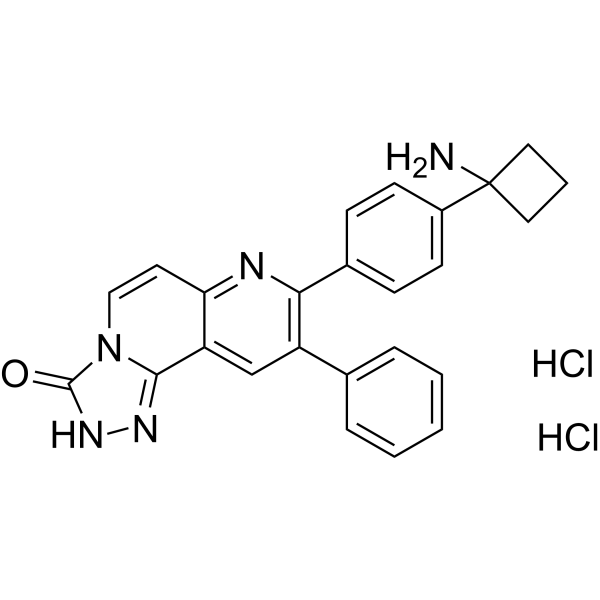
  • HY-10358
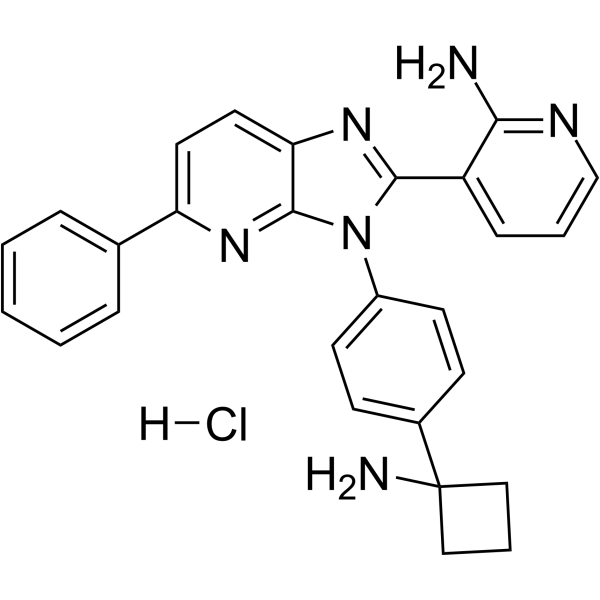
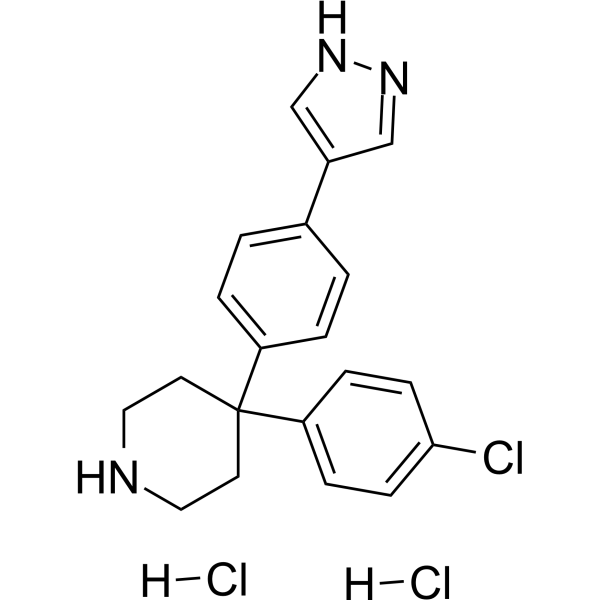
    MK-2206 dihydrochloride
    Maximum Cited Publications
    462 Publications Verification

    MK-2206 (2HCl)

    Bcl-2 Family Apoptosis mTOR Akt GSK-3 Cardiovascular Disease Inflammation/Immunology Cancer
    MK-2206 dihydrochloride (MK-2206 2HCl) is an orally active pan-AKT inhibitor, with IC50 values of 8 nM, 12 nM and 65 nM against AKT1, AKT2 and AKT3, respectively. MK-2206 dihydrochloride inhibits the Akt/mTOR signaling pathway and reduces the levels of downstream GSK3β and Mcl-1 via proteasomal degradation. MK-2206 dihydrochloride induces G1-phase cell cycle arrest, apoptosis, epithelial-mesenchymal transition, fibroblast activation and extracellular matrix deposition. MK-2206 dihydrochloride causes transient hyperglycemia and hyperinsulinemia in animals. MK-2206 dihydrochloride can be used in research related to solid tumors, renal fibrosis and hypercholesterolemia [2] .
    MK-2206 dihydrochloride
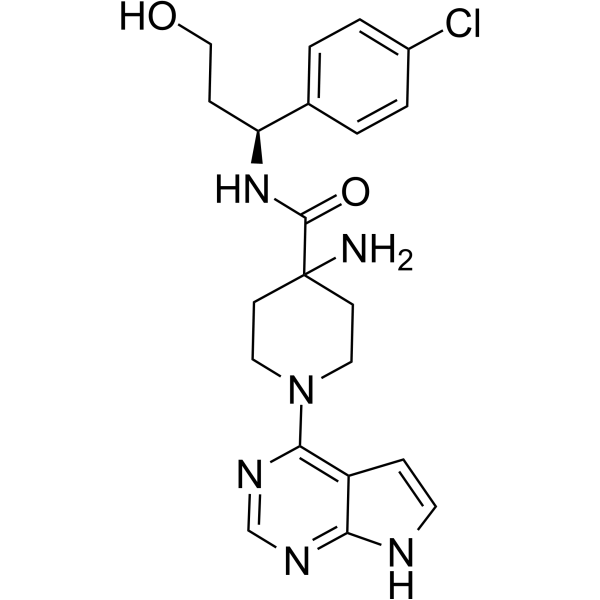
  • HY-15431
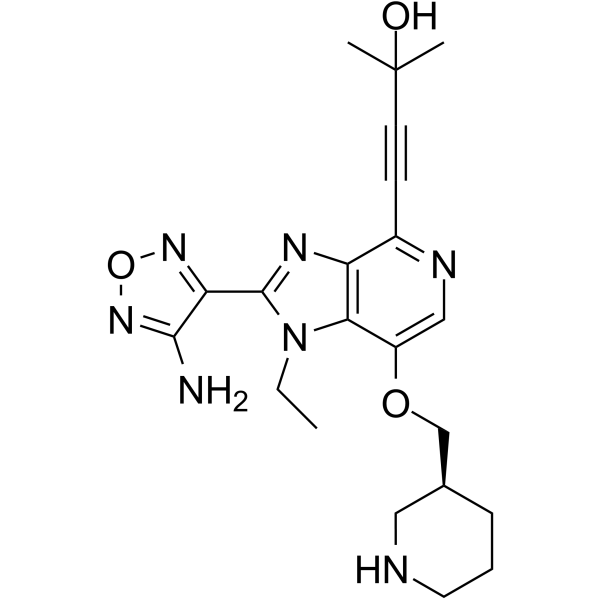
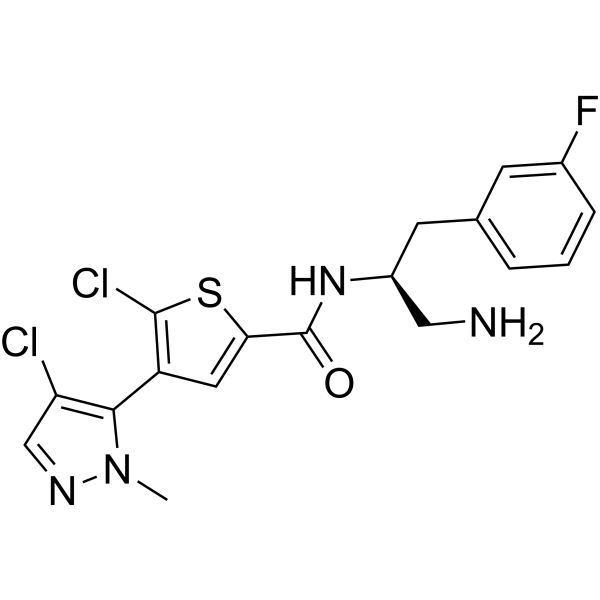
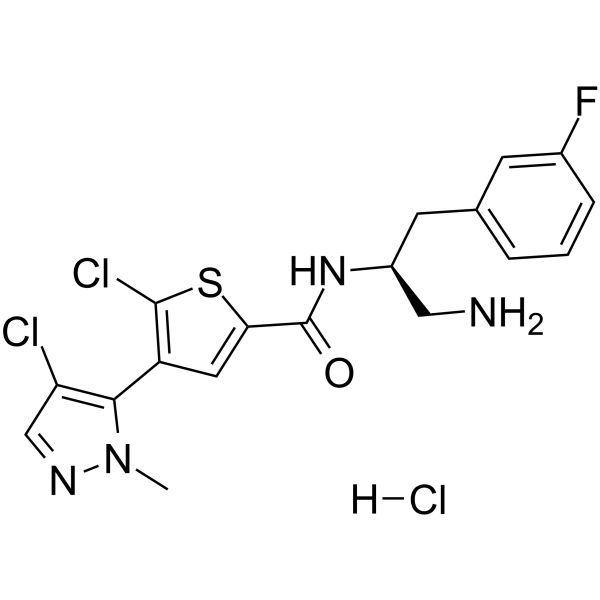
    Capivasertib
    80+ Cited Publications

    AZD5363

    Akt Autophagy Cancer
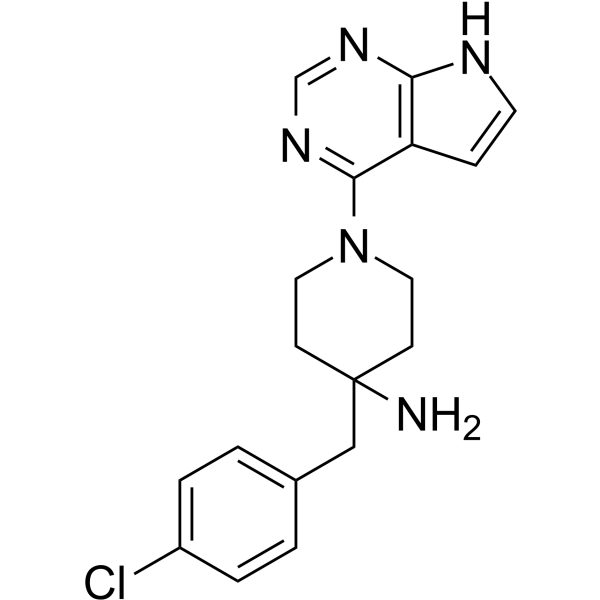
    Capivasertib (AZD5363) is an orally active and potent pan-AKT kinase inhibitor with IC50 of 3, 7 and 7 nM for Akt1,Akt2 and Akt3, respectively.
    Capivasertib
  • HY-N0004
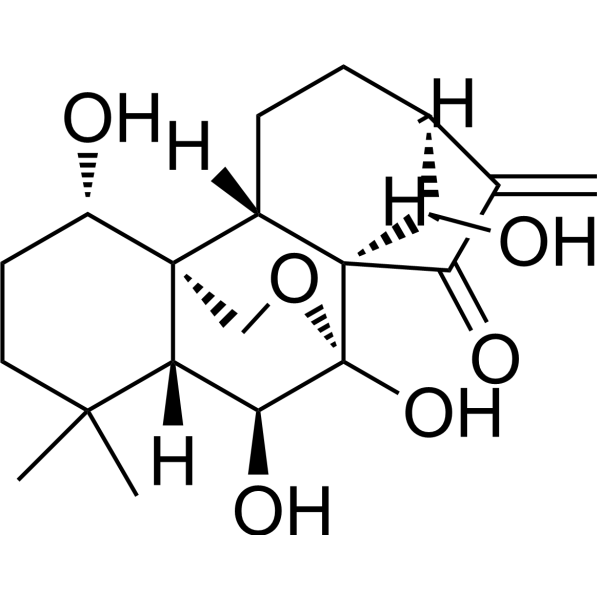
    Oridonin
    Maximum Cited Publications
    26 Publications Verification

    NSC-250682; Isodonol

    Akt Bacterial Ligands for E3 Ligase Infection Inflammation/Immunology Cancer
    Oridonin (NSC-250682), a diterpenoid isolated from Rabdosia rubescens, acts as an inhibitor of AKT, with IC50s of 8.4 and 8.9 μM for AKT1 and AKT2; Oridonin possesses anti-tumor, anti-bacterial and anti-inflammatory effects.
    Oridonin
  • HY-102080
    SAFit2
    5+ Cited Publications

    FKBP Cancer
    SAFit2, a chemical probe, is a highly potent, highly selective FK506-binding protein 51 (FKBP51) inhibitor with a Ki of 6 nM and also enhances AKT2-AS160 binding .
    SAFit2
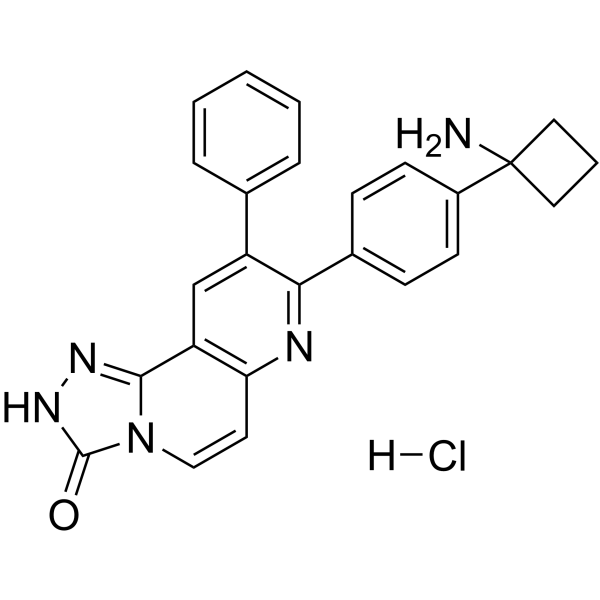
  • HY-108232
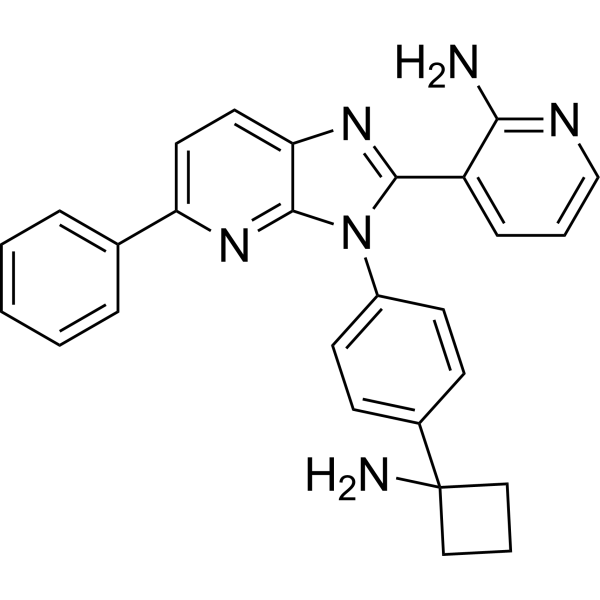
    MK-2206
    Maximum Cited Publications
    462 Publications Verification

    Bcl-2 Family Apoptosis mTOR Akt GSK-3 Metabolic Disease Inflammation/Immunology Cancer
    MK-2206 is an orally active pan-AKT inhibitor, with IC50 values of 8 nM, 12 nM and 65 nM against AKT1, AKT2 and AKT3, respectively. MK-2206 inhibits the Akt/mTOR signaling pathway and reduces the levels of downstream GSK3β and Mcl-1 via proteasomal degradation. MK-2206 induces G1-phase cell cycle arrest, apoptosis, epithelial-mesenchymal transition, fibroblast activation and extracellular matrix deposition. MK-2206 causes transient hyperglycemia and hyperinsulinemia in animals. MK-2206 can be used in research related to solid tumors, renal fibrosis and hypercholesterolemia [2] .
    MK-2206
  • HY-10355
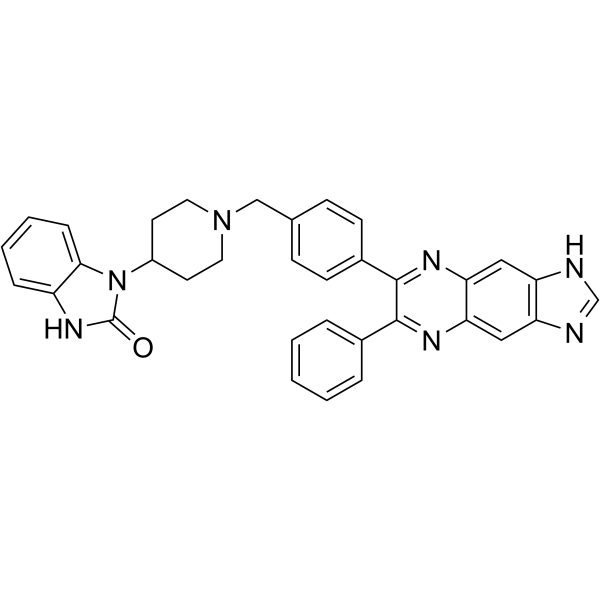
    AKT inhibitor VIII
    55+ Cited Publications

    AKTi-1/2

    Akt Apoptosis Metabolic Disease Cancer
    AKT inhibitor VIII (AKTi-1/2) is a cell-permeable quinoxaline compound that has been shown to potently, selectively, allosterically, and reversibly inhibit Akt1, Akt2, and Akt3 activity with IC50s of 58 nM, 210 nM, and 2119 nM, respectively.
    AKT inhibitor VIII
  • HY-15965
    Uprosertib
    15+ Cited Publications

    GSK2141795

    Akt Cancer
    Uprosertib (GSK2141795) is a potent and selective pan-Akt inhibitor with IC50 values of 180/328/38 nM for Akt1/Akt2/Akt3, respectively.
    Uprosertib
  • HY-15727
    Afuresertib
    15+ Cited Publications

    GSK2110183; LAE002

    Akt PKC ROCK Cancer
    Afuresertib (GSK2110183) is an orally bioavailable, selective, ATP-competitive and potent pan-Akt kinase inhibitor with Kis of 0.08/2/2.6 nM for Akt1/Akt2/Akt3, respectively [2].
    Afuresertib
  • HY-100018
    BAY1125976
    3 Publications Verification

    Akt Cancer
    BAY1125976, a chemical probe, is a selective allosteric Akt1/Akt2 inhibitor; inhibits Akt1 and Akt2 activity with IC50 values of 5.2 nM and 18 nM at 10 μM ATP, respectively.
    BAY1125976
  • HY-19719
    Miransertib
    15+ Cited Publications

    ARQ-092

    Akt Parasite Infection Cancer
    Miransertib (ARQ-092) is a potent, orally active, selective and allosteric Akt inhibitor with IC50s of 2.7 nM, 14 nM and 8.1 nM for Akt1, Akt2, Akt3, respectively. Miransertib is also a potent the AKT1-E17K mutant protein inhibitor and has the potential for PI3K/AKT-driven tumors and Proteus syndrome research . Miransertib is effective against Leishmania [2].
    Miransertib
  • HY-133120
    INY-03-041
    1 Publications Verification

    PROTACs Akt Cancer
    INY-03-041 is a potent, highly selective and PROTAC-based pan-AKT degrader consisting of the ATP-competitive AKT inhibitor Ipatasertib (HY-15186) conjugated to Lenalidomide (HY-A0003, Cereblon ligand). INY-03-041 inhibits AKT1, AKT2 and AKT3 with IC50s of 2.0, 6.8 and 3.5 nM, respectively .
    INY-03-041
  • HY-10249
    GSK-690693
    40+ Cited Publications

    Akt AMPK Autophagy Cancer
    GSK-690693 is an ATP-competitive pan-Akt inhibitor with IC50s of 2 nM, 13 nM, 9 nM for Akt1, Akt2 and Akt3, respectively. GSK-690693 is also an AMPK inhibitor, affects Unc-51-like autophagy activating kinase 1 (ULK1) activity and robustly inhibits STING-dependent IRF3 activation [2] .
    GSK-690693
  • HY-10425
    Rizavasertib
    10+ Cited Publications

    A-443654

    Akt Cancer
    A-443654 is a pan-Akt inhibitor and has equal potency against Akt1, Akt2, or Akt3 within cells (Ki=160 pM) .
    Rizavasertib
  • HY-13260
    CCT128930
    5+ Cited Publications

    Akt Autophagy Apoptosis Cancer
    CCT128930 is a ATP-competitive and selective inhibitor of AKT (IC50=6 nM for AKT2). CCT128930 has 28-fold selectivity over the closely related PKA kinase (IC50=168 nM) through the targeting of Met282 of AKT (Met173 of PKA-AKT chimera), as well as 20-fold selectivity over p70S6K (IC50=120 nM). Antitumor activity.
    CCT128930
  • HY-N0559
    Kirenol
    1 Publications Verification

    Casein Kinase Apoptosis AMPK Akt NF-κB TGF-beta/Smad Cardiovascular Disease Neurological Disease Metabolic Disease Inflammation/Immunology Cancer
    Kirenol is a diterpenoid compound, an orally active apoptosis inducer and signaling pathway regulator, with a Kd value of 5.47 μM against the target CK2. Kirenol promotes the cleavage of Bid into tBid, regulates the protein levels/phosphorylation of Bax, Bcl-2, p53 and p21, and induces caspase-independent apoptosis, S-phase cell cycle arrest, ROS accumulation and cytotoxicity in cancer cells. Kirenol activates the CK2/AKT and AMPK-mTOR-ULK1 pathways, inhibits the signaling of NF-κB, TGF-β/Smads and NLRP3 inflammasome, and regulates the GSK3β, BMP and Wnt/β-catenin pathways. Kirenol induces autophagy, mitophagy and osteoblast differentiation, promotes mitochondrial fusion, and exerts antioxidant, anti-inflammatory, antifibrotic, renoprotective, cardioprotective, neuroprotective and analgesic effects. Kirenol is applicable to research related to chronic myeloid leukemia, ischemic stroke, diabetic nephropathy, heart failure, acute lung injury and osteoporosis [2] .
    Kirenol
  • HY-151504
    Engasertib
    2 Publications Verification

    ALM301

    Akt Cancer
    Engasertib is an orally active highly specific AKT inhibitor with IC50 values of 0.13 µM, 0.09 µM and 2.75 µM for AKT1, AKT2 and AKT3, respectively. Engasertib inhibits AKT phosphorylation and modulates downstream signalling in vitro. Engasertib can inhibit cancer cell proliferation and tumor growth .
    Engasertib
  • HY-N0026
    2'-Acetylacteoside
    1 Publications Verification

    2'-AA

    Monoamine Oxidase RANKL/RANK TNF Receptor NF-κB IKK Cardiovascular Disease Neurological Disease Metabolic Disease
    2'-Acetylacteoside (2'-AA) is a natural compound with oral activity and blood-brain barrier permeability. 2'-Acetylacteosideexhibits MAO‑B inhibitory activity (IC50 = 17.71 μM, Ki = 13.81 μM). 2'-Acetylacteoside downregulates the expression of RANK, TRAF6, NF‑κB, NFATc1 and IKKβ, disrupts the RANKL/RANK interaction, blocks downstream signaling pathways, and increases the level of phosphorylated Akt. 2'-Acetylacteoside possesses potent anti-osteoclastogenic, anti-bone resorptive, pro-neurogenic, neuroprotective and antioxidant activities. 2'-Acetylacteoside can be used in the research of osteoporosis, ischemic stroke and Parkinson's disease [2] .
    2'-Acetylacteoside
  • HY-19719A
    Miransertib hydrochloride
    15+ Cited Publications

    ARQ-092 hydrochloride

    Akt Parasite Infection Cancer
    Miransertib hydrochloride (ARQ-092 hydrochloride) is a potent, orally active, selective and allosteric Akt inhibitor with IC50s of 2.7 nM, 14 nM and 8.1 nM for Akt1, Akt2, Akt3, respectively. Miransertib hydrochloride is also a potent the AKT1-E17K mutant protein inhibitor and has the potential for PI3K/AKT-driven tumors and Proteus syndrome research . Miransertib hydrochloride is effective against Leishmania [2].
    Miransertib hydrochloride
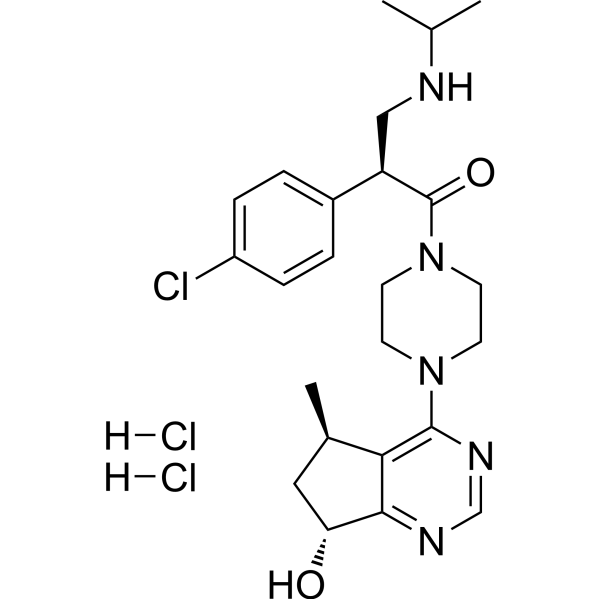
  • HY-15186A
    Ipatasertib dihydrochloride
    55+ Cited Publications

    GDC-0068 dihydrochloride; RG-7440 dihydrochloride

    Organoid Akt Cancer
    Ipatasertib dihydrochloride (GDC-0068 dihydrochloride) is a highly selective and ATP-competitive pan-Akt inhibitor with IC50s of 5, 18 and 8 nM for Akt1, Akt2 and Akt3, respectively.
    Ipatasertib dihydrochloride
  • HY-15727A
    Afuresertib hydrochloride
    15+ Cited Publications

    GSK2110183 hydrochloride; LAE002 hydrochloride

    Akt PKC ROCK Cancer
    Afuresertib hydrochloride (GSK 2110183 hydrochloride) is an orally bioavailable, selective, ATP-competitive and potent pan-Akt kinase inhibitor with Kis of 0.08/2/2.6 nM for Akt1/Akt2/Akt3 respectively [2].
    Afuresertib hydrochloride
  • HY-12059
    AT7867
    5 Publications Verification

    Akt PKA Ribosomal S6 Kinase (RSK) Cancer
    AT7867 is a potent ATP-competitive inhibitor of Akt1/Akt2/Akt3 and p70S6K/PKA with IC50s of 32 nM/17 nM/47 nM and 85 nM/20 nM, respectively.
    AT7867
  • HY-132302

    Akt PKA PKC ROCK Ribosomal S6 Kinase (RSK) SGK Cancer
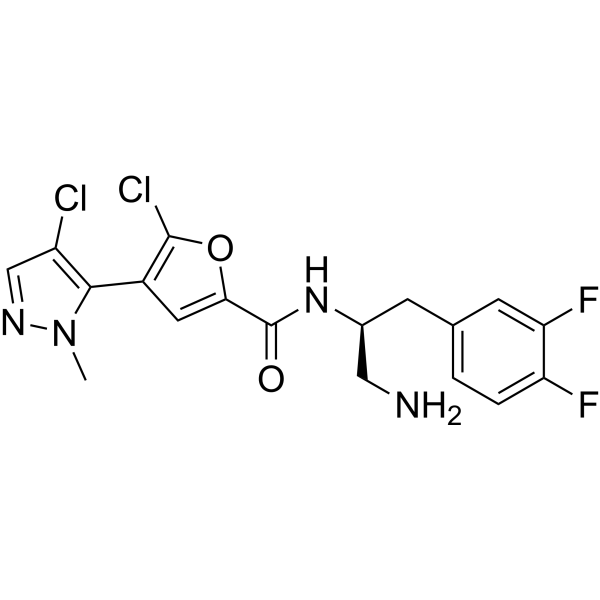
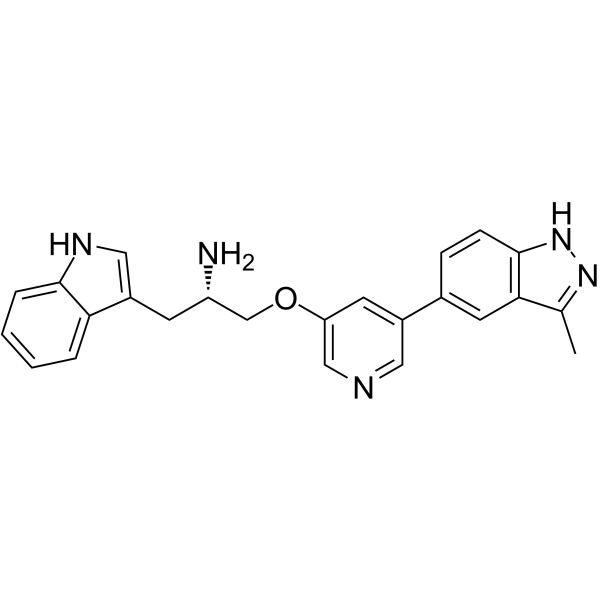
    Hu7691 is an orally active, selective Akt inhibitor with IC50s of 4.0 nM, 97.5 nM, 28 nM for Akt1, Akt2 and Akt3, respectively. Hu7691 inhibits tumor growth and enables decrease of cutaneous toxicity in mice .
    Hu7691
  • HY-50862
    Akt1/Akt2-IN-1
    2 Publications Verification

    Akt Cancer
    Akt1/Akt2-IN-1 (Compound 17) is an allosteric inhibitor of Akt1 (IC50=3.5 nM) and Akt2 (IC50=42 nM), with potent and balanced activity .
    Akt1/Akt2-IN-1
  • HY-B0960
    Sulfabenzamide
    1 Publications Verification

    N-Sulfanilylbenzamide

    Bacterial Autophagy MDM-2/p53 Caspase PARP DNA-PK Akt Infection Cancer
    Sulfabenzamide (N-Sulfanilylbenzamide) is a sulfonamide antibacterial agent. Sulfabenzamide exhibit antibacterial activity against Staphylococcus aureus (ATCC 25923) and Escherichia coli (ATCC 8739). Sulfabenzamide can promote autophagic cell autophagy in breast cancer cells through p53/ DRAM pathway. Sulfabenzamide increases caspase-3 activity, deactivates PARP1 and DNA-PK, downregulates AKT1 and AKT2. Sulfabenzamide can be used for the researches of breast cancer and bacterial infections [2].
    Sulfabenzamide
  • HY-137458
    Vevorisertib
    1 Publications Verification

    ARQ 751

    Akt Ser/Thr Protease Cancer
    Vevorisertib (ARQ 751) is an orally active, potent and selective pan-AKT serine/threonine kinase inhibitor against AKT1 (IC50=0.55 nM), AKT2 (IC50=0.81 nM), and AKT3 (IC50=1.31 nM). Vevorisertib, as a single agent or in combination with other anti-cancer agents, can be used for the research of solid tumors with PIK3CA / AKT / PTEN mutations [2] .
    Vevorisertib
  • HY-137458A
    Vevorisertib trihydrochloride
    1 Publications Verification

    ARQ 751 trihydrochloride

    Akt Cancer
    Vevorisertib (ARQ 751) trihydrochloride is a selective, allosteric, pan-AKT and AKT1-E17K mutant inhibitors. Vevorisertib trihydrochloride potently inhibit phosphorylation of AKT. Vevorisertib trihydrochloride has Kd values of 1.2 nM and 8.6 nM for AKT1 and AKT1-E17K, respectively. Vevorisertib trihydrochloride has IC50 values of 0.55, 0.81, and 1.3 nM for AKT1, AKT2, and AKT3, respectively. Vevorisertib trihydrochloride can be used for the research of cancer .
    Vevorisertib trihydrochloride
  • HY-19982
    AKT-IN-6
    2 Publications Verification

    Akt Cancer
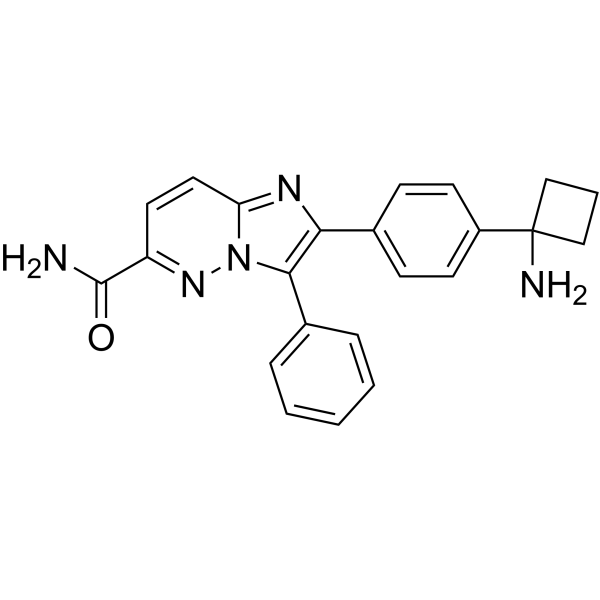
    AKT-IN-6 (Example 13) is a potent Akt inhibitor. AKT-IN-6 inhibits Akt1, Akt2 and Akt3 with IC50s < 500nM, respectively. (patent WO2013056015A1).
    AKT-IN-6
  • HY-16666
    3CAI
    4 Publications Verification

    Akt Cancer
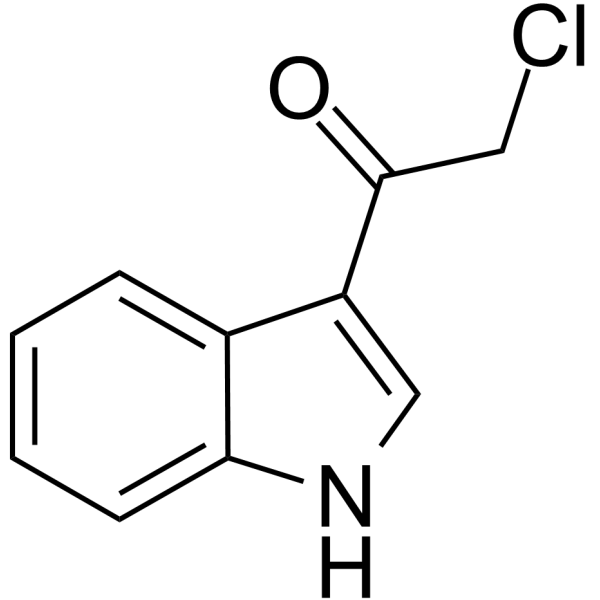
    3CAI is a potent and specific AKT1 and AKT2 inhibitor.
    3CAI
  • HY-129119

    Akt Caspase Cancer
    Akt1/Akt2-IN-2 (compound 7) is an allosteric dual Akt1 and Akt2 inhibitor (IC50=138 nM and 212 nM, respectively). Akt1/Akt2-IN-2 increases activity of caspase-3, and inhibits viability of a number of tumor cells .
    Akt1/Akt2-IN-2
  • HY-145282
    MS170
    1 Publications Verification

    PROTACs Akt Cancer
    MS170 is a potent and selective PROTAC AKT degrader. MS170 depletes cellular total AKT (T-AKT) with the DC50 value of 32 nM. MS170 binds to AKT1, AKT2, and AKT3 with Kds of 1.3 nM, 77 nM, and 6.5 nM, respectively .
    MS170
  • HY-133120A
    INY-03-041 trihydrochloride
    1 Publications Verification

    PROTACs Akt Cancer
    INY-03-041 trihydrochloride is a potent, highly selective and PROTAC-based pan-AKT degrader consisting of the ATP-competitive AKT inhibitor Ipatasertib (HY-15186) conjugated to Lenalidomide (HY-A0003). INY-03-041 trihydrochloride inhibits AKT1, AKT2 and AKT3 with IC50s of 2.0, 6.8 and 3.5 nM, respectively .
    INY-03-041 trihydrochloride
  • HY-N2902

    Reactive Oxygen Species (ROS) Cancer
    Artocarpin is an orally active apoptosis inducer. Artocarpin targets NF-κB, Erk1/2, p38 MAPK, AktS473, p53, Akt 1 kinase and Akt 2 kinase. Artocarpin induces reactive oxygen species (ROS) production, mediates p53-dependent and p53-independent apoptotic signaling pathways, induces G1-phase cell cycle arrest, and triggers autophagic cell death. Artocarpin exerts cytotoxic and bactericidal effects on cancer cells, reduces bacterial load, and exhibits anti-inflammatory, analgesic and anti-angiogenic activities [2] .
    Artocarpin
  • HY-12059A
    AT7867 dihydrochloride
    5 Publications Verification

    Akt PKA Ribosomal S6 Kinase (RSK) Cancer
    AT7867 dihydrochloride is a potent ATP-competitive inhibitor of Akt1/Akt2/Akt3 and p70S6K/PKA with IC50s of 32 nM/17 nM/47 nM and 85 nM/20 nM, respectively.
    AT7867 dihydrochloride
  • HY-B1080A
    Tilorone
    2 Publications Verification

    Influenza Virus Akt Infection Neurological Disease Metabolic Disease Inflammation/Immunology Cancer
    Tilorone is an orally active antiviral agent and interferon inducer that also has potential antineoplastic, immunomodulatory, and metabolic modulating effects. Tilorone induces an abnormally delayed interferon response and primarily stimulates interferon production in lymphoid tissue. Thus, Tilorone exerts antiviral effects and can be used as a chemotherapeutic agent. Tilorone has the potential to inhibit type 2 diabetes by increasing glucose uptake in vivo and in skeletal muscle cells by enhancing Akt2/AS160 signaling and glucose transporter levels [2] .
    Tilorone
  • HY-126257

    Akt Apoptosis Cancer
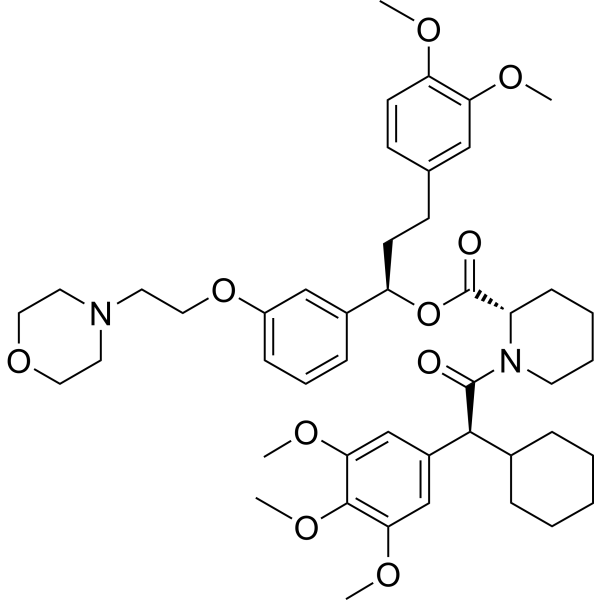
    AKT-IN-3 (compound E22) is a potent, orally active low hERG blocking Akt inhibitor, with 1.4 nM, 1.2 nM and 1.7 nM for Akt1, Akt2 and Akt3, respectively. AKT-IN-3 (compound E22) also exhibits good inhibitory activity against other AGC family kinases, such as PKA, PKC, ROCK1, RSK1, P70S6K, and SGK. AKT-IN-3 (compound E22) induces apoptosis and inhibits metastasis of cancer cells .
    AKT-IN-3
  • HY-145281

    PROTACs Akt Cancer
    MS98 is a potent and selective PROTAC AKT degrader. MS98 depletes cellular total AKT (T-AKT) with the DC50 value of 78 nM. MS98 binds to AKT1, AKT2, and AKT3 with Kds of 4 nM, 140 nM, and 8.1 nM, respectively .
    MS98
  • HY-RS00546

    Small Interfering RNA (siRNA) Akt Others

    AKT2 Human Pre-designed siRNA Set A contains three designed siRNAs for AKT2 gene (Human), as well as a negative control, a positive control, and a FAM-labeled negative control.

    AKT2 Human Pre-designed siRNA Set A
    AKT2 Human Pre-designed siRNA Set A
  • HY-RS00547

    Small Interfering RNA (siRNA) Akt Others

    Akt2 Mouse Pre-designed siRNA Set A contains three designed siRNAs for Akt2 gene (Mouse), as well as a negative control, a positive control, and a FAM-labeled negative control.

    Akt2 Mouse Pre-designed siRNA Set A
    Akt2 Mouse Pre-designed siRNA Set A
  • HY-RS00548

    Small Interfering RNA (siRNA) Akt Others

    Akt2 Rat Pre-designed siRNA Set A contains three designed siRNAs for Akt2 gene (Rat), as well as a negative control, a positive control, and a FAM-labeled negative control.

    Akt2 Rat Pre-designed siRNA Set A
    Akt2 Rat Pre-designed siRNA Set A
  • HY-15431R

    AZD5363 (Standard)

    Akt Autophagy Reference Standards Cancer
    Capivasertib (Standard) is the analytical standard of Capivasertib. This product is intended for research and analytical applications. Capivasertib (AZD5363) is an orally active and potent pan-AKT kinase inhibitor with IC50 of 3, 7 and 7 nM for Akt1,Akt2 and Akt3, respectively.
    Capivasertib (Standard)
  • HY-10357

    Akt mTOR Apoptosis GSK-3 Bcl-2 Family Metabolic Disease Inflammation/Immunology Cancer
    MK-2206 free base is an orally active pan-AKT inhibitor, with IC50 values of 8 nM, 12 nM and 65 nM against AKT1, AKT2 and AKT3, respectively. MK-2206 free base inhibits the Akt/mTOR signaling pathway and reduces the levels of downstream GSK3β and Mcl-1 via proteasomal degradation. MK-2206 free base induces G1-phase cell cycle arrest, apoptosis, epithelial-mesenchymal transition, fibroblast activation and extracellular matrix deposition. MK-2206 free base causes transient hyperglycemia and hyperinsulinemia in animals. MK-2206 free base can be used in research related to solid tumors, renal fibrosis and hypercholesterolemia [2] .
    MK-2206 free base
  • HY-B0960S

    N-Sulfanilylbenzamide-d4

    Bacterial Autophagy Isotope-Labeled Compounds MDM-2/p53 Caspase PARP DNA-PK Akt Infection Cancer
    Sulfabenzamide (N-Sulfanilylbenzamide)-d4 is the deuterium labeled Sulfabenzamide (HY-B0960). Sulfabenzamide is a sulfonamide antibacterial agent. Sulfabenzamide exhibit antibacterial activity against Staphylococcus aureus (ATCC 25923) and Escherichia coli (ATCC 8739). Sulfabenzamide can promote autophagic cell autophagy in breast cancer cells through p53/ DRAM pathway. Sulfabenzamide increases caspase-3 activity, deactivates PARP1 and DNA-PK, downregulates AKT1 and AKT2. Sulfabenzamide can be used for the researches of breast cancer and bacterial infections [2].
    Sulfabenzamide-d4
  • HY-130985

    PROTAC Linkers Cancer
    9-Decyn-1-ol is an alkyl/ether-based PROTAC linker that can be used in the synthesis of PROTACs. 9-Decyn-1-ol can be used to conjugate GDC-0068 with Lenalidomide to generate INY-03-041. INY-03-041 is a potent, highly selective and PROTAC-based pan-Akt degrader. INY-03-041 inhibits Akt1, Akt2 and Akt3 with IC50s of 2.0 nM, 6.8 nM and 3.5 nM, respectively . 9-Decyn-1-ol is a click chemistry reagent, it contains an Alkyne group and can undergo copper-catalyzed azide-alkyne cycloaddition (CuAAc) with molecules containing Azide groups.
    9-Decyn-1-ol
  • HY-153640

    Akt Cancer
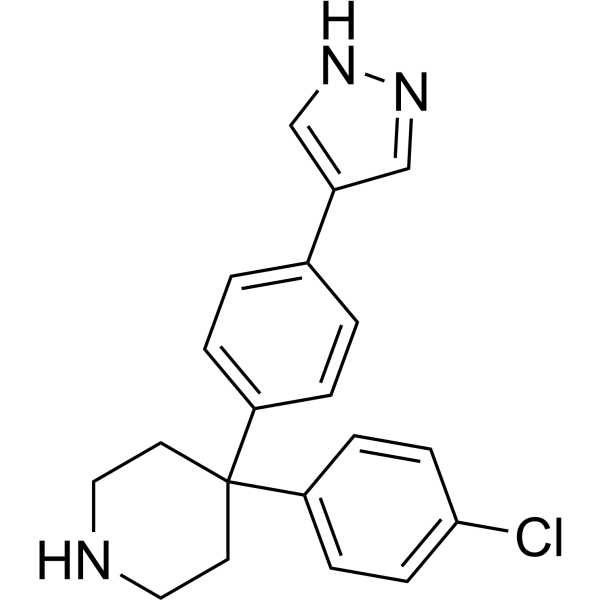
    AKT-IN-14 (Example 2) is a potent AKTinhibitor with the IC50 values of <0.01 nM, 1.06 nM and 0.66 nM for AKT1, AKT2, AKT3, respectively. AKT-IN-14 can be used in cancer research .
    AKT-IN-14
  • HY-15965A

    GSK2141795 hydrochloride

    Akt Cancer
    Uprosertib hydrochloride (GSK2141795 hydrochloride) is a potent and selective pan-Akt inhibitor with IC50 values of 180/328/38 nM for Akt1/Akt2/Akt3, respectively.
    Uprosertib hydrochloride
  • HY-132302A

    Akt PKA PKC ROCK Ribosomal S6 Kinase (RSK) SGK Cancer
    Hu7691 free base is an orally active, selective Akt inhibitor with IC50s of 4.0 nM, 97.5 nM, 28 nM for Akt1, Akt2 and Akt3, respectively. Hu7691 free base inhibits tumor growth and enables decrease of cutaneous toxicity in mice .
    Hu7691 free base
  • HY-N0004R

    NSC-250682 (Standard); Isodonol (Standard)

    Reference Standards Akt Bacterial Infection Inflammation/Immunology Cancer
    Oridonin (Standard) is the analytical standard of Oridonin. This product is intended for research and analytical applications. Oridonin (NSC-250682), a diterpenoid isolated from Rabdosia rubescens, acts as an inhibitor of AKT, with IC50s of 8.4 and 8.9 μM for AKT1 and AKT2; Oridonin possesses anti-tumor, anti-bacterial and anti-inflammatory effects.
    Oridonin (Standard)
  • HY-E70791

    Akt Cancer
    AKT is the oncogenic protein kinase that regulates essential cellular functions such as migration, proliferation, differentiation, apoptosis, and metabolism. Mammalian cells are characterized by the expression of three different Akt isoforms, Akt1, Akt2, and Akt3. Biotin-AKT2 Recombinant Human Active Protein Kinase is obtained by expressing AKT2 proteins and is biotinylated .
    Biotin-AKT2 Recombinant Human Active Protein Kinase
  • HY-E70786

    Akt Cancer
    AKT is the oncogenic protein kinase that regulates essential cellular functions such as migration, proliferation, differentiation, apoptosis, and metabolism. Mammalian cells are characterized by the expression of three different Akt isoforms, Akt1, Akt2, and Akt3. AKT1 E17K is a mutant of AKT1. AKT1 E17K Recombinant Human Active Protein Kinase is obtained by expressing AKT1 E17K proteins .
    AKT1 E17K Recombinant Human Active Protein Kinase
  • HY-B0960R

    N-Sulfanilylbenzamide (Standard)

    Reference Standards Bacterial Autophagy MDM-2/p53 Caspase PARP DNA-PK Akt Infection Cancer
    Sulfabenzamide (N-Sulfanilylbenzamide) (Standard) is the analytical standard of Sulfabenzamide (HY-B0960). This product is intended for research and analytical applications. Sulfabenzamide is a sulfonamide antibacterial agent. Sulfabenzamide exhibit antibacterial activity against Staphylococcus aureus (ATCC 25923) and Escherichia coli (ATCC 8739). Sulfabenzamide can promote autophagic cell autophagy in breast cancer cells through p53/ DRAM pathway. Sulfabenzamide increases caspase-3 activity, deactivates PARP1 and DNA-PK, downregulates AKT1 and AKT2. Sulfabenzamide can be used for the researches of breast cancer and bacterial infections [2].
    Sulfabenzamide (Standard)

Inquiry Online

Your information is safe with us. * Required Fields.

Salutation


Country or Region *

Applicant Name *


Organization Name *

Department *


Email Address *


Product Name *

Cat. No.


Requested quantity *

Phone Number *


Remarks

Inquiry Online

Inquiry Information

Product Name:
Cat. No.:
Quantity:
MCE Japan Authorized Agent:

