Search Result
Results for "
ATF4
" in MedChemExpress (MCE) Product Catalog:
1
Biochemical Assay Reagents
| Cat. No. |
Product Name |
Target |
Research Areas |
Chemical Structure |
-
- HY-100355
-
|
C18-Ceramide
|
Endogenous Metabolite
|
Neurological Disease
Cancer
|
|
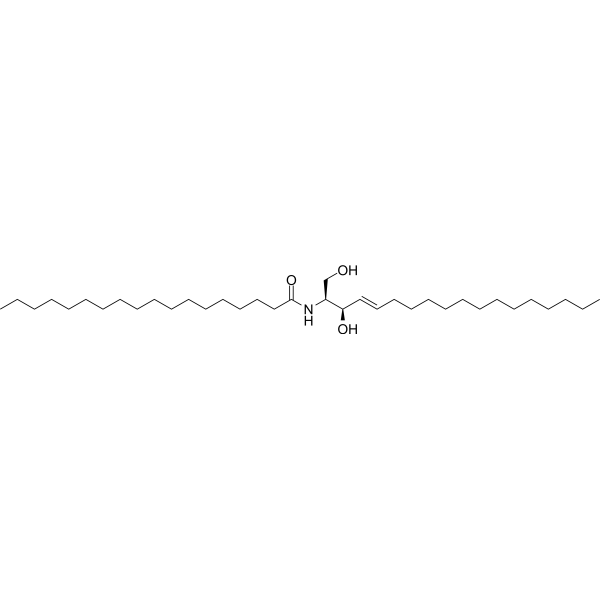
C18-Ceramide (d18:1/18:0) is a bioactive molecule with multiple functions in cells, not a traditional agonist or inhibitor targeting a single site. It can act on multiple cellular targets, such as proteins related to endoplasmic reticulum stress (e.g., ATF-4, XBP-1, CHOP), proteins in the PI3K/AKT signaling pathway, and SNARE complex proteins. It exerts activities like inducing cell death, promoting autophagy, and regulating exocytosis through mechanisms such as activating endoplasmic reticulum stress, inhibiting the PI3K/AKT signaling pathway, and affecting lipid raft - related functions. It can be used in research on the mechanism of neuronal injury in the field of neuroscience and in the treatment research of cancers such as glioma in the field of oncology .
|
-
-
- HY-112654
-
GCN2iB
Maximum Cited Publications
60 Publications Verification
|
Eukaryotic Initiation Factor (eIF)
Glutathione Peroxidase
|
Cardiovascular Disease
Metabolic Disease
Cancer
|
|
GCN2iB is an ATP-competitive, selective GCN2 inhibitor with an IC50 of 2.4 nM. GCN2iB inhibits the activation of the GCN2 pathway and upregulates GPX4. GCN2iB enhances the anticancer effect of ASNase against acute lymphoblastic leukemia. GCN2iB increases left ventricular ejection fraction, while reducing fasting blood glucose and myocardial fibrosis. GCN2iB can be used in research related to acute lymphoblastic leukemia, acute myeloid leukemia and diabetic cardiomyopathy .
|
-
-
- HY-158202
-
-
-
- HY-100548
-
|
|
AMPK
Autophagy
Apoptosis
|
Cancer
|
|
GSK621 is a specific AMPK activator, with IC50 values of 13-30 μM for AML cells. GSK621 induces autophagy and apoptosis. GSK621 induces eiF2α phosphorylation-a hallmark of UPR activation .
|
-
-
- HY-160196
-
|
GCN2 modulator-1
|
Eukaryotic Initiation Factor (eIF)
|
Cancer
|
|
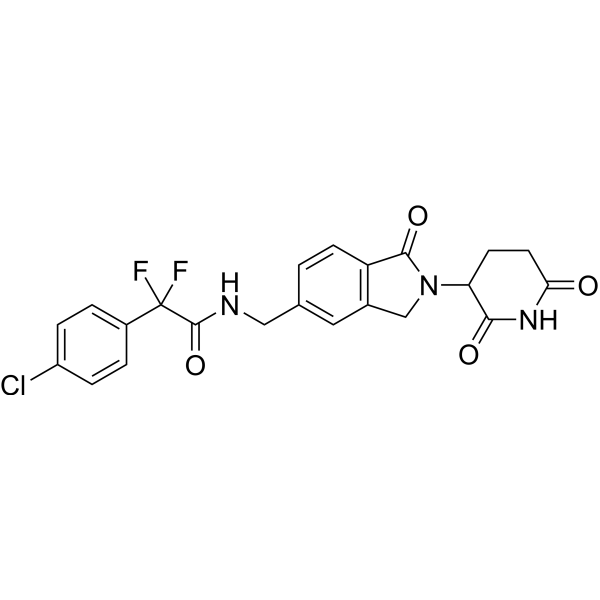
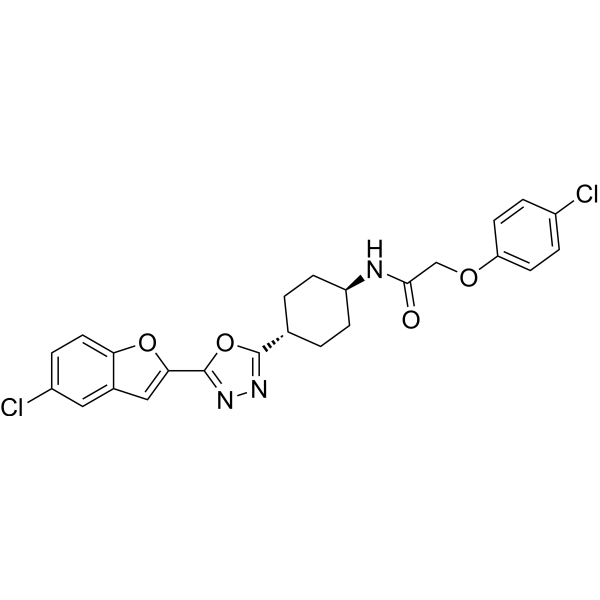
HC-7366 (GCN2 modulator-1) is an orally effective GCN2 activator. HC-7366 can effectively compete and occupy the ATP binding pocket of GCN2, with its IC50 being 72 nM. This binding triggers the conformational activation of GCN2, leading to the upregulation of downstream signals (such as ATF4, ASNS) in the integrated stress response (ISR) pathway, ultimately exerting anti-tumor effects. HC-7366 also has inhibitory activity against ZAK, with its IC50 being 47 nM. HC-7366 can be used for research on fibrosarcoma and acute myeloid leukemia .
|
-
-
- HY-158201
-
-
-
- HY-147831
-
|
|
Eukaryotic Initiation Factor (eIF)
Epigenetic Reader Domain
|
Cancer
|
|
HR-19011 is an eIF2α phosphorylation activator targeting heme-regulated inhibitor HRI (EIF2AK1). HR-19011 exhibits growth inhibitory activity against K562 cells with an IC50 value of 3.91 µM. HR-19011 inhibits the growth of hematologic malignancies by targeting HRI to activate the integrated stress response via the HRI-eIF2α-ATF4 axis. HR-19011 shows good safety in vivo. HR-19011 can be used for research on hematologic malignancies (leukemia) .
|
-
-
- HY-112056
-
|
|
Nuclear Hormone Receptor 4A/NR4A
Apoptosis
DAPK
Isocitrate Dehydrogenase (IDH)
PERK
|
Cancer
|
|
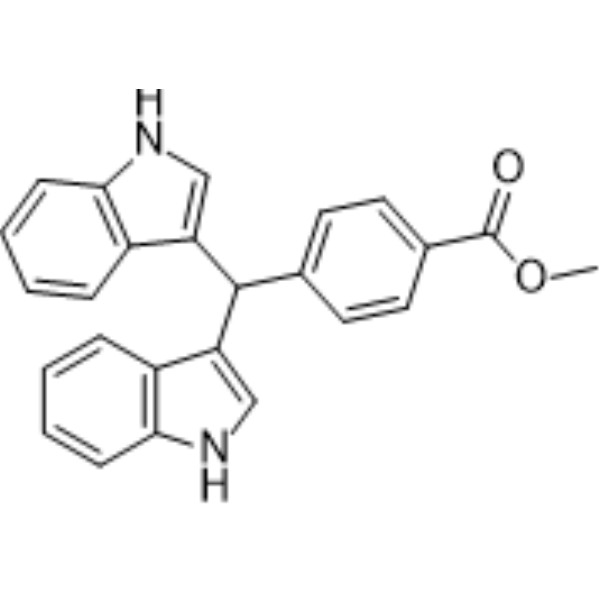
DIM-C-pPhCO2Me is a nuclear receptor 4A1 (NR4A1) antagonist. DIM-C-pPhCO2Me induces Apoptosis. DIM-C-pPhCO2Me decreases PAX3-FOXO1A, N-Myc, Rassf4, MyoD1, Grem1, and DAPK1 proteins. DIM-C-pPhCO2Me decreases expression of TXNDC5 and IDH1, induces markers of ER stress (CHOP, ATF4 and p-PERK). DIM-C-pPhCO2Me inhibits renal cell carcinoma, breast cancer. DIM-C-pPhCO2Me can also be used in rhabdomyosarcoma research [4] .
|
-
-
- HY-170872
-
|
|
PROTACs
DNA/RNA Synthesis
|
Cancer
|
|
PT-129 is a G3BP1/G3BP2 PROTAC degrader. PT-129 inhibits the formation of stress granules, disassembles pre-existing stress granules, disrupts stress granule-mediated ATF4 trafficking via migratory exocytosis, and suppresses cancer cell proliferation. PT-129 is applicable to the research of lung cancer and melanoma .
|
-
-
- HY-153340
-
|
|
Keap1-Nrf2
|
Metabolic Disease
|
|
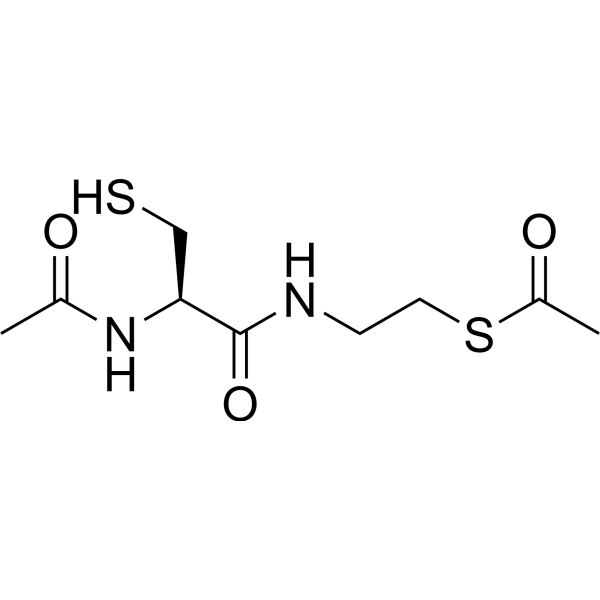
I-152 is a conjugate containing N-acetyl-cysteine (NAC) and cysteamine (MEA). I-152 activates NRF2 and ATF4 signals. I-152 has anti-proliferative properties .
|
-
-
- HY-153339
-
|
|
Eukaryotic Initiation Factor (eIF)
|
Cancer
|
|
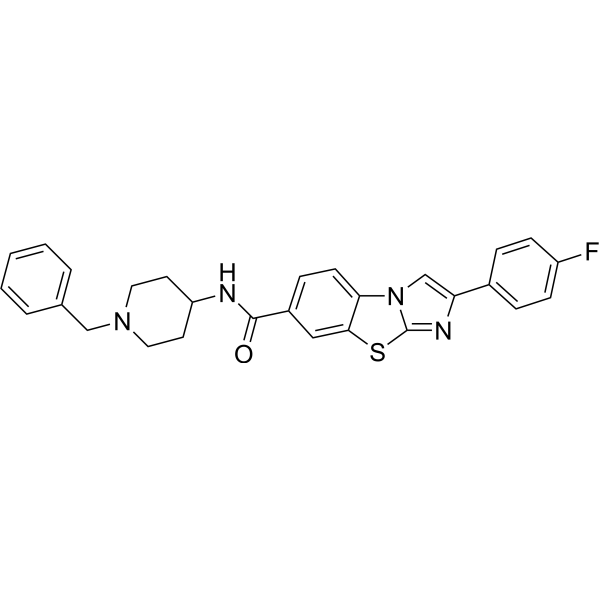
E235 is an expression regulator of activates transcription factor 4 (ATF4). E235 reduces cell viability by activating integrated stress response (ISR) and DNA damage response signals. E235 has anti-proliferative activity and can be used for tumor research .
|
-
-
- HY-153074
-
-
-
- HY-124646
-
|
|
IRE1
|
Inflammation/Immunology
|
|
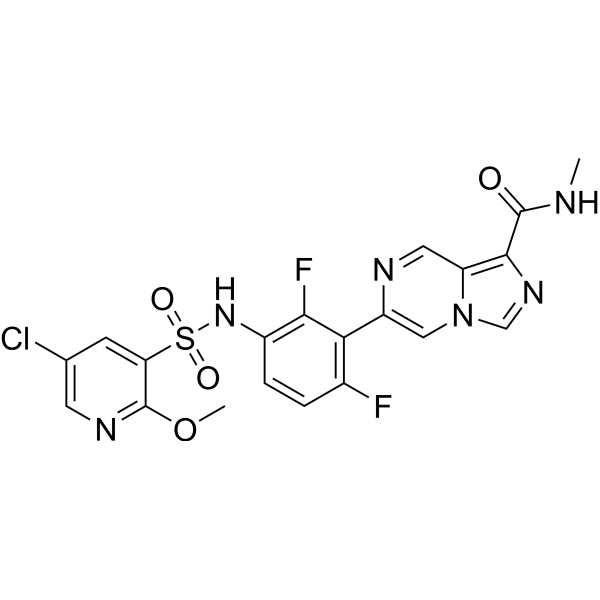
KIRA-7, an imidazopyrazine compound, binds the IRE1α kinase (IC50 of 110 nM) to allosterically inhibit its RNase activity. KIRA-7 has an anti-fibrotic effect .
|
-
-
- HY-RS01130
-
|
|
Small Interfering RNA (siRNA)
|
Others
|
|
ATF4 Human Pre-designed siRNA Set A contains three designed siRNAs for ATF4 gene (Human), as well as a negative control, a positive control, and a FAM-labeled negative control.
|
-
ATF4 Human Pre-designed siRNA Set A
-
- HY-158203
-
|
|
TGF-β Receptor
|
Others
|
|
BMP agonist 2 (derivative I-9) is a potent bone-inducing cytokine. BMP agonist 2 promotes bone tissue production by increasing the proportion and activity of osteoblasts. BMP agonist 2 promotes osteoblast proliferation and differentiation through the BMP2-ATF4 signaling axis, in which ATF4 is a transcription factor closely related to osteoblast differentiation and bone formation. BMP agonist 2 can be used in the study of senile osteoporosis (SOP) .
|
-
-
- HY-W020952
-
|
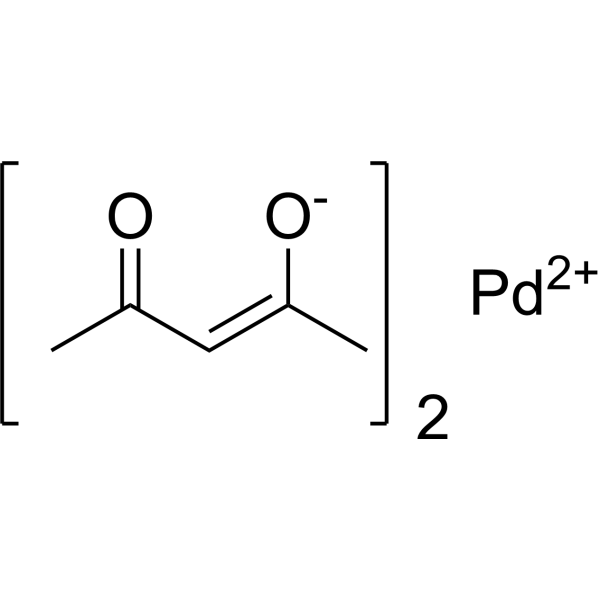
Palladium(Ⅱ) 2,4-pentanedionate; Pd(acac)2
|
Biochemical Assay Reagents
HSP
Eukaryotic Initiation Factor (eIF)
IRE1
JNK
Apoptosis
|
Cancer
|
|
Palladium(II) acetylacetonate is a metal-organic complex. Palladium(II) acetylacetonate upregulates the expression of GRP78, ATF-4, XBP-1, CHOP, and phosphorylated c-Jun. Palladium(II) acetylacetonate induces Apoptosis. Palladium(II) acetylacetonate has anticancer effects against non-small cell lung cancer, gastric cancer, leukemia, and cervical cancer .
|
-
-
- HY-117938
-
|
|
Aminoacyl-tRNA Synthetase
|
Cancer
|
|
T-3861174 is an inhibitor of prolyl-tRNA synthetase (PRS, Aminoacyl-tRNA Synthetase) without completely inhibiting its translation process. T-3861174 activates the GCN2-ATF4 pathway and induces death in multiple tumor cell lines, including SK-MEL-2. T-3861174 demonstrated significant antitumor activity in multiple xenograft models without significantly affecting body weight .
|
-
-
- HY-158196
-
|
|
PERK
Apoptosis
|
Cancer
|
|
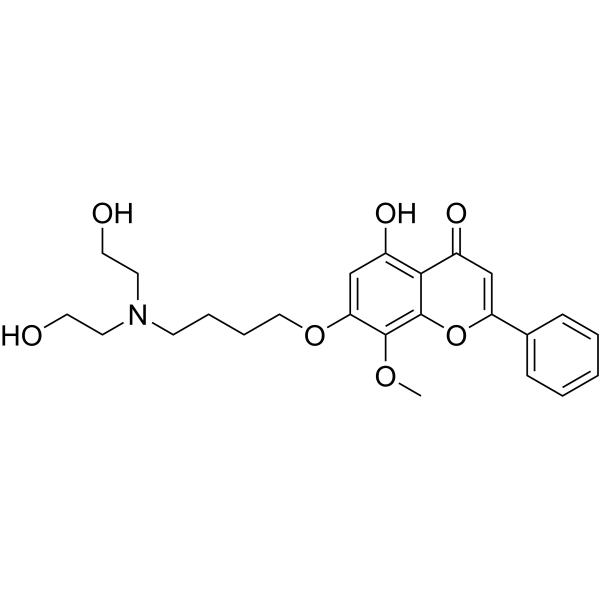
PERK/eIF2α activator 1 (compound V8) is a flavonoid with an anti-tumor activity. PERK/eIF2α activator 1 induces apoptosis and activates the PERK-eIF2α-ATF4 pathway. PERK/eIF2α activator 1 inhibits HepG2 cell proliferation with an IC50 value of 23 μM .
|
-
-
- HY-121337
-
|
R-40244
|
Environmental Pollutants
Apoptosis
Bcl-2 Family
|
Others
|
|
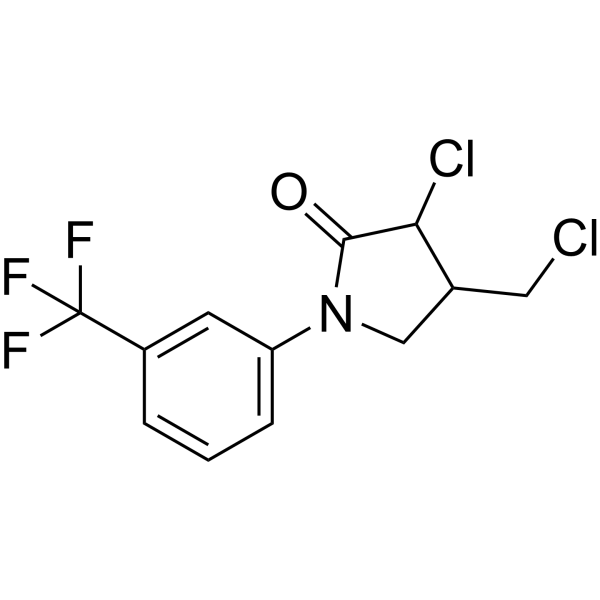
Flurochloridone (R-40244) is a selective preemergence and persistent herbicide. Flurochloridone induces endoplasmic reticulum (ER) stress and activated unfolded protein response (UPR) signaling pathways. Flurochloridone impairs cell viability and induces cytotoxicity and apoptosis mediated by ER stress via activating eIF2α-ATF4/ATF6-CHOP-Bim/Bax signaling pathways in TM4 cells .
|
-
-
- HY-112903A
-
|
|
Protein Arginine Deiminase
MDM-2/p53
PERK
mTOR
Autophagy
|
Cancer
|
|
YW3-56 (hydrochloride) is a PAD inhibitor. YW3-56 (hydrochloride) activates p53 target genes. YW3-56 (hydrochloride) activates ATF and blocks autophagy flux. YW3-56 induces ER stress through the PERK-eIF2α-ATF4 signaling cascade and inhibits the mTOR signaling. YW3-56 (hydrochloride) inhibits triple-negative breast cancer .
|
-
-
- HY-13559
-
|
Azaspirane ; SKF 106615-12; SKF 106615A12
|
STAT
Apoptosis
Autophagy
Reactive Oxygen Species (ROS)
Caspase
Bcl-2 Family
p62
Atg8/LC3
PARP
NF-κB
PERK
JAK
|
Cardiovascular Disease
Inflammation/Immunology
Cancer
|
|
Atiprimod (Azaspirane) is a STAT3 inhibitor with antitumor, anti-inflammatory, and anti-angiogenic activities. Atiprimod blocks the signaling pathways of IL-6 and VEGF by inhibiting the phosphorylation of signal transducer and activator of STAT3. Atiprimod blocks the JAK-STAT signaling pathway by inhibiting the phosphorylation of JAK2 and JAK3. Atiprimod also inhibits cell proliferation, induces cell cycle arrest, and induces autophagy and apoptosis. Atiprimod triggers persistent ER stress-mediated apoptosis in breast cancer cells by activating the PERK/eIF2α/ATF4/CHOP axis and inhibiting the nuclear translocation of STAT3/NF-κB. Atiprimod shows great anti-tumor activities in tumor xenograft mouse models. Atiprimod can be used for the study of pituitary adenoma, breast cancer, multiple myeloma and acute myeloid leukemia (AML) [4] .
|
-
-
- HY-171438
-
-
-
- HY-RS16552
-
|
|
Small Interfering RNA (siRNA)
|
Others
|
|
Atf4 Mouse Pre-designed siRNA Set A contains three designed siRNAs for Atf4 gene (Mouse), as well as a negative control, a positive control, and a FAM-labeled negative control.
|
-
Atf4 Mouse Pre-designed siRNA Set A
-
- HY-153075
-
-
-
- HY-178154
-
|
|
PINK1/Parkin
Mitochondrial Metabolism
|
Neurological Disease
|
|
FB231 is a Parkin activator. FB231 can induce mild mitochondrial stress, resulting in impaired mitochondrial function and activation of the integrated stress response. FB231 can lower the threshold for mitochondrial toxins to induce PINK1/Parkin-mediated mitophagy. FB231 can cause activation of the integrated stress response (ISR) and perturbation to iron-dependent pathways. FB231 can be used for the research of neurological disease, such as Parkinson’s disease .
|
-
-
- HY-RS22985
-
|
|
Small Interfering RNA (siRNA)
|
Others
|
|
Atf4 Rat Pre-designed siRNA Set A contains three designed siRNAs for Atf4 gene (Rat), as well as a negative control, a positive control, and a FAM-labeled negative control.
|
-
Atf4 Rat Pre-designed siRNA Set A
-
- HY-121033
-
|
|
Sigma Receptor
p38 MAPK
Apoptosis
|
Cancer
|
|
BS148 is a selective sigma-2 receptor (S2R) agonist with a Ki 20 nM. BS148 shows >80-fold selective for S2R than S1R. BS148 activates the endoplasmic reticulum stress response through the upregulation of protein kinase R-like ER kinase (PERK), activating transcription factor 4 (ATF4) genes, and C/EBP homologous protein (CHOP). BS148 induces apoptosis in melanoma cell. BS148 downregulates genes related to the cholesterol pathway and activates the MAPK signaling pathway. BS148 can be used for the study of melanoma .
|
-
-
- HY-162886
-
|
|
JNK
Reactive Oxygen Species (ROS)
|
Cancer
|
|
BSO-07 is a ROS/JNK activator with significant anticancer effects, having an IC50 value of 24.81 μM against human breast cancer (BC) cells. BSO-07 induces apoptosis (Apoptosis) and paraptosis by activating JNK and increasing ROS levels, including enhancing the expression of apoptosis-associated proteins such as PARP, Bax, phosphorylated p53, ATF4, and CHOP, while decreasing the levels of anti-apoptotic proteins like Bcl-2, Bcl-xL, and Survivin. BSO-07 holds promise for research in the field of breast cancer .
|
-
-
- HY-158195
-
|
|
Apoptosis
|
Cancer
|
|
DPP23 exerts antitumor activity through ROS-mediated apoptosis in cancer cells, but does not play a role in healthy cells. DPP23 can up-regulate the expression of ATF4 .
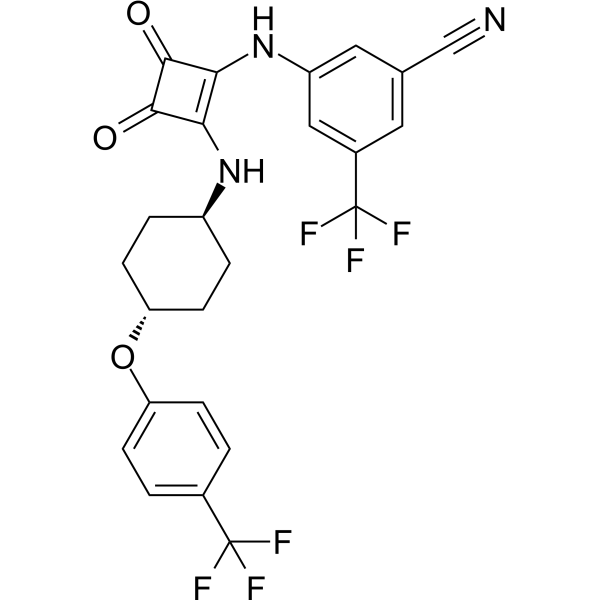
|
-
-
- HY-13559A
-
|
Azaspirane dimaleate; SKF 106615-12 dimaleate; SKF 106615A12 dimaleate
|
STAT
Apoptosis
Caspase
Interleukin Related
Autophagy
Reactive Oxygen Species (ROS)
Atg8/LC3
p62
JAK
|
Cardiovascular Disease
Inflammation/Immunology
Cancer
|
|
Atiprimod (Azaspirane) (dimaleate) is a STAT3 inhibitor with antitumor, anti-inflammatory, and anti-angiogenic activities. Atiprimod blocks the signaling pathways of IL-6 and VEGF by inhibiting the phosphorylation of signal transducer and activator of STAT3. Atiprimod blocks the JAK-STAT signaling pathway by inhibiting the phosphorylation of JAK2 and JAK3. Atiprimod also inhibits cell proliferation, induces cell cycle arrest, and induces autophagy and apoptosis. Atiprimod triggers persistent ER stress-mediated apoptosis in breast cancer cells by activating the PERK/eIF2α/ATF4/CHOP axis and inhibiting the nuclear translocation of STAT3/NF-κB. Atiprimod shows great anti-tumor activities in tumor xenograft mouse models. Atiprimod can be used for the study of pituitary adenoma, breast cancer, multiple myeloma and acute myeloid leukemia (AML) [4] .
|
-
-
- HY-110102
-
|
Azaspirane hydrochloride; SKF 106615-12 hydrochloride; SKF 106615
|
JAK
STAT
Apoptosis
Autophagy
Reactive Oxygen Species (ROS)
Caspase
Atg8/LC3
p62
|
Cardiovascular Disease
Inflammation/Immunology
Cancer
|
|
Atiprimod (Azaspirane) hydrochloride is a STAT3 inhibitor with antitumor, anti-inflammatory, and anti-angiogenic activities. Atiprimod blocks the signaling pathways of IL-6 and VEGF by inhibiting the phosphorylation of signal transducer and activator of STAT3. Atiprimod blocks the JAK-STAT signaling pathway by inhibiting the phosphorylation of JAK2 and JAK3. Atiprimod also inhibits cell proliferation, induces cell cycle arrest, and induces autophagy and apoptosis. Atiprimod triggers persistent ER stress-mediated apoptosis in breast cancer cells by activating the PERK/eIF2α/ATF4/CHOP axis and inhibiting the nuclear translocation of STAT3/NF-κB. Atiprimod shows great anti-tumor activities in tumor xenograft mouse models. Atiprimod can be used for the study of pituitary adenoma, breast cancer, multiple myeloma and acute myeloid leukemia (AML) [4] .
|
-
-
- HY-172784
-
|
|
PI3K
Akt
Apoptosis
|
Cancer
|
|
Anticancer agent 273 (Compound 9q) is a potent anticancer agent found in matrine. Anticancer agent 273 inhibits the proliferation of cancer cells (e.g., HeLa cells with an IC50 value of 4.48 μM). Anticancer agent 273 exerts anticancer effects by modulating the expression of PI3K/AKT and activating transcription factor 4 (ATF4), which promotes endoplasmic reticulum stress and induces apoptosis. Anticancer agent 273 is promising for research of cancers, such as cervical cancer .
|
-
-
- HY-138844
-
|
|
Eukaryotic Initiation Factor (eIF)
p38 MAPK
JNK
Apoptosis
|
Cancer
|
|
3-AP-Me is a dimethyl derivative of the nucleotide reductase inhibitor 3-AP (SML0568). 3-AP-Me can activate the endoplasmic reticulum (ER) stress pathway by promoting the phosphorylation of eIF2α and increasing the gene expression of transcription factors ATF4 and ATF6, leading to cell apoptosis. Additionally, 3-AP-Me can activate the stress kinases c-Jun N-terminal kinase (JNK) and p38 mitogen-activated protein kinases. 3-AP-Me also leads to the upregulation of the spliced mRNA variant XBP1, can be used in cancer research .
|
-
-
- HY-158205
-
|
4-Hydroperoxy-2-decenoic acid ethyl ester
|
Reactive Oxygen Species (ROS)
HDAC
SOD
|
Inflammation/Immunology
Cancer
|
|
HPO-DAEE (4-Hydroperoxy-2-decenoic acid ethyl ester) elicits nuclear accumulation of Nrf2 and activated antioxidant response element (ARE). HPO-DAEE induces antioxidant genes upregulation (eg: HO-1) through Nrf2-ARE signaling. HPO-DAEE induces reactive oxygen species generation. HPO-DAEE also inhibits histone deacetylase and upregulate expression of extracellular superoxide dismutase via histone acetylation. HPO-DAEE protects against 6-hydroxydopamine-induced cell death via activation of Nrf2-ARE and eIF2α-ATF4 pathways .
|
-
-
- HY-149918
-
|
|
Microtubule/Tubulin
Apoptosis
|
Cancer
|
|
Antiproliferative agent-23 is a microtubule-destabilizing agent (MDA) and efficiently disturbes the tubulin-microtubule system. Antiproliferative agent-23 induces apoptosis via a mitochondrion-dependent pathway by downregulating the Bcl-2 protein, upregulating Bax and Cyt c proteins, and activating the caspase cascade. Antiproliferative agent-23 initiates reactive oxygen species (ROS)-mediated endoplasmic reticulum stress in A549/CDDP cells (cisplatin resistant cancer cell line) via the PERK/ATF4/CHOP signaling pathway. Antiproliferative agent-23 has anti-tumor activity .
|
-
-
- HY-121337R
-
|
R-40244 (Standard)
|
Reference Standards
Apoptosis
Bcl-2 Family
|
Others
|
|
Flurochloridone (Standard) is the analytical standard of Flurochloridone. This product is intended for research and analytical applications. Flurochloridone (R-40244) is a selective preemergence and persistent herbicide. Flurochloridone induces endoplasmic reticulum (ER) stress and activated unfolded protein response (UPR) signaling pathways. Flurochloridone impairs cell viability and induces cytotoxicity and apoptosis mediated by ER stress via activating eIF2α-ATF4/ATF6-CHOP-Bim/Bax signaling pathways in TM4 cells .
|
-
-
- HY-170849
-
|
|
Nuclear Hormone Receptor 4A/NR4A
Apoptosis
PERK
IRE1
|
Cancer
|
|
Nur77 modulator 4 (Compound 15h) is a Nur77 inducer with a KD of 0.477 μM. Nur77 modulator 4 significantly induces Nur77 expression and apoptosis, showing excellent growth inhibition in HepG2 and MCF-7 cells, with an IC50 of less than 5 μM. Nur77 modulator 4 activates Nur77-mediated ER stress through the PERK-ATF4 and IRE1 signaling pathways, thereby inducing cell apoptosis. Nur77 modulator 4 can be used in cancer research applications .
|
-
-
- HY-P5762A
-
-
-
- HY-182781
-
|
|
MetAP
|
Cancer
|
|
Anticancer agent 313 is a MetAP2 inhibitor with an IC50 of 4.11 μM. Anticancer agent 313 activates the transcription factor ATF4 via a non-canonical mTORC1-dependent pathway. Anticancer agent 313 inhibits cancer cell proliferation. Anticancer agent 313 is applicable to the research of breast cancer and pancreatic cancer .
|
-
-
- HY-183332
-
|
|
Others
|
Inflammation/Immunology
|
|
YXX0248 is an orally active anti-hypoxic agent. YXX0248 upregulates mRNA expression of FGF21 and GDF15 via activation of the ISR/ATF4 transcriptional axis. YXX0248 exhibits low cytotoxicity. YXX0248 enhances hypoxic survival in mice. YXX0248 can be used for the research of acute mountain sickness and hypoxia-related diseases .
|
-
-
- HY-181959
-
|
|
Eukaryotic Initiation Factor (eIF)
|
Cancer
|
|
APL-4098 is an orally active, selective, ATP-competitive GCN2 inhibitor with a Ki of 4.39 nM and a Kd of 2.9 nM. APL-4098 reduces the phosphorylation level of eIF2α and the expression level of ATF4. APL-4098 impairs mitochondrial function and exerts cytotoxic effects on primary acute myeloid leukemia cells. APL-4098 is applicable to research related to acute myeloid leukemia .
|
-
-
- HY-180490
-
|
|
HIF/HIF Prolyl-Hydroxylase
Epigenetic Reader Domain
|
Cancer
|
|
eIF3e-IN-1 (Compound 209) is an elF3e inhibitor with an EC50 of 18.3 μM. eIF3e-IN-1 significantly reduces the accumulation of HIF1α protein induced by hypoxia and inhibits the acute translation hypoxia response. eIF3e-IN-1 significantly inhibits the expression of ATF4 protein. eIF3e-IN-1 can be used in cancer research, such as in breast cancer studies .
|
-
-
- HY-183331
-
|
|
Others
|
Infection
Inflammation/Immunology
|
|
YXX0237 is an orally active anti-hypoxic agent. YXX0237 upregulates mRNA expression of FGF21 and GDF15 via activation of the ISR/ATF4 transcriptional axis. YXX0237 exhibits low cytotoxicity. YXX0237 enhances hypoxic survival in mice. YXX0237 can be used for the research of acute mountain sickness and hypoxia-related diseases .
|
-
-
- HY-112654A
-
|
|
Eukaryotic Initiation Factor (eIF)
Glutathione Peroxidase
|
Cardiovascular Disease
Metabolic Disease
Cancer
|
|
GCN2iB acetate is an ATP-competitive, selective GCN2 inhibitor with an IC50 of 2.4 nM. GCN2iB acetate inhibits the activation of the GCN2 pathway and upregulates GPX4. GCN2iB acetate enhances the anticancer effect of ASNase against acute lymphoblastic leukemia. GCN2iB acetate increases left ventricular ejection fraction, while reducing fasting blood glucose and myocardial fibrosis. GCN2iB acetate can be used in research related to acute lymphoblastic leukemia, acute myeloid leukemia and diabetic cardiomyopathy .
|
-
-
- HY-182360
-
|
|
PERK
Eukaryotic Initiation Factor (eIF)
Bcl-2 Family
Apoptosis
Reactive Oxygen Species (ROS)
STING
DNA/RNA Synthesis
PD-1/PD-L1
|
Cancer
|
|
Cytisine-Platinum(IV) Prodrug-1 is a Pt(IV) prodrug incorporating the natural compound Cytisine (HY-N0175) with antiproliferative activity against tumor cells. Cytisine-Platinum(IV) Prodrug-1 promotes calcium transfer across the IP3R1-GRP75-VDAC1 axis to drive mitochondrial calcium overload. Cytisine-Platinum(IV) Prodrug-1 initiates unfolded protein response via PERK, eIF2α, ATF4, and CHOP to modulate Bcl-2 and Bax, triggering apoptosis. Cytisine-Platinum(IV) Prodrug-1 induces mitochondrial dysfunction, ROS production, reduced ATP synthesis, DNA damage, and S-phase cell cycle arrest. Cytisine-Platinum(IV) Prodrug-1 activates the cGAS-STING pathway, reduces PD-L1 expression, drives immunogenic cell death. Cytisine-Platinum(IV) Prodrug-1 exhibits high physiological stability, efficient cellular accumulation, and enhanced platinum-DNA binding, and inhibits tumor growth in mouse models with reduced systemic toxicity. Cytisine-Platinum(IV) Prodrug-1 can be used for the research of lung cancer .
|
-
-
- HY-W097625R
-
|
|
Toll-like Receptor (TLR)
MyD88
p38 MAPK
NF-κB
Heme Oxygenase (HO)
Reference Standards
PERK
|
Neurological Disease
Metabolic Disease
Inflammation/Immunology
Cancer
|
|
6-Methoxyflavone (Standard) is the analytical standard of 6-Methoxyflavone (HY-W097625). This product is intended for research and analytical applications. 6-Methoxyflavone is an orally active methoxyflavone. 6-Methoxyflavone suppresses neuroinflammation in microglia through the inhibition of TLR4/MyD88/p38 MAPK/NF-κB dependent pathways and the activation of HO-1/NQO-1 signaling. 6-Methoxyflavone induces S-phase arrest through the CCNA2/CDK2/p21CIP1 signaling pathway and activates the PERK/EIF2a/ATF4/CHOP pathway in HeLa cells. 6-Methoxyflavone acts as a Flumazenil (HY-B0009)-insensitive positive allosteric modulator at human recombinant α1β2γ2L and α2β2γ2L GABAα receptors. 6-Methoxyflavone inhibits NFAT Translocation into the nucleus and suppresses T cell activation. 6-Methoxyflavone partially restores chronic ethanol-induced behavioral deficits in mice. 6-Methoxyflavone antagonizes chronic constriction injury and diabetes associated neuropathic nociception expression. 6-Methoxyflavone can be used for the study of cancer, inflammation and neurological diseases [4] .
|
-
-
- HY-183004
-
|
|
Aminoacyl-tRNA Synthetase
Apoptosis
Caspase
PARP
c-Myc
|
Cancer
|
|
NCP26 is an ATP-competitive ProRS inhibitor (with a KD of 271 nM in the absence of proline, and a KD of 0.35 nM in the presence of 100 μM proline). NCP26 activates AAR, induces G0/G1 phase arrest, Apoptosis, Caspase cleavage, and PARP cleavage. NCP26 downregulates MYC, TCF3, and CCND1. NCP26 inhibits the growth of multiple myeloma cells. NCP26 can be used for the research of multiple myeloma .
|
-
-
- HY-183704
-
-
-
- HY-182938
-
|
|
Autophagy
|
Metabolic Disease
|
|
Autophagy activator-2 is a potent autophagy activator with EC50 values of 14.33 μM. Autophagy activator-2 acts as a proteostasis modulator and small-molecule chaperone that upregulates I1061T mutant NPC1 expression and facilitates cholesterol efflux. Autophagy activator-2 reduces lysosomal hydrolase levels. Autophagy activator-2 can be used for the study of Niemann-Pick Type C disease .
|
-
| Cat. No. |
Product Name |
Type |
-
- HY-W020952
-
|
Palladium(Ⅱ) 2,4-pentanedionate; Pd(acac)2
|
Biochemical Assay Reagents
|
|
Palladium(II) acetylacetonate is a metal-organic complex. Palladium(II) acetylacetonate upregulates the expression of GRP78, ATF-4, XBP-1, CHOP, and phosphorylated c-Jun. Palladium(II) acetylacetonate induces Apoptosis. Palladium(II) acetylacetonate has anticancer effects against non-small cell lung cancer, gastric cancer, leukemia, and cervical cancer .
|
| Cat. No. |
Product Name |
Target |
Research Area |
| Cat. No. |
Product Name |
Category |
Target |
Chemical Structure |
-
- HY-100355
-
|
C18-Ceramide
|
Structural Classification
Alkaloids
Neurological Disease
Classification of Application Fields
Other Alkaloids
Endogenous metabolite
Disease Research Fields
Source Classification
Cancer
|
Endogenous Metabolite
|
|
C18-Ceramide (d18:1/18:0) is a bioactive molecule with multiple functions in cells, not a traditional agonist or inhibitor targeting a single site. It can act on multiple cellular targets, such as proteins related to endoplasmic reticulum stress (e.g., ATF-4, XBP-1, CHOP), proteins in the PI3K/AKT signaling pathway, and SNARE complex proteins. It exerts activities like inducing cell death, promoting autophagy, and regulating exocytosis through mechanisms such as activating endoplasmic reticulum stress, inhibiting the PI3K/AKT signaling pathway, and affecting lipid raft - related functions. It can be used in research on the mechanism of neuronal injury in the field of neuroscience and in the treatment research of cancers such as glioma in the field of oncology .
|
-
-
- HY-W097625R
-
|
|
Structural Classification
Flavonoids
Flavones
Thymelaeaceae
Plants
Pimelea simplex F.Muell.
Source Classification
|
Toll-like Receptor (TLR)
MyD88
p38 MAPK
NF-κB
Heme Oxygenase (HO)
Reference Standards
PERK
|
|
6-Methoxyflavone (Standard) is the analytical standard of 6-Methoxyflavone (HY-W097625). This product is intended for research and analytical applications. 6-Methoxyflavone is an orally active methoxyflavone. 6-Methoxyflavone suppresses neuroinflammation in microglia through the inhibition of TLR4/MyD88/p38 MAPK/NF-κB dependent pathways and the activation of HO-1/NQO-1 signaling. 6-Methoxyflavone induces S-phase arrest through the CCNA2/CDK2/p21CIP1 signaling pathway and activates the PERK/EIF2a/ATF4/CHOP pathway in HeLa cells. 6-Methoxyflavone acts as a Flumazenil (HY-B0009)-insensitive positive allosteric modulator at human recombinant α1β2γ2L and α2β2γ2L GABAα receptors. 6-Methoxyflavone inhibits NFAT Translocation into the nucleus and suppresses T cell activation. 6-Methoxyflavone partially restores chronic ethanol-induced behavioral deficits in mice. 6-Methoxyflavone antagonizes chronic constriction injury and diabetes associated neuropathic nociception expression. 6-Methoxyflavone can be used for the study of cancer, inflammation and neurological diseases [4] .
|
-
| Cat. No. |
Product Name |
|
Classification |
-
- HY-RS01130
-
|
|
|
siRNAs
Human Pre-designed siRNA Sets
|
|
ATF4 Human Pre-designed siRNA Set A contains three designed siRNAs for ATF4 gene (Human), as well as a negative control, a positive control, and a FAM-labeled negative control.
|
-
- HY-RS16552
-
|
|
|
siRNAs
Mouse Pre-designed siRNA Sets
|
|
Atf4 Mouse Pre-designed siRNA Set A contains three designed siRNAs for Atf4 gene (Mouse), as well as a negative control, a positive control, and a FAM-labeled negative control.
|
-
- HY-RS22985
-
|
|
|
siRNAs
Rat Pre-designed siRNA Sets
|
|
Atf4 Rat Pre-designed siRNA Set A contains three designed siRNAs for Atf4 gene (Rat), as well as a negative control, a positive control, and a FAM-labeled negative control.
|
Your information is safe with us. * Required Fields.
Inquiry Information
- Product Name:
- Cat. No.:
- Quantity:
- MCE Japan Authorized Agent:

