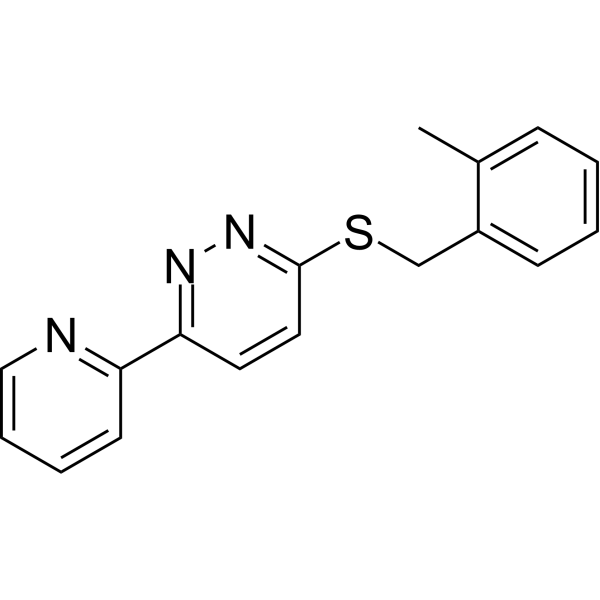
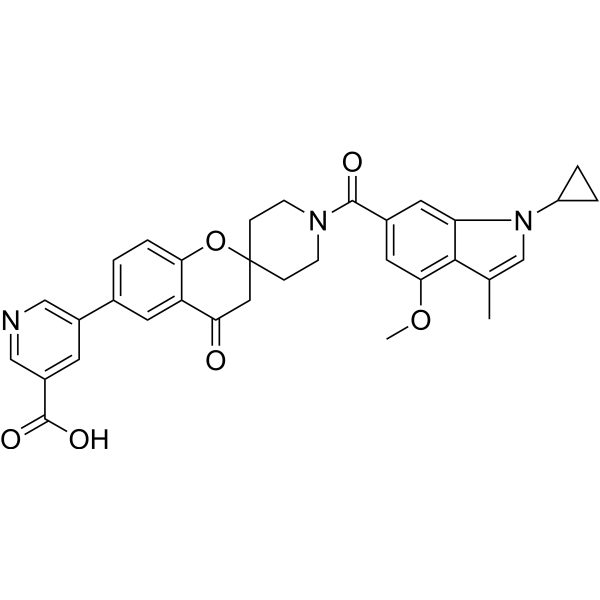
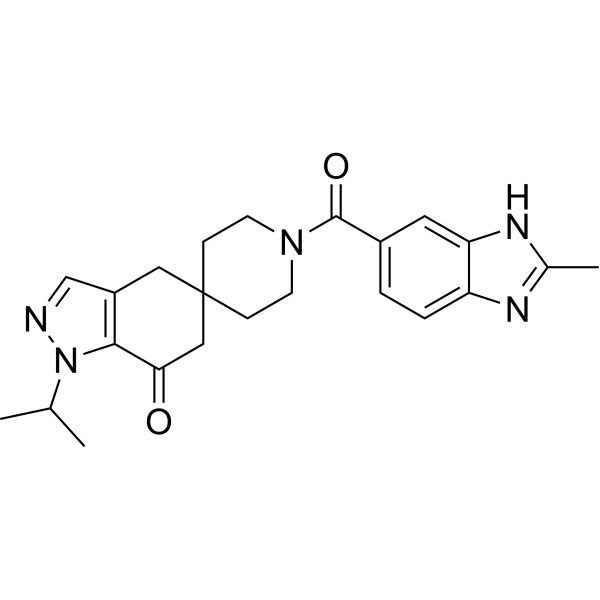
1. Search Result
Search Result
Results for "

Acc1

" in MedChemExpress (MCE) Product Catalog:

32

Inhibitors & Agonists

2

Natural
Products

1

Recombinant Proteins

1

Isotope-Labeled Compounds

7

Antibodies

4

Oligonucleotides

Targets Recommended:
Cat. No. Product Name Target Research Areas Chemical Structure
  • HY-16901
    Firsocostat
    Maximum Cited Publications
    23 Publications Verification

    ND-630; GS-0976; NDI-010976

    Acetyl-CoA Carboxylase Metabolic Disease
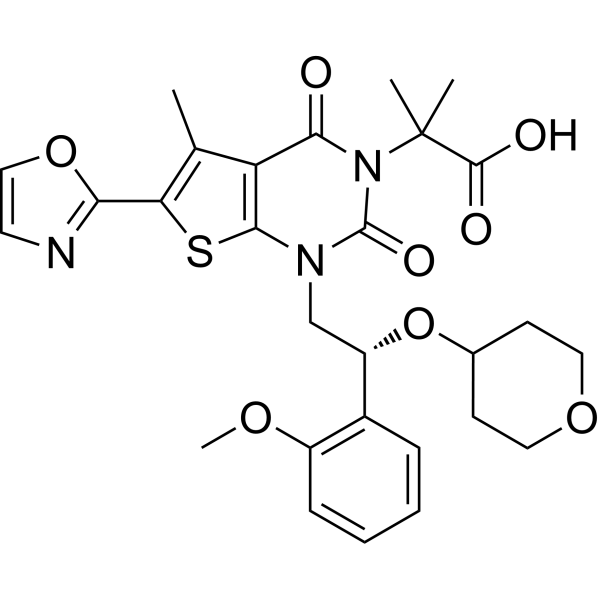
    Firsocostat (ND-630; GS-0976; NDI-010976) is an acetyl-CoA carboxylase (ACC) inhibitor; inhibits human ACC1 and ACC2 with IC50 values of 2.1 and 6.1 nM, respectively.
    Firsocostat
  • HY-12942
    PF-05175157
    3 Publications Verification

    Acetyl-CoA Carboxylase Metabolic Disease
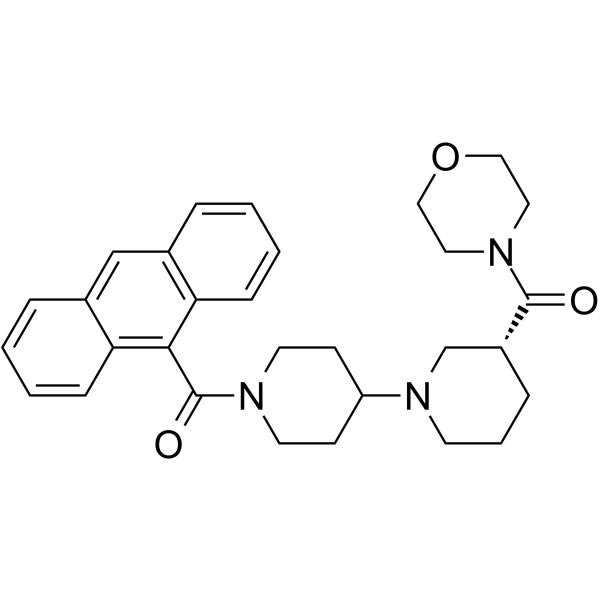
    PF-05175157 is broad spectrum acetyl-CoA carboxylase (ACC) inhibitor with IC50s of 27.0, 33.0, 23.5 and 50.4 nM for ACC1 (human), ACC2 (human), ACC1 (rat), ACC2 (rat), respectively.
    PF-05175157
  • HY-15259
    CP-640186
    5+ Cited Publications

    Acetyl-CoA Carboxylase Metabolic Disease
    CP-640186 is an orally active and cell-permeable Acetyl-CoA carboxylase (ACC) inhibitor with IC50s of 53 nM and 61 nM for rat liver ACC1 and rat skeletal muscle ACC2 respectively. Acetyl-CoA carboxylase (ACC) is a key enzyme of fatty acid metabolism that enables the synthesis of malonyl-CoA. CP-640186 can also stimulate muscle fatty acid oxidation [1] .
    CP-640186
  • HY-D0067
    7ACC1
    5+ Cited Publications

    DEAC; Coumarin D 1421; D 1421

    Monocarboxylate Transporter Cancer
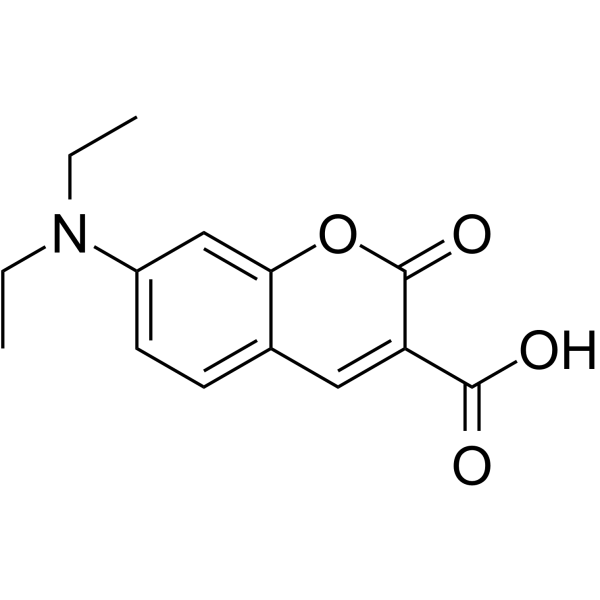
    7ACC1 (DEAC; Coumarin D 1421; D 1421) is a monocarboxylate transporter 1 (MCT-1)/MCT-4 specifc blocker. 7ACC1 attenuates renal cancer cell proliferation, migration, invasion and down-regulates the levels of MCT1/MCT4 expression and extracellular lactate. 7ACC1 is promising for research of cancers [1] .
    7ACC1
  • HY-12741
    LDN-212320
    5+ Cited Publications

    LDN-0212320; OSU-0212320

    EAAT Neurological Disease
    LDN-212320 (LDN-0212320) is a glutamate transporter (GLT-1)/excitatory amino acid transporter 2 (EAAT2) activator (at translational level). LDN-212320 (LDN-0212320) prevents nociceptive pain by upregulating astroglial GLT-1 expression in the hippocampus and ACC [1]
    LDN-212320
  • HY-160912

    ELOVL Metabolic Disease
    ELOVL6-IN-5 is an orally active and selective elongase enzyme of long-chain fatty acid family 6 (ELOVL6) inhibitor with IC50 values of 85 nM and 38 nM for human and mouse ELOVL6, respectively. ELOVL6-IN-5 shows >60-fold selectivity over other ELOVL family enzymes (ELOVL1, 2, 3, 5) and no effect on other lipid synthesis enzymes like ACC1, ACC2. ELOVL6-IN-5 reduces hepatic fatty acid composition ratio of C18 to C16 in diet-induced obesity (DIO) and KKAy mice. ELOVL6 inhibition by ELOVL6-IN-5 does not improve insulin resistance. ELOVL6-IN-5 can be used for the research of metabolic disease [1].
    ELOVL6-IN-5
  • HY-135981
    CMS-121
    2 Publications Verification

    Acetyl-CoA Carboxylase Neurological Disease Inflammation/Immunology
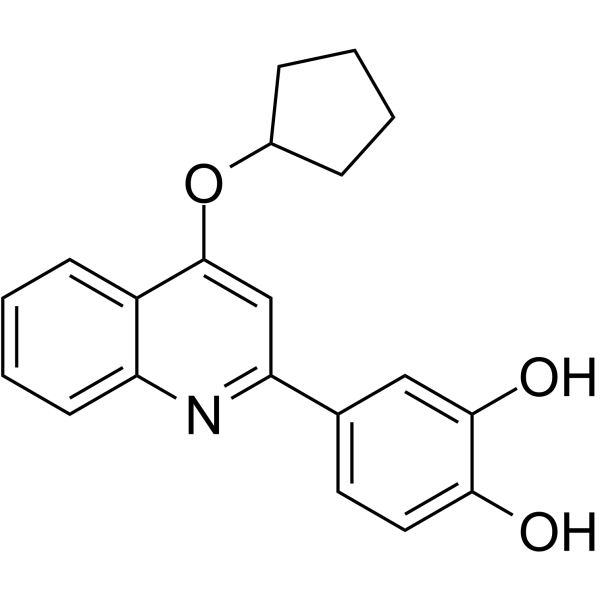
    CMS-121 is a quinolone derivative and an orally active acetyl-CoA carboxylase 1 (ACC1) inhibitor. CMS-121 protects HT22 cells against ischemia and oxidative damage with EC50 values of 7 nM and 200 nM, respectively. CMS-121 has strong neuroprotective, anti-inflammatory, antioxidative and renoprotective activities [1] .
    CMS-121
  • HY-15259A
    CP-640186 hydrochloride
    5+ Cited Publications

    Acetyl-CoA Carboxylase Metabolic Disease
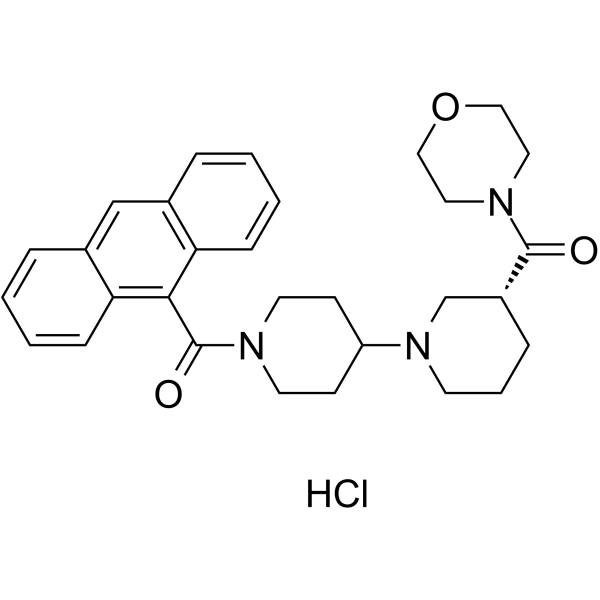
    CP-640186 hydrochloride is an orally active and cell-permeable Acetyl-CoA carboxylase (ACC) inhibitor with IC50s of 53 nM and 61 nM for rat liver ACC1 and rat skeletal muscle ACC2 respectively. Acetyl-CoA carboxylase (ACC) is a key enzyme of fatty acid metabolism that enables the synthesis of malonyl-CoA. CP-640186 hydrochloride can also stimulate muscle fatty acid oxidation [1] .
    CP-640186 hydrochloride
  • HY-107709
    MK-4074
    4 Publications Verification

    Acetyl-CoA Carboxylase Metabolic Disease
    MK-4074 is a liver-specific inhibitor of acetyl-CoA carboxylase ACC1 and ACC2 with IC50 values of approximately 3 nM.
    MK-4074
  • HY-147932

    Acetyl-CoA Carboxylase Cancer
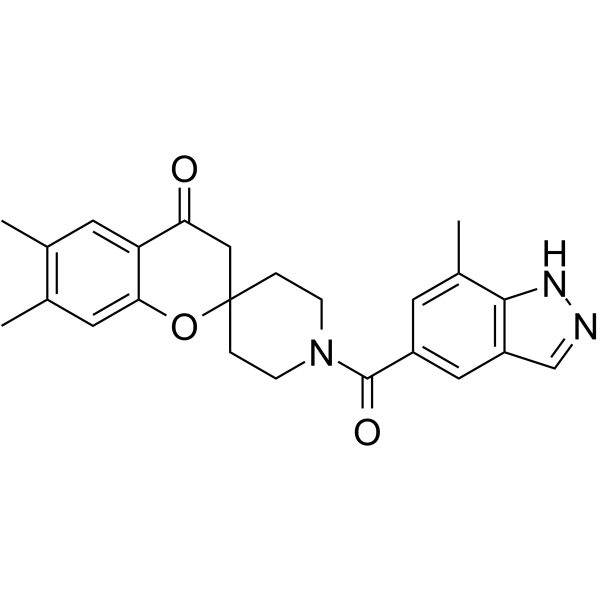
    ACC1/2-IN-2 (compound PF-3) is a potent ACC1/2 inhibitor with IC50 values of 22 and 48 nM for ACC1 and ACC2, respectively. ACC1/2-IN-2 has antiproliferation activity and can be used for cancer research [1].
    ACC1/2-IN-2
  • HY-124609

    AMPK Acetyl-CoA Carboxylase Neurological Disease
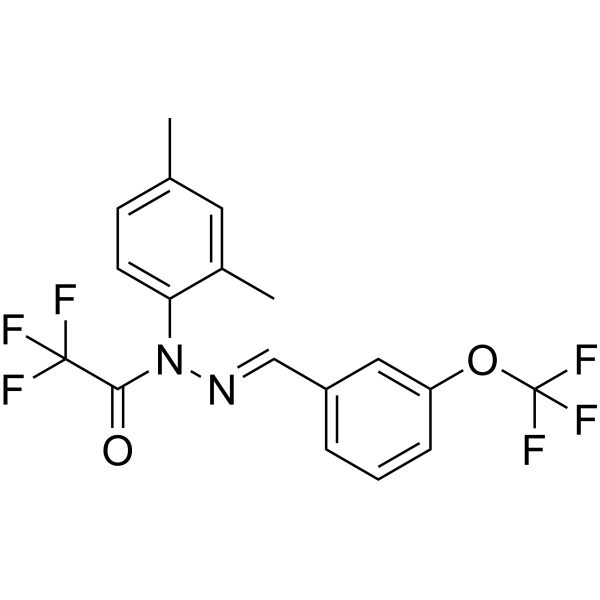
    CAD031 is an orally active AMPK/ACC1 signaling pathway activator and a derivative of the Alzheimer's disease (AD) targeted agent J147 (HY-13779) (more active than J147 in human neural stem cell assays). CAD031 can cross the blood-brain barrier, activate AMPK and inhibit ACC1, thereby increasing ac-CoA levels, improving mitochondrial function and reducing free fatty acid synthesis. CAD031 has neuroprotective, neurogenesis-promoting and memory-improving activities and can be used in the study of Alzheimer's disease and aging-related neurodegenerative diseases. CAD031 effectively enhances the memory of mice, improves dendritic structure, and stimulates cell division in the germinal zone of the brain of elderly mice [1] .
    CAD031
  • HY-179537

    Acetyl-CoA Carboxylase Drug Derivative Inflammation/Immunology
    CKBA, a derivative of AKBA (HY-N0892) is an inhibitor of acetyl-CoA carboxylase 1 (ACC1), with an IC50 of 5.02 μM. CKBA inhibits the differentiation of Th17 cells and has IC50 values of 3.28 μM for mouse cells and 3.61 μM for human cells. CKBA ointment significantly alleviates psoriasis-like inflammation in mice. CKBA can be used for the study of psoriasis [1].
    CKBA
  • HY-147930

    Acetyl-CoA Carboxylase Cancer
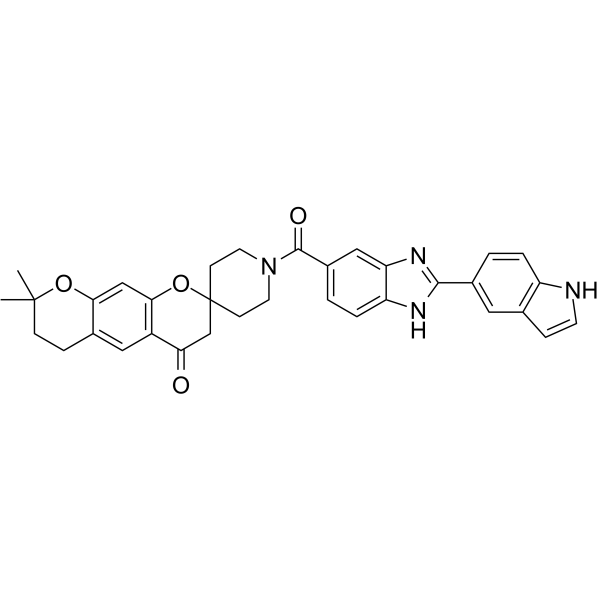
    ACC1/2-IN-1 (compound 4s) is a potent ACC1/2 inhibitor with IC50 values of 98.06 and 29.43 nM for ACC1 and ACC2, respectively. ACC1/2-IN-1 can be used for cancer research [1].
    ACC1/2-IN-1
  • HY-N8144

    Others Cardiovascular Disease
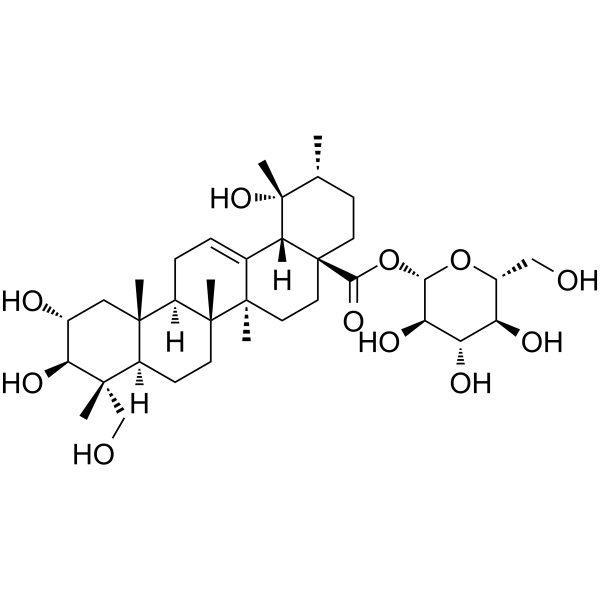
    Niga-ichigoside F1, an orally active ursane triterpenoid, has antihyperlipidemic and antioxidant activities. Niga-ichigoside F1 can prevent high-fat diet (HFD)-induced hepatic steatosis [1].
    Niga-ichigoside F1
  • HY-N10612

    AMPK PPAR TRP Channel Mitochondrial Metabolism Metabolic Disease Cancer
    Petasin inhibits adipogenesis in cell 3T3-F442A with an IC50 of 0.95 μM. Petasin inhibits the expression of lipid synthesis factors ACC1, FAS and SCD1 by inhibiting transcription factors PPARγ and C/EBPα, as well as targeting TRPA1 and TRPV1 channels . Petasin inhibits mitochondrial complex I, thereby inhibiting tumor growth and metastasis. Petasin activates AMPK signaling pathway, participating in regulation of glucose and lipid metabolism. Petasin is orally active [1].
    Petasin
  • HY-150191

    Lipoxygenase Acetyl-CoA Carboxylase Metabolic Disease
    IMA-1 is an inhibitor that inhibits the interaction between arachidonic acid 12-lipoxygenase (ALOX12) and acetyl-CoA carboxylase 1 (ACC1). IMA-1 significantly blocks the progression of diet-induced non-alcoholic steatohepatitis (NASH) in male mice and crab-eating monkeys, and does not cause hyperlipidemia. IMA-1 can be used for the study of NASH [1].
    IMA-1
  • HY-42632

    Acetyl-CoA Carboxylase Metabolic Disease
    ACC1/2-IN-3 (example 66) is an ACC1 and ACC2 inhibitor with an IC50 value of 1-10 nM for both. ACC1/2-IN-3 can be used for the study of diseases mediated by ACC, such as metabolic disease [1].
    ACC1/2-IN-3
  • HY-127108

    Acetyl-CoA Carboxylase Metabolic Disease Cancer
    ND-654 is a highly selective acetyl-CoA carboxylase (ACC) inhibitor (IC50: ACC1=3 nM, ACC2=8 nM). ND-654 reduces hepatic lipogenesis, decreases neutrophil recruitment and promotes anti-inflammatory M2 macrophage polarization. ND-654 is promising for research of nonalcoholic steatohepatitis and hepatocellular carcinoma [1].
    ND-654
  • HY-161976

    Acetyl-CoA Carboxylase Inflammation/Immunology
    ACC1-IN-2 (Compound 16) is an ACC1 inhibitor with an IC50 of 7.3 nM. ACC1-IN-2 can be used in the study of acne [1].
    ACC1-IN-2
  • HY-16946

    Acetyl-CoA Carboxylase Metabolic Disease
    CP-610431 is a reversible, ATP-uncompetitive, isozyme-nonselective acetyl-CoA carboxylase (ACC) inhibitor. CP-610431 inhibits ACC1 and ACC2 with IC50s of ~50 nM. CP-610431 can be used for the research of metabolic syndrome [1].
    CP-610431
  • HY-16901R

    ND-630 (Standard); GS-0976 (Standard); NDI-010976 (Standard)

    Acetyl-CoA Carboxylase Reference Standards Metabolic Disease
    Firsocostat (Standard) is the analytical standard of Firsocostat. This product is intended for research and analytical applications. Firsocostat (ND-630; GS-0976; NDI-010976) is an acetyl-CoA carboxylase (ACC) inhibitor; inhibits human ACC1 and ACC2 with IC50 values of 2.1 and 6.1 nM, respectively.
    Firsocostat (Standard)
  • HY-151931S

    Jasmonyl-Acc-d3

    Isotope-Labeled Compounds Others
    JA-ACC-d3 is deuterium labeled JA-ACC .
    JA-ACC-d3
  • HY-137846A

    Acetyl-CoA Carboxylase OAT Metabolic Disease Inflammation/Immunology
    PF-05221304 tromethamine is an orally active, liver-directed and dual ACC1/ACC2 inhibitor with IC50s of 7.5 nM for rat ACC1, 8.2 nM for rat ACC2. PF-05221304 tromethamine is a substrate for organic anion transport polypeptides. PF-05221304 tromethamine directly improves a variety of non-alcoholic fatty liver (NAFL) and non-alcoholic steatohepatitis (NASH) pathogenic factors [1].
    PF-05221304 tromethamine
  • HY-107709R

    Reference Standards Acetyl-CoA Carboxylase Metabolic Disease
    MK-4074 (Standard) is the analytical standard of MK-4074 (HY-107709). This product is intended for research and analytical applications. MK-4074 is a liver-specific inhibitor of acetyl-CoA carboxylase ACC1 and ACC2 with IC50 values of approximately 3 nM.
    MK-4074 (Standard)
  • HY-RS00121

    Small Interfering RNA (siRNA) Others

    Acaca Rat Pre-designed siRNA Set A contains three designed siRNAs for Acaca gene (Rat), as well as a negative control, a positive control, and a FAM-labeled negative control.

    Acaca Rat Pre-designed siRNA Set A
    Acaca Rat Pre-designed siRNA Set A
  • HY-RS01418

    Small Interfering RNA (siRNA) Bcl-2 Family Others

    BCL2A1 Human Pre-designed siRNA Set A contains three designed siRNAs for BCL2A1 gene (Human), as well as a negative control, a positive control, and a FAM-labeled negative control.

    BCL2A1 Human Pre-designed siRNA Set A
    BCL2A1 Human Pre-designed siRNA Set A
  • HY-RS00120

    Small Interfering RNA (siRNA) Others

    Acaca Mouse Pre-designed siRNA Set A contains three designed siRNAs for Acaca gene (Mouse), as well as a negative control, a positive control, and a FAM-labeled negative control.

    Acaca Mouse Pre-designed siRNA Set A
    Acaca Mouse Pre-designed siRNA Set A
  • HY-144701

    Antibiotic Bacterial Infection Inflammation/Immunology
    SABA1 possesses antibacterial properties against Pseudomonas aeruginosa and Escherichia coli, with an IC50 of 4.0 µM against E. coli ACC .
    SABA1
  • HY-RS00119

    Small Interfering RNA (siRNA) Others

    ACACA Human Pre-designed siRNA Set A contains three designed siRNAs for ACACA gene (Human), as well as a negative control, a positive control, and a FAM-labeled negative control.

    ACACA Human Pre-designed siRNA Set A
    ACACA Human Pre-designed siRNA Set A
  • HY-182750

    ATP Citrate Lyase Inflammation/Immunology
    ACLY-IN-3 is an ATP-citrate lyase (ACLY) inhibitor with an IC50 of 0.036 μM and a target Kd of 0.54 μM. ACLY-IN-3 interacts with the allosteric binding site of ACLY to inhibit its activity. ACLY-IN-3 exhibits excellent lipid-lowering effects and alleviates hepatic inflammation and liver fibrosis. ACLY-IN-3 can be used for the research of metabolic dysfunction-associated steatohepatitis [1].
    ACLY-IN-3
  • HY-182751

    ATP Citrate Lyase Inflammation/Immunology
    ACLY-IN-4 is an ATP-citrate lyase (ACLY) inhibitor with an IC50 of 0.022 μM and a Kd of 0.19 μM. ACLY-IN-4 binds to the allosteric binding site of ACLY. ACLY-IN-4 exhibits hypolipidemic, anti-steatotic, insulin sensitivity-improving, anti-oxidative stress, anti-inflammatory and anti-fibrotic activities. ACLY-IN-4 alleviates hepatic steatosis, systemic insulin resistance, oxidative stress, hepatic inflammation and fibrosis. ACLY-IN-4 can be used for the research of metabolic dysfunction-associated steatohepatitis [1].
    ACLY-IN-4
  • HY-183919

    Acetyl-CoA Carboxylase Cytochrome P450 Metabolic Disease
    ACC2-IN-1 is an orally active, selective inhibitor of acetyl-CoA carboxylase 2 (ACC2), with an IC50 of 1.9 nM against human targets. ACC2-IN-1 acts as a reducing agent to decrease malonyl-CoA levels in skeletal muscle and exhibits a favorable CYP450 inhibition profile. ACC2-IN-1 can be used in the research of type 2 diabetes [1].
    ACC2-IN-1

Inquiry Online

Your information is safe with us. * Required Fields.

Salutation


Country or Region *

Applicant Name *


Organization Name *

Department *


Email Address *


Product Name *

Cat. No.


Requested quantity *

Phone Number *


Remarks

Inquiry Online

Inquiry Information

Product Name:
Cat. No.:
Quantity:
MCE Japan Authorized Agent:

