



Search Result
Results for "
Amides
" in MedChemExpress (MCE) Product Catalog:
6
Biochemical Assay Reagents
9
Isotope-Labeled Compounds
| Cat. No. |
Product Name |
Target |
Research Areas |
Chemical Structure |
-
- HY-D0178
-
|
|
Biochemical Assay Reagents
|
Others
|
|
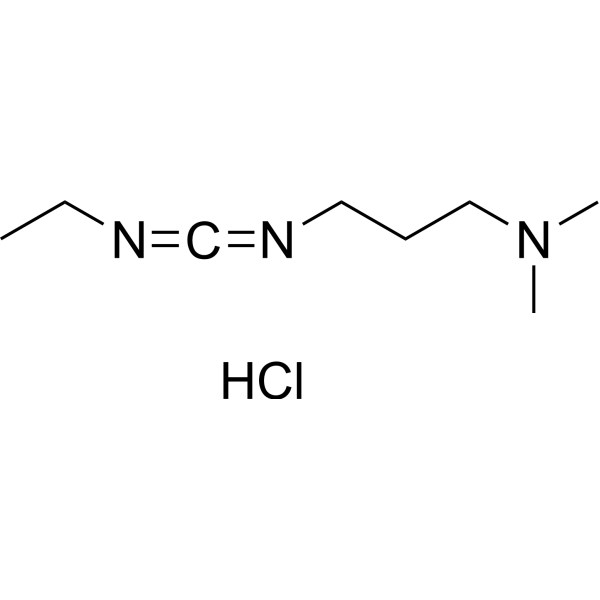
1-Ethyl-(3-dimethylaminopropyl)carbodiimide hydrochloride is a carbodiimide reagent that can form nucleic acid and compounds with amide bonds. 1-(3-Dimethylaminopropyl)-3-ethylcarbodiimide hydrochloride accelerates the formation reaction of esters, amides, and peptides, as a condensing and dehydrating agent, which are often used for polynucleotide synthesis, anhydroxydation, lactonization and esterification .
|
-
-
- HY-P3719
-
|
|
CCR
|
Inflammation/Immunology
|
|
MOG (35-55) amide, mouse, rat the terminal amidation form of the 35-55 fragment of the myelin oligodendrocyte glycoprotein (MOG) immunogenic peptide (MOG (35-55) (HY-P1240)). MOG(35-55) amide, mouse, rat can be used for experimental autoimmune encephalomyelitis (EAE) modeling .
|
-
-
- HY-Z0275
-
|
|
Biochemical Assay Reagents
Bacterial
|
Infection
|
|
HOAT is a peptide bond-forming reagent. HOAT is utilized to affect formation of peptide bonds by coupling carboxylic acids with amines. HOAt is not mutagenic in the bacterial reverse mutation test .
|
-
-
- HY-128923
-
|
3-Mercaptopicolinic acid hydrochloride; 3-MPA hydrochloride
|
PEPCK
|
Metabolic Disease
|
|
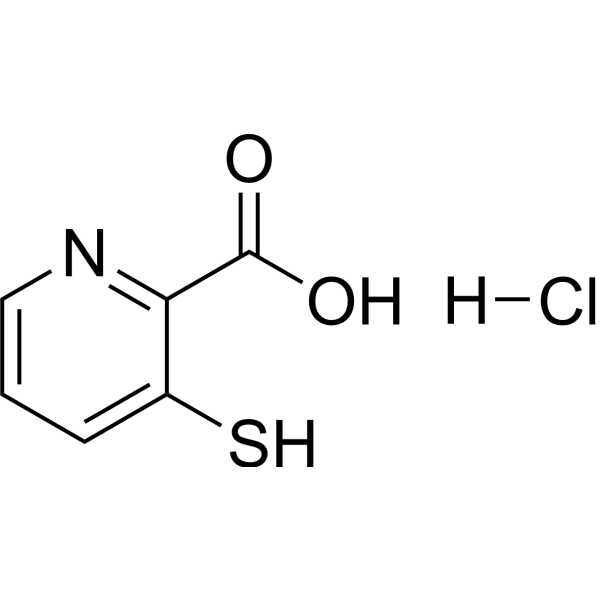
SKF-34288 (3-Mercaptopicolinic acid) hydrochloride is an orally active phosphoenolpyruvate carboxykinase (PEPCK) inhibitor (Ki: 2-9 μM). SKF-34288 hydrochloride is a potent hypoglycemic agent by inhibiting glucose synthesis. SKF-34288 hydrochloride also inhibits Asn metabolism and increases amino acids and amides .
|
-
-
- HY-P4744
-
|
|
Formyl Peptide Receptor (FPR)
Bacterial
|
Infection
Cancer
|
|
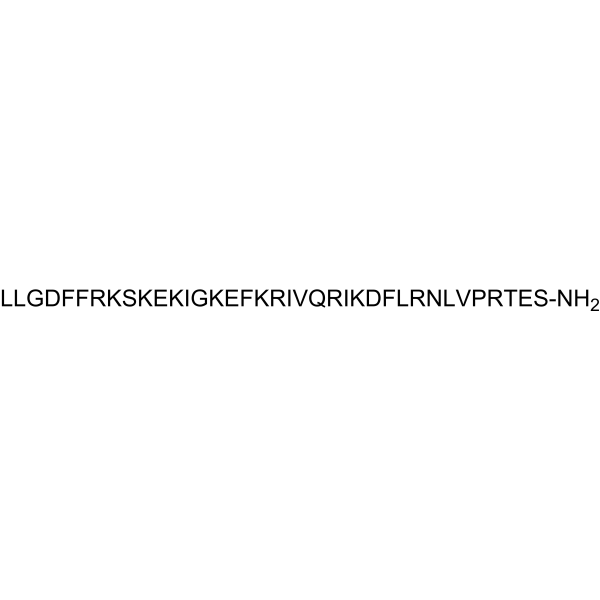
LL-37 amide is a selective agonist of formyl peptide receptor-like FPRL1, effectively inhibiting periodontal pathogens (ED99=8.5-8.7 μg/mL). LL-37 amide exerts its bactericidal effect by activating FPRL1-mediated immune cell chemotaxis and disrupting bacterial cell membrane integrity. It can also regulate inflammatory responses (inhibiting the release of factors such as TNF-α) and promote angiogenesis. Amidation modification reduces its sensitivity to serum inhibition and improves its stability. LL-37 amide possesses key activities in bactericidal action, immunomodulation, and wound healing, and is mainly used in research on infection-related diseases such as periodontal disease and deep tissue injuries (pressure ulcers), and wound healing .
|
-
-
- HY-P2831
-
|
CESs
|
Endogenous Metabolite
|
Metabolic Disease
|
|
Esterase, pig liver (CESs), namely carboxylate hydrolases, are widely distributed in nature, commonly found in mammalian liver, and often used in biochemical research. Esterase catalyzes the hydrolysis of a variety of endogenous and exogenous substrates, including esters, thioesters, carbamates, and amides, hydrolyzing carboxylic acid esters to the corresponding alcohols and carboxylic acids .
|
-
-
- HY-P4070
-
|
|
Insulin Receptor
|
Metabolic Disease
|
|
Insulin icodec is an Insulin (HY-P0035) analog that strongly but reversibly binds to albumin. Insulin icodec has long plasma half-life. Insulin icodec modulates insulin receptor activity, controls blood glucose levels, reduces HbA1c levels, and binds reversibly to human serum albumin. Insulin icodec can be used for the research of type 2 diabetes mellitus .
|
-
-
- HY-59156
-
|
|
Drug Intermediate
|
Others
|
|
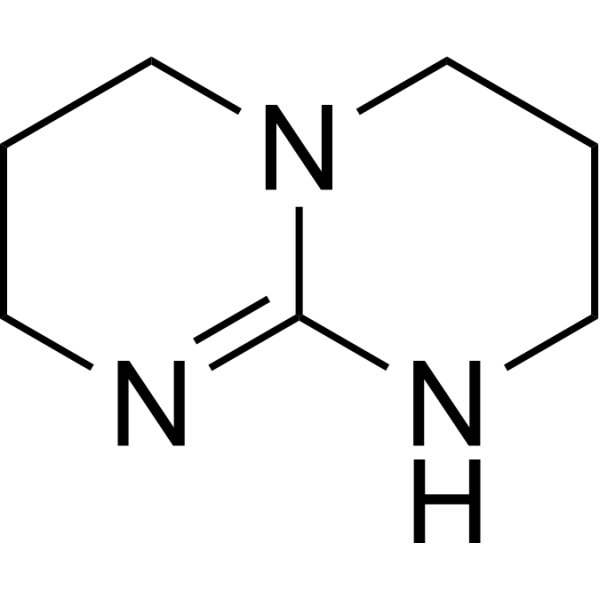
Triazabicyclodecene is a bicyclic guanidine compound that can serve as a pharmaceutical intermediate for the formation of amides or esters .
|
-
-
- HY-P1103
-
|
|
CXCR
|
Cancer
|
|
CTCE-9908 is a potent and selective CXCR4 antagonist. CTCE-9908 induces mitotic catastrophe, cytotoxicity and inhibits migration in CXCR4-expressing ovarian cancer cells .
|
-
-
- HY-69142
-
-
-
- HY-W588704
-
|
|
Biochemical Assay Reagents
|
Others
|
|
4-Azidobutyric acid is a small molecule featuring an azide and a carboxylic acid. Carboxylic acids can be linked with alcohols or amides while azides can be used as click chemistry handles to react with terminal alkynes or strained cyclooctynes.
|
-
-
- HY-120957
-
|
AMC-AA; 7-Amino-4-methyl coumarin-arachidonamide
|
Endogenous Metabolite
|
Metabolic Disease
|
|
AMC arachidonoyl amide (AMC-AA) is one of several fatty acid amides which can be used to measure fatty acid amide hydrolase (FAAH) activity.1 FAAH is a relatively unselective enzyme in that it accepts a variety of amide head groups other than the ethanolamine of its nominal endogenous substrate anandamide.2 Exposure of AMC-AA to FAAH activity results in the release of the fluorescent aminomethyl coumarin that absorbs at 360 nm and emits at 465 nm. This allows the fast and convenient measurement of FAAH activity using a simple cuvette or microplate fluorometer.
|
-
-
- HY-P4744A
-
|
|
Formyl Peptide Receptor (FPR)
Bacterial
|
Infection
Cancer
|
|
LL-37 amide TFA is a selective agonist of formyl peptide receptor-like FPRL1, effectively inhibiting periodontal pathogens (ED99=8.5-8.7 μg/mL). LL-37 amide TFA exerts its bactericidal effect by activating FPRL1-mediated immune cell chemotaxis and disrupting bacterial cell membrane integrity. It can also regulate inflammatory responses (inhibiting the release of factors such as TNF-α) and promote angiogenesis. Amidation modification reduces its sensitivity to serum inhibition and improves its stability. LL-37 amide TFA possesses key activities in bactericidal action, immunomodulation, and wound healing, and is mainly used in research on infection-related diseases such as periodontal disease and deep tissue injuries (pressure ulcers), and wound healing .
|
-
-
- HY-30014
-
|
|
Drug Intermediate
|
Others
|
|
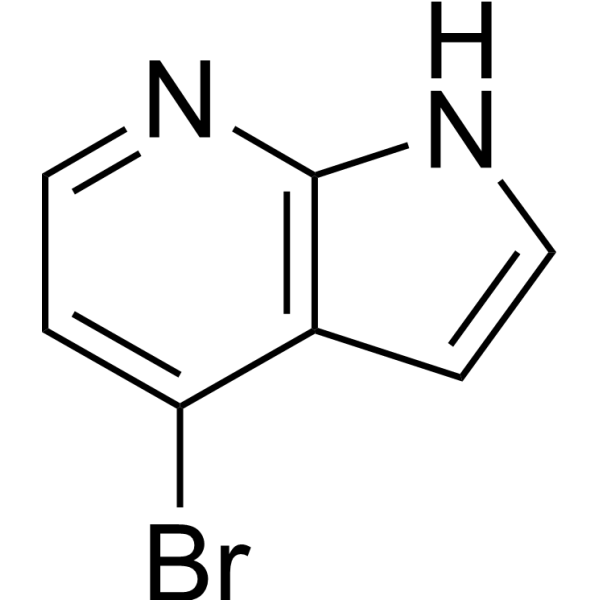
4-Bromo-7-azaindole is a brominated derivative of 7-azaindole. 4-Bromo-7-azaindole serves as a substrate for palladium-catalyzed C-N and C-O cross-coupling reactions, reacting with amides, amines, amino acid esters and phenols .
|
-
-
- HY-W015987
-
|
Fmoc-NH2
|
Biochemical Assay Reagents
|
Others
|
|
9-Fluorenylmethyl carbamate (Fmoc-NH2) is an amide compound with an Fmoc protecting group, which can be used as a photobase initiator to prepare organosilane-based proton exchange membranes .
|
-
-
- HY-120963
-
|
|
Endogenous Metabolite
|
Metabolic Disease
|
|
Several different arachidonoyl amino acids, including N-arachidonoyl dopamine and N-arachidonoyl serine, have been isolated and characterized from bovine brain.1 During mass spectral lipidomics analysis of rat brain, a series of fatty acyl amides of a third amino acid, taurine, were discovered.2 This novel class of compounds is present in kidney and activates members of the transient receptor potential (TRP) family of calcium channels.3 N-Oleoyl taurine is an amino-acyl endocannabinoid isolated from rat brain that may activate TRPV1 and TRPV4.
|
-
-
- HY-W074953
-
|
|
Biochemical Assay Reagents
|
Others
|
|
tert-Butyl Hydrogen Tetradecanedioate is a short linker featuring a carboxylic acid and a tert-butyl ester. Carboxylic acids can be reacted with alcohols or amines, while the tert-butyl ester can be selectively deprotected to allow for reactivity as a carboxylic acid to form esters or amides.
|
-
-
- HY-W039458
-
|
|
Biochemical Assay Reagents
|
Others
|
|
10-(tert-Butoxy)-10-oxodecanoic acid is a short linker featuring a carboxylic acid and a tert-butyl ester. Carboxylic acids can be linked with alcohols or amines, while the tert-butyl ester can be selectively deprotected to allow for reactivity as a carboxylic acid to form esters or amides.
|
-
-
- HY-124081
-
|
|
Apoptosis
|
Metabolic Disease
|
|
N-Oleoyl-L-Serine is an endogenous amide of long-chain fatty acids with ethanolamine (N-acyl amides). N-Oleoyl-L-Serine is a lipid regulator of bone remodeling and stimulates osteoclast apoptosis. N-Oleoyl-L-Serine can be used for antiosteoporotic drug discovery development .
|
-
-
- HY-120965
-
|
|
Endogenous Metabolite
|
Metabolic Disease
|
|
Several different arachidonoyl amino acids, including N-arachidonoyl dopamine (NADA) and N-arachidonoyl serine (ARA-S), have been isolated and characterized from bovine brain.1 During mass spectral lipidomic analysis of rat brain, a series of fatty acyl amides of a third amino acid, taurine, is discovered. N-Palmitoyl taurine is a prominent amino-acyl endocannabinoid isolated from rat brain during lipidomics profiling. Its function is currently under investigation.
|
-
-
- HY-P2932A
-
|
|
Cholecystokinin Receptor
|
Neurological Disease
|
|
Cholecystokinin-33 free acid is an analogue of Cholecystokinin (HY-P2932). C-terminal amidation is important for binding of Cholecystokinin to its receptors, and removing the amide group would decrease Cholecystokinin activity. Cholecystokinin-33 free acid can be used to study C-terminal amidation of Cholecystokinin-33 .
|
-
-
- HY-W127342
-
|
Decanoic acid chloride
|
Biochemical Assay Reagents
|
Others
|
|
Decanoyl chloride is an organic compound belonging to the class of acid chlorides. It is a colorless liquid with a pungent odor and is commonly used as a reagent in various organic chemical reactions, especially in the synthesis of esters, amides and fatty acids. Decanoyl chloride has numerous applications in synthetic organic chemistry, especially in the production of pharmaceuticals, agrochemicals and specialty chemicals. In addition, it can be used as a precursor for the synthesis of surfactants and detergents.
|
-
-
- HY-N0390S15
-
-
-
- HY-120964
-
|
|
Endogenous Metabolite
|
Metabolic Disease
|
|
Several different arachidonoyl amino acids, including N-arachidonoyl dopamine (NADA) and N-arachidonoyl serine (ARA-S), have been isolated and characterized from bovine brain.1 During mass spectral lipidomic analysis of rat brain, a series of fatty acyl amides of a third amino acid, taurine, is discovered.2 This novel class of compounds is present in kidney and activates members of the transient receptor potential (TRP) family of calcium channels.3 N-Stearoyl taurine is a prominent amino-acyl endocannabinoid isolated from rat brain during lipidomics profiling.
|
-
-
- HY-W128159
-
|
|
Hemoglobin
|
Cancer
|
|
N-Acetyl-2-pyrrolidone (No.20) is an N-acetylated amide. N-Acetyl-2-pyrrolidone can induce the differentiation of mouse erythroleukemia cells and has the activity of stimulating proliferation. N-Acetyl-2-pyrrolidone can be used in the research of leukemia differentiation therapy .
|
-
-
- HY-121205
-
-
-
- HY-150528S
-
-
-
- HY-158784
-
|
|
FAAH
|
Others
|
|
Arachidonoyl m-Nitroaniline (AmNA) is one of several nitroaniline fatty acid amides which can be used to measure fatty acid amide hydrolase (FAAH) activity. Arachidonoyl m-Nitroaniline is a FAAH substrate .
|
-
-
- HY-P1103A
-
|
|
CXCR
|
Cancer
|
|
CTCE-9908 TFA is a potent and selective CXCR4 antagonist. CTCE-9908 TFA induces mitotic catastrophe, cytotoxicity and inhibits migration in CXCR4-expressing ovarian cancer cells .
|
-
-
- HY-N12122
-
|
|
Fungal
|
Neurological Disease
|
|
Dehydropipernonaline (Compound 24) is an amide compound. Dehydropipernonaline shows considerable cytotoxicity to L5178Y mouse lymphoma cells (IC508.9μM). Dehydropipernonaline can be used for screening antifungal and cytotoxicity .
|
-
-
- HY-P4757
-
|
|
Parasite
|
Others
|
|
N1-Glutathionyl-spermidine disulfide is a substrate of trypanothione reductase .
|
-
-
- HY-P11293
-
|
|
Melanocortin Receptor
|
Cancer
|
|
DOTA-GGNle-CycMSHhex is a melanocortin-1 receptor (MC1R)-targeting peptide that can be radionuclide-labeled for melanoma imaging .
|
-
-
- HY-P1321
-
|
1229U91; GW1229
|
Neuropeptide Y Receptor
|
Neurological Disease
|
|
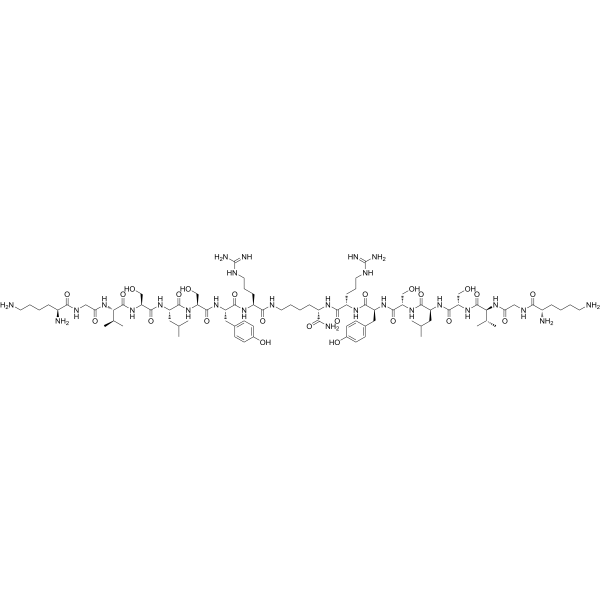
GR231118, an analogue of the C-terminus of neuropeptide Y, is a potent , competitive and relative seletive antagonist at human neuropeptide Y Y receptor with a pKi of 10.4. GR231118 a potent agonist at the human neuropeptide Y Y4 receptor (pEC50=8.6; pKi=9.6) and a weak agonist at the human and rat neuropeptide YY2 and Y5 receptors. GR231118 also has high affinity for the mouse neuropeptide Y Y6 receptor (pKi= 8.8) .
|
-
-
- HY-151640
-
|
|
ADC Linker
|
Others
|
|
Fmoc-DAP-N3 is a click chemistry reagent containing an azide group. Fmoc-DAP-N3 is a short, linear spacer molecule with Fmoc protected amino function. Fmoc-DAP-N3 can be used in click conjugation and amid bond formation either with small molecules or for bioconjugation with proteins and antibodies . It contains an azide group and can undergo copper-catalyzed azide-alkyne cycloaddition (CuAAc) with molecules containing alkyne groups. It can also undergo ring strain-promoted alkyne-azide cycloaddition (SPAAC) with molecules containing DBCO or BCN groups.
|
-
-
- HY-W010361
-
|
|
Biochemical Assay Reagents
|
Others
|
|
Tetramethylammonium acetate is an organic compound commonly used as a phase transfer catalyst in organic synthesis reactions, especially those involving charged species or polar reagents. It can facilitate the transfer of reactants between two immiscible phases, such as water and organic solvents, by forming stable ion pairs. Additionally, Tetramethylammonium acetate has been used to prepare a variety of organic compounds, including esters, amides, and carboxylic acids. Due to its unique physicochemical properties, it has also been investigated for its potential use in developing new materials such as ionic liquids and liquid crystals. "x" in the formula represents the number of water molecules in the crystal structure, which can vary depending on the preparation method.
|
-
-
- HY-W250129
-
|
|
Biochemical Assay Reagents
|
Others
|
|
2,3,4,5-Tetrafluorobenzoyl chloride is a fluorinated organic compound that belongs to the class of benzoyl chlorides. It is a colorless liquid with a pungent smell and is mainly used as an intermediate in the synthesis of various pharmaceutical and pesticide compounds. 2,3,4,5-Tetrafluorobenzoyl chloride is an acylating agent that can react with a variety of nucleophiles, including amines, alcohols, and thiols, to form amides, esters, or thioesters, respectively. Its unique fluorine-containing structure can impart desired properties to target molecules, such as increased lipophilicity or increased stability against metabolic degradation. However, due to its high reactivity and potential health hazards, proper safety measures and handling procedures must be followed when using this compound.
|
-
-
- HY-143923S
-
-
-
- HY-129934S
-
|
Lat-NEt-d4
|
Isotope-Labeled Compounds
Prostaglandin Receptor
|
Endocrinology
|
|
Latanoprost ethyl amide-d4 (Lat-NEt-d4) is deuterium labeled Latanoprost ethyl amide. Latanoprost ethyl amide (Lat-NEt) is a latanoprost analog in which the C-1 carboxyl group has been modified to an N-ethyl amide. Prostaglandin esters have been shown to have ocular hypotensive activity.1 Prostaglandin N-ethyl amides were recently introduced as alternative prostaglandin ocular hypotensive prodrugs. Although it has been claimed that prostaglandin ethyl amides are not converted to the free acids in vivo, studies in our laboratories have shown that bovine and human corneal tissue converts the N-ethyl amides of various prostaglandins to the free acids with a conversion rate of about 2.5 μg/g corneal tissue/hr. Lat-NEt would be expected to show the typical intraocular effects of Latanoprost free acid, but with the much slower hydrolysis pharmacokinetics of the prostaglandin N-amides .
|
-
-
- HY-129934
-
|
Lat-NEt
|
Prostaglandin Receptor
|
Endocrinology
|
|
Latanoprost ethyl amide (Lat-NEt) is a latanoprost analog in which the C-1 carboxyl group has been modified to an N-ethyl amide. Prostaglandin esters have been shown to have ocular hypotensive activity.1 Prostaglandin N-ethyl amides were recently introduced as alternative prostaglandin ocular hypotensive prodrugs. Although it has been claimed that prostaglandin ethyl amides are not converted to the free acids in vivo, studies in our laboratories have shown that bovine and human corneal tissue converts the N-ethyl amides of various prostaglandins to the free acids with a conversion rate of about 2.5 μg/g corneal tissue/hr. Lat-NEt would be expected to show the typical intraocular effects of Latanoprost free acid, but with the much slower hydrolysis pharmacokinetics of the prostaglandin N-amides.
|
-
-
- HY-169176
-
|
|
Bacterial
|
Infection
|
|
LpxC-IN-15 ((S)-13j) is a potent LpxC inhibitor with Ki values of 9.05, 5.6 nM for EcLpxC C63A, PaLpxC, respectively. LpxC-IN-15 shows antibacterial activity .
|
-
-
- HY-W036238S
-
-
-
- HY-W479534
-
|
DemNA
|
Biochemical Assay Reagents
|
Others
|
|
Decanoyl m-Nitroaniline (DemNA) is a nitroaniline fatty acid amides which can be used to measure fatty acid amide hydrolase (FAAH) activity (Ab = 410 nm).
|
-
-
- HY-W725046
-
-
-
- HY-W721596
-
|
|
Endogenous Metabolite
|
Neurological Disease
|
|
Pentadecanoyl ethanolamide is derivate of endougenous lipid amides, the N-acylethanolamines. Pentadecanoyl ethanolamide exhibits anticonvulsant efficacy in electroshocked mice without significant toxicity .
|
-
-
- HY-W440820
-
|
|
Liposome
|
Cancer
|
|
Bis(bis(2-carboxyethyl)aminopropyl)methylamine is a symmetrical branched linker featuring three tertiary amines and four carboxylic acids. Each carboxylic acid is open to forming esters or amides. It can be used in developing lipid nanoparticles.
|
-
-
- HY-120971
-
|
DepNA
|
Endogenous Metabolite
|
Metabolic Disease
|
|
N-Decanoyl p-nitroaniline (DepNA) is one of several nitroaniline fatty acid amides which can be used to measure fatty acid amide hydrolase (FAAH) activity.1 FAAH is a relatively unselective enzyme in that it accepts a variety of amide head groups other than the ethanolamine of its endogenous substrate anandamide (AEA). It also will hydrolyze fatty acid amides with fewer carbons and fewer double bonds than arachidonate. Exposure of DepNA to FAAH activity results in the release of the yellow colorimetric dye p-nitroaniline (ε=13,500 at 410 nm). This allows the fast and convenient measurement of FAAH activity using a 96 well plate spectrophotometer.
|
-
-
- HY-157459
-
|
|
Fungal
|
Infection
|
|
SDH-IN-11 (compound A7) is a SDH inhibitor, and shows inhibitory effect on nematode feeding, reproductive ability, and egg hatching. SDH-IN-11 promotes the oxidative stress of nematodes and causes intestinal damage to nematodes. SDH-IN-11 inhibits the activity of succinate dehydrogenase (SDH) in nematodes .
|
-
-
- HY-P10290
-
|
|
Neuropeptide Y Receptor
|
Neurological Disease
|
|
Neuropeptide Y (human) free acid is the deamidated form of Neuropeptide Y (human, rat, mouse) (HY-P0198). The amidation of Neuropeptide Y C-terminal tyrosine is critical for its function. Non-amidated Neuropeptide Y fails to elicit G protein signaling .
|
-
-
- HY-161272
-
|
|
Sodium Channel
|
Neurological Disease
|
|
Nav1.8-IN-6 (Compound 2j) is a novel pyridinone amide Nav1.8 channel inhibitor. The IC50 values in the resting state and semi-activated state are 513.33 and 471.81 nM, respectively. Nav1.8-IN-6 has analgesic activity .
|
-
-
- HY-W127444
-
|
|
Biochemical Assay Reagents
|
Others
|
|
N,N-Dimethyldodecanamide is an organic compound belonging to amides. It consists of a dodecyl chain attached to a nitrogen atom and two methyl groups, forming a white crystalline solid with a faint waxy odour. N,N-Dimethyldodecanamide has several applications in industrial settings, notably as a solvent, lubricant and surfactant. In addition, it can also be used as an intermediate in the synthesis of various chemicals and drugs.
|
-
- HY-W800837
-
|
|
ADC Linker
|
Cancer
|
|
t-Boc-N-amido-PEG4-Val-Cit is a protease-cleavable ADC linker featuring a Boc-protected amine, a hydrophilic PEG spacer, and a Val-Cit dipeptide. The Val-Cit dipeptide is cleavable by cell proteases and features a carboxylic acid which is free for coupling reactions with amines to form amides. The Boc can be removed under acidic conditions to reveal a free primary amine, which may be used in a variety of reactions such as coupling or reductive amination.
|
-
- HY-W800622
-
|
|
ADC Linker
|
Cancer
|
|
Fmoc-PEG4-Val-Cit-PAB-OH is an enzyme-cleavable ADC linker featuring a Boc-protected amine, a hydrophilic PEG spacer, and a Val-Cit-PAB dipeptide. The benzylic alcohol on the PAB can be used to attach with reactive groups such as PNP for conjugation with drug payloads. The Fmoc protecting group may be removed with piperidine to reveal a primary amine which may be used in coupling reactions to form amides. The Val-Cit-PAB is cleaved by cellular proteases for efficient release of payloads to the cell.
|
-
- HY-W800625
-
|
|
ADC Linker
|
Cancer
|
|
Boc-PEG4-Val-Cit-PAB-OH is an enzyme-cleavable ADC linker featuring a Boc-protected amine, a hydrophilic PEG spacer, and a Val-Cit-PAB dipeptide. The benzylic alcohol on the PAB can be used to attach with reactive groups such as PNP for conjugation with drug payloads. The Boc protecting group may be removed with acid to reveal a primary amine which may be used in coupling reactions to form amides. The Val-Cit-PAB is cleaved by cellular proteases for efficient release of payloads to the cell.
|
-
- HY-W800621
-
|
|
ADC Linker
|
Cancer
|
|
Fmoc-PEG2-Val-Cit-PAB-OH is an enzyme-cleavable ADC linker featuring a Boc-protected amine, a hydrophilic PEG spacer, and a Val-Cit-PAB dipeptide. The benzylic alcohol on the PAB can be used to attach with reactive groups such as PNP for conjugation with drug payloads. The Fmoc protecting group may be removed with piperidine to reveal a primary amine for use in coupling reactions to form amides. The Val-Cit-PAB is cleaved by cellular proteases for efficient release of payloads to the cell.
|
-
- HY-W800623
-
|
|
ADC Linker
|
Cancer
|
|
Fmoc-PEG6-Val-Cit-PAB-OH is an enzyme-cleavable ADC linker featuring a Boc-protected amine, a hydrophilic PEG spacer, and a Val-Cit-PAB dipeptide. The benzylic alcohol on the PAB can be used to attach with reactive groups such as PNP for conjugation with drug payloads. The Fmoc protecting group may be removed with piperidine to reveal a primary amine which may be used in coupling reactions to form amides. The Val-Cit-PAB is cleaved by cellular proteases for efficient release of payloads to the cell.
|
-
- HY-W800624
-
|
|
ADC Linker
|
Cancer
|
|
Boc-PEG2-Val-Cit-PAB-OH is an enzyme-cleavable ADC linker featuring a Boc-protected amine, a hydrophilic PEG spacer, and a Val-Cit-PAB dipeptide. The benzylic alcohol on the PAB can be used to attach with reactive groups such as PNP for conjugation with drug payloads. The Boc protecting group may be removed with acid to reveal a primary amine which may be used in coupling reactions to form amides. The Val-Cit-PAB is cleaved by cellular proteases for efficient release of payloads to the cell.
|
-
- HY-P1321A
-
|
1229U91 TFA; GW1229 TFA
|
Neuropeptide Y Receptor
|
Neurological Disease
|
|
GR231118 TFA, an analogue of the C-terminus of neuropeptide Y, is a potent , competitive and relative seletive antagonist at human neuropeptide YY receptor with a pKi of 10.4. GR231118 a potent agonist at the human neuropeptide YY4 receptor (pEC50=8.6; pKi=9.6) and a weak agonist at the human and rat neuropeptide Y Y2 and Y5 receptors. GR231118 also has high affinity for the mouse neuropeptide YY6 receptor (pKi= 8.8) .
|
-
- HY-135081
-
|
N-4AIA
|
COX
|
Others
|
|
N-(4-acetamidophenyl)-indomethacin amide (N-4-AIA) is one of several aromatic amides of indomethacin reported to be potent and selective reversible inhibitors of COX-2.1 N-4-AIA inhibits human recombinant and ovine COX-2 with IC50 values of 0.12 and 0.625 μM, respectively. It is about 400 times less potent as an inhibitor of human recombinant COX-1 and 80 times less potent as an inhibitor of ovine COX-1 than ovine COX-2.
|
-
- HY-W701409
-
-
- HY-E70612
-
|
|
Biochemical Assay Reagents
|
Others
|
|
Nitril hydratase can convert nitriles to the corresponding higher-value amides under mild conditions. Nitril hydratase is an important catalyst .
|
-
- HY-E70919B
-
|
|
Biochemical Assay Reagents
|
Metabolic Disease
|
|
Nitrile hydratase, Rhodococcus erythropolis (EC 4.2.1.84) is a mononuclear iron or non-corrinoid cobalt enzyme that catalyse the hydration of diverse nitriles to their corresponding amides.
|
-
- HY-E70919A
-
|
|
Biochemical Assay Reagents
|
Metabolic Disease
|
|
Nitrile hydratase, Rhodopseudomonas palustris (EC 4.2.1.84) is a mononuclear iron or non-corrinoid cobalt enzyme that catalyse the hydration of diverse nitriles to their corresponding amides.
|
-
- HY-E70919
-
|
|
Biochemical Assay Reagents
|
Metabolic Disease
|
|
Nitrile hydratase, Sinorhizobium meliloti (EC 4.2.1.84) is a mononuclear iron or non-corrinoid cobalt enzyme that catalyse the hydration of diverse nitriles to their corresponding amides.
|
-
- HY-W702094
-
-
- HY-E70918
-
|
|
Endogenous Metabolite
|
Metabolic Disease
|
|
N-Methylhydantoinase (ATP-hydrolyzing), Arthrobacter sp., belongs to the hydrolase family and acts on carbon-nitrogen bonds other than peptide bonds, especially the carbon-nitrogen bonds in cyclic amides. N-Methylhydantoinase (ATP-hydrolyzing) is involved in the metabolism of arginine, creatinine, and proline. Its three substrates are ATP, N-methylimidazolidine-2,4-dione, and water, while its three products are ADP, phosphate, and N-carbamoylsarcosine.
|
-
- HY-P2974A
-
|
|
Elastase
|
Metabolic Disease
|
|
Elastase, Rat (EC 3.4.21.35) is a form of elastase that is produced in the acinar cells of the pancreas, initially produced as an inactive zymogen and later activated in the duodenum by trypsin. Elastases form a subfamily of serine proteases, characterized by a distinctive structure consisting of two beta-barrel domains converging at the active site that hydrolyze amides and esters amongst many proteins in addition to elastin, a type of connective tissue that holds organs together.
|
-
- HY-P11480
-
|
|
Trk Receptor
|
Neurological Disease
|
|
TrkA/NGF-IN-1 (Peptide 19) is an inhibitor of protein-protein interactions between TrkA and NGF (IC50: 21 nM for human TrkA in PathHunter assay). TrkA/NGF-IN-1 shows an analgesic effect in a rat incisional pain model .
|
-
- HY-E71011
-
|
|
Biochemical Assay Reagents
|
Metabolic Disease
|
|
N-Carbamoylsarcosine Amidase, E. coli, belongs to the hydrolase family. This family of enzymes acts on carbon-nitrogen bonds other than peptide bonds, particularly the carbon-nitrogen bonds in linear amides, and participates in the metabolism of arginine and proline. The two substrates of N-Carbamoylsarcosine Amidase, E. coli, are N-carbamoylsarcosine and H2O, while its three products are sarcosine, CO2, and NH3.ions to the healing immune response.
|
-
- HY-E70997
-
|
|
Biochemical Assay Reagents
|
Metabolic Disease
|
|
Glycopeptidase A, Almonds (EC 3.5.1.52) is an enzyme that catalyzes a chemical reaction that cleaves a N4-(acetyl-beta-D-glucosaminyl)asparagine residue in which the glucosamine residue may be further glycosylated, to yield a (substituted) N-acetyl-beta-D-glucosaminylamine and a peptide containing an aspartate residue. Glycopeptidase A, Almonds (EC 3.5.1.52) belongs to the family of hydrolases, specifically those acting on carbon-nitrogen bonds other than peptide bonds in linear amides.
|
-
- HY-A0084AS
-
|
Procaine amide-d4; SP 100-d4
|
Isotope-Labeled Compounds
Potassium Channel
DNA Methyltransferase
|
Cardiovascular Disease
Cancer
|
|
Procainamide-d4 (Procaine amide-d4) is the deuterium labeled Procainamide (HY-A0084A). Procainamide (Procaine amide) is a specific and potent inhibitor of DNA methyltransferase 1 (DNMT1), which reactivates the expression of tumor suppressor factors by demethylating tumor suppressor genes. Procainamide induces vacuolization in various cell types and reduces cell proliferation and migration. Procainamide relaxes airway smooth muscle by activating potassium channels. Procainamide can be used in cancer and arrhythmia research .
|
-
- HY-182024
-
|
|
SARS-CoV
Virus Protease
|
Infection
|
|
SARS-CoV-2 3CLpro-IN-36 is a SARS-CoV-2 3CLpro inhibitor and antiviral agent with a human sub-micromolar IC50 against SARS-CoV-2 3CLpro.SARS-CoV-2 3CLpro-IN-36 forms a covalent bond with catalytic Cys145 of SARS-CoV-2 3CLpro; its tetrazole core occupies the S1 pocket and interacts with His163, while its chloroacetamide carbonyl forms hydrogen bonds with the backbone amides of Gly143 and Ser144 in the oxyanion hole.SARS-CoV-2 3CLpro-IN-36 reduces SARS-CoV-2 replication in infected cells.SARS-CoV-2 3CLpro-IN-36 can be used for the research of SARS-CoV-2 infection .
|
-
- HY-P11398
-
|
|
Bacterial
HIV
Fungal
DNA Alkylator/Crosslinker
|
Infection
Cancer
|
|
Tachyplesin II is a broad-spectrum cationic antimicrobial peptide. Tachyplesin II has significant inhibitory effects on Gram-positive bacteria, Gram-negative bacteria, and some fungi. Tachyplesin II binds to bacterial membrane lipopolysaccharides through its positive charge, disrupting membrane integrity and causing leakage of cellular contents. Tachyplesin II can bind to DNA grooves, inhibiting microbial replication, and also suppressing HIV-1 replication and the proliferation of liver cancer cells .
|
-
- HY-183002
-
-
| Cat. No. |
Product Name |
Type |
-
- HY-W479534
-
|
DemNA
|
Fluorescent Dye
|
|
Decanoyl m-Nitroaniline (DemNA) is a nitroaniline fatty acid amides which can be used to measure fatty acid amide hydrolase (FAAH) activity (Ab = 410 nm).
|
-
- HY-120971
-
|
DepNA
|
Fluorescent Dye
|
|
N-Decanoyl p-nitroaniline (DepNA) is one of several nitroaniline fatty acid amides which can be used to measure fatty acid amide hydrolase (FAAH) activity.1 FAAH is a relatively unselective enzyme in that it accepts a variety of amide head groups other than the ethanolamine of its endogenous substrate anandamide (AEA). It also will hydrolyze fatty acid amides with fewer carbons and fewer double bonds than arachidonate. Exposure of DepNA to FAAH activity results in the release of the yellow colorimetric dye p-nitroaniline (ε=13,500 at 410 nm). This allows the fast and convenient measurement of FAAH activity using a 96 well plate spectrophotometer.
|
| Cat. No. |
Product Name |
Type |
-
- HY-D0178
-
|
|
Biochemical Assay Reagents
|
|
1-Ethyl-(3-dimethylaminopropyl)carbodiimide hydrochloride is a carbodiimide reagent that can form nucleic acid and compounds with amide bonds. 1-(3-Dimethylaminopropyl)-3-ethylcarbodiimide hydrochloride accelerates the formation reaction of esters, amides, and peptides, as a condensing and dehydrating agent, which are often used for polynucleotide synthesis, anhydroxydation, lactonization and esterification .
|
-
- HY-59156
-
|
|
Biochemical Assay Reagents
|
|
Triazabicyclodecene is a bicyclic guanidine compound that can serve as a pharmaceutical intermediate for the formation of amides or esters .
|
-
- HY-30014
-
|
|
Biochemical Assay Reagents
|
|
4-Bromo-7-azaindole is a brominated derivative of 7-azaindole. 4-Bromo-7-azaindole serves as a substrate for palladium-catalyzed C-N and C-O cross-coupling reactions, reacting with amides, amines, amino acid esters and phenols .
|
-
- HY-W010361
-
|
|
Biochemical Assay Reagents
|
|
Tetramethylammonium acetate is an organic compound commonly used as a phase transfer catalyst in organic synthesis reactions, especially those involving charged species or polar reagents. It can facilitate the transfer of reactants between two immiscible phases, such as water and organic solvents, by forming stable ion pairs. Additionally, Tetramethylammonium acetate has been used to prepare a variety of organic compounds, including esters, amides, and carboxylic acids. Due to its unique physicochemical properties, it has also been investigated for its potential use in developing new materials such as ionic liquids and liquid crystals. "x" in the formula represents the number of water molecules in the crystal structure, which can vary depending on the preparation method.
|
-
- HY-W250129
-
|
|
Biochemical Assay Reagents
|
|
2,3,4,5-Tetrafluorobenzoyl chloride is a fluorinated organic compound that belongs to the class of benzoyl chlorides. It is a colorless liquid with a pungent smell and is mainly used as an intermediate in the synthesis of various pharmaceutical and pesticide compounds. 2,3,4,5-Tetrafluorobenzoyl chloride is an acylating agent that can react with a variety of nucleophiles, including amines, alcohols, and thiols, to form amides, esters, or thioesters, respectively. Its unique fluorine-containing structure can impart desired properties to target molecules, such as increased lipophilicity or increased stability against metabolic degradation. However, due to its high reactivity and potential health hazards, proper safety measures and handling procedures must be followed when using this compound.
|
-
- HY-W127444
-
|
|
Biochemical Assay Reagents
|
|
N,N-Dimethyldodecanamide is an organic compound belonging to amides. It consists of a dodecyl chain attached to a nitrogen atom and two methyl groups, forming a white crystalline solid with a faint waxy odour. N,N-Dimethyldodecanamide has several applications in industrial settings, notably as a solvent, lubricant and surfactant. In addition, it can also be used as an intermediate in the synthesis of various chemicals and drugs.
|
| Cat. No. |
Product Name |
Target |
Research Area |
-
- HY-P3719
-
|
|
CCR
|
Inflammation/Immunology
|
|
MOG (35-55) amide, mouse, rat the terminal amidation form of the 35-55 fragment of the myelin oligodendrocyte glycoprotein (MOG) immunogenic peptide (MOG (35-55) (HY-P1240)). MOG(35-55) amide, mouse, rat can be used for experimental autoimmune encephalomyelitis (EAE) modeling .
|
-
- HY-P4744
-
|
|
Formyl Peptide Receptor (FPR)
Bacterial
|
Infection
Cancer
|
|
LL-37 amide is a selective agonist of formyl peptide receptor-like FPRL1, effectively inhibiting periodontal pathogens (ED99=8.5-8.7 μg/mL). LL-37 amide exerts its bactericidal effect by activating FPRL1-mediated immune cell chemotaxis and disrupting bacterial cell membrane integrity. It can also regulate inflammatory responses (inhibiting the release of factors such as TNF-α) and promote angiogenesis. Amidation modification reduces its sensitivity to serum inhibition and improves its stability. LL-37 amide possesses key activities in bactericidal action, immunomodulation, and wound healing, and is mainly used in research on infection-related diseases such as periodontal disease and deep tissue injuries (pressure ulcers), and wound healing .
|
-
- HY-P4070
-
|
|
Insulin Receptor
|
Metabolic Disease
|
|
Insulin icodec is an Insulin (HY-P0035) analog that strongly but reversibly binds to albumin. Insulin icodec has long plasma half-life. Insulin icodec modulates insulin receptor activity, controls blood glucose levels, reduces HbA1c levels, and binds reversibly to human serum albumin. Insulin icodec can be used for the research of type 2 diabetes mellitus .
|
-
- HY-P1103
-
|
|
CXCR
|
Cancer
|
|
CTCE-9908 is a potent and selective CXCR4 antagonist. CTCE-9908 induces mitotic catastrophe, cytotoxicity and inhibits migration in CXCR4-expressing ovarian cancer cells .
|
-
- HY-P4744A
-
|
|
Formyl Peptide Receptor (FPR)
Bacterial
|
Infection
Cancer
|
|
LL-37 amide TFA is a selective agonist of formyl peptide receptor-like FPRL1, effectively inhibiting periodontal pathogens (ED99=8.5-8.7 μg/mL). LL-37 amide TFA exerts its bactericidal effect by activating FPRL1-mediated immune cell chemotaxis and disrupting bacterial cell membrane integrity. It can also regulate inflammatory responses (inhibiting the release of factors such as TNF-α) and promote angiogenesis. Amidation modification reduces its sensitivity to serum inhibition and improves its stability. LL-37 amide TFA possesses key activities in bactericidal action, immunomodulation, and wound healing, and is mainly used in research on infection-related diseases such as periodontal disease and deep tissue injuries (pressure ulcers), and wound healing .
|
-
- HY-W015987
-
|
Fmoc-NH2
|
Biochemical Assay Reagents
|
Others
|
|
9-Fluorenylmethyl carbamate (Fmoc-NH2) is an amide compound with an Fmoc protecting group, which can be used as a photobase initiator to prepare organosilane-based proton exchange membranes .
|
-
- HY-124081
-
|
|
Apoptosis
|
Metabolic Disease
|
|
N-Oleoyl-L-Serine is an endogenous amide of long-chain fatty acids with ethanolamine (N-acyl amides). N-Oleoyl-L-Serine is a lipid regulator of bone remodeling and stimulates osteoclast apoptosis. N-Oleoyl-L-Serine can be used for antiosteoporotic drug discovery development .
|
-
- HY-P2932A
-
|
|
Cholecystokinin Receptor
|
Neurological Disease
|
|
Cholecystokinin-33 free acid is an analogue of Cholecystokinin (HY-P2932). C-terminal amidation is important for binding of Cholecystokinin to its receptors, and removing the amide group would decrease Cholecystokinin activity. Cholecystokinin-33 free acid can be used to study C-terminal amidation of Cholecystokinin-33 .
|
-
- HY-P1103A
-
|
|
CXCR
|
Cancer
|
|
CTCE-9908 TFA is a potent and selective CXCR4 antagonist. CTCE-9908 TFA induces mitotic catastrophe, cytotoxicity and inhibits migration in CXCR4-expressing ovarian cancer cells .
|
-
- HY-P4757
-
|
|
Parasite
|
Others
|
|
N1-Glutathionyl-spermidine disulfide is a substrate of trypanothione reductase .
|
-
- HY-P11293
-
|
|
Melanocortin Receptor
|
Cancer
|
|
DOTA-GGNle-CycMSHhex is a melanocortin-1 receptor (MC1R)-targeting peptide that can be radionuclide-labeled for melanoma imaging .
|
-
- HY-P1321
-
|
1229U91; GW1229
|
Neuropeptide Y Receptor
|
Neurological Disease
|
|
GR231118, an analogue of the C-terminus of neuropeptide Y, is a potent , competitive and relative seletive antagonist at human neuropeptide Y Y receptor with a pKi of 10.4. GR231118 a potent agonist at the human neuropeptide Y Y4 receptor (pEC50=8.6; pKi=9.6) and a weak agonist at the human and rat neuropeptide YY2 and Y5 receptors. GR231118 also has high affinity for the mouse neuropeptide Y Y6 receptor (pKi= 8.8) .
|
-
- HY-P10290
-
|
|
Neuropeptide Y Receptor
|
Neurological Disease
|
|
Neuropeptide Y (human) free acid is the deamidated form of Neuropeptide Y (human, rat, mouse) (HY-P0198). The amidation of Neuropeptide Y C-terminal tyrosine is critical for its function. Non-amidated Neuropeptide Y fails to elicit G protein signaling .
|
-
- HY-P1321A
-
|
1229U91 TFA; GW1229 TFA
|
Neuropeptide Y Receptor
|
Neurological Disease
|
|
GR231118 TFA, an analogue of the C-terminus of neuropeptide Y, is a potent , competitive and relative seletive antagonist at human neuropeptide YY receptor with a pKi of 10.4. GR231118 a potent agonist at the human neuropeptide YY4 receptor (pEC50=8.6; pKi=9.6) and a weak agonist at the human and rat neuropeptide Y Y2 and Y5 receptors. GR231118 also has high affinity for the mouse neuropeptide YY6 receptor (pKi= 8.8) .
|
-
- HY-P11480
-
|
|
Trk Receptor
|
Neurological Disease
|
|
TrkA/NGF-IN-1 (Peptide 19) is an inhibitor of protein-protein interactions between TrkA and NGF (IC50: 21 nM for human TrkA in PathHunter assay). TrkA/NGF-IN-1 shows an analgesic effect in a rat incisional pain model .
|
-
- HY-P11398
-
|
|
Bacterial
HIV
Fungal
DNA Alkylator/Crosslinker
|
Infection
Cancer
|
|
Tachyplesin II is a broad-spectrum cationic antimicrobial peptide. Tachyplesin II has significant inhibitory effects on Gram-positive bacteria, Gram-negative bacteria, and some fungi. Tachyplesin II binds to bacterial membrane lipopolysaccharides through its positive charge, disrupting membrane integrity and causing leakage of cellular contents. Tachyplesin II can bind to DNA grooves, inhibiting microbial replication, and also suppressing HIV-1 replication and the proliferation of liver cancer cells .
|
| Cat. No. |
Product Name |
Category |
Target |
Chemical Structure |
| Cat. No. |
Product Name |
Chemical Structure |
-
- HY-N0390S15
-
|
|
|
L-Glutamine-d4 (L-Glutamic acid 5-amide-d4) is the deuterium labeled L-Glutamine (HY-N0390). L-Glutamine is a non-essential amino acid present abundantly throughout the body and involved in many metabolic processes. L-Glutamine provides a source of carbons for oxidation in some cells .
|
-
-
- HY-150528S
-
|
|
|
rac-Clopidogrel Amide-d4 is the deuterium labeled rac-Clopidogrel Amide .
|
-
-
- HY-143923S
-
|
|
|
Belinostat amide-d5 is the deuterium labeled Belinostat amide .
|
-
-
- HY-129934S
-
|
|
|
Latanoprost ethyl amide-d4 (Lat-NEt-d4) is deuterium labeled Latanoprost ethyl amide. Latanoprost ethyl amide (Lat-NEt) is a latanoprost analog in which the C-1 carboxyl group has been modified to an N-ethyl amide. Prostaglandin esters have been shown to have ocular hypotensive activity.1 Prostaglandin N-ethyl amides were recently introduced as alternative prostaglandin ocular hypotensive prodrugs. Although it has been claimed that prostaglandin ethyl amides are not converted to the free acids in vivo, studies in our laboratories have shown that bovine and human corneal tissue converts the N-ethyl amides of various prostaglandins to the free acids with a conversion rate of about 2.5 μg/g corneal tissue/hr. Lat-NEt would be expected to show the typical intraocular effects of Latanoprost free acid, but with the much slower hydrolysis pharmacokinetics of the prostaglandin N-amides .
|
-
-
- HY-W036238S
-
|
|
|
N,N-Diisopropylnitrous amide-d14 is the deuterium labeled N,N-Diisopropylnitrous amide .
|
-
-
- HY-W725046
-
|
|
|
N-Methyl-N-phenylnitrous amide-d5 is the deuterium labeled N-Methyl-N-phenylnitrous amide (HY-W015813).
|
-
-
- HY-W701409
-
|
|
|
rac-Rotigotine methyl ether amide-d3 is the deuterium labeled rac-Rotigotine methyl ether amide.
|
-
-
- HY-W702094
-
|
|
|
N-Methyl-N-(3-oxopropyl)nitrous amide-d5 is the deuterium labeled N-Methyl-N-(3-oxopropyl)nitrous amide (HY-W701813).
|
-
-
- HY-A0084AS
-
|
|
|
Procainamide-d4 (Procaine amide-d4) is the deuterium labeled Procainamide (HY-A0084A). Procainamide (Procaine amide) is a specific and potent inhibitor of DNA methyltransferase 1 (DNMT1), which reactivates the expression of tumor suppressor factors by demethylating tumor suppressor genes. Procainamide induces vacuolization in various cell types and reduces cell proliferation and migration. Procainamide relaxes airway smooth muscle by activating potassium channels. Procainamide can be used in cancer and arrhythmia research .
|
-
| Cat. No. |
Product Name |
|
Classification |
-
- HY-151640
-
|
|
|
Azide
|
|
Fmoc-DAP-N3 is a click chemistry reagent containing an azide group. Fmoc-DAP-N3 is a short, linear spacer molecule with Fmoc protected amino function. Fmoc-DAP-N3 can be used in click conjugation and amid bond formation either with small molecules or for bioconjugation with proteins and antibodies . It contains an azide group and can undergo copper-catalyzed azide-alkyne cycloaddition (CuAAc) with molecules containing alkyne groups. It can also undergo ring strain-promoted alkyne-azide cycloaddition (SPAAC) with molecules containing DBCO or BCN groups.
|
-
- HY-183002
-
|
|
|
Azide
|
|
N6-(3-Azidopropanoyl)-N2-(tert-butoxycarbonyl)-L-lysine is an L-lysine (HY-N0469) derivative and an azide molecule used for click chemistry conjugation .
|
| Cat. No. |
Product Name |
|
Classification |
-
- HY-W440820
-
|
|
|
Cationic Lipids
|
|
Bis(bis(2-carboxyethyl)aminopropyl)methylamine is a symmetrical branched linker featuring three tertiary amines and four carboxylic acids. Each carboxylic acid is open to forming esters or amides. It can be used in developing lipid nanoparticles.
|
Your information is safe with us. * Required Fields.
Inquiry Information
- Product Name:
- Cat. No.:
- Quantity:
- MCE Japan Authorized Agent:

