1. Search Result
Search Result
Results for "

Analgesia

" in MedChemExpress (MCE) Product Catalog:

134

Inhibitors & Agonists

26

Peptides

2

Inhibitory Antibodies

9

Natural
Products

2

Isotope-Labeled Compounds

1

Click Chemistry

Cat. No. 상품명 Target 연구분야 Chemical Structure
  • HY-17034A
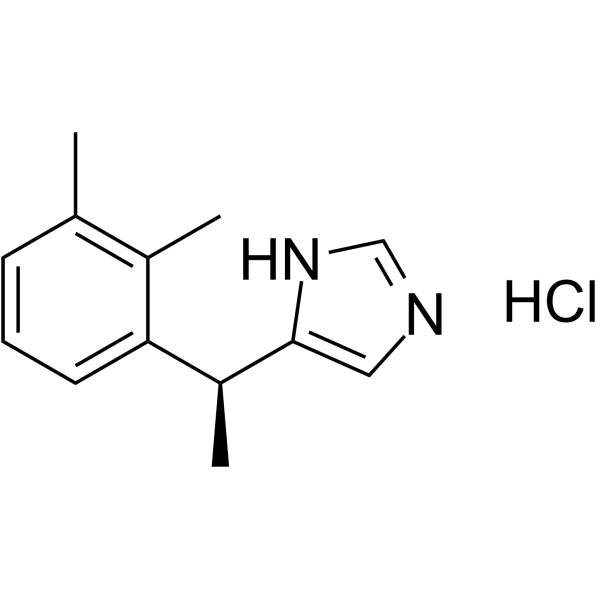
    Dexmedetomidine hydrochloride
    Maximum Cited Publications
    26 Publications Verification

    (+)-Medetomidine hydrochloride; (S)-Medetomidine hydrochloride

    Adrenergic Receptor Infection Cancer
    Dexmedetomidine hydrochloride ((+)-Medetomidine hydrochloride) is a potent, selective and orally active agonist of α2-adrenoceptor, with a Ki of 1.08 nM. Dexmedetomidine hydrochloride shows 1620-fold selectivity against α1-adrenoceptor. Dexmedetomidine hydrochloride exhibits anxiolysis, sedation, and modest analgesia effects .
    Dexmedetomidine hydrochloride
  • HY-12719
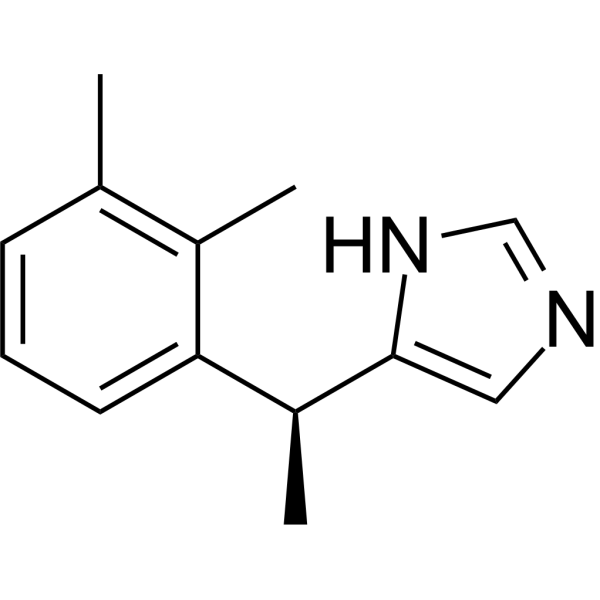
    Dexmedetomidine
    Maximum Cited Publications
    26 Publications Verification

    (+)-Medetomidine; (S)-Medetomidine

    Adrenergic Receptor Neurological Disease Cancer
    Dexmedetomidine ((+)-Medetomidine) is a potent, selective and orally active agonist of α2-adrenoceptor, with a Ki of 1.08 nM. Dexmedetomidine shows 1620-fold selectivity against α1-adrenoceptor. Dexmedetomidine exhibits anxiolysis, sedation, and modest analgesia effects .
    Dexmedetomidine
  • HY-15249
    JZL 184
    5+ Cited Publications

    MAGL Neurological Disease
    JZL 184 is a potent, selective and irreversible MAGL inhibitor that blocks 2-Arachidonoylglycerol (2-AG) hydrolysis in brain membranes (IC50 of 8 nM). JZL 184 displays >300-fold selectivity for MAGL over FAAH .
    JZL 184
  • HY-90003
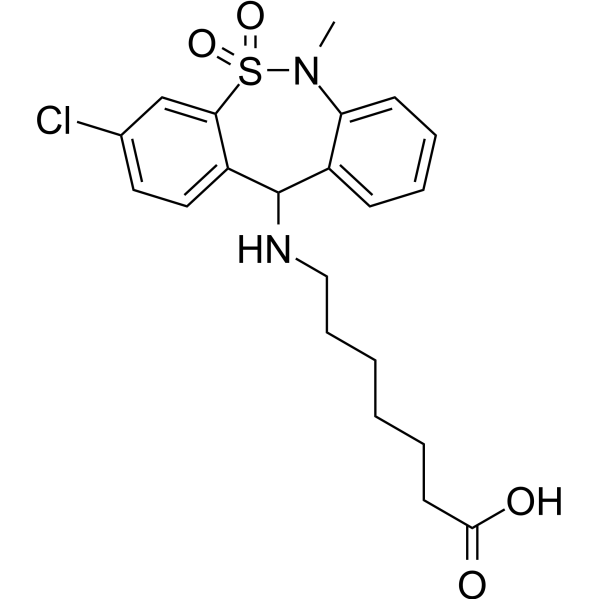
    Tianeptine
    1 Publications Verification

    Opioid Receptor iGluR MMP PI3K Akt NF-κB Neurological Disease Inflammation/Immunology
    Tianeptine is an atypical antidepressant. Tianeptine is a moderate-intensity agonist of the μ-opioid receptor (MOR), and to a lesser extent, is an agonist of the δ-opioid receptor (DOR). Tianeptine is a glutamate modulator that can enhance AMPA receptor and antagonize NMDA receptor. tianeptine increases sensitivity of the α1 adrenergic receptor, which only manifests in chronic treatment. Tianeptine exerts neuroprotective effects under stress/inflammation-induced conditions, exhibiting anti-inflammatory and antioxidant properties. Tianeptine inhibits MMP-9 by suppressing the PI3K/Akt-mediated NF-κB pathway. Tianeptine can be used to alleviate symptoms of depression and anxiety, but does not cause sedative effects .
    Tianeptine
  • HY-113413
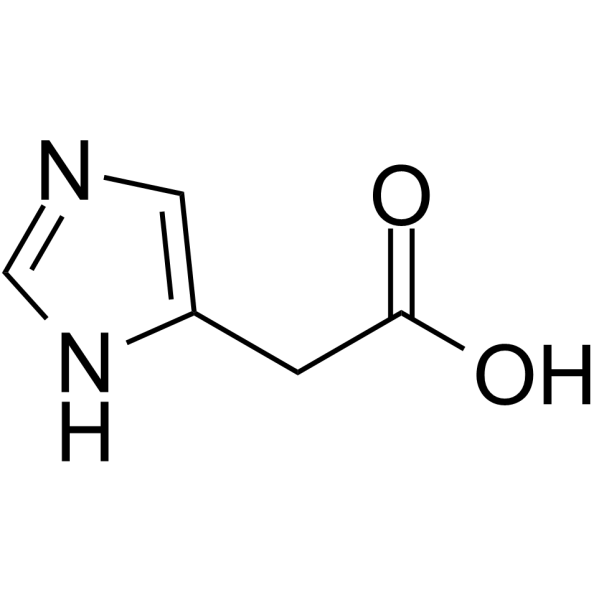
    Imidazoleacetic acid
    2 Publications Verification

    Imidazolyl-4-acetic acid

    Endogenous Metabolite GABA Receptor Cardiovascular Disease Neurological Disease Metabolic Disease
    Imidazoleacetic acid (Imidazolyl-4-acetic acid) is a blood-brain barrier-permeable full agonist of the GABAA receptor. Imidazoleacetic acid forms via histamine oxidation in the mouse brain. Imidazoleacetic acid exerts multiple neurochemical and behavioral effects. Imidazoleacetic acid induces a range of centrally mediated effects, including analgesia, sedation, hypnosis, as well as reductions in blood pressure, body temperature, isolation-induced aggression and motor activity .
    Imidazoleacetic acid
  • HY-N7126

    Environmental Pollutants Potassium Channel Neurological Disease
    Citronellal is a monoterpene that can be found in the essential oils in various aromatic species of plants, with antiinflammatory and antinociceptive properties. Citronellal attenuates mechanical nociception, mediated in part by the NO-cGMP-ATP-sensitive K+ channel pathway. Citronellal induces reduction of spontaneuous activity, ataxia, analgesia, and sedation in vivo. Citronellal can attenuate mechanical nociception response in mouse model .
    Citronellal
  • HY-A0082

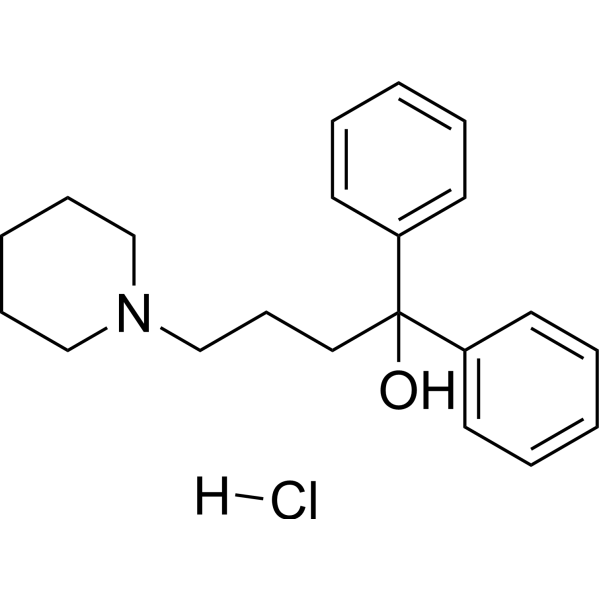
    Difenidol hydrochloride

    mAChR Sodium Channel Neurological Disease
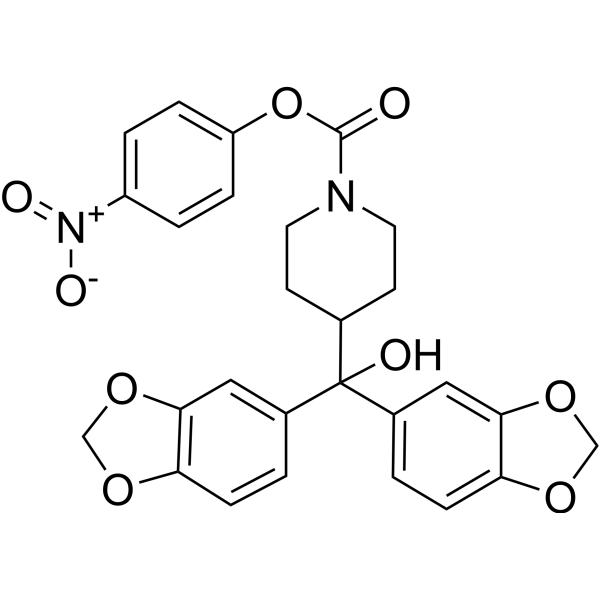
    Diphenidol hydrochloride (Difenidol hydrochloride) is a non-selective muscarinic M1-M4 receptor antagonist, has anti-arrhythmic activity. Diphenidol hydrochloride is also a potent non-specific blocker of voltage-gated ion channels (Na +, K +, and Ca 2+) in neuronal cells. Diphenidol hydrochloride can be used in the study of antivertigo and antinausea .
    Diphenidol hydrochloride
  • HY-14785

    NLX-112; F13640

    5-HT Receptor Neurological Disease
    Befiradol (NLX-112) is a highly selective 5-HT1A receptor agonist that acts on both presynaptic and postsynaptic sites. Befiradol attenuates fentanyl-induced respiratory depression in neonatal and adult rats. Befiradol reduces the duration of fentanyl-induced analgesia and sedation in adult rats. Befiradol can be used in studies related to opioid-induced respiratory depression .
    Befiradol
  • HY-106840
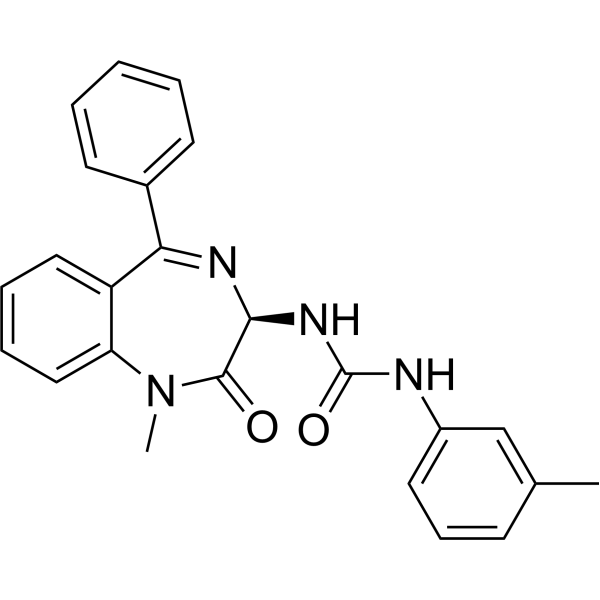
    L-365260
    2 Publications Verification

    Cholecystokinin Receptor Neurological Disease Metabolic Disease
    L-365260 is an orally active and selective antagonist of non-peptide gastrin and brain cholecystokinin receptor (CCK-B), with Kis of 1.9 nM and 2.0 nM, respectively. L-365260 interacts in a stereoselective and competitive manner with guinea pig stomach gastrin and brain CCK receptors. L-365260 can enhance Morphine analgesia and prevents Morphine tolerance .
    L-365260
  • HY-90003A
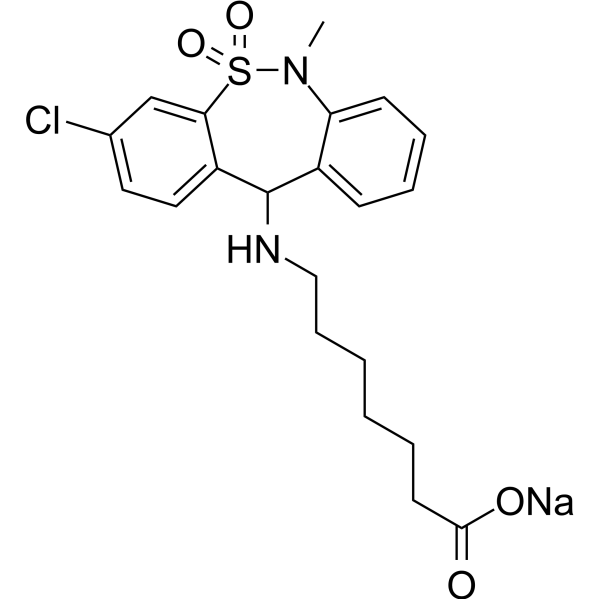
    Tianeptine sodium salt
    1 Publications Verification

    Opioid Receptor iGluR MMP PI3K Akt NF-κB Neurological Disease Inflammation/Immunology
    Tianeptine sodium salt is an atypical antidepressant. Tianeptine sodium salt is a moderate-intensity agonist of the μ-opioid receptor (MOR), and to a lesser extent, is an agonist of the δ-opioid receptor (DOR). Tianeptine sodium salt is a glutamate modulator that can enhance AMPA receptor and antagonize NMDA receptor. Tianeptine sodium salt increases sensitivity of the α1 adrenergic receptor, which only manifests in chronic treatment. Tianeptine sodium salt exerts neuroprotective effects under stress/inflammation-induced conditions, exhibiting anti-inflammatory and antioxidant properties. Tianeptine sodium salt inhibits MMP-9 by suppressing the PI3K/Akt-mediated NF-κB pathway. Tianeptine sodium salt can be used to alleviate symptoms of depression and anxiety, but does not cause sedative effects .
    Tianeptine sodium salt
  • HY-119104
    AZD1940
    1 Publications Verification

    Cannabinoid Receptor Neurological Disease
    AZD1940 is an orally active, high affinity cannabinoid CB1/CB2 receptor agonist with pKi values of 7.93 and 9.06 for human CB1R and CB2R, respectively. AZD1940 shows a robust analgesia action .
    AZD1940
  • HY-153935

    Prostaglandin Receptor Inflammation/Immunology Cancer
    EP4-IN-1 is a potent prostanoid EP4 receptor inhibitor. EP4-IN-1 is extracted from patent WO2023025270 (example 1), and exhibits prospect in tumor immunity and anti-inflammatory analgesia research .
    EP4-IN-1
  • HY-108707
    LY3130481
    1 Publications Verification

    iGluR Neurological Disease
    LY3130481 is an orally available AMPA receptor antagonist, selectively inhibiting the IC50 value of AMPA/TARP γ-8 at 65 nM. LY3130481 has anticonvulsant, antiepileptic, and pain-relieving effects .
    LY3130481
  • HY-118120

    2-Guanidinoethylmercaptosuccinic acid

    Carboxypeptidase Neurological Disease
    GEMSA is a potent inhibitor of enkephalin convertase (Ki=8.8 nM). GEMSA elicites analgesia .
    GEMSA
  • HY-12719R

    (+)-Medetomidine (Standard); (S)-Medetomidine (Standard)

    Reference Standards Adrenergic Receptor Neurological Disease Cancer
    Dexmedetomidine (Standard) is the analytical standard of Dexmedetomidine. This product is intended for research and analytical applications. Dexmedetomidine ((+)-Medetomidine) is a potent, selective and orally active agonist of α2-adrenoceptor, with a Ki of 1.08 nM. Dexmedetomidine shows 1620-fold selectivity against α1-adrenoceptor. Dexmedetomidine exhibits anxiolysis, sedation, and modest analgesia effects .
    Dexmedetomidine (Standard)
  • HY-B1288A

    Benoxinate; Novesinol; Oxybucaine

    Sodium Channel Cardiovascular Disease Neurological Disease
    Oxybuprocaine is a short-acting ester anesthetic. Oxybuprocaine binds to sodium channels and reversibly stabilizes neuronal membranes. Oxybuprocaine has cutaneous analgesic properties. Oxybuprocaine is less potent than Bupivacaine (HY-B0405) at producing central nervous system and cardiovascular toxicity. Oxybuprocaine can be used in ophthalmology and otolaryngology .
    Oxybuprocaine
  • HY-15249R

    MAGL Reference Standards Neurological Disease
    JZL 184 (Standard) is the analytical standard of JZL 184. This product is intended for research and analytical applications. JZL 184 is a potent, selective and irreversible MAGL inhibitor that blocks 2-Arachidonoylglycerol (2-AG) hydrolysis in brain membranes (IC50 of 8 nM). JZL 184 displays >300-fold selectivity for MAGL over FAAH .
    JZL 184 (Standard)
  • HY-122964

    Cannabinoid Receptor Metabolic Disease
    URB447 is a peripherally restricted CB1 cannabinoid antagonist (IC50: 313 nM and 41 nM for rat CB1 and human CB2 receptor respectively ). URB447 lowers food intake and body-weight gain in mice without entering the brain or antagonizing central CB1-dependent responses. URB447 can be used for research of obesity .
    URB447
  • HY-17034AR

    (+)-Medetomidine hydrochloride (Standard); (S)-Medetomidine hydrochloride (Standard)

    Reference Standards Adrenergic Receptor Neurological Disease Endocrinology Cancer
    Dexmedetomidine (hydrochloride) (Standard) is the analytical standard of Dexmedetomidine (hydrochloride). This product is intended for research and analytical applications. Dexmedetomidine hydrochloride ((+)-Medetomidine hydrochloride) is a potent, selective and orally active agonist of α2-adrenoceptor, with a Ki of 1.08 nM. Dexmedetomidine hydrochloride shows 1620-fold selectivity against α1-adrenoceptor. Dexmedetomidine hydrochloride exhibits anxiolysis, sedation, and modest analgesia effects .
    Dexmedetomidine hydrochloride (Standard)
  • HY-W000665

    Dmt

    Opioid Receptor Neurological Disease
    2,6-Dimethyl-L-tyrosine (Dmt) is a tyrosine derivative that enhances receptor affinity, functional bioactivity and in vivo analgesia of opioid peptides .
    2,6-Dimethyl-L-tyrosine
  • HY-107527

    GlyT Neurological Disease
    Org 25543 hydrochloride is a selective and irreversible GlyT2 inhibitor (IC50: 16 nM). Org 25543 hydrochloride has analgesia effect. Org 25543 hydrochloride ameliorates mechanical allodynia after partial sciatic nerve ligation injury in mice .
    Org 25543 hydrochloride
  • HY-P3087

    Opioid Receptor Neurological Disease
    Tyr-W-MIF-1 is an opioid tetrapeptide with opiate and antiopiate activity. Tyr-W-MIF-1 can induce analgesia .
    Tyr-W-MIF-1
  • HY-107743

    NalBzoH

    Opioid Receptor Neurological Disease
    Naloxone benzoylhydrazone (NalBzoH) is a mixed agonist/antagonist. Naloxone benzoylhydrazone is a prototypic κ3-opioid receptor agonist, and a partial agonist at the cloned μ and δ opioid receptors, and an antagonist at opioid-like NOP receptors. Naloxone benzoylhydrazone has potently analgesia effect .
    Naloxone benzoylhydrazone
  • HY-19057
    Vatinoxan
    2 Publications Verification

    MK-467; L-659066

    Adrenergic Receptor Cardiovascular Disease Neurological Disease
    Vatinoxan (MK-467) is an alpha 2-adrenergic receptor antagonist. The peripheral selectivity of Vatinoxan determines that it has limited penetration across the blood-brain barrier and therefore has low concentrations in the central nervous system. Vatinoxan antagonizes alpha 2-adrenergic receptor receptors by binding to them, thereby reducing or preventing cardiovascular effects caused by α2-adrenergic agonists. Vatinoxan can be used in studies of cardiovascular effects, sedation and analgesia .
    Vatinoxan
  • HY-107664A

    Neurotensin Receptor Neurological Disease
    SR 142948 dihydrochloride is an orally active and selective non-peptide neurotensin receptor (NT) antagonist with IC50s of 1.19 nM, 0.32 nM, 3.96 nM in h-NTR1-CHO cells, HT-29 cells, and adult rat brain, respectively. SR 142948 dihydrochloride antagonizes NT-induced inositol monophosphate formation in HT-29 cells with an IC50 of 3.9 nM. SR 142948 dihydrochloride blocks hypothermia, analgesia and steering behavior induced by NT in vivo. SR 142948 dihydrochloride shows blood-brain permeability and can be used in study of psychiatric disorders .
    SR 142948 dihydrochloride
  • HY-N6891
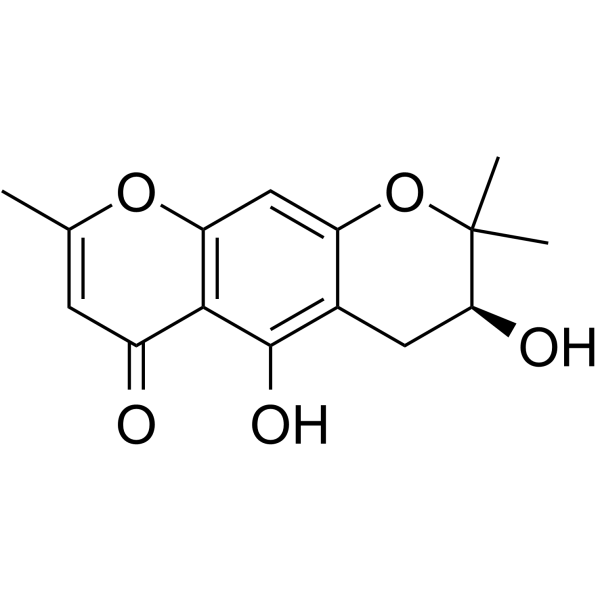
    Hamaudol
    2 Publications Verification

    COX Inflammation/Immunology
    Hamaudol is a chromone isolated from Saposhnikovia divaricata. Hamaudol shows significant inhibitory activity on cyclooxygenase (COX)-1 and COX-2 activities with IC50 values of 0.30, 0.57 mM, respectively, and has potent analgesia and anti-inflammary effects .
    Hamaudol
  • HY-106840A
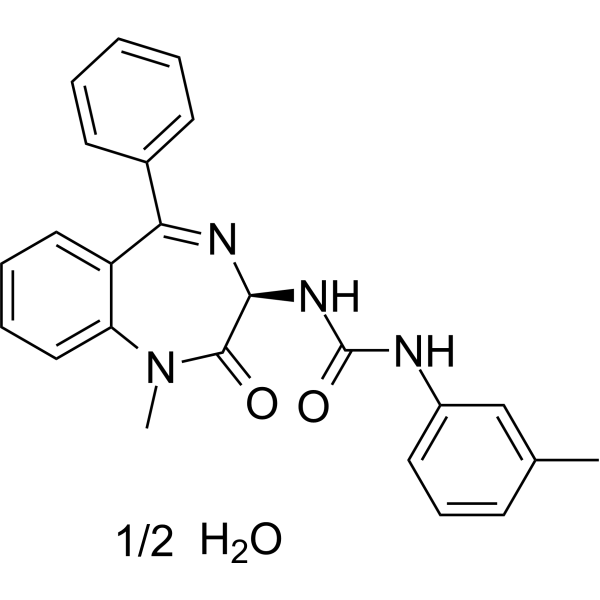
    L-365260 hemihydrate
    2 Publications Verification

    Cholecystokinin Receptor Neurological Disease Metabolic Disease
    L-365260 hemihydrate is an orally active and selective antagonist of non-peptide gastrin and brain cholecystokinin receptor (CCK-B), with Kis of 1.9 nM and 2.0 nM, respectively. L-365260 hemihydrate interacts in a stereoselective and competitive manner with guinea pig stomach gastrin and brain CCK receptors .
    L-365260 hemihydrate
  • HY-W251708

    Endogenous Metabolite Neurological Disease
    AHR 10240, a cyclic amide, is a metabolite of Bromfenac (HY-B1888). AHR 10240 can be used for analgesia research
    AHR 10240
  • HY-115823

    Potassium Channel Neurological Disease
    ztz240 is a chemical modulator of voltage-gated potassium channel Kv7 (KCNQ) (KCNQ2 and 3: EC50=6.1 μM; KCNQ4: EC50=12.2 μM). ztz240 can be used in analgesia and anti-epileptic research .
    ztz240
  • HY-P2046

    Opioid Receptor Neurological Disease
    β-Endorphin (rat) is an endogenous opioid neuropeptide and peptide hormone. β-Endorphin (rat) has analgesic activity and also contributes to food intake in satiated rats. β-Endorphin (rat) can be used in the research of neurological diseases such as analgesia and drug addiction .
    β-Endorphin (rat)
  • HY-168997

    Cannabinoid Receptor Neurological Disease Inflammation/Immunology
    CB1R agonist 1 is a potent, CNS-penetrant, and selective Cannabinoid-1 receptor (CB1R) agonist with a Ki of 0.95 nM, modulating Gi/o signaling. CB1R agonist 1 exhibits high selectivity over CB2R and other off-target GPCRs, including GPR55, GPR18, and GPR119. CB1R agonist 1 induces analgesia and hypothermia, and potentiates opioid analgesia in mice. CB1R agonist 1 can be used for the research of pain .
    CB1R agonist 1
  • HY-111097

    PGE synthase Neurological Disease Inflammation/Immunology
    AF3442 is a potent and selective mPGES-1 inhibitor (IC50 = 0.06 μM) which reduces monocyte PGE2 generation also in the presence of plasma proteins. AF3442 shows selectivity over other prostanoids (TXB2, PGF and 6-keto-PGF). AF3442 can be used for research in analgesia .
    AF3442
  • HY-124744

    FAAH Neurological Disease
    ASP 8477 is an orally active and selective fatty acid amide hydrolase (FAAH) inhibitor with IC50 values ​​of 3.99, 1.65, and 57.3 nM for human FAAH-1, FAAH-1 (P129T), and FAAH-2, respectively. ASP 8477 has central nervous system activity and can be used in analgesia research .
    ASP 8477
  • HY-169469

    Opioid Receptor Neurological Disease
    N-Phenethylnoroxymorphone is an opioid compound. N-Phenethylnoroxymorphone enhances morphine-induced analgesia in rats. N-Phenethylnoroxymorphone can be used for research on neurological diseases .
    N-Phenethylnoroxymorphone
  • HY-P10395

    Opioid Receptor Neuropeptide FF Receptor Neurological Disease
    DP50 is a bifunctional compound that contains an opioid receptor (MOP) agonist and a neuropeptide FF receptor (NPFFR) antagonist. DP50 can be used in analgesia-related research .
    DP50
  • HY-P10394

    Opioid Receptor Neuropeptide FF Receptor Neurological Disease
    DP32 is a bifunctional compound that contains an opioid receptor (MOP) agonist and a neuropeptide FF receptor (NPFFR) antagonist. DP32 can be used in analgesia-related research .
    DP32
  • HY-P1198

    Neurokinin Receptor Neurological Disease
    Hemokinin 1, human is a selective tachykinin neurokinin 1 (NK1) receptor full agonist. Hemokinin 1, human is a full agonist at NK2 and NK3 receptor. Hemokinin 1, human can produces an opioid-independent analgesia .
    Hemokinin 1, human
  • HY-B0718

    DA-759

    Potassium Channel Neurological Disease
    Methoxyflurane disrupts neuronal transmission by interfering with the release and re-uptake of neurotransmitters at post-synaptic terminals, or altering ionic conductance following receptor activation . Methoxyflurane is an analgesic agent that provides rapid short-term analgesia. Methoxyflurane may shows a effective non-opioid treatment option for trauma pain .
    Methoxyflurane
  • HY-P991622

    Trk Receptor Neurological Disease Inflammation/Immunology
    MNAC13 is a kind of mouse IgG1 chimeric antibody, targeting to human TrkA. MNAC13 inhibits the NGF dependent signaling pathway by specifically binding to TrkA receptors. MNAC13 has good analgesic effect and long-lasting efficacy. MNAC13 can be used for researches on inflammatory and chronic pain .
    MNAC13
  • HY-14785A

    NLX-112 hydrochloride; F 13640 hydrochloride

    5-HT Receptor Neurological Disease Metabolic Disease
    Befiradol (NLX-112) hydrochloride is a highly selective 5-HT1A receptor agonist that acts on both presynaptic and postsynaptic sites. Befiradol hydrochloride attenuates fentanyl-induced respiratory depression in neonatal and adult rats. Befiradol reduces the duration of fentanyl-induced analgesia and sedation in adult rats. Befiradol hydrochloride can be used in studies related to opioid-induced respiratory depression .
    Befiradol hydrochloride
  • HY-163667

    Opioid Receptor Neurological Disease
    Atoxifent is a potent μ-opioid receptor agonist (EC50=0.39 nM). These receptors are found in brain regions that control pain, emotions, habitual learning, and cognition. Atoxifent exhibits strong analgesic effects and a lower risk of respiratory depression. Atoxifent can be used for research in opioid pharmacology and signal transduction .
    Atoxifent
  • HY-17034AS

    (+)-Medetomidine-13C,d3 hydrochloride; (S)-Medetomidine-13C,d3 hydrochloride

    Isotope-Labeled Compounds Adrenergic Receptor Neurological Disease Endocrinology Cancer
    Dexmedetomidine- 13C,d3 (hydrochloride) is the 13C- and deuterium labeled Dexmedetomidine (hydrochloride). Dexmedetomidine hydrochloride ((+)-Medetomidine hydrochloride) is a potent, selective and orally active agonist of α2-adrenoceptor, with a Ki of 1.08 nM. Dexmedetomidine hydrochloride shows 1620-fold selectivity against α1-adrenoceptor. Dexmedetomidine hydrochloride exhibits anxiolysis, sedation, and modest analgesia effects .
    Dexmedetomidine-13C,d3 hydrochloride
  • HY-A0270

    mAChR Sodium Channel Neurological Disease
    Diphenidol is a non-selective muscarinic M1-M4 receptor antagonist, has anti-arrhythmic activity. Diphenidol is also a potent non-specific blocker of voltage-gated ion channels (Na +, K +, and Ca 2+) in neuronal cells. Diphenidol can be used in the study of antivertigo and antinausea .
    Diphenidol
  • HY-163917

    Opioid Receptor Neurological Disease
    SalA-VS-08 is a full agonist of kappa-opioid receptor (KOR) with selectivity and G-protein bias. SalA-VS-08 can be used in the research of analgesia .
    SalA-VS-08
  • HY-172979

    Opioid Receptor Neurological Disease
    DH-1-106 is a MOR partial agonist. DH-1-106 can be used in the study of analgesia .
    DH-1-106
  • HY-P2199

    Opioid Receptor Neurological Disease
    SNF 9007 is a cholecystokinin analog. SNF 9007 induces analgesia by acting on δ-1, δ-2, and μ opioid receptors in the mouse brain .
    SNF 9007
  • HY-159634

    COX Inflammation/Immunology
    Zidometacin is a nonsteroidal anti-inflammatory agent. Zidometacin significantly inhibits prostaglandin synthesis with low gastrolesive influence. Zidometacin has antinociceptive and antipyretic activities and shows relatively low ulcerogenicity in rat models. Zidometacin can be used for analgesia and osteoarthritis research .
    Zidometacin
  • HY-106887

    Neprilysin Neurological Disease
    SCH 32615 is an enkephalinase (the enzymes responsible for the degradation of endogenous enkephalins) inhibitor. SCH 32615 can enhance surgery- and pregnancy-induced analgesia in mice .
    SCH 32615
  • HY-P2579

    Opioid Receptor Neurological Disease Metabolic Disease
    Dafphedyn is an analogue of Dynorphin (1-13). Dafphedyn has diuretic and profound analgesia effects that can be antagonized by centrally administered Naltrexone (HY-76711) or Naloxone (HY-17417A) .
    Dafphedyn
  • HY-P5892

    Opioid Receptor Neurological Disease
    β-Endorphin (1-27) (human) is an opioid antagonist that binds μ-, δ-, and κ-opioid receptors with Kis of 5.31, 6.17, and 39.82 nM, respectively. β-Endorphin (1-27) (human) inhibits β-Endorphin (HY-P1502)-induced and etorphine-induced analgesia .
    β-Endorphin (1-27) (human)

온라인 문의

Your information is safe with us. * Required Fields.

호칭


Country or Region *

고객명 *


회사명 *

Department *


메일주소 *


상품명 *

Cat. No.


Requested quantity *

전화번호 *


비고

온라인 문의

Inquiry Information

상품명:
Cat. No.:
수량:
MCE Japan Authorized Agent:

