Search Result
Results for "
Animal efficacy model
" in MedChemExpress (MCE) Product Catalog:
1
Isotope-Labeled Compounds
| Cat. No. |
Product Name |
Target |
Research Areas |
Chemical Structure |
-
- HY-174990
-
|
|
15-PGDH
|
Metabolic Disease
Inflammation/Immunology
|
|
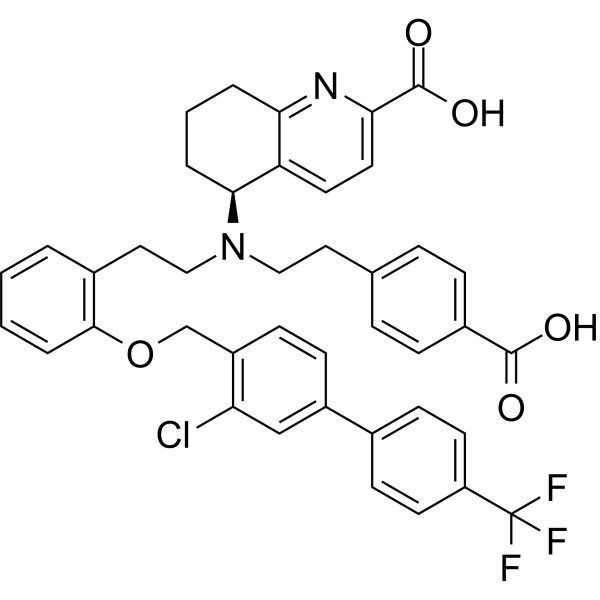
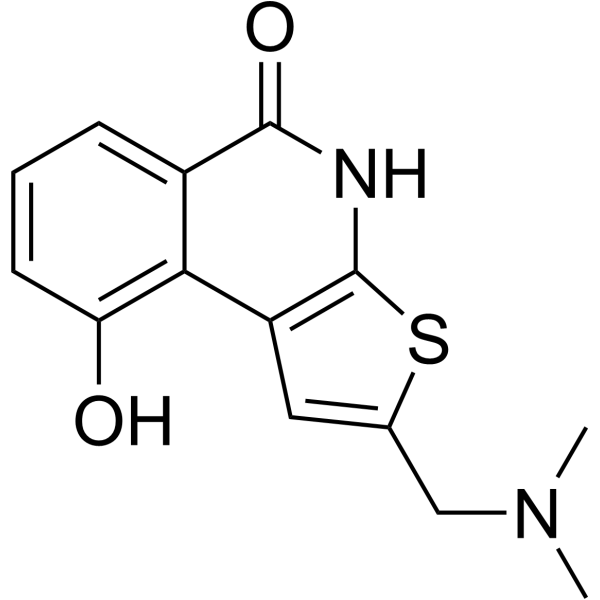
HW201877 is a potent and orally active 15-prostaglandin dehydrogenase (15-PGDH) inhibitor with an IC50 of 3.6 nM. HW201877 demonstrates robust cellular efficacy in elevating PGE2 levels in A549 cells and exhibits remarkable efficacy in animal models of tissue injury and fibrosis. HW201877 can be used for the study of inflammatory bowel disease (IBD), idiopathic pulmonary fibrosis (IPF) and Crohn’s disease (CD) .
|
-
-
- HY-12501A
-
ITI-214
3 Publications Verification
|
Phosphodiesterase (PDE)
|
Neurological Disease
|
|
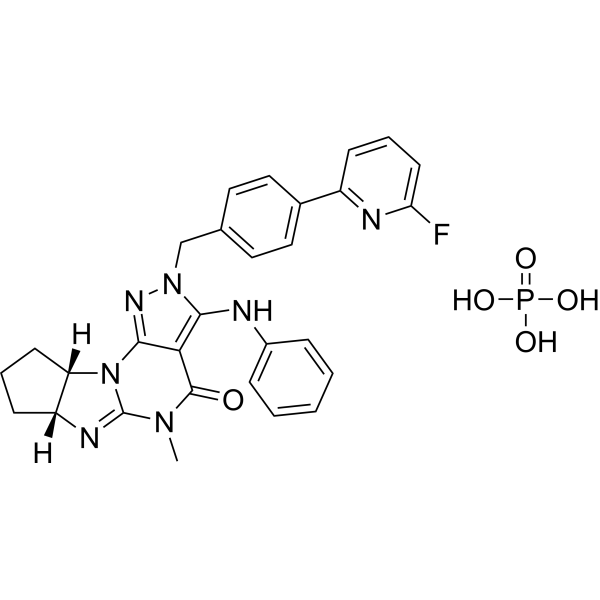
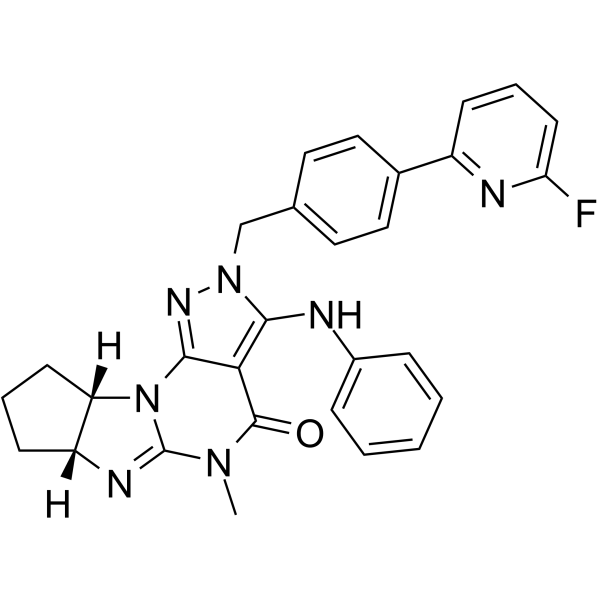
ITI-214 is a potent, CNS-active, orally bioavailable PDE1 inhibitor (Ki of 58 pM) with excellent selectivity against other PDE family members and against a panel of enzymes, receptors, transporters and ion channels. ITI-214 inhibits recombinant full-length human PDE1A, PDE1B and PDE1C with Kis of 33 pM, 380 pM and 35 pM, respectively. ITI-214 shows efficacy in various animal models of motor and cognitive functions .
|
-
-
- HY-175199
-
|
BPN-0026709
|
Myosin
|
Neurological Disease
|
|
MT-228 (BPN-0026709) is a selective and blood-brain barrier permeable non-muscle myosin II inhibitor. MT-228 markedly improves tolerability by selectively targeting NMIIB (KI = 1.5 μM) over CMII (KI = 17 μM), and the sequence of SmMll MD is 83.6% identical to that of NMllB. MT-228 shows long-lasting efficacy in animal models of stimulant use disorder .
|
-
-
- HY-111827
-
-
-
- HY-154974
-
|
|
Liposome
|
Cancer
|
|
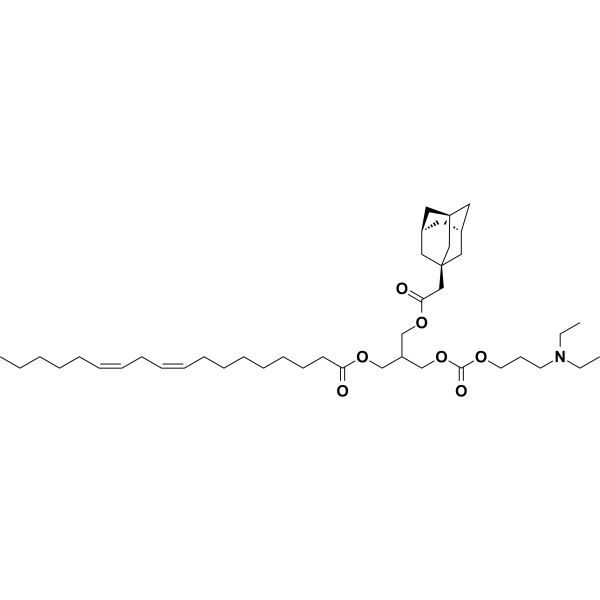
LNP Lipid-8 (11-A-M) is an ionizable single-tail multi-head lipid that can be used as a lipid nanoparticle (LNP) to deliver siRNA to T cells without targeting ligands. LNP Lipid-8 is more selective for T cells than other cell types such as hepatocytes. LNP Lipid-8 selectively delivers siRNA/sgRNA to T cells (especially CD8+ T cells) through endogenous lipid transport pathways, and can enter cells and release RNA through endocytosis to achieve gene silencing. LNP Lipid-8 loaded with GFP siRNA (siGFP) significantly led to GFP gene silencing in mouse models. LNP Lipid-8 showed good efficacy and safety in both cells and animals, without obvious liver targeting and toxicity. LNP Lipid-8 can be used for RNA delivery research in the fields of tumor immunotherapy and T cell-mediated autoimmune diseases .
|
-
-
- HY-16421
-
|
(-)-DRF 2725; NNC 61-0029
|
PPAR
|
Metabolic Disease
|
|
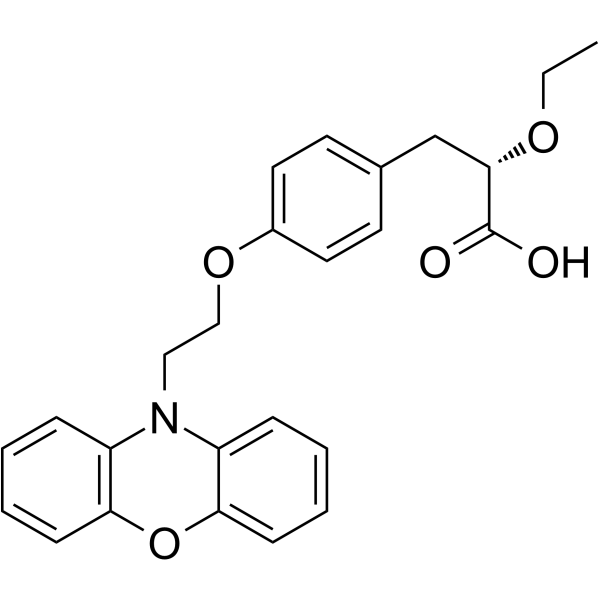
Ragaglitazar is a PPARα and PPARγ agonist with potent lipid-lowering and insulin-sensitizing efficacy in animal models. Ragaglitazar improves glycemic control and lipid profile in type 2 diabetic.
|
-
-
- HY-14743B
-
|
SCV 07 hydrochloride; Gamma-D-glutamyl-L-tryptophan hydrochloride
|
Bacterial
STAT
|
Infection
Inflammation/Immunology
Cancer
|
|
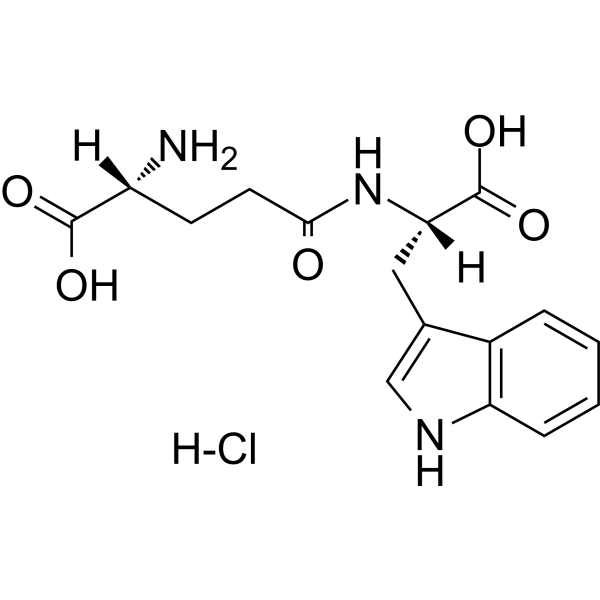
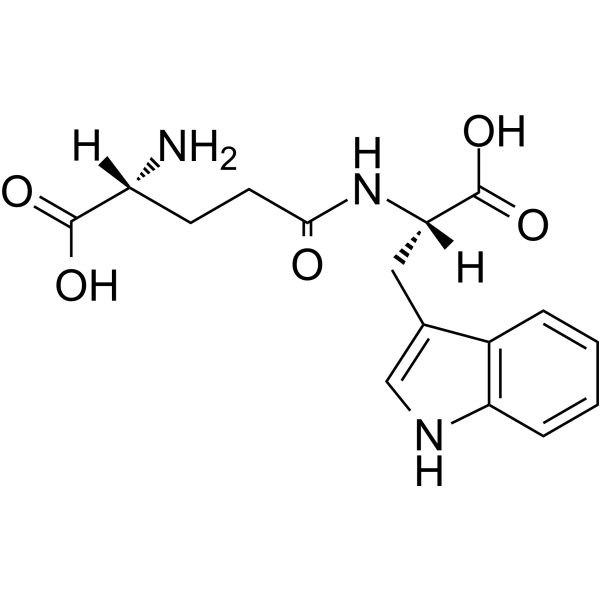
Golotimod hydrochloride (SCV 07 hydrochloride), an immunomodulating peptide with antimicrobial activity, significantly increases the efficacy of antituberculosis therapy, stimulates thymic and splenic cell proliferation, and improves macrophage function. Golotimod hydrochloride (SCV 07 hydrochloride) inhibits STAT3 signaling and modulates the duration and severity of oral mucositis in animal models that received radiation or a combination of radiation and Cisplatin. Golotimod hydrochloride (SCV 07 hydrochloride) is also a potential therapeutic for recurrent genital herpes simplex virus type 2 (HSV-2) .
|
-
-
- HY-118899
-
|
|
Endogenous Metabolite
|
Cancer
|
|
XR5944 is an anti-tumor compound with DNA-targeting activity. As a topoisomerase inhibitor, XR5944 can effectively inhibit the activities of topoisomerase I and II. XR5944 shows excellent anti-tumor activity against human and mouse tumor cells in vitro and in vivo. XR5944 exhibits significant potency in multiple cell lines, with IC50 values of 0.04-0.4 nM. XR5944 is not affected by atypical drug resistance in cells and remains significantly active even in cells overexpressing P-glycoprotein or multidrug resistance-related proteins. XR5944 showed anti-tumor efficacy in human tumor models of H69 small cell lung cancer and HT29 colon cancer, inducing tumor regression in most animals in the HT29 model. XR5944 can be used to study biological processes related to colon and lung cancer .
|
-
-
- HY-N9551
-
|
|
Cytochrome P450
Parasite
COX
Lipoxygenase
|
Infection
Neurological Disease
Cancer
|
|
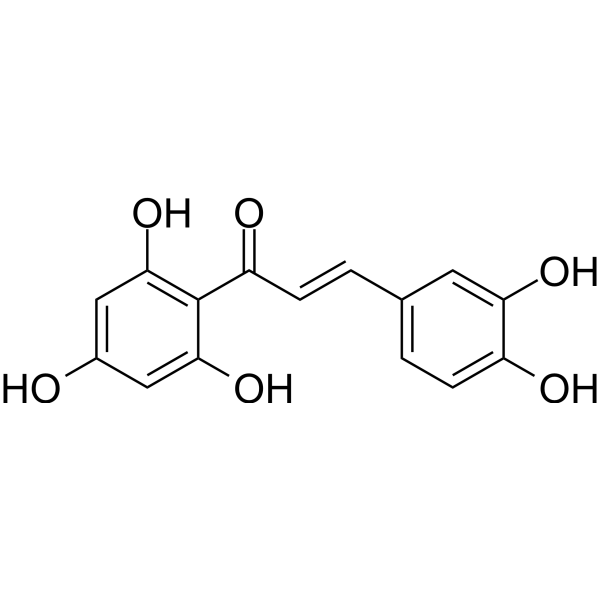
Eriodictyol chalcone is an antioxidant that inhibits multiple key enzymes including 5-LOX (IC50=0.043 μM), aromatase/CYP19A1 (IC50=2.8 μM), PTPase 1B (IC50=1.26 μM), and COX (IC50=34 μM). Eriodictyol chalcone exhibits excellent free radical scavenging activity. Eriodictyol chalcone not only inhibits the growth of plasmodia and enhances the efficacy of Artemisinin (HY-B0094), but also reduces depression-like behaviors in animal models. Eriodictyol chalcone serves as a biosynthetic precursor for Aureusidin (HY-N9834). Eriodictyol chalcone is a potential dietary supplement and herbicide, and it can be applied to research on malaria, depression, breast cancer and other related diseases .
|
-
-
- HY-103461
-
|
|
FAAH
|
Neurological Disease
|
|
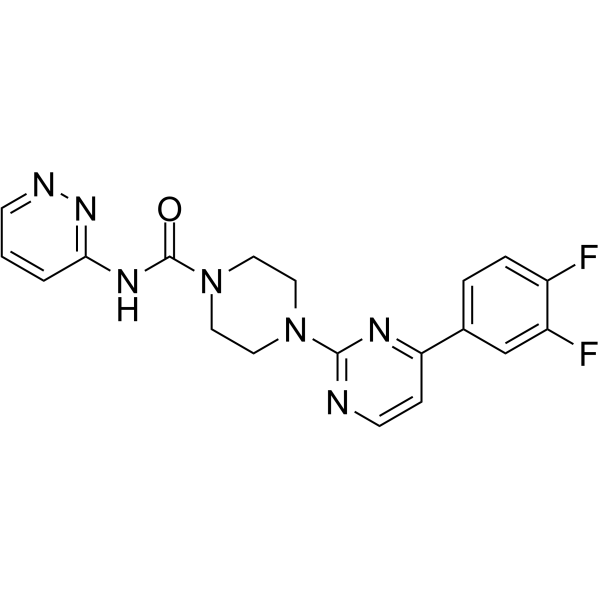
FAAH-IN-6 (compound 21d) is a potent, orally active and cross the blood-brain barrier fatty acid amide hydrolase (FAAH) inhibitor with IC50s of 0.72, 0.28 nM for hFAAH, rFAAH, respectively. FAAH-IN-6 shows dose-dependent analgesic efficacy in animal models of both neuropathic and inflammatory pain .
|
-
-
- HY-14743
-
|
SCV 07; Gamma-D-glutamyl-L-tryptophan
|
Bacterial
STAT
|
Infection
Inflammation/Immunology
Cancer
|
|
Golotimod (SCV-07), an immunomodulating peptide with antimicrobial activity, significantly increases the efficacy of antituberculosis therapy, stimulates thymic and splenic cell proliferation, and improves macrophage function. Golotimod (SCV-07) inhibits STAT3 signaling and modulates the duration and severity of oral mucositis in animal models that received radiation or a combination of radiation and Cisplatin. Golotimod (SCV-07) is also a potential therapeutic for recurrent genital herpes simplex virus type 2 (HSV-2) .
|
-
-
- HY-12501
-
|
|
Phosphodiesterase (PDE)
|
Neurological Disease
|
|
ITI-214 free base is a potent, CNS-active, orally bioavailable PDE1 inhibitor (Ki of 58 pM) with excellent selectivity against other PDE family members and against a panel of enzymes, receptors, transporters and ion channels. ITI-214 free base inhibits recombinant full-length human PDE1A, PDE1B and PDE1C with Kis of 33 pM, 380 pM and 35 pM, respectively. ITI-214 free base shows efficacy in various animal models of motor and cognitive functions .
|
-
-
- HY-19130
-
|
|
Adenosine Receptor
|
Neurological Disease
|
|
BW-534U87 is an orally active adenosine A1 receptor agonist and competitive adenosine deaminase (ADA) inhibitor (Ki=7 μM). BW-534U87 elevates brain adenosine levels and suppresses epileptiform activity. BW-534U87 demonstrate anticonvulsant efficacy in animal seizure models. BW-534U87 is promising for research of epilepsy and adenosine-related neuropsychiatric disorders .
|
-
-
- HY-106365
-
|
|
Glucocorticoid Receptor
|
Endocrinology
|
|
Rofleponide is a synthetic glucocorticoid that has a high affinity for rat thymic glucocorticoid receptors and has high anti-inflammatory efficacy in experimental animal models .
|
-
-
- HY-B0647S1
-
|
3-n-Butylphthalide-d3; 3-Butylphthalide-d3
|
Isotope-Labeled Compounds
|
Neurological Disease
|
|
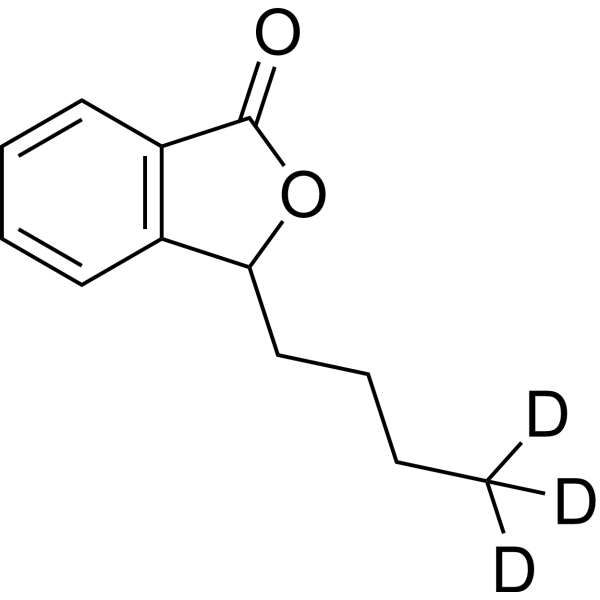
Butylphthalide-d3 is the deuterium labeled Butylphthalide. Butylphthalide(3-n-Butylphthalide), an anti-cerebral-ischemia agent, is first isolated from the seeds of celery and showes efficacy in animal models of stroke.
|
-
-
- HY-149065
-
|
|
α-synuclein
|
Neurological Disease
|
|
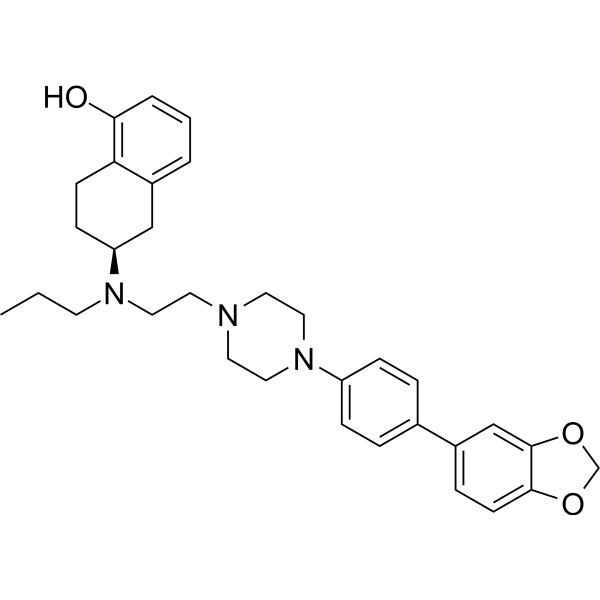
D-685, a prodrug of D-520, exhibits higher in vivo anti-Parkinsonian efficacy in a reserpinized Parkinson's disease (PD) animal model than the parent D-520. D-685 reduces accumulation of human α-synuclein (α-syn) protein. D-685 exhibits facile brain penetration .
|
-
-
- HY-114589
-
|
|
mGluR
|
Others
|
|
VU0240382 is a metabotropic glutamate receptor subtype 5 modulator whose activity differs depending on whether it has allosteric agonist activity. VU0240382 with allosteric agonist activity can activate mGlu(5) receptors in cell lines, but has no agonist activity in natural systems and has similar efficacy to mGlu(5) modulators without allosteric agonist activity in animal models.
|
-
-
- HY-155458
-
|
|
PARP
|
Inflammation/Immunology
Cancer
|
|
HYDAMTIQ is a PARP-1/2 inhibitor (IC50: 29-38 nM) with anticancer, anti-inflammatory, and ischemic protective effects. HYDAMTIQ inhibits pulmonary PARP activity, is effective against allergen-induced cough and dyspnea, and inhibits bronchial hyperresponsiveness to methacholine. HYDAMTIQ has broad-spectrum tumor suppressor effects, including ovarian and breast cancers, prostate and pancreatic tumors, and glioblastoma multiforme. HYDAMTIQ has demonstrated in vivo efficacy in animal models of cerebral ischemia, asthma, cancer, and more .
|
-
-
- HY-167734
-
|
AY-30715
|
COX
|
Inflammation/Immunology
|
|
Pemedolac (AY-30715) is a potent analgesic with significant pain-relief efficacy against chemically induced and inflammatory pain in animal models. Pemedolac displays a notable separation between analgesic effects and anti-inflammatory activity, achieving effective pain relief at much lower doses than those required for anti-inflammatory or gastric irritant effects. Pemedolac also shows low ulcerogenic potential, indicating a safer profile compared to standard NSAIDs while being utilized for the treatment of neurological, skin, and musculoskeletal disorders.
|
-
-
- HY-14743A
-
|
SCV 07 TFA; Gamma-D-glutamyl-L-tryptophan TFA
|
Bacterial
STAT
|
Infection
Inflammation/Immunology
Cancer
|
|
Golotimod TFA (SCV 07 TFA), an immunomodulating peptide with antimicrobial activity, significantly increases the efficacy of antituberculosis therapy, stimulates thymic and splenic cell proliferation, and improves macrophage function. Golotimod TFA (SCV 07 TFA) inhibits STAT3 signaling and modulates the duration and severity of oral mucositis in animal models that received radiation or a combination of radiation and Cisplatin. Golotimod TFA (SCV 07 TFA) is also a potential therapeutic for recurrent genital herpes simplex virus type 2 (HSV-2) .
|
-
-
- HY-111827R
-
|
|
Histamine Receptor
|
Cardiovascular Disease
Others
Metabolic Disease
Inflammation/Immunology
|
|
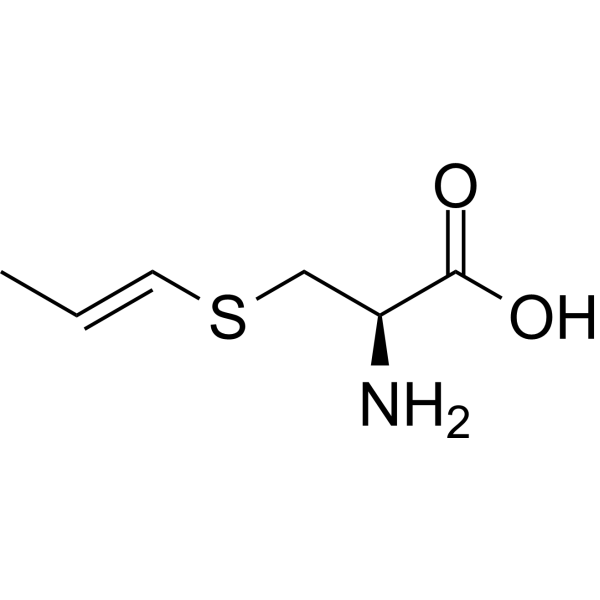
S-1-Propenyl-L-cysteine (Standard) is the analytical standard of S-1-Propenyl-L-cysteine. This product is intended for research and analytical applications. S-1-Propenyl-L-cysteine is a stereoisomer of S-allyl-l-cysteine, extracted from garlic, with immunomodulatory effects and reduces blood pressure in a hypertensive animal model . S-1-Propenyl-L-cysteine exhibits antioxidative efficacy through a NO-dependent BACH1 signaling pathway . S-1-Propenyl-L-cysteine is orally active.
|
-
-
- HY-14743R
-
|
SCV 07 (Standard); Gamma-D-glutamyl-L-tryptophan (Standard)
|
Bacterial
STAT
Reference Standards
|
Infection
Inflammation/Immunology
Cancer
|
|
Golotimod (Standard) is the analytical standard of Golotimod. This product is intended for research and analytical applications. Golotimod (SCV-07), an immunomodulating peptide with antimicrobial activity, significantly increases the efficacy of antituberculosis therapy, stimulates thymic and splenic cell proliferation, and improves macrophage function. Golotimod (SCV-07) inhibits STAT3 signaling and modulates the duration and severity of oral mucositis in animal models that received radiation or a combination of radiation and Cisplatin. Golotimod (SCV-07) is also a potential therapeutic for recurrent genital herpes simplex virus type 2 (HSV-2) .
|
-
-
- HY-121856
-
|
|
Others
|
Inflammation/Immunology
|
|
Flumizole, a derivative of substituted 5,6-diaryl-2,3-dihydroimidazo[2,1-b]thiazoles, was synthesized and evaluated for its immunoregulatory and anti-inflammatory properties in animal models such as rat adjuvant-induced arthritis and mouse oxazolone-induced contact sensitivity assays. This compound class combines structural elements from flumizole and levamisole, aiming to enhance therapeutic efficacy. Symmetrically substituted 5,6-diaryl compounds with specific alkyl heteroatom or halogen substitutions showed optimal potency in the arthritis model. However, variations in activity were less consistent in the contact sensitivity assay. Flumizole and related compounds demonstrate potential as dual-action agents, targeting inflammation and immune modulation, offering promise for therapeutic development in immune-related disorders .
|
-
-
- HY-116142
-
|
|
iGluR
|
Neurological Disease
|
|
CP-283097 is an orally active and conformationally restricted and NR2B subtype-selective NMDA antagonist. CP-283097 efficiently competitively inhibits the binding of [³H]CP-101,606 to the rat meninges, with an IC50 value of 18 nM. CP-283097 exhibits nearly complete inhibition of the current mediated by the NR2B receptor (IC50 = 206 nM), while the inhibitory effect on the NR2A or NR2C receptors is very weak. CP-283097 demonstrates excellent central nervous system permeability and in vivo efficacy in animal models. CP-283097 can be used for neurological diseases related to excessive activation of NMDA receptors .
|
-
-
- HY-167717
-
|
(Rac)-F 12511
|
Endogenous Metabolite
|
Metabolic Disease
|
|
(Rac)-Eflucimibe ((Rac)-F 12511) is an ACAT inhibitor with endogenous hypercholesterolemia modulating activity. (Rac)-Eflucimibe has shown high potency and efficacy as an anti-hypercholesterol compound in different hypercholesterolemia animal models .
|
-
-
- HY-116184
-
|
|
Endogenous Metabolite
|
Inflammation/Immunology
|
|
PF-05387252 is a potent and selective IRAK4 inhibitor with the activity of inhibiting endogenous TLR signaling pathways. PF-05387252 has shown anti-inflammatory activity in experimental models and may have potential clinical application value in inhibiting psoriasis. Although PF-05387252 and its related compounds have shown anti-inflammatory effects in animal models, their efficacy in inhibiting psoriasis has not yet been verified .
|
-
-
- HY-19220
-
|
|
Thrombin
|
Cardiovascular Disease
|
|
S-18326 is an orally active direct thrombin inhibitor. S-18326 inhibits thrombus formation by reversibly and with high affinity binding to the active site of thrombin, directly preventing the conversion of fibrinogen to fibrin. S-18326 effectively prolongs various clotting times in human plasma. S-18326 has demonstrated antithrombotic efficacy in multiple animal models without causing thrombocytopenia. S-18326 can be used in research on thromboembolic diseases .
|
-
-
- HY-180542
-
|
|
Carbonic Anhydrase
Bacterial
Drug Derivative
|
Infection
|
|
CAI0019 is an orally active α-carbonic anhydrase inhibitor based on the Acetazolamide (HY-B0782) framework. CAI0019 exhibits narrow-spectrum antibiofilm activity, with its MIC50 being 0.094 μM and MIC90 being 0.39 μM. CAI0019 selectively inhibits Enterococcus in a septic peritonitis mouse model, without affecting most intestinal commensal bacteria .
|
-
-
- HY-180411
-
|
|
Leukotriene Receptor
|
Inflammation/Immunology
|
|
SM-15178 is a potent, orally active and selective leukotriene B4 (LTB4) receptor antagonist with an IC50 of 0.30 μM. SM-15178 attenuates LTB4 (HY-107608)-induced neutrophil accumulation in mouse skin and bronchoconstriction in guinea pigs. SM-15178 emonstrates significant anti-inflammatory efficacy across multiple animal models of inflammation. SM-15178 can be used for the research of chronic inflammatory diseases such as inflammatory bowel disease, psoriasis, and asthma .
|
-
-
- HY-P991977
-
|
5G9
|
EGFR
Apoptosis
PARP
Akt
ERK
|
Cancer
|
|
BSI-001 (5G9) is a HER2-targeting antibody. BSI-001 inhibits cell proliferation and migration, induces apoptosis and PARP cleavage, and suppresses HER2-mediated downstream signaling pathways (including the phosphorylation of EGFR, HER3, AKT and ERK) when combined with Trastuzumab (HY-P9907) in HER2-positive cancer cells. BSI-001 exhibits synergistic anti-tumor efficacy in animal models of gastric cancer and breast cancer when combined with Trastuzumab. BSI-001 can be used for the research of HER2-positive breast cancer and HER2-overexpressing gastric cancer .
|
-
-
- HY-181678
-
|
|
DNA-PK
HDAC
Apoptosis
Mitochondrial Metabolism
DNA/RNA Synthesis
|
Cancer
|
|
DNA-PK/HDAC6-IN-1 is a selcetive and orally active dual DNA-PK and HDAC6 inhibitor with IC50 values of 84.2 and 64.8 nM. DNA-PK/HDAC6-IN-1 suppresses cancer cells proliferation, induces cancer cell cycle G2/M arrest, apoptosis, and decreases the mitochondrial membrane potential. DNA-PK/HDAC6-IN-1 induces DNA damage and elevates γ-H2AX levels. DNA-PK/HDAC6-IN-1 exhibits antitumor efficacy in AML animal mouse model. DNA-PK/HDAC6-IN-1 can be used for the research of acute myeloid leukemia .
|
-
-
- HY-179476
-
|
|
Androgen Receptor
Endogenous Metabolite
|
Inflammation/Immunology
Cancer
|
|
3-Oxochol-5-en-24-oic acid is a rare bile acid produced by the intestinal microbiota. 3-Oxochol-5-en-24-oic acid is a potent antagonist of the human androgen receptor (hAR), with an IC50 of 119.4 nM. 3-Oxochol-5-en-24-oic acid has no significant agonistic or antagonistic effects on estrogen receptors (ER) or glucocorticoid receptors (GR). 3-Oxochol-5-en-24-oic acid effectively inhibits the growth of prostate cancer cells. In animal models, it enhances the efficacy of anti-PD-1 therapy by regulating the differentiation of CD8 + T cells. 3-Oxochol-5-en-24-oic acid can be used for research on regulating host immunity and anti-tumor studies .
|
-
| Cat. No. |
Product Name |
Target |
Research Area |
-
- HY-14743
-
|
SCV 07; Gamma-D-glutamyl-L-tryptophan
|
Bacterial
STAT
|
Infection
Inflammation/Immunology
Cancer
|
|
Golotimod (SCV-07), an immunomodulating peptide with antimicrobial activity, significantly increases the efficacy of antituberculosis therapy, stimulates thymic and splenic cell proliferation, and improves macrophage function. Golotimod (SCV-07) inhibits STAT3 signaling and modulates the duration and severity of oral mucositis in animal models that received radiation or a combination of radiation and Cisplatin. Golotimod (SCV-07) is also a potential therapeutic for recurrent genital herpes simplex virus type 2 (HSV-2) .
|
-
- HY-14743R
-
|
SCV 07 (Standard); Gamma-D-glutamyl-L-tryptophan (Standard)
|
Bacterial
STAT
Reference Standards
|
Infection
Inflammation/Immunology
Cancer
|
|
Golotimod (Standard) is the analytical standard of Golotimod. This product is intended for research and analytical applications. Golotimod (SCV-07), an immunomodulating peptide with antimicrobial activity, significantly increases the efficacy of antituberculosis therapy, stimulates thymic and splenic cell proliferation, and improves macrophage function. Golotimod (SCV-07) inhibits STAT3 signaling and modulates the duration and severity of oral mucositis in animal models that received radiation or a combination of radiation and Cisplatin. Golotimod (SCV-07) is also a potential therapeutic for recurrent genital herpes simplex virus type 2 (HSV-2) .
|
| Cat. No. |
Product Name |
Target |
Research Area |
Image |
-
- HY-P991977
-
|
5G9
|
EGFR
Apoptosis
PARP
Akt
ERK
|
Cancer
|
|
BSI-001 (5G9) is a HER2-targeting antibody. BSI-001 inhibits cell proliferation and migration, induces apoptosis and PARP cleavage, and suppresses HER2-mediated downstream signaling pathways (including the phosphorylation of EGFR, HER3, AKT and ERK) when combined with Trastuzumab (HY-P9907) in HER2-positive cancer cells. BSI-001 exhibits synergistic anti-tumor efficacy in animal models of gastric cancer and breast cancer when combined with Trastuzumab. BSI-001 can be used for the research of HER2-positive breast cancer and HER2-overexpressing gastric cancer .
|
-
(5)
| Cat. No. |
Product Name |
Category |
Target |
Chemical Structure |
| Cat. No. |
Product Name |
Chemical Structure |
-
- HY-B0647S1
-
|
|
|
Butylphthalide-d3 is the deuterium labeled Butylphthalide. Butylphthalide(3-n-Butylphthalide), an anti-cerebral-ischemia agent, is first isolated from the seeds of celery and showes efficacy in animal models of stroke.
|
-
| Cat. No. |
Product Name |
|
Classification |
-
- HY-154974
-
|
|
|
Cationic Lipids
|
|
LNP Lipid-8 (11-A-M) is an ionizable single-tail multi-head lipid that can be used as a lipid nanoparticle (LNP) to deliver siRNA to T cells without targeting ligands. LNP Lipid-8 is more selective for T cells than other cell types such as hepatocytes. LNP Lipid-8 selectively delivers siRNA/sgRNA to T cells (especially CD8+ T cells) through endogenous lipid transport pathways, and can enter cells and release RNA through endocytosis to achieve gene silencing. LNP Lipid-8 loaded with GFP siRNA (siGFP) significantly led to GFP gene silencing in mouse models. LNP Lipid-8 showed good efficacy and safety in both cells and animals, without obvious liver targeting and toxicity. LNP Lipid-8 can be used for RNA delivery research in the fields of tumor immunotherapy and T cell-mediated autoimmune diseases .
|
Your information is safe with us. * Required Fields.
Inquiry Information
- Product Name:
- Cat. No.:
- Quantity:
- MCE Japan Authorized Agent:

