
1. Search Result
Search Result
Results for "

Atrial fibrillation

" in MedChemExpress (MCE) Product Catalog:

74

Inhibitors & Agonists

2

Peptides

4

Natural
Products

6

Isotope-Labeled Compounds

Cat. No. Product Name Target Research Areas Chemical Structure
  • HY-10274
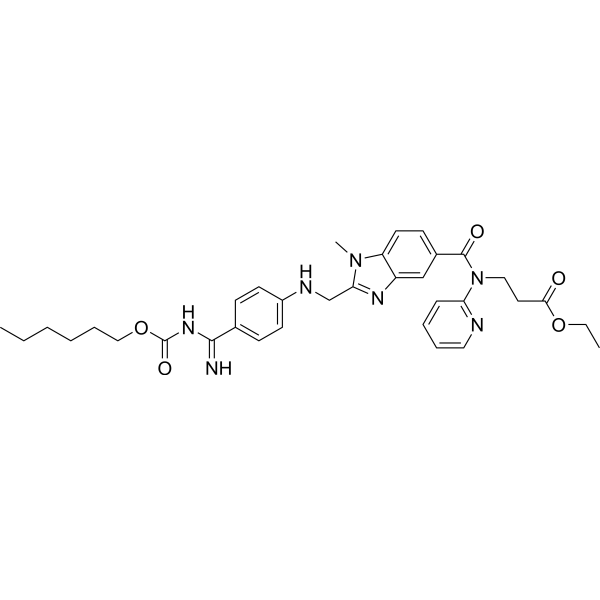
    Dabigatran etexilate
    4 Publications Verification

    BIBR 1048

    Thrombin Cardiovascular Disease
    Dabigatran etexilate (BIBR 1048) is an orally active proagent of Dabigatran (a direct inhibitor of thrombin). Dabigatran etexilate has anticoagulant effects and is used for the prophylaxis of venousthromboembolism and stroke due to atrial fibrillation .
    Dabigatran etexilate
  • HY-A0016
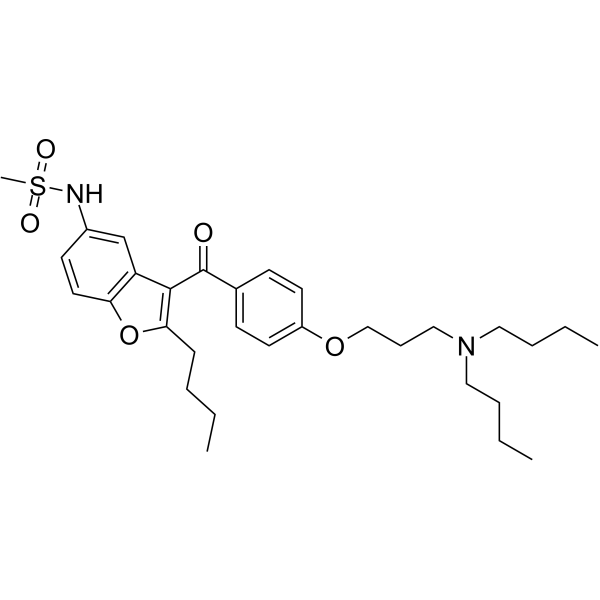
    Dronedarone
    4 Publications Verification

    SR 33589

    mAChR Sodium Channel Calcium Channel Adrenergic Receptor Cytochrome P450 Autophagy Cardiovascular Disease
    Dronedarone (SR 33589), a derivative of amiodarone (HY-14187), is a class III antiarrhythmic agent for the study of atrial fibrillation (AF) and atrial flutter. Dronedarone is a potent blocker of multiple ion currents, including potassium current, sodium current, and L-type calcium current, and exhibits antiadrenergic effects by noncompetitive binding to β-adrenergic receptors. Dronedarone is a substrate for and a moderate inhibitor of CYP3A4 .
    Dronedarone
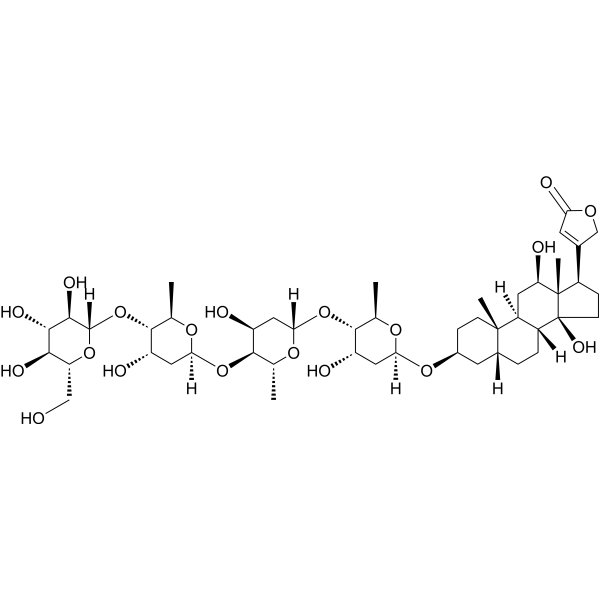
  • HY-A0154

    Deacetyllanatoside C; Desacetyllanatoside C

    Na+/K+ ATPase Drug Metabolite Cardiovascular Disease
    Deslanoside (Desacetyllanatoside C) is a rapidly acting cardiac glycoside used to treat congestive heart failure and supraventricular arrhythmias due to reentry mechanisms, and to control ventricular rate in the treatment of chronic atrial fibrillation. Deslanoside inhibits the Na-K-ATPase membrane pump, resulting in an increase in intracellular sodium and calcium concentrations .
    Deslanoside
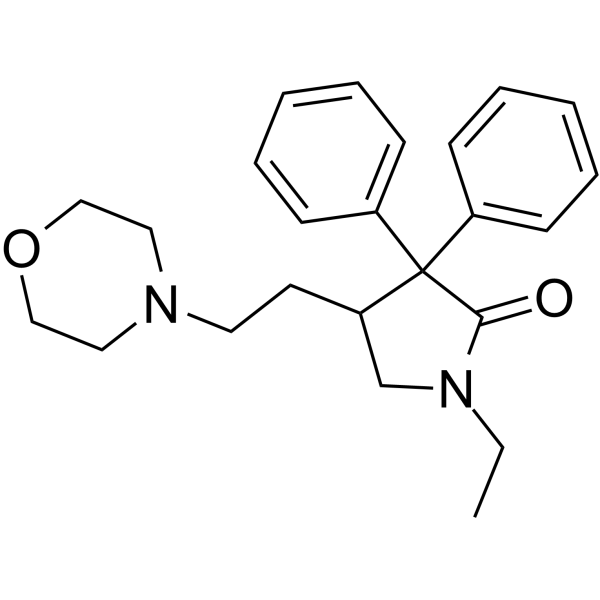
  • HY-B0551

    Potassium Channel Neurological Disease
    Doxapram is a respiratory stimulant. Doxapram increases breathing rate and depth by acting on the brain's respiratory centers and peripheral chemoreceptors. Doxapram inhibits TASK-1, TASK-3, TASK-1/TASK-3 heterodimeric channel function with EC50s of 410 nM, 37 μM, 9 μM, respectively. Doxapram inhibits the Ca²⁺-activated potassium current (IC50 ≈ 13 μM) and Ca²⁺-independent potassium current (IC50 ≈ 20 μM) in type I cells of the carotid body. Doxapram significantly prolongs the effective refractory period of the atrium and has an anti-arrhythmic effect. Doxapram can be used for the study of respiratory depression such as post-anesthesia respiratory depression, chronic obstructive pulmonary disease and apnea of prematurity .
    Doxapram
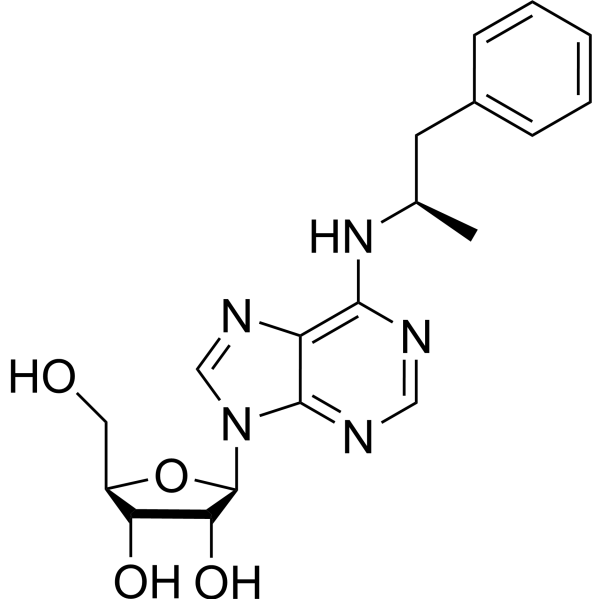
  • HY-136661

    L-Phenylisopropyladenosine; L-PIA; R-PIA

    Adenosine Receptor Cardiovascular Disease Neurological Disease
    (-)-N6-phenylisopropyl adenosine (L-Phenylisopropyladenosine) is a selective A1 adenosine receptor agonist. (-)-N6-phenylisopropyl adenosine inhibits K +-induced Ca 2+ uptake with an IC50 value of 0.5 µM. (-)-N6-phenylisopropyl adenosine protects against ischemia-induced ventricular arrhythmias and atrial fibrillation, and exacerbates ethanol withdrawal symptoms. (-)-N6-phenylisopropyl adenosine also has analgesic effects .
    (-)-N6-Phenylisopropyl adenosine
  • HY-103175
    PSB36
    1 Publications Verification

    Adenosine Receptor Cardiovascular Disease Neurological Disease Inflammation/Immunology
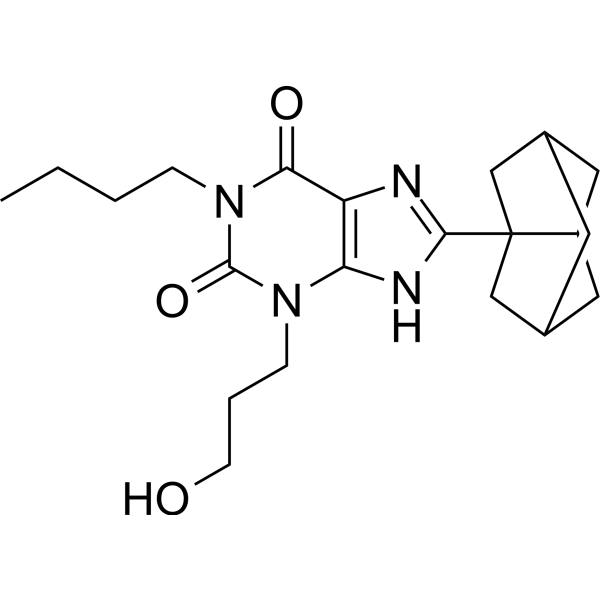
    PSB36 is a highly selective A1 adenosine receptor antagonist, with a Ki of 0.12 nM and a Kd of 0.7 nM. Systemic administration of PSB36 reduces formalin- and Carrageenan (HY-125474)-induced edema in mice and decreases pain-related behaviors, with no local paw activity. PSB36 prolongs the APD90 of rat and human atria, produces a frequency-dependent prolongation of rat atrial ERP, increases the diastolic threshold of rat atria, and shortens the duration of atrial fibrillation episodes. PSB36 can be used in research related to inflammatory pain, inflammatory hyperalgesia, edema and atrial fibrillation .
    PSB36
  • HY-106225
    Rotigaptide
    1 Publications Verification

    ZP123

    Gap Junction Protein Cardiovascular Disease
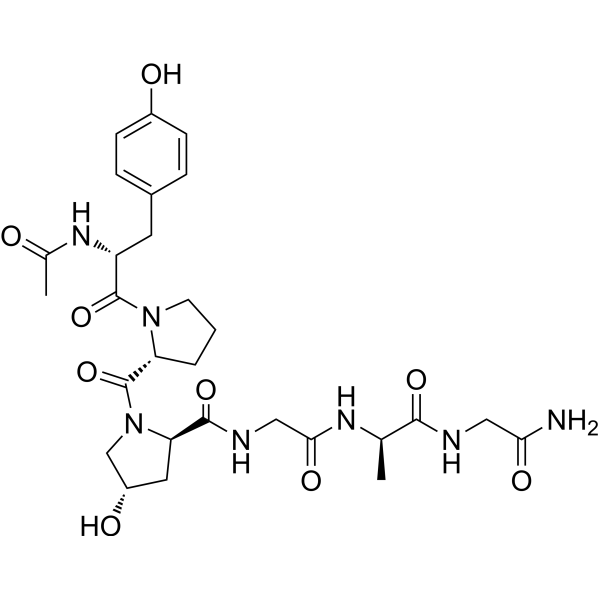
    Rotigaptide (ZP123) is a novel and specific modulator of connexin 43 (Cx43). Rotigaptide prevents the uncoupling of Cx43-mediated gap junction communication and normalizes cell-to-cell communication during acute metabolic stress. Rotigaptide is a potent antiarrhythmic peptide (AAP) with improved stability and has the potential for the investigation of cardiac arrhythmias-specifically atrial fibrillation .
    Rotigaptide
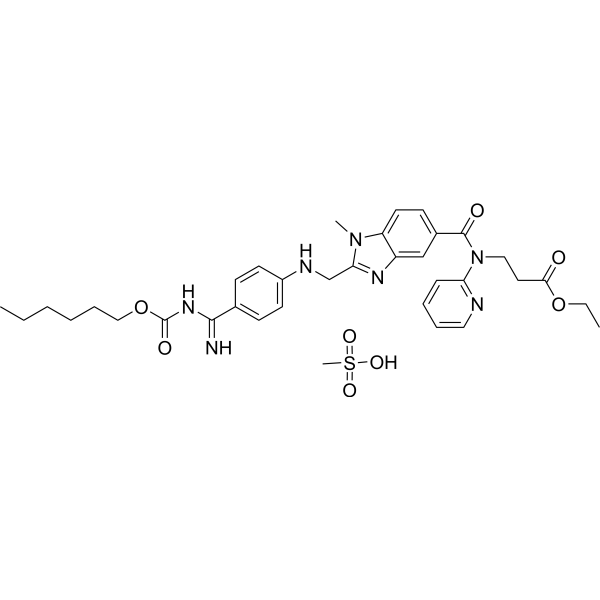
  • HY-10274A
    Dabigatran etexilate mesylate
    4 Publications Verification

    BIBR 1048MS; Dabigatran etexilate methanesulfonate

    Thrombin Cardiovascular Disease
    Dabigatran etexilate mesylate (BIBR 1048MS) is an orally active proagent of Dabigatran (a direct inhibitor of thrombin). Dabigatran etexilate mesylate has anticoagulant effects and is used for the prophylaxis of venousthromboembolism and stroke due to atrial fibrillation .
    Dabigatran etexilate mesylate
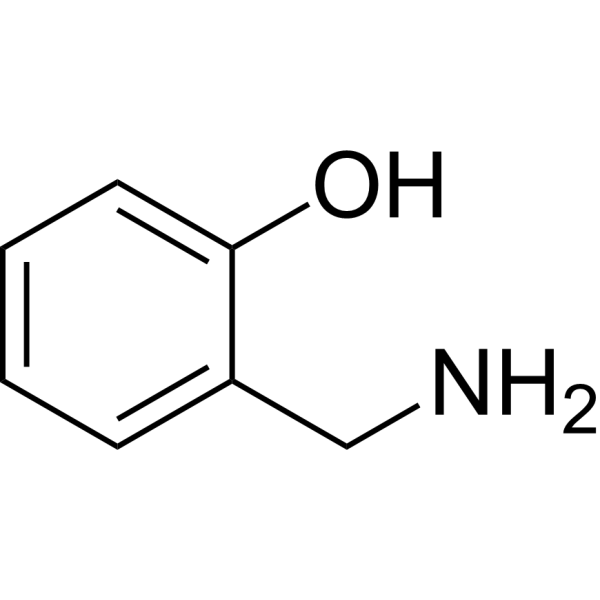
  • HY-34350

    2-Hydroxybenzylamine; o-Hydroxybenzylamine; 2-HOBA

    Reactive Oxygen Species (ROS) Cardiovascular Disease Inflammation/Immunology
    2-(Aminomethyl)phenol (2-Hydroxybenzylamine) is a selective dicarbonyl scavenger. 2-(Aminomethyl)phenol is an antioxidant and scavanger of free radicals and isolevuglandins (IsoLGs). 2-(Aminomethyl)phenol can prevent early recurrence of atrial fibrillation. 2-(Aminomethyl)phenol can reduce inflammation and plaque apoptotic cells and promote efferocytosis and features of stable plaques. 2-(Aminomethyl)phenol can reduce malondialdehyde (MDA)-LDL and MDA-HDL levels in Ldlr -/- mouse model. 2-(Aminomethyl)phenol can be studied in the research of inflammation and cardiovascular disease, such as atherosclerosis, early recurrence of atrial fibrillation (AF) and arrhythmias .
    2-(Aminomethyl)phenol
  • HY-17494

    (S)-L-714,465; MK 950 free base

    Adrenergic Receptor Cardiovascular Disease Inflammation/Immunology Cancer
    Timolol is a β-blocker available for both topical and systemic administration. Topical Timolol is primarily used to reduce intraocular pressure with open-angle glaucoma and ocular hypertension. Timolol can also be used for the research of infantile hemangiomas, hypertension, myocardial infarction, migraine prophylaxis, and atrial fibrillation.Timolol also has cardioprotective effect .
    Timolol
  • HY-100712
    DPO-1
    1 Publications Verification

    Potassium Channel Calcium Channel NOD-like Receptor (NLR) Interleukin Related Cardiovascular Disease Inflammation/Immunology
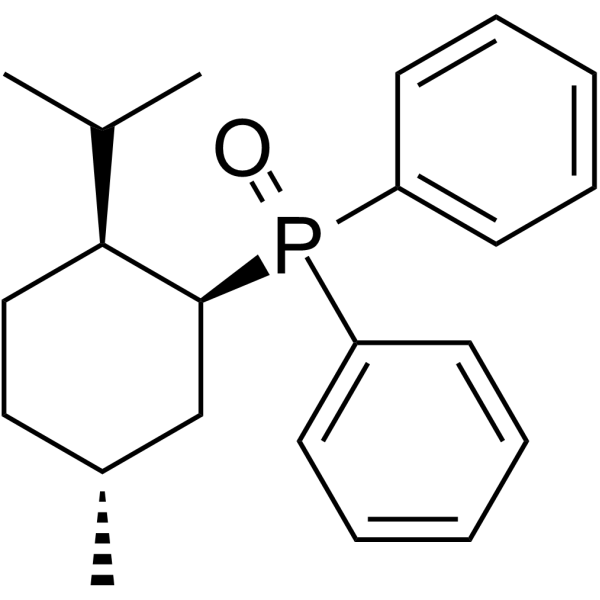
    DPO-1 is a potent Kv1.5 and Kv1.3 (EC50 = 3.1 μM) channels inhibitor with potential immunomodulatory and anti-inflammatory effects. DPO-1 reduces Kv1.3 current density, blunts Ca 2+ influx in Ca 2+-depleted Jurkat cells, and inhibits IL-2 secretion in activated Jurkat cells. DPO-1 inhibits Uric acid sodium (HY-B2130A) (MSU)-induced NLRP3 inflammasome activation by blocking Kv1.5-mediated K + efflux. DPO-1 can be used for the study of immunologic disorders and atrial fibrillation .
    DPO-1
  • HY-119124

    D21-2393

    Factor Xa Cardiovascular Disease Inflammation/Immunology
    Edoxaban M4 (D21-2393) is an orally active and selective Factor Xa inhibitor with a human Factor Xa IC50 of 1.8 nM. Edoxaban M4 exhibits anticoagulant activity via Factor Xa inhibition. Edoxaban M4 can be used for the research of non-valvular atrial fibrillation, venous thromboembolisms, pulmonary embolism .
    Edoxaban M4
  • HY-157557

    Potassium Channel Cardiovascular Disease
    AP30663 is a KCa2 channel inhibitor that can be used for the study of atrial fibrillation .
    AP30663
  • HY-16738A
    Eleclazine hydrochloride
    2 Publications Verification

    GS 6615 hydrochloride

    Sodium Channel Potassium Channel Cardiovascular Disease
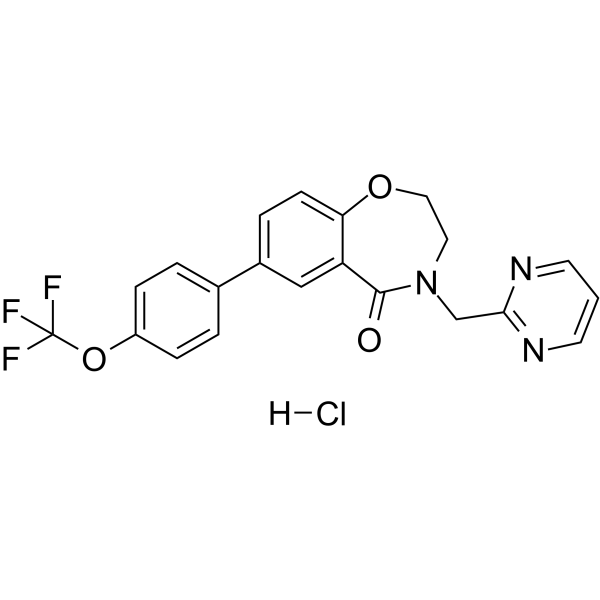
    Eleclazine (GS 6615) hydrochloride is a selective cardiac late sodium current inhibitor and a weak inhibitor of potassium current with IC50 value of <1 μM and approximately 14.2 μM, respectively. Eleclazine hydrochloride shows concurrent protection against autonomically induced atrial premature beats, repolarization alternans and heterogeneity, and atrial fibrillation in porcine model. Eleclazine hydrochloride can be used to research cardiac arrhythmias .
    Eleclazine hydrochloride
  • HY-P1604
    ATX-II
    1 Publications Verification

    Sodium Channel Cardiovascular Disease Inflammation/Immunology
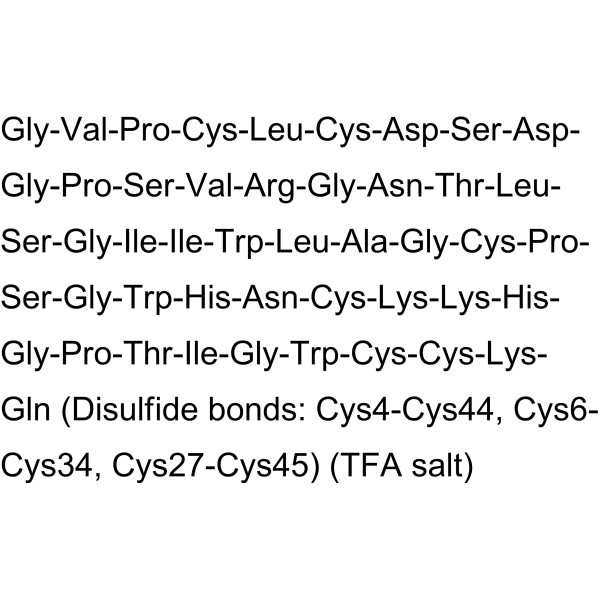
    ATX-II is a selective sodium channel modulator toxin. ATX-II enhances late sodium current, prevents full sodium channel inactivation, and generates persistent current fractions. ATX-II has pro-arrhythmic effect. ATX-II slows intrinsic heart rate, prolongs QT interval and sinus node recovery time, and causes sinus pauses and arrests. ATX-II can be used for the research of atrial fibrillation, long QT syndrome, and long QT3 syndrome .
    ATX-II
  • HY-P1604A
    ATX-II TFA
    1 Publications Verification

    Sodium Channel Cardiovascular Disease Inflammation/Immunology
    ATX-II TFA is a selective sodium channel modulator toxin. ATX-II TFA enhances late sodium current, prevents full sodium channel inactivation, and generates persistent current fractions. ATX-II TFA has pro-arrhythmic effect. ATX-II TFA slows intrinsic heart rate, prolongs QT interval and sinus node recovery time, and causes sinus pauses and arrests. ATX-II TFA can be used for the research of atrial fibrillation, long QT syndrome, and long QT3 syndrome .
    ATX-II TFA
  • HY-18600A
    Azimilide dihydrochloride
    2 Publications Verification

    NE-10064 dihydrochloride

    Potassium Channel Calcium Channel Sodium Channel Cardiovascular Disease
    Azimilide (NE-10064) dihydrochloride is a class III antiarrhythmic agent, which works by blocking potassium channels in the heart. Azimilide dihydrochloride is a dual blocker of IKs (IC50 = 2.6 μM (2mM [K⁺]ₑ)) and IKr (IC50 = 1 μM (4 mM [K⁺])). Azimilide dihydrochloride blocked HERG channel at 0.1 and 1 Hz with IC50s of 1.4 μM and 5.2 μM respectively. Azimilide dihydrochloride also inhibits L-type calcium current (ICa) (IC50 = 17.8 μM) and sodium current (INa) (IC50 = 19 μM). Azimilide dihydrochloride can be used for the study of atrial fibrillation and ventricular fibrillation .
    Azimilide dihydrochloride
  • HY-112544
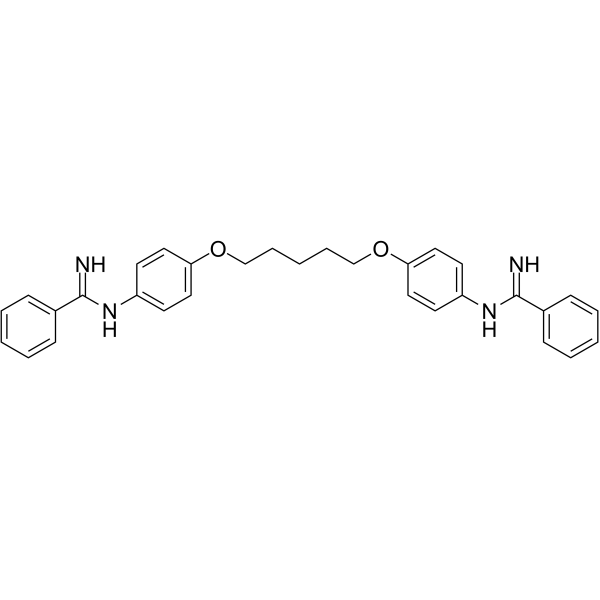
    IK1 inhibitor PA-6
    1 Publications Verification

    PA-6

    Potassium Channel Cardiovascular Disease
    IK1 inhibitor PA-6 (PA-6), a pentamidine analogue, is a selective and potent IK1 (KIR2.x ion-channel-carried inward rectifier current) inhibitor, with IC50 values of 12-15 nM for human and mouse KIR2.x currents. IK1 inhibitor PA-6 (PA-6) elevates KIR2.1 protein expression and induces intracellular KIR2.1 accumulation. IK1 inhibitor PA-6 (PA-6) has the potential to treat atrial fibrillation and arrhythmia .
    IK1 inhibitor PA-6
  • HY-108579

    Potassium Channel Cardiovascular Disease
    UCL 1684 (dibromide) is a first nanomolar, non-peptidic small conductance calcium-activated potassium (SK) channel blocker. UCL 1684 (dibromide) is effective in preventing the development of atrial fibrillation due to potent atrial-selective inhibition of INa. UCL 1684 (dibromide) causes atrial-selective prolongation of ERP secondary to induction of postrepolarization refractoriness .
    UCL 1684 dibromide
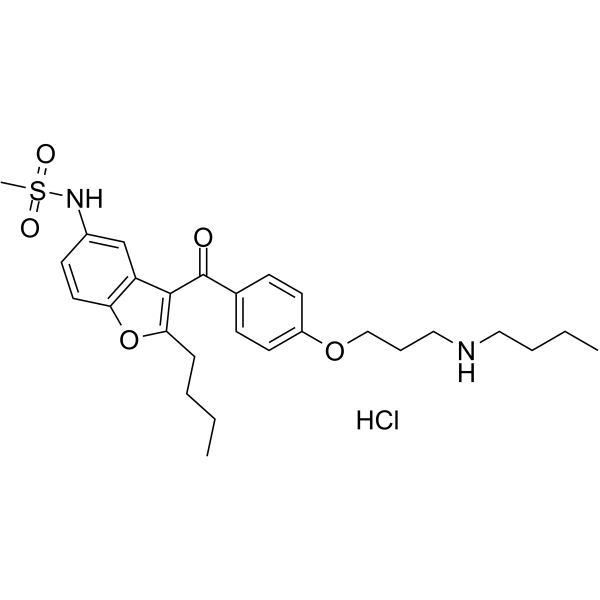
  • HY-A0236

    Sodium Channel Potassium Channel Calcium Channel Calmodulin Cardiovascular Disease
    Aprindine is an Ib-class anti-arrhythmic agent. Aprindine mainly exerts its effect by blocking sodium channels (INa), thereby reducing the excitability and conduction velocity of cardiac muscle cells. Aprindine significantly inhibits delayed potassium currents, which helps to prolong the atrial effective refractory period (AERP) and inhibit the occurrence of atrial fibrillation. Aprindine can also regulate intracellular calcium ion concentration by inhibiting Na +/Ca 2+ exchange current (INCX), thereby further stabilizing cardiac electrical activity. Aprindine can be used for the study of atrial fibrillation (AF) and ventricular arrhythmias .
    Aprindine
  • HY-126486

    A293

    Potassium Channel Cardiovascular Disease
    AVE1231 (A293) is a dual-pore potassium channel TASK-1 inhibitor. AVE1231 blocks carbamoylcholine chloride (HY-B1208)-activated IKACh (IC50=8.4 μM). AVE1231 can be used in the study of arrhythmias and atrial fibrillation .
    AVE1231
  • HY-18600
    Azimilide
    2 Publications Verification

    NE-10064

    Potassium Channel Calcium Channel Sodium Channel Cardiovascular Disease
    Azimilide (NE-10064) is a class III antiarrhythmic agent, which works by blocking potassium channels in the heart. Azimilide is a dual blocker of IKs (IC50 = 2.6 μM (2mM [K⁺]ₑ)) and IKr (IC50 = 1 μM (4 mM [K⁺])). Azimilide blocked HERG channel at 0.1 and 1 Hz with IC50s of 1.4 μM and 5.2 μM respectively. Azimilide also inhibits L-type calcium current (ICa) (IC50 = 17.8 μM) and sodium current (INa) (IC50 = 19 μM). Azimilide can be used for the study of atrial fibrillation and ventricular fibrillation .
    Azimilide
  • HY-150682

    Factor Xa Cardiovascular Disease
    FXIa-IN-9 (compound 3f) is a potent and selective FXIa inhibitor. FXIa-IN-9 can bind with FXIa and form hydrogen bond (human FXIa Ki: 0.17 nM, rabbit FXIa Ki: 0.5 nM). FXIa-IN-9 also has anticoagulant activity, and can be used in the research of thromboembolic diseases such as atrial fibrillation, stroke, myocardial infarction, deep vein thrombosis, and pulmonary embolism .
    FXIa-IN-9
  • HY-100795A

    (±)-Pirmenol hydrochloride; CI-845

    mAChR Potassium Channel Cardiovascular Disease
    Pirmenol ((±)-Pirmenol) hydrochloride is an orally active antiarrhythmic agent. Pirmenol hydrochloride inhibits IK.ACh (IC50: 0.1 μM) by blocking mAchR. Pirmenol hydrochloride can be used in the research of cardiovascular disease, such as atrial fibrillation .
    Pirmenol hydrochloride
  • HY-122033

    Potassium Channel Cardiovascular Disease
    MK-0448 is a specific Kv1.5 inhibitor used in the research of atrial fibrillation .
    MK-0448
  • HY-A0236A

    Sodium Channel Potassium Channel Calcium Channel Calmodulin Cardiovascular Disease
    Aprindine hydrochloride is an Ib-class anti-arrhythmic agent. Aprindine hydrochloride mainly exerts its effect by blocking sodium channels (INa), thereby reducing the excitability and conduction velocity of cardiac muscle cells. Aprindine hydrochloride significantly inhibits delayed potassium currents, which helps to prolong the atrial effective refractory period (AERP) and inhibit the occurrence of atrial fibrillation. Aprindine hydrochloride can also regulate intracellular calcium ion concentration by inhibiting Na +/Ca 2+ exchange current (INCX), thereby further stabilizing cardiac electrical activity. Aprindine hydrochloride can be used for the study of atrial fibrillation (AF) and ventricular arrhythmias .
    Aprindine hydrochloride
  • HY-118387

    Potassium Channel Cardiovascular Disease
    AVE-0118 is a Kv1.5 potassium channel blocker and antiarrhythmic agent. AVE-0118 blocks neuronal Kv1.5 potassium channels, thereby enhancing the release of norepinephrine. AVE-0118 enhances field stimulation-induced neurogenic contraction, an effect sensitive to α1-adrenergic receptor blockade. AVE-0118 terminates persistent atrial fibrillation in some dogs. AVE-0118 is applicable to research related to atrial fibrillation and persistent atrial fibrillation .
    AVE-0118
  • HY-10274R

    BIBR 1048 (Standard)

    Reference Standards Thrombin Cardiovascular Disease
    Dabigatran etexilate (Standard) is the analytical standard of Dabigatran etexilate. This product is intended for research and analytical applications. Dabigatran etexilate (BIBR 1048) is an orally active proagent of Dabigatran (a direct inhibitor of thrombin). Dabigatran etexilate has anticoagulant effects and is used for the prophylaxis of venousthromboembolism and stroke due to atrial fibrillation .
    Dabigatran etexilate (Standard)
  • HY-16738
    Eleclazine
    2 Publications Verification

    GS-6615

    Sodium Channel Potassium Channel Cardiovascular Disease
    Eleclazine (GS 6615) is a selective cardiac late sodium current inhibitor and a weak inhibitor of potassium current with IC50 of <1 μM and approximately 14.2 μM, respectively. Eleclazine shows concurrent protection against autonomically induced atrial premature beats, repolarization alternans and heterogeneity, and atrial fibrillation in porcine model. Eleclazine can be used to research cardiac arrhythmias .
    Eleclazine
  • HY-10274S

    Isotope-Labeled Compounds Thrombin Cardiovascular Disease
    Dabigatran etexilate-d13 is the deuterium labeled Dabigatran etexilate. Dabigatran etexilate (BIBR 1048) is an orally active proagent of Dabigatran. Dabigatran etexilate has anticoagulant effects and is used for the prophylaxis of venousthromboembolism and stroke due to atrial fibrillation .
    Dabigatran etexilate-d13
  • HY-123793

    Potassium Channel P-glycoprotein Cardiovascular Disease
    MK-1832 (Compound 32) is a selective Kv1.5 inhibitor (IC50 = 86 nM). MK-1832 is a P-glycoprotein substrate. MK-1832 can be used in atrial fibrillation research .
    MK-1832
  • HY-100795

    (±)-Pirmenol; CI-845 free base

    mAChR Potassium Channel Cardiovascular Disease
    Pirmenol is an orally active antiarrhythmic agent. Pirmenol inhibits IK.ACh (IC50: 0.1 μM) by blocking mAchR. Pirmenol can be used in the research of cardiovascular disease, such as atrial fibrillation .
    Pirmenol
  • HY-14834

    ATI-2042

    Potassium Channel Sodium Channel Calcium Channel Cardiovascular Disease
    Budiodarone (ATI-2042) is an analogue of Amiodarone (HY-14187) with a half-life of 7 h. Budiodarone inhibits sodium, potassium, and calcium ion channels. Budiodarone is an antiarrhythmic agent and can be used for the research of atrial fibrillation .
    Budiodarone
  • HY-14182

    RSD1235

    Potassium Channel Cardiovascular Disease
    Vernakalant(RSD-1235) is an investigational mixed ion channel blocker that can terminate acute atrial fibrillation (AF) in humans at 2 to 5 mg/kg and may be more atrial-selective than available agents; in treatment of antiarrhythmic.
    Vernakalant
  • HY-147256

    Niferidil free base

    Potassium Channel Cardiovascular Disease
    Cavutilide (Niferidil (free base)) is a class III antiarrhythmic agent that inhibits hERG K + channel. Cavutilide has the potential for the study of persistent atrial fibrillation .
    Cavutilide
  • HY-A0016S

    Isotope-Labeled Compounds mAChR Sodium Channel Calcium Channel Adrenergic Receptor Cytochrome P450 Autophagy Cardiovascular Disease
    Dronedarone-d6 (hydrochloride) is the deuterium labeled Dronedarone. Dronedarone hydrochloride, a derivative of Amiodarone (HY-14187), is a class III antiarrhythmic agent for the study of atrial fibrillation (AF) and atrial flutter. Dronedarone hydrochloride is a potent blocker of multiple ion currents, including potassium current, sodium current, and L-type calcium current, and exhibits antiadrenergic effects by noncompetitive binding to β-adrenergic receptors. Dronedarone hydrochloride is a substrate for and a moderate inhibitor of CYP3A4 .
    Dronedarone-d6 hydrochloride
  • HY-106225R

    ZP123 (Standard)

    Reference Standards Gap Junction Protein Cardiovascular Disease
    Rotigaptide (Standard) is the analytical standard of Rotigaptide. This product is intended for research and analytical applications. Rotigaptide (ZP123) is a novel and specific modulator of connexin 43 (Cx43). Rotigaptide prevents the uncoupling of Cx43-mediated gap junction communication and normalizes cell-to-cell communication during acute metabolic stress. Rotigaptide is a potent antiarrhythmic peptide (AAP) with improved stability and has the potential for the investigation of cardiac arrhythmias-specifically?atrial fibrillation .
    Rotigaptide (Standard)
  • HY-154832

    Calcium Channel Cardiovascular Disease
    Cav 3.2 inhibitor 4 (compound 21) is a potent, peripherally restricted, selective T-type calcium channel (Cav3.2) inhibitor, with an IC50 of 0.6 μM. Cav 3.2 inhibitor 4 can be used for the research of atrial fibrillation .
    Cav 3.2 inhibitor 4
  • HY-103179

    WAG-994; N6-Cyclohexy-2'-0-methyladenosine

    Adenosine Receptor Cardiovascular Disease
    SDZ-WAG994 (WAG-994) is a stable, long-acting, selective and orally active A1-adenosine receptor agonist with a KD of 23 nM. SDZ-WAG994 can be used for the research of atrial fibrillation .
    SDZ-WAG994
  • HY-111245

    Potassium Channel Calcium Channel Sodium Channel Cardiovascular Disease Neurological Disease
    AZD-1305 is an antiarrhythmic agent and atrial selective sodium channel/potassium channel blocker, which can significantly prolongs action potential duration and reduces excitability, cause atrial selective ERP prolongation and acute termination of atrial fibrillation. AZD1305 can be used for atrial fibrillation research .
    AZD-1305
  • HY-19886

    Drug Intermediate Cardiovascular Disease
    F 16915, a Docosahexaenoic Acid (DHA, HY-B2167) derivative, is a potent pro-agent of DHA. F 16915 can prevent heart failure-induced atrial fibrillation .
    F 16915
  • HY-14186

    WYE-160020

    Potassium Channel Cardiovascular Disease
    KVI-020 is an orally active, potent and selective blocker of the atrial potassium channel Kv1.5, with an IC50 of 480 nM. KVI-020 can inhibits hERG, with an IC50 of 15100 nM. KVI-020 is a potent antiarrhythmic agent, and can be used for atrial fibrillation (AF) research .
    KVI-020
  • HY-106207

    SSR149744C

    Drug Derivative Cardiovascular Disease
    Celivarone (SSR149744C) is a orally active noniodinated benzofuran derivative with antiarrhythmic properties. Celivarone has the potential for atrial fibrillation and in ventricular arrhythmias research .
    Celivarone
  • HY-W705705

    Calcium Channel Potassium Channel Sodium Channel Cardiovascular Disease
    NIP-142 is a benzopyran derivative with multiple ion channel-blocking effects. NIP-142 selectively blocks the potassium ion channels enriched in atrial muscle, prolonging the effective refractory period (ERP) and action potential duration (APD) of the atrium, while having minimal effect on ventricular repolarization. NIP-142 also inhibits L-type/T-type calcium channels and sodium channels, further contributing to its anti-arrhythmic effect. NIP-142 shows significant efficacy in various atrial fibrillation models. NIP-142 can be used for research on arrhythmias .
    NIP 142
  • HY-162246

    Sodium Channel Cardiovascular Disease Neurological Disease
    Nav1.8-IN-5 (Example 1) is a voltage-gated sodium channel Nav1.8 inhibitor. Nav1.8-IN-5 can be used for Nav1.8-mediated diseases, such as pain and pain-related disorders, as well as cardiovascular diseases (such as atrial fibrillation) research .
    Nav1.8-IN-5
  • HY-144801A

    Potassium Channel Cardiovascular Disease
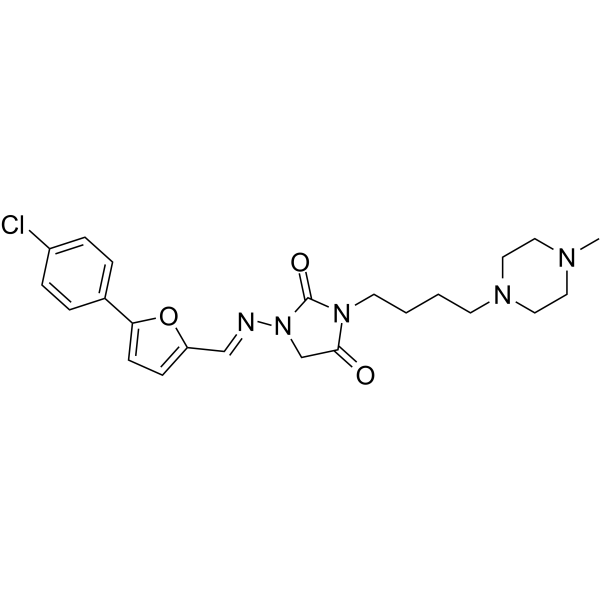
    DDO-02005 is a potent Kv1.5 potassium channel inhibitor with an IC50 value of 0.72 μM. DDO-02005 has good anti-atrial fibrillation (AF) effect in CaCl2-ACh AF rats model and effective anti-arrhythmic activity caused by aconitine .
    DDO-02005
  • HY-120355

    Potassium Channel Cardiovascular Disease
    AP14145 is an inhibitor for small conductance calcium-activated potassium channel, inhibits KCa2.2 channel and KCa channel with IC50 of 1.1 μM and 1.1 μM. AP14145 prolongs atrial effective refractory period (AERP) in rats, causes the conversion of atrial fibrillation to sinus rhythum in porcine left ventricular dysfunction models, and exhibits antiarrhythmic effect .
    AP14145
  • HY-144801

    Potassium Channel Cardiovascular Disease
    DDO-02005 (free base) is a potent Kv1.5 potassium channel inhibitor with an IC50 value of 0.72 μM. DDO-02005 (free base) has good anti-atrial fibrillation (AF) effect in CaCl2-ACh AF rats model and effective anti-arrhythmic activity caused by aconitine .
    DDO-02005 free base
  • HY-10274AR

    BIBR 1048MS (Standard); Dabigatran etexilate methanesulfonate (Standard)

    Reference Standards Thrombin Cardiovascular Disease
    Dabigatran etexilate (mesylate) (Standard) is the analytical standard of Dabigatran etexilate (mesylate). This product is intended for research and analytical applications. Dabigatran etexilate mesylate (BIBR 1048MS) is an orally active proagent of Dabigatran (a direct inhibitor of thrombin). Dabigatran etexilate mesylate has anticoagulant effects and is used for the prophylaxis of venousthromboembolism and stroke due to atrial fibrillation .
    Dabigatran etexilate mesylate (Standard)
  • HY-120355A

    Potassium Channel Cardiovascular Disease
    AP14145 hydrochloride is a potent KCa2 (SK) channel negative allosteric modulator with an IC50 of 1.1 μM for KCa2.2 (SK2) and KCa2.3 (SK3) channels. AP14145 hydrochloride inhibition strongly depends on two amino acids, S508 and A533 in the channel. AP14145 hydrochloride prolonged atrial effective refractory period (AERP) in rats and demonstrates antiarrhythmic effects in a Vernakalant-resistant porcine model of atrial fibrillation (AF) .
    AP14145 hydrochloride

Inquiry Online

Your information is safe with us. * Required Fields.

Salutation


Country or Region *

Applicant Name *


Organization Name *

Department *


Email Address *


Product Name *

Cat. No.


Requested quantity *

Phone Number *


Remarks

Inquiry Online

Inquiry Information

Product Name:
Cat. No.:
Quantity:
MCE Japan Authorized Agent:

