
1. Search Result
Search Result
Pathways Recommended: Stem Cell/Wnt Cell Cycle/DNA Damage
Results for "

B2 B cells

" in MedChemExpress (MCE) Product Catalog:

49

Inhibitors & Agonists

5

Peptides

2

Inhibitory Antibodies

11

Natural
Products

1

Recombinant Proteins

1

Oligonucleotides

Cat. No. Product Name Target Research Areas Chemical Structure
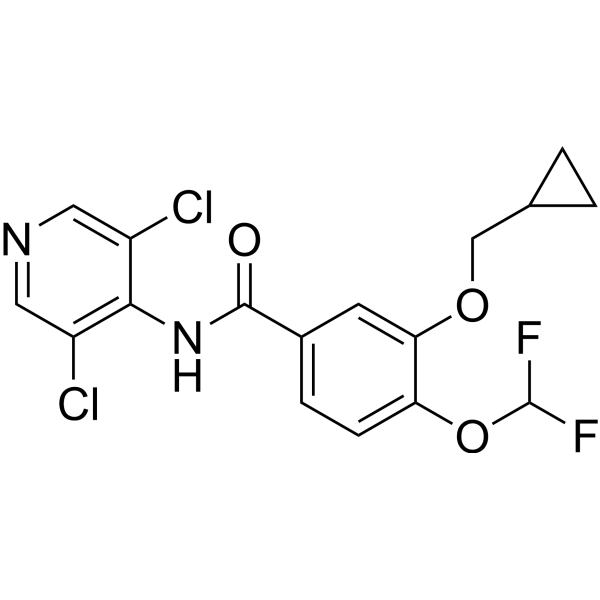
  • HY-15455
    Roflumilast
    Maximum Cited Publications
    14 Publications Verification

    APTA-2217; BYK 20869; B9302-107

    Phosphodiesterase (PDE) RSV Inflammation/Immunology
    Roflumilast (APTA-2217) is a selective PDE4 inhibitor with IC50s of 0.7, 0.9, 0.7, and 0.2 nM for PDE4A1, PDE4A4, PDE4B1, and PDE4B2, respectively, without affecting PDE1, PDE2, PDE3 or PDE5 isoenzymes from various cells.
    Roflumilast
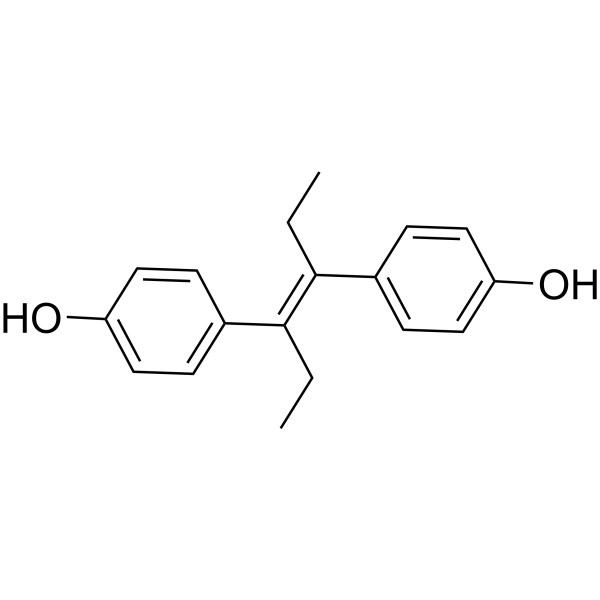
  • HY-14598
    Diethylstilbestrol
    3 Publications Verification

    Estrogen Receptor/ERR Apoptosis Autophagy Endocrinology Cancer
    Diethylstilbestrol is a non-steroidal female hormone that has oral activity and can act on menopausal and postmenopausal disorders. Diethylstilbestrol can induce DNA oxidation and Apoptosis of spermatogonial stem cells. Diethylstilbestrol can induce thymocyte Autophagy Diethylstilbestrol is a 11β-hydroxysteroid dehydrogenase 2 (HSD11B2) inhibitor. .
    Diethylstilbestrol
  • HY-173158

    PROTACs Histone Acetyltransferase Cancer
    AUR1545 is a selective KAT2A/KAT2B ((GCN5/PCAF)) PROTAC degrader that induces monocyte differentiation and inhibits the growth of acute myeloid leukemia cells. AUR1545 inhibits cell growth, induces epithelial differentiation and suppresses tumor growth in small cell lung cancer models. AUR1545 inhibits cell growth and induces differentiation in neuroendocrine prostate cancer cells and primary patient-derived organoids. AUR1545 is applicable to research related to acute myeloid leukemia, small cell lung cancer and neuroendocrine prostate cancer .
    AUR1545
  • HY-N3617
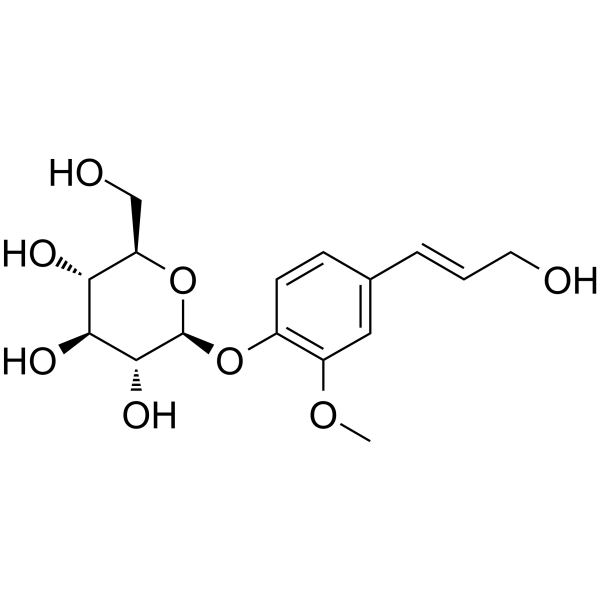
    Coniferin
    2 Publications Verification

    Laricin

    Fungal Prostaglandin Receptor Infection Cardiovascular Disease
    Coniferin (Laricin) is a glucoside of coniferyl alcohol. Coniferin inhibits fungal melanization. Coniferin inhibits the release of certain hormones from cells, including Prostaglandin E2 and Thromboxane B2 .
    Coniferin
  • HY-N6723

    Ceramidase Acyltransferase Infection Cancer
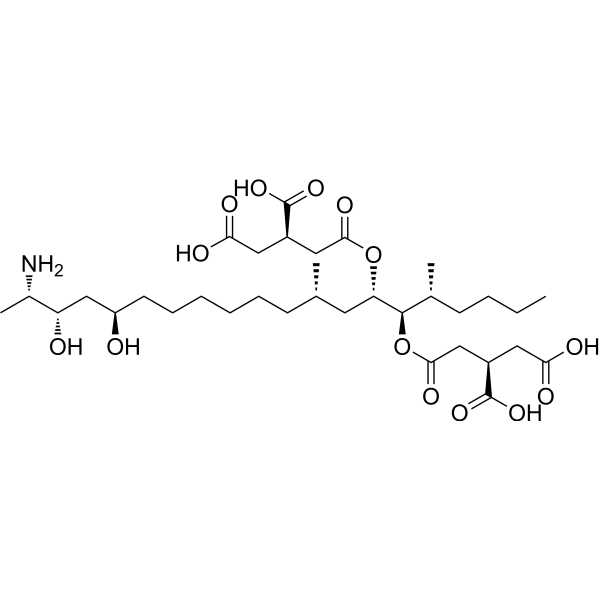
    Fumonisin B2 is a selective ceramide synthase inhibitor and carcinogenic mycotoxin with toxicity comparable to that of Fumonisin B1 (HY-N6719). Fumonisin B2 inhibits de novo sphingolipid biosynthesis by blocking the amide bond formation between fatty acids and dihydrosphingosine, which leads to a massive intracellular accumulation of free dihydrosphingosine, altered sphingosine levels, subsequent inhibition of cell proliferation, and induction of cell death. Fumonisin B2 is used to investigate the pathogenesis of diseases associated with Fusarium verticillioides contamination, including equine leukoencephalomalacia, porcine pulmonary edema syndrome, human esophageal cancer, and rat hepatocellular carcinoma .
    Fumonisin B2
  • HY-100034
    NSC 663284
    5+ Cited Publications

    DA-3003-1

    Phosphatase Histone Methyltransferase Cancer
    NSC 663284 (DA-3003-1) is a potent, cell-permeable, and irreversible Cdc25 dual specificity phosphatase inhibitor, has an IC50 for Cdc25B2 of 0.21 μM. NSC 663284 exhibits mixed competitive kinetics against Cdc25A, Cdc25B(2), and Cdc25C with Ki values of 29, 95, and 89 nM, respectively . NSC 663284 inhibits NSD2 (IC50 of 170 nM) through a direct interaction with the catalytic SET domain (Kd of 370 nM) .
    NSC 663284
  • HY-15039

    Bradykinin Receptor Metabolic Disease Inflammation/Immunology Endocrinology
    SSR240612 is a potent, and orally active specific non-peptide bradykinin B1 receptor antagonist, with Kis of 0.48 nM and 0.73 nM for B1 kinin receptors of human fibroblast MRC5 and HEK cells expressing human B1 receptors, 481 nM and 358 nM for B2 receptors of guinea pig ileum membranes and CHO cells expressing human B1 receptor, respectively.
    SSR240612
  • HY-W704574

    Carboxypeptidase Bradykinin Receptor Interleukin Related Cardiovascular Disease Metabolic Disease
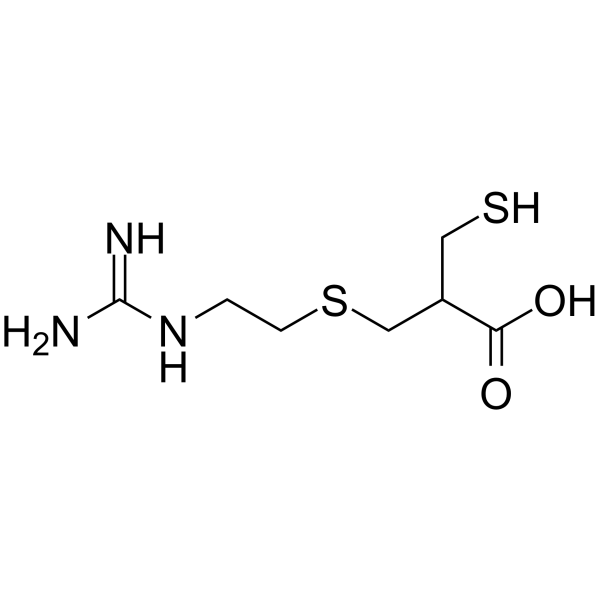
    Mergetpa is a reversible Arg-carboxypeptidase inhibitor with high affinity. Mergetpa reduces B1R. Mergetpa blocks the overexpression of IL-1β protein and mRNA in glucose-fed rats. Mergetpa significantly increases the expression of IL-1β protein in the renal cortex. Mergetpa is used to block the conversion of kinins and B2 receptor antagonists into metabolites lacking the C-terminal arginine. Mergetpa inhibits the time-dependent enhancement of the response of isolated rabbit aorta to bradykinin. Mergetpa preserves the chemotactic activity of full-length SDF-1α on cells. Mergetpa reverses hyperglycemia, excessive weight gain, elevated levels of oxidative stress markers and overexpression of inflammatory markers in glucose-fed rats .
    Mergetpa
  • HY-A0248B

    Antibiotic Bacterial Infection
    Polymyxin B2 is a polypeptide antibiotic that has antibacterial activity, particularly against gram-negative bacteria. Polymyxin B2 kills the bacteria by binding to lipopolysaccharide molecules on the bacterial cell membrane, disrupting the integrity of the cell membrane and causing the cell contents to leak. Polymyxin B2 can be used in antibiotic development and treatment of drug-resistant strains .
    Polymyxin B2
  • HY-Y1366

    Mitochondrial Metabolism Reactive Oxygen Species (ROS) Arp2/3 Complex Apoptosis Inflammation/Immunology
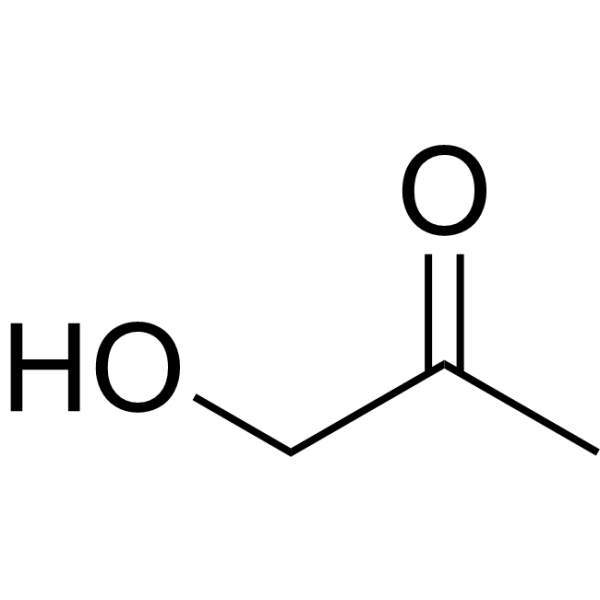
    Hydroxyacetone is a toxic compound. Hydroxyacetone can be isolated from e-cigarette aerosols. Hydroxyacetone reduces the activity of cellular Mitochondrial reductase (with an IC50 of 5.53 mg/mL for mitochondrial reductase in BEAS-2B cells) and increases ROS levels. Hydroxyacetone induces mitochondrial stress and oxidative damage. Hydroxyacetone induces destabilization of F-actin. At high concentrations, Hydroxyacetone promotes cell rounding and Apoptotic body formation. Hydroxyacetone exerts toxic effects on cells including airway epithelial cells and possesses respiratory toxicity potential .\n


    Hydroxyacetone
  • HY-135474
    KM91104
    2 Publications Verification

    ATP Synthase Toll-like Receptor (TLR) Others
    KM91104 is a cell-permeable V-ATPase a3-b2 inhibitor (IC50 = 2.3 µM). KM91104 reduces the metabolic activity, cell proliferation capacity and V-ATPase subunit protein expression levels of primary human hepatic stellate cells, increases intracellular ATP levels and decreases cytoplasmic pH. KM91104 reduces TLR4 expression on the surface of oligodendrocyte precursor cells, blocks the ENV-TLR4 interaction, and reverses oligodendrocyte myelination defects induced by ENV protein .
    KM91104
  • HY-P99666

    IFNAR Infection Cancer
    Interferon alfa-2b is a type I interferon that activates novel genes and exerts potent antiviral and antiproliferative activity on target cells. Signaling by Interferon alfa-2b requires receptor-dependent activation of Stat1 and Stat2 to form a heterodimeric STAT that binds to the DNA-binding protein IRF-9 (p48) and forms ISGF-3 (IFN-stimulated gene factor 3). The driver genes are then further activated by ISGF-3 to achieve antiviral function .
    Interferon alfa-2b
  • HY-P2459

    MHC Neurological Disease
    MOG (35-55), human is a component of CNS myelin. MOG (35-55), human is different from mMOG (35-55) by a proline for serine substitution at position 42. MOG (35-55), human is also immunogenic via bind to H-2b class II MHC and recognized by T cells, but not encephalitogenic, and is only partially cross-reactive with mMOG35–55. MOG (35-55), human induces minimal clinical signs of EAE relative to the rodent peptide .
    MOG (35-55), human
  • HY-111053

    Phospholipase Cancer
    P11 is a selective inhibitor of platelet-activating factor acetylhydrolases (PAFAHs) 1b2 and 1b3 that impairs cancer cell survival. P11 exhibits IC50 values of ~40 and 900 nM for PAFAH1b2 and 1b3, respectively .
    P11
  • HY-113042

    Endogenous Metabolite Cardiovascular Disease Endocrinology
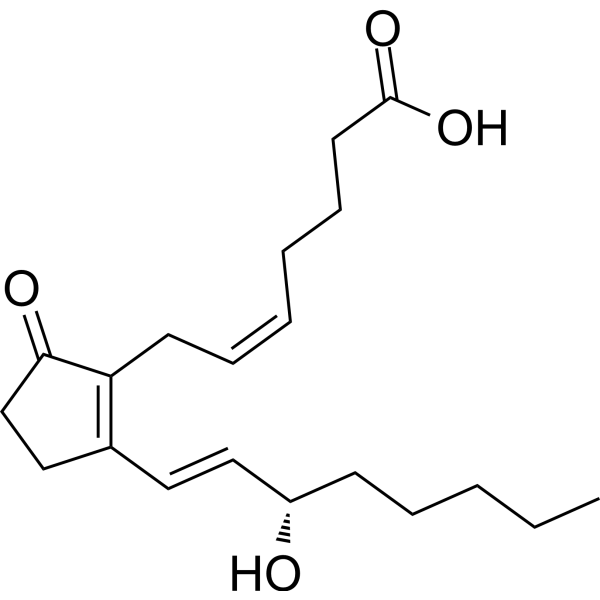
    Prostaglandin B2 is a prostaglandin. Prostaglandin B2 is the main substance in cord blood mesenchymal stem cells, to inhibit DC-T Cell proliferation. Prostaglandin B2 also induces cutaneous vasoconstriction of the canine hind paw .
    Prostaglandin B2
  • HY-N16483

    Apoptosis Caspase Bcl-2 Family PARP Androgen Receptor Cancer
    Procyanidin B2-3'-O-gallate is a mono-gallate ester that can be isolated from grape seed extract. Procyanidin B2-3'-O-gallate has anti-cancer efficacy and reduces the viability of prostate carcinoma LNCaP cells. Furthermore, Procyanidin B2-3'-O-gallate induces apoptosis, and causes caspases-9 and -3 and PARP cleavage, and down-regulates Bcl-2, Bcl-Xl and androgen receptor levels .
    Procyanidin B2-3'-O-gallate
  • HY-P990303

    Nuclear Factor of activated T Cells (NFAT) Others
    Anti-Mouse 2C TCR Antibody (1B2) is a mouse-derived IgG1 type antibody inhibitor, targeting to mouse 2C TCR. Anti-Mouse 2C TCR Antibody (1B2) recognizes determinants on the variable regions of both the α and β subunits of the TCR (T cell receptor) expressed by the mouse cytotoxic T lymphocyte clone 2C. Anti-Mouse 2C TCR Antibody (1B2) can be used for the detections of immunofluorescence and flow cytometry .
    Anti-Mouse 2C TCR Antibody (1B2)
  • HY-14598R

    Reference Standards Estrogen Receptor/ERR Apoptosis Autophagy Endocrinology Cancer
    Diethylstilbestrol (Standard) is the analytical standard of Diethylstilbestrol. This product is intended for research and analytical applications. Diethylstilbestrol (Stilbestrol) is a non-steroidal female hormone that has oral activity and can act on menopausal and postmenopausal disorders. Diethylstilbestrol can induce DNA oxidation and Apoptosis of spermatogonial stem cells. Diethylstilbestrol can induce thymocyte Autophagy Diethylstilbestrol is a 11β-hydroxysteroid dehydrogenase 2 (HSD11B2) inhibitor. .
    Diethylstilbestrol (Standard)
  • HY-W749297

    Phleomycin D2

    DNA Stain Cancer
    Bleomycin B2 (Phleomycin D2) is an anti-cancer agent that targets DNA. Bleomycin B2 causes DNA strand breaks, thereby inhibiting the growth and proliferation of cancer cells. Bleomycin B2 is promising for research of cancers .
    Bleomycin B2
  • HY-101368A

    Bradykinin Receptor mAChR Neurological Disease
    WIN 64338 hydrochloride is a potent, selective, nonpeptide competitive antagonist of bradykinin B2 receptor. WIN 64338 hydrochloride inhibits [ 3H]-Bradykinin binding to the bradykinin B2 receptor on human IMR-90 cells with a Ki of 64 nM. WIN 64338 hydrochloride also can inhibits [ 3H]Quinuclidinyl benzilate binding to the rat brain muscarinic receptor (Ki=350 nM) .
    WIN 64338 hydrochloride
  • HY-N14277

    Antibiotic Bacterial Infection Cancer
    Miyakamide B2 is an antibiotic with insecticidal effect. Miyakamide B2 inhibits the growth of Artemia salina. Miyakamide B2 has a weak antixanthomonas activity. Miyakamide B2 inhibits P388 cells with an IC50 of 7.6 μg/mL .
    Miyakamide B2
  • HY-N14420

    Antibiotic Bacterial Infection
    Parvodicin B2 is a glycopeptide antibiotic. Parvodicin B2 has inhibitory effect on Staphylococcus aureus, Staphylococcus furfur, Staphylococcus hemolyticus and Enterococcus faecalis. Parvodicin B2 acts by inhibiting the synthesis of bacterial cell wall .
    Parvodicin B2
  • HY-A0248C

    Antibiotic Bacterial Infection
    Polymyxin B2 Sulfate is a polypeptide antibiotic that has antibacterial activity, particularly against gram-negative bacteria. Polymyxin B2 Sulfate kills the bacteria by binding to lipopolysaccharide molecules on the bacterial cell membrane, disrupting the integrity of the cell membrane and causing the cell contents to leak. Polymyxin B2 Sulfate can be used in antibiotic development and treatment of drug-resistant strains .
    Polymyxin B2 Sulfate
  • HY-N9790

    Notch Others
    Procyanidin B2, 3,3'-di-O-gallate is an active constituent. Procyanidin B2, 3,3'-di-O-gallate can be isolated from grape seed extract (GSE) procyanidin mix. Procyanidin B2, 3,3' -di-o-gallate target cancer stem cells (CSCs) in prostate cancer (PCa). Procyanidin B2, 3,3'-di-O-gallate targets both unsorted and sorted CSCs at lower doses. Procyanidin B2, 3,3'-di-O-gallate strongly suppresses the constitutive as well as Jagged1 (Notch1 ligand)-induced activated Notch1 pathway .
    Procyanidin B2 3,3'-di-O-gallate
  • HY-P2783

    HBV Infection
    Destruxin B2 (compound 5) is a natural depsipeptide that can be inhibits hepatitis B surface antigen (HBsAg) secretion in Hep3B cells with an IC50 1.30 μM .
    Destruxin B2
  • HY-171896

    Liposome Inflammation/Immunology Cancer
    A28-C6B2 is an ionizable cationic lipid with a pKa of 6.43, and can be used to generate lipid nanoparticles (LNPs) for mRNA delivery in vivo. A28-C6B2 can be studied in research for enhancing the selective delivery of mRNA to the spleen, particularly to antigen-presenting cells .
    A28-C6B2
  • HY-12709A
    ARC 239 dihydrochloride
    1 Publications Verification

    Adrenergic Receptor Cardiovascular Disease Inflammation/Immunology
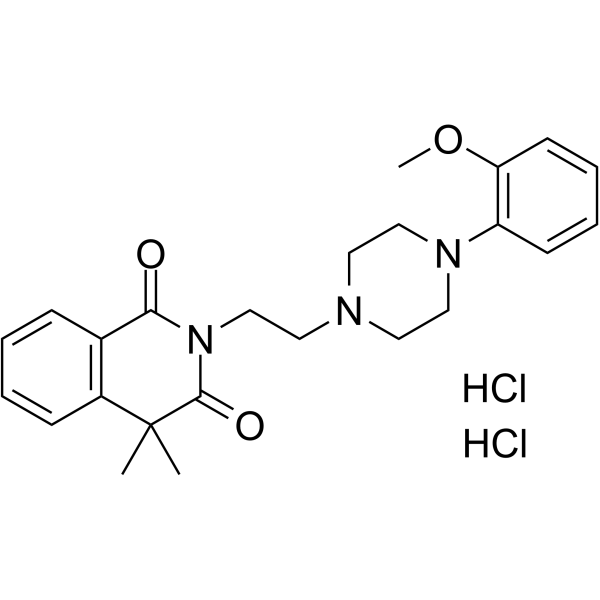
    ARC 239 dihydrochloride is a selective α2B/2C adrenoceptor antagonist (pKd values are 5.95, 7.41 and 7.56 at α2A, α2B, and α2C receptors respectively). ARC 239 dihydrochloride binds to CHO cell membranes expressing human recombinant a2A-, a2B- or a2C-adrenoceptor subtypes with pKis of 5.6, 8.4, and 7.08, respectively .
    ARC 239 dihydrochloride
  • HY-114732

    Adrenergic Receptor Others
    Procaterol is an oral selective β2 adrenergic receptor agonist. Procaterol inhibits eosinophil migration and the release of eosinophil chemotactic factor from BEAS-2B cells through a cyclic AMP-dependent mechanism. Procaterol has a large dose difference existing between the bronchodilator effect and the anabolic effect in rat, can be used for asthma research in athletes .
    Procaterol
  • HY-173311

    E1/E2/E3 Enzyme Interleukin Related Inflammation/Immunology Cancer
    Cbl-b-IN-28 (Compound B2) is an orally active Cbl-b inhibitor. Cbl-b-IN-28 promotes the secretion of cytokines such as IL-2 and enhances the function of immune cells by regulating the phosphorylation levels of key proteins in the T-cell receptor signaling pathway. Cbl-b-IN-28 can be used in research in the field of cancer immunology .
    Cbl-b-IN-28
  • HY-19137

    KW 2189 free base

    Antibiotic Infection Cancer
    Pibrozelesin (KW 2189 free base) is the derivative of antibiotic Duocarmycin B2. Pibrozelesin exhibits antitumor activity, inhibits proliferation of cell H69 with an IC50 of 1.9 μM. Pibrozelesin induces the DNA strand breaks upon activation via carboxyl esterase .
    Pibrozelesin
  • HY-N3617R

    Laricin (Standard)

    Reference Standards Fungal Infection
    Coniferin (Standard) is an analytical standard for Coniferin. This product is intended for research and analytical applications. Coniferin (Laricin) is a glucoside of coniferyl alcohol. Coniferin inhibits fungal melanization. Coniferin inhibits the release of certain hormones from cells, including Prostaglandin E2 and Thromboxane B2 .
    Coniferin (Standard)
  • HY-W749297A

    Phleomycin D2 sulfate

    DNA/RNA Synthesis Bacterial Infection Cancer
    Bleomycin B2 (Phleomycin D2) sulfate is a selective antitumor and antibacterial agent that induces DNA strand breaks and inhibits DNA ligase activity. The optimal pH for the activity of Bleomycin B2 sulfate is 9.1, and its efficacy is enhanced by thiol compounds or hydrogen peroxide. Bleomycin B2 sulfate undergoes enzymatic inactivation via bleomycin-inactivating enzymes, exhibits selective retention in squamous cell carcinoma, and is inactivated most rapidly in liver and kidney homogenates. Bleomycin B2 sulfate can be applied in research related to squamous cell carcinoma and other relevant studies .
    Bleomycin B2 sulfate
  • HY-118945

    Prostaglandin Receptor Bradykinin Receptor Cardiovascular Disease Metabolic Disease Inflammation/Immunology
    FR191413 is a selective bradykinin B2 receptor agonist that stimulates prostaglandin E2 production in WI-38 cells and activates BK B2 receptor-mediated pathways such as vasodilation and organ protection. FR191413 competitively binds to [ 3H]-BK in guinea pig ileum (GPI) membranes and CHO cells transfected with the human BK B2 receptor, with IC50 values ​​of 20.0 nM and 2.60 nM, respectively. FR191413 can be used in research related to cardiovascular diseases and diabetes, including hypertension, myocardial hypertrophy, myocardial infarction, arrhythmias, and diabetic nephropathy .
    FR191413
  • HY-155493

    Cytochrome P450 Cancer
    CYP19A1/CYP11B2-IN-1 (Compound X21) is a potent and selective aromatase and aldosterone synthase dual inhibitor with IC50s of 2.3 nM and 29 nM for aromatase (CYP19A1) and aldosterone synthase (CYP11B2), respectively. CYP19A1/CYP11B2-IN-1 has excellent antiproliferative and pro-apoptotic activity against the cancer cell. CYP19A1/CYP11B2-IN-1 can be used for research of breast cancer .
    CYP19A1/CYP11B2-IN-1
  • HY-118932

    HCV Infection
    HCV-IN-45 (Compound EI-1) is an inhibitor for hepatitis C virus (HCV), that inhibits 1a and 1b HCV pseudoparticles with EC50 of 0.134 and 0.027 μM. HCV-IN-45 inhibits 1a/2a and 1b/2a cell culture-adapted HCV (HCVcc), with EC50 of 0.024 and 0.012μM. HCV-IN-45 inhibits the entry of the virus into hepatocyte, and blocks the cell-cell spread .
    HCV-IN-45
  • HY-162852

    G-quadruplex Cancer
    OAF89 is a small molecule that interacts with G-Quadruplexes (G4s) and dsDNA with an IC50 of 1.07 μM in normal lung epithelial cells BEAS-2B .
    OAF89
  • HY-P4046

    HIV Inflammation/Immunology
    HBV Seq2 aa:179-186 serve as effective motifs for CTL response in H-2b system after in vitro restimulation of the primed T cells. HBV Seq2 aa:179-186 is a novel epitope identified on the surface antigen of hepatitis B virus .
    HBV Seq2 aa:179-186
  • HY-151390

    Monoamine Oxidase COMT Neurological Disease
    hMAO-B/MB-COMT-IN-2 is a dual MAO-B/MB-COMT inhibitor (IC50s: 4.27 μΜ for hMAO-B, 2.69 μΜ for MB-COMT). hMAO-B/MB-COMT-IN-2 protects cells against oxidative damage. hMAO-B/MB-COMT-IN-2 can be used in the research of neurodegeneration disease, such as Parkinson’s Disease (PD) .
    hMAO-B/MB-COMT-IN-2
  • HY-P5829A

    Bacterial Infection
    CRAMP (140-173) (mouse) TFA is a ortholog of human LL-37 antimicrobial peptide. CRAMP (140-173) (mouse) TFA inhibits LPS (HY-D1056)-induced responses, and can not colocalized with TLR3 in BEAS-2B cells .
    CRAMP (140-173) (mouse) TFA
  • HY-118829

    Drug Derivative Neurological Disease
    3,4-Methylenedioxy PV9 hydrochloride is a drug derivative. 3,4-Methylenedioxy PV9 hydrochloride shows toxicity against BEAS-2B, human aortic endothelia, HASM, SK-N-SH, A172, HepG2, MKN45, and DLD1cells (LC50=12.8-67.5 μM) .
    3,4-Methylenedioxy PV9 hydrochloride
  • HY-143881

    FGFR Cancer
    FGFR4-IN-6 (Compound 9ka) is a covalently reversible FGFR4 inhibitor with an IC50 value of 5.4 nM. FGFR4-IN-6 also exhibits good oral pharmacokinetic properties. FGFR4-IN-6 induces significant tumor regressions in a xenograft mouse model of Hep3B2.1-7 HCC cell line without an obvious sign of toxicity . FGFR4-IN-6 is a click chemistry reagent, it contains an Alkyne group and can undergo copper-catalyzed azide-alkyne cycloaddition (CuAAc) with molecules containing Azide groups.
    FGFR4-IN-6
  • HY-P1650

    B 9870

    Bradykinin Receptor ERK Cancer
    Breceptin (B 9870) is an antagonist of the bradykinin B1/B2 receptor (B1/B2R). Breceptin exhibits an irreversible antagonist effect on B2R, inhibiting the vasodilation induced by Bradykinin (HY-P0206) in the rabbit carotid vein contraction experiment. B-9870 shows partial agonist properties in HEK 293 cells with high expression of B2R, and can activate ERK1/2 phosphorylation, calcium ion mobilization, arachidonic acid release, and receptor internalization. Breceptin can be used in research to inhibit breast cancer and non-small cell lung cancer .
    Breceptin
  • HY-119799

    Phosphodiesterase (PDE) Inflammation/Immunology
    UK-500001 is an orally active inhibitor for phosphodiesterase 4 (PDE4), which inhibits PDE4D3 (IC50 is 0.28 nM), PDE4B2 (IC50 is 22.8 nM), PDE4A4 (IC50 is 26.1 nM) and PDE4C2 (IC50 is 271 nM). UK-500001 exhibits anti-inflammatory efficacy and inhibits TNF-α and IFN-γ release in human and rodent macrophagic cell lines in nanomolar levels. UK-500001 ameliorates chronic obstructive pulmonary disease (COPD) and asthma .
    UK-500001
  • HY-185658

    Bcr-Abl Liposome Inflammation/Immunology
    3'-BPANeuGc is a high-affinity selective Siglec-G ligand. Lipid nanoparticles surface-modified with antigens and 3'-BPANeuGc inhibit BCR signal transduction. 3'-BPANeuGc is applicable to antigen-specific tolerance research .
    3'-BPANeuGc
  • HY-181695

    PROTACs Histone Acetyltransferase Cancer
    PROTAC KAT2A/B degrader-1 is an orally active CRBN-baed histone acetyltransferase KAT2A/KAT2B PROTAC degrader. PROTAC KAT2A/B degrader-1 induces degradation of KAT2A and KAT2B proteins. PROTAC KAT2A/B degrader-1 inhibits proliferation of acute myeloid leukemia and small cell lung cancer cells. PROTAC KAT2A/B degrader-1 can be used for the research of acute myeloid leukemia, small cell lung cance .
    PROTAC KAT2A/B degrader-1
  • HY-100034R

    DA-3003-1 (Standard)

    Phosphatase Reference Standards Histone Methyltransferase Cancer
    NSC 663284 (Standard) is the analytical standard of NSC 663284 (HY-100034). This product is intended for research and analytical applications. NSC 663284 (DA-3003-1) is a potent, cell-permeable, and irreversible Cdc25 dual specificity phosphatase inhibitor, has an IC50 for Cdc25B2 of 0.21 μM. NSC 663284 exhibits mixed competitive kinetics against Cdc25A, Cdc25B(2), and Cdc25C with Ki values of 29, 95, and 89 nM, respectively . NSC 663284 inhibits NSD2 (IC50 of 170 nM) through a direct interaction with the catalytic SET domain (Kd of 370 nM) .
    NSC 663284 (Standard)
  • HY-183239

    Adenosine Receptor Inflammation/Immunology Cancer
    A2AR/A2BR antagonist 2 is a dual A2A/A2B adenosine receptor antagonist with selectivity for the A1 receptor. A2AR/A2BR antagonist 2 reverses adenosine-mediated T-cell immunosuppression in the tumor microenvironment. A2AR/A2BR antagonist 2 can be used in cancer-related research .
    A2AR/A2BR antagonist 2
  • HY-132974

    NSC-686288

    Aryl Hydrocarbon Receptor Reactive Oxygen Species (ROS) DNA Alkylator/Crosslinker DNA/RNA Synthesis Caspase Apoptosis HIF/HIF Prolyl-Hydroxylase Cancer
    Aminoflavone is an anti-tumor agent. Aminoflavone inhibits the expression of ITGA6/SOX2 by activating the AhR-miR-125b-2-3p axis, thereby targeting breast cancer stem cells. Aminoflavone induces an increase in intracellular ROS, increases the level of oxidative DNA damage marker 8-oxodG and DNA-protein cross-links. Aminoflavone causes S-phase arrest, activates caspase-3/8/9 and induces apoptosis (apoptosis). Aminoflavone inhibits HIF-1α expression in a manner independent of AhR. Aminoflavone can be used for the study of breast cancer .
    Aminoflavone
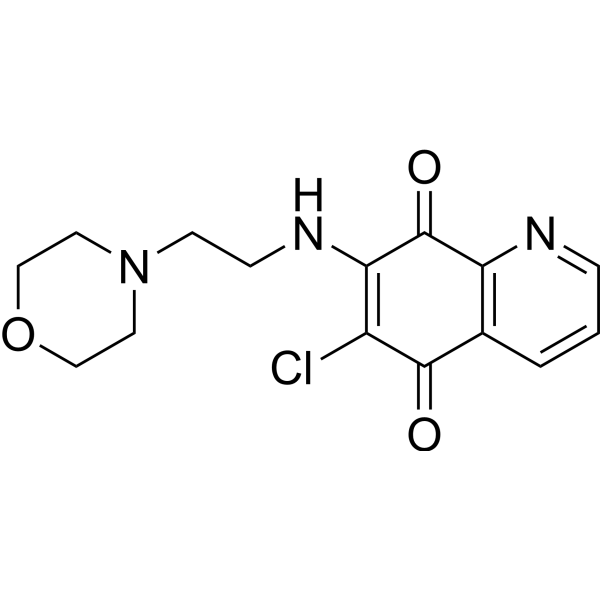
  • HY-181774

    Phosphodiesterase (PDE) Endocrinology
    PDE4/5-IN-1 is a selective phosphodiesterase 4/5 (PDE4/5) dual inhibitor. PDE4/5-IN-1 functionally inhibits PDE5, PDE4B2, and PDE4D2 activity. PDE4/5-IN-1 relaxes isolated rat prostate tissue, enhances nitric oxide-induced relaxation in isolated rat prostate tissue, and reduces alpha-1 adrenoceptor-mediated contractile responses in isolated rat prostate tissue. PDE4/5-IN-1 inhibits proliferation of human hyperplastic prostate cells. PDE4/5-IN-1 can be used for the research of benign prostatic hyperplasia .
    PDE4/5-IN-1

Inquiry Online

Your information is safe with us. * Required Fields.

Salutation


Country or Region *

Applicant Name *


Organization Name *

Department *


Email Address *


Product Name *

Cat. No.


Requested quantity *

Phone Number *


Remarks

Inquiry Online

Inquiry Information

Product Name:
Cat. No.:
Quantity:
MCE Japan Authorized Agent:

