24 Results for "

BM cells

" in MedChemExpress (MCE) Product Catalog:
Products (24)

24 Results for "BM cells" in MCE Product Catalog:

3
3 Cited Publications
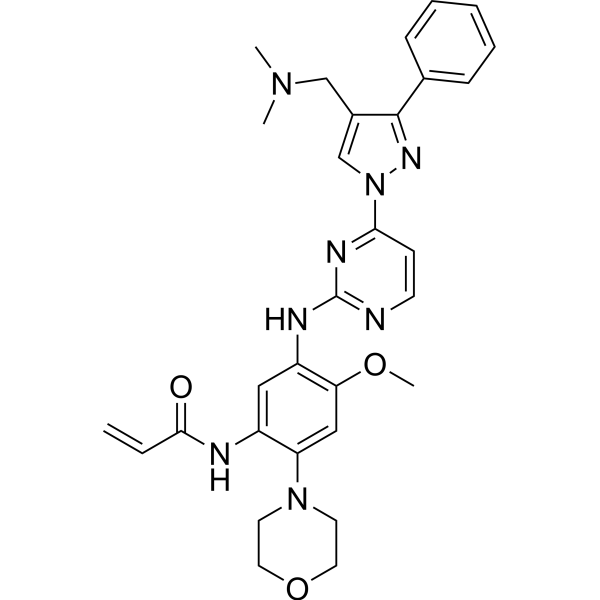
Cat. No.: HY-109061
CAS No.: 1903008-80-9
Purity:  99.87%
Synonyms: YH25448; GNS-1480
Lazertinib (YH25448; GNS-1480) is an orally active, blood-brain barrier permeable third-generation EGFR tyrosine kinase inhibitor, as well as an ABCB1/ABCG2 inhibitor and a TRPA1 activator. Lazertinib exhibits IC50 values of 0.4 mM and 0.2 mM against human ABCB1 and ABCG2, respectively. By inhibiting mutant EGFR signaling, EGFR phosphorylation and the downstream ERK/AKT pathway, as well as upregulating surface expression of EGFR/MET, Lazertinib induces cell cycle arrest, apoptosis, spontaneous calcium responses, hyperexcitability of dorsal root ganglion (DRG) neurons, and TRPA1-dependent pain-like behaviors. Lazertinib competitively binds to the substrate-binding sites of ABCB1/ABCG2, stimulates their ATPase activity without altering their expression or plasma membrane localization, thereby enhancing ADCC activity, acting as a chemosensitizer, and reversing ABCB1-mediated multidrug resistance. It exerts antitumor activity as a single agent or in combination with other drugs. Lazertinib is applicable to research related to non-small cell lung cancer, multidrug-resistant cancers, and paresthesia .
loading...
    loading...
3
3 Cited Publications
Cat. No.: HY-K1059

MCE BM-Cyclin mainly contains Tiamulin fumarate and Minocycline hydrochloride, can effectively inhibit and remove mycoplasma contamination widespread in cell cultures. It is also effective against some common bacteria.

loading...
    loading...
1
1 Cited Publications
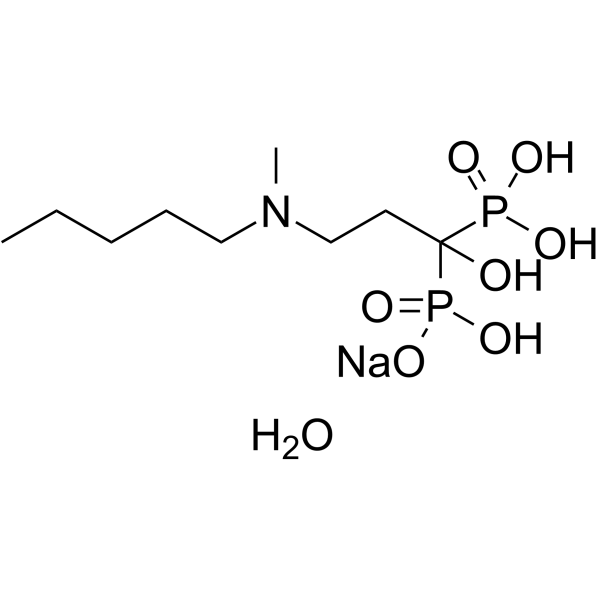
Cat. No.: HY-B0515
CAS No.: 138926-19-9
Synonyms: BM-210955; RPR-102289A
Target:  

Apoptosis

Research Areas:  

Metabolic Disease Cancer

Ibandronate Sodium Monohydrate (BM-210955; RPR-102289A) is an orally active, selective inhibitor of farnesyl pyrophosphate synthase (FPP synthase). Ibandronate Sodium Monohydrate can block the mevalonate pathway to inhibit the isoprenylation modification of small GTPases (such as RAS, RHO family proteins), induce tumor cell apoptosis and inhibit bone resorption. Ibandronate Sodium Monohydrate inhibits tumor cell proliferation (such as ER + breast cancer cells), promotes the expression of the pro-apoptotic gene FAS, and can produce synergistic anti-tumor effects with anti-estrogen compounds. Ibandronate Sodium Monohydrate is used in the study of osteoporosis and bone metastatic tumors (such as breast cancer bone metastasis) .
loading...
    loading...
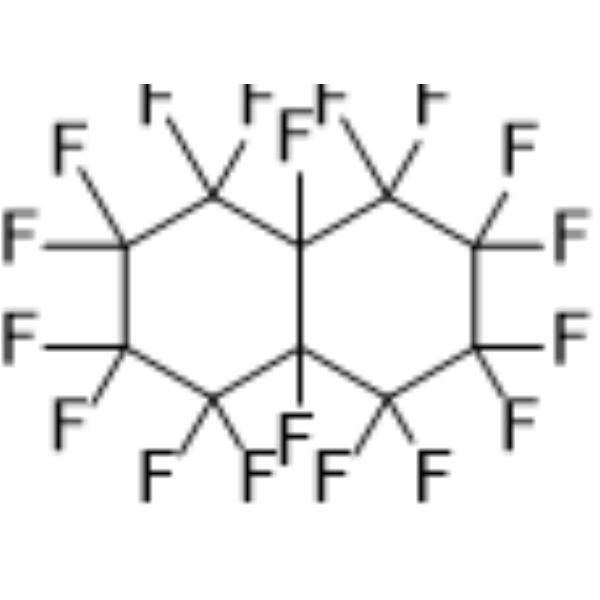
Cat. No.: HY-108298
CAS No.: 306-94-5
Purity:  ≥98.0%
Synonyms: PP 5; Perfluorodecahydronaphthalene
Research Areas:  

Others

Perfluorodecalin liquids are largrly used in vitreoretinal surgery. Perfluorodecalin with tamponade lasting more than two days is detrimental to the retina in the case of rabbit. Perfluorodecalin can be used for the research of giant retinal tears . Perfluorodecalin is a non-toxic, non-flammable, thermally stable, non-bio-accumulating O2-carrier and used as artificial blood . Perfluorodecalin enhances bone regeneration and cell viability .
loading...
    loading...
Cat. No.: HY-B0004
CAS No.: 69975-86-6
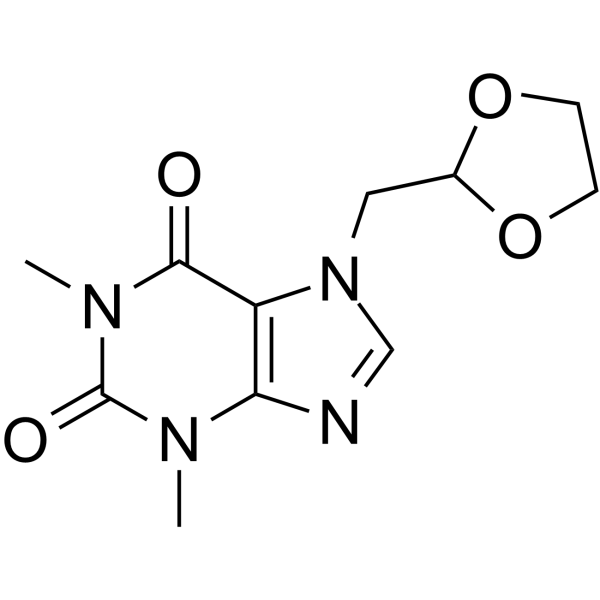
Doxofylline is an orally active PDE IV inhibitor and A1AR antagonist. Doxofylline reduces inflammation in epithelial cells via inhibiting mitochondrial ROS production and amelioration of multiple cellular pathways (NLRP3-TXNIP inflammasome activation). Doxophylline can be used in studies of asthma, chronic obstructive pulmonary disease, and bronchospasm .
loading...
    loading...
Cat. No.: HY-W012282
CAS No.: 7057-27-4
Target:  

HCV

Research Areas:  

Infection

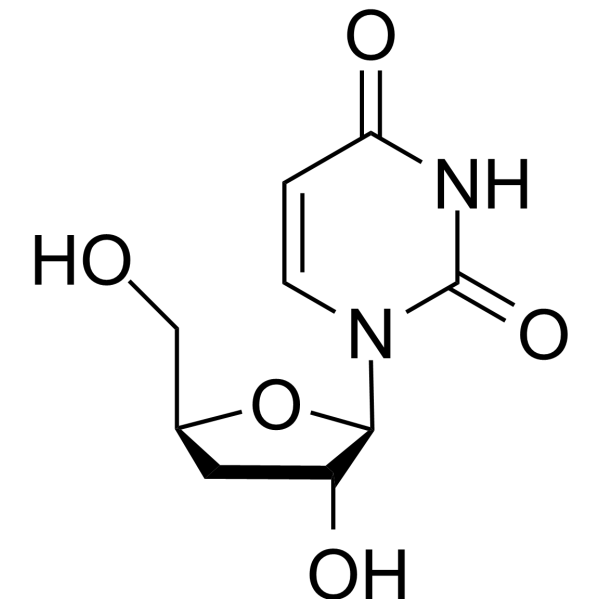
3′-Deoxyuridine is a 3'-deoxynucleoside analog and a 2',3'-dideoxynucleoside. 3′-Deoxyuridine does not inhibit the replication of HCV-like RNA templates or luciferase levels in human cells at the tested concentrations. 3′-Deoxyuridine serves as a substrate for microbial dideoxyribosylation reactions to generate various 2',3'-dideoxynucleosides, but cannot be converted into 2',3'-dideoxycytidine by resting E. coli AJ 2595 cells. 3′-Deoxyuridine can be formed by the deamination of 3'-deoxycytidine by E. coli BM-11 cytidine deaminase, and can also undergo phosphorolytic cleavage to produce uracil and the corresponding pentose phosphate. 3′-Deoxyuridine has been used in research related to HCV and other relevant fields .
loading...
    loading...
Cat. No.: HY-121018
CAS No.: 79094-20-5
Synonyms: BM-13505; SKF 96148
Research Areas:  

Cardiovascular Disease

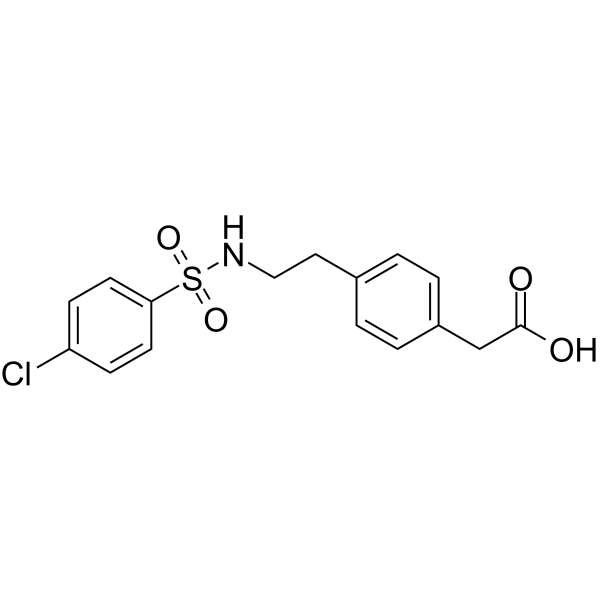
Daltroban (BM-13505) is a selective and specific thromboxane A2 (TXA2) receptor antagonist. Daltroban increase intracellular calcium in vascular smooth muscle cells. Daltroban shows protective effect in reperfusion injury .
loading...
    loading...
Cat. No.: HY-124452
CAS No.: 26605-16-3
Purity:  95.00%
Synonyms: Desferrioxamine E; Nocardamin
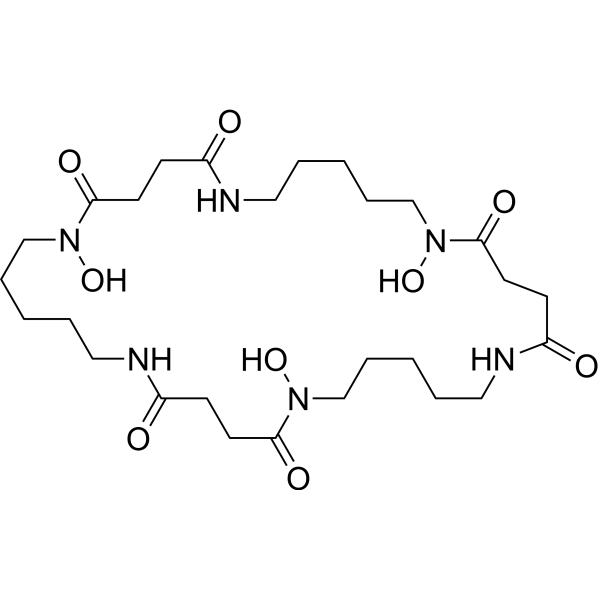
Nocardamine (Desferrioxamine E; Nocardamin) is a cyclic trihydroxamate siderophore with iron ion chelation, antioxidant, antibacterial and other activities. Nocardamine is synthesized by Pseudomonas stutzeri under iron-deficient conditions, and excessive iron ions significantly inhibit its biosynthesis process. Nocardamine increases the level of phosphorylated ERK protein, promotes nuclear translocation of β-catenin, and restores the downregulated expression of SIRT1 protein. Nocardamine alleviates cellular oxidative stress, reduces ROS content, and simultaneously repairs the ability to form mineralized nodules and the expression of osteogenic markers. Nocardamine induces FoxA gene transcription and protein expression to assist Pseudomonas aeruginosa in iron ion uptake; it also selectively inhibits the proliferation of mycobacteria. Nocardamine induces spindle-shaped morphological changes in BM-N4 insect cells, and sufficient iron ions inhibit this cellular morphological change. Nocardamine is suitable for research related to bacterial infections .
loading...
    loading...
Cat. No.: HY-177058
Research Areas:  

Inflammation/Immunology

DSP30 is a phosphorothioate cpG-oligodeoxynucleotide and a TLR9 agonist. DSP30 can activate immune system cells, including B cells and dendritic cells, by inducing proliferation and cytokine production.DSP30 can enhance the immunosuppressive function of bone marrow-multipotent mesenchymal stromal cells (BM-MSC). DSP30 combined with interleukin 2 (IL2) is an effective mitotic stimulant in B-cell disorders. DSP30 can be used for the genetic characteristic research and analysis of chronic lymphocytic leukemia (CLL) .
loading...
    loading...
Cat. No.: HY-W016174S
CAS No.: 180802-01-1
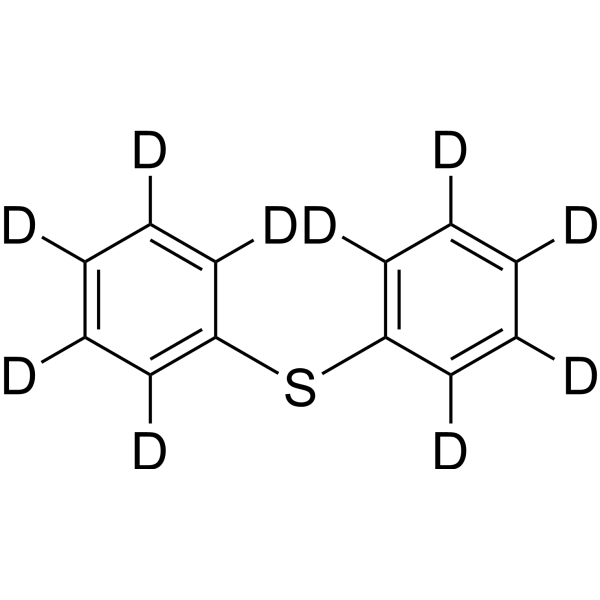
Diphenyl sulfide-d1 is the d1-labeled Diphenyl sulfide (HY-W016174). Diphenyl sulfide is an additive for organic photovoltaic devices. Diphenyl sulfide modulates vertical composition distribution of PTB7-Th:PC71BM photoactive layers, promoting enrichment of PTB7-Th at the upper surface and PC71BM at the bottom. Diphenyl sulfide promotes ordered molecular packing and crystallinity of PTB7-Th:PC71BM photoactive layers, including more compact π−π stacking of PTB7-Th. Diphenyl sulfide improves exciton dissociation, charge transport, and charge collection in PTB7-Th:PC71BM-based inverted polymer solar cells. Diphenyl sulfide acts as a solvent additive to improve the photovoltaic performance of inverted organic photovoltaic devices .
loading...
    loading...
Cat. No.: HY-169925
CAS No.: 1391107-57-5
Target:  

Bcl-2 Family

Research Areas:  

Cancer

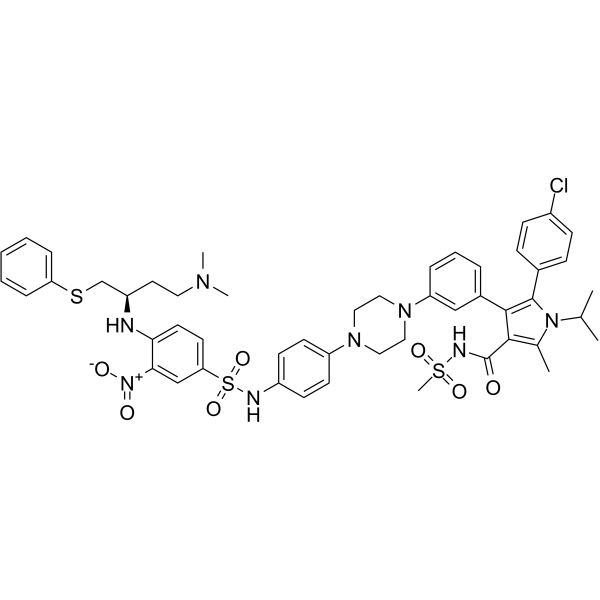
BM-962 (Compound 31) is a potent small-molecule inhibitor of Bcl-2 with an IC50 value of 4 nM (Ki=0.8 nM) and Bcl-xL with an IC50 value of 3.9 nM (Ki <1 nM). BM-962 inhibits the cell growth in H1417 and H146 cell lines with IC50 values of 9 and 13 nM, respectively. BM-962 is promising for research of cancers .
loading...
    loading...
Cat. No.: HY-13846
CAS No.: 1391108-10-3
Target:  

Bcl-2 Family Apoptosis

Research Areas:  

Cancer

BM-1074 is a potent and specific Bcl-2/Bcl-xL inhibitor with Ki values of < 1 nM and IC50 values of 1.8 nM and 6.9 nM for Bcl-2 and Bcl-xL, respectively. BM-1074 induces apoptosis, and exhibits antiproliferative activity against four small-cell lung cancer cell lines (H146, H1963, H187 and H1417) with IC50 values of 1-2 nM .
loading...
    loading...
Cat. No.: HY-B0515R
CAS No.: 138926-19-9
Synonyms: BM-210955 (Standard); RPR-102289A (Standard)
Research Areas:  

Cancer

Ibandronate Sodium Monohydrate (BM-210955; RPR-102289A) (Standard) is the analytical standard of Ibandronate Sodium Monohydrate (HY-B0515). This product is intended for research and analytical applications. Ibandronate Sodium Monohydrate (BM-210955; RPR-102289A) is an orally active, selective inhibitor of farnesyl pyrophosphate synthase (FPP synthase). Ibandronate Sodium Monohydrate can block the mevalonate pathway to inhibit the isoprenylation modification of small GTPases (such as RAS, RHO family proteins), induce tumor cell apoptosis and inhibit bone resorption. Ibandronate Sodium Monohydrate inhibits tumor cell proliferation (such as ER + breast cancer cells), promotes the expression of the pro-apoptotic gene FAS, and can produce synergistic anti-tumor effects with anti-estrogen compounds. Ibandronate Sodium Monohydrate is used in the study of osteoporosis and bone metastatic tumors (such as breast cancer bone metastasis) .
loading...
    loading...
Cat. No.: HY-N7291
CAS No.: 171864-80-5
Target:  

Others

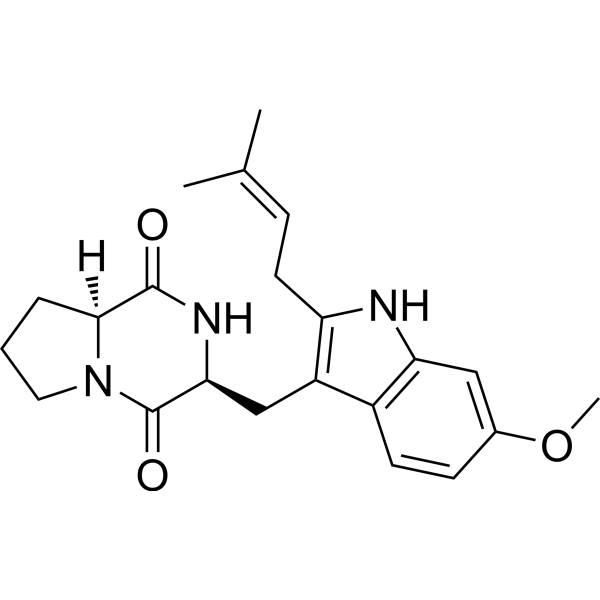
Tryprostatin A is an inhibitor of the mammalian cell cycle. Tryprostatins A can be isolated from the secondary metabolites of a marine fungal strain BM939 .
loading...
    loading...
Cat. No.: HY-133838
CAS No.: 83519-04-4
Synonyms: BM41440
Target:  

Parasite PKC

Research Areas:  

Infection Cancer

Ilmofosine (BM41440) is a potent and selective protein kinase C inhibitor. Ilmofosine induces cell cycle arrest at the G2 phase. Ilmofosine also is an anti-leishmanial agent .
loading...
    loading...
Cat. No.: HY-B0004R
CAS No.: 69975-86-6
Doxofylline (Standard) is the analytical standard of Doxofylline. This product is intended for research and analytical applications. Doxofylline is an orally active PDE IV inhibitor and A1AR antagonist. Doxofylline reduces inflammation in epithelial cells via inhibiting mitochondrial ROS production and amelioration of multiple cellular pathways (NLRP3-TXNIP inflammasome activation). Doxophylline can be used in studies of asthma, chronic obstructive pulmonary disease, and bronchospasm .
loading...
    loading...
Cat. No.: HY-117008
CAS No.: 1077626-52-8
Target:  

PGE synthase

Research Areas:  

Inflammation/Immunology

CAY10589 is an inhibitor of mPGES-1, an enzyme induced during inflammatory responses. CAY10589 has no significant effect on the differentiation of BM myeloid precursor cells into M2-like TAMs .
loading...
    loading...
Cat. No.: HY-117947
CAS No.: 1809336-19-3
Research Areas:  

Cancer

(R)-OR-S1 is an isomer of OR-S1. The dual ZH1/2 inhibitors OR-S1 and OR-S2 exhibit strong inhibitory activity against both EZH1 and EZH2. OR-S1 and OR-S2 are highly selective methyltransferase inhibitors against EZH1 and EZH2, and they have very similar molecular features. Therefore, we investigated the effect of OR-S1 on acute myeloid leukemia (AML). We found that OR-S1 was able to induce cell differentiation and apoptosis in AML cells. These findings encouraged us to investigate whether functional LT-HSCs could survive PRC2-targeted therapy with OR-S1 or OR-S1 combined with cytarabine. The results showed that OR-S1 did not cause significant myelosuppression, and BM cells treated with the combination therapy were able to undergo normal hematopoiesis even 4 months after treatment. Therefore, temporary inhibition of EZH1 and EZH2 is clinically tolerable, making this combination therapy suitable for AML patients. AML is generally believed to originate from myeloid progenitor cells that inherit a large number of biological properties.
loading...
    loading...
Cat. No.: HY-187170
CAS No.: 3038211-56-9
BM-51 is a selective inhibitor of CYP4Z1, with a human IC50 value of 91.7 nM. BM-51 binds to amino acid residues of CYP4Z1, thereby inhibiting its enzymatic activity. BM-51 downregulates the protein expression of stem cell markers (ALDH1A1, SOX2, OCT3/4 and KLF4) in cancer cells, inhibits cancer cell migration and invasion, and exhibits low toxicity to normal cells/tissues. BM-51 suppresses tumor initiation capacity and enhances the chemotherapeutic efficacy of Doxorubicin (HY-15142A). BM-51 can be used in breast cancer-related research .
loading...
    loading...
Cat. No.: HY-W016174
CAS No.: 139-66-2
Research Areas:  

Others

Diphenyl sulfide is an additive for organic photovoltaic devices. Diphenyl sulfide modulates vertical composition distribution of PTB7-Th:PC71BM photoactive layers, promoting enrichment of PTB7-Th at the upper surface and PC71BM at the bottom. Diphenyl sulfide promotes ordered molecular packing and crystallinity of PTB7-Th:PC71BM photoactive layers, including more compact π−π stacking of PTB7-Th. Diphenyl sulfide improves exciton dissociation, charge transport, and charge collection in PTB7-Th:PC71BM-based inverted polymer solar cells. Diphenyl sulfide acts as a solvent additive to improve the photovoltaic performance of inverted organic photovoltaic devices .
loading...
    loading...

