1. Search Result
Search Result
Results for "

Biflavonoids

" in MedChemExpress (MCE) Product Catalog:

28

Inhibitors & Agonists

28

Natural
Products

Cat. No. Product Name Target Research Areas Chemical Structure
  • HY-N2119
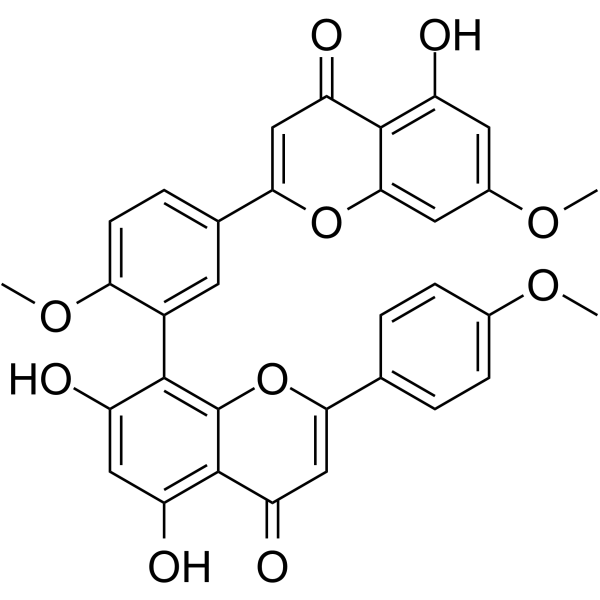
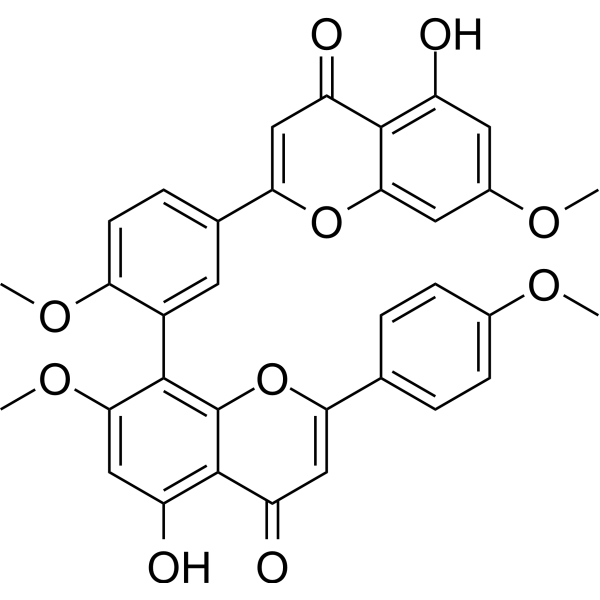
    Sciadopitysin
    3 Publications Verification

    TNF Receptor NF-κB Inflammation/Immunology
    Sciadopitysin is a type of biflavonoids in leaves from ginkgo biloba . Sciadopitysi inhibits RANKL-induced osteoclastogenesis and bone loss by inhibiting NF-κB activation and reducing the expression of c-Fos and NFATc1 .
    Sciadopitysin
  • HY-N10093

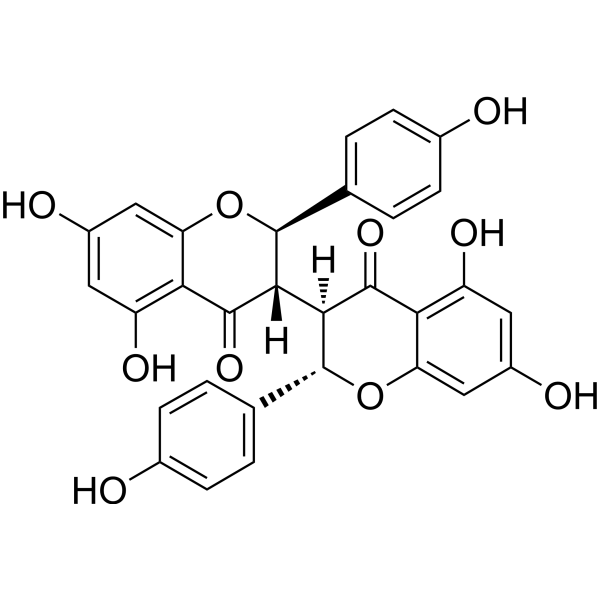
    Chamaejasmin

    Apoptosis AMPK Autophagy Reactive Oxygen Species (ROS) Cancer
    Chamaejasmine is a biflavonoid that can be isolated from the roots of Stellera chamaejasme L. Chamaejasmine has antitumor activity. Chamaejasmine induces cell apoptosis, autophagy and ROS production, and activates the activity of AMPK/mTOR signal pathway .
    Chamaejasmine
  • HY-133721

    HBV Infection Inflammation/Immunology
    Chamaechromone is a biflavonoid ingredient isolated from the roots of Stellera chamaejasme L. (Thymelaeaceae). Chamaechromone possesses anti-hepatitis B virus (HBV) effects against the surface antigen of HBV (HBsAg) secretion and has insecticidal activities .
    Chamaechromone
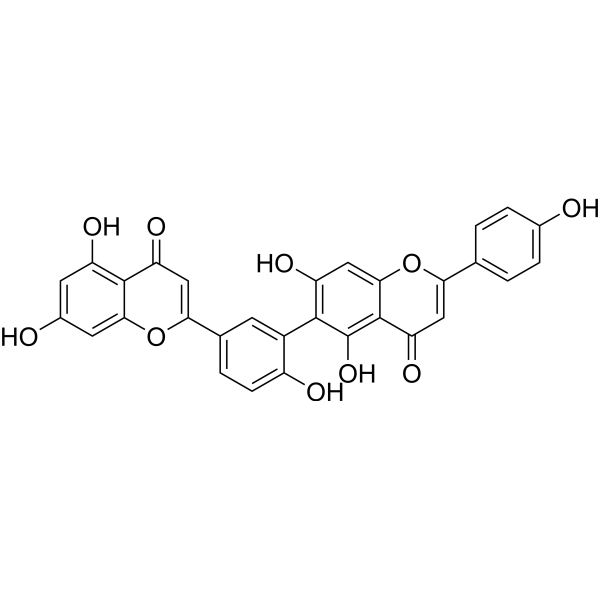
  • HY-N5013

    Others Metabolic Disease
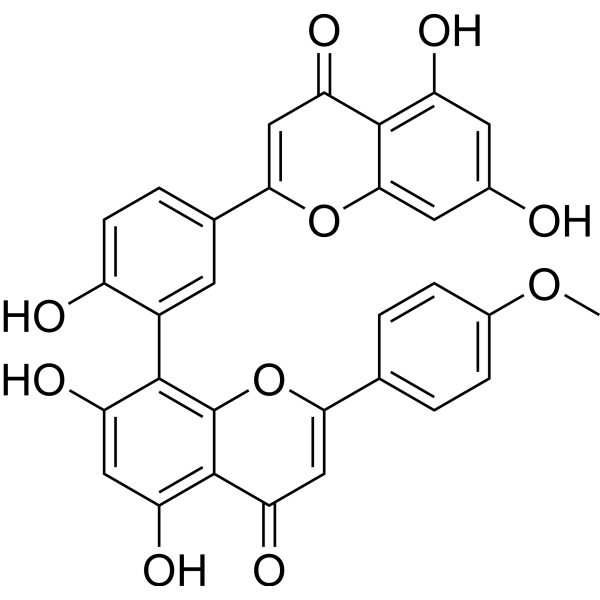
    Robustaflavone is a biflavonoid isolated from Doradilla that has natriuretic properties .
    Robustaflavone
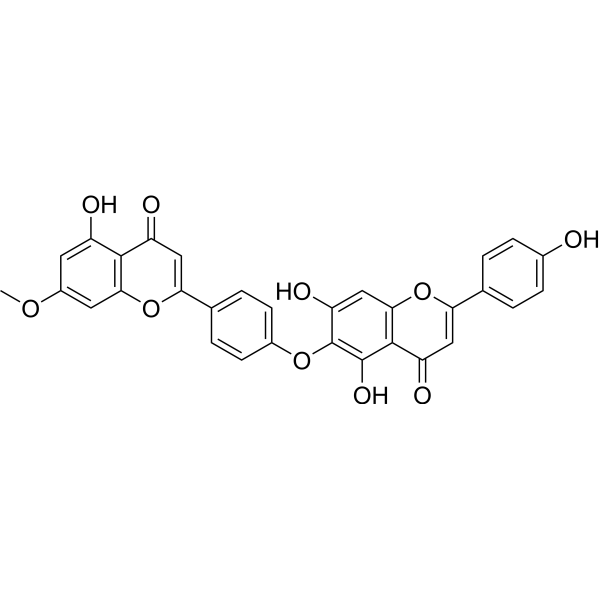
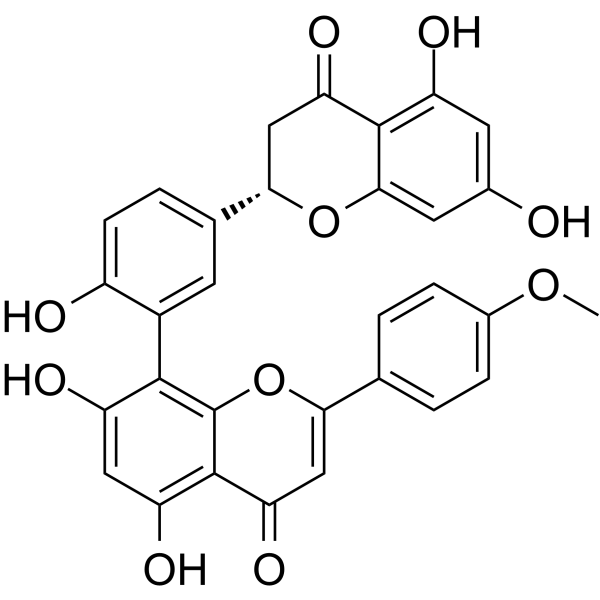
  • HY-N4300
    4'-O-Methylochnaflavone
    1 Publications Verification

    Others Inflammation/Immunology
    4'-O-Methylochnaflavone is a biflavonoid isolated from Lonicera japonica, suppresses mouse lymphocyte proliferation .
    4'-O-Methylochnaflavone
  • HY-126412

    Apoptosis Cancer
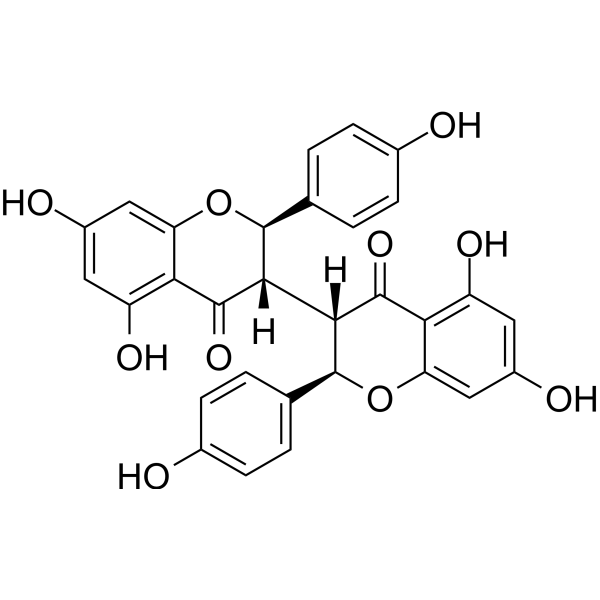
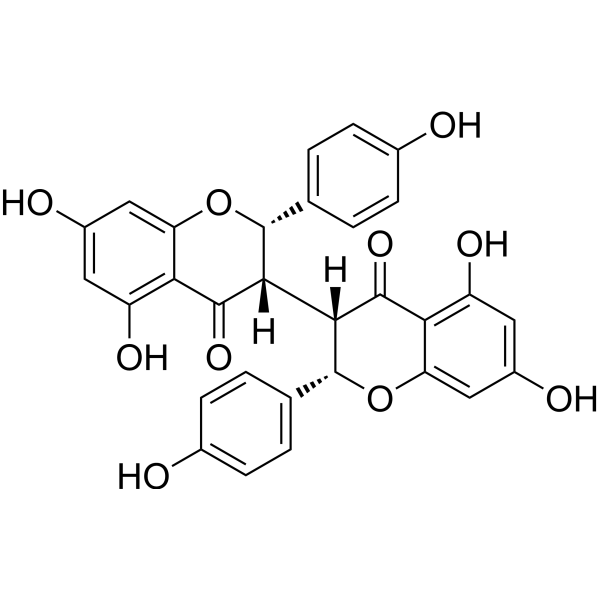
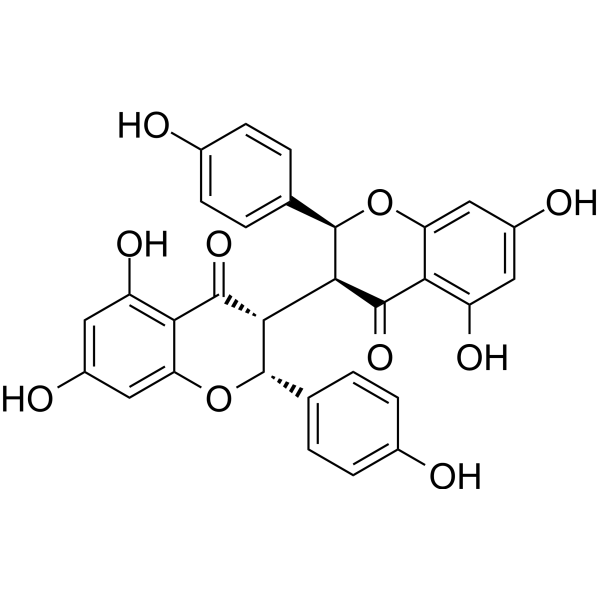
    Neochamaejasmine A is a biflavonoid that can be isolated from the roots of Stellera chamaejasme L.. Neochamaejasmine A inhibits proliferation, induces cell cycle arrest and apoptosis in tumor cells. Neochamaejasmine A can be used in the research of cancers such as prostate cancer, hepatoma cancer .
    Neochamaejasmine A
  • HY-N9861

    Amyloid-β Neurological Disease
    Kayaflavone is an amentoflavone type biflavonoid. Kayaflavone has an inhibitory activity against amyloid-β42 cytotoxicity in PC-12 cells with an EC50 value of 5.29 μΜ. Kayaflavone is promising for research of Alzheimer’s disease .
    Kayaflavone
  • HY-N10871

    SARS-CoV Cancer
    Neocryptomerin, a biflavonoid, shows inhibitory activity against U251, MCF-7, HeLa cell. Neocryptomerin has favorable binding affinities in the active pocket of SARS-CoV-2. Neocryptomerin is the leading compound of rational compounds against COVID-19 .
    Neocryptomerin
  • HY-N2756

    Others Others
    Amentoflavone 7,4',7'',4'''-tetramethyl ether, a biflavone, is a natural product that can be isolated from Selaginella moellendorffii .
    Amentoflavone 7,4',7'',4'''-tetramethyl ether
  • HY-N1655

    Others Cancer
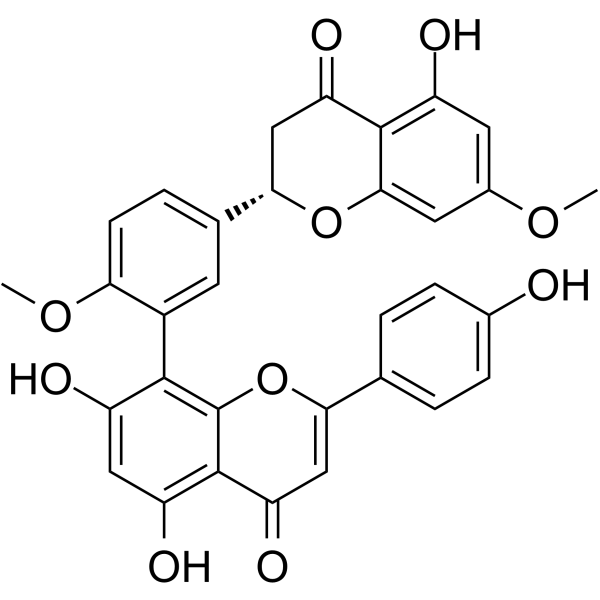
    2,3-Dihydroamentoflavone 7,4'-dimethyl ether is a biflavonoid, which can be isolated from the aerial parts of Selaginella delicatula. 2,3-Dihydroamentoflavone 7,4'-dimethyl ether exhibits cytotoxicities against P-388 and HT-29 cell lines, with ED50 (median effective dose) values of 3.50 and 5.25 µg/mL, respectively .
    2,3-Dihydroamentoflavone 7,4'-dimethyl ether
  • HY-124537

    Others Others
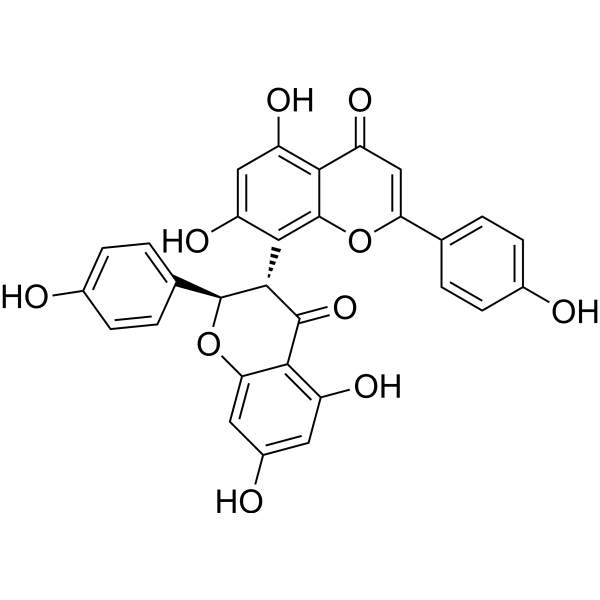
    (+)-Volkensiflavone is a biflavonoid, that can be isolated from the fruits of Garcinia livingstonei (Clusiaceae) .
    (+)-Volkensiflavone
  • HY-N1658

    Tyrosinase Others
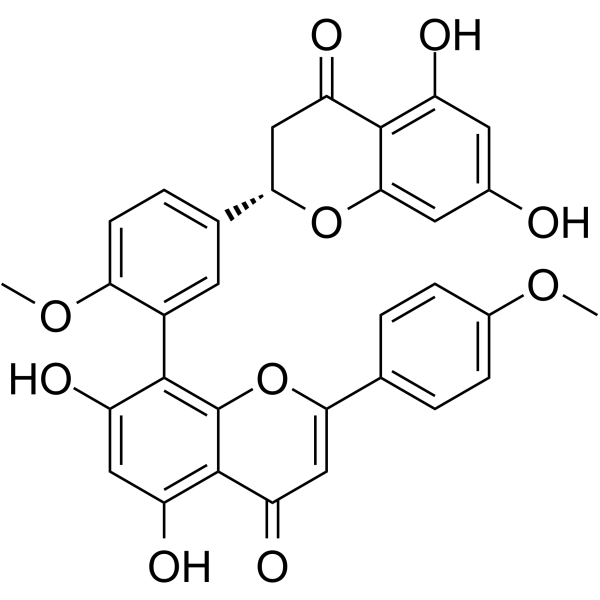
    2,3-Dihydroisoginkgetin, a biflavonoid, is a inhibitor of Tyrosinase, with 36.84% inhibition at 0.1 mM. 2,3-Dihydroisoginkgetin shows less toxicity in HEMn (human epidermal melanocytes) cells, with an IC50 of 86.16 μM .
    2,3-Dihydroisoginkgetin
  • HY-N16510

    Others Others
    Cinnabarone is a biflavonoid that can be isolated from dragon's blood of Dracaena cinnabari. Cinnabarone is a reducing and stabilizing agent which can be used for formation of silver nanoparticles .
    Cinnabarone
  • HY-N1659

    Others Others
    2,3-Dihydropodocarpusflavone A is a biflavonoid, which can be isolated from Cycas beddomei .
    2,3-Dihydropodocarpusflavone A
  • HY-N2119R

    TNF Receptor Reference Standards NF-κB Inflammation/Immunology
    Sciadopitysin (Standard) is the analytical standard of Sciadopitysin. This product is intended for research and analytical applications. Sciadopitysin is a type of biflavonoids in leaves from ginkgo biloba . Sciadopitysi inhibits RANKL-induced osteoclastogenesis and bone loss by inhibiting NF-κB activation and reducing the expression of c-Fos and NFATc1 .
    Sciadopitysin (Standard)
  • HY-N1649

    Others Cancer
    2,3,2'',3''-Tetrahydroochnaflavone is a biflavonoid, which can be isolated from the leaves of Quintinia acutifolia. 2,3,2'',3''-Tetrahydroochnaflavone shows some cytotoxicity against P388 murine lymphocytic leukemia cells, with an IC50 of 8.2 µg/mL .
    2,3,2'',3''-Tetrahydroochnaflavone
  • HY-N3497

    NF-κB DNA/RNA Synthesis Parasite Apoptosis Infection Cancer
    Isochamaejasmin is a biflavonoid with anti-cancer, antiplasmodial and insecticidal activities. Isochamaejasmin displays a potent NF-κB (NF-κB) activation activity. Isochamaejasmin could cause DNA damage and induce apoptosis via the mitochondrial pathway in AW1 cells . Isochamaejasmin also has a moderate antiplasmodial activity (IC50 of 7.3 μM for P. falciparum) and relatively low cytotoxicity (CC50 of 29.0 μM) .
    Isochamaejasmin
  • HY-N3205A

    INCA

    Others Others
    Isoneochamaejasmin A (INCA), a biflavonoid, is one of main active ingredients in the root of Stellera chamaejasme L .
    Isoneochamaejasmin A
  • HY-N10920

    RSV Infection
    Genkwanol C, a biflavonoid, has effective antiviral activity against respiratory syncytial virus (RSV) in vitro .
    Genkwanol C
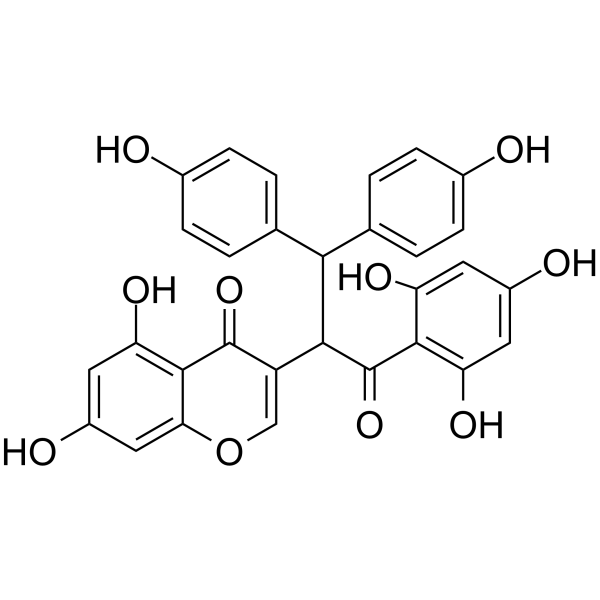
  • HY-N10171

    Others Inflammation/Immunology
    GB-2a is a bioflavonoids that can be isolated from Rheedia gardneriana. GB-2a has significant analgesic activity in mice with 58.9% inhibition .
    GB-2a
  • HY-N17573

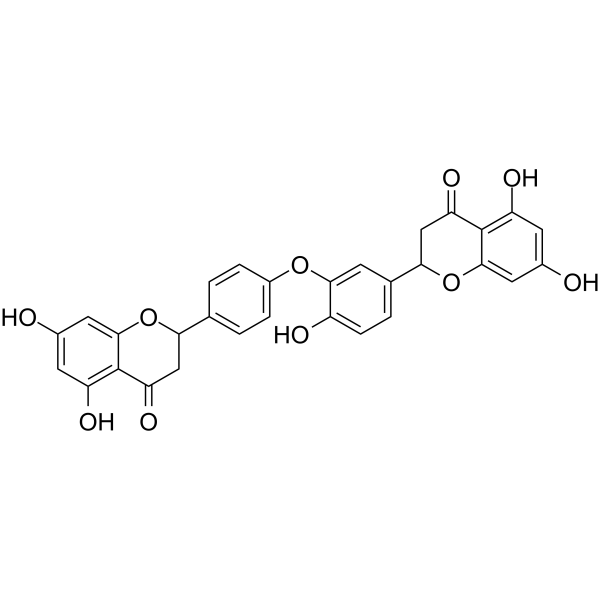
    Others Others
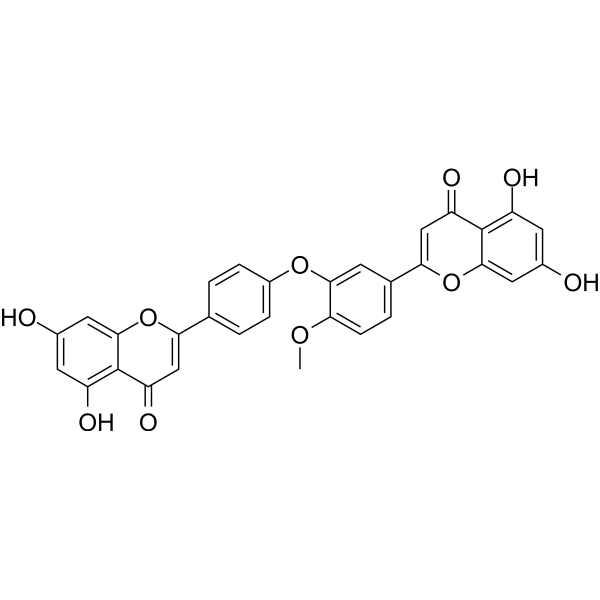
    Zizyflavoside B is a diphenyl ether-type biflavonoid. Zizyflavoside B occurs in the leaves of Zizyphus spina-christi (L.) Willd .
    Zizyflavoside B
  • HY-N18310

    Others Cancer
    Robustaflavone 4′-methyl ether is a biflavonoid compound that can be isolated from the whole plant of Selaginella gracillima. Robustaflavone 4′-methyl ether inhibits the growth of cancer cells. Robustaflavone 4′-methyl ether can be used in the research of EBV-transformed B-cell carcinoma and lung cancer .
    Robustaflavone 4′-methyl ether
  • HY-N9779

    Others Others
    2,3-Dihydroamentoflavone is a biflavonoid compound that can be isolated from Selaginella sinensis .
    2,3-Dihydroamentoflavone
  • HY-N18315

    Apoptosis Caspase IAP Survivin Cancer
    (2''S)-2'',3''-Dihydrodelicaflavone is a biflavonoid compound present in the whole herb of Selaginella doederleinii, which exhibits antiproliferative and apoptosis-inducing activities against non-small cell lung cancer cells. (2''S)-2'',3''-Dihydrodelicaflavone can be used in the research of non-small cell lung cancer .
    (2''S)-2'',3''-Dihydrodelicaflavone
  • HY-N16801

    Drug Derivative Others
    Genkwanol B is a natural flavonoid.
    Genkwanol B
  • HY-N9784

    Others Cancer
    2′′,3′′-Dihydroochnaflavone is a flavonoid/flavanone-type ether-linked biflavonoid anti-leukemic compound. 2′′,3′′-Dihydroochnaflavone exhibits significant cytotoxicity against P388 murine lymphocytic leukemia cells (IC50 = 3.1 μg/mL). It can be naturally extracted from the dried leaves of Quintinia acutifolia and has also been previously isolated and identified from Ochna interrima and Luxemburgia nobilis (both Ochnaceae plants). 2′′,3′′-Dihydroochnaflavone can be used in research related to anti-tumor (especially leukemia) applications .
    2′′,3′′-Dihydroochnaflavone
  • HY-N16760

    Microtubule/Tubulin HIV Infection
    Wikstrol B (compound 5) is a biflavonoid microtubule/tubulin inhibitor and HIV-1 inhibitor. Wikstrol B has an IC50 value of 184 μM for microtubule polymerization and an EC50 of 3.02 μM against HIV-1, acting on early events of HIV-1 replication. Wikstrol B exerts antifungal activity by inducing morphological deformation of Pyricularia oryzae hyphae and exerts anti-mitotic activity by inhibiting microtubule polymerization. Wikstrol B can be used in research related to antifungal, antitumor, and anti-AIDS applications. Wikstrol B can be naturally extracted from the roots of Wikstroemia indica .
    Wikstrol B
  • HY-N18316

    Others Cancer
    (2''S)-6''-Methyl-2'',3''-Dihydrodelicaflavone is a biflavonoid compound present in the whole herb of Selaginella doederleinii. (2''S)-6''-Methyl-2'',3''-Dihydrodelicaflavone exhibits antiproliferative activity against non-small cell lung cancer cells (IC50 = 3.1-6.8 μM) with low cytotoxicity toward normal cells. (2''S)-6''-Methyl-2'',3''-Dihydrodelicaflavone can be used in studies related to non-small cell lung cancer .
    (2

Inquiry Online

Your information is safe with us. * Required Fields.

Salutation


Country or Region *

Applicant Name *


Organization Name *

Department *


Email Address *


Product Name *

Cat. No.


Requested quantity *

Phone Number *


Remarks

Inquiry Online

Inquiry Information

Product Name:
Cat. No.:
Quantity:
MCE Japan Authorized Agent:

