From 11:00 pm to 12:00 pm EST ( 8:00 pm to 9:00 pm PST ) on January 6th, the website will be under maintenance. We are sorry for the inconvenience. Please arrange your schedule properly.
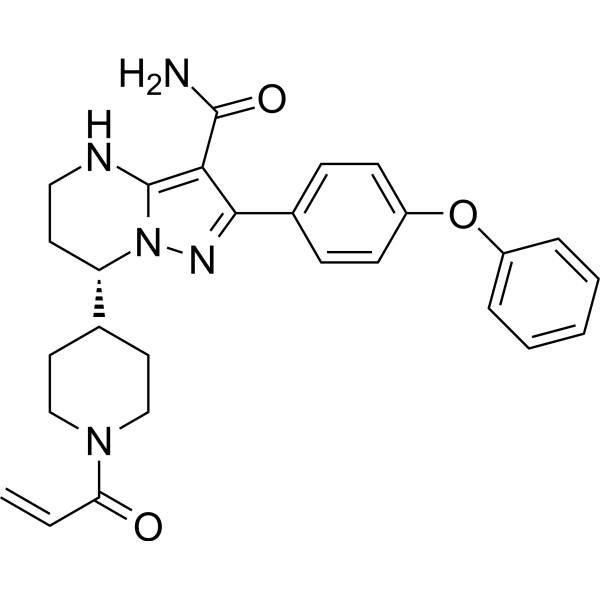
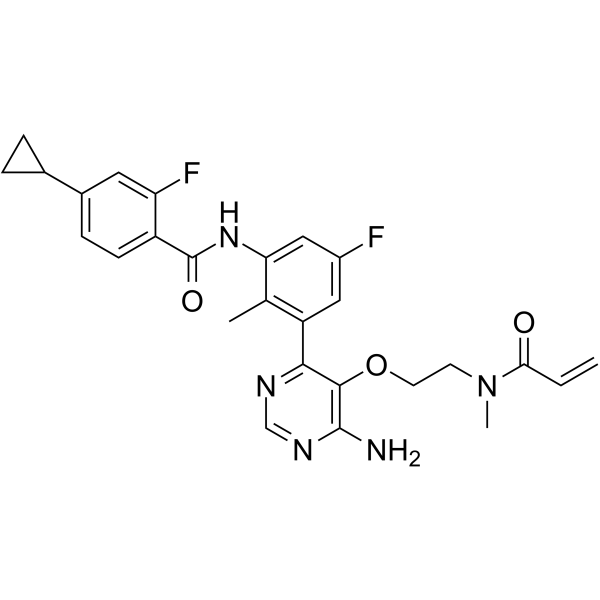
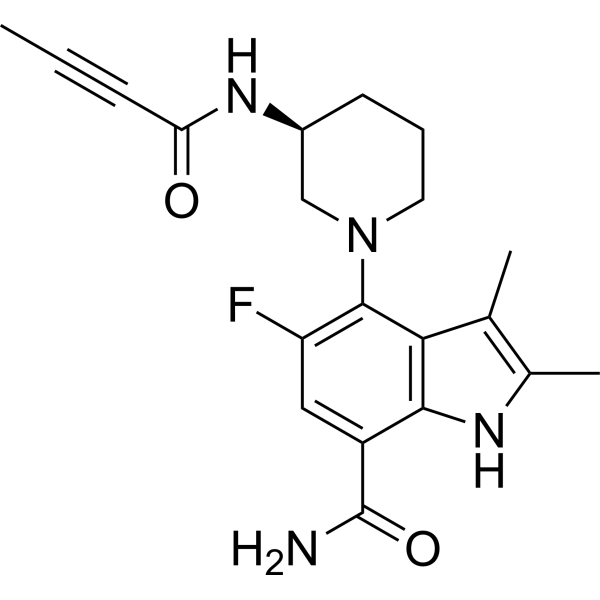
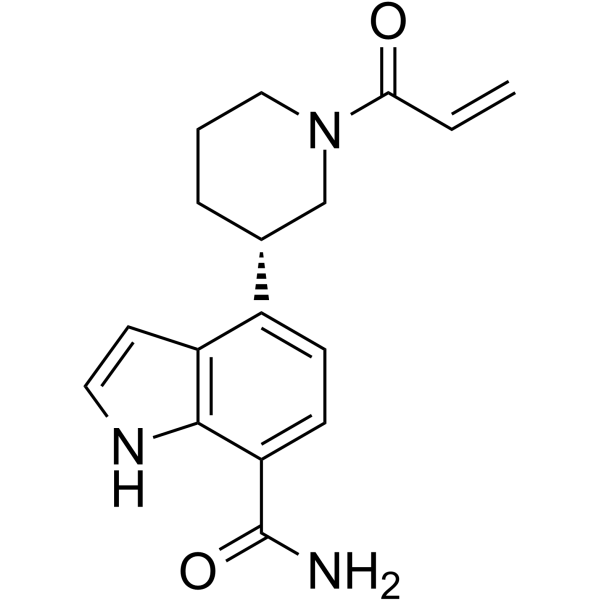
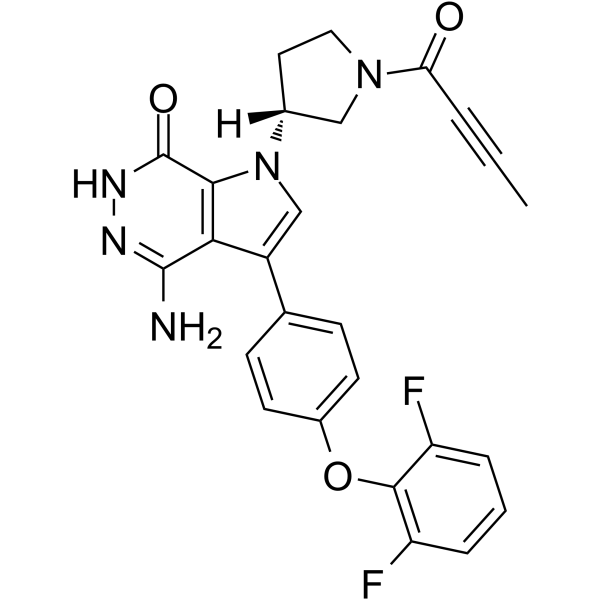
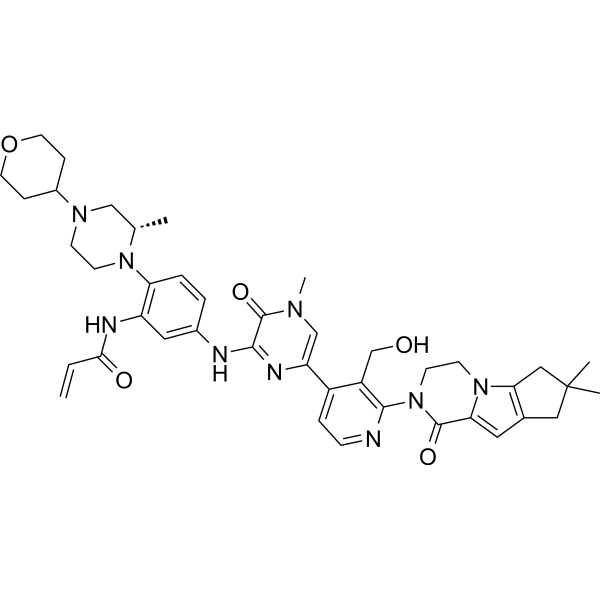
Remibrutinib, is a potent and orally active bruton tyrosine kinase (BTK) inhibitor with an IC50 value of 1 nM. Remibrutinib inhibits BTK activity with an IC50 value of 0.023 μM in blood . Remibrutinib has the potential for Chronic urticaria (CU) treatment .
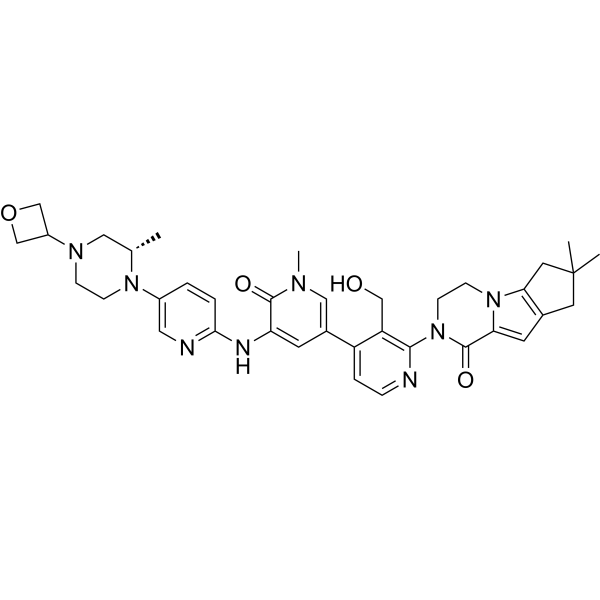
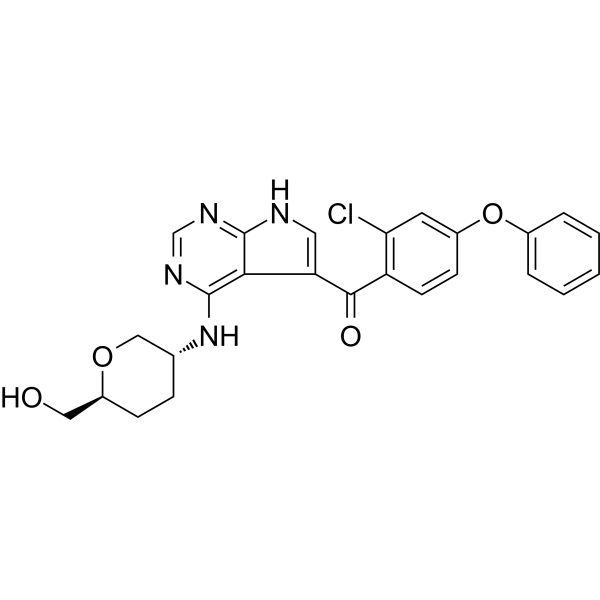
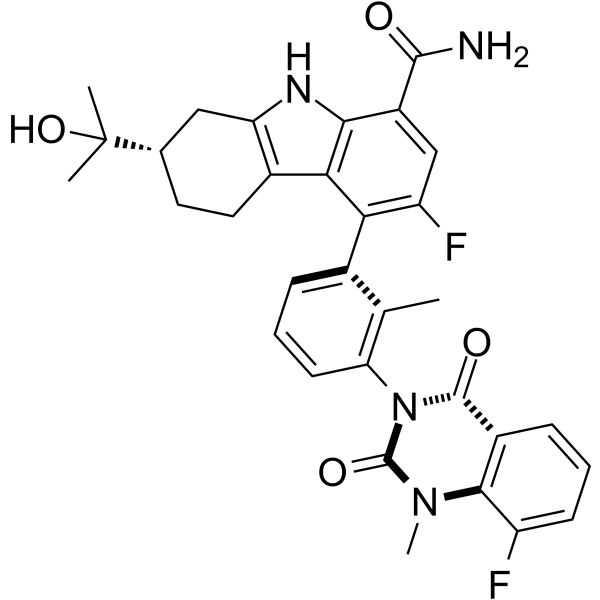
Fenebrutinib (GDC-0853) is a potent, selective, orally available, and noncovalent bruton's tyrosine kinase (Btk) inhibitor with Kis of 0.91 nM, 1.6, 1.3, 12.6, and 3.4 nM for WT Btk, and the C481S, C481R, T474I, T474M mutants. Fenebrutinib has the potential for rheumatoid arthritis and systemic lupus erythematosus research .
Zelebrudomide (NX-2127) (Compound 28) is an orally active PROTAC deggrader, targeting to Bruton’s Tyrosine Kinase (Btk). Zelebrudomide inhibits proliferation of BTK C481S mutant TMD8 cells, more effectively than Ibrutinib (HY-10997). Zelebrudomide catalyzes the degradation of Ikaros (IKZF1) and Aiolos (IKZF3) with of 25 nM and 54 nM, respectively. Zelebrudomide stimulates T cell activation and increases IL-2 production in primary human T Cells . (Pink: BTK ligand 10 (HY-168302); Black: (R)-4-(1-(Pyrrolidin-3-ylmethyl)piperidin-4-yl)aniline (HY-168348); Blue: Thalidomide 5-fluoride (HY-W087383)
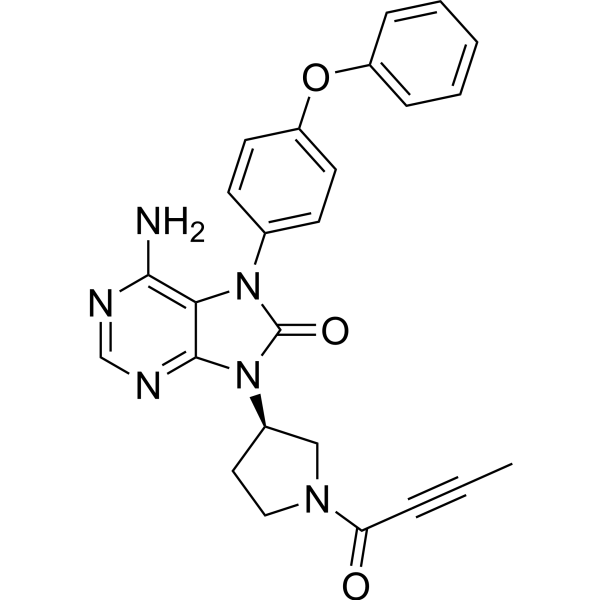
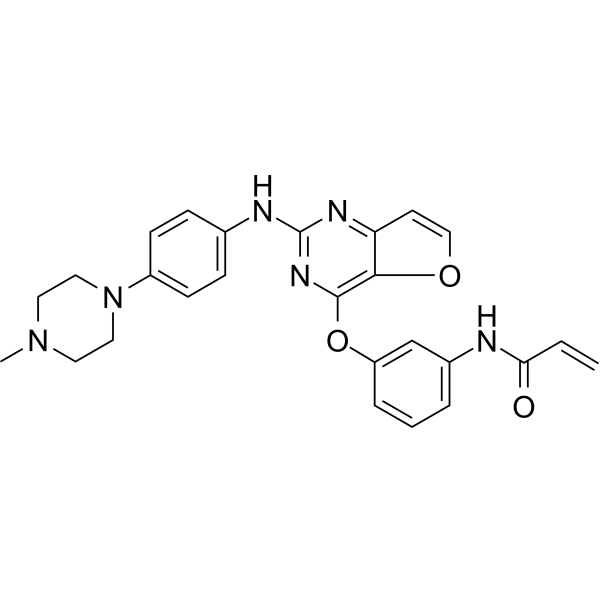
Tirabrutinib (ONO-4059) is an orally active Bruton’s Tyrosine Kinase (BTK) inhibitor (can cross the blood-brain barrier (BBB)), with an IC50 of 6.8 nM. Tirabrutinib irreversibly and covalently binds to BTK and inhibits aberrant B cell receptor signaling. Tirabrutinib can be used in studies of autoimmune diseases and hematological malignancies .
Orelabrutinib (ICP-022) is a potent, orally active, and irreversible Bruton's tyrosine kinase (BTK) inhibitor with potential antineoplastic activity. Orelabrutinib prevents both the activation of the B-cell antigen receptor (BCR) signaling pathway and BTK-mediated activation of downstream survival pathways, inhibiting the growth of malignant B-cells that overexpress BTK .
Nemtabrutinib (ARQ 531) is a reversible non-covalent and orally active inhibitor of Bruton’s Tyrosine Kinase (BTK), with IC50s of 0.85 nM and 0.39 nM for WT-BTK and C481S-BTK, respectively.
ACP-5862 is a major active, circulating, pyrrolidine ring-opened metabolite of Acalabrutinib with an IC50 of 5.0 nM for Bruton tyrosine kinase (BTK). ACP‐5862 is a weak time‐dependent inactivator of CYP3A4 and CYP2C8. Acalabrutinib is an orally active, irreversible, and highly selective BTK inhibitor, with an IC50 of 3 nM and EC50 of 8 nM .
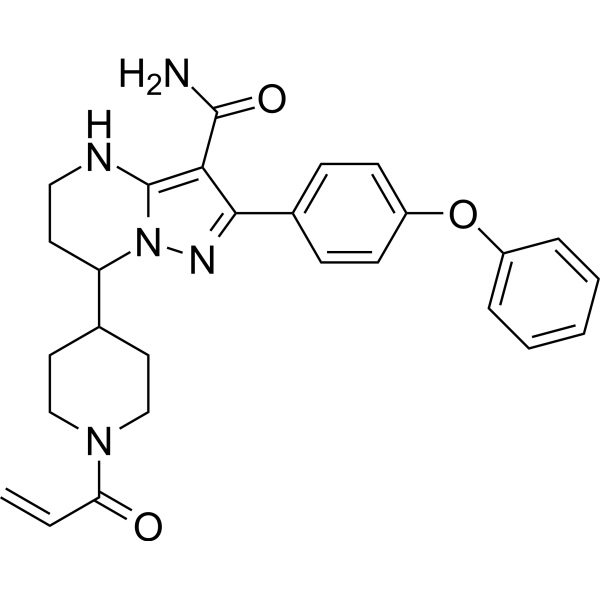
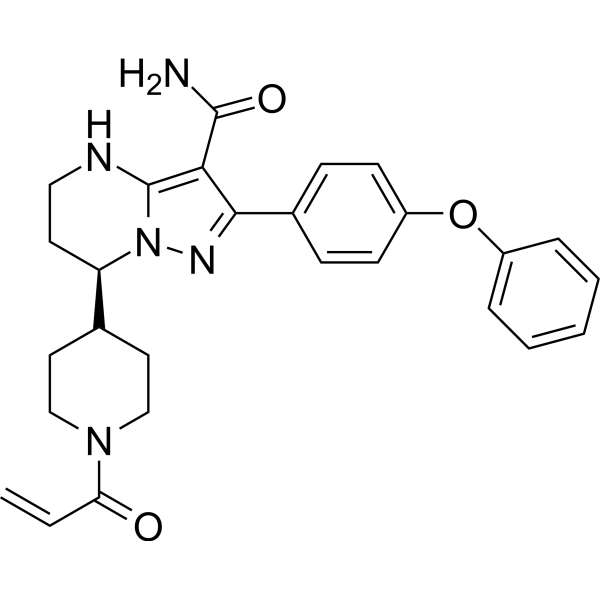
(±)-Zanubrutinib ((±)-BGB-3111) is the racemate of Zanubrutinib (HY-101474A). (±)-Zanubrutinib inhibits Bruton's tyrosine kinase (Btk) with an IC50 of 0.63 nM .
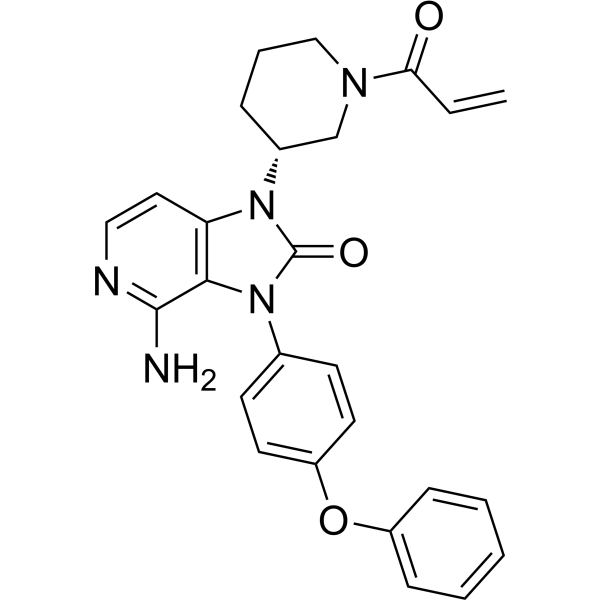
Poseltinib (HM71224) is an orally active, selective, irreversible small molecule Bruton tyrosine kinase (BTK) inhibitor. With an IC50 of 1.95 nM. Poseltinib effectively inhibits the signaling mediated by B cell receptors (BCR), Fc receptors (FcR), and Toll-like receptors (TLR). Poseltinib has anti-inflammatory activity and can be used in the research of rheumatoid arthritis .
Edralbrutinib (TG-1701) is a highly selective, orally available irreversible BTK inhibitor, with an EC50 of 6.70 nM and a Kd of 3 nM against human BTK. Edralbrutinib inhibits downstream signaling of the B cell receptor, induces dephosphorylation of Ikaros Ser442/445, promotes nuclear exclusion of Ikaros, attenuates Ikaros gene signatures, and exerts anti-tumor activity. Edralbrutinib can be used in research related to B-cell non-Hodgkin lymphoma, chronic lymphocytic leukemia, mantle cell lymphoma, follicular lymphoma, and diffuse large B-cell lymphoma .
Tolebrutinib (SAR442168) is a potent, selective, orally active and brain-penetrant inhibitor of Bruton tyrosine kinase (BTK), with IC50s of 0.4 and 0.7 nM in Ramos B cells and in HMC microglia cells, respectively. Tolebrutinib exhibits efficacy in central nervous system immunity. Tolebrutinib can be used for the research of multiple sclerosis (MS) .
Branebrutinib (BMS-986195) is a highly potent, selective covalent, irreversible inhibitor of Bruton’s tyrosine kinase (BTK), with an IC50 of 0.1 nM . Branebrutinib is a click chemistry reagent, it contains an Alkyne group and can undergo copper-catalyzed azide-alkyne cycloaddition (CuAAc) with molecules containing Azide groups.
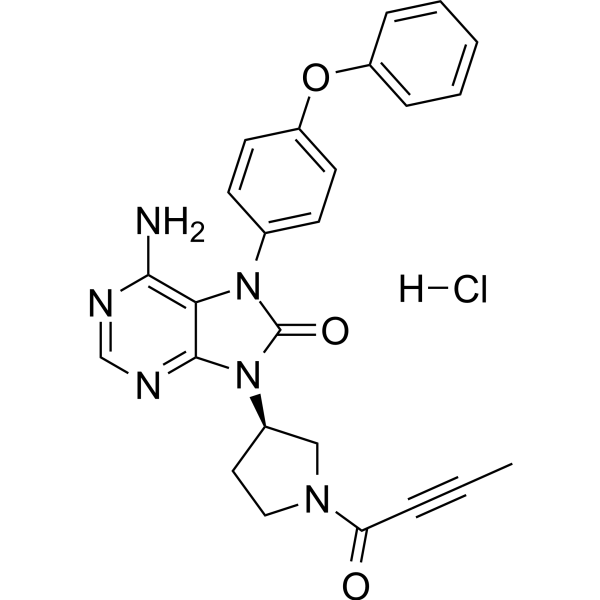
Tirabrutinib (ONO-4059) hydrochloride is an orally active Bruton’s Tyrosine Kinase (BTK) inhibitor (can cross the blood-brain barrier (BBB)), with an IC50 of 6.8 nM. Tirabrutinib hydrochloride irreversibly and covalently binds to BTK and inhibits aberrant B cell receptor signaling. Tirabrutinib hydrochloride can be used in studies of autoimmune diseases and hematological malignancies .
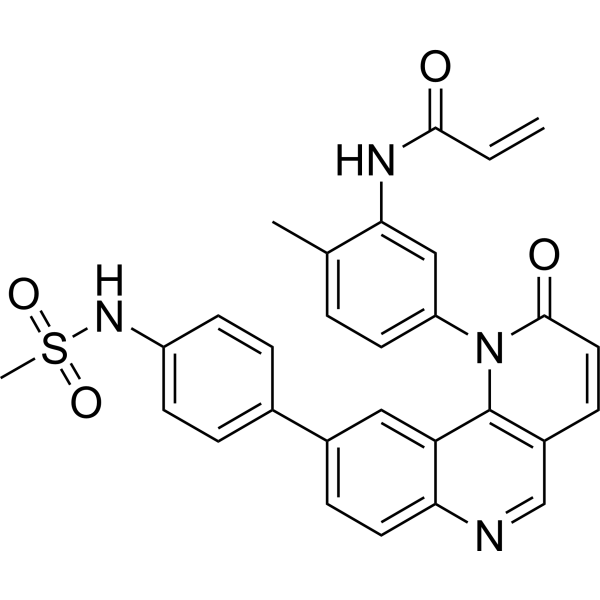
BMX-IN-1 is a selective, irreversible inhibitor of bone marrow tyrosine kinase on chromosome X (BMX) that targets Cys 496 in the BMX ATP binding domain with an IC50 of 8 nM, also targets the related Bruton’s tyrosine kinase (BTK) with an IC50 value of 10.4 nM, but is more than 47-656-fold less potent against Blk, JAK3, EGFR, Itk, or Tec activity.
Elsubrutinib (ABBV-105) is an orally active, potent, selective and irreversible Bruton's tyrosine kinase (BTK) inhibitor. The IC50 of Elsubrutinib for BTK catalytic domain is 0.18 μM. Elsubrutinib can be used for the research of inflammatory disease .
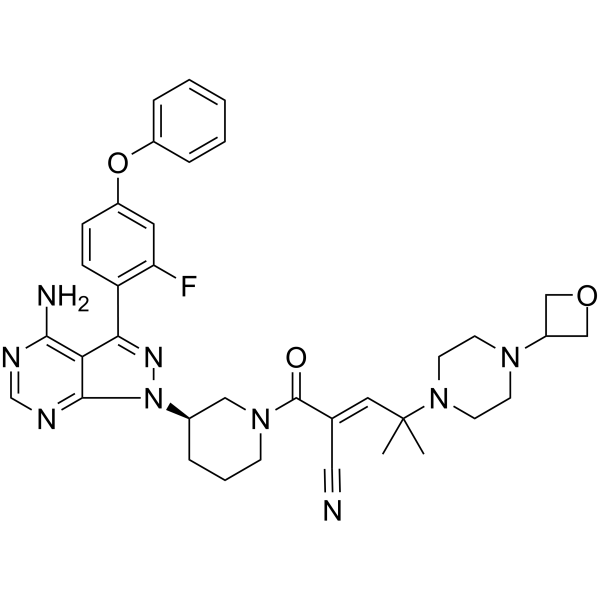
Rocbrutinib is an orally available, highly selective Bruton's tyrosine kinase (BTK) inhibitor, with an IC50 of 0.11 nM against wild-type BTK and an IC50 of 1.0 nM against C481S-mutated BTK. Rocbrutinib reduces the viability of leukemia cells, induces cytotoxicity and inhibits cell migration. Rocbrutinib can be used in research related to chronic lymphocytic leukemia, non-Hodgkin's lymphoma and mantle cell lymphoma .
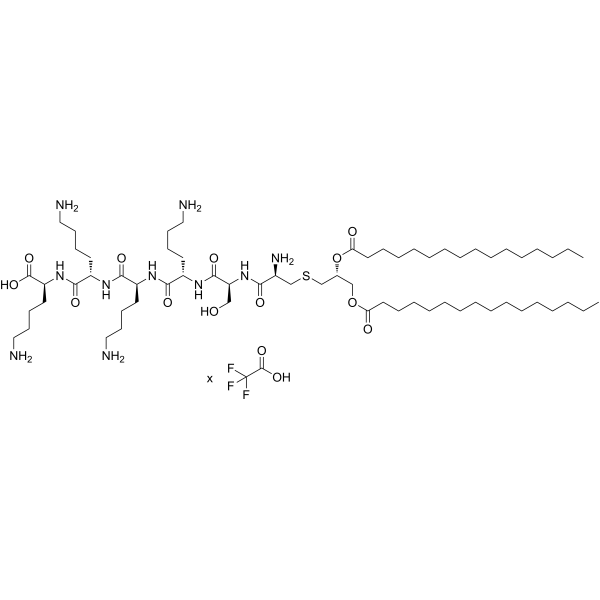
Pam2CSK4 TFA is a TLR2 agonist. Pam2CSK4 TFA induces the expression of iNOS and NO in macrophage cell lines via TBK1 and MyD88 molecules. Pam2CSK4 TFA activates the NF-κB and Bruton's tyrosine kinase signaling pathways in platelets, and promotes platelet-endothelial cell interactions. TLR2 activation triggered by Pam2CSK4 TFA expands myeloid-derived suppressor cells (MDSCs) and suppresses anti-tumor immune responses in the tumor microenvironment. Pam2CSK4 TFA acts as a Th2-polarizing adjuvant in mouse vaccine models against Leishmania major and Brugia malayi. Pam2CSK4 TFA can be used in the research of various diseases, including thromboinflammatory diseases, sepsis, atherosclerosis, heart failure, influenza, lymphoma, melanoma, cutaneous leishmaniasis and lymphatic filariasis .
Pam2CSK4 is a TLR2 agonist. Pam2CSK4 induces the expression of iNOS and NO in macrophage cell lines via TBK1 and MyD88 molecules. Pam2CSK4 activates the NF-κB and Bruton's tyrosine kinase signaling pathways in platelets, and promotes platelet-endothelial cell interactions. TLR2 activation triggered by Pam2CSK4 expands myeloid-derived suppressor cells (MDSCs) and suppresses anti-tumor immune responses in the tumor microenvironment. Pam2CSK4 acts as a Th2-polarizing adjuvant in mouse vaccine models against Leishmania major and Brugia malayi. Pam2CSK4 can be used in the research of various diseases, including thromboinflammatory diseases, sepsis, atherosclerosis, heart failure, influenza, lymphoma, melanoma, cutaneous leishmaniasis and lymphatic filariasis .
BIIB129 is a covalent, selective, small molecule inhibitor of Bruton's tyrosine kinase (BTK) capable of penetrating the blood-brain barrier. BIIB129 inhibits the activity of BTK by covalently binding to Cys481 in BTK, thereby affecting the function of B cells and myeloid cells. BIIB129 can be used in multiple sclerosis (MS) research .
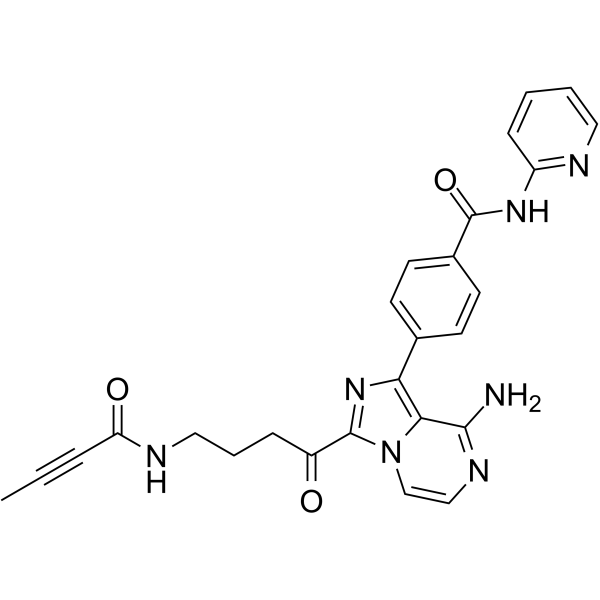
PF-06658607 is an alkynylated irreversible Brutons tyrosine kinase (BTK) inhibitor that covalently reacts with active site cysteines in the ATP-binding pocket. PF-06658607 can be used to detect "off "-targets for covalent kinase inhibitors in cancer cells. The alkyne moiety allows for azide-based detection probe via copper-catalyzed click chemistry .
BTK degrader-1 (compound 1) is a Bruton’s tyrosine kinase (BTK) bifunctional degrader that can be conjugated with CD79b. BTK degrader-1 (compound 1) has anti-tumor effect .
NUDT5/14 antagonist 1 (Compound 9) is a selective, dual antagonist for nucleotide diphosphate kinase NUDT5 and NUDT14, with IC50 of 0.27 and 0.16 μM, respectively. NUDT5/14 antagonist 1 binds to Bruton’s tyrosine kinase (BTK) with an IC50 of 0.377 μM .
Zanubrutinib (Standard) is the analytical standard of Zanubrutinib. This product is intended for research and analytical applications. Zanubrutinib (BGB-3111) is a selective and orally active Bruton tyrosine kinase (Btk) inhibitor (IC50: 0.3 nM) .
TM471-1 is an orally active and covalent Bruton's tyrosine kinase (BTK) inhibitor with IC50 values of 1.3 nM (BTK WT), >40,000 nM (BTK C481S), 7.9 nM (TEC) and 12.4 nM (TXK). TM471-1 inhibits cell growth in vivo and in vitro, arrests cell cycle at G0/G1 phase and induces cell apoptosis .
BTK ligand 1 (compound 1) is a ligand targeting Bruton’s tyrosine kinase (Btk). BTK ligand 1 can combine with E3 ligase ligand (Ligand for E3 Ligase) through PROTAC Linker to form PROTAC. PROTACs targeting Btk can be used in the study of chronic lymphocytic leukemia (CLL) and other BK cell malignancies .
(R)-Zanubrutinib-d5 is deuterium labeled (R)-Zanubrutinib. (R)-Zanubrutinib is the R enantiomer of Zanubrutinib. Zanubrutinib is a selective Bruton tyrosine kinase (BTK) inhibitor.
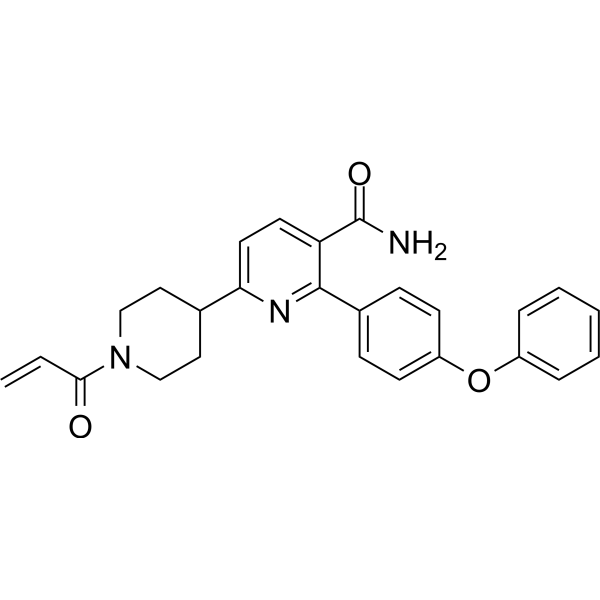
BTK inhibitor 10 is a potent and orally active Bruton kinase (BTK) inhibitor, extracted from patent WO2018145525, example 33. BTK inhibitor 10 has a potential for rheumatoid arthritis treatment .
PF-303 is a potent, oral inhibitor of Bruton's tyrosine kinase (BTK) (IC50=0.64 nM). The melamine portion of PF-303 forms a covalent bond with BTK's Cys481, which is reversible and exhibits a high selectivity compared to irreversible covalent BTK inhibitors. PF-303 can be used to model and study the effects of BTK inhibition on the mature immune system, including effects on B-cell subsets, antibody responses, and T-cell-mediated activation .
BTK-IN-16 is a dual inhibitor of BTK wild type and C481S mutant of Bruton’s tyrosine kinase (BTK) with IC50s of 5.1 and 4.1 μM. BTK-IN-16 can be used for the research of autoimmune diseases and chronic lymphocytic leukemia .
I-As-1 is a potent inhibitor of Bruton’s tyrosine kinase (BTK), with the IC50 of 2.35 nM. I-As-1 shows antiproliferative activities among Ramos cells and OCI-LY10 cells with IC50s of 0.52 μM and 0.11 μM, respectively .
Btk substrate peptide is a peptide substrate corresponding to residues 217-229 of human Bruton’s tyrosine kinase (Btk), of which the tyrosine at residue 223 is the major autophosphorylation site of Btk. Btk substrate peptide is used as a substrate in in vitro kinase assays to evaluate the activity of Btk or other tyrosine kinases .
BTK-IN-44 (Compound 10) is a potent noncovalent inhibitor of Bruton’s tyrosine kinase (BTK) with an IC50 value of 24.7 nM. BTK-IN-44 interferes with signaling pathways of B cell malignancies, showing antitumor effects in lymphoma cells. BTK-IN-44 is promising for research of B cell malignancies (such as lymphoma) .
Cinsebrutinib is a Bruton's tyrosine kinase inhibitor, extracted from patent WO2021207549 (compound 5-6). Cinsebrutinib has the potential for cancer study.
BTK-IN-15 (compound 42) is a potent Bruton's tyrosine kinase (BTK) inhibitor with high oral absorption. BTK-IN-15 inhibits BTK with an IC50 value of 0.7 nM. BTK-IN-15 displays excellent kinase selectivity, antitumor activity, and induces apoptosis .
BTK-IN-26 (compound 18) is a potent inhibitor of Bruton's tyrosine kinase (BTK) and its C481 mutant, with IC50 values of 0.7 and 0.8 nM for BTK and BTK C481S, respectively. BTK-IN-26 can be used for cancer and autoimmune diseases research .
RN983 (Compound 1) is a highly selective Bruton's tyrosine kinase (Btk) inhibitor. RN983 inhibits IgG production in B-cells with an IC50 of 2.5 nM and PGD2 production from mast cells with an IC50 of 8.3 nM. RN983 is promising for research of asthma and other allergic diseases .
BGB-8035 is an orally active, highly selective bruton's tyrosine kinase (BTK) inhibitor with IC50s of 1.1 nM, 99 nM, 621 nM for BTK, TEC, EGFR, respectively. BGB-8035 has antitumor and anti-arthritis activity. BGB-8035 has the potential for B-cell malignancies and autoimmune diseases research .
MDVN1003 is a Bruton's tyrosine kinase (BTK) and phosphatidylinositol-3-kinase delta (PI3Kδ) dual inhibitor which prevents the activation of B cells and inhibits the phosphorylation of protein kinase B (AKT) and extracellular signal-regulated kinase 1/2 (ERK 1/2). MDVN1003 can be used for non-Hodgkin’s lymphoma (NHL) research .
Bruton's tyrosine kinase (BTK) plays a vital role in B-cell antigen receptor (BCR) signalling transduction pathway. BTK can be used for the study of lymphomas and autoimmune diseases. BTK has multiple mutants. BTK V416L Recombinant Human Active Protein Kinase is a recombinant BTK V416L protein that can be used to study BTK V416L-related functions .
Bruton's tyrosine kinase (BTK) plays a vital role in B-cell antigen receptor (BCR) signalling transduction pathway. BTK can be used for the study of lymphomas and autoimmune diseases. BTK has multiple mutants. BTK C481R Recombinant Human Active Protein Kinase is a recombinant BTK C481R protein that can be used to study BTK C481R-related functions .
ACP-5862-d4 is deuterium labeled ACP-5862. ACP-5862 is a major active, circulating, pyrrolidine ring-opened metabolite of Acalabrutinib with an IC50 of 5.0 nM for Bruton tyrosine kinase (BTK). ACP‐5862 is a weak time‐dependent inactivator of CYP3A4 and CYP2C8. Acalabrutinib is an orally active, irreversible, and highly selective BTK inhibitor, with an IC50 of 3 nM and EC50 of 8 nM .
BTK-IN-6 is a potent inhibitor of Bruton's Tyrosine Kinase (BTK). BTK is a member of the Tec family of tyrosine kinases and plays an important role in the regulation of early B-cell development and mature B-cell activation and survival. BTK-IN-6 has the potential for the research of immune disorders, cancer, cardiovascular diseases, viral infections, inflammation, metabolism/endocrine function disorders, and neurological disorders (extracted from patent WO2021136219A1, compound 8) .
BMS-935177 (Standard) is the analytical standard of BMS-935177 (HY-101793). This product is intended for research and analytical applications. BMS-935177 is a potent and selective reversible inhibitor of Bruton’s tyrosine kinase (Btk) with an IC50 of 3 nM.
(±)-Zanubrutinib (Standard) is the analytical standard of (±)-Zanubrutinib (HY-101474). This product is intended for research and analytical applications. (±)-Zanubrutinib ((±)-BGB-3111) is the racemate of Zanubrutinib (HY-101474A). (±)-Zanubrutinib inhibits Bruton's tyrosine kinase (Btk) with an IC50 of 0.63 nM .
Btk inhibitor 2 (Standard) is the analytical standard of Btk inhibitor 2 (HY-101766). This product is intended for research and analytical applications. Btk inhibitor 2 is a Bruton's tyrosine kinase (BTK) inhibitor extracted from patent US 20170224688 A1.
BMS-986142 (Standard) is the analytical standard of BMS-986142 (HY-101856). This product is intended for research and analytical applications. BMS-986142 is a potent and highly selective reversible inhibitor of Bruton's tyrosine kinase (BTK) with an IC50 of 0.5 nM.
(R)-Zanubrutinib (Standard) is the analytical standard of (R)-Zanubrutinib (HY-101474B). This product is intended for research and analytical applications. (R)-Zanubrutinib is the R enantiomer of Zanubrutinib (HY-101474A). (R)-Zanubrutinib inhibits Bruton's tyrosine kinase (Btk) with an IC50 of 11 nM.
PROTAC BTK Degrader-4 (compound 15) is a potent PROTACBruton's tyrosine kinases (BTK) degrader (DC50 < 100 nM) with little immunomodulatory imide drug (IMiD) activity (DC50 = 0.345 μM, Dmax = 27.4%). PROTAC BTK Degrader-4 can be used for cancers, autoimmune diseases, and inflammatory diseases that are mediated by BTK .
Poseltinib (Standard) is the analytical standard of Poseltinib (HY-109010). This product is intended for research and analytical applications. Poseltinib (HM71224) is an orally active, selective, irreversible small molecule Bruton tyrosine Kinase (BTK) inhibitor. With an IC50 of 1.95 nM. Poseltinib effectively inhibits the signaling mediated by B cell receptors (BCR), Fc receptors (FcR), and Toll-like receptors (TLR). Poseltinib has anti-inflammatory activity and can be used in the research of rheumatoid arthritis .
2-(Bromomethyl) acrylic acid is a Bruton's tyrosine kinase (BTK) inhibitor. 2-(Bromomethyl) acrylic acid forms a covalent bond with the cysteine 481 (Cys481) residue of BTK via a nucleophilic addition-elimination reaction, thereby inhibiting the downstream B-cell receptor signaling pathway. 2-(Bromomethyl) acrylic acid induces immunogenic cell death in BTK-expressing B-cell lymphoma cells by releasing damage-associated molecular patterns including extracellular ATP and HMGB1. 2-(Bromomethyl) acrylic acid exhibits cytotoxicity against BTK-expressing B-cell lymphoma cells, but shows low toxicity to BTK-negative cells. 2-(Bromomethyl) acrylic acid can be used in studies related to B-cell lymphoma .
Pam2CSK4 TFA is a TLR2 agonist. Pam2CSK4 TFA induces the expression of iNOS and NO in macrophage cell lines via TBK1 and MyD88 molecules. Pam2CSK4 TFA activates the NF-κB and Bruton's tyrosine kinase signaling pathways in platelets, and promotes platelet-endothelial cell interactions. TLR2 activation triggered by Pam2CSK4 TFA expands myeloid-derived suppressor cells (MDSCs) and suppresses anti-tumor immune responses in the tumor microenvironment. Pam2CSK4 TFA acts as a Th2-polarizing adjuvant in mouse vaccine models against Leishmania major and Brugia malayi. Pam2CSK4 TFA can be used in the research of various diseases, including thromboinflammatory diseases, sepsis, atherosclerosis, heart failure, influenza, lymphoma, melanoma, cutaneous leishmaniasis and lymphatic filariasis .
Pam2CSK4 is a TLR2 agonist. Pam2CSK4 induces the expression of iNOS and NO in macrophage cell lines via TBK1 and MyD88 molecules. Pam2CSK4 activates the NF-κB and Bruton's tyrosine kinase signaling pathways in platelets, and promotes platelet-endothelial cell interactions. TLR2 activation triggered by Pam2CSK4 expands myeloid-derived suppressor cells (MDSCs) and suppresses anti-tumor immune responses in the tumor microenvironment. Pam2CSK4 acts as a Th2-polarizing adjuvant in mouse vaccine models against Leishmania major and Brugia malayi. Pam2CSK4 can be used in the research of various diseases, including thromboinflammatory diseases, sepsis, atherosclerosis, heart failure, influenza, lymphoma, melanoma, cutaneous leishmaniasis and lymphatic filariasis .
Btk substrate peptide is a peptide substrate corresponding to residues 217-229 of human Bruton’s tyrosine kinase (Btk), of which the tyrosine at residue 223 is the major autophosphorylation site of Btk. Btk substrate peptide is used as a substrate in in vitro kinase assays to evaluate the activity of Btk or other tyrosine kinases .
The BTK protein is a key non-receptor tyrosine kinase that is essential for B lymphocyte development and signaling. After BCR activation, BTK initiates a cascade reaction, phosphorylates PLCG2 and activates downstream pathways, affecting calcium mobilization and PKC activation. BTK Protein, Human (Active, sf9, GST, C481S) is the recombinant human-derived BTK protein, expressed by Sf9 insect cells, with N-GST labeled tag.
The BTK protein is a key non-receptor tyrosine kinase that is essential for B lymphocyte development and signaling. After BCR activation, BTK initiates a cascade reaction, phosphorylates PLCG2 and activates downstream pathways, affecting calcium mobilization and PKC activation. BTK Protein, Human (Active, sf9, GST) is the recombinant human-derived BTK protein, expressed by Sf9 insect cells, with N-GST labeled tag.
The BTK protein is a key non-receptor tyrosine kinase that is essential for B lymphocyte development and signaling. After BCR activation, BTK initiates a cascade reaction, phosphorylates PLCG2 and activates downstream pathways, affecting calcium mobilization and PKC activation. BTK Protein, Human (Active, sf9, GST, M437R) is the recombinant human-derived BTK protein, expressed by Sf9 insect cells, with N-GST labeled tag.
The BTK protein is a key non-receptor tyrosine kinase that is essential for B lymphocyte development and signaling. After BCR activation, BTK initiates a cascade reaction, phosphorylates PLCG2 and activates downstream pathways, affecting calcium mobilization and PKC activation. BTK Protein, Human (Active, sf9, GST, T316A) is the recombinant human-derived BTK protein, expressed by Sf9 insect cells, with N-GST labeled tag.
The BTK protein is a key non-receptor tyrosine kinase that is essential for B lymphocyte development and signaling. After BCR activation, BTK initiates a cascade reaction, phosphorylates PLCG2 and activates downstream pathways, affecting calcium mobilization and PKC activation. BTK Protein, Human (Active, sf9, GST, T474I) is the recombinant human-derived BTK protein, expressed by Sf9 insect cells, with N-GST labeled tag.
The BTK protein is a key non-receptor tyrosine kinase that is essential for B lymphocyte development and signaling. After BCR activation, BTK initiates a cascade reaction, phosphorylates PLCG2 and activates downstream pathways, affecting calcium mobilization and PKC activation. BTK Protein, Human (Active, sf9, GST, T474S) is the recombinant human-derived BTK protein, expressed by Sf9 insect cells, with N-GST labeled tag.
The BTK protein is a key non-receptor tyrosine kinase that is essential for B lymphocyte development and signaling. After BCR activation, BTK initiates a cascade reaction, phosphorylates PLCG2 and activates downstream pathways, affecting calcium mobilization and PKC activation. BTK Protein, Human (Active, sf9, C-His) is the recombinant human-derived BTK protein, expressed by sf9 insect cells , with C-His labeled tag.
The BTK protein is a key non-receptor tyrosine kinase that is essential for B lymphocyte development and signaling. After BCR activation, BTK initiates a cascade reaction, phosphorylates PLCG2 and activates downstream pathways, affecting calcium mobilization and PKC activation. BTK Protein, Human (Active, Biotinylated, C481S, sf9, His, Avi) is the recombinant human-derived BTK, expressed by Sf9 insect cells, with His, Avi labeled tag.
(R)-Zanubrutinib-d5 is deuterium labeled (R)-Zanubrutinib. (R)-Zanubrutinib is the R enantiomer of Zanubrutinib. Zanubrutinib is a selective Bruton tyrosine kinase (BTK) inhibitor.
BTK-IN-26 (compound 18) is a potent inhibitor of Bruton's tyrosine kinase (BTK) and its C481 mutant, with IC50 values of 0.7 and 0.8 nM for BTK and BTK C481S, respectively. BTK-IN-26 can be used for cancer and autoimmune diseases research .
ACP-5862-d4 is deuterium labeled ACP-5862. ACP-5862 is a major active, circulating, pyrrolidine ring-opened metabolite of Acalabrutinib with an IC50 of 5.0 nM for Bruton tyrosine kinase (BTK). ACP‐5862 is a weak time‐dependent inactivator of CYP3A4 and CYP2C8. Acalabrutinib is an orally active, irreversible, and highly selective BTK inhibitor, with an IC50 of 3 nM and EC50 of 8 nM .
GTF2I; BAP135; WBSCR6; General transcription factor II-I; GTFII-I; TFII-I; Bruton tyrosine kinase-associated protein 135; BAP-135; BTK-associated protein 135; SRF-Phox1-interacting protein; SPIN; Williams-Beuren syndrome chromosomal region
WB, IHC-F, IHC-P, ICC/IF
Human
General Transcription Factor II I Antibody (YA3268) is a Rabbit-derived and non-conjugated IgG monoclonal antibody, targeting to General Transcription Factor II I.
GTF2I; BAP135; WBSCR6; General transcription factor II-I; GTFII-I; TFII-I; Bruton tyrosine kinase-associated protein 135; BAP-135; BTK-associated protein 135; SRF-Phox1-interacting protein; SPIN; Williams-Beuren syndrome chromosomal region
WB, IHC-F, IHC-P, ICC/IF
Human
General Transcription Factor II I Antibody (YA3268) is a Rabbit-derived and non-conjugated IgG monoclonal antibody, targeting to General Transcription Factor II I.
(5)
Product Comparison
Compare
Clear All
Compare Products
Products
In-stock
-
+
Add to Cart
Cat. No.
Host
Reactivity
Application
Dilution Ratio
Molecular Weight
Conjugation
Clonality
Immunogen
Appearance
Isotype
Gene ID
SwissProt ID
Purity
Formulation
Free Sample
YesNo
Size
* This product has been "discontinued".
Optimized version of product available:
/
In-stock
-
+
Add to Cart
Get quote
Inquiry Online
Your information is safe with us. * Required Fields.
Western blot analysis of extracts from THP-1(lane 2(20μg), Jurkat (lane 3(20μg) and NIH3T3(lane 4(20μg) using FOXO1A (HY-P80132) Rabbit mAb. Proteins were transferred
to a PVDF membrane and blocked with 5% non-fat milk in TBST for 2 hour at room temperature. The primary antibody (1/1000) and Loading control antibody (Beta Actin, HY-P80438, 1/10000) was
used in 5% non-fat milk in TBST at 4°C overnight. Goat Anti-Mouse/Rabbit IgG-HRP Secondary Antibody (1/10000) was used for 1 hour at room temperature.
Western blot analysis of extracts from THP-1(lane 2(20μg), Jurkat (lane 3(20μg) and NIH3T3(lane 4(20μg) using FOXO1A (HY-P80132) Rabbit mAb. Proteins were transferred
to a PVDF membrane and blocked with 5% non-fat milk in TBST for 2 hour at room temperature. The primary antibody (1/1000) and Loading control antibody (Beta Actin, HY-P80438, 1/10000) was
used in 5% non-fat milk in TBST at 4°C overnight. Goat Anti-Mouse/Rabbit IgG-HRP Secondary Antibody (1/10000) was used for 1 hour at room temperature.
Western blot analysis of extracts from THP-1(lane 2(20μg), Jurkat (lane 3(20μg) and NIH3T3(lane 4(20μg) using FOXO1A (HY-P80132) Rabbit mAb. Proteins were transferred
to a PVDF membrane and blocked with 5% non-fat milk in TBST for 2 hour at room temperature. The primary antibody (1/1000) and Loading control antibody (Beta Actin, HY-P80438, 1/10000) was
used in 5% non-fat milk in TBST at 4°C overnight. Goat Anti-Mouse/Rabbit IgG-HRP Secondary Antibody (1/10000) was used for 1 hour at room temperature.
Western blot analysis of extracts from THP-1(lane 2(20μg), Jurkat (lane 3(20μg) and NIH3T3(lane 4(20μg) using FOXO1A (HY-P80132) Rabbit mAb. Proteins were transferred
to a PVDF membrane and blocked with 5% non-fat milk in TBST for 2 hour at room temperature. The primary antibody (1/1000) and Loading control antibody (Beta Actin, HY-P80438, 1/10000) was
MedchemExpress Validation 03
Western blot analysis of extracts from THP-1(lane 2(20μg), Jurkat (lane 3(20μg) and NIH3T3(lane 4(20μg) using FOXO1A (HY-P80132) Rabbit mAb. Proteins were transferred
MedchemExpress Validation 04
Western blot analysis of extracts from THP-1(lane 2(20μg), Jurkat (lane 3(20μg) and NIH3T3(lane 4(20μg) using FOXO1A (HY-P80132) Rabbit mAb. Proteins were transferred
to a PVDF membrane and blocked with 5% non-fat milk in TBST for 2 hour at room temperature. The primary antibody (1/1000) and Loading control antibody (Beta Actin, HY-P80438, 1/10000) was
used in 5% non-fat milk in TBST at 4°C overnight. Goat Anti-Mouse/Rabbit IgG-HRP Secondary Antibody (1/10000) was used for 1 hour at room temperature.
MedchemExpress Validation
Western blot analysis of extracts from THP-1(lane 2(20μg), Jurkat (lane 3(20μg) and NIH3T3(lane 4(20μg) using FOXO1A (HY-P80132) Rabbit mAb. Proteins were transferred
to a PVDF membrane and blocked with 5% non-fat milk in TBST for 2 hour at room temperature. The primary antibody (1/1000) and Loading control antibody (Beta Actin, HY-P80438, 1/10000) was
used in 5% non-fat milk in TBST at 4°C overnight. Goat Anti-Mouse/Rabbit IgG-HRP Secondary Antibody (1/10000) was used for 1 hour at room temperature.
Western blot analysis of extracts from THP-1(lane 2(20μg), Jurkat (lane 3(20μg) and NIH3T3(lane 4(20μg) using FOXO1A (HY-P80132) Rabbit mAb. Proteins were transferred
to a PVDF membrane and blocked with 5% non-fat milk in TBST for 2 hour at room temperature. The primary antibody (1/1000) and Loading control antibody (Beta Actin, HY-P80438, 1/10000) was
used in 5% non-fat milk in TBST at 4°C overnight. Goat Anti-Mouse/Rabbit IgG-HRP Secondary Antibody (1/10000) was used for 1 hour at room temperature.
MedchemExpress Validation
Western blot analysis of extracts from THP-1(lane 2(20μg), Jurkat (lane 3(20μg) and NIH3T3(lane 4(20μg) using FOXO1A (HY-P80132) Rabbit mAb. Proteins were transferred
to a PVDF membrane and blocked with 5% non-fat milk in TBST for 2 hour at room temperature. The primary antibody (1/1000) and Loading control antibody (Beta Actin, HY-P80438, 1/10000) was
used in 5% non-fat milk in TBST at 4°C overnight. Goat Anti-Mouse/Rabbit IgG-HRP Secondary Antibody (1/10000) was used for 1 hour at room temperature.
MedchemExpress Validation
Western blot analysis of extracts from THP-1(lane 2(20μg), Jurkat (lane 3(20μg) and NIH3T3(lane 4(20μg) using FOXO1A (HY-P80132) Rabbit mAb. Proteins were transferred
to a PVDF membrane and blocked with 5% non-fat milk in TBST for 2 hour at room temperature. The primary antibody (1/1000) and Loading control antibody (Beta Actin, HY-P80438, 1/10000) was
used in 5% non-fat milk in TBST at 4°C overnight. Goat Anti-Mouse/Rabbit IgG-HRP Secondary Antibody (1/10000) was used for 1 hour at room temperature.
MedchemExpress Validation
Western blot analysis of extracts from THP-1(lane 2(20μg), Jurkat (lane 3(20μg) and NIH3T3(lane 4(20μg) using FOXO1A (HY-P80132) Rabbit mAb. Proteins were transferred
to a PVDF membrane and blocked with 5% non-fat milk in TBST for 2 hour at room temperature. The primary antibody (1/1000) and Loading control antibody (Beta Actin, HY-P80438, 1/10000) was
used in 5% non-fat milk in TBST at 4°C overnight. Goat Anti-Mouse/Rabbit IgG-HRP Secondary Antibody (1/10000) was used for 1 hour at room temperature.
MedchemExpress Validation
Western blot analysis of extracts from THP-1(lane 2(20μg), Jurkat (lane 3(20μg) and NIH3T3(lane 4(20μg) using FOXO1A (HY-P80132) Rabbit mAb. Proteins were transferred
to a PVDF membrane and blocked with 5% non-fat milk in TBST for 2 hour at room temperature. The primary antibody (1/1000) and Loading control antibody (Beta Actin, HY-P80438, 1/10000) was
used in 5% non-fat milk in TBST at 4°C overnight. Goat Anti-Mouse/Rabbit IgG-HRP Secondary Antibody (1/10000) was used for 1 hour at room temperature.
MedchemExpress Validation
Western blot analysis of extracts from THP-1(lane 2(20μg), Jurkat (lane 3(20μg) and NIH3T3(lane 4(20μg) using FOXO1A (HY-P80132) Rabbit mAb. Proteins were transferred
to a PVDF membrane and blocked with 5% non-fat milk in TBST for 2 hour at room temperature. The primary antibody (1/1000) and Loading control antibody (Beta Actin, HY-P80438, 1/10000) was
used in 5% non-fat milk in TBST at 4°C overnight. Goat Anti-Mouse/Rabbit IgG-HRP Secondary Antibody (1/10000) was used for 1 hour at room temperature.
MedchemExpress Validation
Western blot analysis of extracts from THP-1(lane 2(20μg), Jurkat (lane 3(20μg) and NIH3T3(lane 4(20μg) using FOXO1A (HY-P80132) Rabbit mAb. Proteins were transferred
to a PVDF membrane and blocked with 5% non-fat milk in TBST for 2 hour at room temperature. The primary antibody (1/1000) and Loading control antibody (Beta Actin, HY-P80438, 1/10000) was
used in 5% non-fat milk in TBST at 4°C overnight. Goat Anti-Mouse/Rabbit IgG-HRP Secondary Antibody (1/10000) was used for 1 hour at room temperature.
MedChemExpress values your privacy and your trust is important to us. We use cookies to enhance your website experience. Some cookies are necessary to run the website.
Privacy and Cookie Policy

