1. Search Result
Search Result
Pathways Recommended: Stem Cell/Wnt Cell Cycle/DNA Damage
Results for "

CHO cells

" in MedChemExpress (MCE) Product Catalog:

419

Inhibitors & Agonists

1

Fluorescent Dye

3

Biochemical Assay Reagents

40

Peptides

2

MCE Kits

170

Inhibitory Antibodies

9

Natural
Products

16

Isotope-Labeled Compounds

2

Click Chemistry

1

Oligonucleotides

Cat. No. Product Name Target Research Areas Chemical Structure
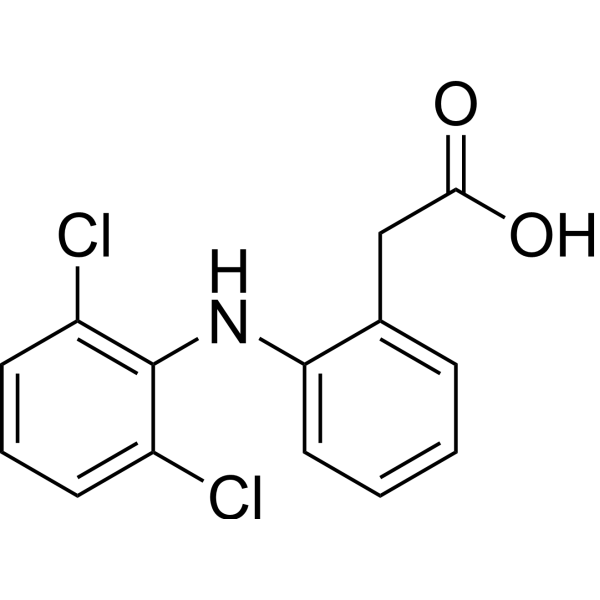
  • HY-15036
    Diclofenac
    Maximum Cited Publications
    24 Publications Verification

    COX Apoptosis Inflammation/Immunology Cancer
    Diclofenac is a potent and nonselective anti-inflammatory agent, acts as a COX inhibitor, with IC50s of 4 and 1.3 nM for human COX-1 and COX-2 in CHO cells , and 5.1 and 0.84 μM for ovine COX-1 and COX-2, respectively . Diclofenac induces apoptosis of neural stem cells (NSCs) via the activation of the caspase cascade .
    Diclofenac
  • HY-N0169
    Hyodeoxycholic acid
    Maximum Cited Publications
    6 Publications Verification

    HDCA

    G protein-coupled Bile Acid Receptor 1 Endogenous Metabolite Metabolic Disease
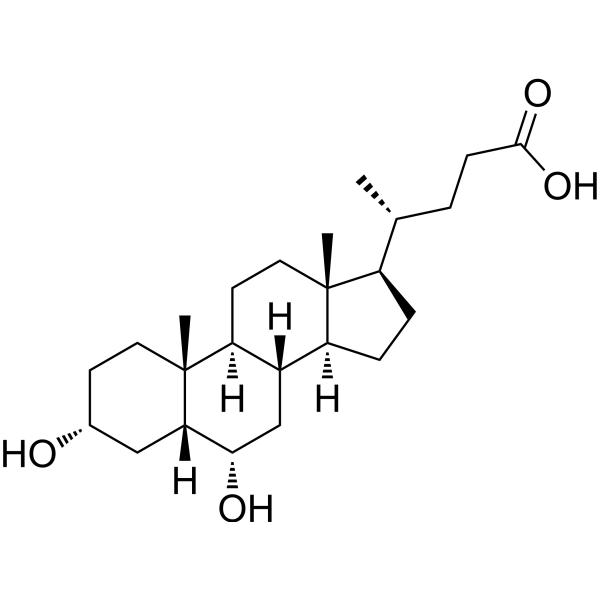
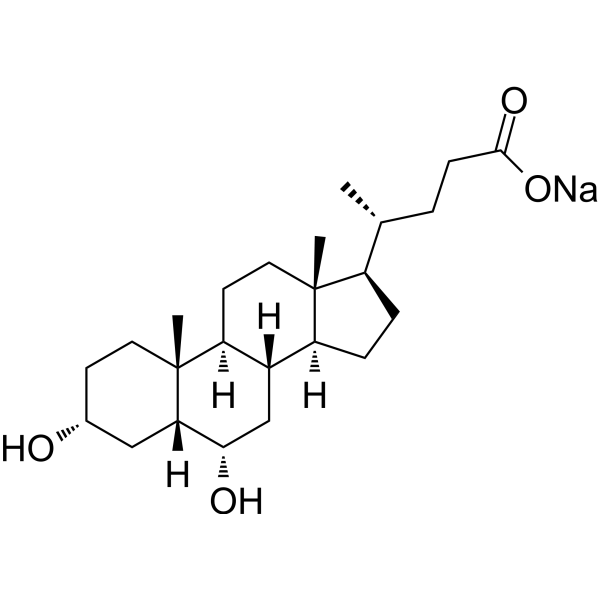
    Hyodeoxycholic acid is a secondary bile acid formed in the small intestine by the gut flora, and acts as a TGR5 (GPCR19) agonist, with an EC50 of 31.6 µM in CHO cells.
    Hyodeoxycholic acid
  • HY-12789
    Etrasimod
    1 Publications Verification

    APD334

    LPL Receptor Inflammation/Immunology
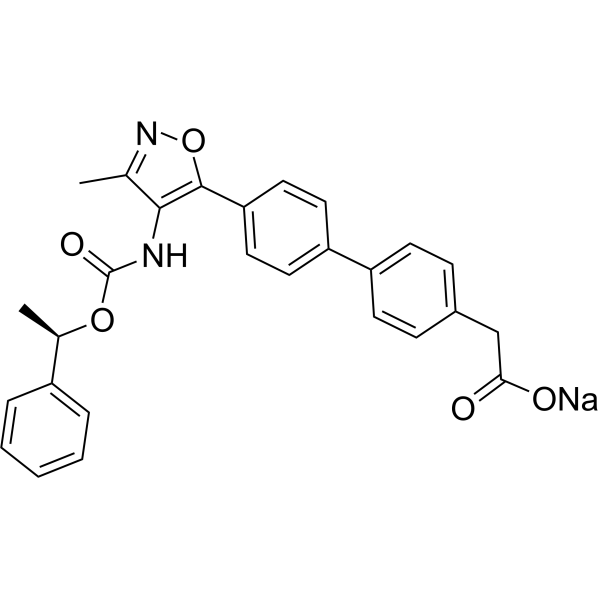
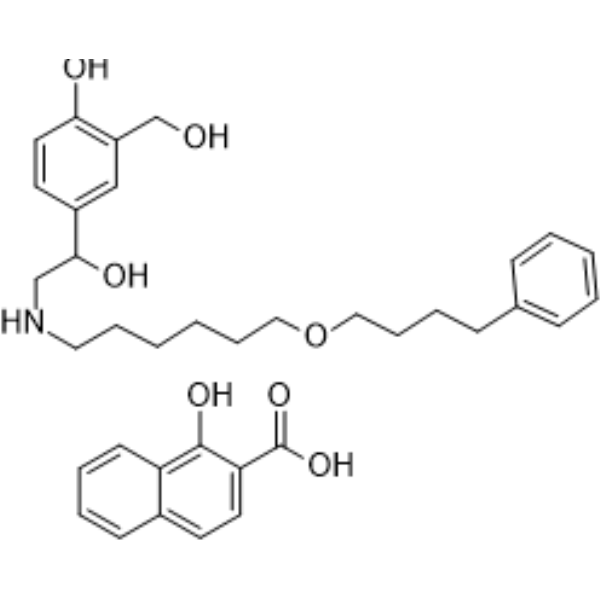
    Etrasimod (APD334) is a potent, selective and orally available antagonist of the sphingosine-1-phosphate-1 (S1P1) receptor with an IC50 value of 1.88 nM in CHO cells.
    Etrasimod
  • HY-16346
    Netupitant
    4 Publications Verification

    CID 6451149

    Neurokinin Receptor Neurological Disease Endocrinology Cancer
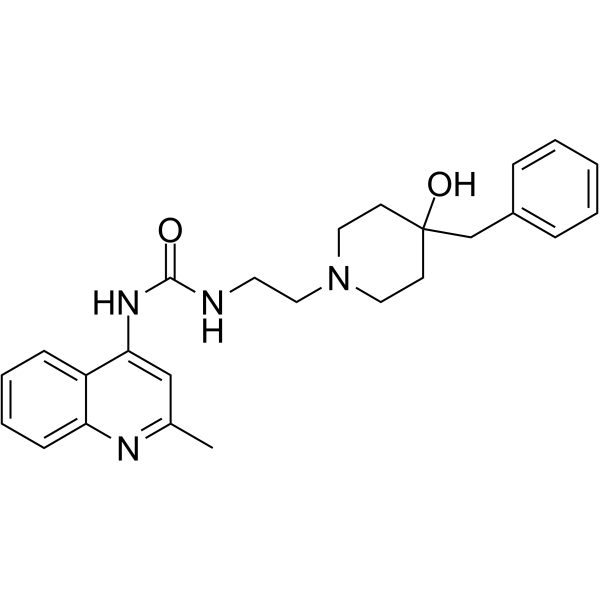
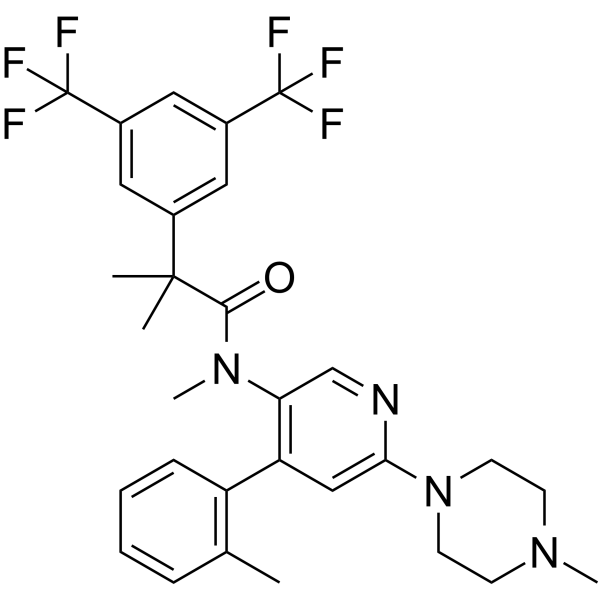
    Netupitant (CID-6451149) is a highly potent, selective and orally active neurokinin-1 (NK1) receptor antagonist with a Ki of 0.95 nM for hNK1 in CHO cells. Netupitant has antiemetic affect .
    Netupitant
  • HY-15038
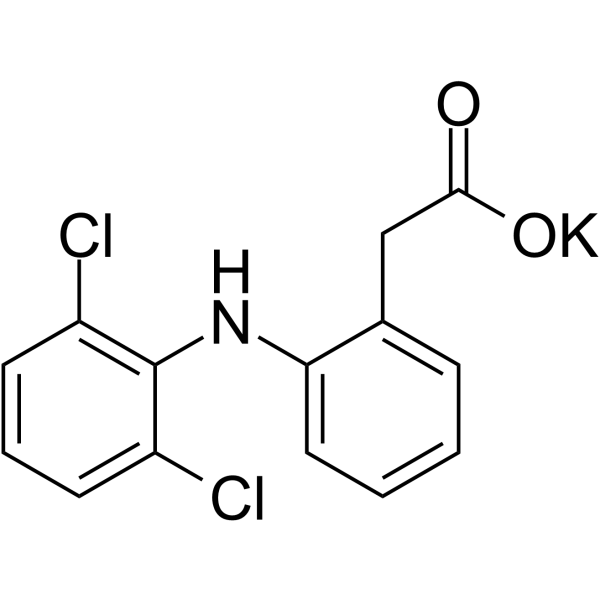
    Diclofenac potassium
    Maximum Cited Publications
    24 Publications Verification

    COX Apoptosis Inflammation/Immunology Cancer
    Diclofenac potassium is a potent and nonselective anti-inflammatory agent, acts as a COX inhibitor, with IC50s of 4 and 1.3 nM for human COX-1 and COX-2 in CHO cells , and 5.1 and 0.84 μM for ovine COX-1 and COX-2, respectively . Diclofenac potassium induces apoptosis of neural stem cells (NSCs) via the activation of the caspase cascade .
    Diclofenac potassium
  • HY-12022
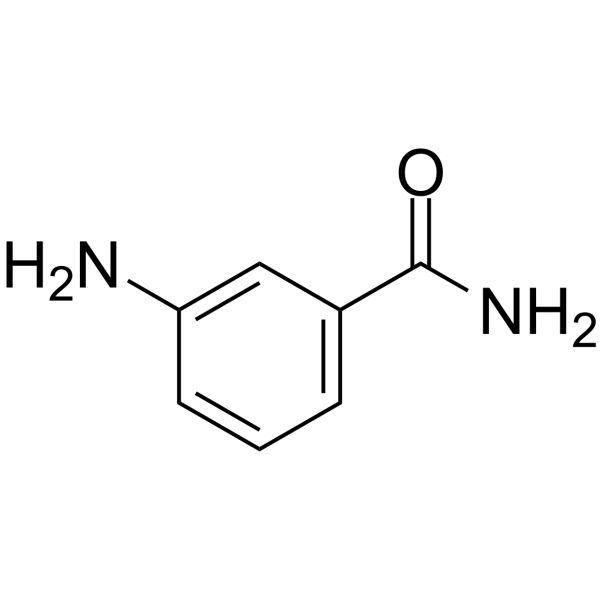
    3-Aminobenzamide
    5+ Cited Publications

    PARP-IN-1

    PARP Cancer
    3-Aminobenzamide (PARP-IN-1) is a potent inhibitor of PARP with IC50 of appr 50 nM in CHO cells, and acts as a mediator of oxidant-induced myocyte dysfunction during reperfusion.
    3-Aminobenzamide
  • HY-15037
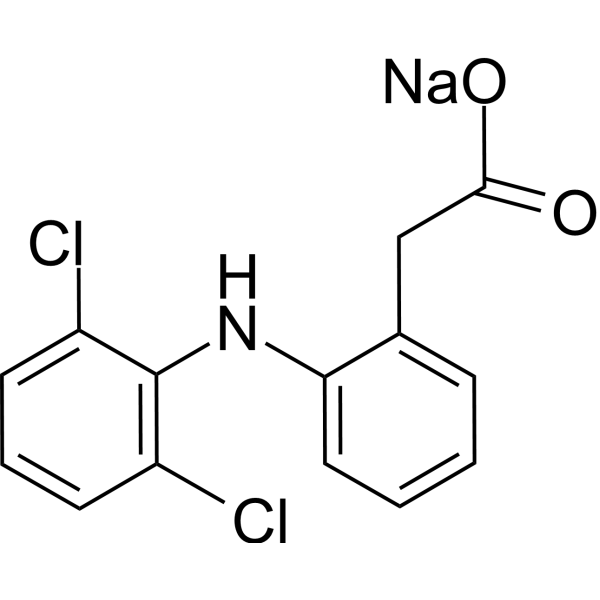
    Diclofenac Sodium
    Maximum Cited Publications
    24 Publications Verification

    GP 45840

    COX Apoptosis Inflammation/Immunology Cancer
    Diclofenac Sodium (GP 45840) is a potent and nonselective anti-inflammatory agent, acts as a COX inhibitor, with IC50s of 4 and 1.3 nM for human COX-1 and COX-2 in CHO cells , and 5.1 and 0.84 μM for ovine COX-1 and COX-2, respectively . Diclofenac Sodium induces apoptosis of neural stem cells (NSCs) via the activation of the caspase cascade .
    Diclofenac Sodium
  • HY-W588725A
    N3-Cho bromide
    1 Publications Verification

    Azido-CHOline bromide

    Biochemical Assay Reagents Others
    N3-Cho (Azido-choline) bromide is a click chemistry reagent containing an azide group that can be used in the synthesis of cell membrane structures .
    N3-Cho bromide
  • HY-16039
    AM095
    10+ Cited Publications

    LPL Receptor Inflammation/Immunology
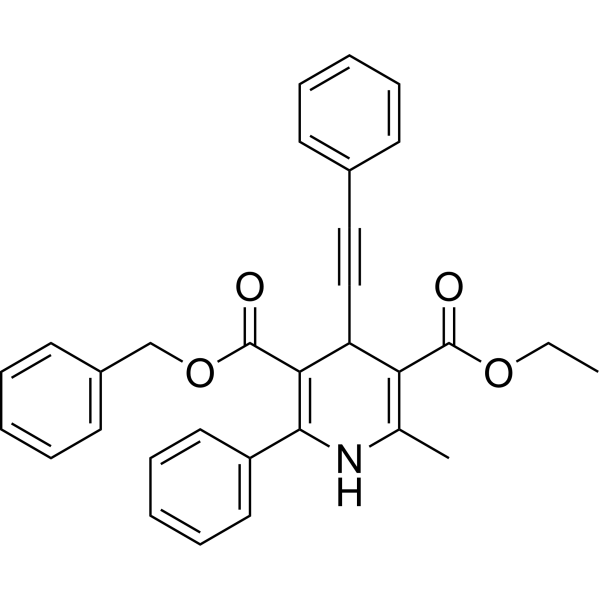
    AM095 is a selective LPA1 receptor antagonist. The IC50 for AM095 antagonism of LPA-induced calcium flux of human or mouse LPA1-transfected CHO cells is 0.025 and 0.023 μM, respectively.
    AM095
  • HY-107664

    Neurotensin Receptor Neurological Disease
    SR 142948 is an orally active and selective non-peptide neurotensin receptor (NT) antagonist with IC50s of 1.19 nM, 0.32 nM, 3.96 nM in h-NTR1-CHO cells, HT-29 cells, and adult rat brain, respectively. SR 142948 antagonizes NT-induced inositol monophosphate formation in HT-29 cells with an IC50 of 3.9 nM. SR 142948 blocks hypothermia, analgesia and steering behavior induced by NT in vivo. SR 142948 shows blood-brain permeability and can be used in study of psychiatric disorders .
    SR 142948
  • HY-15036A
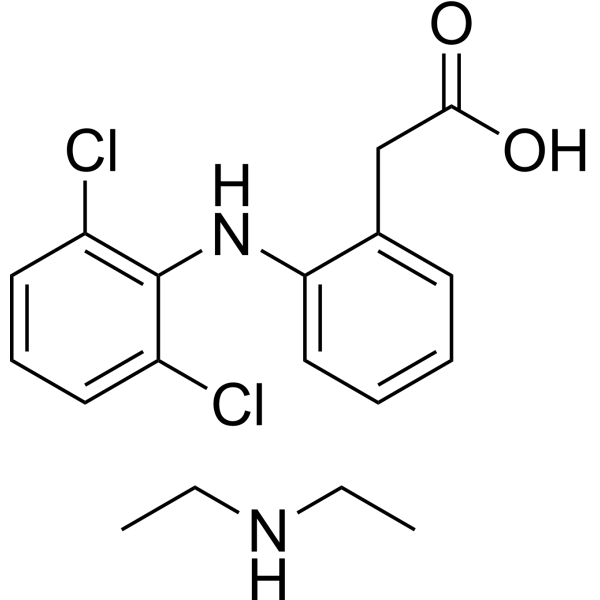
    Diclofenac diethylamine
    Maximum Cited Publications
    24 Publications Verification

    COX Apoptosis Inflammation/Immunology Cancer
    Diclofenac diethylamine is a potent and nonselective anti-inflammatory agent, acts as a COX inhibitor, with IC50s of 4 and 1.3 nM for human COX-1 and COX-2 in CHO cells , and 5.1 and 0.84 μM for ovine COX-1 and COX-2, respectively . Diclofenac diethylamine induces apoptosis of neural stem cells (NSCs) via the activation of the caspase cascade .
    Diclofenac diethylamine
  • HY-15618

    M1 receptor modulator

    mAChR Calcium Channel Neurological Disease
    MK-7622 (M1 receptor modulator) is an orally active positive allosteric modulator of muscarinic M1 acetylcholine receptors (mAChRs). MK-7622 enhances ACh-induced calcium flux in CHO cells expressing human M1 receptors (EC50 = 21 nM) and shows robust agonist activity in rat M1-expressing CHO cells, increasing intracellular calcium. MK-7622 reverses Scopolamine (HY-N0296)-induced cognitive deficits in rhesus macaques in an object retrieval detour task. MK-7622 can be used for the study of Alzheimer's disease (AD) .
    MK-7622
  • HY-108003

    Apelin Receptor (APJ) Cardiovascular Disease
    MM 07 is a biased apelin receptor agonist, with a KD of 300 nM in CHO-K1 cells and a KD of 172 nM in human heart.
    MM 07
  • HY-14552
    Talnetant
    3 Publications Verification

    SB 223412

    Neurokinin Receptor Neurological Disease Endocrinology
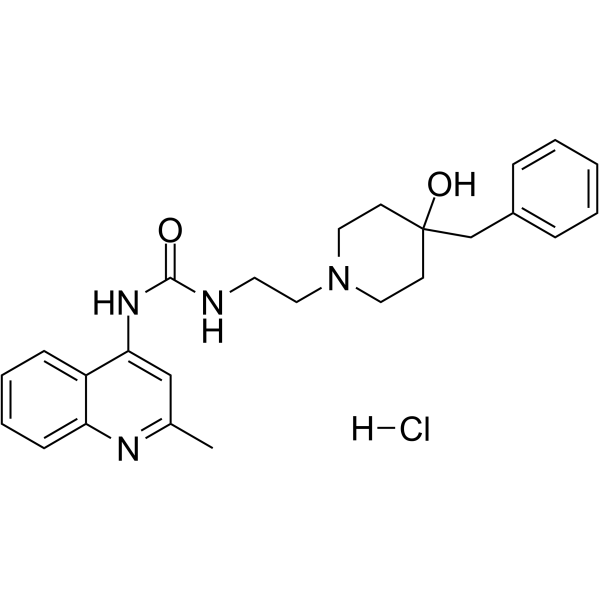
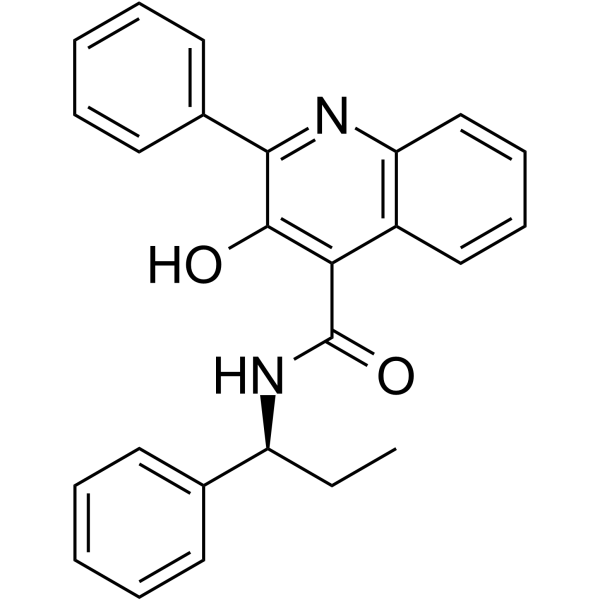
    Talnetant (SB 223412) is a selective, competitive, brain-permeable NK3 receptor antagonist with a Ki of 1.4 nM in hNK-3-CHO cells. Talnetant is 100-fold more selective for hNK-3 relative to the hNK-2 receptor and has no affinity for hNK-1. Talnetant can be used in schizophrenia-related studies .
    Talnetant
  • HY-134988

    FXR Phosphatase Cytochrome P450 Inflammation/Immunology
    EDP-305 is an orally active, potent and selective farnesoid X receptor (FXR) agonist, with EC50 values of 34 nM (chimeric FXR in CHO cells) and 8 nM (full-length FXR in HEK cells). EDP-305 shows a potent and consistent antifibrotic effect. EDP-305 can be used for primary biliary cholangitis (PBC) and non-alcoholic steatohepatitis (NASH) research .
    EDP-305
  • HY-P1526

    Natriuretic Peptide Receptor (NPR) Cardiovascular Disease
    ANP [Des18-22] 4-23 amide rat is a polypeptide fragment of rat atrial natriuretic peptide (ANP) that specifically binds NPR-C .
    ANP [Des18-22] 4-23 amide (rat)
  • HY-15036R

    Reference Standards COX Apoptosis Inflammation/Immunology Cancer
    Diclofenac (Standard) is the analytical standard of Diclofenac. This product is intended for research and analytical applications. Diclofenac is a potent and nonselective anti-inflammatory agent, acts as a COX inhibitor, with IC50s of 4 and 1.3 nM for human COX-1 and COX-2 in CHO cells , and 5.1 and 0.84 μM for ovine COX-1 and COX-2, respectively . Diclofenac induces apoptosis of neural stem cells (NSCs) via the activation of the caspase cascade .
    Diclofenac (Standard)
  • HY-148113

    OGT Others
    PG 34 is a weak O-GlcNAc transferase (OGT) inhibitor (IC50=68 μM), and a close structural analog of OSMI-1 (HY-119738) .
    PG 34
  • HY-P99870

    ASLAN004; CSL-334; MK-6105

    Interleukin Related Others
    Eblasakimab (ASLAN004; CSL-334) is a human IgG4 antibody that specifically targets IL13RA1 and is primarily expressed by CHO-K1 cells .
    Eblasakimab
  • HY-P990009

    NIS-793

    TGF-beta/Smad Cancer
    Nisevokitug (NIS-793) is a human, IgG2λ antibody targeting TGF-β (TGFB1/TGFB2). Nisevokitug is expressed by CHO-K1 cells .
    Nisevokitug
  • HY-107691

    Neurokinin Receptor Neurological Disease Endocrinology Cancer
    GR 159897 is a highly potent, selective, competitive, brain-penetrated non-peptide neurokinin 2 (NK2) receptor antagonist. GR 159897 has little or no affinity for NK1 and NK3 receptors. GR 159897 inhibits binding of [ 3H]GR100679 to human NK2 (hNK2)-CHO cells and rat colon membranes with pKis of 9.51 and 10, respectively. Antagonizes bronchoconstriction. Anxiolytic-like and anti-tumor effects .
    GR 159897
  • HY-P991104

    Integrin Metabolic Disease
    Anti-EMMPRIN/CD147 Antibody is a human antibody expressed in CHO cells, targeting Basigin. Anti-EMMPRIN/CD147 Antibody can be referenced as Human IgG1 kappa, Isotype Control (HY-P99001).
    Anti-EMMPRIN/CD147 Antibody
  • HY-110003
    Arachidonylcyclopropylamide
    2 Publications Verification

    ACPA

    Cannabinoid Receptor Neurological Disease
    Arachidonylcyclopropylamide (ACPA) is a potent and selective CB1 receptors agonist. Arachidonylcyclopropylamide inhibits forskolin-stimulated cAMP production in CHO cells transfected with human cannabinoid CB1 receptors (IC50=2 nM) .
    Arachidonylcyclopropylamide
  • HY-19365
    AB-MECA
    1 Publications Verification

    Adenosine Receptor Neurological Disease
    AB-MECA is a high affinity A3 adenosine receptor agonist with a binding Ki of 430.5 nM for human A3 receptors in CHO cells. AB-MECA can enhance plasma histamine level .
    AB-MECA
  • HY-13222
    BAN ORL 24
    1 Publications Verification

    Opioid Receptor Neurological Disease Cancer
    BAN ORL 24 is a nociceptin/orphanin FQ (N/OFQ) peptide receptor (NOP) antagonist. BAN ORL 24 has antagonistic effect for nociceptin (NOP) receptor with KI value of 0.24 nM in CHO cell. BAN ORL 24 can be used for the research of cancer and analgesic .
    BAN ORL 24
  • HY-113963

    Apoptosis Cancer
    Ac- IETD- CHO is a potent, reversible inhibitor of granzyme B and caspase-8. Ac- IETD- CHO inhibits Fas-mediated apoptotic cell death, hemorrhage, and liver failure. Ac- IETD- CHO also inhibits cytotoxic T lymphocytes induced cell death .
    Ac-​IETD-​CHO
  • HY-153897

    Adenosine Receptor Cancer
    PSB-1901 is a potent A2B adenosine receptor (A2BAR) antagonist with Kis of 0.0835 nM and 0.131 nM for human and mouse A2BARs respectively. PSB-1901 can be used for the research of cancer .
    PSB-1901
  • HY-P99865

    AK-119

    CD73 Others
    Dresbuxelimab (AK-119) is an IgG-κ monoclonal antibody targeting CD73. The expression system is usually CHO (Chinese Hamster Ovary) cells .
    Dresbuxelimab
  • HY-P99109

    GLS-010; AB-122; WBP-3055

    PD-1/PD-L1 Cancer
    Zimberelimab (GLS-010) is a fully human IgG4 anti-PD-1 monoclonal antibody with an EC50 of 210 pM for human PD-1. Zimberelimab effectively blocks the binding of PD-L1 and PD-L2 to cell-surface PD-1 in CHO-S cells, with IC50 values of 580 pM and 670 pM, respectively. Zimberelimab shows antitumor activities, and can be used for various cancers research, including cervical cancer, non-small cell lung cancer and classical Hodgkin’s lymphoma .
    Zimberelimab
  • HY-161405

    Neuropeptide FF Receptor Opioid Receptor Neurological Disease
    NPFF1-R antagonist 1 (compound 8b), a piperidine analogue, is a potent neuropeptide FF (NPFF) receptor antagonist. NPFF1-R antagonist 1 is 15-fold selective for the NPFF1-R subtype, with Ki values of 211 nM and 3270 nM for NPFF1-R and NPFF2-R, respectively .
    NPFF1-R antagonist 1
  • HY-N0169R

    HDCA (Standard)

    Reference Standards Endogenous Metabolite G protein-coupled Bile Acid Receptor 1 Metabolic Disease
    Hyodeoxycholic acid (Standard) is the analytical standard of Hyodeoxycholic acid. This product is intended for research and analytical applications. Hyodeoxycholic acid is a secondary bile acid formed in the small intestine by the gut flora, and acts as a TGR5 (GPCR19) agonist, with an EC50 of 31.6 µM in CHO cells.
    Hyodeoxycholic acid (Standard)
  • HY-114962

    Melatonin Receptor Neurological Disease
    S-22153 is a potent melatonin receptor antagonist with EC50 values of 19 nM, 4.6 nM for hMT1 and hMT2 melatonin receptor, respectively. S-22153 has Ki values of 8.6 nM (CHO cells) and 16.3 nM (HEK cells) for hMT1, and 6.0 nM (CHO cells) and 8.2 nM (HEK cells) for hMT2. S-22153 is a specific ligand of MT1 and MT2 melatonin receptors subtypes .
    S-22153
  • HY-103067

    S20951

    Potassium Channel Cardiovascular Disease Neurological Disease
    A1899 is a potent and highly selective blocker of the K2P channel TASK-1. A1899 has IC50 values of 35.1 nM and 7 nM for TASK-1 channels expressed in oocytes and CHO cells, respectively. A1899 is also an IKur blocker that can be used for the research of cardiovascular diseases .
    A1899
  • HY-118944

    Adrenergic Receptor Endocrinology
    L-748328 is a potent and selective human β3-adrenergic receptor antagonist. L-748328 has a Ki of 3.7 nM against human cloned β3-AR expressed in Chinese hamster ovary (CHO) cells. In addition, L-748328 inhibits the lipolytic response induced by the β3-AR agonist L-742791 in isolated non-human primate adipocytes .
    L-748328
  • HY-121541

    Cannabinoid Receptor Cancer
    CB-25 is a ligand of CB1 cannabinoid receptors, acting as a partial agonist. CB-25 enhances Forskolin (HY-15371)-induced cAMP formation in cancer cells but not hCB1-CHO cells .
    CB-25
  • HY-134454

    Prolyl Endopeptidase (PREP) Parasite Infection
    Z-Pro-Pro-CHO is a potent inhibitor of prolyl oligopeptidase (POP), with extremely high affinity for human prolyl oligopeptidase (HsPOP) (IC50=0.012 μM), and it also effectively inhibits the activity of Schistosoma mansoni prolyl oligopeptidase (SmPOP) (IC50=0.16 μM). Z-Pro-Pro-CHO does not block the phosphorylation of ERK or the production of TNF-α or IFN-γ in immune cells from presensitized mice, nor does it induce harmful phenotypes in cultured Schistosoma mansoni schistosomula. Z-Pro-Pro-CHO only partially inhibits epithelial cell wound healing at extremely high concentrations. Z-Pro-Pro-CHO finds wide application in studies related to schistosomiasis .
    Z-Pro-Pro-CHO
  • HY-P99869

    Interleukin Related Others
    Ebdarokimab (AK101) is a humanized IgG1-κ antibody, usually expressed in CHO (Chinese Hamster Ovary) cells .
    Ebdarokimab
  • HY-P99888

    EGFR Others
    Pimurutamab is a humanized IgG1-κ antibody targeting EGFR. Mainly expressed by CHO-K1 cells .
    Pimurutamab
  • HY-175428

    Antifolate Cancer
    Antifolate agent 1 is a 6-substituted pyrrolopyrimidine antifolate with a 1-carbon bridge. Antifolate agent 1 shows no activity against cells expressing FRα and FRβ, and has no GARFTase inhibitory activity. Antifolate agent 1 can be used as a negative control in the development of folate receptor-targeted antifolates .
    Antifolate agent 1
  • HY-P991103

    Interleukin Related Inflammation/Immunology
    Anti-IL-25 Antibody is a human antibody expressed in CHO cells, targeting IL-25. Anti-IL-25 Antibody can be referenced as Human IgG1 kappa, Isotype Control (HY-P99001).
    Anti-IL-25 Antibody
  • HY-161795

    Drug Metabolite Cancer
    SP3CHO is an active metabolite generated by the metabolism of SP3N in cell culture by the action of amine oxidase. SP3CHO can induce polyubiquitination of specific proteins by recruiting the SCFFBXO22 E3 ligase complex. SP3CHO can be used in cancer therapy research .
    SP3CHO
  • HY-P99892

    PR-1594407; DC-1630423

    EGFR Others
    Serclutamab is a humanized chimeric antibody targeting EGFR IgG1-κ. Mainly expressed by CHO (Chinese Hamster Ovary) cells .
    Serclutamab
  • HY-P990667B

    Integrin Inflammation/Immunology
    STX-100 (Biotinylated) is a biotin-labeled STX-100 (HY-P990667). STX-100 is a humanized antibody expressed in HEK293 cells, targeting Integrin aVb6 (ITGAV & ITGB6) .
    STX-100 (Biotinylated)
  • HY-114128

    NN-7088; NN 7170

    Factor VIII Others
    Turoctocog alfa pegol is a recombinant coagulation factor VIII (FVIII) from chinese hamster ovary (CHO) cells. Turoctocog alfa pegol can be used for researching haemophilia A .
    Turoctocog alfa pegol
  • HY-107664A

    Neurotensin Receptor Neurological Disease
    SR 142948 dihydrochloride is an orally active and selective non-peptide neurotensin receptor (NT) antagonist with IC50s of 1.19 nM, 0.32 nM, 3.96 nM in h-NTR1-CHO cells, HT-29 cells, and adult rat brain, respectively. SR 142948 dihydrochloride antagonizes NT-induced inositol monophosphate formation in HT-29 cells with an IC50 of 3.9 nM. SR 142948 dihydrochloride blocks hypothermia, analgesia and steering behavior induced by NT in vivo. SR 142948 dihydrochloride shows blood-brain permeability and can be used in study of psychiatric disorders .
    SR 142948 dihydrochloride
  • HY-155300

    Leukotriene Receptor Inflammation/Immunology
    BLT2 antagonist-1 (compound 15b) is a selective BLT2 antagonist that inhibits the chemotaxis of CHO-BLT2 cells with an IC50 of 224 nM. BLT2 antagonist-1 does not inhibits the chemotaxis of CHO-BLT1 cells. BLT2 antagonist-1 also inhibits the binding of LTB4 and BLT2 with a Ki value of 132 nM. BLT2 antagonist-1 can be used for the research of the inflammatory airway diseases such as asthma and chronic obstructive pulmonary disease .
    BLT2 antagonist-1
  • HY-117917

    Guanylate Cyclase Cardiovascular Disease Inflammation/Immunology
    (Rac)-MGV354 is the racemate of MGV354. MGV354 is a soluble guanylate cyclase (sGC) activator with EC50s of <0.5 nM, and 5 nM in CHO and GTM-3 E cells, respectively .
    (Rac)-MGV354
  • HY-P99295A

    RG 7160 (FUT8-KO); RO 5083945 (FUT8-KO); Anti-EGFR Recombinant Antibody (FUT8-KO)

    EGFR Cancer
    Imgatuzumab (FUT8-KO) is a humanized monoclonal antibody against EGFR expressed in CHO cells with the fucosyltransferase 8 gene (FUT8) knocked out. Imgatuzumab is an immunomodulator. Imgatuzumab may be used in cancer research.
    Imgatuzumab (FUT8-KO)
  • HY-P9801
    Anti-Spike-RBD mAb
    1 Publications Verification

    SARS-CoV-2 (2019-nCoV) Spike RBD Antibody

    SARS-CoV Infection
    Anti-Spike-RBD mAb is a CHO cell derived human monoclonal IgG1 antibody. Blocking the interaction of Spike protein and ACE2. Anti-Spike-RBD mAb is a potential therapeutic approach for SARS-CoV-2 treatment .
    Anti-Spike-RBD mAb
  • HY-107664B

    Neurotensin Receptor Neurological Disease
    SR 142948 TFA is an orally active and selective non-peptide neurotensin receptor (NT) antagonist with IC50s of 1.19 nM, 0.32 nM, 3.96 nM in h-NTR1-CHO cells, HT-29 cells, and adult rat brain, respectively. SR 142948 TFA antagonizes NT-induced inositol monophosphate formation in HT-29 cells with an IC50 of 3.9 nM. SR 142948 TFA blocks hypothermia, analgesia and steering behavior induced by NT in vivo. SR 142948 TFA shows blood-brain permeability and can be used in study of psychiatric disorders .
    SR 142948 TFA

Inquiry Online

Your information is safe with us. * Required Fields.

Salutation


Country or Region *

Applicant Name *


Organization Name *

Department *


Email Address *


Product Name *

Cat. No.


Requested quantity *

Phone Number *


Remarks

Inquiry Online

Inquiry Information

Product Name:
Cat. No.:
Quantity:
MCE Japan Authorized Agent:

