Search Result
Results for "
CKDs
" in MedChemExpress (MCE) Product Catalog:
1
Biochemical Assay Reagents
1
Isotope-Labeled Compounds
| Cat. No. |
Product Name |
Target |
Research Areas |
Chemical Structure |
-
- HY-13324
-
|
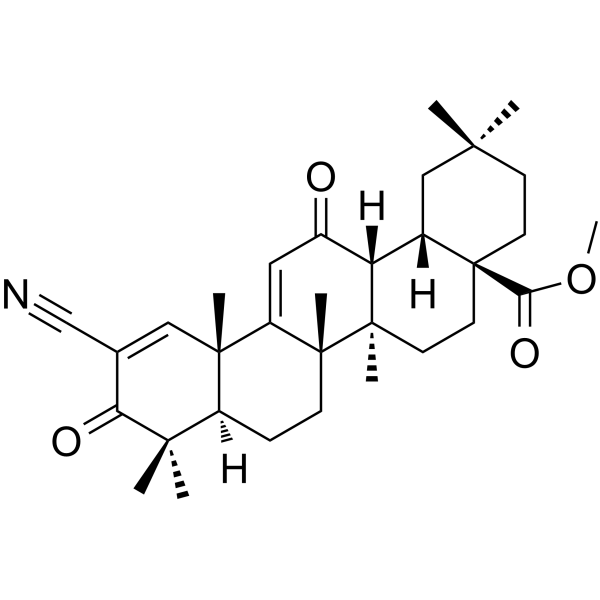
RTA 402; NSC 713200; CDDO Methyl ester
|
Keap1-Nrf2
SARS-CoV
Virus Protease
|
Cardiovascular Disease
Infection
Neurological Disease
Metabolic Disease
Inflammation/Immunology
Cancer
|
|
Bardoxolone (CDDO; RTA 401) methyl is an orally active and blood-brain-barrier-penetrant activator of Nrf2 and an inhibitor of SARS-CoV-2 3CL protease. Bardoxolone methyl inhibits SARS-CoV-2 replication in Vero cells with an EC50 value of 0.29 μM. Bardoxolone methyl increases levels of pNrf2 and HO-1, inhibits inflammatory mediators like pNFκB and MCP-1. Bardoxolone methyl activates the Nrf2 pathway to enhance antioxidant and anti-inflammatory responses, inhibits viral replication, and improves mitochondrial function. Bardoxolone methyl can be used in research on chemotherapy-induced neuropathic pain (CINP), COVID-19, and chronic kidney disease (CKD) .
|
-
-
- HY-N1428C
-
|
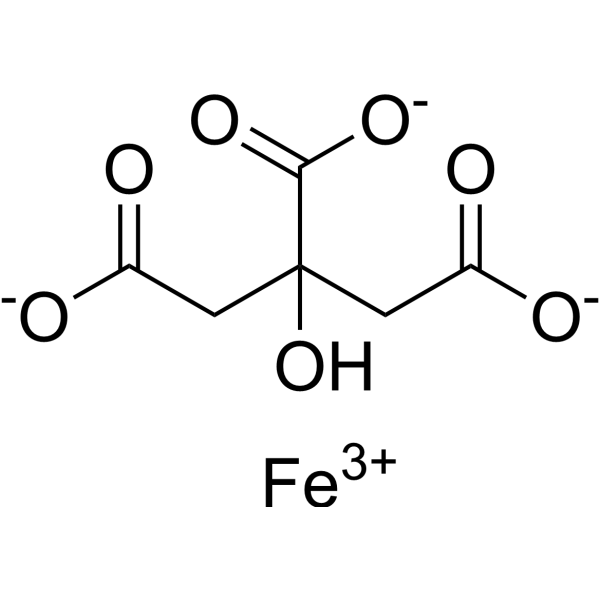
Iron(III) citrate; Zerenex
|
Reactive Oxygen Species (ROS)
Antibiotic
|
Metabolic Disease
|
|
Ferric citrate (Iron(III) citrate), an orally active iron supplement, is an efficacious phosphate binder. Ferric citratee can be used for iron deficiency anemia and chronic kidney disease (CKD) research .
|
-
-
- HY-111431A
-
-
-
- HY-13566A
-
|
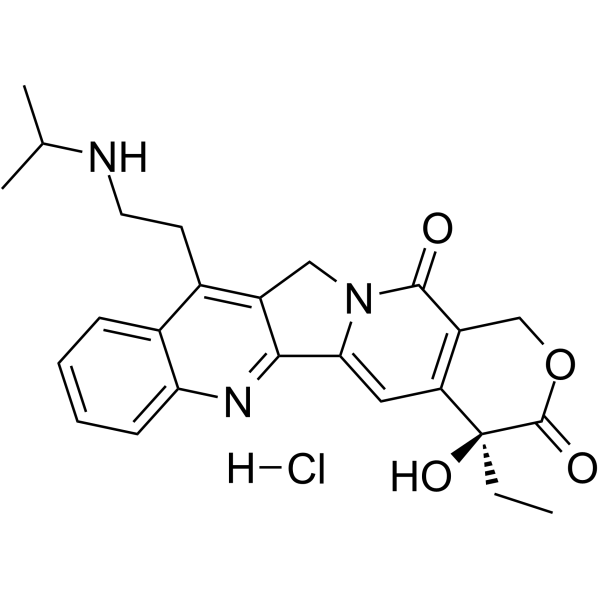
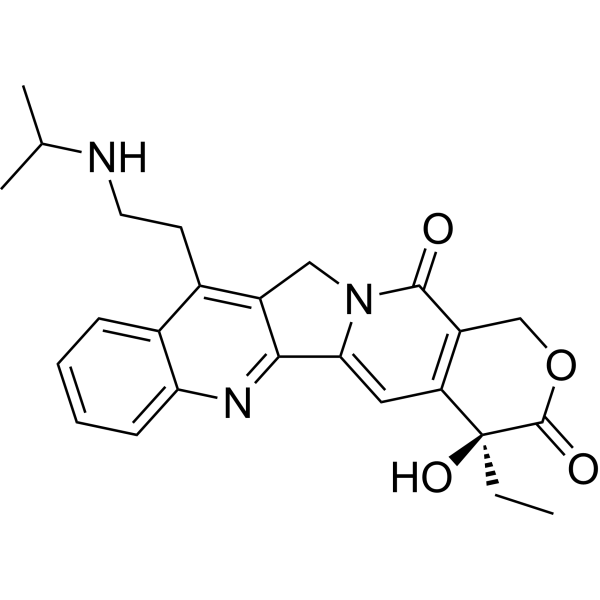
CKD-602
|
Topoisomerase
|
Cancer
|
|
Belotecan hydrochloride (CKD-602 hydrochloride), a Topoisomerase I inhibitor, is a synthetic camptothecin derivative.
|
-
-
- HY-13566
-
|
CKD-602 free base
|
Topoisomerase
Apoptosis
|
Cancer
|
|
Belotecan (CKD-602 free base) is a DNA topoisomerase I inhibitor. Belotecan induces cell apoptosis and cell-cycle arrest. Belotecan is a camptothecin analogue with anti-tumor effects, it can be used for the research of cancer .
|
-
-
- HY-B0504
-
Creatinine
Maximum Cited Publications
6 Publications Verification
NSC13123
|
Endogenous Metabolite
GABA Receptor
iGluR
|
Infection
Neurological Disease
Metabolic Disease
Cancer
|
|
Creatinine (NSC13123) is an orally active, blood-brain barrier-permeable modulator of GABAA and NMDA receptors, with activities of antioxidation and metabolic regulation. Creatinine is generated via non-enzymatic conversion of creatine and phosphocreatine in muscle. Creatinine serum levels correlate with muscle mass, glomerular filtration rate, and extrarenal clearance, serving as an evaluation biomarker for renal function, muscle mass, and clinical outcomes, and used for perioperative renal risk assessment. In addition, Creatinine can induce specific Cryptococcus species to produce creatinine deiminase and act as their nitrogen source, while it can be secreted via renal tubules. Creatinine is widely used in research related to various diseases such as neurodegenerative diseases, psychiatric disorders, acute kidney injury, chronic kidney disease, and renal failure .
|
-
-
- HY-126397
-
|
|
NF-κB
|
Inflammation/Immunology
|
|
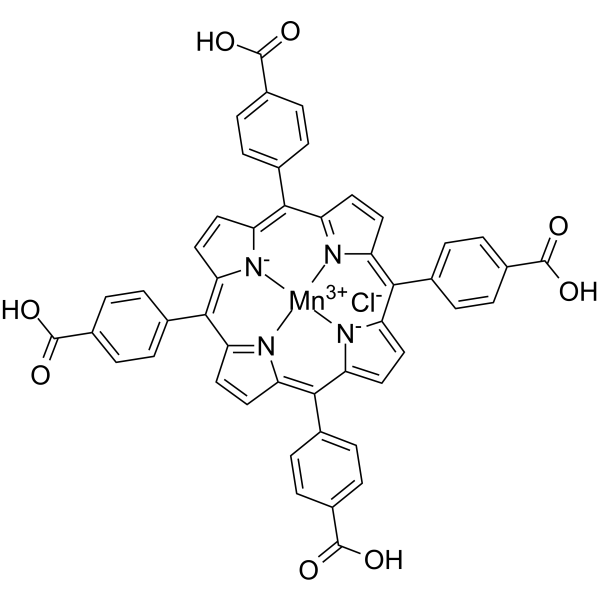
MnTBAP chloride is a superoxide dismutase (SOD) mimetic and peroxynitrite scavenger. MnTBAP chloride is a manganic porphyrin complex and has anti-oxidative property. MnTBAP chloride mediates anti-inflammatory effects through upregulation of BMPR-II and inhibition of the NFκB signaling. MnTBAP chloride has the potential for the fibrotic response in chronic kidney diseases (CKDs) research .
|
-
-
- HY-N2995
-
|
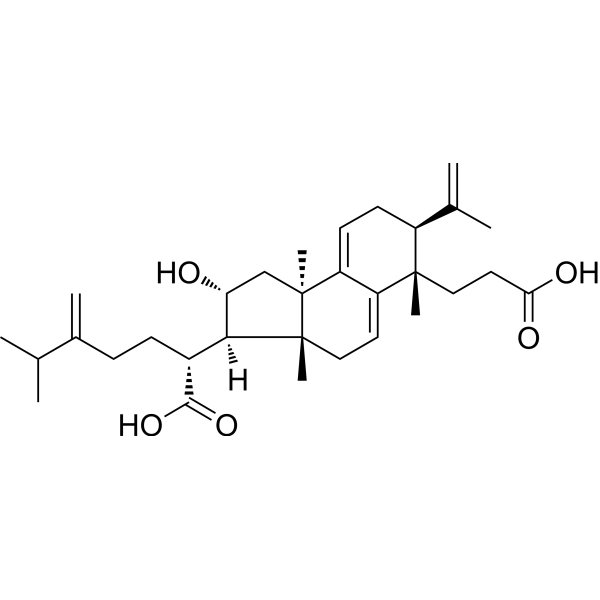
Poricoic acid A(F)
|
NF-κB
Keap1-Nrf2
AMPK
TGF-beta/Smad
Reactive Oxygen Species (ROS)
|
Inflammation/Immunology
Cancer
|
|
Poricoic acid A can be isolated from Poria cocos. Poricoic acid A is an orally active anti-tumor agent. Poricoic acid A enhances melatonin inhibition of AKI-to-CKD transition by regulating Gas6/AxlNFκB/Nrf2 axis. Poricoic acid A also attenuatea fibroblast activation and abnormal extracellular matrix remodeling in renal fibrosis by activating AMPK and inhibiting Smad3. Poricoic acid A significantly reduces the magnitude of rise in serum creatinine and urea levels in rat model when combined with Melatonin. Poricoic acid A ameliorates renal fibrosis and podocyte injury by attenuating oxidative stress and inflammation through regulating NF-κB and Nrf2 in IRI rodent model in combination with Melatonin .
|
-
-
- HY-13102
-
|
|
Procollagen C Proteinase
|
Others
|
|
UK-383367 is an orally available pro-collagen C-protease inhibitor (BMP-1) with an IC50 value of 44 nM. UK-383367 can reduce renal fibrosis and inflammation in chronic kidney disease (CKD) and may be used to study postoperative skin scarring .
|
-
-
- HY-112671
-
|
RTA dh404
|
Keap1-Nrf2
NF-κB
Apoptosis
|
Cardiovascular Disease
Inflammation/Immunology
|
|
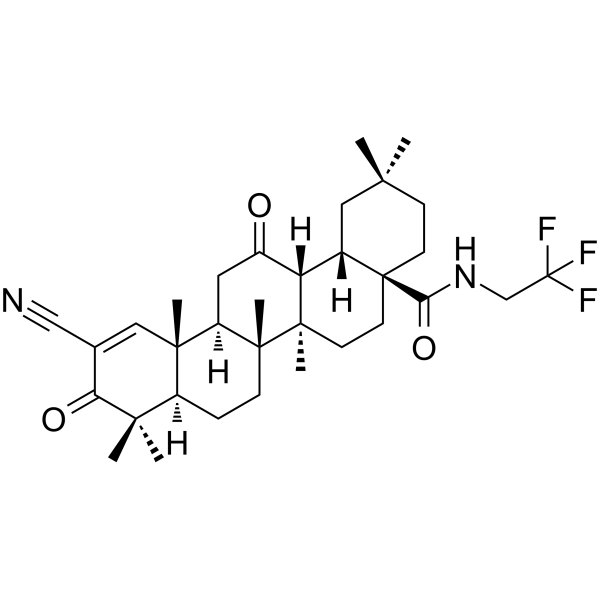
CDDO-dhTFEA (RTA dh404) is a synthetic oleanane triterpenoid compound which potently activates Nrf2 and inhibits the pro-inflammatory transcription factor NF-κB . CDDO-dhTFEA restores hypertension (MAP), increases Nrf2 and expression of its target genes, attenuates activation of NF-κB and transforming growth factor-β pathways, and reduces glomerulosclerosis, interstitial fibrosis and inflammation in the chronic kidney disease (CKD) rats .
|
-
-
- HY-12953
-
-
-
- HY-13569A
-
|
TRK-100; ML 1129 sodium
|
Prostaglandin Receptor
|
Cardiovascular Disease
Inflammation/Immunology
|
|
Beraprost sodium (TRK-100), a prostacyclin analog, is a stable and orally active proagent of PGI2. Beraprost sodium (TRK-100) is a potent vasodilator, has the potential for pulmonary arterial hypertension treatment through expanding renal vessels, improving microcirculation . Beraprost sodium (TRK-100) is a click chemistry reagent, it contains an Alkyne group and can undergo copper-catalyzed azide-alkyne cycloaddition (CuAAc) with molecules containing Azide groups.
|
-
-
- HY-13995B
-
|
|
Drug Derivative
|
Metabolic Disease
|
|
Sevelamer carbonate is an orally active and non-calcium-based phosphate binding agent and used for the hyperphosphatemia of chronic kidney disease (CKD)research. Sevelamer carbonate effectively lowers serum phosphorus levels hile having minimal effect on serum calcium or serum chloride levels in vivo. Sevelamer carbonate is considered as an improved, buffered form of sevelamer (HY-13995) .
|
-
-
- HY-113493
-
|
|
Endogenous Metabolite
|
Metabolic Disease
|
|
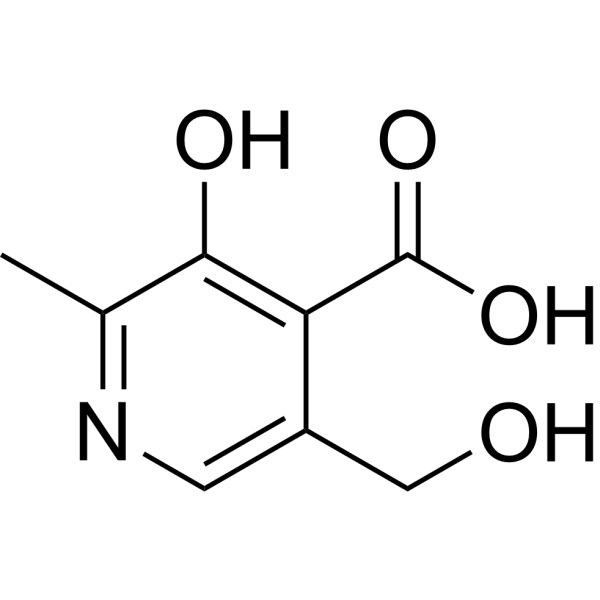
4-Pyridoxic acid is an endogenous substrate of renal organic anion transporters (OAT1/3) and a catabolite of vitamin B6. 4-Pyridoxic acid is excreted through OAT1/3-mediated tubular active secretion, which can reflect OAT1/3 activity. Elevated plasma concentrations of 4-Pyridoxic acid are associated with decreased OAT1/3 activity in chronic kidney disease (CKD) and can be used as a biomarker to reflect the severity of knee osteoarthritis (KOA) and lumbar spondylosis (LS) .
|
-
-
- HY-P11178
-
|
|
Apoptosis
SARS-CoV
|
Infection
Metabolic Disease
Inflammation/Immunology
|
|
Corisin is a pro-apoptotic small peptide produced by Staphylococcus species. Corisin binds to serum albumin to target organs such as the lungs and kidneys, induces cellular senescence, apoptosis and epithelial-mesenchymal transition, and accelerates the progression of organ fibrosis including pulmonary fibrosis and diabetic renal fibrosis. Corisin levels are closely associated with coronavirus disease 2019 (COVID-19), diabetic chronic kidney disease (CKD), non-diabetic CKD, and idiopathic pulmonary fibrosis (IPF) .
|
-
-
- HY-P99512
-
|
UCB-7858
|
Glutaminase
|
Endocrinology
|
|
Zampilimab (UCB-7858) is a monoclonal antibody against transglutaminase 2 (TG2). Zampilimab inhibits TG2 crosslinking transamidation activity with an IC50 of 0.25 nM and a Kd of <50 pM. Zampilimab improves renal fibrosis .
|
-
-
- HY-119572
-
|
|
Biochemical Assay Reagents
|
Inflammation/Immunology
|
|
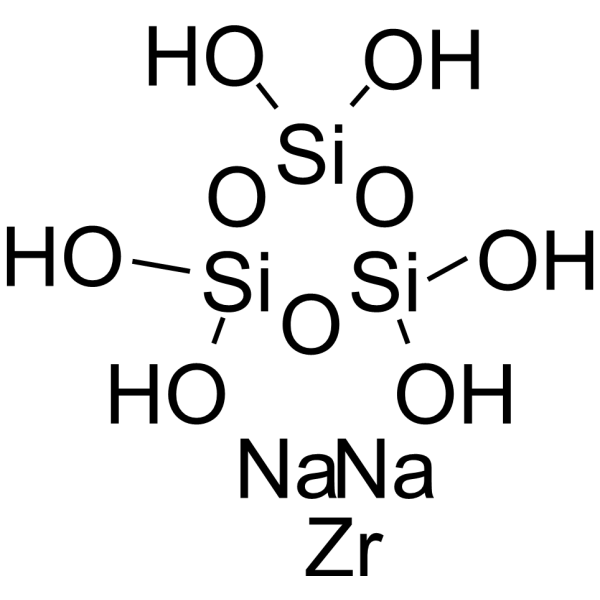
Sodium zirconium cyclosilicate is an orally administered, non-absorbed, novel, inorganic microporous zirconium silicate compound, is a highly selective cation exchanger that selectively removes excess K + in vivo. Sodium zirconium cyclosilicate can be used in research of chronic kidney disease (CKD) .
|
-
-
- HY-120897
-
|
|
Bcl-2 Family
Apoptosis
|
Inflammation/Immunology
|
|
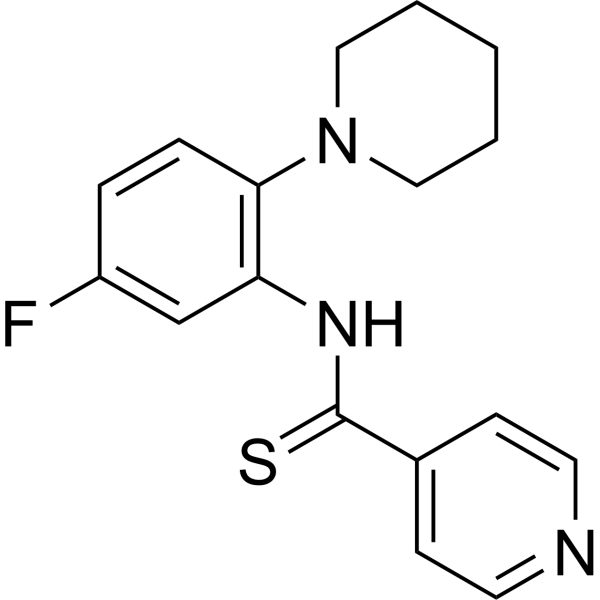
NS-3-008 hydrochloride is an orally active transcriptional inhibitor of G0/G1 switch 2 (G0s2) with an IC50 of 2.25 μM. NS-3-008 hydrochloride can be used for chronic kidney disease .
|
-
-
- HY-109136
-
|
BAY 1101042
|
Guanylate Cyclase
|
Cardiovascular Disease
Metabolic Disease
|
|
Runcaciguat (BAY 1101042) is a selective, orally active, allosteric activator of soluble guanylate cyclase (sGC) that specifically targets its oxidized and heme-free form. Runcaciguat binds to sGC in a histidine-dependent manner and restores cyclic guanosine monophosphate (cGMP) production under oxidative stress, independent of nitric oxide (NO) or heme. Runcaciguat exhibits renoprotective and cardioprotective activities, such as reduced proteinuria and improved renal function. Runcaciguat is primarily being studied in chronic kidney disease (CKD) associated with hypertension, diabetes, and metabolic disorders, as well as potential cardiovascular indications such as heart failure with preserved ejection fraction (HFpEF) .
|
-
-
- HY-109106A
-
|
SK-1403; AJT240; PLS240
|
CaSR
|
Endocrinology
|
|
Upacicalcet sodium is a non-peptide calcimimetic that acts as a CaSR agonist (EC50 = 10.8 nM). Upacicalcet sodium reduces serum intact parathyroid hormone (iPTH) and serum Ca 2+ levels, reducing hypocalcemia and gastrointestinal complications. Upacicalcet sodium sodium improves vascular calcification and bone disorders in the Adenine (HY-B0152)-induced secondary hyperparathyroidism (SHPT) rat model. Upacicalcet sodium sodium inhibits cortical pore formation and reduces bone fibrosis in rats with chronic kidney disease (CKD). Upacicalcet sodium is useful for studying SHPT .
|
-
-
- HY-18944
-
|
|
CDK
HSV
CMV
DNA/RNA Synthesis
|
Infection
|
|
FIT-039 is a selective, ATP-competitive and orally active CDK9 inhibitor with an IC50 of 5.8 μM for CKD9/cyclin T1. FIT-039 does not inhibit other CDKs and other kinases. FIT-039 inhibits replication of HSV-1 (IC50 of 0.69 μM), HSV-2, human adenovirus, and human CMV. FIT-039 is a promising antiviral agent for inhibiting drug-resistant HSVs and other DNA viruses.
|
-
-
- HY-123572
-
-
-
- HY-13566AS
-
|
|
Topoisomerase
|
Cancer
|
|
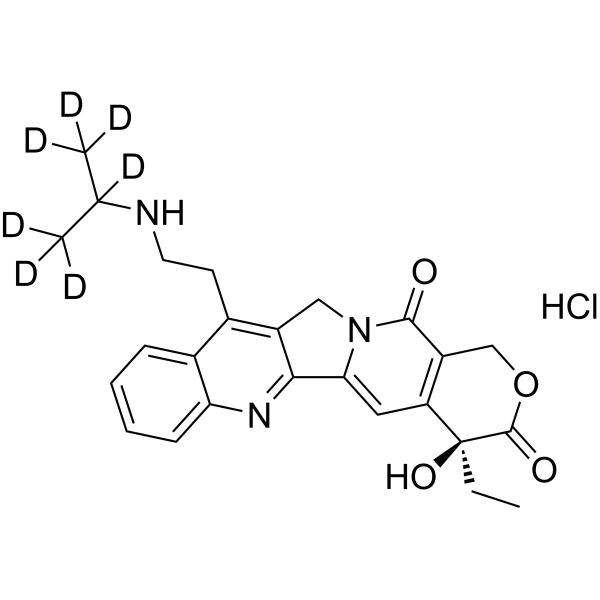
Belotecan-d7 (hydrochloride) is the deuterium labeled Belotecan hydrochloride. Belotecan hydrochloride (CKD-602 hydrochloride), a Topoisomerase I inhibitor, is a synthetic camptothecin derivative .
|
-
-
- HY-109109
-
|
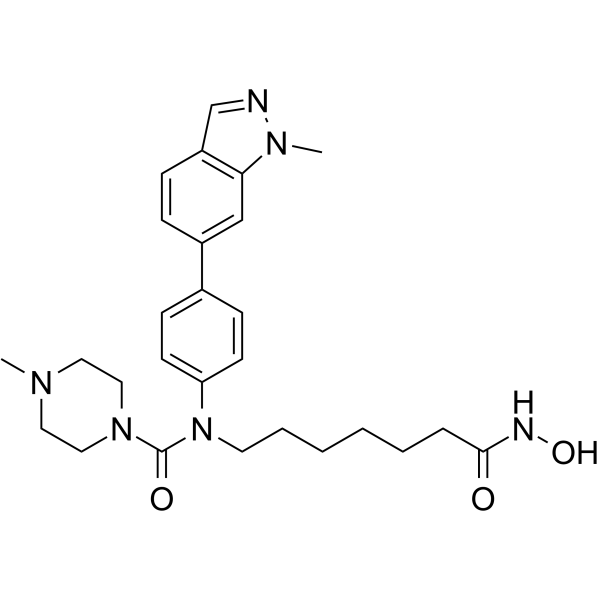
CKD-581
|
HDAC
Apoptosis
|
Cancer
|
|
Alteminostat (CKD-581) is a potent HDAC inhibitor. Alteminostat inhibits the class I-II HDAC family via histone H3 and tubulin acetylation. Alteminostat can be used for lymphoma and multiple myeloma research .
|
-
-
- HY-14811
-
|
ZGN-440; CKD-732 free base
|
MetAP
NF-κB
|
Metabolic Disease
|
Beloranib (ZGN-440; CKD-732 free base) is a selective, irreversible inhibitor of methionine aminopeptidase MetAP2 that suppresses appetite and increases energy expenditure. Beloranib blocks the enzymatic cleavage of N-terminal methionine from nascent proteins by forming a covalent bond with MetAP2, thereby regulating fatty acid metabolism, adrenergic signaling, and hypothalamic NF-κB expression. Beloranib significantly reduces food intake, body weight, and fat accumulation, while improving glucose tolerance, insulin sensitivity, and lipid metabolism. Beloranib also elevates energy expenditure and fat oxidation levels, without affecting body temperature, spontaneous activity, or the inflammatory cytokine IL-1β. Beloranib can be used in research on obesity and hypothalamic obesity .
|
-
-
- HY-W416250
-
|
|
Drug Metabolite
|
Cardiovascular Disease
|
|
p-Cresol glucuronide, a metabolite of p-cresol, is a prototype protein-bound uremic toxin. p-Cresol glucuronide is associated with chronic kidney disease (CKD) .
|
-
-
- HY-141411A
-
|
(S)-MRI-1867
|
Cannabinoid Receptor
NO Synthase
|
Metabolic Disease
|
|
Zevaquenabant ((S)-MRI-1867) is a peripherally restricted, orally bioavailable dual cannabinoid CB1 receptor and inducible NOS antagonist. Zevaquenabant ameliorates obesity-induced chronic kidney disease (CKD) .
|
-
-
- HY-145150
-
|
|
TRP Channel
|
Metabolic Disease
|
|
TRPC5-IN-1 (Compound 6j) is a selective TRPC5 inhibitor with 50.5 % Inhibition for TRPC5 at 3 μM. TRPC5-IN-1 can be used for the research of chronic kidney disease (CKD) .
|
-
-
- HY-116078
-
|
|
CETP
|
Cardiovascular Disease
|
|
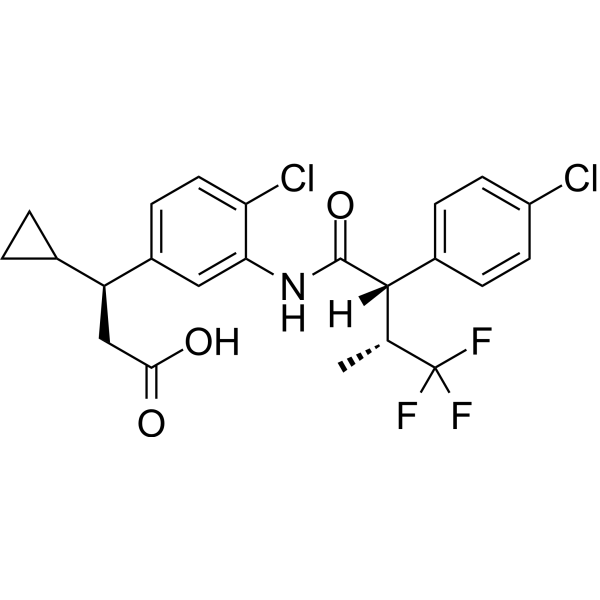
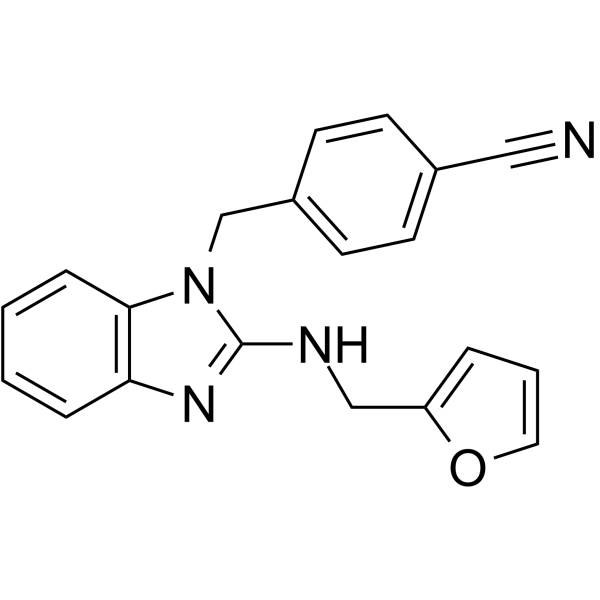
CKD-519 is a selective and potent cholesteryl ester transfer protein (CETP) inhibitor, which inhibits CETP-mediated transfer of cholesteryl ester in human serum with an IC50 of 2.3 nM .
|
-
-
- HY-47030
-
-
-
- HY-P99198
-
-
-
- HY-W674241A
-
|
|
Endogenous Metabolite
Apoptosis
Bcl-2 Family
Reactive Oxygen Species (ROS)
|
Neurological Disease
Cancer
|
|
4-Ethylphenyl sulfate sodium is an orally active and brain-penetrant gut microbial metabolite. 4-Ethylphenyl sulfate sodium downregulates Bcl2 expression, upregulates Bax expression, and induces cancer cell apoptosis via the endogenous apoptotic pathway. 4-Ethylphenyl sulfate sodium induces G2/M cell cycle arrest and reactive oxygen species (ROS) production. 4-Ethylphenyl sulfate sodium impairs oligodendrocyte maturation, reduces oligodendrocyte-neuron interactions, decreases axonal myelination levels, and shifts the oligodendrocyte population toward immature precursor cells. 4-Ethylphenyl sulfate sodium alters brain region-specific neural activity and functional connectivity in mice, and correlates with anxiety-like behaviors in mice .
|
-
-
- HY-120268A
-
|
|
SphK
|
Inflammation/Immunology
|
|
SLM6031434 hydrochloride is the hydrochloride salt form of SLM6031434 (HY-120268). SLM6031434 is a highly selective sphingosine kinase 2 (SphK2) inhibitor with an IC50 value of 0.4 μM for SphK2. SLM6031434 exerts anti-fibrotic effects by increasing sphingosine accumulation and Smad7 expression. SLM6031434 demonstrates effective anti-fibrotic efficacy in a unilateral ureteral obstruction (UUO)-induced tubulointerstitial fibrosis mouse model. SLM6031434 can be used for the study of proteinuric kidney diseases or chronic kidney disease (CKD) .
|
-
-
- HY-103653
-
|
|
MetAP
|
Cardiovascular Disease
Cancer
|
|
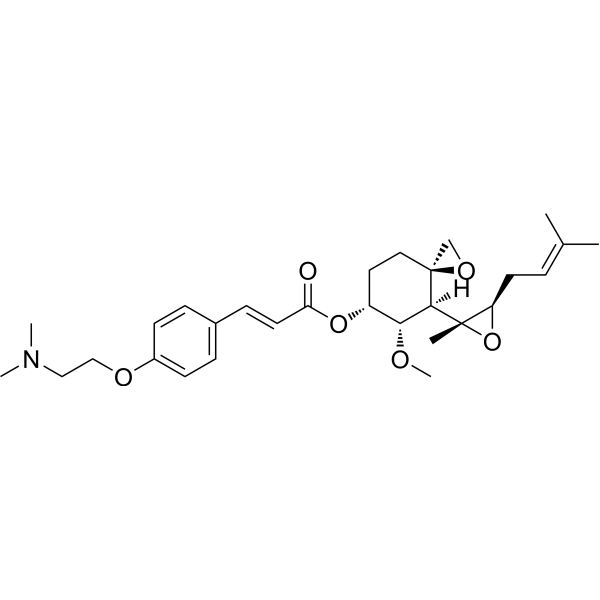
CKD-731 is a Fumagillin (HY-B0751) analogue. CKD-731 inhibits the proliferation of calf pulmonary artery endothelial cells (CPAE), lymphoma EL-4 cells and murine leukemia P388D1 cells. CKD-731 exerts the effect of inhibiting MetAP-2 activity and blocking angiogenesis. CKD-731 can be used for the research of anti-angiogenesis-related cancer .
|
-
-
- HY-13598A
-
|
CKD-516 hydrochloride
|
Microtubule/Tubulin
|
Cancer
|
|
Valecobulin hydrochloride (CKD-516 hydrochloride) is a valine proagent of S516 (HY-130233) and a vascular disrupting agent (VDA). Valecobulin hydrochloride is a potent β-tubulin polymerization inhibitor with marked antitumor activity against murine and human solid tumors .
|
-
-
- HY-13598
-
|
CKD-516
|
Microtubule/Tubulin
|
Cancer
|
|
Valecobulin (CKD516) is a valine proagent of (S516) and a vascular disrupting agent (VDA). Valecobulin is a potent β-tubulin polymerization inhibitor with marked antitumor activity against murine and human solid tumors .
|
-
-
- HY-122052
-
|
|
Thrombin
|
Metabolic Disease
|
|
UK‑396082 is a potent thrombin activated fibrinolytic inhibitor (TAFI) inhibitor. UK‑396082 increases plasmin activity and induces a parallel decrease in ECM levels. UK‑396082 can be used in research of chronic kidney disease (CKD) .
|
-
-
- HY-153092
-
|
BI-685509
|
Guanylate Cyclase
|
Cardiovascular Disease
Metabolic Disease
|
|
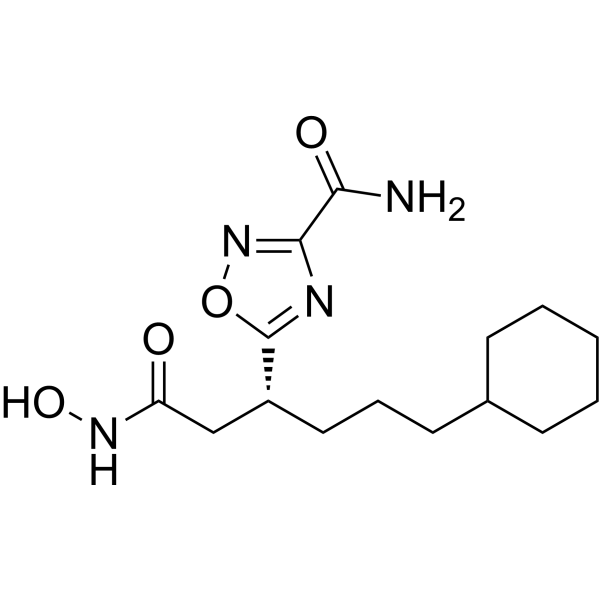
Avenciguat (BI-685509) is a potent and orally active sGC activator. Avenciguat restores cyclic guanosine monophosphate (cGMP) and improves functionality of nitric oxide (NO) pathways. Avenciguat can be used in research of chronic kidney disease (CKD) and diabetic kidney disease (DKD) .
|
-
-
- HY-14811A
-
|
ZGN-440 hemioxalate; ZGN-433 hemioxalate; CDK732 hemioxalate
|
NF-κB
MetAP
|
Metabolic Disease
|
Beloranib (ZGN-440; CKD-732 free base) hemioxalate is a selective, irreversible inhibitor of methionine aminopeptidase MetAP2 that suppresses appetite and increases energy expenditure. Beloranib hemioxalate blocks the enzymatic cleavage of N-terminal methionine from nascent proteins by forming a covalent bond with MetAP2, thereby regulating fatty acid metabolism, adrenergic signaling, and hypothalamic NF-κB expression. Beloranib hemioxalate significantly reduces food intake, body weight, and fat accumulation, while improving glucose tolerance, insulin sensitivity, and lipid metabolism. Beloranib hemioxalate also elevates energy expenditure and fat oxidation levels, without affecting body temperature, spontaneous activity, or the inflammatory cytokine IL-1β. Beloranib hemioxalate can be used in research on obesity and hypothalamic obesity .
|
-
-
- HY-105291
-
|
|
Glycosidase
Bacterial
|
Infection
Metabolic Disease
|
|
CKD-711 is an orally active aminooligosaccharide α-glucosidase inhibitor with an IC50 of 78 μg/mL. CKD-711 also inhibits porcine intestinal maltase and sucrose with IC50 values of 2.5 and 0.5 μg/mL. CKD-711 shows selective antibacterial activity against Comamonas terrigena. CKD-711 can be used for the researches of infection and metabolic disease, such as diabetes .
|
-
-
- HY-109106
-
|
SK-1403 free acid; AJT240 free acid; PLS240 free acid
|
CaSR
|
Endocrinology
|
|
Upacicalcet is a non-peptide calcimimetic that acts as a CaSR agonist (EC50 = 10.8 nM). Upacicalcet reduces serum intact parathyroid hormone (iPTH) and serum Ca2+ levels, reducing hypocalcemia and gastrointestinal complications. Upacicalcet improves vascular calcification and bone disorders in the Adenine (HY-B0152)-induced secondary hyperparathyroidism (SHPT) rat model. Upacicalcet inhibits cortical pore formation and reduces bone fibrosis in rats with chronic kidney disease (CKD). Upacicalcet is useful for studying SHPT .
|
-
-
- HY-13566R
-
|
CKD-602 free base (Standard)
|
Topoisomerase
Apoptosis
Reference Standards
|
Cancer
|
|
Belotecan (Standard) is the analytical standard of Belotecan. This product is intended for research and analytical applications. Belotecan (CKD-602 free base) is a DNA topoisomerase I inhibitor. Belotecan induces cell apoptosis and cell-cycle arrest. Belotecan is a camptothecin analogue with anti-tumor effects, it can be used for the research of cancer .
|
-
-
- HY-18944R
-
|
|
CDK
HSV
CMV
DNA/RNA Synthesis
|
Infection
|
|
FIT-039 (Standard) is the analytical standard of FIT-039. This product is intended for research and analytical applications. FIT-039 is a selective, ATP-competitive and orally active CDK9 inhibitor with an IC50 of 5.8 μM for CKD9/cyclin T1. FIT-039 does not inhibit other CDKs and other kinases. FIT-039 inhibits replication of HSV-1 (IC50 of 0.69 μM), HSV-2, human adenovirus, and human CMV. FIT-039 is a promising antiviral agent for inhibiting drug-resistant HSVs and other DNA viruses.
|
-
-
- HY-111314
-
|
5-Hydroxy-1-methylhydantoin
|
Reactive Oxygen Species (ROS)
|
Inflammation/Immunology
|
|
NZ 419 (5-Hydroxy-1-methylhydantoin) is a metabolite of creatinine and an antioxidant with oral activity, which has the ability to scavenge hydroxyl radicals (•OH). NZ 419 can inhibit the progression of chronic kidney disease (CKD) in rats .
|
-
-
- HY-13569AR
-
|
TRK-100 (Standard); ML 1129 sodium (Standard)
|
Reference Standards
Prostaglandin Receptor
|
Cardiovascular Disease
Inflammation/Immunology
|
|
Beraprost (sodium) (Standard) is the analytical standard of Beraprost (sodium). This product is intended for research and analytical applications. Beraprost sodium, a prostacyclin analog, is a stable and orally active proagent of PGI2. Beraprost sodium is a potent vasodilator, has the potential for pulmonary arterial hypertension treatment through expanding renal vessels, improving microcirculation . Beraprost (sodium) is a click chemistry reagent, it contains an Alkyne group and can undergo copper-catalyzed azide-alkyne cycloaddition (CuAAc) with molecules containing Azide groups.
|
-
-
- HY-P6441
-
|
|
β-catenin
Wnt
|
Inflammation/Immunology
|
|
KP-6, a polypeptide, is a Wnt/β-catenin signal inhibitor. KP-6 inhibits TGF-β and blocks rush fibrosis signal path crucial in vivo. KP-6 suppresses Renal tissues damage and renal fibrosis, and reverse the course of disease of chronic kidney disease (CKD) .
|
-
-
- HY-175985
-
|
|
Reactive Oxygen Species (ROS)
|
Inflammation/Immunology
|
|
MPO-IN-9 is a selective inhibitor of myeloperoxidase (MPO), with an IC50 value of 3.9 nM. MPO-IN-9 inhibits MPO-mediated ROS production and protects NO-dependent vascular function by blocking MPO's chlorination and peroxidation cycles. MPO-IN-9 can be used for the study of diseases such as chronic kidney disease (CKD), non-alcoholic steatohepatitis (NASH) .
|
-
-
- HY-120268
-
|
|
SphK
|
Inflammation/Immunology
|
|
SLM6031434 is a highly selective sphingosine kinase 2 (SphK2) inhibitor with an IC50 value of 0.4 μM for SphK2. SLM6031434 exerts anti-fibrotic effects by increasing sphingosine accumulation and Smad7 expression. SLM6031434 demonstrates effective anti-fibrotic efficacy in a unilateral ureteral obstruction (UUO)-induced tubulointerstitial fibrosis mouse model. SLM6031434 can be used for the study of proteinuric kidney diseases or chronic kidney disease (CKD) .
|
-
-
- HY-130233
-
|
|
Microtubule/Tubulin
|
Cancer
|
|
S516 (Compound 22) is an active metabolite of CKD-516 and a potent tubulin polymerization inhibitor with an IC50 of 4.29 μM. S516 has marked antitumor activity .
|
-
-
- HY-14863
-
|
CTA-018
|
VD/VDR
Cytochrome P450
|
Others
Endocrinology
|
|
Lunacalcipol (CTA-018), as a vitamin D analogue, has a dual role in the pathogenesis of Chronic Kidney Disease (CKD), as an agonist of vitamin D receptor and an antagonist of cytochrome P450 enzyme 24-hydroxylase. Lunacalcipol binds to VDR and regulates transcriptional activity of VDR by influencing ligand binding affinity, ligand-dependent coactivator recruitment or inhibitory factor dissociation, efficiency of ligand entry into target cells, tissue specificity and different metabolism of ligand. Lunacalcipol can be used in the study of CKD, especially Secondary Hyperparathyroidism (sHPT) .
|
-
- HY-W019720
-
|
|
Endogenous Metabolite
|
Inflammation/Immunology
|
|
1-Methylguanidine hydrochloride is a uremic toxin, which accumulate in dogs with renal failure and chronic kidney disese. 1-Methylguanidine hydrochloride enhances the oxidative metabolism and induces apoptosis in neutrophils .
|
-
- HY-141411B
-
|
(R)-MRI-1867
|
Drug Isomer
Cannabinoid Receptor
NO Synthase
|
Others
|
|
(R)-Zevaquenabant ((R)-MRI-1867) is the enantiomer of Zevaquenabant (HY-141411A). Zevaquenabant ((S)-MRI-1867) is a peripherally restricted, orally bioavailable dual cannabinoid CB1 receptor and inducible NOS antagonist. Zevaquenabant ameliorates obesity-induced chronic kidney disease (CKD) .
|
-
- HY-162584
-
|
|
TRP Channel
|
Others
|
|
TRPC5-IN-6 (Compound 12) is an orally effective transient receptor potential (TRPC5) inhibitor with a IC50 value of 81 nM. TRPC5-IN-6 has good biosafety and low liver and kidney toxicity, and is expected to play an important role in the treatment of chronic kidney disease (CKD) .
|
-
- HY-144429
-
|
|
TRP Channel
|
Metabolic Disease
|
|
TRPC5-IN-4 is potent and safe TRPC inhibitor with IC50 value of 14.07 nM and 65 nM for TRPC5 and TRPC4, respectively. TRPC5-IN-4 shows no damage on the cellular component of liver and kidney. TRPC5-IN-4 can be used for the research of chronic kidney disease (CKD) .
|
-
- HY-109106B
-
|
(Rac)-SK-1403 free acid; (Rac)-AJT240 free acid; (Rac)-PLS240 free acid
|
CaSR
|
Endocrinology
|
|
(Rac)-Upacicalcet is the racemate of Upacicalcet (HY-109106). Upacicalcet is a non-peptide calcimimetic that acts as a CaSR agonist (EC50 = 10.8 nM). Upacicalcet reduces serum intact parathyroid hormone (iPTH) and serum Ca2+ levels, reducing hypocalcemia and gastrointestinal complications. Upacicalcet improves vascular calcification and bone disorders in the Adenine (HY-B0152)-induced secondary hyperparathyroidism (SHPT) rat model. Upacicalcet inhibits cortical pore formation and reduces bone fibrosis in rats with chronic kidney disease (CKD). Upacicalcet is useful for studying SHPT .
|
-
- HY-114214
-
|
|
Drug Derivative
NF-κB
MMP
TNF Receptor
Interleukin Related
Cyclin G-associated Kinase (GAK)
CDK
PI3K
Akt
|
Inflammation/Immunology
Cancer
|
|
CKD-712 is an orally active multi-target tetrahydroisoquinoline derivatived and a potent inhibitor of the NF-κB pathway . CKD-712 selectively inhibits MMP-9 with no effect on MMP-2, downregulates the expression of TNF-α, IL-6, cyclin A, cyclin B, CDK-1 and other proteins, and activates the PI3K/Akt signaling pathway . CKD-712 blocks the activation and nuclear translocation of NF-κB, downregulates inflammatory factors and pro-tumor metastatic proteins, and induces G2/M phase arrest in tumor cells and thereby inhibits the invasion of cancer cells . CKD-712 can be used for the research of sepsis, myocardial ischemia-reperfusion injury and non-small cell lung cancer .
|
-
- HY-148479
-
|
|
Biochemical Assay Reagents
|
Infection
|
|
Bixalomer is a phosphate binder. Bixalomer can improve hyperphosphatemia in chronic kidney disease (CKD) rat model. Bixalomer reduces plasma phosphorus level in CKD rat models through binding phosphate in small intestine and reduces phosphate absorption. Bixalomer can be studied in research on hyperphosphatemia .
|
-
- HY-180108
-
|
|
E1/E2/E3 Enzyme
|
Endocrinology
|
|
H111-H7 is a WW domain containing E3 ubiquitin 27 protein ligase 2 (WWP2) inhibitor with a KD of 717 nM. H111-H7 inhibits WWP2 expression, restores the succinate dehydrogenase complex subunit C (SDHC) level, and defers the acute kidney injury (AKI)-to-chronic kidney disease (CKD) transition in unilateral kidney ischemia–reperfusion (UIR) mice. H111-H7 can be used for AKI-to-CKD transition research .
|
-
- HY-P991881
-
|
|
TGF-β Receptor
Hepcidin
Ferroportin
|
Cardiovascular Disease
|
|
KY1070 is a fully human anti-BMP6 antibody with a Kd of 0.00014 μM against the human BMP6. It exhibits high specificity for BMP6, showing no cross-reactivity with other members of the BMP family, and effectively inhibits BMP6-induced BMP receptor heterodimerization and hepcidin expression. KY1070 modulates Ferroportin expression on erythroid progenitor cells and accelerates erythropoiesis. In rodent anemia models, KY1070 reduces the required dose of erythropoietin (EPO) when used in combination with EPO and enhances the responsiveness of mice with chronic kidney disease (CKD)-associated anemia to EPO treatment. KY1070 is applicable for research on anemia of chronic disease [1] [2].
|
-
- HY-180107
-
|
|
E1/E2/E3 Enzyme
|
Endocrinology
|
|
H36-E4 is a WW domain containing E3 ubiquitin 27 protein ligase 2 (WWP2) inhibitor with a KD of 6.25 μM. H36-E4 inhibits WWP2 expression, restores the succinate dehydrogenase complex subunit C (SDHC) level, and defers the acute kidney injury (AKI)-to-chronic kidney disease (CKD) transition in unilateral kidney ischemia-reperfusion (UIR) mice. H36-E4 can be used for AKI-to-CKD transition research .
|
-
- HY-159978
-
|
|
Sodium Phosphate Cotransporter
|
Metabolic Disease
Inflammation/Immunology
|
|
EOS789 is an orally active sodium-dependent phosphate transporter inhibitor, with IC50 values of 6.8, 1.5, and 1.7 μM against human NaPi-IIb, PiT-1, PiT-2, respectively; and IC50 values of 3.9, 1.9, and 1.7 μM against rat NaPi-IIb, PiT-1, PiT-2, respectively. EOS789 inhibits intestinal phosphate absorption, increases fecal phosphate excretion, reduces urinary phosphate excretion, and decreases the levels of serum phosphate, FGF23, and adult parathyroid hormone. EOS789 ameliorates ectopic thoracic aortic calcification, renal injury and hyperphosphatemia, and inhibits the expression of fibrosis markers. EOS789 can be used for the research of hyperphosphatemia and chronic kidney disease-mineral and bone disorder (CKD-MBD) .
|
-
-
-
HY-L229
-
|
|
158 compounds
|
|
Kidneys are one of the vital organs in the human body. Due to their exposure to higher concentrations of circulating drugs or metabolites, they are highly susceptible to drug-induced renal injury (DIRI). According to statistics, drug-induced kidney injury accounts for approximately 20% of nephrotoxicity reports and can lead to acute kidney injury (AKI), chronic kidney disease (CKD), or even end-stage renal disease (ESRD). Early detection of drug nephrotoxicity is crucial for preventing irreversible kidney damage. Research into its mechanisms can help optimize clinical medication by adjusting dosages or avoiding combinations of nephrotoxic drugs. Additionally, predicting drug-induced nephrotoxicity in early drug development can reduce the risk of late-stage R&D failure.
MCE offers 158 nephrotoxicity compounds that have been clearly reported by the FDA to be associated with kidney injury. This library can be used for studying molecular mechanisms of nephrotoxicity or developing novel biomarkers.
|
| Cat. No. |
Product Name |
Type |
-
- HY-47030
-
|
|
Biochemical Assay Reagents
|
|
Ferric citrate hydrate, an orally active iron supplement, is an efficacious phosphate binder. Ferric citrate hydrate can be used for iron deficiency anemia and chronic kidney disease (CKD) research .
|
| Cat. No. |
Product Name |
Target |
Research Area |
-
- HY-P11178
-
|
|
Apoptosis
SARS-CoV
|
Infection
Metabolic Disease
Inflammation/Immunology
|
|
Corisin is a pro-apoptotic small peptide produced by Staphylococcus species. Corisin binds to serum albumin to target organs such as the lungs and kidneys, induces cellular senescence, apoptosis and epithelial-mesenchymal transition, and accelerates the progression of organ fibrosis including pulmonary fibrosis and diabetic renal fibrosis. Corisin levels are closely associated with coronavirus disease 2019 (COVID-19), diabetic chronic kidney disease (CKD), non-diabetic CKD, and idiopathic pulmonary fibrosis (IPF) .
|
-
- HY-P6441
-
|
|
β-catenin
Wnt
|
Inflammation/Immunology
|
|
KP-6, a polypeptide, is a Wnt/β-catenin signal inhibitor. KP-6 inhibits TGF-β and blocks rush fibrosis signal path crucial in vivo. KP-6 suppresses Renal tissues damage and renal fibrosis, and reverse the course of disease of chronic kidney disease (CKD) .
|
| Cat. No. |
Product Name |
Target |
Research Area |
Image |
-
- HY-P99512
-
|
UCB-7858
|
Glutaminase
|
Endocrinology
|
|
Zampilimab (UCB-7858) is a monoclonal antibody against transglutaminase 2 (TG2). Zampilimab inhibits TG2 crosslinking transamidation activity with an IC50 of 0.25 nM and a Kd of <50 pM. Zampilimab improves renal fibrosis .
|
-
(5)
-
- HY-P99198
-
-
(5)
-
- HY-P991881
-
|
|
TGF-β Receptor
Hepcidin
Ferroportin
|
Cardiovascular Disease
|
|
KY1070 is a fully human anti-BMP6 antibody with a Kd of 0.00014 μM against the human BMP6. It exhibits high specificity for BMP6, showing no cross-reactivity with other members of the BMP family, and effectively inhibits BMP6-induced BMP receptor heterodimerization and hepcidin expression. KY1070 modulates Ferroportin expression on erythroid progenitor cells and accelerates erythropoiesis. In rodent anemia models, KY1070 reduces the required dose of erythropoietin (EPO) when used in combination with EPO and enhances the responsiveness of mice with chronic kidney disease (CKD)-associated anemia to EPO treatment. KY1070 is applicable for research on anemia of chronic disease [1] [2].
|
-
(5)
| Cat. No. |
Product Name |
Category |
Target |
Chemical Structure |
-
- HY-111431A
-
-
-
- HY-B0504
-
Creatinine
Maximum Cited Publications
6 Publications Verification
NSC13123
|
Infection
Structural Classification
Natural Products
Classification of Application Fields
Disease markers
Endocrine diseases
Metabolic Disease
Nervous System Disorder
Endogenous metabolite
Disease Research Fields
Source Classification
|
Endogenous Metabolite
GABA Receptor
iGluR
|
|
Creatinine (NSC13123) is an orally active, blood-brain barrier-permeable modulator of GABAA and NMDA receptors, with activities of antioxidation and metabolic regulation. Creatinine is generated via non-enzymatic conversion of creatine and phosphocreatine in muscle. Creatinine serum levels correlate with muscle mass, glomerular filtration rate, and extrarenal clearance, serving as an evaluation biomarker for renal function, muscle mass, and clinical outcomes, and used for perioperative renal risk assessment. In addition, Creatinine can induce specific Cryptococcus species to produce creatinine deiminase and act as their nitrogen source, while it can be secreted via renal tubules. Creatinine is widely used in research related to various diseases such as neurodegenerative diseases, psychiatric disorders, acute kidney injury, chronic kidney disease, and renal failure .
|
-
-
- HY-N2995
-
-
-
- HY-113493
-
-
-
- HY-W416250
-
-
-
- HY-W674241A
-
-
| Cat. No. |
Product Name |
Chemical Structure |
-
- HY-13566AS
-
|
|
|
Belotecan-d7 (hydrochloride) is the deuterium labeled Belotecan hydrochloride. Belotecan hydrochloride (CKD-602 hydrochloride), a Topoisomerase I inhibitor, is a synthetic camptothecin derivative .
|
-
Your information is safe with us. * Required Fields.
Inquiry Information
- Product Name:
- Cat. No.:
- Quantity:
- MCE Japan Authorized Agent:

