
1. Search Result
Search Result
Results for "

CSCs

" in MedChemExpress (MCE) Product Catalog:

61

Inhibitors & Agonists

1

Screening Libraries

2

Fluorescent Dye

2

Inhibitory Antibodies

5

Natural
Products

5

Isotope-Labeled Compounds

1

Click Chemistry

Cat. No. Product Name Target Research Areas Chemical Structure
  • HY-12238
    IWR-1
    Maximum Cited Publications
    61 Publications Verification

    endo-IWR 1; IWR-1-endo

    Organoid Wnt Inflammation/Immunology Cancer
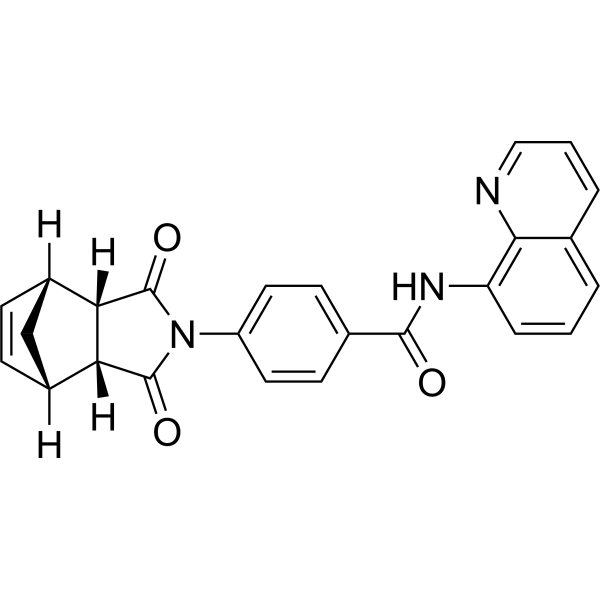
    IWR-1 (IWR-1-endo) is a tankyrase inhibitor targeting Wnt/β-catenin (IC50 = 180 nM). IWR-1 compromises critical steps of the canonical Wnt signaling, namely translocation of β-catenin to the nucleus and subsequent TCF/LEF activation and expression of Wnt/β-catenin downstream targets. IWR-1 promotes β-catenin phosphorylation by promoting stability of Axin-scaffolded destruction complexes. IWR-1 can be studied in research for anti-tumor purposes, and diseases such as osteosarcoma, colorectal cancer and psoriasis .
    IWR-1
  • HY-16397A
    Phenformin hydrochloride
    5+ Cited Publications

    Phenethylbiguanide hydrochloride

    Apoptosis mTOR Autophagy Mitochondrial Metabolism AMPK Neurological Disease Metabolic Disease Cancer
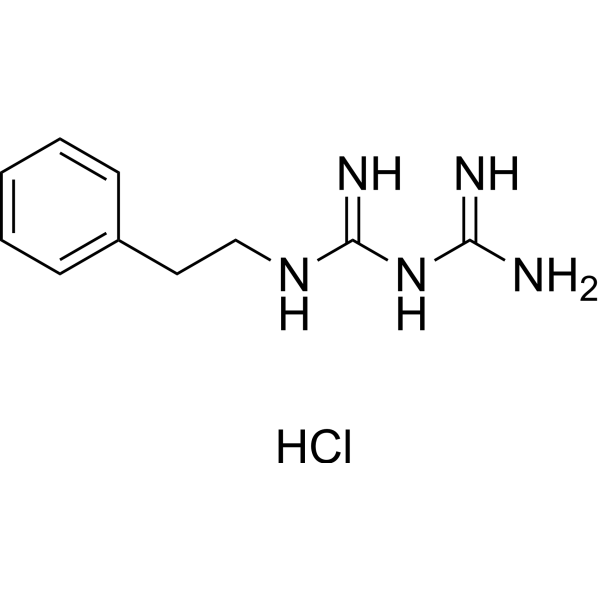
    Phenformin (Phenethylbiguanide) hydrochloride is an orally active biguanide hypoglycemic agent. Phenformin hydrochloride inhibits mitochondrial respiratory chain complex I, leading to an increased AMP/ATP ratio, activation of AMPK, and subsequent inhibition of the mTOR pathway, thereby suppressing cell proliferation, inducing apoptosis and autophagy. Phenformin hydrochloride inhibits cancer stem cells (CSCs) and possesses potent antitumor potential .
    Phenformin hydrochloride
  • HY-B0965
    Thioridazine hydrochloride
    5 Publications Verification

    Dopamine Receptor Apoptosis 5-HT Receptor Autophagy Bacterial Infection Neurological Disease Cancer
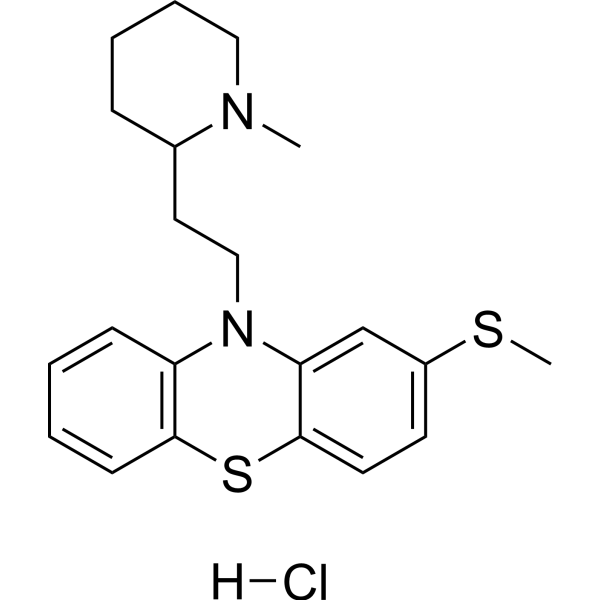
    Thioridazine hydrochloride, an orally active antagonist of the dopamine receptor D2 family proteins, exhibits potent anti-psychotic and anti-anxiety activities. Thioridazine hydrochloride is also a potent inhibitor of PI3K-Akt-mTOR signaling pathways with anti-angiogenic effect. Thioridazine hydrochloride shows antiproliferative and apoptosis induction effects in various types of cancer cells, with specificity on targeting cancer stem cells (CSCs) .
    Thioridazine hydrochloride
  • HY-B0965A
    Thioridazine
    5 Publications Verification

    Dopamine Receptor Apoptosis 5-HT Receptor Autophagy Bacterial Neurological Disease Cancer
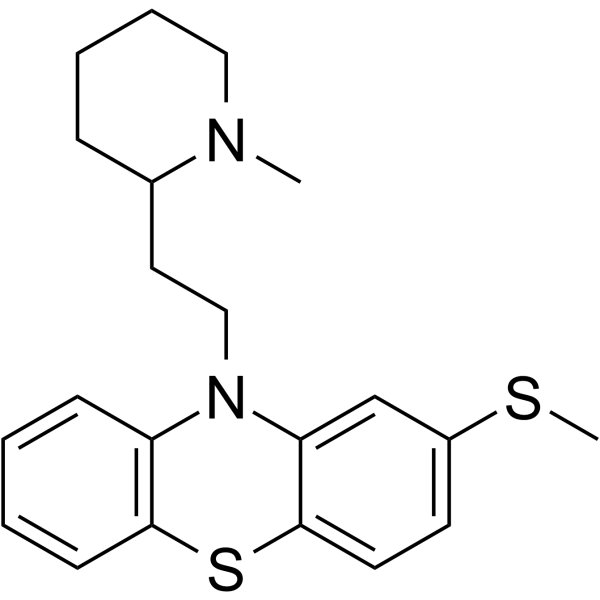
    Thioridazine, an antagonist of the dopamine receptor D2 family proteins, exhibits potent anti-psychotic and anti-anxiety activities. Thioridazine is also a potent inhibitor of PI3K-Akt-mTOR signaling pathways with anti-angiogenic effect. Thioridazine shows antiproliferative and apoptosis induction effects in various types of cancer cells, with specificity on targeting cancer stem cells (CSCs) .
    Thioridazine
  • HY-121608
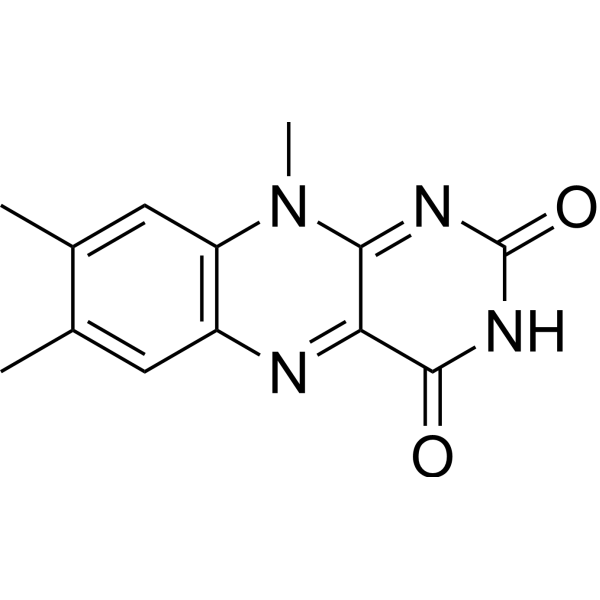
    Lumiflavin
    1 Publications Verification

    Lumiflavine

    Fluorescent Dye Notch Cancer
    Lumiflavin (Lumiflavine), a riboflavine analog, causes significant inhibition of riboflavine uptake. Lumiflavin can effectively reduce the riboflavin enrichment in cancer stem-like cells (CSCs) and sensitize the effect of cisplatin Diamminedichloroplatinum (DDP) on CSCs. Lumiflavin is promising for research of ovarian cancer .
    Lumiflavin
  • HY-B0520A
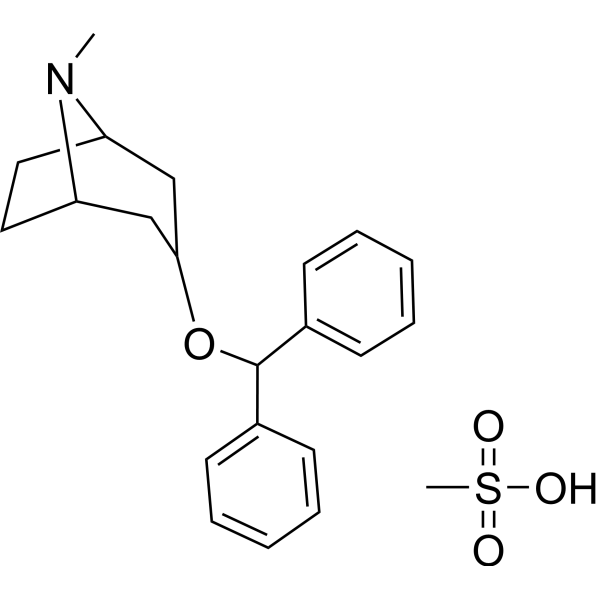
    Benztropine mesylate
    5 Publications Verification

    Benzatropine mesylate; Benzotropine mesylate; Benztropine methanesulfonate

    Dopamine Receptor mAChR Histamine Receptor Infection Neurological Disease Metabolic Disease Cancer
    Benztropine mesylate (Benzatropine mesylate) is an orally active and BBB-permeable centrally acting anticholinergic agent that can be used for Parkinson's disease research. Benztropine mesylate is an anti-histamine agent and a dopamine re-uptake inhibitor. Benztropine mesylate is also a human D2 dopamine receptor allosteric antagonist. Benztropine mesylate also has anti-CSCs (cancer stem cells) effects .
    Benztropine mesylate
  • HY-106101
    Echinomycin
    10+ Cited Publications

    Quinomycin A; NSC-13502

    HIF/HIF Prolyl-Hydroxylase Antibiotic Bacterial Cancer
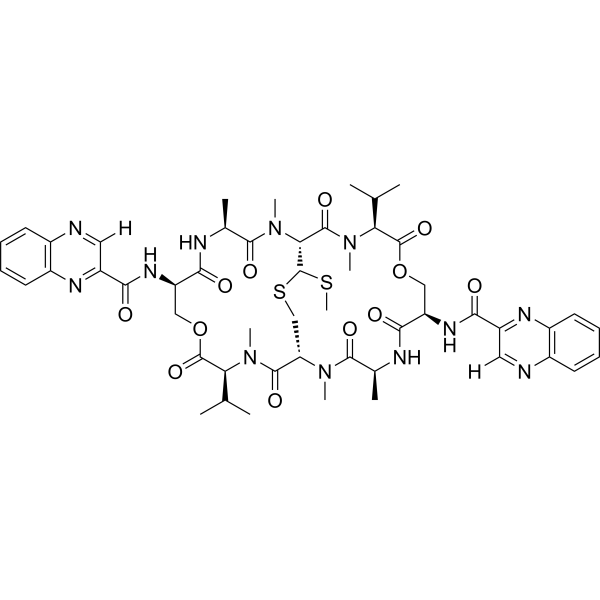
    Echinomycin (Quinomycin A) is potent small-molecule and cell-permeable inhibitor of hypoxia-inducible factor-1 (HIF-1) DNA-binding activity. Echinomycin selectively inhibits the cancer stem cells (CSCs) with an IC50 of 29.4 pM .
    Echinomycin
  • HY-16397
    Phenformin
    5+ Cited Publications

    Phenethylbiguanide

    Mitochondrial Metabolism AMPK Apoptosis Autophagy mTOR Neurological Disease Metabolic Disease Cancer
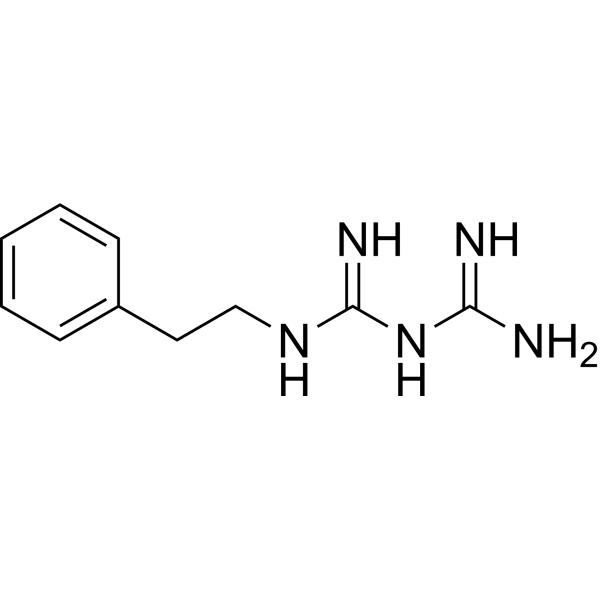
    Phenformin (Phenethylbiguanide) is an orally active biguanide hypoglycemic agent. Phenformin inhibits mitochondrial respiratory chain complex I, leading to an increased AMP/ATP ratio, activation of AMPK, and subsequent inhibition of the mTOR pathway, thereby suppressing cell proliferation, inducing apoptosis and autophagy. Phenformin inhibits cancer stem cells (CSCs) and possesses potent antitumor potential .
    Phenformin
  • HY-12794
    Vps34-PIK-III
    10+ Cited Publications

    PI3K Autophagy Neurological Disease Cancer
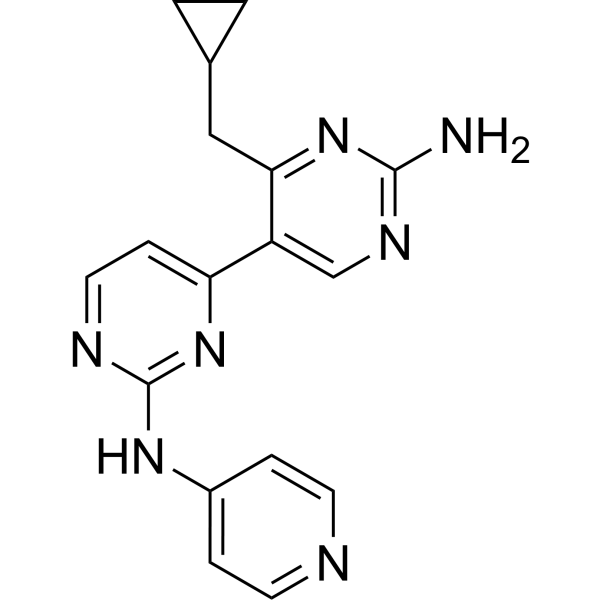
    Vps34-PIK-III is an orally active and selective VPS34 inhibitor (IC50=18 nM). Vps34-PIK-III effectively inhibits autophagy and can be used as a molecular tool. vps34-PIK-III is also a PI3K inhibitor that inhibits the expression of genes in liver cancer stem cells (CSCs) .
    Vps34-PIK-III
  • HY-107553
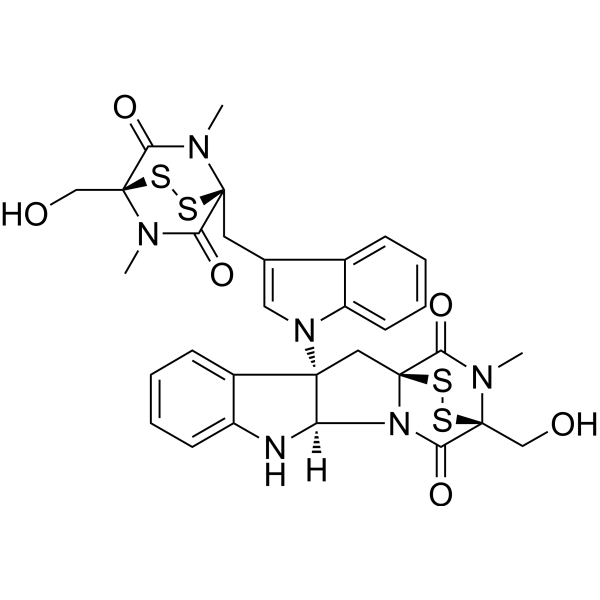
    Chetomin
    1 Publications Verification

    HSP Apoptosis Cancer
    Chetomin, an active component of Chaetomium globosum, is a heat shock protein 90/hypoxia-inducible factor 1 alpha (Hsp90/HIF1α) pathway inhibitor. Chetomin is a potent, nontoxic non-small cell lung cancer cancer stem cells (NSCLC CSC)-targeting molecule .
    Chetomin
  • HY-P9974
    Vantictumab
    1 Publications Verification

    OMP-18R5

    Wnt Cancer
    Vantictumab (OMP-18R5) is a fully human IgG2 monoclonal antibody. Vantictumab inhibits Wnt pathway signaling by binding to FZD1/2/5/7/8 receptors. Vantictumab can be studied against cancers through direct actions on tumor cells, including CSCs, and effects on the stroma, such as metastatic HER2-negative breast cancer and metastatic pancreatic adenocarcinoma .
    Vantictumab
  • HY-115630

    RIP kinase Caspase Apoptosis Cancer
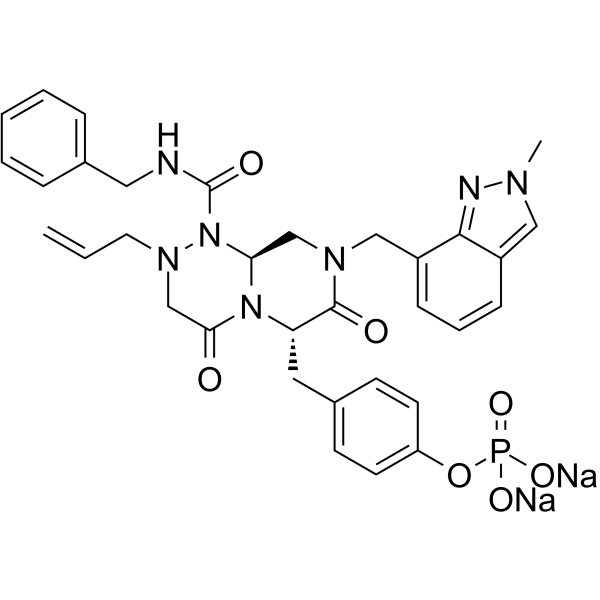
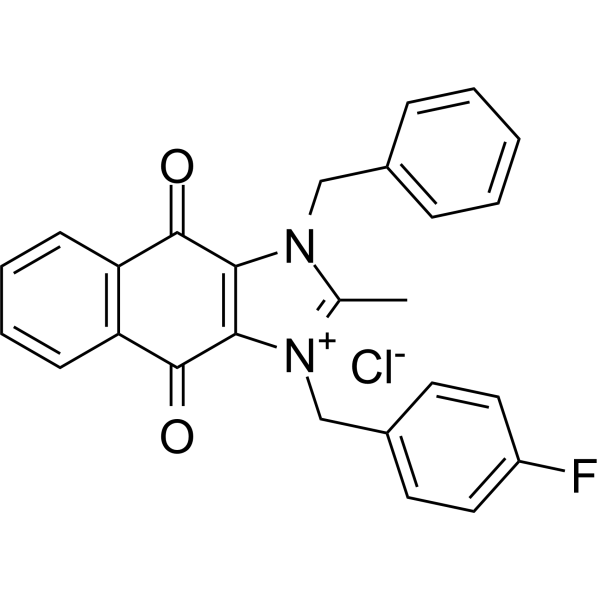
    cRIPGBM chloride, an orally active, proapoptotic derivative. cRIPGBM can be generated from glioblastoma multiforme (GBM) cancer stem cells (CSCs). cRIPGBM(chloride) targets to receptor-interacting protein kinase 2 (RIPK2) to induce caspase 1-dependent apoptosis. cRIPGBM(chloride) suppresses the formation of RIPK2/TAK1 (prosurvival complex), and increases the formation of RIPK2/caspase 1 (proapoptotic complex). cRIPGBM(chloride) exerts potent anti-tumor activity in vivo in animal models .
    cRIPGBM chloride
  • HY-110294
    CM037
    1 Publications Verification

    A37

    Aldehyde Dehydrogenase (ALDH) Cancer
    CM037 is a highly selective and competitive ALDH1A1 inhibitor (IC50=4.6 μM). CM037 blocks the catalytic activity of ALDH1A1, thereby inhibiting the activation of the downstream HIF-1α/VEGF pathway. CM037 is mainly used to study the ALDH1A1-mediated regulation of cancer stem cells (CSCs) and angiogenesis, especially in breast cancer, showing the potential to inhibit tumor angiogenesis and stem cell characteristics .
    CM037
  • HY-18959
    CWP232228
    5+ Cited Publications

    β-catenin Wnt Cancer
    CWP232228, a highly potent selective Wnt/β-catenin signaling inhibitor, antagonizes binding of β-catenin to T-cell factor (TCF) in the nucleus. CWP232228 suppresses tumor formation and metastasis without toxicity through the inhibition of the growth of breast and liver cancer stem cells (CSCs) .
    CWP232228
  • HY-139065

    Apoptosis Cancer
    AMPC is a potent and effective TFF3 inhibitor. AMPC inhibits cell proliferation, survival, oncogenicity, and CSC-like behaviour in TFF3-positive CMS4 CRC cells. AMPC acts as a potential anti-cancer agent alone or in combination with 5-FU, and can be used for cancer research .
    AMPC
  • HY-107460
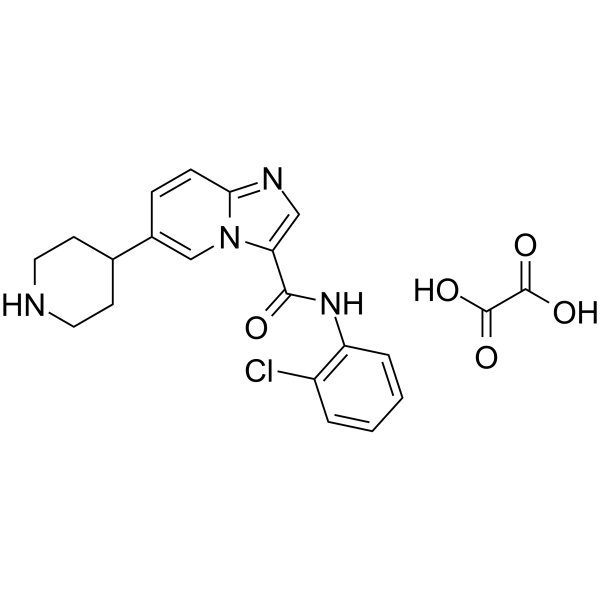
    LDN-211904 oxalate
    1 Publications Verification

    Ephrin Receptor Cancer
    LDN-211904 oxalate is a potent and reversible EphB3 inhibitor with an IC50 of 79 nM. LDN-211904 oxalate shows good metabolic stability in mouse liver microsomes. LDN-211904 oxalate with Cetuximab (HY-P9905) could be effective in inhibiting STAT3-activated colorectal cancer (CRC) stemness and Cetuximab resistance in CRC .
    LDN-211904 oxalate
  • HY-B0520
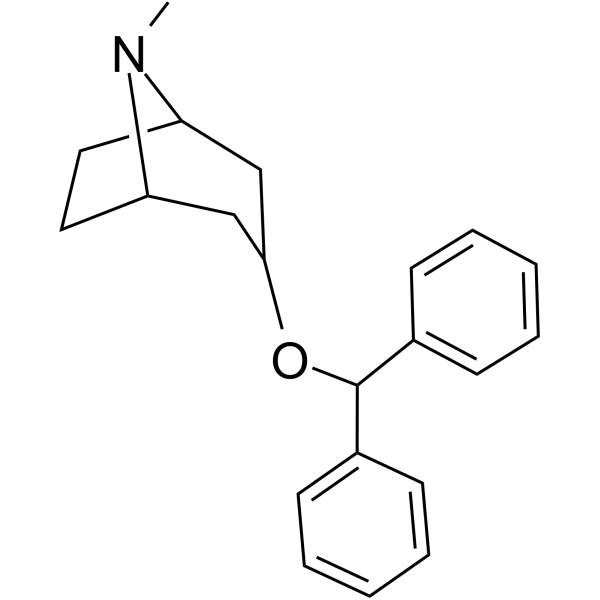
    Benztropine
    5 Publications Verification

    Benzatropine; Benzotropine

    Dopamine Receptor mAChR Histamine Receptor Cancer
    Benztropine (Benzatropine; Benzotropine) is an orally active and BBB-permeable centrally acting anticholinergic agent that can be used for Parkinson's disease research . Benztropine is an anti-histamine agent and a dopamine re-uptake inhibitor. Benztropine is also a human D2 dopamine receptor allosteric antagonist. Benztropine mesylate also has anti-CSCs (cancer stem cells) effects .
    Benztropine
  • HY-137042

    Alkyne-Cy5

    Oxidative Phosphorylation Mitochondrial Metabolism Cancer
    Cyanine5 alkyne (Alkyne-Cy5) is a fluorescent dye used to label azide proteins and can be used to analyse post-translational modifications of proteins, glycosylation etc. Cyanine5 alkyne can also be used as a mitochondrial OXPHOS inhibitor to inhibit the growth of cancer stem cells (CSC) . Cyanine5 alkyne is a click chemistry reagent, it contains an Alkyne group and can undergo copper-catalyzed azide-alkyne cycloaddition (CuAAc) with molecules containing Azide groups.
    Cyanine5 alkyne
  • HY-122912
    ALDH1A inhibitor 673A
    2 Publications Verification

    ALDH1Ai 673A

    Aldehyde Dehydrogenase (ALDH) Mitochondrial Metabolism Necroptosis Cancer
    ALDH1A inhibitor 673A is an ALDH1A inhibitor with IC50s of 246 nM (ALDH1A1), 230 nM (ALDH1A2), 348 nM (ALDH1A3), respectively. ALDH1A inhibitor 673A has little or no inhibitory effect on other ALDH family members. ALDH1A inhibitor 673A induces necroptotic ovarian cancer stem-like cells (CSCs) death. ALDH1A inhibitor 673A induces DNA double stand breaks in cancer cells. ALDH1A inhibitor 673A can be used for the study of ovarian cancer .
    ALDH1A inhibitor 673A
  • HY-136541
    YB-0158
    2 Publications Verification

    Wnt pathway inhibitor 2

    Wnt Apoptosis Cancer
    YB-0158 (Wnt pathway inhibitor 2) is a reverse-turn peptidomimetic and a potent colorectal cancer stem cell (CSC) targeting agent. YB-0158 disrupts Sam68-Src interactions and induces apoptosis in CRC cells. Anti-cancer activities .
    YB-0158
  • HY-113081R

    Reference Standards Endogenous Metabolite PPAR Hedgehog Cancer
    1-Methyladenosine (Standard) is the analytical standard of 1-Methyladenosine. This product is intended for research and analytical applications. 1-Methyladenosine is an RNA modification that can serve as a tumor marker, with elevated levels in the body associated with cancer development. Following 1-methyladenosine methylation, upregulation of PPARδ expression regulates cholesterol metabolism and activates Hedgehog signaling pathway, driving liver tumorigenesis . In Vitro:Compared to surrounding tumor tissues, 1-methyladenosine methylation in RNA is aberrantly elevated in hepatocellular carcinoma (HCC) cell lines and liver cancer stem cells (CSCs). Methylated 1-methyladenosine can promote cholesterol synthesis and activate the Hedgehog signaling pathway by enhancing the translation of PPARδ in liver CSCs, ultimately driving the self-renewal and tumorigenesis of liver cancer stem cells .
    1-Methyladenosine (Standard)
  • HY-149894

    c-Myc Cadherin Cancer
    MC-1-F2 is a FOXC2 inhibitor. MC-1-F2 shows a binding affinity (Kd) of 26 μM for full-length FOXC2. MC-1-F2 reduces epithelial-mesenchymal transition (EMT) markers in breast cancer cells, suppresses cancer stem cell (CSC) properties and reduces invasiveness in castration-resistant prostate cancer (CRPC) cells. MC-1-F2 can be used for the study of CRPC and breast cancer .
    MC-1-F2
  • HY-122910

    Apoptosis Cancer
    RIPGBM is a selective inducer of apoptosis in glioblastoma multiforme (GBM) cancer stem cells (CSCs) with an EC50 of ≤500 nM .
    RIPGBM
  • HY-110280

    HDAC Apoptosis Cancer
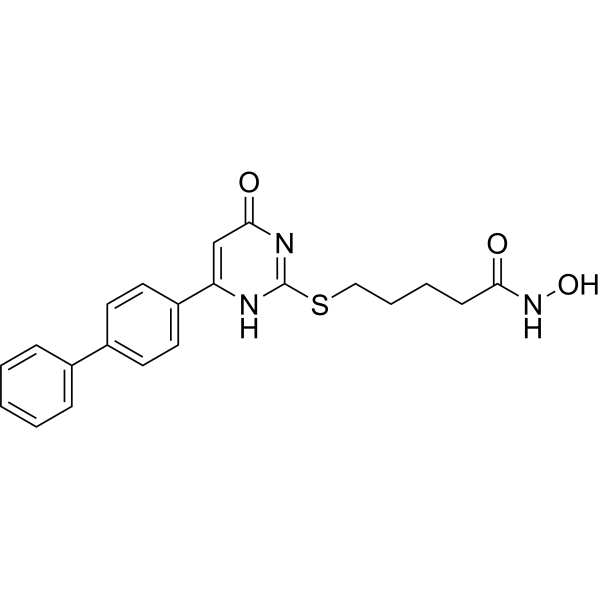
    MC1742 is a potent HDAC inhibitor, with IC50s of 0.1 μM, 0.11 μM, 0.02 μM, 0.007 μM, 0.61 μM, 0.04 μM and 0.1 μM for HDAC1, HDAC2, HDAC3, HDAC6, HDAC8, HDAC10 and HDAC11, respectively. MC1742 can increase acetyl-H3 and acetyl-tubulin levels and inhibits cancer stem cells growth. MC1742 can induce growth arrest, apoptosis, and differentiation in sarcoma CSC .
    MC1742
  • HY-123298
    Chrysotoxine
    1 Publications Verification

    Src Akt Apoptosis Cancer
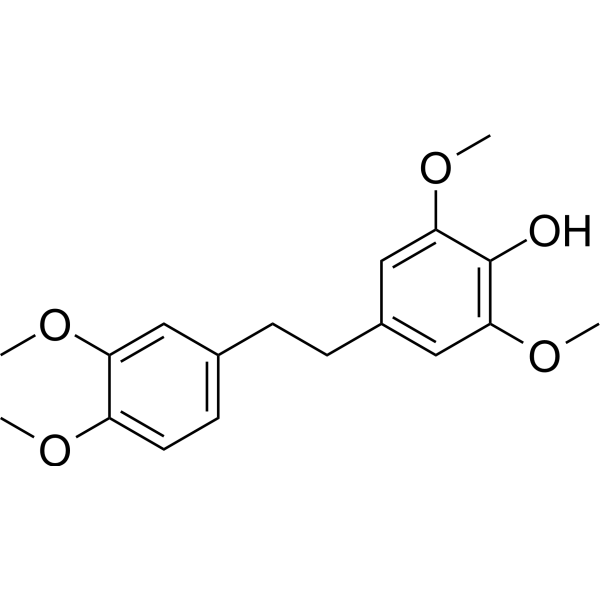
    Chrysotoxine is a dual inhibitor of Src/Akt. Chrysotoxine suppresses cancer stem cells (CSCs) phenotypes by down-regulating Src/Akt signaling. Chrysotoxine reduces cell viability and increases apoptosis level in H460 and H23 cells instead of non-tumor cell lines. Chrysotoxine shows rapid excretion and low bioavailability in rats. Chrysotoxine is used in cancer research .
    Chrysotoxine
  • HY-152159

    Cytochrome P450 Cancer
    CYP4Z1-IN-1 (compound 7c) is a potent CYP4Z1 inhibitor, with an IC50 of 41.8 nM. CYP4Z1-IN-1 decreases the expression of breast CSCs stemness markers, spheroid formation, and metastatic ability as well as tumor-initiation capability in a concentration-dependent manner in vitro and in vivo .
    CYP4Z1-IN-1
  • HY-175164

    Apoptosis c-Myc Cancer
    SVC112 is a translation elongation inhibitor that prevents the cyclic dissociation of EF2 from the ribosome, thereby inhibiting the elongation step of translation. SVC112 shows activity in growth inhibition among cancer cell lines of various origins (acute myeloid leukemia (AML), multiple myeloma (Myeloma), colorectal cancer (CRC), and head and neck squamous cell carcinoma (HNSCC)). SVC112 preferentially impedes ribosomal processing of mRNAs, and decreaseds CSC-related proteins including Myc and Sox2. SVC112 induces apoptosis in hematologic cancer cell lines, while phosphorylation of c-Myc correlates with sensitivity to SVC112 in colorectal cancer cell lines. SVC112 inactivates HNSCC stem cells in vitro and prevents the regrowth of HNSCC tumor xenografts in mice. SVC112 can be used for the study of HNSCC .
    SVC112
  • HY-124067

    IKK JAK STAT NF-κB Cancer
    EC-70124 is an orally active multikinase inhibitor targeting IKKβ and JAK2. EC-70124 blocks IkB phosphorylation and STAT3 (Tyr705) activation, suppressing NF-κB nuclear translocation and STAT3 transcriptional activity. EC-70124 reduces tumor growth and cancer stem cell (CSC) populations in prostate cancer cells and xenograft models. EC-70124 is promising for research of prostate cancer .
    EC-70124
  • HY-B0965AS

    Dopamine Receptor Apoptosis 5-HT Receptor Autophagy Bacterial Neurological Disease
    Thioridazine-d3 (hydrochloride) is the deuterium labeled Thioridazine. Thioridazine, an antagonist of the dopamine receptor D2 family proteins, exhibits potent anti-psychotic and anti-anxiety activities. Thioridazine is also a potent inhibitor of PI3K-Akt-mTOR signaling pathways with anti-angiogenic effect. Thioridazine shows antiproliferative and apoptosis induction effects in various types of cancer cells, with specificity on targeting cancer stem cells (CSCs) .
    Thioridazine-d3 hydrochloride
  • HY-134920

    Indoleamine 2,3-Dioxygenase (IDO) Apoptosis SWI/SNF Complex Cancer
    LW106 is a selective IDO1 inhibitor with an IC50 of 1.57 μM. LW106 has no inhibitory effect on IDO2 and TDO. LW106 inhibits tumor outgrowth by limiting stroma-immune crosstalk and CSC enrichment in the tumor microenvironment. LW106 reduces subpopulation of cancer stem cells (CSCs) in xenografted tumors in which less proliferative/invasive tumor cells and more tumor cells apoptosis. LW106 can be used for the studies of lung cancer and melanoma .
    LW106
  • HY-148713

    Apoptosis Cancer
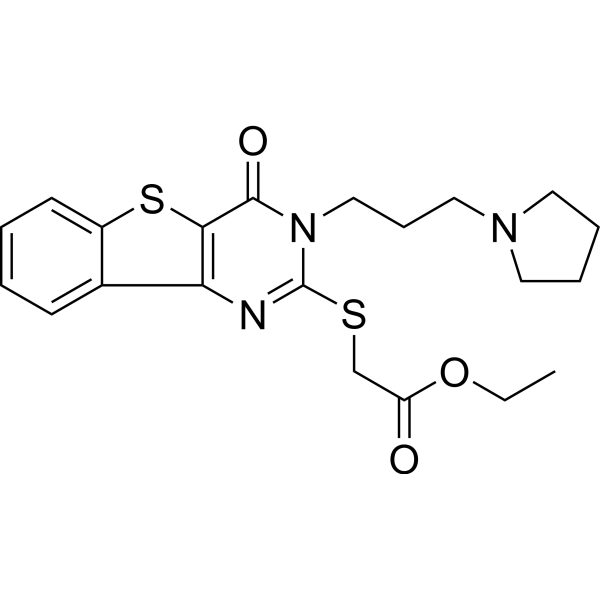
    Anti-CSCs agent-1 is a potent anti-CSCs agent. Anti-CSCs agent-1 inhibits cell growth and cell migration. Anti-CSCs agent-1 induces Apoptosis. Anti-CSCs agent-1 inhibits the viability of CSCs. Anti-CSCs agent-1 enhances the production of ROS in CSCs. Anti-CSCs agent-1 shows antitumor activity .
    Anti-CSCs agent-1
  • HY-175362

    Parasite Infection
    WEHI-326 is a potent antimalarial agent targeting Plasmodium falciparum ROM8 and CSC1 proteins (IC50=0.006 μM). WEHI-326 is promising for research of malaria .
    WEHI-326
  • HY-125466

    RIP kinase Apoptosis Caspase Cancer
    cRIPGBM, a proapoptotic derivative of RIPGBM, a cell type-selective inducer of apoptosis in GBM cancer stem cells (CSCs) by binding to receptor-interacting protein kinase 2 (RIPK2), with an EC50 of 68 nM in GBM-1 cells .
    cRIPGBM
  • HY-B1460B

    (±)-Sulconazole

    Fungal Cancer
    Sulconazole is a potent antifungal agent in the imidazole class. Sulconazole blocks the NF-κB/IL-8 signaling pathway and CSC (Cancer stem cells) formation. Sulconazole inhibits tumor growth, and can be used for breast cancer research .
    Sulconazole
  • HY-161946

    DNA/RNA Synthesis Apoptosis Cancer
    GBM CSCs-IN-1 (Compound (−)-20), a derivative of rocaglate, is a potent inhibitor of glioblastoma stem cells (GBM CSCs) with an EC50 of 45 nM, functioning by targeting the RNA helicase DDX3. Furthermore, GBM CSCs-IN-1 is also capable of inducing apoptosis .
    GBM CSCs-IN-1
  • HY-19972

    Wnt Cancer
    ML243 is a selective small-molecule inhibitor of breast cancer stem cells. ML243 has 32-fold greater selective inhibition in the breast CSC-like cell line HMLE_shECad than the control cell line HMLE_shGFP. ML243 may target the Wnt pathway at the protein level without altering RNA expression levels .
    ML243
  • HY-N15267

    FAK Akt mTOR Cancer
    Ovalitenone is a flavonoid compound that can be isolated from the plant Millettia peguensis. It shows no cytotoxic effects on lung cancer H460 and A549 cells, but it significantly inhibits anchorage-independent growth, CSC-like phenotypes, colony formation, and the migration and invasion capabilities of cancer cells. Ovalitenone can significantly reduce the levels of N-cadherin, snail, and slug, while increasing E-cadherin, thus inhibiting the EMT pathway. Additionally, Ovalitenone suppresses the signaling pathways regulated by focal adhesion kinase (FAK), ATP-dependent tyrosine kinase (AKT), mammalian target of rapamycin (mTOR), and cell division cycle 42 (Cdc42) .
    Ovalitenone
  • HY-139252

    Reactive Oxygen Species (ROS) Cancer
    Anticancer agent 225 (Comp 51) is a triterpenoic acids analogue which exhibits suppressive effect on elimination of different type of cancer stem cells (CSCs) and increase the ROS level of CSCs. Anticancer agent 225 can be used for cancer research .
    Anticancer agent 225
  • HY-175754

    WDR5 Cancer
    C3TD078 is a WDR5 WIN site inhibitor with a Ki of 0.03  nM. C3TD078 has potent antiproliferative activity and reduces the stem-cell frequency of cancer stem cells (CSCs). C3TD078 can be used for glioblastoma (GBM) research .
    C3TD078
  • HY-161072

    NOD-like Receptor (NLR) Inflammation/Immunology
    CSC-6 is a NLRP3 inhibitor. CSC-6 can significantly inhibit IL-1β secreted by PMATHP-1 cells with an IC50 value of 2.3 μM. CSC-6 specifically binds NLRP3 and inhibits NLRP3 activation by blocking ASC oligomerization during NLRP3 assembly. CSC-6 effectively reduces the symptoms of NLRP3 overactivation-mediated sepsis and gout in mouse models .
    CSC-6
  • HY-B0965AR

    Reference Standards Dopamine Receptor Apoptosis 5-HT Receptor Autophagy Bacterial Neurological Disease Cancer
    Thioridazine (Standard) is the analytical standard of Thioridazine. This product is intended for research and analytical applications. Thioridazine, an antagonist of the dopamine receptor D2 family proteins, exhibits potent anti-psychotic and anti-anxiety activities. Thioridazine is also a potent inhibitor of PI3K-Akt-mTOR signaling pathways with anti-angiogenic effect. Thioridazine shows antiproliferative and apoptosis induction effects in various types of cancer cells, with specificity on targeting cancer stem cells (CSCs) .
    Thioridazine (Standard)
  • HY-164480

    IKK NF-κB Inflammation/Immunology Cancer
    GTCpFE inhibits IKKα/β in the NF-κB pathway with anti-inflammatory activities and blocks p65 nuclear entry, which consists of Dimethyl fumarate (DMF) (HY-17363) linked to Aspirin (ASA) (HY-14654). GTCpFE exhibits selective anti-cancer stem-like cell (CSC) activity by reducing mammosphere growth and the CD44 + CD24 - immunophenotype. GTCpFE inhibits breast cancer stem cells, an important NFκB- and PGE2-dependent phenotype in aggressive cancers .
    GTCpFE
  • HY-152225

    HDAC Apoptosis Cancer
    MC2625 is a potent pyridine-containing histone deacetylase (HDAC) inhibitor. MC2625 show selective HDAC3 and HDAC6 inhibition with IC50s of 80 nM and 11 nM. MC2625 increases acetyl-H3 and acetyl-tubulin levels and inhibits cancer stem cells (CSCs) growth by apoptosis induction .
    MC2625
  • HY-132883

    EGFR Cancer
    EGFR/CSC-IN-1 is a potential EGFR (IC50 10.52 nM) and cancer stem cell (CSC) dual inhibitor for triple-negative breast cancer research.
    EGFR/CSC-IN-1
  • HY-163279

    Glycosidase Others
    Fluopipamine is an antagonist for Cellulose Synthase 1 (CESA1) with an IC50 of 0.78 μM. Fluopipamine leads a decrease in glucose uptake into cellulose and hyperaccumulation of CESAs at the PM in etiolated Arabidopsis seedlings .
    Fluopipamine
  • HY-129694

    Ro 21-6150; Antibiotic A-130-A

    β-catenin CDK Reactive Oxygen Species (ROS) Cancer
    Lenoremycin (Ro 21-6150) is a microbial metabolite. Lenoremycin decreases β-catenin and cyclin D1 proteins levels. Lenoremycin decreases cancer stem cells (CSCs) populations via inducing reactive oxygen species production .
    Lenoremycin
  • HY-143491

    VEGFR Apoptosis Reactive Oxygen Species (ROS) Cancer
    VS 8 (Compound VS 8) is a potent, orally active VEGFR-2 inhibitor with significant anti-angiogenic effects. VS 8 induces cancer cell apoptosis and migration. VS 8 is active against CSCs (Cancer stem cells) .
    VS 8
  • HY-N9790

    Notch Others
    Procyanidin B2, 3,3'-di-O-gallate is an active constituent. Procyanidin B2, 3,3'-di-O-gallate can be isolated from grape seed extract (GSE) procyanidin mix. Procyanidin B2, 3,3' -di-o-gallate target cancer stem cells (CSCs) in prostate cancer (PCa). Procyanidin B2, 3,3'-di-O-gallate targets both unsorted and sorted CSCs at lower doses. Procyanidin B2, 3,3'-di-O-gallate strongly suppresses the constitutive as well as Jagged1 (Notch1 ligand)-induced activated Notch1 pathway .
    Procyanidin B2 3,3'-di-O-gallate
  • HY-119666

    Apoptosis Reactive Oxygen Species (ROS) MDM-2/p53 Oct3/4 Inflammation/Immunology Cancer
    Rooperol is a norlignan analog with antitumor, anti-inflammatory, and antioxidant activities. Rooperol induces apoptosis in CSCs through a mitochondrial-induced increase in ROS and a p53-dependent pathway, while also downregulating the expression of key stem cell regulatory factors, such as Oct4, Nanog, and Sox2, ultimately exerting its anticancer effects .
    Rooperol
  • HY-B0520AS1

    Dopamine Receptor Histamine Receptor mAChR Cancer
    Benztropine-d3 (mesylate) is the deuterium labeled Benztropine mesylate . Benztropine mesylate (Benzatropine mesylate) is an orally active centrally acting anticholinergic agent that can be used for Parkinson's disease research. Benztropine mesylate is an anti-histamine agent and a dopamine re-uptake inhibitor. Benztropine mesylate is also a human D2 dopamine receptor allosteric antagonist. Benztropine mesylate also has anti-CSCs (cancer stem cells) effects .
    Benztropine-d3 mesylate

Inquiry Online

Your information is safe with us. * Required Fields.

Salutation


Country or Region *

Applicant Name *


Organization Name *

Department *


Email Address *


Product Name *

Cat. No.


Requested quantity *

Phone Number *


Remarks

Inquiry Online

Inquiry Information

Product Name:
Cat. No.:
Quantity:
MCE Japan Authorized Agent:

