
326 Results for "

Denaturing Polyacrylamide Gels

" in MedChemExpress (MCE) Product Catalog:
Products (326)

326 Results for "Denaturing Polyacrylamide Gels" in MCE Product Catalog:

29
29 Publications Verification
Cat. No.: HY-D0021
CAS No.: 1239-45-8
Synonyms: EtBr; Homidium bromide
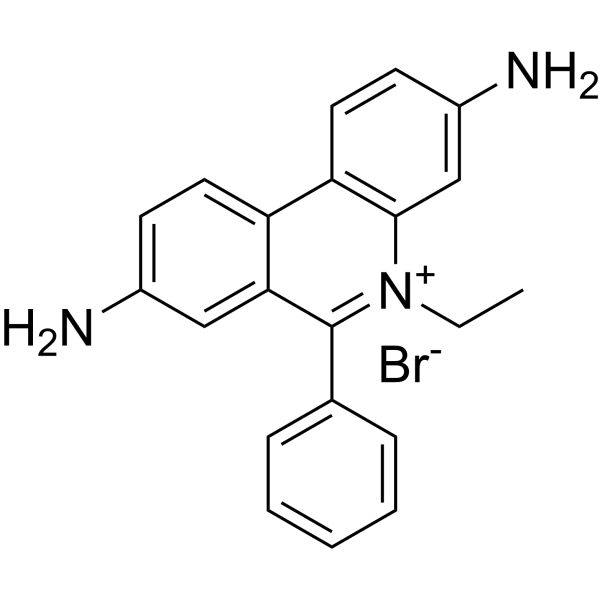
EthD bromide is an intercalating agent commonly used as a fluorescent tag (nucleic acid stain) in molecular biology laboratories for techniques such as agarose gel electrophoresis.
loading...
    loading...
28
28 Cited Publications
Cat. No.: HY-Y1883
CAS No.: 9002-93-1
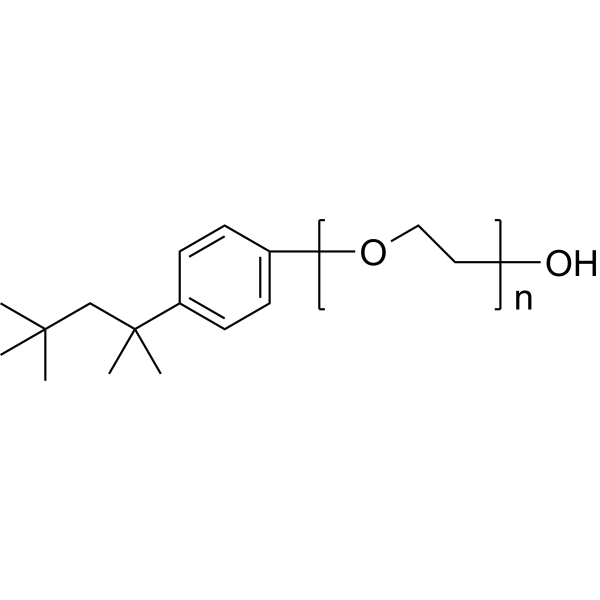
Polyethylene glycol mono(4-tert-octylphenyl) ether surfactant is a non-denaturing detergent that solubilizes lipid membranes. Polyethylene glycol mono(4-tert-octylphenyl) ether surfactant is commonly used in laboratories and is applied to vaccines at different stages of the manufacturing process. Polyethylene glycol mono(4-tert-octylphenyl) ether surfactant is listed as an excipient in certain vaccines including split virus influenza vaccines. Polyethylene glycol mono(4-tert-octylphenyl) ether surfactant is a nonionic surfactant. Polyethylene glycol mono(4-tert-octylphenyl) ether surfactant induces Apoptosis in prostate and colon cancer cell lines and reduces the infectivity of classic enveloped viruses such as WNV .
loading...
    loading...
28
28 Cited Publications
Cat. No.: HY-Y1883A
CAS No.: 9002-93-1
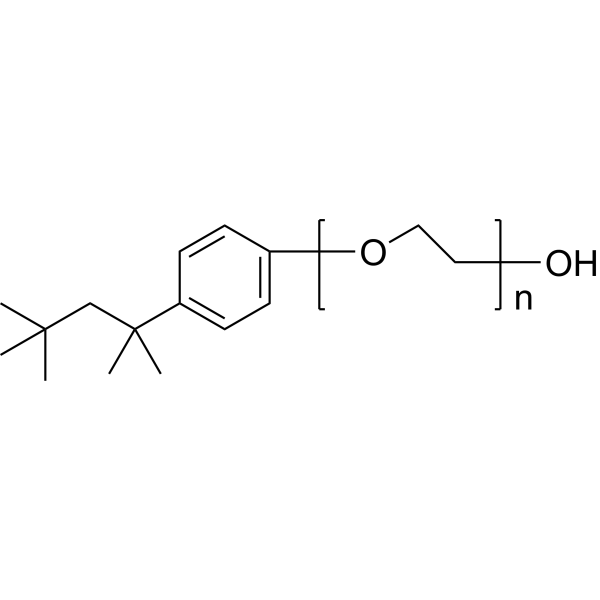
Polyethylene glycol mono(4-tert-octylphenyl) ether is a non-denaturing detergent that solubilizes lipid membranes. Polyethylene glycol mono(4-tert-octylphenyl) ether is commonly used in laboratories and is applied to vaccines at different stages of the manufacturing process. Polyethylene glycol mono(4-tert-octylphenyl) ether is listed as an excipient in certain vaccines including split virus influenza vaccines. Polyethylene glycol mono(4-tert-octylphenyl) ether is a nonionic surfactant. Polyethylene glycol mono(4-tert-octylphenyl) ether induces Apoptosis in prostate and colon cancer cell lines and reduces the infectivity of classic enveloped viruses such as WNV .
loading...
    loading...
26
26 Cited Publications
Cat. No.: HY-P0223
CAS No.: 98849-88-8
Research Areas:  

Inflammation/Immunology

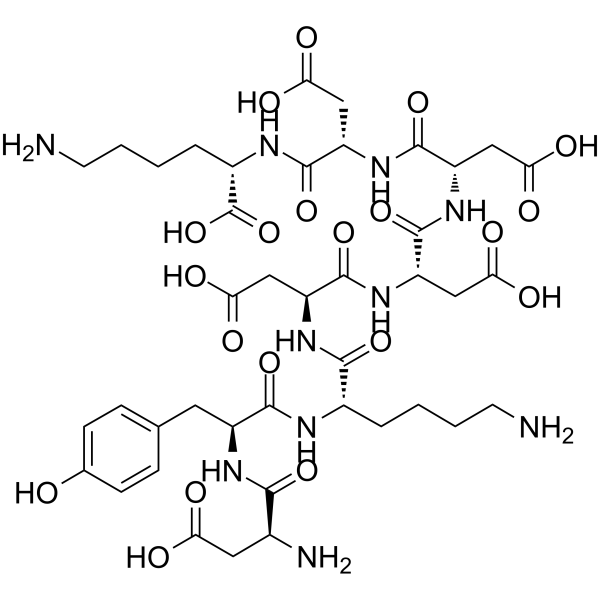
FLAG peptide is a multifunctional fusion tag for the purification of recombinant proteins. FLAG peptide maintances the natural folding of its fusing proteins. FLAG peptide can be removed by enterokinase, and eluted under non-denaturing conditions .
loading...
    loading...
26
26 Cited Publications
Cat. No.: HY-P0223A
Research Areas:  

Others

FLAG peptide TFA is the TFA salt form of FLAG peptide (HY-P0223). FLAG peptide TFA is a multifunctional fusion tag for the purification of recombinant proteins. FLAG peptide TFA maintances the natural folding of its fusing proteins. FLAG peptide TFA can be removed by enterokinase, and eluted under non-denaturing conditions .
loading...
    loading...
12
12 Cited Publications
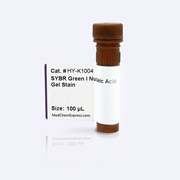
Cat. No.: HY-K1004

MCE SYBR Green I Nucleic Acid Gel Stain is one of the most sensitive stains available for detecting double-stranded DNA (dsDNA) in agarose and polyacrylamide gels.

loading...
    loading...
6
6 Cited Publications
Cat. No.: HY-K1000

MCE WB/IP Lysis Buffer is a lysis buffer used to lyse cell or tissue samples under non-denaturing conditions to prepare protein samples. The lysed cell or tissue samples can be used for PAGE, Western Blot, Immunoprecipitation (IP), Co-Immunoprecipitation (Co-IP), ELISA, and other assays.

loading...
    loading...
5
5 Cited Publications
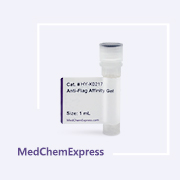
Cat. No.: HY-K0217

MCE Anti-Flag Affinity Gel is used for immunoprecipitation (IP) or protein purification of specific Flag-tagged (DYKDDDDK) proteins expressed in bacterial and mammalian cells and in vitro expression systems.

loading...
    loading...
4
4 Cited Publications
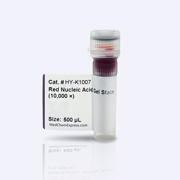
Cat. No.: HY-K1007

MCE Red Nucleic Acid Gel Stain (10,000×) is a nucleic acid stain that can be used as a safer alternative to the traditional ethidium bromide (EB) stain for detecting nucleic acids in agarose gels or polyacrylamide gels.

loading...
    loading...
4
4 Cited Publications
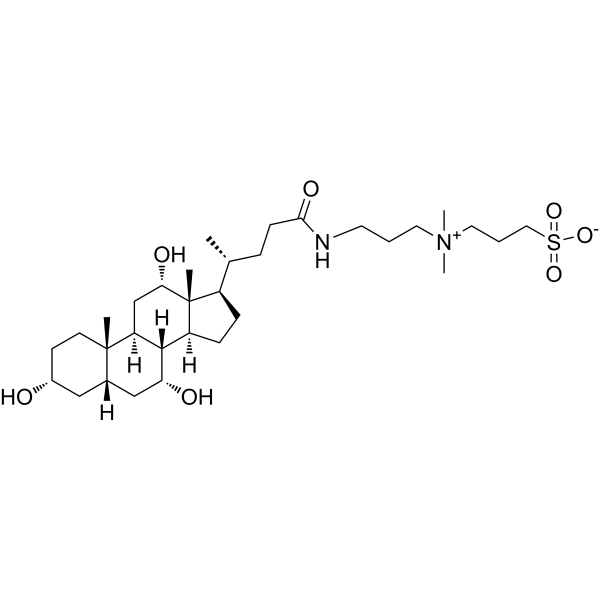
Cat. No.: HY-15435
CAS No.: 75621-03-3
Purity:  99.91%
Research Areas:  

Others

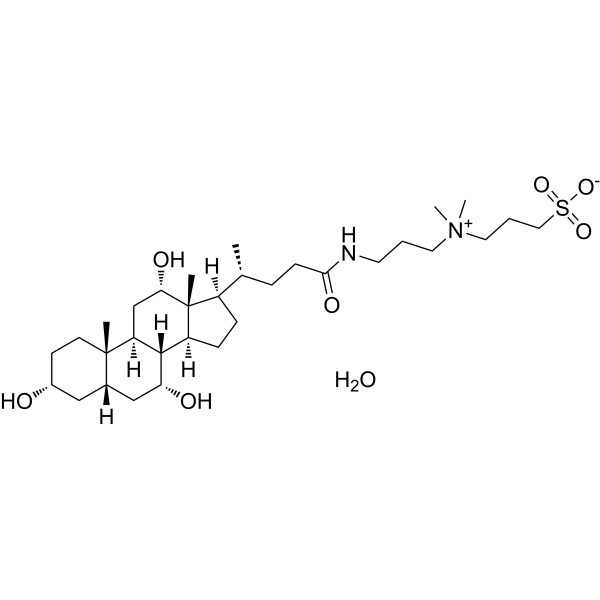
CHAPS is a cholic acid-derived, sulfobetaine-type zwitterionic detergent and micelle-forming agent. CHAPS exhibits properties of weak cationic or nonionic surfactants in different solution systems, undergoes micellization, and forms small, loose hydrophilic aggregates that are temperature-dependent. CHAPS stabilizes mononucleosomes under different ionic strengths, reduces nucleosome sequence specificity, promotes sliding of histone cores along DNA, solubilizes Tamm-Horsfall protein to reduce its interference with urinary exosome isolation, and maintains vesicle structure and the activity of related proteins at the same time. CHAPS is used to recover native folded fusion proteins, enhance the binding capacity of GST fusion proteins, and restore GST enzyme activity. However, CHAPS cannot refold proteins denatured by urea, guanidine hydrochloride or heat, nor can it construct the structure of intrinsically disordered proteins. CHAPS is commonly used in research on the separation and purification of membrane proteins .
loading...
    loading...
4
4 Cited Publications
Cat. No.: HY-15435A
CAS No.: 331717-45-4
Purity:  ≥98.0%
CHAPS hydrate is a cholic acid-derived, sulfobetaine-type zwitterionic detergent and micelle-forming agent. CHAPS hydrate exhibits properties of weak cationic or nonionic surfactants in different solution systems, undergoes micellization, and forms small, loose hydrophilic aggregates that are temperature-dependent. CHAPS hydrate stabilizes mononucleosomes under different ionic strengths, reduces nucleosome sequence specificity, promotes sliding of histone cores along DNA, solubilizes Tamm‑Horsfall protein to reduce its interference with urinary exosome isolation, and maintains vesicle structure and the activity of related proteins at the same time. CHAPS hydrate is used to recover native folded fusion proteins, enhance the binding capacity of GST fusion proteins, and restore GST enzyme activity. However, CHAPS hydrate cannot refold proteins denatured by urea, guanidine hydrochloride or heat, nor can it construct the structure of intrinsically disordered proteins. CHAPS hydrate is commonly used in research on the separation and purification of membrane proteins .
loading...
    loading...
4
4 Cited Publications
Cat. No.: HY-136205
CAS No.: 930800-38-7
Purity:  99.41%
Synonyms: Iodoacetamide-alkyne; N-Hex-5-ynyl-2-iodo-acetamide
Target:  

TRP Channel

Research Areas:  

Infection Inflammation/Immunology

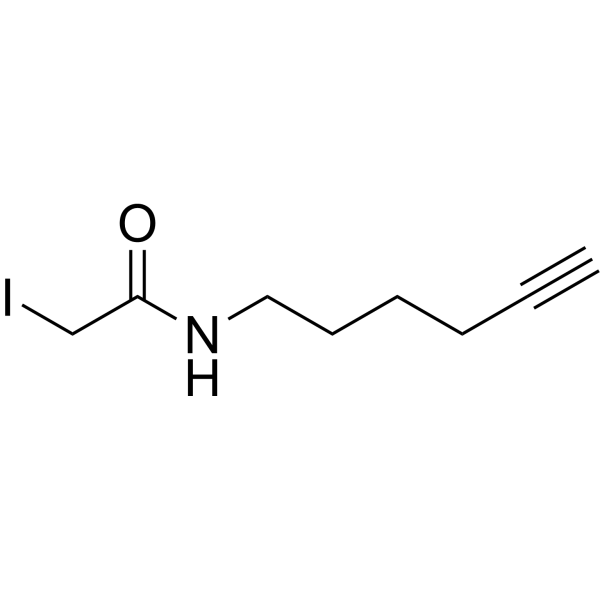
IA-Alkyne (Iodoacetamide-alkyne; N-Hex-5-ynyl-2-iodo-acetamide) is a TRP channel (TRPC) agonist and has the potential for the study of respiratory infection . IA-Alkyne can be used to develop an isotopically tagged probe for quantitative cysteine-reactivity profiling . IA-Alkyne is a click chemistry reagent, it contains an Alkyne group and can undergo copper-catalyzed azide-alkyne cycloaddition (CuAAc) with molecules containing Azide groups.
loading...
    loading...
4
4 Cited Publications
Cat. No.: HY-100958
CAS No.: 1952-15-4
Purity:  99.96%
Synonyms: 4-DAMP methiodide
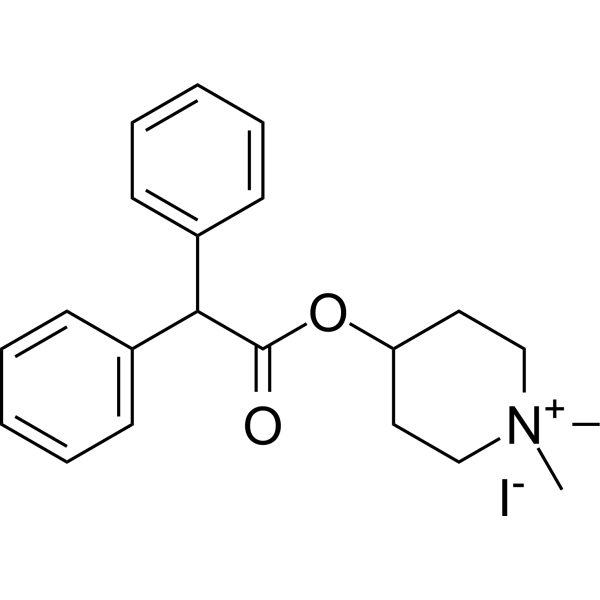
4-DAMP (4-DAMP methiodide) is a potent and selective antagonist of M3 receptors and also has a high affinity for the closely-related M5 receptors. 4-DAMP combined with 5-Fluorouracil (5-Fu) (HY-90006) could significantly reduce the cell viability and enhance apoptosis in MKN45 and BGC823 gastric cancer cells. 4-DAMP inhibits lipopolysaccharide (LPS)- and tobacco-induced pulmonary inflammation and reduces mucin 5AC (MUC5AC), oligomeric mucus/gel-forming secretion .
loading...
    loading...
3
3 Cited Publications
Cat. No.: HY-B1659
CAS No.: 56-81-5
Synonyms: Trihydroxypropane
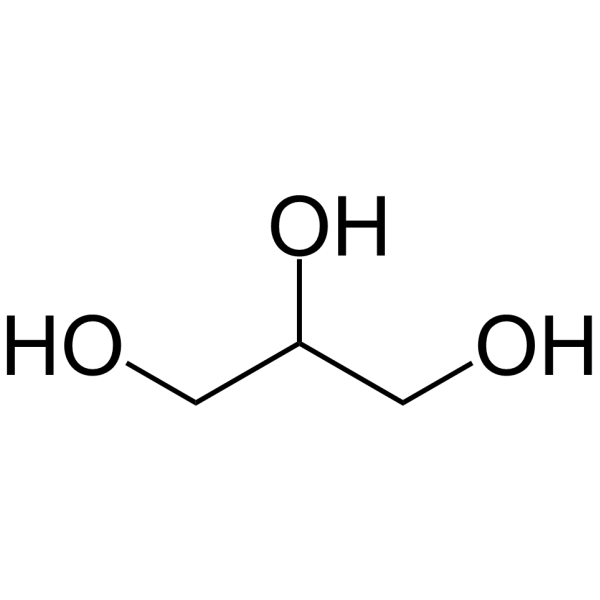
Glycerol is used in sample preparation and gel formation for polyacrylamide gel electrophoresis.
loading...
    loading...
3
3 Cited Publications
Cat. No.: HY-D1098
CAS No.: 195199-08-7
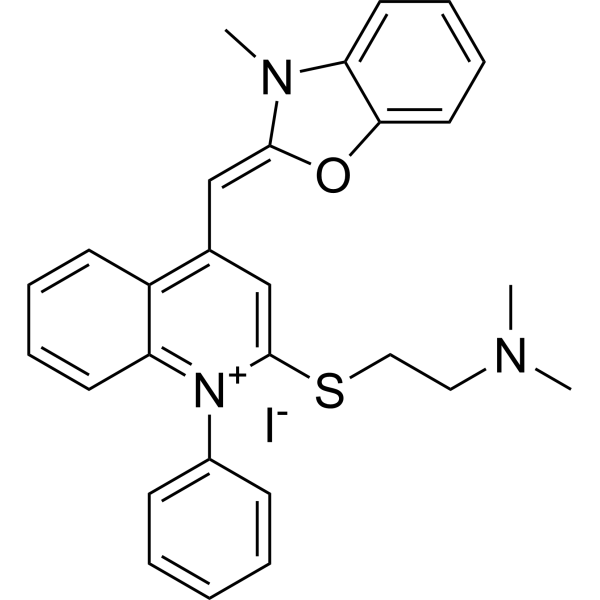
SYBR Green II is a fluorescent nucleic acid dye that mainly binds single-stranded nucleotides. SYBR Green II is sensitive to oligonucleotides or larger nucleic acid polymers in a variety of cells and gels. SYBR Green II can be used to study cell structure, membrane integrity or function, and cell cycle distribution. Wavelength 484/515 nm .
loading...
    loading...
2
2 Cited Publications
Cat. No.: HY-D0848
CAS No.: 110-26-9
Synonyms: Bisacrylamide; MBA; Methylenebisacrylamide; N,N-Methylenebisacrylamide
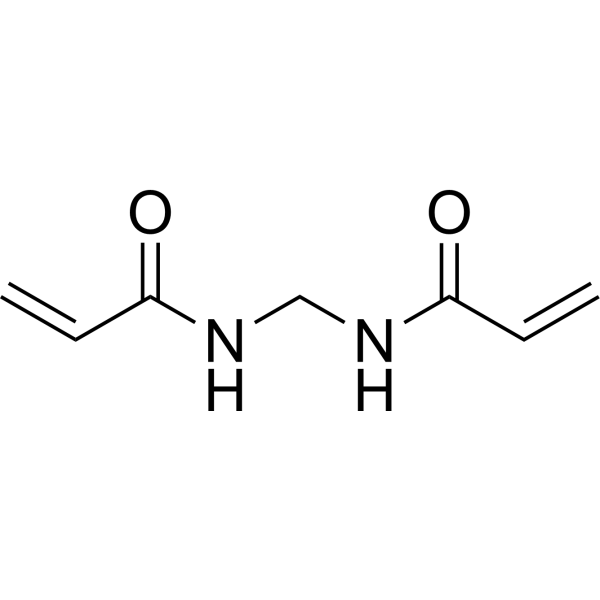
N,N'-Methylenebisacrylamide (Bisacrylamide) is an orally active acrylamide dimer and crosslinker. N,N'-Methylenebisacrylamide increases CYP2E1, P53, cleaved caspase-3. N,N'-Methylenebisacrylamide promotes hepatic cancer. N,N'-Methylenebisacrylamide changes sperm abnormality rate and sperm count. N,N'-Methylenebisacrylamide decreases the number of various cells in the blood as well as induces liver and testicular damage. N,N'-Methylenebisacrylamide is used to prepare polyacrylamide gel .
loading...
    loading...
2
2 Cited Publications
Cat. No.: HY-P2863
CAS No.: 9025-64-3
Synonyms: DNase II
Target:  

Endonuclease

Research Areas:  

Others

Deoxyribonuclease II (DNase II) is an endonuclease that hydrolyzes the phosphodiester bonds of deoxyribonucleotides in native and denatured DNA, producing 3' phosphate and 5'-hydroxyl termini. Deoxyribonuclease II works best at acidic pH and is commonly used in biochemical research .
loading...
    loading...
2
2 Cited Publications
Cat. No.: HY-138560
CAS No.: 9048-71-9
Cross-linked dextran G 50 is a gel filtration medium. Cross-linked dextran G 50 can be used in gel permeation chromatography for fractionation of the glycopeptide mixture (Sphere protein separation range: 1.5K-30K Da; Polysaccharide separation range: 500-10K Da) .
loading...
    loading...
2
2 Cited Publications
Cat. No.: HY-15917A
CAS No.: 16096-97-2
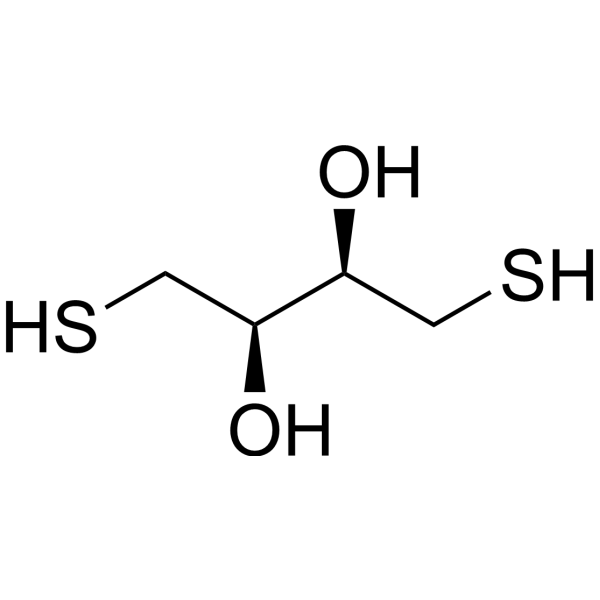
L-Dithiothreitol (DTT) is a reducing agent commonly used in various biochemical applications to break disulfide bonds in proteins, thereby denaturing proteins or preventing the formation of unwanted aggregates. DTT has a unique chemical property that cleaves the sulfur-sulfur bond in the disulfide bond to form a sulfhydryl group. This makes it a useful tool for protein purification, enzyme assays, and protein structure studies.
loading...
    loading...
2
2 Cited Publications
Cat. No.: HY-K1031

MCE Agarose can be made into 0.5-2.5% agarose gel according to different needs and can resolve DNA and RNA fragments from 50-15,000 bp.

loading...
    loading...

