1. Search Result
Search Result
Pathways Recommended: Antibody-drug Conjugate/ADC Related
Results for "

Drug combination

" in MedChemExpress (MCE) Product Catalog:

44

Inhibitors & Agonists

11

Screening Libraries

1

Fluorescent Dyes

1

Biochemical Assay Reagents

4

Peptides

6

Natural
Products

1

Isotope-Labeled Compounds

Cat. No. Product Name Target Research Areas Chemical Structure
  • HY-B1019
    Sulpiride
    10+ Cited Publications

    Dopamine Receptor Neurological Disease
    Sulpiride is an orally active dopamine D2/D3 receptor antagonist. Sulpiride is an atypical antipsychotic agent of the benzamide family. Sulpiride can be used in research into anxiety, depression and breast cancer .
    Sulpiride
  • HY-109061
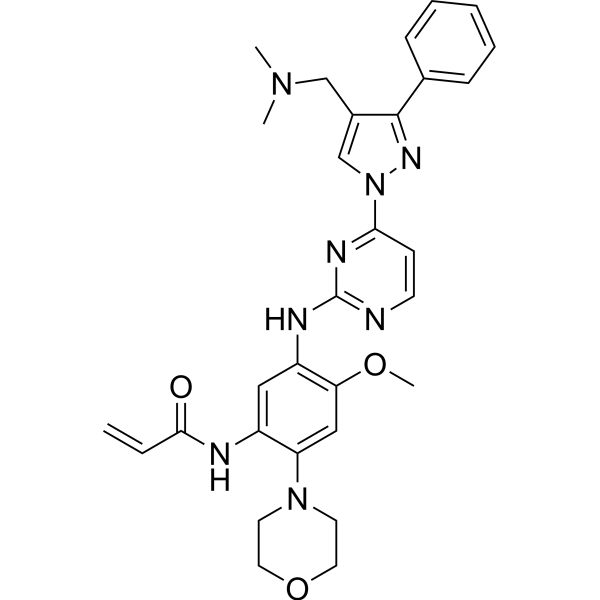
    Lazertinib
    3 Publications Verification

    YH25448; GNS-1480

    Apoptosis Akt TRP Channel EGFR ERK Infection Neurological Disease Metabolic Disease Cancer
    Lazertinib (YH25448; GNS-1480) is an orally active, blood-brain barrier permeable third-generation EGFR tyrosine kinase inhibitor, as well as an ABCB1/ABCG2 inhibitor and a TRPA1 activator. Lazertinib exhibits IC50 values of 0.4 mM and 0.2 mM against human ABCB1 and ABCG2, respectively. By inhibiting mutant EGFR signaling, EGFR phosphorylation and the downstream ERK/AKT pathway, as well as upregulating surface expression of EGFR/MET, Lazertinib induces cell cycle arrest, apoptosis, spontaneous calcium responses, hyperexcitability of dorsal root ganglion (DRG) neurons, and TRPA1-dependent pain-like behaviors. Lazertinib competitively binds to the substrate-binding sites of ABCB1/ABCG2, stimulates their ATPase activity without altering their expression or plasma membrane localization, thereby enhancing ADCC activity, acting as a chemosensitizer, and reversing ABCB1-mediated multidrug resistance. It exerts antitumor activity as a single agent or in combination with other drugs. Lazertinib is applicable to research related to non-small cell lung cancer, multidrug-resistant cancers, and paresthesia .
    Lazertinib
  • HY-164992
    Trastuzumab vedotin
    2 Publications Verification

    MRG002; Trastuzumab MMAE

    Antibody-Drug Conjugates (ADCs) EGFR Microtubule/Tubulin Cancer
    Trastuzumab vedotin (MRG002; Trastuzumab MMAE) is an antibody-drug conjugate and cytotoxin targeting HER2, with a Kd of 7.50E-11 M for human HER2. After binding to HER2, Trastuzumab vedotin undergoes internalization and lysosomal trafficking, delivering a cytotoxic payload to HER2-expressing cells and inducing tumor regression in in vivo xenograft models with HER2-expressing tumors. The anti-tumor activity of Trastuzumab vedotin is enhanced when used in combination with anti-PD-1 antibodies, and it exhibits preclinical anti-tumor activity in drug-resistant breast cancer, gastric cancer, and urothelial carcinoma PDX models. Trastuzumab vedotin has low antibody-dependent cellular cytotoxicity activity and can be used in studies related to HER2-positive breast cancer, HER2-positive gastric cancer, and unresectable locally advanced or metastatic HER2-positive urothelial carcinoma .
    Trastuzumab vedotin
  • HY-B0803
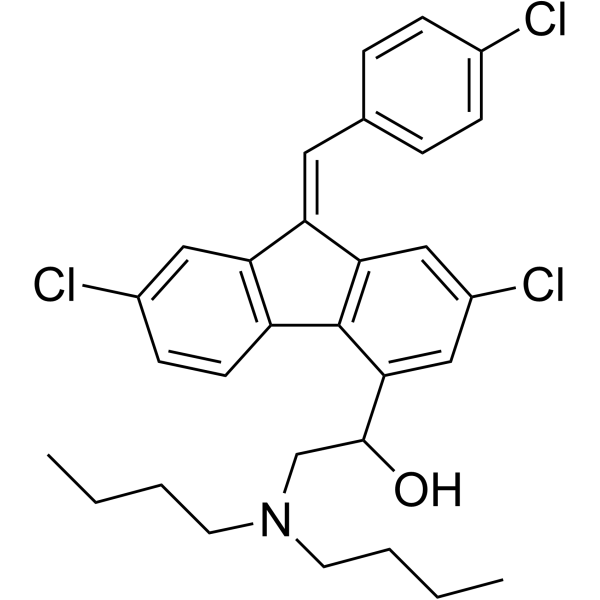
    Lumefantrine
    1 Publications Verification

    Benflumetol

    Parasite Infection
    Lumefantrine is an active antimalarial molecule used in combination with Artemether as a first- and second-line antimalarial drug with oral activity .
    Lumefantrine
  • HY-118472

    CGS 14831

    Drug Metabolite Endogenous Metabolite Angiotensin-converting Enzyme (ACE) Cardiovascular Disease
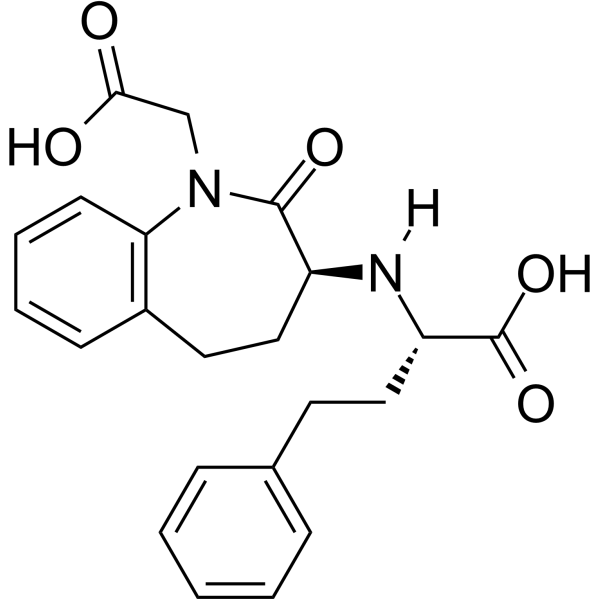
    Benazeprilat is an orally active and the active metabolite of benazepril, a carboxyl-containing ACE inhibitor with antihypertensive activity. Benazepril is a well-established antihypertensive agent, both in monoresearch and in combination with other classes of drugs including thiazide diuretics and calcium channel blockers. Benazepril is a first-line research in reducing various pathologies associated with CV risk and secondary end-organ damage .
    Benazeprilat
  • HY-109061B
    Lazertinib mesylate
    3 Publications Verification

    YH25448 mesylate; GNS-1480 mesylate

    TRP Channel EGFR Akt ERK Apoptosis Cancer
    Lazertinib (YH25448; GNS-1480) mesylate is an orally active, blood-brain barrier permeable third-generation EGFR tyrosine kinase inhibitor, as well as an ABCB1/ABCG2 inhibitor and a TRPA1 activator. Lazertinib mesylate exhibits IC50 values of 0.4 mM and 0.2 mM against human ABCB1 and ABCG2, respectively. By inhibiting mutant EGFR signaling, EGFR phosphorylation and the downstream ERK/AKT pathway, as well as upregulating surface expression of EGFR/MET, Lazertinib mesylate induces cell cycle arrest, apoptosis, spontaneous calcium responses, hyperexcitability of dorsal root ganglion (DRG) neurons, and TRPA1-dependent pain-like behaviors. Lazertinib mesylate competitively binds to the substrate-binding sites of ABCB1/ABCG2, stimulates their ATPase activity without altering their expression or plasma membrane localization, thereby enhancing ADCC activity, acting as a chemosensitizer, and reversing ABCB1-mediated multidrug resistance. It exerts antitumor activity as a single agent or in combination with other drugs. Lazertinib mesylate is applicable to research related to non-small cell lung cancer, multidrug-resistant cancers, and paresthesia .
    Lazertinib mesylate
  • HY-N0248
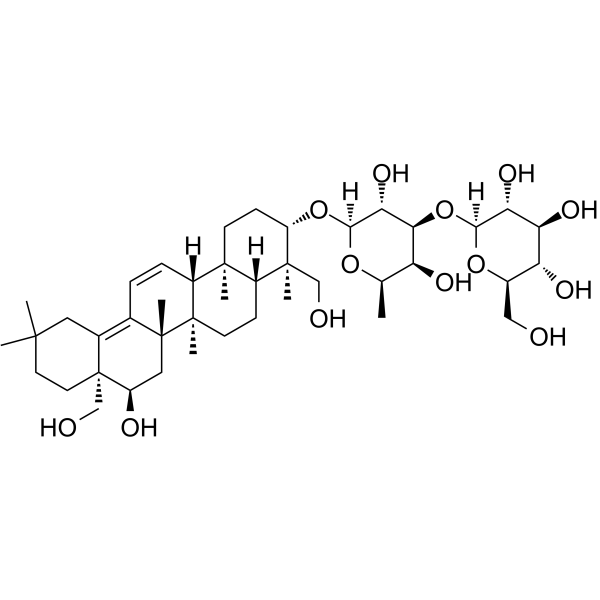
    Saikosaponin B2
    2 Publications Verification

    HCV P-glycoprotein Infection Cancer
    Saikosaponin B2 is an antiviral and anticancer agent that regulates multiple transporters (such as various solute carriers and ATP-binding cassette transporters including MRP1, MRP2, and OCT2). Saikosaponin B2 is isolated from the plant glycoside component of the roots of Bupleurum scorzonerifolium. Saikosaponin B2 enhances the liver targeting of anticancer drugs via vinegar-baked Radix Bupleuri. Saikosaponin B2 inhibits HCV entry, replication, and translation, is effective against Daclatasvir (HY-10466)-resistant strains, and exerts a synergistic effect when used in combination with Daclatasvir. Saikosaponin B2 is commonly used in studies related to hepatocellular carcinoma and HCV infection .
    Saikosaponin B2
  • HY-169257

    Methionine Adenosyltransferase (MAT) Cancer
    SCR-7952 is a MAT2A inhibitor, with IC50 of 18.7 nM. SCR-7952 can be used in anti-cancer research .
    SCR-7952
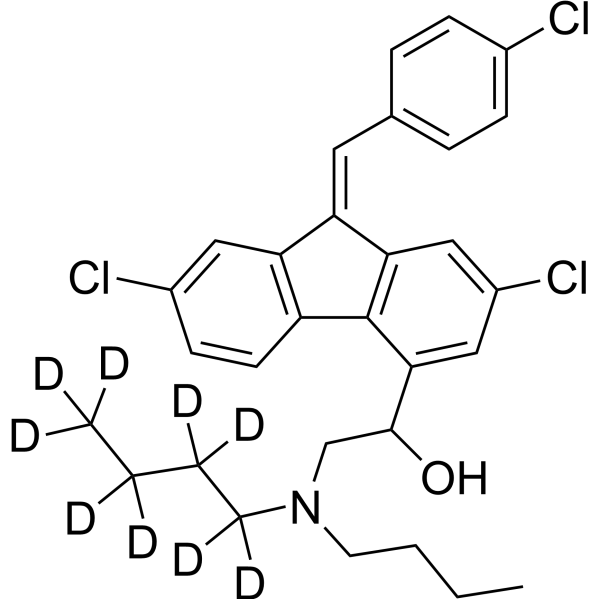
  • HY-B0803S1

    Benflumetol-d9

    Isotope-Labeled Compounds Parasite Autophagy Infection
    Lumefantrine-d9 is the deuterium labeled Lumefantrine. Lumefantrine is an antimalarial drug, used in combination with Artemether. The artemether-lumefantrine (AL) as the first- and second-line anti-malarial drugs.
    Lumefantrine-d9
  • HY-P10729A

    Radionuclide-Drug Conjugates (RDCs) Cancer
    DOTA-Bombesin (1-14) TFA is composed of chelator DOTA and Bombesin (HY-P0195). DOTA-Bombesin (1-14) TFA is used for research of cancer through combination with radioactive elements. DOTA-Bombesin (1-14)TFA can be used for the synthesis/research of Radionuclide-Drug Conjugates (RDCs) .
    DOTA-Bombesin (1-14) TFA
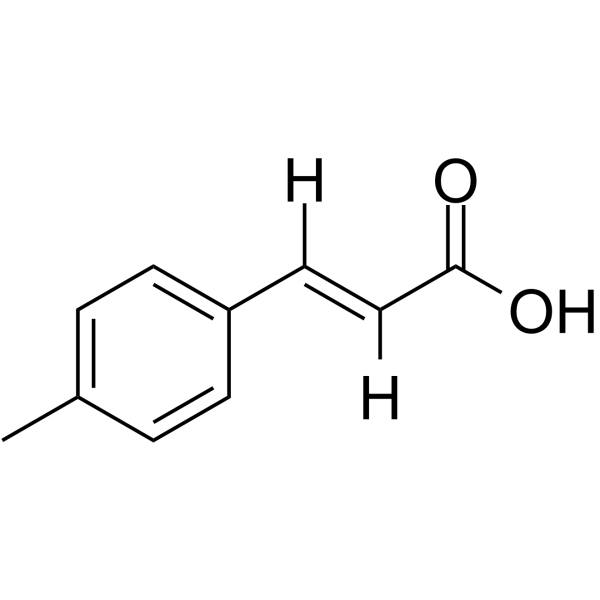
  • HY-W015399

    Fungal Infection
    4-Methylcinnamic acid is a cinnamic acid derivative with antifungal activity. 4-Methylcinnamic acid can overcome the tolerance of glutathione reductase mutants to 4-Methoxycinnamic acid (HY-N1387). When 4-Methylcinnamic acid is used in combination with traditional antifungal agents, it can reduce their minimum inhibitory concentrations. 4-Methylcinnamic acid can act as an intervention catalyst to enhance the efficacy of traditional antifungal agents and has application potential in targeting fungal cell wall disruption and controlling drug-resistant fungi .
    4-Methylcinnamic acid
  • HY-P10273A

    Radionuclide-Drug Conjugates (RDCs) Biochemical Assay Reagents Cancer
    DOTA-Octreotide TFA is composed of chelator DOTA and Octreotide (HY-P0036). DOTA-Octreotide TFA is used for research of cancer through combination with radioactive elements. DOTA-Octreotide TFA can be used for the synthesis/research of Radionuclide-Drug Conjugates (RDCs) .
    DOTA-Octreotide TFA
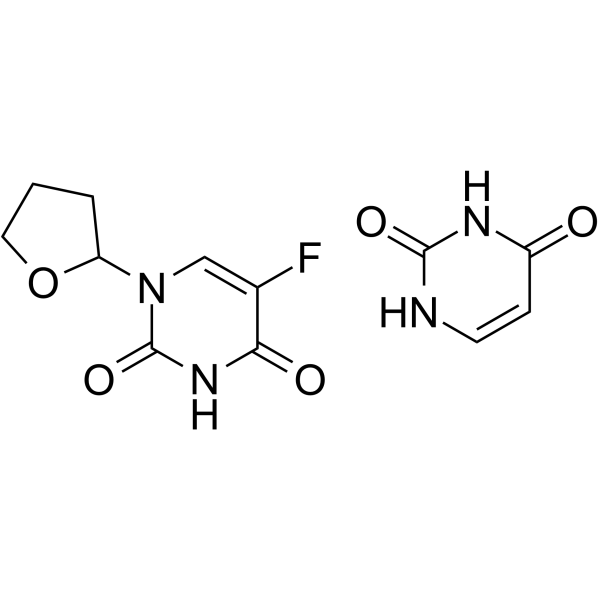
  • HY-16110

    UFT; BMS-200604

    Thymidylate Synthase Cancer
    Tegafur-Uracil (UFT; BMS-200604) is an effective oral chemotherapy drug based on fluoropyrimidine. Tegafur-Uracil inhibits thymidylate synthase. Tegafur-Uracil can be used in combination with leucovorin (LV) and polysaccharide K (PSK) for research on solid tumors .
    Tegafur-Uracil
  • HY-150280

    Apoptosis Ferroptosis DNA/RNA Synthesis IRE1 CDK Caspase Drug Derivative Cancer
    Ironomycin is a derivative of Salinomycin (HY-15597). Ironomycin exhibits selective inhibitory activity against mantle cell lymphoma (MCL) cells. Ironomycin blocks the cell cycle and induces apoptosis and ferroptosis. Ironomycin induces double-strand DNA breaks and activates the unfolded protein response (UPR), particularly the IRE1α signaling pathway accumulation. The combination of Ironomycin with Ibrutinib (HY-10997) shows a synergistic effect. Ironomycin can be used for the study of MCL.
    Ironomycin
  • HY-149721

    Apoptosis HDAC Cancer
    HDAC4-IN-1 (compound 1a) is a class IIa HDACI inhibitor (IC50=0.077 μM). HDAC4-IN-1 can enhance Caspase-induced Apoptosis. HDAC4-IN-1 has anticancer activity. HDAC4-IN-1 can be used in the research of drug combination against cancer .
    HDAC4-IN-1
  • HY-119340

    Flavoneacetic acid

    Reactive Oxygen Species (ROS) Cancer
    Mitoflaxone (flavoneacetic acid) is a synthetic flavonoid compound with vascular targeting properties. Mitoflaxone exerts anti-proliferative effects on endothelial cells through a superoxide-dependent mechanism, this effect leads to changes in the permeability of tumor blood vessels, thereby exerting anti-tumor effects [1] [2] .
    Mitoflaxone
  • HY-125356

    Beta-lactamase Infection
    ETX0282 is an orally active prodrug, with its active form being ETX1317. ETX0282 and ETX1317 are β-lactamase inhibitors of the dioxolane-dibenzo-p-heptane (DBO) type. ETX0282 exhibits high stability during intestinal absorption and can be efficiently converted into ETX1317 in the liver. ETX0282 alone has no bactericidal activity, but in a mouse model of neutropenic thigh infection, it can significantly reduce bacterial load when used in combination with Cefpodoxime Proxetil (HY-N7101). ETX0282 can be used for the study of infections caused by drug-resistant Gram-negative bacteria .
    ETX0282
  • HY-179392

    Apoptosis DNA Alkylator/Crosslinker VEGFR PDGFR Cancer
    Sunitinib-platinum(IV) prodrug-1 (Complex A) is a Pt(IV) prodrug based on Cisplatin (HY-17394), and this design aims to enable Pt(IV) to be reduced to active Pt(II) under intracellular reducing conditions, while simultaneously releasing a derivative of Sunitinib (HY-10255A) with tyrosine kinase inhibitor (TKI) activity. Sunitinib-platinum(IV) prodrug-1 exhibits excellent cytotoxicity against renal cell carcinoma (RCC), causing DNA crosslinking and apoptosis. Sunitinib-platinum(IV) prodrug-1 inhibits the VEGFR/PDGFR signaling pathway, suppressing tumor growth and angiogenesis. Sunitinib-platinum(IV) prodrug-1 can be used for research on renal cell carcinoma .
    Sunitinib-platinum(IV) prodrug-1
  • HY-B0803R

    Benflumetol (Standard)

    Reference Standards Parasite Autophagy Infection
    Lumefantrine (Standard) is the analytical standard of Lumefantrine. This product is intended for research and analytical applications. Lumefantrine is an active antimalarial molecule used in combination with Artemether as a first- and second-line antimalarial drug.
    Lumefantrine (Standard)
  • HY-B0317F

    Calcium Channel Infection
    Amlodipine hydrochloride is a biologically active drug used to lower blood pressure and prevent chest pain. Amlodipine hydrochloride has shown synergistic effects with antimicrobial drugs in in vitro studies, especially against carbene peptide-resistant Acinetobacter baumannii. Amlodipine hydrochloride can be used in combination with other antibiotics to enhance the inhibitory effect against resistant bacteria. The use of amlodipine hydrochloride helps reduce the dosage requirements of the drug, reduce toxic effects, and delay the emergence of drug resistance .
    Amlodipine hydrochloride
  • HY-119879

    CP-73049

    Antibiotic Bacterial Infection
    Binfloxacin (CP-73049) is a fluoroquinolone antibiotic. Binfloxacin does not inhibit the metabolism of theophylline, so it is safer to be used in combination with theophylline and other drugs metabolized by P450 1A2. Binfloxacin can be used in studies of bacterial infections .
    Binfloxacin
  • HY-P10273

    Radionuclide-Drug Conjugates (RDCs) Biochemical Assay Reagents Cancer
    DOTA-Octreotide is composed of chelator DOTA and Octreotide (HY-P0036). DOTA-Octreotide is used for research of cancer, through combination with radioactive elements. DOTA-Octreotide can be used for the synthesis/research of Radionuclide-Drug Conjugates (RDCs) .
    DOTA-Octreotide
  • HY-P10729

    Radionuclide-Drug Conjugates (RDCs) Cancer
    DOTA-Bombesin (1-14) is composed of chelator DOTA and Bombesin (HY-P0195). DOTA-Bombesin (1-14) is used for research of cancer through combination with radioactive elements. DOTA-Bombesin (1-14) can be used for the synthesis/research of Radionuclide-Drug Conjugates (RDCs) .
    DOTA-Bombesin (1-14)
  • HY-10554

    nAChR Neurological Disease
    WYE-103914 is an orally active α7 nAChR (EC50 = 0.49 µM for rat α7 nAChR, EC50 = 0.57 µM for human α7 nAChR) agonist. WYE-103914 exhibits the ability to enhance memory in multiple cognitive models. WYE-103914 is used in combination with antipsychotic drugs. WYE-103914 can be used for research on schizophrenia .
    WYE-103914
  • HY-121067

    Parasite Cancer
    Carbarsone, also known as p-ureidobenzenearsonic acid, is historically used as an amebicide in human and veterinary medicine and extensively employed in poultry and swine feed, often in combination with antibiotics to prevent conditions like blackhead in turkeys. It exhibits relatively low acute toxicity, prompting investigations into its safety for food additives under the Federal Food, Drug, and Cosmetic Act. Studies aimed at assessing its potential carcinogenicity in laboratory animals have shown negative evidence similar to other arsanilic acid derivatives, suggesting minimal risk under chronic ingestion conditions. Metabolically, carbarsone is converted to arsanilic acid, which has been observed in preliminary studies involving dogs at high doses .
    Carbarsone
  • HY-133007

    Progesterone Receptor Metabolic Disease
    Algestone acetophenide is a progesterone drug. Algestone acetophenide can be used in combination with estrogen as a long-acting injectable contraceptive .
    Algestone acetophenide
  • HY-120102

    G-quadruplex Cancer
    Emicoron is a new promising G4 ligand and bind G-rich oncogene promoters. Emicoron possesses a marked antitumoral activity? alone or in combination with chemotherapeutics in vivo. Emicoron can be used for cancer research .
    Emicoron
  • HY-133056R

    Reference Standards Antibiotic Bacterial Infection
    Algestone acetophenide (Standard) is the analytical standard of Algestone acetophenide. This product is intended for research and analytical applications. Algestone acetophenide is a progesterone drug. Algestone acetophenide can be used in combination with estrogen as a long-acting injectable contraceptive .
    Pseudomonic acid C (Standard)
  • HY-133007R

    Progesterone Receptor Reference Standards Metabolic Disease
    Algestone acetophenide (Standard) is the analytical standard of Algestone acetophenide. This product is intended for research and analytical applications. Algestone acetophenide is a progesterone drug. Algestone acetophenide can be used in combination with estrogen as a long-acting injectable contraceptive .
    Algestone acetophenide (Standard)
  • HY-135759

    Bacterial Infection
    Cetraxate is an orally active antiulcer Drug. Cetraxate increases the blood flow of gastric mucosal. Cetraxate increases the eradication of Helicobacter pylori in smokers when in combination with Omeprazole (HY-B0113),Amoxicillin (HY-B0467A), and Clarithromycin (HY-17508) .
    Cetraxate
  • HY-117161

    Cytochrome P450 Cancer
    ZINC05626394 is a cytochrome b5 reductase 3 inhibitor with activity by increasing nitric oxide bioavailability. ZINC05626394 may have potential applications in anti-cancer suppression, especially in combination with antibody drug conjugates (ADCs) and immune checkpoint inhibitors. The efficacy of ZINC05626394 may be limited by different mechanisms, including antigen-related resistance and failure of endocytosis .
    ZINC05626394
  • HY-P2088

    Des-N-tetramethyltriostin A

    Antibiotic Cancer
    TANDEM (Des-N-tetramethyltriostin A) is a synthetic antibiotic drug that has the activity of inhibiting the growth of tumor cells. TANDEM can be used in combination with chemotherapy to enhance the inhibitory effect. TANDEM has shown significant inhibitory effects on a variety of cancer cell lines in in vitro experiments. The structure of TANDEM allows it to effectively target tumor cells during the inhibition process. TANDEM's mechanism of action involves interfering with cell proliferation and survival pathways .
    TANDEM
  • HY-172131

    Parasite Infection
    Emoquine-1 is an orally active and potent antimalarial drug. Emoquine-1 is efficient against multidrug-resistant Plasmodium parasites, including the Artemisinin-resistant quiescent stage. Emoquine-1 is active against proliferative P. falciparum with IC50 values of 20-55 nM. Emoquine-1 is a candidate to fight Plasmodium parasites resistant to artemisinin-based combination therapies (ACTs) with a capacity to eliminate persistent parasites .
    Emoquine-1
  • HY-118472R

    CGS 14831 (Standard)

    Drug Metabolite Reference Standards Endogenous Metabolite Angiotensin-converting Enzyme (ACE) Cardiovascular Disease
    Benazeprilat (Standard) is the analytical standard of Benazeprilat. This product is intended for research and analytical applications. Benazeprilat is an orally active and the active metabolite of benazepril, a carboxyl-containing ACE inhibitor with antihypertensive activity. Benazepril is a well-established antihypertensive agent, both in monoresearch and in combination with other classes of drugs including thiazide diuretics and calcium channel blockers. Benazepril is a first-line research in reducing various pathologies associated with CV risk and secondary end-organ damage .
    Benazeprilat (Standard)
  • HY-N3103R

    Ethyl (E)-p-hydroxycinnamate (Standard); Ethyl trans-4-hydroxycinnamate (Standard)

    Reference Standards Drug Metabolite Inflammation/Immunology
    Benazeprilat (Standard) is the analytical standard of Benazeprilat. This product is intended for research and analytical applications. Benazeprilat is an orally active and the active metabolite of benazepril, a carboxyl-containing ACE inhibitor with antihypertensive activity. Benazepril is a well-established antihypertensive agent, both in monoresearch and in combination with other classes of drugs including thiazide diuretics and calcium channel blockers. Benazepril is a first-line research in reducing various pathologies associated with CV risk and secondary end-organ damage .
    p-Coumaric Acid Ethyl Ester (Standard)
  • HY-118013

    Bacterial Infection
    NDM-1 inhibitor-2 is an inhibitor of New Delhi metallo-β-lactamase-1 (NDM-1) and has the ability to inhibit NDM-1 activity. NDM-1 inhibitor-2 exhibits a good inhibitory effect on drug-resistant bacterial strains that overexpress NDM-1. When NDM-1 inhibitor-2 is used in combination with the carbapenem antibiotic meropenem, a favorable synergistic effect can be produced .
    NDM-1 inhibitor-2
  • HY-159924

    Opioid Receptor Neurological Disease
    DBPR116 is a prodrug of BPRMU191 (HY-159923) with blood-brain barrier penetration capability. DBPR116 significantly improves the delivery of centrally targeted drugs. In combination with the antagonist Naltrexone (HY-76711), DBPR116 demonstrated superior safety and analgesic efficacy compared to morphine in various in vivo pharmacological studies, including thermal pain models, cancer pain models, constipation, sedation, psychological dependence, heart rate, and respiratory frequency. As a prodrug strategy for peripheral administration, DBPR116 effectively alleviates pain while reducing adverse effects, showing potential as a safer opioid analgesic .
    DBPR116
  • HY-159577

    PI3K mTOR Akt Cancer
    Nic-15 (compound 4n) is an anti-constrictive agent used to antagonize the hypovascularity of pancreatic tumors. The hypovascularity allows cancer cells to adapt to the nutrient-deficient tumor microenvironment and develop drug resistance. Nic-15 can regulate the PI3K/Akt/mTOR pathway and alleviate ER stress induced by Gemcitabine (HY-17026). Nic-15 can significantly inhibit the migration and colony formation of MIA PaCa-2 and PANC-1 pancreatic cancer cells. The combination of Nic-15 and Gemcitabine can effectively solve the problem of pancreatic tumor resistance. In an in vivo xenograft model, Nic-15 can significantly enhance the efficacy of Gemcitabine .
    Nic-15
  • HY-N0248R

    Reference Standards P-glycoprotein HCV Infection Cancer
    Saikosaponin B2 (Standard) is the analytical standard of Saikosaponin B2. This product is intended for research and analytical applications. Saikosaponin B2 is an antiviral and anticancer agent that regulates multiple transporters (such as various solute carriers and ATP-binding cassette transporters including MRP1, MRP2, and OCT2). Saikosaponin B2 is isolated from the plant glycoside component of the roots of Bupleurum scorzonerifolium. Saikosaponin B2 enhances the liver targeting of anticancer drugs via vinegar-baked Radix Bupleuri. Saikosaponin B2 inhibits HCV entry, replication, and translation, is effective against Daclatasvir (HY-10466)-resistant strains, and exerts a synergistic effect when used in combination with Daclatasvir. Saikosaponin B2 is commonly used in studies related to hepatocellular carcinoma and HCV infection .
    Saikosaponin B2 (Standard)
  • HY-160713

    NSSL-BMS

    TNF Receptor Interleukin Related Infection Inflammation/Immunology
    Betamethasone succinate (NSSL-BMS) is a nano-formulation that can cross the blood-brain barrier. Betamethasone succinate is prepared by encapsulating the Betamethasone (HY-13570) semi-succinate in PEG-liposomes. Betamethasone succinate utilizes the enhanced permeation and retention effects of liposomes to target and deliver the potent glucocorticoid to the inflammatory sites. Betamethasone succinate inhibits the secretion of pro-inflammatory cytokines (such as TNF-α and IL-6) while maintaining the level of anti-inflammatory cytokine TGF-β. Betamethasone succinate can be used in the research of arthritis and cerebral malaria .
    Betamethasone succinate
  • HY-179709

    Beta-lactamase Bacterial Infection
    NDM-1-IN-12 (Compound 10c) is an inhibitor of NDM-1 metallo-β-lactamase, with an IC50 value of 9 nM. NDM-1-IN-12 effectively reverses bacterial resistance to β-lactam antibiotics and shows an additive effect when used in combination with antibiotics and SBL inhibitors. NDM-1-IN-12 can be used in the research of anti-multi-drug resistant bacteria .
    NDM-1-IN-12
  • HY-181286

    Cytochrome P450 Infection
    ETX1975-3 is an orally active inhibitor and bactericide targeting the bd cytochrome oxidase of Mycobacterium tuberculosis. ETX1975-3 disrupts electron transfer between the b-heme centers of the target enzyme, and in combination with Q203 (HY-101040), exerts bactericidal activity against both replicating and non-replicating Mycobacterium tuberculosis, and reduces bacterial loads in acute mouse models. ETX1975-3 retains activity against clinical isolates of multidrug-resistant/extensively drug-resistant Mycobacterium tuberculosis and non-tuberculous mycobacteria, while possessing favorable preclinical ADMET properties. ETX1975-3 can be used in studies related to tuberculosis and non-tuberculous mycobacterial infections .
    ETX1975-3
  • HY-107785R

    D-Glucosamine-2-N-sulfate sodium (Standard)

    Reference Standards Endogenous Metabolite Metabolic Disease
    2-Deoxy-2-sulfoamino-D-glucose (sodium) (Standard) is the analytical standard of 2-Deoxy-2-sulfoamino-D-glucose (sodium). This product is intended for research and analytical applications. 2-Deoxy-2-sulfoamino-D-glucose sodium (D-Glucosamine-2-N-sulfate sodium) is an endogenous metabolite. The main regulatory mechanism of 2-Deoxy-2-sulfoamino-D-glucose sodium involves the interaction of sulfuric acid groups with biomolecules. Sulfate groups can influence the charge density and configuration of polysaccharides, thereby regulating their ability to bind to proteins such as antithrombin. This combination can enhance the activity of antithrombin, which in turn inhibits key enzymes in the blood clotting process to achieve anti-clotting effects. 2-Deoxy-2-sulfoamino-D-glucose sodium can be used to study the selective removal of n-sulfate groups from Heparin (HY-17567) which has important implications for understanding the biological activity of heparin and developing related drugs .
    2-Deoxy-2-sulfoamino-D-glucose sodium (Standard)
  • HY-109061A

    YH25448 mesylate hydrate; GNS-1480 mesylate hydrate

    Apoptosis Akt TRP Channel EGFR ERK Cancer
    Lazertinib (YH25448; GNS-1480) mesylate hydrate is an orally active, blood-brain barrier permeable third-generation EGFR tyrosine kinase inhibitor, as well as an ABCB1/ABCG2 inhibitor and a TRPA1 activator. Lazertinib mesylate hydrate exhibits IC50 values of 0.4 mM and 0.2 mM against human ABCB1 and ABCG2, respectively. By inhibiting mutant EGFR signaling, EGFR phosphorylation and the downstream ERK/AKT pathway, as well as upregulating surface expression of EGFR/MET, Lazertinib mesylate hydrate induces cell cycle arrest, apoptosis, spontaneous calcium responses, hyperexcitability of dorsal root ganglion (DRG) neurons, and TRPA1-dependent pain-like behaviors. Lazertinib mesylate hydrate competitively binds to the substrate-binding sites of ABCB1/ABCG2, stimulates their ATPase activity without altering their expression or plasma membrane localization, thereby enhancing ADCC activity, acting as a chemosensitizer, and reversing ABCB1-mediated multidrug resistance. It exerts antitumor activity as a single agent or in combination with other drugs. Lazertinib mesylate hydrate is applicable to research related to non-small cell lung cancer, multidrug-resistant cancers, and paresthesia .
    Lazertinib mesylate hydrate

Inquiry Online

Your information is safe with us. * Required Fields.

Salutation


Country or Region *

Applicant Name *


Organization Name *

Department *


Email Address *


Product Name *

Cat. No.


Requested quantity *

Phone Number *


Remarks

Inquiry Online

Inquiry Information

Product Name:
Cat. No.:
Quantity:
MCE Japan Authorized Agent:

