1. Search Result
Search Result
Results for "

FAK

" in MedChemExpress (MCE) Product Catalog:

208

Inhibitors & Agonists

3

Biochemical Assay Reagents

9

Peptides

1

Inhibitory Antibodies

22

Natural
Products

5

Recombinant Proteins

3

Isotope-Labeled Compounds

16

Antibodies

1

Click Chemistry

3

Oligonucleotides

Targets Recommended:
Cat. No. Product Name Target Research Areas Chemical Structure
  • HY-10461
    PF-573228
    30+ Cited Publications

    FAK Apoptosis Cancer
    PF-573228 is a potent and selective FAK inhibitor with IC50 of 4 nM for purified recombinant catalytic fragment of FAK.
    PF-573228
  • HY-12289
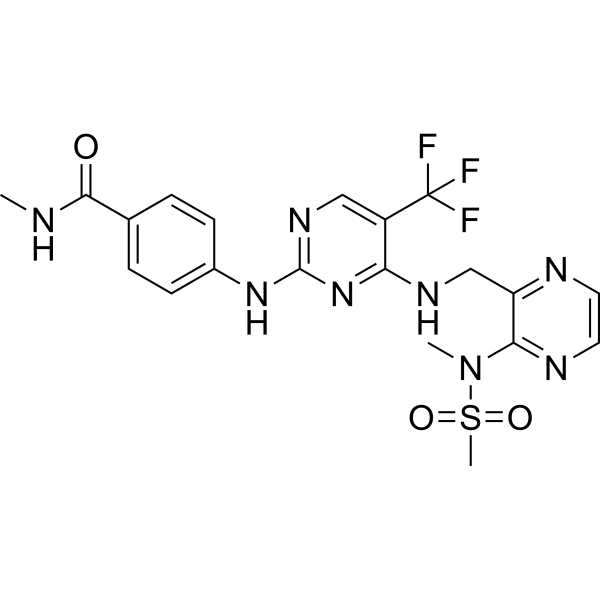
    Defactinib
    Maximum Cited Publications
    57 Publications Verification

    VS-6063; PF-04554878

    FAK Cancer
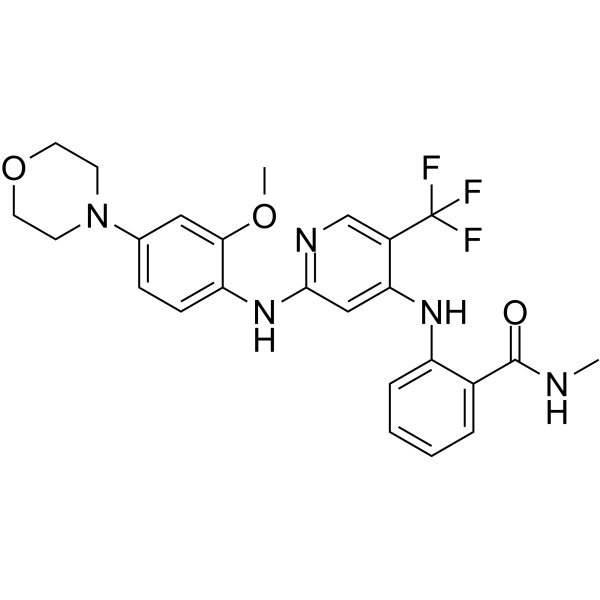
    Defactinib (VS-6063; PF-04554878) is a novel FAK inhibitor with potential antiangiogenic and antineoplastic activities.
    Defactinib
  • HY-12444
    Y15
    25+ Cited Publications

    FAK Inhibitor 14

    FAK Cancer
    Y15 is a potent and specific inhibitor of focal adhesion kinase (FAK) that inhibits its autophosphorylation activity, decreases the viability of cancer cells, and blocks tumor growth.
    Y15
  • HY-122844
    Ifebemtinib
    3 Publications Verification

    BI-853520; IN-10018

    FAK Cancer
    Ifebemtinib (BI 853520) is an orally active and potent focal adhesion kinase (FAK) inhibitor (recombinant FAK IC50=1 nM). Ifebemtinib shows anti-proliferative activity against cancer cells. Ifebemtinib inhibits FER Kinase and FES Kinase with IC50s of 900 nM and 1040 nM, respectively .
    Ifebemtinib
  • HY-N1372A
    Fangchinoline
    Maximum Cited Publications
    10 Publications Verification

    HIV FAK Apoptosis Autophagy Infection Cancer
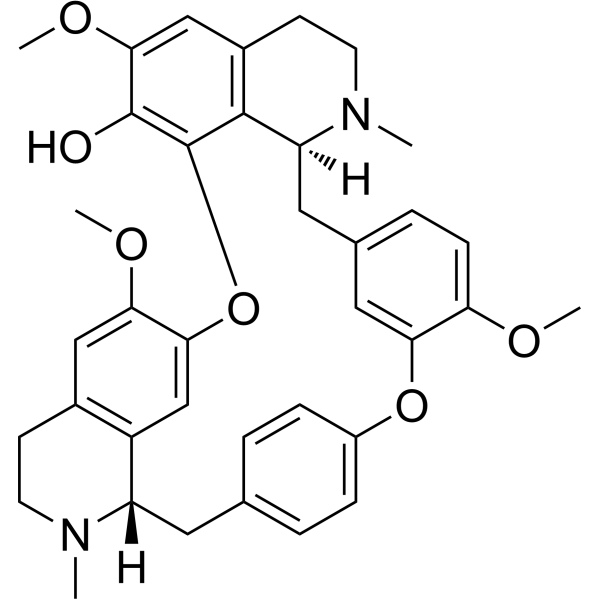
    Fangchinoline is isolated from Stephania tetrandra with extensive biological activities, such as enhancing immunity, anti-inflammatory sterilization and anti-atherosclerosis. Fangchinoline, a novel HIV-1 inhibitor, inhibits HIV-1 replication by impairing gp160 proteolytic processing . Fangchinoline targets Focal adhesion kinase (FAK) and suppresses FAK-mediated signaling pathway in tumor cells which highly expressed FAK . Fangchinoline induces apoptosis and adaptive autophagy in bladder cancer .
    Fangchinoline
  • HY-12289A
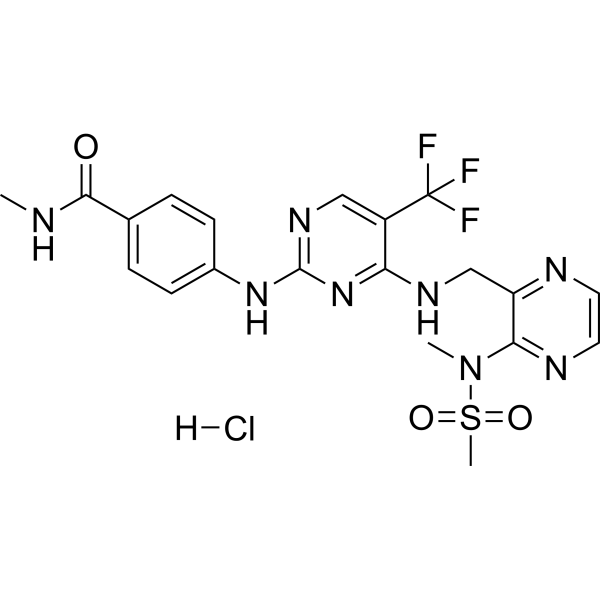
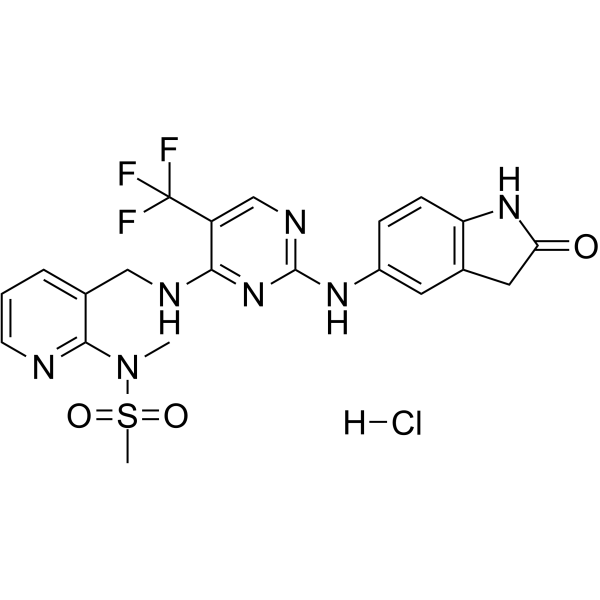
    Defactinib hydrochloride
    Maximum Cited Publications
    57 Publications Verification

    VS-6063 hydrochloride; PF 04554878 hydrochloride

    FAK Cancer
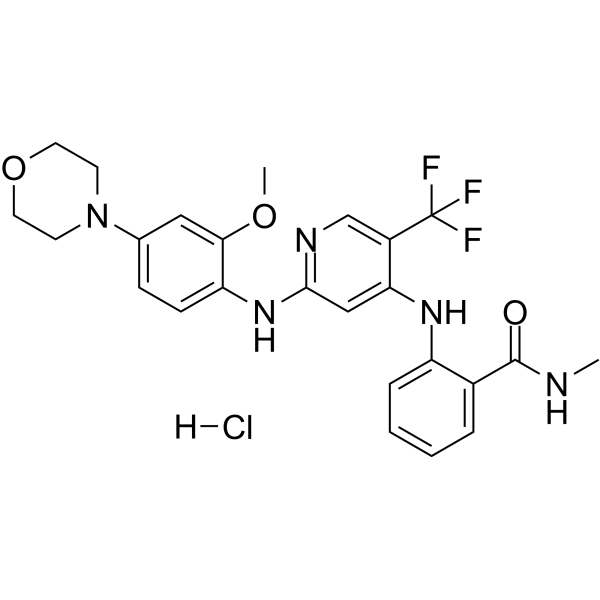
    Defactinib hydrochloride (VS-6063 hydrochloride; PF 04554878 hydrochloride) is a novel FAK inhibitor, which inhibits FAK phosphorylation at the Tyr397 site in a time- and dose-dependent manner.
    Defactinib hydrochloride
  • HY-134570
    ZINC40099027
    3 Publications Verification

    FAK Metabolic Disease Inflammation/Immunology
    ZINC40099027 is a selective FAK activator. ZINC40099027 promotes FAK phosphorylation, without activating its paralogs Pyk2 and Src. ZINC40099027 promotes the wound closure of human intestinal epithelial monolayers and the healing of mouse ulcers by activating FAK. ZINC40099027 can be used for diseases related to gastrointestinal mucosal injury research .
    ZINC40099027
  • HY-100498
    GSK2256098
    5+ Cited Publications

    FAK Apoptosis Cancer
    GSK2256098 is a selective FAK kinase inhibitor, which inhibits growth and survival of pancreatic ductal adenocarcinoma cells.
    GSK2256098
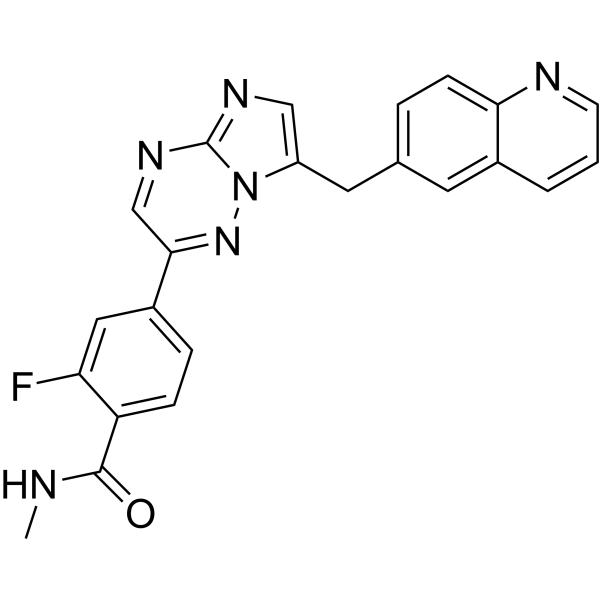
  • HY-132296
    GSK215
    2 Publications Verification

    FAK PROTACs Cancer
    GSK215 is a potent and selective PROTAC focal adhesion kinase (FAK) degrader with a pDC50 of 8.4. GSK215 is designed by a binder for the VHL E3 ligase and the FAK inhibitor VS-4718. GSK215 induces rapid and prolonged FAK degradation, giving a long-lasting effect on FAK levels and a marked pharmacokinetic/pharmacodynamics (PK/PD) disconnect .
    GSK215
  • HY-15841

    Anaplastic lymphoma kinase (ALK) FAK Cancer
    CEP-37440 is a potent, orally active dual FAK/ALK inhibitor with IC50 values of 2.3 nM and 3.5 nM for FAK and ALK, respectively. CEP-37440 decreases the cell proliferation by blocking the autophosphorylation kinase activity of FAK1 (Tyr 397) .
    CEP-37440
  • HY-N10335
    Harringtonolide
    2 Publications Verification

    FAK Inflammation/Immunology Cancer
    Harringtonolide is a potent RACK1 inhibitor (IC50=39.66 μM in A375 cells). Harringtonolide inhibits the epithelial-mesenchymal transition (EMT) process and cell proliferation by affecting the interaction between FAK and RACK1. Harringtonolide has plant growth inhibitory, antiviral, anti-inflammatory, and antiproliferation activities .
    Harringtonolide
  • HY-124625

    FAK Target Protein Ligand-Linker Conjugates Infection Cancer
    BI-4464 is a highly selective, ATP competitive PTK2/FAK protein kinase inhibitor with an IC50 value of 17 nM. BI-4464 is a FAK (HY-43760) ligand and linker conjugate. BI-4464 can be used to construct proteolysis targeting chimeras (PROTACs), such as PROTAC FAK degrader 4 (HY-178467). PROTAC FAK degrader 4 is a highly potent and selective FAK PROTAC degrader .
    BI-4464
  • HY-109084

    CT-707

    FAK Cancer
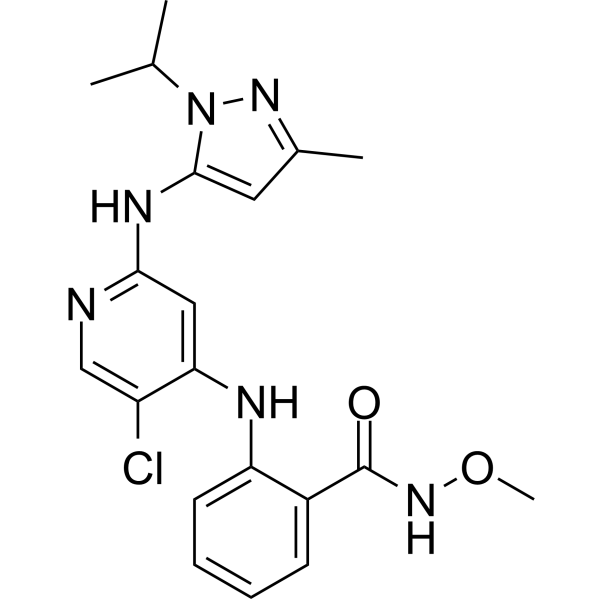
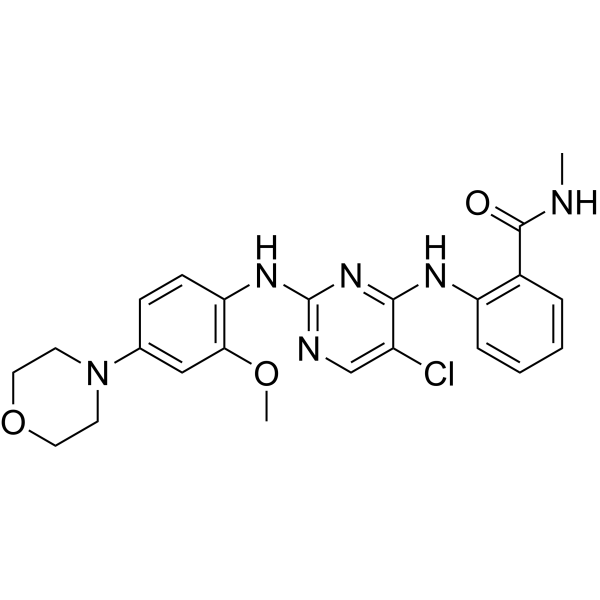
    Conteltinib (CT-707) is a multi-kinase inhibitor targeting FAK, ALK, and Pyk2. Conteltinib exerts significant inhibitory effect on FAK with an IC50 of 1.6 nM .
    Conteltinib
  • HY-145652
    Narmafotinib
    1 Publications Verification

    AMP-945

    Narmafotinib (AMP-945) is an orally active inhibitor of the enzyme focal adhesion kinase (FAK, KD=0.21 nM). Narmafotinib inhibits autophosphorylation of 397Y-FAK in MDA-MB-231 cells with an IC50=7 nM and exhibits low general cellular toxicity (IC50=2.7 μM, MDA-MB-231 cells). Narmafotinib can be used for anti-cancer study .
    Narmafotinib
  • HY-119932
    PROTAC FAK degrader 1
    5+ Cited Publications

    PROTACs FAK Akt Cancer
    PROTAC FAK degrader 1 (Compound PROTAC-3) is a selective and effective degrader of Fak PROTAC with a DC50 of 3.0 nM. PROTAC FAK degrader 1 reduces the ability of cancer cells to migrate and invade. PROTAC FAK degrader 1 can be used in the study of tumor. (Pink: Fak ligand (HY-44146); Black: Linker (HY-44141); Blue: VHL ligand 1 (HY-125845)) .
    PROTAC FAK degrader 1
  • HY-144448
    FAK-IN-2
    1 Publications Verification

    FAK Apoptosis Cancer
    FAK-IN-2 is a potent and orally active focal adhesion kinase (FAK) inhibitor, with anticancer activity (FAK IC50= 35 nM). FAK-IN-2 covalently inhibits the autophosphorylation of FAK in a dose-dependent manner, and inhibits the clone formation and migration of tumor cells, inducing apoptosis .
    FAK-IN-2
  • HY-111546
    BI-3663
    1 Publications Verification

    PROTACs FAK Cancer
    BI-3663 is a highly selective PTK2/FAK PROTAC (DC50=30 nM), with Cereblon ligands to hijack E3 ligases for PTK2 degradation. BI-3663 inhibits PTK2 with an IC50 of 18 nM. BI-3663 is a PROTAC that composes of BI-4464 (HY-124625) linked to Pomalidomide (HY-10984) with a linker . Anti-cancer activity .
    BI-3663
  • HY-10458
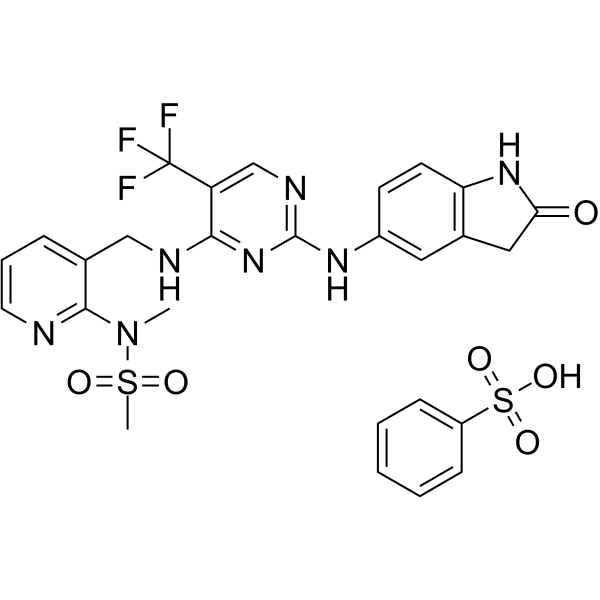
    PF-562271 besylate
    25+ Cited Publications

    VS-6062 besylate

    FAK Pyk2 Cancer
    PF-562271 (VS-6062) besylate is a potent ATP-competitive, reversible inhibitor of FAK and Pyk2 kinase, with an IC50 of 1.5 nM and 13 nM, respectively .
    PF-562271 besylate
  • HY-139344

    FAK PROTACs Cancer
    FC-11 is a PROTAC FAK degrader (DC90: 1 nM) . FC-11 contains CRBN ligand Pomalidomide (HY-10984), linker and FAK ligand PF562271 (HY-10459) .
    FC-11
  • HY-B1305

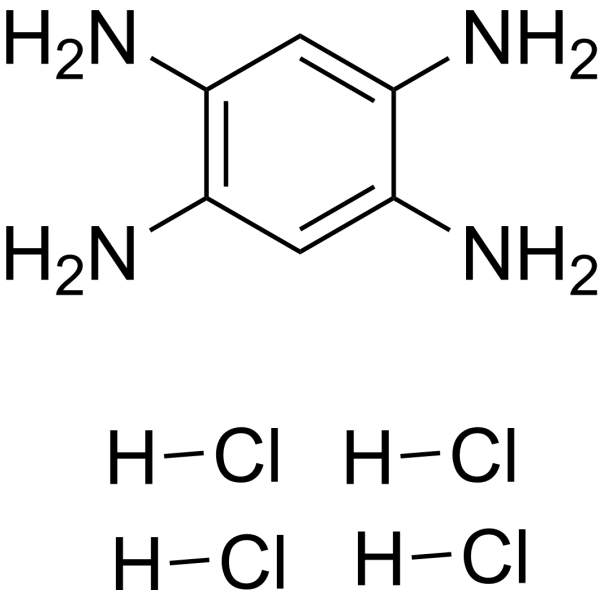
    FAK Histamine Receptor VEGFR Endocrinology Cancer
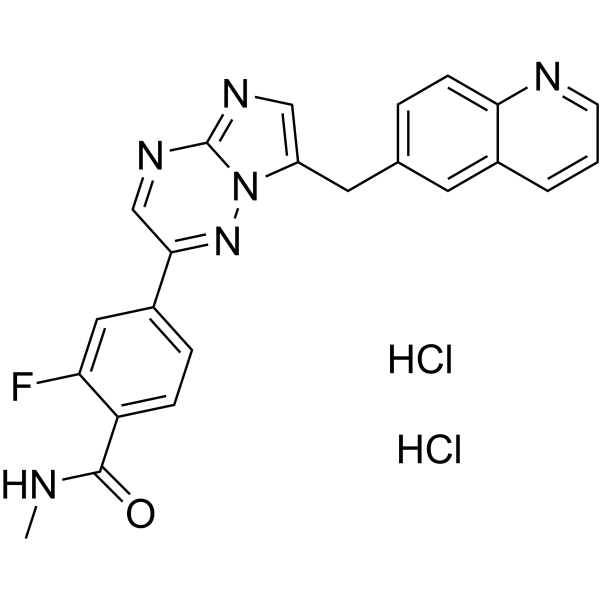
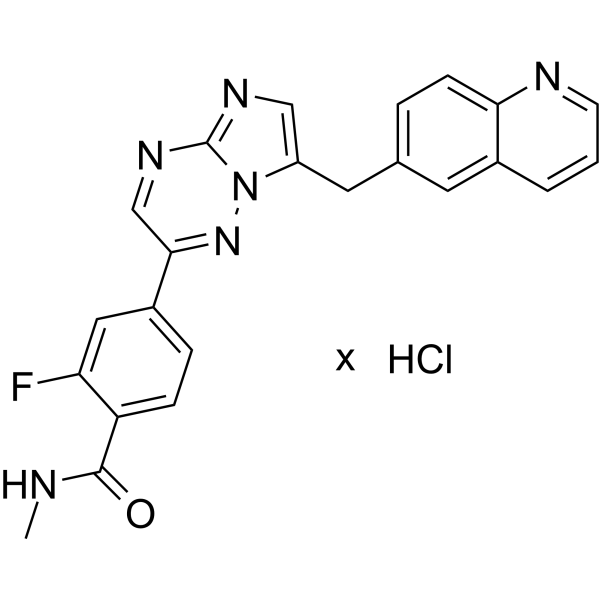
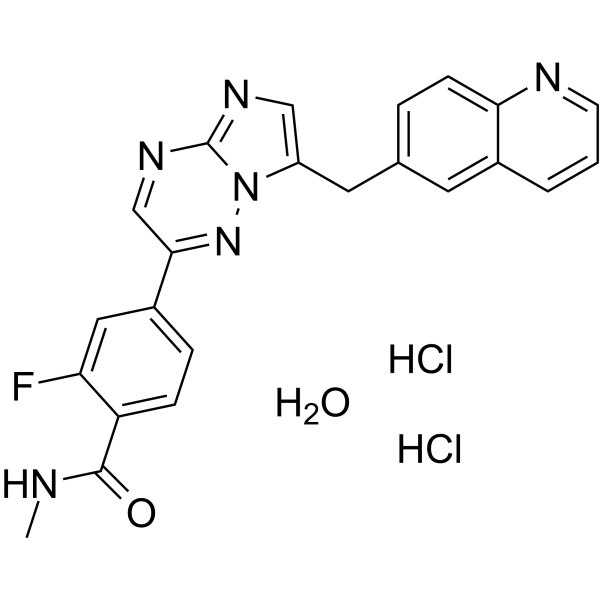
    Chloropyramine hydrochloride is a histamine receptor H1 antagonist which can also inhibit the biochemical function of VEGFR-3 and FAK.
    Chloropyramine hydrochloride
  • HY-N12445
    Quercetin-3'-O-glucoside
    1 Publications Verification

    Topoisomerase Caspase Apoptosis SOD Metabolic Disease Inflammation/Immunology Cancer
    Quercetin-3'-O-glucoside is an orally active flavonoid glycoside. Quercetin-3'-O-glucoside reduces liver glucose-6-phosphatase activity, alters serum insulin and glucose levels, and regulates the activities of antioxidant enzymes in the liver and kidney. Quercetin-3'-O-glucoside inhibits DNA topoisomerase II, induces S-phase cell cycle arrest and caspase-3-mediated apoptosis in hepatocellular carcinoma cells. Quercetin-3'-O-glucoside selectively inhibits EGFR-mediated signaling pathways targeting AKT, ERK1/2, FAK and MEK1/2. Quercetin-3'-O-glucoside inhibits growth factor-induced migration and invasion in pancreatic cancer cells. Quercetin-3'-O-glucoside exerts free radical scavenging effects. Quercetin-3'-O-glucoside is applicable to research related to pancreatic cancer, diabetes, hepatocellular carcinoma and malignant tumors .
    Quercetin-3'-O-glucoside
  • HY-122965

    FAK Akt Cancer
    Batatasin III, a stilbenoid, inhibits cancer migration and invasion by suppressing epithelial to mesenchymal transition (EMT) and FAK-AKT signals. Batatasin III has anti-cancer activities .
    Batatasin III
  • HY-103471

    FAK Interleukin Related Cancer
    Y11 inhibits the autophosphorylation of FAK1 by blocking the phosphorylation of Y397. Y11 increases the expression level of IL-6. Y11 is applicable for cancer research .
    Y11
  • HY-155439

    FAK Cancer
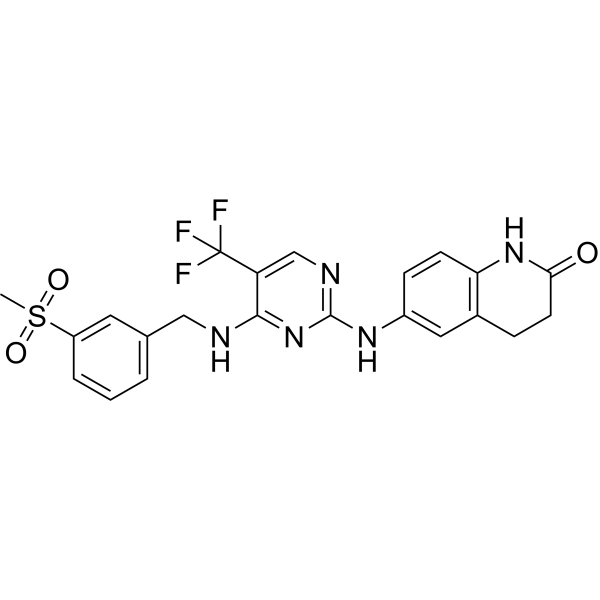
    FAK-IN-14 (compound 8d) is a focal adhesion kinase(FAK) inhibitor with an IC50 value of 0.2438 nM. FAK-IN-14 induces U87-MG cell early apoptosis and arrest the cell at the G2/M phase .
    FAK-IN-14
  • HY-120213

    FAK Src PI3K MMP Apoptosis Cancer
    YH-306 is an antitumor agent. YH-306 suppresses colorectal tumour growth and metastasis via FAK pathway. YH-306 significantly inhibits the migration and invasion of colorectal cancer cells. YH-306 potently suppresses uninhibited proliferation and induces cell apoptosis. YH-306 suppresses the activation of FAK, c-Src, paxillin, and PI3K, Rac1 and the expression of MMP2 and MMP9. YH-306 also inhibita actin-related protein (Arp2/3) complex-mediated actin polymerization .
    YH-306
  • HY-157553

    FAK Cancer
    FAK-IN-19 (ligand3) is an inhibitor in a co-crystal structure with FAK. FAK-IN-19 has anticancer effects .
    FAK-IN-19
  • HY-145108

    FAK Cancer
    FAK-IN-1 is a FAK inhibitor with anticancer activities (WO2020231726 (Example 27)) .
    FAK-IN-1
  • HY-122844A
    Ifebemtinib hydrochloride
    3 Publications Verification

    BI-853520 hydrochloride; IN-10018 hydrochloride

    FAK Cancer
    Ifebemtinib (BI-853520) hydrochloride is an orally active and potent focal adhesion kinase (FAK) inhibitor (IC50 = 1 nM for recombinant FAK). Ifebemtinib hydrochloride exhibits antiproliferative activity against cancer cells .
    Ifebemtinib hydrochloride
  • HY-401485

    Pyk2 FAK Cancer
    Pyk2-IN-2 (compound 13j) is an inhibitor of Pyk2 with an IC50 of FAK kinase of 0.608 μM .
    Pyk2-IN-2
  • HY-179512

    PROTACs FAK Cancer
    BSJ-04-146 is a highly efficient and selective PROTAC targeting focal adhesion kinase (FAK) inhibitor(IC50 = 26 nM). BSJ-04-146 achieves rapid and potent FAK degradation with high proteome-wide specificity in cancer cells and induces durable degradation in mice. BSJ-04-146 binds FAK and requires the ubiquitin-proteasome machinery to achieve FAK degradation. BSJ-04-146 can be used for the study of pancreatic cancer and triple-negative breast cancer .
    BSJ-04-146
  • HY-100498A
    GSK-2256098 hydrochloride
    5+ Cited Publications

    FAK Apoptosis Cancer
    GSK-2256098 hydrochloride is a focal adhesion kinase (FAK) inhibitor that exhibits potential antiangiogenic and antineoplastic activities. GSK-2256098 hydrochloride targets FAK to inhibit tumor cell growth by regulating cell adhesion, migration, proliferation, and survival.
    GSK-2256098 hydrochloride
  • HY-178467

    FAK PROTACs Cancer
    PROTAC FAK degrader 4 (Compound 9C) is an efficient and selective FAK PROTAC degrader. PROTAC FAK degrader 4 has a DC50 of 3.6 nM in MDA-MB-231 cells. PROTAC FAK degrader 4 significantly inhibits tumor cell proliferation, migration, and invasion, and enhances chemotherapy sensitivity to cisplatin (HY-17394). PROTAC FAK degrader 4 can be used for research on cancer. (Pink: FAK Ligand (HY-43760); Blue: VHL Ligand (HY-125845); Black: Linker (HY-W208616))
    PROTAC FAK degrader 4
  • HY-43760

    Ligands for Target Protein for PROTAC FAK Cancer
    FAK ligand-5 is a FAK ligand. FAK ligand-5 can be coupled with a linker to synthesize BI-4464 (HY-124625). FAK ligand-5 can be used as a target protein ligand for PROTAC development, specifically for designing PROTAC FAK degraders. FAK ligand-5 can be used in the synthesis of PROTAC FAK degrader 4 (HY-178467). FAK ligand-5 can be used in cancer research .
    FAK ligand-5
  • HY-143458

    FAK PROTACs Cancer
    FAK PROTAC B5 (Compound B5) is a FAK PROTAC degrader with an IC50 value of 14.9 nM. FAK PROTAC B5 presents strong FAK degradation activity, antiproliferative activity, outstanding plasma stability and moderate membrane permeability. FAK PROTAC B5 inhibits cell migration and invasion .
    FAK PROTAC B5
  • HY-148109

    FAK Cancer
    FAK-IN-7 (compound 5r) is a FAK inhibitor (IC50=11.72 µM). FAK-IN-7 has good anti-proliferative activity and can be used in cancer research .
    FAK-IN-7
  • HY-128580
    FAK inhibitor 2
    2 Publications Verification

    FAK Cancer
    FAK inhibitor 2 is a potent focal adhesion kinase (FAK) inhibitor with an IC50  of 0.07 nM, with antitumor and anti-angiogenesis activities .
    FAK inhibitor 2
  • HY-163709

    PROTACs FAK Cancer
    PROTAC FAK degrader 2 (Compound F2) is a PROTAC degrader for focal adhesion kinase (FAK), with DC50 of 27.72 and 60.1 nM, for total FAK and phosphorylated p-FAK. PROTAC FAK degrader 2 inhibits cell viability of cancer cells 4T1, MDA-MB-231, MDA-MB-468 and MDA-MB-435, with IC50s of 0.73-5.84 μM. PROTAC FAK degrader 2 reverses the multidrug resistance (MDR) through inhibition of AKT and ERK signaling pathway. PROTAC FAK degrader 2 exhibits antitumor efficacy in HCT/8 xenograft mouse model. (Pink: ligand for target protein Ifebemtinib (HY-122844); Black: linker (HY-Y0681); Blue: ligand for E3 ligase Thalidomide (HY-14658))
    PROTAC FAK degrader 2
  • HY-P11147

    Interleukin Related FAK Src Akt ERK MMP Cancer
    IL13Rα2 D1 is an effective IL-13/IL13Rα2 signaling axis inhibitor. IL13Rα2 D1 can inhibit IL-13-induced cell adhesion, migration, invasion, and proliferation. IL13Rα2 D1 can inhibit FAK, Src, AKT, ERK1/2 phosphorylation, and MMP expression. IL13Rα2 D1 can be used for research on cancers such as colorectal cancer .
    IL13Rα2 D1
  • HY-176198

    PROTACs FAK Cancer
    BI-0319 is a selective PTK2/FAK PROTAC degrader. BI-0319 can reduce cancer cells viability inhibit proliferation and invasion. BI-0319 can be used for the research of cancer, such as liver cancer . (Structure Note: Pink: PTK2/FAK ligand (HY-43760); Blue: VHL ligand (HY-125845); Black: linker (HY-140189); VHL ligand-Linker: (HY-103602A))
    BI-0319
  • HY-117836

    FAK Cancer
    FAK-IN-16 (compound OXA-11) is an orally active, selective focal adhesion kinase (FAK) inhibitor with an IC50 of 1.2 pM. FAK-IN-16 inhibits FAK phosphorylation at pFAK[Y397] and pFAK[Y861]. FAK-IN-16 slows tumor growth and reduces tumor vascularity, invasion. FAK-IN-16 potentiates effects of Cisplatin (HY-17394) on tumor cell proliferation and apoptosis in vitro and anti-tumor actions in mice .
    FAK-IN-16
  • HY-146065

    FAK Apoptosis Cancer
    FAK-IN-4 (Compound 7d) is potential FAK inhibitor with anticancer activities. FAK-IN-4 induces cell apoptosis .
    FAK-IN-4
  • HY-143407

    FAK Cancer
    FAK-IN-3 (Compound 36) is a potent inhibitor of focal adhesion kinase (FAK). FAK-IN-3 not only decreases migration and invasion of PA-1 cells, but also reduces expression of MMP-2 and MMP-9. FAK-IN-3 inhibits tumor growth and metastasis, and no obvious adverse effects. FAK-IN-3 has the potential for the research of ovarian cancer .
    FAK-IN-3
  • HY-175459

    PROTACs FAK Inflammation/Immunology Cancer
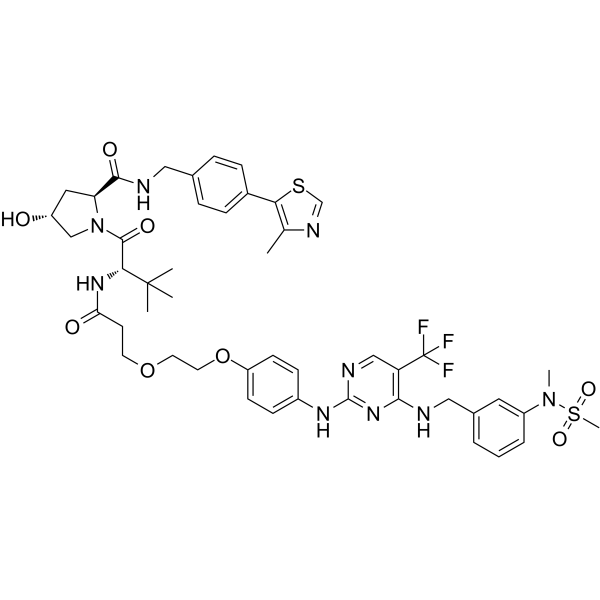
    PROTAC FAK degrader 3 is a selective FAK PROTAC degrader (DC50 = 1.08 nM). PROTAC FAK degrader 3 induces FAK degradation dependent on the ubiquitin-proteasome system and its binding to FAK and CRBN. PROTAC FAK degrader 3 upregulates MHC-I gene transcription and tumor cell surface expression by inhibiting the non-catalytic activity of FAK, leading to increased antigen presentation and activation of cytotoxic CD8 T cells. PROTAC FAK degrader 3 enhances in vivo anti-tumor activity by promoting MHC-I expression and enhancing T cell activation. PROTAC FAK degrader 3 can be used in cancer research targeting FAK degradation in ovarian cancer, hepatocellular carcinoma, and other cancers. (Pink: FAK-IN-3:HY-143407, Blue: Thalidomide-4-OH:HY-103596, Blue + Black: FAK ligand-3: HY-W939883, Black: Linker) .
    PROTAC FAK degrader 3
  • HY-44148

    Target Protein Ligand-Linker Conjugates Cancer
    FAK ligand-Linker Conjugate 1 incorporates a ligand for FAK, and a PROTAC linker, which recruit E3 ligases (such as VHL, CRBN, MDM2, and IAP). FAK ligand-Linker Conjugate 1 can be extensively used for PROTAC-mediated protein degradation .
    FAK ligand-Linker Conjugate 1
  • HY-178969

    FAK Pyk2 Apoptosis Neurological Disease Cancer
    GZD-257 is a brain-penetrant, ATP-competitive FAK inhibitor (IC50 = 14.3 nM), performing 4.77-fold selectivity with FAK to Pyk2 (IC50 = 68.2 nM). GZD-257 can significantly induce apoptosis of U118MG cells and arrest the cell cycle at the G2/M phase. GZD-257 can be used for the study of Glioblastoma (GBM) .
    GZD-257
  • HY-12289S

    VS-6063-d6; PF-04554878-d6

    FAK Isotope-Labeled Compounds Cancer
    Defactinib-d6 is a deuterium labeled Defactinib (HY-12289). Defactinib is a novel FAK inhibitor with potential antiangiogenic and antineoplastic activities .
    Defactinib-d6
  • HY-164527

    Src FAK EGFR Cancer
    Si306 is a Src inhibitor with antitumor activity. Si306 reduces the phosphorylation of focal adhesion kinase (FAK) and the expression of epidermal growth factor receptor (EGFR), and inhibits the invasion of human glioblastoma (GBM) .
    Si306
  • HY-120200

    VEGFR Cardiovascular Disease Cancer
    YF-452 is a potent inhibitor of vascular endothelial growth factor receptor 2 (VEGFR2). YF-452 remarkably inhibits the migration, invasion and tube-like structure formation of human umbilical vein endothelial cells (HUVECs) with little toxicity. YF-452 inhibits VEGF-induced phosphorylation of VEGFR2 kinase and the downstream protein kinases including extracellular signal regulated kinase (ERK), focal adhesion kinase (FAK) and Src. YF-452 is a potential antiangiogenic agent candidate for cancer research .
    YF-452
  • HY-155440

    FAK Cancer
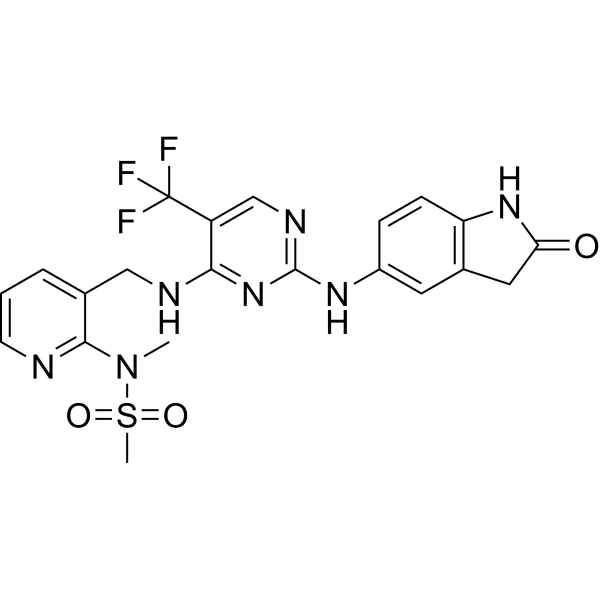
    FAK-IN-15 (Compound 9b) is a focal adhesion kinase (FAK) inhibitor with an IC50 value of 0.2691 nM. FAK-IN-15 has anti-tumor activity with an IC50 value of 1.033 μM against U87-MG cells .
    FAK-IN-15
  • HY-N1372AR

    Reference Standards HIV FAK Apoptosis Autophagy Infection Cancer
    Fangchinoline (Standard) is the analytical standard of Fangchinoline. This product is intended for research and analytical applications. Fangchinoline is isolated from Stephania tetrandra with extensive biological activities, such as enhancing immunity, anti-inflammatory sterilization and anti-atherosclerosis. Fangchinoline, a novel HIV-1 inhibitor, inhibits HIV-1 replication by impairing gp160 proteolytic processing . Fangchinoline targets Focal adhesion kinase (FAK) and suppresses FAK-mediated signaling pathway in tumor cells which highly expressed FAK . Fangchinoline induces apoptosis and adaptive autophagy in bladder cancer .
    Fangchinoline (Standard)

Inquiry Online

Your information is safe with us. * Required Fields.

Salutation


Country or Region *

Applicant Name *


Organization Name *

Department *


Email Address *


Product Name *

Cat. No.


Requested quantity *

Phone Number *


Remarks

Inquiry Online

Inquiry Information

Product Name:
Cat. No.:
Quantity:
MCE Japan Authorized Agent:

