1. Search Result
Search Result
Results for "

FRET assay

" in MedChemExpress (MCE) Product Catalog:

49

Inhibitors & Agonists

3

Fluorescent Dyes

12

Peptides

Targets Recommended:
Cat. No. Product Name Target Research Areas Chemical Structure
  • HY-101533
    AZD-5991
    Maximum Cited Publications
    19 Publications Verification

    Bcl-2 Family Cancer
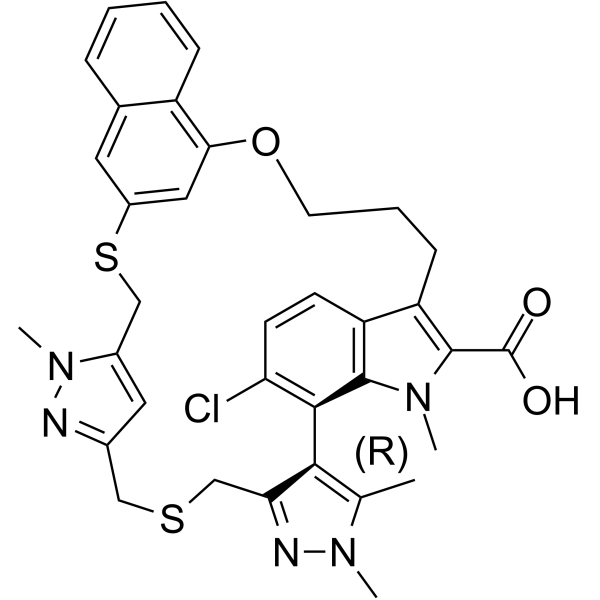
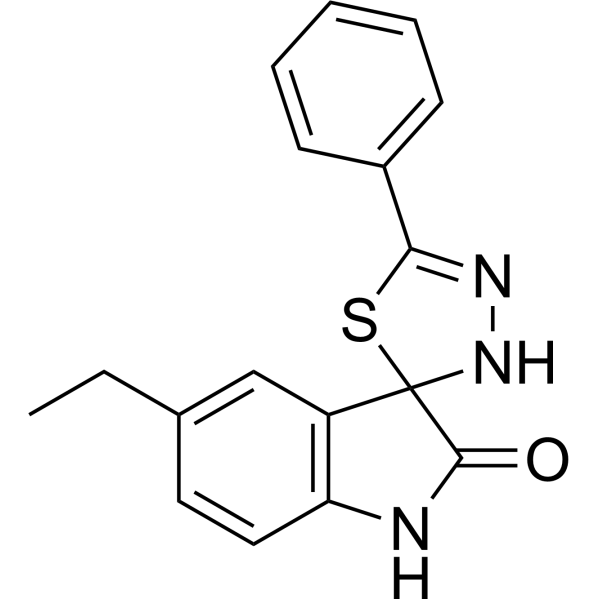
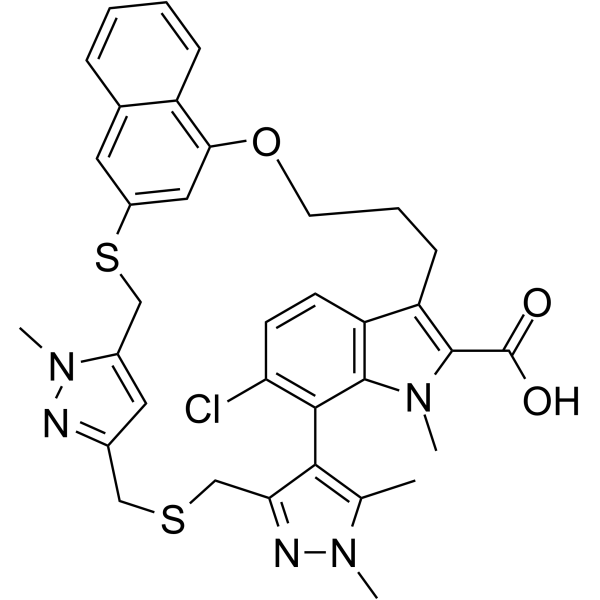
    AZD-5991 is a potent and selective Mcl-1 inhibitor with an IC50 of 0.7 nM in FRET assay and a Kd of 0.17 nM in surface plasmon resonance (SPR) assay .
    AZD-5991
  • HY-P5354
    FRETS-VWF73
    1 Publications Verification

    Fluorescent Dye Cardiovascular Disease
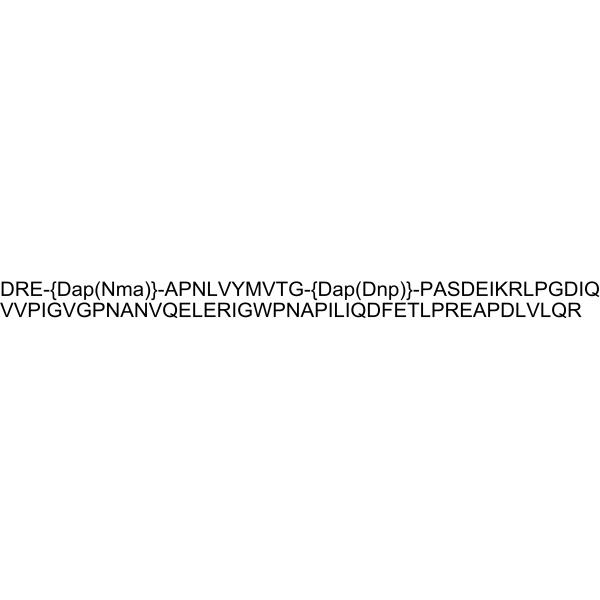
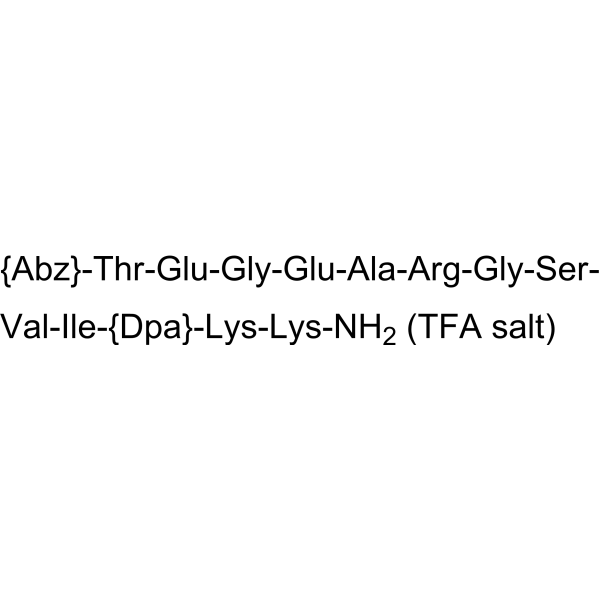
    FRETS-VWF73, a 73-amino-acid peptide, is a fluorogenic substrate for ADAMTS13 assay (Ex = 340 nm; Em = 450 nm). FRETS-VWF73 is a predictive tool for thrombotic thrombocytopenic purpura .
    FRETS-VWF73
  • HY-108435
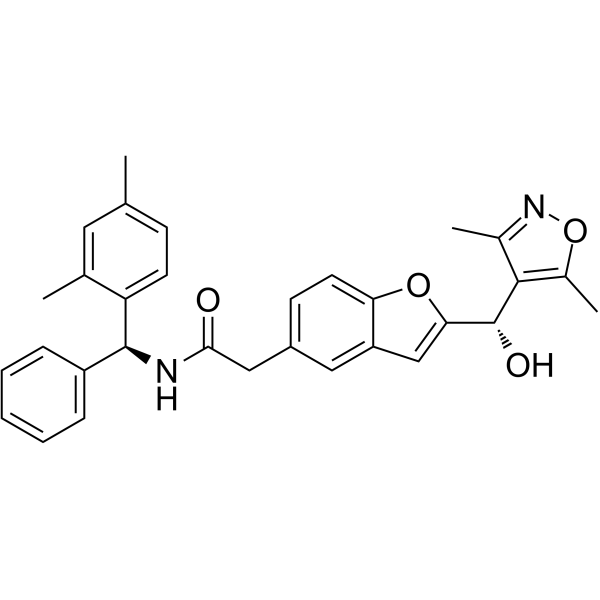
    GNE-049
    5+ Cited Publications

    Epigenetic Reader Domain Histone Acetyltransferase Cancer
    GNE-049 is a highly potent and selective CBP inhibitor with an IC50 of 1.1 nM in TR-FRET assay. GNE-049 also inhibits BRET and BRD4(1) with IC50s of 12 nM and 4200 nM, respectively .
    GNE-049
  • HY-15943
    6-TAMRA
    1 Publications Verification

    6-Carboxytetramethylrhodamine

    Fluorescent Dye Others
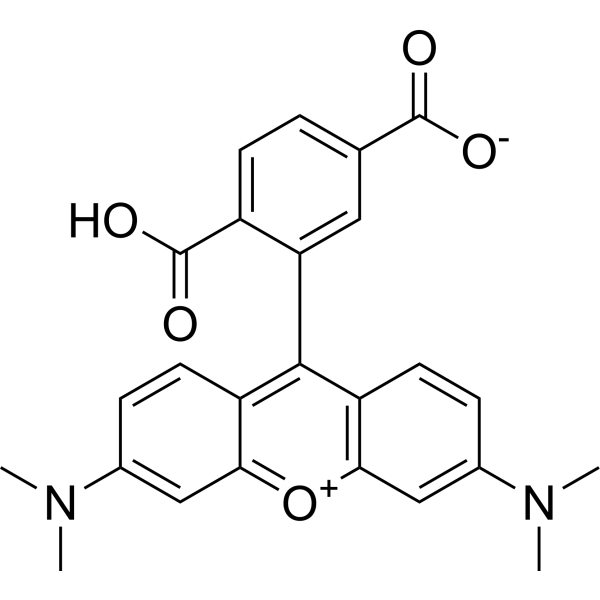
    6-TAMRA (6-Carboxytetramethylrhodamine) is a fluorescent dye. 6-TAMRA is often used in combination with 6-FAM (HY-66021) as an acceptor or fluorescence quencher for fluorescence resonance energy transfer (FRET) in biochemical studies such as potassium ion detection and ribonuclease activity assays .
    6-TAMRA
  • HY-108696
    GNE-781
    5 Publications Verification

    Epigenetic Reader Domain Histone Acetyltransferase Cancer
    GNE-781 is an orally active, highly potent and selective CBP inhibitor with an IC50 of 0.94 nM in TR-FRET assay. GNE-781 also inhibits BRET and BRD4(1) with IC50s of 6.2 nM and 5100 nM, respectively. GNE-781 displays antitumor activity in an MOLM-16 AML xenograft model .
    GNE-781
  • HY-101027
    GSK 4027
    2 Publications Verification

    Epigenetic Reader Domain Histone Acetyltransferase Inflammation/Immunology Cancer
    GSK 4027 is a chemical probe for the PCAF/GCN5 bromodomain with an pIC50 of 7.4±0.11 for PCAF in a time-resolved fluorescence resonance energy transfer (TR-FRET) assay.
    GSK 4027
  • HY-152231

    Fluorescent Dye Ligands for E3 Ligase Others
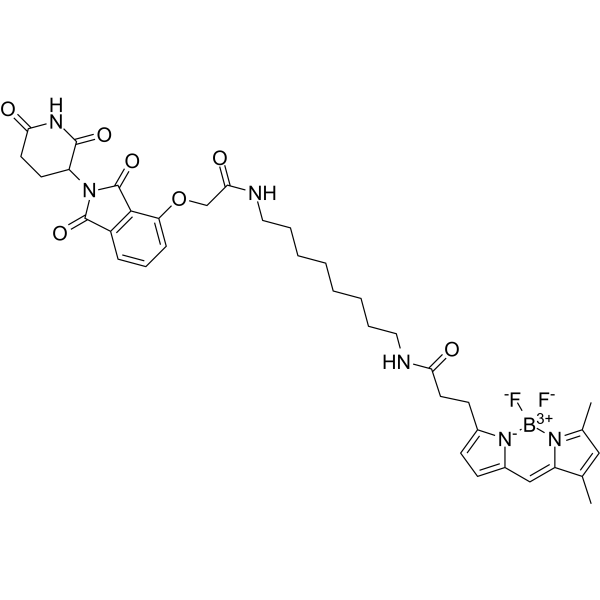
    BODIPY FL thalidomide is a high-affinity and selective human cereblon (CRBN)-targeting fluorescent probe with a Kd of 3.6 nM. BODIPY FL thalidomide enables use as a probe in time-resolved fluorescence resonance energy transfer (TR-FRET) binding assays for cereblon ligands. BODIPY FL thalidomide supports development of highly sensitive, selective, stable cereblon TR-FRET binding assays (Ex/Em = 502/510 nm) .
    BODIPY FL thalidomide
  • HY-135710

    ADAMTS Bacterial Infection Inflammation/Immunology
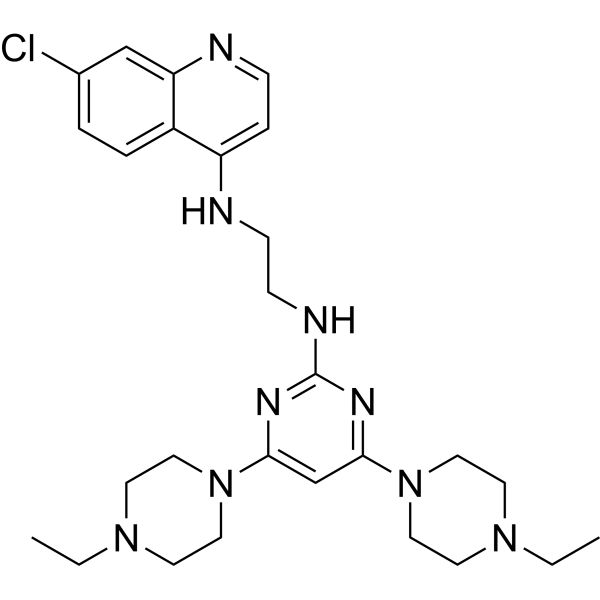
    ADAMTS-5-IN-2 is an inhibitor of ADAMTS-5 (IC50: 9.6 μM) and BoNT/A LC (IC50: 0.71 μM). ADAMTS-5-IN-2 can be used in research related to botulism, osteoarthritis, and other conditions .
    ADAMTS-5-IN-2
  • HY-100522
    FMK 9a
    2 Publications Verification

    Atg4 Autophagy Cancer
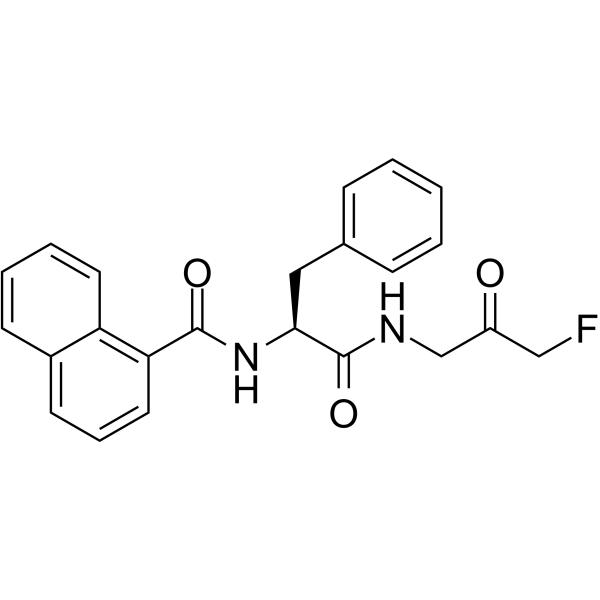
    FMK 9a is an autophagin-1 inhibitor with IC50 values of 80 and 73 μM in FRET and LRA assay.
    FMK 9a
  • HY-101027A
    GSK4028
    1 Publications Verification

    Epigenetic Reader Domain Histone Acetyltransferase Inflammation/Immunology Cancer
    GSK4028 is the enantiomeric negative control of GSK4027, which is a PCAF/GCN5 bromodomain chemical probe, the pIC50 of GSK4028 is 4.9 in a time-resolved fluorescence resonance energy transfer (TR-FRET) assay.
    GSK4028
  • HY-139561

    Histone Demethylase Inflammation/Immunology Cancer
    KDM2B-IN-2, a potent histone demethylase (kdm2b) inhibitor with an IC50 of 0.021 μM in a KDM2B TR-FRET assay. KDM2B-IN-2 can be used for hyperproliferative diseases research .
    KDM2B-IN-2
  • HY-102075A

    ROR Inflammation/Immunology
    TMP778 is a potent and selevtive RORγt inverse agonist, with an IC50 of 7 nM in FRET assay.
    TMP778
  • HY-P5354A
    FRETS-VWF73 TFA
    1 Publications Verification

    Fluorescent Dye Others
    FRETS-VWF73 TFA, a 73-amino-acid peptide, is a fluorogenic substrate for ADAMTS13 assay (Ex=340 nm; Em=450 nm) .
    FRETS-VWF73 TFA
  • HY-P2498A

    Cathepsin Cancer
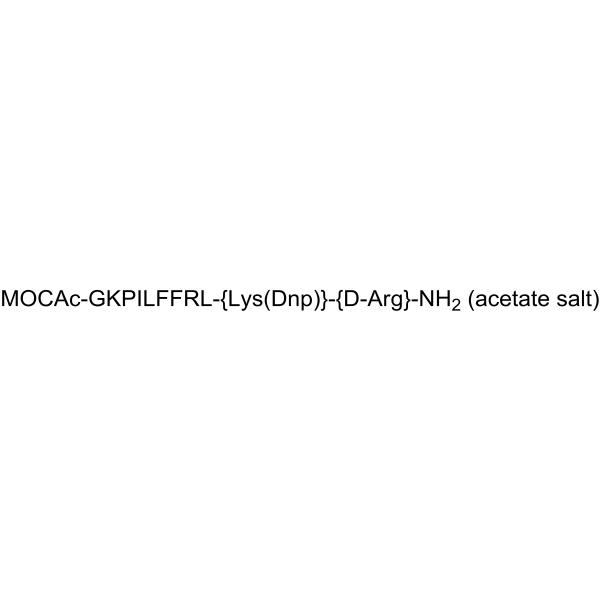
    Cathepsin D and E FRET Substrate acetate is a fluorogenic substrate for cathepsins D and E and not for B, H or L. The cleavage occurs at the Phe-Phe amide bond resul. Cathepsin D and E FRET Substrate is a valuable tool for routine assays and for mechanistic studies on cathepsins E and D .
    Cathepsin D and E FRET Substrate acetate
  • HY-155312

    C-type Lectin-like Receptors (CTLRs) Cancer
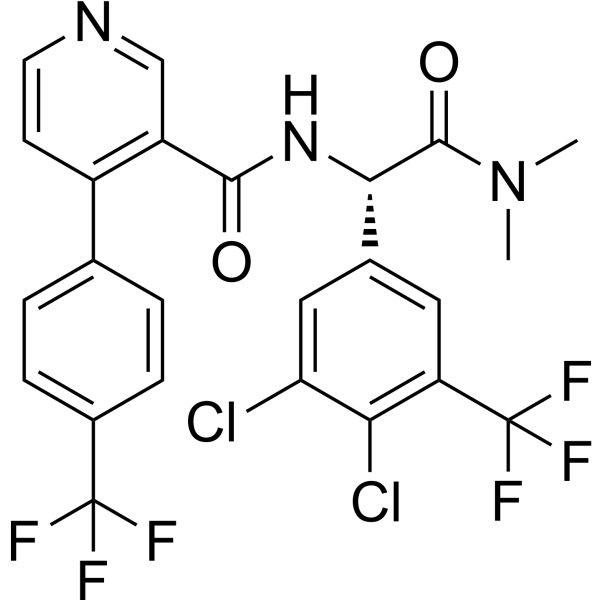
    NKG2D-IN-2 (compound 47) is a natural killer group 2D receptor (NKG2D) inhibitor with IC50s of 0.1 µM and 0.2 µM in NKG2D/MICA and ULBP6 TR-FRET assays, respectively .
    NKG2D-IN-2
  • HY-P5485

    Bacterial Others
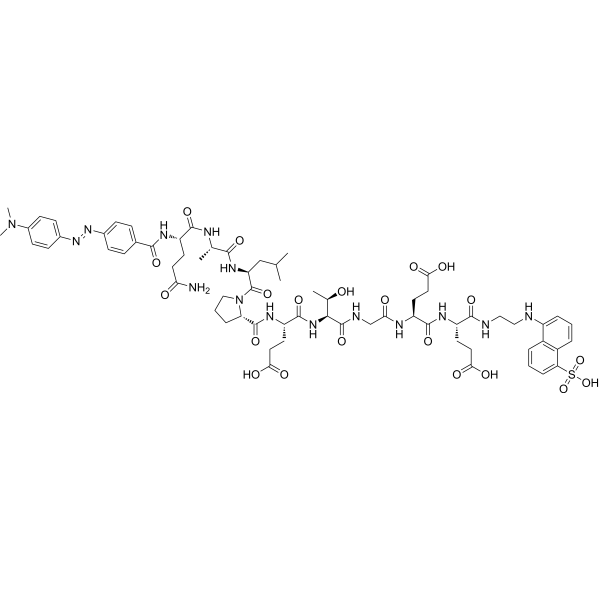
    Dabcyl-QALPETGEE-Edans is a synthetic peptide substrate for fluorescence resonance energy transfer (FRET) detection of Sortase A (SrtA) enzymatic activity. Dabcyl-QALPETGEE-Edans is labeled at both ends with the fluorescent group Edans (donor) and the quencher Dabcyl (acceptor), respectively. Dabcyl-QALPETGEE-Edans's central sequence contains a conserved motif specifically recognized by SrtA. Dabcyl-QALPETGEE-Edans demonstrates high sensitivity in vitro assays, enabling precise determination of the half-maximal inhibitory concentration of SrtA .
    Dabcyl-QALPETGEE-Edans
  • HY-101533A

    Bcl-2 Family Cancer
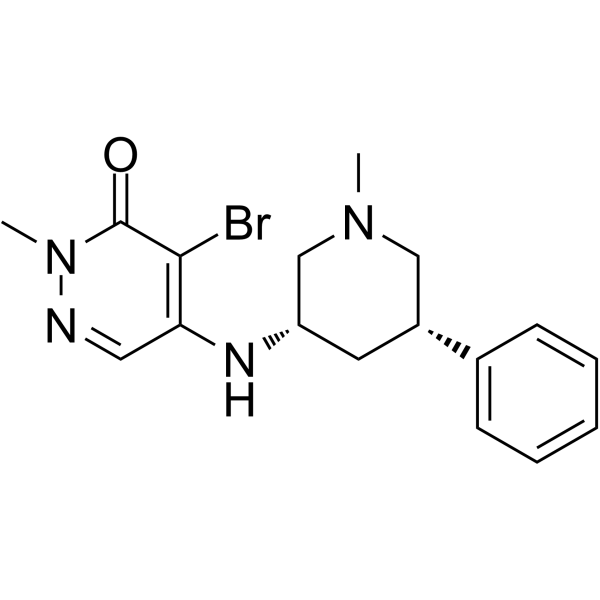
    AZD-5991 Racemate is the racemate of AZD-5991. AZD-5991 Racemate is a Mcl-1 inhibitor with an IC50 of <3 nM in FRET assay.
    AZD-5991 Racemate
  • HY-101533B

    Bcl-2 Family Cancer
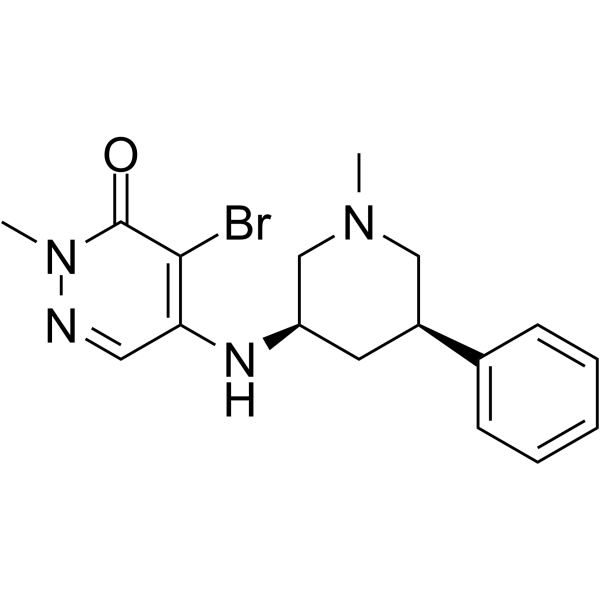
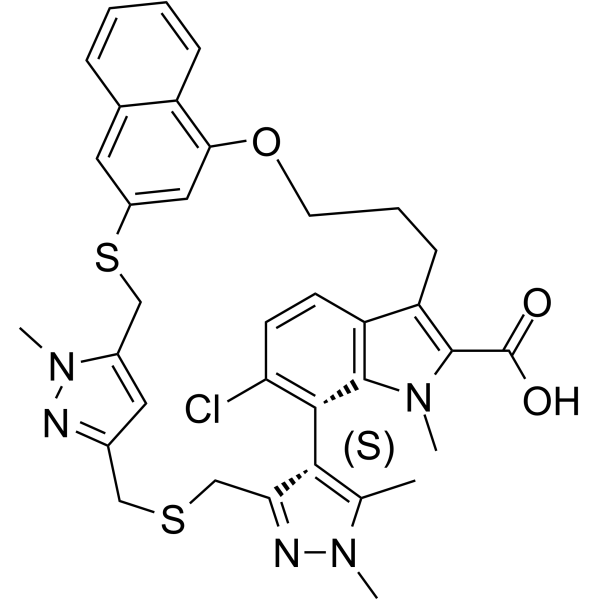
    AZD-5991 S-enantiomer is the less active enantiomer of AZD-5991. AZD-5991 S-enantiomer is a Mcl-1 inhibitor with an IC50 of 6.3 μM in FRET assay and a Kd of 0.98 μM in surface plasmon resonance (SPR) assay.
    AZD-5991 (S-enantiomer)
  • HY-157558

    8SGE

    Ligands for E3 Ligase Others
    KDRLKZ-1 is a KLHDC2 ligand (Kd = 0.36 μM), with IC50s of 0.21 μM and 0.31 μM in alphaLISA and time-resolved fluorescence resonance energy transfer (TR-FRET) displacement assays .
    KDRLKZ-1
  • HY-P5419A

    Biochemical Assay Reagents Others
    WAAG-3R TFA is a biological active peptide. (Aggrecanases belong to the ADAMTS (A disintegrin and metalloprotease with thrombospondin motif) family of proteases. Aggrecanases cleave aggrecan, the major structural component of cartilage. Aggrecanase-1 (ADAMTS-4) is a major aggrecanase in human osteoarthritic cartilage. This FRET peptide was used in an ADAMTS-4 (Aggrecanase-1) and ADAMTS-5 (Aggrecanase-2) assay . (Ex/Em = 340/420 nm)
    WAAG-3R TFA
  • HY-P2498

    Cathepsin Others
    Cathepsin D and E FRET Substrate is a fluorogenic substrate for cathepsins D and E and not for B, H or L. The cleavage occurs at the Phe-Phe amide bond resul. Cathepsin D and E FRET Substrate is a valuable tool for routine assays and for mechanistic studies on cathepsins E and D .
    Cathepsin D and E FRET Substrate
  • HY-100443A
    trans-PX20606
    3 Publications Verification

    trans-PX-102

    FXR Autophagy Metabolic Disease
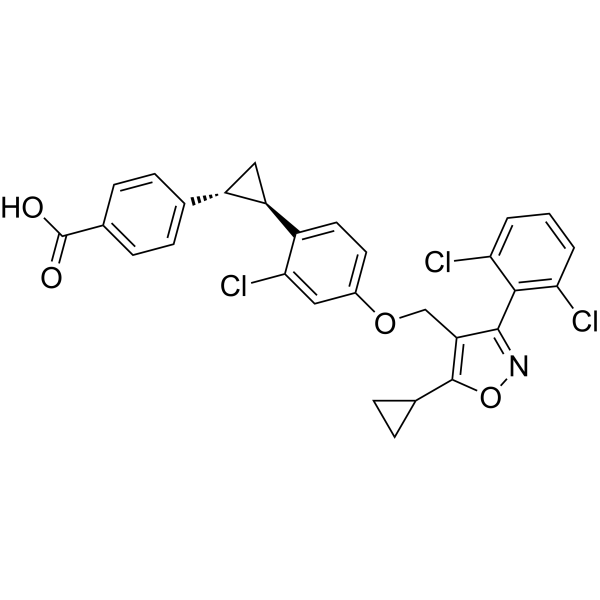
    PX20606 trans racemate (PX-102 trans racemate) is a FXR agonist with EC50s of 32 and 34 nM for FXR in FRET and M1H assay, respectively .
    trans-PX20606
  • HY-161352

    Virus Protease Infection
    NPI52 (Compound E1) is a foot-and-mouth disease virus 3C protease (FMDV 3Cpro) inhibitor, with IC50 values of 0.05 and 0.11 µM in FRET and cell-based assay, respectively .
    NPI52
  • HY-P4787A

    Cathepsin Others
    Ac-Glu-Asp(EDANS)-Lys-Pro-Ile-Leu-Phe-Phe-Arg-Leu-Gly-Lys(DABCYL)-Glu-NH2 acetate is a Cathepsin D substrate, that can be used for cathepsin D FRET assay .
    Ac-Glu-Asp(EDANS)-Lys-Pro-Ile-Leu-Phe-Phe-Arg-Leu-Gly-Lys(DABCYL)-Glu-NH2 acetate
  • HY-P4787

    Cathepsin Others
    Ac-Glu-Asp(EDANS)-Lys-Pro-Ile-Leu-Phe-Phe-Arg-Leu-Gly-Lys(DABCYL)-Glu-NH2 is a cathepsin D substrate, that can be used for cathepsin D FRET assay .
    Ac-Glu-Asp(EDANS)-Lys-Pro-Ile-Leu-Phe-Phe-Arg-Leu-Gly-Lys(DABCYL)-Glu-NH2
  • HY-P10344

    Fluorescent Dye Infection
    MCA-AVLQSGFR-Lys(Dnp)-Lys-NH2 is a fluorescent substrate used for fluorescence resonance energy transfer (FRET) protease assays. This substrate is employed to measure the activity of SARS-CoV-2 3CLpro .
    MCA-AVLQSGFR-Lys(Dnp)-Lys-NH2
  • HY-153114

    FXR Inflammation/Immunology
    HEC96719 is a selective and orally active tricyclic farnesoid X receptor (FXR) agonist with EC50 values of 1.37 and 1.55 nM by time-resolved fluorescence energy transfer (TR-FRET) and luciferase reporter assays, respectively. HEC96719 significantly improves non-alcoholic steatohepatitis (NASH) and liver fibrosis with favorable tissue distribution in liver and intestine. HEC96719 can be used for the research of non-alcoholic steatohepatitis .
    HEC96719
  • HY-147366

    Lipocalin Family Metabolic Disease
    RBP4 ligand-1 is a non-retinoid ligands for (RBP4) retinol-binding protein 4. The hRBP4SPA IC50 and RBP4-TTR FRET IC50 values are 0.23±0.11 and 0.13±0.12 μM in the radioligand binding assay and FRET assay, respectively .
    RBP4 ligand-1
  • HY-100443B

    FXR Autophagy Metabolic Disease
    (R,R)-PX20606 is a FXR agonist with EC50s of 18 and 29 nM for FXR in FRET and M1H assay, respectively.
    (R,R)-PX20606
  • HY-149245

    Keap1-Nrf2 Inflammation/Immunology
    Keap1-Nrf2-IN-15 (Compound 24a) is a potent Keap1-Nrf2 protein-protein interaction inhibitor with IC50s of 77 nM and 2.5 nM in FP assay and TR-FRET assay, respectively .
    Keap1-Nrf2-IN-15
  • HY-149233

    Cholinesterase (ChE) Tau Protein Neurological Disease
    hAChE-IN-1 (Compound 24) is a potent hAChE inhibitor with an IC50 of 1.09 μM. hAChE-IN-1 inhibits tau-oligomerization with an EC50 of 2.71 μM in cellular tau FRET assay .
    hAChE-IN-1
  • HY-125452

    Fluorescent Dye Others
    DiSBAC10 is a voltage-sensitive fluorescent probe used to study cell membrane electrical activity in FRET assays. In a resting polarized cell, DiSBAC10 resides on the outer leaflet of the membrane where it accepts photons from excited fluorescein-labeled proteins and re-emits the photons at a higher wavelength. Depolarization of the cell causes rapid translocation of DiSBAC10 to the inner leaflet of the membrane, thereby increasing the distance between fluorophores and reducing the FRET signal.
    DiSBAC10
  • HY-D2742

    BHQ-1 DMT amidite

    Fluorescent Dye Others
    DMT-BH1 amidite (BHQ-1 DMT amidite) is a true dark quencher with broad absorption curve which covers the visible spectrum with maximum in green to yellow region. It is used for the synthesis of dual labeled oligonucleotide probes for qPCR bearing 5'-quencher DusQ 1 and other FRET applications for multiplexing assays.
    DMT-BH1 amidite
  • HY-168713

    FXR Metabolic Disease
    LZ-007 is an agonist for farnesoid X receptor (FXR) with an EC50 of 51 nM measuring by TR-FRET assay, or an EC50 of 76 nM in HepG2 cell. LZ-007 exhibits good pharmacokinetic characheristics in SD rats. LZ-007 ameliorates western diet and CCl4 (HY-Y0298)-induced mice metabolic dysfunction-associated steatohepatitis
    LZ-007
  • HY-P5415

    HIV Others
    DABCYL-GABA-Ser-Gln-Asn-Tyr-Pro-Ile-Val-Gln-EDANS is a biological active peptide. (DABCYL-GABA-Ser-Gln-Asn-Tyr-Pro-Ile-Val-Gln-EDANS is also called HIV protease substrate I in some literature. It is widely used for the continuous assay for HIV protease activity. The 11-Kd protease (PR) encoded by the human immunodeficiency virus 1 (HIV-1) is essential for the correct processing of viral polyproteins and the maturation of infectious virus, and is therefore a target for the design of selective acquired immunodeficiency syndrome (AIDS) therapeutics. The FRET-based fluorogenic substrate is derived from a natural processing site for HIV-1 PR. Incubation of recombinant HIV-1 PR with the fluorogenic substrate resulted in specific cleavage at the Tyr-Pro bond and a time-dependent increase in fluorescence intensity that is linearly related to the extent of substrate hydrolysis. The fluorescence quantum yields of the HIV-1 PR substrate in the FRET assay increased by 40.0- and 34.4-fold, respectively, per mole of substrate cleaved. Because of its simplicity and precision in the determination of reaction rates required for kinetic analysis, this substrate offers many advantages over the commonly used HPLC or electrophoresis-based assays for peptide substrate hydrolysis by retroviral PRs. Abs/Em = 340nm/490nm.)
    DABCYL-GABA-Ser-Gln-Asn-Tyr-Pro-Ile-Val-Gln-EDANS
  • HY-160943A

    SARS-CoV Infection
    F594-1001 (compound 6) hydrochloride is a potent and highly selective SARS-CoV-2 Mac1-ADP-ribose inhibitor with IC50s of 8.5 μM, 68 μM and 45 μM for SARS-CoV-2 in AS, FP, and FRET assays, respectively. F594-1001 hydrochloride directly binds to SARS-CoV-2 Mac1 and exhibits a dose-dependent inhibition of Mac1 ADP-ribosylhydrolase activity .
    F594-1001 hydrochloride
  • HY-160943

    SARS-CoV Infection
    F594-1001 (compound 6) is a potent and highly selective SARS-CoV-2 Mac1-ADP-ribose inhibitor with IC50s of 8.5 μM, 68 μM and 45 μM for SARS-CoV-2 in AS, FP, and FRET assays, respectively. F594-1001 directly binds to SARS-CoV-2 Mac1 and exhibits a dose-dependent inhibition of Mac1 ADP-ribosylhydrolase activity .
    F594-1001
  • HY-146578

    Keap1-Nrf2 Inflammation/Immunology
    Keap1-Nrf2-IN-8 (compound 12d) is a potent Keap1-Nrf2 PPI (Keap1-Nrf2 protein−protein interaction) inhibitor with IC50s of 64.5 nM and 14.2 nM for FP and TR-FRET assays, respectively. Keap1-Nrf2-IN-8 significantly increases the mRNA levels of Nrf2 downstream genes, GSTM3, HMOX2 and NQO1 .
    Keap1-Nrf2-IN-8
  • HY-D3310

    Fluorescent Dye Others
    Fluorescein-12-dGTP is a fluorescein-labeled deoxyguanosine triphosphate. Fluorescein-12-dGTP incorporates into complementary allele-specific primers at SNP sites, enabling FRET with cationic conjugated polymer PFP via DNA-PFP electrostatic interactions. Fluorescein-12-dGTP incorporates into G-allele-specific primers for homozygous G/G SNP genotypes to enable genotype discrimination. Fluorescein-12-dGTP serves as a fluorescently labeled nucleotide for homogeneous solution-based SNP and FRET genotyping assays (Ex/Em = 498/517 nm) .
    Fluorescein-12-dGTP
  • HY-101533R

    Bcl-2 Family Reference Standards Cancer
    AZD-5991 (Standard) is the analytical standard of AZD-5991 (HY-101533). This product is intended for research and analytical applications. AZD-5991 is a potent and selective Mcl-1 inhibitor with an IC50 of 0.7 nM in FRET assay and a Kd of 0.17 nM in surface plasmon resonance (SPR) assay .
    AZD-5991 (Standard)
  • HY-102075AR

    Reference Standards ROR Inflammation/Immunology
    TMP778 (Standard) is the analytical standard of TMP778 (HY-102075A). This product is intended for research and analytical applications. TMP778 is a potent and selevtive RORγt inverse agonist, with an IC50 of 7 nM in FRET assay.
    TMP778 (Standard)
  • HY-181345

    Estrogen Receptor/ERR Cancer
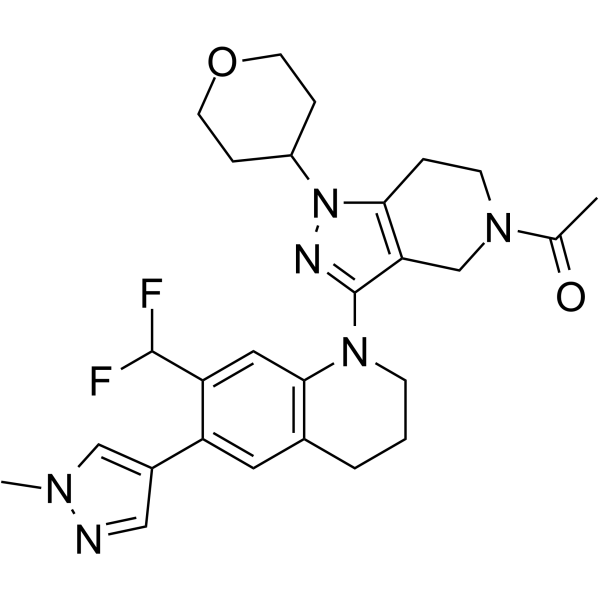
    OP-1690 is a complete estrogen receptor (ERα) antagonist (CERAN), with pIC50 values of 7.5 and 7.9 in alkaline phosphatase (AP) activity assay and TR-FRET assay, respectively. OP-1690 modulates receptor function by inducing ERα tetramerization, effectively induces ERα degradation, inhibits target gene transcription, but exhibits low antiproliferative potency. OP-1690 can be used for breast cancer research .
    OP-1690
  • HY-101027R

    Epigenetic Reader Domain Reference Standards Histone Acetyltransferase Inflammation/Immunology Cancer
    GSK 4027 (Standard) is the analytical standard of GSK 4027 (HY-101027). This product is intended for research and analytical applications. GSK 4027 is a chemical probe for the PCAF/GCN5 bromodomain with an pIC50 of 7.4±0.11 for PCAF in a time-resolved fluorescence resonance energy transfer (TR-FRET) assay.
    GSK 4027 (Standard)
  • HY-186126

    CDK Cancer
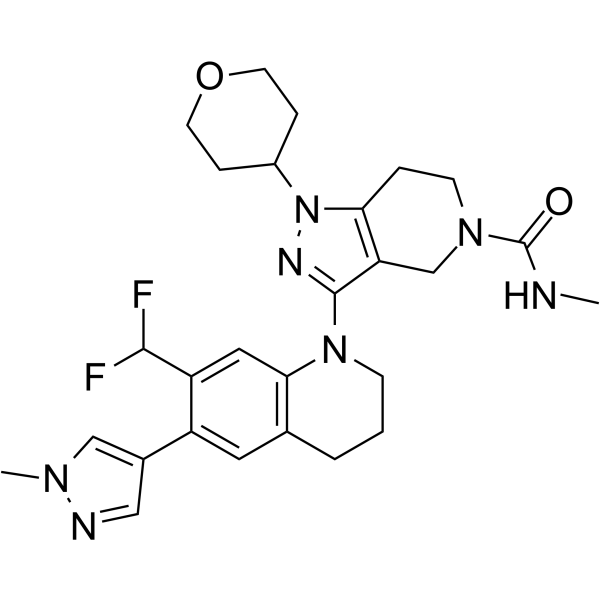
    CDK2 modulator 1 is a CDK2 modulator with an EC50 < 100 nM and an Emax > 100% of positive control in a TR-FRET proximity assay. CDK2 modulator 1 induces ternary complex formation with CDK2/CCNE1 and CRBN. CDK2 modulator 1 can be used for the research of cancer .
    CDK2 modulator 1
  • HY-101027AR

    Epigenetic Reader Domain Reference Standards Histone Acetyltransferase Inflammation/Immunology Cancer
    GSK4028 (Standard) is the analytical standard of GSK4028 (HY-101027A). This product is intended for research and analytical applications. GSK4028 is the enantiomeric negative control of GSK4027, which is a PCAF/GCN5 bromodomain chemical probe, the pIC50 of GSK4028 is 4.9 in a time-resolved fluorescence resonance energy transfer (TR-FRET) assay.
    GSK4028 (Standard)
  • HY-108435R

    Reference Standards Epigenetic Reader Domain Histone Acetyltransferase Cancer
    GNE-049 (Standard) is the analytical standard of GNE-049 (HY-108435). This product is intended for research and analytical applications. GNE-049 is a highly potent and selective CBP inhibitor with an IC50 of 1.1 nM in TR-FRET assay. GNE-049 also inhibits BRET and BRD4(1) with IC50s of 12 nM and 4200 nM, respectively .
    GNE-049 (Standard)
  • HY-108696R

    Reference Standards Epigenetic Reader Domain Histone Acetyltransferase Cancer
    GNE-781 (Standard) is the analytical standard of GNE-781 (HY-108696). This product is intended for research and analytical applications. GNE-781 is an orally active, highly potent and selective CBP inhibitor with an IC50 of 0.94 nM in TR-FRET assay. GNE-781 also inhibits BRET and BRD4(1) with IC50s of 6.2 nM and 5100 nM, respectively. GNE-781 displays antitumor activity in an MOLM-16 AML xenograft model .
    GNE-781 (Standard)
  • HY-182026

    FXR G protein-coupled Bile Acid Receptor 1 TNF Receptor Reactive Oxygen Species (ROS) Inflammation/Immunology
    FXR agonist 17 is an orally active, steroidal FXR agonist with EC50 values of 42.2 nM (TR-FRET) and 176.4 nM (luciferase reporter assay), respectively. FXR agonist 17 activates TGR5 (EC50 = 2.6 μM) but does not activate hMRGPRX4. FXR agonist 17 exerts anti-inflammatory, hepatoprotective and antifibrotic effects, improves the non-alcoholic steatohepatitis (NAFLD) activity score and reduces the severity of liver fibrosis. FXR agonist 17 can be used for the research of NAFLD, cholestatic liver disease and liver fibrosis .
    FXR agonist 17
  • HY-181226

    LXR Metabolic Disease
    LXR modulator-1 (Compound 21/3) is a LXR modulator with an EC50 of less than 100 nM. LXR modulator-1 can be used for studying LXR-mediated diseases such as non-alcoholic fatty liver disease .
    LXR modulator-1

Inquiry Online

Your information is safe with us. * Required Fields.

Salutation


Country or Region *

Applicant Name *


Organization Name *

Department *


Email Address *


Product Name *

Cat. No.


Requested quantity *

Phone Number *


Remarks

Inquiry Online

Inquiry Information

Product Name:
Cat. No.:
Quantity:
MCE Japan Authorized Agent:

