



From 11:00 pm to 12:00 pm EST ( 8:00 pm to 9:00 pm PST ) on January 6th, the website will be under maintenance. We are sorry for the inconvenience. Please arrange your schedule properly.
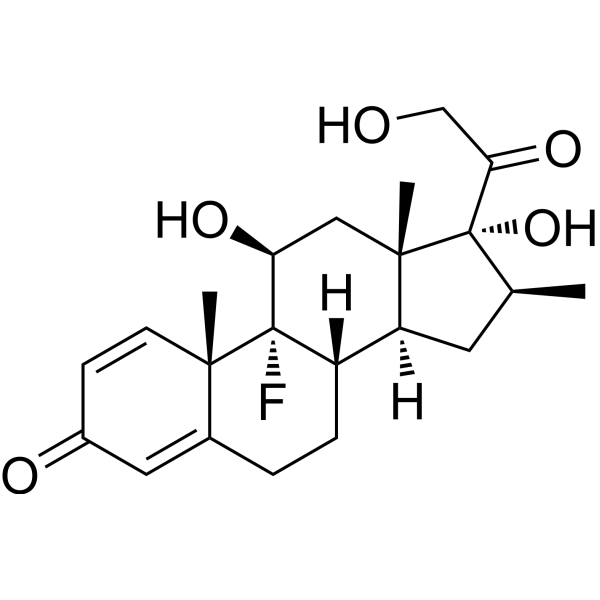
Betamethasone is a synthetic glucocorticoid with anti-inflammatory and immunosuppressive activities. Betamethasone accelerates fetal lung maturation and induces gene expression and apoptosis .
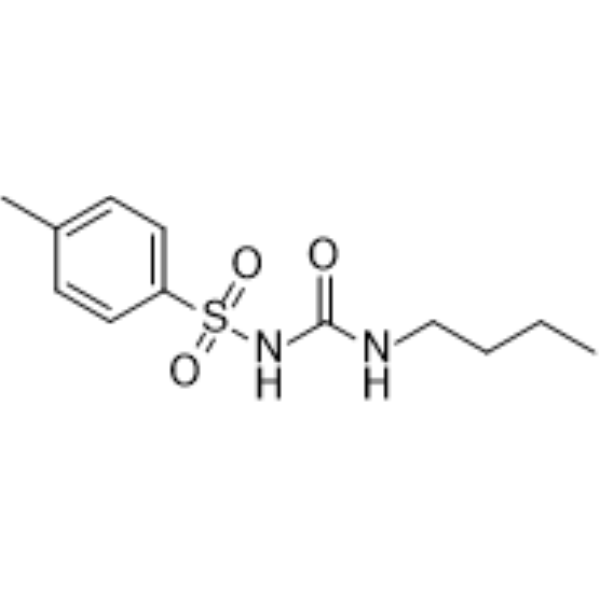
Tolbutamide is an orally active KATP inhibitor. Tolbutamide inhibits cell proliferation, stimulates exocytosis of glucagon and reduces fetal lethality of mice. Tolbutamide can be used in the research of diabete .
Bococizumab (PF-04950615) is an anti-human PCSK9 inhibitory antibody that reduces LDL cholesterol levels. Bococizumab can be used in the research of hypercholesterolemia .
Insulin-Transferrin-Selenium, 100X (ITS-G) is a mixture of Insulin, transferrin, and sodium selenite that is a general supplement designed for use in classic media such as DMEM, RPMI-1640, and nutrient media such as Ham's F-12, DMEM/F-12. Insulin-Transferrin-Selenium is added to basal medium to reduce the amount of fetal calf serum required to culture cells .
SYTO9 is a green fluorescent nucleic acid dye (Ex = 485 nm, Em = 498 nm (DNA)/501 nm (RNA)). SYTO9 can penetrate the intact cell membrane of viable bacteria. When the cell membrane is damaged (cell death), its rate of entry into cells increases, and it competes with propidium iodide (PI) (HY-D0815), another membrane-impermeable dye, for nucleic acid binding sites. SYTO9 is widely used in fluorescence microscopy, flow cytometry, and fluorometric assays in microbiology for bacterial counting, viability assessment, and cell imaging .
Nipocalimab (M281) is a fully humanized, recombinant, and non-glycosylated IgG1 monoclonal antibody. Nipocalimab can bind to the IgG-binding site of FcRn with high affinity and inhibit the transplacental transfer of IgG. Nipocalimab can be used in the research of fetal and neonatal hemolytic disease, myasthenia gravis, and various IgG-mediated autoimmune diseases .
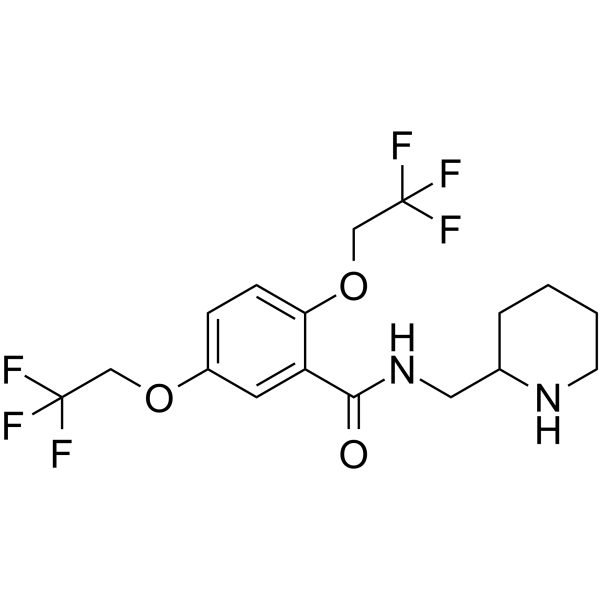
Flecainide is an orally active antiarrhythmic agent. Flecainide can block sodium channels and inhibit calcium ion release mediated by the cardiac ryanodine receptor (RyR2). Flecainide can be used in the research of diseases such as catecholaminergic polymorphic ventricular tachycardia (CPVT) .
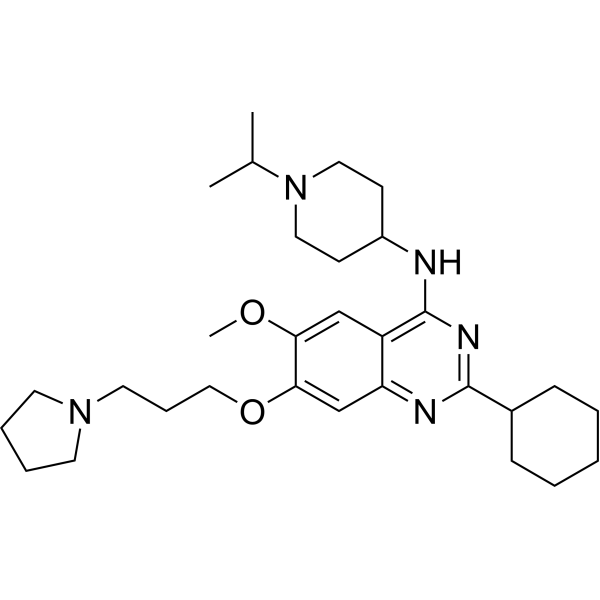
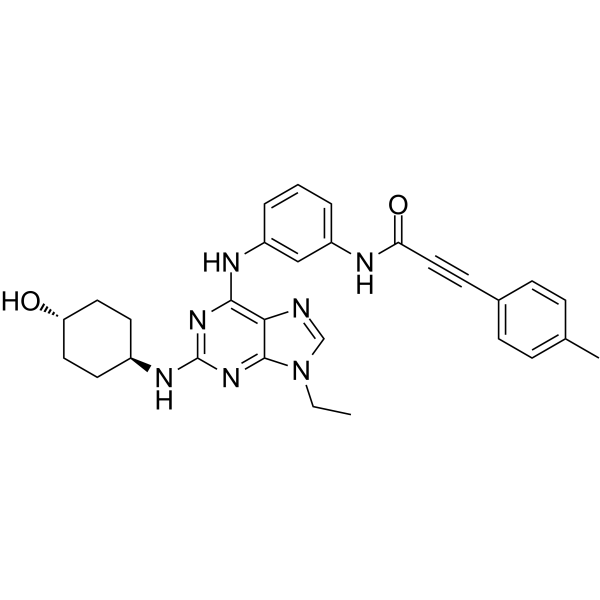
UNC0638, a chemical probe, selectively inhibits G9a and GLP histone methyltransferases with IC50 of 15 nM and 19 nM, respectively. UNC0638 inhibits TNBC cell invasion and migration in vitro. UNC0638 is also an inhibitor of EHMT1/2 and induces fetal hemoglobin (HbF) expression in human erythroid progenitor cell culture. In addition, UNC0638 has anti-FMDV (foot-and-mouth disease virus) and anti-VSV (vesicular stomatitis virus) activities, with excellent potency and selectivity against multiple epigenetic and non-epigenetic targets .
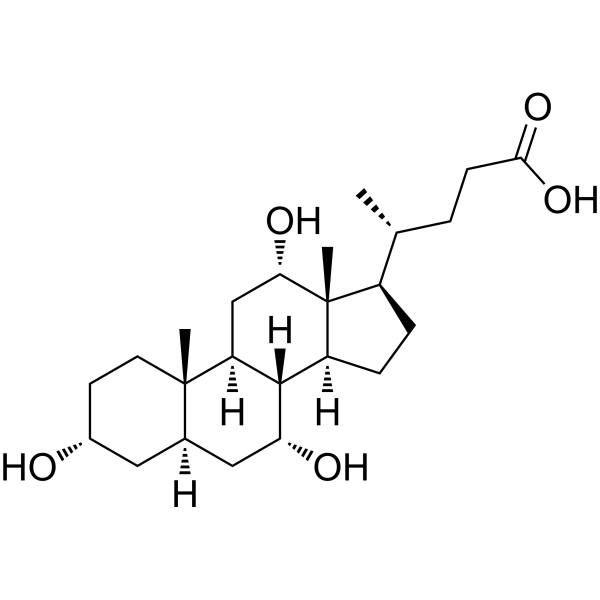
Allocholic acid is a typically fetal bile acid found in vertebrates and reappears during liver regeneration and carcinogenesis, besides it is also a conjugate acid of allocholate and an isomer of cholic acid. Allocholic acid is a potent and specific stimulant of the adult olfactory system, it has a role as a marine metabolite, a rat metabolite and a human metabolite .
Perfluorodecanoic acid (PFDA) is an orally active perfluoroalkyl substance. Perfluorodecanoic acid causes dysfunction of rat fetal Leydig cells via endoplasmic reticulum stress-mediated changes in lipid components. Perfluorodecanoic acid reduces testosterone biosynthesis in rat R2C Leydig cells by inducing endoplasmic reticulum stress. Perfluorodecanoic acid can be used in studies related to fetal Leydig cell dysfunction .
Estetrol, an orally active estrogen synthesized exclusively during pregnancy by the human fetal liver, is a selective nuclear estrogen receptor modulator. Estetrol binds ERα as well as ERβ (with a fourfold lower affinity). Estetrol increases eNOS expression/activity and NO synthesis in endothelial cells. Estetrol exerts estrogenic actions on the endometrium or the central nervous system but presents antagonistic effects on the breast. Estetrol can be used in contraception and menopausal hormone research .
ASP-8731 is an orally active BACH1 inhibitor. ASP-8731 activates antioxidant, anti-inflammatory and globin gene pathways by relieving the inhibitory effect of BACH1 on NRF2-mediated gene transcription. ASP-8731 significantly upregulates the expression of HMOX1, FTH1 and various globins (such as HGB, HBG, HBA), increases fetal hemoglobin (HbF) levels, and effectively induces F-cell production in hydroxyurea-unresponsive cells. Meanwhile, ASP-8731 reduces inflammatory responses and white blood cell counts by downregulating VCAM1, ICAM-1 and the phosphorylation level of NF-κB(p65), and blocks heme-induced glutathione depletion and microcirculatory stasis. ASP-8731 holds potential for inhibiting sickle cell disease and related hematological disorders .
4,4'-Sulfonyldiphenol (Bisphenol S; Bis(4-hydroxyphenyl) sulfone), a substitute for Bisphenol A (HY-18260), is widely used in industrial and consumer products. 4,4'-Sulfonyldiphenol is an oally ative estrogen receptor (ER) agonist and can competitively bind to thyroid hormone receptors (TR) with IC50 values for TRα and TRβ are 2650 μM and 2294 μM respectively, thereby affecting breast development and reducing the expression of androgen receptor (AR) in fetal testes. 4,4'-Sulfonyldiphenol promotes the progression of glioblastoma by upregulating the EZH2 mediated PI3K/AKT/mTOR pathway. Under chronic exposure, 4,4'-Sulfonyldiphenol can cause significant lipid deposition and dyslipidemia in the mouse liver by upregulating JunB and Atf3, and has a role in causing obesity at low doses. 4,4'-Sulfonyldiphenol induces intestinal inflammation by altering the intestinal microbiome. 4,4'-Sulfonyldiphenol accelerates the progression of atherosclerosis in zebrafish embryo larvae .
cis-Vaccenic acid, the antiviral extract from Rhodopseudomonas capsulate and the predominant active component of Rhodopseudomonas capsulate , acts a potential fetal hemoglobin inducer .
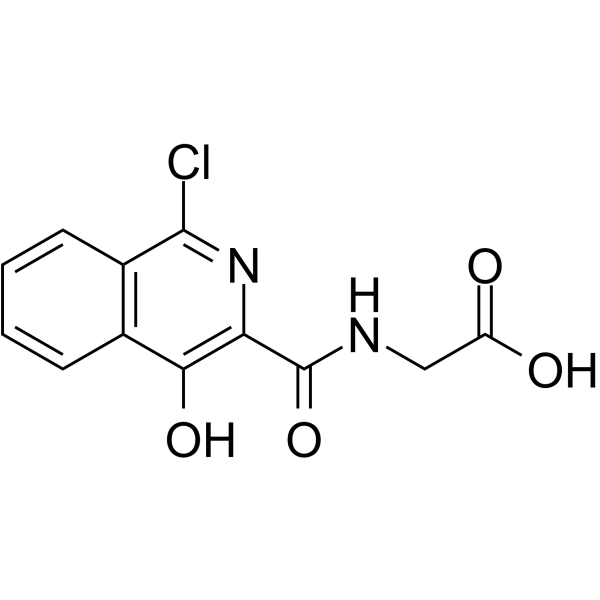
FG-2216 (IOX3) is a potent and orally active inhibitor of HIF prolyl hydroxylase-2 (PHD2), with an IC50 of 3.9 μM. FG-2216 induces robust erythropoietin and modest fetal hemoglobin in vivo .
Triadimefon is an orally active fungicide. Triadimefon significantly reduces the phosphorylation of AKT1 and ERK1/2. Triadimefon significantly increases pAMPK levels, but does not affect total AMPK levels. Triadimefon inhibits the growth of Saccharomyces cerevisiae, disrupts hormone homeostasis (affecting the synthesis of testosterone, etc.), inhibits fetal adrenal development in rats, induces metabolic shifts in hepatocytes, and impairs spatial learning and memory .
WIZ degrader 9 is an orally active molecular glue degrader of the WIZ transcription factor. As a molecular glue, WIZ degrader 9 recruits WIZ to the cereblon E3 ubiquitin ligase complex via its ZF7 domain, driving proteasome-dependent degradation of WIZ. WIZ degrader 9 induces hemoglobin production, reduces the level of H3K9 dimethylation across the whole genome and at the β-globin locus, upregulates the transcription of γ-globin and BGLT3, and increases the level of histone H3K9 acetylation in the promoter region of HBG1/2. WIZ degrader 9 effectively induces fetal hemoglobin production in both mice and cynomolgus monkeys. WIZ degrader 9 can be used for research on sickle cell disease .
dWIZ-1 is an orally active molecular glue and chemical probe targeting the WIZ transcription factor, which based on an IMiD backbone, binding to human WIZ with an affinity of 3.5 μM. dWIZ-1 recruits WIZ to the cereblon-DDB1 complex via its ZF7 domain, thereby triggering proteasome-dependent degradation of WIZ. dWIZ-1 significantly induces fetal hemoglobin expression in erythroblasts while reducing the level of inhibitory H3K9 dimethylation at WIZ binding sites such as the β-globin locus. Meanwhile, dWIZ-1 does not affect the proliferation and differentiation of erythroblasts, and no cytotoxicity is observed in in vitro cells or cynomolgus monkey models. dWIZ-1 serves as a critical tool molecule for investigating the mechanism and underlying pathways of sickle cell disease .
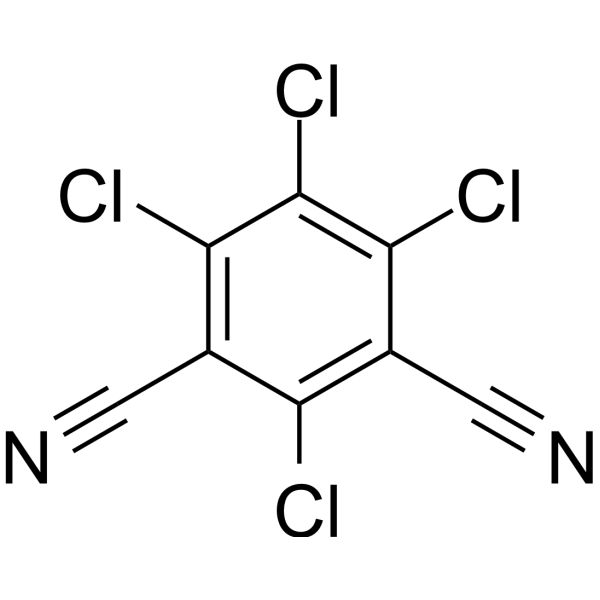
Chlorothalonil is a broad-spectrum foliar fungicide with oral activity. Chlorothalonil can be used to combat fungal diseases in vegetable and crop leaves. Chlorothalonil can alter the microbial community in the soil. Chlorothalonil inhibits spermatogenesis. Chlorothalonil can cause intestinal epithelial barrier dysfunction and fetal toxicity .
Anabasine ((S)-Anabasine) is an alkaloid that found as a minor component in tobacco (Nicotiana). Anabasine is a botanical pesticide nicotine, acts as a full agonist of nicotinic acetylcholine receptors (nAChRs). Anabasine induces depolarization of TE671 cells endogenously expressing human fetal muscle-type nAChRs (EC50=0.7 μM) .
Ganglioside GM2 is a human tumor antigen predominantly found in human tumor cells and fetal brain tissue. As a sialylated glycosphingolipid, Ganglioside GM2 is involved in processes such as cell signaling, adhesion, and motility. Ganglioside GM2 abnormal expression and accumulation are associated with tumors and neurodegenerative disorders. Ganglioside GM2 promotes tumor cell migration and invasion by directly binding to the integrin β1 receptor, activating the FAK/Src/Erk-MAPK signaling pathway, and inducing actin cytoskeleton remodeling .
BMS-566394 is a selective, orally active TACE (ADAM17) inhibitor. BMS-566394 inhibits LPS-induced TNF-α production in whole blood. BMS-566394 selectively inhibits TACE activity .
Calcium Green-5N AM is a Ca 2+-sensitive fluorescent probe (Kd= 14 μM). Calcium Green-5N AM shows enhanced fluorescence intensity upon binding to Ca 2+, and it can monitor free Ca 2+ in neurons .
Triphenylphosphinechlorogold (Chloro(triphenylphosphine)gold(I)) is a gold complex, Apoptosis inducer, and catalyst. Triphenylphosphinechlorogold exhibits high LOX inhibitory activity. Triphenylphosphinechlorogold induces cell cycle arrest and apoptosis. Triphenylphosphinechlorogold catalyzes the peroxidation of linoleic acid. A weak interaction exists between Triphenylphosphinechlorogold and DNA. Triphenylphosphinechlorogold displays antiproliferative activity against breast cancer cells .
H-8 dihydrochloride is a selective Cyclic nucleotide-dependent protein kinase inhibitor. H-8 dihydrochloride potently inhibits cGMP- and cAMP-dependent protein phosphorylation. H-8 dihydrochloride enhances the vasodilatory effect induced by 8-bromo-cAMP (HY-12306A). H-8 dihydrochloride fails to attenuate the vasodilatory effects induced by 8-bromo-cGMP (HY-101379A), atrial natriuretic peptide II, or Sodium nitroprusside (HY-B0564) in rat aorta .
iE-DAP dihydrochloride is a Nod1 agonist. iE-DAP dihydrochloride activates NOD1, which in turn activates the NF-κB signaling pathway and MLCK signaling pathway, inducing cellular inflammatory responses and tight junction disruption. iE-DAP dihydrochloride downregulates the expression of ZO-1 and Occludin genes. iE-DAP dihydrochloride increases the secretion of IL-6, GRO-α, MCP-1, IL-8 and MIP-1β in term human trophoblast cell cultures. iE-DAP dihydrochloride triggers preterm birth in pregnant mice, reduces fetal body weight, and induces fetal inflammation. iE-DAP dihydrochloride can be used in studies related to mastitis and preterm birth .
Cholesteryl palmitate is the main cholesterol ester found in human blephariol and has been used to form a stable tear film to study amphiphilic block copolymers as surfactants for dry eye syndrome. Cholesteryl palmitate can be used as a predictor of fetal lung maturity. Cholesteryl palmitate can be used as a prognostic biomarker for chronic interstitial pneumonia .
RN-1 dihydrochloride is a potent, brain-penetrant, irreversible and selective lysine-specific demethylase 1 (LSD1) inhibitor with an IC50 of 70 nM. RN-1 dihydrochloride exhibits selectivity for LSD1 over MAO-A and MAO-B with IC50 values of 0.51 μM and 2.785 μM respectively .
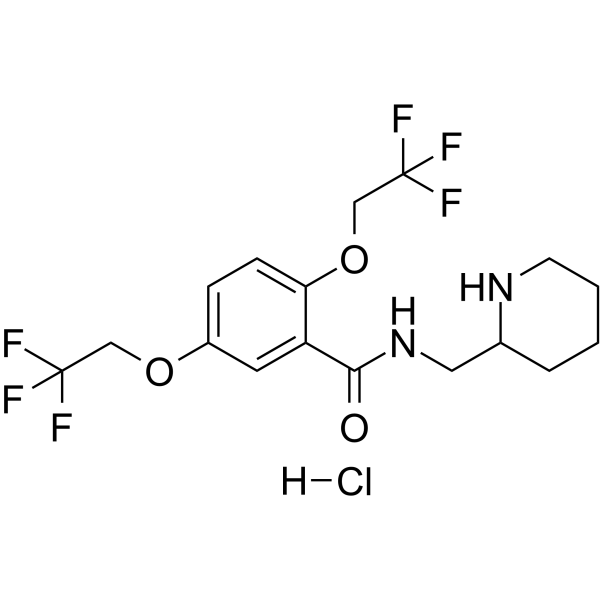
Flecainide hydrochloride is an orally active antiarrhythmic agent. Flecainide hydrochloride can block sodium channels and inhibit calcium ion release mediated by the cardiac ryanodine receptor (RyR2). Flecainide hydrochloride can be used in the research of diseases such as catecholaminergic polymorphic ventricular tachycardia (CPVT) .
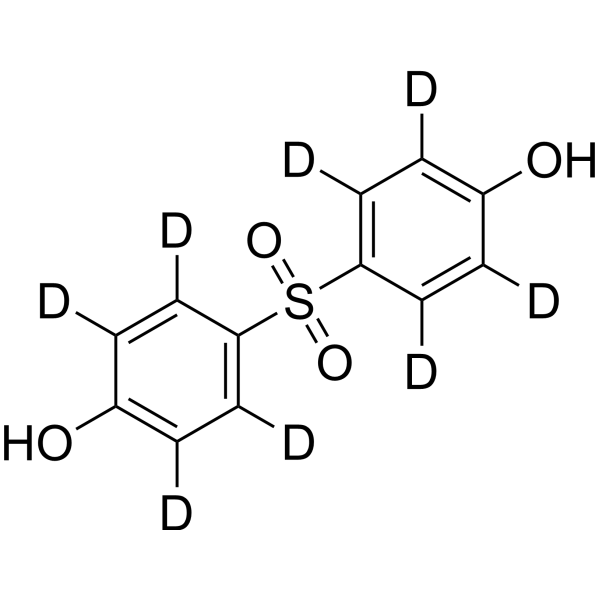
4,4'-Sulfonyldiphenol-d8 (Bisphenol S (4,4'-Sulfonyldiphenol)-d8) is the deuterium labeled 4,4'-Sulfonyldiphenol (HY-W011927).4,4'-Sulfonyldiphenol (Bisphenol S; Bis(4-hydroxyphenyl) sulfone), a substitute for Bisphenol A (HY-18260), is widely used in industrial and consumer products. 4,4'-Sulfonyldiphenol is an estrogen receptor (ER) agonist and can competitively bind to thyroid hormone receptors (TR) with IC50 values for TRα and TRβ are 2650 μM and 2294 μM respectively, thereby affecting breast development and reducing the expression of androgen receptor (AR) in fetal testes. 4,4'-Sulfonyldiphenol promotes the progression of glioblastoma by upregulating the EZH2 mediated PI3K/AKT/mTOR pathway. Under chronic exposure, 4,4'-Sulfonyldiphenol can cause significant lipid deposition and dyslipidemia in the mouse liver by upregulating JunB and Atf3, and has a role in causing obesity at low doses. 4,4'-Sulfonyldiphenol induces intestinal inflammation by altering the intestinal microbiome. 4,4'-Sulfonyldiphenol accelerates the progression of atherosclerosis in zebrafish embryo larvae.
2-Ethylhexyl diphenyl phosphate is an organophosphate flame retardants (OPFRs) and a PPARG agonist (EC20: 2.04 µM). 2-Ethylhexyl diphenyl phosphate also inhibits ERRγ transcriptional activity (IC50: 1.3 µM). 2-Ethylhexyl diphenyl phosphate upregulates 3β-HSD1, human chorionic gonadotropin (hCG) and progesterone secretion. 2-Ethylhexyl diphenyl phosphate can be used in studies of female reproduction and fetal development .
Betamethasone (Standard) is the analytical standard of Betamethasone. This product is intended for research and analytical applications. Betamethasone is a synthetic glucocorticoid with anti-inflammatory and immunosuppressive activities. Betamethasone accelerates fetal lung maturation and induces gene expression and apoptosis .
Perfluoroheptanesulfonic acid (1-Perfluoroheptanesulfonic acid; Perfluoroheptanesulphonic acid) is a perfluoroalkyl substance (PFAS). PFHpS can induce malformations in zebrafish larvae (EC50=168.1 μM). It has also been found in landfill leachate, and fetal exposure to PFHpS can lead to reduced birth weight.
Tolbutamide (Standard) is the analytical standard of Tolbutamide. This product is intended for research and analytical applications. Tolbutamide is an orally active KATP inhibitor. Tolbutamide inhibits cell proliferation, stimulates exocytosis of glucagon and reduces fetal lethality of mice. Tolbutamide can be used in the research of diabete .
4-Bromo-3-hydroxybenzoic acid is a metabolite of Brocresine and a histidine decarboxylase (HDC) inhibitor with IC50s of 1 mM for both rat fetal and rat gastric HDC. 4-Bromo-3-hydroxybenzoic acid also inhibits aromatic-L-amino acid decarboxylase from hog kidney and rat gastric mucosa in vitro with IC50s of 1 mM for both enzymes .
4-Methyl-1-pentanol is a volatile aroma component of red wine, which is often used in the production and blending of wine. 4-Methyl-1-pentanol can also be used as an alcohol antagonist to antagonize the effects of ethanol and 1-butanol on cell-cell adhesion, and is used in the study of fetal alcohol syndrome .
16a-Hydroxydehydroisoandrosterone (16α-Hydroxy-DHEA) is a metabolite of the endogenous steroid hormone dehydroepiandrosterone. 16α-hydroxy Dehydroepiandrosterone is formed from dehydroepiandrosterone via 16-hydroxylation by the cytochrome P450 (CYP) isoforms CYP3A4 and CYP3A5 in adult human liver microsomes, as well as by fetal recombinant CYP3A7. It is a precursor to fetal estrogens, including estriol.
Dimebutic acid is an orally active short-chain fatty acid. Dimebutic acid stimulates fetalglobin production and alters the balance of Bcl family proteins. Dimebutic acid prolongs red blood cell survival. Dimebutic acid exhibits toxicity in rats. Dimebutic acid can be used in the study of β-thalassemia and sickle cell disease .
DSPE-PEG2000-Cy5.5 is a phospholipid-fluorophore conjugate consisting of Cy5.5 covalently linked to 1,2-distearoyl-sn-glycero-3-phosphoethanolamine (DSPE), serving as a surface label for liposomes in multimodal CT/optical imaging.DSPE-PEG2000-Cy5.5 can be used for the research of non-small cell lung cancer .
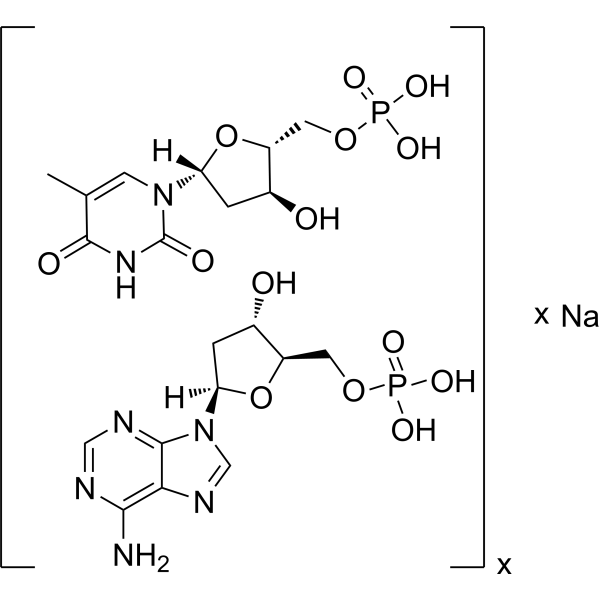
Poly(deoxyadenylic-thymidylic) acid (Poly(dA:dT)) sodium is a double-stranded DNA stimulant. Poly(deoxyadenylic-thymidylic) acid sodium is recognized by the intracellular DNA sensor DDX41 and activates the innate immune pathway via the adaptor protein STING, inducing the production of cytokines such as type I interferons. Poly(deoxyadenylic-thymidylic) acid sodium also serves as an in vitro transcription template for free RNA polymerase .
Trinbelimab (r-anti-D) is a recombinant anti-D immunoglobulin that targets the RhD antigen. Trinbelimab exerts immunosuppressive effects to block maternal-fetal RhD alloimmunization. Trinbelimab can be used for the study of maternal-fetal immunity associated with RhD incompatibility .
iE-DAP is a Nod1 agonist. iE-DAP activates NOD1, which in turn activates the NF-κB signaling pathway and MLCK signaling pathway, inducing cellular inflammatory responses and tight junction disruption. iE-DAP downregulates the expression of ZO-1 and Occludin genes. iE-DAP increases the secretion of IL-6, GRO-α, MCP-1, IL-8 and MIP-1β in term human trophoblast cell cultures. iE-DAP triggers preterm birth in pregnant mice, reduces fetal body weight, and induces fetal inflammation. iE-DAP is applicable to research related to mastitis and preterm birth .
Aglepristone is a synthetic steroidal antiprogestin with abortifacient activity. Aglepristone is used exclusively as an abortifacient in pregnant animals. Aglepristone has been shown to be a safe and effective abortifacient in the second trimester of pregnancy. Aglepristone causes termination of pregnancy and does not cause fetal resorption. During aglepristone treatment, an increase in plasma concentrations of prolactin was observed, while progesterone levels remained unchanged. The use of aglepristone also resulted in early arrest of corpus luteum function and a shortening of the estrus interval .
BML-280 (VU0285655-1) is a potent and selective phospholipase D2 (PLD2) inhibitor. BML-280 has the ability to prevent caspase-3 cleavage and reduction in cell viability induced by high glucose. BML-280 can be used for rheumatoid arthritis research .
4,4'-Sulfonyldiphenol (Bisphenol S; Bis(4-hydroxyphenyl) sulfone) (Standard) is the analytical standard of 4,4'-Sulfonyldiphenol (HY-W011927). This product is intended for research and analytical applications. 4,4'-Sulfonyldiphenol, a substitute for Bisphenol A (HY-18260), is widely used in industrial and consumer products. 4,4'-Sulfonyldiphenol is an estrogen receptor (ER) agonist and can competitively bind to thyroid hormone receptors (TR) with IC50 values for TRα and TRβ are 2650 μM and 2294 μM respectively, thereby affecting breast development and reducing the expression of androgen receptor (AR) in fetal testes. 4,4'-Sulfonyldiphenol promotes the progression of glioblastoma by upregulating the EZH2 mediated PI3K/AKT/mTOR pathway. Under chronic exposure, 4,4'-Sulfonyldiphenol can cause significant lipid deposition and dyslipidemia in the mouse liver by upregulating JunB and Atf3, and has a role in causing obesity at low doses. 4,4'-Sulfonyldiphenol induces intestinal inflammation by altering the intestinal microbiome. 4,4'-Sulfonyldiphenol accelerates the progression of atherosclerosis in zebrafish embryo larvae.
Insulin-Transferrin-Selenium-Sodium Pyruvate (ITS-A) is a basal media supplement used to reduce the amount of fetal bovine serum (FBS) used to culture cells.
Chlorothalonil (Standard) is the analytical standard of Chlorothalonil. This product is intended for research and analytical applications. Chlorothalonil is a broad-spectrum foliar fungicide with oral activity. Chlorothalonil can be used to combat fungal diseases in vegetable and crop leaves. Chlorothalonil can alter the microbial community in the soil. Chlorothalonil inhibits spermatogenesis. Chlorothalonil can cause intestinal epithelial barrier dysfunction and fetal toxicity .
3,5-Bis(4-nitrophenoxy)benzoic acid is an inhibitor of γ-secretase. 3,5-Bis(4-nitrophenoxy)benzoic acid causes a decrease in the released levels of Aβ42 and notch-1 Aβ-like peptide 25 (Nβ25). 3,5-Bis(4-nitrophenoxy)benzoic acid, as a marker for fetal hypothyroidism, is a 3,3’-diiodothyronine sulfate (T2S) cross-reactive material in maternal serum .
Triadimefon (Standard) is the analytical standard of Triadimefon (HY-123037). This product is intended for research and analytical applications. Triadimefon is an orally active fungicide. Triadimefon significantly reduces the phosphorylation of AKT1 and ERK1/2. Triadimefon significantly increases pAMPK levels, but does not affect total AMPK levels. Triadimefon inhibits the growth of Saccharomyces cerevisiae, disrupts hormone homeostasis (affecting the synthesis of testosterone, etc.), inhibits fetal adrenal development in rats, induces metabolic shifts in hepatocytes, and impairs spatial learning and memory .
IAXO-101 iodide is a TLR4/CD14 blocker. IAXO-101 iodide can inhibit the innate immune pathway of CD14. IAXO-101 iodide is capable of improving the recording performance of intracortical microelectrodes in mice. IAXO-101 iodide can also partially alleviate fetal growth restriction, placental vascular damage, and reduce the level of the inflammatory factor TNF-α in pregnant mice infected with malaria. IAXO-101 iodide can be used in the research of gestational malaria and inflammatory diseases .
Betamethasone hydrochloride is a synthetic glucocorticoid with anti-inflammatory and immunosuppressive activities. Betamethasone hydrochloride accelerates fetal lung maturation and induces gene expression and apoptosis .
FG-2216 (Standard) is the analytical standard of FG-2216. This product is intended for research and analytical applications. FG-2216 (IOX3) is a potent and orally active inhibitor of HIF prolyl hydroxylase-2 (PHD2), with an IC50 of 3.9 μM. FG-2216 induces robust erythropoietin and modest fetal hemoglobin in vivo .
Halocyamine B exhibits antimicrobial activity against a variety of bacteria and yeasts. Halocyamine B exhibits cytotoxicity to cultured neural cells of rat fetal brain, mouse neuroblastoma N18 cells, and human hepatoma HepG2 cells .
MK-1220 is a covalently reversible inhibitor of the hepatitis C virus (HCV) NS3/4A protease (NS3/4A protease) with a Ki of 0.02 nM. MK-1220 in cell models simulating viral replication exhibits EC50s of 4 (with 10% fetal bovine serum) and 11 nM (50% normal human serum). MK-1220 can be used for the study of chronic hepatitis C virus infection .
MSP-1 P2 is a synthetic peptide of merozoite surface protein-1 (MSP-1). MSP-1 P2 stimulates umbilical cord blood lymphocytes to produce IFN-γ and IL-13, and this immune response is primarily mediated by CD4+ T cells. MSP-1 P2 can be used as a specific antigen stimulus to detect T cell responses and cytokine levels .
FGFR2/3-IN-3 is a dual-target FGFR2/3 inhibitor with IC50s of 2.7 nM (TEL-FGFR2) and 3.9 nM (TEL-FGFR3), respectively. FGFR2/3-IN-3 has effective activity against both wild-type and mutant FGFR3. FGFR2/3-IN-3 has low CYP3A4 inhibitory effect and hERG toxicity. FGFR2/3-IN-3 improves the imbalance between chondrocyte proliferation and differentiation and promotes bone growth by inhibiting the signaling pathway mediated by mutant FGFR3. FGFR2/3-IN-3 shows a growth-promoting effect in a dwarfism mouse model and has the potential to study bone development disorder-related diseases such as achondroplasia (ACH) .
4-Methyl-1-pentanol is a volatile aroma component of red wine, which is often used in the production and blending of wine. 4-Methyl-1-pentanol can also be used as an alcohol antagonist to antagonize the effects of ethanol and 1-butanol on cell-cell adhesion, and is used in the study of fetal alcohol syndrome .
Betamethasone-d5 is the deuterium labeled Betamethasone. Betamethasone is a synthetic glucocorticoid with anti-inflammatory and immunosuppressive activities. Betamethasone accelerates fetal lung maturation and induces gene expression and apoptosis .
Betamethasone-d5-1 is deuterium labeled Betamethasone. Betamethasone is a synthetic glucocorticoid with anti-inflammatory and immunosuppressive activities. Betamethasone accelerates fetal lung maturation and induces gene expression and apoptosis .
cis-Vaccenic acid-d13 is the deuterium labeled cis-Vaccenic acid. cis-Vaccenic acid, the antiviral extract from Rhodopseudomonas capsulate and the predominant active component of Rhodopseudomonas capsulate , acts a potential fetal hemoglobin inducer .
Vitexolide E is a diterpenoid compound isolated from the leaves of the Malaysian species Vitex vestita. Vitexolide E shows cytotoxic activities against the HCT-116 cancer cell line and human fetal lung fibroblast MRC5 cell line .
L-691121 exhibits antiarrhythmic efficacy through block of potassium channel and a followed prolonged cardiac potential. L-691121 exhibits embryotoxicity with fetal mortality at the dose of 0.8 mg/kg/day (p.o.). L-691121 is orally active .
WIZ degrader 1 (Compound 141) is a degrader for widely interspaced zinc finger motifs (WIZ) with an AC50 of 2 nM. WIZ degrader 1 induces the expression of fetal hemoglobin (HbF) with an EC50 of 6 mM. WIZ degrader 1 is used in research of inherited blood disorders .
Estetrol-d4 is the deuterium labeled Estetrol. Estetrol, a natural estrogen synthesized exclusively during pregnancy by the human fetal liver, is a selective nuclear estrogen receptor modulator. Estetrol exerts estrogenic actions on the endometrium or the central nervous system but presents antagonistic effects on the breast .
17α-Hydroxyprogesterone acetate (Standard) is the analytical standard of 17α-Hydroxyprogesterone acetate. This product is intended for research and analytical applications. 17α-Hydroxyprogesterone acetate possesses progestational activity. 17α-Hydroxyprogesterone acetate has antiinflammatory effects at the murine maternal-fetal interface .
Dimebutic acid sodium is an orally active short-chain fatty acid. Dimebutic acid sodium stimulates fetalglobin production and alters the balance of Bcl family proteins. Dimebutic acid sodium prolongs red blood cell survival. Dimebutic acid sodium exhibits toxicity in rats. Dimebutic acid sodium can be used in the study of β-thalassemia and sickle cell disease .
WIZ degrader 2 (Compound 142) is a degrader for widely interspaced zinc finger motifs with an AC50 of 0.011 μM. WIZ degrader 2 induces the expression of fetal hemoglobin (HbF) with an EC50 of 0.038 μM. WIZ degrader 2 can be used in research about inherited blood disorders .
Anabasine ((S)-Anabasine) hydrochloride is an alkaloid that found as a minor component in tobacco (Nicotiana). Anabasine is a botanical pesticide nicotine, acts as a full agonist of nicotinic acetylcholine receptors (nAChRs). Anabasine induces depolarization of TE671 cells endogenously expressing human fetal muscle-type nAChRs (EC50=0.7 µM) .
WIZ degrader 3 (Compound 29) is a degrader for widely interspaced zinc finger motifs (WIZ), with an AC50 of 6.4 nM. WIZ degrader 3 induces the expression of fetal hemoglobin (HbF), with an EC50 of 45 nM. WIZ degrader 3 can be used for the research of blood disorders, such as sickle cell disease and β- thalassemia .
L-751788 is a selective inhibitor of type I of 5α-reductase. L-751788 does not have a significant impact on the differentiation of the external genitalia in animals. When administered orally to pregnant rhesus monkeys, L-751788 (2, 10 mg/kg) did not cause abnormalities in fetal external genitalia .
STK33 is clearly related to the canonical kinases from the CAMK group. STK33 could be involved in the normal development of heart and other organs in embryonic and fetal stages. STK33 Recombinant Human Active Protein Kinase is a recombinant STK33 protein that can be used to study STK33-related functions .
DS79932728 is an orally active inhibitor for G9a and GLP with IC50 of 12.6 nM and 75.7 nM. DS79932728 induces the production of γ-globin, thereby increasing the level of fetal hemoglobin (HbF). DS79932728 increases F-reticulocytes (F-rets) proportion and exhibits good oral absorption characteristics in cynomolgus monkey models .
Azaspirene ((-)-Azaspirene) is an angiogenesis and Raf-1 activation inhibitor isolated from the fungus Neosartorya sp. Azaspirene inhibits vascular endothelial growth factor (VEGF)-induced human umbilical vein endothelial cell (HUVEC) migration and Raf-1 activation, but has no effect on the activation of kinase insert domain-containing receptor/fetal liver kinase 1 (VEGF receptor 2) .
Anabasine (Standard) is the analytical standard of Anabasine. This product is intended for research and analytical applications. Anabasine ((S)-Anabasine) is an alkaloid that found as a minor component in tobacco (Nicotiana). Anabasine is a botanical pesticide nicotine, acts as a full agonist of nicotinic acetylcholine receptors (nAChRs). Anabasine induces depolarization of TE671 cells endogenously expressing human fetal muscle-type nAChRs (EC50=0.7 μM) .
Cholesteryl palmitate (Standard) is the analytical standard of Cholesteryl palmitate. This product is intended for research and analytical applications. Cholesteryl palmitate is the main cholesterol ester found in human blephariol and has been used to form a stable tear film to study amphiphilic block copolymers as surfactants for dry eye syndrome. Cholesteryl palmitate can be used as a predictor of fetal lung maturity. Cholesteryl palmitate can be used as a prognostic biomarker for chronic interstitial pneumonia.
Dimebutic acid (Standard) is an analytical standard of Dimebutic acid (HY-W015881). This product is intended for research and analytical applications. Dimebutic acid is an orally active short-chain fatty acid. Dimebutic acid stimulates fetalglobin production and alters the balance of Bcl family proteins. Dimebutic acid prolongs red blood cell survival. Dimebutic acid exhibits toxicity in rats. Dimebutic acid can be used in the study of β-thalassemia and sickle cell disease .
Panowamycin A is an isochroman compound that can be produced by Streptomyces sp. K07-0010. Panowamycin A exhibits antitrypanosomal activity against the Trypanosoma brucei brucei GUTat 3.1 strain (IC50: 0.40 μg/mL). Panowamycin A shows weak cytotoxicity towards human fetal lung fibroblast MRC-5 cells (IC50: 2.95 μg/mL). Panowamycin A can be used for research in the field of antitrypanosomal studies .
Flecainide (Standard) is the analytical standard of Flecainide. This product is intended for research and analytical applications. Flecainide is an orally active antiarrhythmic agent. Flecainide can block sodium channels and inhibit calcium ion release mediated by the cardiac ryanodine receptor (RyR2). Flecainide can be used in the research of diseases such as catecholaminergic polymorphic ventricular tachycardia (CPVT) .
GHRF, bovine (bGRF(1-44)-NH2) is the bovine growth hormone (GH)-releasing factor (GHRF). GHRF, bovine increases the release of bovine GH, and shows a synergistic effect with Hydrocortisone (HY-N0583) .
Flecainide hydrochloride is an orally active antiarrhythmic agent. Flecainide hydrochloride can block sodium channels and inhibit calcium ion release mediated by the cardiac ryanodine receptor (RyR2). Flecainide hydrochloride can be used in the research of diseases such as catecholaminergic polymorphic ventricular tachycardia (CPVT) .
3-Deoxy-D-glycero-D-galacto-2-nonulosonic acid (KDN) sodium is a sialic acid. 3-Deoxy-D-glycero-D-galacto-2-nonulosonic acid sodium protects the oligo/(poly)sialyl chains from exosialidases at nonreducing terminal, and plays a role in egg activation of salmonid fish. 3-Deoxy-D-glycero-D-galacto-2-nonulosonic acid sodium is abundant in fetal cord red blood cells and malignant human ovarian cancer cells .
Dimebutic acid-d6 (NSC-16045-d6; NSC-741804-d6) is the deuterium labeled Dimebutic acid (HY-W015881). Dimebutic acid is a fatty acid derivative. Dimebutic acid is an orally active short-chain fatty acid. Dimebutic acid stimulates fetalglobin production and alters the balance of Bcl family proteins. Dimebutic acid prolongs red blood cell survival. Dimebutic acid exhibits toxicity in rats. Dimebutic acid is used in the study of β-thalassemia and sickle cell disease .
UNC0638 hydrate selectively inhibits G9a and GLP histone methyltransferases with IC50 of 15 nM and 19 nM, respectively. UNC0638 hydrate inhibits TNBC cell invasion and migration in vitro. UNC0638 hydrate is also an inhibitor of EHMT1/2 and induces fetal hemoglobin (HbF) expression in human erythroid progenitor cell culture. In addition, UNC0638 hydrate has anti-FMDV (foot-and-mouth disease virus) and anti-VSV (vesicular stomatitis virus) activities, with excellent potency and selectivity against multiple epigenetic and non-epigenetic targets .
Estetrol-d4 (Major) is the deuterium labeled Estetrol (HY-15731). Estetrol, an orally active estrogen synthesized exclusively during pregnancy by the human fetal liver, is a selective nuclear estrogen receptor modulator. Estetrol binds ERα as well as ERβ (with a fourfold lower affinity). Estetrol increases eNOS expression/activity and NO synthesis in endothelial cells. Estetrol exerts estrogenic actions on the endometrium or the central nervous system but presents antagonistic effects on the breast. Estetrol can be used in contraception and menopausal hormone research .
4-Methyl-1-pentanol-d7 (Isohexanol-d7) is the deuterium labeled 4-Methyl-1-pentanol (HY-W007511). 4-Methyl-1-pentanol is a volatile aroma component of red wine, which is often used in the production and blending of wine. 4-Methyl-1-pentanol can also be used as an alcohol antagonist to antagonize the effects of ethanol and 1-butanol on cell-cell adhesion, and is used in the study of fetal alcohol syndrome .
Ganglioside GM2-d3 (ammonium) is the deuterium labeled Ganglioside GM2 (HY-148385). Ganglioside GM2 is a human tumor antigen predominantly found in human tumor cells and fetal brain tissue. As a sialylated glycosphingolipid, Ganglioside GM2 is involved in processes such as cell signaling, adhesion, and motility. Ganglioside GM2 abnormal expression and accumulation are associated with tumors and neurodegenerative disorders. Ganglioside GM2 promotes tumor cell migration and invasion by directly binding to the integrin β1 receptor, activating the FAK/Src/Erk-MAPK signaling pathway, and inducing actin cytoskeleton remodeling .
Cgs 27830 is an endothelin receptor antagonist with 20-fold higher selectivity for ET-A receptors over ET-B receptors. Cgs 27830 blocks activity of ET-A and ET-B receptors. Cgs 27830 does not alter basal vascular tone in the ovine fetal pulmonary circulation. Cgs 27830 prevents big-endothelin-1-induced pulmonary vasoconstriction in late gestation fetal lambs .
PI3K/mTOR-IN-20 is a selective dual PI3K/mTOR inhibitor. PI3K/mTOR-IN-20 demonstrates nanomolar antiproliferative effects with IC50s of 0.380 and 0.090 μM for MRC-5 and Mlg2908 cells. PI3K/mTOR-IN-20 reduces Ashcroft scores, hydroxyproline content, collagen deposition, and downregulates fibrosis-related proteins, while restoring lung architecture in a Bleomycin-induced pulmonary fibrosis model. PI3K/mTOR-IN-20 shows a favorable safety profile with steady weight recovery and no distinct liver or kidney toxicity. PI3K/mTOR-IN-20 can be used for fetal lung fibroblasts research .
Human GATA1 mRNA encodes the human GATA binding protein 1 (GATA1) which belongs to the GATA family. GATA1 plays an important role in erythroid development by regulating the switch of fetal hemoglobin to adult hemoglobin.
Human ACVR2A mRNA encodes the human activin A receptor type 2A (ACVR2A) protein, a member of the TGFB family. ACVR2A mediates signaling by forming heterodimeric complexes with various combinations of type I and type II receptors and ligands in a cell-specific manner. It may be associated with susceptibility to preeclampsia, a pregnancy-related disease which can result in maternal and fetal morbidity and mortality.
Panowamycin B is an isochroman compound that can be produced by Streptomyces sp. K07-0010. Panowamycin B exhibits antitrypanosomal activity against the Trypanosoma brucei brucei GUTat 3.1 strain (IC50: 3.30 μg/mL). Panowamycin B shows weak cytotoxicity towards human fetal lung fibroblast MRC-5 cells (IC50: 13 μg/mL). Panowamycin B can be used for research in the field of antitrypanosomal studies .
Dihydromyrcenol is an orally active flavor ingredient and Antifungal agent. Dihydromyrcenol acts as a toxicant. Dihydromyrcenol induces phototoxicity-related growth inhibition in Bakers' Yeast. In pregnant rats, Dihydromyrcenol causes threshold maternal toxicity by reducing feed consumption and body weight gain, and also induces threshold developmental toxicity by decreasing fetal body weight, inhibiting ossification of metatarsal bones in the hind paws, increasing the number of extra thoracic vertebrae ribs, and altering vertebral counts .
4-Bromo-3-hydroxybenzoic acid (Standard) is the analytical standard of 4-Bromo-3-hydroxybenzoic acid (HY-W003445). This product is intended for research and analytical applications. 4-Bromo-3-hydroxybenzoic acid is a metabolite of Brocresine and a histidine decarboxylase (HDC) inhibitor with IC50s of 1 mM for both rat fetal and rat gastric HDC. 4-Bromo-3-hydroxybenzoic acid also inhibits aromatic-L-amino acid decarboxylase from hog kidney and rat gastric mucosa in vitro with IC50s of 1 mM for both enzymes .
2-Propylpent-4-ynoic acid (4-yn-VPA) is a HDAC inhibitor (with an IC50 of 0.5 mM against human HDAC). 2-Propylpent-4-ynoic acid also induces P-glycoprotein function, and exhibits teratogenicity, fetal growth inhibition and neurotoxicity. 2-Propylpent-4-ynoic acid shows significant stereospecific teratogenic effects, with the S-enantiomer being more teratogenic than the R-enantiomer and other analogs. The neurotoxicity of 2-Propylpent-4-ynoic acid is independent of its stereochemical structure. 2-Propylpent-4-ynoic acid has been used in studies related to the pathogenesis of colon cancer and neural tube defects such as exencephaly .
SYTO9 is a green fluorescent nucleic acid dye (Ex = 485 nm, Em = 498 nm (DNA)/501 nm (RNA)). SYTO9 can penetrate the intact cell membrane of viable bacteria. When the cell membrane is damaged (cell death), its rate of entry into cells increases, and it competes with propidium iodide (PI) (HY-D0815), another membrane-impermeable dye, for nucleic acid binding sites. SYTO9 is widely used in fluorescence microscopy, flow cytometry, and fluorometric assays in microbiology for bacterial counting, viability assessment, and cell imaging .
Calcium Green-5N AM is a Ca 2+-sensitive fluorescent probe (Kd= 14 μM). Calcium Green-5N AM shows enhanced fluorescence intensity upon binding to Ca 2+, and it can monitor free Ca 2+ in neurons .
DSPE-PEG2000-Cy5.5 is a phospholipid-fluorophore conjugate consisting of Cy5.5 covalently linked to 1,2-distearoyl-sn-glycero-3-phosphoethanolamine (DSPE), serving as a surface label for liposomes in multimodal CT/optical imaging.DSPE-PEG2000-Cy5.5 can be used for the research of non-small cell lung cancer .
Insulin-Transferrin-Selenium, 100X (ITS-G) is a mixture of Insulin, transferrin, and sodium selenite that is a general supplement designed for use in classic media such as DMEM, RPMI-1640, and nutrient media such as Ham's F-12, DMEM/F-12. Insulin-Transferrin-Selenium is added to basal medium to reduce the amount of fetal calf serum required to culture cells .
4,4'-Sulfonyldiphenol (Bisphenol S; Bis(4-hydroxyphenyl) sulfone), a substitute for Bisphenol A (HY-18260), is widely used in industrial and consumer products. 4,4'-Sulfonyldiphenol is an oally ative estrogen receptor (ER) agonist and can competitively bind to thyroid hormone receptors (TR) with IC50 values for TRα and TRβ are 2650 μM and 2294 μM respectively, thereby affecting breast development and reducing the expression of androgen receptor (AR) in fetal testes. 4,4'-Sulfonyldiphenol promotes the progression of glioblastoma by upregulating the EZH2 mediated PI3K/AKT/mTOR pathway. Under chronic exposure, 4,4'-Sulfonyldiphenol can cause significant lipid deposition and dyslipidemia in the mouse liver by upregulating JunB and Atf3, and has a role in causing obesity at low doses. 4,4'-Sulfonyldiphenol induces intestinal inflammation by altering the intestinal microbiome. 4,4'-Sulfonyldiphenol accelerates the progression of atherosclerosis in zebrafish embryo larvae .
Triphenylphosphinechlorogold (Chloro(triphenylphosphine)gold(I)) is a gold complex, Apoptosis inducer, and catalyst. Triphenylphosphinechlorogold exhibits high LOX inhibitory activity. Triphenylphosphinechlorogold induces cell cycle arrest and apoptosis. Triphenylphosphinechlorogold catalyzes the peroxidation of linoleic acid. A weak interaction exists between Triphenylphosphinechlorogold and DNA. Triphenylphosphinechlorogold displays antiproliferative activity against breast cancer cells .
4,4'-Sulfonyldiphenol (Bisphenol S; Bis(4-hydroxyphenyl) sulfone) (Standard) is the analytical standard of 4,4'-Sulfonyldiphenol (HY-W011927). This product is intended for research and analytical applications. 4,4'-Sulfonyldiphenol, a substitute for Bisphenol A (HY-18260), is widely used in industrial and consumer products. 4,4'-Sulfonyldiphenol is an estrogen receptor (ER) agonist and can competitively bind to thyroid hormone receptors (TR) with IC50 values for TRα and TRβ are 2650 μM and 2294 μM respectively, thereby affecting breast development and reducing the expression of androgen receptor (AR) in fetal testes. 4,4'-Sulfonyldiphenol promotes the progression of glioblastoma by upregulating the EZH2 mediated PI3K/AKT/mTOR pathway. Under chronic exposure, 4,4'-Sulfonyldiphenol can cause significant lipid deposition and dyslipidemia in the mouse liver by upregulating JunB and Atf3, and has a role in causing obesity at low doses. 4,4'-Sulfonyldiphenol induces intestinal inflammation by altering the intestinal microbiome. 4,4'-Sulfonyldiphenol accelerates the progression of atherosclerosis in zebrafish embryo larvae.
Insulin-Transferrin-Selenium-Sodium Pyruvate (ITS-A) is a basal media supplement used to reduce the amount of fetal bovine serum (FBS) used to culture cells.
iE-DAP dihydrochloride is a Nod1 agonist. iE-DAP dihydrochloride activates NOD1, which in turn activates the NF-κB signaling pathway and MLCK signaling pathway, inducing cellular inflammatory responses and tight junction disruption. iE-DAP dihydrochloride downregulates the expression of ZO-1 and Occludin genes. iE-DAP dihydrochloride increases the secretion of IL-6, GRO-α, MCP-1, IL-8 and MIP-1β in term human trophoblast cell cultures. iE-DAP dihydrochloride triggers preterm birth in pregnant mice, reduces fetal body weight, and induces fetal inflammation. iE-DAP dihydrochloride can be used in studies related to mastitis and preterm birth .
iE-DAP is a Nod1 agonist. iE-DAP activates NOD1, which in turn activates the NF-κB signaling pathway and MLCK signaling pathway, inducing cellular inflammatory responses and tight junction disruption. iE-DAP downregulates the expression of ZO-1 and Occludin genes. iE-DAP increases the secretion of IL-6, GRO-α, MCP-1, IL-8 and MIP-1β in term human trophoblast cell cultures. iE-DAP triggers preterm birth in pregnant mice, reduces fetal body weight, and induces fetal inflammation. iE-DAP is applicable to research related to mastitis and preterm birth .
MSP-1 P2 is a synthetic peptide of merozoite surface protein-1 (MSP-1). MSP-1 P2 stimulates umbilical cord blood lymphocytes to produce IFN-γ and IL-13, and this immune response is primarily mediated by CD4+ T cells. MSP-1 P2 can be used as a specific antigen stimulus to detect T cell responses and cytokine levels .
GHRF, bovine (bGRF(1-44)-NH2) is the bovine growth hormone (GH)-releasing factor (GHRF). GHRF, bovine increases the release of bovine GH, and shows a synergistic effect with Hydrocortisone (HY-N0583) .
MCE Mouse Fetal Brain Organoid (Expansion) Kit contains Mouse Fetal Brain Organoid Expansion Basal Medium and Mouse Fetal Brain Organoid Expansion Culture Supplement
. This kit enables the efficient in vitro generation of mouse fetal brain organoids (mFBs). Within this culture system, mouse fetal brain tissue can spontaneously form organoid structures that faithfully recapitulate key features of in vivo cellular heterogeneity and complex tissue organization.
MCE Mouse Fetal Brain (Differentiation) Organoid Kit includes a basic culture medium and differentiation supplements, designed for the induction and culture of mouse fetal brain organoids (mFBs).
MCE Advanced MEM Reduced Serum Medium is a chemically defined essential medium developed based on classical MEM formulation. Enables at least a 50% reduction in fetal bovine serum (FBS) usage while maintaining normal cell growth rates and cellular morphology, and is suitable for the culture of a wide variety of suspension and adherent mammalian cells.
MCE Advanced DMEM/F-12 is an optimized mammalian cell culture medium designed to reduce the requirement for fetal bovine serum (FBS). Compared with classical DMEM/F-12 medium, it can reduce serum usage by 50–90% while maintaining comparable cell growth rates and cellular morphology, thereby effectively lowering serum consumption and reducing overall cell culture costs.
Bococizumab (PF-04950615) is an anti-human PCSK9 inhibitory antibody that reduces LDL cholesterol levels. Bococizumab can be used in the research of hypercholesterolemia .
Nipocalimab (M281) is a fully humanized, recombinant, and non-glycosylated IgG1 monoclonal antibody. Nipocalimab can bind to the IgG-binding site of FcRn with high affinity and inhibit the transplacental transfer of IgG. Nipocalimab can be used in the research of fetal and neonatal hemolytic disease, myasthenia gravis, and various IgG-mediated autoimmune diseases .
Trinbelimab (r-anti-D) is a recombinant anti-D immunoglobulin that targets the RhD antigen. Trinbelimab exerts immunosuppressive effects to block maternal-fetal RhD alloimmunization. Trinbelimab can be used for the study of maternal-fetal immunity associated with RhD incompatibility .
Allocholic acid is a typically fetal bile acid found in vertebrates and reappears during liver regeneration and carcinogenesis, besides it is also a conjugate acid of allocholate and an isomer of cholic acid. Allocholic acid is a potent and specific stimulant of the adult olfactory system, it has a role as a marine metabolite, a rat metabolite and a human metabolite .
Estetrol, an orally active estrogen synthesized exclusively during pregnancy by the human fetal liver, is a selective nuclear estrogen receptor modulator. Estetrol binds ERα as well as ERβ (with a fourfold lower affinity). Estetrol increases eNOS expression/activity and NO synthesis in endothelial cells. Estetrol exerts estrogenic actions on the endometrium or the central nervous system but presents antagonistic effects on the breast. Estetrol can be used in contraception and menopausal hormone research .
cis-Vaccenic acid, the antiviral extract from Rhodopseudomonas capsulate and the predominant active component of Rhodopseudomonas capsulate , acts a potential fetal hemoglobin inducer .
Anabasine ((S)-Anabasine) is an alkaloid that found as a minor component in tobacco (Nicotiana). Anabasine is a botanical pesticide nicotine, acts as a full agonist of nicotinic acetylcholine receptors (nAChRs). Anabasine induces depolarization of TE671 cells endogenously expressing human fetal muscle-type nAChRs (EC50=0.7 μM) .
Cholesteryl palmitate is the main cholesterol ester found in human blephariol and has been used to form a stable tear film to study amphiphilic block copolymers as surfactants for dry eye syndrome. Cholesteryl palmitate can be used as a predictor of fetal lung maturity. Cholesteryl palmitate can be used as a prognostic biomarker for chronic interstitial pneumonia .
4-Bromo-3-hydroxybenzoic acid is a metabolite of Brocresine and a histidine decarboxylase (HDC) inhibitor with IC50s of 1 mM for both rat fetal and rat gastric HDC. 4-Bromo-3-hydroxybenzoic acid also inhibits aromatic-L-amino acid decarboxylase from hog kidney and rat gastric mucosa in vitro with IC50s of 1 mM for both enzymes .
4-Methyl-1-pentanol is a volatile aroma component of red wine, which is often used in the production and blending of wine. 4-Methyl-1-pentanol can also be used as an alcohol antagonist to antagonize the effects of ethanol and 1-butanol on cell-cell adhesion, and is used in the study of fetal alcohol syndrome .
Halocyamine B exhibits antimicrobial activity against a variety of bacteria and yeasts. Halocyamine B exhibits cytotoxicity to cultured neural cells of rat fetal brain, mouse neuroblastoma N18 cells, and human hepatoma HepG2 cells .
4-Methyl-1-pentanol is a volatile aroma component of red wine, which is often used in the production and blending of wine. 4-Methyl-1-pentanol can also be used as an alcohol antagonist to antagonize the effects of ethanol and 1-butanol on cell-cell adhesion, and is used in the study of fetal alcohol syndrome .
Azaspirene ((-)-Azaspirene) is an angiogenesis and Raf-1 activation inhibitor isolated from the fungus Neosartorya sp. Azaspirene inhibits vascular endothelial growth factor (VEGF)-induced human umbilical vein endothelial cell (HUVEC) migration and Raf-1 activation, but has no effect on the activation of kinase insert domain-containing receptor/fetal liver kinase 1 (VEGF receptor 2) .
Anabasine (Standard) is the analytical standard of Anabasine. This product is intended for research and analytical applications. Anabasine ((S)-Anabasine) is an alkaloid that found as a minor component in tobacco (Nicotiana). Anabasine is a botanical pesticide nicotine, acts as a full agonist of nicotinic acetylcholine receptors (nAChRs). Anabasine induces depolarization of TE671 cells endogenously expressing human fetal muscle-type nAChRs (EC50=0.7 μM) .
Cholesteryl palmitate (Standard) is the analytical standard of Cholesteryl palmitate. This product is intended for research and analytical applications. Cholesteryl palmitate is the main cholesterol ester found in human blephariol and has been used to form a stable tear film to study amphiphilic block copolymers as surfactants for dry eye syndrome. Cholesteryl palmitate can be used as a predictor of fetal lung maturity. Cholesteryl palmitate can be used as a prognostic biomarker for chronic interstitial pneumonia.
Panowamycin A is an isochroman compound that can be produced by Streptomyces sp. K07-0010. Panowamycin A exhibits antitrypanosomal activity against the Trypanosoma brucei brucei GUTat 3.1 strain (IC50: 0.40 μg/mL). Panowamycin A shows weak cytotoxicity towards human fetal lung fibroblast MRC-5 cells (IC50: 2.95 μg/mL). Panowamycin A can be used for research in the field of antitrypanosomal studies .
Panowamycin B is an isochroman compound that can be produced by Streptomyces sp. K07-0010. Panowamycin B exhibits antitrypanosomal activity against the Trypanosoma brucei brucei GUTat 3.1 strain (IC50: 3.30 μg/mL). Panowamycin B shows weak cytotoxicity towards human fetal lung fibroblast MRC-5 cells (IC50: 13 μg/mL). Panowamycin B can be used for research in the field of antitrypanosomal studies .
4-Bromo-3-hydroxybenzoic acid (Standard) is the analytical standard of 4-Bromo-3-hydroxybenzoic acid (HY-W003445). This product is intended for research and analytical applications. 4-Bromo-3-hydroxybenzoic acid is a metabolite of Brocresine and a histidine decarboxylase (HDC) inhibitor with IC50s of 1 mM for both rat fetal and rat gastric HDC. 4-Bromo-3-hydroxybenzoic acid also inhibits aromatic-L-amino acid decarboxylase from hog kidney and rat gastric mucosa in vitro with IC50s of 1 mM for both enzymes .
BPTF proteins are regulatory subunits in the NURF-1 and NURF-5 ISWI chromatin remodeling complexes that assemble ordered nucleosome arrays to access DNA during replication, transcription, and repair. The NURF-1 complex is critical for brain development and actively regulates the expression of En1 and En2. BPTF Protein, Human is the recombinant human-derived BPTF protein, expressed by E. coli , with tag free.
BPTF proteins are regulatory subunits in the NURF-1 and NURF-5 ISWI chromatin remodeling complexes that assemble ordered nucleosome arrays to access DNA during replication, transcription, and repair. The NURF-1 complex is critical for brain development and actively regulates the expression of En1 and En2. BPTF Protein, Human (His) is the recombinant human-derived BPTF protein, expressed by E. coli , with N-6*His labeled tag.
Tau/0N3R protein is encoded by the Tau/0N3R gene and undergoes regulated alternative splicing to produce different mRNA species.Its expression varies in the nervous system according to the maturation and type of neurons.Fetal-tau/0N3R Protein, Human (His) is the recombinant human-derived Fetal-tau/0N3R protein, expressed by E.coli , with N-6*His labeled tag.
Tau/0N3R protein is encoded by the Tau/0N3R gene and undergoes regulated alternative splicing to produce different mRNA species. Its expression varies in the nervous system according to the maturation and type of neurons. Tau/0N3R Protein, Human (His, solution) is the recombinant human-derived Tau/0N3R protein, expressed by E. coli , with N-His labeled tag.
The HJURP protein is a centromeric factor that plays a critical role in centromeric integration and maintenance of CENPA. As a chaperone, it ensures the integration of newly synthesized CENPA into nucleosomes at replicating centromeres. HJURP Protein, Human (His-SUMO) is the recombinant human-derived HJURP protein, expressed by E. coli , with N-6*His, N-SUMO labeled tag.
VEGFR-2 is a tyrosine-protein kinase of the cell surface receptors of VEGFA, VEGFC, and VEGFD that mediates activation of the MAPK1/ERK2, MAPK3/ERK1, and MAP kinase signaling pathways, as well as the AKT1 signaling pathway. VEGFR-2 can promote the proliferation, survival, migration and differentiation of endothelial cells. Overexpression of VEGFR-2 is associated with the development of tumors. VEGFR-2 Protein, Human (HEK293, His) is the recombinant human-derived VEGFR-2 protein, expressed by HEK293 , with C-His labeled tag.
VEGFR-2 protein is a tyrosine protein kinase receptor for VEGFA, VEGFC and VEGFD and is critical in angiogenesis, blood vessel development and embryonic hematopoiesis. It promotes endothelial cell function and actin cytoskeletal reorganization. VEGFR-2 Protein, Human (HEK293, His-Avi) is the recombinant human-derived VEGFR-2 protein, expressed by HEK293 , with C-Avi, C-6*His labeled tag.
VEGFR-2 protein is a tyrosine protein kinase receptor for VEGFA, VEGFC and VEGFD and is critical in angiogenesis, blood vessel development and embryonic hematopoiesis. It promotes endothelial cell function and actin cytoskeletal reorganization. VEGFR-2 Protein, Human (745a.a, HEK293, Fc) is the recombinant human-derived VEGFR-2 protein, expressed by HEK293 , with C-hFc labeled tag.
PS-beta-G-5 Protein, a major secreted protein group synthesized by placental syncytiotrophoblast cells, promotes the selective activation of macrophages and is associated with the transition from inflammatory Th1-mediated immune response to anti-inflammatory Th2-mediated immune response in vitro and in vivo. PS-beta-G-5 Protein, Human (HEK293, His) is the recombinant human-derived PS-beta-G-5 protein, expressed by HEK293 , with C-6*His labeled tag.
FLT3 is a tyrosine-protein kinase receptor that regulates differentiation, proliferation, and survival of hematopoietic progenitor cells and dendritic cells. It phosphorylates downstream effectors such as SHC1 and AKT1, activating signaling cascades involving MTOR, RAS, and MAP kinases. FLT3 Protein, Human (HEK293, Fc, solution) is the recombinant human-derived FLT3 protein, expressed by HEK293 , with C-hFc labeled tag.
The EIF3M protein is a component of the eIF-3 complex and promotes protein synthesis initiation (eg, mRNA recruitment, scanning, and ribosomal subunit attachment) (PubMed:17403899, PubMed:25849773). EIF3M Protein, Human (His-SUMO) is the recombinant human-derived EIF3M protein, expressed by E. coli , with N-His, N-SUMO labeled tag.
VEGFR-2 protein is a tyrosine protein kinase receptor for VEGFA, VEGFC and VEGFD and is critical in angiogenesis, blood vessel development and embryonic hematopoiesis. It promotes endothelial cell function and actin cytoskeletal reorganization. VEGFR-2 Protein, Human (Biotinylated, Sf9, His) is the recombinant human-derived VEGFR-2, expressed by Sf9 insect cells, with GST labeled tag and biotin labeling..
FLT3 is a tyrosine-protein kinase receptor that regulates differentiation, proliferation, and survival of hematopoietic progenitor cells and dendritic cells. It phosphorylates downstream effectors such as SHC1 and AKT1, activating signaling cascades involving MTOR, RAS, and MAP kinases. FLT3 Protein, Human (Biotinylated, sf9, His, Avi) is the recombinant human-derived FLT3, expressed by Sf9 insect cells, with Avi, His labeled tag. The total length of FLT3 Protein, Human (Biotinylated, sf9, His, Avi) is 370 a.a..
4,4'-Sulfonyldiphenol-d8 (Bisphenol S (4,4'-Sulfonyldiphenol)-d8) is the deuterium labeled 4,4'-Sulfonyldiphenol (HY-W011927).4,4'-Sulfonyldiphenol (Bisphenol S; Bis(4-hydroxyphenyl) sulfone), a substitute for Bisphenol A (HY-18260), is widely used in industrial and consumer products. 4,4'-Sulfonyldiphenol is an estrogen receptor (ER) agonist and can competitively bind to thyroid hormone receptors (TR) with IC50 values for TRα and TRβ are 2650 μM and 2294 μM respectively, thereby affecting breast development and reducing the expression of androgen receptor (AR) in fetal testes. 4,4'-Sulfonyldiphenol promotes the progression of glioblastoma by upregulating the EZH2 mediated PI3K/AKT/mTOR pathway. Under chronic exposure, 4,4'-Sulfonyldiphenol can cause significant lipid deposition and dyslipidemia in the mouse liver by upregulating JunB and Atf3, and has a role in causing obesity at low doses. 4,4'-Sulfonyldiphenol induces intestinal inflammation by altering the intestinal microbiome. 4,4'-Sulfonyldiphenol accelerates the progression of atherosclerosis in zebrafish embryo larvae.
Betamethasone-d5 is the deuterium labeled Betamethasone. Betamethasone is a synthetic glucocorticoid with anti-inflammatory and immunosuppressive activities. Betamethasone accelerates fetal lung maturation and induces gene expression and apoptosis .
Betamethasone-d5-1 is deuterium labeled Betamethasone. Betamethasone is a synthetic glucocorticoid with anti-inflammatory and immunosuppressive activities. Betamethasone accelerates fetal lung maturation and induces gene expression and apoptosis .
cis-Vaccenic acid-d13 is the deuterium labeled cis-Vaccenic acid. cis-Vaccenic acid, the antiviral extract from Rhodopseudomonas capsulate and the predominant active component of Rhodopseudomonas capsulate , acts a potential fetal hemoglobin inducer .
Estetrol-d4 is the deuterium labeled Estetrol. Estetrol, a natural estrogen synthesized exclusively during pregnancy by the human fetal liver, is a selective nuclear estrogen receptor modulator. Estetrol exerts estrogenic actions on the endometrium or the central nervous system but presents antagonistic effects on the breast .
Dimebutic acid-d6 (NSC-16045-d6; NSC-741804-d6) is the deuterium labeled Dimebutic acid (HY-W015881). Dimebutic acid is a fatty acid derivative. Dimebutic acid is an orally active short-chain fatty acid. Dimebutic acid stimulates fetalglobin production and alters the balance of Bcl family proteins. Dimebutic acid prolongs red blood cell survival. Dimebutic acid exhibits toxicity in rats. Dimebutic acid is used in the study of β-thalassemia and sickle cell disease .
Estetrol-d4 (Major) is the deuterium labeled Estetrol (HY-15731). Estetrol, an orally active estrogen synthesized exclusively during pregnancy by the human fetal liver, is a selective nuclear estrogen receptor modulator. Estetrol binds ERα as well as ERβ (with a fourfold lower affinity). Estetrol increases eNOS expression/activity and NO synthesis in endothelial cells. Estetrol exerts estrogenic actions on the endometrium or the central nervous system but presents antagonistic effects on the breast. Estetrol can be used in contraception and menopausal hormone research .
4-Methyl-1-pentanol-d7 (Isohexanol-d7) is the deuterium labeled 4-Methyl-1-pentanol (HY-W007511). 4-Methyl-1-pentanol is a volatile aroma component of red wine, which is often used in the production and blending of wine. 4-Methyl-1-pentanol can also be used as an alcohol antagonist to antagonize the effects of ethanol and 1-butanol on cell-cell adhesion, and is used in the study of fetal alcohol syndrome .
Ganglioside GM2-d3 (ammonium) is the deuterium labeled Ganglioside GM2 (HY-148385). Ganglioside GM2 is a human tumor antigen predominantly found in human tumor cells and fetal brain tissue. As a sialylated glycosphingolipid, Ganglioside GM2 is involved in processes such as cell signaling, adhesion, and motility. Ganglioside GM2 abnormal expression and accumulation are associated with tumors and neurodegenerative disorders. Ganglioside GM2 promotes tumor cell migration and invasion by directly binding to the integrin β1 receptor, activating the FAK/Src/Erk-MAPK signaling pathway, and inducing actin cytoskeleton remodeling .
COL 3A1; COL3A1; Collagen alpha 1(III) chain; Collagen III alpha 1 chain precursor; Collagen III alpha 1 polypeptide; Collagen type III alpha 1 (Ehlers Danlos syndrome type IV autosomal dominant); Collagen type III alpha 1; Collagen type III alpha; EDS4A; Ehlers Danlos syndrome type IV, autosomal dominant; Fetal collagen; Type III collagen; CO3A1_HUMAN; Collagen alpha-1(III) chain; Type III collagen; type III preprocollagen alpha 1 chain.
WB, ELISA, IHC-P, IHC-F, ICC/IF
Human, Dog, Rabbit
Collagen III Antibody is a Rabbit-derived and non-conjugated IgG polyclonal antibody, targeting to Collagen III.
Cholesteryl palmitate is the main cholesterol ester found in human blephariol and has been used to form a stable tear film to study amphiphilic block copolymers as surfactants for dry eye syndrome. Cholesteryl palmitate can be used as a predictor of fetal lung maturity. Cholesteryl palmitate can be used as a prognostic biomarker for chronic interstitial pneumonia .
DSPE-PEG2000-Cy5.5 is a phospholipid-fluorophore conjugate consisting of Cy5.5 covalently linked to 1,2-distearoyl-sn-glycero-3-phosphoethanolamine (DSPE), serving as a surface label for liposomes in multimodal CT/optical imaging.DSPE-PEG2000-Cy5.5 can be used for the research of non-small cell lung cancer .
Human GATA1 mRNA encodes the human GATA binding protein 1 (GATA1) which belongs to the GATA family. GATA1 plays an important role in erythroid development by regulating the switch of fetal hemoglobin to adult hemoglobin.
Human ACVR2A mRNA encodes the human activin A receptor type 2A (ACVR2A) protein, a member of the TGFB family. ACVR2A mediates signaling by forming heterodimeric complexes with various combinations of type I and type II receptors and ligands in a cell-specific manner. It may be associated with susceptibility to preeclampsia, a pregnancy-related disease which can result in maternal and fetal morbidity and mortality.
Inquiry Online
Your information is safe with us. * Required Fields.
Western blot analysis of extracts from THP-1(lane 2(20μg), Jurkat (lane 3(20μg) and NIH3T3(lane 4(20μg) using FOXO1A (HY-P80132) Rabbit mAb. Proteins were transferred
to a PVDF membrane and blocked with 5% non-fat milk in TBST for 2 hour at room temperature. The primary antibody (1/1000) and Loading control antibody (Beta Actin, HY-P80438, 1/10000) was
used in 5% non-fat milk in TBST at 4°C overnight. Goat Anti-Mouse/Rabbit IgG-HRP Secondary Antibody (1/10000) was used for 1 hour at room temperature.
Western blot analysis of extracts from THP-1(lane 2(20μg), Jurkat (lane 3(20μg) and NIH3T3(lane 4(20μg) using FOXO1A (HY-P80132) Rabbit mAb. Proteins were transferred
to a PVDF membrane and blocked with 5% non-fat milk in TBST for 2 hour at room temperature. The primary antibody (1/1000) and Loading control antibody (Beta Actin, HY-P80438, 1/10000) was
used in 5% non-fat milk in TBST at 4°C overnight. Goat Anti-Mouse/Rabbit IgG-HRP Secondary Antibody (1/10000) was used for 1 hour at room temperature.
Western blot analysis of extracts from THP-1(lane 2(20μg), Jurkat (lane 3(20μg) and NIH3T3(lane 4(20μg) using FOXO1A (HY-P80132) Rabbit mAb. Proteins were transferred
to a PVDF membrane and blocked with 5% non-fat milk in TBST for 2 hour at room temperature. The primary antibody (1/1000) and Loading control antibody (Beta Actin, HY-P80438, 1/10000) was
used in 5% non-fat milk in TBST at 4°C overnight. Goat Anti-Mouse/Rabbit IgG-HRP Secondary Antibody (1/10000) was used for 1 hour at room temperature.
Western blot analysis of extracts from THP-1(lane 2(20μg), Jurkat (lane 3(20μg) and NIH3T3(lane 4(20μg) using FOXO1A (HY-P80132) Rabbit mAb. Proteins were transferred
to a PVDF membrane and blocked with 5% non-fat milk in TBST for 2 hour at room temperature. The primary antibody (1/1000) and Loading control antibody (Beta Actin, HY-P80438, 1/10000) was
MedchemExpress Validation 03
Western blot analysis of extracts from THP-1(lane 2(20μg), Jurkat (lane 3(20μg) and NIH3T3(lane 4(20μg) using FOXO1A (HY-P80132) Rabbit mAb. Proteins were transferred
MedchemExpress Validation 04
Western blot analysis of extracts from THP-1(lane 2(20μg), Jurkat (lane 3(20μg) and NIH3T3(lane 4(20μg) using FOXO1A (HY-P80132) Rabbit mAb. Proteins were transferred
to a PVDF membrane and blocked with 5% non-fat milk in TBST for 2 hour at room temperature. The primary antibody (1/1000) and Loading control antibody (Beta Actin, HY-P80438, 1/10000) was
used in 5% non-fat milk in TBST at 4°C overnight. Goat Anti-Mouse/Rabbit IgG-HRP Secondary Antibody (1/10000) was used for 1 hour at room temperature.
MedchemExpress Validation
Western blot analysis of extracts from THP-1(lane 2(20μg), Jurkat (lane 3(20μg) and NIH3T3(lane 4(20μg) using FOXO1A (HY-P80132) Rabbit mAb. Proteins were transferred
to a PVDF membrane and blocked with 5% non-fat milk in TBST for 2 hour at room temperature. The primary antibody (1/1000) and Loading control antibody (Beta Actin, HY-P80438, 1/10000) was
used in 5% non-fat milk in TBST at 4°C overnight. Goat Anti-Mouse/Rabbit IgG-HRP Secondary Antibody (1/10000) was used for 1 hour at room temperature.
Western blot analysis of extracts from THP-1(lane 2(20μg), Jurkat (lane 3(20μg) and NIH3T3(lane 4(20μg) using FOXO1A (HY-P80132) Rabbit mAb. Proteins were transferred
to a PVDF membrane and blocked with 5% non-fat milk in TBST for 2 hour at room temperature. The primary antibody (1/1000) and Loading control antibody (Beta Actin, HY-P80438, 1/10000) was
used in 5% non-fat milk in TBST at 4°C overnight. Goat Anti-Mouse/Rabbit IgG-HRP Secondary Antibody (1/10000) was used for 1 hour at room temperature.
MedchemExpress Validation
Western blot analysis of extracts from THP-1(lane 2(20μg), Jurkat (lane 3(20μg) and NIH3T3(lane 4(20μg) using FOXO1A (HY-P80132) Rabbit mAb. Proteins were transferred
to a PVDF membrane and blocked with 5% non-fat milk in TBST for 2 hour at room temperature. The primary antibody (1/1000) and Loading control antibody (Beta Actin, HY-P80438, 1/10000) was
used in 5% non-fat milk in TBST at 4°C overnight. Goat Anti-Mouse/Rabbit IgG-HRP Secondary Antibody (1/10000) was used for 1 hour at room temperature.
MedchemExpress Validation
Western blot analysis of extracts from THP-1(lane 2(20μg), Jurkat (lane 3(20μg) and NIH3T3(lane 4(20μg) using FOXO1A (HY-P80132) Rabbit mAb. Proteins were transferred
to a PVDF membrane and blocked with 5% non-fat milk in TBST for 2 hour at room temperature. The primary antibody (1/1000) and Loading control antibody (Beta Actin, HY-P80438, 1/10000) was
used in 5% non-fat milk in TBST at 4°C overnight. Goat Anti-Mouse/Rabbit IgG-HRP Secondary Antibody (1/10000) was used for 1 hour at room temperature.
MedchemExpress Validation
Western blot analysis of extracts from THP-1(lane 2(20μg), Jurkat (lane 3(20μg) and NIH3T3(lane 4(20μg) using FOXO1A (HY-P80132) Rabbit mAb. Proteins were transferred
to a PVDF membrane and blocked with 5% non-fat milk in TBST for 2 hour at room temperature. The primary antibody (1/1000) and Loading control antibody (Beta Actin, HY-P80438, 1/10000) was
used in 5% non-fat milk in TBST at 4°C overnight. Goat Anti-Mouse/Rabbit IgG-HRP Secondary Antibody (1/10000) was used for 1 hour at room temperature.
MedchemExpress Validation
Western blot analysis of extracts from THP-1(lane 2(20μg), Jurkat (lane 3(20μg) and NIH3T3(lane 4(20μg) using FOXO1A (HY-P80132) Rabbit mAb. Proteins were transferred
to a PVDF membrane and blocked with 5% non-fat milk in TBST for 2 hour at room temperature. The primary antibody (1/1000) and Loading control antibody (Beta Actin, HY-P80438, 1/10000) was
used in 5% non-fat milk in TBST at 4°C overnight. Goat Anti-Mouse/Rabbit IgG-HRP Secondary Antibody (1/10000) was used for 1 hour at room temperature.
MedchemExpress Validation
Western blot analysis of extracts from THP-1(lane 2(20μg), Jurkat (lane 3(20μg) and NIH3T3(lane 4(20μg) using FOXO1A (HY-P80132) Rabbit mAb. Proteins were transferred
to a PVDF membrane and blocked with 5% non-fat milk in TBST for 2 hour at room temperature. The primary antibody (1/1000) and Loading control antibody (Beta Actin, HY-P80438, 1/10000) was
used in 5% non-fat milk in TBST at 4°C overnight. Goat Anti-Mouse/Rabbit IgG-HRP Secondary Antibody (1/10000) was used for 1 hour at room temperature.
MedchemExpress Validation
Western blot analysis of extracts from THP-1(lane 2(20μg), Jurkat (lane 3(20μg) and NIH3T3(lane 4(20μg) using FOXO1A (HY-P80132) Rabbit mAb. Proteins were transferred
to a PVDF membrane and blocked with 5% non-fat milk in TBST for 2 hour at room temperature. The primary antibody (1/1000) and Loading control antibody (Beta Actin, HY-P80438, 1/10000) was
used in 5% non-fat milk in TBST at 4°C overnight. Goat Anti-Mouse/Rabbit IgG-HRP Secondary Antibody (1/10000) was used for 1 hour at room temperature.
MedChemExpress values your privacy and your trust is important to us. We use cookies to enhance your website experience. Some cookies are necessary to run the website.
Privacy and Cookie Policy

